
Elafiti Islands Day Trip from Dubrovnik 2026: Koločep, Lopud & Šipan Travel Guide
The Elafiti Islands archipelago stretches northwest from Dubrovnik across 30 kilometers of Adriatic waters, where three car-free inhabited islands—Koločep, Lopud, and Šipan—preserve Mediterranean village life unchanged by mass tourism. Daily public ferries departing from Dubrovnik’s Gruž port cost just €4.91 per person one-way during summer 2026, making these pine-forested islands with hidden coves and Croatia’s rare sandy beach at Šunj among the region’s most accessible and budget-friendly escapes from Old Town crowds.
Key Takeaways: Elafiti Islands Day Trip Essentials 2026
- Three Main Islands: Koločep (closest at 30 minutes), Lopud (45-60 minutes, home to Šunj sandy beach), and Šipan (largest at 75-90 minutes), all completely car-free with walking path networks
- Public Ferry Costs 2026: €4.91 one-way during high season (May 29-September 27), €3.40 off-season, with children 3-12 paying €1.59-2.26 depending on age
- Tour Pricing Options: Group boat tours with lunch starting €42-65 per person for 8-hour three-island cruises, private speedboat charters €400-500 total for groups up to 10 people
- Šunj Beach Access: 25-minute forest walk from Lopud village or €3 golf cart taxi, with sunbed rentals €10 per lounger for full-day use at Croatia’s most family-friendly sandy beach near Dubrovnik
- Best Single Island: Lopud offers optimal day-trip balance with both village promenade culture and beach swimming, while Koločep suits cave snorkeling and Šipan provides authentic local atmosphere
- Recommended Time Allocation: Single island visits require 4-6 hours including ferry time, three-island combinations work best with organized tours providing efficient transportation between locations
People Also Ask About Elafiti Islands Day Trip 2026
Which Elafiti Island is best for a day trip from Dubrovnik in 2026?
Lopud represents the optimal single-island day trip choice in 2026, combining accessible village amenities, car-free walking paths, and Šunj Beach—the region’s only significant sandy beach with shallow waters perfect for families and swimmers. The 45-60 minute ferry journey from Dubrovnik delivers travelers to Lopud village’s waterfront promenade lined with restaurants and cafes, from which the 25-minute forest trail or €3 golf cart taxi reaches Šunj Beach. Lopud balances beach relaxation with village exploration better than Koločep (limited beach infrastructure, primarily cave swimming) or Šipan (larger and more spread out, requiring more time to appreciate). Koločep works better for snorkeling enthusiasts drawn to Blue and Green Caves accessible directly from Donje Čelo village, while Šipan appeals to visitors seeking authentic rural atmosphere with olive groves, vineyards, and quiet bay swimming away from day-tripper concentrations.
How much does Elafiti Islands day trip cost in 2026?
Elafiti Islands day trip costs in 2026 range €10-130 per person depending on approach and island combination. Independent travel using public ferries costs €9.82 round-trip during high season (€4.91 each way) plus €3 golf cart transfer on Lopud and €10 sunbed rental at Šunj Beach, totaling €22.82 before meals and drinks. Group boat tours covering all three islands with lunch and drinks cost €42-65 per person for 8-hour cruises, while half-day tours visiting one or two islands run €35-50. Private speedboat charters accommodating 2-10 people cost €400-500 total (€40-250 per person for full groups), offering maximum flexibility for departure timing, island selection, and activity duration. Meal costs range €12-25 for lunch at island restaurants, with Lopud’s waterfront establishments charging premium prices versus Koločep and Šipan’s more modest local taverns. Budget-conscious travelers spending one full day on Lopud using public ferry, skipping tours, bringing picnic supplies, and using own beach towel can accomplish the trip for €20-30 total.
Can you visit all three Elafiti Islands in one day in 2026?
Visiting all three Elafiti Islands—Koločep, Lopud, and Šipan—in a single day remains possible in 2026 but requires either organized boat tour participation or extremely tight public ferry scheduling limiting time on each island. Group tours solve the logistics by providing direct boat transportation between islands without dependence on ferry timetables, typically allocating 60-90 minutes on Koločep and Šipan, and 2-3 hours on Lopud for Šunj Beach visits. Independent travelers using public ferries face challenging transfers as the route operates Dubrovnik-Koločep-Lopud-Suđurađ (Šipan) sequentially, requiring backtracking through previously visited islands when attempting all three in one direction. A rushed independent three-island itinerary might allow 45 minutes on Koločep (first ferry stop), 2 hours on Lopud, and 90 minutes on Šipan before catching return ferry, though this schedule provides surface-level exposure rather than meaningful exploration. Most independent day-trippers achieve better experiences focusing on one or two islands with adequate time for swimming, dining, and village wandering rather than attempting all three.
What is the best time to visit Elafiti Islands from Dubrovnik in 2026?
June and September represent optimal months for Elafiti Islands visits in 2026, combining warm swimming weather (water temperatures 20-24°C / 68-75°F) with reduced crowds versus peak July-August when ferry capacity limitations and Šunj Beach congestion diminish the islands’ peaceful appeal. June offers settled weather after spring rains, extended daylight hours approaching summer solstice, and island infrastructure operating full summer schedules before peak tourism pressures arrive. September maintains summer water warmth through early month while day-tripper volumes drop significantly after mid-August European vacation period ends, creating more spacious beach conditions and easier ferry boarding without advance ticket purchase requirements. May and early October extend the season with mild temperatures (18-22°C / 64-72°F) suitable for walking and sightseeing though water temperatures of 16-19°C (61-66°F) limit swimming appeal for all except hardy swimmers. July-August peak season brings maximum ferry frequency (multiple daily departures) and full restaurant/bar operations on all islands, but also requires advance ferry ticket purchase, creates Šunj Beach crowding with limited available space outside sunbed rental areas, and produces elevated pricing at waterfront dining establishments.
Extended multi-day tours – 5+ days
Featured Dubrovnik Multi-Day Tour Packages
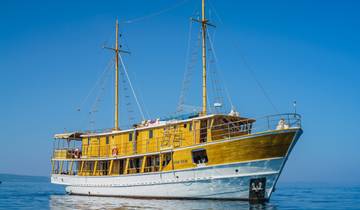
5 days
5-day Dubrovnik to Split, Classic Plus, 18-35s
- ✓ Comprehensive Dubrovnik tour
- ✓ Expert local guides included
- ✓ All accommodation arranged
- ✓ Transportation provided
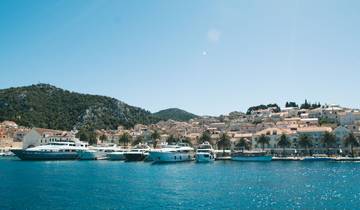
7 days
Explore Croatia
- ✓ Comprehensive Dubrovnik tour
- ✓ Expert local guides included
- ✓ All accommodation arranged
- ✓ Transportation provided
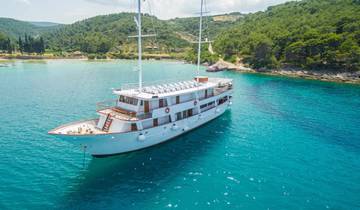
4 days
4-day Split to Dubrovnik, Premier Plus boat, 30-49s
- ✓ Comprehensive Dubrovnik tour
- ✓ Expert local guides included
- ✓ All accommodation arranged
- ✓ Transportation provided

7 days
Dubrovnik and Split, Private Tour
- ✓ Comprehensive Dubrovnik tour
- ✓ Expert local guides included
- ✓ All accommodation arranged
- ✓ Transportation provided
Multi-day tour packages powered by TourRadar. Prices and availability subject to change.
Introduction: Why Elafiti Islands Merit Your 2026 Dubrovnik Itinerary
The Elafiti Islands preserve a Mediterranean island lifestyle largely vanished from more developed Croatian destinations, where the complete absence of motor vehicles creates silence interrupted only by wave sounds, seabird calls, and occasional conversation carrying across stone-paved village streets. The archipelago extends northwest from Dubrovnik across thirteen total islands, though only Koločep, Lopud, and Šipan maintain year-round populations and visitor infrastructure. These three car-free sanctuaries offer distinctly different experiences within the single ferry route: Koločep’s dramatic coastline with swimming caves, Lopud’s combination of baroque village charm and sandy Šunj Beach, and Šipan’s agricultural landscape of olive groves and vine-covered hillsides dotted with Renaissance summer mansions.
The islands’ proximity to Dubrovnik—30 minutes to Koločep, 60 minutes to Lopud, 90 minutes to Šipan by ferry—makes day-trip logistics straightforward compared to more distant Croatian islands requiring overnight stays to justify travel time. Yet this accessibility doesn’t translate to over-tourism outside Šunj Beach’s concentrated summer afternoon crowds. Most island territory remains genuinely quiet, with village populations ranging from 163 residents on Koločep to 419 on Šipan, creating authentic encounters with local life rather than curated tourist experiences. Walking paths connect villages to hidden coves, monastery ruins, and viewpoint panoramas without signage, crowds, or entrance fees, rewarding explorers who venture beyond obvious ferry dock-to-beach circuits.
The public ferry system operated by Jadrolinija makes Elafiti exploration remarkably affordable at €9.82 round-trip per adult during 2026 summer season, a fraction of organized tour costs while offering schedule flexibility independent travelers value. Multiple daily departures (4-6 sailings depending on season and day of week) enable morning departures from Dubrovnik with evening returns, or afternoon escapes from Old Town heat with sunset ferry journeys home. This transportation infrastructure combined with the islands’ compact sizes allows comprehensive single-island exploration within 4-6 hours, or surface-level three-island sampling in 8-10 hour organized tour formats.
Environmental conditions favor the Elafiti Islands throughout the April-October warm season when Adriatic water temperatures support swimming and island restaurants maintain full operations. The pine forest cover distinguishing all three islands provides shade for inland walking even during peak summer heat, while the absence of high-rise development preserves coastal viewsheds unmarred by modern construction. Water clarity surrounding the islands particularly impresses snorkelers and swimmers, with visibility often exceeding 20 meters in the rocky coves favored by those avoiding Šunj Beach’s concentrated crowds.
This guide provides comprehensive 2026 planning information covering verified public ferry schedules and costs, detailed island-by-island exploration recommendations, organized tour comparisons, practical logistics for beach access and dining, and strategic advice for maximizing limited day-trip hours. All pricing reflects current 2026 rates confirmed through Jadrolinija official sources and tour operator websites, with timing recommendations grounded in seasonal realities affecting ferry capacity, beach crowding, and island service availability throughout the year.
Understanding the Elafiti Islands: Geography and Character 2026
The Elafiti archipelago comprises thirteen islands extending northwest from Dubrovnik, with only Koločep, Lopud, and Šipan supporting permanent populations and regular ferry service. The name derives from Greek “elafos” meaning deer, referencing animals once inhabiting the islands during antiquity when Pliny the Elder documented the archipelago in his Naturalis Historia in the 1st century AD. Medieval records show the islands serving as crucial agricultural suppliers to Dubrovnik Republic, with wealthy merchant families constructing summer estates that remain visible today as Renaissance villas and abandoned monastery complexes dotting coastal and hillside locations.
Koločep (also called Kalamota by locals) sits closest to Dubrovnik at 7 nautical miles northwest, covering 2.35 square kilometers with two settlements—Donje Čelo on the southeast coast facing Dubrovnik, and Gornje Čelo on the northwest shore. The island supports 163 year-round residents according to recent census data, with population increasing during summer when seasonal residents return to family properties. A 3-kilometer walking trail connects the two villages through pine and carob forests, olive groves, and citrus gardens creating aromatic tunnels during spring blossom periods. The coastline features dramatic limestone formations with sea caves—notably the Blue Cave and Green Cave near Donje Čelo—where natural light filtering through underwater openings creates luminous water effects attracting snorkelers.
Lopud stretches 4.63 square kilometers with single village concentrated along the protected harbor on the island’s northern coast. Population registers 249 permanent residents, though this swells considerably during summer as Lopud functions as the most tourism-developed Elafiti island with the region’s only beach hotel (Lafodia Resort) and numerous private accommodation rentals. The car-free environment creates pedestrian promenade atmosphere along the waterfront where palm trees and stone buildings create unmistakably Mediterranean scenes. The island’s southern coast harbors Šunj Beach, a 200-meter crescent of golden sand in shallow horseshoe bay—exceptional within Croatia where pebble and rock beaches dominate. This geographical rarity concentrates much Lopud day-trip attention, though the island’s interior trails leading to monastery ruins and fortress overlooks reward those venturing beyond beach-focused visits.
Šipan claims distinction as the largest Elafiti island at 16.22 square kilometers, supporting 419 inhabitants across two main settlements: Šipanska Luka on the western shore and Suđurađ on the eastern coast where ferries arrive. The island’s agricultural character differs markedly from Koločep and Lopud, with extensive olive groves, vineyards, and vegetable gardens supplying local consumption and Dubrovnik restaurants. The flatter topography (highest point Velji Vrh at 243 meters versus Lopud’s 216-meter summit and Koločep’s 125-meter peak) enabled more extensive cultivation, making Šipan the Dubrovnik Republic’s primary agricultural supplier during the 15th-18th centuries when aristocratic families built elaborate summer villas throughout the countryside. These Renaissance estates, often abandoned or converted to rural guesthouses, create unexpectedly grand architecture amid agricultural landscapes. Šipan receives fewer day-trippers than Lopud given the 90-minute ferry journey and lack of sandy beach equivalent to Šunj, making it optimal choice for visitors seeking authentic island life without tourism infrastructure.
All three islands share complete car prohibition creating uniquely quiet environments within the Mediterranean. Bicycles and electric golf carts operate on Lopud (golf carts function as taxis between village and Šunj Beach), while Koločep and Šipan maintain purely pedestrian and bicycle transportation. This car-free status established decades ago preserves the islands’ peaceful character while creating challenges for mobility-limited visitors unable to navigate the walking distances and occasionally steep terrain connecting coastal villages to inland attractions. The pine forest coverage characteristic of all three islands provides welcome shade during summer heat, distinguishing Elafiti landscapes from barren Croatian islands further south where deforestation and grazing eliminated tree cover centuries ago.
Public Ferry Service: Routes, Schedules, and Costs 2026
Jadrolinija operates the primary public ferry service to Elafiti Islands on route 807, running Dubrovnik (Gruž port) – Koločep – Lopud – Suđurađ (Šipan) multiple times daily year-round with expanded summer frequency. The 2026 high season runs May 29-September 27, during which adult one-way fares cost €4.91 to any island (Koločep, Lopud, or Suđurađ) from Dubrovnik. Off-season pricing (January 1-May 28 and September 28-December 31, 2026) drops to €3.40 one-way. Children aged 3-12 pay reduced fares ranging €1.59-2.26 depending on age and season, while children under 3 travel free (infants under 1 noted on accompanying adult’s ticket, ages 1-3 receive complimentary separate ticket).
High season weekday departures (Monday-Saturday) from Dubrovnik typically run at 6:45 AM, 9:15 AM, 12:40 PM, 3:30 PM, and 6:35 PM, with additional sailings sometimes added during peak July-August weeks when demand exceeds capacity. Sunday and Croatian public holiday schedules reduce to 2-3 daily departures, typically morning and late afternoon timing. The ferry stops sequentially at each island: Koločep (30 minutes from Dubrovnik), Lopud (additional 15-30 minutes from Koločep depending on vessel type), and Suđurađ on Šipan (another 15-30 minutes from Lopud). Total journey time Dubrovnik to final Šipan stop runs 75-90 minutes. Return journeys follow reverse sequence, creating timing challenges for travelers attempting multi-island visits using public transport since the ferry must backtrack through previously visited islands.
Tickets must be purchased before boarding either through Jadrolinija’s official website, mobile app, or at the ticket office in Gruž port opposite the main ferry pier. The website sometimes experiences technical issues preventing day-of-travel online purchases, making advance booking 1-2 days prior advisable particularly during summer when morning departures frequently sell out. Tickets designate specific departure times functioning as reservations for that sailing—missing your designated ferry requires purchasing new tickets for next available departure. During peak summer months (July-August), arriving at Gruž port 45-60 minutes before departure enables ticket purchase at the office and guarantees boarding before capacity fills, though earlier departures often board passengers 30 minutes prior making extreme early arrival unnecessary.
The ferry vessel accommodates approximately 390 passengers on the newer electric-powered ships scheduled to enter service 2026, replacing older diesel vessels on route 807. The ships feature both enclosed passenger cabins with seating and open deck areas ideal for photography and enjoying Adriatic views during the crossing. Restroom facilities exist onboard though no food service operates on these relatively short routes. Luggage storage space proves limited, making the service better suited to day-trippers with small bags versus travelers with full suitcases attempting overnight island stays. Bicycle transportation is permitted at no additional charge given the car-free island environments where cycling represents primary transportation alternative to walking.
Inter-island transfers using the public ferry create schedule complexity for travelers attempting multiple island visits in single days. For example, visiting both Lopud and Šipan requires taking the ferry from Dubrovnik to Lopud, spending time there, then catching later ferry continuing to Šipan—but this means the ferry makes the Lopud-Šipan connection by first returning to Koločep, then Dubrovnik in reverse sequence before proceeding forward to Šipan on the next scheduled departure. This routing makes three-island visits via public ferry extremely time-consuming, explaining why most multi-island explorers either choose organized boat tours providing direct inter-island transport or focus day trips on single islands allowing adequate exploration time without ferry transfer stress.
Alternative ferry route 831 offers year-round service to Lopud and Suđurađ (Šipan) but skips Koločep, potentially providing different departure timing options for travelers whose schedules don’t align with route 807. Checking both routes during planning optimizes ferry times though route 807 serves most day-tripper needs given its complete three-island coverage. Summer also brings occasional private catamaran services to Šipanska Luka (Šipan’s western village) rather than Suđurađ, providing access to different island areas though these services operate less frequently than the main Jadrolinija routes.
Organized Boat Tours: Options and Pricing 2026
Group boat tours eliminating ferry schedule dependencies and enabling efficient three-island visits cost €42-65 per person for full-day 8-hour cruises departing from Dubrovnik’s Gruž port around 9:00-9:30 AM with returns by 5:00-6:00 PM. Standard tours visit all three main Elafiti islands—Koločep, Lopud, and Šipan—allocating approximately 60-90 minutes at Koločep and Šipan, and 2-3 hours at Lopud specifically for Šunj Beach time. Most operators include Croatian lunch onboard featuring choice of fish, chicken, or vegetarian options served after the Šipan stop, plus unlimited soft drinks, water, and wine throughout the cruise creating social atmosphere among 30-80 passengers on traditional-style vessels or modern tour boats.
The €42-50 price range represents budget group tours focused exclusively on island visits with basic lunch service, typically operating on larger capacity vessels (60-80 passengers) creating more crowded deck space though enabling lower per-person pricing. The lunch quality varies significantly by operator with budget tours serving simple grilled fish or chicken with vegetables and salad, while mid-range €55-65 tours provide more elaborate meals sometimes including appetizers, desserts, and better wine selections. The higher-priced tours often limit capacity to 40-50 passengers creating more spacious deck areas and easier boarding/disembarking at island stops. Tour inclusions typically specify “unlimited drinks” though this applies to non-alcoholic beverages, water, and house wine—premium spirits and cocktails require additional payment at onboard bars when available.
Half-day tours targeting one or two islands cost €35-50 per person for 4-5 hour excursions, typically focusing on Lopud-Šunj Beach with possible Koločep cave swimming stop. These abbreviated formats work well for travelers with limited time or those preferring to combine island visits with other Dubrovnik activities in single days. The shortened duration usually excludes lunch service though drinks remain included, making the pricing differential versus full-day tours less dramatic than the 50% time reduction might suggest. Half-day tours generally operate afternoon departures allowing morning exploration of Dubrovnik before island escapes, or occasionally early morning formats delivering travelers to islands before peak crowds arrive then returning by early afternoon.
Private speedboat charters accommodating 2-10 people cost €400-500 total for full-day 8-hour tours, breaking down to €40-250 per person depending on group size. These private formats provide maximum flexibility for departure timing (often as early as 7:00 AM to beat crowds), island selection and duration (spending entire day on single island if desired), and activity customization (extended snorkeling stops, secluded cove visits, or specific restaurant reservations). The private boats typically measure 6-8 meters enabling access to smaller coves and beaches inaccessible to larger tour vessels, while the dedicated captain/guide provides personalized attention impossible in group settings. Private tour pricing usually includes drinks (water, soft drinks, beer) though lunch remains separate unless specifically negotiated, with captains typically recommending island restaurants and making reservations on behalf of clients.
Specialized tours focusing on specific activities cost premium rates above standard island-hopping formats. Kayaking and snorkeling combination tours visiting Šipan and smaller uninhabited islands run €65-85 per person including equipment, guides, and sometimes lunch. Blue Cave and Green Cave focused tours emphasizing Koločep’s swimming caves with snorkel gear cost €50-70 for half-day excursions. Sunset cruises to Elafiti islands incorporating swimming stops and drinks run €55-75 per person for evening departures returning after dark, appealing to couples and photographers seeking different lighting conditions than standard daytime tours.
Tour booking considerations emphasize advance reservation during July-August peak season when popular operators sell out 3-7 days ahead. Online booking platforms typically offer better rates than hotel concierge or tourist office bookings, with early booking discounts sometimes available 2-4 weeks in advance. Cancellation policies generally allow full refunds for cancellations 24-48 hours before departure, important protection given weather dependencies—Adriatic storms occasionally force tour cancellations particularly during shoulder season when conditions prove less predictable than stable July-August patterns. Most operators provide hotel pickup from central Dubrovnik accommodations, though some designate central meeting points requiring independent transport to Gruž port where tours depart.
Comparing tour versus independent ferry costs for single travelers: €42 group tour versus €9.82 ferry plus €3 golf cart plus potential €10 sunbed equals €22.82 minimum independent cost, making tours reasonable value when factoring lunch (€12-20 saved), unlimited drinks (€5-10 saved), and inter-island transportation efficiency. For couples and families, the economics shift toward independent ferry advantage as the €42 per-person tour cost (€84-168 for 2-4 people) significantly exceeds public ferry costs even after adding island expenses. Private tours make economic sense primarily for groups of 6-10 where the fixed €400-500 cost divides to €40-83 per person, competitive with group tours while providing far superior experience quality.
Koločep Island: What to See and Do 2026
Koločep functions as the Elafiti Islands’ closest option to Dubrovnik at just 30 minutes ferry time, making it ideal for short half-day escapes or as first stop on multi-island itineraries. The island’s two villages—Donje Čelo on the southeast coast and Gornje Čelo on the northwest—connect via a scenic 3-kilometer walking trail through Mediterranean pine forest, olive groves, and gardens fragrant with citrus and herbs. The walk requires 40-50 minutes at moderate pace with modest elevation gain, rewarding hikers with shaded paths and occasional coastal viewpoints where the Adriatic stretches toward Dubrovnik’s skyline visible across the channel on clear days.
Donje Čelo where ferries arrive presents a small harbor settlement with several restaurants, cafes, and the island’s only hotel (Hotel Kalamota, an adults-only all-inclusive resort). The village waterfront promenade extends approximately 300 meters along the protected harbor where fishing boats moor and locals gather at cafe terraces during evening hours. A small pebble beach adjacent to the village provides swimming access though most visitors prioritize the nearby cave experiences over conventional beach time. St. Nicholas Church dating from the 9th century stands inland from the harbor, featuring pre-Romanesque architectural elements and housing religious artwork from Dubrovnik’s golden age though irregular opening hours make interior visits unreliable for day-trippers.
The Blue Cave (Modra špilja) located along Koločep’s southern coast near Donje Čelo represents the island’s primary attraction, where an underwater cave opening allows sunlight filtering through seawater to create luminous blue light effects illuminating the cave interior. The cave entrance sits at sea level accessible only by boat or swimming from rocky shore access points approximately 15 minutes walk from the village harbor. Tour operators visiting Koločep typically include 15-30 minute swimming and snorkeling stops at the Blue Cave, while independent visitors can hire local boats from Donje Čelo harbor for €5-10 per person for quick transfers. The optimal lighting occurs midday when sun angle maximizes underwater light penetration, though the cave remains impressive throughout afternoon hours. Water depth inside ranges 2-8 meters, making it suitable for swimmers of moderate ability though life jackets are recommended for weak swimmers as currents occasionally pick up near the entrance.
The Green Cave (Zelena špilja) lies nearby along the same coastline, offering similar underwater light effects though with greenish rather than blue luminescence. The twin caves often appear together on tour itineraries allowing visitors to compare the distinct light qualities. Swimming between the caves takes strong swimmers 10-15 minutes across open water, though most visitors utilize boats for transfers given the rocky access points and potential for rougher water conditions when afternoon winds increase. Snorkeling around the cave vicinity reveals clear water visibility often exceeding 20 meters, with rocky bottom habitat supporting various Mediterranean fish species and occasional octopus sightings creating interest beyond the light show itself.
Gornje Čelo village maintains quieter character than Donje Čelo given its position away from ferry arrivals, with small pebble beaches flanking the village on both sides providing swimming access in protected coves. The village features fewer tourist services than Donje Čelo with one or two small cafes operating primarily for local residents and the occasional walker completing the cross-island trail. Summer residences and villa conversions create accommodation options for overnight guests seeking extreme quiet, though day-trippers rarely venture this far given limited distinct attractions beyond general village atmosphere. The waterfront provides pleasant strolling with views across open Adriatic toward the Croatian mainland north of Dubrovnik.
Dining on Koločep concentrates in Donje Čelo where Restaurant Villa Ruža operates the island’s most established waterfront terrace serving fresh grilled fish, seafood risotto, and traditional Dalmatian meat preparations. Expect to pay €15-25 for pasta or risotto, €20-35 for grilled fish charged by weight, and €12-18 for meat dishes with sides. The quality exceeds what the small island population might suggest given the restaurant’s access to Dubrovnik fish markets and motivated ownership seeking to capture tour group lunch business. Several smaller cafe-restaurants along the harbor offer similar menus at modest €2-5 lower prices, suitable for budget lunches or coffee breaks during village exploration. Gornje Čelo’s limited dining means most visitors eat in Donje Čelo if planning island meals rather than bringing picnic supplies.
Recommended time allocation for Koločep visits ranges 2-3 hours for comprehensive coverage including Blue/Green Cave swimming, village walking, and cafe break. Tour itineraries typically provide 60-90 minutes, sufficient for cave swimming and brief village stroll though eliminating time for serious hiking or extended beach relaxation. Independent day-trippers using Koločep as primary destination can easily fill 4-5 hours with cross-island trail walking, extended cave snorkeling, village exploration in both Donje Čelo and Gornje Čelo, and leisurely waterfront lunch. The island’s small size and concentrated attractions make it less compelling for full-day single-island focus compared to Lopud or Šipan where more varied landscapes and activities support extended stays.
Lopud Island and Šunj Beach 2026
Lopud Island combines easily accessible village culture along its northern harbor with exceptional beach swimming at southern coast Šunj Beach, creating the most popular single-island destination among Elafiti visitors. The ferry dock in Lopud village places travelers at the pedestrian promenade extending approximately 1 kilometer along the protected harbor where palm trees, baroque stone buildings, and waterfront cafes create quintessentially Mediterranean atmosphere. The car-free environment enhances the relaxed ambiance with only golf cart taxis occasionally traversing the waterfront road transporting beach-bound visitors to Šunj trailhead.
Lopud village offers several worthwhile exploration targets beyond simply serving as Šunj Beach access point. The 15th-century Franciscan Monastery complex perched on the hillside above the harbor features peaceful cloister courtyards, defensive towers integrated into monastery walls, and the Church of St. Mary of Špilica housing valuable religious artwork including polyptychs by Renaissance masters. The monastery occasionally closes for restoration or during religious observances, though summer months typically see daily afternoon opening 2:00-6:00 PM. The climb from harborfront to monastery requires 10-15 minutes up stone steps rewarding visitors with elevated harbor views encompassing the entire village waterfront and anchored sailboats in the bay. Several abandoned summer villas from Dubrovnik Republic period dot hillsides around the village, some accessible via walking paths though others remain on private property limiting exploration.
Šunj Beach occupies Lopud’s southern coast approximately 2 kilometers from the village harbor, accessible by 25-minute walking trail through pine forest or €3 per person golf cart taxi operating from designated stop just outside the village center. The forest trail provides pleasant shaded walking with modest elevation gain crossing the island’s spine before descending to the beach, though summer midday heat makes the walk challenging for those uncomfortable with exertion. Golf carts depart as passengers accumulate (typically 4-6 people per cart), running continuously 9:00 AM-7:00 PM during peak summer with reduced frequency during shoulder season. The €3 charge applies one-way, making round-trip transport €6 per person or comparable to single sunbed rental cost for those preferring to walk one direction and ride the other.
Šunj Beach stretches approximately 200 meters across a horseshoe-shaped bay with golden sand—exceptional within the Croatian coast where pebble and rock beaches dominate overwhelmingly. The shallow water extending 40-60 meters from shore before deepening significantly creates ideal conditions for families with small children, non-confident swimmers, and anyone preferring to walk into comfortable depth gradually rather than facing immediate drops characteristic of rocky Croatian coasts. Water temperatures during summer (June-September) reach 22-26°C (72-79°F), while shoulder season May and October drop to 18-21°C (64-70°F) still comfortable for swimming though cold-sensitive visitors may find entry challenging. The horseshoe bay orientation provides wind protection particularly against afternoon onshore breezes, maintaining calmer water conditions than exposed beaches facing prevailing winds.
Beach infrastructure at Šunj includes two beach bar-restaurants operating sunbed and umbrella rentals at €10 per lounger for full-day use. The rental system doesn’t enforce strict time limits, with €10 covering use from arrival until departure regardless of hours. Beach service from the restaurants delivers drinks and food to sunbeds for those preferring to remain reclined, with menu offerings including cocktails €7-10, beer €3-5, soft drinks €3-4, and light meals €8-15. The beach bars occupy significant beach frontage creating dense sunbed concentrations during peak afternoon hours when availability becomes limited. Free beach space exists at both ends of the crescent though this area becomes limited during peak summer months (July-August) when day-tripper arrivals peak 11:00 AM-4:00 PM, leaving minimal room for towel placement outside rental zones.
The beach environment generates mixed reactions from visitors based on crowding expectations and rental preferences. Those comfortable paying €10 sunbed charge and accepting proximity to other beach-goers typically rate Šunj highly for the rare sand, shallow water, and service convenience. Budget travelers expecting significant free beach space and quiet atmosphere sometimes express disappointment at the commercialized environment and limited non-rental areas. The beach maintains cleanest conditions during morning hours before peak crowds arrive, while late afternoon after 4:00 PM brings departure waves creating more space though also beginning beach bar service wind-down affecting food and drink availability.
Basic facilities at Šunj include restrooms (€0.50 charge), outdoor showers for sand rinsing, and changing cabins, all concentrated near the central beach bar areas. Shade remains limited outside the umbrella rental zones, with the pine forest ending at beach margins providing morning and late afternoon natural shade but no midday protection. Beach shoes prove useful given occasional sharp shells and hot sand during peak summer midday hours when surface temperatures become uncomfortable for barefoot walking. Lifeguard services do not operate at Šunj, placing swimming safety responsibility with individual visitors despite the family-friendly shallow conditions.
Recommended time at Šunj ranges 2-4 hours for satisfying beach visits including swimming, sunbathing, and refreshments, extending to 5-6 hours for those seeking comprehensive beach day relaxation. Combined with village exploration time (1-2 hours), ferry travel (2 hours round-trip from Dubrovnik), and potential monastery visit (30-60 minutes), a Lopud day trip totals 6-9 hours making it ideal single-island focus for travelers prioritizing beach swimming with cultural supplement rather than pure sightseeing. Morning arrival around 10:00 AM via second ferry departure allows reaching Šunj before peak crowds, enjoying 3-4 beach hours, then returning to village for late lunch before catching 4:00-6:00 PM return ferry to Dubrovnik.
Šipan Island: Authentic Agricultural Character 2026
Šipan Island’s 16.22 square kilometers make it the largest Elafiti island, supporting 419 inhabitants across two main villages—Suđurađ on the eastern coast where ferries arrive, and Šipanska Luka on the western shore. The island’s agricultural character sets it apart from Koločep and Lopud, with extensive olive groves, vineyards, and vegetable gardens creating working landscape rather than pure tourism environment. This authentic rural atmosphere appeals to visitors seeking genuine island life away from beach-focused day-tripper crowds, though the larger size and spread-out attractions require more time investment than compact Koločep or village-plus-beach Lopud formats.
Suđurađ village clusters around the protected harbor where the 90-minute ferry from Dubrovnik terminates, presenting stone buildings, narrow streets, and waterfront promenade lined with cafes and restaurants serving local seafood and island-grown produce. The village showcases several Renaissance summer villas built by Dubrovnik aristocratic families during the 15th-17th centuries when Šipan functioned as the Republic’s agricultural breadbasket and elite retreat. These stone mansions, some maintained as private residences and others converted to small hotels or guesthouses, create unexpectedly grand architecture amid modest village scale. The Skočibuha Palace stands as the most impressive example, though private ownership limits access to exterior appreciation only. Walking the village streets reveals architectural details including carved stone doorways, balconies, and coats of arms indicating the historical importance of what now appears as quiet fishing settlement.
The 5-kilometer road connecting Suđurađ to Šipanska Luka provides the island’s primary walking route, requiring 60-75 minutes at moderate pace with minimal elevation change given Šipan’s flatter topography versus Koločep and Lopud. The route passes through agricultural landscapes of olive terraces, vineyard plots, and vegetable gardens interspersed with occasional summer villas and small family farms. Local residents occasionally operate informal island bus service using small vans during peak summer, though schedules remain irregular requiring inquiry at Suđurađ cafes rather than published timetables. Some visitors hire bicycles (limited availability at Suđurađ) for the cross-island journey, completing the ride in 25-35 minutes while enabling stops at points of interest along the route.
Šipanska Luka village maintains quieter atmosphere than Suđurađ given its distance from ferry arrivals, though seasonal catamaran service sometimes docks here providing alternative access during summer months. The village harbor faces west creating excellent sunset viewing positions from waterfront cafe terraces, while small pebble beaches flanking the settlement enable swimming in protected coves. The village population includes active fishing families whose boats return with daily catches supplying local restaurant menus with exceptional freshness. Several small konobas (traditional taverns) operate in stone buildings around the harbor serving simple grilled fish, octopus salad, and home-produced wine from family vineyards—authentic island cuisine at modest prices rarely found in more tourism-developed Lopud.
Swimming opportunities on Šipan concentrate in numerous small coves and bays around the island’s perimeter, accessible via coastal walking paths from both Suđurađ and Šipanska Luka. These quiet swimming spots lack organized beach infrastructure (no sunbed rentals, bars, or facilities) appealing to visitors preferring natural settings and solitude. Water clarity consistently impresses with visibility often exceeding 20 meters, while the rocky bottom creates interesting snorkeling environments with fish populations and occasionally octopus sightings. The western coast near Šipanska Luka faces open Adriatic sometimes experiencing afternoon wind-driven waves, while Suđurađ’s eastern position provides more protected swimming conditions though potentially less dramatic coastal scenery.
The remains of several monasteries and churches dot Šipan’s landscape accessible to exploratory walkers willing to navigate unmarked paths inland from the coastal villages. The 11th-century Benedictine monastery ruins near Luka, pre-Romanesque St. Michael’s Chapel, and baroque Church of the Holy Spirit in Suđurađ village represent the most accessible examples of Šipan’s religious architectural heritage. These sites rarely maintain regular opening hours, with churches sometimes locked except during Sunday services or feast day celebrations when local families gather for Mass. The historical significance remains visible through exterior architectural features even when interior access proves impossible, satisfying casual cultural interest if not serious art history study.
Dining on Šipan offers superior value and authenticity compared to Lopud’s more tourist-oriented establishments. In Suđurađ, Kod Marka restaurant occupies waterfront position serving grilled fish €18-28 (priced by weight at €35-45 per kilogram), seafood risotto €14-18, and traditional meat dishes €10-15. Tavern Bowa in Šipanska Luka provides even more authentic atmosphere with family recipes including octopus under the bell (octopus and vegetables slow-cooked under metal dome buried in embers) at €16-22, and home-produced wine from estate vineyards. Expect slightly longer service times than polished tourist restaurants as food prepares fresh rather than from pre-cooked batches, rewarding patience with genuine island cooking.
Recommended time allocation for Šipan visits runs 4-6 hours minimum given the 90-minute ferry journey, island size, and spread-out attractions. Attempting Šipan as quick tour stop (typical 60-90 minute allocation) barely allows village stroll and cafe break, sacrificing the agricultural landscape, cross-island walking, and authentic dining experiences justifying travel to this least-developed Elafiti island. Independent day-trippers can easily fill 6-8 hours with thorough village exploration in both Suđurađ and Luka, coastal walking or cycling, extended swimming in quiet coves, and multi-course lunch at family tavern. Šipan works best for travelers specifically seeking quiet, authentic island atmosphere over beach swimming or concentrated sightseeing, making it less suitable for families with restless children or first-time visitors wanting to maximize Elafiti highlights in limited time.
Sample Elafiti Islands Day Trip Itinerary 2026
This sample itinerary demonstrates optimal timing for independent travelers using public ferry transportation focusing on Lopud as primary destination, providing adequate time for both Šunj Beach and village exploration without excessive rushing. The schedule assumes summer season travel when extended daylight and full ferry service enable comprehensive single-island coverage.
8:30 AM – Arrive Dubrovnik Gruž Port: Travel from Old Town accommodation to Gruž port via local bus 1A, 1B, 3, or 6 (€1.50-2 fare), or taxi (€8-12). Allow 20-30 minutes for public transport, 10-15 minutes for taxi. Locate Jadrolinija ticket office opposite main ferry pier if tickets not purchased online in advance.
9:15 AM – Board Ferry to Lopud: Depart Dubrovnik on line 807 ferry stopping first at Koločep (30 minutes) then Lopud (additional 15-30 minutes). Secure deck position for photography during crossing, particularly passing Koločep where Blue Cave becomes visible along southern coastline. Total ferry time to Lopud: 45-60 minutes.
10:00-10:15 AM – Arrive Lopud Village: Disembark at Lopud harbor beginning island exploration from waterfront promenade. Brief village orientation walking east along promenade toward monastery hillside, observing village layout and identifying lunch restaurant options for later meal.
10:20 AM – Golf Cart Transfer to Šunj Beach: Locate golf cart taxi stop (clearly marked outside village center) and board cart to Šunj Beach. €3 per person one-way, 7-10 minute ride through pine forest arriving before peak beach crowds concentrate midday.
10:30 AM-2:30 PM – Šunj Beach Time: Four hours beach allocation including swimming in shallow sandy bay, sunbed rental €10 if desired or use own towel in free zones, refreshments from beach bars including drinks and light lunch. Optimal timing captures morning calm water and pre-noon sun positioning before strongest afternoon heat. Extended swim sessions, beach reading, and relaxed atmosphere justify 3-4 hour commitment versus rushed 90-minute tour allocations.
2:30 PM – Return Walk to Village: Depart Šunj Beach for 25-minute forest trail walk back to Lopud village. The downhill return journey proves easier than uphill outbound direction, with shaded pine forest providing pleasant walking environment despite afternoon warmth. Alternative €3 golf cart return available for those preferring to preserve energy.
3:00 PM – Village Exploration and Lunch: Thorough village walking including Franciscan Monastery visit (if open, typically 2:00-6:00 PM summer hours, free or small €2 donation requested), harborfront promenade stroll, and investigation of abandoned villas and botanical garden areas. Lunch at waterfront restaurant featuring fresh grilled fish €20-30, seafood risotto €15-20, or lighter fare €10-15 with drinks. Allow 90 minutes for combined cultural exploration and dining.
4:30 PM – Waterfront Relaxation: Post-lunch harbor promenade sitting at cafe terrace with coffee or drinks €2-5, enjoying village atmosphere as afternoon light creates warm tones on stone buildings. Optional brief swimming at small pebble beach adjacent to village harbor if seeking additional water time without returning to Šunj.
5:15 PM – Board Return Ferry: Catch early evening departure from Lopud (typical summer schedule includes 3:30 PM, 5:15 PM, and 6:45 PM options, verify exact timing). The 5:15 PM departure allows comfortable day without extreme rushing while returning to Dubrovnik with evening hours available for Old Town dinner or activities.
6:00-6:15 PM – Arrive Dubrovnik Gruž: Ferry journey time 45-60 minutes arriving Gruž approximately one hour after Lopud departure. Return to Old Town via local bus (€1.50-2) or taxi (€8-12).
Total Day Costs: Ferry round-trip €9.82, golf cart one-way €3 (alternative return walk saves €3), optional sunbed €10, beach drinks and snacks €8-12, village lunch €20-30, monastery donation €2, Dubrovnik transport €3-4 bus or €16-24 taxi. Total range: €45-91 per person depending on choices.
This itinerary achieves balanced day combining beach swimming (4 hours), cultural exploration (1.5 hours), dining (1.5 hours), and transport (approximately 3 hours round-trip) totaling 10 hours door-to-door from Dubrovnik accommodation. Adjustments include earlier 6:45 AM ferry departure for more beach time before crowds, or later return ferry at 6:45 PM extending village time but reducing evening hours available in Dubrovnik. The single-island focus prevents rushing characteristic of three-island attempts while delivering comprehensive Elafiti experience through most popular and accessible destination.
Best Time to Visit Elafiti Islands from Dubrovnik 2026
June and September represent optimal months for Elafiti Islands visits in 2026, combining warm swimming weather with reduced tourist concentrations versus peak July-August. June water temperatures reach 20-22°C (68-72°F) in early month progressing to 23-24°C (73-75°F) by month end, creating comfortable swimming conditions though potentially cool for very cold-sensitive individuals preferring July-August warmth of 24-26°C (75-79°F). June weather patterns stabilize after variable May bringing consistent sunny conditions ideal for beach days, while extended daylight approaching summer solstice provides 14-15 hours daily enabling both early morning and evening activities without time pressure.
September maintains summer water warmth particularly in early-mid month when temperatures hold 23-25°C (73-77°F) before gradual decline toward 20-21°C (68-70°F) by month end. The month delivers more stable weather than spring equivalents, with September typically seeing less rainfall than May or October. Tourist volumes drop notably after mid-August when European vacation schedules shift students back to school, creating more spacious conditions on ferries, Šunj Beach, and island restaurants while infrastructure maintains full summer operations through September 27 (official end of high season). The transition brings lower accommodation rates for overnight island stays (30-40% below peak) though day-trippers primarily benefit through less crowded environments rather than direct cost savings on unchanged ferry and tour pricing within season dates.
July-August peak season brings both advantages and significant crowding challenges affecting Elafiti Islands experience quality. Ferry capacity constraints require advance ticket purchase and early Gruž port arrival (45-60 minutes pre-departure) to guarantee boarding during July-August when morning sailings frequently sell out. Šunj Beach reaches maximum density 11:00 AM-4:00 PM when day-tripper arrivals peak, leaving minimal free beach space outside €10 sunbed rental zones and creating packed conditions diminishing the peaceful escape atmosphere many visitors seek. The advantages include maximum ferry frequency (6-7 daily departures versus 4-5 shoulder season), full island restaurant and cafe operations with extended hours, warmest water temperatures, and most reliable sunny weather with July-August seeing only 3-5 rainy days monthly versus 6-8 days during June or September.
May and October extend the season with mild conditions suitable for walking, cultural exploration, and hardy swimming though presenting challenges for beach-focused visits. May water temperatures of 17-19°C (63-66°F) feel cold for most swimmers except those comfortable in cool water or wearing wetsuits, while air temperatures of 18-22°C (64-72°F) create pleasant conditions for hiking and village exploration. October reverses the pattern with still-warm water (19-21°C / 66-70°F early month) meeting cooler air (16-20°C / 61-68°F) as autumn progresses. Ferry schedules during these shoulder months reduce to 3-4 daily departures requiring more careful timing, while some island restaurants operate reduced hours or close entirely, particularly on Koločep and Šipan where year-round tourism infrastructure remains minimal.
Winter months November-April see dramatically reduced services making Elafiti day trips challenging for casual visitors. Ferry frequencies drop to 2-3 daily sailings concentrated morning and early afternoon, many island restaurants close completely, and water temperatures of 13-16°C (55-61°F) eliminate swimming appeal for all except winter swimming enthusiasts. The advantages include absolute solitude on islands where winter populations shrink to small local communities, authentic encounters with island life unmediated by tourism, and dramatically reduced accommodation costs for those considering overnight stays. However, weather unpredictability with frequent rain systems (10-12 days monthly December-January), limited daylight hours (9-10 hours versus 14-15 summer), and restricted dining options make winter visits impractical for most day-trippers focused on beach and swimming activities.
Specific timing considerations within optimal months include avoiding Croatian public holidays when domestic tourism increases ferry capacity pressure and beach crowding. August 15 (Assumption of Mary) represents the absolute worst single day for Elafiti visits, combining maximum summer tourism with major Catholic feast day creating unprecedented crowds. Weekday visits produce less crowded conditions than Friday-Sunday throughout all seasons, with Monday-Thursday offering 20-30% fewer ferry passengers and beach-goers than weekends when local Dubrovnik residents join international tourists for island escapes.
Weather patterns across the annual cycle show Mediterranean characteristics with dry summers, wet winters, and transitional spring/autumn periods. Summer rain remains rare with July-August averaging 3-4 rainy days monthly typically concentrated in brief afternoon thunderstorms rather than all-day systems. Winter December-January brings 10-12 days with precipitation though rarely preventing travel given mild temperatures and rain concentrated morning or evening rather than continuous. Spring and autumn average 6-8 rainy days monthly with occasional multi-day unsettled periods requiring flexible scheduling and weather monitoring for day-trip planning. Sea conditions follow similar patterns with summer bringing calm waters ideal for swimming and snorkeling, while winter and transitional periods see increased wave action and occasional storms affecting ferry schedules through service cancellations.
Practical Tips: Maximizing Your Elafiti Islands Day Trip 2026
Ferry ticket purchase strategy significantly impacts experience quality particularly during peak summer months. Online booking through Jadrolinija’s official website or mobile app 1-2 days in advance guarantees tickets for desired departures, eliminating morning ticket office queues at Gruž port where lines extend 30-45 minutes during July-August peak periods. The website sometimes experiences technical issues preventing same-day purchases, making advance booking essential insurance against day-of-travel complications. Alternative ticket purchase at Gruž office requires arriving 45-60 minutes before departure during summer, though shoulder season allows more casual 30-minute advance arrival. Tickets designate specific departure times functioning as reservations—missing designated ferry requires purchasing new tickets for next available sailing potentially disrupting entire day plans.
Beach essentials for Šunj visits include sun protection (high-SPF sunscreen, hat, sunglasses), beach shoes or sandals for hot sand during midday hours, water bottles given limited beach bar pricing (€3-4 for water), and your own beach umbrella or shade structure if avoiding €10 sunbed rental. The pine forest backing Šunj provides no shade directly on beach sand, making sun protection critical during the 11:00 AM-3:00 PM period when UV intensity peaks. Beach towels are essential for those skipping sunbed rentals, with oversized towels enabling comfortable sand sitting/lying given the limited free beach space during peak afternoon hours. Snorkeling gear proves less essential at Šunj given the sandy bottom and shallow water, though rocky areas at beach periphery support some marine life for those carrying masks and fins.
Dining strategy considerations balance convenience against quality and cost. Pre-made picnic lunches purchased from Dubrovnik supermarkets before ferry departure enable beach eating at minimal cost (€8-12 per person for bread, cheese, meats, fruits, drinks) versus €12-25 restaurant meals on islands. However, the picnic approach sacrifices authentic island dining experiences and supporting local economies, making the restaurant option worthwhile for visitors prioritizing cultural immersion. Island restaurants accept both cash and cards though some smaller Šipan establishments prefer cash, making €40-60 cash reserves prudent for those planning island meals. Waterfront restaurants in Lopud village command 15-25% premium pricing versus equivalent quality establishments one street inland, rewarding brief exploration beyond obvious harborfront locations.
Photography timing optimization recognizes that morning light favors east-facing locations while afternoon illuminates west-facing scenes. Lopud village harbor faces northeast receiving optimal morning light 8:00-11:00 AM, while Šunj Beach’s south-facing orientation provides consistent lighting throughout day though golden hour warmth appears during late afternoon 4:00-6:00 PM (summer timing). Koločep’s Blue Cave achieves maximum light effect midday when sun angle optimizes underwater light penetration, making 11:00 AM-2:00 PM the preferred timing window for cave photography. Šipan’s Šipanska Luka facing west becomes dramatically lit during sunset creating excellent evening photography opportunities for those willing to accept later ferry returns to Dubrovnik.
Physical preparation acknowledges that car-free islands require significant walking on occasionally uneven terrain. The Lopud village-to-Šunj Beach forest trail covers 2 kilometers with modest elevation gain manageable for average fitness levels, though summer heat makes the walk challenging midday requiring early morning timing or acceptance of €3 golf cart alternative. Comfortable walking shoes rather than flip-flops prove essential for forest trails and village exploration where cobblestone streets and stone steps dominate. Mobility-limited visitors face challenges given the absence of wheelchair-accessible routes to Šunj Beach and the stepped/sloped nature of village centers, making organized boat tours with beach wheelchair assistance preferable to independent ferry travel.
Luggage and storage considerations recognize that ferries provide limited bag space making day trips better suited to small backpacks or beach bags versus rolling suitcases. No formal luggage storage exists at island ferry docks, requiring travelers to carry belongings throughout island exploration or leaving items unattended at beach (generally safe though not recommended for valuables). Waterproof bags prove useful for protecting phones, wallets, and documents during beach activities, while day-trippers should minimize valuables carried to islands reducing security concerns and worry during swimming when belongings remain onshore.
Weather contingency planning recognizes that Adriatic storms occasionally force ferry cancellations particularly during shoulder season when conditions prove less predictable than stable summer patterns. Travelers should verify ferry operations morning of travel by checking Jadrolinija website or calling Gruž port office, particularly after overnight rain or wind when sea state might affect sailings. Alternative activity planning proves prudent for flexibility when island trips prove impossible due to weather, with Dubrovnik offering abundant Old Town attractions, museums, and restaurants as backup options. Tour operators typically offer full refunds or reschedule options for weather-cancelled trips, while independent ferry ticket holders face more complex rebooking requiring ticket office visits for refund processing.
Safety considerations for swimming emphasize that beaches lack lifeguard supervision placing responsibility entirely on individual swimmers. Šunj’s shallow water creates family-friendly conditions though swimmers should remain aware of occasional currents particularly near bay entrance during incoming/outgoing tides. The rocky swimming coves on Koločep and Šipan present sea urchin presence requiring careful entry and foot protection, with water shoes recommended for rocky beach access. Snorkeling in caves demands reasonable swimming ability and awareness of tide and current patterns that occasionally create stronger water movement near cave entrances. Medical facilities exist only in Dubrovnik, making minor injury first aid reliant on fellow travelers or returning to mainland for professional care.
Frequently Asked Questions: Elafiti Islands Day Trip 2026
How long does the ferry take from Dubrovnik to Elafiti Islands 2026?
Ferry journey times from Dubrovnik to Elafiti Islands in 2026 range 30-90 minutes depending on destination island. Koločep requires approximately 30 minutes as the first ferry stop, Lopud takes 45-60 minutes as the second stop (30 minutes to Koločep plus 15-30 minutes Koločep-to-Lopud segment), and Šipan’s Suđurađ port reaches 75-90 minutes total as the final destination. Journey times vary based on vessel type with some ferries stopping longer at intermediate islands for passenger boarding while others minimize port time, and sea conditions occasionally extend crossings during rougher water periods. Return journeys follow identical timing in reverse sequence, meaning Šipan-to-Dubrovnik requires the same 75-90 minutes stopping at Lopud and Koločep en route. These moderate crossing times make all three islands feasible for day trips without excessive transportation hours consuming limited vacation time.
Is Šunj Beach worth visiting in 2026?
Šunj Beach merits visits specifically for travelers prioritizing rare sandy beach swimming with shallow family-friendly water unavailable at Dubrovnik’s predominantly rocky beaches, though expectations should account for commercialized environment with significant sunbed coverage and summer crowds. The beach genuinely delivers exceptional sand quality and gentle water entry ideal for small children, non-confident swimmers, and anyone preferring gradual depth increase versus immediate drops at rocky beaches. However, the concentration of rental sunbeds (€10 per lounger) limits free beach space significantly during peak summer afternoons when day-tripper arrivals peak, creating packed conditions that disappoint visitors expecting tranquil isolated beach scenes. Morning arrivals before 11:00 AM or late afternoon after 4:00 PM find more spacious conditions and available free zones outside rental areas. Šunj works best for families accepting the rental costs, beach bar service, and social atmosphere as reasonable tradeoffs for sand and shallow water, while budget travelers or solitude-seekers may prefer Koločep’s or Šipan’s quieter rocky coves despite less convenient swimming access.
Can you swim in Elafiti Islands in May or October 2026?
Swimming in Elafiti Islands during May and October 2026 remains physically possible though water temperatures of 17-21°C (63-70°F) feel cold for most recreational swimmers preferring warmer June-September conditions. May water temperatures typically range 17-19°C (63-66°F), gradually warming through the month as spring transitions toward summer, while October sees 19-21°C (66-70°F) early month declining toward 17-18°C by month end. These temperatures prove comfortable for hardy swimmers accustomed to cool water, wetsuit users, and those willing to accept brief dips rather than extended swimming sessions, but feel uncomfortably cold for many casual beach visitors especially children and those preferring to spend hours in water. Air temperatures during these months (18-22°C May, 16-20°C October) provide pleasant conditions for sunbathing when in direct sun, though emerging from cool water into moderate air creates chill requiring immediate toweling and potentially warm clothing. Visitors specifically prioritizing swimming should target June-September peak season, while May and October work better for those emphasizing walking, cultural exploration, and potential brief swimming as secondary activity.
Are there restaurants on Elafiti Islands in 2026?
All three inhabited Elafiti Islands—Koločep, Lopud, and Šipan—maintain restaurants and cafes operating throughout the April-October tourist season with some establishments remaining open year-round for local populations. Lopud offers the most extensive dining options with 8-10 waterfront restaurants along the harbor promenade serving fresh grilled fish (€20-35 depending on species and weight), seafood risotto (€15-20), pasta dishes (€12-18), and traditional Dalmatian meat preparations (€12-22). Koločep operates 3-4 restaurants concentrated in Donje Čelo near ferry arrival, maintaining similar pricing and menu focus on seafood and grilled fish. Šipan provides authentic dining experiences at family-run taverns in both Suđurađ and Šipanska Luka villages, often featuring home-grown produce, estate wines, and traditional recipes like octopus under the bell (€16-22) unavailable in more tourist-oriented establishments. All island restaurants accept both cash and major credit cards though smaller Šipan taverns sometimes prefer cash. Summer peak season (June-September) brings full operations with extended hours often until 11:00 PM, while shoulder season (April-May, October) sees reduced hours and occasional closures on slower weekdays. Winter months (November-March) dramatically reduce options with many restaurants closing completely until spring.
Do I need to book Elafiti Islands tour in advance for 2026?
Advance booking requirements for Elafiti Islands tours depend on travel timing and tour type. Peak summer months (July-August) require booking organized group tours 3-7 days in advance as popular operators consistently sell out, particularly for departures on weekends and during the critical August 15 holiday period when demand exceeds capacity. Shoulder season months (May-June, September) allow more spontaneous booking 1-2 days ahead though popular tours still fill during extended holiday weekends. Private speedboat charters demand longest advance notice during peak season often requiring 5-10 days booking lead time given limited vessel availability and the popularity of private formats among families and small groups willing to pay premium pricing. Independent public ferry travel requires no advance booking outside peak summer when morning departures (6:45 AM, 9:15 AM) frequently reach capacity, making 1-2 day ahead online ticket purchase or early morning ticket office arrival advisable. Off-season travel (October-April) enables spontaneous decisions given reduced tourist volumes, with same-day tour bookings and walk-up ferry ticket purchases generally succeeding without difficulty though advance verification of tour operations prevents disappointment from seasonal schedule reductions or weather cancellations.
Which is better: organized tour or independent ferry to Elafiti Islands 2026?
The optimal choice between organized tours and independent ferry travel depends on priorities balancing convenience against cost and flexibility. Organized tours excel for first-time visitors wanting efficient three-island coverage without ferry schedule navigation, families appreciating included lunch and drinks eliminating meal planning, and travelers valuing guided commentary about island history and culture. The €42-65 per person tour cost provides reasonable value when factoring included lunch (€12-20 saved), unlimited drinks (€5-10 saved), and direct inter-island boat transport unavailable via public ferries requiring backtracking through previously visited islands. Independent ferry travel suits budget-conscious travelers (€9.82 round-trip versus €42+ tours), couples and small groups where per-person tour costs multiply quickly (€84-130 for two people touring versus €19.64 ferry), and anyone preferring extended single-island immersion rather than rushed multi-island sampling. Ferry independence enables spending 5-6 hours on preferred island versus typical 60-90 minute tour allocations per location, critical advantage for beach enthusiasts wanting adequate Šunj time or cultural explorers thoroughly walking Šipan’s villages and countryside. The ferry disadvantage involves schedule adherence requirements and potential crowding during peak summer when advance planning becomes essential, while tours handle all logistics allowing relaxed participation.
Is Elafiti Islands day trip suitable for families with young children in 2026?
Elafiti Islands day trips work well for families with young children particularly those focusing on Lopud and Šunj Beach, where the rare sandy beach with shallow water provides ideal conditions for toddlers and young swimmers uncomfortable at Dubrovnik’s rocky beaches. The 45-60 minute Dubrovnik-to-Lopud ferry journey remains manageable for most children though restless toddlers may find the crossing challenging without engaging activities—parents should bring entertainment (tablets, books, snacks) for ferry time. Šunj Beach’s gradual depth increase extending 40-60 meters offshore enables small children to play in ankle-to-knee-deep water safely, while the sandy bottom proves more comfortable than rocks for sitting and digging activities occupying young attention spans. The car-free island environment eliminates traffic safety concerns allowing children to roam village streets freely, though the 25-minute forest walk from Lopud village to Šunj Beach may prove too long for very young children making the €3 golf cart taxi essential transportation. Organized tours provide the most family-friendly format through included meals reducing restaurant coordination, bathroom facilities onboard ferries, and predictable schedules eliminating the independent travel uncertainties that stress parents managing young children. Tour durations of 8 hours prove long for children under 5-6 years old often requiring naps, making independent ferry approaches allowing flexible timing and earlier returns potentially superior for families with very young children despite the convenience advantages of organized formats.
What should I bring for Elafiti Islands day trip 2026?
Essential items for Elafiti Islands day trips in 2026 include sun protection (SPF 30+ sunscreen, hat, sunglasses), swimsuit and beach towel, comfortable walking shoes suitable for forest trails and cobblestone village streets, water bottle (refillable to avoid €3-4 island prices), and cash euros for golf cart taxis, potential sunbed rentals, and restaurant meals at smaller establishments preferring cash over cards. Beach-focused visits to Šunj require beach shoes or sandals for hot sand during midday hours, while snorkeling enthusiasts visiting Koločep’s caves benefit from personal masks and fins though rental options exist on organized tours. Light daypack or beach bag carries essentials without excessive bulk given ferry space constraints and need to transport belongings during island walking. Waterproof phone cases or dry bags protect electronics during beach time, while modest clothing layers accommodate morning ferry coolness versus midday beach heat. Families with young children should pack entertainment for ferry journeys (tablets, books, small toys), snacks supplementing island restaurant meals, and any specific items like baby formula or particular food requirements unavailable on small islands with limited shopping options. Photography enthusiasts benefit from extra camera batteries and memory cards given full-day shooting opportunities without reliable charging access. Motion sickness medication proves useful for ferry-sensitive travelers though Adriatic crossings remain generally calm during summer months. Sunscreen and sun protection deserve emphasis as Adriatic sun intensity surprises many visitors leading to severe sunburns affecting remaining vacation days—reapplication every 2 hours during beach time is essential rather than optional.
Can you visit Elafiti Islands from Dubrovnik in winter 2026?
Winter Elafiti Islands visits from Dubrovnik remain technically possible November-March 2026 though dramatically reduced ferry service (2-3 daily sailings versus 5-6 summer), limited island restaurant operations (many closed completely until April), and cold water temperatures of 13-16°C (55-61°F) eliminating swimming appeal make winter trips impractical for typical beach-focused tourism. The advantages center on extreme solitude with island populations shrinking to small year-round communities creating authentic encounters with local life unmediated by tourism, dramatically reduced accommodation costs for those considering overnight stays (40-50% below summer rates), and weather conditions occasionally producing spectacularly clear Mediterranean winter light ideal for photography during the brief windows between rain systems. However, weather unpredictability brings frequent rain (10-12 days monthly December-January), limited daylight hours (9-10 hours versus 14-15 summer), and potential ferry cancellations during storms affecting schedule reliability. Winter visits work best for photography enthusiasts, cultural travelers prioritizing island villages over beaches, and hardy travelers comfortable with uncertainty and minimal services. Standard beach-and-swimming day-trippers should restrict visits to April-October when infrastructure operates fully and Adriatic temperatures support water activities central to Elafiti Islands appeal.
How crowded are Elafiti Islands in peak summer 2026?
Elafiti Islands crowding during peak summer 2026 (July-August) concentrates heavily at Šunj Beach on Lopud during midday hours 11:00 AM-4:00 PM when day-tripper arrivals peak, creating packed conditions with limited available free beach space outside €10 sunbed rental zones. The beach achieves maximum capacity during this window with hundreds of visitors sharing the 200-meter crescent, though the concentration creates social beach club atmosphere some visitors enjoy despite the crowding. Ferry services experience capacity pressures requiring advance ticket purchase and early port arrival (45-60 minutes pre-departure) to guarantee boarding on preferred sailings. Beyond Šunj specifically, the islands maintain relatively uncrowded character even during peak season—Lopud village absorbs crowds across its kilometer-long promenade preventing overwhelming density, while Koločep and Šipan see modest tourist volumes given their less prominent positioning in day-trip marketing. Strategic timing mitigates crowding significantly: early morning ferries (6:45 AM departure) deliver travelers to Šunj before main crowds arrive around 11:00 AM when tour boats and later ferries disgorge passengers, while late afternoon beach visits after 4:00 PM find departure waves creating spacious conditions. Weekday visits produce 20-30% fewer crowds than Friday-Sunday throughout summer when local Dubrovnik residents join international tourists. September offers the optimal crowd-versus-weather compromise maintaining warm conditions while reducing tourist volumes 30-40% below August peak as European school schedules resume.