
El Calafate to El Chaltén 2026: Day Trip or Overnight?
Key Takeaways
- Day trips from El Calafate to El Chaltén in 2026 cost $150-200 per person but severely limit hiking opportunities and UNESCO Los Glaciares exploration
- Overnight stays allow access to world-class trekking routes including Laguna de los Tres and Laguna Torre with 2-3 full hiking days
- Bus transportation runs daily year-round with 3-hour journey times and costs $35-45 per person each way in 2026
- Multi-day stays provide better value for serious hikers and photographers seeking comprehensive Patagonian mountain experiences
- Winter visits (June-August 2026) offer lowest accommodation rates but restricted trail access and challenging weather conditions
- Advance booking 2-3 months ahead secures better rates and guarantees transportation during peak summer season (December-February 2026)
Planning Your El Calafate to El Chaltén Trip in 2026
El Chaltén stands as Argentina’s trekking capital and gateway to the northern section of Los Glaciares National Park, a UNESCO World Heritage site renowned for its dramatic mountain landscapes and pristine wilderness. Located 215 kilometers north of El Calafate, this small mountain village serves as the trailhead for some of South America’s most spectacular day hikes and multi-day treks beneath the iconic Mount Fitz Roy.
The decision between a day trip and overnight stay fundamentally shapes your Patagonian experience in 2026. Day trips offer convenience for travelers with limited time or those prioritizing glacier visits from El Calafate, but the 6-hour round-trip transportation severely restricts actual hiking time. Overnight stays unlock the full potential of El Chaltén’s world-class trekking network, allowing proper acclimatization, multiple trail experiences, and the flexibility to adapt to Patagonia’s notoriously unpredictable weather patterns.
Understanding the trade-offs between these approaches requires examining transportation logistics, cost implications, hiking opportunities, and seasonal considerations specific to 2026 travel planning. This comprehensive guide provides the detailed analysis needed to make an informed decision aligned with your Patagonian adventure goals, fitness level, and travel timeline.
People Also Ask About El Calafate to El Chaltén 2026
Can you do El Chaltén as a day trip from El Calafate in 2026?
Yes, day trips from El Calafate to El Chaltén operate throughout 2026, but the experience is substantially limited. The 215-kilometer journey takes approximately 3 hours each way, consuming 6 hours of your day purely for transportation. After accounting for a lunch break, you have roughly 4-5 hours in El Chaltén itself. This timeframe allows only the shortest trails like Laguna Capri (2-hour round trip) or the initial section of Laguna de los Tres trail, missing the spectacular mountain viewpoints that require 8-10 hours to complete properly.
Day trip tours cost $150-200 per person in 2026 and include round-trip bus transportation with guide commentary, but exclude meals and park entrance. Independent travel via public bus costs $70-90 round trip, offering more flexibility in timing but requiring careful schedule coordination. The restricted timeframe means missing golden hour photography opportunities, rushing through trails without proper acclimatization, and eliminating the possibility of attempting multiple hikes or adapting to weather windows.
For travelers whose primary Patagonian focus is Perito Moreno Glacier and other El Calafate attractions, a day trip provides adequate introduction to El Chaltén’s mountain scenery. However, serious hikers and photographers find the compressed schedule frustrating and recommend overnight stays to properly experience the UNESCO Los Glaciares landscapes.
How much does transportation from El Calafate to El Chaltén cost in 2026?
Public bus transportation between El Calafate and El Chaltén costs $35-45 per person one-way in 2026 for standard service. Multiple companies including Chaltén Travel, Cal-Tur, and Las Lengas operate daily departures year-round with varying schedules and price points. Premium buses with larger seats and onboard refreshments charge $50-60 per person, while budget services occasionally offer promotional fares of $30-35 during shoulder season.
Round-trip tickets purchased together typically provide 10-15% discount compared to buying separate one-way fares. Advance online booking through company websites secures guaranteed seats during peak summer months (December-February 2026) when buses frequently sell out. Walk-up purchases at El Calafate bus terminal work well during off-peak periods but risk availability issues during high season.
Private transfer services cost $280-350 for vehicles accommodating up to 4 passengers, making them cost-effective for small groups seeking flexible departure times or carrying substantial gear. Shared shuttle services occasionally operate for $60-80 per person with door-to-door hotel pickup, though availability varies seasonally and requires advance reservation.
Is El Chaltén worth visiting in 2026 if you only have limited time?
El Chaltén merits visiting in 2026 even with limited time, but the experience quality depends heavily on duration and expectations. A single overnight stay allows completion of one major trail (Laguna de los Tres or Laguna Torre) with proper pacing and photography time, representing significant upgrade over rushed day trip constraints. Two nights enable both signature hikes plus shorter trails, weather backup days, and genuine immersion in the mountain village atmosphere.
The village itself offers minimal attractions beyond hiking – a few restaurants, outdoor gear shops, and microbreweries cater to the trekking community. Travelers seeking diverse activities or comfort-focused experiences may find El Chaltén’s outdoor-centric nature less appealing than El Calafate’s broader service infrastructure. However, the hiking opportunities within Los Glaciares National Park rank among South America’s finest, with free trail access and spectacular mountain scenery accessible directly from town.
Budget-conscious travelers appreciate El Chaltén’s free camping areas and relatively affordable hostel accommodation compared to El Calafate’s higher prices. Photography enthusiasts value the extended golden hour opportunities and dramatic mountain light conditions. Adventure travelers prioritize the authentic Patagonian trekking experience over tourist amenities. Ultimately, El Chaltén rewards those who embrace its wilderness character and allow sufficient time to properly engage with the mountain environment.
What is the best season to travel from El Calafate to El Chaltén in 2026?
December through February 2026 provides optimal conditions for traveling from El Calafate to El Chaltén, with longest daylight hours (sunset around 10 PM), most reliable trail access, and full service infrastructure operating in both towns. Summer weather patterns bring unpredictable conditions including strong winds and occasional rain, but trails remain open and accessible. Temperatures range 10-20°C during daytime with extended photography windows during prolonged twilight hours.
March and November offer excellent shoulder season opportunities with 30-40% lower accommodation costs, fewer crowds on trails, and dramatic seasonal transitions. Autumn colors peak in March-April while spring wildflowers emerge in October-November. Daylight hours decrease but remain adequate for completing major hikes. Weather variability increases, requiring flexible itineraries and backup plans for trail closures.
June through August represents winter low season with heavily discounted accommodation rates ($30-50 per night for hostels) but significant limitations. Many trails close due to snow and ice, restaurants reduce hours or close entirely, and bus schedules decrease to 1-2 departures daily. Winter visits suit experienced mountaineers seeking solitude and technical challenges but frustrate casual hikers expecting summer trail access.
Extended multi-day tours – 5+ days
Featured Park Los Glaciares National Park Multi-Day Tour Packages
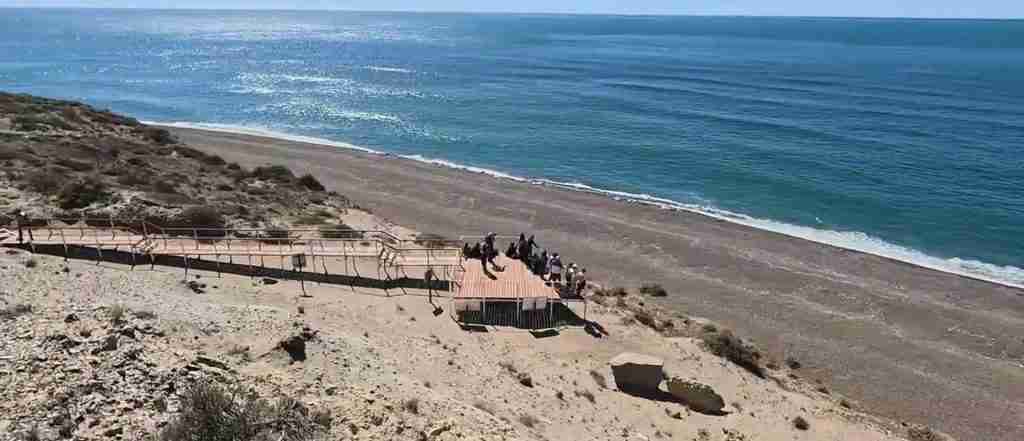
3 days
Park Los Glaciares National Park 3-Day Discovery Tour
- ✓ Comprehensive Park Los Glaciares National Park experience
- ✓ Expert local guides included
- ✓ All accommodation included
- ✓ Transportation provided
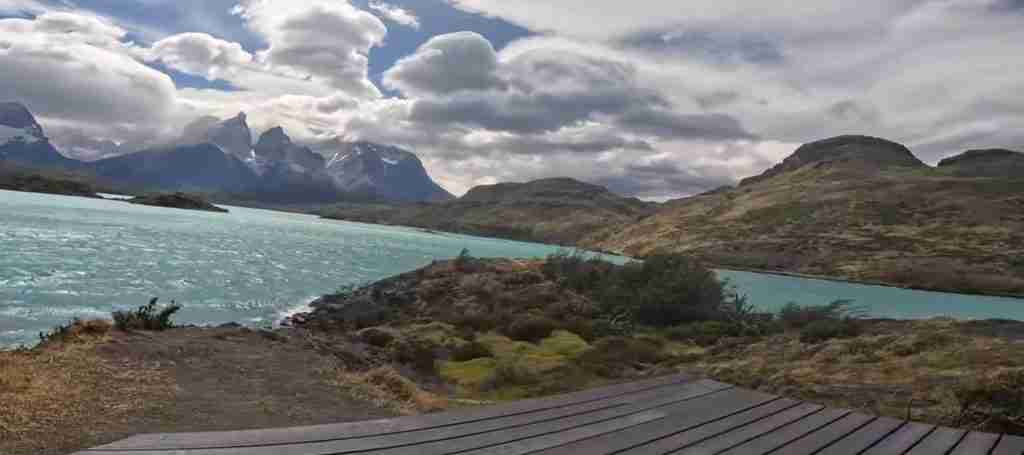
5 days
Park Los Glaciares National Park 5-Day Highlights Experience
- ✓ Comprehensive Park Los Glaciares National Park experience
- ✓ Expert local guides included
- ✓ All accommodation included
- ✓ Transportation provided
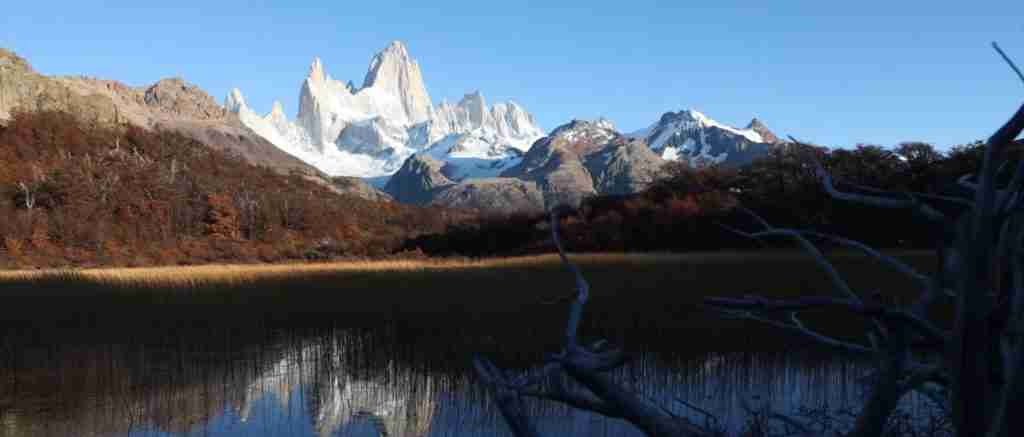
7 days
Park Los Glaciares National Park 7-Day Cultural Journey
- ✓ Comprehensive Park Los Glaciares National Park experience
- ✓ Expert local guides included
- ✓ All accommodation included
- ✓ Transportation provided
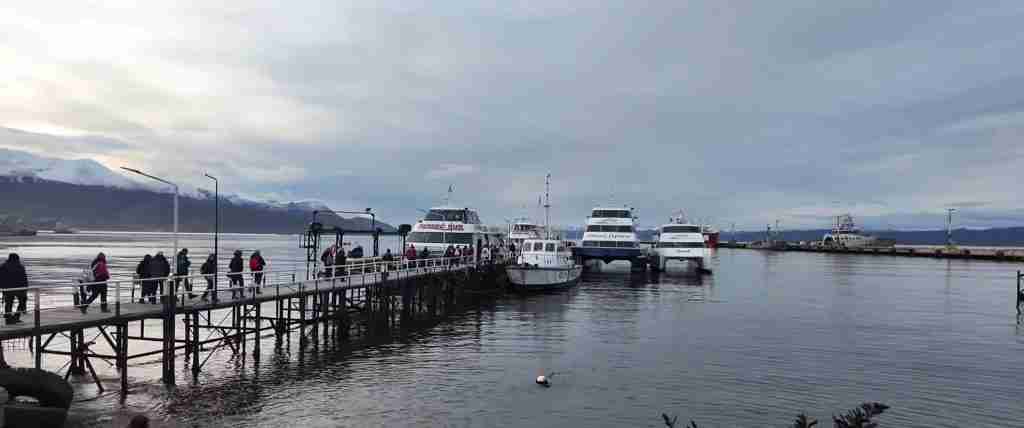
10 days
Park Los Glaciares National Park 10-Day Complete Adventure
- ✓ Comprehensive Park Los Glaciares National Park experience
- ✓ Expert local guides included
- ✓ All accommodation included
- ✓ Transportation provided
Multi-day tour packages powered by TourRadar. Prices and availability subject to change.
Understanding the Day Trip Option 2026
Transportation Logistics and Schedules
Day trip buses from El Calafate to El Chaltén depart between 7:30-8:30 AM throughout 2026, arriving in El Chaltén around 11:00 AM-12:00 PM depending on departure time and road conditions. Return journeys leave El Chaltén between 4:30-6:00 PM, reaching El Calafate by 8:00-9:00 PM. The 215-kilometer route follows Ruta Provincial 11 and Ruta Nacional 40, passing through dramatic Patagonian steppe landscapes with occasional wildlife viewing opportunities including guanacos and condors.
Tour operators provide bilingual guides offering commentary on regional geography, history, and ecology during the journey. Standard buses include reclining seats and luggage storage, while premium services add onboard refreshments and panoramic windows. Most tours stop at scenic viewpoints including Viedma Lake overlooks and the El Chaltén entrance sign for photographs, adding 20-30 minutes to total travel time.
Independent travelers using public buses follow similar schedules but lack guided commentary and coordinated viewpoint stops. Bus terminals in both towns are centrally located within walking distance of accommodations. Luggage allowances permit standard backpacks and day packs without additional fees, though oversized items or camping gear may incur surcharges of $10-15.
What You Can Actually Accomplish
A realistic day trip timeline in 2026 allocates 4-5 hours in El Chaltén after accounting for transportation, lunch, and contingency time. This window permits completion of Laguna Capri trail (3.5 kilometers, 2 hours round trip, 200-meter elevation gain), offering excellent Mount Fitz Roy views from forested lakeside setting. Alternatively, hikers can attempt the first half of Laguna de los Tres trail, reaching Laguna Capri and Campamento Poincenot (7 kilometers, 3-4 hours) before turning back without completing the steep final ascent to the lagoon viewpoint.
The compressed schedule eliminates the possibility of completing El Chaltén’s signature full-day hikes. Laguna de los Tres requires 8-10 hours including the challenging final 400-meter climb to the viewpoint. Laguna Torre demands 6-8 hours for the full 20-kilometer round trip. Attempting these trails under day trip time constraints forces dangerous rushing, inadequate breaks, and missing the spectacular viewpoints that justify the effort.
Photography opportunities suffer significantly from the abbreviated timeframe. Arriving midday means harsh overhead lighting rather than ideal morning or evening conditions. The famous Fitz Roy sunrise (requiring 4:00 AM starts from El Chaltén) and sunset sessions (peaking around 9:30-10:00 PM in summer) become impossible. Weather windows require flexibility – if morning brings clouds or rain, afternoon clearing provides no opportunity to return to trails for improved conditions.
Cost Analysis of Day Trips 2026
Organized day trip tours from El Calafate to El Chaltén cost $150-200 per person in 2026 including round-trip transportation and guide services. Check tour operator websites for current official rates as pricing may vary. These packages exclude lunch (budget $25-35 for restaurant meals in El Chaltén), snacks ($10-15), and optional expenses like gear rental or souvenir purchases.
Independent day trips using public buses cost $70-90 for round-trip transportation, lunch $25-35, snacks $10-15, plus contingency funds for weather-related changes. Total day cost ranges $105-140 per person excluding El Calafate accommodation. This represents similar expense to organized tours but requires more logistical coordination and Spanish language capability for bus ticket purchases.
Hidden costs of day trips include missed accommodation savings in El Chaltén (where camping costs $8-10 per person versus $60-120 for El Calafate hotels) and inability to prepare budget meals using hostel kitchens. The compressed timeline also necessitates purchasing lunch rather than carrying packed food, adding $15-20 to daily costs compared to overnight stay options.
Overnight Stay Strategy 2026
Transportation Planning for Multi-Day Visits
One-way bus tickets from El Calafate to El Chaltén cost $35-45 per person in 2026, with multiple daily departures providing scheduling flexibility. Morning buses (8:00-9:00 AM) arrive by midday allowing afternoon trail exploration or town orientation. Afternoon buses (1:00-3:00 PM) suit travelers departing El Calafate after morning Perito Moreno Glacier visits, though late arrival limits first-day hiking options.
Return journey scheduling depends on intended departure time from El Chaltén. Early morning buses (7:00-8:00 AM) work well for travelers with afternoon El Calafate flights or onward travel connections. Midday departures (12:00-2:00 PM) allow morning hiking before checkout, maximizing final day trail time. Evening buses (4:00-6:00 PM) provide full final hiking day but risk missing connections if delays occur.
Advanced booking 1-2 weeks ahead guarantees seats during peak December-February season when buses frequently sell out. Shoulder season (March-April, October-November) permits more flexible walk-up purchases, while winter (May-September) sees reduced schedules requiring careful coordination. Online booking through company websites costs the same as terminal purchases while securing guaranteed seating and allowing itinerary planning before arrival.
Accommodation Options and Costs
El Chaltén accommodation in 2026 ranges from free camping to luxury lodges, with prices varying dramatically by season and booking timing. Municipal campgrounds charge $8-12 per person per night for basic facilities including cold-water bathrooms and picnic tables. Private campgrounds cost $15-25 per person with hot showers, kitchen access, and WiFi. Both options require carrying camping gear or renting locally at $25-40 per day for complete setups.
Hostel dormitory beds cost $30-50 per night during peak summer season, dropping to $18-28 in shoulder periods and $15-25 in winter. Private hostel rooms run $80-140 for doubles with shared bathrooms, $120-180 with private facilities. Mid-range hotels charge $150-250 per double room in summer, $90-150 in shoulder season. Breakfast inclusion varies – some properties provide extensive buffets while others charge $12-18 for basic continental service.
Advance booking 2-3 months ahead secures better rates and ensures availability during peak travel periods. Last-minute bookings during shoulder season sometimes yield discounts of 20-30% as properties prefer filling rooms over maintaining list prices. Winter visits offer exceptional value with luxury properties charging summer mid-range rates, though limited operating properties and reduced services affect options.
Hiking Opportunities Unlocked
Two nights in El Chaltén (providing two full hiking days) allows completion of both signature trails: Laguna de los Tres and Laguna Torre. The Laguna de los Tres route covers 20 kilometers round trip with 800-meter elevation gain, requiring 8-10 hours including breaks and photography time. The trail ascends through southern beech forests to Campamento Poincenot base camp before the steep final climb rewards hikers with spectacular Fitz Roy and Cerro Torre views.
Laguna Torre trail offers gentler 20-kilometer round trip with 300-meter elevation gain, suitable for moderate fitness levels. The 6-8 hour journey follows the Fitz Roy River valley through varied terrain including forests, meadows, and glacial moraine fields before reaching the milky-blue glacial lake beneath Cerro Torre’s dramatic spire. Early morning starts capture best light conditions on the east-facing mountains and avoid afternoon winds.
Additional shorter trails complement major hikes for 3+ night stays. Laguna Capri (2 hours) serves as excellent acclimatization or rest-day option. Mirador de los Cóndores and Mirador de las Águilas (5 hours combined) provide aerial valley perspectives and wildlife viewing opportunities. Loma del Pliegue Tumbado (8 hours, 1100-meter gain) offers the region’s most comprehensive panoramic viewpoint for experienced, acclimatized hikers.
Weather Flexibility and Contingency Planning
Patagonian weather patterns demand flexible itineraries regardless of season. Multi-day stays allow waiting for optimal conditions rather than forcing hikes during poor weather. If Day 1 brings rain or strong winds, rescheduling the major hike to Day 2 or 3 maintains safety and experience quality. Day trips lack this adaptability – bad weather means missed opportunities with no recovery options.
Weather forecasting in El Chaltén relies on local services including the national park ranger station’s daily condition updates and accommodation staff insights. Forecasts extend 3-5 days ahead with reasonable accuracy, though sudden changes remain common. Checking multiple sources (online forecasts, local reports, recent hiker experiences) provides best situational awareness for planning daily activities.
Backup activities during poor weather include visiting the national park information center with interactive exhibits and trail videos, exploring the town’s craft beer scene at local microbreweries, shopping for outdoor gear at technical equipment stores, or enjoying restaurant meals while planning the next day’s adventures. These options make weather delays manageable rather than frustrating for overnight visitors.
Detailed Cost Comparison 2026
Day Trip Financial Breakdown
Day trip tour package $150-200, lunch in El Chaltén $25-35, snacks and drinks $10-15, emergency contingency $20. Total day cost $205-270 per person (excluding El Calafate accommodation). This represents the most expensive per-day option but avoids El Chaltén accommodation costs and works well for travelers prioritizing glacier experiences in El Calafate.
Independent day trip costs include round-trip public bus $70-90, lunch $25-35, snacks $10-15, gear rental if needed $15-25. Total day cost $120-165 per person (excluding El Calafate accommodation). The $85-105 savings versus organized tours compensates for additional planning effort and lack of guided commentary.
Hidden costs of day trips include premium El Calafate accommodation rates ($120-250 per night for mid-range hotels) versus budget options in El Chaltén, inability to prepare own meals saving $30-50 daily, and limited hiking access restricting the Patagonian mountain experience that motivated traveling to the region originally.
Overnight Stay Financial Analysis
Two-night El Chaltén stay (providing two full hiking days) with hostel dormitory accommodation costs: one-way bus El Calafate to El Chaltén $35-45, two nights hostel $60-100 total, six hostel-cooked meals $40-60, trail snacks $15-25, one restaurant dinner $35-50, one-way return bus $35-45. Total 2-day cost $220-325 per person (excluding El Calafate nights).
Per-day cost averages $110-163 when spread across two full hiking days, comparing favorably to $205-270 single-day trip cost while providing vastly superior trail access and experience quality. The additional night’s accommodation ($30-50) and modest meal costs are offset by ability to cook breakfast and prepare trail lunches using hostel facilities.
Budget camping option dramatically reduces costs: one-way bus $35-45, two nights camping $16-24, six self-cooked meals $25-40, trail snacks $15-25, one restaurant dinner $35-50, return bus $35-45. Total 2-day cost $161-229 per person, averaging $80-115 per day – substantially less than day trip alternatives while maximizing hiking opportunities.
Extended Stay Value Proposition
Three-night stays (three full hiking days) allow completing both signature trails plus additional shorter routes or a rest day for weather flexibility. Per-night accommodation costs typically decrease 10-15% when booking 3+ nights at the same property. Grocery shopping for multiple days reduces meal costs through bulk purchases and efficient kitchen use.
Weekly rates at hostels and campgrounds provide 20-30% discount compared to nightly rates, making El Chaltén competitive for extended Patagonian explorations. Travelers combining El Chaltén and El Calafate experiences often find splitting time between destinations more cost-effective than basing entirely in either location, particularly when factoring fuel costs for daily glacier visits from El Calafate.
The value proposition ultimately depends on hiking priorities. Casual hikers content with shorter trails may find day trips adequate despite higher per-day costs. Serious trekkers seeking comprehensive Los Glaciares experiences benefit from multi-day stays’ superior cost-efficiency and trail access. Photography enthusiasts require overnight stays to capture optimal lighting conditions impossible during compressed day trip windows.
Sample 2026 Itineraries
Day Trip Itinerary from El Calafate
7:30 AM departure El Calafate bus terminal, 10:30 AM arrival El Chaltén, 11:00 AM-11:30 AM lunch at town restaurant, 11:45 AM trailhead departure Laguna Capri, 1:45 PM Laguna Capri arrival and photography, 2:30 PM begin return hike, 3:30 PM El Chaltén town arrival, 4:00 PM-4:30 PM final viewpoint stops and refreshments, 5:00 PM board return bus, 8:00 PM El Calafate arrival.
Day trip tour $180, lunch $30, snacks $12, water bottle $5. Total day cost $227 per person (excluding accommodation).
This compressed timeline demonstrates the fundamental limitation of day trips – only 4.5 hours in El Chaltén permits basic trail introduction without accessing the region’s premier hiking opportunities. The schedule leaves no buffer for weather delays, slower hiking pace, or extended photography sessions.
Two-Night Comprehensive Experience
Day 1: 8:00 AM departure El Calafate, 11:00 AM arrival El Chaltén, check-in hostel, grocery shopping for next two days, 2:00 PM Laguna Capri acclimatization hike, evening town exploration and restaurant dinner. Costs: bus $40, hostel night one $35, groceries $25, lunch $12, dinner $40. Day 1 total $152.
Day 2: 6:00 AM early breakfast, 6:30 AM trailhead start Laguna de los Tres, 11:30 AM Laguna de los Tres viewpoint arrival, 1:00 PM packed lunch at viewpoint, 2:00 PM begin descent, 5:30 PM return to El Chaltén, evening hostel cooking and rest. Costs: hostel night two $35, self-cooked meals $15, trail snacks $10. Day 2 total $60.
Day 3: 7:00 AM breakfast, 7:30 AM trailhead start Laguna Torre, 11:00 AM Laguna Torre arrival, 12:30 PM packed lunch, 2:00 PM begin return, 5:00 PM El Chaltén arrival, 5:30 PM board return bus, 8:30 PM El Calafate arrival. Costs: self-cooked breakfast $8, trail lunch $7, snacks $8, bus $40. Day 3 total $63.
Two-night total cost: $275 per person for comprehensive hiking experience accessing both signature trails with proper pacing and photography time. Per-day average of $92 (over 3 calendar days) compares favorably to $227 single day trip while delivering substantially richer experience.
Three-Night Photography-Focused Program
Day 1: Afternoon arrival, town orientation, sunset reconnaissance of Laguna Capri trail to assess next morning’s potential. Day 2: Pre-dawn start (4:30 AM) for Laguna de los Tres sunrise, return by midday, afternoon rest. Day 3: Rest day or weather backup, town exploration, equipment maintenance. Day 4: Pre-dawn Laguna Torre sunrise attempt, afternoon departure if weather permits, otherwise extend stay one additional night.
This flexible itinerary prioritizes optimal light conditions over rigid schedules, allowing weather-dependent decisions that maximize photographic opportunities. Accommodation costs increase with extra night but guarantee capturing the dramatic mountain light that distinguishes exceptional images from standard trail snapshots. Camping option keeps daily costs under $50 while maintaining schedule flexibility.
Booking Strategies for 2026
Transportation Reservations
Book El Calafate to El Chaltén buses 2-4 weeks ahead during December-February peak season when daily departures sell out. Popular morning buses (8:00-9:00 AM) fill fastest, while afternoon services sometimes have last-minute availability. Shoulder season (March-April, October-November) allows booking 1-2 weeks out, though advance purchase still recommended for preferred departure times.
Reserve return tickets simultaneously with outbound travel during peak season to guarantee round-trip transportation. Flexible ticket policies vary by company – some allow free date changes up to 24 hours before departure, others charge $10-15 modification fees. Understanding cancellation policies before purchasing prevents losses if weather or health issues require itinerary changes.
Winter bus schedules reduce to 1-2 daily departures requiring careful coordination with hiking plans and accommodation bookings. Some companies suspend services entirely during June-August low season, making advance verification essential for winter travel planning.
Accommodation Planning Timeline
Book El Chaltén accommodation 2-3 months ahead for December-February peak season, particularly for specific properties with premium amenities or optimal locations. Popular hostels fill earliest, while mid-range hotels sometimes have availability 4-6 weeks out. Budget camping never books up but advance research identifies best campground locations and facilities for individual preferences.
Shoulder season booking 3-4 weeks ahead secures preferred properties while occasionally finding promotional rates for early commitments. Last-minute bookings during March-April and October-November sometimes yield discounts as properties prefer filled rooms over empty inventory, though risk losing preferred locations or room types.
Winter accommodation (May-September) allows flexible booking since many properties close and those operating rarely fill. Confirming property operating status before booking prevents arriving to find chosen accommodation closed for season. Some hostels offer significant winter discounts (30-50% off peak rates) for advance bookings, rewarding planning ahead despite low occupancy pressure.
Weather-Responsive Flexibility
Build itinerary flexibility by booking first and last nights firm while leaving middle days adaptable based on weather forecasts. This strategy secures necessary accommodation while allowing trail selection based on actual conditions rather than rigid pre-planned schedules set months earlier. Most El Chaltén properties accommodate flexible middle-night extensions when space permits.
Monitor Patagonian weather patterns 7-10 days before travel through reliable forecasting services and El Chaltén webcams. Significant weather systems visible in advance allow preemptive itinerary adjustments like adding extra nights or shifting major hikes to forecasted clear windows. This proactive approach maximizes hiking success rates despite Patagonia’s variable conditions.
Consider trip insurance covering weather-related itinerary changes if planning expensive multi-week Patagonian travels where El Chaltén represents critical component. Policies typically cost 5-8% of total trip value and reimburse accommodation and transportation losses from severe weather preventing intended activities.
Seasonal Considerations 2026
Summer Season Strategy (December-February)
Peak summer brings longest days (sunset 10:00-10:30 PM), most reliable trail access, full service infrastructure, and highest prices. Accommodation rates reach annual peaks with hostel dorms $45-55 per night and mid-range hotels $200-280 for doubles. Transportation books solid requiring advance reservations, though companies add buses on popular routes to meet demand.
Trail conditions optimize during summer with minimal snow, all routes open, and extended daylight allowing late starts or long photography sessions. Weather remains unpredictable – expect mix of brilliant clear days, windy conditions, and occasional rain. Strong Patagonian winds peak during afternoon hours, favoring early morning trail starts before conditions deteriorate.
Crowds reach annual highs on popular trails with Laguna de los Tres seeing 200-400 daily hikers during peak weeks. Early starts (6:00-7:00 AM) avoid congestion at viewpoints and secure better parking/camping at base areas. Less-visited trails like Loma del Pliegue Tumbado maintain solitude even during high season.
Shoulder Season Opportunities (March-April, October-November)
Autumn (March-April) provides exceptional value with 30-40% lower accommodation costs, dramatic golden-hued southern beech forests, and reduced crowds on trails. Weather variability increases with autumn storms bringing rain and occasional snow above 1000 meters, requiring flexible schedules and warm clothing layers. Daylight hours decrease but remain adequate for completing major hikes with standard pace.
Spring (October-November) offers awakening landscapes with emerging wildflowers, increasing daylight, and advancing seasonal warmth. Trails may retain snow at higher elevations early in spring, while late November conditions often match summer accessibility. Accommodation and transportation availability increases through spring as businesses reopen for coming summer season.
Both shoulder periods reward flexible travelers able to adapt plans based on weather windows. The combination of lower costs, fewer hikers, and dramatic seasonal characteristics creates premium experiences for those embracing Patagonia’s transitional nature rather than expecting guaranteed conditions.
Winter Realities (May-September)
Winter visits suit experienced mountaineers rather than casual hikers. Many trails close due to snow and ice, restaurants reduce hours or shut down entirely, and accommodation options shrink to handful of properties. Hostel dorms cost $15-25 per night and mid-range hotels $80-120 for doubles, representing significant savings for those able to navigate limited services and challenging conditions.
Daylight hours shorten dramatically (sunrise 9:00 AM, sunset 6:00 PM in June-July), restricting hiking windows and photography opportunities. Temperature ranges -5°C to 8°C with wind chill creating substantially colder perceived conditions. Specialized equipment including ice axes, crampons, and winter camping gear becomes necessary for any serious mountain travel.
Bus service reduces to 1-2 daily departures or suspends entirely during deepest winter months. Verifying transportation availability before booking travel prevents arriving without onward connections. The extreme solitude and dramatic snow-covered landscapes appeal to adventure photographers and experienced winter travelers seeking authentic Patagonian wilderness without summer crowds.
Making Your 2026 Decision
Choose Day Trip If:
Your Patagonian focus prioritizes El Calafate and Perito Moreno Glacier with El Chaltén representing brief mountain detour rather than primary destination. Limited vacation days prevent multi-destination overnight stays, and you accept abbreviated hiking experience in exchange for logistical simplicity. Your fitness level or hiking interest suits 2-3 hour trails rather than full-day mountain expeditions.
You prefer organized tour services over independent travel planning and value guided commentary during transportation. Your travel party includes non-hikers or those with mobility limitations who benefit from short accessible trails like Laguna Capri. Budget constraints make El Chaltén’s accommodation costs prohibitive despite recognizing day trips carry similar daily expenses.
Choose Overnight Stay If:
Hiking represents your primary Patagonian motivation and you seek to properly experience Los Glaciares National Park’s world-class trekking network. You possess adequate fitness for 8-10 hour mountain hikes and want to complete both Laguna de los Tres and Laguna Torre trails. Photography drives your travel planning and you need proper light conditions impossible during compressed day trip windows.
You value authentic mountain town atmosphere and appreciate time to explore beyond pure hiking focus. Your schedule accommodates 2-3 nights in El Chaltén allowing weather flexibility and avoiding rushed itineraries. You recognize that per-day costs actually decrease with overnight stays when factoring superior access and experience quality.
Hybrid Strategy Considerations
Consider splitting time between destinations rather than treating the decision as binary choice. Spend 2-3 nights in El Chaltén completing major hikes, then base in El Calafate for glacier experiences and regional exploration. This approach maximizes both locations’ strengths while managing total accommodation costs across full Patagonian visit.
Alternatively, assess El Chaltén via day trip first, then decide whether returning for overnight stay merits adjusting your broader Patagonian itinerary. While this adds transportation costs, it prevents committing multiple nights to destination that might not match expectations before experiencing trail network and town atmosphere firsthand.
The optimal decision ultimately balances hiking ambitions, schedule constraints, budget considerations, and personal travel style. Honest assessment of priorities guides matching your choice to circumstances rather than attempting to force abbreviated experiences into incompatible timeframes.
Essential Planning Information 2026
Trail Conditions and Safety
All major El Chaltén trails operate on self-guided basis without entrance fees or permit requirements. The national park ranger station provides free trail maps, current condition updates, and safety briefings. Register your hiking plans at the ranger station before major trails for safety tracking, though registration is voluntary rather than mandatory.
Trail markings follow standard systems with wooden posts, painted blazes, and stone cairns maintaining route clarity. Well-maintained paths reduce navigation challenges on popular routes, though weather conditions can obscure markings in fog or snow. Carrying detailed trail maps and GPS devices or apps with offline capability prevents issues if conditions deteriorate unexpectedly.
Emergency services include mountain rescue teams operating from El Chaltén, though remote locations mean extended response times. Cell phone coverage exists in town and initial trail sections but disappears at higher elevations and remote valleys. Satellite communication devices or personal locator beacons provide backup options for serious mountain travelers planning extended wilderness time.
Gear and Equipment Requirements
Essential hiking gear includes layered clothing for rapidly changing conditions, waterproof rain jacket and pants, warm insulation layer, hiking boots with ankle support, day pack (30-40 liters), water bottles or hydration system (2-3 liters capacity), high-energy snacks, sunscreen, sunglasses, hat, and basic first aid supplies. Wind-resistant outer layers prove particularly valuable given Patagonia’s notorious gusty conditions.
Photography equipment benefits from wide-angle lenses capturing dramatic landscape compositions, telephoto options for mountain details, sturdy tripod for long exposures and low-light conditions, polarizing filters managing reflection on glacial lakes, and weather-sealed camera bodies handling rain and dust exposure. Adequate battery capacity and memory cards prevent missing opportunities during all-day hiking sessions.
Gear rental availability in El Chaltén includes camping equipment, technical climbing gear, and some hiking essentials. Rental costs $25-40 per day for complete camping setups, $15-25 for individual items like sleeping bags or trekking poles. Quality varies by provider – inspection before accepting rental prevents discovering inadequate gear on trail.
Food and Water Planning
El Chaltén restaurants serve breakfast $10-18, lunch $18-28, dinner $30-50 with menu ranging from simple sandwiches to elaborate Patagonian specialties including lamb and trout. Grocery stores stock basic supplies for self-catering though selection and prices exceed larger towns like El Calafate. Purchasing major supplies before arriving from El Calafate reduces costs.
Trail food should emphasize energy density and minimal preparation – nuts, dried fruit, energy bars, chocolate, and sandwiches provide reliable hiking fuel. The weight-to-calorie ratio matters for long days carrying food to remote locations. Budget $10-15 per person per hiking day for adequate trail snacks and packed lunch.
Water sources along major trails allow refilling bottles rather than carrying full day’s supply from trailhead. Streams flowing from glacial sources provide safe drinking water though carrying purification tablets or filters as backup prevents waterborne illness. Dehydration risk increases at altitude and in dry Patagonian air, requiring conscientious fluid intake even when not feeling particularly thirsty.
Frequently Asked Questions
Can I visit El Chaltén without a car in 2026?
Yes, El Chaltén functions perfectly without personal vehicle. The compact town measures less than 1 kilometer across with all services, accommodations, and trailheads accessible on foot. Bus transportation from El Calafate provides reliable access while El Chaltén’s pedestrian-friendly design eliminates vehicle need during your stay. Taxis operate locally for luggage transport from bus terminal to accommodations if needed, costing $5-8 for short distances.
What Spanish language skills do I need for independent travel?
Basic Spanish improves experience but English works adequately in tourist infrastructure. Bus ticket purchases, accommodation check-in, and restaurant ordering all accommodate English speakers, particularly during peak season when international staff increase. Learning essential phrases for trail conditions, weather discussion, and emergency situations proves valuable. Translation apps on smartphones bridge communication gaps effectively.
Are El Chaltén trails suitable for beginner hikers?
Laguna Capri and Laguna Torre trails suit beginner fitness levels with well-maintained paths and moderate exertion requirements. Laguna de los Tres demands good fitness for the steep final section but prior hiking experience isn’t mandatory. Proper pacing, adequate breaks, and realistic assessment of personal capabilities allow most moderately fit individuals to complete signature trails successfully. Start with shorter options to assess fitness before attempting longer routes.
How do I handle Patagonian wind conditions while hiking?
Wind-resistant outer layers, secure hat attachments, and sturdy hiking poles help manage Patagonian winds. Afternoon winds strengthen significantly compared to calmer morning conditions, favoring early trail starts. Exposed ridges and lake viewpoints experience strongest gusts – taking breaks in sheltered areas maintains comfort. Lightweight items require secure stowing to prevent loss to sudden gusts.
What’s the best way to photograph Mount Fitz Roy in 2026?
Pre-dawn starts (4:00-5:00 AM) capture sunrise light on east-facing peaks from Laguna de los Tres viewpoint. Early positioning secures optimal vantage points before crowds arrive and allows capturing the brief period when alpenglow illuminates the mountains. Evening light works well from Laguna Torre facing west toward Cerro Torre. Midday harsh light generally provides worst conditions though dramatic clouds sometimes create compelling scenes.
Can I camp for free in El Chaltén?
Yes, several free camping areas exist near El Chaltén including Campamento Confluencia and areas near Laguna Capri. These sites offer basic facilities (pit toilets, sometimes water sources) without charge. Quality varies from well-maintained grassy areas to rougher ground requiring careful tent site selection. Arriving early (before 5:00 PM) in peak season secures better spots as areas fill throughout afternoon.
How much cash should I carry to El Chaltén?
Carry sufficient cash for entire stay as ATM availability in El Chaltén is limited and machines frequently run out during peak season. Budget $100-150 per day for moderate spending including accommodation, meals, and incidentals. Some businesses accept credit cards but charge 5-10% surcharges or require minimum purchases. Withdrawing cash in El Calafate before departure prevents El Chaltén ATM dependency.
What happens if weather prevents hiking during my visit?
Severe weather occasionally closes trails for safety during storms or extreme wind events. The national park ranger station posts current closures and conditions daily. Backup activities include visiting the Chaltén Museum, exploring local craft beer scene, shopping for outdoor gear, or simply relaxing in hostels or cafes. Extended stays provide flexibility to wait out bad weather and hike when conditions improve.
Is travel insurance necessary for El Chaltén hiking?
Standard travel insurance covers trip cancellation and medical emergencies but verify coverage includes hiking up to 3000 meters altitude. Specialized adventure travel policies add evacuation coverage and gear protection. While not mandatory, insurance provides valuable protection for international travelers facing expensive medical evacuation or trip interruption scenarios. Policies cost 5-8% of total trip value.
Can I combine El Chaltén with Torres del Paine in one trip?
Yes, many travelers combine these premier Patagonian destinations. Transportation between El Chaltén and Torres del Paine (Chile) requires returning to El Calafate first, then traveling to Puerto Natales via bus or flight. Total journey takes 1-2 days depending on route and connections. Allow 3-4 nights minimum in each location for adequate hiking access. Budget 2-3 weeks for comprehensive Patagonian circuit including both parks.