
Eiffel Tower Tickets & Tours 2026: Skip the Line, Essential Planning & Practical Advice
Paris’s Iron Lady welcomes over 6 million visitors annually, making advance planning essential for a smooth experience. Strategic booking decisions between official tickets and guided tours determine whether you spend your Paris visit queuing or exploring, with smart choices saving both hours and significant expense while maximizing your time at the world’s most visited paid monument.
Key Takeaways: Eiffel Tower Tours 2026
- Official tickets range €15-37 depending on access level and method, with stairs to second floor at €15 offering the most budget-friendly option while summit elevator access costs €37 per adult
- Book 60 days ahead for elevator tickets when booking windows open, as summit access during sunset hours and summer weekends sells out within hours of release, particularly for July and August time slots
- Guided tours cost €50-85 with third-party operators and include reserved entry coordination plus historical commentary, while official guided tours at €72 provide insider access with Eiffel Tower staff guides and exclusive shopping discounts
- Skip-the-line means bypassing ticket office queues only — all visitors face mandatory security screening regardless of ticket type, with security wait times ranging 15-45 minutes during peak periods regardless of tour selection
- Combo tours with Seine cruises offer best value when booking multiple experiences, typically priced €70-90 versus purchasing tower admission and cruise separately at €55-75 combined
- Morning slots before 10 AM and evening visits after 8 PM provide shortest overall wait times, with summit access especially recommended during twilight hours when Paris transitions from daylight to illuminated cityscape
People Also Ask About Eiffel Tower Tours 2026
What’s the difference between official tickets and guided tours for the Eiffel Tower in 2026?
Official tickets purchased directly from the Eiffel Tower website cost €15-37 depending on access level and provide timed entry without guided commentary. Guided tours from authorized operators cost €50-85 and include reserved entry coordination, historical narration during ascent, and assistance navigating security and elevator queues. Both ticket types require passing through the same security checkpoints, but guided tours typically include a host who escorts groups through the entry process and provides context about the tower’s construction, engineering, and cultural significance during the visit.
How far in advance should I book Eiffel Tower tours in 2026?
Book elevator tickets exactly 60 days before your intended visit date when the booking window opens on the official website, as popular time slots sell out within hours during peak season from June through August. Summit access tickets during sunset hours disappear fastest, often within 2-3 hours of becoming available. Stairs tickets can be reserved 14-40 days ahead depending on the season, with advance reservations becoming mandatory starting September 29, 2026. Third-party guided tours should be booked 2-4 weeks ahead for summer visits and 1-2 weeks ahead during spring and fall shoulder seasons.
Are skip-the-line Eiffel Tower tours worth the extra cost in 2026?
Skip-the-line tours priced €50-85 provide value when official tickets are sold out or when you prefer structured guidance with historical commentary during your visit. These tours bypass ticket office queues but cannot eliminate mandatory security screening that all visitors face regardless of ticket type. The premium of €15-50 over official ticket prices buys reserved entry coordination, English-speaking guide services, and assistance navigating the tower’s complex elevator system. Budget-conscious travelers who successfully book official tickets 60 days ahead at €15-37 can skip the tour premium, while those who value historical context and entry assistance find guided options worthwhile despite higher costs.
What’s the best time slot to visit the Eiffel Tower in 2026?
Book the earliest available morning slot at 9:30 AM or evening time slots after 8 PM to avoid peak midday crowds between 11 AM and 3 PM when wait times reach maximum levels. Sunset visits between 7-9 PM during summer months provide the most dramatic lighting transitions but sell out fastest when booking windows open. Twilight hours offer the advantage of experiencing both daylit Paris views and the tower’s illuminated evening appearance during a single visit. Weekday mornings from Tuesday through Thursday experience 30-40% lighter crowds than weekend time slots, with Monday and Friday showing moderate traffic levels between weekend and midweek patterns.
Extended multi-day tours – 5+ days
Featured Paris Multi-Day Tour Packages
3 days
Paris 3-Day Discovery Tour
- ✓ Comprehensive Paris experience
- ✓ Expert local guides included
- ✓ All accommodation included
- ✓ Transportation provided
5 days
Paris 5-Day Highlights Experience
- ✓ Comprehensive Paris experience
- ✓ Expert local guides included
- ✓ All accommodation included
- ✓ Transportation provided
7 days
Paris 7-Day Cultural Journey
- ✓ Comprehensive Paris experience
- ✓ Expert local guides included
- ✓ All accommodation included
- ✓ Transportation provided
10 days
Paris 10-Day Complete Adventure
- ✓ Comprehensive Paris experience
- ✓ Expert local guides included
- ✓ All accommodation included
- ✓ Transportation provided
Multi-day tour packages powered by TourRadar. Prices and availability subject to change.
Introduction: Navigating Eiffel Tower Tours and Tickets 2026
The Eiffel Tower stands as Paris’s most recognizable landmark and the world’s most visited paid monument, attracting over 6 million visitors annually to its three observation levels rising 324 meters above the Champ de Mars. Built by engineer Gustave Eiffel for the 1889 Exposition Universelle, this iron lattice structure was initially criticized by Parisians but has evolved into France’s definitive cultural symbol and an essential stop on every Paris itinerary. The tower’s enduring popularity creates operational challenges for visitors, with ticket availability, crowd management, and complex booking systems requiring strategic planning for successful visits.
Understanding your tour and ticket options for 2026 visits determines whether you spend valuable Paris time standing in queues or maximizing observation deck experiences. The official ticketing system offers four main access categories — stairs to second floor, elevator to second floor, stairs plus elevator to summit, and elevator to summit — with prices ranging €15-37 per adult depending on selected access level. Third-party guided tours from authorized operators provide alternative access at €50-85 with included historical commentary and entry coordination, appealing to visitors who prefer structured experiences with professional guides.
The distinction between “skip-the-line” marketing claims and actual entry procedures represents a critical planning consideration. No tickets or tours can bypass mandatory security screening that all visitors undergo regardless of booking method or price paid. Skip-the-line products specifically reference bypassing ticket office queues, not security checkpoints or elevator wait times. Pre-booking any ticket type 60 days ahead essentially provides the same queue-bypassing benefit as premium tour products, making the guided tour premium primarily about commentary quality and entry assistance rather than time savings alone.
Seasonal timing significantly impacts both ticket availability and visit experience quality. Summer months from June through August represent peak season with maximum crowds, longest wait times, and fastest ticket sell-outs when booking windows open. Spring and fall shoulder seasons from April-May and September-October offer pleasant weather with 30-40% reduced crowd levels compared to summer peaks, while winter visits from November-March provide shortest wait times but coldest observation deck conditions. Starting September 29, 2026, advance reservations become mandatory for stairs tickets, eliminating the previous walk-up option that provided last-minute flexibility for budget-conscious visitors.
Booking strategy matters enormously for securing preferred time slots and access levels. Summit tickets during sunset hours sell out within 2-3 hours when the 60-day booking window opens, particularly for June, July, and August dates. Second floor elevator access maintains better availability but still requires booking 45-55 days ahead for popular time slots during peak season. Stairs tickets to second floor consistently show the best availability, appealing to physically active visitors seeking budget savings at €15 versus €29 for elevator access to the same level. Understanding these availability patterns allows you to structure backup plans and flexible booking strategies rather than facing sold-out disappointment.
This comprehensive guide examines every tour and ticket option available for 2026 Eiffel Tower visits, comparing official tickets against guided tours, analyzing skip-the-line claims versus reality, detailing booking timeline strategies, evaluating summit versus second floor experiences, and providing practical advice for maximizing your tower visit while minimizing wait times and costs. Whether you prioritize budget efficiency, historical education, premium experiences, or time optimization, understanding the complete tour and ticket landscape ensures you select the option matching your priorities and travel style.
Understanding Eiffel Tower Ticket Options 2026
The official Eiffel Tower ticketing system offers four distinct access categories with fixed pricing that remains constant throughout the year without seasonal or demand-based adjustments. Stairs to second floor tickets cost €15 for adults aged 25 and above, providing budget-conscious access while requiring moderate physical fitness to climb 674 steps. Elevator to second floor tickets cost €29, offering comfortable ascent to the primary observation level at 115 meters where most visitors spend the majority of their time. Stairs plus elevator to summit combines walking the first 674 steps with elevator continuation to the 276-meter top level for €21, appealing to active visitors seeking summit access at reduced cost. Elevator to summit provides complete elevator service to all levels for €37, representing the most convenient but most expensive access option.
Youth pricing between ages 12-24 provides approximately 50% discounts across all ticket categories with valid identification required at entry, while children aged 4-11 pay €4-18 depending on access level and method. Children under age 4 enter free but require a complimentary ticket reserved during the booking process, with parents needing to secure these no-cost reservations to ensure family entry. Disabled visitors and one accompanying companion receive significant discounts with proper disability identification presented at entry. These reduced rate categories require identity documents or disability cards shown during security screening, so visitors claiming discounted pricing must carry appropriate proof to avoid entry complications.
Booking windows open 60 days in advance for elevator tickets and 14-40 days ahead for stairs tickets depending on season, with exact availability dates published on the official website as seasonal schedules are confirmed. Starting September 29, 2026, stairs tickets require advance reservations eliminating the previous walk-up purchase option that allowed spontaneous visits. This policy change removes last-minute flexibility for budget travelers who previously arrived without reservations and purchased stairs tickets on-site. The transition to mandatory advance booking affects visitors arriving in Paris without confirmed tower tickets, forcing them toward sold-out official availability or higher-priced reseller and tour operator options.
Official tickets are timed entries valid only for the selected date and 30-minute arrival window shown during booking. Arriving more than 30 minutes late from your scheduled time results in ticket forfeiture without refund or rescheduling options. Security screening and elevator wait times occur after ticket validation, meaning your timed entry controls when you enter the tower grounds, not when you reach observation decks. Total visit duration from ground level to summit and back averages 90-150 minutes depending on crowd levels, elevator wait times at each level, and how long you spend at each observation deck. Planning sufficient time in your daily itinerary prevents rushing through the experience or missing scheduled activities following your tower visit.
Refund and modification policies remain strict with official tickets generally non-refundable and non-transferable once purchased. Weather closures occasionally force summit level restrictions during high winds or storms, with the official operator providing partial refunds equal to the price difference between summit and second floor tickets when top access closes. Complete tower closures for security reasons or maintenance emergencies trigger full refunds, though such closures occur rarely and typically with advance notice except during unexpected security incidents. Travel insurance covering non-refundable prepaid activities provides protection against personal cancellations, illness, or travel disruptions preventing your scheduled visit.
Guided Tour Options and Operators 2026
Official Eiffel Tower guided tours operate directly through the monument’s management company with staff guides leading groups of maximum 12 visitors through all three tower levels during 90-minute experiences priced at €72 per adult. These official tours include reserved elevator access to second floor, guided descent by stairs to first floor with extended commentary, and continuing exploration privileges allowing visitors to remain at first floor after the formal tour concludes. Official guides provide insider perspectives on tower operations, engineering details, and daily management procedures unavailable through general admission or third-party tours. Participants receive 10% discounts at official tower gift shops and first floor bistro, adding modest value beyond the tour price premium over standard tickets.
Third-party authorized operators including GetYourGuide, Viator, Paris City Vision, and The Tour Guy offer guided experiences priced €50-85 depending on group size, access level, and included add-ons. These tours typically provide English-speaking guides, reserved entry coordination, historical and cultural commentary during ascent, and assistance navigating security and elevator systems. Group sizes range from 8-25 participants depending on operator and tour style, with semi-private and private options available at premium pricing for visitors preferring smaller group dynamics. Third-party tours focus primarily on historical and cultural education rather than operational insights, emphasizing Gustave Eiffel’s biography, construction challenges, and the tower’s role in Parisian and French culture.
Climbing tours offer specialized experiences combining stairs ascent to second floor with guide-led historical narration during the climb. These active tours appeal to physically fit visitors who prefer experiential learning while ascending the tower’s iron staircases, with guides stopping at various points to discuss construction techniques, structural engineering, and historical events visible from different perspectives. Climbing tour pricing ranges €55-75 and typically includes optional summit elevator upgrade after reaching second floor, allowing active ascent followed by convenient elevator descent. Physical requirements specify ability to climb 674 steps at moderate pace with rest stops, making these unsuitable for visitors with mobility limitations or cardiovascular concerns.
Combo tours pairing Eiffel Tower access with Seine river cruises represent popular bundled experiences priced €70-90 versus €55-75 when purchasing tower admission and cruise separately through different operators. These combinations streamline logistics by coordinating timing between activities, often scheduling the cruise immediately before or after tower visits to maximize Seine-side positioning. Evening combo tours time tower visits for sunset viewing followed by illuminated river cruises showing Paris’s bridges and monuments under nighttime lighting. The convenience premium of €15-20 over separate bookings provides value for visitors prioritizing simplified planning and guaranteed activity coordination over budget minimization.
Multi-attraction packages combining Eiffel Tower access with Louvre Museum, Arc de Triomphe, Versailles Palace, or comprehensive Paris city tours create full-day experiences priced €150-250 depending on inclusions and transportation. These extensive packages target first-time Paris visitors seeking efficient coverage of major landmarks within compressed timeframes, trading detailed exploration depth for broad coverage breadth. Transportation between sites via motor coach or minibus eliminates public transit navigation, appealing to visitors uncomfortable with metro systems or unfamiliar with Paris geography. The per-site cost premium versus individual tickets typically reaches 30-50% above separate bookings but includes transportation value and planning convenience difficult to quantify in pure price comparisons.
Private tours for families, couples, or small friendship groups provide exclusive guide services and flexible pacing unavailable in standard group tours. Private tour pricing starts around €200-300 for 2-4 participants and scales up with group size, representing significant premiums over standard tours but delivering customized experiences matching specific interests. Private guides adjust commentary depth, spending time at observation decks based on client preferences, and accommodate photography priorities or mobility considerations impossible in fixed-schedule group tours. Luxury private experiences including champagne service, gourmet picnics, or after-hours access reach €500-1000+ per group, creating premium memorable occasions for special celebrations.
Skip-the-Line Reality: What It Actually Means 2026
The term “skip-the-line” in Eiffel Tower marketing refers specifically to bypassing ticket office queues where walk-up visitors without advance reservations wait to purchase tickets. During peak summer days, ticket office lines extend 60-90 minutes from 10 AM through 3 PM as visitors without pre-purchased tickets queue for on-site sales. Pre-booking any ticket type — official or guided tour — bypasses these ticket office waits by proceeding directly to designated entry points for visitors holding reservations. The skip-the-line benefit derives from advance planning rather than premium pricing, meaning €15 official stairs tickets provide identical ticket-office queue bypassing as €85 guided tours.
Mandatory security screening applies uniformly to all tower visitors regardless of ticket type, tour selection, or price paid. Security checkpoints screen every bag, person, and item entering tower grounds, with wait times ranging 15-45 minutes during busy periods and 5-10 minutes during off-peak hours. No tour operator or ticket type can bypass or expedite security procedures governed by French security regulations and monument protection protocols. Marketing claims suggesting “skip all lines” or “fast-track entry” remain technically accurate for ticket office queues but misleading if they imply security screening exemption. Understanding this distinction prevents disappointment when encountering security waits despite purchasing premium skip-the-line products.
Elevator queue management operates through tower-controlled systems with separate waiting areas at ground level, first floor, and second floor for visitors ascending between levels. Elevator capacity limits and multi-stop routing create wait times averaging 10-20 minutes per elevator segment during moderate crowds and 20-40 minutes during peak periods regardless of ticket type. Guided tours using standard public elevators face identical elevator waits as independent visitors, though guides often provide commentary during waits to enhance the waiting experience. Private elevator access exists only through restaurant reservations at Madame Brasserie or Le Jules Verne, where dining guests use dedicated restaurant elevators bypassing public elevator queues entirely.
The practical time savings from skip-the-line products depends entirely on whether official tickets remain available when you attempt booking. Visitors successfully booking official tickets 60 days ahead bypass ticket office lines identically to those purchasing €85 guided tours. The guided tour premium pays for expert commentary, entry coordination, and navigation assistance rather than time savings alone. Conversely, visitors unable to secure official tickets due to sold-out availability or last-minute planning must choose between higher-priced reseller tickets, guided tours, or attempting walk-up ticket office queues. In these sold-out scenarios, paying €50-85 for guided tours becomes the only skip-the-line option available.
Realistic time expectations for tower visits require accounting for all queue components beyond ticket office lines. Security screening adds 15-45 minutes, ground level elevator wait adds 10-40 minutes, second floor to summit elevator adds another 10-30 minutes, and observation deck exploration consumes 30-60 minutes per level depending on crowd density and photography priorities. Total visit duration from arriving at tower grounds to returning to ground level averages 90-150 minutes during typical conditions. Skip-the-line products eliminate only the ticket office queue component, typically saving 30-90 minutes during peak periods but providing minimal benefit during morning or evening off-peak hours when ticket office lines remain short or nonexistent.
Booking Timeline Strategy 2026
Official elevator ticket bookings open exactly 60 days before visit dates, releasing new availability at midnight Paris time (CET/CEST) as each day advances into the booking window. Summit tickets for high-demand slots during June-August weekends and sunset hours sell out within 2-4 hours after becoming available, requiring visitors to log into the booking system precisely at midnight to secure preferred times. Second floor elevator tickets maintain availability 12-24 hours after release for most dates outside extreme peak periods, providing slightly more flexible booking windows. Stairs tickets to second floor show the best availability, often remaining bookable days or weeks after release except during the busiest summer holiday periods.
Strategic booking requires knowing your Paris dates 60+ days in advance and committing to specific Eiffel Tower visit timing before other itinerary elements finalize. Visitors planning Paris trips 2-3 months ahead can secure ideal tower time slots, while those booking Paris accommodations and flights only 3-4 weeks before travel face severely limited official ticket availability. This booking timeline mismatch between long-lead tower tickets and typical last-minute travel planning forces many visitors toward higher-priced tour operator alternatives when official options sell out weeks before their trips begin.
Backup booking strategies protect against sold-out preferred options by establishing fallback positions before attempting primary bookings. If summit sunset tickets sell out, immediately pivot to sunset second floor tickets or earlier/later summit slots rather than waiting and hoping for cancellation openings that rarely materialize. If elevator tickets completely sell out, stairs tickets usually remain available providing budget-friendly access to second floor with optional elevator upgrade purchased on-site if summit access becomes available. Building these decision trees before booking attempts begins prevents panic decisions and helps you evaluate trade-offs between timing, access level, and cost considerations calmly.
Third-party tour operator availability typically extends 2-4 weeks ahead of official ticket sell-outs since operators purchase bulk allocations in advance and resell as guided experiences. When official tickets show sold-out status, checking major tour operators often reveals remaining availability at premium pricing. This extended availability window makes guided tours attractive backup options for visitors unable to book official tickets 60 days ahead, trading cost premiums for guaranteed access. Operator pricing fluctuates based on remaining inventory and demand levels, with prices sometimes increasing as dates approach and availability tightens.
Cancellation monitoring through the official website occasionally yields rebookings as visitors cancel or modify plans, returning tickets to available inventory. Checking daily during the two weeks before your visit sometimes reveals sudden availability in previously sold-out slots. This approach requires flexibility and patience but occasionally succeeds for persistent visitors willing to check multiple times daily. Third-party resale platforms claiming to offer sold-out tickets warrant caution, as official Eiffel Tower tickets are nominative and non-transferable, making unauthorized resales potentially invalid at entry checkpoints.
Summit vs Second Floor: Deciding Your Access Level 2026
The second floor at 115 meters above ground provides the optimal viewing altitude for photography and landmark identification across Paris’s cityscape. At this height, major monuments including the Arc de Triomphe, Sacré-Cœur Basilica, Notre-Dame Cathedral, Panthéon, and Montparnasse Tower remain clearly identifiable with distinct architectural features visible. The Seine’s course through central Paris creates a clear geographical reference line organizing the city’s layout visually. Second floor observation decks offer 360-degree panoramic access with both indoor climate-controlled areas and open-air exterior platforms, allowing visitors to choose comfort levels based on weather conditions.
Summit access at 276 meters provides the highest viewing perspective but diminishes architectural detail recognition as distance increases. Individual buildings merge into the broader urban fabric, creating impressive scale impressions but reducing landmark identification ease. The summit level’s smaller platform size versus second floor creates higher crowd density during busy periods, with less circulation space per visitor. Summit viewing becomes particularly valuable during clear weather days when extended visibility showcases Paris’s expansion into surrounding suburbs, or during sunset hours when elevated perspective enhances color transitions across the sky and city.
Photography considerations differ significantly between levels, with second floor providing better detail capture for iconic Parisian landmarks while summit delivers dramatic scale and atmospheric shots. Professional photographers often visit both levels during single visits, using second floor for architectural detail shots and summit for wide-angle cityscape compositions. The summit’s enclosed observation areas with floor-to-ceiling windows create reflection challenges for photography, requiring careful positioning to minimize glass reflections in images. Second floor’s open-air platforms eliminate reflection issues but expose photographers to weather elements including wind that can affect camera stability.
Cost differences between summit and second floor access reach €8 for elevator tickets (€37 summit versus €29 second floor) and €6 for stairs-plus-elevator combinations. First-time visitors often prioritize summit access for the “went to the top” experience claim, while repeat visitors frequently choose second floor based on practical viewing advantages and reduced costs. Families with young children often select second floor to minimize total elevator time and avoid summit’s crowds in confined upper observation spaces. Budget-conscious visitors choosing stairs access at €15 can upgrade to summit at first floor for additional fees if they decide mid-visit to continue higher, providing decision flexibility.
Time investment differences between second floor and summit visits range 30-45 minutes primarily due to additional elevator segments and queue times. Second floor visits conclude after two elevator segments (ground to first to second) while summit adds two more segments (second to summit and summit back to second). During peak periods when elevator queues extend 20-30 minutes per segment, summit additions consume an extra 40-60 minutes versus second floor-only visits. Visitors with tightly scheduled Paris itineraries must account for these time differences to avoid cascading delays in subsequent planned activities throughout their days.
Elevator vs Stairs: Access Method Comparison 2026
Stairs access to second floor requires climbing 674 steps divided between ground to first floor (347 steps) and first to second floor (327 steps) with intermediate platforms providing rest opportunities. The climb demands moderate fitness levels averaging 20-30 minutes total ascent time for reasonably fit adults, with slower climbers requiring 35-45 minutes including rest stops. The stairway’s open ironwork construction provides changing perspectives on tower structure and engineering as you ascend, offering experiential understanding of Gustave Eiffel’s lattice design impossible to appreciate from enclosed elevators. Stairs ticket pricing at €15 represents 48% savings versus €29 elevator tickets to the same second floor destination.
Physical limitations exclude many visitors from stairs options including those with cardiovascular conditions, knee or joint problems, mobility impairments, or traveling with young children unable to manage long climbs. Parents carrying infants or toddlers find stairs particularly challenging, as the climb’s duration and physical demands make child-carrying exhausting. Older adults even in good health often struggle with the climb’s continuous nature, despite intermediate rest platforms. These exclusions explain why stairs tickets maintain better availability than elevator options — a significant portion of the visitor population cannot physically manage stairs access regardless of price advantages.
Weather exposure affects stairs access more than elevator experiences, as stairway sections remain open to elements with minimal wind protection. Summer heat intensifies during stairs climbs as physical exertion combines with direct sun exposure on south and west stairway sections during afternoon hours. Winter cold penetrates more deeply during stairway ascents versus brief elevator rides, requiring appropriate layered clothing that visitors can shed upon reaching enclosed first and second floor areas. Rain makes stairway surfaces slippery, though tower management closes stairs during heavy rain or icy conditions for safety reasons.
Stairs-plus-elevator combination tickets priced at €21 provide budget compromise between full elevator convenience and stairs-only economy. This option lets physically capable visitors save €16 versus full elevator tickets by walking ground to second floor, then using elevators for second floor to summit continuation. The €6 premium over stairs-only tickets buys summit access unavailable to stairs-only ticket holders who must purchase summit upgrades separately at first floor ticket windows if available. This combination appeals to active travelers seeking both budget efficiency and complete tower experience including summit access.
Descent options provide flexibility as stairs-only ticket holders can descend via stairs or elevators at no additional charge, while elevator ticket holders can optionally walk down via stairs if they prefer active descent and scenic stairway perspectives. Most visitors regardless of ticket type choose elevator descent after spending time at observation levels, as downward stairway walking requires similar time investment as upward climbing. The descent option provides emergency exit capability if elevator systems experience technical failures, ensuring visitors never become stranded at upper levels regardless of access method chosen during ascent.
Time Slot Selection Strategy 2026
Morning slots from 9:30-11:00 AM provide shortest overall wait times with minimal elevator queues and manageable security screening lines before midday crowds arrive. Early access allows unhurried observation deck exploration before popular levels become congested during 11 AM-3 PM peak periods. Morning light creates excellent east-facing photography conditions with the sun backlighting western Paris landmarks including La Défense business district. Morning slots fit well with itineraries visiting Right Bank attractions afterward, as tower location on Left Bank positions you for Seine crossings toward Marais, Louvre, or Champs-Élysées neighborhoods during afternoon hours.
Midday slots from 11:00 AM-3:00 PM experience maximum crowds, longest elevator waits, and most congested observation decks as day-visitors peak during these central hours. These slots should generally be avoided unless no other options remain available when booking. Overhead sun during midday hours creates harsh photography lighting with strong contrast and unflattering shadows, reducing image quality for serious photographers. The sole advantage of midday slots involves scheduling flexibility for visitors with morning museum visits or afternoon activities requiring late-morning tower visits as only available windows in packed itineraries.
Evening slots from 7:00-9:00 PM during summer months capture magical twilight transitions as Paris shifts from daylight to illuminated evening. Sunset timing varies seasonally from around 9:30 PM in June-July to 7:00 PM in May and August, requiring sunset time verification for your specific visit date. Evening light produces warm golden hour photography during the 30-45 minutes before sunset, followed by blue hour’s soft ambient glow in the 30 minutes after sunset, before full darkness arrives. Evening visits allow experiencing both daylit Paris and illuminated nighttime cityscapes during single admissions, maximizing value from your ticket cost.
Night slots after 9:00 PM offer shortest wait times second only to early morning, with dramatically reduced crowds as day visitors depart. The tower’s own illumination system activates at dusk and sparkles for five minutes every hour on the hour, with the sparkle visible both from inside the tower looking down at illuminated base structures and from observation decks looking across illuminated Paris. Night photography requires different technical approaches with longer exposures or higher ISO settings to capture city lights, but produces dramatic images impossible during daylight hours. Night visits work particularly well for romantic occasions or proposals given reduced crowds and atmospheric lighting conditions.
Weekend versus weekday timing significantly impacts crowd levels, with Saturdays showing highest visitor numbers followed by Sundays, while Tuesday-Thursday midweeks experience 30-40% lighter traffic. Monday and Friday represent moderate intermediate levels between peak weekends and calm midweeks. Visitors with flexible Paris schedules should prioritize midweek tower visits combined with early morning or evening time slots for optimal crowd avoidance. French school holiday periods during February, April, July-August, and October half-term weeks drive crowd surges even on weekdays, requiring extra planning attention during these academic break windows.
Combo Tours and Package Options 2026
Eiffel Tower plus Seine river cruise combinations streamline two essential Paris experiences into single bookings with coordinated timing eliminating logistics complexity. Standard packages priced €70-90 include tower access to second floor or summit plus one-hour river cruise departing from nearby docks at Pont d’Iéna or Port de la Bourdonnais. Operators coordinate timing so tower visits and cruises flow directly without extended gaps, with most combinations scheduling tower first followed by cruise as the Seine location directly adjacent to tower grounds creates natural sequencing. Evening combinations time tower visits for sunset viewing followed by illuminated cruise showing Paris bridges and monuments under nighttime lighting.
Tower plus Versailles combinations create ambitious full-day packages priced €150-220 including palace admission, transportation, and tower access. These packages target time-compressed visitors attempting maximum landmark coverage within limited Paris stays, trading depth for breadth. Motor coach transportation eliminates RER train navigation but consumes more total time versus independent public transit options. The scheduling requires early morning departures around 8:00-8:30 AM for Versailles visits before returning to Paris for afternoon/evening tower slots, creating 10-12 hour days that exhaust some visitors despite transportation convenience.
Multi-attraction Paris city passes occasionally include Eiffel Tower access alongside Louvre Museum, Arc de Triomphe, and various other monuments within 2-5 day validity periods. These passes work best for visitors planning extensive monument-heavy itineraries across multiple days, as break-even points typically require 5-7 major attraction visits to justify pass costs versus individual tickets. Tower inclusion adds significant value given high single-admission costs, though passes generally cover second floor access only with summit upgrades requiring supplemental payments. Pass flexibility allows spontaneous visit timing decisions without advance reservation commitments, appealing to flexible travelers preferring day-of activity decisions over rigid advance planning.
Dinner packages combining tower access with meals at Madame Brasserie on first floor or Le Jules Verne on second floor provide premium experiences priced €120-300+ depending on restaurant and menu selection. These dining reservations include dedicated restaurant elevator access bypassing public elevator queues entirely, creating the only true fast-track tower access available. Three-course lunch at Madame Brasserie starts around €85-120 per person including tower access, while dinner reaches €120-160. Le Jules Verne Michelin-starred dining begins around €200 for lunch and €290 for dinner with wine pairings adding €120-180, representing luxury celebration occasions rather than typical tourist visits.
Photography workshop tours led by professional photographers provide specialized experiences for serious photography enthusiasts seeking expert guidance on composition, technical settings, and optimal shooting locations. These niche tours priced €150-250 per person include tower admission, 3-4 hours of instruction, and small group sizes of 6-8 participants maximum. Workshop leaders teach interior low-light techniques, exterior landmark framing strategies, and sunset golden hour capture methods while providing real-time feedback on participants’ shots. These workshops deliver value primarily through educational components rather than simple tower access, appealing to photography-focused travelers prioritizing skill development alongside sightseeing.
Budget Considerations and Money-Saving Strategies 2026
Official stairs tickets at €15 represent maximum budget efficiency, delivering second floor access at 48% savings versus €29 elevator tickets to identical destinations. Physically capable visitors willing to climb 674 steps save €14 per person, with family savings multiplying across multiple tickets. The savings significance increases for families of four saving €56 total, or larger groups where cumulative savings reach substantial amounts justifying the physical effort required. Stairs access provides identical observation deck privileges as elevator arrivals once reaching second floor, making this purely a comfort-versus-cost trade-off without experience quality differences.
Booking exactly 60 days ahead when official tickets release provides access to lowest available pricing without tour operator premiums or reseller markups. Third-party operators add €15-50 premiums over official prices for guided services and entry coordination, making early official booking the most cost-effective strategy for budget-conscious independent travelers comfortable navigating tower entry procedures without guide assistance. The 60-day advance planning requirement does create inflexibility in travel planning, but the cost savings of €30-100 for couples or €60-200 for families justify early commitment for price-sensitive visitors.
Morning visits before 11:00 AM or evening slots after 8:00 PM avoid peak pricing periods that some third-party operators implement, though official tickets maintain fixed pricing regardless of time slot. The off-peak timing delivers crowd-reduction benefits alongside potential cost savings when booking through operators using dynamic pricing models. The combination of lower crowds and potential pricing advantages makes early and late slots doubly attractive for budget-focused travelers willing to adjust itineraries around optimal tower timing rather than fitting tower visits into midday gaps between other activities.
Skipping summit access saves €8 per ticket versus full summit admission while maintaining access to second floor’s superior viewing perspectives for landmark photography and identification. First-time visitors often insist on summit access for psychological “went to the top” satisfaction, but second floor provides objectively better viewing for practical purposes beyond symbolic bragging rights. Families spending €32 for four summit upgrades of questionable added value could redirect those savings toward quality meals, additional museum admissions, or other meaningful experiences delivering greater satisfaction than symbolic top-level visits.
Brown-bagging snacks and drinks eliminates €15-25 per person costs for on-tower food and beverages at inflated monument pricing. First floor bistros and second floor kiosks charge premium prices reflecting captive audience economics, with bottled water at €5, coffee at €6-8, and snacks at €8-12 creating €20-30 per person spending for basic refreshments. Bringing water bottles and energy bars purchased at ground-level supermarkets saves these markups while providing identical refreshment value. Security screening allows food and non-alcoholic beverages through checkpoints, making outside provisions completely permitted and practically sensible for budget-conscious visitors.
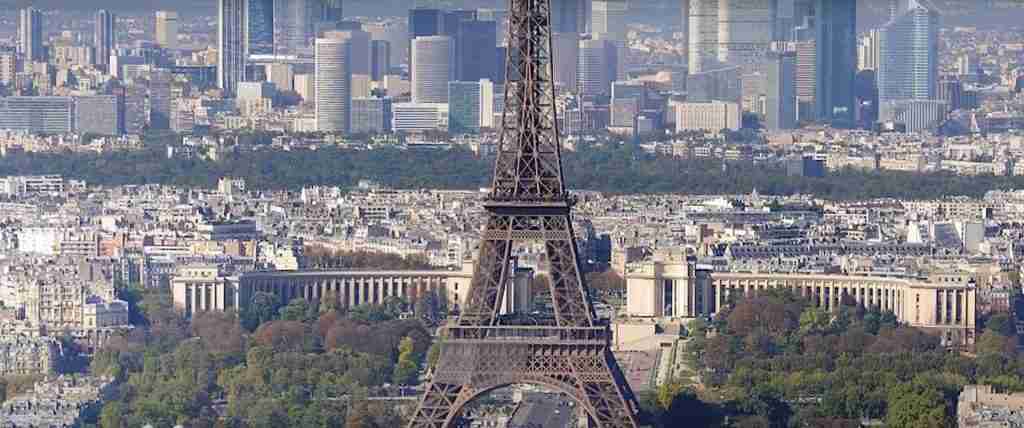
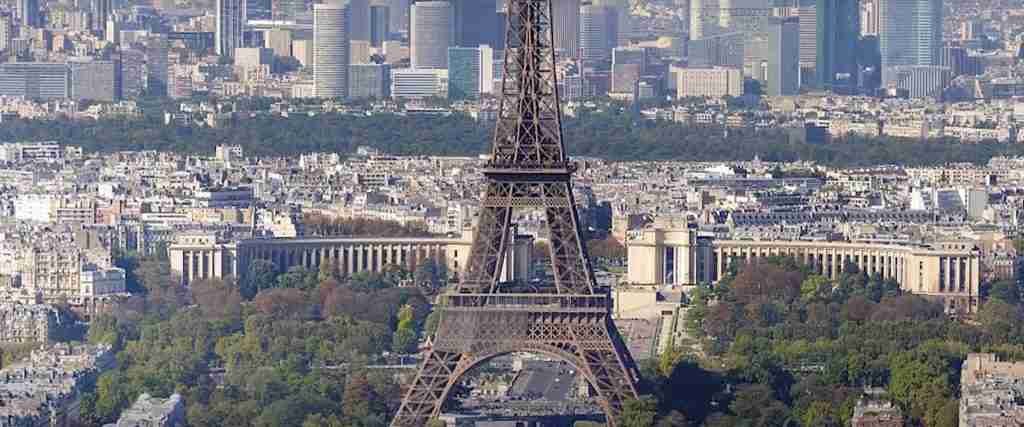
Free alternatives for Eiffel Tower views from external vantage points provide zero-cost perspectives complementing but not replacing tower visits. Trocadéro Gardens across the Seine offer classic frontal tower views from ground level, while Montparnasse Tower observation deck includes Eiffel Tower in Paris skyline panoramas. The Seine riverbanks provide various angles along the tower’s entire 324-meter height, creating photography opportunities from multiple distances and perspectives. These free viewpoints let budget travelers capture tower images without admission costs, though they obviously cannot replicate the unique experience of ascending the tower itself and viewing Paris from its observation platforms.
Practical Visit Day Tips and Logistics 2026
Arrive 20-30 minutes before your scheduled time slot to account for security screening queues and navigation from nearest metro stations. Late arrivals beyond 30 minutes past your designated entry window result in ticket forfeiture without refund or rescheduling, making punctuality essential for protecting your investment. Build extra time buffers into your daily itinerary to absorb unexpected Paris metro delays, navigation mistakes, or slower walking speeds than anticipated. The “better early than late” principle applies especially for high-value tower reservations that cannot be recovered if missed.
Minimize carried items to expedite security screening, as large bags, suitcases, and oversized backpacks slow checkpoint processing. Security regulations prohibit large luggage, glass bottles, knives, sharp objects, padlocks, alcohol, aerosols, and weapons including pepper spray commonly carried by some international travelers. No luggage storage facilities exist at tower grounds, forcing visitors with oversized bags to return to hotels for drop-offs or seek private luggage storage services in nearby neighborhoods. Parents with strollers must use collapsible models that can be folded at elevator entries, as non-folding strollers cannot accompany visitors onto elevators or observation decks.
Dress in layers accounting for significant temperature differences between ground level, observation decks, and variable weather conditions. Second floor and summit platforms expose visitors to wind that can drop perceived temperatures 10-15 degrees Fahrenheit below ground-level conditions even on warm days. Summer visits during 75°F ground temperatures may feel like 60-65°F on exposed observation decks with 15-20 mph winds, while winter visits in 40°F weather become genuinely uncomfortable without proper cold-weather clothing. Layers allow adjustment as you ascend between heated indoor areas and open-air observation platforms, preventing overheating during elevator queues followed by wind chill on decks.
Bathroom facilities exist at ground level before security, at first floor, and at second floor, but not at summit level. Plan strategic bathroom timing before ascending beyond second floor to avoid needing descents for facilities access. First floor facilities provide the most spacious and least crowded options, with ground level facilities experiencing heavy traffic and second floor facilities showing moderate usage. Parents with young children should enforce mandatory bathroom stops at first floor regardless of protests, as summit visits can extend 45-60 minutes without facility access.
Photography preparation includes fully charged phone batteries or camera batteries, as extended observation deck time draining device power through continuous photo and video capture. Portable battery packs provide recharging capability for smartphone photographers planning extensive documentation. Selfie sticks are permitted but should be used considerately without blocking other visitors’ views or creating obstruction in crowded platform areas. Tripods face restrictions in certain areas but are generally permitted with permission from staff, particularly valuable for sunset and nighttime photography requiring longer exposures for optimal results.
Weather monitoring before visit days helps set realistic expectations and allows itinerary adjustments if forecasts show rain, storms, or very high winds that may force summit closures. Light rain doesn’t typically affect tower operations, but heavy downpours reduce visibility and diminish viewing experience quality. Summit access closes during high winds exceeding safety thresholds, with the official operator providing partial refunds equal to the price difference between summit and second floor tickets. Flexible travelers with multiple Paris days can reschedule around poor weather forecasts, while time-constrained visitors must proceed with original plans regardless of conditions.
Understanding Security Procedures and Wait Times 2026
Mandatory security screening applies to every visitor entering tower grounds through metal detectors and bag X-ray screening identical to airport security processes. Security staff inspect all bags, pockets, and carried items for prohibited materials including weapons, sharp objects, glass containers, and large metal items triggering detector alarms. Visitors must remove metal objects from pockets, separate electronic devices for individual screening, and allow thorough bag inspections when secondary searches become necessary. The security process proves non-negotiable regardless of ticket type, tour selection, or price paid, with VIP experiences and dining reservations facing identical screening procedures.
Queue lengths at security checkpoints vary dramatically by time of day and season, ranging from 5-10 minutes during early morning or late evening off-peak hours to 30-60 minutes during midday peak periods from May through September. Weekend security queues typically run 15-20 minutes longer than equivalent weekday time slots, while French school holidays add another 10-15 minutes to baseline expectations. The tower operates multiple security lanes with throughput adjusting to crowd levels, but even maximum capacity operations cannot eliminate significant waits during extreme peak periods on July-August weekends when visitor numbers reach annual maximums.
Prohibited items requiring surrender or return to hotels include pocket knives even small folding models, multi-tools with blades, glass bottles regardless of contents, spray cans, large umbrellas, professional photography equipment beyond standard cameras, and sporting equipment. Security staff provide no storage services for confiscated items, forcing visitors to forfeit prohibited items permanently or exit grounds to return items to hotels or vehicles. Checking tower prohibited items lists before departure from accommodations prevents these complications and potential loss of valuable items to confiscation.
Express security lanes theoretically exist for visitors with disabilities, families with infants, and certain VIP circumstances, but these lanes still process visitors through identical screening procedures without meaningful time savings. The separate lane primarily assists people requiring extra time or accommodation during screening rather than expediting overall throughput. Visitors expecting fast-track security based on premium tour purchases will likely face disappointment, as no legitimate service can bypass government-mandated security protocols protecting critical infrastructure and mass gathering venues.
Security delays remain the most unpredictable variable in total visit timing, as staffing levels, random secondary inspections, and alarm-triggered detailed searches introduce variability impossible to forecast precisely. Conservative planning adds 45-60 minutes to expected visit durations beyond timed ticket entry windows, accounting for maximum security delays plus elevator waits and observation deck time. Visitors with tightly scheduled post-tower activities should buffer at least two hours for complete tower visits to avoid cascading itinerary disruptions when security or elevator delays extend beyond typical expectations.
What to Experience at Each Tower Level 2026
First floor at 57 meters hosts Madame Brasserie restaurant, glass floor viewing panels showing straight down to ground level, immersive multimedia exhibits about tower history and construction, and temporary exhibitions rotating throughout the year. The glass floor sections provide dramatic downward perspectives watching visitors and vehicles below, creating vertigo-inducing photos popular on social media. First floor shops stock official Eiffel Tower merchandise, reproduction posters, and French luxury goods unavailable at higher levels. Visitors often overlook first floor while rushing toward second floor and summit, but the cultural exhibits and unique glass floor experiences justify dedicated exploration time.
Second floor at 115 meters delivers optimal viewing conditions for Paris landmark identification and cityscape photography with 360-degree observation deck access. The Eiffel Tower’s highest-quality public observation decks occupy this level, featuring both climate-controlled indoor viewing galleries and extensive open-air exterior platforms. Scale models and directional indicators help visitors identify landmarks including Arc de Triomphe, Sacré-Cœur, Notre-Dame, Louvre, and Panthéon visible across Paris’s arrondissements. Souvenir shops and champagne bar provide refreshments and gifts, while scale replicas of the tower’s summit section demonstrate architectural engineering allowing physical touch and close examination of lattice ironwork details.
Summit at 276 meters presents Gustave Eiffel’s private office restored to period appearance showcasing where the engineer worked and entertained guests during the tower’s early decades. The champagne bar at summit serves premium bubbly at €15-20 per glass, creating celebratory toast opportunities at Paris’s highest public vantage point. Summit viewing platforms smaller than second floor concentrate more visitors into confined spaces, creating crowded conditions during peak times that can feel claustrophobic compared to second floor’s spacious decks. Clear weather extends visibility up to 40-60 kilometers showing Paris’s expansion into surrounding suburbs and countryside, though typical visibility of 15-25 kilometers remains common.
Observation deck etiquette requires awareness of fellow visitors trying to access viewing positions and capture photos from optimal locations. Monopolizing prime spots for extended periods prevents others from experiencing best viewing positions, particularly at popular corners where multiple famous landmarks align in single frames. The unwritten rotation system gives everyone 2-3 minutes at premium positions before yielding to waiting visitors, maintaining access fairness during crowded periods. Selfie stick users must exercise particular awareness avoiding hitting other visitors or blocking views, as extended arms swinging for photo angles create hazards in dense platform conditions.
Optimal photo locations include southwest corner of second floor for Arc de Triomphe and La Défense shots, north deck for Sacré-Cœur and Montmartre perspectives, east deck for Panthéon and Marais district views, and south deck for Montparnasse Tower and Left Bank coverage. Summit platform orientation markers help frame specific landmark shots, though increased height and distance reduce architectural detail visibility compared to second floor perspectives. Night photography from all levels captures illuminated Paris creating dramatic light contrasts, requiring longer exposure times or higher ISO settings not necessary during daylight hours.
Dining Options On and Near the Tower 2026
Madame Brasserie on first floor serves breakfast from €35, lunch from €50-85, and dinner from €85-120 with seasonal menus created by chef Thierry Marx emphasizing French regional cuisine and local ingredients. Reservations require 3-4 weeks advance booking during peak season, with dining reservations including dedicated restaurant elevator access bypassing public elevator queues. The casual-smart dress code accommodates families and tourists in neat attire without requiring formal business dress or evening wear. Large windows wrap the perimeter providing dining views across Paris while enjoying meals, though views remain limited compared to observation deck perspectives.
Le Jules Verne on second floor offers Michelin-starred fine dining with tasting menus from €200 for lunch and €290 for dinner, with wine pairings adding €120-180 to meal costs. Chef Frédéric Anton’s refined French cuisine demands formal attire including jacket requirements for men and equivalent smart dress for women. Reservations require 2-3 months advance booking for dinner slots, with lunch showing slightly better availability. The restaurant provides arguably Paris’s most prestigious dining experiences combining haute cuisine with dramatic tower setting, appealing to luxury travelers celebrating special occasions through memorable culinary experiences.
First floor bistro in Ferrié Pavilion serves lighter fare including sandwiches at €12-18, salads at €15-22, and hot dishes at €18-28 with faster service than full-service Madame Brasserie. This quick-service option suits families, budget travelers, and visitors wanting simple meals without extended dining time consuming hours from limited Paris visit days. Official guided tour participants receive 10% discounts at this bistro, adding modest value to guided tour premiums over standard tickets. Seating capacity remains limited during peak lunch hours from 12:00-2:00 PM, with queues forming for popular meal periods.
Second floor champagne bar serves sparkling wine, cocktails, and light snacks at premium pricing reflecting captive audience economics and unique location. Champagne glasses run €15-20, mixed drinks €18-25, and wine by glass €12-18. The premium prices purchase both refreshments and opportunity to toast special occasions at notable heights, creating Instagram-worthy celebration moments for engagements, anniversaries, and milestone travel experiences. Seating remains extremely limited with standing room predominating, making this primarily a quick-drink destination rather than extended relaxation venue.
Off-tower dining in surrounding neighborhoods provides better value and broader cuisine variety at lower prices than on-tower options. Rue Cler market street three blocks east hosts quality bistros, cafes, and casual restaurants serving lunch at €18-35 and dinner at €30-55 for comparable or superior food quality versus first floor tower dining at €50-120. The walk to Rue Cler takes only 10-15 minutes from tower grounds, making pre-visit or post-visit meals practical for budget-conscious visitors willing to separate dining from tower admission. Champ de Mars park surrounding the tower permits picnics, allowing visitors to bring purchased foods for outdoor meals with tower views at zero dining costs beyond grocery purchases.
Transportation to and from Eiffel Tower 2026
Metro Line 6 to Bir-Hakeim station delivers the most direct metro access, positioning visitors 5-7 minutes walking distance from tower security entrances with clear sightlines to the monument from station exits. The elevated metro section between Passy and Bir-Hakeim provides iconic tower views during approach, creating anticipation for first-time visitors. Line 6 connects to major tourist hubs including Trocadéro, Charles de Gaulle-Étoile, and Nation, making transfers straightforward from most Paris accommodations. Single journey tickets cost €2.15 purchased at station kiosks or validated Navigo cards, with tickets remaining valid for 90 minutes including transfers between metro lines.
RER C to Champ de Mars-Tour Eiffel station provides direct connections from Charles de Gaulle and Orly airports with one transfer, plus links to Versailles and suburban destinations. The station sits 8-10 minutes walking distance from tower grounds at the monument’s eastern approach along Avenue Joseph Bouvard. RER trains run less frequently than metro service with 10-15 minute intervals versus metro’s 2-4 minute headways, requiring schedule awareness to minimize platform waiting. Standard metro tickets work on RER within central Paris zones, eliminating special ticketing requirements for tourists staying in city center accommodations.
Bus routes 82 and 42 stop within 200 meters of tower security entrances, offering surface transport alternatives showing Paris street scenes versus underground metro travel. Bus 82 originates at Luxembourg Gardens connecting Left Bank attractions, while Bus 42 runs from Gare du Nord serving travelers arriving from northern Europe. Paris bus network accepts standard metro tickets, making bus options cost-equivalent to metro at €2.15 per journey. Real-time bus tracking apps show arrival times eliminating uncertainty about wait durations, though buses face traffic delays that metro trains avoid in dedicated tunnels.
Walking from central Paris hotels requires 20-45 minutes depending on origin points, with riverside Seine walks providing scenic routes particularly pleasant during warm weather. The approach from Trocadéro Gardens across Pont d’Iéna offers classic frontal tower perspectives popular for photographs during the walk. Walking eliminates transit costs and builds Paris neighborhood familiarity, though physical demands increase when walking distances approach one hour combined with tower stairway climbing for visitors choosing stairs access. Maps applications provide real-time walking directions accounting for current locations and tower security entrance coordinates.
Vélib’ bike sharing stations surround tower grounds with rental costs at €1.70 for 30-minute trips or €8 for day passes including unlimited 30-minute rides. Electric bike options cost €2 per 30-minute period providing motor assistance for longer distances or less physically fit riders. Bike approaches follow dedicated cycle lanes along the Seine’s south bank, creating safer separation from motor vehicle traffic. Vélib’ provides efficient transport for active tourists comfortable navigating Paris cycle infrastructure, combining transportation utility with recreational cycling experiences.
Taxi and rideshare services including Uber and Bolt deliver door-to-door convenience at €15-30 from central Paris locations depending on distance and traffic conditions. Surge pricing during peak hours and high-demand periods can multiply costs significantly, making pre-trip cost estimates advisable. Traffic congestion near tower grounds creates approach delays during midday peak periods, sometimes making taxis slower than metro for equivalent distances. Taxis remain most practical for visitors with mobility limitations, families with young children requiring car seats, or luxury travelers prioritizing maximum convenience over cost efficiency.
Photography Tips for Eiffel Tower Visits 2026
Second floor exterior platforms provide optimal photo conditions with open-air access eliminating window reflections and glass distortions that hamper summit interior photography. The 115-meter height balances proximity for detail capture against elevation for perspective, creating ideal conditions for landmark identification shots showing Arc de Triomphe, Sacré-Cœur, Notre-Dame, and other monuments with clear architectural features. Corner positions at second floor platform edges deliver multiple-landmark composition opportunities with Arc de Triomphe and La Défense aligned in western frames, or Panthéon and Montmartre visible in northern perspectives.
Summit interior windows require careful positioning to minimize glass reflections that degrade image quality in photos and videos. Pressing camera lenses or phone cameras directly against window glass reduces reflections by eliminating air gaps where light bounces, though this technique requires cleaning smudges from glass after each shot. The summit champagne bar interior makes interesting foreground subjects showing people celebrating at Paris’s highest public bar, adding human scale and activity to otherwise static architectural shots. Summit exterior access provides limited photography opportunities compared to second floor’s extensive open-air platforms.
Golden hour photography during the 45 minutes before sunset bathes Paris in warm amber light creating dramatic color saturation and long shadows defining architectural features. Blue hour immediately after sunset provides 30 minutes of soft even illumination before full darkness, offering optimal conditions for balanced exposures capturing both city lights and remaining sky detail. These transitional periods justify premium sunset time slot pricing, as lighting conditions during these windows prove impossible to replicate at other times. Photographers willing to remain through both golden and blue hour periods capture diverse lighting conditions during single visits.
Tripod usage aids nighttime photography requiring longer exposures to capture city lights without motion blur, though tower platform crowds make tripod positioning challenging during busy periods. Compact travel tripods or beanbag supports provide stability alternatives occupying less platform space than full-sized tripods. High ISO settings on modern cameras allow handheld night photography for visitors without stabilization equipment, trading some image noise for shake-free captures. Smartphone night modes perform surprisingly well for casual photographers not requiring professional image quality standards.
Observation deck vantage points face compass directions affecting sunlight positioning throughout the day. Morning sun backlights western Paris including La Défense, creating silhouette effects softening detail but producing dramatic contrast. Afternoon sun illuminates western districts fully while backlighting eastern Paris. Evening sun positions vary seasonally from northwest in summer to southwest in winter, requiring sunset time and position research for your specific visit date. Understanding sun positioning helps plan which observation deck sides to prioritize during your ascent timing.
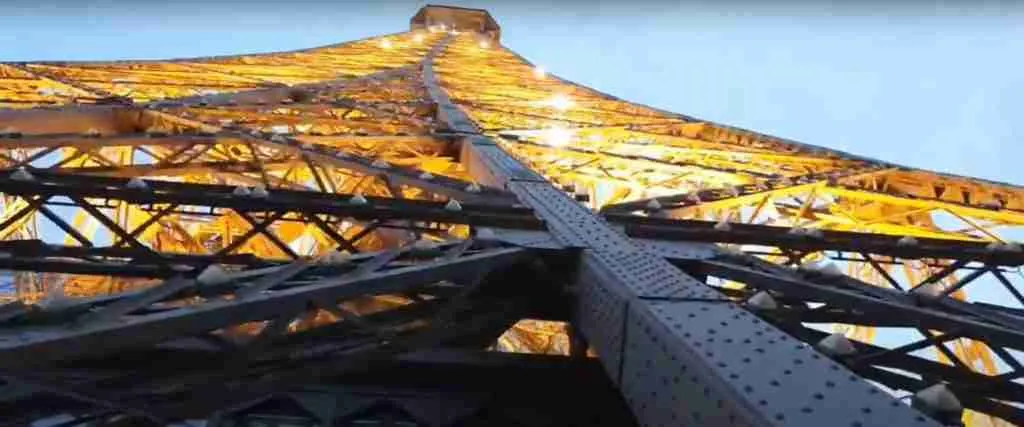
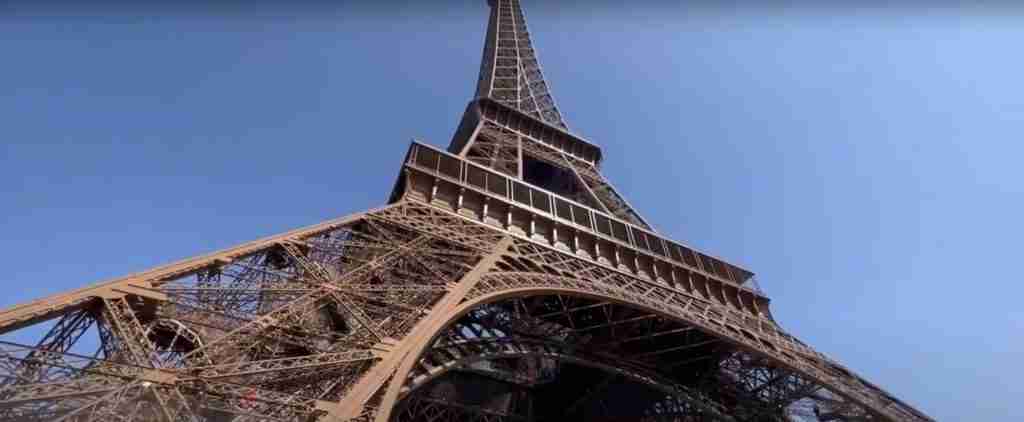
Tower structure ironwork creates foreground interest opportunities incorporating Gustave Eiffel’s iconic lattice designs into compositions showing Paris through the framework. The iron beams, rivets, and intersecting girders provide recognizable tower signatures identifying photo locations as distinctively Eiffel Tower perspectives. Close-up detail shots of ironwork and structural elements complement wide cityscape photos, creating varied portfolio covering both architectural engineering and scenic viewpoints. These structure-focused compositions work particularly well during overcast days when flat lighting reduces cityscape drama.
Weather Considerations and Seasonal Planning 2026
Summer visits from June through August deliver warmest weather, longest daylight hours extending until 9:30-10:00 PM, and largest crowds with highest visitor numbers of the year. Temperatures average 20-25°C (68-77°F) with occasional heat waves reaching 30-35°C (86-95°F) creating uncomfortable conditions on open-air observation decks lacking shade or air conditioning. Summer sunset timing around 9:30 PM allows late evening tower visits with natural light cityscape photography followed by illuminated night views during single admissions. Summer school holidays from early July through late August drive maximum demand making this season both most popular and most challenging for booking and crowd management.
Spring from April through May offers mild temperatures averaging 12-18°C (54-64°F) with blooming gardens around Champ de Mars creating photogenic foreground interest for tower photos taken from ground level. Spring weather variability brings both sunny days and rainy periods, requiring flexible itinerary planning around changeable conditions. Easter holiday weeks in March-April drive temporary crowd surges interrupting otherwise moderate spring visitor levels. Spring sunset times advance rapidly from 8:00 PM in April to 9:00 PM in May, requiring sunset timing research for your specific visit dates.
Fall from September through November delivers comfortable temperatures, clear weather, and moderate crowds as summer holidays end and tourism levels normalize. September maintains pleasant warmth averaging 15-20°C (59-68°F) while October cools to 10-15°C (50-59°F) requiring layered clothing for observation deck wind exposure. Fall foliage colors appear in surrounding parks during October creating scenic seasonal context, though Paris’s urban character limits autumn color drama compared to countryside locations. Fall represents optimal compromise balancing pleasant weather, manageable crowds, and reasonable accommodation pricing making this many experienced travelers’ preferred Paris season.
Winter from December through February brings cold temperatures averaging 3-8°C (37-46°F) with occasional freezing days requiring serious cold-weather clothing for comfortable observation deck time. Wind chill on exposed platforms can drop perceived temperatures 10-15 degrees below ground level measurements, making winter summit visits particularly challenging without proper layered insulation. Winter delivers shortest queues and easiest ticket availability as tourism drops to annual lows, appealing to budget travelers and crowd-averse visitors willing to tolerate cold weather trade-offs. Christmas holiday decorations and New Year celebrations create temporary demand spikes interrupting otherwise quiet winter patterns.
Rain impacts visitor experience more than temperature extremes, as observation deck value diminishes dramatically during poor visibility conditions obscuring landmark views and cityscape perspectives. Light rain doesn’t typically trigger closures but reduces visibility and creates slippery conditions on open-air platforms. Heavy rain limits observation deck time as visitors crowd under sheltered areas, while thunderstorms occasionally force temporary closures for lightning safety. Weather forecast monitoring before visit days allows itinerary adjustments for travelers with scheduling flexibility, while time-constrained visitors must proceed regardless of conditions and accept compromised viewing during poor weather periods.
Common Mistakes to Avoid 2026
Waiting until last minute for ticket booking represents the most common and costly mistake, as official tickets sell out 50-58 days before visit dates during peak summer season forcing late bookers toward premium-priced tour operators or on-site ticket office queues. The 60-day advance booking requirement demands early travel planning many tourists find uncomfortable, but the cost premium and availability scarcity resulting from late booking makes advance planning essential. Visitors booking Paris accommodations and flights only 2-3 weeks ahead frequently discover Eiffel Tower tickets already sold out, forcing difficult decisions between skipping the tower entirely, paying tour operator premiums, or spending hours in ticket office queues.
Underestimating total visit duration causes cascading itinerary delays affecting subsequent scheduled activities throughout busy Paris days. Visitors assuming 60-minute tower visits discover reality spans 90-150 minutes once accounting for security screening, elevator waits, observation deck exploration, and descent. The time miscalculation becomes particularly problematic when tower visits precede timed museum reservations or restaurant commitments, as arriving late to fixed-schedule activities creates disappointment and wasted prepaid costs. Building 150-180 minute buffers for tower visits protects itinerary integrity against typical delays and allows unhurried observation deck experiences without constant clock-watching stress.
Bringing prohibited items including pocket knives, glass bottles, or large bags requires returning to hotels for drop-offs or surrendering valuable items permanently to security staff. The tower provides no luggage storage forcing visitors with oversized bags to handle complications before beginning entry procedures. Checking prohibited items lists before departing accommodations prevents these frustrating setbacks consuming hours of limited Paris time. Parents carrying non-collapsible strollers face particular challenges as these cannot access elevators or observation decks requiring stroller abandonment or return trips for exchanges to collapsible models.
Ignoring weather forecasts and arriving inappropriately dressed for observation deck conditions creates physical discomfort undermining visit enjoyment. Summer visitors wearing insufficient sun protection experience sunburn from hours of elevated exposure, while winter tourists in inadequate cold-weather clothing shorten observation deck time due to discomfort from wind chill. The layering principle works year-round allowing temperature adjustment as you transition between heated indoor areas, elevator cabins, and exposed outdoor platforms facing variable wind conditions. Bringing small backpacks with extra layers provides clothing flexibility adapting to changing conditions during multi-hour visits.
Rushing past first floor toward second floor and summit causes visitors to miss glass floor viewing panels, cultural exhibits, and unique perspectives available only at this often-overlooked level. First-time visitors fixate on reaching highest points without realizing optimal viewing occurs at second floor rather than summit where increased distance reduces landmark detail visibility. Allocating dedicated time for each level rather than treating intermediate floors as mere transit points creates richer experiences incorporating diverse perspectives and understanding tower’s full scope beyond just maximum altitude achievements.
Attempting same-day ticket purchases without reservations creates disappointment when on-site availability sells out by midday during peak season. Walk-up ticket availability has declined dramatically as advance online booking has become normalized, with remaining daily inventory often limited to less-desirable midday time slots or stairs-only tickets. The official website clearly states advance booking recommendations, yet significant visitor numbers continue arriving without reservations hoping for last-minute availability that increasingly doesn’t exist during high-demand periods.
Special Considerations for Different Traveler Types 2026
Families with young children should prioritize elevator access over stairs options, as climbing 674 steps with children under age 8 proves exhausting for both parents and kids creating miserable experiences. Stroller families must bring collapsible models that fold flat, as non-collapsible strollers cannot access elevators or observation decks. First floor bathroom facilities and play areas provide essential breaks before continuing to higher levels, making strategic timing around children’s bathroom and rest needs important for avoiding meltdowns. Families benefit from morning time slots when children remain fresh and energetic before afternoon fatigue sets in affecting behavior and enjoyment.
Elderly visitors or those with mobility limitations should book elevator access to second floor only, skipping summit segments that add minimal viewing value while requiring additional elevator rides and queue times. The second floor elevator option provides comprehensive tower experiences without physical demands exceeding many seniors’ comfort levels or stamina reserves. Wheelchairs and mobility assistance devices access all elevator-served areas, though narrow walkways and crowded conditions on observation decks sometimes create navigation challenges during peak periods. Scheduling visits during off-peak morning or evening hours when crowds thin reduces navigation complications for mobility-limited visitors.
Solo travelers benefit from flexible booking and spontaneous timing decisions without requiring group consensus or coordinating multiple schedules. Solo visitors can capitalize on last-minute cancellation openings that occasionally appear when checking official website availability in the two weeks before visits. Photography advantages for solo travelers include easier positioning and longer dwelling times at optimal photo locations without companion complaints about delays. Solo travelers should prepare for modest loneliness during the inherently social tower experience where couples and groups dominate visitor demographics, though the spectacular views and engineering marvel appreciation transcend companion requirements.
Couples celebrating romantic occasions should prioritize evening sunset time slots for twilight lighting transitions and reduced crowds during intimate tower moments. Champagne bar summit toasts create memorable celebration opportunities for engagements, anniversaries, or honeymoons justifying €15-20 per glass premium pricing through unique occasion commemorations. Photography-focused couples should arrive during golden hour for warm evening light creating flattering portrait illumination, with blue hour immediately following providing soft ambient conditions for romantic atmosphere shots. Dinner reservations at Madame Brasserie or Le Jules Verne convert standard tower visits into complete romantic evenings combining dining and observation experiences.
Budget backpackers and young travelers should choose stairs access at €15 maximizing cost efficiency while embracing physical challenge as authentic experience. Hostel accommodations near tower grounds in the 7th and 15th arrondissements provide walking access eliminating transportation costs, while picnic supplies from discount supermarkets replace expensive on-tower dining. Young travelers generally tolerate crowded midday time slots that older visitors avoid, allowing booking flexibility toward less popular time windows showing better availability. Stairs access physical demands appeal to young active travelers seeking adventurous experiences beyond passive elevator ascents.
Photographers and content creators require careful time slot selection for optimal lighting conditions matching specific shooting goals. Golden hour sunset photographers must book 7:00-8:30 PM summer slots or 5:30-7:00 PM spring/fall windows corresponding to seasonal sunset timing. Nighttime long-exposure photographers need post-9:00 PM slots for full darkness city lights photography. Equipment planning includes backup batteries, memory cards, and compact stabilization gear accommodating travel constraints. Professional photographers should research commercial photography permit requirements for certain professional equipment categories, as regulations occasionally limit pro gear without advance coordination.
Environmental and Accessibility Considerations 2026
Wheelchair access extends throughout elevator-served areas including ground level, first floor, and second floor observation decks with adapted pathways and viewing positions designed for wheelchair users. Summit access remains problematic for wheelchair users due to smaller elevator cabin sizes and cramped platform layouts limiting wheelchair maneuverability. Accessible bathroom facilities exist at ground level and first floor meeting modern accessibility standards with wide doorways, grab bars, and adapted fixtures. Visitors requiring accessibility features should notify tower operators during booking to ensure proper accommodation coordination and elevator cabin assignments suitable for wheelchair access.
Elevator capacity limitations during peak periods sometimes require wheelchair users to wait for elevator cabins with sufficient space and proper positioning, potentially adding 10-20 minutes to standard wait times. Tower staff provide assistance coordinating wheelchair elevator boarding ensuring safety and proper positioning during rides. Companion assistance for wheelchair users or other mobility-limited visitors faces no restrictions or additional charges, allowing necessary support personnel to accompany visitors requiring assistance. Advance notification helps tower operators anticipate accessibility needs and coordinate optimal entry timing and routing.
Sustainability initiatives at the Eiffel Tower include LED lighting systems replacing older incandescent illumination, rainwater collection systems for ground-level garden irrigation, and solar panels on facility roofs generating renewable electricity. The tower has implemented recycling programs and waste reduction strategies responding to environmental consciousness demands from modern visitors. Renovation projects prioritize sustainable materials and energy-efficient systems balancing historic preservation requirements against contemporary environmental standards. Visitors interested in sustainable tourism can appreciate these initiatives while recognizing a 135-year-old iron structure inherently carries environmental footprint implications impossible to eliminate entirely.
Carbon footprint considerations for conscientious travelers involve transportation mode choices, with public transit via metro or RER creating significantly lower emissions per passenger than taxis or private vehicles. Walking and cycling represent zero-emission access options appealing to environmentally committed visitors able to manage physical demands. The tower itself functions as significant tourism draw generating massive travel volumes with associated environmental costs, creating ethical tensions for climate-conscious travelers weighing landmark experience value against travel impact concerns. Some environmental activists recommend experiencing tower views from external vantage points like Trocadéro Gardens or Montparnasse Tower avoiding admission and crowding while still appreciating the structure’s architectural significance.
Crowd management and capacity limits respond to both visitor experience quality and environmental sustainability considerations as overtourism damages infrastructure and degrades experiences. The advance booking system controls daily visitor numbers preventing dangerous overcrowding while distributing demand across time slots reducing peak congestion. Some conservationists argue the tower should further restrict daily admissions protecting the 135-year-old structure from excessive wear while improving individual visitor experiences through reduced crowding. The economic imperatives of maximizing revenue from monument admissions compete against preservation and sustainability goals creating ongoing policy tensions between commercial and conservation interests.
Alternative Eiffel Tower Experiences 2026
External viewing positions around tower grounds provide impressive perspectives appreciating the structure’s full scale impossible to perceive from interior observation decks. Trocadéro Gardens across the Seine offer classic frontal views from multiple elevations including ground level and raised terrace platforms, creating ideal photography positions for tower portraits with gardens and fountains as foreground interest. The Champ de Mars park extends 850 meters southeast from tower base creating gradually changing perspectives as you move farther from the structure, with distant views showing the tower integrated into Paris’s broader cityscape rather than dominating foreground.
Seine riverbank walks along Quai Branly provide constantly changing tower perspectives as you move parallel to the structure seeing different angles and architectural details from various distances. The river location allows boat perspectives if you take Seine cruise departures from nearby docks, positioning the tower against Parisian Right Bank backgrounds from water level. Bridge crossings including Pont de Bir-Hakeim and Pont d’Iéna offer framed views through bridge architecture creating compositional elements impossible from ground-level positions. These diverse external vantage points complement interior observation deck experiences creating comprehensive tower appreciation combining both viewing out from the tower and viewing the tower itself from numerous angles.
Montparnasse Tower observation deck at 210 meters includes the Eiffel Tower in Paris skyline panoramas, providing the unique perspective of seeing Paris’s most iconic monument from another elevated position. The €18 Montparnasse admission costs less than €37 Eiffel summit tickets while delivering comparable altitude viewing, though lacking the Eiffel Tower’s historical significance and iconic status. Photography advantages include capturing the Eiffel Tower itself within broader Paris compositions impossible from inside the Eiffel Tower where the structure itself remains invisible. The 56th floor indoor gallery and 59th floor open-air terrace provide climate options and diverse perspectives appealing to photography-focused visitors.
Arc de Triomphe rooftop at 50 meters delivers less elevated perspectives than the Eiffel Tower but includes distant tower views along the grand Champs-Élysées axis. The monument’s central positioning at the western convergence of 12 radiating boulevards creates unique urban planning appreciation impossible from other vantage points. Climbing the Arc’s 284 steps costs €13, making this another budget-friendly alternative to full Eiffel Tower experiences. Combined itineraries visiting both the Eiffel Tower and Arc de Triomphe during single Paris days provide diverse elevated experiences without repetitive similarity since the monuments occupy different neighborhoods with distinct surrounding character.
Nighttime tower illumination from external vantage points delivers dramatic photography opportunities rivaling interior observation deck experiences. The tower’s golden lighting system and hourly sparkle displays create magical effects best appreciated from positions distant enough to see the full structure rather than being inside where illumination remains invisible. Trocadéro Gardens, Champ de Mars, and Seine bridges fill with photographers and couples during evening hours, creating informal gathering atmospheres celebrating the tower’s beauty from outside rather than paying admission for interior experiences. These free external appreciations allow budget travelers to experience tower magic without admission costs while potentially arguing external nighttime views surpass interior daylight perspectives for pure aesthetic impact.
Frequently Asked Questions About Eiffel Tower Tours 2026
Can I buy Eiffel Tower tickets on the same day without advance booking?
Same-day ticket purchases remain possible at on-site ticket offices near tower grounds, but availability sells out by midday during peak season from May through September particularly for summit access and weekend time slots. Walk-up ticket offices open at 9:30 AM with remaining daily inventory after online advance bookings, creating queues of 60-90 minutes during busy periods that consume significant portions of limited Paris visit days. Budget-conscious travelers accepting stairs-only access find better same-day availability, as stairs tickets typically last longer into the day than sold-out elevator options. The September 29, 2026 policy change requiring advance reservations for stairs tickets eliminates the last remaining same-day flexibility, making advance online booking essentially mandatory for all visit categories after this date.
What time do Eiffel Tower sparkles occur and can I see them from inside?
The tower’s sparkle illumination activates for five minutes at the start of each hour after sunset through 1:00 AM, with sunset timing varying seasonally from 5:30 PM in winter to 9:30 PM in summer. The sparkle consists of 20,000 lights flickering across the entire tower structure creating magical effects visible throughout central Paris. Visitors inside the tower during sparkle displays can partially observe the effect looking down at illuminated ground-level structures and across to other tower sections, though external ground-level positions provide superior full-tower sparkle viewing. Planning evening visits to conclude just after hourly sparkles around 9:00 or 10:00 PM allows observation deck experiences followed by ground-level sparkle viewing from Trocadéro Gardens or Champ de Mars immediately after descending.
Is the Eiffel Tower summit worth the extra cost over second floor access?
Summit access adds €8 over second floor tickets for the psychological satisfaction of reaching Paris’s highest public viewpoint, but second floor at 115 meters provides objectively superior landmark identification and photography conditions compared to summit at 276 meters where increased distance reduces architectural detail visibility. First-time visitors often prioritize summit access for symbolic “went to the top” bragging rights, while experienced travelers and photographers frequently choose second floor based on practical viewing advantages and cost savings. The summit’s smaller platform size creates higher crowd density during busy periods with less personal space per visitor compared to second floor’s extensive open-air decks. Summit viewing becomes most worthwhile during perfectly clear weather when extended visibility showcasing Paris’s suburban expansion justifies the altitude premium, while typical visibility conditions favor second floor’s moderate elevation advantages.
How long does a complete Eiffel Tower visit take from arrival to departure?
Complete tower visits average 90-150 minutes from arriving at security checkpoints to returning to ground level, with timing varying based on crowd levels, access type, and how long you spend at each observation level. Security screening consumes 15-45 minutes depending on queue length, ground to second floor elevator requires 10-40 minutes including waits and rides, second floor exploration typically spans 30-45 minutes, and optional summit addition adds another 40-60 minutes for additional elevator segments and summit platform time. Descent usually proceeds faster at 15-30 minutes total as downward elevators face shorter queues than upward travel. Visitors planning tight daily itineraries should allocate 150-180 minute buffers for tower visits preventing cascading delays to subsequent scheduled activities when longer-than-expected waits occur at security or elevator checkpoints.
What’s the best time of day to visit the Eiffel Tower with least crowds?
Morning time slots from 9:30-11:00 AM and evening slots after 8:00 PM experience lowest crowd levels with shortest security lines and minimal elevator wait times compared to midday peak periods from 11:00 AM-3:00 PM. Early morning visits provide fresh energy and optimal photography lighting for east-facing views, while evening visits capture twilight transitions and illuminated nighttime Paris during single admissions. Weekday visits on Tuesday, Wednesday, or Thursday face 30-40% lighter crowds than weekend Saturdays and Sundays when tourist volumes peak. Shoulder seasons during April-May and September-October show moderate overall visitor numbers compared to summer’s maximum crowds from June-August. Combining off-peak time slots with midweek scheduling during shoulder seasons creates optimal crowd avoidance strategies for visitors prioritizing peaceful experiences over specific seasonal or timing requirements.
Are Eiffel Tower guided tours conducted in English for international visitors?
Most third-party guided tours operate primarily in English targeting international tourist markets, with some operators offering multilingual guides conducting tours in German, Spanish, Italian, or Mandarin Chinese depending on group composition. Official Eiffel Tower guided tours conduct experiences in both French and English with separate tour groups for each language operating throughout the day. Tour operator websites clearly specify language options during booking allowing visitors to select appropriate linguistic preferences matching their comprehension abilities. Some guided tours provide audio guide alternatives in 8-10 languages for visitors whose native languages aren’t covered by live guide offerings, though audio guides cannot replace live guide interaction and question-answering capabilities that make human-guided experiences superior for many travelers.
Can I bring food and drinks to consume at Eiffel Tower observation decks?
Outside food and non-alcoholic beverages are permitted through security screening and can be consumed at observation deck areas, allowing budget-conscious visitors to avoid premium on-tower food and beverage pricing at kiosks and restaurants. Security regulations prohibit glass bottles requiring beverages in plastic or metal containers, while alcohol cannot be brought onto tower grounds though alcoholic beverages can be purchased at on-tower bars and restaurants. Many visitors pack sandwiches, fruit, and bottled water purchased at ground-level supermarkets creating impromptu picnics at observation decks while enjoying Paris views, generating significant savings compared to €8-12 sandwiches and €5 water bottles sold at tower kiosks. Trash receptacles exist at all levels requiring proper waste disposal maintaining monument cleanliness and respecting shared public spaces.
What happens if the Eiffel Tower summit closes due to weather during my visit?
High winds occasionally force summit level closures for visitor safety when wind speeds exceed operational thresholds, typically during storms or extreme weather events occurring several times annually. When summit closures occur, visitors holding summit tickets receive partial refunds equal to the price difference between summit and second floor tickets (€8 per adult) processing through original payment methods within several weeks. Second floor access remains open during most weather conditions including light to moderate rain, closing only during severe storms or lightning presenting safety risks to exposed observation deck areas. Visitors can check tower operational status on the official website before departing for visits, though sudden weather changes sometimes force unexpected mid-visit closures requiring flexibility and understanding that safety protocols override admission commitments.
Is it possible to propose or celebrate special occasions at the Eiffel Tower?
The Eiffel Tower welcomes proposals, anniversaries, and special celebrations with no advance coordination required for standard observation deck occasions. Champagne bars at second floor and summit provide celebratory toast opportunities, while some visitors coordinate surprise elements including musicians or photographers though these require advance arrangements respecting monument regulations and other visitors’ experiences. Private tower access after public closing hours becomes available for luxury budgets exceeding €5,000-10,000 creating exclusive celebration environments without public crowds, appealing to high-net-worth individuals celebrating milestone occasions through extraordinary experiences. Standard visits during public hours allow meaningful celebration moments without premium pricing, as the tower’s romantic atmosphere and spectacular views provide natural celebration settings regardless of whether private arrangements or public admission access applies.
Can I visit both the Eiffel Tower and Versailles Palace in the same day?
Combining Eiffel Tower and Versailles visits in single days proves logistically challenging but feasible with early starts and realistic expectations about compressed exploration time at each site. Morning Versailles visits departing Paris by 8:30 AM allow 4-5 hours at the palace and gardens before returning to Paris for late afternoon or evening tower time slots around 5:00-7:00 PM. The reverse sequencing starting with early tower visits at 9:30 AM enables midday Versailles arrivals by 12:00-1:00 PM for afternoon palace exploration. Total travel time between sites consumes 90-120 minutes via RER trains requiring Châtelet-Les Halles transfers, reducing actual site exploration time at both locations compared to dedicated single-focus days. Guided tour packages combining both sites with motor coach transportation eliminate public transit navigation but typically provide only 2-3 hours at each location creating superficial rushing rather than meaningful engagement with either monument.