Easter Island Travel Guide 2026: Complete Rapa Nui Visitor Guide
This comprehensive guide provides everything you need to plan your 2026 Easter Island adventure with confidence. We’ll cover the essential logistics of reaching this remote island, break down realistic costs for different travel styles, explain optimal timing for weather and crowds, detail the accommodation landscape, and provide practical strategies for maximizing your experience across all the major archaeological sites. Whether you’re a budget backpacker or luxury traveler, solo adventurer or family group, this guide will help you navigate the unique challenges and extraordinary rewards of visiting one of the world’s most fascinating islands.
Key Takeaways:
- Easter Island National Park entry costs $80 USD (80,000 CLP) for international visitors in 2026, valid for 10 days with access to all moai sites including Rano Raraku quarry and Ahu Tongariki platform
- Direct flights from Santiago operate daily with LATAM Airlines, taking 5.5 hours with round-trip fares ranging $400-800 depending on season and advance booking
- The island spans just 24 kilometers but requires 3-5 days to properly explore all archaeological sites, with rental vehicles essential for reaching remote moai platforms
- Accommodation books out 2-4 months ahead during peak season (December-March), with limited options ranging from budget hostels at $40-60 per night to luxury hotels at $250-400
- September through May offers optimal visiting conditions with warm temperatures and minimal rainfall, while June-August brings cooler weather and stronger winds affecting photography and comfort
- The island’s isolation creates higher costs than mainland Chile, with daily budgets ranging $120-200 per person excluding accommodation for meals, transportation, and activities
Introduction to Planning Your 2026 Easter Island Adventure
Easter Island stands as one of Earth’s most remote inhabited territories, positioned 3,700 kilometers from mainland Chile in the vast expanse of the Pacific Ocean. This isolation, combined with the island’s extraordinary archaeological legacy of nearly 900 moai statues scattered across volcanic landscapes, creates a destination unlike any other on the planet. The Rapa Nui people carved these massive stone figures between the 13th and 16th centuries, developing a sophisticated culture on this tiny triangular island measuring just 24 kilometers at its longest point.
Planning a visit to Easter Island in 2026 requires different considerations than typical UNESCO World Heritage destinations. The island’s remoteness means limited flight options, restricted accommodation capacity, and higher costs for virtually everything from meals to rental vehicles. Only one airline operates scheduled flights to Mataveri International Airport, and the island’s small size means just a handful of hotels, a dozen restaurants, and limited infrastructure compared to continental destinations. This scarcity creates both challenges and opportunities for travelers willing to plan carefully.
The reward for this planning effort, however, is extraordinary. You’ll explore archaeological sites where massive stone heads emerge from hillsides, witness sunrise over perfectly aligned moai platforms, descend into volcanic craters filled with crystalline lakes, and snorkel among vibrant coral reefs in some of the Pacific’s clearest waters. The island’s compact size means you can visit multiple iconic sites in a single day, yet its cultural depth and natural beauty justify spending several days to truly absorb the experience. The Rapa Nui culture remains vibrantly alive through traditional dance performances, language preservation efforts, and contemporary art that bridges ancient traditions with modern expression.
People Also Ask About Easter Island 2026
How much does it cost to visit Easter Island in 2026?
A typical Easter Island visit in 2026 costs $120-200 per person daily for meals, local transportation, and activities, excluding accommodation which ranges $40-60 for budget hostels to $250-400 for luxury hotels. The National Park entry fee costs $80 USD (80,000 CLP) payable once for 10-day access. Round-trip flights from Santiago range $400-800 depending on season and booking timing. A complete 4-day visit including flights, accommodation, meals, and activities totals approximately $1,800-3,200 per person for mid-range travel, with budget travelers spending $1,200-1,600 and luxury visitors $3,500-5,000+. These costs reflect the island’s extreme isolation, which creates higher prices than mainland Chile for virtually all goods and services imported by ship or plane.
When is the best time to visit Easter Island in 2026?
September through May represents the optimal visiting window for Easter Island in 2026, offering warm temperatures between 18-28°C (64-82°F) and minimal rainfall under 100mm monthly. December through March marks peak season with the warmest weather and highest visitor numbers, while September-November and April-May provide excellent conditions with fewer crowds and lower accommodation prices. June through August brings cooler temperatures of 15-22°C (59-72°F) and stronger winds that can affect boat tours and outdoor comfort, though this low season offers the best flight and hotel deals with 20-30% savings. The island receives adequate sunshine year-round for photography, but summer months (December-March) provide longer days with sunrise around 7:00 AM and sunset near 8:30 PM compared to winter’s 7:30 AM sunrise and 6:30 PM sunset.
Do you need advance bookings for Easter Island in 2026?
Advance bookings are essential for Easter Island visits in 2026 due to extremely limited capacity. LATAM Airlines operates the only scheduled flights with just one daily service, selling out 1-3 months ahead during peak season (December-March) and filling 2-4 weeks in advance during shoulder periods. The island has fewer than 50 accommodation options ranging from hostels to hotels, with the best properties booking 2-4 months ahead for summer season and 1-2 months for other periods. Popular guided tours including Ahu Tongariki sunrise expeditions and Orongo ceremonial village visits fill 1-2 weeks in advance. Rental vehicles also face high demand, with advance reservations recommended 2-4 weeks ahead to ensure availability of 4WD vehicles or motorcycles. Walk-in availability exists primarily during low season (June-August), but planning ahead ensures better pricing and selection across all travel categories.
What’s the cheapest way to get to Easter Island in 2026?
The cheapest route to Easter Island in 2026 involves booking LATAM Airlines flights 2-4 months in advance during shoulder season (April-May or September-November) when round-trip fares from Santiago drop to $400-500 compared to peak season’s $600-800. Flying mid-week (Tuesday-Thursday) saves an additional $50-100 versus weekend departures. Setting fare alerts through Google Flights or Skyscanner helps catch promotional pricing that occasionally drops to $350-400 round-trip. Alternative routes exist through Tahiti, but these add significant cost and travel time with connections through Papeete costing $1,200-1,800 total, making the Santiago route definitively cheaper despite requiring a long-haul flight to reach Chile first. Once on the island, costs remain relatively fixed with limited budget options, making flight timing the primary opportunity for savings on total trip costs.
Extended multi-day tours – 5+ days
Featured Easter Island Multi-Day Tour Packages
3 days
Easter Island 3-Day Discovery Tour
- ✓ Comprehensive Easter Island experience
- ✓ Expert local guides included
- ✓ All accommodation included
- ✓ Transportation provided

5 days
Easter Island 5-Day Highlights Experience
- ✓ Comprehensive Easter Island experience
- ✓ Expert local guides included
- ✓ All accommodation included
- ✓ Transportation provided
7 days
Easter Island 7-Day Cultural Journey
- ✓ Comprehensive Easter Island experience
- ✓ Expert local guides included
- ✓ All accommodation included
- ✓ Transportation provided
10 days
Easter Island 10-Day Complete Adventure
- ✓ Comprehensive Easter Island experience
- ✓ Expert local guides included
- ✓ All accommodation included
- ✓ Transportation provided
Multi-day tour packages powered by TourRadar. Prices and availability subject to change.
Essential Planning Information 2026
Current Costs and Entry Requirements
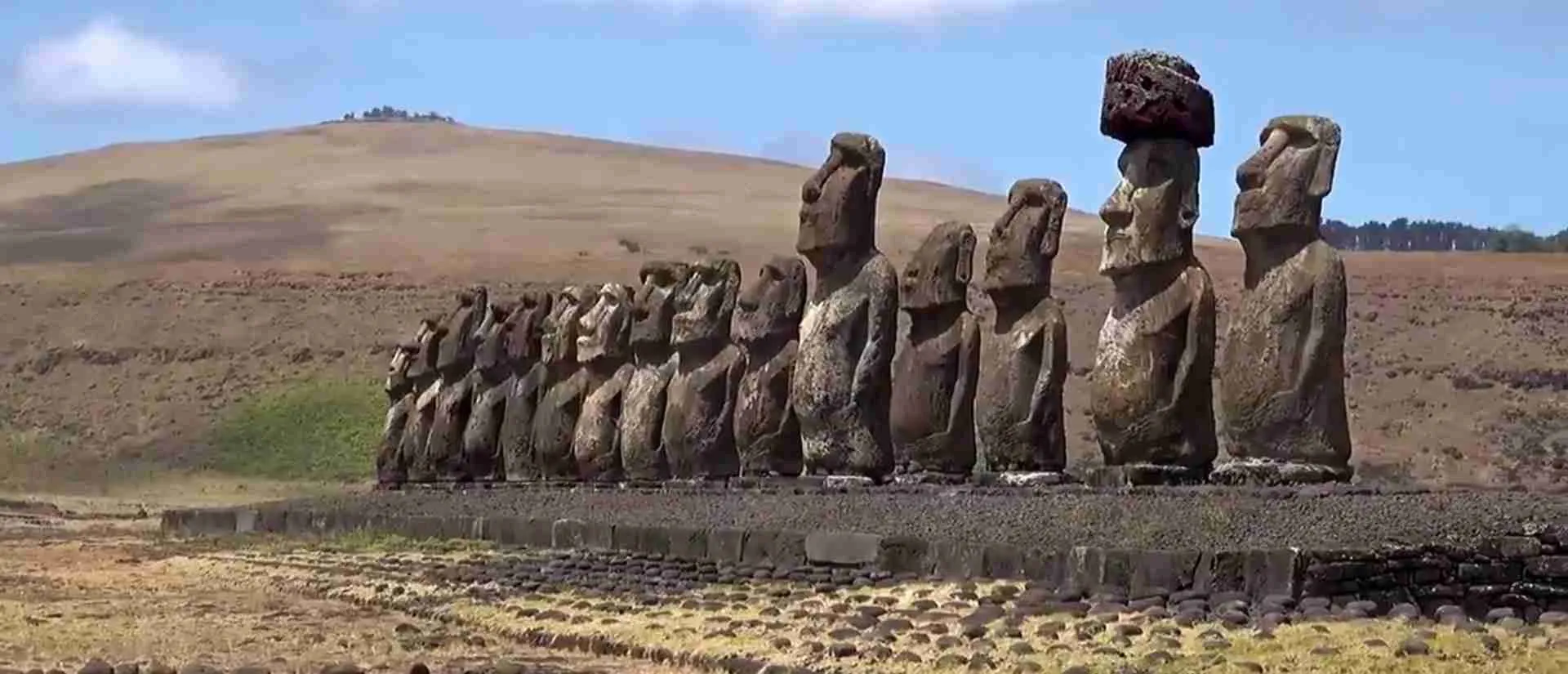
Easter Island National Park charges an entry fee of $80 USD (80,000 Chilean Pesos) for international visitors in 2026, valid for 10 consecutive days from first use. Check the official CONAF (Corporación Nacional Forestal) website for current official rates as pricing may vary. This single payment grants access to all archaeological sites including Rano Raraku quarry where most moai were carved, the 15-moai platform at Ahu Tongariki, the ceremonial village of Orongo, and dozens of other ahu (stone platforms) scattered across the island. Children under 12 enter free when accompanied by paying adults, while Chilean nationals pay a reduced rate of approximately $20 USD (20,000 CLP).
Payment occurs at Mataveri Airport upon arrival or at the National Park office in Hanga Roa, accepting both US dollars and Chilean pesos. Credit cards are not accepted for park entry, so bring cash in either currency. The ticket takes the form of a plastic card worn around your neck while visiting archaeological sites, with rangers checking tickets at major locations including Rano Raraku, Orongo, and Ahu Tongariki. Lost tickets cannot be replaced, requiring purchase of a new entry card, so safeguard this important document throughout your visit.
Visitors also require a return flight ticket and proof of accommodation for their entire stay to enter Chile and receive the PDI (Policía de Investigaciones) entry stamp. Travel insurance is strongly recommended given the island’s isolation and limited medical facilities, with evacuation to Santiago costing $10,000-30,000 without coverage. CONAF enforces strict rules protecting archaeological sites, including prohibitions on touching moai statues, climbing on ahu platforms, or removing any stones, with violations resulting in substantial fines and potential criminal charges.
Understanding the Island Layout and Sites
Easter Island forms a triangular shape measuring approximately 24 kilometers from Rano Kau volcano in the southwest to Poike peninsula in the east. The single town of Hanga Roa occupies the western coast, containing virtually all accommodation, restaurants, shops, and services in a compact area walkable within 20-30 minutes. All moai sites, volcanic craters, and beaches lie outside town, scattered across the island’s interior and coastline along a network of partially paved roads totaling roughly 60 kilometers.
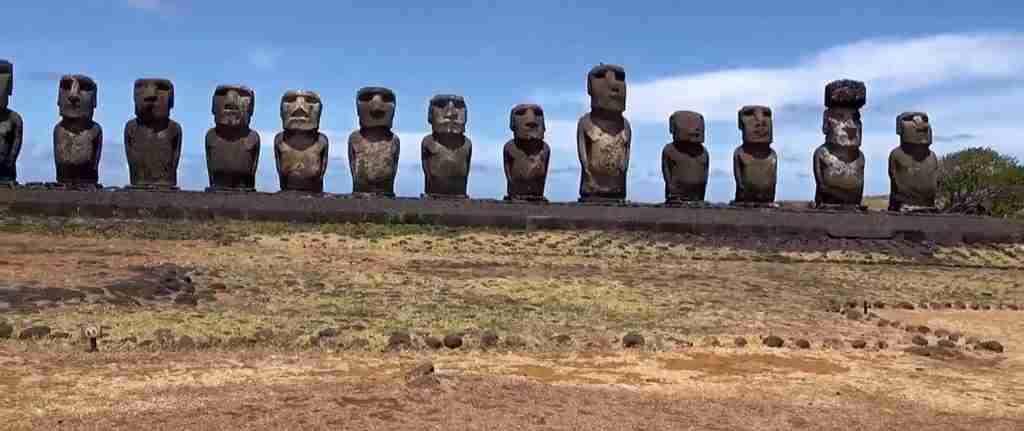
The island divides into four main touring zones based on geography and site concentration. The southeast coast contains the most impressive platforms including Ahu Tongariki with 15 restored moai and Rano Raraku quarry where 397 statues remain in various stages of completion. The north shore features Anakena beach with its white coral sand and restored ahu platforms, plus the distinctive topknot quarry at Puna Pau. The southwest sector encompasses Rano Kau volcanic crater and the ceremonial village of Orongo perched on its rim. The interior and western areas hold numerous scattered ahu platforms, petroglyphs, and the lesser-visited but fascinating cave systems.
Most visitors base themselves in Hanga Roa and take daily excursions to different island sectors, though the compact size means you can theoretically visit multiple zones in a single day with efficient planning. Sunrise typically draws visitors to Ahu Tongariki on the east coast, while sunset views shine from the western coast near Hanga Roa or from the Orongo ceremonial village overlooking the Pacific. The strategic town location makes it easy to reach any part of the island within 20-40 minutes of driving, eliminating the need to change accommodation locations during multi-day visits.
Best Time to Visit Easter Island 2026
Seasonal Analysis for 2026 Planning
Easter Island enjoys a subtropical climate with warm temperatures year-round, though distinct seasonal patterns affect visitor experience, costs, and crowd levels throughout 2026. The island’s southern hemisphere location means summer falls December through March, bringing peak warmth and tourism, while winter spans June through August with cooler conditions and fewer visitors. Understanding these patterns helps optimize timing for weather preferences, budget constraints, and crowd tolerance.
Summer season (December 2025-March 2026) delivers the warmest weather with average temperatures of 23-28°C (73-82°F) and sea temperatures reaching 23-24°C ideal for swimming and snorkeling. Rainfall remains relatively low at 80-120mm monthly, though occasional tropical showers pass quickly. This peak period attracts the highest visitor numbers, creating crowded conditions at major sites like Ahu Tongariki during sunrise hours when 100-200 people gather for photographs. Accommodation prices reach their highest levels with mid-range hotels charging $180-250 per night and budget hostels $60-80. Flight costs peak during this window at $600-800 round-trip from Santiago, particularly around Christmas, New Year’s, and the Tapati Rapa Nui festival in late January-early February.
Autumn (April-May 2026) represents the sweet spot for many visitors, maintaining pleasant temperatures of 20-25°C (68-77°F) while crowds diminish significantly after Easter holiday. Rainfall increases slightly to 120-150mm monthly, but most precipitation falls during brief evening showers that clear by morning. Hotel rates drop 20-30% compared to summer peaks, bringing mid-range properties to $140-180 per night range. Flights decrease to $450-600 round-trip, and popular sunrise locations host just 30-50 people rather than summer’s masses. The ocean remains warm enough for comfortable swimming at 22-23°C, and the slightly cooler air temperatures actually improve comfort during midday archaeological site exploration.
Winter (June-August 2026) marks low season with the coolest temperatures of 18-22°C (64-72°F) and increased wind speeds that can affect boat tours and outdoor comfort. Rainfall peaks at 150-200mm monthly, with more frequent cloud cover reducing optimal photography conditions. However, this season offers the lowest prices across all categories, with accommodation dropping 30-40% below summer rates and flights sometimes available for $400-500 round-trip. Major archaeological sites feel almost private with minimal crowds, and restaurants and tour operators offer their most flexible service and best negotiation opportunities. The weather remains suitable for sightseeing despite cooler conditions, with most days still reaching 20°C+ during peak afternoon hours.
Spring (September-November 2026) mirrors autumn’s advantages with warming temperatures of 19-24°C (66-75°F) and decreasing rainfall to 100-120mm monthly as summer approaches. This shoulder season attracts growing visitor numbers as weather improves, but crowds remain manageable compared to summer peaks. Pricing sits mid-range at $450-600 for flights and $150-200 for mid-range hotels. September can still show some winter weather patterns early in the month, while November increasingly resembles summer conditions. The Spring Equinox around September 22 offers special significance for some moai alignments related to solar observations, adding cultural interest to this visiting period.
Event Calendar and Cultural Celebrations 2026
The Tapati Rapa Nui festival dominates Easter Island’s cultural calendar, typically running during the first two weeks of February 2026 (exact dates announced 6 months in advance by the Rapa Nui community). This extraordinary celebration showcases traditional Polynesian culture through competitions including haka pei (sliding down steep volcanic slopes on banana trunks), takona (body painting), riu (traditional chanting), and tau’a (triathlon swimming, running, and paddling on reed boats). Two family groups compete throughout the festival, with nightly performances at the Hanga Vare Vare open-air stage featuring elaborate costumes, choreographed dances, and traditional music. Hotels book solid during Tapati 4-6 months in advance, and flight prices reach annual peaks of $700-900 round-trip from Santiago.
Mahana O Te Re commemorates the Spring Equinox around September 22-23, 2026, when the sun rises directly behind certain moai platforms creating dramatic photographic opportunities as light streams between the statues. While not a major festival like Tapati, this astronomical event attracts photography enthusiasts and those interested in the astronomical knowledge embedded in moai platform orientations. Several local guides offer special sunrise tours during this period, typically costing $40-60 per person with 4:30-5:00 AM departures.
Christmas and New Year (December 24-January 2, 2026) bring peak prices and maximum crowds as Chilean families vacation on the island combined with international tourists. Accommodation becomes scarce with most properties requiring 4-6 month advance bookings and minimum 5-7 night stays. Special holiday programming includes traditional Catholic masses blended with Rapa Nui customs, beachside celebrations at Anakena, and extended restaurant hours with special menus featuring both Chilean and Polynesian cuisines.
Transportation Guide 2026
Reaching Easter Island by Air
LATAM Airlines operates the only scheduled passenger service to Easter Island, flying daily from Santiago de Chile with flight LA841 departing around 9:00-10:00 AM and arriving at Mataveri International Airport approximately 3:00-4:00 PM after a 5.5-hour journey over the Pacific. Return flights typically depart Easter Island around 5:00-6:00 PM, arriving Santiago near midnight. These times shift slightly depending on season and operational adjustments, but the basic pattern of one daily flight in each direction remains consistent throughout 2026.
Flight costs vary substantially based on booking timing and season, ranging from $400 round-trip during low season with 3-4 month advance purchase to $800+ during peak summer and festival periods. The typical mid-range price for 2-3 month advance booking in shoulder season falls around $500-600 round-trip. LATAM uses Boeing 787 Dreamliner aircraft on this route, configured with roughly 300 seats divided between economy, premium economy, and business class. Economy seats cost $400-800 as mentioned, premium economy adds $200-300 to base fares offering extra legroom and enhanced meal service, while business class typically runs $1,800-2,500 providing lie-flat seats and premium amenities for the long over-water flight.
An alternative routing exists through Tahiti, with LATAM operating a once-weekly service connecting Papeete and Easter Island on the Santiago-Papeete route. However, this option rarely proves economical, requiring complex itineraries through multiple connections and typically costing $1,200-1,800 total. Most visitors find the direct Santiago route more practical despite requiring a long-haul flight to reach Chile first. From North America, typical routings involve flights to Santiago through Lima, Panama City, or Miami, adding 8-14 hours and $600-1,200 to total travel costs depending on origin city.
Book LATAM flights directly through latam.com or through major travel booking platforms including Google Flights, Kayak, or traditional travel agencies. Set price alerts 4-6 months before travel to catch promotional pricing that occasionally drops to $350-400 round-trip, though these deals sell quickly. Checked baggage typically costs $30-50 per bag each way beyond the included carry-on allowance, though LATAM Plus members receive free checked bags and priority boarding benefits. The airline enforces strict weight limits of 23kg (50 pounds) for checked bags and 8kg (18 pounds) for carry-ons, with excess baggage fees running $50-100 per additional bag.
Island Transportation Options
Rental vehicles provide the most practical and popular transportation for exploring Easter Island’s archaeological sites, with options including cars, motorcycles, bicycles, and guided tours. The island’s compact 60-kilometer road network connects all major sites, though only about 40% of roads have pavement, with the remainder consisting of rough dirt tracks requiring careful navigation. No public bus system exists, and taxis serve primarily for airport transfers rather than full-day touring, making vehicle rental essential unless joining guided tours exclusively.
Rental cars cost $60-90 per day for basic sedans or small SUVs, with 4WD vehicles recommended for accessing all sites comfortably at $80-110 daily. Major agencies including Oceanic, Insular, and Rent A Car Compass operate from downtown Hanga Roa offices, typically requiring 2-3 day minimum rentals. International driver’s licenses are technically required though standard licenses are often accepted, and insurance adds $15-25 daily for comprehensive coverage reducing collision responsibility to zero. Fuel costs approximately $1.80-2.20 per liter ($6.80-8.30 per gallon), with a full tank sufficient for several days of touring given the island’s small size. Most rental contracts include unlimited mileage, and returning the vehicle with a full tank avoids refueling charges that can reach $100 for a nearly empty tank.
Motorcycles and scooters offer an economical alternative at $40-60 daily, providing excellent maneuverability on narrow dirt roads and easier parking at crowded sites like Ahu Tongariki during sunrise hours. However, these vehicles offer no protection from rain or sun, carry minimal storage for camera gear and supplies, and prove less comfortable for couples or those with substantial luggage. Helmets come included with rentals, and the same driving license and insurance requirements apply as for cars. The island’s compact size and generally light traffic make motorcycles a viable option even for less experienced riders, though rough dirt roads near some archaeological sites require confidence in handling unpaved surfaces.
Bicycle rentals cost $15-25 daily from shops clustered around Hanga Roa’s main street, offering the most budget-friendly option for fit travelers willing to pedal 20-40 kilometers daily. The island’s terrain includes significant hills, particularly around volcanic craters, making this option best suited for experienced cyclists comfortable with elevation changes. Most bikes are basic mountain bikes rather than road-specific models, appropriate for the mixed pavement and dirt roads encountered. Factor 3-4 hours of riding time to reach and return from distant sites like Ahu Tongariki or Anakena beach, compared to 45-60 minutes by car or motorcycle.
Guided tours represent the most educational option, with local operators offering half-day and full-day excursions including transportation, guide commentary, and sometimes lunch. Half-day tours focusing on a single area like the Rano Raraku quarry or Orongo village cost $60-90 per person with 4-5 hour duration, while full-day island circuits covering multiple zones run $110-150 per person for 8-10 hour experiences. Tours typically accommodate 10-20 people in minibuses, though private tours for 2-6 people cost $250-400 total providing more flexibility and personalized attention. The main disadvantage involves fixed schedules that may not align with optimal photography light or personal pacing preferences, though the cultural and historical insights from knowledgeable guides often prove invaluable for understanding moai construction techniques, Rapa Nui mythology, and archaeological discoveries.
Accommodation Strategies 2026
Budget Accommodation Options
Easter Island offers limited budget accommodation concentrated in Hanga Roa, with approximately 15-20 hostels and guesthouses catering to backpackers and price-conscious travelers. Expect to pay $40-60 per night for basic dorm beds in shared rooms with 4-8 bunks, or $60-90 for private rooms with shared bathrooms. These properties typically include breakfast with simple offerings of bread, jam, instant coffee, and fruit, plus communal kitchens where guests can prepare meals to save on restaurant costs. Hot water proves reliable at most established properties, though budget options may have limited hours for hot showers or require requesting hot water in advance.
Recommended budget options include Camping Mihinoa offering the island’s only campground at just $20-25 per person for tent sites with shared bathroom facilities and cooking areas, though bring your own camping gear or rent locally for $30-40 total per stay. Hostal Petero Atamu provides clean dorm beds for $45-55 with excellent breakfast and helpful staff who arrange rental vehicles and tours. Tekena Inn falls slightly higher at $60-80 for private rooms with private bath, representing the upper budget category but offering better comfort and quieter environment than busy hostel dorms.
All budget properties sit within walking distance of Hanga Roa’s center, eliminating transportation costs for meals and shopping. Most offer free WiFi though speeds remain slow due to the island’s satellite internet connection. Book budget accommodation 1-3 months in advance during summer season when the limited budget supply fills quickly, or find walk-in availability during winter months (June-August) when many properties drop rates an additional 15-25%. Some guesthouses offer discounts for extended stays of 5+ nights, potentially reducing per-night costs to $35-50 in budget dorms or $55-75 for private rooms.
Mid-Range Hotel Selection
Mid-range hotels and boutique properties provide the sweet spot for most Easter Island visitors, offering comfortable private rooms with amenities like air conditioning, private bathrooms with reliable hot water, and included breakfast, while maintaining reasonable pricing at $120-180 per night for standard doubles during shoulder season. Peak summer season (December-March) pushes these rates to $180-250, while winter low season (June-August) drops to $90-140. Most properties in this category maintain 15-25 rooms in low-rise buildings scattered through residential Hanga Roa neighborhoods.
Hotel Taura’a represents solid mid-range value at $130-170 per night, offering modern rooms with mini-fridges, flat-screen TVs, and small balconies or terraces overlooking garden areas. The property includes a small pool, tour booking desk, and car rental coordination, plus generous breakfast buffets with fresh fruit, eggs, cereals, and local specialties. Location sits about 10 minutes’ walk from town center, providing quieter environment while remaining easily accessible for restaurants and shopping.
Taha Tai Hotel occupies an oceanfront position on Hanga Roa’s western edge, pricing at $160-210 per night for rooms with sweeping Pacific views and direct access to sunset watching from the coastal promenade. The hotel’s 24 rooms feature contemporary design blending modern amenities with traditional Rapa Nui decorative elements, and the on-site restaurant serves above-average cuisine at moderate prices of $20-35 per dinner entrée. Pool, spa services, and bicycle rentals add to the resort-like feel without reaching true luxury price points.
Book mid-range hotels 2-3 months ahead for summer and Tapati festival periods when the best properties fill completely, or find last-minute deals during shoulder and low seasons through booking platforms including Booking.com and Expedia. Many properties offer direct booking discounts of 10-15% when reserving through hotel websites rather than third-party platforms. Half-board packages including both breakfast and dinner save approximately $20-30 per person daily compared to paying meals separately, a worthwhile option given limited dinner restaurant choices and somewhat high meal costs throughout Hanga Roa.
Luxury Resort Experience
Easter Island’s luxury segment remains modest compared to other international destinations, with just 3-4 properties genuinely qualifying as upscale resorts. Prices range $250-400 per night for superior rooms and $400-600 for suites during peak season, dropping to $180-300 and $300-450 respectively in low season. These properties distinguish themselves through exceptional locations, larger rooms with premium amenities, attentive service with multilingual staff, fine dining restaurants, spa facilities, and organized excursions included in nightly rates or available at preferential pricing for guests.
Explora Rapa Nui represents the island’s pinnacle luxury property, positioning itself as an all-inclusive experience at $600-900 per person nightly (double occupancy) including accommodation, all meals, premium wines and spirits, and multiple daily guided excursions with expert archaeologist guides. The 30-room property sits on a hillside overlooking the ocean, designed with contemporary architecture incorporating natural materials and floor-to-ceiling windows maximizing views. Every detail receives attention from turndown service with pisco sours to private terraces with outdoor Jacuzzis in some suite categories. The all-inclusive model removes daily decision-making about activities and meals, though the high upfront cost makes this option viable primarily for luxury-focused travelers with substantial budgets.
Hangaroa Eco Village & Spa offers a more accessible luxury option at $250-350 per night (room only), providing 75 rooms in traditional Rapa Nui-style construction using local volcanic stone and native woods. The extensive property includes pools, a full-service spa offering traditional Polynesian treatments at $80-120 per session, and an excellent restaurant where dinner runs $35-50 per person with wine. The eco-focus extends to organic gardens supplying restaurant ingredients and solar water heating systems. Location about 15 minutes’ walk south of town center provides peaceful surroundings while requiring vehicle or taxi service ($10-15 each way) for evening restaurant exploration in Hanga Roa proper.
Hotel Hanga Roa maintains more central positioning in Hanga Roa’s residential core, offering modern four-star amenities at $220-320 per night for standard rooms and $350-450 for oceanview suites. The 62-room property appeals to travelers seeking luxury location convenience over isolated resort experience, with numerous restaurants and shops within 5 minutes’ walk. The hotel operates its own tour desk organizing private excursions, and maintains partnerships with rental car agencies for preferential rates. Three on-site restaurants cover casual poolside dining to formal fine dining with tasting menus reaching $70-90 per person with wine pairings.
Money-Saving Strategies 2026
Advance Booking Benefits
Strategic advance booking represents the single most effective money-saving approach for Easter Island visits, with early purchasers saving 30-50% compared to last-minute prices across flights, accommodation, and rental vehicles. LATAM Airlines releases flight schedules approximately 11 months in advance, with the lowest promotional fares appearing 4-6 months before departure. These early-bird prices often start at $400-450 round-trip from Santiago, climbing to $500-600 at 2-3 months out, and reaching $700-900 for bookings made within 30 days of travel during peak season.
Set price alerts through Google Flights, Kayak, or Skyscanner immediately after LATAM publishes schedules to catch flash sales that occasionally drop below $400 round-trip. These promotions typically last just 24-48 hours and sell out rapidly for peak travel months, so monitor alerts closely and book immediately when prices drop. Mid-week flights (Tuesday-Thursday departures) generally cost $50-100 less than weekend travel, and flights departing in early morning rather than late morning sometimes offer $30-50 savings, making schedule flexibility valuable even beyond the base fare differences.
Accommodation booking timelines vary by property type, with luxury hotels releasing rates 6-12 months ahead while budget hostels typically open bookings 3-6 months out. Regardless of category, booking 2-4 months in advance during shoulder seasons (April-May, September-November) and 3-6 months for peak summer secures the best rates and widest selection. Many hotels offer early-bird discounts of 10-20% for bookings made 90+ days ahead with full prepayment, though these rates typically come with no-refund policies requiring careful commitment to travel dates. Flexible-rate bookings cost 10-15% more but allow free cancellation up to 7-14 days before arrival, worth considering given the logistical complexities of reaching this remote island.
Strategic Seasonal Timing
Visiting during shoulder seasons (April-May, September-November) or low season (June-August) delivers the most dramatic cost savings, with winter travelers potentially spending 40-50% less than summer peak visitors on identical itineraries. The cost differential breaks down as follows: flights drop from $700-800 peak to $400-500 low season (saving $250-400), accommodation falls from $200-250 peak to $100-140 low season for mid-range hotels (saving $500-660 over 5 nights), rental cars decrease from $90-110 peak to $60-80 low season (saving $120-180 over 4 days), and restaurant prices remain stable but empty establishments often provide complimentary appetizers or desserts building goodwill during slow periods.
Low season disadvantages include cooler temperatures of 18-22°C versus summer’s 24-28°C, increased rainfall probability of 150-200mm monthly versus summer’s 80-100mm, stronger winds affecting boat tours and outdoor comfort, and shorter daylight hours with 6:00 PM sunset versus summer’s 8:00 PM making evening exploration less appealing. However, these factors prove manageable with appropriate clothing and flexible scheduling, and the dramatic cost savings combined with virtually empty archaeological sites create compelling advantages for budget-conscious travelers not requiring perfect weather conditions.
Shoulder seasons provide the optimal balance, maintaining pleasant temperatures of 19-25°C with moderate rainfall around 100-120mm monthly, while delivering significant savings of 25-35% compared to peak summer without the weather compromises of full winter season. April-May especially shines with warm autumn conditions, decreasing crowds as families return to school schedules, and accommodation rates 20-30% below summer peaks. September-November gradually builds toward summer conditions while maintaining shoulder pricing through most of November, making this window excellent for travelers seeking both value and comfortable weather.
Food Cost Management
Meal costs represent a significant daily expense on Easter Island due to the island’s isolation requiring all ingredients arrive by ship or plane from mainland Chile, creating restaurant prices 30-50% higher than Santiago equivalents. Budget restaurant meals run $12-18 for lunch and $18-28 for dinner per person, mid-range establishments charge $20-30 for lunch and $35-50 for dinner, while upscale dining reaches $45-70 per person for dinner with wine. Managing food costs effectively requires strategic approaches balancing convenience, nutrition, and enjoyment.
Staying at accommodation including breakfast eliminates one meal decision and cost, typically valued at $8-15 per person. Most included breakfasts provide sufficient quantity to prepare simple sandwiches for trail snacks, saving $8-12 on purchased lunches at archaeological sites. Shopping at Hanga Roa’s two main supermarkets (Vaikam’a and Kaimata) allows preparing picnic lunches for $5-8 per person rather than restaurant meals at $18-25, saving $10-15 daily. Hostels and some mid-range hotels offer guest kitchen facilities where travelers can cook dinners for $12-18 per person in groceries versus $35-50 at restaurants, generating savings of $20-30 daily for those willing to shop and cook.
The empanadas de atún (tuna empanadas) sold at several bakeries for $3-5 each make excellent quick lunches, requiring 2-3 per person for satisfying meals totaling just $8-12 compared to sit-down restaurant equivalents at $18-25. Street food options remain limited compared to mainland Latin America, but the few food carts near the municipal market offer grilled fish sandwiches and ceviche at $8-12 per serving, providing budget-friendly alternatives to full restaurant meals while sampling local flavors. Tuesday through Saturday 9:00 AM – 1:00 PM sees a small crafts and produce market on Caleta Hanga Roa where locals sell fresh fruit, vegetables, and simple prepared foods at slightly lower prices than supermarkets.
Sample 2026 Itineraries
4-Day Essential Easter Island Itinerary
Day 1: Arrival and Town Orientation
Arrive on LATAM flight from Santiago around 3:00-4:00 PM, clear immigration and customs where you’ll pay the National Park entry fee $80 USD, collect rental vehicle $80-100 daily, and drive 10 minutes to accommodation in Hanga Roa. After checking in and freshening up, spend late afternoon exploring the town’s compact center including the Anthropological Museum Padre Sebastian Englert (free admission, open until 6:00 PM) providing essential context on Rapa Nui culture and moai construction techniques through exhibits of artifacts, photographs, and scale models. Walk along the coastal Ara o te Rapa Nui promenade watching sunset over the Pacific around 7:00-8:00 PM depending on season, then enjoy welcome dinner at Tataku Vave restaurant overlooking the ocean with fresh tuna steaks or seafood curry running $25-38 per person with drinks. Total day cost: $25-38 per person (excluding accommodation, rental vehicle, and park entry already accounted for separately).
Day 2: Southeast Coast and Rano Raraku Quarry
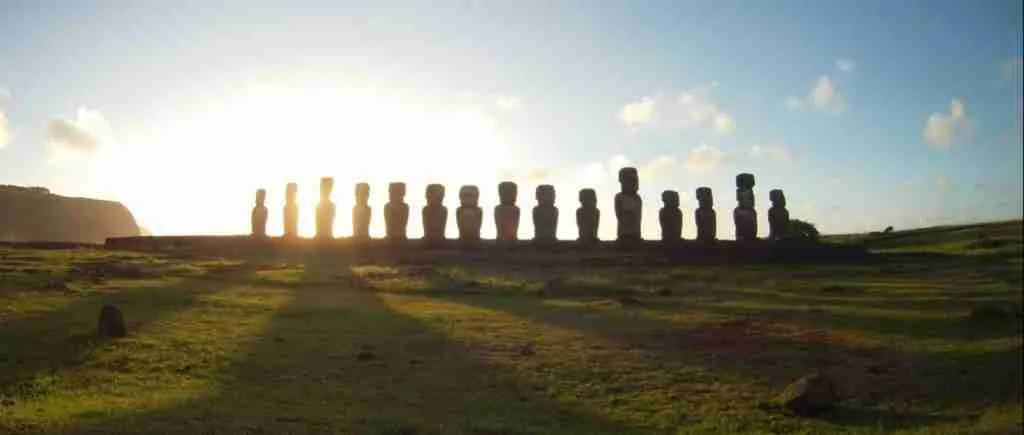
Depart accommodation 5:30-6:00 AM for sunrise at Ahu Tongariki, the island’s most photographed location where 15 restored moai stand in a line against the rising sun. Arrive 45 minutes before sunrise to secure good positioning among the 30-50 other photographers typically present during shoulder season. After capturing sunrise approximately 6:45-7:15 AM depending on season, spend an hour walking the site examining individual moai and the massive 86-ton pukao (red stone topknot) lying nearby. Drive 5 minutes to Rano Raraku quarry where 397 moai remain in various stages of carving, abandoned when traditional statue production ceased in the 17th century. Spend 2-3 hours exploring both the exterior slopes and interior crater where dozens of statues in all states of completion from barely roughed out to nearly finished offer fascinating insights into ancient carving techniques. Pack lunch $5-8 or return to town for restaurant meal $18-25, then rest during afternoon heat before late afternoon visit to Ahu Te Pito Kura featuring the largest moai successfully transported and erected on a platform at 10 meters tall and 82 tons, plus the legendary “navel of the world” spherical stone. Sunset photos from the western coast near town around 7:00-8:00 PM, followed by dinner at Haka Honu restaurant with wood-fired pizzas or grilled fish $22-35 per person. Total day cost: $27-68 per person (excluding accommodation and rental vehicle).
Day 3: North Coast and Anakena Beach
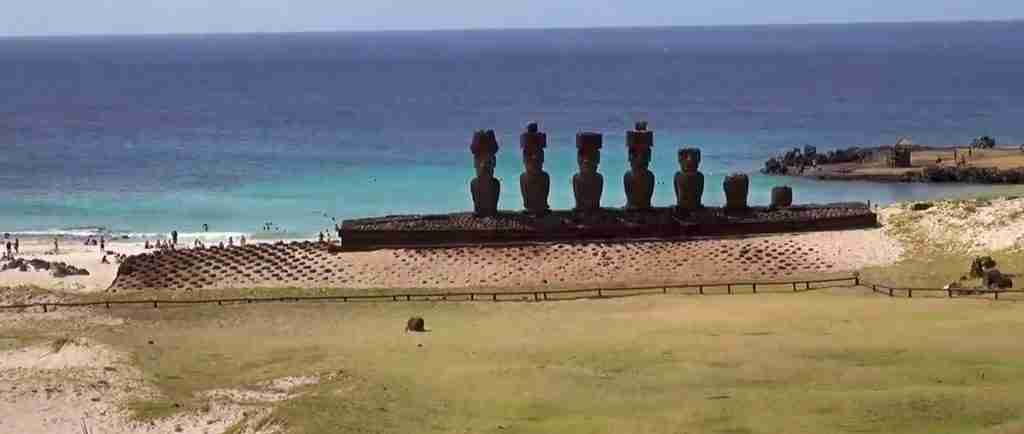
Morning drive along the northern coast stopping at Ahu Akivi, the only moai platform where statues face the ocean rather than inland toward the community, representing either the seven explorers who first scouted Easter Island or an astronomical alignment with the equinoxes. Spend 45 minutes at this atmospheric site surrounded by eucalyptus trees with fewer crowds than more famous platforms. Continue to Puna Pau quarry where the red scoria stone for pukao topknots was carved, walking among dozens of cylindrical stone forms abandoned on the slopes. Drive to Anakena beach for lunch and afternoon relaxation on the island’s finest white sand beach where coral rather than volcanic rock creates the unusual pale color. Two restored ahu platforms including Ahu Nau Nau with seven moai frame the beach, providing the island’s only archaeological sites with swimming access. Snorkel equipment rental $15-20 allows exploring the rocky points at either end of the beach where clear waters reveal tropical fish among coral formations. Beach food stand offers sandwiches and drinks $8-15 per person, or pack picnic supplies from town. Return to Hanga Roa mid-afternoon for rest and laundry if needed, then evening traditional dance performance at the Tahai ceremonial complex where sunset silhouettes the moai around 7:30 PM followed by 8:00 PM performance by Kari Kari troupe $35-45 per person including hotel pickup. Light dinner at Tako restaurant with fresh poke bowls $18-25 per person. Total day cost: $76-105 per person (excluding accommodation and rental vehicle).
Day 4: Orongo and Rano Kau, Departure
Final morning exploration of Orongo ceremonial village perched on the crater rim of Rano Kau volcano, site of the annual tangata manu (birdman) competition where competitors raced down 300-meter cliffs to offshore islets to collect the first egg of the sooty tern. The one-way road climbs steadily for 20 minutes from town, opening to spectacular views over the 1.5-kilometer-wide volcanic crater with its own internal lake 200 meters below. Spend 1.5-2 hours walking among the 54 stone houses of Orongo village, examining petroglyphs of birdman figures carved into rocks, and viewing the offshore islets Motu Nui, Motu Iti, and Motu Kau Kau where the egg competition took place. Descend to Hanga Roa for final souvenir shopping at craft market and late lunch $18-25 per person before 2:00-3:00 PM vehicle return and 4:00-5:00 PM departure on LATAM return flight to Santiago. Total day cost: $18-25 per person (excluding accommodation, rental vehicle, and return flight).
Four-Day Itinerary Total: Approximately $226-336 per person for meals and activities (excluding accommodation $160-360, rental vehicle $320-440 total for 4 days, park entry $80, and flights $400-800 round-trip from Santiago).
6-Day Comprehensive Easter Island Experience
A six-day itinerary allows more relaxed pacing, time for additional activities including diving or boat tours, exploration of lesser-known sites, and deeper cultural engagement through workshops or extended performance attendance. Build on the four-day framework above by adding the following two days:
Additional Day 5: Diving, Hiking, and Hidden Sites
Morning scuba diving excursion to the underwater moai replica placed near Hanga Roa harbor at 20 meters depth, plus exploration of lava caves and coral formations hosting tropical fish species. Two-tank dive costs $120-150 per person including all equipment for certified divers, or discovery dive $180-220 for non-certified guests with instructor guidance. Surface interval on a boat tour circling the coastline viewing moai platforms from sea perspective and approaching the bird islets off Orongo $40-60 per person. Afternoon visit to lesser-known sites including Ana Te Pahu cave network where ancient families sheltered during conflicts, accessible via moderate 30-minute hike, and the Ahu Vinapu platform notable for its precisely fitted stones resembling Incan masonry. Sunset at Ahu Tahai complex just north of town where three separate platforms create photogenic silhouettes against the Pacific. Dinner at La Kaleta restaurant with Chilean-Polynesian fusion cuisine $30-45 per person. Total day cost: $190-305 per person (excluding accommodation and rental vehicle).
Additional Day 6: Cultural Immersion and Relaxation
Morning Rapa Nui language and culture workshop at Mata Kī Te Rangī Cultural Center $40-50 per person, learning basic Polynesian phrases, traditional tattoo meanings, and stone carving techniques through hands-on demonstrations. Mid-morning visit to Pea Sculpture Garden showcasing contemporary Rapa Nui art blending traditional themes with modern aesthetics (free admission, donations appreciated). Afternoon spa treatment at upscale hotel spa with traditional Polynesian massage $80-120 per person, or beach time at Ovahe with its pink-sand beach accessible via rough road requiring 4WD vehicle (no services, bring all supplies). Evening attendance at comprehensive Tapati Rapa Nui-style performance even outside festival season at Hare Waka cultural center $50-70 per person including dinner buffet with traditional earth oven-cooked foods and contemporary hotel presentations. Total day cost: $170-240 per person (excluding accommodation and rental vehicle).
Six-Day Itinerary Total: Approximately $586-881 per person for meals and activities (excluding accommodation $240-540, rental vehicle $480-660 total for 6 days, park entry $80, and flights $400-800 round-trip from Santiago).
Practical Tips for 2026 Visits
What to Pack for Easter Island
Easter Island’s subtropical climate and remote location require specific packing considerations balancing sun protection, light layers for variable weather, and specialized items unavailable on the island. Pack reef-safe sunscreen with SPF 50+ applying liberally every 2 hours as the intense Pacific sun combined with minimal air pollution creates strong UV exposure even on partly cloudy days. Bring wide-brimmed sun hat, UV-protective sunglasses, and long-sleeve UV shirts for midday archaeological site exploration where shade is minimal. Lightweight rain jacket proves essential year-round for sudden tropical showers, with hooded models protecting camera equipment during unexpected downpours at remote sites.
Sturdy hiking shoes with good ankle support and tread handle the rough terrain at sites like Rano Raraku quarry and Orongo village where volcanic rock creates uneven footing and loose gravel poses slipping hazards. Pack sandals or water shoes for Anakena beach and potential boat tours. Bring your own snorkeling equipment if you’re particular about fit and hygiene, though rental options exist for $15-20. Camera equipment requires special attention with extra memory cards and batteries since photography opportunities abound, plus dust-proof camera bag protecting gear from volcanic dust on unpaved roads.
Chilean pesos in cash for the National Park entry fee and small purchases at sites without card acceptance, though USD is widely accepted at slightly disadvantageous exchange rates. Reusable water bottle with 1-2 liter capacity stays essential for all-day site touring in hot conditions, refilling at accommodation before departures since no services exist at archaeological sites. Pack insect repellent for evening use though mosquitoes remain relatively minimal compared to tropical locations. Bring all prescription medications and basic first aid supplies including blister treatment, as the island’s single pharmacy stocks limited selection and charges premium prices for common items like ibuprofen or antihistamines.
Photography Tips and Best Shooting Times
Easter Island offers extraordinary photographic opportunities combining massive stone statues with dramatic volcanic landscapes and vibrant Pacific sunsets. Sunrise at Ahu Tongariki represents the island’s most iconic shot, with 15 moai silhouetted against the emerging sun around 6:45-7:15 AM depending on season. Arrive 45 minutes early to secure position along the platform’s southern side where morning light first illuminates the statues’ faces. Bring wide-angle lens (16-35mm) capturing the entire platform plus telephoto (70-200mm) for individual moai portraits as light changes. Tripod proves valuable for low-light conditions and long exposures, though hand-holding at ISO 800-1600 produces acceptable results with modern cameras.
Rano Raraku quarry demands mid-morning to early afternoon visits when sunlight penetrates the crater interior illuminating partially carved moai on interior slopes. The exterior slopes photograph well from mid-afternoon through sunset as westward-facing statues catch golden hour light highlighting their features and weathered textures. Overcast conditions actually benefit Rano Raraku photography by eliminating harsh shadows in deep-set eye sockets and preventing blown highlights on pale volcanic tuff stone, making this site ideal for cloudy-day shooting when sunrise/sunset locations disappoint.
Sunset photography excels along the western coast near Hanga Roa where numerous ahu platforms create silhouette opportunities against colorful skies. Ahu Tahai complex just north of town provides three separate platforms offering composition variety, while Ahu Riata platform south of town sees fewer visitors during sunset hours. Summer sunsets around 8:00-8:30 PM allow visiting both Ahu Tongariki sunrise and western sunset in the same day with time for midday site exploration, while winter’s 6:00-6:30 PM sunsets require choosing between sunrise and sunset priorities or splitting visit days.
Responsible Tourism and Site Etiquette
Easter Island’s archaeological sites face ongoing conservation challenges from weathering, tourism pressure, and the inherent fragility of 500+ year old carved volcanic stone. CONAF park regulations strictly prohibit touching moai statues, with even light contact from thousands of hands transferring oils and dirt that accelerate deterioration. Climbing on ahu platforms is forbidden with violations resulting in $500+ fines and potential criminal charges. Removing any stones, even small fragments lying on the ground, is illegal under Chilean antiquities law with severe penalties including imprisonment for significant violations.
Stay on designated paths at sites like Rano Raraku where fragile vegetation and partially buried statues suffer damage from visitors walking off-trail for photo opportunities. The proper viewing path circles the quarry exterior at slope base, climbs to the crater rim, then descends into the interior following marked routes. Rangers patrol major sites checking park entry cards and monitoring visitor behavior, with authority to expel violators without refunds. Photography tripods and selfie sticks are allowed but must not contact moai or ahu stones, and commercial photography requiring models posing on platforms needs special permits obtained weeks in advance through CONAF offices in Hanga Roa.
Respect private property boundaries clearly marked around archaeological sites, as most land outside the National Park remains privately owned by Rapa Nui families who legally access their properties across tourist routes. When photographing local people at cultural performances or festivals, always ask permission first as Rapa Nui culture values consent and some ceremonies hold sacred significance not appropriate for casual tourist photography. Support authentic Rapa Nui artists by purchasing crafts directly from makers at the craft market or artisan workshops rather than imported souvenirs at generic gift shops. The island’s fragile ecosystem depends on visitors packing out all trash, as littering remains a visible problem particularly at remote beaches where no waste services exist.
FAQ Section
Is Easter Island worth visiting in 2026?
Easter Island absolutely justifies the time and expense for travelers seeking unique archaeological experiences, dramatic landscapes, and Polynesian culture in one of the world’s most isolated locations. The combination of nearly 900 moai statues scattered across volcanic terrain, the mystery surrounding their construction and purpose, and the surviving Rapa Nui cultural traditions creates an experience available nowhere else. The costs run higher than typical South American destinations, with total trips of $1,800-3,200 per person for 4-5 days including flights from Santiago, but the investment delivers once-in-a-lifetime photo opportunities, fascinating historical insights, and powerful connection to ancient civilizations that carved massive stone figures on a tiny island 3,700 kilometers from the nearest continent.
How many days do you need on Easter Island?
Four to five days represents the ideal Easter Island visit duration, allowing time to visit all major archaeological sites without feeling rushed, including sunrise at Ahu Tongariki, extended exploration of Rano Raraku quarry, relaxation at Anakena beach, sunset at Orongo ceremonial village, and several lesser-known ahu platforms scattered across the island. Three days works as an absolute minimum covering just the highlight sites with early starts and late finishes, while six to seven days permits more leisurely pacing, inclusion of diving or boat tours, cultural workshops, and simply absorbing the island’s peaceful atmosphere without constant movement. The compact 24-kilometer island size means you can theoretically visit everything in two days, but the emotional impact and photographic opportunities deserve adequate time rather than rushed checkboxes.
What language is spoken on Easter Island?
Spanish serves as the primary language on Easter Island since the territory belongs to Chile, with nearly all residents speaking fluent Spanish in addition to Rapa Nui, the indigenous Polynesian language. Many people working in tourism also speak English at functional levels sufficient for basic transactions and tour guidance, though Spanish fluency greatly enhances the experience allowing deeper conversations with locals about history and culture. The Rapa Nui language faces endangerment with roughly 3,000 speakers, primarily older community members, though revival efforts through school programs and cultural initiatives work to strengthen usage among younger generations. Basic Spanish phrases like “buenos días” (good morning), “gracias” (thank you), and “¿cuánto cuesta?” (how much does it cost?) facilitate interactions, while bringing a translation app helps with more complex needs like medical situations or vehicle rental contracts.
Can you swim at Easter Island beaches?
Swimming is excellent at Easter Island’s beaches, with water temperatures ranging from 19-24°C (66-75°F) year-round, warmest during summer months (December-March) and coolest in winter (June-August). Anakena beach on the north coast offers the best swimming conditions with its protected cove, white coral sand, and gradual depth increase safe for families. The beach features two restored ahu platforms providing unique scenery combining archaeological significance with beach relaxation. Ovahe beach, accessible via rough road requiring 4WD vehicle, offers pink-tinted sand and dramatic cliff backdrop though stronger currents require caution and swimming ability. The western coast near Hanga Roa has rocky entries rather than sand beaches but provides excellent snorkeling among volcanic formations with tropical fish, though watch for surge against rocks. The isolated Pea beaches on the southeast coast demand extreme caution due to powerful currents and waves, suitable only for experienced surfers rather than recreational swimming.
Is Easter Island safe for tourists?
Easter Island ranks among Chile’s safest regions, with extremely low violent crime rates and minimal tourist-targeted theft compared to mainland cities. The small population of approximately 7,750 residents creates a community atmosphere where crime attracts immediate attention and consequences. Petty theft from unlocked rental vehicles at remote archaeological sites represents the primary security concern, prevented by always locking vehicles and taking valuables when leaving cars unattended. The island’s isolation means medical emergencies require evacuation to Santiago for serious conditions beyond the local clinic’s capacity to treat, making comprehensive travel insurance with medical evacuation coverage essential. Natural hazards include strong ocean currents at certain beaches requiring caution when swimming, and the intense tropical sun demanding diligent sunscreen application to prevent severe burns. Overall, tourists experience warm hospitality from residents who depend on tourism for livelihood while maintaining strong cultural pride in their heritage and homeland.
What is the best month to visit Easter Island?
October through December represents the optimal visiting window for Easter Island, combining warm spring and early summer temperatures of 21-26°C (70-79°F), relatively low rainfall under 100mm monthly, decreasing crowds compared to peak January-March summer, and accommodation prices 15-25% below summer peaks. October especially shines with pleasant weather as the island transitions from winter to summer, fewer visitors since Northern Hemisphere residents focus on local autumn activities, and good advance booking availability since most visitors target December holidays. November maintains excellent weather while prices remain moderate, and early December (before December 20) captures summer conditions before Christmas rush elevates costs. These months avoid both peak summer crowds/prices and winter’s cooler, wetter, windier conditions, while providing optimal photography light with longer days but not extreme summer heat affecting midday comfort at exposed archaeological sites.
Do you need a car on Easter Island?
A rental vehicle is highly recommended for Easter Island visits, providing freedom to explore archaeological sites at your own pace, capture optimal sunrise and sunset lighting, and access remote locations beyond guided tour schedules. The island lacks public transportation, taxis serve primarily airport transfers rather than all-day touring, and the 60-kilometer road network connecting sites makes walking impractical given distances of 10-25 kilometers between major locations. Rental cars cost $60-90 daily for basic vehicles or $80-110 for 4WD models providing better handling on rough dirt roads accessing sites like Ovahe beach or remote ahu platforms. Motorcycles at $40-60 daily offer economical alternatives for fit travelers comfortable riding on mixed pavement and dirt surfaces, while bicycles at $15-25 daily work for athletic cyclists willing to pedal 20-40 kilometers daily over hilly terrain. Guided tours provide viable car-free alternative at $60-150 per day depending on itinerary, though fixed schedules sacrifice flexibility in timing visits for optimal light or avoiding crowds.
What currency is used on Easter Island?
Chilean pesos (CLP) serve as the official currency on Easter Island since the territory belongs to Chile, with exchange rates fluctuating around 800-900 CLP per US dollar depending on market conditions. US dollars are widely accepted at most tourist businesses including hotels, restaurants, and tour operators, though often at slightly disadvantageous exchange rates providing 750-850 CLP per dollar rather than official bank rates. The National Park entry fee is specifically quoted in both US dollars ($80) and Chilean pesos (80,000 CLP) accepting either currency. Credit cards work at most established businesses in Hanga Roa including hotels, restaurants, and car rental agencies, though small shops and market vendors prefer cash. ATMs exist at Banco Estado branch in town center and at the airport, dispensing Chilean pesos with typical international withdrawal fees of $3-5 per transaction plus currency conversion charges of 1-3%. Bring sufficient cash for initial needs including park entry, first meal, and transportation since ATM lines can be long after flight arrivals when multiple passengers need local currency simultaneously.
Can you visit Easter Island from the United States?
Visiting Easter Island from the United States requires connecting through Santiago de Chile, as no direct flights operate from North American cities to Mataveri Airport. Typical routing involves flying 10-14 hours from US gateways including Miami, Houston, Dallas, Los Angeles, or Atlanta to Santiago, followed by LATAM’s 5.5-hour daily flight crossing the Pacific to Easter Island. Total travel time runs 18-24 hours including layovers, making this a substantial journey requiring overnight flights and careful connection planning. Round-trip flights from US West Coast cities to Easter Island via Santiago typically cost $1,000-1,600 total when booked 2-3 months in advance, while East Coast origins run $1,200-1,800 given longer distances to Santiago. The long journey makes shorter visits of 3-4 days feel rushed considering two full days lost to travel, with 5-7 day trips providing better value for the invested time and cost. Most travelers combine Easter Island with broader Chilean exploration including Patagonia, Atacama Desert, or wine country to justify the long-haul flights from North America.
What is special about Easter Island?
Easter Island’s specialness stems from the extraordinary combination of monumental stone sculpture, extreme geographical isolation, and the enduring mystery of how a small Polynesian population carved and transported 887 moai statues averaging 13 tons across the island between roughly 1250-1600 CE. These massive stone figures with oversized heads, stylized features, and precisely carved details represent ancestral figures of chiefly lineages, installed on ahu platforms where they watched over communities and embodied spiritual power called mana. The engineering achievement of quarrying, carving, and moving these statues up to 20 kilometers from Rano Raraku quarry to coastal platforms using only stone tools and human labor continues fascinating archaeologists and visitors alike, particularly the dozens of statues abandoned mid-transport that frozen in time document the collapse of the statue-building culture. The island’s position 3,700 kilometers from Chile and 4,000 kilometers from Tahiti made it one of Earth’s most isolated inhabited places when Polynesians arrived around 1200 CE, creating a closed ecosystem where society developed unique traditions including the birdman competition replacing statue construction after environmental and social changes ending the moai era. This combination of artistic achievement, technological mystery, cultural uniqueness, and dramatic landscape creates an experience unmatched anywhere else in the world.