
Tierra del Fuego Travel Tips 2026: Essential Planning & Practical Advice
This comprehensive guide addresses every practical aspect of visiting Tierra del Fuego in 2026, from navigating Argentina’s complex currency situation to packing for unpredictable weather, managing connectivity challenges in remote areas, and understanding local customs that differ significantly from other tourist destinations. These tips derive from current on-the-ground realities and address the specific challenges travelers face at the bottom of the world.
Key Takeaways
- Weather Extremes: Prepare for rapid weather changes with layered clothing system—temperatures swing 20°C daily with sudden wind shifts and precipitation
- Currency Strategy: Argentine pesos fluctuate significantly; bring USD cash for blue dollar exchange rate (30-40% better than official) and card backup for emergencies
- Advance Booking Critical: Reserve accommodation and transportation 3-4 months ahead for December-February peak season; last-minute availability severely limited in Ushuaia
- Connectivity Challenges: WiFi available in towns but unreliable in remote areas; download offline maps, guides, and entertainment before departing urban centers
- Safety Protocols: Weather-related risks dominate; always check forecasts, inform others of hiking plans, carry emergency supplies, and respect closure notices on trails
- Cultural Adaptation: Spanish essential outside tourist zones; late dining schedule (8-10 PM), slower service pace, and cash preference at local establishments
Planning Your Tierra del Fuego Adventure in 2026
Tierra del Fuego demands more thorough preparation than typical travel destinations due to its extreme southern location, unpredictable weather patterns, and remote infrastructure. This archipelago at the world’s end presents unique challenges that reward well-prepared travelers with extraordinary experiences while punishing those who arrive unprepared. The 2026 travel season brings specific considerations including updated entry requirements, evolving currency situations in Argentina, and infrastructure improvements that impact logistics and timing.
The region’s isolation means limited service redundancy—missed connections, weather delays, and fully-booked accommodations create cascading problems without contingency plans. Understanding practical realities before arrival transforms potential frustrations into manageable situations. Your preparation determines whether Tierra del Fuego becomes an adventure or an ordeal, particularly during the competitive summer season when services operate at capacity and weather patterns shift unpredictably.
People Also Ask About Tierra del Fuego Travel in 2026
What should I pack for Tierra del Fuego in 2026?
Pack a comprehensive layering system with waterproof outer shell, insulating mid-layers, moisture-wicking base layers, windproof jacket, warm hat and gloves, sturdy waterproof hiking boots, and sun protection. Weather changes rapidly throughout the day requiring the ability to add or remove layers quickly. Bring multiple pairs of wool or synthetic socks as wet feet create serious discomfort during outdoor activities. Essential items include waterproof backpack cover, dry bags for electronics, high-SPF sunscreen (UV radiation intense at southern latitudes), quality sunglasses with UV protection, and headlamp for extended summer daylight hours. Include basic first aid supplies, blister treatment, and any prescription medications as pharmacies are limited outside Ushuaia and Rio Grande.
How much cash should I bring to Tierra del Fuego in 2026?
Bring $500-1000 USD in clean, newer bills for exchange at blue dollar rates in Ushuaia, which offers 30-40% better value than official exchange rates or ATM withdrawals. Cash remains king at smaller establishments, rural accommodations, and local restaurants despite increasing card acceptance in tourist areas. ATMs exist in Ushuaia and Rio Grande but often run out of cash during peak season weekends and charge high international fees. Credit cards work at major hotels, established restaurants, and tour operators but smaller businesses prefer cash with some offering cash discounts. Keep emergency cash reserve separate from daily spending money in case of theft or loss. Argentine peso volatility in 2026 continues making USD the most reliable currency for exchange.
Do I need travel insurance for Tierra del Fuego in 2026?
Travel insurance with comprehensive medical coverage and emergency evacuation is essential for Tierra del Fuego. Medical facilities in Ushuaia handle routine issues but serious injuries or illnesses require evacuation to larger Argentine cities at costs exceeding $20,000-50,000 without insurance coverage. Weather frequently disrupts flights causing missed connections and extended stays—trip interruption coverage protects against these common occurrences. Adventure activities like glacier trekking, kayaking, and boat excursions carry inherent risks that standard policies may exclude; verify your policy covers planned activities before purchase. Ensure coverage includes COVID-19 related disruptions, lost luggage protection given complex connections through Buenos Aires or Santiago, and 24/7 emergency assistance with Spanish-speaking operators who understand the region’s unique challenges.
What’s the best way to handle Argentina’s currency situation in 2026?
Navigate Argentina’s dual exchange rate system by bringing clean USD bills for exchange at “blue dollar” rates through local exchange houses (cuevas) in Ushuaia, typically offering 30-40% more pesos than official bank rates or ATMs. Exchange $100-200 at a time as needed rather than large amounts at once due to peso volatility and security concerns. Use credit cards only when the blue rate advantage doesn’t apply or for larger tourist service purchases where card security matters. ATMs should be last resort due to poor official exchange rates and high fees. Keep daily spending money separate from backup reserves, and verify exchange rates before transactions using real-time blue dollar tracking apps or local recommendations. The currency situation evolves rapidly throughout 2026 but cash USD remains the most valuable and flexible option for travelers.
Extended multi-day tours – 5+ days
Featured Park Tierra Del Fuego National Park Multi-Day Tour Packages
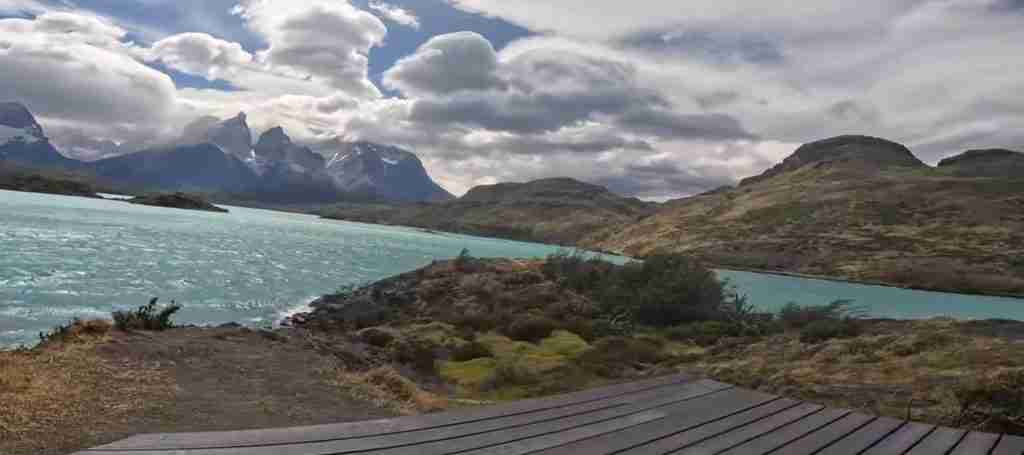
3 days
Park Tierra Del Fuego National Park 3-Day Discovery Tour
- ✓ Comprehensive Park Tierra Del Fuego National Park experience
- ✓ Expert local guides included
- ✓ All accommodation included
- ✓ Transportation provided
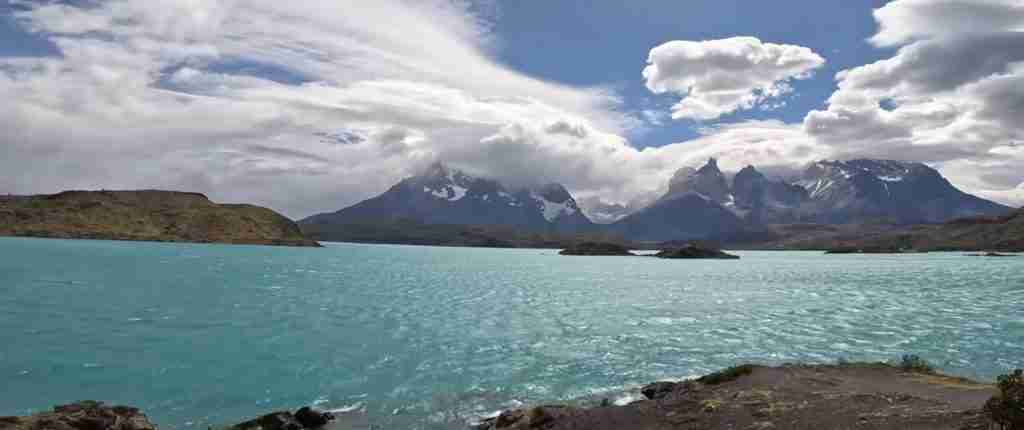
5 days
Park Tierra Del Fuego National Park 5-Day Highlights Experience
- ✓ Comprehensive Park Tierra Del Fuego National Park experience
- ✓ Expert local guides included
- ✓ All accommodation included
- ✓ Transportation provided

7 days
Park Tierra Del Fuego National Park 7-Day Cultural Journey
- ✓ Comprehensive Park Tierra Del Fuego National Park experience
- ✓ Expert local guides included
- ✓ All accommodation included
- ✓ Transportation provided

10 days
Park Tierra Del Fuego National Park 10-Day Complete Adventure
- ✓ Comprehensive Park Tierra Del Fuego National Park experience
- ✓ Expert local guides included
- ✓ All accommodation included
- ✓ Transportation provided
Multi-day tour packages powered by TourRadar. Prices and availability subject to change.
Essential Planning Information for 2026
Entry Requirements and Documentation
Most Western passport holders receive automatic 90-day tourist entry to Argentina without advance visa requirements for 2026. Ensure your passport has six months validity beyond your planned departure date and at least two blank pages for entry and exit stamps. Argentina requires no additional vaccinations for Tierra del Fuego entry though routine immunizations (tetanus, hepatitis A/B) are recommended. Keep digital and physical copies of your passport, insurance documents, and emergency contacts in separate locations. If traveling onward to Chilean Tierra del Fuego, verify Chilean entry requirements separately as different rules apply despite the shared archipelago.
Current Costs and Budget Planning
Tierra del Fuego ranks among South America’s most expensive destinations with prices comparable to Western Europe or North America, particularly in peak summer months. Budget travelers spend $80-120 daily including hostel accommodation, basic meals, local transport, and limited activities. Mid-range travelers allocate $150-250 daily for comfortable hotels, restaurant dining, and regular tours or excursions. Luxury travelers budget $300-500+ daily for premium accommodation, fine dining, private tours, and boat excursions. Check current pricing on booking platforms and tour operator websites as costs fluctuate with Argentine peso exchange rates throughout 2026.
Accommodation costs $30-60 for hostel dorms, $80-150 for mid-range hotels, and $200-400+ for luxury properties during peak season. Restaurant meals range $15-25 for casual dining, $30-50 for mid-range establishments, and $60-100+ for fine dining experiences. Tours and activities cost $65-90 for Tierra del Fuego National Park day tours, $180-220 for Beagle Channel navigation, and $250-350+ for extended boat excursions to penguin colonies or Cape Horn. Local bus transportation costs $2-5 per ride while taxis charge $10-25 for typical Ushuaia routes. Grocery shopping for self-catering provides significant savings with breakfast supplies costing $8-15 daily and packed lunches $10-18 per person.
Weather and Packing Strategy for 2026
Understanding Tierra del Fuego’s Climate Patterns
Tierra del Fuego experiences subpolar oceanic climate with dramatic daily temperature swings, sudden weather shifts, and year-round precipitation regardless of season. Summer (December-February) sees temperatures ranging 5-15°C (41-59°F) with occasional warm days reaching 20°C (68°F) but frequent cold snaps dropping to near freezing. Wind remains constant factor with gusts reaching 60-80 km/h during active weather systems, significantly reducing perceived temperature. Rain falls 200+ days annually distributed evenly across months; waterproof gear is non-negotiable equipment regardless of forecast. UV radiation intensity surprises many visitors due to southern latitude proximity to ozone layer thinning—sunburn occurs quickly even on cloudy days.
Winter (June-August) brings shorter daylight hours (4-6 hours), temperatures averaging -2 to 5°C (28-41°F), and increased snow potential particularly at higher elevations. Shoulder seasons (September-November, March-May) offer more variable conditions with temperatures spanning 0-12°C (32-54°F), longer daylight than winter, and generally less tourist congestion but reduced service availability at some establishments. Weather forecasts provide general guidance but conditions change rapidly across the region’s varied topography—prepare for four seasons in one day regardless of predictions.
Comprehensive Packing List
Clothing System: Build around layering principle with moisture-wicking synthetic or merino wool base layers (2-3 sets for multi-day trips), insulating mid-layer fleece or down jacket, waterproof breathable shell jacket with hood, waterproof rain pants, warm insulated jacket for town wear, quick-dry hiking pants (2 pairs), casual pants for evening, long-sleeve shirts (3-4), t-shirts (2-3), warm hat covering ears, fleece or wool gloves, buff or neck gaiter, thermal underwear for winter visits.
Footwear: Waterproof hiking boots with ankle support and broken-in before arrival, lightweight camp shoes or sneakers for town wear, wool or synthetic hiking socks (4-5 pairs), sock liners to prevent blisters, waterproof gaiters for muddy trails or snow conditions.
Technical Equipment: 30-40L daypack with rain cover, dry bags or waterproof stuff sacks for electronics and documents, reusable water bottle (1-2L capacity), headlamp with extra batteries, trekking poles for stability on uneven terrain, sunglasses with UV400 protection and retention strap, high-SPF sunscreen (30-50+), lip balm with SPF, insect repellent (though bugs less problematic than other regions), small first aid kit including blister treatment, basic medications, and any prescriptions.
Electronics and Documentation: Phone with offline maps downloaded (Maps.me, OsmAnd), portable battery bank (10,000+ mAh capacity), universal power adapter (Argentina uses Type C and I plugs), weatherproof phone case or dry bag, camera with extra batteries and memory cards, photocopy or digital scans of passport and important documents stored separately from originals, travel insurance documents with emergency contact numbers, credit cards from different banks in case one gets blocked, small amount of USD cash for emergencies.
Optional but Recommended: Binoculars for wildlife viewing (8x or 10x magnification), microspikes or traction devices for icy trails in shoulder seasons, sitting pad for wet ground during breaks, compression sacks to maximize luggage space, travel towel (quick-dry microfiber), earplugs for hostel stays or noisy accommodations, Spanish phrasebook or translation app downloaded for offline use, energy bars or trail snacks from home (expensive locally).
Transportation and Getting Around in 2026
Reaching Tierra del Fuego
Ushuaia’s Malvinas Argentinas International Airport (USH) serves as primary entry point with daily flights from Buenos Aires (3.5 hours) on Aerolineas Argentinas, JetSMART, and Flybondi. Book flights 2-3 months ahead for summer peak season as prices increase and seats sell out closer to departure. Buenos Aires connections require minimum 2-3 hour layovers to account for domestic terminal transfers and potential delays. Alternative routing through El Calafate allows combining visits to Los Glaciares National Park with direct flights continuing to Ushuaia. Chilean routing through Punta Arenas followed by overland travel offers adventurous alternative but adds significant time and complexity.
Bus transportation from southern Patagonia covers vast distances—Puerto Natales to Punta Arenas takes 3 hours ($15-25), Punta Arenas to Ushuaia requires 12-14 hours with ferry crossing ($65-90 including ferry). Long-distance buses provide reclining seats, heating, and rest stops but trips can be uncomfortable due to rough roads and weather delays. Consider flying whenever possible despite higher costs given the time savings and reduced physical strain.
Local Transportation in Ushuaia
Ushuaia’s compact center allows walking to most hotels, restaurants, and services within 15-20 minutes. Local buses ($2 per ride) connect downtown with peripheral neighborhoods and the airport route every 30-45 minutes during daytime hours. Taxis charge $10-15 for typical in-town trips, $15-20 to the airport, and $25-35 for runs to Tierra del Fuego National Park entrance. Uber and ride-sharing services don’t operate reliably; traditional taxis remain primary option.
Car rental ($60-100 daily for compact vehicles, $90-150 for SUVs) provides flexibility for exploring Tierra del Fuego National Park and surrounding areas independently. Book vehicles weeks ahead during peak season as fleets are limited and demand exceeds supply. International driving permits recommended though not strictly required for short-term rentals. Roads outside Ushuaia are mostly gravel with limited cell coverage—inform someone of your route and expected return time before departing. Winter driving requires experience with icy conditions and snow chains available from rental agencies.
Getting Around the Region
Tierra del Fuego National Park access by local bus ($5 each way) departing multiple times daily from Ushuaia terminal, private taxi ($40-50 round trip with waiting time), or rental car. Tour companies include transportation in package prices ($65-90) with guide services and lunch often included. Beagle Channel boat tours depart from Ushuaia port area accessible by short walk from downtown hotels.
Traveling between Argentine and Chilean Tierra del Fuego requires careful planning as no regular public transportation crosses the border. Private transfers cost $120-180 for Ushuaia to Punta Arenas runs with advance booking required. Chilean Tierra del Fuego destinations like Porvenir and Puerto Williams require boat transportation from Punta Arenas with irregular schedules dependent on weather conditions.
Accommodation Booking Strategies for 2026
Timing and Availability Management
Book Ushuaia accommodation 3-4 months ahead for peak December-February season when hotels reach capacity and prices peak. Last-minute availability drops to nearly zero during Christmas and New Year periods requiring bookings 6+ months in advance for this timeframe. Shoulder season (October-November, March-April) allows 4-6 weeks advance booking with better rates and availability. Winter months offer easiest booking and best prices but with reduced service availability at some properties.
Cancellation policies vary significantly—book flexible rates when possible given weather’s impact on flight schedules and potential trip disruptions. Many properties charge full prepayment for peak season bookings with strict cancellation penalties. Travel insurance with trip cancellation coverage protects against unavoidable changes and weather-related delays.
Accommodation Categories and Selection
Ushuaia offers full range from budget hostels to luxury hotels concentrated in downtown area within walking distance of port, restaurants, and services. Hostels ($30-60 per bed) provide social atmosphere, shared kitchens for self-catering, and often include breakfast. Book hostel private rooms ($80-120) for couples wanting budget prices with more privacy. Mid-range hotels ($120-180 doubles) offer private bathrooms, breakfast, WiFi, and central locations without luxury amenities. Upscale properties ($200-350+) feature water views, restaurants, spas, and concierge services for tour booking.
Locations outside downtown require transportation to reach restaurants and services—consider this inconvenience against potential savings. Properties with kitchenettes or guest kitchens enable significant food cost savings given restaurant expense levels. Heating quality matters during cold periods; read recent reviews about room temperature and heating effectiveness before booking.
Booking Platform Strategy
Compare prices across Booking.com, Hostelworld, hotel direct websites, and local Argentine booking sites as rates vary significantly between platforms. Direct hotel booking sometimes offers better rates or added value like free breakfast or late checkout not available through third parties. Book through international platforms for easier cancellation and customer service in English if Spanish language creates barriers. Local platforms may offer better prices but provide less support for foreign travelers if issues arise.
Read recent reviews carefully focusing on comments about heating, hot water reliability, WiFi speed, breakfast quality, noise levels, and staff responsiveness. Properties with 8.0+ ratings on Booking.com or 4+ stars on Hostelworld generally meet expectations for their price category. Check review date recency as management changes or maintenance issues develop over time.
Money and Budget Management in 2026
Navigating Argentina’s Currency System
Argentina maintains dual exchange rates in 2026 with official bank rate (dólar oficial) significantly worse than parallel market “blue dollar” rate accessible to tourists. Bring clean, undamaged US dollars in $20, $50, and $100 denominations for exchange at informal exchange houses (cuevas) found in Ushuaia’s commercial district. Exchange rates are posted publicly and transactions are straightforward despite the informal nature. Blue dollar rates typically offer 30-40% more Argentine pesos per dollar compared to official channels making this the most economical approach.
ATM withdrawals use official exchange rates plus international fees ($5-10 per transaction) and local bank fees making them expensive last resort options. Credit cards process at official rates with additional foreign transaction fees unless you have no-fee cards. Some establishments offer “cash discount” rates 5-15% below card prices reflecting their preference for avoiding card processing fees and official exchange rates.
Daily Expense Management
Carry daily spending cash separately from backup reserves to limit exposure to theft or loss. Divide cash among multiple pockets or bags rather than keeping all money in one wallet. Hotel room safes provide security for passport, extra cash, and backup credit cards when exploring town. Money belts or hidden neck pouches offer additional security though Ushuaia’s low crime rate makes these less critical than in other South American destinations.
Track spending daily using phone apps or simple notebook to monitor budget adherence and identify categories where costs exceed expectations. Building 20% contingency buffer above estimated expenses covers unexpected costs, weather delays, or special opportunities like last-minute tour availability. Restaurant tipping follows Argentine custom of 10% for satisfactory service, already low compared to North American standards. Taxi tips not expected for short rides but rounding up appreciated for longer trips or helpful drivers.
Cost-Saving Strategies
Self-catering breakfast and lunch cuts daily food costs 40-50% compared to restaurant meals—stock groceries from supermarkets like La Anonima or Carrefour Express. Pack trail snacks and water bottles for day trips avoiding expensive cafe prices at tourist sites. Visit Tierra del Fuego National Park independently by local bus ($5 each way) versus organized tour ($65-90) when you don’t need guide services. Share taxi costs with other travelers heading to same destinations or national park entrance. Book accommodations with kitchen access for evening meal preparation saving $30-50 daily per couple.
Purchase city combination passes if visiting multiple paid attractions though limited options exist in Tierra del Fuego compared to other destinations. Look for early bird tour discounts booking in person day before versus same-day rates. Skip overpriced Beagle Channel port restaurants in favor of downtown establishments serving locals where prices drop 30-40% for comparable quality. Limit alcohol consumption at restaurants where wine and beer markup reaches 200-300% over retail prices.
Communication and Connectivity in 2026
Mobile Phone and Internet Access
Purchase Argentine SIM card upon arrival at airport kiosks or Ushuaia cell phone shops for $15-25 with 2-5GB data included. Major carriers include Claro, Movistar, and Personal with similar coverage in populated areas. Bring unlocked phone capable of accepting foreign SIM cards and verify compatibility with Argentine GSM bands before departure. SIM activation requires passport presentation due to Argentine regulations.
Cell coverage exists in Ushuaia, along main Route 3, and in Tierra del Fuego National Park developed areas but disappears on remote trails and backcountry locations. Don’t rely on phone for emergency communication outside town—inform others of plans and expected return times before departing. WiFi available at most hotels, hostels, restaurants, and cafes in Ushuaia though speeds and reliability vary significantly. Accommodation WiFi often slows during evening peak usage or weather affecting microwave internet links common in remote regions.
Offline Preparation and Apps
Download complete offline maps for Tierra del Fuego region using Maps.me, OsmAnd, or Google Maps offline feature before departure. Include Ushuaia city detail, Tierra del Fuego National Park trails, and Route 3 coverage for road trips. Offline translation apps (Google Translate with Spanish downloaded) enable essential communication when internet unavailable. Save accommodation addresses, tour meeting points, and important contact numbers in phone notes accessible without data connection.
Download entertainment content for flights and bus travel as in-flight WiFi doesn’t exist on domestic Argentine routes and long bus rides lack connectivity. Cache restaurant recommendations, activity research, and practical guides before entering remote areas. Bring portable battery pack maintaining phone charge for offline map navigation and emergency camera access throughout full-day excursions.
Language Considerations
Spanish dominates outside major tourist establishments with English spoken reliably only at high-end hotels, established tour operators, and airport services. Learn essential Spanish phrases for greetings, numbers, directions, food ordering, and emergencies before arrival. Basic Spanish proficiency transforms practical situations from frustrating to manageable particularly at local restaurants, bus stations, and smaller accommodations. Argentine Spanish dialect includes unique vocabulary and pronunciation differing from Spanish learned elsewhere—don’t be surprised by unfamiliar words or accents.
Restaurant menus rarely include English translations outside tourist-heavy establishments—Google Translate camera feature translates menu text instantly when internet available. Point at menu items or photos when language barriers create confusion about food ordering. Locals appreciate any Spanish attempt however imperfect showing respect for local culture and improving interaction quality. Download Spanish phrasebook app with offline capability providing quick reference during challenging communication situations.
Safety and Health Considerations for 2026
General Safety Environment
Tierra del Fuego maintains low crime rates with violent crime extremely rare and petty theft uncommon compared to urban South American destinations. Standard travel precautions suffice—avoid displaying expensive cameras or jewelry in public, watch belongings in crowded areas, and use hotel safes for passports and extra cash. Walking downtown Ushuaia at night poses minimal risk though darker peripheral streets warrant basic caution. Emergency services respond effectively with police presence visible throughout tourist areas.
Weather presents the primary safety concern requiring serious preparation and respect. Hypothermia risk exists year-round when wet clothing combines with wind exposure and temperature drops. Carry emergency supplies including extra food, water, warm layers, and emergency shelter even for short hikes. Trail conditions change rapidly with rain creating mud and reducing visibility in fog. Always check weather forecasts before outdoor activities and be prepared to change or cancel plans when conditions deteriorate. Inform hotel staff or tour operators about hiking plans with expected return times enabling rescue response if you don’t return as scheduled.
Medical Facilities and Health Preparation
Ushuaia’s Regional Hospital provides emergency care and basic medical services while Rio Grande maintains smaller facility adequate for routine issues. Serious injuries or complex medical conditions require evacuation to Buenos Aires or Santiago at significant cost without proper travel insurance coverage. Pharmacies (farmacias) stock common medications though prescription requirements differ from home countries—bring adequate supplies of necessary medications in original containers with prescriptions documented.
No special vaccinations required for Tierra del Fuego entry though routine immunizations should be current including tetanus, hepatitis A/B, and COVID-19 boosters recommended by health authorities. Altitude sickness doesn’t factor in sea-level Ushuaia but hiking to higher elevations may trigger symptoms in susceptible individuals. Bring personal first aid supplies including blister treatment, pain relievers, anti-diarrheal medication, antibiotic ointment, bandages, and any prescription medications needed during your trip.
Food and Water Safety
Tap water in Ushuaia is safe to drink meeting Argentine potable water standards though some visitors prefer bottled water during initial days allowing adjustment to different mineral content. Restaurants maintain high hygiene standards with food poisoning rare at established establishments serving tourists. Street food and small local cafes sometimes have variable sanitation—use judgment based on visible cleanliness and customer volume. Seafood freshness rarely poses issues given Beagle Channel’s proximity and regular fishing industry activity.
Altitude of zero prevents most digestive issues visitors experience in higher Andean regions. Restaurant food preparation tends toward simple grilled meats, seafood, and local ingredients minimizing risk of complex dishes causing problems. Bring basic anti-diarrheal medication as precaution though you likely won’t need it. Inform restaurant servers about serious food allergies or dietary restrictions as cross-contamination awareness varies and language barriers complicate communication about ingredients.
Emergency Contacts and Procedures
Argentina’s emergency number 911 connects to police, ambulance, and fire services with Spanish-language operators. Save your embassy or consulate contact numbers in phone for serious legal or documentation issues during your trip. Travel insurance emergency assistance numbers should be programmed with instructions downloaded offline about required procedures for medical situations or evacuation needs. Hotel front desks provide local assistance connecting you with medical care or police when language barriers create challenges using emergency services directly.
Weather emergencies occasionally close roads, cancel flights, or trap hikers in dangerous conditions. Follow local authorities’ instructions during weather warnings and don’t attempt to push through closures or ignore advisory notices. Parks service posts trail condition updates at visitor centers and may close trails due to hazardous conditions—respect these closures protecting both your safety and the ranger resources diverted to rescue unprepared visitors.
Cultural Etiquette and Local Customs in 2026
Social Interactions and Behavior
Argentines are warm and gregarious in social settings with conversation styles more animated than reserved Northern European or Asian norms. Greetings include cheek kisses (one kiss) between women and between men and women even with strangers in some contexts—follow local cues about physical greeting appropriateness. Handshakes standard for formal or business interactions. Personal space comfort varies but generally smaller than North American norms with closer standing distances during conversations.
Punctuality operates on relaxed timeline with social events starting 15-30 minutes later than stated times and service provider appointments sometimes running behind schedule. Build flexibility into tight daily schedules accounting for this timing elasticity. Direct communication style can seem abrupt to speakers of languages with more indirect cultural norms—straightforward questions and statements are normal not rude. Politics and social issues are discussed openly; Argentines engage in passionate political debate but visitors should tread carefully making statements about Argentine internal affairs without deep knowledge.
Dining Customs and Restaurant Behavior
Argentine dining schedule runs later than many countries with lunch 1-3 PM and dinner starting 8-10 PM or later. Restaurants become busy 9-10 PM when locals dine—arriving earlier ensures shorter waits and quicker service but may mean eating alone in empty dining room. Service pace is leisurely with multiple courses and extended table conversation expected. Servers don’t rush diners or present checks unprompted—you must request “la cuenta” when ready to pay. This slow service isn’t negligence but reflects cultural dining norms valuing relaxed meals over rapid turnover.
Tipping 10% is customary for satisfactory restaurant service with slightly more for exceptional service. Cash tips preferred though adding to card payment is acceptable. Table bread and covered charges (cubierto) of $2-5 per person appear on many restaurant bills covering bread basket and place setting. Flag servers when needing attention as they won’t constantly check on tables like American service style. Sharing plates is uncommon with individual portions ordered for each diner—ask specifically if wanting to share dishes restaurant should accommodate.
Shopping and Business Interactions
Store hours in Ushuaia follow standard schedule with shops opening 9-10 AM and closing 7-9 PM Monday-Saturday. Many businesses close 1-3 PM for siesta though tourist-oriented establishments maintain continuous hours. Sunday openings limited primarily to tourist shops, restaurants, and some supermarkets. Small shops prefer cash payment offering slight discounts in some cases while larger stores accept cards readily.
Bargaining isn’t practiced in Tierra del Fuego stores unlike other South American destinations—posted prices are expected payment amounts. Artisan markets and informal vendors may negotiate slightly but generally expect posted price payment. Service quality and attention to customer needs vary; patience helps when slower service or communication barriers create frustration. Many businesses have limited English so basic Spanish phrases improve transaction success and local perception of respect for Argentine culture.
Booking and Reservations Strategy for 2026
Advance Planning Timeline
Book international and domestic flights 2-3 months ahead for summer season capturing better fares and ensuring availability on preferred dates. Peak period flights (December 20-January 10) require 4-6 months advance purchase as seats sell out and prices increase dramatically closer to departure. Accommodation booking follows similar timeline with 3-4 months lead time for peak season and 4-6 weeks for shoulder season adequate. Popular tours including Beagle Channel navigation, penguin colonies, and Martial Glacier treks fill 1-2 weeks ahead during busy periods.
Create booking timeline working backward from travel dates: book flights first establishing arrival/departure framework, then lock accommodation ensuring availability for confirmed dates, finally arrange tours and activities after understanding daily schedule. Flexible booking policies provide insurance against trip changes though they cost slightly more upfront—travel insurance supplements these protections for weather delays or emergencies.
Tour Booking Strategies
Book priority tours including Beagle Channel boat trips and penguin island excursions 1-2 weeks ahead during peak season ensuring preferred dates and times. These tours fill quickly given limited vessel capacity and high demand. Tierra del Fuego National Park tours have more availability allowing booking 3-5 days ahead or sometimes walk-up availability during shoulder season. Compare multiple operators for similar tours as prices vary $10-20 for essentially identical experiences—read reviews focusing on guide quality, group size, and punctuality.
Hotel concierges and tour desks book activities with commission added to your cost versus booking directly with operators. Ask for operator contact information and book independently when possible saving 10-15% on tour costs. Online booking platforms like Viator or GetYourGuide provide convenience and English-language support though direct operator booking usually offers better rates. Weather cancellations are common—confirm cancellation policies and rebooking procedures before payment given Tierra del Fuego’s notoriously unpredictable conditions.
Restaurant and Dining Reservations
Popular Ushuaia restaurants including Volver, Kalma Resto, and Bodegon Fueguino fill quickly during peak season evenings—book 2-3 days ahead for preferred times or expect 45-60 minute waits for walk-in seating. Reservation systems vary with some accepting phone bookings only, others using Instagram messages or WhatsApp, and a few with online booking platforms. Many restaurants don’t take reservations relying on first-come service—arrive before 8 PM rush or after 10 PM when initial dinner wave clears.
Lunch reservations rarely necessary except at highest-demand establishments on holiday weekends. Casual cafes and pizzerias generally accommodate walk-ins without significant waits. Local restaurants serving residents rather than tourists have more flexible availability though menus are Spanish-only requiring translation capability. Hotel restaurants provide backup option when downtown restaurants are fully booked though prices run higher and quality doesn’t always match independent establishments.
2026 Travel Updates and Regulations
Current Entry and Health Requirements
Argentina maintains evolving COVID-19 policies throughout 2026 with current requirements accessible through official Ministry of Tourism channels and embassy websites. Entry requirements may include vaccination proof, negative test results, or health declarations depending on global situation and Argentine policy changes. Verify requirements 2-3 weeks before departure as policies update with limited notice during fluid public health situations. Travel insurance covering COVID-related trip disruptions remains advisable given potential for border regulation changes.
Environmental Regulations and Protected Areas
Tierra del Fuego National Park enforces strict leave-no-trace principles with fines for littering, fire building outside designated areas, or damaging vegetation. Camping requires permits obtained at visitor center with designated sites only—wild camping prohibited throughout national park. Drone usage requires special permits rarely granted to tourists; flying without authorization results in equipment confiscation and significant fines. Wildlife viewing maintains mandatory distances with penalties for approaching marine mammals, nesting birds, or other protected species.
Infrastructure Developments Affecting Travel
Ushuaia airport expansion completed in 2024-2025 improves passenger capacity and reduces congestion during peak season though infrastructure still experiences crowding during simultaneous flight arrivals. Route 3 improvements to Chilean border continue with paving projects reducing travel times and improving winter accessibility though some sections remain gravel requiring careful driving. New hotel developments increase accommodation capacity in Ushuaia though peak season demand still exceeds supply requiring advance booking discipline. Port facilities expansion accommodates growing Antarctica cruise industry creating increased November-March visitor volume in Ushuaia.
Frequently Asked Questions About Tierra del Fuego Travel in 2026
What’s the minimum trip duration needed for Tierra del Fuego?
Plan minimum 3-4 days in Ushuaia capturing Tierra del Fuego National Park, Beagle Channel navigation, and town exploration without rushing. Five to six days allows adding Martial Glacier hike, additional boat excursions, or day trips to estancias. One week provides comfortable pace including rest days and flexibility for weather delays. Combining Tierra del Fuego with Torres del Paine or El Calafate requires 10-14 days total with transportation days between destinations. Consider flight delays and weather disruptions when scheduling tight connections or limited timeframes.
Can I visit Tierra del Fuego year-round or only in summer?
Tierra del Fuego welcomes visitors year-round with different experiences each season. Summer (December-February) offers warmest weather, longest daylight, and full service availability but brings peak crowds and prices. Shoulder seasons (March-May, September-November) provide fewer tourists, lower costs, and acceptable weather though some tours operate reduced schedules. Winter (June-August) features skiing, Northern Lights potential, and dramatic scenery but short daylight hours, cold temperatures, and limited tour operations. Each season has merit depending on priorities and cold weather tolerance.
How dangerous is Tierra del Fuego’s weather?
Weather dangers are real but manageable with proper preparation and respect. Hypothermia risk exists when wet clothing combines with wind and temperature drops even during summer months. Sudden storms appear with minimal warning particularly on exposed trails or water. Prepare for four seasons in single day carrying waterproof layers, warm clothing, and emergency supplies on every excursion. Check forecasts, heed closure warnings, inform others of plans, and don’t hesitate turning back if conditions deteriorate. Respect the weather and it won’t harm you; ignore it and serious danger results.
Do I need a guide for Tierra del Fuego National Park or can I explore independently?
Tierra del Fuego National Park accommodates independent exploration with well-marked trails, visitor center resources, and accessible transportation from Ushuaia. Self-guided visits save $40-60 per person versus organized tours while allowing flexible scheduling and pace. Guided tours provide historical context, wildlife expertise, and navigation confidence valuable for first-time visitors or those wanting deeper understanding. Consider fitness level, hiking experience, weather conditions, and trail difficulty when deciding. Many visitors combine both approaches with guided first visit followed by independent return to favorite areas.
What wildlife can I see in Tierra del Fuego and where?
Beagle Channel boat trips encounter sea lions, imperial cormorants, Magellanic penguins, and occasionally dolphins or whales depending on season and luck. Tierra del Fuego National Park supports guanaco (wild relatives of llamas), Andean condors, Magellanic woodpeckers, and numerous smaller bird species. Penguin colonies require extended boat excursions to Martillo Island or Peninsula Valdés several hours from Ushuaia. Beavers, introduced from North America, are common along waterways though they’re destructive invasive species rather than protected wildlife. Marine mammals maintain mandatory viewing distances with heavy fines for approaching too closely.
Can I cross into Chilean Tierra del Fuego easily?
Crossing between Argentine and Chilean Tierra del Fuego requires border formalities at Paso San Sebastián checkpoint which processes travelers during daylight hours with occasional queues. Most visitors need tourist visas for both countries obtained on arrival though some nationalities require advance arrangements. No regular public transportation crosses border requiring rental car, private transfer, or organized tour including both countries. Chilean Tierra del Fuego offers different landscapes and experiences though less developed tourism infrastructure than Argentine side. Plan extra time for border crossing procedures and carry all necessary documentation including vehicle papers if driving.
How much should I budget per day in Tierra del Fuego?
Budget travelers manage $80-120 daily staying hostels, self-catering most meals, using public transport, and selecting activities carefully. Mid-range travelers spend $150-250 daily with comfortable hotels, regular restaurant meals, taxi transportation, and frequent tour participation. Luxury travelers allocate $300-500+ daily for premium accommodation, fine dining, private guides, and comprehensive activity programs. Peak season prices run 20-30% higher than shoulder season affecting all budget categories. Build 20% contingency above estimated daily budget covering unexpected expenses, weather delays, or special opportunities.
What’s the best way to handle Argentina’s currency situation?
Bring clean US dollars for exchange at “blue dollar” parallel market rates offering 30-40% more pesos than official channels. Exchange $100-200 at a time as needed through Ushuaia’s exchange houses (cuevas) operating openly despite informal nature. Use credit cards only when blue rate advantage doesn’t apply or for large tourist purchases. ATMs should be last resort due to poor official rates and high fees. Keep daily cash separate from backup reserves and monitor peso volatility throughout stay adjusting exchange timing accordingly.
Should I rent a car in Ushuaia or rely on tours and public transport?
Car rental provides maximum flexibility for exploring Tierra del Fuego National Park, driving scenic routes, and visiting remote areas on personal schedule. Independent travelers with multiple hiking days benefit from vehicle convenience and flexibility. However, organized tours eliminate driving stress, provide expert guides, include transportation and often lunch, and avoid parking hassles at popular sites. Public transportation reaches main destinations economically though with limited schedule flexibility and longer travel times. Evaluate comfort with foreign driving, group size for cost splitting, daily schedule preferences, and total transportation budget when deciding.
What’s the internet and cell phone situation like?
Ushuaia offers reliable cell coverage and WiFi in hotels, restaurants, and accommodations though speeds vary and weather affects service quality. Purchase local SIM card ($15-25 with data) at airport or phone shops for mobile internet access. Coverage disappears on remote trails, in backcountry areas, and along some rural road sections—don’t rely on phone for emergency communication outside town. Download offline maps, translation apps, and entertainment before entering areas without coverage. Plan activities assuming no connectivity for navigation or communication outside developed areas.