
Easter Island Budget Guide 2026: Complete Cost Breakdown
This comprehensive budget guide provides detailed cost breakdowns across all spending categories, from mandatory park entry fees to daily meals and accommodation. The island’s economy operates primarily on Chilean pesos (CLP) with US dollars widely accepted, though at less favorable exchange rates. Budget planning for 2026 requires accounting for seasonal price fluctuations, advance booking opportunities, and the premium costs associated with the island’s remote Pacific location.
Key Takeaways
- Daily budget ranges from $80-100 for extreme budget travelers to $350-500 for luxury visitors in 2026
- Round-trip flights from Santiago cost $400-800 depending on season and booking timing
- Rapa Nui National Park entry fee is $80 for international visitors with 10-day validity
- Accommodation represents 35-45% of total trip costs, ranging from $30 hostels to $400+ luxury resorts
- Food costs are 40-60% higher than mainland Chile due to remote location and import requirements
- Booking flights 3-4 months ahead and visiting during shoulder season (April-May, September-November) provides the best value
Planning Your Easter Island Budget in 2026
Easter Island (Rapa Nui) presents unique budgeting challenges as one of the world’s most remote inhabited islands, located 3,700 kilometers from mainland Chile. The isolation that preserves its archaeological treasures also creates a high-cost environment where nearly everything arrives by weekly cargo ship or daily flights. Understanding Easter Island’s pricing structure allows travelers to plan realistic budgets while maximizing their UNESCO World Heritage experience in 2026.
Successfully managing Easter Island costs in 2026 involves strategic decisions about timing, accommodation type, transportation methods, and dining choices. The archaeological sites remain priceless regardless of budget, but how you access them, where you sleep, and what you eat creates significant cost variations. This guide breaks down every expense category to help you build a realistic budget aligned with your travel style.
People Also Ask About Easter Island Budget 2026
How much does it cost to visit Easter Island in 2026?
A complete Easter Island trip in 2026 costs $1,800-4,500 per person for 5-7 days including flights from Santiago. Budget travelers spend $80-100 daily on island, mid-range visitors allocate $150-220 per day, and luxury travelers budget $350-500 daily. These ranges exclude international flights to Chile but include round-trip Santiago flights ($400-800), park entry ($80), accommodation, meals, and activities. The island’s remote location creates premium pricing across all categories compared to mainland Chile destinations.
Is Easter Island expensive in 2026?
Easter Island ranks among South America’s most expensive destinations in 2026 due to its extreme isolation. Prices run 40-60% higher than Santiago for food, accommodation, and services. Simple meals cost $15-25, budget accommodation starts at $30-40 nightly, and rental cars run $60-80 daily. The mandatory $80 national park fee and $400-800 flights from Santiago add to costs. However, archaeological site entry after the park fee is free, providing exceptional value once on the island.
What is the cheapest way to visit Easter Island in 2026?
Minimize Easter Island costs in 2026 by flying during shoulder season (April-May, September-November) when airfare drops $100-200, staying in hostels ($30-40 nightly), renting bicycles ($15-20 daily) instead of cars, preparing some meals from supermarket supplies, and joining group tours ($50-70) rather than private excursions. Book flights 3-4 months ahead and travel midweek for best rates. Camping ($12-15 nightly) offers the absolute lowest accommodation cost but requires bringing or renting equipment.
Do you need to book Easter Island accommodation ahead in 2026?
Advance booking is essential for Easter Island accommodation in 2026, particularly during peak season (December-March and July-August) when the island’s 150+ lodging properties fill completely. Book 2-3 months ahead for shoulder season and 4-6 months for summer visits. Last-minute arrivals risk no availability or premium walk-in rates. The island’s small size and growing tourism demand make advance reservations critical for all budget levels.
Extended multi-day tours – 5+ days
Featured Easter Island Multi-Day Tour Packages
4 days
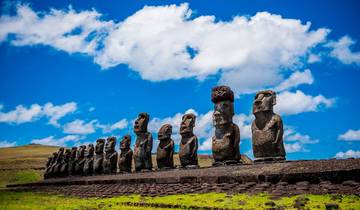
Chile: Easter Island – The Mysteries of Rapa Nui in 4 DAYS
- ✓ Comprehensive Easter Island tour
- ✓ Expert local guides included
- ✓ All accommodation arranged
- ✓ Transportation provided

4 days
Easter Island Experience 4D/3N
- ✓ Comprehensive Easter Island tour
- ✓ Expert local guides included
- ✓ All accommodation arranged
- ✓ Transportation provided
4 days
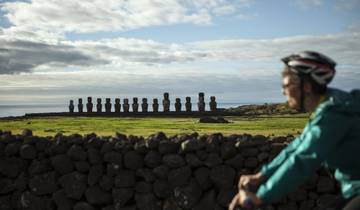
Easter Island: Archeology & Sunset with Moais
- ✓ Comprehensive Easter Island tour
- ✓ Expert local guides included
- ✓ All accommodation arranged
- ✓ Transportation provided
4 days
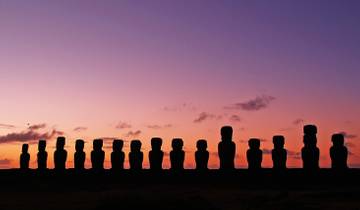
Easter Island Discovery (4 Days)
- ✓ Comprehensive Easter Island tour
- ✓ Expert local guides included
- ✓ All accommodation arranged
- ✓ Transportation provided
Multi-day tour packages powered by TourRadar. Prices and availability subject to change.
Essential Planning Information 2026
Understanding Easter Island’s High-Cost Environment
Easter Island’s pricing structure reflects its position as one of the world’s most isolated inhabited places, with the nearest continental landmass 3,700 kilometers away. The island depends entirely on weekly cargo ships and daily flights for supplies, creating transportation costs that appear in every price tag. Fresh produce, packaged goods, building materials, fuel, and consumer products all arrive from mainland Chile or beyond, adding 40-60% premiums to standard Chilean prices.
The island’s 7,750 permanent residents support a tourism infrastructure serving 150,000+ annual visitors, creating seasonal demand spikes that drive accommodation and service costs. Peak season (December-March) sees prices increase 20-30% above shoulder season rates, while mid-year winter (July-August) brings another demand surge from Northern Hemisphere summer vacationers. Understanding these patterns helps budget travelers time visits for optimal value.
Currency considerations affect budget planning as the island operates on Chilean pesos (CLP) with $1 USD equaling approximately 950 CLP in 2026. US dollars circulate widely but vendors apply unfavorable exchange rates, typically 5-10% worse than official rates. Bring Chilean pesos from Santiago or withdraw from island ATMs (4-5 machines total) charging $4-6 fees per transaction. Credit cards work at most restaurants and hotels but carry 3-5% merchant fees often passed to customers.
Mandatory Costs for All Visitors in 2026
Every Easter Island visitor faces unavoidable baseline costs regardless of budget level or travel style. The Rapa Nui National Park entry fee costs $80 for international visitors (54,000 CLP) with 10-day validity covering access to all archaeological sites including Rano Raraku, Orongo, Anakena Beach, and the iconic Ahu Tongariki moai platform. Check the park’s official website for current rates as fees fund conservation and community programs. Chilean citizens and residents pay reduced fees of approximately $20.
Round-trip flights between Santiago and Easter Island represent the second unavoidable cost, ranging from $400-500 during shoulder season (April-May, September-November) to $600-800 during peak periods (December-March, July-August). LATAM operates the only regular passenger service with 1-2 daily flights using Boeing 787 Dreamliners. Book 3-4 months ahead for best availability and pricing. Flight duration is 5 hours 30 minutes westbound and 4 hours 45 minutes eastbound due to prevailing winds.
Additional mandatory costs include accommodations (no free camping areas except designated campsites at $12-15 nightly) and food (no possibility of free meals given island prices and lack of wild foraging opportunities). Transportation around the island requires renting vehicles, bicycles, or booking tours as the moai sites span 24-kilometer distances. These unavoidable expenses create a baseline daily cost of $80-100 for extreme budget travelers, $150-220 for mid-range visitors, and $350-500 for luxury experiences.
Understanding Easter Island Costs in 2026
Why Easter Island is Expensive
Three fundamental factors drive Easter Island’s premium pricing in 2026. First, the extreme isolation requires expensive freight transport for every consumer good, with cargo ship fees and insurance adding 30-50% to product costs. Second, limited competition among island vendors (single supermarket chain, handful of restaurants, constrained accommodation options) reduces price competition pressure. Third, UNESCO World Heritage status and archaeological significance create strong tourism demand supporting higher price points than supply-and-demand equilibrium would otherwise allow.
Energy costs particularly impact pricing as the island generates electricity from diesel generators burning fuel shipped from mainland Chile. Electricity rates run 40-50% higher than Santiago, affecting accommodation, restaurant, and retail operations that pass costs to consumers. Water comes from rainfall collection and limited wells, making it semi-precious and contributing to overall operating expenses. These infrastructure challenges create an economic environment where $15-20 meals and $50-80 hotel rooms represent reasonable local pricing rather than tourist markup.
Labor costs also contribute to premium pricing as workers command higher wages to offset the island’s high cost of living. Restaurant servers, hotel staff, tour guides, and retail workers earn 20-30% more than equivalent mainland positions, with employers passing these expenses to customers. The small permanent population (7,750 residents) creates labor shortages during peak season, further driving wage inflation and service costs.
Comparison with Mainland Chile Destinations
Budget travelers spending $40-50 daily in Santiago or Valparaíso need $80-100 daily on Easter Island for equivalent experiences. A $8-12 mainland lunch costs $15-25 on the island. Budget accommodation dropping to $15-20 in Chilean cities starts at $30-40 for basic Easter Island hostels. Even simple empanadas jump from $2-3 mainland to $5-7 island pricing. This 40-100% cost increase across all categories makes Easter Island one of South America’s priciest destinations alongside Patagonia’s remote Torres del Paine region.
Mid-range travelers allocating $80-120 daily in popular Chilean destinations need $150-220 on Easter Island for similar comfort levels. Restaurant dinners costing $15-25 in Santiago run $30-45 on the island. Comfortable $50-70 mainland hotels translate to $100-140 Easter Island properties. Rental cars at $35-45 daily in Chile cost $60-80 on the island. These increases stem from freight costs, limited supply, and strong demand rather than tourist price gouging.
Luxury travelers find Easter Island prices approach those of major global destinations. Four-star accommodations run $250-400 nightly compared to $150-250 in Santiago. Fine dining reaches $60-90 per person versus $40-60 mainland. Private tours cost $200-300 compared to $120-180 in Chilean cities. The premium reflects both isolation economics and the exclusivity factor of visiting one of the world’s most remote inhabited islands with irreplaceable archaeological treasures.
Accommodation Budget Strategies 2026
Budget Accommodation Options ($30-60 per night)
Budget accommodations on Easter Island in 2026 center on hostels and basic guesthouses providing clean, functional lodging without luxury amenities. Hostel dorm beds cost $30-40 nightly in shoulder season and $35-45 during peak periods, offering shared bathrooms, communal kitchens, and social common areas. Properties like Kona Tau Hostel, Camping Mihinoa, and Altiplanico Easter Island operate dorms with 4-8 beds per room, providing budget travelers with affordable bases for archaeological exploration.
Private rooms in budget guesthouses run $50-70 nightly for doubles with shared bathrooms and minimal amenities. These family-run properties (residenciales) offer authentic local hospitality and often include basic breakfast. Kitchen access at many budget properties allows meal preparation from supermarket supplies, cutting food costs by 40-50% compared to restaurant dining. Location varies from Hanga Roa town center to quieter residential areas 10-15 minutes walking distance from main services.
Camping represents the absolute lowest accommodation cost at $12-15 per person nightly at designated campsites like Camping Mihinoa and Camping Tipanie Moana. These properties provide bathroom facilities, cold showers, and tent sites on grass or packed earth. Campers need to bring or rent equipment (tent rental $10-15 daily if needed). The rustic experience suits adventurous budget travelers comfortable with basic facilities in exchange for maximum cost savings and close-to-nature atmosphere.
Mid-Range Accommodation ($80-180 per night)
Mid-range accommodations balance comfort with value, offering private rooms with en-suite bathrooms, better locations, and enhanced services. Hotels and guesthouses in this category charge $80-120 nightly during shoulder season and $120-160 during peak periods for double occupancy. Properties like Iorana Hotel, Manutara Hotel, and Taha Tai Hotel provide air conditioning (critical during summer), hot showers, WiFi, breakfast included, and central Hanga Roa locations within easy walking distance of restaurants and services.
Three-star hotels in the $140-180 range add swimming pools, ocean views, larger rooms, and on-site restaurants. Properties like Hotel Puku Vai and Hotel Victoria occupy prime waterfront positions with sunset viewing from room balconies. These hotels provide tour desk services, airport transfers, and knowledgeable staff who enhance the visitor experience beyond just accommodation. Rooms feature comfortable beds, modern bathrooms, mini-fridges, and daily housekeeping.
Boutique guesthouses at $100-140 nightly offer personalized service and distinctive character often missing from standard hotels. Properties like Cabañas Christophe and Taura’a Hotel maintain 8-15 rooms with individual decoration, garden settings, and owner-operated hospitality. These mid-range options provide excellent value for travelers seeking comfort and local character without luxury resort pricing. Most include breakfast featuring local fruits and fresh bread.
Luxury Accommodation ($200-450 per night)
Luxury accommodations on Easter Island provide resort amenities, prime locations, and comprehensive services justifying premium pricing in 2026. Four-star hotels charge $200-280 nightly during shoulder season and $280-350 in peak periods for double occupancy. Properties like Hangaroa Eco Village & Spa and Explora Rapa Nui offer sophisticated rooms with ocean views, luxury bathrooms, plush bedding, minibars, and private terraces. Facilities include infinity pools, full-service spas, gourmet restaurants, and extensive grounds with native landscaping.
Five-star and luxury boutique properties at $350-450 nightly represent the island’s top tier accommodation in 2026. Explora Rapa Nui operates an all-inclusive model including accommodation, all meals, open bar, and guided excursions in its nightly rate. The 30-room property occupies a spectacular coastal position with private access to archaeological sites. Hangaroa Eco Village emphasizes sustainable luxury with geothermal heated pools, organic gardens, and Polynesian-inspired architecture in a village-style layout.
Luxury properties include comprehensive breakfast buffets featuring tropical fruits, fresh juices, eggs to order, local specialties, and international options. On-site restaurants eliminate the need to venture out for every meal, providing convenience and consistent quality. Concierge services arrange private tours, restaurant reservations, and special experiences like traditional Rapa Nui cultural performances. These hotels justify premium pricing through location, service, and amenities that mid-range properties cannot match.
Transportation Costs 2026
Flight Costs to Easter Island
Round-trip flights from Santiago to Easter Island via LATAM Airlines cost $400-800 in 2026 depending on season, booking timing, and fare class. Shoulder season travel (April-May, September-November) offers the best value at $400-500 for economy tickets booked 3-4 months ahead. Peak season flights (December-March) climb to $600-800 for the same advance booking window, reflecting higher demand during Southern Hemisphere summer and North American winter vacation periods.
July-August represents a secondary peak with prices reaching $550-700 as Northern Hemisphere summer drives international visitor numbers. Last-minute bookings within 4 weeks of departure cost $100-200 more than advance purchase prices, with complete sellouts common during Christmas-New Year’s and July school vacation periods. Book early as LATAM operates the only regular commercial service with limited daily capacity on Boeing 787-8 aircraft.
Premium economy costs an additional $200-300 over standard economy, providing extra legroom, priority boarding, and enhanced meal service on the 5.5-hour westbound flight. Business class (when available on selected flights) runs $1,200-1,800 round-trip, offering lie-flat seats, lounge access, and premium service. Most travelers find economy adequate for the relatively short Pacific crossing. Include $25-35 per direction for checked baggage if not included in your fare class.
Local Island Transportation Options
Rental cars provide maximum flexibility for exploring Easter Island’s archaeological sites spread across the 163-square-kilometer island. Compact vehicles cost $60-70 daily, mid-size cars run $70-80 daily, and 4WD vehicles (recommended for rough coastal roads) reach $80-90 daily in 2026. Book through agencies like Oceanic Rent a Car, Insular Rent a Car, and Rent Bike Rapa Nui for best availability. Gas costs $8-10 to fill the tank for several days of sightseeing given the island’s compact size.
Scooter rentals at $40-50 daily offer economical transportation for single travelers or couples comfortable with two-wheel transport. The island’s main roads remain paved and relatively safe, though wind can challenge inexperienced riders. Scooters provide adequate transport for visiting most sites except rough coastal areas requiring 4WD vehicles. Rental includes helmet and basic insurance.
Bicycle rentals represent the most budget-friendly transportation at $15-20 daily for standard bikes or $25-30 for electric-assist models. The island’s relatively flat terrain and short distances (Hanga Roa to furthest moai sites is 18 kilometers) make cycling feasible for fit travelers. Budget extra time for bike travel as archaeological site visits take longer than by car. Rental shops provide locks, helmets, and basic repair kits. Consider electric bikes for hot summer days or hilly sections along the coast.
Tour Transportation Costs
Organized tours eliminate rental vehicle costs while providing guided interpretation of archaeological sites. Full-day group tours cost $50-70 per person including hotel pickup, visits to 6-8 major moai platforms, and bilingual guide services. Half-day tours run $35-50 covering 3-4 sites in morning or afternoon slots. These prices include transportation in comfortable vans or buses but exclude park entry fees and meals.
Private tours cost $200-300 for full-day experiences accommodating 2-6 people, providing personalized itineraries, flexible timing, and dedicated guide attention. Private tours suit travelers seeking in-depth archaeological interpretation, photography-focused visits with optimal timing for light conditions, or customized experiences beyond standard tour routes. The per-person cost becomes competitive with group tours for parties of 3-4 travelers.
Specialized tours including horseback riding to remote sites ($80-100 per person), sunset viewing at Ahu Tahai ($40-50), and traditional Rapa Nui cultural experiences ($60-80) provide enhanced exploration beyond standard sightseeing. These tours combine transportation with unique activities, offering good value for travelers seeking diverse experiences during their island visit.
Food and Dining Budget 2026
Supermarket Shopping and Self-Catering
Self-catering from supermarket supplies offers the most economical dining approach on Easter Island in 2026. The main supermarket in Hanga Roa stocks adequate basics including bread ($3-4 per loaf), local cheese ($8-10 per pound), deli meats ($6-8 for 200g), fresh produce ($2-4 per pound for common items), pasta ($2-3 per package), and canned goods ($2-5 per can). Prices run 40-50% higher than mainland Chile due to shipping costs, but still beat restaurant pricing by wide margins.
Fresh produce selection varies by cargo ship arrival schedule, with limited variety compared to mainland supermarkets. Expect to find bananas, papaya, tomatoes, lettuce, onions, and carrots most reliably. Fresh fish appears sporadically at $12-18 per pound when local boats land catches. Meat costs $8-12 per pound for chicken, $10-15 for beef. Dairy products including milk ($4-5 per liter) and yogurt ($3-4 per container) stock consistently but at premium prices.
Budget $25-35 daily per person for self-catered meals purchasing ingredients for breakfast, packed lunches, and simple dinners cooked in hostel or guesthouse kitchens. This approach cuts food costs by 50-60% compared to restaurant dining while providing flexibility to eat on your schedule during long days visiting archaeological sites. Bring insulated bags for carrying cold drinks and perishable lunch items during daytrips.
Budget Restaurant Dining ($15-25 per meal)
Budget restaurants and casual eateries in Hanga Roa serve simple meals at $15-25 per person in 2026. Empanadas cost $5-7 each at bakeries and takeaway spots, providing filling quick meals. Simple lunch plates (set menu with main dish, side, and drink) run $12-18 at local eateries serving Chilean standards like cazuela soup, fried fish, or grilled chicken with rice and salad. These caseras restaurants offer authentic local dining without tourist restaurant pricing.
Sandwich shops and takeaway counters provide $10-15 meals including substantial sandwiches, french fries, and drinks. Popular spots like Te Moana and Mahalo serve sandwiches stuffed with grilled meats, fresh vegetables, and generous portions satisfying hungry hikers returning from moai explorations. Pizza by the slice costs $5-8 per piece at several Hanga Roa establishments offering quick meals without table service waits.
Budget dinner options include chicken shops serving $12-16 roasted chicken dinners with sides, Chinese restaurants (2-3 locations) offering $15-20 rice and noodle plates, and simple parrilla grills serving $18-25 meat dishes with salads. These establishments provide functional meals at the lowest restaurant price points, though atmosphere and service remain basic compared to mid-range dining. Expect minimal English menus and local clientele.
Mid-Range Restaurant Dining ($25-45 per meal)
Mid-range restaurants provide comfortable dining environments, international cuisine options, and fresh seafood at $25-45 per person in 2026. Seafood restaurants along the waterfront serve fresh tuna, mahi-mahi, and local catches at $28-40 for main courses with sides and salad included. Popular spots like Tataku Vave, Kanahau, and La Kaleta offer indoor-outdoor seating, ocean views, and professional service alongside quality food preparation.
International cuisine including Italian, French, and fusion restaurants charge $30-45 for entrees in appealing settings with good wine lists and craft cocktails. Pasta dishes run $22-32, while meat and seafood mains reach $35-45. These restaurants occupy renovated historic buildings or modern structures with garden seating and thoughtful decor. Service includes knowledgeable staff and multi-course dining experiences suitable for special evenings.
Traditional Rapa Nui cuisine featuring dishes like tuna ceviche ($18-25), umu kai (earth oven prepared meats and vegetables, $35-45), and local lobster ($45-60) appears on mid-range menus at establishments emphasizing cultural authenticity. These meals provide insight into traditional foodways while supporting locally-owned businesses. Factor $8-12 for appetizers and $6-10 for desserts when budgeting full meals. Wine by the glass costs $8-12, cocktails run $10-14.
Fine Dining and Resort Restaurants ($45-80 per meal)
Fine dining restaurants and resort properties offer Easter Island’s most sophisticated culinary experiences at $45-80 per person for main courses in 2026. Establishments like Kotaro at Hangaroa Eco Village and Te Moana at Explora Rapa Nui create tasting menus showcasing Pacific seafood, quality imported ingredients, and creative presentations. Three-course dinners run $80-120 per person excluding wine, featuring dishes like local lobster preparations, aged beef, and artistic desserts.
Resort restaurants provide refined atmospheres with ocean views, candlelit settings, and extensive wine lists featuring Chilean vintages ($40-80 per bottle) and international selections ($60-150). Service includes sommelier recommendations, detailed menu descriptions, and polished execution. These restaurants suit special occasions, anniversary celebrations, or travelers seeking culinary highlights during their Easter Island experience.
Fine dining reservations book well ahead during peak season as seating capacity remains limited at top establishments. Budget $100-150 per person for complete fine dining experiences including appetizers, mains, desserts, and wine. The investment provides memorable evenings complementing days spent exploring ancient moai and archaeological wonders.
Activities and Site Entry Costs 2026
Rapa Nui National Park Access
The Rapa Nui National Park entry fee costs $80 for international visitors in 2026 (54,000 Chilean pesos) with 10-day validity from first use. Check the official Rapa Nui park website for current rates as pricing may vary. This single fee covers unlimited access to all major archaeological sites including Rano Raraku quarry (birthplace of the moai), Orongo ceremonial village, Anakena and Ovahe beaches, Ahu Tongariki (15-moai platform), Ahu Akivi (seven inland moai), and dozens of smaller ahu platforms scattered across the island. The fee represents exceptional value given the access to irreplaceable archaeological treasures spanning 1,000+ years of Rapa Nui culture.
Purchase park entry tickets at the CONAF office near the airport, at the park website for advance purchase (recommended), or at major site entrances. The ticket includes basic site maps and park regulations. Park rangers monitor entry points at main sites to verify valid tickets. The 10-day validity period covers most visitor itineraries ranging from 3-7 night stays. Extending beyond 10 days requires purchasing additional entry tickets.
Chilean citizens and legal residents pay reduced park entry fees of approximately $20 (14,000 Chilean pesos). Rapa Nui residents enter free as descendants of the island’s indigenous population. No additional fees apply at individual archaeological sites once you hold a valid park ticket. This straightforward pricing system eliminates the nickel-and-dime charges common at heritage sites in other countries.
Museum and Cultural Center Entry
The Sebastian Englert Anthropological Museum (Museo Antropológico Padre Sebastián Englert) charges $5-8 entry for international visitors, providing essential context for understanding Rapa Nui archaeology and culture. The museum displays original moai, petroglyphs, ceremonial objects, and cultural artifacts alongside interpretive exhibits explaining settlement history, religious practices, and social organization. Plan 60-90 minutes for thorough exploration. Open Tuesday-Friday 9:30 AM – 5:30 PM, weekends 10 AM – 1 PM.
The Rano Kau volcanic crater viewing platform at the island’s southwest corner requires no entry fee beyond the general park ticket, but consider $5-10 tips for local guides offering informal walking tours around the crater rim and Orongo ceremonial village. These voluntary guides provide valuable cultural interpretation and traditional stories not available from written materials. The practice supports local families while enriching your understanding of Rapa Nui heritage.
Cultural performances including traditional Rapa Nui dance shows cost $30-40 per person at venues like Ballet Kari Kari, featuring authentic costumes, body painting, and musical presentations explaining the island’s Polynesian roots. These evening shows run 60-90 minutes and offer entertaining education about Rapa Nui culture. Book through your accommodation or directly at performance venues. Shows typically occur 2-3 nights weekly, primarily during peak tourist season.
Tour and Activity Costs
Horseback riding tours to remote archaeological sites cost $80-100 per person for 3-4 hour excursions combining equestrian travel with moai viewing. These tours access coastal areas and inland sites less visited by vehicle-based tours. No previous riding experience necessary as tours use gentle horses suitable for beginners. Rates include guide, horse rental, and safety equipment. Popular routes explore the northern coast and inland Ahu Akivi area.
Scuba diving and snorkeling experiences cost $80-120 for two-tank dives or $40-60 for snorkeling tours exploring Easter Island’s underwater volcanic formations, caves, and marine life. The clear Pacific waters provide 20-30 meter visibility showcasing colorful tropical fish, moray eels, and occasional sea turtles. Dive shops like Orca Diving Center and Mike Rapu Diving provide all equipment, boat transport, and professional dive masters. Multiple dive packages offer better per-dive pricing.
Sunset viewing tours at Ahu Tahai moai complex cost $40-50 per person including guide services and transportation to the coastal platform west of Hanga Roa. The setting sun backlights the restored moai creating dramatic photography opportunities and contemplative moments. Tours depart 60-90 minutes before sunset, providing historical interpretation before the main event. This experience rates as a trip highlight for many visitors combining natural beauty with archaeological wonder.
Sample 2026 Budget Breakdowns
5-Day Extreme Budget Trip ($1,800-2,100 total)
This budget covers the absolute minimum for experiencing Easter Island’s archaeological treasures while maintaining basic comfort and safety. The tight budget requires advance planning, willingness to self-cater most meals, and acceptance of basic accommodation and transportation. Not recommended for first-time visitors to remote destinations or travelers uncomfortable with rustic conditions.
Fixed Costs:
- Round-trip flights Santiago-Easter Island: $450 (shoulder season, booked 4 months ahead)
- Rapa Nui National Park entry: $80
- Accommodation: $35 nightly x 5 nights = $175 (hostel dorm bed)
- Total fixed costs: $705
Daily Costs (5 days):
Bicycle rental $18 daily, supermarket breakfast $5-7, packed lunch from supermarket $8-10, simple dinner restaurant $15-18, snacks and water $5-8, emergency taxi $10. Total day cost: $61-71 per person (excluding accommodation).
Five-Day Total: $1,010-1,060 (daily costs) + $705 (fixed costs) = $1,715-1,765 per person
Add $100-150 buffer for unexpected expenses, bringing total budget to $1,800-2,100. This budget leaves no room for paid tours, restaurant splurges, or significant souvenirs. Increase budget by $200-300 for more comfortable margin or to include one organized tour experience.
5-Day Mid-Range Comfort Trip ($2,800-3,400 total)
This budget provides comfortable accommodation, rental car freedom, mix of self-catered and restaurant meals, and one organized tour for guided interpretation. The budget balances cost efficiency with comfort, allowing spontaneous restaurant meals and activity choices without constant budget stress.
Fixed Costs:
- Round-trip flights Santiago-Easter Island: $550 (shoulder season economy)
- Rapa Nui National Park entry: $80
- Accommodation: $110 nightly x 5 nights = $550 (mid-range hotel double room)
- Rental car: $75 daily x 5 days = $375 (compact car with insurance)
- Full-day tour: $65 (group archaeological tour)
- Total fixed costs: $1,620
Daily Costs (5 days):
Simple breakfast at accommodation or cafe $8-10, lunch restaurant $20-28, dinner restaurant $30-40, snacks and drinks $10-15, gas $2. Total day cost: $70-95 per person (excluding accommodation).
Five-Day Total: $350-475 (daily costs) + $1,620 (fixed costs) = $1,970-2,095 per person
Add $200-300 per person for comfortable margin, museum entry, cultural show, and souvenirs, bringing total to $2,170-2,395 per person. For couples sharing costs, the per-person budget increases to $2,800-3,400 accounting for shared accommodation and car rental costs split between two travelers.
7-Day Luxury Experience Trip ($5,500-7,000 total)
This comprehensive budget provides luxury accommodation, private tours, fine dining, and premium experiences showcasing Easter Island’s archaeological wonders and cultural heritage. The extended timeline allows thorough exploration without rushed daily schedules, ideal for travelers seeking in-depth immersion and maximum comfort.
Fixed Costs:
- Round-trip flights Santiago-Easter Island: $700 (peak season premium economy)
- Rapa Nui National Park entry: $80
- Accommodation: $320 nightly x 7 nights = $2,240 (four-star hotel ocean view)
- Rental 4WD vehicle: $85 daily x 7 days = $595 (premium with full insurance)
- Private full-day tour: $250 (customized archaeological focus for 2 people)
- Half-day horseback tour: $90
- Scuba diving (2 dives): $110
- Cultural performance: $35
- Museum entry: $8
- Total fixed costs: $4,108
Daily Costs (7 days):
Hotel breakfast included, lunch at quality restaurant $30-40, fine dining dinner $60-80, afternoon drinks and snacks $15-20, gas $3. Total day cost: $108-143 per person (excluding accommodation).
Seven-Day Total: $756-1,001 (daily costs) + $4,108 (fixed costs) = $4,864-5,109 per person
Add $300-500 for wine with dinners, premium souvenirs, spa treatments, and additional activities, bringing total luxury experience to $5,200-5,600 per person. Couples sharing accommodation costs should budget $5,500-7,000 per person for comprehensive luxury Easter Island experience.
Money-Saving Strategies for 2026
Timing Your Visit for Best Value
Shoulder season travel during April-May or September-November delivers the best value on Easter Island in 2026, combining lower prices with favorable weather and smaller crowds. Flights drop $100-200 below peak season rates, accommodation costs decrease 15-25%, and tour operators offer promotional pricing to fill capacity during slower months. Weather remains pleasant with temperatures ranging 18-24°C (64-75°F) and moderate rainfall not significantly impacting sightseeing schedules.
Avoid December-March peak season when prices spike 20-30% and crowds fill archaeological sites, restaurants, and accommodations. Christmas-New Year’s period represents the absolute peak with premium pricing and advance booking requirements 4-6 months out. Similarly, July-August brings Northern Hemisphere summer vacation demand driving costs upward though not quite to December-January levels.
Midweek flights (Tuesday-Thursday) often cost $50-100 less than weekend departures as business travelers avoid midweek schedules. This minor schedule adjustment produces meaningful savings on the expensive Santiago-Easter Island route. Combine midweek flights with shoulder season timing for maximum airfare savings potentially reaching $200-250 below peak weekend rates.
Advance Booking Benefits and Deadlines
Book Santiago-Easter Island flights 3-4 months ahead for optimal pricing and seat selection in 2026. LATAM releases seats in booking windows that provide best value at this timeframe, with prices climbing steadily in the final 8 weeks before departure. Last-minute bookings within 2 weeks cost $150-250 more than advance purchase prices and risk complete sellouts during peak periods. Set fare alerts on flight booking sites to monitor prices and book when rates drop.
Accommodation bookings 2-3 months ahead for shoulder season and 4-6 months for peak season secure best availability and sometimes early-bird discounts of 10-15%. Popular mid-range and luxury properties fill completely during peak periods, leaving only budget hostels or premium rooms available to late bookers. Email properties directly after searching booking platforms as some offer better rates for direct bookings avoiding commission fees.
Rental car reservations 4-6 weeks ahead lock pricing and guarantee vehicle availability, particularly important for 4WD vehicles during peak season when local rental fleet capacity gets fully booked. Last-minute walk-in rentals face limited selection and premium pricing. Many agencies offer free cancellation up to 48 hours before pickup, allowing booking security without commitment risk if plans change.
Cost-Cutting Without Sacrificing Experience
Pack breakfast supplies from mainland Chile including granola bars, instant coffee, nuts, and dried fruit to supplement expensive island supermarket prices. These non-perishable items eliminate $5-8 daily breakfast costs without requiring kitchen access. Bring reusable water bottles as island tap water quality varies and bottled water costs $2-3 per bottle adding up quickly during hot days hiking between moai sites.
Split accommodation costs by traveling with companions sharing double or triple rooms at $50-70 per person nightly instead of $100-140 for solo travelers in private rooms. Many guesthouses offer triple rooms or add beds to doubles for modest supplements. This approach maintains comfort while halving accommodation costs, the single largest daily expense category.
Prepare picnic lunches from supermarket supplies ($8-12) rather than eating restaurant lunches ($18-28) for $10-15 daily savings per person. This strategy works particularly well during long days visiting archaeological sites as no restaurants operate at remote locations like Rano Raraku or Anakena Beach. Pack sandwiches, fruits, chips, and drinks in insulated bags to maintain freshness during car or bike tours.
Rent bicycles ($18 daily) instead of cars ($75 daily) for $55+ daily savings if you’re comfortable cycling 15-20 kilometers daily and can tolerate longer travel times between sites. Electric bikes at $28 daily split the difference, providing motorized assistance on hills while maintaining substantial savings versus car rental. Bicycles work best during shoulder season when temperatures remain moderate and roads carry less traffic than peak summer months.
Group Discounts and Multi-Day Packages
Tour operators offer group discounts for parties of 4+ travelers, typically reducing per-person costs by 10-15% compared to individual bookings. Contact tour companies directly to negotiate group rates rather than booking through hotel concierges who add commission markups. Private tour costs for groups of 4-6 people become competitive with individual group tour pricing while providing customized experiences.
Multi-day activity packages combining scuba diving, horseback riding, and cultural shows cost 15-20% less than booking experiences separately. Dive shops offer three-dive packages at $200-240 compared to $360 for three individual dives. Look for bundled offerings at accommodation properties partnering with activity providers for guest discounts.
Accommodation properties sometimes offer multi-night discounts reducing per-night rates by 5-10% for stays of 5+ nights. This works especially well at mid-range properties seeking to fill rooms during shoulder season. Always ask about extended-stay discounts when booking directly with properties as these offers don’t always appear on booking platforms.
Planning Your 2026 Easter Island Budget
Creating Your Personalized Budget Spreadsheet
Build comprehensive budget spreadsheets tracking fixed costs (flights, accommodation, car rental, park entry) separately from variable daily expenses (meals, activities, fuel, miscellaneous). This separation clarifies the baseline investment required regardless of daily spending choices versus the controllable costs where budget adjustments create meaningful savings. Fixed costs typically represent 60-70% of total trip expenses on Easter Island.
Include 15-20% contingency buffers for unexpected expenses, exchange rate fluctuations, and spontaneous opportunities like cultural performances or additional tours that enhance experiences but weren’t initially planned. Easter Island’s remote location makes accessing additional funds difficult as ATMs charge high fees ($5-7 per withdrawal) and credit card acceptance remains limited at smaller vendors. Arriving with adequate budget reserves prevents financial stress that diminishes enjoyment.
Track expenses in Chilean pesos (CLP) rather than USD dollars to understand real costs without constant currency conversion. This approach reveals actual pricing patterns and helps identify value opportunities versus tourist-priced services. Use the approximate exchange rate of 950 CLP per USD for 2026 planning, though verify current rates before departure as currency values fluctuate.
Budget Allocation by Category
Accommodation consumes 35-45% of total on-island expenses in most Easter Island budgets, making it the largest single cost category. Budget travelers allocate $30-40 nightly ($150-200 for 5 nights), mid-range visitors budget $80-140 nightly ($400-700 for 5 nights), and luxury travelers allocate $250-400 nightly ($1,250-2,800 for 5 nights). This category offers the widest range for personal preference and budget adjustment.
Food represents 20-30% of daily spending, ranging from $25-35 daily for self-catered meals to $60-100 for restaurant dining and $120-180 for fine dining experiences. Transportation (car rental, gas, or tours) accounts for 15-25% of budgets, varying based on vehicle type chosen and tour participation levels. Activities and entrance fees consume 10-15% of budgets beyond the mandatory $80 park entry.
Miscellaneous expenses including souvenirs, drinks, emergency taxi rides, and spontaneous treats typically run 5-10% of overall budgets. Budget extra for quality handicrafts like carved moai replicas ($50-200), traditional Rapa Nui textiles ($30-80), and locally-produced art ($100-500+). These authentic pieces provide lasting memories and support local artists maintaining traditional crafts.
Booking Timeline and Payment Schedule
Begin Easter Island 2026 trip planning 5-6 months before desired travel dates, researching optimal timing, accommodation options, and flight availability. Book flights 3-4 months ahead once confirming vacation dates and securing accommodations. This timeline captures best airfare pricing before rates climb during the final 8 weeks before departure. Consider travel insurance (3-5% of total trip cost) purchased within 14 days of initial deposits to cover cancellation scenarios.
Reserve accommodations 2-3 months ahead for shoulder season travel, 4-6 months for peak season visits. Many properties require 50% deposits at booking with balance due 30 days before arrival. Budget properties and hostels sometimes accept full payment at booking for lower total rates. Review cancellation policies carefully as many Easter Island accommodations enforce strict 30-60 day cancellation windows with significant penalties for late changes.
Book rental cars and tours 4-8 weeks ahead to secure availability and preferred timing. Car rentals typically require credit card deposits at pickup. Tours often accept payment at completion. The Rapa Nui National Park entry fee can be purchased online before arrival or paid at the airport immediately after landing. Bring cash (Chilean pesos or USD) for initial expenses as airport ATM lines can be long and internet connectivity at arrival is sometimes unreliable.
2026 Updates & Current Information
Price Changes from Previous Years
Easter Island costs in 2026 reflect 3-5% general inflation compared to 2025 pricing, primarily driven by increased freight costs for importing goods and ongoing tourism infrastructure improvements. The Rapa Nui National Park entry fee increased to $80 from $70 in 2024, representing a 14% jump intended to fund enhanced conservation programs and archaeological site preservation. This significant increase makes advance trip budgeting essential as the mandatory fee adds substantially to per-person costs.
Accommodation rates rose 5-8% from 2024 to 2026 as growing international tourism demand allows properties to maintain premium pricing despite the island’s remote location. Budget hostel beds climbing from $28-35 in 2024 to $30-40 in 2026 reflect this trend across all accommodation categories. Luxury properties increased rates by similar percentages while adding enhanced services and facilities to justify premium positioning.
Flight costs from Santiago remain relatively stable with 2026 pricing comparable to 2024-2025 rates adjusted for currency fluctuations. LATAM Airlines maintains monopoly service but competitive pressure from potential new entrants prevents excessive price increases. Shoulder season deals in 2026 match or slightly undercut 2024 rates when adjusted for inflation, making strategic timing increasingly important for budget-conscious travelers.
New Developments Affecting Budgets
The island’s improved mobile network infrastructure in 2025-2026 enables better advance booking through online platforms and real-time information access during visits. Most accommodations and tour operators now maintain responsive websites and booking systems, reducing reliance on telephone bookings requiring international calls. This improved connectivity helps travelers secure competitive rates through direct bookings and comparison shopping.
Expanded renewable energy investments reduce diesel generator dependence, potentially stabilizing long-term electricity costs that heavily impact accommodation and restaurant pricing. While immediate consumer savings remain minimal, the infrastructure improvements position the island for more sustainable pricing growth compared to the rapid increases of previous decades. Environmental sustainability initiatives also appeal to responsible travelers willing to pay premium prices for low-impact tourism.
COVID-19 pandemic impacts on 2020-2022 tourism created temporary pricing volatility, with rates dropping significantly before rebounding strongly in 2023-2024 as international travel resumed. By 2026, pricing stabilized at levels 10-15% above pre-pandemic rates reflecting inflation, improved services, and strong demand recovery. Budget travelers benefit from this stabilization through more predictable planning versus the chaotic price swings of recent years.
Looking Ahead: 2027 Budget Considerations
Anticipate 3-4% annual cost increases for Easter Island trips in 2027 and beyond, driven by ongoing inflation, rising fuel costs for freight transport, and capacity constraints limiting service expansion. The Rapa Nui National Park entry fee likely increases to $85-90 by 2027 as conservation funding needs grow. Factor these projections into multi-year travel planning if postponing trips beyond 2026.
Potential new airline competition on the Santiago-Easter Island route could pressure prices downward in 2027-2028 if additional carriers launch service. JetSmart and Sky Airline have explored the market, though remote location economics and infrastructure limits create high barriers to entry. Monitor aviation news for new route announcements that might create promotional pricing opportunities.
Sustainable tourism initiatives may introduce visitor quotas or advanced booking requirements by 2027-2028 to protect archaeological sites from over-tourism. Such changes could impact visit planning timelines and potentially increase costs through mandatory guide requirements or limited-capacity reservation systems. Stay informed about evolving regulations through official Rapa Nui tourism channels when planning 2027+ visits.
Frequently Asked Questions
Can you visit Easter Island on a budget in 2026?
Yes, budget travelers can experience Easter Island in 2026 by staying in hostels ($30-40 nightly), self-catering most meals from supermarket supplies ($25-35 daily), renting bicycles ($18 daily) instead of cars, and limiting paid tours to one group excursion ($50-70). Expect minimum $1,800-2,100 for 5 days including flights from Santiago, or $80-100 daily on-island excluding accommodation. The archaeological sites remain accessible at all budget levels through the single $80 park entry fee.
How much money should I bring to Easter Island in 2026?
Bring $100-150 daily cash (Chilean pesos preferred) for meals, activities, and miscellaneous expenses plus credit cards for accommodation and car rental. Budget travelers need $80-100 daily, mid-range $150-220 daily, luxury $350-500 daily beyond pre-paid accommodation. ATMs exist but charge $5-7 fees per withdrawal and sometimes run empty during peak season. Credit cards work at most hotels and restaurants but carry 3-5% merchant fees often passed to customers.
Is food expensive on Easter Island in 2026?
Food costs run 40-60% higher than mainland Chile due to the island’s remote location requiring freight transport for all supplies. Simple restaurant meals cost $15-25, mid-range dining $25-45, and fine dining $45-80 per person. Supermarket prices also carry premiums but allow budget-conscious travelers to self-cater meals for $25-35 daily. Fresh produce arrives on weekly cargo ships with limited selection compared to mainland supermarkets.
Do I need to pay for archaeological sites on Easter Island?
The single Rapa Nui National Park entry fee of $80 covers unlimited access to all major archaeological sites including Rano Raraku, Orongo, Ahu Tongariki, and Anakena Beach. The ticket provides 10-day validity sufficient for most visits. No additional fees apply at individual moai platforms or sites. Only the Sebastian Englert Museum charges separate entry ($5-8). This straightforward pricing eliminates nickel-and-dime charges common at other heritage destinations.
When is the cheapest time to visit Easter Island in 2026?
April-May and September-November shoulder seasons offer the best value with flights $100-200 cheaper than peak season, accommodation rates 15-25% lower, and favorable weather. Avoid December-March summer peak and July-August mid-year peak when prices spike 20-30%. Book midweek flights (Tuesday-Thursday) for additional $50-100 savings. Shoulder season combines cost efficiency with smaller crowds and pleasant temperatures (18-24°C).
How far in advance should I book Easter Island for 2026?
Book flights 3-4 months ahead for optimal pricing and seat selection. Reserve accommodations 2-3 months ahead for shoulder season, 4-6 months for peak season as the island’s limited lodging capacity fills completely during summer. Book rental cars and tours 4-8 weeks ahead to guarantee availability. Last-minute bookings risk premium pricing, limited selection, or complete sellouts during Christmas-New Year’s and July school vacation periods.
What currency is used on Easter Island in 2026?
Chilean pesos (CLP) serve as primary currency with $1 USD equaling approximately 950 CLP in 2026. US dollars circulate widely but vendors apply unfavorable exchange rates 5-10% worse than official rates. Bring Chilean pesos from Santiago or withdraw from island ATMs (4-5 machines) charging $4-6 fees per transaction. Credit cards work at most hotels and restaurants but carry 3-5% merchant fees often passed to customers.
Is rental car necessary on Easter Island?
Rental cars provide maximum flexibility for visiting archaeological sites spread across the 163-square-kilometer island. However, bicycles ($18 daily) suit budget travelers comfortable cycling 15-20 kilometers daily, while organized tours ($50-70 full day) eliminate vehicle costs and provide guided interpretation. Cars cost $60-80 daily but allow spontaneous exploration and photography timing not possible with tours. Choose based on budget, fitness level, and desired independence.
Can I use credit cards everywhere on Easter Island?
Credit cards work at most hotels, mid-range and upscale restaurants, tour operators, and car rental agencies, though merchants often pass 3-5% processing fees to customers. Budget restaurants, small shops, local markets, and some guesthouses accept cash only. Visa and Mastercard have wider acceptance than American Express or Discover. Bring sufficient Chilean pesos cash for small purchases, tips, and vendors not accepting cards.
How much does a week-long Easter Island trip cost in 2026?
A 7-day Easter Island trip costs $2,400-3,200 for budget travelers (hostels, self-catering, bikes), $3,800-5,200 for mid-range comfort (hotels, mixed dining, car rental, tours), and $6,000-8,500 for luxury experiences (resort accommodation, fine dining, private tours, activities). These ranges include round-trip Santiago flights, park entry, accommodation, food, transportation, and activities. Add international flights to Santiago and pre/post-Chile accommodation separately.