
Easter Island Best Tours 2026: UNESCO Heritage & Cultural Experiences
Key Takeaways
- Full-day archaeological tours covering Rano Raraku quarry, Ahu Tongariki, and Anakena Beach cost $70-120 per person in 2026, providing comprehensive moai site coverage with expert Rapa Nui guides
- Cultural immersion programs including traditional dance performances, craft workshops, and umu pae earth oven experiences range $50-90 per person, delivering authentic engagement with living Rapa Nui heritage
- Small-group tours (4-8 participants) deliver superior experiences compared to large bus groups, enabling detailed archaeological discussions and flexible scheduling at $85-140 per person
- Advance booking 2-3 weeks prior secures preferred tour timing and guides, becoming essential 4-6 weeks ahead during peak seasons (January-February, July-August)
- Local Rapa Nui guides provide unmatched cultural context and historical perspectives that independent exploration cannot replicate, particularly for ceremonial site significance and oral traditions
- Combination packages covering multiple days with different site focuses deliver 15-20% savings compared to booking individual tours separately while ensuring comprehensive island coverage
Introduction to Easter Island Guided Tours in 2026
Easter Island’s extraordinary archaeological heritage spanning nearly 900 moai statues, ceremonial complexes, and Polynesian cultural traditions warrants expert interpretation that guided tours uniquely provide. While independent exploration using rental vehicles offers scheduling flexibility, local guides deliver essential context about moai construction theories, ahu platform significance, Birdman cult ceremonies, and contemporary Rapa Nui cultural revival that transforms static stone monuments into compelling narratives of human achievement, societal collapse, and cultural resilience.
Tour options for 2026 span comprehensive full-day archaeological programs ($70-120), focused half-day circuits to specific site clusters ($50-80), specialized cultural experiences including traditional performances and craft workshops ($50-90), and premium private tours with customized itineraries ($200-350). This diversity accommodates varying budgets, physical abilities, time constraints, and interest focuses, enabling travelers to construct optimal combinations matching individual priorities.
Tour quality on Easter Island maintains consistently high standards due to limited operator numbers (approximately 25 established companies) and government licensing requirements ensuring guide qualifications. The majority of guides possess Rapa Nui heritage, delivering authentic cultural perspectives and family oral histories that enrich archaeological site visits beyond guidebook information. This personal connection to the landscape, ancestors, and traditions distinguishes Easter Island guided experiences from many destination tour products where guides function primarily as information providers rather than cultural ambassadors.
Strategic tour selection for 2026 visits balances comprehensive site coverage with cultural depth, physical demands with comfort preferences, and group dynamics with budget considerations. Most first-time visitors benefit from combining at least one full-day archaeological tour providing expert interpretation at major sites with either additional focused experiences (cultural performances, specialized workshops) or independent exploration days for personal pacing at previously visited locations.
People Also Ask About Easter Island Tours 2026
How much do Easter Island tours cost in 2026?
Easter Island tours cost $50-140 per person for standard full-day and half-day programs in 2026. Full-day archaeological tours covering Rano Raraku, Ahu Tongariki, and multiple sites range $70-120, half-day focused circuits cost $50-80, cultural experiences including performances and workshops range $50-90, and private customized tours cost $200-350 for 1-4 participants. Check tour operator websites for current rates as pricing may vary seasonally. These costs typically include transportation, guide services, and basic refreshments, but exclude national park admission ($80 per person for 10-day access) required separately for archaeological site visits.
Are tours better than renting a car on Easter Island in 2026?
Tours deliver superior cultural and historical interpretation through expert Rapa Nui guides who provide context impossible to replicate through independent exploration, particularly regarding ceremonial site significance, oral traditions, and construction theories. Rental cars ($60-90 daily) offer scheduling flexibility and enable extended time at preferred locations without group constraints. Optimal strategy combines both approaches: full-day guided tour for comprehensive site introduction and cultural context, followed by independent days revisiting favorite locations, exploring at personal pace, and capturing optimal photography timing. This hybrid approach costs approximately $70-120 for initial tour plus $180-270 for 3-day rental versus $210-270 for car-only approach or $210-360 for tours-only coverage, delivering superior overall experience through balanced strengths.
Do Easter Island tours include park admission in 2026?
Easter Island tours do NOT include national park admission costs in quoted tour prices. The $80 per adult park admission (providing 10-day access to all archaeological sites) requires separate purchase at Mataveri Airport upon arrival or CONAF office in Hanga Roa village before tour participation. This separate structure exists because park admission validity extends 10 days enabling multiple site visits across various days, while individual tours cover only specific dates. Confirm admission requirements when booking tours to avoid confusion, and purchase park tickets immediately upon arrival to ensure access for first-morning tour departures. Some tour operators assist with park ticket purchases but do not include costs in tour pricing.
What’s the best tour for first-time Easter Island visitors in 2026?
Full-day comprehensive archaeological tours covering Rano Raraku quarry, Ahu Tongariki, Ahu Tahai, and Anakena Beach provide optimal introduction for first-time Easter Island visitors, costing $70-120 per person for 7-8 hour programs. These tours deliver essential moai site coverage including the primary quarry where 400+ statues remain in various production stages, the island’s largest restored platform with 15 standing moai, sunset viewing at Ahu Tahai complex, and cultural context at each location from expert guides. This foundation enables informed independent exploration on subsequent days while ensuring no major sites missed due to navigation challenges or insufficient background knowledge. Book through established operators like Aku Aku Turismo, Rapa Nui Travel, or Kia Koe Tour for reliable service and experienced guides.
How far in advance should I book Easter Island tours for 2026?
Book Easter Island tours 2-3 weeks in advance during shoulder seasons (October-November, March-April) to secure preferred dates and timing, extending to 4-6 weeks ahead for peak periods including January-February summer holidays and July-August mid-winter. This advance timeline ensures availability with quality operators, secures morning departures for optimal photography light, and enables small-group tour participation rather than default assignment to larger bus groups filling last. Popular specialty experiences including cultural performances, traditional cooking workshops, and private custom tours require 3-4 weeks advance booking year-round due to limited capacity and high demand. Early booking additionally provides cancellation flexibility should weather or personal circumstances require rescheduling, with most operators offering full refunds for cancellations 48-72 hours prior.
Extended multi-day tours – 5+ days
Featured Easter Island Multi-Day Tour Packages
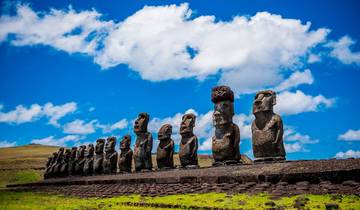
4 days
Chile: Easter Island – The Mysteries of Rapa Nui in 4 DAYS
- ✓ Comprehensive Easter Island tour
- ✓ Expert local guides included
- ✓ All accommodation arranged
- ✓ Transportation provided

4 days
Easter Island Experience 4D/3N
- ✓ Comprehensive Easter Island tour
- ✓ Expert local guides included
- ✓ All accommodation arranged
- ✓ Transportation provided
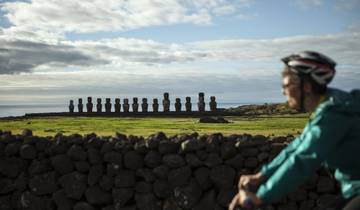
4 days
Easter Island: Archeology & Sunset with Moais
- ✓ Comprehensive Easter Island tour
- ✓ Expert local guides included
- ✓ All accommodation arranged
- ✓ Transportation provided
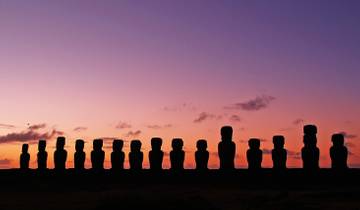
4 days
Easter Island Discovery (4 Days)
- ✓ Comprehensive Easter Island tour
- ✓ Expert local guides included
- ✓ All accommodation arranged
- ✓ Transportation provided
Multi-day tour packages powered by TourRadar. Prices and availability subject to change.
Comprehensive Full-Day Archaeological Tours 2026
Classic Full-Day Moai Circuit
Full-day moai circuit tours represent Easter Island’s most popular guided experience, covering major archaeological sites across 7-8 hours with comprehensive interpretation from local Rapa Nui guides. Standard programs cost $70-90 per person for group tours (8-15 participants), increasing to $100-120 for small-group experiences (4-8 participants) delivering enhanced personal attention and flexibility. Check tour operator websites for current rates and seasonal availability.
Typical full-day itineraries begin with 8:30-9:00 AM hotel pickups, proceeding to Rano Raraku volcanic quarry for 2-hour exploration of the moai production center. Guides explain carving techniques using stone tools, transport theories including horizontal sledging and vertical walking methods, and abandonment circumstances when production ceased around 1680 CE. The exterior circuit passes 150+ moai in various completion stages from barely roughed outlines to fully finished figures awaiting transport, with guides indicating specific examples illustrating different production phases.
Post-Rano Raraku programs continue to Ahu Tongariki featuring Easter Island’s largest platform with 15 restored moai standing 4-9 meters tall. Guides detail the 1960 tsunami damage when Chilean earthquake-generated waves scattered statues across the landscape, and the 1992-1995 restoration effort using Japanese crane equipment and international archaeological expertise. The adjacent traveling moai positioned 100 meters from the main platform demonstrates traditional transport techniques employed during restoration testing.
Afternoon portions typically include Anakena Beach combining swimming opportunities with Ahu Nau Nau moai viewing, lunch provisions (often included in tour price or arranged at Anakena facilities), and optional stops at Ahu Te Peu or other coastal platforms along return routes. Tours conclude 4:30-5:00 PM with hotel returns, having covered 60-80 kilometers total distance and visited 4-6 major archaeological sites with comprehensive guide interpretation at each location.
Enhanced Full-Day Programs with Orongo
Enhanced full-day tours incorporate Orongo ceremonial village and Rano Kau crater alongside eastern moai sites, providing comprehensive island coverage in single-day format. These programs cost $85-110 per person for standard groups or $115-140 for small-group experiences due to extended duration (8-9 hours) and additional site coverage. Tour operators including Aku Aku Turismo and Mahina Tours specialize in these comprehensive programs with highly experienced guides.
Enhanced itineraries typically separate into morning archaeological focus (Rano Raraku, Ahu Tongariki, coastal ahu platforms) and afternoon cultural emphasis at Orongo village where Birdman cult ceremonies occurred 1760-1860s. Guides explain the societal transformation from moai-centered ancestor worship to Birdman competition system, detailing annual ceremonies where tribal representatives swam to offshore Motu Nui islet competing to retrieve first sooty tern egg of the season. The winner’s sponsor received Birdman designation with authority over resource distribution for the following year.
Orongo visits include exploration of 53 restored stone houses with distinctive sod roofs, petroglyph viewing depicting Birdman motifs carved into coastal rocks, and dramatic clifftop positioning with 300-meter drops to crashing Pacific waves below. Rano Kau crater displays 1.6-kilometer diameter with 200-meter depth and reed-filled lake occupying the interior, representing one of Easter Island’s most visually spectacular landscapes enhanced by late afternoon light during typical tour timing.
These enhanced programs deliver superior value for single-day visitors or those unable to dedicate multiple tour days, capturing both archaeological grandeur and cultural complexity in comprehensive format. The intensive pacing requires moderate physical fitness for extended walking at Rano Raraku (2 kilometers with elevation changes) and Orongo (1-2 kilometers clifftop trails), though rest breaks accommodate most abilities with advance guide communication about limitations.
Sunrise and Sunset Specialty Tours
Specialty tours focusing on optimal photography timing at premier locations deliver exceptional visual experiences beyond standard midday programs. Sunrise tours to Ahu Tongariki cost $40-60 per person for 2-3 hour early morning programs departing hotels 60-90 minutes before sunrise depending on season. These experiences capture dramatic lighting as the sun rises over the Pacific behind Easter Island’s largest moai platform, creating silhouette effects and backlighting conditions impossible during other hours.
Sunrise programs depart accommodations 4:30-6:30 AM seasonally, arriving Ahu Tongariki with positioning time before first light. Guides provide tripod setup assistance, composition suggestions, and exposure recommendations for optimal photography results. The 30-45 minute sunrise window delivers constantly changing conditions requiring rapid adjustments and multiple exposures. Post-sunrise morning light illuminates moai details invisible during harsh midday conditions, warranting additional 30-45 minutes for close-up photography before return transport to hotels for breakfast.
Sunset tours focus on Ahu Tahai complex positioned on Hanga Roa’s western coast, offering moai silhouettes against Pacific Ocean horizons during evening golden hour. These programs cost $35-50 per person for 2-hour experiences departing hotels 90 minutes before sunset (timing varies 5:30-7:30 PM seasonally). The accessible location requires no extended travel, enabling leisurely pacing with platform exploration before sunset positioning. Ko Te Riku moai featuring restored coral eyes becomes particularly photogenic during sunset light, while the three-platform complex provides varied composition opportunities.
Specialty timing tours particularly benefit serious photographers seeking optimal conditions and composition guidance from experienced local photographers serving as guides. Casual tourists gain exceptional photographic results without requiring expert photography knowledge, as guides indicate optimal positions, settings, and timing for capturing memorable images. These focused experiences complement rather than replace comprehensive full-day tours, serving as valuable additions for multi-day Easter Island visits.
Half-Day Focused Archaeological Tours 2026
Southern Circuit Half-Day Tours
Southern circuit half-day tours concentrate on Rano Raraku quarry and nearby ahu platforms, delivering focused archaeological experiences in 4-5 hour format costing $50-70 per person. These programs suit travelers with limited time, those combining tours with independent exploration, or visitors desiring detailed concentrated experiences at primary sites rather than rushed coverage of multiple locations. Departure timing typically offers morning (8:30 AM-1:00 PM) or afternoon (2:00-6:30 PM) options accommodating different scheduling preferences.
Southern circuit itineraries allocate extended time at Rano Raraku (2-2.5 hours) enabling thorough exploration of both exterior slopes with 150+ moai and optional crater interior trail to the reed lake. This expanded timeline permits detailed photography, contemplative viewing, and comprehensive guide interpretation about production techniques, transport logistics, and abandonment theories. Guides indicate specific moai illustrating different carving phases from initial roughing through detail work to final preparations for platform installation.
Programs continue to Ahu Tongariki for 45-60 minutes viewing the 15-moai platform with detailed explanation of restoration processes, tsunami damage patterns, and individual statue characteristics including pukao presence and coral eye insets on several figures. Additional stops typically include Ahu Te Peu, Papa Vaka petroglyphs, or other nearby coastal sites depending on guide preferences and participant interest levels, providing comprehensive southern sector coverage without northern circuit extension.
Half-day southern tours deliver excellent value for budget-conscious travelers unable to justify full-day program costs, those planning multiple days of independent exploration who desire expert interpretation at the single most significant location (Rano Raraku), or visitors with physical limitations finding 7-8 hour full-day programs excessively demanding. The focused format enables energy conservation while ensuring premier site coverage with quality guide interpretation.
Northern and Western Circuit Tours
Northern circuit half-day tours emphasize Orongo ceremonial village, Rano Kau crater, and western/northern coastal ahu platforms in 4-5 hour programs costing $55-75 per person. These experiences provide cultural and ceremonial site focus contrasting with the moai production emphasis of southern circuit tours, enabling travelers to construct balanced two-day tour combinations covering diverse archaeological and cultural heritage aspects.
Northern programs typically allocate 90-120 minutes at Orongo village with comprehensive interpretation of Birdman cult ceremonies, petroglyph significance, stone house construction, and clifftop positioning strategic importance. Guides explain the societal transformation from moai-centered ancestor worship to competition-based leadership selection, detailing annual ceremonies, swimming routes to offshore islets, and winner determination processes. The dramatic Rano Kau crater viewing from Orongo’s elevated position provides spectacular photographic opportunities with guides indicating optimal positions for landscape captures.
Additional stops include Ahu Tahai complex near Hanga Roa featuring three platforms with restored moai including Ko Te Riku displaying coral eyes, Ahu Akivi interior platform with seven ocean-facing moai, or Ana Te Pahu lava tube caves depending on program variations. Some operators include Vinapu platform notable for precisely fitted stonework resembling Incan masonry, providing architectural diversity beyond the more common ahu construction styles.
These northern focus tours suit afternoon scheduling for visitors dedicating mornings to independent beach time or sunrise photography, those particularly interested in cultural aspects beyond moai production, or travelers constructing multi-day tour combinations ensuring comprehensive island coverage without redundant site visits. The ceremonial village and Birdman cult narrative delivers cultural depth distinguishing Easter Island beyond simply moai statue viewing.
Combination Half-Day Packages
Several tour operators offer combination packages including two half-day programs on separate days, delivering comprehensive coverage equivalent to full-day tours but with split scheduling enabling rest days, independent activities, or flexible timing between guided experiences. These packages cost $90-130 total (15-20% savings versus booking tours separately) with southern circuit one day and northern circuit another, capturing both archaeological and cultural heritage comprehensively.
Combination package advantages include scheduling flexibility spreading guided experiences across 2-4 days rather than concentrating into single intensive day, rest opportunities between programs for less physically demanding itineraries, and optimal timing coordination enabling sunrise tour participation one morning with afternoon northern circuit later the same day or following day. This structure particularly suits older travelers, families with children requiring modified pacing, or those combining Easter Island with demanding multi-destination itineraries where single-day tour intensity would prove exhausting.
Book combination packages directly through individual operators rather than through accommodation providers or third-party platforms to ensure 15-20% discount application and scheduling flexibility for optimal personal itinerary construction. Established operators including Rapa Nui Travel, Aku Aku Turismo, and Mahina Tours offer standardized combination formats with advance booking ensuring coordination between separate day programs.
Cultural Immersion and Traditional Experience Tours 2026
Traditional Dance and Music Performances
Traditional Rapa Nui dance and music performances represent essential cultural experiences showcasing living heritage distinct from archaeological site visits. Several venues offer evening shows combined with traditional dinners, costing $50-80 per person for 90-120 minute performances with meal inclusion. Premium programs at Kari Kari Cultural Center, Te Ra’ai, and hotel venues like Hanga Roa Eco Village & Spa deliver professional productions in dedicated performance spaces with authentic costumes, traditional instruments, and skilled dancers.
Performance content includes women’s poi ball demonstrations involving synchronized movements with weighted string balls, men’s warrior dances featuring aggressive postures and vocalizations mimicking combat scenarios, historical narrative sequences explaining moai construction and Birdman ceremonies through movement and song, and audience participation segments encouraging visitor involvement in basic dance forms. The 90-minute shows balance entertainment value with educational content about Rapa Nui cultural traditions, Polynesian migration histories, and contemporary cultural revival efforts.
Traditional dinner components feature umu pae earth oven preparations where food cooks underground with hot stones, recreating pre-contact cooking methods. Menus typically include sweet potatoes, taro, fresh seafood (especially tuna central to traditional diet), and po’e sweet banana flour pudding for dessert. The combined performance and dinner format creates comprehensive cultural evening experiences delivering value beyond separate restaurant dining and entertainment arrangements.
Book cultural performances through accommodations receiving commission-based discount access (typically 10-15% below direct booking rates) or directly through venue websites for better seating assignments in smaller capacity spaces. Advance reservations 1-2 weeks prior ensure availability, becoming essential during peak seasons (January-February, July-August) when performances reach full capacity regularly. Request English-language interpretation if available, as some venues offer bilingual presentations enhancing understanding for non-Spanish speakers.
Traditional Craft Workshops and Demonstrations
Craft workshop experiences enable hands-on participation in traditional Rapa Nui artistic practices including wood carving, stone tool demonstrations, traditional dance instruction, and petroglyph interpretation. These programs cost $40-70 per person for 2-3 hour workshops with materials included, providing intimate cultural engagement impossible during standard archaeological tours. Several artisan families and cultural centers offer workshop formats with maximum 6-8 participants ensuring personalized instruction.
Wood carving workshops teach basic techniques for creating miniature moai, traditional canoe paddles, or decorative pieces using local wood species. Master carvers demonstrate tool usage, design principles from traditional motifs, and finishing techniques passed through generations. Participants retain completed pieces as meaningful souvenirs connecting to authentic cultural practices rather than mass-produced tourist merchandise. These 3-hour workshops typically cost $60-80 including materials and expert instruction.
Stone tool demonstrations recreate obsidian blade crafting, basalt hammer production, and toki hand axe creation using techniques employed during moai construction periods. Archaeologist-guides explain tool function identification based on use-wear patterns, raw material selection from island sources, and replication experiments informing construction theories. These educational programs cost $40-60 for 2-hour sessions including demonstration materials, appealing particularly to archaeology enthusiasts and those fascinated by technical aspects of moai production.
Dance instruction workshops offer beginner-level traditional dance teaching over 2-hour sessions costing $45-65 per person. Professional dancers instruct basic movements from common performance pieces, explain dance significance within Rapa Nui cultural contexts, and photograph participants in traditional costume for memorable documentation. These experiences particularly appeal to families, culturally engaged travelers, and those desiring active participation beyond passive observation at evening performances.
Traditional Cooking and Food Experiences
Culinary experiences focusing on traditional Rapa Nui food preparation techniques deliver unique cultural engagement through universal language of food. Umu pae earth oven programs cost $70-90 per person for half-day experiences including pit preparation, traditional food cooking participation, and communal meal consumption. These hands-on programs typically involve 4-6 participants working with local families maintaining traditional knowledge, creating intimate cultural exchanges and authentic interactions beyond commercial tour formats.
Umu pae programs begin with pit excavation and stone heating using wood fires, recreating cooking methods employed before European contact introduced metal cookware. Participants learn traditional food preparation including sweet potato and taro preparation, fish seasoning using indigenous herbs, and banana leaf wrapping techniques. The 3-4 hour cooking process enables substantial conversation about contemporary Rapa Nui life, cultural preservation efforts, and family histories connecting participants to island heritage through personal narratives.
Completed umu pae meals feature slow-cooked proteins (chicken, pork, or fish depending on availability), starchy staples (sweet potatoes, taro), and po’e dessert. The communal dining format encourages interaction with host families, cultural question discussion, and recipe sharing for reproducing simplified versions at participants’ homes. These experiences deliver exceptional value through cultural depth, personal connections, and authentic engagement distinguishing them from commercial performance-dinner combinations despite similar pricing.
Book cooking experiences through accommodations with local family connections or directly through established cultural centers like Manu Tama Cultural Center and Haoa Cardinali family programs. Advance booking 2-3 weeks prior ensures availability for these limited-capacity experiences, with timing typically morning start (9:00 AM) for lunch consumption or early afternoon (2:00 PM) for dinner timing. Confirm dietary restrictions accommodation when booking as traditional preparations rely heavily on specific ingredients with limited substitution flexibility.
Specialized and Thematic Tours 2026
Photography-Focused Tours
Photography-specific tours emphasize optimal timing, composition guidance, and technical instruction at premier locations, costing $80-140 per person for full-day programs with professional photographer guides. These specialized experiences suit serious photography enthusiasts seeking exceptional image capture beyond typical tour snapshots, delivering expert local knowledge about lighting conditions, seasonal variations, and compositional approaches maximizing Easter Island’s visual drama.
Full-day photography tours typically begin with pre-dawn Ahu Tongariki sunrise capture, followed by strategic timing at other locations based on optimal lighting for specific site characteristics. Morning sessions might include Rano Raraku exterior slopes when eastern-facing moai receive direct light, midday stop at Anakena Beach with overhead sun minimizing harsh shadows on Ahu Nau Nau moai, and late afternoon Orongo visit when western light illuminates crater interior and offshore islets. Programs conclude with Ahu Tahai sunset photography including composition variations and exposure bracketing for optimal golden hour results.
Photographer guides provide technical assistance including exposure recommendations for high-contrast scenes common at coastal ahu platforms, composition suggestions using foreground elements and leading lines incorporating landscape context, and post-processing demonstrations for optimizing raw files. Small group sizes (3-5 participants maximum) enable personalized attention addressing individual skill levels from competent enthusiasts seeking local knowledge through advanced photographers requiring specialized positioning or equipment support.
Equipment recommendations for photography tours include wide-angle lens (16-35mm equivalent) for moai platform compositions incorporating landscape context, telephoto (70-200mm or longer) for moai detail shots and Orongo islet photography, polarizing filter for sky enhancement and ocean glare reduction, tripod for sunrise/sunset long exposures, and multiple battery sets as charging opportunities remain limited during extended field sessions. Guides accommodate varying equipment levels from smartphone photographers through professional DSLR users, tailoring instruction to participant capabilities and equipment constraints.
Archaeological and Academic Focus Tours
Academic-oriented tours emphasizing archaeological research, conservation science, and detailed technical analysis appeal to intellectually engaged travelers seeking scholarly depth beyond typical visitor programs. These specialized experiences cost $100-160 per person for full-day formats with archaeologist or anthropologist guides, delivering graduate seminar-level content about moai construction theories, ahu platform architecture, Polynesian settlement patterns, and contemporary research methodologies.
Academic tours incorporate extended time at Rano Raraku examining specific moai illustrating different production phases, detailed analysis of toki hand axe marks revealing carving techniques, and discussion of experimental archaeology projects testing transport theories. Guides with advanced degrees in archaeology or anthropology present current research developments, debate ongoing scholarly controversies about moai function and ahu platform symbolism, and explain conservation challenges including weathering patterns, tourism impact management, and restoration methodology evolution.
Additional content includes Orongo petroglyph analysis examining motif evolution from earlier moai-centered imagery to Birdman cult representations, Anakena excavation site discussion where buried moai revealed preservation mechanisms later applied island-wide, and Ahu Vinapu stonework examination exploring possible South American contact theories based on construction technique similarities to Incan masonry. The intensive intellectual engagement suits university groups, amateur archaeologists, and culturally sophisticated travelers desiring maximum educational value from site visits.
Book academic tours through specialized operators including Rapa Nui Academia Tours and arrangements with Easter Island archaeological research organizations. These programs require advance booking 3-4 weeks ahead to ensure archaeologist guide availability, with limited departure frequency (typically 2-3 weekly maximum) restricting scheduling flexibility compared to standard tour options. Confirm guide credentials and research specializations when booking to ensure alignment with specific intellectual interests in construction technology, cultural evolution, or conservation science.
Private Customized Tours
Private tours with customized itineraries deliver maximum flexibility and personalized pacing for travelers unable to conform to standard group formats or desiring exclusive guide attention. These premium experiences cost $200-350 for 1-4 participants in full-day format, providing vehicle, guide, and itinerary customization based on specific interests, physical abilities, and timing preferences.
Private tour advantages include flexible scheduling accommodating sunrise departures, midday breaks, or extended time at preferred sites without group constraints, customized interpretation depth matching participant knowledge levels from complete novices through archaeology graduates, physical accessibility modifications for mobility-limited travelers requiring shorter walking distances and frequent rest opportunities, and family-friendly pacing with children’s engagement needs addressed through interactive elements and modified duration.
Customization options enable specialized focus on particular archaeological periods (early settlement through moai construction era through Birdman cult transition), photographic priorities with timing optimized for lighting conditions at specific locations, cultural emphasis through extended time at Orongo ceremonial village and traditional craft workshop incorporation, or comprehensive coverage exceeding standard full-day programs through 10-12 hour extended formats visiting all major sites plus remote locations rarely included in group tours.
Book private tours directly through established operators including Aku Aku Turismo, Mahina Tours, and Kia Koe Tour, discussing specific interests and requirements during booking process. Advance reservation 3-4 weeks ahead ensures preferred guide availability and enables detailed itinerary planning incorporating specialized stops or timing requirements. Per-person costs decrease substantially for groups of 3-4 participants ($70-115 per person) compared to solo travelers absorbing full costs, making private tours economically competitive with standard group programs for small family or friend groups desiring enhanced flexibility.
Planning Your 2026 Easter Island Tour Strategy
Optimal Tour Combinations for Different Visit Lengths
Three-day Easter Island visits benefit from combining single full-day comprehensive archaeological tour ($70-120) with cultural performance dinner ($50-80) and independent exploration days using rental car ($60-90 daily). This balanced approach delivers expert site interpretation during the tour establishing archaeological and cultural foundations, authentic cultural engagement through evening performance, and flexible independent time for revisiting favorite locations, optimal photography timing, and personal pacing. Total guided experience cost ranges $120-200 plus rental car expenses, achieving comprehensive coverage while maintaining scheduling flexibility.
Four to five-day visits enable enhanced tour participation including full-day archaeological program, half-day northern circuit tour ($55-75), cultural performance dinner, and craft workshop experience ($40-70). This expanded format provides thorough site coverage through multiple guide perspectives, cultural depth through traditional cooking or craft participation, and sufficient independent time for sunrise photography, beach relaxation, and spontaneous exploration. Total tour costs reach $215-345 delivering substantial cultural value while preserving 2-3 independent days for personal priorities.
Week-long visits suit travelers prioritizing cultural immersion over rapid site coverage, enabling participation in multiple specialized programs including photography tour ($80-140), academic archaeology focus experience ($100-160), traditional cooking workshop ($70-90), craft instruction ($40-70), and multiple cultural performances. This intensive engagement delivers transformative cultural understanding and exceptional depth, though requires substantial budget allocation ($390-550 for guided experiences) justified only for culturally sophisticated travelers with strong Easter Island specific interests rather than casual first-time visitors.
Budget Optimization Strategies for 2026 Tours
Tour cost management employs several strategic approaches balancing quality experiences with budget constraints. Group tour participation (8-15 participants) rather than small-group options saves $15-30 per program, though sacrificing personal attention and flexibility. This tradeoff proves acceptable for budget-conscious travelers prioritizing site coverage over intimate cultural engagement, particularly for full-day archaeological tours where content comprehensiveness matters more than group dynamics.
Alternative budget strategy combines single comprehensive full-day tour providing expert foundation with independent exploration using rental car for subsequent site revisits. This approach costs approximately $70-120 for initial tour plus $180-270 for 3-day car rental versus $210-360 for multiple tour bookings, saving $60-150 while maintaining comprehensive site access. The initial guided experience establishes archaeological and cultural context making subsequent independent visits more meaningful through informed viewing rather than pure sightseeing.
Cultural experience selectivity proves another effective budget management technique, choosing single high-quality performance-dinner combination ($50-80) rather than multiple workshop experiences ($40-70 each), or participating in one specialized workshop (craft or cooking) providing hands-on engagement deeper than passive performance viewing. Strategic selection based on personal interests (performance emphasis for entertainment value, workshop focus for interactive engagement) optimizes cultural experience value while constraining costs to $50-150 range rather than $150-300 for comprehensive program participation.
Advance Booking Timeline and Reservation Strategy
Optimal Easter Island tour booking for 2026 visits occurs 2-3 weeks prior to arrival during shoulder seasons (October-November, March-April) when operator availability remains good and advance planning enables selection between multiple departure times and group size options. Peak season visits (January-February, July-August) require 4-6 weeks advance booking due to limited operator capacity and high demand filling tours substantially ahead of departure dates.
Booking sequence priorities include securing comprehensive full-day archaeological tour first as this experience forms visit foundation regardless of other activities selected, followed by specialized programs (photography tours, academic focus experiences) with limited weekly departure frequency, then cultural performances and workshops typically offering daily availability but filling during peaks, and finally sunset specialty tours with flexible timing throughout visit windows as scheduling backups.
Direct operator booking through company websites or phone contact delivers better customer service, flexible modification policies, and often modest discounts (5-10%) compared to third-party booking platforms charging service fees or accommodation-based reservations involving commission markups. Established operators including Aku Aku Turismo, Rapa Nui Travel, Mahina Tours, and Kia Koe Tour maintain English-language websites with online booking systems, email confirmation processes, and reliable customer service supporting international visitor needs without language barriers.
Top Easter Island Tour Operators for 2026
Aku Aku Turismo – Comprehensive Programs
Aku Aku Turismo represents Easter Island’s longest-established tour operator with 35+ years experience and reputation for consistent quality across diverse program offerings. The company operates comprehensive full-day archaeological tours ($85-110), half-day focused circuits ($55-75), specialty photography programs ($90-130), and private customized experiences ($220-320), employing 12+ guides including several with advanced archaeological and anthropological credentials. Small-group formats (maximum 8 participants) deliver personalized attention while maintaining economic efficiency compared to private tours.
Aku Aku distinguishes through guide quality emphasis, employing primarily Rapa Nui heritage guides with deep cultural connections and family oral histories enriching standard archaeological interpretation. The company maintains close relationships with traditional families enabling craft workshop arrangements, traditional cooking experiences, and authentic cultural program access beyond commercial venue performances. English-language capability remains strong across guide staff, important for North American and European visitors requiring interpretation beyond Spanish.
Book Aku Aku programs through the company website (akuakuturismo.cl) featuring English-language interface, detailed program descriptions, transparent pricing, and online reservation system with credit card payment acceptance. Advance booking 2-4 weeks ahead ensures availability for preferred dates, with 48-hour cancellation policy allowing flexibility for weather or personal circumstance changes. The company receives consistent positive reviews from international visitors emphasizing guide knowledge, punctuality, small group sizes, and value for comprehensive day-long programs.
Mahina Tours – Cultural Immersion Specialists
Mahina Tours emphasizes cultural immersion programming beyond standard archaeological site circuits, offering traditional cooking workshops ($75-90), craft instruction experiences ($45-65), dance lessons ($50-70), and combined cultural packages integrating multiple traditional practices. The company operates standard archaeological tours ($70-100) but distinguishes through cultural program depth and authentic family connections enabling genuine cultural exchanges rather than commercial performance formats.
Mahina’s cultural programs feature collaboration with traditional Rapa Nui families maintaining ancestral knowledge about earth oven cooking, wood carving techniques, and ceremonial practices. Workshop formats involve 4-6 participants maximum working directly with master practitioners in family settings, creating intimate cultural engagement and personal relationship building. These experiences particularly appeal to culturally sophisticated travelers prioritizing authentic interaction over tourist-oriented entertainment, though require Spanish language comfort or acceptance of limited English translation during family interactions.
Book Mahina cultural programs through direct contact via email ([email protected]) or phone rather than online systems, enabling detailed discussion about specific interests, dietary requirements for cooking workshops, and timing coordination for family-based experiences. Advance booking 3-4 weeks ahead proves essential for workshop programs due to family coordination requirements and limited weekly capacity. Pricing remains competitive with other operators while delivering unique cultural access unavailable through larger commercial tour companies focusing primarily on archaeological site circuits.
Rapa Nui Travel – Academic and Specialist Tours
Rapa Nui Travel specializes in academic-oriented programs emphasizing archaeological research, scientific analysis, and intellectual depth beyond typical visitor interpretation. The company employs guides with advanced degrees in archaeology, anthropology, and conservation science, delivering graduate seminar-level content about moai construction theories, ahu platform architecture, Polynesian settlement patterns, and contemporary research methodologies. Full-day academic programs cost $110-160 depending on specialist guide credentials and customization depth.
Academic tour content includes extended time at Rano Raraku examining specific moai illustrating different production phases, detailed toki hand axe mark analysis revealing carving techniques, and presentation of current research developments from ongoing excavation projects and conservation studies. Guides discuss scholarly controversies including moai transport theories, ahu platform chronology debates, and societal collapse interpretations, presenting multiple theoretical frameworks rather than simplified narratives. This approach suits university groups, amateur archaeologists, and intellectually engaged travelers seeking maximum educational value.
Rapa Nui Travel additionally offers specialized programs for school groups, university study abroad programs, and professional development seminars through customized multi-day formats incorporating lectures, field sessions, and interaction with resident researchers. Book academic programs through email contact ([email protected]) discussing specific educational objectives, participant background levels, and specialized interest areas enabling customized content matching group needs. Standard programs operate 2-3 times weekly with advance booking 3-4 weeks ahead ensuring preferred specialist guide availability.
Kia Koe Tour – Photography and Specialty Focus
Kia Koe Tour emphasizes photography-specific programs with professional photographer guides providing technical instruction, composition guidance, and optimal timing coordination for exceptional image capture. Full-day photography tours cost $95-140 per person with small groups (maximum 6 participants) enabling personalized technical assistance addressing varying skill levels and equipment capabilities. Programs incorporate sunrise Ahu Tongariki session, strategic midday positioning at sites with favorable lighting, and sunset Ahu Tahai photography for comprehensive coverage.
Photography tour advantages include pre-dawn departures for optimal sunrise conditions (standard tours depart 8:30-9:00 AM missing premier morning light), extended time at photographic priority locations rather than equal distribution across multiple sites, composition workshop elements teaching effective use of foreground elements and leading lines, and post-processing demonstration showing raw file optimization techniques. Guides accommodate equipment ranging from smartphone cameras through professional DSLR systems, tailoring instruction to participant capabilities rather than assuming advanced technical knowledge.
Kia Koe additionally operates standard archaeological tours ($70-100), sunset specialty programs ($40-55), and private customized experiences ($210-300), maintaining quality standards across diverse offerings. Book programs through the company website (kiakoetour.cl) featuring portfolio examples from previous tours illustrating typical photographic results, equipment recommendation guidance, and transparent pricing structure. Advance reservation 2-3 weeks ahead ensures availability for photography-specific departures operating less frequently than standard archaeological tours due to specialized guide requirements and smaller group capacity.
Tour Booking and Logistics for 2026
Reservation Process and Payment Methods
Easter Island tour booking for 2026 operates primarily through three channels: direct operator contact via website or email, accommodation-arranged bookings through hotel concierge services, and third-party booking platforms. Direct operator booking delivers optimal value through 5-10% discounts avoiding commission markups, better communication regarding special requirements or scheduling preferences, and flexible modification policies compared to platform bookings with strict cancellation terms.
Standard booking procedures require participant information including number of adults and children, accommodation location for pickup arrangements, contact details for confirmation communications, and special requirement notation regarding dietary restrictions, mobility limitations, or language preferences. Payment acceptance varies by operator with established companies accepting credit cards through secure online systems, while smaller operators may require bank transfers or PayPal transactions. Full prepayment typically required for bookings made internationally, while local arrangements sometimes permit cash payment on tour day.
Confirmation communications arrive via email 24-48 hours after booking including pickup time and location specifications, guide contact information for day-of communications, and final instructions regarding items to bring, physical difficulty level, and weather contingency procedures. Save confirmation emails with operator contact details for reference during travel, as last-minute questions or pickup coordination issues occur occasionally requiring direct communication with operators or guides.
Cancellation Policies and Weather Contingencies
Tour cancellation policies typically allow full refunds for cancellations 48-72 hours prior to scheduled departure, partial refunds (50-70%) for 24-48 hour notice, and no refund for same-day cancellations unless weather or operator-initiated changes require program modifications. These standard terms apply across most Easter Island operators with specific policy details provided during booking confirmation. Travel insurance with cancellation coverage proves valuable protecting against forfeited payments if personal circumstances require trip modifications.
Weather rarely forces complete tour cancellations given Easter Island’s moderate year-round conditions, though occasional modifications occur during heavy rain affecting unpaved road access to Anakena Beach or strong winds creating safety concerns at Orongo cliffs. Operators typically offer alternative site substitutions maintaining program value while adapting to conditions, or reschedule tours to following days if weather patterns indicate temporary disruption. Communicate flexibility regarding alternative dates during initial booking discussions, enabling operators to optimize scheduling if weather modifications become necessary.
Extreme weather events requiring full cancellations trigger automatic full refunds regardless of standard policy timing, with operators proactively contacting affected participants about rescheduling options or refund processing. Easter Island’s isolation and tourism dependence creates strong operator incentive maintaining customer satisfaction through fair weather contingency handling rather than strict policy enforcement during circumstances beyond traveler control.
Pickup Logistics and Tour Day Coordination
Tour pickups occur at participant accommodations throughout Hanga Roa village, with standard full-day programs beginning 8:30-9:00 AM and specialty sunrise tours departing 4:30-6:30 AM seasonally. Operators provide specific pickup windows (typically 15-minute ranges) rather than exact times due to multiple accommodation stops required before proceeding to first sites. Wait outside accommodations or in lobby areas during designated windows, watching for marked tour vehicles (minibuses or 4x4s depending on group size) displaying operator names and guide identification.
Guides conduct participant count and attendance verification before departing pickup circuits, then provide brief orientation about day schedule, site sequence, lunch arrangements, bathroom availability, and safety considerations. Programs operate rain or shine unless extreme conditions force cancellations, so bring weather-appropriate clothing regardless of morning conditions. Return to accommodations occurs within 30-minute windows of estimated completion times, accounting for variable traffic conditions and final participant drop-off sequence positioning.
Essential items for tour participation include sun protection (hat, sunscreen, sunglasses), comfortable walking shoes suitable for volcanic rock terrain, reusable water bottle (operators provide refill opportunities but environmental awareness discourages single-use plastic), camera equipment with backup batteries, and light rain jacket regardless of forecast given frequent brief afternoon showers. Operators sometimes provide light snacks and beverages though confirm inclusions during booking, bringing supplementary provisions if energy needs require additional nutrition beyond tour-provided items.
Frequently Asked Questions About Easter Island Tours 2026
Do Easter Island guides speak English in 2026?
English-speaking guide availability varies by operator with established companies including Aku Aku Turismo, Rapa Nui Travel, and Kia Koe Tour maintaining multiple English-capable guides. Request English-language guides during booking rather than assuming automatic provision, as Spanish remains primary language and some smaller operators employ primarily Spanish-speaking guides. Larger group tours often provide bilingual interpretation with guides alternating between Spanish and English during site presentations, though small-group and private tours enable single-language focus matching participant needs. English fluency levels vary from basic functional communication through complete fluency among guides with international training or extensive experience with North American and European visitors.
What’s the physical difficulty level of Easter Island tours?
Standard full-day and half-day archaeological tours involve moderate physical activity including 3-5 kilometers total walking across multiple sites with elevation changes up to 100 meters at locations like Rano Raraku. Walking surfaces include uneven volcanic rock, maintained trails, and occasional steep sections requiring careful footing. Most adults with average fitness complete programs comfortably with frequent rest stops and flexible pacing, though travelers with mobility limitations should communicate restrictions during booking enabling route modifications or alternative site selections. Orongo ceremonial village presents greatest challenge with clifftop positioning requiring careful navigation and 300-meter exposure concerns for those with height sensitivities. Specialized programs like photography tours involve extended standing during sunrise/sunset sessions potentially challenging for those with knee or back issues.
Are Easter Island tours suitable for children?
Easter Island tours accommodate families with children though age appropriateness varies by program type and child temperament. Full-day archaeological tours prove challenging for children under 8-10 years due to extended duration (7-8 hours), walking requirements, and primarily adult-oriented interpretation focusing on archaeological and historical content. Half-day programs suit families better through shorter duration (4-5 hours) and focused site coverage maintaining child attention spans. Private customized tours deliver optimal family experiences enabling pacing modifications, interactive elements for child engagement, rest breaks as needed, and abbreviated site visits maintaining interest without exhaustion. Cultural performances and craft workshops particularly appeal to children through visual entertainment, hands-on activities, and shorter duration (90-120 minutes) compared to full-day site circuits.
Can I book Easter Island tours after arriving on the island?
Last-minute tour booking remains possible though availability varies dramatically by season with shoulder periods (October-November, March-April) maintaining good capacity enabling day-before or even same-day bookings, while peak seasons (January-February, July-August) fill substantially ahead requiring 4-6 weeks advance reservation. Risk last-minute booking approach only if travel schedule flexibility permits alternative dates should preferred tours show full capacity, or if willing to accept larger group formats and less-desirable timing rather than optimal small-group morning departures. Budget modest premium (10-20%) for last-minute bookings as remaining spaces in nearly-filled tours sometimes command higher rates compared to advance purchase pricing, though this practice varies by operator.
What happens if I miss my tour pickup?
Missing scheduled tour pickups typically results in forfeited payment with no refund provision given that guides cannot delay departure affecting other participants’ experiences and site timing coordination. Operators provide specific pickup windows (15-minute ranges) and contact information during confirmation communications, enabling last-minute coordination if unforeseen circumstances create timing concerns. Call or message guide contact numbers immediately if running late, as modest delays of 5-10 minutes sometimes accommodate through route sequence adjustments picking you up later in the circuit. Prevent missed pickups through confirmed accommodation location communication during booking, setting multiple alarm systems for early sunrise tour departures, and positioning yourself outside accommodations 5 minutes before scheduled window starts rather than waiting for vehicle arrival notification.
Do tour prices include lunch on Easter Island?
Lunch inclusion varies by operator and program type with some full-day tours including basic lunch provisions (sandwiches, fruit, snacks, beverages) while others designate lunch breaks at Anakena Beach or other locations where participants purchase meals independently from facilities or bring self-provided provisions. Confirm lunch arrangements during booking to enable appropriate provisioning if meals not included, recognizing that Anakena snack stand offers limited options (empanadas, sandwiches, drinks) at moderate prices $8-15 for substantial meals. Cultural performance programs typically include traditional dinner as part of package pricing ($50-80 total), while workshop experiences sometimes provide light refreshments but not full meals unless specifically noted in program descriptions.
Can Easter Island tours be customized for specific interests?
Standard group tours follow fixed itineraries with limited customization flexibility given multiple participant needs and efficient site circuit routing. Private tours enable substantial customization including extended time at specific sites matching particular interests (Rano Raraku for construction technique focus, Orongo for ceremonial significance emphasis), specialized stops at locations rarely included in group programs (remote coastal ahu platforms, interior agricultural sites, less-visited petroglyph locations), modified pacing accommodating photography priorities or physical limitations, and schedule adjustments coordinating with optimal lighting conditions or personal activity preferences. Discuss customization objectives during private tour booking, providing specific interest areas enabling guides to recommend optimal routing and time allocation. Customization typically adds no extra cost beyond base private tour rates ($200-350) unless requiring specialized expert guides (archaeologists, photographers) commanding premium pricing.
How do I identify reputable Easter Island tour operators?
Reputable operator identification employs several verification strategies including: established online presence with professional websites displaying transparent pricing, detailed program descriptions, and multiple contact methods; positive reviews on TripAdvisor, Google, and other travel platforms emphasizing guide quality, punctuality, and value delivery; recommendations from accommodations and visitor information centers maintaining relationships with quality operators; membership in tourism industry associations (Chilean tourism organizations); and longevity in business with 5+ years operating history indicating sustained service quality. Avoid operators lacking verifiable physical addresses, those requesting full payment through informal methods (personal PayPal accounts, cash app transfers), or those with predominantly negative reviews citing guide incompetence, timing unreliability, or false advertising about group sizes or inclusions.
What’s the tipping etiquette for Easter Island tour guides?
Tipping Easter Island tour guides follows optional appreciation standards rather than mandatory service charges, with satisfied participants typically providing $10-20 per person for full-day tours or $5-10 for half-day programs delivered with excellent service quality, knowledge demonstration, and positive engagement. Exceptional guides delivering transformative experiences through profound cultural insights, accommodating special needs graciously, or providing extraordinary photography assistance merit higher tips $25-40 per person reflecting substantial value delivered. Tip guides directly in cash (US dollars or Chilean pesos both accepted) at tour conclusion, privately rather than publicly in group settings if possible. Budget-conscious travelers should not feel obligated to tip standard amounts if service quality proves merely adequate, though complete withholding should accompany direct feedback to operators about specific deficiencies enabling service improvement.