East Midlands Responsible Tourism Guide: Sustainable Travel Practices & Eco-Friendly Experiences
The East Midlands presents one of England’s most compelling arguments for responsible travel: a region where post-industrial landscapes are actively being transformed into woodland, where ospreys have been coaxed back from local extinction, and where ancient national parkland coexists with thriving market towns accessible by train. From the Derbyshire moorlands to the rolling Lincolnshire chalk hills, traveling sustainably here means engaging with conservation success stories in real time — and discovering that treading lightly almost always leads to experiencing far more.
Key Takeaways
- The National Forest — a 200-square-mile conservation project spanning parts of Derbyshire, Leicestershire, and Staffordshire — has grown from 6% to 22% woodland cover since the 1990s, offering car-free walking, cycling, and wildlife experiences at the heart of the region.
- Rutland Water hosts one of England’s most celebrated conservation achievements: the Rutland Osprey Project, which produced its 300th successfully fledged chick in 2025 following the reintroduction of a species absent from the region for over 150 years.
- The Peak District National Park — Britain’s original national park, designated in 1951 — actively promotes sustainable tourism through its Environmental Quality Mark certification scheme for accommodation, food businesses, and visitor attractions.
- An extensive rail network connecting Derby, Nottingham, Leicester, and Sheffield, combined with dedicated cycling trails and long-distance walking routes, makes car-free exploration of most of the East Midlands genuinely practical.
- Responsible tourism in the region supports conservation directly: Rutland Water admission fees fund osprey monitoring, National Forest visitor spending sustains woodland expansion, and National Trust and English Heritage gate receipts finance ongoing heritage conservation across multiple East Midlands properties.
- The Monsal Trail, Tissington Trail, and High Peak Trail form one of England’s finest networks of traffic-free cycling and walking routes in the Peak District, all accessible to visitors arriving by train and cycle hire at trailheads.
People Also Ask About East Midlands Responsible Tourism
How can I explore the East Midlands sustainably without a car?
The East Midlands is well served by rail, making car-free exploration practical across most of the region. East Midlands Railway and Cross Country operate services connecting Derby, Nottingham, Leicester, and Sheffield. From Derby, trains run to Matlock, providing access to the southern Peak District; from Sheffield, the Hope Valley Line serves Hathersage, Hope, and Edale in the Dark Peak. The Transpeak bus crosses the National Park between Nottingham and Manchester via Bakewell. Rutland Water sits on the Midland Mainline at Oakham. Sherwood Forest is reachable by bus from Nottingham, and Lincoln’s cathedral city is a direct rail destination from multiple East Midlands cities. Cycle hire at Ashbourne, Middleton Top, Parsley Hay, and Whitwell (Rutland Water) extends car-free range onto the dedicated trail network. For those who must drive, the Rutland Water cycling circuit, the National Forest route network, and the Peak District trail connections all eliminate the need for a car during the stay itself.
What are the best wildlife experiences for eco-conscious visitors in the East Midlands?
Rutland Water Nature Reserve is the region’s premier wildlife destination, with guided osprey watching from hides during the breeding season and live camera feeds of active nests. Beyond the ospreys, the reservoir supports nationally significant wintering wildfowl populations. Sherwood Forest National Nature Reserve, managed by the RSPB, is extraordinary for its veteran oak ecology — the deadwood-dependent invertebrate fauna supported by its ancient trees includes numerous nationally scarce species. The Lincolnshire Wolds AONB protects chalk grassland habitats supporting declining farmland birds including yellowhammer and grey partridge. RSPB Langford Lowfields in Nottinghamshire demonstrates wetland restoration at a former sand and gravel quarry, with breeding avocet and waders. Bradgate Park in Charnwood Forest, accessible by bus from Leicester, hosts wild red deer and nesting peregrine falcon on its ancient rocky outcrops.
Which eco-friendly accommodation options are available in the East Midlands?
The Peak District National Park Authority operates the Environmental Quality Mark (EQM) scheme — a publicly searchable certification covering accommodation, food businesses, and visitor attractions assessed across energy, water, waste, transport, and biodiversity criteria. EQM-certified properties represent the clearest, independently verified choice for responsible visitors in the Peak District. In the National Forest, forest lodges and glamping operations designed to integrate with woodland provide low-impact stays connected to the cycling and walking network. Several farm stays and rural B&Bs in Rutland and Leicestershire supplement farm income while maintaining traditional land management practices. In the Lincolnshire Wolds, farmhouse accommodation and independent guesthouses in Louth and Horncastle support small communities where visitor spending is genuinely significant. Derby and Nottingham both offer independently operated urban guesthouses with solar installations and environmental management certifications for visitors preferring a city base.
How does visiting the East Midlands directly support conservation work?
Many of the region’s flagship conservation projects depend directly on visitor income. Admission fees to Rutland Water Nature Reserve support Leicestershire and Rutland Wildlife Trust’s osprey monitoring, volunteer program, and community outreach. National Trust membership or gate receipts at Hardwick Hall, Calke Abbey, and Kedleston Hall fund conservation and agri-environment management on Trust estates. English Heritage admission at Bolsover Castle and Wingfield Manor funds preservation of nationally important built heritage. Within the National Forest, visitor spending with cycling enterprises, forest accommodation, and local food businesses generates income that the National Forest Company channels into continued woodland expansion. The region’s Wildlife Trusts also run volunteer working-holiday programs, allowing visitors to contribute practical conservation labor in habitat management and tree planting alongside financial support.
Extended multi-day tours – 5+ days
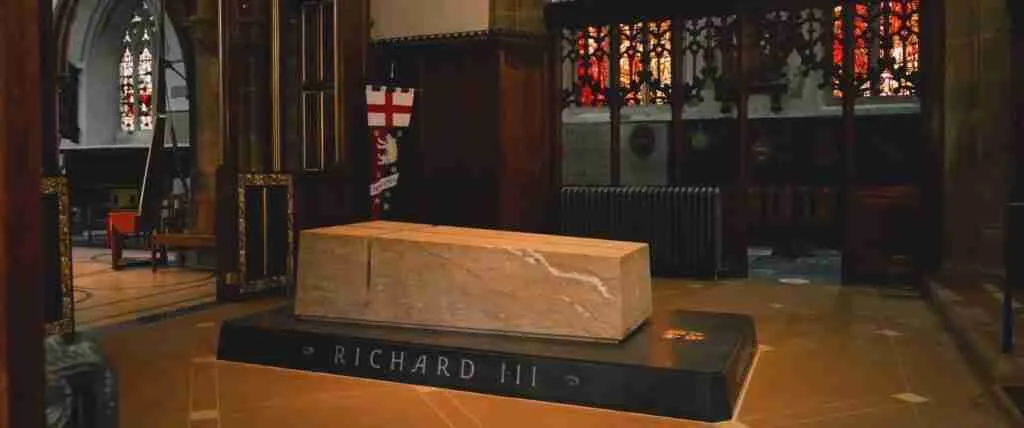
Featured Coventry Multi-Day Tour Packages
3 days
Coventry 3-Day Discovery Tour
- ✓ Comprehensive Coventry experience
- ✓ Expert local guides included
- ✓ All accommodation included
- ✓ Transportation provided
5 days
Coventry 5-Day Highlights Experience
- ✓ Comprehensive Coventry experience
- ✓ Expert local guides included
- ✓ All accommodation included
- ✓ Transportation provided

7 days
Coventry 7-Day Cultural Journey
- ✓ Comprehensive Coventry experience
- ✓ Expert local guides included
- ✓ All accommodation included
- ✓ Transportation provided

10 days
Coventry 10-Day Complete Adventure
- ✓ Comprehensive Coventry experience
- ✓ Expert local guides included
- ✓ All accommodation included
- ✓ Transportation provided
Multi-day tour packages powered by TourRadar. Prices and availability subject to change.
What Is Responsible Tourism and Why Does It Matter in the East Midlands?
Responsible tourism — travel that minimizes negative environmental and social impact while actively contributing to the places visited — carries particular weight in a region still navigating the legacy of industrialization. Coal mining across Nottinghamshire and Derbyshire, clay extraction and ironstone quarrying in Leicestershire, and the heavy manufacturing history of the region’s urban centers left ecological debt that is still being repaid. The responsible tourism story in the East Midlands is, in many respects, a story of restitution — and visitors are increasingly invited to be active participants in that restitution rather than passive consumers of what survives.
The region encompasses six counties: Derbyshire, Nottinghamshire, Leicestershire, Lincolnshire, Rutland, and the territory of Northamptonshire (now divided into the unitary authorities of North Northamptonshire and West Northamptonshire). Within that area sits a landscape of extraordinary diversity: the Dark Peak moorlands of the southern Pennines, the White Peak limestone plateau with its dry-stone-walled fields and clear rivers, the remnant ancient woodland of Sherwood Forest, the broad chalk hills of the Lincolnshire Wolds, and the flat, bird-rich river meadows of the Trent valley. Each zone presents different opportunities for — and pressures from — tourism.
The Peak District National Park, designated in 1951 as Britain’s first national park, attracts an estimated 13 million tourism visits each year according to the Peak District National Park Authority. The overwhelming majority of those visits have historically arrived by private car — the National Park Authority and local destination management organizations estimate that around 85 percent of visitors drive into the park. The ecological and community consequences of that volume are considerable: road congestion in honeypot villages, pressure on sensitive moorland verges and footpath edges, and the carbon footprint of tens of millions of individual car journeys. Sustainable tourism infrastructure in the Peak District is accordingly focused more than anywhere else in the region on shifting this modal balance.
Elsewhere the challenge differs. In the National Forest, the land is still maturing — the transformation from post-mining scarred terrain to woodland is ongoing, and every visitor who understands and engages with that process becomes an informal ambassador for the project. At Rutland Water, the delicate balance of providing wildlife-watching access without disturbing breeding ospreys requires active visitor management. In Lincolnshire, the challenge is partly about extending the geographic range of tourism beyond the obvious draw of Lincoln city to support communities in the rural wolds and fens where economic fragility makes tourist spending particularly consequential.
The principles of responsible tourism in the East Midlands cluster around five practical themes: choosing low-carbon transport where possible; selecting accommodation that invests in sustainability; spending money with local producers and businesses rather than large external chains; engaging actively and respectfully with nature reserves and protected landscapes; and understanding the conservation histories that give individual sites their significance. This guide develops each theme through the lens of the East Midlands’ own places, projects, and communities.
The National Forest: England’s Great Green Transformation
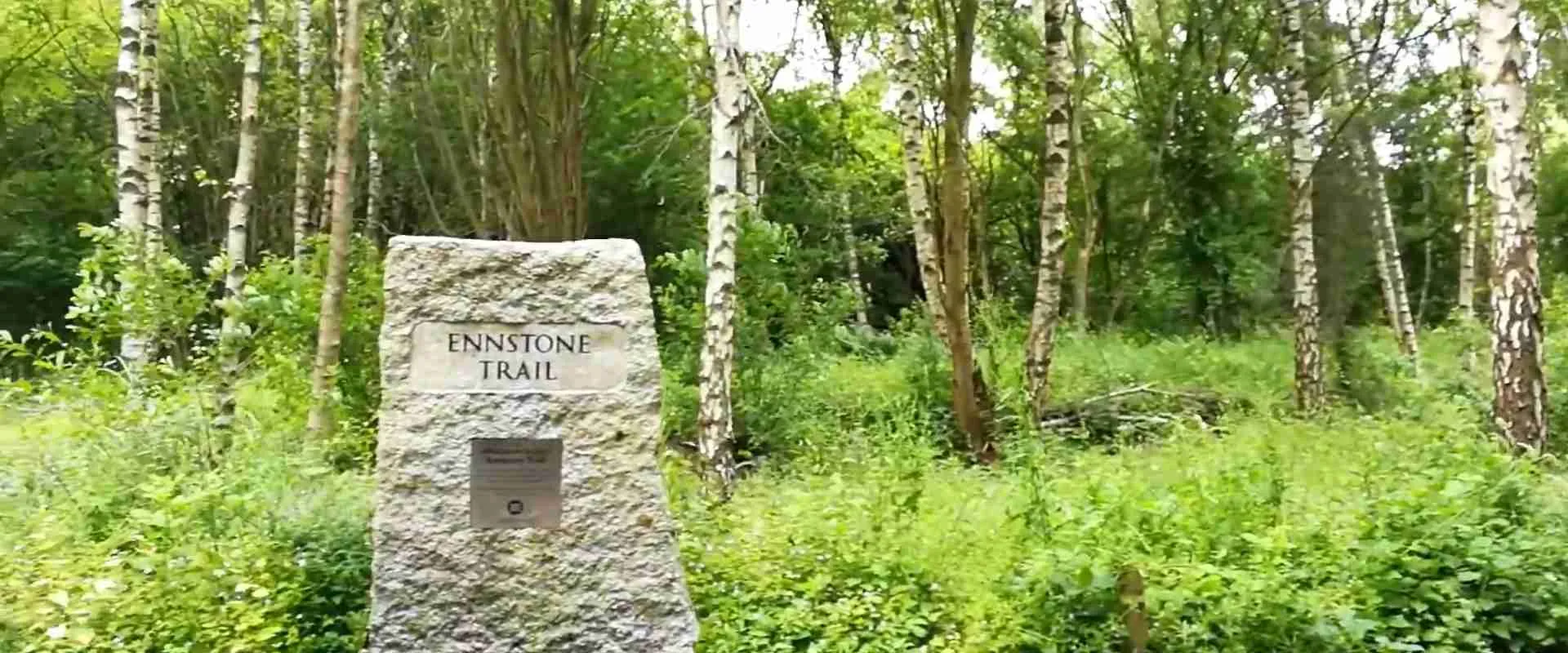
No responsible tourism story in the East Midlands begins anywhere other than the National Forest. Established in the early 1990s following the closure of the coal mining and clay extraction industries that had scarred 200 square miles of the English Midlands, the National Forest represents what its managing body — the National Forest Company — describes as the first broadleaf forest created at scale in England for hundreds of years. Straddling parts of southern Derbyshire, north Leicestershire, and a portion of Staffordshire, it has transformed a landscape that was, within living memory, among the most ecologically depleted in England.
The scale of the transformation is verifiable and remarkable. Forest cover in the National Forest area has grown from approximately 6 percent to 22 percent since planting began in the early 1990s. The National Forest Company records that more than 9.5 million trees have been established across a mixture of publicly funded land, private estates, and community spaces. The long-term target is to reach one-third forest cover across the full 200-square-mile area. This represents a genuine ecological shift — woodland birds, mammals, and invertebrates now occupy habitats that simply did not exist thirty years ago, on land that might otherwise have remained as low-productivity arable or reclaimed mine site.
For the responsible visitor, the National Forest provides opportunities that few other English destinations can match for the combination of ecological authenticity and practical accessibility. The forest is threaded with walking and cycling routes, most of them waymarked and reachable from bus stops and railway stations. The National Forest Way, a 75-mile long-distance walking trail, traces the forest from Charnwood Forest in Leicestershire to the Derbyshire border at Sudbury, passing through ancient woodland remnants and newly planted areas, restored wetlands and veteran hedgerow trees. The route is designed to be walked in sections, with overnight stops in small market towns — Ashby-de-la-Zouch, Coalville, Burton-on-Trent — where local accommodation and food businesses benefit directly from trail traffic.
National Forest cycling circuits provide further car-free routes across the woodland. Several circuits of varying distance connect key settlements including Swadlincote, Burton-on-Trent, and Moira, all of which have rail connections or regular bus services. Cycle hire is available at several points within the forest. The forest also supports a cluster of woodland enterprise businesses — timber craftspeople, charcoal producers, forest food operations — where visitor spending directly sustains the economic case for retaining and expanding woodland over alternative land uses.
The National Forest’s volunteer and community engagement program offers responsible visitors an opportunity to move beyond passive tourism. Community planting days, habitat management tasks, and guided ecology walks are organized throughout the year in partnership with the National Forest Company, regional Wildlife Trusts, and local woodland groups. Participating in a winter planting day — contributing to the planting of native broadleaves alongside local schoolchildren and community volunteers — is one of the most direct and satisfying forms of responsible tourism engagement available anywhere in England.
Responsible visitors should understand that the National Forest is not a single managed area with one entry point but a mosaic of public woodland, private land, reserves, and farmland connected by rights of way and permissive paths. The National Forest Company’s website provides downloadable trail maps and current access information. Following marked routes, observing ground-nesting bird season closures where signed, and supporting forest businesses — cafés, cycle hire, farm shops, forest accommodation — are the practical mechanisms through which individual visits contribute to the forest’s long-term viability.
Peak District National Park: Sustainable Exploration in England’s First National Park
Britain’s original national park, designated in 1951, the Peak District covers 555 square miles of moorland, limestone plateau, and river dales straddling the central Pennines. Its eastern and southern extents lie squarely within the East Midlands, with much of Derbyshire within or bordering the park. Chatsworth House, Haddon Hall, Bakewell, and the dramatic limestone dales of Dovedale and the Manifold Valley are among the most visited landscapes in England. The park’s extraordinary popularity — approximately 13 million tourism visits per year — means its sustainability challenge is the defining responsible tourism issue for the entire region.
The Peak District National Park Authority’s Environmental Quality Mark (EQM) scheme is the most practical tool available to responsible visitors for identifying sustainability-committed businesses. EQM certification is awarded to accommodation providers, food businesses, and visitor attractions meeting independently assessed criteria across energy use, water management, waste reduction, transport, local sourcing, and biodiversity. Properties holding the EQM have demonstrated commitments beyond minimum legal requirements — from heat pump installations to wildlife garden programs and locally sourced breakfast menus. A searchable directory is maintained on the National Park Authority and Marketing Peak District & Derbyshire websites, and the EQM should be a first filter for accommodation searches within the park.
Getting to and through the Peak District without a car is significantly more practical than most visitors assume. Derby and Sheffield serve as the natural gateway cities for car-free Peak District access. From Derby, trains run via the Derwent Valley line to Matlock, giving walkers access to the Via Gellia valley, the Matlock Bath gorge, and the southern limestone plateau. From Sheffield, the Hope Valley Line carries visitors to Hathersage, Hope, and Edale — the southern trailhead of the Pennine Way and the gateway to Kinder Scout and the Dark Peak moorlands. The Transpeak bus service crosses the national park between Nottingham and Manchester, calling at Bakewell and providing a useful east-west artery for combining walking sections with bus travel.
Within the park, a network of traffic-free cycling trails follows the trackbeds of former railways, creating some of the most accessible family cycling infrastructure in England. The Monsal Trail runs for approximately 8.5 miles through the White Peak limestone plateau between Bakewell and Buxton, passing through former railway tunnels and across stone viaducts over the River Wye. The Tissington Trail covers approximately 13 miles between Ashbourne and Parsley Hay, crossing high limestone farmland on gentle gradients. The High Peak Trail extends the network a further 17.5 miles from Parsley Hay to Cromford, incorporating the steeper gradients of the former Cromford and High Peak Railway. Bike hire operates at Ashbourne, Middleton Top, and Parsley Hay, making all three trails accessible to visitors arriving by train to the nearest stations.
Visitor concentration at a small number of honeypot locations — Dovedale, Mam Tor, Chatsworth — is an ongoing pressure for responsible tourism in the Peak District. Less-visited areas such as the Manifold Valley, the Goyt Valley, and the eastern moorland edges above Froggatt and Stanage generally offer quieter, ecologically less-pressured experiences alongside genuinely spectacular scenery. Walking routes across the High Peak moorlands, including sections of the Pennine Way through Kinder Scout and Bleaklow, reward visitors willing to engage with the more demanding Dark Peak landscape. The National Park Authority’s Moors for the Future partnership works actively on moorland peat restoration after historic degradation, and visitor-facing interpretation at key sites connects walkers with the ecological significance of intact upland peat as both carbon store and freshwater catchment.
Food choices within the Peak District align naturally with responsible travel values. The area supports a tradition of locally produced food: Bakewell pudding — the original version, a shortcrust pastry filled with preserve and a cooked egg and almond mixture, distinct from the commercially sold Bakewell tart — is made by a handful of traditional bakeries in Bakewell itself. Derbyshire Gritstone lamb, local farmhouse cheeses, and craft ales from Buxton Brewery and other Peak District producers are available in independent pubs, farm shops, and the farmers’ market in Bakewell. Buying from these local sources keeps tourist spending within the agricultural economy that manages the landscape.
Sherwood Forest: Ancient Oaks and Living Conservation
Sherwood Forest in Nottinghamshire carries cultural significance out of all proportion to its current ecological extent. Once a royal hunting forest covering large portions of northern Nottinghamshire, the surviving ancient woodland at Sherwood represents a reduced but nationally important remnant — significant above all for its assemblage of veteran oak trees, considered among the finest in England. The Major Oak, an ancient pedunculate oak whose age the Sherwood Forest National Nature Reserve estimates at potentially several hundred years — precise dating of veteran trees is inherently imprecise — has become one of the most visited individual trees in Britain and is a tangible anchor for the site’s ecological importance.
For the responsible visitor, Sherwood Forest is most meaningfully engaged through the lens of its ancient tree ecology rather than as a Robin Hood entertainment destination — though both dimensions coexist. The RSPB manages Sherwood Forest National Nature Reserve, and the site’s ecological value centers on the saproxylic fauna — deadwood-dependent insects, fungi, and lichens — supported by its veteran oaks. Species including the purple emperor butterfly, the stag beetle, and numerous nationally scarce and notable beetles depend on the standing and fallen deadwood that characterizes ancient wood-pasture. The RSPB visitor center provides ecological interpretation and organizes guided wildlife walks that bring the forest’s invertebrate and bird life into focus for visitors who might otherwise encounter only the Robin Hood narrative.
Responsible visiting at Sherwood means staying on waymarked paths during the ground-nesting bird season (broadly April through July), respecting protective fencing around the most vulnerable veteran trees, and using the ecological interpretation at the visitor center. The forest is served by bus from Nottingham, making car-free visits practical. Rufford Country Park, approximately five miles south of Sherwood, adds a further day of woodland and lake walking in a Nottinghamshire landscape, with a medieval priory ruin and a café operating a local sourcing policy.
The Dukeries — the cluster of great estates in northern Nottinghamshire, including Clumber Park, Thoresby, and the Welbeck Abbey estate — add a heritage and landscape dimension to the responsible tourism offer of the Sherwood area. Clumber Park, managed by the National Trust, extends to approximately 3,800 acres of parkland, heathland, and woodland around a serpentine lake. The park has no standard admission charge and contains one of the finest double avenues of lime trees in England. The National Trust manages Clumber with an active biodiversity program including heathland restoration and traditional park grassland management. Visitor spending at the National Trust facilities at Clumber directly supports this management work.
Rutland Water and the Rutland Osprey Project: Conservation Tourism Done Right
Rutland Water, a large reservoir in England’s smallest county, is one of the most important inland wetland sites in England, supporting nationally significant populations of overwintering wildfowl and breeding waterbirds. Its primary fame as a responsible tourism destination, however, rests on the Rutland Osprey Project — one of the most celebrated wildlife reintroduction achievements in English conservation history and a model for visitor-funded conservation that has been studied internationally.
Leicestershire and Rutland Wildlife Trust launched the Rutland Osprey Project in 1996, in partnership with Anglian Water and the Roy Dennis Wildlife Foundation, with the ambition of reintroducing ospreys to England, where the species had been absent as a breeding bird for over 150 years. The project involved the translocation of 64 osprey chicks from nest sites in Scotland between 1996 and 2001. In 2001, the first pair bred successfully at Rutland — the first osprey breeding in England in more than a century and a half — and the project has grown steadily since. A further eleven female birds were translocated in 2005 to improve the sex ratio of the growing population. By 2025, eleven breeding pairs in the Rutland area raised 31 chicks, the highest annual fledging total the project has recorded, and the cumulative count of 300 successfully fledged osprey chicks was reached — a milestone Leicestershire and Rutland Wildlife Trust describes as a landmark in English conservation. Ospreys from Rutland have subsequently been recorded breeding in Dorset, Wales, Scotland, and the Netherlands, contributing to population recovery well beyond the project’s original geographic scope.
For responsible visitors, the Rutland Osprey Project offers one of the most rewarding wildlife experiences in the English Midlands. Lyndon Nature Reserve on the southern shore of the reservoir provides purpose-built hides overlooking active nest sites, with live camera feeds allowing close observation of nesting and chick-rearing behavior without any disturbance to the birds. The visitor center, staffed by expert volunteers through the osprey season (broadly April through late August or early September), provides context on the project history, individual bird identification, and broader reservoir ecology. Admission fees go directly to the Wildlife Trust’s conservation work.
Beyond the ospreys, Rutland Water supports exceptional birdwatching throughout the year. Egleton Nature Reserve on the western shore, also Wildlife Trust-managed, provides additional hides and visitor interpretation, with a focus on the diverse wildfowl assemblage that uses the reservoir in winter. Ospreys depart on migration to sub-Saharan Africa in late summer and return in spring, meaning the watching season runs from early April through late August or September.
The Rutland Water cycling circuit — approximately 23 miles in length and following waymarked lanes and paths around the reservoir perimeter — provides a practical and immersive low-impact route incorporating wildlife watching stops. Cycle hire operates at the Whitwell outdoor center on the northern shore. Rutland Water is conveniently reached by train from London St Pancras or Leicester on the Midland Mainline to Oakham, making it one of the most practically accessible car-free wildlife destinations in the English Midlands.
The Lincolnshire Wolds: England’s Quiet AONB
The Lincolnshire Wolds constitute the primary nationally designated landscape outside the Peak District in the East Midlands region, covering an area of rolling chalk hills in northeastern Lincolnshire. Despite this national landscape designation — the Wolds are designated an Area of Outstanding Natural Beauty (AONB) — they remain among the less-visited protected landscapes in England, a characteristic that is simultaneously an asset for the responsible traveler and a challenge for the rural communities that depend on tourism income to sustain local services and food businesses.
The landscape of the Lincolnshire Wolds is defined by chalk hills, wide agricultural skylines, and deeply incised dry valleys characteristic of chalk geology. Traditional field patterns, many incorporating uncultivated hedgerows and field margins, support farmland bird species that have declined severely across much of lowland England: yellowhammer, grey partridge, and tree sparrow all breed in the Wolds. Chalk grassland fragments within the AONB hold nationally declining species of wildflowers, bumblebees, and butterflies. The Viking Way long-distance footpath crosses the Wolds north to south, connecting the Humber Estuary with Rutland Water and passing through villages that have changed little in outward character across generations.
The responsible tourism offer of the Lincolnshire Wolds centers on slow travel: walking and cycling between its market towns — Louth, Horncastle, Alford, Caistor, Market Rasen — and exploring the network of quiet lanes and public rights of way between them. Louth, the most significant market town in the Wolds, hosts a regular market and supports an independent food and craft economy that benefits from visitor spending. Several farm shops and direct-selling market garden operations in the Wolds provide local vegetables, honey, and artisan food products directly to visitors, supporting the agricultural systems that maintain the characteristic chalk downland landscape. Accommodation in the Wolds leans toward farmhouses and rural B&Bs rather than larger hotels — an intrinsic feature of the responsible tourism model in an area where small-scale visitor spending counts for considerably more than it would in an urban context.
Lincoln, while technically north of the Wolds boundary, serves as the natural gateway and provides a sustainable tourism destination in its own right. Lincoln Cathedral — one of the great Gothic buildings of medieval England — and Lincoln Castle, housing an original Magna Carta, anchor a heritage offer that is entirely walkable from Lincoln railway station. The city is directly connected by rail from Nottingham, Leicester, Sheffield, and Newark, making it a genuinely car-free destination for much of the East Midlands population. The steep ascent from the station through the medieval Steep Hill to the cathedral close provides an immediate encounter with the city’s topographic drama and architectural legacy.
Sustainable Transport Across the East Midlands
The East Midlands is better positioned than many English regions for car-free travel, primarily because of the density and connectivity of its rail network. East Midlands Railway operates services along the Midland Mainline connecting Derby, Nottingham, and Leicester with Sheffield to the north and London St Pancras to the south. Cross Country services provide east-west connectivity, linking Birmingham with Derby, Nottingham, and onward to Sheffield, Leeds, and Newcastle. These two axis lines make multi-destination travel within the region practical: Rutland Water (Oakham), the Peak District gateway (Derby or Matlock), Sherwood Forest (Nottingham), and the Lincolnshire Wolds (Lincoln via Newark) are all accessible on the same rail network without any need for a car.
For travelers intending to explore rural and upland areas, rail-and-bus combinations extend the car-free network considerably. The Hope Valley Line from Sheffield serves the Dark Peak area of the Peak District, stopping at Hathersage, Hope, and Edale — the southern trailhead of the Pennine Way. The Derwent Valley line from Derby through Belper and Ambergate reaches Matlock, providing access to the White Peak from the south. Local bus services, including the Transpeak cross-park service and Bakewell-connected routes from Sheffield, cover many of the smaller Peak District settlements. In Nottinghamshire, bus services from Nottingham reach Sherwood Forest’s main visitor car park and visitor center.
Cycling infrastructure within the East Midlands has expanded significantly through the National Cycle Network, managed by Sustrans, and through local authority investment in dedicated paths. National Cycle Network Route 6 connects London with the Derbyshire Peak District via Leicester and Loughborough. Route 68, the Pennine Cycleway, offers a long-distance cycling route from Derby northward through the Peak District. The Trent Valley in Nottinghamshire is served by a riverside cycling path connecting Nottingham with Newark-on-Trent, providing a low-gradient route through the agricultural heart of the county. The Nottingham tram network (the NET) supports cycling-and-tram combinations for shorter journeys within the conurbation.
For those visiting by car — including those traveling in electric vehicles to reduce operational carbon — several sustainable choices remain available. The Zap-Map platform provides real-time information on electric vehicle charging locations across the East Midlands, with good rapid-charger coverage in Derby, Nottingham, Leicester, and the A6 corridor through the Peak District. Visitors to more remote rural areas, including the Lincolnshire Wolds and eastern Lincolnshire, should confirm charging availability before travel, as rural provision remains less comprehensive. Parking at a rail station gateway and continuing by train and bus avoids peak-season congestion in the Peak District’s most pressured villages and reduces the overall environmental footprint of the visit.
The Peak District’s Sett Valley Trail, connecting New Mills and Hayfield in northwestern Derbyshire, is worth specific mention for car-free visitors using Manchester as a northern gateway. New Mills is reachable by rail from Manchester Piccadilly, and from New Mills the Sett Valley Trail provides a traffic-free cycling and walking route to Hayfield — starting point for popular ascents of Kinder Scout. Combining rail to New Mills with cycling to Hayfield and walking the Kinder plateau represents a coherent zero-car approach to one of the Peak District’s most celebrated experiences.
Eco-Friendly Accommodation: Staying Green in the East Midlands
Sustainable accommodation in the East Midlands ranges from camping and glamping in working forests to historic farmhouses with renewable energy installations, and from Wildlife Trust-partnered farm stays to EQM-certified guesthouses in Peak District villages. The diversity reflects both the breadth of the region and the variety of approaches that accommodation providers have taken to environmental responsibility.
Within the Peak District, the Environmental Quality Mark scheme provides the clearest filter for responsible visitors. EQM-holding properties have been independently assessed against environmental criteria and are publicly listed on the National Park Authority website. The scheme covers a range of accommodation types — small B&Bs, self-catering cottages, bunkhouses, holiday parks, and glamping sites — with each property’s specific sustainability investments varying: some prioritize renewable energy, others focus on water conservation, wildlife habitat creation, or local sourcing. Booking EQM-accredited accommodation is the most transparent mechanism for aligning an accommodation choice with responsible tourism values within the Park.
Forest lodges and glamping operations within or adjacent to the National Forest offer a distinctly immersive low-impact experience. Several operations use wood-burning stoves fueled by locally sourced timber, incorporate composting facilities, and maintain wildlife-friendly grounds. The environmental rationale for forest accommodation rests partly on the proximity to walking and cycling routes that eliminate any need for a car during the stay: arriving by train or bus and completing the visit without a vehicle is achievable at several National Forest accommodation businesses, particularly those closest to Moira, Swadlincote, and Burton-on-Trent stations.
Rutland and Leicestershire support a cluster of farm stays and rural B&Bs where visitor income directly supplements farm conservation activities. Several farms in Rutland have diversified into guest accommodation partly to support the economic viability of traditional mixed farming — the kind of farming that maintains hedgerows, hay meadows, and ponds. Leicestershire and Rutland Wildlife Trust’s conservation partnerships include several landholdings adjacent to farms where traditional habitat management is ongoing; accommodation close to these sites provides visitors with direct access to the conservation landscape. In the Lincolnshire Wolds, farmhouse B&Bs in and around Louth, Market Rasen, and Horncastle support traditional mixed farming operations in a landscape where small-scale visitor spending is economically consequential.
Responsible Heritage Tourism: Historic Sites and Conservation Funding
The East Midlands contains a rich heritage estate, and engaging with that estate responsibly — through paid admission and organizational membership rather than relying on digital resources without contributing to conservation costs — forms an important dimension of sustainable tourism in the region.
English Heritage maintains several significant East Midlands properties. Bolsover Castle in Derbyshire is a seventeenth-century riding house complex of extraordinary architectural ambition, built on a medieval castle site with views across a former coal-mining landscape that has itself been partially restored to countryside. Wingfield Manor, a ruined fortified manor in Derbyshire, is associated with the period of imprisonment of Mary Queen of Scots. Hardwick Old Hall, adjacent to the National Trust’s Hardwick Hall, preserves the earlier house on the same Derbyshire hilltop site. All three receive paid visitors whose admission fees directly fund English Heritage’s conservation and access programs. Many English Heritage properties in the East Midlands are accessible by bus from nearby market towns — Bolsover and Chesterfield are connected by local bus services, for example.
The National Trust manages some of the region’s most significant country houses and estates. Hardwick Hall, the late Elizabethan prodigy house built for Elizabeth, Countess of Shrewsbury — widely known as Bess of Hardwick — in the 1590s, is widely regarded as one of the finest late Elizabethan buildings in England, notable for the extraordinary extent of its glazing. Calke Abbey in south Derbyshire, a baroque mansion preserved largely unaltered since the early twentieth century, provides an atmospheric alternative to conventionally presented historic houses. Kedleston Hall, an eighteenth-century Palladian house attributed to Robert Adam set in a designed landscape, offers access to both the house and its park. National Trust membership or admission fees fund conservation, public access, and the agri-environment management carried out on Trust tenant farms and estates across the region.
Chatsworth House in the Derwent Valley, seat of the Dukes of Devonshire, charges admission and reinvests income in conservation of the house, its collections, and its estate — including the landscape that Lancelot “Capability” Brown reworked in the eighteenth century. Haddon Hall, a remarkably complete medieval and Tudor manor also in the Derwent Valley near Bakewell, has been maintained by the same family across generations and employs local craftspeople for its ongoing conservation work. Both properties represent heritage tourism where visitor spending has a demonstrably direct link to conservation outcomes and to continued employment of skilled heritage tradespeople.
Responsible visitors to historic sites serve the cause of sustainable heritage by observing the conventions that allow sustained public access: staying on authorized paths within designed landscapes, following livestock management guidance, respecting photography restrictions in fragile interiors, and contributing via Gift Aid where eligible. Advance booking at properties where timed entry operates both supports conservation planning and reduces queuing pressure at peak times. In a period when heritage organizations face significant funding constraints, the visitor who buys in advance, purchases from local café and shop operations, and joins as a member of the English Heritage, National Trust, or Historic Houses membership programs is making a material contribution to the long-term conservation of the region’s built and designed heritage.
Local Food, Farm-to-Table Dining, and Supporting Independent Producers
Sustainable food is inseparable from sustainable travel, and the East Midlands has a distinctive food geography that rewards visitors who engage with it directly. The region’s local food traditions — shaped by its landscape, soils, and agricultural history — produce a range of ingredients and products that support the farming systems maintaining the landscapes visitors come to enjoy.
Stilton cheese, one of England’s most celebrated Protected Designation of Origin (PDO) products, is produced exclusively within a defined area of Nottinghamshire, Leicestershire, and Derbyshire. The PDO specifies production method, milk source, and geographic origin, meaning that purchasing Stilton from producers within that area — several of whom operate farm shops or sell through farmers’ markets — directly supports the traditional dairy farming and production methods embedded in the designation.
Bakewell pudding — distinct from the commercially widespread Bakewell tart — is made in its traditional form by a small number of bakeries in Bakewell itself. The authentic version uses a shortcrust pastry base filled with preserve and a cooked egg and almond mixture, differing substantially from the fondant-topped tart sold commercially under the “Bakewell” name. Purchasing from Bakewell’s own bakeries, rather than from nationally distributed versions, keeps tourist spending in the town and supports businesses that contribute to its character as an independent Peak District market town.
Leicester’s city market, operating from the city’s historic market square, is among the larger outdoor markets in England and reflects the city’s extraordinary culinary diversity. Leicester’s substantial South Asian community — principally of Gujarati heritage — has created a food culture of rare depth and quality, centered on the Golden Mile restaurant corridor and the market stalls of the city center. Several of these businesses source from regional suppliers and community food networks. The market also sells Leicestershire Red cheese, a traditional hard cheese produced on local farms, alongside seasonal produce from Leicestershire growers.
The National Forest area supports a cluster of farm shops, orchards, and local food enterprises that have developed partly in response to the forest’s growing visitor economy. Several of these enterprises source specifically from farms within or adjacent to the forest, creating a food provenance story coherent with the forest’s own sustainability narrative. Cycling or walking to a National Forest farm shop and consuming a picnic in the woodland is one of the simplest and most satisfying responsible tourism experiences in the region, combining low-carbon transport with direct support for local food producers.
Farmers’ markets in Bakewell, Nottingham, Derby, Lincoln, and Loughborough sell Peak District lamb, Lincolnshire beef and pork, local honey, artisan cheese, and seasonal vegetables directly from producers. Buying from these markets rather than supermarkets during a visit extends the economic impact of tourism beyond accommodation and attraction admission into the agricultural and food production sectors that maintain the landscapes visitors travel to see. The connection between food purchase and landscape management is unusually direct in the East Midlands: the farmers who supply Bakewell market often manage the very fields and meadows visible from the Monsal Trail.
Cycling and Walking Routes for Low-Carbon Exploration
The East Midlands offers one of England’s most varied and well-developed networks of walking and cycling routes for low-carbon exploration, from the traffic-free trail network of the Peak District to the quiet lanes of the Lincolnshire Wolds and the river paths of the Trent and Soar valleys. The infrastructure for genuinely car-free movement across much of the region is already substantially in place.
Within the Peak District, the trail network built on former railway trackbeds is the most practically useful for visitors combining train travel with cycling or walking. The Monsal Trail, Tissington Trail, and High Peak Trail together create an interconnected network of approximately 40 miles of surfaced, traffic-free route crossing the White Peak limestone plateau. The trails are graded to be accessible to a wide range of fitness levels and to families with children. Bike hire facilities at Ashbourne (Tissington Trail), Middleton Top (High Peak Trail), and near Bakewell (Monsal Trail) make these routes accessible to visitors arriving without bicycles.
The Pennine Way, England’s oldest national trail, begins its 268-mile route at Edale in the Dark Peak, accessible by train from Sheffield on the Hope Valley Line. The southern sections through Kinder Scout and Bleaklow represent the most challenging Peak District terrain but provide access to moorland landscapes of genuine wildness within fifty minutes of Sheffield city center. The Limestone Way, a regional walking trail of approximately 46 miles, crosses the White Peak between Matlock and Castleton via Bakewell and Monyash, threading through limestone dales and traditional farming villages. Both routes require appropriate clothing and footwear on the exposed sections but no technical skills.
The National Forest Way, 75 miles through the full extent of the National Forest, provides a multi-day walking route with accommodation intervals in small market towns. The trail passes through forest in various stages of maturity — ancient woodland remnants alongside new planting, restored wetlands alongside veteran hedgerow oaks — creating a walking experience that reflects the forest’s ecological trajectory rather than presenting a finished product. Guidebooks and route maps are available from the National Forest Company, and the route is waymarked throughout.
The Viking Way covers 147 miles through Lincolnshire from the Humber Estuary to Rutland Water. Its central section across the Lincolnshire Wolds provides some of the quietest and most rewarding chalk downland walking in the East Midlands — wide views, village-to-village progression through an unhurried agricultural landscape, and the kind of English countryside that becomes rarer with each passing decade across the intensively farmed lowlands. The route is compatible with point-to-point approaches using bus connections between staging settlements.
For urban and peri-urban cycling, the Trent Valley cycle path between Nottingham and Newark-on-Trent provides a low-gradient riverside route passing through nature reserves on former gravel workings that now support breeding lapwing, little egret, and kingfisher. The Nottingham–Derby cycle route along the Erewash Canal towpath and riverside paths provides another car-free corridor between the two cities. For urban Nottingham, the city’s tram network (NET) carries bicycles at off-peak times, supporting cycling-and-tram combinations. Leicester similarly has invested in dedicated cycling infrastructure connecting its city center with Bradgate Park and the Soar Valley path north toward Loughborough.
Wildlife Tourism and Nature Reserves Across the East Midlands
Beyond Rutland Water and Sherwood Forest, the East Midlands contains a substantial network of nature reserves, Sites of Special Scientific Interest, and managed wildlife habitats offering rewarding encounters for ecologically engaged visitors. The Wildlife Trust network — Derbyshire Wildlife Trust, Nottinghamshire Wildlife Trust, Leicestershire and Rutland Wildlife Trust, and Lincolnshire Wildlife Trust — collectively manages hundreds of reserves across the region, many of them open to visitors and several running guided wildlife walk programs.
RSPB Langford Lowfields in the Trent Valley of Nottinghamshire represents one of the most compelling examples of ecological restoration in the region. A former sand and gravel quarry, the site has been progressively restored to wetland habitat and now supports breeding avocet, lapwing, little ringed plover, and common tern. Access is free and the site is reachable on foot or by cycle from the nearest rail station. The restoration approach — allowing the quarried substrate to flood and colonize naturally — demonstrates the “rewilding light” methodology increasingly applied at lowland restoration sites across England, and provides an instructive contrast with the more actively managed conservation of traditional nature reserves.
Derbyshire Wildlife Trust manages several moorland and limestone grassland reserves within the Peak District, including sites in the Derbyshire Dales and on the gritstone eastern moors where upland heathland management supports breeding red grouse, golden plover, and curlew. The Trust’s Whistlestop Countryside Centre in Matlock provides visitor interpretation and seasonal guidance on wildlife watching in the White Peak and Derwent Valley. For visitors based in Matlock — accessible by train from Derby — the Trust’s reserve network in the surrounding landscape is walkable from the town center.
Gibraltar Point National Nature Reserve near Skegness, managed by Lincolnshire Wildlife Trust, anchors the responsible tourism offer at the East Midlands coastline. The reserve supports one of the larger breeding little tern colonies in England, along with significant numbers of passage waders and migrant songbirds in autumn. Its visitor center provides seasonally updated guidance on what to see and how to observe wildlife without disturbance. Gibraltar Point is accessible by bus from Skegness, which is in turn reachable by train from Nottingham and Grantham — a longer journey, but feasible as a day trip or overnight excursion for visitors exploring the eastern edge of the East Midlands.
Bradgate Park in Charnwood Forest, managed by a charitable trust and accessible by bus from Leicester, provides open parkland walking on ancient rocky ground with wild red deer, nesting peregrine falcons, and moorland views across the Leicestershire plain. The park’s landscape of heathland, bracken, and rocky outcrops on Precambrian geology is unusual in the English Midlands and gives it an upland character entirely distinct from the surrounding agricultural plain. A winter dusk visit to observe the red deer herd on the open ground near the Old John folly is one of the understated wildlife experiences available within easy reach of a major East Midlands city.
Supporting Local Communities Through Responsible Spending
The economic dimension of responsible tourism — spending in ways that benefit local communities rather than extracting value without reinvestment — is particularly significant in the rural East Midlands, where agricultural change, the decline of traditional industries, and underfunding of local services have placed sustained pressure on community viability.
In the Peak District, the concentration of visitor spending in a small number of honeypot locations means that many villages and smaller market towns within the park see relatively little tourism income despite bearing environmental costs from through-traffic and recreational pressure. Deliberately directing spending — accommodation bookings, food purchases, activity hire — toward less-visited settlements redresses this imbalance in a practical way. Tideswell, Hartington, and Longnor in the White Peak, and Bamford, Bradwell, and Hope in the Dark Peak, all support independent shops, traditional pubs, and small accommodation businesses that benefit meaningfully from visitor trade. The difference between a Dovedale car park visit and an overnight stay in Hartington with dinner at its local pub is substantial in terms of economic impact on the communities concerned.
In the Lincolnshire Wolds, the limited public transport network means that many villages are difficult to reach without a car — an inherent tension within the responsible tourism aspiration. The practical response involves either accepting this limitation while driving as responsibly as possible (choosing an EV, grouping journeys, parking considerately), or organizing accommodation within Wolds villages directly rather than treating them as car-based day trip destinations from Lincoln or the coast. Staying in Louth or Horncastle and exploring the surrounding countryside on foot or bicycle generates accommodation and food trade in communities where visitor spending is a meaningful supplement to agricultural income.
The National Forest’s economic transformation story is partly a responsible tourism story. The forest’s visitor economy supports forest enterprises, outdoor activity operators, cycle hire businesses, café owners, and accommodation providers who have built their livelihoods around the growing woodland. When visitors choose a National Forest cycling day over a trip to a commercial leisure facility, or select a forest café over a motorway service station, the economic multiplier remains within the forest community. The National Forest Company is explicit about the role of tourism income in supporting the forest’s ongoing expansion program — making the connection between individual visitor spending and woodland creation more transparent than is usual in heritage or natural tourism destinations.
For visitors interested in deeper community engagement, the East Midlands offers volunteering opportunities that move beyond transactional spending. The regional Wildlife Trusts run working holiday and volunteer task day programs through which participants contribute practical conservation labor — hedge laying, pond restoration, hay meadow management — alongside trust staff and local volunteers. The National Forest’s community planting days through the winter season welcome individual volunteers without prior experience. These programs transform the visitor relationship with place from transactional to participatory — arguably the most genuine expression of responsible tourism available in the region, and the mode of engagement most likely to generate lasting understanding of and commitment to the places visited.
Frequently Asked Questions
What is the best base for responsible tourism in the East Midlands?
Derby, Nottingham, and Leicester are the three strongest urban bases for responsible tourism across the East Midlands, each providing rail connections to different parts of the region. Derby gives the fastest access to the Peak District and the National Forest. Nottingham connects to Sherwood Forest (by bus) and the Lincolnshire coast by rail. Leicester provides the closest access to Rutland Water — the train to Oakham is a short journey — and to Bradgate Park and Charnwood Forest. The choice of base should follow the priority destinations: travelers focused on wildlife watching at Rutland Water would choose Leicester or stay in Oakham itself; those primarily interested in Peak District trails would choose Derby or Matlock. For the Lincolnshire Wolds, Louth or Lincoln are the most practical local bases.
Which East Midlands nature reserves are most important for responsible wildlife tourism?
Rutland Water Nature Reserve (Leicestershire and Rutland Wildlife Trust) for osprey watching from spring through late summer, supported by an excellent visitor center and hide network; Sherwood Forest National Nature Reserve (RSPB) for veteran tree ecology and its associated saproxylic invertebrate fauna; RSPB Langford Lowfields (Nottinghamshire Wildlife Trust partner site) for wetland bird watching in a progressively restored former quarry; Gibraltar Point National Nature Reserve (Lincolnshire Wildlife Trust) for breeding little terns and autumn coastal migration; and Bradgate Park (Charnwood Forest) for red deer, peregrine, and upland-character walking accessible by bus from Leicester. All are accessible without a car.
Is the Peak District genuinely accessible without a car for sustainable travelers?
Yes, substantially so, though some areas are easier to reach than others. The Hope Valley Line from Sheffield serves Edale, Hope, Bamford, and Hathersage in the Dark Peak. Derby trains reach Matlock for the southern White Peak. The Transpeak bus crosses the park between Nottingham and Manchester via Bakewell. Cycle hire at Ashbourne, Middleton Top, and Parsley Hay makes the traffic-free trail network accessible to train travelers. The villages most dependent on private car access tend to be in the central northern moors and the most remote limestone dales; the eastern and southern Peak District — and the entire trail network — are well served by rail and bus from both the Derby and Sheffield directions.
How does the Rutland Osprey Project benefit from responsible tourism?
Admission fees to Lyndon Nature Reserve and the Rutland Osprey Project visitor center go directly to Leicestershire and Rutland Wildlife Trust, the organization that manages the project and funds its osprey monitoring, community outreach, and reserve maintenance. The project began in 1996 with the translocation of 64 Scottish osprey chicks; in 2025, it celebrated its 300th successfully fledged chick and recorded eleven breeding pairs — its most productive season to date. The self-sustaining population that has grown from the project now includes individuals breeding in Dorset, Wales, and the Netherlands, with the Rutland population contributing to regional and international osprey recovery well beyond the reservoir itself. Visitor income is an essential part of the financial model that makes this ongoing conservation work viable.
What is the Peak District Environmental Quality Mark and how do I find certified properties?
The Environmental Quality Mark (EQM) is a certification scheme operated by the Peak District National Park Authority for accommodation providers, food businesses, and visitor attractions within the National Park. Properties are assessed against independently evaluated criteria covering energy, water, waste, transport, local sourcing, and biodiversity management. The mark provides responsible visitors with a reliable, externally assessed way to identify businesses that have made demonstrable sustainability commitments — not merely adopted marketing language. EQM-certified properties are listed in a publicly searchable directory on the National Park Authority and Marketing Peak District & Derbyshire websites. The scheme is specific to the Peak District but represents a useful model: for accommodation outside the park, seeking properties with Green Tourism certification or Green Building Council accreditation provides comparable assurance.
Which cycling routes in the East Midlands are most suitable for visitors arriving by train?
The Tissington Trail (approximately 13 miles, Ashbourne to Parsley Hay) has cycle hire at Ashbourne, reachable by bus from Derby railway station. The High Peak Trail (approximately 17.5 miles, Parsley Hay to Cromford) has hire at Middleton Top, and Cromford station returns to Derby by train. The Monsal Trail (approximately 8.5 miles, Bakewell to Buxton) has hire near Bakewell, accessible by Transpeak bus from Nottingham. The Rutland Water circuit (approximately 23 miles) has hire at Whitwell, with Oakham station on the Midland Mainline. National Forest cycling circuits connect to bus and rail from Burton-on-Trent, Ashby-de-la-Zouch, and Swadlincote. Each of these combinations allows a full day’s cycling without requiring a car at any stage.
What local food products should responsible travelers look for in the East Midlands?
Stilton cheese — produced under Protected Designation of Origin within a defined area of Nottinghamshire, Leicestershire, and Derbyshire — is the region’s most internationally recognized PDO product, available from producing dairies and farm shops within the designation area. Bakewell pudding in its traditional form (shortcrust pastry, preserve, egg and almond filling) is sold by traditional bakeries in Bakewell, distinct from commercially produced Bakewell tarts. Lincolnshire sausage is another product with a protected designation tied to the county. Leicestershire Red cheese comes from the county’s dairy tradition. Leicester’s South Asian food economy — centered on the Golden Mile and the city market — offers exceptional quality in a food culture rooted in Gujarati heritage. Farmers’ markets in Bakewell, Nottingham, Derby, and Lincoln provide the most direct route to local agricultural produce.
How does the National Forest support responsible tourism values?
The National Forest Company, which manages the National Forest across approximately 200 square miles of Derbyshire, Leicestershire, and Staffordshire, actively promotes responsible tourism as a mechanism for sustaining its woodland creation mission. Tourism income generated by cycling enterprises, forest accommodation, local cafés, and farm shops within the forest area flows into the local economy and, through National Forest Company partnership programs, supports continued tree planting. Forest cover has grown from 6% to 22% since the project began in the early 1990s, with more than 9.5 million trees planted. The cycling and walking trail network is designed around sustainable access from bus stops and rail stations, and the National Forest Way walking route provides a multi-day immersive experience of the forest’s ongoing transformation from post-industrial landscape to thriving woodland ecosystem.
Are there responsible tourism experiences suitable for families in the East Midlands?
The Peak District’s traffic-free trails — Monsal Trail, Tissington Trail, and High Peak Trail — are among the best family cycling options in England, with gentle gradients, surfaced tracks, and cycle hire at multiple trailheads. Rutland Water offers family osprey watching from the Lyndon visitor center, with live camera feeds and a guided program during the breeding season, plus a family-friendly cycling circuit around the reservoir with hire bikes available at Whitwell. The National Forest combines accessible trail walking with community planting events during school holidays. Bradgate Park in Charnwood Forest has open parkland walking with wild red and fallow deer. Sherwood Forest RSPB visitor center runs family wildlife programs through the summer season. Lincoln’s compact medieval core is walkable and engaging for older children with an interest in history and architecture.
How can visitors contribute actively to East Midlands conservation during their stay?
Direct financial support through admission fees, Wildlife Trust membership, and National Trust or English Heritage membership generates the income that funds conservation management throughout the region. Beyond financial contribution, the National Forest’s community planting days during the winter season welcome volunteers without prior experience — participants are provided with tools, guidance, and typically refreshments in exchange for a morning or day of tree planting. Regional Wildlife Trusts run volunteer task days on their nature reserves throughout the year covering hedge laying, pond restoration, hay meadow management, and woodland ride maintenance. RSPB and National Trust estates operate practical conservation volunteering programs at specific properties. For visitors interested in contributing to biodiversity monitoring, reporting wildlife sightings through platforms such as BTO’s BirdTrack (for birds) or iRecord (for other species) contributes to the datasets that underpin conservation decision-making across the East Midlands.