East Midlands Museums & Galleries 2026: Ultimate Cultural Guide
Stretching from Lincolnshire’s limestone uplands to the Derbyshire Peak District, the East Midlands holds one of England’s most underestimated concentrations of world-class museums and galleries. The region combines a striking range of free civic collections — including two UNESCO World Heritage Site museums — with paid attractions that punch well above their weight on the national stage. This guide covers everything you need to plan a rewarding cultural visit in 2026, from budget day trips to multi-city weekends, across Nottingham, Leicester, Derby, Lincoln, Northamptonshire, and beyond.
Key Takeaways
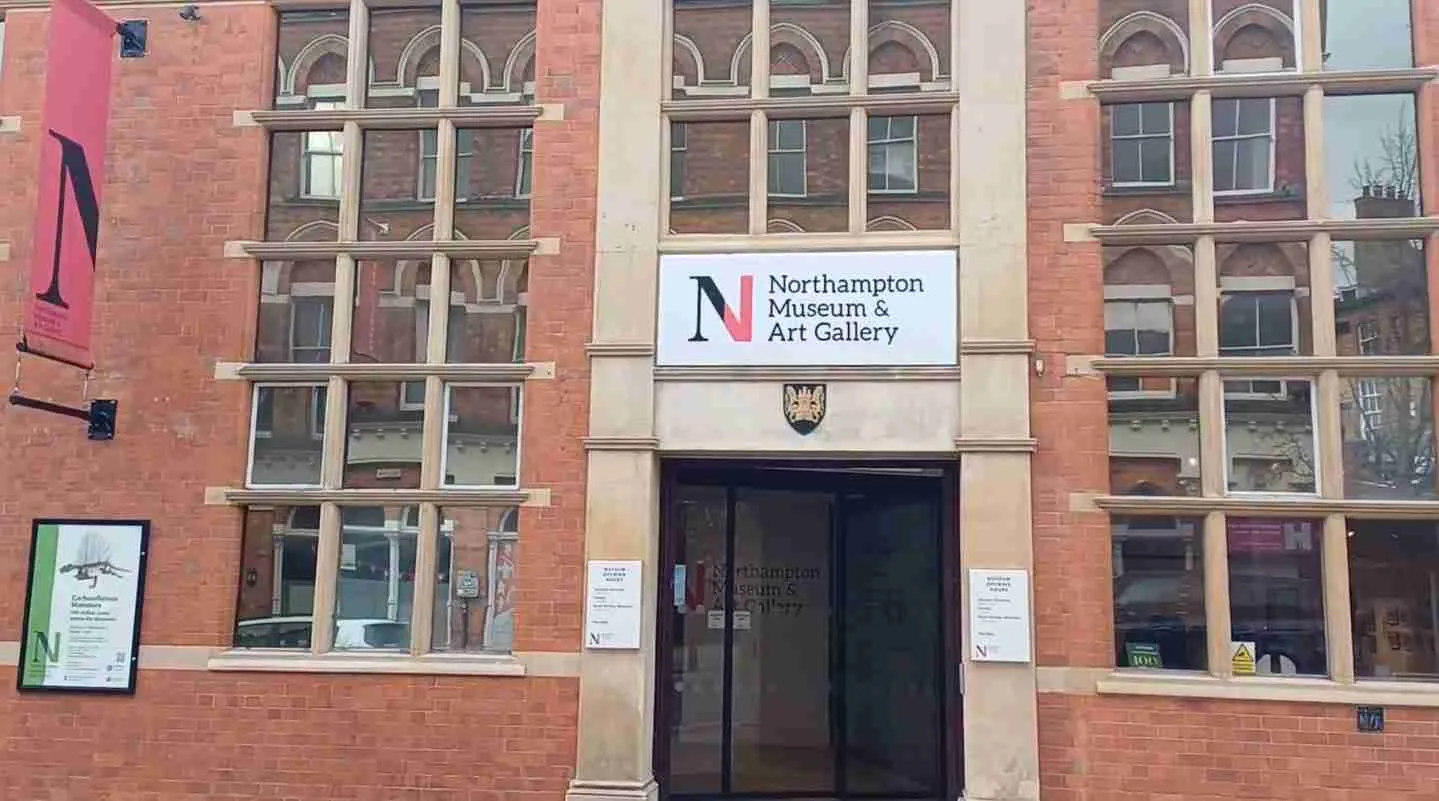
- The East Midlands offers an exceptional blend of free admission museums — including the Museum of Making at Derby Silk Mill (part of a UNESCO World Heritage Site), New Walk Museum and Art Gallery in Leicester, Nottingham Contemporary, and the Northampton Museum and Art Gallery — making it one of the most budget-friendly regions in England for cultural day trips.
- Top paid attractions in 2026 include the National Space Centre in Leicester (around £20 per adult online), Nottingham Castle (£18 per adult, valid for unlimited re-entry for 12 months), the National Justice Museum in Nottingham (£16 per adult), the King Richard III Visitor Centre in Leicester (£12.50 per adult), and Lincoln Castle with its Magna Carta vault (around £15 per adult for a full day ticket). Verify current prices before visiting, as they are subject to seasonal variation.
- Budget day visitors combining free museums with one paid attraction spend approximately £25–£65 per person; those visiting two paid attractions with a restaurant lunch average £70–£105 per person.
- Nottingham City Council’s “pay once, visit all year” model at Nottingham Castle and Wollaton Hall means a single £18 adult ticket grants unlimited return visits for 12 months — excellent value for anyone visiting the city more than once. A £39 Rover ticket extends this to three venues (Nottingham Castle, Wollaton Hall, and Newstead Abbey).
- Overnight visitors on a budget staying in a two-share hotel should budget £80–£140 per person per day; mid-range overnight visitors average £130–£210 per person per day (hotel cost halved for two sharing).
- The National Justice Museum and the City of Caves beneath Nottingham offer a joint adult ticket for £23 (saving versus buying separately), while Lincoln Castle’s Medieval Wall Walk is currently partially open due to ongoing essential repairs — check current access conditions before planning your visit.
People Also Ask About East Midlands Museums & Galleries 2026
Which East Midlands museums have free admission in 2026?
Free admission is available at a wide range of East Midlands museums in 2026. In Derby, the Museum of Making at Derby Silk Mill and Derby Museum and Art Gallery are both free. In Leicester, New Walk Museum and Art Gallery and the Jewry Wall Museum charge nothing to enter. In Nottingham, Nottingham Contemporary and the Museum of Nottingham Life at Brewhouse Yard are free. In Lincoln, The Collection (which incorporates the Usher Gallery) and the Museum of Lincolnshire Life are free for general admission. In Northampton, the Northampton Museum and Art Gallery — home to one of the world’s most extensive footwear collections — is entirely free. The grounds and deer park at Wollaton Hall on the outskirts of Nottingham are also free, though the hall itself carries a £18 annual admission charge. This concentration of free museums makes the East Midlands one of the most accessible cultural regions in England for visitors on any budget.
How much does a day visiting East Midlands museums cost in 2026?
Costs vary significantly depending on which venues you choose. A day built around free museums — with just local transport and food — typically runs £25–£65 per person, including public transport, lunch at a pub or café, and coffee. Adding one paid attraction such as Nottingham Castle (£18) or the King Richard III Visitor Centre (£12.50) pushes the total toward the upper end of that range. Visitors planning to take in two paid attractions — say the National Space Centre (around £20) and the National Justice Museum (£16) — alongside a restaurant lunch should expect to spend £70–£105 per person for the day. Family visitors benefit from children under 15 entering free at Nottingham Castle and Wollaton Hall, while the National Space Centre offers slightly reduced concession pricing. Always book the National Space Centre online to access the lower price and avoid queues.
Is the National Space Centre worth visiting in 2026?
The National Space Centre in Leicester remains one of the most distinctive museum experiences in the East Midlands and is well worth the admission cost in 2026. The Rocket Tower — housing real Blue Streak and Thor Able rockets — is the headline draw, but the galleries spanning the Space Race, Britain’s space programme, and current satellite technology keep the content substantial enough to justify a full day’s visit for adults and children alike. The Sir Patrick Moore Planetarium, the largest domed planetarium in the UK, runs live shows throughout the day and provides one of the most impressive visual experiences available in any regional museum. Adults pay around £20 online (current summer 2026 prices reflect a temporary government VAT reduction; standard pricing will be higher — check the official site before booking). The centre’s own annual pass model means your admission ticket is valid for free return visits for 12 months, which adds further value if you plan more than one trip to Leicester.
What is the best museum trail for a weekend in the East Midlands in 2026?
For a two-day weekend based in Nottingham, a strong itinerary would open with Nottingham Castle and the nearby National Justice Museum on day one — both within a short walk of each other in the city centre — and then take in the Museum of Nottingham Life at Brewhouse Yard and Nottingham Contemporary for free before an evening meal. On day two, a morning at Wollaton Hall gives access to the Elizabethan architecture and the Natural History Museum, with the afternoon free for the Nottingham Industrial Museum in the stable courtyard. For a two-city weekend, combining Nottingham and Leicester by train allows visitors to add the National Space Centre and the King Richard III Visitor Centre to the itinerary. Lincoln makes an excellent third-day addition via direct rail services from Nottingham (approximately 55 minutes), with Lincoln Castle and The Collection both within walking distance of Lincoln Central station.
Extended multi-day tours – 5+ days
Featured Coventry Multi-Day Tour Packages
2 days
Essential England (7 destinations)
- ✓ Comprehensive Coventry tour
- ✓ Expert local guides included
- ✓ All accommodation arranged
- ✓ Transportation provided
2 days
Essential England (7 destinations)
- ✓ Comprehensive Coventry tour
- ✓ Expert local guides included
- ✓ All accommodation arranged
- ✓ Transportation provided
7 days
Touring Southern England with London (14 destinations)
- ✓ Comprehensive Coventry tour
- ✓ Expert local guides included
- ✓ All accommodation arranged
- ✓ Transportation provided

4 days
Touring Southern England (14 destinations)
- ✓ Comprehensive Coventry tour
- ✓ Expert local guides included
- ✓ All accommodation arranged
- ✓ Transportation provided
Multi-day tour packages powered by TourRadar. Prices and availability subject to change.
East Midlands Cultural Landscape in 2026
The East Midlands is a region whose cultural significance has long been underestimated relative to its northern and southern neighbours, yet its museum and gallery offering in 2026 stands comparison with any English region outside London. Six counties — Nottinghamshire, Derbyshire, Leicestershire, Lincolnshire, Northamptonshire, and Rutland — between them contain a UNESCO World Heritage Site museum, one of England’s only repositories of an original 1215 Magna Carta, the world’s largest planetarium outside London, and one of the most extensive footwear collections on earth. The region’s industrial heritage, which generated some of the foundational innovations of the modern world, is documented in museums of real depth, while the civic art gallery tradition — deeply rooted across Nottingham, Leicester, and Lincoln — gives the region a cultural density that regularly surprises first-time visitors.
The institutional landscape in 2026 reflects both investment and the pressures facing local authority museums. Derby’s Museum of Making at Derby Silk Mill, which reopened after a £17 million transformation in 2021, has matured into one of the East Midlands’ most distinctive venues, its industrial DNA sitting within a building that is itself part of the Derwent Valley Mills UNESCO World Heritage Site. Nottingham Castle — which reopened under Nottingham City Council management in 2023 following the collapse of the operating trust — has consolidated its identity as a family destination while recovering visitor numbers faster than initially projected. Leicester’s National Space Centre continues to expand its programming and remains the region’s single most-visited paid attraction. Against this backdrop, the free admission tier — consistently strong across Derby, Leicester, Lincoln, and Northampton — means the East Midlands rewards visitors who plan intelligently, mixing paid highlights with days built almost entirely around free venues.
Geographically, the region lends itself to both focused city visits and multi-stop touring. Nottingham, Derby, and Leicester form a compact triangle reachable by rail within 30–40 minutes of each other, while Lincoln sits roughly an hour northeast of Nottingham by train. Northampton, in the south of the region, connects easily with Leicester by rail in under 40 minutes. The upland Derbyshire towns of Buxton and Matlock Bath, though further afield, add a different register of heritage, from Buxton’s Georgian cultural offer to the Peak District’s lead-mining history. The guide that follows moves city by city before consolidating practical planning across the region as a whole.
Nottingham’s Museums and Galleries in 2026
Nottingham’s cultural institutions sit in or around one of England’s most animated mid-size city centres, with most of the major venues within comfortable walking distance of each other or accessible via the city’s tram network. The concentration of quality per square mile is high, and the mix of free and paid venues rewards a day of thoughtful sequencing.
Nottingham Castle
Nottingham Castle, perched on sandstone rock above the city centre, is the region’s most high-profile paid heritage attraction. The £31 million redevelopment — funded before the operating trust’s insolvency and subsequently reopened by Nottingham City Council — introduced the Robin Hood Adventures gallery, the Rebellion Gallery (covering the castle’s role in the English Civil War and the 1688 Glorious Revolution), and Hood’s Hideout, an outdoor medieval-themed adventure playground for children. The castle’s significant fine art collection, including lace and textile galleries, occupies the refurbished ducal mansion at the summit of Castle Rock.
Admission in 2026 follows the “pay once, visit all year” model: adults pay £18 and receive unlimited re-entry for 12 months; children aged 15 and under enter free (up to three per paying adult). Carers enter free. The annual pass element makes the ticket excellent value for anyone planning more than one Nottingham visit or for local residents. The Rover ticket — £39 per adult — extends this to three Nottingham City Council heritage venues: Nottingham Castle, Wollaton Hall, and Newstead Abbey. Cave tours beneath the castle are available as an add-on. Opening hours during the current peak season (through 1 November 2026) are 10am to 5pm daily; last entry is one hour before closing. The castle is closed Christmas Day, Boxing Day, and New Year’s Day.
The Brewhouse Yard museum, a cluster of seventeenth-century cottages built against the castle rock at the foot of the hill, is included within the castle admission and covers the social history of Nottingham life through furnished period rooms and craft displays. It requires no separate ticket and adds around 45 minutes to a full castle visit.
National Justice Museum
Located in the Grade II* listed Shire Hall at the heart of the Lace Market — one of Nottingham’s most atmospheric historic quarters — the National Justice Museum is among the most immersive heritage attractions in England. The building itself is the experience: the Victorian courtroom, the Georgian gaol, and cells dating to at least the fifteenth century form the backdrop for costumed interpreters who populate the museum daily with characters from the history of the gaol, including gaolers, matrons, prisoners, and judges. Theatrical courtroom re-enactments and — for the brave — staged public hangings in the exercise yard run throughout the day without advance booking.
Adult admission costs £16 in 2026, with children aged 5–15 at £11.50 and under-5s free; a family ticket covering two adults and two children costs £42. As at Nottingham Castle, admission functions as a 12-month annual pass. A joint ticket covering both the National Justice Museum and the separate City of Caves attraction beneath Nottingham’s city streets costs £23 for adults and £17.50 for children — worthwhile if you want to explore the Anglo-Saxon cave network on the same day. Summer school holiday promotions (from mid-July through early September 2026) have offered free child entry with each paying adult; check the museum’s website for the latest offers before booking. The museum also maintains free exhibition spaces open without admission for visitors who want a shorter visit to contemporary social justice displays. Opening hours are 10am to 5pm daily, with final admission at 4pm.
Nottingham Contemporary
Nottingham Contemporary, in the Lace Market directly below the National Justice Museum, is one of England’s leading public galleries for contemporary art and hosts an ambitious programme of temporary exhibitions across its four galleries. Admission is free. The building, designed by Caruso St John Architects and opened in 2009, features a distinctive exterior pattern derived from the lace designs produced historically in the surrounding quarter. The gallery’s programming spans visual art, architecture, film, and performance, and typically includes two to four simultaneous exhibitions of national significance. Opening hours are Tuesday to Saturday 10am to 6pm and Sunday noon to 6pm; closed Monday. No permanent collection is maintained; everything on the walls changes with the programme.
Wollaton Hall and Natural History Museum
Three miles west of the city centre, Wollaton Hall is among England’s finest surviving Elizabethan prodigy houses. Built between 1580 and 1588 for Sir Francis Willoughby and designed by the prominent Elizabethan architect Robert Smythson — who also worked at Hardwick Hall in Derbyshire — the building sits on a natural hill within a 500-acre deer park, giving it one of the most dramatic settings of any English country house open to the public. The hall houses Nottingham’s Natural History Museum, with galleries covering zoology, entomology, and mineralogy alongside wildlife taxidermy displays and the new Discovering Dinosaurs gallery. The adjacent Nottingham Industrial Museum in the stable courtyard explores the city’s manufacturing legacy, including exhibits related to Boots the chemist, Raleigh bicycles, and the lace industry.
The deer park and grounds — home to herds of freely roaming deer — are open and free to enter at all times. The hall itself operates on the same “pay once, visit all year” £18 adult ticket model as Nottingham Castle, with children under 15 free. The Rover ticket (£39 adult) covers all three city council heritage sites. Wollaton Hall gained an additional layer of popular recognition from its use as the exterior of Wayne Manor in Christopher Nolan’s The Dark Knight Rises (2012), a fact the interpretive materials acknowledge. The hall opens daily from 11am; closing times vary by season. Arrive early on summer weekends to secure parking at manageable cost (£5 weekdays, £6 weekends).
Museum of Nottingham Life at Brewhouse Yard
For visitors using the Nottingham Castle ticket, the Museum of Nottingham Life at Brewhouse Yard is the closest thing the city has to a free social history survey — included in castle admission and housed in a terrace of caves and historic cottages at the base of Castle Rock. The museum’s furnished rooms reconstruct domestic life in Nottingham from the Victorian period through to the mid-twentieth century, with particular attention to working-class households and the city’s lace and textiles industries. It is compact but well-curated, and the cave network accessible from within the museum adds subterranean interest. Ye Olde Trip to Jerusalem, a pub built into the sandstone rock face adjacent to the museum and claiming an ancient lineage (its age is a matter of local debate, but it is undeniably old and atmospheric), provides a logical lunch stop on any castle visit.
Leicester’s Cultural Collections 2026
Leicester’s museum and gallery offer is dominated at one end by the spectacular National Space Centre and at the other by a set of civic free museums that collectively cover Roman, medieval, natural history, and fine art subjects in some depth. The city’s identity as the location of the most significant royal archaeological discovery of recent decades — the 2012 rediscovery of the remains of Richard III beneath a council car park — has generated one of England’s most compelling small heritage attractions in the King Richard III Visitor Centre, directly opposite Leicester Cathedral.
National Space Centre
The National Space Centre is Leicester’s flagship visitor attraction and one of the most distinctive science museums in England. Housed in a purpose-built structure designed by Nicholas Grimshaw Architects and opened on 30 June 2001, the building’s most striking feature is the Rocket Tower — a 42-metre transparent-cladded structure containing two full-size rockets: the Blue Streak intermediate-range ballistic missile and the Thor Able launch vehicle. The tower is visible from miles across Leicester and functions as both exhibit and landmark.
The galleries across six floors cover the Space Race, the history of British rocketry and satellite development, current space science, and human spaceflight from Gagarin to the present day, with a dedicated section on the Apollo programme including a lunar lander and authentic Moon rock. The Sir Patrick Moore Planetarium — the largest domed planetarium in the UK — runs live shows throughout the day; the main show is included in general admission and additional planetarium performances are available for £5 at the door. Interactive exhibits throughout the galleries are calibrated well for both families with children and adult visitors with a serious interest in space science.
Admission in 2026 is approximately £20 per adult online (the current prices reflect a temporary government VAT reduction running from 25 June to 1 September 2026; standard prices will be higher — check the official site at spacecentre.co.uk before booking, particularly for visits outside the summer window). Children aged 5 to 16 pay approximately £18 online; under-5s are free. Concessions (over-65s, students, disabled visitors) match the child price. Parking costs £4 for a full day on site. General admission tickets also function as a free annual pass for 12 months of return visits. Opening hours are typically 10am to 5pm, though checking ahead is advisable as the centre closes on some weekdays outside peak season.
King Richard III Visitor Centre
The King Richard III Visitor Centre at 4A St Martins, directly opposite Leicester Cathedral where Richard III’s remains were reinterred in 2015, tells one of the most extraordinary archaeological stories in recent British history. Richard III was killed at the Battle of Bosworth on 22 August 1485 and buried by the Grey Friars, a Franciscan order, in their friary church. When the friary was dissolved in the sixteenth century, the burial location was lost. The 2012 University of Leicester archaeological dig, conducted on what had become a council car park, not only located the remains but confirmed the identity through DNA analysis matching a maternal-line descendant — an episode that captured worldwide attention and transformed public understanding of archaeological practice.
The visitor centre, housed in the transformed Victorian gothic revival building of the former Alderman Newton’s Grammar School, covers the discovery, identification, and reburial story through immersive displays and original artefacts. Galleries also address Richard’s disputed historical reputation, from the fifteenth-century documentary record through to Shakespeare’s villainous portrayal and the subsequent reappraisal of his reign. The excavation site — the original car park where Richard was found — is visible through floor panels within the building.
Adult admission is £12.50, with a child ticket (ages 5–15) at £6.25 and under-4s free. A family ticket (two adults and two children) costs £32. Concessions (over-65s, students, Blue Light Card holders) are £11.50. Full-price tickets function as annual passes valid for 12 months. Opening hours are Monday to Friday and Sunday 10am to 4pm; Saturday and bank holidays 10am to 5pm. The on-site White Boar Café is open from 10am and offers a pleasant courtyard terrace.
New Walk Museum and Art Gallery
New Walk Museum and Art Gallery, on the attractive pedestrianised New Walk boulevard south of Leicester’s city centre, is the city’s primary free civic museum and one of the strongest all-round provincial museum collections in the East Midlands. Admission is free throughout. The galleries span ancient Egypt (with one of England’s better mummy collections outside London), natural history (including the celebrated Rutland Dinosaur — a Jurassic ichthyosaur fossil discovered in Rutland Water and one of the most complete ever found in Britain), European decorative arts, and a significant fine art collection with particular strengths in German Expressionism. The Picasso ceramics collection, donated to the museum in the twentieth century, includes more than 50 works and is rarely mentioned in national coverage relative to its quality.
The building, extended and refurbished in successive phases from its nineteenth-century origins, is well-suited to a relaxed visit of two to three hours. The natural history galleries hold particular appeal for families; the fine art and decorative arts galleries reward a more leisurely adult visit. The museum sits approximately 15 minutes on foot from Leicester railway station and is an easy combination with the nearby King Richard III Visitor Centre (around 10 minutes’ walk towards the cathedral quarter).
Jewry Wall Museum
Immediately adjacent to one of the largest surviving stretches of Roman masonry in Britain — the Jewry Wall, originally part of the exercise hall of the Roman public baths — the Jewry Wall Museum presents the archaeology of Roman Leicester (Ratae Corieltauvorum) and its Iron Age, Saxon, and medieval successors. Admission is free. The collection includes elaborate painted plaster from a second-century Roman building — among the finest Romano-British painted wall plaster preserved anywhere in England — alongside mosaic pavements, metalwork, and an extensive run of everyday Roman objects that communicate the texture of life in the provincial capital. The building’s position immediately next to the standing Roman structure creates an unusually direct relationship between collection and site. The museum is open Tuesday to Sunday; it sits in the historic Highcross quarter close to Leicester Cathedral and the King Richard III Visitor Centre, making it a natural third stop on a walkable heritage loop of the city’s historic core.
Derby and the Derwent Valley 2026
Derby’s claim on cultural visitors rests on two foundations: its exceptional free museum offer, anchored by the Museum of Making at Derby Silk Mill, and its location at the heart of the Derwent Valley Mills UNESCO World Heritage Site — an industrial landscape that extends northward through Belper and Cromford and that represents the origin point of the modern factory system.
Museum of Making at Derby Silk Mill
The Museum of Making at Derby Silk Mill is one of the East Midlands’ most significant cultural investments of recent years, and in 2026 it has fully matured into a destination in its own right. Admission is free. The building on Silk Mill Lane — the site of John Lombe’s silk-throwing mill, which historians regard as the earliest example of a mechanised factory in Britain — received a £17 million transformation that opened to the public in 2021. The refurbishment preserved the historic fabric while inserting a contemporary museum infrastructure, including a dramatic atrium entrance through the eighteenth-century Bakewell Gates. The result sits within the Derwent Valley Mills UNESCO World Heritage Site corridor, a distinction the displays frame explicitly, connecting the Silk Mill to the broader story of how the Derwent Valley gave rise to the factory model subsequently adopted across the industrialising world.
The museum’s three floors present approximately 40,000 objects from Derby Museums’ industrial and social history collections, organised not chronologically but around the theme of making: how things were made, who made them, what tools were used, and how manufacturing shaped the city and county. Highlights include the Trent aero engine suspended from the ceiling — a dramatic engineering artefact from Rolls-Royce’s Derby production — alongside exhibits on the railway industry, Crown Derby porcelain manufacture, and local innovation across textiles and precision engineering. The Lego Lake District model, built as a community project, provides an interactive element popular with younger visitors. A well-regarded café serves food made on the premises. Opening hours are Tuesday to Saturday 10am to 5pm and Sunday 10am to 4pm; the museum is closed Monday.
Derby Museum and Art Gallery
Derby Museum and Art Gallery on the Strand is the city’s primary civic collection, with free admission. The art gallery holds the world’s most significant collection of paintings by Joseph Wright of Derby (1734–1797), the Enlightenment-era artist whose extraordinary series of candlelit industrial and philosophical scenes — including An Experiment on a Bird in the Air Pump (the original is at the National Gallery in London; Derby holds major works) — make him a central figure in the art of the Industrial Revolution. The museum also houses important pieces of Crown Derby porcelain, natural history galleries, and an archaeology collection covering the East Midlands from prehistory through the medieval period. Opening hours are Tuesday to Saturday 10am to 5pm; closed Sunday and Monday.
Pickford’s House Museum
A short walk from Derby Museum and Art Gallery, Pickford’s House on Friar Gate is a well-preserved Georgian townhouse of 1770 managed by Derby Museums and free to enter. The house, with its period rooms restored to different eras from Georgian to 1950s, is a compact but absorbing exploration of domestic life across time. The costume collection, spread across several rooms, is notable for its depth and provides a distinctly different register from the industrial emphases of the Silk Mill and the city gallery. Opening hours match Derby Museum and Art Gallery. Together, the three Derby Museums venues (Museum of Making, Derby Museum, and Pickford’s House) can be covered in a full day with comfortable pacing, all for free.
Lincoln’s Historic Collections 2026
Lincoln’s cultural offer is inseparable from its extraordinary physical setting: the hilltop medieval city clustered around its cathedral and castle delivers an immediate sense of historic place that most English cities cannot match. The two main paid attractions — Lincoln Castle and its associated Magna Carta vault — and the city’s substantial free museum provision at The Collection and the Museum of Lincolnshire Life make Lincoln a rewarding full-day destination reachable from Nottingham in approximately 55 minutes by direct train.
Lincoln Castle and the Magna Carta Vault
Built by William the Conqueror in 1068 on the site of a Roman fortress, Lincoln Castle has stood for nearly a thousand years as a seat of justice and military power. In 2026 it presents three primary heritage experiences within a single day ticket: the Medieval Wall Walk, the Victorian Prison, and the David P.J. Ross Magna Carta Vault.
The Magna Carta Vault is the collection’s unique selling point. Lincoln Castle holds one of only four surviving original copies of Magna Carta — the royal charter sealed by King John in 1215 — and displays it alongside an original 1217 Charter of the Forest, making Lincoln the only place in the world where these two documents can be seen side by side. The underground vault includes a 210-degree wraparound cinema presenting a dramatised account of the events leading to Magna Carta. Photography is not permitted inside the vault itself. Visitors should be aware that conservation requirements mean each document is taken off display for approximately three months annually — check the castle website before visiting if the Magna Carta is your primary reason for going.
The Victorian Prison wing, constructed in 1848, illustrates the separate system of prisoner management — a regime designed to keep prisoners in continuous isolation as a means of moral reform. The radial chapel, where each prisoner sat in an individual enclosed pew unable to see their neighbours, is the prison’s most striking space. The Medieval Wall Walk, a 500-metre circuit of the intact curtain wall giving panoramic views over the city and Lincoln Cathedral’s west front, is the castle’s most visually spectacular experience; note that in 2026 the wall walk is partially open due to essential repair works, and access may be limited in certain sections — wheelchair access to the wall walk is not currently possible. The Castle Day Ticket (covering all three elements) costs approximately £15 for adults and £8.30 for children in 2026; verify current prices at lincolncastle.com before booking.
The Collection
The Collection on Danes Terrace — created by merging Lincoln’s archaeological and fine art collections in a purpose-built building opened in 2005 — is free to enter for its permanent galleries and represents one of the East Midlands’ strongest civic museum offers. The archaeology galleries present the material culture of Lincolnshire from the earliest prehistoric settlement through Roman, Viking, and medieval periods, with particular strength in Roman Lincoln (Lindum Colonia, a colonia of veteran legionaries established in the late first century) and in the Viking-period material from the Danelaw settlement that shaped the county’s place-name landscape. The Usher Gallery, incorporated within The Collection, holds important paintings, decorative arts, and a significant collection of watches and clocks bequeathed by its founder. Works by Peter de Wint — the nineteenth-century English watercolourist whose landscapes of the Lincolnshire fens have considerable art-historical standing — form one of the collection’s particular strengths. Some temporary exhibitions within The Collection may carry a separate admission charge; confirm before visiting.
Museum of Lincolnshire Life
The Museum of Lincolnshire Life on Burton Road, housed in a Victorian infantry barracks building, presents the social and agricultural history of the county from the late eighteenth century to the recent past. Admission is free. The collection spans agricultural machinery, domestic interiors, a recreated high street, and a military gallery covering the Lincolnshire Regiment’s history, including significant First World War material. The museum’s size — it occupies one of the largest single-storey museum spaces in the East Midlands — means that a full visit takes two hours or more. It sits approximately 15 minutes on foot from Lincoln Castle, making it a practical second stop on any Lincoln day out.
Beyond the Cities: Northamptonshire and Derbyshire in 2026
Beyond the East Midlands’ four main cities, the region’s museum offer extends into the uplands of Derbyshire and the historic county of Northamptonshire. Both areas reward visitors willing to move beyond the urban rail network.
Northampton Museum and Art Gallery
Northampton Museum and Art Gallery, in the town centre and free to enter, houses one of the most internationally significant specialist collections in England: an extraordinary accumulation of footwear spanning some 4,000 years of history and comprising more than 12,000 items of shoes, boots, sandals, and related artefacts. The collection reflects Northampton’s historical centrality to British shoemaking — the town’s cordwainers were supplying the Parliamentary armies in the English Civil War, and the footwear industry shaped Northamptonshire’s economy and identity for centuries. The Life and Sole gallery covers the craft and industrial history of shoemaking; the Followers of Fashion gallery traces the evolution of footwear aesthetics from ancient Egypt to contemporary design. The collection attracts researchers, fashion historians, and footwear industry professionals from around the world. Beyond the footwear galleries, the museum holds fine art (with British and European works from the seventeenth through twentieth centuries), decorative arts, and archaeology collections. The recently renovated building provides step-free access throughout.
Buxton Museum and Art Gallery
In northern Derbyshire’s spa town, Buxton Museum and Art Gallery on Terrace Road is free to enter and contains a stronger collection than its modest visitor profile suggests. The Wonders of the Peak gallery presents the geology, archaeology, and natural history of the Peak District, with particular depth in Derbyshire cave archaeology and the region’s extraordinary limestone geology. The art collection includes works by artists associated with the Peak District and Pennine landscapes, alongside Derbyshire-produced ceramics and decorative arts. Buxton itself repays a day’s exploration: the Crescent, the Devonshire Dome (the former stables of the Dukes of Devonshire, now part of the University of Derby), and the Pavilion Gardens provide architectural context for the collection. Buxton is approximately 40 minutes by train from Manchester and around an hour’s drive from Derby, and is best combined with Peak District walking or a visit to Chatsworth House for visitors already in the area.
Peak District Mining Museum, Matlock Bath
At Matlock Bath in the Derwent Valley — on the World Heritage Site corridor south of Matlock — the Peak District Mining Museum presents the lead-mining history that shaped Derbyshire’s upland landscape from Roman times through to the twentieth century. Adult admission is around £6–7 (verify current prices before visiting), and the museum includes mine workings accessible on a guided underground tour. The adjacent Temple Mine is entered separately and provides an underground experience appropriate for older children and adults without claustrophobia. Matlock Bath is reachable by train from Derby in approximately 25 minutes.
Free Museums in 2026 — Making the Most of No-Admission Attractions
The depth of the East Midlands’ free museum provision is one of the region’s strongest arguments for cultural tourism in 2026. Visitors who plan carefully can spend two or three days in the region without paying a single admission charge while still accessing world-class collections. The following is a summary of the main free venues covered in this guide:
In Derby: the Museum of Making at Derby Silk Mill (Tuesday–Saturday 10am–5pm, Sunday 10am–4pm), Derby Museum and Art Gallery (Tuesday–Saturday 10am–5pm), and Pickford’s House Museum (same hours) collectively offer a full day of high-quality museum-going at no cost beyond food and transport.
In Leicester: New Walk Museum and Art Gallery, the Jewry Wall Museum, and the grounds of Leicester Cathedral (where Richard III is interred) are all free. New Walk Museum covers natural history, ancient Egypt, German Expressionism, and Picasso ceramics without an admission charge — a combination that would command significant fees in most of England’s larger cities.
In Nottingham: Nottingham Contemporary (Tuesday–Saturday 10am–6pm, Sunday noon–6pm) runs exhibitions of national significance at no charge. The grounds and deer park at Wollaton Hall are free throughout the year. Lakeside Arts at the University of Nottingham campus maintains a free gallery programme covering visual art, performance, and film.
In Lincoln: The Collection and the Museum of Lincolnshire Life are both free for their permanent galleries. The historic core of Lincoln — the Bail, the Cathedral Quarter, Steep Hill — is itself a free open-air museum of medieval urban fabric, requiring only time and footwear.
In Northampton: the Northampton Museum and Art Gallery, housing the internationally significant footwear collection, charges nothing for admission — a remarkable cultural asset for the county town.
For visitors combining free and paid venues, the most cost-efficient pairing is a free morning at a civic museum followed by an afternoon at a paid venue where the annual pass model applies. Arriving at Nottingham Castle, Wollaton Hall, or the National Justice Museum early in the afternoon allows a full experience within the opening hours while leaving the morning for free venues. The National Space Centre warrants a full day to itself; plan to arrive at opening time to make the most of the planetarium show schedule.
Budget Planning for East Midlands Museums 2026
Planning a cultural visit to the East Midlands in 2026 at any budget is achievable with advance thought. The figures below cover all essential costs per person, with accommodation calculated per person based on two sharing a room.
Day Visit Without Overnight Accommodation
Budget day (free museums focus): Visitors combining free admission venues with affordable local transport and pub lunches spend approximately £25–£65 per person. Transport within or between cities by local bus or tram typically costs £5–£10 per journey; an off-peak day return by train between Nottingham and Derby or Nottingham and Leicester costs around £12–£20. A pub lunch runs £12–£18 per person, coffee and snacks a further £5–£8. Adding one paid attraction — Nottingham Castle at £18 or the King Richard III Visitor Centre at £12.50 — pushes spending toward the upper end of this range.
Mid-range day (two paid attractions and restaurant lunch): Visitors combining two paid admissions — for example, the National Space Centre (around £20) and the National Justice Museum (£16) — alongside restaurant dining should budget £70–£105 per person for the day. Transport in this scenario (typically rail between cities plus local travel) adds £15–£25; a restaurant lunch contributes £20–£30; coffee £8–£12.
Overnight Weekend Break
Budget overnight (two sharing a budget hotel or B&B): Budget hotels in Nottingham, Derby, and Leicester centre typically run £80–£110 per room per night; per person cost for two sharing is £40–£55 per night. Including food (£25–£40 per person per day) and transport (£15–£25 per person per day) alongside a mix of free museums and one paid attraction daily, total costs run approximately £80–£140 per person per day.
Mid-range overnight (two sharing a mid-range hotel): Mid-range central hotels typically cost £130–£180 per room; per person cost for two sharing is £65–£90 per night. With mid-range dining (£35–£60 per person daily), local transport (£15–£25), and one or two paid admissions per day (£16–£35), total daily costs run £130–£210 per person. A two-night Nottingham/Leicester combination — taking in Nottingham Castle, the National Justice Museum, the National Space Centre, and the King Richard III Visitor Centre alongside free venues — falls comfortably within the mid-range envelope.
Family Admissions
Families with children should note that Nottingham Castle (£18 adult), Wollaton Hall (£18 adult), and the National Justice Museum (£16 adult) all operate children-free pricing: up to three under-15s enter free per paying adult, and family ticket pricing is not required. For the National Space Centre, booking online at current prices costs approximately £20 per adult and £18 per child aged 5–16, making a two-adult, two-child visit around £76 at the online rate. The King Richard III Visitor Centre family ticket (two adults, two children) is £32. Lincoln Castle Day Ticket for a family of four is approximately £47 (two adults at £15, two children at £8.30 each). Always check the official venue websites for current pricing and any seasonal promotions before booking.
Family-Friendly Museums and Galleries 2026
The East Midlands is exceptionally strong for family museum visits in 2026, with a concentration of hands-on and child-friendly venues complemented by the free admission policies at several of the region’s most significant sites.
The National Space Centre leads the family offer: the interactive galleries on every floor are designed for children as well as adults, the Rocket Tower is viscerally exciting for younger visitors, and the planetarium shows provide a sit-down visual experience that works across age groups. The centre’s events programme includes dedicated school holiday workshops and sensory sessions. Younger children (under 5) enter free.
At Wollaton Hall, the combination of free roaming deer in a 500-acre park, the Natural History Museum’s taxidermy galleries (a particular draw for children fascinated by wildlife), the Hood’s Hideout adventure playground (separate from Wollaton, at Nottingham Castle), and the Discovering Dinosaurs gallery make this one of the most complete free-to-grounds family days in the East Midlands. The Nottingham Industrial Museum in the stable courtyard holds a small additional charge on steaming days but provides the spectacle of working steam engines in operation.
The Museum of Making in Derby actively programs family activities, workshops, and making events throughout the year; the making ethos embedded in the collection — with hands-on areas where visitors can try their hand at craft and manufacturing processes — makes it unusually engaging for children compared with conventional display-case museum formats. The Lego Lake District model is consistently popular.
The National Justice Museum operates with families clearly in mind: the costumed characters are designed to engage children, the theatrical courtroom trial re-enactments are accessible and exciting for older children, and the summer holiday free-child promotion (where applicable) cuts family costs substantially. Note that the dungeon and cell areas are atmospherically dark and potentially unsettling for very young children; the museum’s own guidance suggests the experience is best suited to children aged seven and above.
In Lincoln, Lincoln Castle provides a genuinely family-friendly paid visit combining outdoor exploration (the wall walk, subject to current partial closure) with indoor drama in the Victorian Prison and the atmospheric Magna Carta vault cinema. The city’s castle grounds are also host to family events and re-enactment days throughout the year. Lincoln Cathedral, immediately adjacent to the castle, offers guided family tours and allows visitors to climb the tower on selected days.
Planning a Multi-City Museum Trail 2026
The East Midlands’ compact geography makes multi-city museum touring genuinely practicable without a car. The following frameworks use direct rail connections as the primary mode of inter-city travel.
Two Days: Nottingham and Derby
Nottingham and Derby are connected by direct rail in approximately 25–30 minutes (East Midlands Railway, frequent services). A two-day Nottingham-base itinerary might run as follows. Day one: morning at Nottingham Castle and the Museum of Nottingham Life at Brewhouse Yard, afternoon at the National Justice Museum and Nottingham Contemporary — all within walking distance of each other in the city centre. Day two: take the train to Derby and spend the morning at the Museum of Making at Derby Silk Mill, crossing the footbridge to Cathedral Green before walking to Derby Museum and Art Gallery for early afternoon and Pickford’s House Museum in the remaining afternoon. Both Derby days cost nothing in admission.
Three Days: Nottingham, Derby, and Leicester
Adding Leicester — around 30 minutes by direct train from Nottingham or 50 minutes from Derby — expands the trail to three productive days. Day three from Nottingham: East Midlands Railway to Leicester, morning at New Walk Museum and Art Gallery and the nearby Jewry Wall Museum (both free), afternoon at the King Richard III Visitor Centre. Alternatively, give the National Space Centre a full day to itself and travel to Leicester early, leaving New Walk and the KRIII Centre for a separate visit. The Nottingham–Leicester–Derby triangle is one of England’s most concentrated clusters of free and moderately priced museum content accessible without a car.
One Day: Lincoln
Lincoln is best treated as a dedicated day trip, reaching Lincoln Central from Nottingham in around 55 minutes by direct train. Arriving by 10am allows time for Lincoln Castle (plan at least two hours for the Magna Carta vault, Victorian Prison, and as much of the wall walk as current access permits), a lunch break on or near Steep Hill, and an afternoon at The Collection. The Museum of Lincolnshire Life, a 15-minute walk from the castle, is a rewarding optional fourth stop for visitors with energy remaining. The hilltop medieval core of Lincoln — the Bail, the cathedral exterior, Exchequergate — adds atmospheric context that gives the day a coherence beyond museum-visiting alone. Note that Lincoln station is at the base of the hill; the walk up Steep Hill to the castle is steep but manageable and takes approximately 15 minutes at a moderate pace.
One Day: Northamptonshire from Leicester
Northampton is approximately 35 minutes from Leicester by direct train, making it a viable half-day addition from a Leicester base. The Northampton Museum and Art Gallery is directly in the town centre, free to enter, and can occupy two to three hours. The town’s boot and shoe heritage extends beyond the museum to several working producers in the surrounding area, some of which offer factory tours or visitor facilities; check availability independently. Althorp, the Spencer family seat and the burial place of Diana, Princess of Wales, is approximately 7 miles northwest of Northampton and open to visitors during the summer months at a separate admission charge — confirm opening dates at the official Althorp website.
Getting to and Around the East Midlands in 2026
Rail is the most practical mode for visiting multiple East Midlands cities without a car. East Midlands Railway operates the main regional network with direct services connecting Nottingham, Derby, Leicester, and Lincoln. Nottingham to Derby takes approximately 25–30 minutes; Nottingham to Leicester approximately 25–30 minutes; Nottingham to Lincoln approximately 55 minutes (via Newark or via Nottingham to Lincoln direct on some services). Derby to Leicester requires a change at Nottingham on most services, adding around 15 minutes. Advance booking on East Midlands Railway typically secures meaningful savings over walk-up fares, particularly on weekend journeys.
Within individual cities, the museum circuits described in this guide are navigable on foot from city centres. Nottingham additionally has an extensive tram network (Nottingham Express Transit), which connects the city centre with Wollaton via the Queen’s Medical Centre line; verify routing changes from the official NET website before travelling. Leicester and Derby do not have trams but have good local bus networks covering the principal attractions, including services from Leicester city centre to the National Space Centre.
By road, the East Midlands is well-served by the M1 (linking London, Leicester, Nottingham, and Sheffield), the A50 (Derby to Stoke-on-Trent), and the A46 (connecting Leicester and Lincoln via Newark). Driving gives flexible access to venues outside the cities — Wollaton Hall, Matlock Bath, Buxton, and Northamptonshire’s country attractions — that rail does not serve directly. City centre parking in Nottingham, Derby, and Leicester is available at multi-storey car parks but should be budgeted as an additional cost (typically £5–£15 per day in central locations). The National Space Centre has its own on-site car park at £4 for a full day.
For visitors based in London, East Midlands Railway operates a direct service from London St Pancras to Leicester (approximately 1 hour), Nottingham (approximately 1 hour 35 minutes), and Derby (approximately 1 hour 25 minutes), making same-day visits from the capital viable if tiring. Advance booked fares significantly undercut walk-up prices.
Frequently Asked Questions
Is the Museum of Making at Derby Silk Mill part of a UNESCO World Heritage Site?
Yes. The Museum of Making at Derby Silk Mill sits within the Derwent Valley Mills UNESCO World Heritage Site, inscribed in 2001. The site recognises the Derwent Valley in Derbyshire as the birthplace of the modern factory system, with the earliest mechanised mills clustered along the river from Derby northward through Milford, Belper, and Cromford. The Derby Silk Mill building itself is associated with John Lombe’s silk-throwing operation established in the early eighteenth century and is considered the site of the world’s first recognisably modern factory. The UNESCO inscription covers a corridor of mill buildings, workers’ housing, and industrial infrastructure extending some 15 miles; visiting the Museum of Making gives access to the southern anchor of this World Heritage corridor and the heritage context to understand the significance of the sites further north, including Arkwright’s Cromford Mill.
Can I visit Nottingham Castle, Wollaton Hall, and Newstead Abbey on a single ticket?
Yes. The Rover ticket issued by Nottingham City Council covers unlimited entry to all three venues — Nottingham Castle, Wollaton Hall and Deer Park, and Newstead Abbey and Gardens — for 12 months from purchase. In 2026 the Rover ticket costs £39 for adults; children aged 15 and under enter free at all three venues (up to three children per paying adult). The three sites are all operated under the same “pay once, visit all year” model that applies to each individual venue ticket. Newstead Abbey, located approximately 12 miles north of Nottingham city centre in Newbridge (and most easily reached by car or bus from Nottingham), was historically the ancestral home of the poet Lord Byron and sits within landscaped gardens. It is a significant heritage site in its own right and well worth including on any Rover ticket itinerary.
Is Lincoln Castle worth visiting even without seeing the Magna Carta?
Absolutely. The Magna Carta vault is Lincoln Castle’s most celebrated draw, but the site has substantial heritage value independent of the document. The Medieval Wall Walk — though currently partially open for essential repairs — provides the single best elevated view of Lincoln Cathedral’s west front available to the general public, and walking the intact curtain wall is an experience without parallel in the East Midlands. The Victorian Prison wing, with its radial chapel where prisoners sat in isolation pews, communicates the ideology of nineteenth-century carceral reform with unusual directness and is one of the most atmospheric intact prison interiors in England. Lincoln Castle also hosted the county’s assizes for centuries; the historic legal significance of the site extends well beyond the Magna Carta. Check the castle website before visiting to confirm which sections are currently accessible during the ongoing wall walk repairs.
What makes New Walk Museum significant for art lovers?
New Walk Museum and Art Gallery in Leicester is significant for art lovers primarily because of two collections that are little known relative to their quality. The Picasso ceramics collection — more than 50 works donated to the museum — constitutes one of England’s more substantial Picasso holdings outside London institutions and is entirely free to view. The German Expressionist collection, assembled in the twentieth century and including works by Expressionist artists whose work was suppressed under the National Socialist regime, provides unusual depth in a field rarely well-represented in English regional collections. Beyond these two highlights, the Egyptian mummy display (including coffins and related material) is presented thoughtfully, and the natural history galleries — anchored by the Rutland Dinosaur fossil — are exceptional for a regional museum. All of this is available free of charge, making New Walk Museum one of England’s best-value cultural destinations.
Which East Midlands museum is best for children aged five to ten?
For children in the five-to-ten age range, Wollaton Hall — with its free deer park, adventure playground, dinosaur gallery, and Natural History Museum — is the single most complete family experience in the East Midlands at minimal cost (grounds and park free; hall £18 for the accompanying adult). The National Space Centre in Leicester runs a close second: the Rocket Tower alone captures most children’s imaginations immediately, and the interactive gallery floors maintain engagement for a full day. The Museum of Making in Derby, with its hands-on making activities and accessible presentation of how things work, is a strong third option that is entirely free. For older children (ten and above), the National Justice Museum’s courtroom drama and dungeon atmosphere typically make a powerful impression.
How do I save money on East Midlands museum visits in 2026?
The most effective saving strategies in 2026 are to plan around the free museum tier first and then treat paid admissions as the highlight rather than the default, to book National Space Centre tickets online in advance (saving around £1 compared with the door price), and to take advantage of the annual pass model wherever it applies. At Nottingham Castle, Wollaton Hall, and the National Justice Museum, the standard admission ticket is already a 12-month annual pass, so the per-visit cost falls dramatically if you return. Families should check summer promotions at the National Justice Museum, which have historically offered free child entry during school holidays. Nottingham Express Transit offers a 10% discount on National Justice Museum admission for visitors arriving by tram on a valid tram ticket for that day. Joining English Heritage provides discounted entry to the King Richard III Visitor Centre.
What is the National Justice Museum’s City of Caves joint ticket, and is it worth it?
The National Justice Museum operates the City of Caves attraction beneath Nottingham’s city centre as a sister venue. City of Caves provides guided tours through the Anglo-Saxon cave network tunnelled into the sandstone on which Nottingham stands, with themes covering the caves’ use through medieval and modern history including a reconstructed Second World War air raid shelter. A joint adult ticket covering both the National Justice Museum and City of Caves costs £23 in 2026; individual adult admission to the museum alone is £16, so the joint ticket saves money versus buying separately. Whether it represents the best use of a day depends on pacing: both venues together are comfortable across a full day with a lunch break, but visitors who find the justice museum’s theatrical format overwhelming may feel the caves add more than enough for the extra cost. City of Caves tours run at set times, so check the National Justice Museum website for the current schedule and book both elements together.
Are there any museums in the East Midlands with significant Roman collections?
Several East Midlands museums hold significant Roman material. The Jewry Wall Museum in Leicester, immediately adjacent to the Roman masonry that formed part of Ratae Corieltauvorum’s public baths, is the most specifically focused: its collection of painted wall plaster from a late Roman building is among the finest Romano-British painted plaster in England, and the broader collection effectively documents the provincial capital of the Corieltauvi civitas. The Collection in Lincoln holds important material from Lindum Colonia — the legionary fortress turned colonia for veteran soldiers — including high-quality everyday objects, military equipment, and architectural fragments. Northampton Museum and Art Gallery includes Roman finds from the county in its archaeology galleries. Derby Museum and Art Gallery also holds Roman material from its regional context, though the Lincoln and Leicester collections are substantially stronger for this period.
Can I reach the main East Midlands museums without a car?
The four main cities — Nottingham, Derby, Leicester, and Lincoln — are all reachable by train from each other and from London without a car, and the majority of the museums described in this guide are walkable from their respective city centres or reachable by local bus. The main exception is Wollaton Hall, which is approximately three miles from Nottingham city centre; it is served by local bus routes from the city centre and is also reachable on foot (around 45 minutes) or by taxi. Buxton and Matlock Bath, in Derbyshire, are accessible by train from Derby (Matlock Bath) or from Manchester (Buxton) but require a degree of planning. Newstead Abbey requires a car or a dedicated bus service from Nottingham city centre. For the Northampton Museum and Art Gallery, direct trains from Leicester take approximately 35 minutes; the museum is central and walkable from Northampton station.
What temporary exhibitions should I look out for in East Midlands museums in 2026?
Temporary exhibition programmes across the region’s main museums change regularly through 2026, and all major venues update their programme listings online. Nottingham Contemporary typically runs three to four major contemporary art exhibitions per year across its four galleries; check the venue website for the current programme, as specific exhibitions are confirmed rolling through the year. Derby Museum of Making has a programme of special making events, workshops, and craft residencies running through summer and autumn 2026, advertised at derbymuseums.org. The Collection in Lincoln rotates temporary exhibitions through the calendar year, including material drawn from its own storage reserves as well as touring shows. The National Space Centre adds themed events around significant space anniversaries and missions; the current programme is listed at spacecentre.co.uk. For all venues, checking the specific exhibition page before travel ensures you can plan around any highlights that particularly interest you.