
Dubrovnik Travel Tips 2026: Essential Advice for Visitors
Planning a Dubrovnik visit in 2026 requires strategic timing and practical knowledge to navigate Croatia’s most expensive destination successfully. From avoiding crushing cruise ship crowds to understanding Euro currency adoption and transportation logistics, informed travelers save hundreds of euros while experiencing the Pearl of the Adriatic authentically rather than fighting hordes for overpriced tourist experiences.
Key Takeaways: Essential Dubrovnik Tips 2026
- Timing is Everything: Visit May-June or mid-September through October to avoid July-August peak crowds when 3-6 cruise ships daily bring 10,000+ passengers overwhelming the Old Town with hotel prices doubling from €120 to €300 nightly.
- Early Morning Strategy: Explore Old Town 7:00-11:00 AM before cruise ship arrivals; walk city walls at opening (8:00 AM summer) for manageable crowds and cooler temperatures avoiding brutal midday heat and overwhelming queues.
- Currency Change: Croatia adopted the Euro (€) January 1, 2023, replacing the kuna; withdraw cash from bank ATMs declining dynamic currency conversion for best rates, tip 10% in restaurants using Euro cash.
- Transportation Economics: Airport shuttle buses cost €10 one-way versus €40 taxis; local buses €2.50 versus walking in summer heat; Dubrovnik Pass (€40-75) includes city walls, museums, and unlimited buses benefiting multi-day visitors.
- Accommodation Location Strategy: Staying outside Old Town in Lapad or Gruž saves 30-50% on accommodation costs while providing better value, quieter atmosphere, and beach proximity with easy bus connections to tourist sites.
- Advance Booking Requirements: Reserve accommodations 2-3 months ahead for May-September; book popular restaurants and tours minimum 1-2 weeks advance; purchase city walls tickets online avoiding long entrance queues.
People Also Ask About Dubrovnik Travel 2026
What is the best time to visit Dubrovnik to avoid crowds in 2026?
The best time to visit Dubrovnik avoiding peak crowds in 2026 is mid-September through October or May through early June. These shoulder seasons offer warm temperatures (20-27°C), reduced tourist numbers compared to July-August peaks, and significantly lower accommodation costs. September particularly excels with water temperatures still warm from summer (23-24°C) suitable for swimming, cruise ship numbers declining dramatically after early September, and hotel rates dropping 30-50% from peak season levels. May and June provide blooming scenery, comfortable temperatures for walking, and nearly 35% fewer visitors than July-August while maintaining full service availability at all attractions, restaurants, and tours. October brings increased rainfall risk (approximately 6 inches) but maintains pleasant temperatures around 18-23°C with substantially reduced crowds. The absolute worst times avoiding are July and August when up to 5-6 cruise ships dock daily bringing 10,000+ passengers, Old Town becomes overwhelmingly crowded making enjoyable exploration difficult, and accommodation prices peak at €250-400 nightly. Within any season, timing daily visits matters equally: Old Town exploration works best 7:00-11:00 AM before cruise arrivals or after 6:00 PM when day-trippers depart.
How much cash should I carry in Dubrovnik per day in 2026?
Carry €30-60 cash daily in Dubrovnik 2026 for small purchases, tips, markets, and occasional cash-only vendors. Croatia adopted the Euro January 1, 2023, replacing the kuna, simplifying currency for travelers visiting multiple European destinations. City center and tourist areas accept credit cards widely, but cash remains essential for tipping in restaurants (10% standard), paying for public buses (€2.50 per ride bought from driver), purchasing from market vendors, and patronizing smaller cafés and beach bars with occasional card machine connectivity issues. Coastal areas and islands require €40-60 daily cash buffer due to more small vendors and potential connectivity gaps. Withdraw cash from bank ATMs (OTP Banka, Zagrebačka Banka, Privredna Banka Zagreb) rather than standalone exchange company machines that add hidden fees and aggressive markups. Always decline Dynamic Currency Conversion (DCC) when ATMs offer charging in home currency rather than Euros; selecting Euro charges provides better exchange rates through your bank instead of ATM operator’s marked-up conversion. ATM fees vary by card issuer but Croatian ATMs display local charges before transaction confirmation. Making fewer larger withdrawals (€100-200) saves fees compared to multiple small withdrawals each triggering charges. Water shoes for rocky beaches, sunscreen, and refillable water bottles reduce daily cash needs by avoiding beach rental fees and expensive bottled water purchases.
Do I need to book Dubrovnik city walls tickets in advance for 2026?
Booking Dubrovnik city walls tickets in advance is highly recommended for May-September 2026 visits to skip substantial entrance queues that form by 9:00-10:00 AM and persist through midday. The €40 adult ticket (2026 rate) can be purchased online through official city walls website or as part of Dubrovnik Pass (€40 for 24 hours, €50 for 3 days, €75 for 7 days) which includes multiple museums and unlimited bus travel. Pre-purchasing tickets allows direct entry through fast-track lines bypassing 30-60 minute waits at peak times when multiple cruise ships dock simultaneously. The walls ticket includes access to Fort Lovrijenac; official policy states tickets are valid for one tour with no re-entry permitted, though some sources report 72-hour validity for split visits. April and October shoulder season visitors experience shorter queues making advance purchase optional but still convenient. November-March low season sees minimal crowds eliminating advance booking necessity. The optimal strategy combines advance ticket purchase with early morning arrival (8:00 AM when walls open in summer, 9:00 AM winter) maximizing crowd avoidance and comfortable temperatures before Mediterranean sun intensifies. Walking the complete 2-kilometer circuit requires 90-120 minutes at leisurely photo-taking pace; cramped conditions when busy make the experience less enjoyable justifying the advance planning investment.
Is Dubrovnik safe for solo travelers and families in 2026?
Dubrovnik ranks among Europe’s safest cities for solo travelers and families in 2026, with minimal violent crime and pickpocketing incidents well below other major European tourist destinations. Standard urban precautions suffice: securing valuables in crowded Old Town areas during cruise ship arrivals, maintaining awareness on public transportation, never leaving belongings unattended at beaches, and avoiding isolated areas after dark. Solo female travelers generally feel safe throughout Dubrovnik following common-sense practices like never leaving drinks unattended at bars, avoiding walking alone while intoxicated, and staying in well-lit populated areas after nightfall. Police presence remains visible throughout tourist areas providing reassurance and quick response to any incidents. Recent years saw temporary pickpocketing increases, but police crackdowns stamped out organized activity. Family travel proves exceptionally safe with child-friendly beaches, pedestrian-only Old Town streets preventing traffic concerns, and welcoming restaurant atmosphere throughout the city. The UNESCO World Heritage Old Town maintains residential community with schools, churches, and institutions meaning local families live alongside tourists creating inherently safer neighborhood dynamics. Emergency services respond quickly throughout the city. The primary “safety” concern involves physical wellbeing on steep stairs, slippery marble streets when wet, and intense summer heat rather than crime risks. Mount Srd hiking requires appropriate footwear and water avoiding heat exhaustion. Swimming follows standard beach safety with occasional rocky sections and sea urchins making water shoes advisable. Overall, Dubrovnik presents minimal safety challenges for prepared visitors.
Extended multi-day tours – 5+ days
Featured Dubrovnik Multi-Day Tour Packages
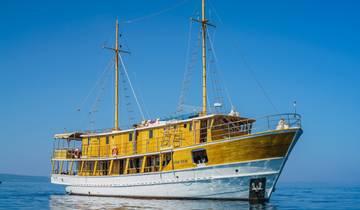
5 days
5-day Dubrovnik to Split, Classic Plus, 18-35s
- ✓ Comprehensive Dubrovnik tour
- ✓ Expert local guides included
- ✓ All accommodation arranged
- ✓ Transportation provided
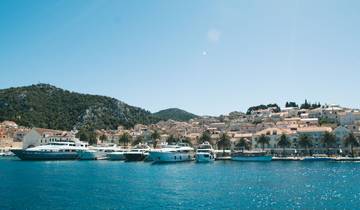
7 days
Explore Croatia
- ✓ Comprehensive Dubrovnik tour
- ✓ Expert local guides included
- ✓ All accommodation arranged
- ✓ Transportation provided
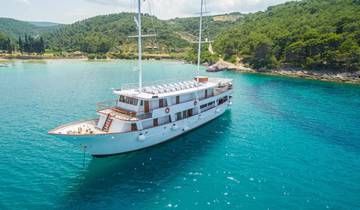
4 days
4-day Split to Dubrovnik, Premier Plus boat, 30-49s
- ✓ Comprehensive Dubrovnik tour
- ✓ Expert local guides included
- ✓ All accommodation arranged
- ✓ Transportation provided

7 days
Dubrovnik and Split, Private Tour
- ✓ Comprehensive Dubrovnik tour
- ✓ Expert local guides included
- ✓ All accommodation arranged
- ✓ Transportation provided
Multi-day tour packages powered by TourRadar. Prices and availability subject to change.
Introduction: Navigating Dubrovnik Successfully in 2026
Dubrovnik’s transformation from peaceful Adriatic port to overwhelmed tourism phenomenon creates challenges that separate informed travelers experiencing authentic “Pearl of the Adriatic” magic from frustrated masses fighting crowds, paying inflated prices, and wondering why everyone raves about a city they find miserable. The difference lies entirely in strategic planning, optimal timing, and practical knowledge distinguishing insiders from typical tourists.
Understanding Dubrovnik’s tourism dynamics reveals how timing decisions worth hours of research save hundreds of euros and transform mediocre visits into memorable experiences. The compact UNESCO World Heritage Old Town, measuring just 300 meters along main Stradun promenade, physically cannot accommodate the 10,000+ daily visitors arriving simultaneously from 4-6 cruise ships during July-August peaks. These overwhelming crowds make photography difficult, attraction queues unbearable, restaurant reservations impossible, and prices astronomical. Yet the same Old Town visited in May, September, or early morning hours before cruise arrivals offers peaceful medieval atmosphere, manageable crowds enabling quality photos, available restaurant tables, and 30-50% lower accommodation costs.
Croatia’s January 2023 Euro adoption simplified currency complications while introducing new considerations for cash management, ATM usage, and tipping practices. Transportation choices between €10 airport shuttles versus €40 taxis, or €2.50 local buses versus expensive private transfers, accumulate significant savings over multi-day visits. Accommodation location decisions between €300 nightly Old Town properties versus €120 Lapad Peninsula alternatives with superior space, amenities, and beach access require understanding neighborhood characteristics and transportation connections.
This comprehensive guide delivers essential Dubrovnik travel advice for 2026 organized by practical categories: optimal visit timing and crowd avoidance strategies, currency and money management, transportation systems and costs, accommodation location selection, booking requirements and advance planning, what to pack for Mediterranean climate, local etiquette and cultural norms, safety considerations, and budget management strategies. Each section provides specific actionable recommendations based on current conditions rather than generic travel advice applicable anywhere.
Successful Dubrovnik visits require accepting that this destination demands more advance planning than typical European cities. Last-minute arrivals during summer find fully-booked accommodations at inflated prices, sold-out popular tours, restaurant reservation impossibilities, and crushing crowds making exploration frustrating. Conversely, travelers investing 3-4 hours pre-trip research understanding timing strategies, booking key elements in advance, and following practical tips experience spectacular Dubrovnik justifying its reputation while avoiding tourist trap pitfalls that leave others disappointed despite spending far more money.
Optimal Visit Timing and Crowd Management Strategies 2026
Best Months for Dubrovnik Visits: Balancing Weather and Crowds
May through early June and mid-September through October represent Dubrovnik’s optimal visiting windows in 2026, balancing pleasant weather with manageable crowds and reasonable prices. These shoulder seasons offer daytime temperatures 20-27°C (68-81°F) ideal for Old Town walking without overwhelming heat, warm enough sea temperatures for comfortable swimming particularly in September when water retains summer warmth at 23-24°C, full operational status for all attractions and restaurants, and significantly reduced tourist numbers compared to July-August peaks when the city becomes uncomfortably overcrowded.
September stands out as particularly advantageous for multiple reasons. The month maintains summer warmth without brutal heat, cruise ship numbers decline substantially after the first week reducing daily visitor influx by 40-50%, accommodation prices drop 30-40% from August peaks while maintaining quality property availability, and weather remains predominantly dry and sunny with minimal rainfall. Late September (after September 20) offers maximum value with lowest shoulder season crowds before October’s increased rain risk.
May and June provide different advantages: spring blooming creates beautiful scenery throughout the region, temperatures remain comfortable for active sightseeing including Mount Srd hiking and city walls walking without excessive heat, Easter holiday period (typically April) marks official season opening ensuring all services operate fully, and visitor numbers stay 30-35% below July-August levels. June sees gradual crowd increases as month progresses, with 3-4 cruise ships arriving Thursdays-Sundays by month’s end, but overall conditions remain superior to peak summer chaos.
October extends shoulder season benefits with continued warm temperatures around 18-23°C and reduced crowds, but introduces increased rainfall risk averaging 150mm (6 inches) compared to 90mm (3.5 inches) in September. Surprisingly, October sees the year’s highest cruise passenger numbers (155,000 monthly) exceeding even July-August totals, so cruise ship avoidance requires checking arrival schedules rather than assuming low season equals no ships.
July and August represent Dubrovnik at its worst despite offering optimal beach weather: daytime temperatures 28-30°C (82-86°F) with intense sun, up to 5-6 cruise ships docking daily bringing 10,000+ passengers, Old Town streets packed shoulder-to-shoulder making movement difficult, city walls queues extending 60-90 minutes, hotel prices doubling or tripling from shoulder season rates (€120 May rooms costing €300 August), restaurant reservations essential 1-2 weeks advance, and overall atmosphere resembling theme park more than historic city. Only those with inflexible summer schedules should visit these months, ideally staying outside Old Town and timing activities for early morning or evening when cruise passengers depart.
Daily Timing Strategies: Avoiding Cruise Ship Crowds
Within any season, daily timing dramatically affects Dubrovnik experience quality. Cruise ship schedules drive crowd patterns with ships typically docking 7:00-9:00 AM and departing 4:00-6:00 PM. Peak overcrowding occurs 10:00 AM-4:00 PM when cruise passengers fill Old Town streets, attraction queues, and restaurant tables. Strategic visitors avoid these hours entirely, scheduling activities for windows when locals outnumber tourists.
The optimal Old Town exploration window runs 7:00-11:00 AM before cruise ship masses arrive. This early timing provides peaceful Stradun walking, short city walls queues (walls open 8:00 AM summer, 9:00 AM winter), available restaurant tables for breakfast, excellent photography lighting without harsh midday sun, and comfortable temperatures before heat peaks. Many accommodations offer breakfast 7:00-10:00 AM; skipping or finishing early enables full advantage of quiet morning hours.
Evening hours after 6:00-7:00 PM offer second prime exploration period as cruise ships depart and day-trippers return to accommodations. Sunset lighting (7:30-8:30 PM summer, 5:00-6:00 PM winter) creates beautiful photography opportunities on marble streets, restaurants welcome walk-ins without reservations (except most popular establishments), Old Town atmosphere becomes more local as residents emerge for evening passeggiata, and temperatures cool to pleasant levels for comfortable walking.
Midday hours 11:00 AM-4:00 PM should be dedicated to beach time, boat excursions, lunch at establishments outside Old Town, accommodation pool relaxation, or siesta avoiding peak heat and crowds. Attempting Old Town sightseeing during these hours results in maximum frustration with minimal reward.
Cruise ship arrival schedules can be researched online through Dubrovnik port websites showing daily ship dockings. Days with 0-1 ships arriving offer vastly superior conditions compared to 4-6 ship days. Timing Dubrovnik visits around low cruise days when flexibility permits provides outsized improvement to experience quality.
Seasonal Considerations: Month-by-Month Planning
April marks season opening with Easter holiday bringing first significant tourist arrivals. Weather remains variable with daytime temperatures 15-22°C and occasional rain, sea temperature 15-17°C too cold for comfortable swimming except hardy souls, but most restaurants and attractions open by mid-month. Accommodation prices stay low though availability tightens around Easter weekend requiring advance booking. April works well for budget-focused travelers accepting cooler weather and limited beach swimming in exchange for low prices and small crowds.
November through March represents true low season with minimal tourism (fewer than 100,000 total visitors these four months combined), lowest accommodation prices all year, many restaurants and island tour operators closing for winter, temperatures 10-15°C requiring warm jacket, and frequent rainfall though snow remains rare. Cultural events like St. Blaise Day (February 3) and Christmas markets (late November-early January) provide authentic local experiences without tourist crowds. Budget travelers and culture-focused visitors appreciate winter Dubrovnik’s authentic character and rock-bottom prices (€50-80 nightly for quality hotels), but beach activities remain impossible and reduced service availability requires research confirming desired restaurants and attractions operate.
Currency, Money Management, and Tipping in Dubrovnik 2026
Euro Adoption and Current Currency Situation
Croatia officially adopted the Euro (€) as its currency January 1, 2023, replacing the Croatian kuna that previously required currency exchange for international visitors. This change simplified travel logistics for visitors from other Eurozone countries who no longer need currency exchange, eliminated kuna-Euro conversion calculations, and reduced transaction costs for credit card payments. All prices throughout Dubrovnik display in Euros, all ATMs dispense Euros, and all businesses accept Euro payments exclusively with kuna no longer valid.
The Euro adoption particularly benefits travelers visiting multiple European destinations on single trips, allowing currency use in Croatia, Slovenia, Montenegro, Italy, Austria, and other Eurozone countries without exchange hassles. American and other non-Euro currency holders still require currency exchange or ATM withdrawals, but find the process simplified with Euro being more familiar and widely available than kuna was previously.
Exchange rates between Euro and other currencies fluctuate daily; checking current rates through xe.com or similar services before travel enables budget planning. As of 2026, approximate exchange rates hover around €1 = $1.10 USD, €1 = £0.85 GBP, though actual rates vary continuously. Bank ATMs provide most favorable exchange rates through card network conversions, while currency exchange offices (“mjenjačnica”) charge higher margins especially in tourist areas.
Cash Requirements and ATM Usage Strategy
Dubrovnik 2026 requires carrying €30-60 cash daily despite widespread credit card acceptance. Essential cash uses include restaurant tips (10% customary, rarely possible to add to card payment), public bus fares (€2.50 per ride purchased from driver, card payment unavailable), market vendors selling fresh produce and souvenirs, small cafés and beach bars with occasional card reader issues, and emergency backup when card systems fail during connectivity problems.
ATM withdrawal strategy significantly impacts overall trip costs through fees and exchange rates. Bank-owned ATMs (identifiable by major Croatian bank names: OTP Banka, Zagrebačka Banka/ZABA, Privredna Banka Zagreb/PBZ, Hrvatska Poštanska Banka/HPB) provide clearest fee structures and best rates compared to standalone exchange company ATMs adding hidden charges. Old Town, Gruž area near bus station, and Lapad Peninsula all contain multiple bank ATM locations convenient for cash withdrawal.
Dynamic Currency Conversion (DCC) represents the most important ATM consideration. When withdrawing cash, machines often offer charging transaction in home currency (USD, GBP, etc.) rather than Euros, displaying this as “guaranteed rate” or “conversion with known cost.” Always decline this option and select “charge in EUR” instead. DCC includes substantial markup (3-5% typical) benefiting ATM operator rather than traveler. Allowing your home bank to convert at standard card network rates provides better overall exchange rate even after home bank foreign transaction fees on most travel-friendly cards.
Withdrawal amount strategy balances minimizing per-transaction fees against carrying excessive cash risking loss or theft. Withdrawing €100-200 once or twice during multi-day visit costs less in ATM fees than making multiple €30-40 withdrawals daily. Storing larger amounts securely at accommodation safe and carrying only €40-60 daily walking-around money manages both fee minimization and security concerns.
Credit Card Usage and Payment Practices
Credit cards (Visa, Mastercard primarily) see wide acceptance throughout Dubrovnik at hotels, restaurants, shops, and tourist attractions. American Express acceptance remains limited to higher-end establishments. Old Town businesses universally accept cards, though minimum purchase amounts (€10-15) sometimes apply at smaller shops. Some beach bars and remote island establishments prefer cash, but card infrastructure has expanded significantly in recent years.
Contactless payment functions throughout the city for amounts up to €50, speeding transactions and matching European payment norms. European chip-and-PIN cards work seamlessly, while American chip-and-signature cards occasionally require staff assistance but generally process successfully. Having backup payment card from different network (Visa and Mastercard both) provides redundancy if primary card encounters issues.
Foreign transaction fees charged by card issuers vary dramatically (0% on travel cards, 2-3% on standard cards). Travelers using credit cards extensively benefit significantly from no-foreign-transaction-fee cards like Capital One, Chase Sapphire, or other travel-focused options, saving 2-3% on all purchases compared to standard cards charging fees.
Tipping Customs and Expectations in Dubrovnik 2026
Tipping in Dubrovnik follows voluntary rather than mandatory customs, but showing appreciation for good service is increasingly expected in tourist areas. Standard restaurant tipping ranges 10-15% for table service when satisfied with experience, with 10% representing typical amount. Rounding up bills (€18 check becomes €20) works for casual meals, while exceptional service at higher-end restaurants merits 15% or more. Importantly, adding tips to credit card bills remains impossible at most establishments; carry cash specifically for tipping purposes.
Some restaurants include service charges directly on bills (typically 10% labeled as “service” or “usluga”). Check bills carefully before tipping to avoid double-payment. When service charge appears, additional tipping is optional for exceptional experiences only. Servers should clarify whether bills include service when requesting payment.
Tipping practices for other services: hotel porters €1-2 per bag, housekeeping €2-3 per night left in room, taxi drivers round up to nearest €5 or add 5-10% for longer trips, tour guides €5-10 per person for half-day tours (€10-15 full-day), private transfer drivers €5-10 depending on service quality and luggage amount, and tour boat crews €3-5 per person for excellent service. Free walking tours operate on tips as primary compensation; contributing €10-15 per person for quality tours provides fair compensation comparable to paid tour costs.
Café and bar tipping involves rounding up small bills (€3.50 coffee becomes €4) or leaving €1-2 after multiple rounds. Bartenders appreciate but don’t expect tips for simple drink orders. Beach bar and casual establishment tipping follows less formal patterns with rounding up representing standard practice.
Transportation Systems and Logistics in Dubrovnik 2026
Airport Transfer Options and Costs
Dubrovnik Airport (Ružer Bošković Airport, code DBV) lies 22 kilometers from Old Town, requiring 25-40 minutes transfer depending on traffic and destination. Multiple transportation options serve airport-city routes with substantial price variations justifying informed selection.
The Platanus Airport Shuttle Bus provides most economical option at €10 one-way or €15 open return (valid 15 days). Buses coordinate with flight schedules, departing airport approximately 30 minutes after each flight arrival and leaving Dubrovnik 90 minutes before domestic flights or 2 hours before international flights. The shuttle stops at three locations: Old Town area (Ploče Gate/Cable Car station), Gruž Main Bus Station near port, and Grawe bus stop. Journey duration ranges 30-40 minutes depending on traffic. Tickets purchase online through Platanus website, at airport counter in terminal, at Gruž Main Bus Station, or at Cable Car office. Children under 6 ride free. This official shuttle represents optimal value for independent travelers without excessive luggage.
Taxis cost substantially more at €30-40 for Old Town destinations, with prices varying by specific location, traffic conditions, and driver negotiation. Official taxi stands outside airport terminal provide legitimate service, though enthusiastic dispatcher organizing queue can feel pushy to some travelers. Confirming price before entering taxi prevents disputes. Uber operates in Dubrovnik with slightly lower costs than traditional taxis (typically €25-35) though airport pickups may incur wait times as fewer drivers service airport routes compared to city center.
Pre-arranged private transfers through hotels or booking platforms cost €35-45 for standard car (1-3 passengers) or €45-55 for minivan (4-8 passengers), offering meet-and-greet service with driver holding name sign at arrivals, direct door-to-door service without shuttle stops, and luggage assistance. This premium option suits travelers with substantial baggage, late-night arrivals when shuttle timing is uncertain, or groups splitting costs making per-person price comparable to shuttle bus.
Local public buses (routes 11, 27, 31, 38) connect airport to city for €2.50 per person purchased on bus, but run infrequently with indirect routes requiring 45-60+ minutes. This budget option works for extreme budget travelers with minimal luggage and abundant time, but most visitors find the marginal €7.50 saving versus shuttle bus not worth the hassle and extra time.
Local Bus System and Public Transportation
Libertas Dubrovnik operates city bus network with 13 routes (1A, 1B, 1C, 2, 2A, 3, 3A, 4, 5, 6, 7, 8, 9) connecting Old Town with residential districts, hotel zones, and beaches. Understanding this system saves substantial money on taxis while providing local transportation experience.
Bus tickets cost €2.50 when purchased from driver upon boarding, or €1.73 when bought in advance from newspaper kiosks, Libertas stalls at major stops (Pile Gate, Gruž), or participating hotels and travel agencies. Advance purchase saves €0.77 per ride (31% discount), accumulating significant savings for travelers making multiple daily trips. Tickets must be validated in yellow machines immediately upon boarding; inspectors occasionally check and fine non-validated tickets.
Key routes for tourists include: Route 4 connects Pile Gate (Old Town) to Lapad Beach area (15-minute ride), essential for travelers staying in Lapad Peninsula hotels. Route 6 runs from Pile Gate to Babin Kuk/Copacabana Beach area. Routes 2, 5, 9 also connect Lapad to Old Town through slightly different paths. All routes pass through Pile Gate bus station outside Old Town’s western entrance, establishing this as central transfer point.
Buses operate approximately 5:30 AM-midnight with frequencies varying by route and time: main routes run every 10-15 minutes peak hours, every 20-30 minutes midday, and every 30-60 minutes evenings. Sunday and holiday service reduces frequency. Real-time bus arrival information displays on Libertas website vehicle announcement page, though service reliability means scheduled times generally hold accurate.
The Dubrovnik Pass includes unlimited bus travel for pass validity period (24 hours, 3 days, or 7 days depending on pass type purchased). Visitors planning multiple bus trips daily plus city walls and museum visits find pass value exceeds à la carte ticket purchases. Calculation example: Three days using 4 bus rides daily (€10 in tickets) plus city walls (€40) and two museums (€20 total) costs €70 separately versus €50 for 3-day Dubrovnik Pass saving €20.
Walking and Pedestrian Navigation
Dubrovnik’s compact Old Town operates entirely as pedestrian zone with marble-paved streets accommodating only foot traffic. This car-free environment creates pleasant walking conditions but introduces considerations for luggage transportation and accommodation access. Rolling suitcases on marble streets creates noise disturbing residents; many Old Town guesthouses request guests carry rather than roll luggage through streets, or arrange pickup assistance.
Distances within Old Town remain short: Pile Gate to Ploče Gate via Stradun measures 300 meters walkable in 5 minutes, complete Old Town exploration circuits covering all major streets total 1-2 kilometers manageable in 30-45 minutes excluding attraction visits. However, steep staircases connecting different elevation levels within walled city challenge mobility-limited visitors and those with heavy luggage. Accommodations built into hillside areas require climbing 30-100+ stone steps from main streets.
Walking between Old Town and nearby districts varies by destination. Pile Gate to Gruž bus station/port requires 30-40 minutes through residential streets, while Pile Gate to Lapad Beach takes 35-45 minutes following coastal paths. Banje Beach lies 10-minute walk from Ploče Gate. These distances prove walkable for active travelers but become tiresome in summer heat (28-30°C July-August) carrying beach gear or after full day of sightseeing. Strategic bus usage for longer movements preserves energy for Old Town walking and attraction exploration.
Google Maps walking directions generally work accurately in Dubrovnik, though Old Town’s maze of narrow streets occasionally creates GPS confusion inside thick stone walls. Offline maps downloaded before travel ensure navigation capability without international data charges. The Old Town layout proves intuitive with Stradun providing main orientation axis and peripheral wall-walking path creating reference loop.
Accommodation Strategy and Location Selection 2026
Old Town versus Outer Neighborhoods: Cost-Benefit Analysis
Accommodation location represents Dubrovnik’s most impactful financial and experiential decision. Staying inside UNESCO-protected Old Town walls costs €200-400 nightly for quality properties during peak season, delivers immediate access to major attractions and evening atmosphere after crowds thin, but provides cramped rooms in converted historic buildings with limited amenities, luggage transportation challenges on marble streets and stairs, and constant tourist noise even late night. Character and convenience come at substantial premium.
Lapad Peninsula accommodations 3-4 kilometers west of Old Town cost €100-180 nightly for equivalent quality offering larger rooms, modern amenities including pools and air conditioning (essential July-August), beachfront proximity, quieter atmosphere, easier parking for rental cars, and significantly better value. The Lapad area functions as hotel zone with numerous 3-4 star properties, beach access, waterfront promenade with restaurants and cafés, and family-friendly infrastructure. Bus #4 connects Lapad to Pile Gate in 15 minutes (€2.50) with departures every 10-15 minutes making Old Town access convenient. This location suits families, budget-conscious travelers, beach-focused visitors, and those seeking comfort over atmosphere.
Gruž area near bus station and ferry port provides similar cost savings (€80-150 nightly) with practical advantages for travelers taking ferries to islands or buses to other Croatian destinations. The working-class neighborhood lacks beach access and tourist atmosphere but offers authentic local life, lower restaurant prices, morning market, and supreme transportation convenience. Budget travelers and those using Dubrovnik as base for regional exploration appreciate Gruž value.
Ploče neighborhood immediately east of Old Town occupies middle ground: closer proximity to Old Town (5-10 minute walk to Ploče Gate), access to Banje Beach, more spacious hotels than Old Town properties, but €180-280 nightly rates approaching Old Town prices. Luxury hotels including Villa Dubrovnik concentrate in this area providing 5-star accommodation for travelers prioritizing comfort and willing to pay premium.
Babin Kuk Peninsula west of Lapad offers resort hotel complexes (Valamar properties) with self-contained facilities, large pools, multiple restaurants, and direct beach access. These all-inclusive style hotels cost €150-250 nightly and work well for families seeking convenience of on-site activities and dining without daily Old Town trips. Bus #6 provides Old Town connections when desired.
Booking Timeline and Advance Reservation Requirements
Dubrovnik accommodation booking timelines vary dramatically by season affecting both availability and pricing. May-September high and shoulder seasons require booking 2-3 months advance for quality properties at reasonable rates. Waiting until 4-6 weeks before arrival finds best properties sold out, remaining inventory commanding premium prices (20-40% above early booking rates), and disappointment settling for suboptimal locations or quality levels.
July-August peak season booking should occur 3-4 months advance, with popular dates (July 15-31, August 1-25) selling fastest. Some high-demand properties accept reservations 6-12 months in advance with early-booking discounts rewarding planning. Budget travelers particularly benefit from early booking locking reasonable rates before summer price inflation.
September-October shoulder season allows 1-2 month advance booking windows, though early September (immediately post-peak) requires more advance notice than late September or October. April-May spring shoulder season similarly permits 6-8 week advance booking for good selection.
November-March low season accommodations can be booked 2-4 weeks advance with excellent availability and rock-bottom prices, though some properties close entirely requiring verification of winter operation before booking. Last-minute deals occasionally appear for winter visits as hotels try filling rooms.
Booking platforms Booking.com, Airbnb, and local Croatian site Adriatic.hr provide comprehensive Dubrovnik listings. Reading recent reviews carefully identifies properties meeting expectations versus those with dated photos or problematic issues. Location verification on Google Maps prevents surprises regarding distance from Old Town or bus access. Confirming air conditioning availability (not universal in Old Town properties) prevents miserable July-August nights in un-cooled stone buildings.
Alternative Accommodation: Apartments and Private Rooms
Private apartments and rooms (sobe) represent significant proportion of Dubrovnik accommodation, often providing superior value compared to hotels. Family-owned properties throughout Lapad, Gruž, and residential areas offer studios and one-bedroom apartments €60-120 nightly versus €100-200 hotel equivalents. These include kitchenettes enabling meal preparation saving substantial restaurant costs, more space than standard hotel rooms, and personal touches from local hosts sharing neighborhood recommendations.
Apartment bookings require understanding Croatian hospitality customs. Many hosts meet guests personally for key handover and property orientation, necessitating coordinating arrival times advance. Some locations require navigating residential buildings and steep stairs unexpected to travelers accustomed to hotels. Cleaning standards vary more than chain hotels; thorough review reading identifies well-maintained properties versus problematic ones. Tourist tax (€1-2 per person nightly) may be collected separately in cash by hosts rather than included in booking platform prices.
What to Pack for Dubrovnik in 2026
Summer Clothing Essentials (June-September)
Dubrovnik summer demands lightweight, breathable clothing for 28-30°C temperatures with intense Mediterranean sun. Essential items include 3-4 breathable cotton or linen tops (t-shirts, tank tops, light blouses), 2 pairs shorts or skirts for daytime wear, 1-2 sundresses or jumpsuits versatile for both beach and evening dining, swimsuit and lightweight cover-up for multiple beach visits, wide-brimmed hat providing face and neck sun protection, quality sunglasses with UV protection, and comfortable walking sandals with arch support for marble street walking.
Evening attire requires slightly elevated styling as Croatians dress up for dinner. Women appreciate sundresses or nice tops with skirts/pants, while men wear collared shirts or clean t-shirts with chinos rather than athletic wear. Dubrovnik Old Town restaurants maintain casual-upscale atmosphere without formal requirements, but looking presentable rather than beach-disheveled improves service and dining experience. One slightly nicer outfit (dress, button-down shirt with dress pants) handles higher-end restaurant visits.
Church visits require covered shoulders and knees; carrying lightweight shawl or scarf enables respectful entry to religious sites including Dubrovnik Cathedral, Franciscan Monastery, and Church of St. Blaise. This same shawl provides air conditioning defense in over-cooled restaurants and shops.
Beach essentials beyond swimsuit include water shoes (Croatian beaches are pebbled and rocky with occasional sea urchins making barefoot entry uncomfortable), quick-dry beach towel (many accommodations provide these but confirm advance), waterproof phone case for beach photography and swimming safety, and lightweight cover-up meeting beach club/restaurant entrance requirements (walking to Old Town restaurants in just swimsuit is inappropriate).
Footwear requires comfortable walking shoes handling miles of marble street walking. Sneakers or supportive sandals work for daytime; flip-flops prove too flimsy for all-day wear and prove slippery on polished marble when wet. Evening requires nicer sandals or casual shoes for dinner. City walls walking and Mount Srd hiking demand closed-toe shoes with good tread; loose rocks and steep sections make proper footwear essential for safety and comfort.
Shoulder Season Clothing (April-May, September-October)
Shoulder season packing requires layering capability for variable temperatures. Days may reach comfortable 20-25°C while evenings drop to 12-15°C requiring warmth. Essential pieces include 3-4 long-sleeve tops layerable over t-shirts, 1-2 sweaters or fleeces for cool mornings and evenings, lightweight waterproof jacket for occasional rain (more critical October than May), mix of shorts/skirts and long pants accommodating temperature variation, and closed-toe shoes plus sandals for weather-dependent choices.
September maintains summer warmth making swimsuit still essential for beach time, while October’s cooler temperatures and increased rain make swimming less certain requiring less beach-focused packing. April and May benefit from swimsuit inclusion for sunny warm days even if water remains cool (15-18°C).
Rain gear increases importance during shoulder seasons with compact umbrella and packable rain jacket handling occasional showers without occupying excessive luggage space. Waterproof shoes or boots prevent wet feet during rain exploration.
Essential Accessories and Practical Items
Sun protection remains critical year-round in Mediterranean climate with high UV intensity even on cloudy days. Reef-safe sunscreen (SPF 50+) protects skin while avoiding chemical damage to Adriatic marine ecosystems. Regular reapplication every 2 hours and after swimming prevents burns ruining vacation enjoyment. Lip balm with SPF prevents painful chapped lips from sun and wind exposure.
Refillable water bottle provides both cost savings and environmental benefit. Dubrovnik’s Onofrio Fountains supply fresh drinking water free; refilling bottles saves €2-3 daily versus purchasing bottled water while reducing plastic waste. Insulated bottles keep water cold through hot summer days.
Electrical adapter for European Type C/F outlets (two round pins) powers electronics including phone chargers, camera batteries, and other devices. USB charging cables for all devices avoid searching for adapters. Portable phone charger/power bank extends phone battery through full days of photography, navigation, and communication without outlet access.
Daypack or crossbody bag carries daily essentials (water, sunscreen, camera, wallet) during Old Town exploration. Crossbody style provides pickpocket protection in crowded areas while distributing weight comfortably. Waterproof or water-resistant material protects contents from occasional rain.
Minimal medical kit includes personal prescriptions with several days extra supply, basic pain reliever (ibuprofen/paracetamol), antihistamine for allergies, anti-diarrheal medication for potential food issues, bandages and blister treatment for walking injuries, and motion sickness remedy if prone to boat tour nausea. Croatian pharmacies stock most medications but having basics avoids searching for pharmacies when feeling ill.
Cultural Etiquette and Local Norms in Dubrovnik 2026
Social Customs and Respectful Behavior
Dubrovnik maintains strong cultural identity despite tourism dominance, with local customs deserving visitor respect. The Old Town remains functioning residential neighborhood where 1,500+ residents live, work, attend school, and worship alongside millions of annual tourists. Noise after 10:00 PM disturbs residents sleeping; Old Town evening socializing should maintain reasonable volume levels avoiding shouting and loud music. Respecting residential character rather than treating Old Town as outdoor theme park improves local-visitor relationships.
Church visits require covered shoulders and knees for both men and women. Many tourists enter wearing tank tops and shorts unaware of modest dress requirements; carrying scarf or shawl enables appropriate coverage without changing entire outfit. Removing hats inside churches and maintaining quiet respectful demeanor during active worship services shows basic courtesy. Photography during religious services should be avoided unless explicitly permitted; most churches allow photography during open visiting hours but prohibit it during mass.
Restaurant customs include waiting for staff to seat diners rather than choosing tables independently, requesting bill explicitly rather than expecting automatic presentation, and understanding that Croatian dining pacing runs slower than American fast-service expectations. Meals represent social experiences meant for savoring rather than efficient eating. Trying to rush service or showing impatience offends cultural norms.
Beachwear belongs at beaches, not walking Old Town streets or dining in restaurants. Covering swimsuits with shorts and shirt or wearing cover-up when leaving beach prevents uncomfortable situations and shows respect for non-beach contexts. Some upscale beach clubs require cover-ups even in their own restaurants despite beachside locations.
Language and Communication
Croatian serves as official language though English proficiency runs extremely high in tourism industry. Hotel staff, restaurant servers, tour guides, and shop employees speak functional to excellent English enabling communication without Croatian language skills. Younger Croatians generally speak better English than older generations.
Learning basic Croatian phrases demonstrates respect and improves interactions: “Hvala” (thank you), “Molim” (please), “Dobar dan” (good day/hello), “Dovođenja” (goodbye), and “Oprostite” (excuse me). Attempting Croatian greetings before switching to English earns positive reception; locals appreciate effort even when execution proves imperfect. However, many prefer switching immediately to English rather than struggling through basic Croatian, so following conversational partner’s lead works best.
Restaurant menus exist in English at all tourist establishments with some including German and Italian translations as well. Asking servers for recommendations when menu remains unclear produces better results than ordering blindly. Most servers happily explain local dishes and suggest preparations matching stated preferences.
Pronunciation challenges Croatian’s specific sounds including “č” (ch), “ć” (softer ch), “š” (sh), “ž” (zh/French j), and “đ” (j/soft dj). Don’t stress perfect pronunciation; attempting and failing beats not trying. Location names prove particularly challenging; asking locals to repeat place names and listening carefully improves navigational communication.
Photography Etiquette and Private Space
Photography runs rampant in Dubrovnik with tourists photographing constantly. While Old Town streets remain public space where photography is permitted, basic courtesy applies. Photographing individuals without permission, particularly local residents going about daily life, invades privacy and proves disrespectful. Street photography should focus on architecture, scenery, and willing subjects rather than candid shots of unconsenting people.
Residential areas within Old Town deserve particular sensitivity. Windows opening to streets provide residents natural light but not permission for tourists photographing inside homes. Respecting privacy by not pointing cameras into windows, doorways, or private courtyards maintains boundaries between public tourism and private residential life.
Restaurant and shop photography for personal memory purposes generally receives acceptance, but asking permission before photographing staff or other diners shows consideration. Some restaurants prohibit photography during busy service times when flashes and photographers interrupt dining atmosphere and workflow.
Game of Thrones filming locations attract particular photography interest. The Jesuit Staircase (Cersei’s walk of shame scene) sees tourists recreating scenes including inappropriate partial nudity. Such behavior offends local sensibilities and disrespects religious site (church at staircase top). Taking photos without reenacting controversial scenes maintains appropriate boundaries.
Safety, Health, and Emergency Preparedness 2026
Personal Safety and Security Measures
Dubrovnik ranks among Europe’s safest cities with violent crime virtually nonexistent affecting tourists. Police maintain visible presence throughout Old Town and tourist areas providing reassurance and quick response capability. Standard urban awareness suffices: securing valuables, maintaining awareness in crowded areas, avoiding isolated locations after dark, and trusting instincts if situations feel uncomfortable.
Pickpocketing represents the primary (though still relatively minor) crime concern in Dubrovnik. Cruise ship arrival days when Old Town reaches maximum crowding create opportunities for thieves targeting distracted tourists. Wearing money belt or neck wallet beneath clothing, carrying minimal cash and single credit card leaving extras secured at accommodation, maintaining front pocket or secure crossbody bag positioning for valuables, and avoiding phone/wallet in back pockets prevents most theft attempts. Remaining aware of surroundings particularly in shoulder-to-shoulder crowd conditions deters opportunistic theft.
Beach theft occurs occasionally when valuables left unattended during swimming. Someone from group remaining with belongings, using waterproof pouches keeping phones and cash on person while swimming, or storing valuables at accommodation before beach visits prevents loss. Expensive jewelry and watches should stay at accommodation rather than risking beach or Old Town loss.
Accommodation security varies by property type. Hotels provide safes for valuables; using these for passports, extra cash, backup credit cards, and electronics when exploring gives peace of mind. Private apartments may lack safes requiring more careful security planning including hidden luggage storage and carrying minimal valuables during outings.
Health Considerations and Medical Access
Dubrovnik poses minimal health risks for international visitors. Tap water throughout city meets EU safety standards and proves safe for drinking, filling water bottles at Onofrio Fountains, and ice cube consumption. Food safety standards remain high with restaurants inspected regularly; standard food poisoning precautions (avoiding suspicious street food, ensuring proper cooking) suffice without extensive concern.
Summer heat and sun create primary health risks. Temperatures 28-32°C combined with intense Mediterranean sun cause dehydration, heat exhaustion, and sunburn if precautions aren’t followed. Drinking 2-3 liters water daily, seeking shade during midday hours, wearing sun protection, and pacing activities prevents heat-related illness. Mount Srd hiking and city walls walking during peak heat proves dangerous without adequate water and breaks.
Pharmacies (apoteka) operate throughout Dubrovnik with knowledgeable pharmacists providing advice and dispensing many medications available over-counter that require prescriptions elsewhere. At least one pharmacy maintains 24-hour service through rotating schedule; checking current 24-hour pharmacy location at hotel reception or any pharmacy enables emergency medication access. Most common medications (pain relievers, antihistamines, antacids) stock readily available.
European Health Insurance Card (EHIC) holders from EU countries access Croatian public health system for emergency care at reduced rates. Non-EU visitors including Americans require travel insurance covering medical emergencies; Croatian healthcare demands upfront payment from uninsured patients with costs comparable to or lower than US healthcare but still substantial for serious treatment. Travel insurance covering emergency medical care, evacuation, and repatriation proves essential for comprehensive health security.
Dubrovnik General Hospital (Opća Bolnica Dubrovnik) provides emergency services 24/7 located in Lapad area. Emergency number 112 works throughout Croatia connecting to ambulance, police, or fire services as needed. English-speaking emergency operators handle tourist calls though basic information (location, medical issue) should be communicated clearly and slowly.
Beach and Water Safety
Adriatic Sea swimming presents minimal dangers with relatively calm conditions, warm summer temperatures (23-25°C), and high salinity making floating easier. However, several considerations ensure safe enjoyable swimming. Rocky and pebbled beaches require water shoes protecting feet from sharp stones and occasional sea urchins. Stepping on sea urchins causes painful spines requiring removal; water shoes eliminate this risk entirely.
Jellyfish appear occasionally in Adriatic waters, particularly late summer months. Stings cause painful welts but rarely serious medical emergencies. Lifeguards monitor popular beaches for jellyfish presence and may close swimming during heavy jellyfish periods. Vinegar treats minor stings; seeking medical attention for severe reactions or extensive stinging proves important.
Sun reflection off water intensifies UV exposure making waterproof sunscreen essential. Applying before swimming and reapplying after swimming prevents severe burns that ruin vacation days. White-sand beaches elsewhere reflect more sunlight, but Croatian rocky coasts still create substantial reflection requiring equal sun protection.
Swimming while intoxicated or after excessive drinking causes drowning risks annually. Evening beach parties and all-day beach drinking create dangerous combinations. Responsible alcohol consumption and never swimming alone when drinking prevents tragic accidents.
Budget Management and Cost-Saving Strategies 2026
Daily Budget Expectations Across Spending Levels
Budget travelers executing strategic planning spend €60-90 daily per person in Dubrovnik combining hostel/budget apartment accommodation (€25-40 per person including shared accommodation), supermarket breakfast and picnic lunches (€15-20), one budget restaurant dinner (€15-25), local bus transportation (€5-8), free activities and single major paid attraction (€10), plus incidentals. This budget requires advance booking, conscious spending choices, shared accommodation, self-catering majority of meals, and strategic attraction selection but proves entirely feasible for comfortable travel.
Mid-range travelers average €120-180 daily per person including private room or apartment (€60-90 per person in double occupancy), breakfast at accommodation or café (€8-12), lunch at moderate restaurant (€15-20), dinner at good restaurant (€25-35), bus and occasional taxi (€10-15), city walls plus 1-2 other paid attractions (€15-25), and shopping/drinks (€10-20). This budget enables comfortable travel without constant penny-pinching while avoiding luxury pricing.
Luxury travelers spend €250-400+ daily per person with high-end hotel inside Old Town or luxury property in Ploče (€150-250 per person), all restaurant meals at quality establishments (€80-120 total), private transfers and taxis (€30-50), comprehensive attraction access and tours (€40-60), shopping and premium experiences, and drinks at upscale bars. This budget delivers exceptional comfort, convenience, and access without financial constraints.
Specific Money-Saving Tactics
Accommodation costs drop 30-50% staying in Lapad, Gruž, or residential areas versus Old Town while maintaining quality standards. Booking 2-3 months advance locks reasonable rates avoiding last-minute premium pricing. Sharing apartments between couples or families divides costs creating per-person savings compared to individual hotel rooms. Off-season visits (November-March) slash accommodation costs to €50-100 nightly for properties costing €200-300 summer.
Food expenses decrease dramatically through strategic self-catering. Gundulić Market and supermarkets (Konzum, Lidl, Tommy) provide fresh produce, bread, cheese, and prepared items for breakfast and picnic lunches costing €8-12 daily versus €25-35 restaurant meals. Preparing breakfast at apartment saves €8-12 daily compared to café breakfasts. Eating main meal at lunch when restaurants offer lower-priced menus versus dinner saves €5-10 per person. Seeking restaurants away from Stradun and Luža Square (1-2 streets into side alleys) reduces prices 20-30% for equivalent quality.
The Dubrovnik Pass (€40 for 24 hours, €50 for 3 days, €75 for 7 days) provides value for travelers visiting multiple paid attractions and using buses extensively. Calculating included attractions against à la carte pricing determines whether pass saves money for specific itineraries. Travelers focusing primarily on free activities (Mount Srd hiking, beaches, Old Town wandering) find better value buying only city walls ticket (€40) rather than full pass.
Free walking tours provide orientation and historical context without upfront costs (€10-15 tip appropriate for quality tours). Mount Srd hiking eliminates €30 cable car costs. Multiple free beaches (Banje, Lapad, Sveti Jakov) avoid beach club fees. Refilling water bottles at Onofrio Fountains saves €2-3 daily versus purchasing bottles.
Frequently Asked Questions: Dubrovnik Travel 2026
How many days should I spend in Dubrovnik in 2026?
Spending 3-4 full days in Dubrovnik 2026 covers major attractions comprehensively without feeling rushed while allowing time for beach relaxation and potential day trips. This duration enables one day exploring Old Town thoroughly including city walls walk and major landmarks, one day for Mount Srd hiking and Lokrum Island or beach time, one day for regional day trip (Mostar, Montenegro, Elaphiti Islands), and flexibility for additional interests or relaxation. Two-day minimalist visits cover only essential highlights (city walls, Old Town walking, one beach) feeling rushed and missing significant experiences. Five to seven days suits travelers desiring deeper exploration with multiple day trips, extensive beach time, or using Dubrovnik as base for broader regional touring. The compact city enables thorough exploration in fewer days than larger destinations, but surrounding region attractions justify longer stays for comprehensive Adriatic Coast experiences. Budget constraints influence length; Dubrovnik’s high costs make 3-4 days financially accessible while 7+ day visits accumulate substantial expenses. First-time visitors typically find 4 days optimal balancing thorough exploration with reasonable costs.
Do I need a car in Dubrovnik or should I rely on public transportation in 2026?
Dubrovnik visits do not require rental cars for city-based itineraries; public transportation, walking, and occasional taxis handle all urban and beach transportation needs effectively and economically. The pedestrian-only Old Town prohibits cars entirely, parking outside Old Town costs €2-4 per hour with limited availability near major sites, and narrow congested streets make driving stressful and inefficient compared to buses. Local bus network (€2.50 per ride) connects all tourist areas including Lapad, Babin Kuk, beaches, and Old Town efficiently. Rental cars only benefit travelers planning independent day trips to Pelješac Peninsula, Konavle region, Mostar, or Montenegro where organized tours don’t match desired flexibility or costs. For these excursions, renting car for specific days rather than entire trip minimizes costs and parking hassles. Daily rental rates €30-50 plus fuel and tolls mean organized day tours (€50-80 per person) often cost comparable for couples while eliminating driving stress. Uber and taxis provide point-to-point transportation when buses prove inconvenient, particularly late nights or luggage-laden airport transfers. Car necessity depends entirely on planned itinerary; Dubrovnik city exploration definitely doesn’t require vehicle while regional independence potentially justifies 1-3 day rental within longer stay.
Can I visit Dubrovnik on a day trip from cruise ship or nearby cities in 2026?
Dubrovnik day trips from cruise ships prove physically possible but experientially problematic due to overwhelming crowds cruise arrivals create. When your ship docks alongside 3-5 other vessels bringing combined 10,000+ passengers into compact Old Town simultaneously, exploration becomes frustrating crush of humanity making photography difficult, attraction queues excessive, and authentic atmosphere impossible. Cruise passengers contribute to exact problem making their own visits unsatisfactory. However, if cruise itinerary includes Dubrovnik and extending stay isn’t option, optimizing limited time requires strategic approach: disembark immediately when ship docks (typically 7:00-8:00 AM), walk city walls first thing before massive crowds arrive (walls open 8:00 AM), complete major Old Town sites by noon, then escape to Lokrum Island ferry or beach avoiding peak Old Town chaos 12:00-4:00 PM. Many cruise passengers waste precious hours on ship breakfasts and leisurely departures arriving Old Town 10:00 AM-12:00 PM when conditions are worst. Day trips from Split (230 kilometers, 3-4 hours drive each direction) or other Croatian cities theoretically work but sacrifice 6-8 hours to transportation leaving insufficient Dubrovnik time justifying the effort. Dubrovnik merits minimum 2-night stay experiencing evening atmosphere after cruise hordes depart and early morning tranquility before they arrive. Treating Dubrovnik as day trip undermines destination quality deserving better consideration.
What are the best day trips from Dubrovnik accessible in 2026?
Best Dubrovnik day trips in 2026 include Elaphiti Islands boat tours offering peaceful island hopping with swimming stops at Koločep, Lopud, and Šipan beaches escaping mainland crowds, Mostar in Bosnia-Herzegovina showcasing iconic Stari Most bridge and Ottoman architecture (3-hour drive each direction), Montenegro’s Bay of Kotor featuring dramatic fjord-like scenery and medieval towns Kotor and Perast (2-3 hour drive), Mljet National Park providing pristine nature with saltwater lakes and island monastery (2-hour ferry plus island exploration), and Pelješac Peninsula combining Ston’s famous salt pans and defensive walls with Mali Ston oyster farms and Dingač wine region. Elaphiti Islands work best as organized boat tours (€40-60) departing Dubrovnik port 9:00-10:00 AM returning 5:00-6:00 PM, though independent ferry access to individual islands costs less (€4-8 per person each direction) trading convenience for budget savings. Mostar and Montenegro typically work better as organized tours (€50-80) handling border crossings and transportation logistics, though independent travelers with rental cars manage self-guided visits saving costs at expense of driving stress. Mljet requires combining morning ferry from Dubrovnik (€35-45 roundtrip) with island bus or bicycle rental exploring national park. Day trip selection depends on interests: Elaphiti Islands for beach and swimming focus, Mostar for culture and architecture, Montenegro for dramatic scenery, Mljet for nature hiking. Quality day trips require full 10-12 hours start to finish; fitting multiple activities into single day proves unrealistic given transportation time.
Is the Dubrovnik Pass worth purchasing in 2026?
The Dubrovnik Pass provides value for travelers visiting multiple paid museums, using buses extensively, and spending 3+ days exploring thoroughly. The pass costs €40 for 24 hours, €50 for 3 days, or €75 for 7 days, including city walls (€40 separate), nine museums and galleries (Rector’s Palace, Rupe Museum, Maritime Museum, others worth €8-15 each), unlimited bus travel, and various shop/restaurant discounts. Value calculation requires comparing planned activities against pass cost. Example itinerary: 3-day visit planning city walls (€40), Rector’s Palace (€10), Maritime Museum (€8), plus 8 bus rides (€20 in separate tickets) totals €78 separately versus €50 for 3-day pass saving €28. Conversely, travelers primarily doing free activities (beaches, Mount Srd hiking, Old Town wandering, free walking tours) spending only 2 days with 2-3 bus rides find better value buying just city walls ticket (€40) and individual bus tickets (€7.50) totaling €47.50 versus €50 pass providing minimal advantage. The 24-hour pass rarely provides value unless visiting 2-3 museums same day plus using multiple buses, as city walls alone costs €40 leaving only €0 margin. Museum interest determines pass value; history and culture enthusiasts visiting multiple sites benefit substantially while travelers focused on scenery, beaches, and atmosphere skip museums finding pass unnecessary. Bus usage factors significantly; travelers staying within Old Town walking everywhere need pass less than Lapad/Gruž accommodation users making 4-6 daily bus trips.
What should I know about visiting Dubrovnik with mobility limitations in 2026?
Dubrovnik presents significant challenges for mobility-limited visitors due to Old Town’s marble streets, steep stairs, and historic building inaccessibility. The pedestrian zone surfaces with polished marble slabs create slippery conditions when wet and uneven footing even when dry. Elevation changes throughout Old Town require negotiating stone staircases with 20-100+ steps connecting different levels; wheeled mobility device users find many areas inaccessible. City walls walk proves impossible for wheelchair users and extremely challenging for those with walking difficulties requiring 1,940 meters navigation including numerous stair sections gaining significant elevation. Most Old Town restaurants, shops, and museums occupy historic buildings lacking elevators making upper floor areas inaccessible. However, ground-floor establishments provide access, Stradun main promenade remains relatively flat and navigable with assistance, and major churches offer ground-level access to main worship spaces. Mobility-focused visitors benefit from staying in modern hotels with elevators and accessibility features (primarily located outside Old Town in Lapad or Babin Kuk areas), using taxis rather than buses (low-floor accessible buses run infrequently), focusing on accessible attractions like Stradun walking and harbor area, and arranging advance accessibility verification with specific sites planning to visit. Dubrovnik’s historic character means accessibility lags modern standards, but careful planning enables meaningful experiences for mobility-limited travelers accepting limitations and focusing on accessible highlights rather than attempting comprehensive exploration impossible with mobility challenges.
How do cruise ship arrivals affect Dubrovnik daily conditions in 2026?
Cruise ship arrivals fundamentally transform Dubrovnik daily conditions creating dramatic differences between no-ship and multi-ship days. Ships typically dock 7:00-9:00 AM and depart 4:00-6:00 PM, with passengers flooding Old Town 9:00 AM-5:00 PM creating overwhelming crowds particularly at major sites, Stradun promenade, and city walls. July-August peak season sees 4-6 ships daily bringing combined 10,000-15,000 passengers into Old Town designed for 1,500 permanent residents. The physical impossibility of comfortably accommodating these numbers creates shoulder-to-shoulder conditions making photography difficult, restaurant reservations essential, and authentic atmosphere impossible. City walls queues extend 60-90 minutes when multiple ships dock versus 10-15 minutes no-ship days. October counterintuitively sees year’s highest cruise passenger numbers (155,000 monthly) exceeding July-August totals, proving shoulder season doesn’t automatically mean fewer cruise crowds. Cruise ship schedules can be researched online showing daily arrivals; planning Dubrovnik stays around days with 0-2 ships versus 4-6 provides exponentially better experiences. Within multi-ship days, timing visits 7:00-10:00 AM before masses arrive or after 5:00-6:00 PM when passengers return to ships enables manageable conditions. Beaches, island trips, and non-Old-Town activities work well during peak cruise hours 11:00 AM-4:00 PM avoiding worst congestion. Understanding cruise ship impact represents single most important Dubrovnik planning factor separating satisfactory visits from exceptional experiences.
What COVID-19 or health entry requirements apply to Dubrovnik in 2026?
As of 2026, Croatia has lifted COVID-19 entry requirements for travelers with no vaccination certificates, testing, or health declarations required for entry regardless of origin country. This represents significant simplification from 2021-2023 pandemic protocols when entry required vaccination proof or negative tests. Travelers should verify current requirements immediately before departure through official Croatian government sources or embassy websites as policies can change based on public health conditions, but current trajectory indicates continued relaxed entry without health documentation. Standard passport and visa requirements apply: EU/EEA citizens enter with national ID cards, Americans and most Western nationalities receive 90-day visa-free entry within 180-day period, and other nationalities should verify visa requirements through Croatian embassy before booking. Travel insurance remains recommended covering medical emergencies, trip cancellation, and baggage loss, but proves voluntary rather than mandatory. Healthcare system access for tourists follows standard protocols with EU residents using European Health Insurance Card (EHIC) and non-EU visitors requiring payment or private insurance coverage. No destination-specific health precautions apply to Dubrovnik beyond standard travel safety measures. Routine vaccinations (tetanus, hepatitis) should be current per general travel medicine recommendations, but Croatia requires no specific immunizations for entry.
Can I drink tap water safely in Dubrovnik in 2026?
Dubrovnik tap water meets EU drinking water safety standards and proves completely safe for drinking, teeth brushing, ice cube consumption, and cooking throughout 2026. The municipal water system draws from Ombla River source delivering high-quality water to entire city without treatment concerns affecting many destinations. Locals drink tap water routinely; bottled water purchases represent convenience and marketing rather than safety necessity. The historic Onofrio Fountains (Large fountain at Pile Gate, Small fountain at Luža Square) flow continuously with fresh drinking water from same municipal supply enabling free bottle refilling and drinking directly from fountain spouts as locals and informed tourists do. This free water access saves €2-3 daily versus purchasing bottled water while reducing plastic waste. Water taste may differ slightly from home supply due to mineral content variations, but safety remains unquestionable. Sensitive stomachs occasionally experience minor digestive adjustment to different mineral compositions during first 1-2 days abroad, but this represents normal adaptation rather than contamination. Bringing refillable water bottle and using tap water and fountain refills throughout Dubrovnik visit demonstrates both financial wisdom and environmental consciousness. The only situations warranting bottled water involve personal preference for specific brands or carbonation unavailable from tap, never safety concerns. Islands and remote areas outside Dubrovnik proper should be verified locally, but major tourist areas including all Old Town, Lapad, Gruž, and developed regions maintain identical safe drinking water standards.
What local Dubrovnik dishes should I try and where can I find authentic food in 2026?
Dubrovnik’s Dalmatian cuisine emphasizes fresh seafood, Mediterranean vegetables, olive oil, and simple preparations highlighting ingredient quality over complex sauces. Essential dishes to try include black risotto (crni rižot) made with cuttlefish ink creating dramatic black color and rich seafood flavor, Dalmatian brudet fish stew combining multiple fish varieties with tomatoes and wine, peka slow-cooked meat and vegetables under cast iron bell, fresh oysters and mussels from nearby Ston and Mali Ston farms, and gregada white fish stew with potatoes. Croatian pršut (dry-cured ham similar to Italian prosciutto) and Pag island cheese make excellent appetizers, while fresh grilled fish (orada/sea bream, brancin/sea bass) represents daily catch preparations. Traditional konoba restaurants specializing in local cuisine provide authentic experiences versus tourist-menu establishments serving international options. Quality konobas worth seeking include Konoba Dubrava in residential area outside Old Town offering peka by reservation, Konoba Dalmatino near Gruž providing traditional dishes at reasonable prices, and Pantarul modern Croatian cuisine restaurant near Pile using local ingredients in contemporary preparations. Avoiding restaurants directly on Stradun and Luža Square where prime location commands premium prices for mediocre quality; walking 2-3 streets into side alleys finds better value and authenticity. Gundulić Market morning shopping enables purchasing fresh produce, local cheeses, smoked ham, and honey for picnic assemblies experiencing ingredients directly. Street food remains limited in Dubrovnik; bakeries (pekara) sell burek (savory pastries with cheese, meat, or spinach) and pizza slices providing quick budget meals. Croatian wines especially Plavac Mali red from Pelješac Peninsula and Pošip white complement seafood meals perfectly; asking servers for local wine recommendations enhances dining experiences beyond house wine defaults.