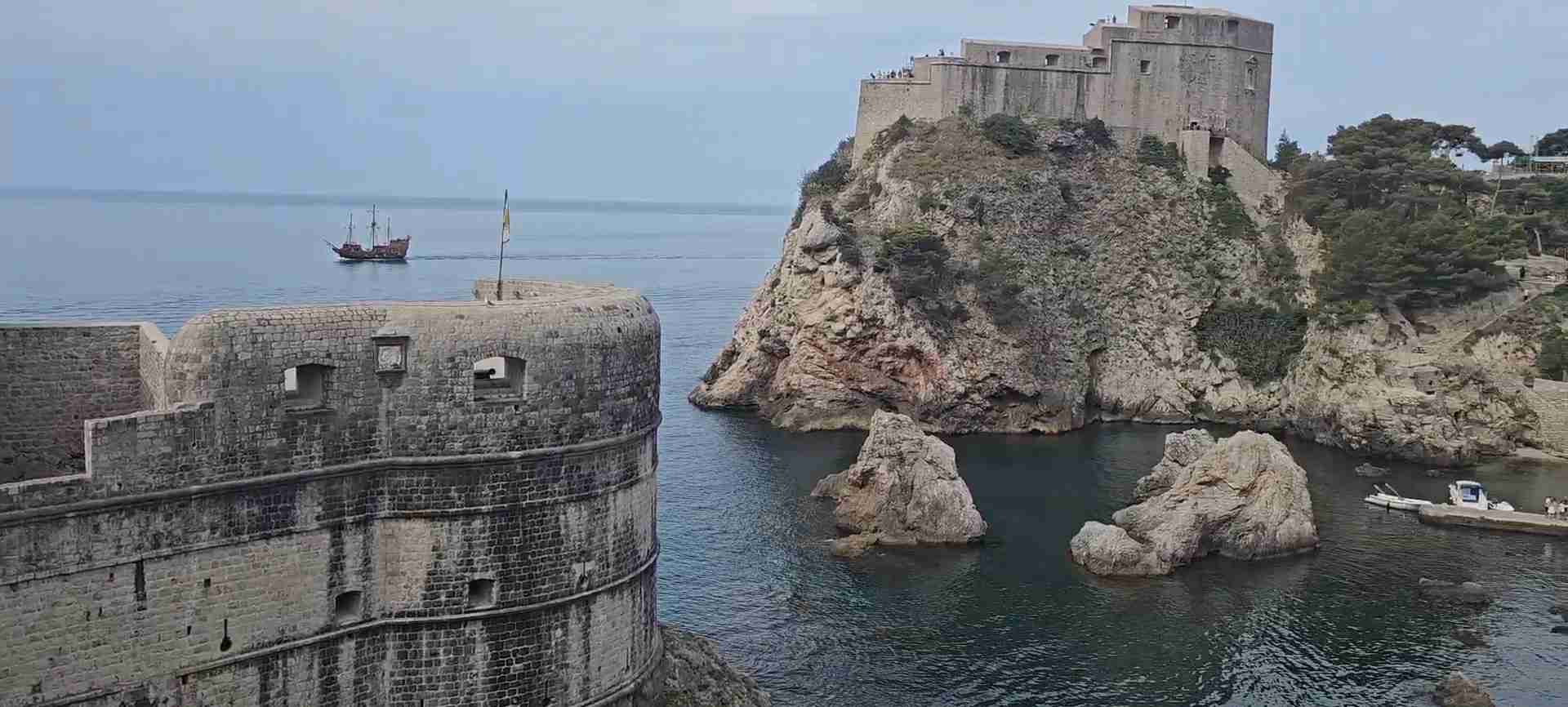
Free Things to Do in Dubrovnik 2026: Complete Guide to Budget-Friendly Experiences
Dubrovnik ranks among Europe’s most expensive destinations, yet the Pearl of the Adriatic offers remarkable free experiences that rival its paid attractions. From hiking Mount Srd for panoramic Old Town views to swimming at crystalline beaches and exploring medieval streets, budget travelers discover authentic Dubrovnik without the €40 city walls ticket or expensive museum fees.
Key Takeaways: Free Dubrovnik Experiences 2026
- Mount Srd Hiking Trail: Free 90-minute hike offering Dubrovnik’s best viewpoint, saving €30 cable car fare while providing superior photographic opportunities and exercise.
- Free Walking Tours: Tip-based guided tours cover all major Old Town landmarks daily, providing historical context and orientation for first-time visitors exploring UNESCO World Heritage streets.
- Multiple Free Beaches: Banje, Lapad, Copacabana, and Sveti Jakov beaches offer free swimming access with Adriatic views, though sunbed and umbrella rentals cost extra.
- Old Town Exploration: Stradun promenade, Onofrio Fountains, Luža Square, Gundulić Market, historic churches, and port viewing create comprehensive free sightseeing experiences.
- Strategic Budget Approach: Combining free activities with selective paid attractions maximizes Dubrovnik experiences while maintaining budget control in this expensive destination.
- Year-Round Availability: Most free activities operate throughout 2026, with free walking tours running daily and beaches accessible whenever weather permits swimming.
People Also Ask About Free Things in Dubrovnik 2026
Can you explore Dubrovnik Old Town for free in 2026?
Exploring Dubrovnik Old Town is entirely free in 2026, providing access to the UNESCO World Heritage site’s main thoroughfare Stradun, historic squares including Luža and Gundulić, both Onofrio Fountains, Orlando’s Column, and exterior views of major landmarks like the Rector’s Palace, Sponza Palace, and Cathedral. Walking the marble-paved Stradun from Pile Gate to Ploče Gate takes 15 minutes and passes baroque architecture, outdoor cafés, and side streets revealing hidden courtyards. The daily Gundulić Market operates mornings with local produce and souvenirs visible without purchasing. Several churches including St. Blaise and the Franciscan Church offer free interior access. The Old Port provides free viewing of fishing boats, luxury yachts, and Fort St. John’s exterior. Only the city walls (€40) and museum interiors require payment. Budget travelers spend entire days photographing limestone streets, watching street performers, and absorbing medieval atmosphere without spending money beyond meals.
Is hiking Mount Srd in Dubrovnik free in 2026?
Hiking Mount Srd remains completely free in 2026, offering Dubrovnik’s premier viewpoint without the €30 roundtrip cable car fare. The well-maintained switchback trail begins near Pile Gate, climbing 412 meters over 2.1 kilometers through Mediterranean forest and rocky terrain. Most hikers complete the ascent in 60-90 minutes depending on fitness level and photo stops, with 15 switchback turns featuring Stations of the Cross religious reliefs. The trail exits tree cover after 10 minutes, providing increasingly spectacular Old Town and Adriatic views as elevation increases. Summit amenities include Fort Imperial (Croatian War of Independence Museum requires separate entry fee), Panorama Restaurant (expensive but view accessible without purchase), white stone cross dating to 1935, and multiple free viewing platforms superior to those at the cable car station. Descent takes 45-60 minutes. Early morning and late afternoon timing avoids midday heat and crowds. Sturdy closed-toe shoes handle loose rocky sections, water bottles combat dehydration, and headlamps assist hikers descending after sunset. Bus #17 from Pile Gate to Bosanka village (€2.50) shortens the hike by 15 minutes for those preferring partial hiking.
Which beaches in Dubrovnik are free to access in 2026?
All Dubrovnik beaches provide free access in 2026, though sunbed and umbrella rentals incur charges. Banje Beach, located 10 minutes from Ploče Gate, offers free rocky sections alongside paid EastWest Beach Club sand areas, with iconic Old Town wall views and safe swimming for families. Lapad Beach (Sunset Beach) on the Lapad Peninsula features pebble shoreline, shallow waters ideal for children, palm-tree-lined promenade with cafés, and spectacular sunset vistas. Copacabana Beach at Babin Kuk provides extensive pebble areas, water park offshore, and family facilities. Sveti Jakov Beach requires descending steep stairs but rewards visitors with uncrowded conditions and panoramic Old Town views across the water. Coral Beach Club offers free upper beach access without using paid lounger services. Šulići Beach beneath Fort Lovrijenac attracts locals to its tiny pebbled cove. Dance Beach near the Old Port provides convenient swimming access. Buza Bar swimming area beneath city walls offers cliff jumping (drinks not mandatory for swimming). Lokrum Island beaches require €15-20 ferry fare but island access includes multiple swimming spots. Free facilities vary by beach; Banje and Lapad provide changing rooms and showers, while smaller beaches offer minimal infrastructure.
Do free walking tours operate in Dubrovnik in 2026?
Free walking tours operate daily throughout 2026 in Dubrovnik, offered by multiple companies including Walkative, Free Spirit Tours, and SANDEMANs partner tours. These tip-based tours (guides work for gratuity rather than fixed fees) run 90-120 minutes covering major Old Town landmarks: Orlando’s Column at Luža Square meeting point, Church of St. Blaise with silver statue of Dubrovnik’s patron saint, Stradun main promenade, Large Onofrio Fountain supplying water since 1438, Franciscan Monastery with world’s oldest pharmacy operating since 1317, Jesuit Staircase connecting to Church of St. Ignatius, Gundulić Square market, Cathedral of the Assumption housing Titian artworks, Rector’s Palace blending Gothic and Renaissance architecture, Sponza Palace serving as city archive, Dominican Monastery, and Revelin Fortress viewpoint. Departure times vary seasonally (typically 10:00 AM, 11:00 AM, 5:00 PM, 6:00 PM, 7:00 PM) with advance online booking recommended for guaranteed spots. Dubrovnik regulations require all tours to use audio systems; participants bring smartphones and headphones or purchase basic earphones for €1 at meeting points. Typical gratuities range €5-15 per person based on tour quality and visitor budget. Specialized free tours focus on Game of Thrones filming locations for series fans seeking King’s Landing sites.
Extended multi-day tours – 5+ days
Featured Dubrovnik Multi-Day Tour Packages
5 days
5-day Dubrovnik to Split, Classic Plus, 18-35s
- ✓ Comprehensive Dubrovnik tour
- ✓ Expert local guides included
- ✓ All accommodation arranged
- ✓ Transportation provided
7 days
Explore Croatia
- ✓ Comprehensive Dubrovnik tour
- ✓ Expert local guides included
- ✓ All accommodation arranged
- ✓ Transportation provided
4 days
4-day Split to Dubrovnik, Premier Plus boat, 30-49s
- ✓ Comprehensive Dubrovnik tour
- ✓ Expert local guides included
- ✓ All accommodation arranged
- ✓ Transportation provided

7 days
Dubrovnik and Split, Private Tour
- ✓ Comprehensive Dubrovnik tour
- ✓ Expert local guides included
- ✓ All accommodation arranged
- ✓ Transportation provided
Multi-day tour packages powered by TourRadar. Prices and availability subject to change.
Introduction: Maximizing Dubrovnik Experiences on a Budget in 2026
Dubrovnik’s reputation as one of Europe’s most expensive destinations intimidates budget-conscious travelers encountering €40 city walls tickets, €30 cable car rides, €15-20 museum entries, and inflated restaurant prices targeting cruise ship passengers flooding the Old Town daily. The UNESCO World Heritage city’s medieval charm, crystalline Adriatic waters, and Game of Thrones fame create overwhelming tourism demand driving prices higher each season. Yet beneath this expensive surface lies a parallel Dubrovnik offering extraordinary free experiences that budget travelers access through strategic planning and local knowledge.
Understanding Dubrovnik’s free attractions transforms budget constraints from limitations into opportunities for more authentic experiences. The Mount Srd hiking trail provides superior viewpoints compared to rushed cable car passengers while saving €30 per person. Free beaches like Sveti Jakov remain uncrowded because tourists pay for Banje Beach loungers instead of walking 20 minutes. Tip-based free walking tours deliver comprehensive Old Town orientation that expensive private guides charge €150-200 to provide. Churches, fountains, squares, markets, and promenades create full-day itineraries without entry fees.
This comprehensive guide details every free activity Dubrovnik offers in 2026, organized by category for efficient trip planning. Mountain hiking, beach swimming, Old Town exploration, free walking tours, church visits, sunset viewpoints, and budget dining strategies enable travelers to experience Dubrovnik’s essence while spending minimal money. Strategic combination of free activities with selective paid attractions (perhaps just the city walls) creates balanced Dubrovnik experiences respecting both budget limitations and desire for comprehensive exploration.
The guide emphasizes practical logistics: trailhead locations with GPS coordinates, beach access routes avoiding tourist traps, free walking tour booking procedures, optimal timing for avoiding crowds, and realistic time requirements for each activity. Budget travelers spending 2-4 days in Dubrovnik discover that free activities often surpass paid alternatives in quality, authenticity, and photographic opportunities. Early morning Mount Srd hikes beat afternoon cable car crowds. Sunset swims at Lapad Beach provide superior experiences compared to expensive beach clubs. Free walking tours introduce local perspectives missing from audio guide narratives.
Dubrovnik’s free offerings prove that budget travel need not mean compromised experiences. The city’s natural beauty, architectural heritage, and Mediterranean atmosphere exist independently of entrance fees. Travelers embracing free activities often report more memorable Dubrovnik experiences than those purchasing every ticket, precisely because free exploration encourages slower pace, deeper observation, and genuine discovery rather than rushed attraction-hopping.
Free Mountain Hiking and Viewpoints in Dubrovnik 2026
Mount Srd Hiking Trail: Dubrovnik’s Premier Free Viewpoint
Mount Srd delivers Dubrovnik’s most spectacular panoramic viewpoint completely free, rising 412 meters above the Old Town with sweeping vistas across terracotta rooftops, medieval walls, Lokrum Island, and the Adriatic Sea stretching to the Elaphiti Islands 35 miles distant. The free hiking trail saves €30 per person compared to the cable car while providing superior photographic opportunities, exercise benefits, and the satisfaction of earning summit views through physical effort.
The main switchback trail begins approximately 1.1 kilometers from Pile Gate, requiring 15-20 minutes uphill walking through residential streets to reach the forest trailhead near Jadranska Cesta highway. GPS coordinates 42.6415°N, 18.0891°E mark the exact starting point. The trail immediately enters Mediterranean pine forest, climbing moderately on wide, well-maintained dirt path with loose rocky sections requiring sturdy closed-toe shoes rather than sandals or flip-flops.
After 10 minutes of forested ascent, the trail breaks above tree line onto open mountainside where Dubrovnik views begin rewarding hikers. Fifteen switchback turns zigzag up the mountain, each featuring copper relief sculptures depicting Stations of the Cross, transforming the hike into a pilgrimage route locals call the “Way of the Cross.” The religious art adds cultural dimension to physical exercise. Elevation gain totals 255 meters over 2.1 kilometers, creating manageable gradient suitable for most fitness levels. Google Maps estimates 30 minutes to summit, but realistic timing allowing for photos and rest breaks ranges 60-90 minutes depending on pace, fitness, and heat conditions.
Summer hiking demands early morning departure (6:00-8:00 AM) or late afternoon timing (after 5:00 PM) to avoid brutal midday heat on exposed mountainside lacking shade above tree line. Carrying 1-2 liters of water per person prevents dehydration. Sunscreen, hat, and sunglasses combat intense sun reflection off white limestone. Spring and autumn offer ideal hiking conditions with comfortable temperatures and clear visibility. Winter hiking remains possible but check weather forecasts for rain making loose rocks slippery.
Summit facilities include Fort Imperial housing the Croatian War of Independence Museum (separate €8 entry fee), Panorama Restaurant charging premium prices (€7 for soft drinks, €4-5 for bottled water) but accessible viewing platforms without purchase requirement, the reconstructed white stone cross visible from throughout Dubrovnik, and multiple free viewpoint areas. The best free vantage points lie beyond the cable car station on either side: past the cross toward one direction, past the fort toward the other. These unobstructed platforms away from crowds provide superior photography opportunities compared to the fenced cable car viewing area.
Descent requires 45-60 minutes on the same switchback trail. Loose gravel makes downhill hiking harder on knees than ascent; trekking poles assist balance. Some hikers take the cable car down (€15 one-way) to save time and knee strain, though this eliminates half the free benefit. Alternative descent route via Put od Bosanke road offers easier gradient with newly constructed steps crossing under the highway, providing different Old Town views from the southern perspective.
Bus #17 from Pile Gate to Bosanka village (€2.50, 30-minute ride) provides shortcut option, depositing passengers near the summit road for easy 15-minute uphill walk to the top. This hybrid approach suits travelers wanting summit views without full hiking commitment, though walking the complete trail delivers the most rewarding free experience.
Alternative Viewpoints and Vantage Points
Mount Srd dominates Dubrovnik viewpoints, but several other free vantage points provide excellent photography opportunities. The road ascending Mount Srd offers multiple pullover spots with Old Town views, accessible by walking or driving. The area near Fort Lovrijenac on the western side provides dramatic angles of the fortress against sea backdrop. Walking paths around Babin Kuk Peninsula reveal coastal perspectives. The promenade connecting Lapad Beach to Copacabana Beach offers seafront sunset views. Each viewpoint suits different photographic interests: Mount Srd for comprehensive panoramas, Fort Lovrijenac area for architectural detail, coastal paths for seascape compositions.
Free Walking Tours and Guided Experiences 2026
Tip-Based Free Walking Tours: Daily Departures
Free walking tours in Dubrovnik operate on tip-based models where guides work for gratuities rather than fixed fees, enabling budget travelers to access professional guided tours without upfront costs. Multiple companies including Walkative, Free Spirit Tours, and SANDEMANs partners (operating through Free Spirit Tours) conduct daily departures year-round, with increased frequency during April-October peak season.
Standard free tours run 90-120 minutes covering essential Old Town landmarks with historical commentary, cultural context, and practical travel tips. Meeting point is typically Amerling Fountain near Pile Gate or Orlando’s Column at Luža Square, with guides identifiable by company umbrellas or signs. Departure times vary seasonally but commonly include 10:00 AM, 11:00 AM, 5:00 PM, 6:00 PM, and 7:00 PM options. Advanced online booking through company websites is highly recommended; walk-ups may be turned away when groups reach 15-20 person capacity limits.
Dubrovnik regulations implemented in recent years require all tour groups to use audio systems for noise control in the Old Town. Participants must bring smartphones and wired or wireless headphones to connect to guide’s transmission. Those without headphones can purchase basic earphones for €1 at meeting points. This system allows guides to speak normally while participants hear clearly without shouting disturbing residents and other tourists.
Typical route covers Orlando’s Column representing Dubrovnik’s independence, Church of St. Blaise dedicated to the city’s patron saint whose silver statue holds a miniature city model, Stradun main promenade built over filled marshland after 1667 earthquake, Large Onofrio Fountain with sixteen sculptured masks supplying fresh water since 1438, Franciscan Monastery containing the world’s oldest continuously operating pharmacy (established 1317), Jesuit Staircase connecting to Church of St. Ignatius, Gundulić Square hosting daily morning market, Cathedral of the Assumption built 1671-1713 in baroque style housing Titian’s Assumption altarpiece, Rector’s Palace blending Gothic and Renaissance architecture, Sponza Palace serving as city archive and cultural venue, Dominican Monastery requiring two centuries to complete, and Revelin Fortress offering elevated Old Port views.
Guides provide historical context about the Republic of Ragusa’s diplomatic achievements, the devastating 1667 earthquake reshaping the city, 1990s Croatian War of Independence siege damaging Old Town, UNESCO World Heritage designation, and modern tourism challenges. Game of Thrones filming locations receive special attention, particularly the Jesuit Staircase where Cersei’s walk of shame occurred. Tours balance historical facts with entertaining stories and practical advice about best restaurants, photography spots, and which paid attractions merit their prices.
Appropriate tip ranges depend on tour quality, guide enthusiasm, group size, and personal budget. €5-10 per person represents standard gratuity for satisfactory tours; exceptional guides merit €10-15 per person; budget travelers contribute €3-5. Unlike fixed-price tours, tipping acknowledges quality rather than paying regardless of experience. Cash tips in euros are standard practice.
Specialized Free Tours: Game of Thrones Focus
Game of Thrones themed free tours cater to series fans seeking King’s Landing filming locations. These specialized tours visit the Jesuit Staircase (Cersei’s walk of shame), Fort Lovrijenac (Red Keep exterior), Pile Gate area (city entrance scenes), Minčeta Tower (House of the Undying), and various Old Town locations representing the capital. Guides share behind-the-scenes production stories, show reference photos comparing filmed scenes to actual locations, and sometimes bring props like replica Iron Throne for photos. These tours run less frequently than general historical tours; check company websites for schedules. The same tip-based model applies.
Self-Guided Walking: Creating Your Own Free Tour
Self-guided exploration offers complete flexibility for travelers preferring independent discovery over group tours. The compact Old Town enables easy navigation without getting lost. Starting at Pile Gate, walk the Stradun’s 300-meter marble-paved length observing baroque reconstruction uniformity from 1667 earthquake. Stop at both Onofrio Fountains photographing architectural details. Enter churches offering free access: Franciscan Church showcases baroque interior, St. Blaise Church displays patron saint’s silver statue. Explore narrow side streets revealing hidden courtyards, artisan workshops, and local cafés. Gundulić Square market operates mornings with produce, souvenirs, and local characters. The Old Port provides perfect lunch spot watching boats and absorbing maritime atmosphere. Climbing stairs to elevated squares reveals different perspectives. Self-guided tours take 2-3 hours minimum, longer for thorough exploration and photography.
Free Beach Access and Swimming Opportunities 2026
Banje Beach: Iconic Old Town Views
Banje Beach, Dubrovnik’s most photographed beach, provides free access to rocky swimming areas despite being partially operated by the expensive EastWest Beach Club. Located just 10 minutes walk from Ploče Gate, the beach stretches along the eastern side of the Old Town with spectacular views of medieval walls and red-roofed buildings reflected in calm Adriatic waters.
The beach divides into two sections: the pebbled and rocky northern section remains completely free for public use, while the southern sand section belongs to EastWest Beach Club charging approximately €33 for two loungers and umbrella rental. Budget travelers claim free rocky areas arriving early (before 9:00 AM) for prime spots near the water. Bring beach towels or mats as the pebbles and rocks make direct sitting uncomfortable. Water shoes help navigate the rocky entry, though the sea bottom smooths quickly once knee-deep.
Free amenities include public changing facilities, beach showers for rinsing salt water, and restroom access. Lifeguards monitor swimming safety during summer months. The shallow drop-off creates safe conditions for children and novice swimmers. Water clarity allows snorkeling though marine life is limited compared to tropical destinations. Beach bars sell drinks and snacks at premium prices; budget travelers pack picnic lunches and refillable water bottles to avoid café costs.
Banje Beach gets extremely crowded during July-August peak season and whenever cruise ships dock, with tourists covering every available square meter by 10:00 AM. Visiting before 9:00 AM or after 4:00 PM reduces crowds significantly. Late afternoon provides optimal photography lighting on the Old Town walls. Sunset from Banje creates spectacular photo opportunities, though the sun sets behind rather than over the water from this eastern vantage point.
Lapad Beach (Sunset Beach): Family-Friendly Swimming
Lapad Beach, also called Sunset Beach for its spectacular evening views, offers Dubrovnik’s largest beach stretching along Lapad Bay on the peninsula west of the Old Town. The beach combines pebbled shoreline, rocky sections, and some concrete platforms, all providing free access without entrance fees or mandatory lounger rentals.
The broad bay creates calm, shallow waters ideal for families with children. Kids safely play in knee-deep water extending far from shore. Beach facilities include free changing cabins, public restrooms, beach volleyball courts, children’s playground with swings and slides, and trampolines (small fee). The car-free promenade lining the beach offers continuous cafés, ice cream parlors, restaurants, and swimwear shops creating resort atmosphere distinct from Old Town’s historical character.
Sunset viewing from Lapad Beach lives up to the name, with the sun sinking into the Adriatic between the Elaphiti Islands creating golden light shows across the water. Photographers arrive 30-45 minutes before sunset claiming prime positions. The promenade becomes social gathering space for locals and tourists enjoying evening strolls.
Reaching Lapad Beach from the Old Town requires bus #4 from Pile bus stop (€2.50 ticket, 15-minute ride), taxi (€10-15), or 30-minute walk for energetic travelers. The beach lies near numerous hotels in Lapad Peninsula’s hotel zone, making it convenient base for budget travelers staying outside expensive Old Town accommodations. Free beach access eliminates daily entrance costs that some resort areas charge.
Copacabana Beach: Water Park and Activities
Copacabana Beach at Babin Kuk Peninsula provides extensive free pebble beach areas despite being one of Dubrovnik’s most developed beach complexes. The half-moon bay features wide beach stretching several hundred meters, all accessible without payment for using natural shoreline and swimming in public waters.
The offshore inflatable water park attracts children and adventurous adults, though using water park facilities requires separate fee (approximately €10). Free beach areas provide ample space away from paid activity zones. Shallow waters and gentle slope make Copacabana excellent for family swimming. Beach bars and restaurants serve meals and drinks at standard tourist prices; budget travelers pack food avoiding unnecessary spending.
Copacabana offers more services than smaller beaches: extensive changing facilities, multiple shower stations, beach volleyball courts, and water sports rentals (paddleboards, kayaks, jet skis all require fees). The developed infrastructure attracts crowds, but the beach size accommodates numbers better than smaller coves. Sunsets from Copacabana create beautiful color displays, though viewing angles differ from westward-facing Lapad Beach.
Bus #6 from Pile Gate to Babin Kuk serves Copacabana (€2.50, 20-minute ride). Walking from Old Town takes 45-60 minutes following coastal paths. Taxis charge €15-20. The beach location suits travelers staying at nearby Babin Kuk hotels or those combining multiple beach visits in single day.
Sveti Jakov Beach: Uncrowded Local Favorite
Sveti Jakov Beach remains Dubrovnik’s hidden gem precisely because reaching it requires descending steep staircases deterring cruise ship passengers and casual beach-goers. Located 20 minutes walk southeast from the Old Town past Villa Dubrovnik luxury hotel, this small pebbled cove rewards those making the effort with uncrowded conditions, crystalline waters, and spectacular panoramic views of the Old Town and Lokrum Island across the bay.
The lengthy stone stairway winding down the cliff face challenges visitors with limited mobility but creates natural crowd filter keeping numbers manageable even during peak season. The stairs require 10-15 minutes descent; ascending back to road level demands 15-20 minutes with multiple rest breaks. The physical barrier means Sveti Jakov attracts primarily locals and informed tourists rather than mass tourism.
Beach facilities are minimal: small beach bar serving refreshments, basic changing area, no umbrella rentals or loungers. The rustic simplicity and small size (accommodating perhaps 100 people comfortably) create intimate atmosphere. Swimming from the pebble beach accesses deeper water quickly. Snorkeling reveals rocky sea bottom with limited but interesting marine life. The beach faces southeast, receiving excellent morning and midday sun but shading earlier in afternoon than west-facing beaches.
Buses #5 and #8 from Pile Gate stop near the stairway access point (€2.50, 15-minute ride). Walking from Old Town follows coastal road past luxury hotels. The physical effort and lack of facilities keep Sveti Jakov uncrowded even when other beaches overflow, making it worth the stair climbing for travelers seeking peaceful swimming and outstanding photography opportunities.
Additional Free Swimming Spots
Coral Beach Club offers free access to upper beach areas without using paid lounger services, though the prime manicured sections require club fees. Šulići Beach beneath Fort Lovrijenac provides tiny pebbled cove known primarily to locals. Dance Beach near the Old Port offers convenient swimming access for those already exploring the harbor area. The famous Buza Bar cliff swimming area allows free swimming beneath the city walls without purchasing expensive drinks from the bar above. Each spot suits different preferences: Buza for adventure and cliff jumping, Šulići for local atmosphere, Coral for partial resort experience without full payment.
Free Old Town Exploration: Streets, Squares, and Landmarks 2026
Stradun Promenade: Dubrovnik’s Main Street
Stradun, also called Placa, forms Dubrovnik’s primary thoroughfare running 300 meters from Pile Gate to Ploče Gate through the UNESCO World Heritage Old Town. Walking this marble-paved limestone street provides free access to Dubrovnik’s essential character, with baroque buildings lining both sides in uniform reconstruction following the devastating 1667 earthquake that destroyed medieval structures.
The Stradun’s unique architectural consistency results from strict rebuilding regulations implemented after the earthquake: each structure built to identical height, with ground-floor shop featuring arched door and window, and upper residential floors with identical window arrangements. This uniformity creates harmonious visual effect distinguishing Dubrovnik from other medieval cities retaining mixed architectural periods. The polished limestone pavement, worn smooth by centuries of footsteps, reflects light creating luminous quality especially in morning and evening hours.
Walking the Stradun from Pile Gate to Ploče Gate takes 15 minutes at leisurely pace, though most visitors spend 1-2 hours exploring side streets, photographing details, and absorbing atmosphere. Early morning visits (6:00-8:00 AM) reveal the street in peaceful state before cruise ship crowds arrive. Late evening after dinner service ends provides similar tranquility with atmospheric lighting creating romantic ambiance. Midday summer conditions bring overwhelming crowds making photography and enjoyment difficult.
Side streets branching from the Stradun lead to hidden courtyards, artisan workshops, small galleries, and residential areas where locals actually live. Climbing upward-leading stairs reveals elevated squares and different perspectives on the Old Town. Free exploration without specific destination often produces the most memorable discoveries and photographs.
Historic Squares and Fountains
Luža Square at the Stradun’s eastern end concentrates several major landmarks in compact space: Orlando’s Column symbolizing Dubrovnik’s independence and freedom, Church of St. Blaise dedicated to the city’s patron saint, Sponza Palace serving as state archive, and the Clock Tower with its bronze bell-ringers. The square functions as Old Town’s gathering space and social center. Free access allows unlimited time photographing architectural details and people-watching from café terraces (purchasing coffee optional).
Gundulić Square lies just south of Luža Square up stairs from the Stradun. This smaller market square hosts daily morning market (approximately 7:00 AM to 1:00 PM) where vendors sell fresh produce, lavender products, handmade crafts, and souvenirs. The market creates colorful photo opportunities and cultural atmosphere. Browsing requires no purchases; budget travelers observe local life and artisan quality. The statue of Ivan Gundulić, Croatian baroque poet, dominates the square’s center.
Large Onofrio Fountain stands just inside Pile Gate at the Stradun’s western end. Built in 1438 by Italian architect Onofrio della Cava, the sixteen-sided polygonal fountain features sixteen sculptured water spouts still supplying fresh drinking water. Locals and tourists refill water bottles here, saving money on expensive bottled water sold in shops. The fountain represents remarkable medieval engineering bringing water from Dubrovnik’s river source 12 kilometers away through aqueducts still functioning nearly 600 years later.
Small Onofrio Fountain sits at Luža Square’s opposite end near the Clock Tower. This smaller octagonal fountain mirrors its larger counterpart’s function of public water supply. Both fountains demonstrate how Dubrovnik’s Republic of Ragusa prioritized public welfare infrastructure providing free clean water to all citizens regardless of social class.
Free Church Access and Religious Architecture
Several significant churches throughout the Old Town welcome visitors without entrance fees, offering cultural and artistic experiences alongside religious significance. The Franciscan Church next to Large Onofrio Fountain showcases opulent baroque interior with detailed altars, frescoes, and the preserved Pieta portal sculpture from 1498 surviving the 1667 earthquake. The church operates as active parish serving worshippers, so visitors maintain respectful silence and appropriate dress (shoulders and knees covered).
Church of St. Blaise on Luža Square displays baroque architecture and houses the famous silver statue of Dubrovnik’s patron saint holding miniature city model. The saint’s legend describes protecting Dubrovnik from Venetian invasion in 972 AD by appearing in dream to warn church priest. Annual Feast of St. Blaise (February 3rd) transforms into city-wide celebration with religious processions and cultural events. The church welcomes visitors outside mass times.
Church of St. Ignatius requires climbing the impressive Jesuit Staircase, a baroque architectural masterpiece modeled after Rome’s Spanish Steps. Game of Thrones fans recognize these stairs from Cersei’s walk of shame scene. The church interior features baroque altar and ceiling frescoes. The elevated position provides excellent Old Town views from the church platform.
Cathedral of the Assumption charges entrance fee for accessing interior and treasury, but exterior viewing and prayer remain free. The baroque facade and dome dominate Dubrovnik’s skyline. Free access allows photography of exterior architecture and observation of worshippers entering for services.
Old Port and Maritime Atmosphere
The Old Port (Stara Luka) provides free access to Dubrovnik’s maritime heritage and working harbor. Located on the Old Town’s eastern side near Ploče Gate, the protected harbor hosts fishing boats, tourist excursion vessels, water taxis to Lokrum Island, and occasional luxury yachts. Walking the harbor perimeter offers different Old Town perspectives from sea level, with walls rising dramatically above the waterfront.
Fort St. John guards the harbor entrance, housing Maritime Museum and Aquarium (both requiring separate entry fees). The fort’s exterior walls and defensive position demonstrate Dubrovnik’s strategic importance as trading republic. Porporela Lighthouse extends into the harbor on stone breakwater providing scenic walking path and sunset viewpoint. The bright red lighthouse contrasts beautifully with blue Adriatic waters in photographs.
Benches along the harbor provide free seating for picnic lunches with harbor views. Local fishermen maintain boats and mend nets creating authentic working atmosphere distinct from tourist commercialization elsewhere in Old Town. Watching boat traffic, observing gulls and other seabirds, and absorbing Mediterranean maritime culture costs nothing but offers genuine cultural immersion.
Free Seasonal Activities and Events 2026
Dubrovnik Summer Festival (July-August)
The Dubrovnik Summer Festival, Croatia’s premier cultural event running six weeks from mid-July through late August, offers numerous free performances and events alongside ticketed shows. Open-air concerts on various Old Town squares, street performances by theater companies, traditional folklore presentations, and art exhibitions provide free cultural experiences. Major performances in historic venues like Fort Lovrijenac require tickets, but festival atmosphere transforms entire Old Town into celebration of arts with many free elements. Festival website publishes complete program by June each year; marking free events enables strategic planning.
Christmas Markets and Winter Festivities
Dubrovnik’s Christmas markets and winter decorations (late November through early January) create festive atmosphere without mandatory spending. Illuminated Old Town streets, decorated squares, and market stalls selling crafts and food provide photo opportunities and cultural experiences. Browsing markets, enjoying decorations, and absorbing holiday atmosphere remain free; purchasing requires optional spending. The market on Stradun and in Gundulić Square offer traditional Croatian Christmas crafts, local delicacies, and mulled wine. Street performances and carol singing add entertainment value.
Free Cultural Events and Street Performances
Throughout 2026, spontaneous street performances, classical music students practicing in Old Town squares, traditional folklore groups, and art exhibitions in public spaces provide unexpected free entertainment. Summer months especially feature buskers performing on Stradun, classical guitarists and violinists creating atmospheric music, and local artists displaying paintings near Pile Gate. These informal cultural moments often surpass formal paid performances in authenticity and charm. Carrying small change (€1-2 coins) allows appreciating street performers through voluntary tips.
Budget Dining Strategies and Picnic Locations 2026
Gundulić Market: Fresh Local Produce
Gundulić Market operates daily mornings (approximately 7:00 AM to 1:00 PM) selling fresh fruits, vegetables, cheeses, dried figs, honey, lavender products, and other local agricultural products at prices significantly lower than supermarkets or restaurants. Budget travelers shopping at the market assemble picnic lunches for €5-8 per person compared to €15-25 restaurant meals. Croatian strawberries, cherries, figs, and melons provide seasonal treats. Local cheese varieties, prosciutto (when purchased in small quantities), fresh bread from nearby bakeries, and market produce create memorable picnic experiences.
Supermarkets and Bakeries for Budget Meals
Konzum supermarkets (several locations around Dubrovnik including one near Pile Gate) offer prepared sandwiches, salads, yogurts, fruits, and drinks at standard Croatian supermarket prices much lower than tourist restaurants. Fresh bread, cheese, deli meats, and bottled water create simple lunches costing €3-5 per person. Local bakeries (pekara) sell fresh burek (savory pastries with cheese or meat), pizza slices, and sweet pastries for €1.50-3 per item. Breakfast pastries and coffee from bakeries cost €3-4 total compared to €10-15 at tourist cafés.
Free Picnic Locations with Views
Multiple scenic locations provide ideal free picnic settings. The benches along the Old Port offer harbor views with shade from building walls. The elevated Revelin Fortress platform provides panoramic vistas. Beach picnics at Banje, Lapad, or Sveti Jakov combine swimming with meals. Mount Srd summit offers spectacular views for those carrying picnic supplies on the hike. The Onofrio Fountains provide fresh drinking water refills. Assembling market purchases into picnics saves substantial money while creating memorable experiences in beautiful settings.
Practical Tips for Free Activities in Dubrovnik 2026
Optimal Timing for Avoiding Crowds
Timing dramatically affects free activity quality. Mount Srd hiking works best early morning (6:00-8:00 AM) before heat and crowds, or late afternoon (after 5:00 PM) for sunset. Old Town exploration enjoys peaceful conditions before 9:00 AM and after 8:00 PM when cruise ship passengers depart and day-trippers return to hotels. Beaches require pre-9:00 AM arrival for prime spots. Free walking tours at 6:00-7:00 PM avoid midday heat. Gundulić Market operates mornings only with best selection before 10:00 AM.
Essential Free Activity Gear
Proper gear enhances free activities without requiring expensive purchases. Sturdy closed-toe shoes handle Mount Srd’s rocky trail and Old Town’s marble streets. Refillable water bottles save money and utilize free fountain water. Beach towels or mats provide comfort on pebbled beaches. Daypack carries picnic supplies, extra water, sunscreen, and camera. Smartphone with downloaded maps enables navigation without international data charges. Headphones for free walking tours’ audio systems are mandatory.
Photography Opportunities and Best Locations
Dubrovnik offers extraordinary free photography opportunities. Mount Srd provides classic panoramic shots preferably during golden hour 30-45 minutes before sunset or after sunrise. The Old Town’s marble streets photograph beautifully in soft morning or evening light; harsh midday sun creates difficult exposure challenges. Beaches like Sveti Jakov deliver unique Old Town perspectives from water level. Side streets, doorways, courtyards, and architectural details throughout Old Town create unlimited subject matter. Street photography captures daily life, market scenes, and cultural moments. Respectful photography avoids intrusive behavior toward locals and worshippers in churches.
Safety Considerations and Local Etiquette
Dubrovnik ranks among Europe’s safest cities with minimal crime affecting tourists. Standard precautions suffice: secure valuables, maintain awareness in crowds, avoid isolated areas after dark. Mount Srd hiking requires basic safety: adequate water, appropriate footwear, awareness of personal physical limits, and avoiding descent after dark without headlamp. Beach swimming respects lifeguard instructions and flag warnings. Church visits maintain respectful silence and appropriate dress. Market shopping involves polite browsing without obligation to purchase; vendors appreciate “hvala” (thank you) whether buying or not.
Strategic Combination: Free and Paid Activities
Maximizing Dubrovnik Experiences on Limited Budgets
Budget travelers optimize Dubrovnik experiences by combining free activities with selective paid attractions chosen for maximum value. The city walls (€40) represent the single most worthwhile paid attraction providing unique perspectives impossible to replicate with free alternatives. Purchasing just the walls ticket while executing all other activities free creates comprehensive Dubrovnik experience for €40 plus food costs. This strategic approach acknowledges budget limitations while ensuring essential paid experiences aren’t missed through excessive cost-cutting.
Alternative budget allocation dedicates €40-60 per person to carefully chosen paid attractions: city walls (€40), cable car one direction (€15 down after free hike up), and one museum like Rector’s Palace (€10). This moderate spending combined with extensive free activities creates balanced experience respecting both budget consciousness and quality tourism principles.
The Dubrovnik Pass (€40 for 24 hours, €50 for 3 days, €75 for 7 days) includes city walls, multiple museums, and unlimited bus travel. Calculating pass value requires comparing included attractions against individual free activity plans. Budget travelers using primarily free activities find single city walls ticket more economical than pass purchase. Those wanting multiple museums and transportation benefit from pass value. Careful analysis prevents unnecessary spending on passes that don’t match actual usage patterns.
Sample Free Dubrovnik Itineraries 2026
One-Day Free Dubrovnik Experience
6:30 AM: Begin Mount Srd hike from trailhead, reaching summit by 8:00 AM for morning light photography and peaceful conditions.
9:00 AM: Descend Mount Srd trail, return to accommodation for shower and breakfast.
10:30 AM: Join 11:00 AM free walking tour from Pile Gate, exploring Old Town landmarks with guide commentary through 12:30 PM.
12:45 PM: Shop Gundulić Market for picnic supplies before vendors close.
1:30 PM: Picnic lunch at Old Port benches with harbor views.
2:30 PM: Beach time at Banje Beach for swimming and relaxation.
6:00 PM: Return to Old Town for independent exploration of side streets, churches, and architectural details.
7:30 PM: Sunset viewing from elevated Old Town positions or harbor area.
8:00 PM: Budget dinner from bakery or supermarket supplies.
This intensive one-day itinerary covers major free attractions without paid entries, suitable for travelers passing through Dubrovnik on limited schedules.
Three-Day Budget Dubrovnik Plan
Day 1: Mount Srd hike morning, free walking tour afternoon, Old Town exploration evening. Beach visit Banje Beach for swimming. Market shopping for picnic meals.
Day 2: Lapad Beach full day combining swimming, beach relaxation, coastal promenade walking, and sunset viewing. Self-guided Old Town photography during golden hours before beach visit.
Day 3: Sveti Jakov Beach morning for uncrowded swimming and photography. Old Port area exploration midday. Independent church visits and square discovery afternoon. Optional: Add city walls (€40) as single paid attraction if budget permits.
Three days enable relaxed pacing, repeat visits to favorite locations, and comprehensive free activity coverage while maintaining budget discipline.
Beyond Dubrovnik: Free Day Trip Options
Accessible Free Experiences Outside Dubrovnik
Cavtat, 18 kilometers south of Dubrovnik, offers free waterfront promenade walking, beach access, and small-town atmosphere. Bus #10 from Pile Gate reaches Cavtat in 30 minutes (€2.50). The coastal path, harbor area, and cemetery with spectacular sea views provide free exploration. Swimming at Cavtat beaches avoids Dubrovnik’s crowds.
Walking in nature around Dubrovnik area provides free hiking beyond Mount Srd. Trails in Konavle region south of the city offer countryside walking through olive groves and vineyards. Forest paths on Lapad Peninsula create peaceful nature immersion away from tourist areas. These require research and transportation but cost nothing for activity itself.
Frequently Asked Questions: Free Dubrovnik Activities 2026
How much money do you need for free activities in Dubrovnik per day?
Free activities in Dubrovnik require minimal spending beyond accommodation and food. Essential daily costs include food €15-25 per person (market shopping and budget restaurants), bus transportation €5-7.50 for multiple rides, and incidentals €5-10 for water, snacks, and tips. Total daily budget ranges €25-45 per person depending on dining choices and transportation needs. Free walking tour tips add €5-15 once during stay. This budget excludes accommodation, maintaining focus on activity costs. Budget travelers executing comprehensive free activity programs spend less than half the typical tourist daily expenditure while accessing similar quality experiences. Strategic market shopping and picnic meals reduce food costs to €10-15 daily. Walking instead of busing saves additional €5-7.50. Absolute minimum daily spending approaches €15-20 per person for ultra-budget travelers.
Can you swim for free at all Dubrovnik beaches in 2026?
All Dubrovnik beaches provide free swimming access as Croatian law mandates public beach access and prohibits privatization of natural coastline. However, beach facilities and prime lounger areas often require payment. Banje Beach offers free rocky sections alongside paid EastWest Beach Club sand areas. Lapad Beach provides completely free pebble shoreline without mandatory fees. Copacabana Beach allows free access to natural beach areas separate from paid lounger zones. Sveti Jakov Beach operates entirely free without commercial beach club operations. The distinction between free swimming access and paid amenities means budget travelers swim anywhere but must bring their own beach equipment (towels, mats, umbrellas) rather than renting beach club facilities. Some beaches like Coral Beach Club create confusion by promoting club atmosphere, but upper beach areas remain free public access. Water itself and natural shoreline are always free; commercial services on beaches cost extra.
Is the Mount Srd hike suitable for children and families in 2026?
Mount Srd hiking suits physically active families with children aged 8-10 and older, depending on individual fitness levels and hiking experience. The switchback trail’s moderate gradient makes ascent manageable for fit children accustomed to mountain walking. The 2.1-kilometer distance and 255-meter elevation gain require 60-90 minutes uphill, which active children complete successfully with encouragement and rest breaks. However, several factors challenge family hiking: loose rocky sections require careful footing, exposed mountainside lacks shade creating heat exposure, descent puts stress on young knees, and the overall physical demand exceeds casual nature walks. Families should honestly assess children’s abilities, carry adequate water for everyone (1-2 liters per person), plan early morning timing avoiding peak heat, and consider cable car descent (€15 per person including children) to reduce downhill knee stress. Very young children (under 8) and families preferring easier activities should choose the cable car over hiking. Many families successfully complete Mount Srd hikes, but realistic assessment of physical capabilities prevents miserable experiences forcing retreat halfway up.
Do free walking tours in Dubrovnik require advance booking?
Free walking tours in Dubrovnik require advance online booking to guarantee tour participation, particularly during April-October peak season when tours fill to capacity. Companies limit group sizes to 15-20 people for quality control and tour guide regulations. Popular departure times (10:00 AM, 11:00 AM, 6:00 PM) book solid during busy months, leaving walk-up arrivals without spaces. Booking through company websites takes minutes and commits travelers to nothing beyond showing up; cancellations usually permitted until 24 hours before tour. Off-season (November-March) offers more flexibility with walk-ups sometimes accommodated, but advance booking remains recommended for planning certainty. Booking confirms departure time, meeting point details, and audio system requirements (bring smartphone and headphones or purchase €1 earphones at meeting point). Free tour operators occasionally cancel departures for insufficient bookings or bad weather, sending email notifications that morning. Checking email before heading to meeting point prevents wasted trips. Some travelers book multiple tour times as backup options, canceling extras once weather and schedules finalize.
What are the best free photography spots in Dubrovnik?
Mount Srd summit delivers Dubrovnik’s premier photography location with comprehensive Old Town panoramas, city walls encircling terracotta roofs, Lokrum Island, and Adriatic Sea extending to horizon. Best light occurs 30-45 minutes after sunrise (approximately 6:00-7:00 AM summer, 7:30-8:30 AM winter) or before sunset (7:30-8:30 PM summer, 5:00-6:00 PM winter). Free viewpoint areas away from cable car station provide unobstructed compositions. Sveti Jakov Beach offers unique water-level perspective of Old Town across bay, photographing walls and buildings from unusual angle. Stradun’s polished limestone street creates leading lines drawing eye toward both gates; early morning or late evening light enhances marble textures. Gundulić Market provides colorful vendor displays, local characters, and cultural atmosphere during morning hours. Narrow Old Town side streets reveal architectural details, laundry lines, hidden courtyards, and authentic daily life. Old Port area captures maritime atmosphere with boats, walls, and Fort St. John. The Jesuit Staircase offers architectural symmetry and Game of Thrones fame. Doorways, balconies, window frames, and street lamps throughout Old Town create unlimited detail photography opportunities. Sunset photography works best from western viewpoints (Lapad Beach promenade, coastal paths) where sun sets over water rather than eastern beaches where sunset occurs behind Old Town.
Can you visit Dubrovnik Old Town for free without entering paid attractions?
Visiting Dubrovnik Old Town costs nothing for walking streets, squares, and exterior viewing of all major landmarks. Pile Gate entry is free. Stradun promenade, Luža Square, Gundulić Square, both Onofrio Fountains, and all streets and alleys provide unlimited free access. Churches including St. Blaise, Franciscan Church, and St. Ignatius offer free interior access during non-service hours. Old Port viewing, harbor walking, and maritime atmosphere require no fees. Orlando’s Column, clock tower exterior, and all building facades photograph freely. Only the city walls (€40), museum interiors (€8-15 each), and some church sections (Cathedral interior and treasury) require payment. Budget travelers spend entire days in Old Town without paying single entrance fee while still experiencing UNESCO World Heritage architecture, historical atmosphere, and cultural significance. Free walking tours add guided context without upfront costs. The distinction between free exterior exploration and paid interior access means typical tourists spending €60-80 on combined tickets access identical streets, squares, and atmosphere that free explorers enjoy without payment. City walls represent the only attraction providing experiences impossible to replicate free; all other paid attractions offer enhanced detail but not fundamentally different experiences from free Old Town wandering.
What are the cheapest months to visit Dubrovnik for free activities?
Free activities in Dubrovnik cost identical amounts year-round since hiking, beaches, walking tours (tip-based), and Old Town exploration don’t vary prices by season. However, overall visit costs decrease dramatically during November-March shoulder and winter months when accommodation prices drop 40-60% compared to July-August peaks, flight costs reduce significantly, and fewer crowds improve free activity experiences. March-April and October-November shoulder seasons offer optimal combination of mild weather suitable for hiking and swimming, lower accommodation costs, manageable crowd levels, and full availability of free activities. December-February winter months bring cheapest accommodation and minimal tourists but cold temperatures (10-15°C) preventing enjoyable swimming and sometimes closing Mount Srd cable car (hikers still access trail freely). Free walking tours operate year-round, though winter might see reduced departure frequency. Beach swimming works best May-September when water temperatures reach 20-25°C. Mount Srd hiking functions all year but summer heat makes early morning or late afternoon timing mandatory. Budget travelers prioritizing lowest total trip costs choose November-March for 40-60% accommodation savings despite less ideal weather. Those balancing budget with optimal free activity conditions select April-May or October when accommodation costs stay moderate while weather permits all activities.
Are there free luggage storage options in Dubrovnik?
Dubrovnik lacks truly free luggage storage, but budget options exist for travelers needing storage between accommodation checkout and evening departures. Commercial luggage storage near Pile Gate and Gruž bus/ferry terminal charges €5-8 per bag per day (approximately €3-4 for half-day). Some hostels offer free storage for former guests; budget travelers staying hostels negotiate storage when checking out. Hotels generally refuse storage for non-guests. Carrying minimal luggage enables bus lockers at Gruž terminal (€2-3 per locker) for small bags. The most budget-friendly approach involves checking bags early at accommodation before final exploration day, then collecting right before departure. Many apartments and guesthouses accommodate early check-in bags or post-checkout storage for current guests without charging fees. Planning departure timing to minimize storage needs (checking out morning of departure rather than previous day) eliminates costs entirely. Travelers can also explore Old Town carrying small backpacks without needing storage.
How much should you tip on free walking tours in Dubrovnik?
Appropriate tipping on free walking tours ranges €5-15 per person depending on tour quality, length, guide enthusiasm, group size, and personal budget. Standard satisfactory tours merit €5-10 per person as baseline acknowledgment of guide effort and time invested. Exceptional guides providing entertaining commentary, answering questions thoroughly, offering practical travel advice, and creating engaging experiences deserve €10-15 per person. Budget travelers on extremely tight finances tip minimum €3-5 per person, recognizing guides work primarily for gratuities. Group dynamics affect tipping; smaller groups (under 10 people) where guides provide more personal attention warrant higher per-person tips compared to large groups where individual attention is limited. Tour length factors in; 90-minute tours receive lower tips than 2-hour extended versions. Comparison to paid tour costs provides perspective: paid tours charge €15-25 per person fixed fee; tipping free tours €10-15 per person provides excellent value while fairly compensating guides. Cash tips in euros handed directly to guide at tour conclusion represent standard practice. Some travelers combine small cash tip with positive online review providing both immediate compensation and long-term marketing benefit for guide. Tipping nothing after receiving service violates social norms and exploits guides’ labor, though technically permissible under free tour model.
Can you combine free activities in Dubrovnik with day trips to nearby destinations?
Combining free Dubrovnik activities with day trips to nearby destinations like Lokrum Island, Cavtat, Mljet National Park, Montenegro (Kotor or Perast), or Bosnia-Herzegovina (Mostar) creates comprehensive Adriatic Coast experiences. However, day trips inherently cost money for transportation: Lokrum ferry €15-20 roundtrip, Cavtat bus €5 roundtrip, Mljet ferry €35-45 roundtrip, Montenegro private tour €50-70 or rental car fuel costs, Mostar tour €40-60. Free activities within day trip destinations offset transportation costs: Lokrum offers free hiking and beach access after paying ferry, Cavtat provides free promenade walking and swimming, Montenegro destinations allow free wandering and photography. Strategic planning combines Dubrovnik free activities (2-3 days) with selective paid day trips (1-2 days) creating balanced experiences respecting budget limitations while avoiding excessive corner-cutting that compromises trip quality. Budget travelers might execute 4-5 days around Dubrovnik with just one paid day trip supplementing extensive free activities. Others might skip day trips entirely, dedicating full time to comprehensive free exploration of Dubrovnik itself plus nearby free options like Cavtat reached cheaply by bus. The decision depends on personal priorities: some travelers value destination variety despite costs, others prefer depth over breadth staying within tight budgets.