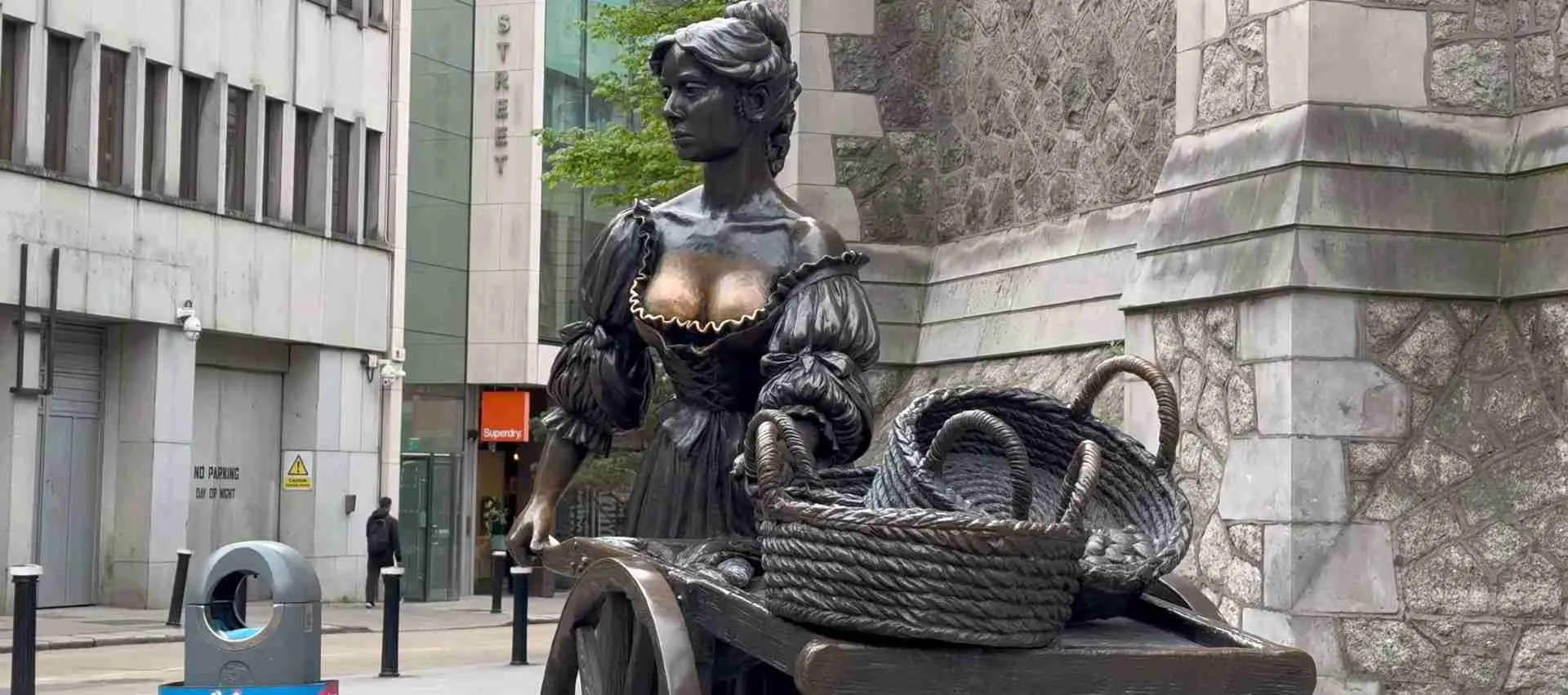
Dublin with Kids 2026: Complete Family Guide
Dublin transforms into an extraordinary playground for families, where Viking ships meet modern museums, medieval castles neighbor expansive parks, and interactive exhibits captivate children alongside world-class attractions that parents genuinely enjoy. This comprehensive guide reveals the best family experiences, child-friendly accommodations, budget strategies, and practical logistics for exploring Ireland’s capital with children in 2026.
Key Takeaways About Dublin Family Travel 2026
- Budget-Conscious Families: Expect €135-190 per adult daily assuming two adults sharing mid-range accommodation with children included, covering hotels, meals, transport, and attractions. Five-day family trips cost approximately €675-950 per adult with careful planning and strategic use of free museums.
- Mid-Range Family Comfort: Plan for €230-335 per adult daily for mid-range hotels, quality restaurants, convenient transport, and paid attractions. A comfortable five-day Dublin family holiday typically costs €1,150-1,675 per adult including accommodation, dining, activities, and local transport.
- Free Attractions Abundance: Dublin offers exceptional free family experiences including the Natural History Museum, National Museum of Ireland, Phoenix Park with playgrounds, St Stephen’s Green, and Merrion Square’s Oscar Wilde-themed playground, allowing families to enjoy world-class attractions without admission fees.
- Transport Excellence: Children aged 5-8 travel completely free on all public transport with a Child Leap Card, while older children pay just €0.65 per 90-minute journey. The TFI 90-minute fare system costs adults only €2, making Dublin’s buses, trams, and trains remarkably affordable for families.
- Interactive Learning: Dublin Zoo, Dublinia Viking Museum, EPIC Irish Emigration Museum, and the National Wax Museum Plus offer hands-on experiences where children learn through play, dressing up, touching exhibits, and exploring immersive environments designed specifically for young visitors.
- Stroller-Friendly City: Dublin’s compact city center, flat Georgian streets, accessible public transport, and numerous parks with paved paths make the city exceptionally easy to navigate with strollers, while most major attractions provide baby-changing facilities and family restrooms.
People Also Ask About Dublin with Kids 2026
How much does a family trip to Dublin cost per day in 2026?
A family of four visiting Dublin spends €135-190 per adult daily for budget-conscious travel, €230-335 per adult daily for mid-range comfort, or €375-565 per adult daily for luxury experiences. These figures assume two adults sharing hotel accommodation with children included in the room rate. Budget families staying in €100-140 hotels, eating at casual restaurants with €8-10 kids’ meals, using public transport extensively, and maximizing free museums keep costs at the lower end. Mid-range families choosing €180-280 hotels, dining at quality family restaurants, taking occasional taxis, and visiting paid attractions like Dublin Zoo reach the middle tier. Luxury families booking €350-550 premium hotels, enjoying upscale dining, using private transfers, and selecting VIP experiences approach the upper range.
What are the best free activities for kids in Dublin 2026?
Dublin’s finest free family attractions include the Natural History Museum with its Victorian whale skeletons and stuffed animal collections, the National Museum of Ireland featuring bog bodies and ancient treasures, Phoenix Park offering 1,750 acres with multiple playgrounds and wild deer herds, St Stephen’s Green providing Victorian gardens with ducks to feed, and Merrion Square’s Oscar Wilde-themed playground with climbing structures. Additional cost-free experiences include watching street performers on Grafton Street, exploring Temple Bar’s cobblestone streets, visiting the National Gallery’s family-friendly art collections, walking along the River Liffey spotting swans and boats, and enjoying the Georgian architecture of Merrion Square’s colorful doorways. These attractions provide full days of entertainment without spending on admission tickets.
Is Dublin Zoo worth visiting with children in 2026?
Dublin Zoo ranks as Ireland’s premier family attraction and delivers exceptional value for families visiting in 2026. The 28-hectare park houses over 400 animals across 70 species, requires a full day to explore properly, and offers multiple child-specific areas including the Family Farm with hands-on animal encounters, Zoorassic World featuring dinosaur exhibits, and several themed playgrounds strategically positioned throughout the grounds. Advance online booking saves money compared to gate prices and guarantees entry during peak periods. The zoo’s stroller-friendly paved paths, numerous picnic areas allowing families to bring their own food, educational talks throughout the day, and impressive habitats like the African Savanna and Asian Elephant Trail make it consistently the most popular family destination in Dublin with over one million annual visitors.
What is the best transportation option for families in Dublin 2026?
The TFI Leap Card represents the optimal transportation choice for families visiting Dublin in 2026, offering extraordinary value with children aged 5-8 traveling completely free and older children paying just €0.65 per 90-minute journey while adults pay €2. A family of four with school-age children spends approximately €20-25 daily on comprehensive public transport including buses, Luas trams, and DART trains covering all major attractions. The 90-minute fare allows unlimited transfers within the time window, meaning a family can combine bus and tram journeys for a single €2 adult charge. Daily caps at €6 per adult and weekly caps at €24 provide additional savings for longer stays. Leap Visitor Cards offering unlimited travel cost €8 for one day, €18 for three days, or €24 for seven days, though families using transport selectively often save more with regular Leap Cards paying per journey.
Extended multi-day tours – 5+ days
Featured Dublin Multi-Day Tour Packages
7 days
7 Day Dublin And Galway By Train
- ✓ Comprehensive Dublin tour
- ✓ Expert local guides included
- ✓ All accommodation arranged
- ✓ Transportation provided
1 days
Private Day Tour of Wicklow and Glendalough.
- ✓ Comprehensive Dublin tour
- ✓ Expert local guides included
- ✓ All accommodation arranged
- ✓ Transportation provided
6 days
6-Day Magical Southern Explorer Small Group Tour
- ✓ Comprehensive Dublin tour
- ✓ Expert local guides included
- ✓ All accommodation arranged
- ✓ Transportation provided
5 days
Ireland's Ultimate Whiskey & Beer Journey
- ✓ Booking needs min. 2 travelers
Multi-day tour packages powered by TourRadar. Prices and availability subject to change.
Introduction to Family-Friendly Dublin 2026
Dublin earns its reputation as one of Europe’s most welcoming cities for families through a combination of genuine Irish hospitality, compact walkable geography, and an abundance of attractions designed with children’s interests at the forefront. The Irish capital balances historical depth with contemporary appeal, allowing families to explore Viking settlements in the morning, medieval castles in the afternoon, and interactive science museums in the evening without requiring extensive travel between destinations.
The city’s manageable scale proves particularly valuable for families with young children. Most major attractions cluster within a two-kilometer radius of O’Connell Bridge, making it feasible to walk between destinations or take short public transport rides lasting under 15 minutes. This compact geography eliminates the exhaustion that plagues families visiting sprawling cities where each attraction requires 45-minute commutes.
Dublin’s cultural acceptance of children in public spaces distinguishes it from many European capitals. Restaurants welcome families with high chairs and children’s menus as standard practice, pubs serve food until early evening with families present, and public transport users demonstrate remarkable patience with crying babies or energetic toddlers. This genuine warmth toward children removes the stress many parents experience traveling with young ones in cities where they feel unwelcome.
The 2026 travel season brings enhanced family-friendly infrastructure including upgraded playground facilities in Phoenix Park, expanded interactive exhibits at EPIC Museum, and improved stroller access throughout the historic quarter. Dublin’s commitment to sustainable tourism has resulted in pedestrianized zones around major attractions, creating safe spaces where children can move freely without constant traffic concerns.
Ireland’s capital offers families the rare combination of educational value and genuine entertainment. Children absorb Irish history through costume try-ons at Dublinia rather than lecture halls, understand emigration through interactive digital displays at EPIC rather than textbooks, and learn about wildlife through close encounters at Dublin Zoo rather than passive observation. This experiential learning approach keeps children engaged while providing substantive educational content that justifies travel expenses for parents focused on enrichment.
Weather considerations shape Dublin family visits significantly. The city experiences mild temperatures year-round with averages ranging from 5-20°C, though rain arrives frequently regardless of season. Successful family visits require indoor backup plans, waterproof clothing for all family members, and acceptance that outdoor attractions may require flexibility in scheduling. The extensive collection of indoor family attractions including multiple museums, play centers, and covered experiences ensures that rainy days never ruin family plans.
Dublin’s public transport network delivers family-friendly accessibility that many European capitals struggle to match. Buses, trams, and trains accommodate strollers without requiring disassembly, stations provide elevators avoiding stairs, and the integration between transport modes allows seamless connections. The free travel offered to children aged 5-8 represents genuine savings for families rather than marketing gimmicks, with the €0.65 child fare for older children costing less than most cities charge adults.
Understanding Dublin’s Family-Friendly Geography 2026
Dublin divides into distinct family-friendly zones, each offering unique advantages depending on children’s ages and family interests. The city’s manageable size allows families to stay in one location and easily access all areas through short public transport rides or pleasant walks.
The City Centre encompasses the area between the River Liffey and St Stephen’s Green, hosting the highest concentration of family attractions within walking distance. Families staying centrally access Dublinia, Dublin Castle, the National Wax Museum Plus, Trinity College, and Temple Bar without requiring transport. The pedestrianized Grafton Street connects major shopping and dining options while street performers provide free entertainment. However, city center accommodation costs €200-350 nightly for family rooms, and traffic noise affects lighter sleepers.
The Phoenix Park area to the northwest offers proximity to Dublin Zoo, acres of open space for running and cycling, multiple playgrounds, and significantly lower accommodation costs at €120-180 nightly for equivalent hotels. The Castleknock Hotel specifically caters to families with connecting rooms, welcome gift bags for children, and giraffe mascots. Families prioritizing outdoor time and animal experiences find this location ideal, though reaching other attractions requires 20-30 minute public transport journeys into the city center.
The Southside neighborhoods of Ballsbridge, Sandymount, and Donnybrook provide residential character with nearby beaches, the RDS complex, and Herbert Park playground. Accommodation ranges €140-220 nightly, restaurants cater to local families rather than tourists with accordingly lower prices, and the DART train reaches the city center in 15 minutes. Families seeking quieter evenings away from tourist crowds appreciate this area, particularly those with children who enjoy beach walks and residential park playgrounds.
The Docklands district east of O’Connell Street combines modern apartments with waterfront promenades, EPIC Museum, the Jeanie Johnston famine ship, and excellent DART connections. Family-friendly apartment hotels like Staycity provide kitchens reducing meal costs, washing machines handling laundry, and separate living areas for parents after children sleep. Rates start at €120 nightly, though the area lacks the historic character that many families seek when visiting Ireland’s capital.
Airport vicinity hotels serve families with early flights or late arrivals, offering convenience at €100-140 nightly with free parking and airport shuttles. The Hilton Dublin Airport provides genuine family suites with separate bedrooms and fold-out beds accommodating larger families. However, reaching city attractions requires 30-40 minute journeys, making this location suitable only for overnight stops rather than extended stays.
Families must balance accommodation location against daily transport costs and time. Staying centrally at €250 nightly eliminates €15-20 daily transport expenses and saves 90 minutes of collective travel time, effectively narrowing the price gap between central and peripheral locations. Families with young children who tire easily benefit most from central locations, while those with older children comfortable with transport journeys save significantly staying in outer neighborhoods.
Essential Dublin Attractions for Families 2026
Dublin Zoo dominates family attraction rankings for valid reasons beyond marketing. The 28-hectare facility houses 400 animals representing 70 species across ten distinct habitat zones that replicate natural environments rather than traditional cages. Online advance tickets cost €22 for adults and €16 for children aged 3-15, with family tickets covering two adults and two children at €54, compared to gate prices of €24 adults and €17.50 children. Children under three enter free. Check the official website for current rates as seasonal pricing may vary. The African Savanna impresses with elephants, rhinos, giraffes, and zebras roaming expansive grasslands visible from multiple viewing platforms. The Asian Elephant Trail showcases Dublin Zoo’s breeding success with five calves born in recent years, offering morning feeding times when elephants demonstrate greatest activity.
The Family Farm provides hands-on experiences where children milk life-sized cow models, pet friendly goats and sheep, watch chicken feeding, and observe daily milking demonstrations at 11:30 AM. This agricultural exposure proves educational for urban children who have never encountered farm animals outside picture books. Zoorassic World combines reptile exhibits with full-scale dinosaur replicas, creating an unlikely but effective pairing that captivates children interested in both modern and prehistoric animals. The Himalayan Hills habitat replicates mountainous terrain for snow leopards and red pandas, with granite landscapes and elevated walkways placing visitors at eye level with these arboreal species.
Strategic planning maximizes zoo visits. Arriving at 9:30 AM when gates open provides cooler temperatures encouraging animal activity before midday heat drives them to shade. The zoo spans 28 hectares requiring significant walking, so comfortable footwear and stroller capability for younger children proves essential. Numerous playgrounds positioned throughout offer energy release points preventing frustration from excessive walking. Bringing picnic lunches rather than purchasing €8-12 café meals saves €30-40 for families of four, with dedicated picnic areas and covered pavilions providing comfortable eating spaces.
The National Wax Museum Plus on Westmoreland Street delivers three floors of interactive entertainment mixing celebrity wax figures, Irish historical displays, and fantasy worlds. Adult tickets cost approximately €16 with children €12 and family passes offering savings. The Epic Worlds of Fantasy section transports visitors into Star Wars, Game of Thrones, and Lord of the Rings settings with life-sized characters perfect for photo opportunities that older children particularly appreciate. The Mirror Maze challenges spatial reasoning as families navigate twisting passages of reflected walls creating optical illusions. The Enchanted Forest explores Irish folklore through immersive displays featuring leprechauns, fairies, and mythological creatures that younger children find enchanting. The museum opens daily 10 AM to 7 PM in the heart of Dublin’s city center, requiring two to three hours for comprehensive exploration.
Dublinia Museum adjacent to Christ Church Cathedral specializes in Viking and medieval Dublin through interactive exhibits where children become active participants rather than passive observers. Tickets cost approximately €12 adults and €7 children with family tickets available. The Viking section features a full-scale longship where children sit at rowing positions, a reconstructed Viking house with authentic smells of cooking and livestock, and dress-up costumes allowing young visitors to transform into Norse warriors. The Medieval section includes stocks where children get locked up for photos, armor try-ons, and archaeological displays from Wood Quay, the world’s largest Viking excavation site. The tower climb to the medieval bell tower rewards energetic children with panoramic Dublin views. Combined tickets with Christ Church Cathedral offer value for families interested in both attractions.
EPIC The Irish Emigration Museum in the Docklands earned Europe’s Leading Tourist Attraction award through innovative technology telling Ireland’s emigration story. Twenty interactive galleries use touchscreens, motion sensors, and digital displays engaging tech-savvy children while educating about Irish diaspora history. The museum suits children aged 10 and above who can comprehend complex historical narratives, though younger children enjoy the interactive elements without fully grasping content depth. Adult tickets cost approximately €18 with children €9 and family passes reducing per-person costs. Plan two hours minimum for thorough exploration.
The Natural History Museum, affectionately nicknamed the “Dead Zoo,” provides free admission to a Victorian-era collection virtually unchanged since 1857. Whale skeletons suspended from ceilings, rows of taxidermied animals from every continent, a 40,000-year-old woolly mammoth leg, and glass cases packed with specimens create an atmospheric time capsule that children find simultaneously fascinating and slightly eerie. The museum’s old-fashioned presentation contrasts sharply with modern interactive museums, offering a different educational approach focused on observation and discovery. Located on Merrion Street beside Government Buildings, the museum requires 60-90 minutes and serves as an excellent rainy-day backup requiring zero advance booking or admission fees.
Phoenix Park spans 1,750 acres making it Europe’s largest enclosed public park and one of the world’s largest urban parks. Free entry provides access to multiple playgrounds including the Visitor Centre playground with modern equipment, the People’s Garden with Victorian landscaping, and numerous open spaces for running, cycling, and picnicking. Wild deer herds roam freely throughout the park, offering unexpected wildlife encounters in the heart of the city. The Papal Cross marks Pope John Paul II’s 1979 visit, Áras an Uachtaráin serves as the Irish President’s residence with limited tours, and the Wellington Monument stands as a notable landmark. Families spending full days in Phoenix Park combine zoo visits with playground time, deer spotting, and peaceful woodland walks creating memorable outdoor experiences without spending beyond zoo admission.
St Stephen’s Green in the city center provides 22 acres of Victorian gardens with duck ponds, playgrounds, open lawns for running, and formal flower gardens. Free admission makes this a valuable rest stop between shopping or museum visits. The playground features swings, slides, and climbing frames suitable for toddlers through school-age children. Feeding ducks remains a perennial favorite activity requiring only bread or duck-appropriate food from home. The park’s central location means families can easily incorporate quick 30-minute play breaks when children need energy release during sightseeing days.
Merrion Square offers another free Georgian park with one of Dublin’s finest playgrounds themed around Oscar Wilde’s story “The Selfish Giant.” Climbing sculptures, beautifully landscaped flower beds, and age-appropriate equipment create an engaging play environment. The famous Oscar Wilde statue lounging on a rock provides a quirky photo opportunity. The square’s Georgian buildings with colorful doors showcase Dublin’s architectural heritage, and a posted walking trail explains the area’s historical significance.
Interactive and Educational Experiences Dublin 2026
Imaginosity Children’s Museum in Sandyford specializes in learning through play for children aged toddler through 10 years. Three floors contain themed zones including the Sensory Garden, Junior Explorium for children 2-7, construction areas, creativity studios, and STEM activity spaces. Admission costs approximately €13 per person with family passes available. Workshops cost around €11.50 while performances and exhibitions run approximately €15. The museum operates daily with advance booking recommended for weekend visits. Families typically spend two to three hours exploring all zones.
The Ark cultural center on Temple Bar exclusively programs content for children aged 2-12, commissioning performances, workshops, and exhibitions specifically for young audiences. Theatre performances, dance shows, music concerts, visual art workshops, and interactive installations rotate throughout the year. Ticket prices vary by event typically ranging €10-15 per person. The Ark’s program calendar published months in advance allows families to plan visits around specific performances matching their children’s interests.
Airfield Estate in Dundrum combines a working farm, Victorian house museum, adventure playground, woodland walks, and gardens on 38 acres. Children watch cows being milked, collect eggs from hens, meet farm animals up close, and explore heritage gardens. The estate hosts drop-in workshops during summer on topics like ecology, gardening, and mindfulness. Overends Kitchen café serves farm-to-fork meals. Admission costs approximately €8 adults and €4 children. Families typically spend three to four hours enjoying the comprehensive facilities.
The Leprechaun Museum on Jervis Street creates an immersive experience in Irish folklore and mythology suitable for children aged 6 and above. Giant furniture makes visitors feel leprechaun-sized, storytelling sessions bring myths to life, and interactive displays explore rainbow science and pot-of-gold legends. Guided tours lasting 50 minutes cost approximately €14 adults and €9 children. The museum works best for families interested in Irish culture beyond historical facts, offering whimsical entertainment with educational elements.
Malahide Castle and Gardens north of Dublin city provides a medieval castle experience with 260 acres of parkland. The castle interior features period rooms, historical exhibitions, and guided tours explaining 800 years of Irish history. The West Lawn Fairy Trail appeals to younger children with magical woodland paths and a Butterfly House displaying tropical species. The playground offers modern equipment including zip lines. The Fry Model Railway Museum displays Ireland’s largest model railway collection with detailed miniature landscapes. Entry costs approximately €14 adults and €8 children with family tickets available. Located 20 minutes from city center by DART train, Malahide makes an excellent half-day excursion.
Jump Zone at Liffey Valley provides Ireland’s largest indoor trampoline park with dedicated toddler areas, main jump zones, foam pits, dodgeball courts, and obstacle courses. Suitable for children over 5 years and 1 meter height, the facility requires advance booking particularly for weekend sessions. One-hour jump sessions cost approximately €12-15 per child with special family session rates. Parents jump free when supervising children under 8 years. The facility offers party packages and has adjacent shopping center for non-jumping family members.
Coastal and Nature Experiences for Dublin Families 2026
The Howth Peninsula fifteen kilometers north of Dublin city provides cliff walks, harbor seals, fishing villages, and seafood restaurants creating a memorable day trip. The Howth Cliff Walk offers spectacular coastal views with the easier 6-kilometer loop suitable for families with children aged 8 and above comfortable with uneven terrain. Harbor seals lounge on rocks near the marina entertaining young wildlife enthusiasts. Numerous cafés serve fish and chips with outdoor seating overlooking the harbor. The DART train reaches Howth from city center in 35 minutes for €2.65 adults and €0.65 children using Leap Cards.
Dún Laoghaire south of Dublin features a Victorian harbor with a two-kilometer pier walk, the People’s Park playground, and Forty Foot swimming area. The promenade walk proves entirely stroller-friendly with numerous benches for resting. Teddy’s ice cream shop represents a local institution serving classic flavors since 1950. The East Pier lighthouse rewards families completing the full walk with views across Dublin Bay. DART trains reach Dún Laoghaire in 25 minutes from city center. Gino’s ice cream near the harbor provides competition to Teddy’s, allowing families to sample both and declare their favorite.
Sandymount Strand offers a vast sandy beach perfect for sandcastle building, kite flying, and shallow paddling at low tide. The beach extends for miles at low tide, creating expansive play areas without crowds. The nearby Sandymount village provides cafés and restaurants for meal breaks. Families must check tide tables as high tide covers the beach entirely. The DART reaches Sandymount station in 15 minutes from city center with the beach a five-minute walk from the station.
Killiney Hill to the south provides relatively easy summit hikes rewarding families with panoramic views across Dublin Bay. The obelisk at the summit marks the highest point with 360-degree vistas. Multiple trail options accommodate different fitness levels, with the main path suitable for determined children aged 6 and above. The round-trip hike requires 90 minutes including summit time. Pack water and snacks as no facilities exist on the hill. Killiney DART station sits at the trail base.
The Bray to Greystones Cliff Walk represents one of Ireland’s most scenic coastal trails, though the 7-kilometer route proves challenging for young children. Families with children aged 10 and above who enjoy hiking find this excursion rewarding. The path clings to cliffs offering dramatic sea views throughout. Start from Bray and walk to Greystones, then catch DART trains back from either direction. Build three hours for the complete walk. The trail experiences closures during storms or high winds, so check status before traveling.
Botanic Gardens in Glasnevin offers 19.5 hectares of landscaped gardens, glasshouses with tropical plants, heritage rose gardens, and extensive lawns for picnicking. Free admission makes this an excellent budget-friendly destination. The glasshouses provide rainy-day shelter while maintaining outdoor experiences. Children enjoy spotting exotic plants, exploring different garden zones, and running on open lawns. The gardens require 90 minutes to two hours for thorough exploration. Located 3 kilometers from city center, buses reach the gardens in 20 minutes.
Rainy Day Indoor Activities Dublin 2026
Dublin’s notoriously unpredictable weather demands backup indoor plans that maintain children’s interest without defaulting to shopping centers. The city provides numerous engaging indoor options that feel like intentional destinations rather than rainy-day compromises.
The National Museum of Ireland – Archaeology at Collins Barracks displays Ireland’s archaeological treasures including bog bodies preserved for millennia, the Tara Brooch, the Ardagh Chalice, and Viking artifacts from Dublin excavations. Free admission makes this an excellent budget option. Interactive displays explain ancient Irish civilization through touchable replicas and digital reconstructions. The Dead Zoo Lab on site provides hands-on science activities where children examine skulls, feathers, and preserved specimens under microscopes with museum educators available for questions. Plan two hours for comprehensive exploration.
The National Museum of Ireland – Decorative Arts and History at Collins Barracks occupies a beautifully restored 18th-century military complex. Exhibitions cover Irish silver, ceramics, furniture, and military history. The soldiers and chiefs exhibition featuring historical Irish military uniforms and weapons particularly captures children’s interest. Costume displays allow children to imagine historical periods through clothing styles. Free admission and café facilities make this another rainy-day value option.
The National Gallery of Ireland on Merrion Square provides free entry to world-class art collections including works by Caravaggio, Vermeer, Monet, and Picasso alongside extensive Irish art. The gallery offers “Through a Lens” self-guided family tours selecting artworks accessible to babies, toddlers, and families. Art workshops for children run regularly throughout the year. The child-friendly café provides high chairs and children’s menu options. Even families without particular art interest find 60-90 minutes here worthwhile, especially when seeking free indoor shelter from rain.
The Little Museum of Dublin on St Stephen’s Green occupies a Georgian townhouse telling Dublin’s 20th-century story through donated artifacts from residents. Guided tours lasting 30 minutes incorporate humor and anecdotes making history accessible to children aged 8 and above. The museum’s smaller scale prevents overwhelming younger visitors who tire quickly in massive institutions. Admission costs approximately €10 adults and €5 children with free entry for under-7s. The location across from St Stephen’s Green allows easy combination with playground time once weather improves.
The GPO Museum on O’Connell Street occupies the historic General Post Office building central to Ireland’s 1916 Easter Rising. Interactive exhibits let children send coded messages, examine historical weapons safely displayed behind glass, and experience an immersive 15-minute film depicting the rising’s events through powerful visuals and sound. The museum suits children aged 10 and above who can grasp complex political history. Admission costs approximately €13 adults and €8 children. Plan 90 minutes for thorough exploration including the film.
Bowling alleys across Dublin including Leisureplex Stillorgan and Leisureplex Blanchardstown provide classic family entertainment with bumper lanes for younger children, arcade games, and on-site restaurants. Hourly lane rental costs approximately €25-35 depending on time and location, with shoe rental around €3 per person. Booking ahead for weekend visits ensures availability. Two hours including bowling and arcade time typically satisfies families.
Cinemas throughout Dublin screen family-friendly films with matinee showings offering better value than evening sessions. Savoy Cinema on O’Connell Street, Cineworld Parnell Street, and Odeon Point Square provide centrally located options. Tickets cost approximately €10-13 for adults and €8-10 for children with family deals available. Bringing snacks from nearby shops rather than purchasing expensive cinema concessions saves €15-20 for families.
Dublin Accommodation for Families 2026
Budget family accommodation in Dublin focuses on value over luxury, with hostels, budget hotels, and guesthouses offering functional rooms at €100-140 nightly for families of four. Generator Hostel Dublin provides private family rooms with bunk beds starting at €100, located centrally on Smithfield Square with café, game rooms, and social spaces appealing to families with older children comfortable with hostel environments. Abbey Court Hostel near O’Connell Bridge offers private family rooms from €90 in the heart of Temple Bar, though street noise affects light sleepers. Maldron Hotel Pearse Street from €100 provides traditional hotel amenities including full Irish breakfast, family rooms with double beds plus sofa beds, and 15-20 minute walks to city center attractions.
Budget families often find greater value in apartment hotels providing kitchens for breakfast and simple meals, washing machines for laundry, and separate living areas after children sleep. Staycity Aparthotels Dublin Castle from €120 offers studio apartments and one-bedroom units accommodating four people, located steps from Dublin Castle and major attractions. Preparing breakfasts and packed lunches in apartments saves €25-35 daily compared to restaurant meals, effectively offsetting higher accommodation costs.
Mid-range family hotels in the €180-280 nightly range provide comfortable rooms, on-site restaurants, convenient locations, and family-focused amenities. Clayton Hotel Burlington Road from €180 offers spacious family rooms with excellent transport connections and full breakfast buffets. The Grafton Hotel from €220 positions families in the heart of Grafton Street shopping district with upscale dining and attractions walkable within minutes. Drury Court Hotel near Grafton Street from €200 receives consistent praise from families for location, breakfast quality, and welcoming staff attitude toward children.
Castleknock Hotel from €180 specializes in families visiting Dublin Zoo, located nine kilometers from the zoo entrance in quiet Phoenix Park surroundings. Family rooms and connecting bedrooms accommodate various family sizes, welcome gift bags delight children upon arrival, giraffe mascot toys create lasting memories, and the indoor heated pool provides entertainment beyond sightseeing. The hotel’s distance from city center suits families prioritizing outdoor time and zoo visits over urban cultural attractions.
Clayton Hotel Liffey Valley from €150 targets families with young children through indoor pools, kids’ pools, games rooms with air hockey and racing games, and proximity to Jump Zone trampoline park. Standard family rooms accommodate two adults and three children under 12 with one in a travel cot. The nearby Liffey Valley Shopping Centre provides 80 stores, 20 restaurants, and cinema entertainment for evenings after attractions close.
Luxury family accommodations in the €350-550 nightly range deliver exceptional service, prime locations, elegant rooms, and premium amenities. The Merrion Hotel from €400 ranks among Dublin’s finest five-star properties with 33 interconnecting rooms for families, babysitting services allowing parents romantic meals at the two-Michelin-star restaurant, a blue-tiled pool in the spa, and location steps from Merrion Square’s playground. The Shelbourne Hotel from €420 provides Dublin’s most iconic luxury address on St Stephen’s Green, with 33 interconnecting rooms, children’s menus at elegant restaurants, and doorstep access to the park’s playground.
The Westbury Hotel from €350 occupies prime Grafton Street location with spacious family rooms, concierge arranging baby equipment delivery, and central positioning making car-free tourism feasible. The Marker Hotel from €380 in the Docklands combines modern design with EPIC Museum proximity, rooftop bar views, and excellent DART connections.
Clontarf Castle Hotel from €200 delivers unique castle accommodation appealing particularly to Harry Potter fans and children fascinated by medieval history. Family rooms include two double beds, 55-inch interactive TVs, and tea/coffee facilities. The Knights Bar and restaurant feature historic stonework creating atmospheric dining experiences. Special family packages often include treasure trails and seasonal activities.
Families booking accommodation should prioritize location over luxury, as central hotels save daily transport time and costs. A family staying in a €250 central hotel spends zero minutes traveling to attractions and saves €15-20 daily in transport costs compared to a €150 suburban hotel requiring 90 minutes collective daily transport time and Leap Card purchases. The €100 nightly difference narrows to €20-30 when factoring transport costs and time value.
Apartment hotels provide particular value for families staying five or more nights. Preparing six breakfasts saves €120 for a family of four compared to café breakfasts at €5 per person. Making packed lunches for three days saves another €100 compared to restaurant lunches. The €220 savings from these two strategies alone covers half the apartment hotel cost differential versus budget hotels without kitchens.
Dublin Dining with Children 2026
Irish culture welcomes children in restaurants during daytime and early evening without the strained tolerance common in some European cities. Most establishments provide high chairs, children’s menus, and coloring activities without requiring requests. Understanding Dublin’s dining landscape helps families balance nutrition, budget, and children’s preferences across different meal occasions.
Breakfast strategies significantly impact daily budgets. Hotel breakfasts costing €12-18 per adult and €8-10 per child total €40-55 for families of four, mounting to €200-275 over five days. Apartment hotel guests preparing breakfast from groceries spend €30-40 total for five days’ worth of cereals, milk, bread, yogurt, and fruit purchased at Tesco or Supervalu supermarkets. This €160-235 breakfast savings funds attraction tickets or special restaurant dinners. Families without kitchens find value in Insomnia cafés offering breakfast sandwiches at €4-6, Bewley’s Café serving traditional Irish breakfasts at €12, and Butler’s Chocolate Café providing continental options at €7-10.
Lunch options balance convenience against cost. Sandwich shops like O’Brien’s and Subway create custom sandwiches for €5-8, while Boots and Tesco Express sell pre-packaged meal deals including sandwich, snack, and drink for €4-5. Families picnicking in Phoenix Park or St Stephen’s Green save significantly versus restaurant lunches. Packing lunches from apartment hotel kitchens or supermarket meal deals costs €15-20 for four people compared to €50-70 for casual restaurant lunches.
Casual family dining venues prioritize child-friendly atmospheres with reasonable prices. Captain Americas on Grafton Street and in Blanchardstown serves American classics including burgers, chicken tenders, fish and chips, and nachos with children’s menus around €8-10. The Church café on Mary Street occupies a converted 17th-century church creating unique atmosphere with soaring ceilings, two dining levels, and live Irish music most evenings. Mains cost €15-28 for adults and children’s menus €8-10. Early-bird specials between 5-7 PM offer two or three courses for €20-25 versus €30-40 regular prices.
The Woollen Mills beside Ha’penny Bridge provides family-friendly dining on multiple floors with the ground floor offering casual service and the second-floor balcony creating calmer atmosphere with fairy lights and plants. Children’s coloring menus keep younger diners occupied while adults enjoy quality food at €15-20 mains. The Korean burger receives consistent praise from families. Temple Bar Grill offers traditional Irish fare in tourist-friendly surroundings with fish and chips, Irish stew, and soda bread at €18-25 mains plus €8-10 kids’ meals.
Ethnic restaurants often deliver better value than Irish or international chains. Brother Hubbard North on Capel Street serves Middle Eastern-inspired food tolerated well by family energy levels, with €12-18 mains and relaxed service. Mak at D8 provides Korean cuisine including bibimbap and Korean fried chicken at €15-20 mains with children finding the interactive element of Korean barbecue engaging. Zaytoon on Parliament Street and Lower Camden Street serves excellent kebabs, shawarma, and Middle Eastern plates at €8-12, perfect for quick family dinners.
Pizza represents universal family appeal with value pricing. Base Wood Fired Pizza at multiple locations creates Neapolitan-style pizzas from €12-16 feeding two children or one hungry adult. Pi Pizza on Georges Street offers creative toppings on sourdough bases at €15-18. Black Dog Pizzeria provides specialty and create-your-own options with daily specials like free garlic knots with large pizzas. Families sharing two large pizzas spend €30-35 feeding four people comfortably.
Early-bird menus between 5-7 PM slash costs substantially. Two-course meals costing €20-25 early versus €35-45 regular save families €60-80 over five nights. Groupon Ireland features restaurant vouchers offering 30-50% discounts at family-friendly establishments. Advance checking of Groupon deals during trip planning periods can uncover significant savings.
Ice cream shops provide essential family entertainment across Dublin. Teddy’s in Dún Laoghaire serves classic flavors since 1950 from €3-5 per cone. Gino’s on Howth harbor competes with Teddy’s for “best ice cream” honors at similar prices. Murphy’s Ice Cream shops across Dublin serve premium Irish artisan ice cream from €4-6. Johnson’s Ice Cream in Dublin offers unique flavors like Coffee and The Cool Beans alongside classics at €3-5 with kid sizes available.
Self-catering families maximize grocery savings shopping at Tesco, Lidl, Aldi, or Supervalu supermarkets. A week’s breakfast and lunch supplies for four costs approximately €60-80 at discount supermarkets versus €200-300 for equivalent restaurant meals. Many apartment hotels provide washing machines allowing families to pack lighter and wash clothes mid-trip rather than overpacking.
Transportation Strategies for Dublin Families 2026
Dublin’s public transport system delivers exceptional family value through the TFI Leap Card scheme offering free travel for children aged 5-8, €0.65 fares for older children, €2 adult fares, and daily caps preventing excessive costs. Understanding the system mechanics helps families minimize transport spending while maximizing convenience.
The TFI 90-minute fare represents the foundation of Dublin’s transport value. Adults pay €2 for unlimited bus, Luas tram, and DART train transfers within 90 minutes of first boarding. A family taking a bus from their hotel to Dublin Zoo, then a tram to the city center for lunch, then another bus back to the hotel within 90 minutes pays just €4 for two adults if all journeys occur within the time window. Children aged 5-8 riding free and older children paying €0.65 add minimal costs.
Leap Cards require €5 upfront purchase at 200+ retailers including Spar, Centra, Post Offices, and train stations, plus minimum €5 credit loaded initially. Cards remain active for five years, useful for families planning future Dublin visits. The card reader displays remaining credit after each tap, helping families monitor spending. Online top-ups through the Leap website or TFI app add credit remotely when balances run low.
Daily spending caps protect families from runaway costs on busy sightseeing days. Adults reaching €6 in fares within one day continue traveling free for the remainder of that day. Weekly caps at €24 per adult cover unlimited seven-day travel. A family of four with two adults and two older children spending five days in Dublin using extensive public transport might spend €60 total for two adult weekly caps versus €120+ for individual journey payments without capping benefits.
Children aged 0-4 ride completely free without requiring cards. Children aged 5-8 require Child Leap Cards obtained free from Leap Card website or TFI offices, but pay zero fares. Children aged 9-18 pay €0.65 per 90-minute journey. A family of four with children aged 6 and 10 pays only €2.65 per journey (two adults at €2, one child free, one child €0.65) regardless of transfers within 90 minutes.
Leap Visitor Cards marketed specifically to tourists offer unlimited travel for 1, 3, or 7 days at €8, €18, or €24 respectively. However, families using transport selectively often save money with regular Leap Cards paying per journey. A family making four 90-minute journeys daily pays €10.60 (€8 adults, €2.60 children) versus €32 for four one-day Visitor Cards. Visitor Cards benefit families using transport 8+ times daily, while regular Leap Cards suit families combining walking with selective transport.
Dublin Bus operates 130+ routes covering virtually all destinations within the city and suburbs. Buses accept Leap Cards and exact cash fares, though drivers provide no change for overpayment. Families without Leap Cards paying €3 cash per adult bus ride quickly accumulate expenses justifying the €5 card investment. The 90-minute transfer window allows bus-to-bus, bus-to-Luas, or bus-to-train combinations on a single fare.
Luas trams serve two lines connecting key destinations. The Green Line runs from Broombridge through St Stephen’s Green to Brides Glen passing Trinity College and Grafton Street. The Red Line connects Tallaght/Saggart to The Point/Connolly Station via Heuston Station and Smithfield. Trams run every 5-15 minutes depending on time and line. Families must tap cards when boarding and exiting to avoid maximum fares.
DART trains operate along the coast from Howth and Malahide north through city center to Greystones south, providing the fastest connections to coastal attractions like Howth cliff walks, Dún Laoghaire harbor, and Sandymount beach. Trains run every 10-20 minutes during daytime. DART proves particularly valuable for families staying in coastal suburbs reaching city center attractions.
Airport transport requires specific planning as Leap Visitor Cards exclude airport buses. Regular Leap Cards work on Airlink Express 747 and 757 buses costing €7 per adult or on standard Dublin Bus route 16 costing €3.30 per adult from the airport to city center. The €3.70 savings per person using route 16 instead of Airlink totals €14.80 for families of four, though journey time extends from 30 to 45 minutes. Taxis from airport to city center cost €25-35 with space for family luggage but eliminate public transport savings.
Walking proves feasible between many central attractions. Trinity College to Dublin Castle spans 800 meters taking 10 minutes. Temple Bar to St Stephen’s Green covers 600 meters in 8 minutes. The compact geography reduces reliance on transport for families staying centrally and comfortable walking with children.
Stroller accessibility rates exceptionally high across Dublin’s transport system. Buses provide low floors and dedicated stroller spaces, Luas trams offer level boarding with wide doors, DART trains include accessible carriages, and stations feature elevators to platforms. Families never need disassemble strollers for public transport access, a notable convenience advantage over many European cities.
Budget Breakdowns by Travel Style 2026
Understanding complete daily costs helps families set realistic budgets avoiding mid-trip financial stress. These breakdowns assume families of four with two adults and two school-age children staying five days in Dublin during 2026.
Budget family travel prioritizes free attractions, apartment hotels with kitchens, public transport, and selective splurges on top-tier experiences. Budget families staying in €100-140 hotels, preparing many meals, using Leap Cards extensively, and maximizing free museums spend €135-190 per adult daily including all accommodation, food, transport, and attractions. A budget-conscious five-day Dublin trip costs approximately €675-950 per adult, totaling €1,350-1,900 for parents with children’s costs included in hotel rates and minimal attraction fees.
Daily budget breakdown: Accommodation €50-70 per adult assuming two adults sharing €100-140 room with children included, breakfast from supermarkets or budget cafés €8-12 per adult, packed or budget lunch €8-12 per adult, casual restaurant dinner €25-35 per adult including children’s meals, transport via Leap Card €8-12 per adult daily, attractions averaging €15-30 per adult mixing free museums with paid experiences. Five-day totals: accommodation €250-350, meals €200-290, transport €40-60, attractions €75-150 per adult.
Mid-range family comfort elevates accommodation quality, increases restaurant dining frequency, adds convenience transport like occasional taxis, and includes more paid attractions. Mid-range families spending €230-335 per adult daily book €180-280 hotels, eat most meals in restaurants, use mixed transport, and visit paid museums and tours. A comfortable five-day Dublin family holiday costs approximately €1,150-1,675 per adult, totaling €2,300-3,350 for parents.
Daily mid-range breakdown: Accommodation €90-140 per adult for two adults sharing €180-280 room, breakfast at hotel or quality café €12-18 per adult, restaurant lunch €15-25 per adult, restaurant dinner €35-50 per adult, transport combining Leap Card with occasional taxi €10-15 per adult, attractions including paid museums and tours €40-60 per adult. Five-day totals: accommodation €450-700, meals €310-465, transport €50-75, attractions €200-300 per adult.
Luxury family travel prioritizes premium hotels, upscale dining, private transport, VIP experiences, and maximum convenience. Luxury families spending €375-565 per adult daily stay in €350-550 hotels, dine at fine restaurants, use taxis and private cars, and book exclusive tours. A luxury five-day Dublin family visit costs approximately €1,875-2,825 per adult, totaling €3,750-5,650 for parents.
Daily luxury breakdown: Accommodation €175-275 per adult for two adults sharing €350-550 room, hotel breakfast or upscale brunch €18-28 per adult, quality lunch €25-40 per adult, fine dining dinner €60-90 per adult, private transport and taxis €20-30 per adult, VIP tours and premium attractions €60-90 per adult. Five-day totals: accommodation €875-1,375, meals €515-790, transport €100-150, attractions €300-450 per adult.
These ranges account for inevitable variations in spending. Some days cost more when visiting Dublin Zoo and dining at sit-down restaurants, while days exploring free museums and picnicking in Phoenix Park cost less. The ranges provide realistic planning figures rather than rigid predictions.
Sample Family Itineraries Dublin 2026
Three-day budget family itinerary maximizing free attractions and minimizing costs totals approximately €405-570 per adult for the complete visit. Day one explores the city center starting with Trinity College grounds admissions-free except Book of Kells, walking through Temple Bar’s cobblestone streets to Dublin Castle exterior viewing, entering Christ Church Cathedral at €8 adults and €4 children, continuing to the National Museum of Ireland free entry, lunching at O’Brien’s sandwich shop for €25 family total, afternoon at Natural History Museum free entry, and St Stephen’s Green playground. Day two visits Dublin Zoo with advance online family ticket €54, bringing packed lunch from apartment hotel, spending full day at zoo and Phoenix Park playgrounds, dinner at Captain Americas €55 family total. Day three explores EPIC Museum €60 family total, walks along River Liffey free, visits the National Gallery free entry, shops along Grafton Street, watches street performers free, and takes DART to Sandymount beach €5.30 family total. Accommodation €100 nightly at budget hotel, breakfast from supermarkets €30 total three days, lunches €60 total mixing packed and budget meals, dinners €110 total, transport €25 total, attractions €126 total equals €451 per adult for three days.
Five-day mid-range family itinerary balancing paid attractions with comfort accommodations costs approximately €1,150-1,675 per adult. Day one explores city center including Trinity College Book of Kells €56 family, walks Temple Bar, enters Dublin Castle €28 family, lunches at The Woollen Mills €65, visits National Museum free afternoon, dines at The Church €85. Day two spends morning at Dublin Zoo advance family ticket €54, brings lunch or uses zoo café €45, explores Phoenix Park afternoon free, dines at Brother Hubbard €70. Day three visits National Wax Museum Plus €48 family, explores Grafton Street shopping and lunch €70, visits Dublinia Museum €50 family, attends evening performance at The Ark €60. Day four takes DART to Howth €10.60 family, walks cliff paths free, lunches with harbor views €75, returns to city for Natural History Museum free, dines at Pi Pizza €45. Day five explores Malahide Castle €56 family with grounds, DART round trip €10.60, lunch in Malahide €65, afternoon shopping and final city walks, farewell dinner €90. Accommodation €200 nightly mid-range hotel, breakfast €280 total, lunches €415 total, dinners €365 total, transport €65 total, attractions €352 total equals €1,477 per adult for five days.
Seven-day luxury family experience including premium hotels and exclusive experiences costs approximately €2,625-3,955 per adult. Days include Dublin Zoo with private keeper experience, Malahide Castle with guided tours, EPIC Museum with audio guide, evening performance at Gaiety Theatre, Howth cliff walk with seafood lunch at Aqua Restaurant, Phoenix Park with gourmet picnic from Fallon and Byrne, Dublin Ghost Bus Tour, Guinness Storehouse with family package, Kilmainham Gaol guided tour, shopping excursion to Powerscourt Townhouse, and farewell dinner at Chapter One. Luxury accommodation €400 nightly, premium dining all meals, private car service for longer journeys, VIP attraction access creates comprehensive high-end experience.
Money-Saving Strategies for Dublin Families 2026
Strategic planning dramatically reduces Dublin family vacation costs without sacrificing experience quality. Accommodation timing affects pricing significantly with weekday rates 20-30% lower than weekends at many hotels. Booking Tuesday-Thursday departures rather than Friday-Sunday saves €150-250 on five-night stays. Off-season visits during January-February and November see hotel rates drop 30-40% below summer peaks, with €250 summer hotels costing €150-180 winter.
Advance attraction booking online saves consistently across Dublin. Dublin Zoo tickets purchased advance online cost €22 adults versus €24 gate, saving €8 for families of four on this single attraction. Many museums offer online booking discounts of 10-15%. Booking all attractions three weeks ahead saves €30-50 total for typical five-day itineraries visiting six paid attractions.
Maximizing free attractions reduces entertainment costs to nearly zero while maintaining high-quality experiences. Dublin offers 8-10 hours of free museum time between Natural History Museum, National Museum of Ireland branches, and National Gallery, plus unlimited free time in Phoenix Park, St Stephen’s Green, and Merrion Square. Families visiting four free museums and spending eight hours across three free parks eliminate €150-200 in attraction costs compared to all-paid itineraries.
Meal planning represents families’ largest savings opportunity. Staying in apartment hotels and preparing half of meals from supermarket groceries saves €200-300 over five days versus full restaurant dining. Packing lunch for three zoo days saves €90 compared to purchasing €30 café lunches. Combining supermarket breakfasts, packed lunches, and restaurant dinners reduces meal costs 40-50% while maintaining dietary satisfaction.
Early-bird restaurant specials and Groupon vouchers slash dinner costs. Six dinners using 5-7 PM early-bird menus at €22 versus €38 regular saves €96 for families of four. Advance checking Groupon Ireland and purchasing restaurant vouchers at 40-50% discounts saves another €80-120 over six dinners. Combined early-bird and Groupon strategies cut dinner spending by €175-215.
Dublin Pass provides bundled attraction entry to 35+ sites including Guinness Storehouse, Jameson Distillery, Christ Church Cathedral, Dublin Castle, and more. One-day passes cost approximately €59 adults and €35 children, three-day passes €89 adults and €54 children, five-day passes €109 adults and €64 children. Families visiting six major paid attractions over three days save €40-80 versus individual tickets through pass usage. However, families prioritizing free museums and selective paid attractions often save more without the pass.
Walking between central attractions eliminates transport costs entirely. Families staying near St Stephen’s Green reach Trinity College, Dublin Castle, Temple Bar, National Museum, and Natural History Museum on foot saving €10-15 daily in Leap Card costs over five days. The saved €50-75 offsets higher central accommodation costs while providing exercise and neighborhood atmosphere appreciation.
Playground-hopping provides free entertainment extending expensive attraction visits. Combining two hours at Dublin Zoo with two hours at Phoenix Park playgrounds creates four-hour outings for the zoo admission price alone. Adding St Stephen’s Green playground time after Natural History Museum visits extends free museum mornings into full afternoon activities. Strategic playground timing prevents children’s boredom and parents’ attraction-admission pressure.
Shared family tickets deliver better value than individual entries at most paid attractions. Dublin Zoo family tickets (two adults, two children) cost €54 versus €76 for four individual tickets, saving €22. Dublinia family tickets save approximately €12 versus individual entries. Always checking family ticket options before purchasing individual tickets saves €50-70 total across typical five-day itineraries.
Free walking tours operated by Sandeman’s New Europe and other companies run on tips-only basis with guides earning through voluntary payments. Two-hour city center walking tours provide excellent orientation and historical context with families paying whatever they consider appropriate, typically €5-10 per adult versus €15-25 for paid tours. Children participate free on all tours.
Seasonal Considerations for Dublin Family Visits 2026
Summer months June through August bring warmest weather averaging 15-20°C, longest daylight hours extending until 10 PM, school holiday crowds at all attractions, and peak accommodation pricing 40-50% above winter rates. Families visiting summer enjoy outdoor activities without weather concerns but face €250-350 nightly hotel costs versus €150-220 winter, plus advance booking requirements and attraction queues. Dublin Zoo, Phoenix Park, and coastal walks shine during summer with comfortable temperatures for extended outdoor time.
Shoulder seasons in May and September offer ideal family visit conditions combining reasonable weather (12-16°C averages), reduced crowds as Irish schools remain in session, moderate accommodation pricing 20-30% below summer peaks, and comfortable attraction touring without long waits. May brings spring flowers across parks and gardens while September delivers autumn colors and stable weather patterns. These months balance cost savings against experience quality effectively.
Winter visits during December through February present challenging weather with temperatures averaging 5-8°C, frequent rain, and early darkness around 4:30 PM but deliver dramatic cost savings with hotel rates 40-50% below summer. A €300 summer hotel costs €180 winter, saving €600 over five nights. Winter visitors prioritize indoor attractions including museums, theaters, and shopping while accepting weather limitations on outdoor activities. Christmas markets and festive decorations through December create special atmosphere compensating for weather challenges.
Spring months March and April deliver unpredictable weather alternating between pleasant sunny days and cold rainy spells, with accommodation costs gradually rising from winter to summer rates. Easter holidays bring Irish school break crowds to attractions while other weeks remain quiet. Spring suits flexible families prepared to adapt itineraries to daily weather conditions.
Autumn October through November provides excellent value with stable weather, beautiful autumn colors in parks, reduced crowds after school summer holidays, and falling accommodation rates approaching winter levels. October half-term brings one busy week when Irish schools break, while other weeks offer peaceful attraction touring. Halloween celebrations throughout Dublin create festive atmosphere with decorations, costumes, and special events.
School holiday periods dramatically affect crowds and pricing. Irish schools break for summer late June through August, mid-term October week, Christmas two weeks, mid-term February week, and Easter week. Families visiting outside these periods encounter smaller crowds, shorter attraction queues, and better hotel availability. International visitors with scheduling flexibility should avoid Irish school holidays for optimal experience.
Weather preparation proves essential regardless of season. Rain occurs year-round averaging 12-13 rainy days monthly, so waterproof jackets, rain boots for children, and umbrella stroller covers protect families from misery. Layered clothing adapts to Ireland’s fluctuating temperatures rising and falling throughout single days. Even summer brings 12-15°C mornings requiring light jackets before warming to 18-20°C afternoons.
Practical Dublin Family Travel Tips 2026
Dublin Airport sits 10 kilometers north of city center with excellent bus connections but limited train service. Families arriving daytime use Dublin Bus route 16 at €3.30 per adult reaching O’Connell Street in 45 minutes, while Airlink Express buses 747 and 757 cost €7 per adult but reach city center in 30 minutes. Taxis cost €25-35 accommodating families with luggage but eliminating public transport savings. Families with multiple suitcases and tired children often find taxis worth the premium after long flights.
Stroller selection impacts daily convenience significantly. Lightweight compact strollers navigating cobblestones and folding quickly for buses prove most practical. Heavy all-terrain strollers create challenges on public transport and tight café spaces. Stroller-free families with children aged 5-10 gain mobility using lightweight backpacks for tired child carrying rather than managing strollers through crowds.
Accommodation location deserves priority over room size or amenities. Families staying centrally save 90 minutes daily in collective transport time and €15-20 in transport costs while enabling spontaneous schedule adjustments. Children needing afternoon rests benefit from hotels 10 minutes’ walk from major attractions allowing quick returns for naps before evening activities. Suburban hotels requiring 30-minute journeys complicate naptime schedules and force commitment to full-day itineraries.
Pacing prevents family burnout during Dublin visits. Over-scheduling creates stressed children and frustrated parents, while strategic rest builds sustainable multi-day enjoyment. Successful families schedule one major attraction per day (Dublin Zoo, Malahide Castle, day trip to Howth), one secondary activity (playground, shopping, free museum), and extensive downtime for meals, walking, and rest. This relaxed pace allows children to process experiences rather than rushing between attractions in exhaustion.
Backup plans for rainy days prevent disappointment and maintain schedule momentum. Every outdoor activity should have an indoor alternative: Phoenix Park rainy backup is Natural History Museum, Howth cliff walk backup is National Gallery, beach day backup is swimming pool or cinema. Checking weather forecasts morning allows real-time itinerary adjustments before leaving hotels.
Child engagement strategies maintain interest across museum visits and historical sites. Scavenger hunts where children find specific artifacts or architectural features, photography missions assigning children to capture particular subjects, and reward systems promising ice cream after museum cooperation transform educational activities into engaging challenges. The National Museum’s high-quality gift shop provides affordable post-visit rewards at €3-8 maintaining visit motivation.
Food preparation for long attraction days prevents meltdowns and excessive spending. Packing water bottles, granola bars, fruit, and crackers in daypack provides snacks preventing €15-20 café stops purchasing overpriced snacks when children inevitably claim starvation between planned meals. These supplies prove especially valuable at Dublin Zoo where café prices average €8-12 for basic sandwiches.
Timing major attractions optimally enhances experiences. Dublin Zoo visits starting 9:30 AM when gates open provide cooler temperatures encouraging animal activity and smaller crowds than midday arrivals. Museums visited late afternoon after school tour groups depart offer peaceful viewing. Weekend mornings see heavier tourist crowds than weekday mornings at all attractions.
Photo documentation engages children while creating lasting memories. Children assigned to photograph family adventures develop ownership of travel experiences while learning photography basics. Smartphone cameras suffice for children aged 8-12, while disposable waterproof cameras suit younger children at €12-15. Creating shared family photo albums during trips encourages children to reflect on daily experiences.
Emergency contacts and preparations provide peace of mind. Dial 112 or 999 for all emergency services in Ireland connecting to ambulance, police, and fire. Temple Street Children’s University Hospital at +353 1 878 4200 provides pediatric emergency care for medical situations. Our Lady’s Children’s Hospital Crumlin at +353 1 409 6100 offers alternative pediatric emergency services. Carrying basic first aid supplies including children’s pain relievers, bandages, and antihistamines prevents pharmacy searches during emergencies.
Age-Specific Dublin Recommendations 2026
Families with toddlers aged 1-4 prioritize enclosed playgrounds, animal encounters, and flexible schedules accommodating naps and early bedtimes. St Stephen’s Green playground with fenced boundaries and age-appropriate equipment proves ideal for toddler supervision. Phoenix Park Visitor Centre playground offers similar enclosed safety. Dublin Zoo Family Farm allows hands-on animal petting perfect for toddler sensory experiences. The Natural History Museum’s unchanging exhibits since 1857 paradoxically engage toddlers who enjoy pointing at taxidermied animals without requiring complex explanations. Toddler-friendly accommodation requires ground-floor or elevator access for stroller convenience, and central locations enabling quick returns for afternoon naps.
Families with children aged 5-8 expand possibilities to include interactive museums, simple adventure activities, and educational attractions. Dublinia Museum’s dress-up costumes and Viking ship particularly engage this age group. The National Wax Museum Plus Mirror Maze provides appropriate challenge without frustrating younger children. Phoenix Park deer spotting creates excitement through wildlife encounters. Imaginosity Children’s Museum targets this age specifically with hands-on learning zones. Beach visits to Sandymount Strand for sandcastle building and Dublin Zoo’s extensive grounds provide physical activity opportunities. This age manages 4-5 hours of structured activities before requiring rest, allowing two attractions daily plus downtime.
Families with children aged 9-12 enjoy full adult attraction access with genuine interest in historical content and longer attention spans. EPIC Museum engages pre-teens through interactive technology explaining Irish emigration. The GPO Museum and Kilmainham Gaol provide accessible Irish history for children beginning to grasp political concepts. Howth cliff walks challenge without overwhelming children comfortable with 90-minute hikes. This age appreciates Dublin Castle tours, Trinity College visits beyond the Book of Kells, and National Museum archaeological exhibits. Pre-teens manage 6-7 hours of structured activities allowing three attractions or two attractions plus extended time at one location.
Teenagers aged 13-17 transition from children’s attractions toward adult cultural experiences while maintaining interests in active adventures. Rock climbing at Awesome Walls, coastal walks to Greystones, shopping along Grafton Street, and evening theater performances at The Abbey Theatre engage teenage interests. Guinness Storehouse and Jameson Distillery tours fascinate teenagers interested in Irish culture despite alcohol content. EPIC Museum and GPO Museum resonate with teenagers studying history. Street food markets and trendy cafés appeal to teenage dining preferences more than family restaurants. Teenagers comfortable navigating alone using Leap Cards explore independently while parents pursue separate interests, reconvening for dinners and major attractions.
Day Trips from Dublin for Families 2026
Glendalough in County Wicklow combines medieval monastic ruins, twin lakes, woodland walks, and mountain scenery 50 kilometers south of Dublin. The site features a 30-meter round tower, ancient church ruins, and a visitor center explaining monastic settlement history. Families with children aged 8 and above manage the 3-kilometer lakeshore walk taking 90 minutes, while shorter trails accommodate younger children. St Kevin’s Bus operates direct service from Dublin requiring 90 minutes each way at €13 adults and €6.50 children return. The journey and site visit require six hours total making this a full-day excursion. Families driving reach Glendalough in 60 minutes with parking at €4.
Newgrange passage tomb in County Meath represents Ireland’s most significant prehistoric monument predating Egypt’s pyramids. The 5,000-year-old structure features intricate stone carvings and a chamber illuminated by sunrise at winter solstice. Guided tours last 60 minutes explaining Neolithic culture and archaeological discoveries. Children aged 10 and above appreciate the historical significance, while younger children enjoy the mysterious underground chamber atmosphere. Tours must be booked advance through the visitor center at €8 adults and €4 children. Located 50 kilometers north, Bus Éireann route 163 requires 90 minutes at €12 adults return. Full excursion requires five hours including travel.
Powerscourt Estate south of Dublin offers formal Italian gardens, Japanese gardens, pet cemetery, waterfall, and mansion viewing creating full-day family activities. The gardens cost €10 adults and €5 children while the waterfall located 6 kilometers away costs €6.50 adults and €4 children. Children enjoy searching for statues throughout gardens, feeding fish in ornamental ponds, and exploring the Tower Valley wilderness. The estate shop sells toys and the Avoca café provides meals overlooking gardens. Located 20 kilometers from Dublin, the 185 Dublin Bus requires 75 minutes at €6.70 return. Families driving arrive in 35 minutes with free parking. Plan five hours for comprehensive grounds exploration.
Malahide Castle and Gardens previously mentioned merits full-day focus combining the medieval castle, 260-acre parkland, Butterfly House, Fairy Trail, Talbot Botanical Gardens, Fry Model Railway Museum, and adventure playground creating diverse activities. The DART train reaches Malahide from city center in 30 minutes making this the most accessible day trip at €5.30 family return. Families typically spend four to five hours exploring all facilities.
Howth Peninsula provides coastal village atmosphere with cliff walks, harbor seals, fishing boats, and seafood restaurants creating half-day or full-day excursions. The DART train reaches Howth in 35 minutes from city center at €5.30 family return. Families combine cliff walks with harbor lunches and beach time extending visits to six hours or more.
Frequently Asked Questions About Dublin Family Travel 2026
What is the best neighborhood for families to stay in Dublin 2026?
The City Centre between the River Liffey and St Stephen’s Green provides optimal family accommodation placement, offering walking access to Dublin Castle, Trinity College, National Museum, Temple Bar, Grafton Street shopping, and numerous restaurants within 800 meters. Families staying centrally eliminate daily transport costs averaging €15-20 and save 90 minutes collective travel time while enabling spontaneous schedule adjustments and quick hotel returns for tired children’s afternoon rests. Accommodation costs €200-350 nightly for family rooms, though the premium over suburban locations narrows considerably when factoring eliminated transport expenses and time savings. Families prioritizing budget over convenience find excellent value in the Phoenix Park area near Dublin Zoo at €120-180 nightly, or Southside neighborhoods like Ballsbridge offering residential character at €140-220 nightly with 15-minute DART connections to central attractions.
How many days should families spend in Dublin 2026?
Five days provides ideal duration for comprehensive Dublin family experiences without overwhelming children through over-scheduling, allowing coverage of major attractions at sustainable pace with built-in flexibility for weather contingencies and individual interests. This timeframe accommodates Dublin Zoo full-day visit, city center cultural attractions over two days including Trinity College and Dublin Castle, one coastal day trip to Howth or Dún Laoghaire, free museum time at Natural History Museum and National Museum, and extensive playground use across Phoenix Park and St Stephen’s Green. Families with limited time achieve meaningful three-day visits focusing on highest-priority attractions, while seven-day stays incorporate Wicklow Mountains day trips, multiple coastal excursions, and deeper neighborhood exploration. The five-day sweet spot balances comprehensive coverage against child attention spans and vacation budget constraints.
Is Dublin safe for families traveling with children 2026?
Dublin ranks among Europe’s safest capital cities for family travel with low violent crime rates, child-friendly culture, and well-lit central areas remaining active into evening hours. Families exercise standard urban precautions including watching personal belongings in crowded attractions and avoiding deserted areas late at night, though the compact city center maintains steady pedestrian traffic throughout evenings making wandering between restaurants and hotels comfortable. Dublin’s genuine welcome for children in restaurants, shops, and public spaces creates relaxed atmosphere where families feel accepted rather than tolerated. The city’s public transport safety record remains excellent with buses, trams, and trains providing secure travel at all hours. Irish people’s helpful nature means lost tourists receive assistance rather than indifference, with locals consistently offering directions and recommendations to confused families.
What are the best restaurants for kids in Dublin 2026?
Captain Americas locations on Grafton Street and Blanchardstown provide consistent family-friendly dining through American classics including burgers, chicken tenders, mac and cheese, and fish and chips with dedicated children’s menus at €8-10 and tolerance for energetic young diners. The Church café on Mary Street delivers unique atmosphere in a converted 17th-century church with soaring ceilings, multiple dining levels, live Irish music evenings, and €8-10 children’s menus alongside quality adult options at €15-28 mains. Base Wood Fired Pizza across multiple locations creates authentic Neapolitan pizzas at €12-16 with simple margherita pizzas appealing universally to children while creative specialty pizzas satisfy adventurous adult palates. Brother Hubbard North on Capel Street offers Middle Eastern-inspired casual dining in relaxed atmosphere tolerating family energy levels with €12-18 mains. The Woollen Mills beside Ha’penny Bridge provides family-friendly multi-floor dining with ground-floor casual service and second-floor balcony seating creating calmer atmosphere with coloring menus keeping younger children occupied.
Can families visit Dublin on a budget without missing major attractions 2026?
Budget-conscious families absolutely experience Dublin’s highlights through strategic planning maximizing free attractions, apartment accommodation with kitchens, public transport, and selective spending on top-tier paid experiences. Dublin offers extraordinary free options including the Natural History Museum, National Museum of Ireland branches, National Gallery, Phoenix Park with playgrounds, St Stephen’s Green, and Merrion Square providing full days of quality entertainment without admission fees. Budget families spend €135-190 per adult daily covering accommodation, meals, transport, and attractions by staying in €100-140 budget hotels, preparing breakfasts and packed lunches from supermarkets, using Leap Cards for €20-25 daily family transport, focusing on free museums supplemented with Dublin Zoo as the primary paid attraction at €54 family ticket, and dining at casual restaurants with €8-10 children’s menus. Five-day budget family trips cost approximately €675-950 per adult including accommodation, dining, activities, and transport, delivering authentic Dublin experiences without luxury amenities or exhaustive paid attraction coverage.
What weather should families expect in Dublin 2026?
Dublin experiences mild maritime climate with temperatures averaging 5-8°C winter months, 10-14°C spring and autumn, and 15-20°C summer months, but weather varies dramatically within single days requiring layered clothing adapting to morning chill, afternoon warmth, and evening cooling. Rain arrives year-round averaging 12-13 rainy days monthly regardless of season, so waterproof jackets, umbrellas, and rain boots prove essential gear for all family members. Summer brings warmest temperatures and longest daylight extending until 10 PM, though rain still occurs 10-12 days monthly. Winter delivers short daylight hours with darkness arriving 4:30 PM but maintains mild temperatures rarely dropping below freezing. Families packing layers including light jackets, waterproof outerwear, comfortable walking shoes, and backup indoor plans navigate Dublin weather successfully without disappointment when inevitable rain disrupts outdoor schedules.
Are there baby-changing facilities at Dublin attractions 2026?
Major Dublin family attractions provide comprehensive baby-changing facilities including Dublin Zoo with multiple stations throughout grounds, the National Museum branches with accessible family restrooms, Dublin Castle with changing tables in public restrooms, EPIC Museum with modern facilities, and all shopping centers including Grafton Street department stores and Liffey Valley Centre. Many restaurants now provide changing tables in restrooms or separate family facilities. The city’s improving accessibility standards ensure families with infants find adequate facilities at most tourist destinations. Carrying portable changing mats provides backup for locations lacking facilities, though families encounter fewer difficulties than in many European cities. Public parks like Phoenix Park and St Stephen’s Green include visitor centers with changing facilities serving as convenient stops during outdoor days.
Can families with dietary restrictions find suitable restaurants in Dublin 2026?
Dublin’s restaurant scene accommodates diverse dietary requirements including vegetarian, vegan, gluten-free, dairy-free, halal, and kosher options across price ranges from budget cafés to upscale dining. Cornucopia on Wicklow Street serves exclusively vegetarian and vegan food attracting families with plant-based children. Most mainstream restaurants including Captain Americas, The Church, and Base Pizza clearly mark allergen information and modify dishes for restrictions. Celiac-friendly restaurants proliferate with Coeliac Society of Ireland recognition programs identifying establishments trained in gluten-free preparation. Islamic Cultural Centre restaurant and halal butchers throughout Dublin serve Muslim families. Kosher restaurant options exist though more limited. Supermarkets stock extensive free-from ranges including gluten-free bread, dairy-free milk, and allergen-free snacks useful for families self-catering in apartment hotels. Advanced notification when booking restaurants ensures kitchen preparation accommodating restrictions rather than arriving to discover limited options.
How far in advance should families book Dublin accommodation 2026?
Summer season June through August requires three to six months advance booking for optimal selection and pricing, with popular family hotels near Dublin Zoo and city center locations filling early particularly for weekend stays. Booking January-March for summer travel secures best rates before seasonal price increases. Shoulder seasons May and September allow two to three months advance booking providing good selection without urgent timeline pressure. Winter months November through February and early spring March through April typically provide one month advance booking achieving reasonable selection and pricing. Last-minute bookings within two weeks occasionally deliver deals as hotels reduce unsold inventory, though families risk limited availability particularly in family room configurations. Easter week and October mid-term school holidays fill well ahead regardless of season requiring four to six months advance planning. Families with specific accommodation preferences around Dublin Zoo or Trinity College should book earliest as these limited-inventory locations disappear quickly.
What are the best Dublin souvenirs for children 2026?
The Natural History Museum gift shop offers educational souvenirs including fossil replicas, dinosaur figures, animal skull casts, and science experiment kits at €5-12 providing lasting memories beyond disposable trinkets. Dublin Zoo shop sells stuffed animals representing exhibited species including elephants, lions, penguins, and pandas at €8-18 allowing children to bring favorite animals home. The Book of Kells shop at Trinity College provides illustrated children’s books about Irish mythology, Celtic artwork coloring books, and replica illuminated manuscripts at €8-15 combining education with entertainment. Aran knitwear including miniature children’s sweaters at €35-60 offers authentic Irish craft lasting years beyond cheap souvenirs. Carroll’s Irish Gifts stores throughout Dublin stock Leprechaun figures, Irish dancing dolls, Celtic jewelry, and shamrock accessories at budget-friendly €3-10 ranges. Butlers Chocolate allows children to create custom chocolate bars selecting ingredients at €8-12 delivering edible souvenirs consumed during trips home.