
Dublin Hidden Gems Guide: Secret Spots & Local Favorites
Dublin reveals its most authentic character in the places few visitors discover—secret gardens walled off from city noise, neighborhood pubs where traditional music sessions flow without performance, and cobblestone lanes where Georgian doors display centuries of craftsmanship. These hidden treasures exist beyond Temple Bar’s tourist crowds and the Guinness Storehouse queues, offering travelers access to the quieter, more intimate Dublin that locals know and protect.
Key Takeaways
- Secret Gardens Within Walking Distance: Iveagh Gardens and Blessington Street Basin provide tranquil Victorian-era green spaces minutes from O’Connell Street, featuring hedge mazes, grottos, waterside paths, and mature trees without the crowds that fill St. Stephen’s Green.
- Neighborhood Character Beyond Tourist Areas: Stoneybatter, Portobello, and The Liberties neighborhoods showcase authentic Dublin life through independent cafes, traditional pubs hosting genuine music sessions, and residential streets lined with Victorian terraces and vibrant street art.
- Hidden Historical Treasures: Marsh’s Library preserves 18th-century scholarly atmosphere with oak bookcases and rare manuscripts, while 14 Henrietta Street reveals Georgian Dublin’s transformation from aristocratic mansion to tenement housing, and St. Audoen’s Church stands as the city’s only surviving medieval parish church.
- Local Pubs Without Tour Groups: The Gravediggers (Kavanagh’s) near Glasnevin Cemetery and The Cobblestone in Smithfield offer traditional pub experiences with authentic music sessions, proper Guinness, and conversation-first atmospheres away from Temple Bar commercialization.
- Coastal and Natural Escapes: The Great South Wall extends three kilometers into Dublin Bay to Poolbeg Lighthouse, providing big-sky views and seabird encounters, while Phoenix Park’s Furry Glen and War Memorial Gardens offer peaceful woodland walks within Europe’s largest urban park.
- Free Cultural Experiences: Chester Beatty Library displays world-class manuscript collections, National Botanic Gardens showcase botanical diversity across extensive grounds, and street art tours through Liberties lanes reveal contemporary urban creativity—all without admission charges.
People Also Ask About Dublin Hidden Gems
What Are the Most Secret Gardens in Dublin?
Iveagh Gardens and Blessington Street Basin represent Dublin’s most secluded green spaces. Iveagh Gardens hides behind Harcourt Street shopping center with hedge mazes, a rosarium, a grotto with cascading waterfall, and Victorian landscaping designed by Ninian Niven in 1865. The Guinness family donated these gardens to the state in the 1930s, preserving their formal French and English landscape garden design. Access points include Clonmel Street, Hatch Street, and behind the National Concert Hall on Earlsfort Terrace. Blessington Street Basin, north of O’Connell Street, centers on a circular reservoir built in 1811 that supplied city water until 1885 and powered whiskey distilleries until the 1970s. The walled park features an artificial island refuge for swans and ducks, the Basin Keeper’s cottage from 1811, walking paths around water edges, and community gardens. Opening hours vary seasonally from 10 AM to between 5 PM in winter and 10 PM in summer.
Which Dublin Neighborhoods Have the Most Authentic Local Character?
Stoneybatter on Dublin’s northside maintains village atmosphere with Victorian terraced cottages, independent cafes like Slice and The Little Cactus, traditional music at The Cobblestone, and gastropub dining at L. Mulligan Grocer. The neighborhood earned recognition as one of the world’s coolest by international media. Portobello along the Grand Canal south of city center blends Georgian architecture, waterside paths with orange and red autumn foliage, brunch spots including Bastible (Michelin-starred), and the Irish Jewish Museum documenting “Little Jerusalem” heritage. The Liberties, Dublin’s oldest neighborhood outside medieval walls, preserves working-class traditions alongside craft distilleries including Teeling Whiskey and craft coffee roasteries, with street art covering Lamb Alley and Meath Street sections of 12th-century city walls still visible.
Where Can I Experience Traditional Irish Music Without Tourist Crowds?
The Gravediggers (officially John Kavanagh) beside Glasnevin Cemetery operates as a family-run establishment since 1833, serving Guinness poured through traditional methods in snugs and behind the original Victorian bar without music amplification or tour group bookings. The Cobblestone in Smithfield hosts nightly traditional music sessions with local musicians playing fiddles, tin whistles, and bodhráns in intimate room settings where conversation and music balance naturally. The Blue Light Pub in Dublin Mountains combines traditional sessions with views over Dublin Bay and cozy open fire atmosphere favored by locals rather than tour itineraries. These establishments maintain conversation-first environments where music emerges organically from gathered musicians rather than scheduled performances for tourist consumption.
What Hidden Historical Sites Reveal Dublin’s Past Beyond Major Attractions?
Marsh’s Library near St. Patrick’s Cathedral preserves Ireland’s first public library from 1707 with original oak bookcases, caged alcoves where scholars read rare books under lock and key, and over 20,000 manuscripts including works from the early Enlightenment. 14 Henrietta Street presents Georgian Dublin’s social transformation through Ireland’s most complete surviving Georgian townhouse, documenting aristocratic origins through subdivision into tenement apartments housing entire families in single rooms during 19th and 20th centuries. St. Audoen’s Church on High Street stands as Dublin’s only remaining medieval parish church with sections dating to 1190, Norman architecture, and Lucky Stone shrine. Drimnagh Castle maintains Ireland’s only remaining moated medieval castle with flooded defensive moat, Great Hall, and medieval herb gardens requiring advance booking for visits.
Extended multi-day tours – 5+ days
Featured Dublin Multi-Day Tour Packages
3 days
Dublin 3-Day Discovery Tour
- ✓ Comprehensive Dublin experience
- ✓ Expert local guides included
- ✓ All accommodation included
- ✓ Transportation provided

5 days
Dublin 5-Day Highlights Experience
- ✓ Comprehensive Dublin experience
- ✓ Expert local guides included
- ✓ All accommodation included
- ✓ Transportation provided
7 days
Dublin 7-Day Cultural Journey
- ✓ Comprehensive Dublin experience
- ✓ Expert local guides included
- ✓ All accommodation included
- ✓ Transportation provided
10 days
Dublin 10-Day Complete Adventure
- ✓ Comprehensive Dublin experience
- ✓ Expert local guides included
- ✓ All accommodation included
- ✓ Transportation provided
Multi-day tour packages powered by TourRadar. Prices and availability subject to change.
Introduction
Dublin’s essence lives not in guidebook highlights but in spaces that reward curiosity over itinerary-following. While Temple Bar crowds and Guinness Storehouse queues define tourist Dublin, the city’s authentic character emerges in walled gardens where Victorian landscaping meets community life, neighborhood pubs where traditional music sessions unfold without performance pressure, and residential streets where Georgian architecture documents centuries of urban evolution.
These hidden treasures exist across Dublin’s neighborhoods, from Stoneybatter’s Victorian terraces north of the Liffey to Portobello’s canal-side Georgian elegance on the southside, from The Liberties’ medieval street patterns to Smithfield’s transformation from warehouse district to cultural quarter. Secret gardens like Iveagh Gardens and Blessington Street Basin provide tranquil retreats within walking distance of O’Connell Street. Historical sites including Marsh’s Library and 14 Henrietta Street reveal Dublin’s scholarly and social history through preserved buildings and collections. Local pubs maintain traditional atmosphere without tourist commercialization, serving proper Guinness and hosting genuine music sessions where musicians gather for the craic rather than the paycheck.
Natural escapes extend beyond Phoenix Park’s main attractions to lesser-known paths including the Furry Glen woodland walk and the Great South Wall’s three-kilometer stone causeway into Dublin Bay. Cultural institutions like Chester Beatty Library and the National Botanic Gardens offer world-class collections and botanical displays with free admission. Street art transforms Liberties lanes into open-air galleries, while hidden architectural details like Georgian doors on Fitzwilliam Square and Leeson Street create photography walks through residential Dublin.
Understanding where locals eat, drink, walk, and gather requires moving beyond central tourist zones into neighborhoods that maintain distinct identities—places where third-wave coffee shops operate beside family butchers that have served the same streets for generations, where gastropubs balance innovation with traditional pub culture, and where independent shops and markets reflect contemporary Dublin’s multicultural character. These are not tourist attractions performing Dublin identity but living spaces where the city’s character emerges through daily rhythms rather than scheduled experiences.
This guide documents Dublin’s hidden treasures through categories reflecting how locals experience the city: secret gardens offering Victorian-era tranquility, neighborhoods maintaining authentic character, historical sites revealing scholarly and social history, pubs preserving traditional atmosphere, natural escapes providing coastal and woodland walks, cultural spaces offering free admission, and architectural details documenting centuries of urban development. Each location balances accessibility with genuine local character, providing travelers opportunities to experience Dublin as residents know it rather than as tourism infrastructure presents it.
Secret Gardens and Hidden Green Spaces Dublin Locals Protect
Dublin’s most treasured green spaces exist behind walls and gates that protect them from the foot traffic overwhelming St. Stephen’s Green. These Victorian-era gardens and parklands maintain tranquil atmospheres through limited access points and local knowledge rather than prominent signage, creating sanctuaries where office workers escape lunch breaks, parents bring toddlers learning to walk, and readers find benches under mature trees without competing for space.
Iveagh Gardens occupies nine acres behind Harcourt Street shopping center, hidden from street view by surrounding buildings despite sitting minutes from Grafton Street shopping district. Originally laid out as Coburg Gardens private estate in 1865, landscape architect Ninian Niven designed the space blending French formal garden symmetry with English landscape garden naturalism. The Guinness family purchased the property in the early 20th century, donating it to the Irish state in 1939 with requirements preserving Victorian design elements including the archery grounds, rosarium, rustic grotto, cascade waterfall, woodlands, and maze.
The secret waterfall represents the gardens’ most photographed feature—a curved stone wall channeling water over moss-covered rocks into a small pool, framed by ivy and ferns creating atmospheric backdrop photographers favor during spring and summer months when flowers bloom across surrounding beds. The hedge maze provides entertainment for children while parents relax on nearby benches. The rosarium displays heritage rose varieties in formal beds. Woodland paths wind through mature trees including copper beeches and oaks predating the gardens’ current design. Wide lawns accommodate picnics and lunch breaks without the crowding that makes Stephen’s Green impractical during sunny weather.
Access points include the main entrance on Clonmel Street (most direct from Harcourt Street), Hatch Street entrance near corner with Clonmel Street, and entrance behind National Concert Hall on Earlsfort Terrace. The gardens open during daylight hours year-round, closing at dusk which ranges from 5 PM in winter to 10 PM in summer. The space hosts occasional outdoor concerts and food festivals including Taste of Dublin, but maintains quieter character than Stephen’s Green most days. Accessibility includes step-free paths to main lawn and waterfall areas.
Blessington Street Basin north of O’Connell Street provides Dublin’s most unusual park—a circular reservoir where 80 percent of the enclosed space consists of water rather than land. Built in 1810 as water storage supplying residential neighborhoods until 1885, the basin continued serving Powers and Jameson distilleries until the 1970s before Dublin Corporation converted it to public parkland. German urban repair specialist Dieter Magnus designed the 1991-1994 renovation, though local residents modified plans to preserve community garden character over formal landscaping.
The walled park surrounds the reservoir with walking paths offering water views and seating under mature trees. An artificial island in the basin’s center provides refuge for resident swan and duck populations that locals feed despite official discouragement. The Basin Keeper’s cottage from 1811 survives as picture-perfect Victorian structure complementing the period architecture surrounding the park. Facilities include children’s playground, outdoor gym equipment, multi-use games area, community garden plots, and bronze sculptures depicting local history. The fairy zones feature painted mushrooms, miniature houses, and tiny park elements creating whimsical corners popular with families.
Access from O’Connell Street requires walking up North Frederick Street, crossing Dorset Street and Berkeley Street to Blessington Street’s end where black wrought iron gates mark the entrance. The location within residential streets rather than tourist thoroughfares keeps visitor numbers low even during pleasant weather. Opening hours run 10 AM daily, closing between 5 PM in December and 10 PM during June and July—check Dublin City Council website for current seasonal schedules. The Basin Keeper occasionally escorts swans that overshoot water landings back from neighboring gardens and laneways, providing unexpected entertainment for regular visitors.
War Memorial Gardens in Islandbridge commemorate Irish soldiers killed in World War I through formal landscaping designed by Sir Edwin Lutyens between 1933 and 1939. The gardens occupy 12 acres beside the River Liffey, featuring sunken rose gardens, stone pavilions inscribed with names of 49,400 Irish soldiers killed in the conflict, Great Cross memorial, fountains, and woodland walks connecting to Phoenix Park paths. The formal symmetry and memorial character create contemplative atmosphere distinct from recreation-focused parks. Access from city center requires taking bus 25, 25A, 25B, 26, or 66 to Islandbridge, or walking approximately 3.5 kilometers from O’Connell Street along Liffey quays.
Phoenix Park’s Furry Glen provides woodland escape within Europe’s largest urban park without the visitor concentration at Dublin Zoo and Áras an Uachtaráin (President’s residence). The glen occupies valley north of Chapelizod Road, featuring stream, deciduous woodland, open meadows, and deer that browse more confidently than in main park areas. Walking paths connect to wider Phoenix Park trail network including routes to Magazine Fort ruins, Papal Cross, and Victorian People’s Flower Gardens. The glen closes at dusk, requiring afternoon visits during winter months.
National Botanic Gardens in Glasnevin provide 50 acres of cultivated landscapes, glasshouses, and botanical collections without admission charges. Established in 1795, the gardens maintain extensive collections including alpine houses, rose gardens, arboretum featuring trees from six continents, rock garden, pond gardens, and restored Victorian glasshouses including the curvilinear range designed by Richard Turner in 1843-1869. The Palm House tropical environment contrasts with outdoor Irish native plant sections. Herbarium collections include over 750,000 preserved specimens available to researchers. The gardens open 9 AM to 6 PM daily during summer months, 9 AM to 4:30 PM in winter, with extended evening hours until 9 PM during June, July, and August. Access via bus 4, 9, or 83 from city center, or 15-minute walk from Glasnevin Cemetery.
Neighborhoods Where Dublin’s Authentic Character Flourishes Beyond Tourist Zones
Dublin’s neighborhood identity crystallizes in areas maintaining distinct characters through independent businesses, residential communities, and local gathering spaces rather than tourist infrastructure. These districts balance historic architecture with contemporary creativity, traditional culture with multicultural diversity, and longtime residents with newcomers choosing neighborhoods for character rather than convenience to attractions.
Stoneybatter north of the Liffey between Phoenix Park and Smithfield earned international recognition in recent years as one of the world’s coolest neighborhoods through combination of Victorian terraced cottages, independent food and drink establishments, traditional music venues, and village atmosphere within walking distance of city center. The neighborhood name derives from stony path (Irish: bóthar clochach) crossing the area before 19th-century development created the current street pattern. Victorian workers’ cottages line residential streets including Arbour Hill, Manor Street, and Prussia Street, many featuring restored original details and compact gardens.
Food and drink establishments define Stoneybatter’s contemporary identity while maintaining connection to local history. Slice bakery-cafe serves sourdough breads and weekend brunch that draws queues from across Dublin. The Little Cactus provides specialty coffee in minimalist space popular with freelancers and remote workers. L. Mulligan Grocer operates as gastropub balancing high-quality ingredients with traditional pub atmosphere, featuring craft beers, whiskey selection, and seasonal menus emphasizing Irish producers. Brother Hubbard North on nearby Capel Street extends Middle Eastern brunch menu including shakshuka, flatbreads, and mezze plates to northern neighborhood location.
The Cobblestone pub on North King Street represents traditional music venue where nightly sessions feature local musicians playing fiddles, tin whistles, bodhráns, and uilleann pipes without amplification or stage separation from audience. The pub maintains traditional layout with front bar room and back music room where musicians gather informally rather than performing scheduled sets. The atmosphere balances music with conversation, pints with participation, creating environment that rewards listening and respect over phone photography and talking during tunes. The establishment faces occasional development pressures that mobilize community defense of cultural space.
Smithfield Square adjacent to Stoneybatter transformed from wholesale fruit and vegetable market to public plaza hosting monthly food markets, outdoor events, and cultural venues. The Old Jameson Distillery offers tours through whiskey-making history in the original Bow Street distillery buildings. The Light House Cinema programs art house films and independent releases in restored building. Token arcade bar combines vintage video games with craft beer selection. Oxmantown coffee operates from shipping container on square’s edge, serving specialty coffee as takeaway. The cobbled square maintains openness that contrasts with narrow surrounding streets, providing gathering space for weekend markets and summer screenings.
Portobello south of Grand Canal between Rathmines and Camden Street combines Georgian architecture, waterside setting, independent cafes and restaurants, and residential streets maintaining period character. The neighborhood developed in 18th century as suburb beyond city walls, with canal construction in 1791 establishing transportation link and waterside amenity. Jewish families settled the area during late 19th and early 20th centuries, creating “Little Jerusalem” community documented at Irish Jewish Museum on Walworth Road (open Sundays only).
Canal walking and cycling paths provide key neighborhood feature, with towpath extending east toward Grand Canal Docks and west toward Portobello locks where canal boats once passed through water level changes. The waterside path attracts morning joggers, evening walkers, office workers eating lunch on benches, and weekend cyclists. Swans, ducks, and occasional herons occupy the water. Trees lining both banks display autumn colors October through November. The canal freezes during exceptional cold spells, though climate change makes this increasingly rare.
Dining establishments cluster on surrounding streets. Bastible on South Circular Road holds Michelin star for modern Irish cuisine emphasizing seasonal ingredients and creative techniques. Lena overlooks the canal serving elegant Italian cooking. Bibi’s and Alma provide brunch options favored by neighborhood residents. Little Bird focuses on organic ingredients with yoga studio occupying upper floor. The Bretzel Bakery continues baking tradition established in 1870 when Jewish community settled the area. Lennox Street Grocer stocks wine, fresh bread, and specialty ingredients from independent producers. Frank’s offers wine-focused dining in pared-back setting.
Anseo pub (“here” in Irish, pronounced “un-shuh”) maintains dive bar character with lived-in atmosphere, locals’ loyalty, and straightforward drink selection without gastropub aspirations. The Long Hall on George’s Street south of Dame Street preserves Victorian pub interior with original mahogany bar, mirrors, clocks, and ornate ceiling details creating time capsule atmosphere. The establishment attracts mix of tourists discovering architectural gem and locals appreciating traditional environment without modern renovations.
The Liberties southwest of Christchurch Cathedral represents Dublin’s oldest neighborhood, established outside medieval city walls where guilds operated beyond city regulation. The district derives name from these “liberties” granted to religious institutions including St. Patrick’s Cathedral and Christ Church Cathedral. Sections of 12th-century city walls survive on Lamb Alley near St. Audoen’s Church. The neighborhood maintained working-class character through centuries, with families living on same streets for generations alongside recent arrivals including artists, students, and young professionals attracted by character and central location.
Guinness Brewery at St. James’s Gate dominates neighborhood history and contemporary identity, with malted barley scent drifting through streets during brewing. The Guinness Storehouse tourist attraction occupies portion of working brewery. Smaller Teeling Whiskey Distillery on Newmarket Street represents first new whiskey distillery in Dublin for over 125 years, offering tours through production process including mash room, fermenters, and copper pot stills named after the owner’s daughters.
Independent food establishments reflect neighborhood’s creative energy. Variety Jones holds Michelin star for innovative tasting menus in intimate dining room. Two Pups Coffee serves specialty coffee in rustic space. Soren & Son provides alternative coffee option. Bakeology brings Argentinian empanadas and pastries to Meath Street. Catherine’s maintains traditional cafe atmosphere appreciated by longtime residents. Coke Lane operates from Lucky’s on Meath Street serving some of Dublin’s best pizza. Hen’s Teeth cultural space includes kitchen serving rotating menus and Japanese-influenced dishes. Space Jaru brings Korean comfort food including bulgogi and tteokbokki from market stall origins to permanent location.
Street art covers walls, doorways, and alleyways throughout The Liberties, with Meath Street, Thomas Street, and surrounding lanes featuring large-scale murals, stencil work, and wheat-paste installations by local and international artists. The concentration creates informal open-air gallery route documenting contemporary urban art movements. Liberty Market on Meath Street operates Thursday through Saturday selling vintage clothing, records, books, and household items in warren of stalls attracting browsers and bargain hunters. Smaller shops including Cleo Prickett’s design studio and vintage boutiques occupy storefronts between traditional businesses that have served neighborhood for decades.
Hidden Historical Sites Revealing Dublin’s Scholarly and Social Past
Dublin’s historical depth extends beyond Trinity College and Dublin Castle to lesser-known sites preserving specific aspects of scholarly, religious, architectural, and social history through buildings, collections, and interpretive programs that reward visitors seeking understanding over Instagram opportunities.
Marsh’s Library beside St. Patrick’s Cathedral represents Ireland’s first public library, built in 1707 by Archbishop Narcissus Marsh to make scholarly works accessible beyond church and university circles. The L-shaped building designed by Sir William Robinson maintains original oak bookcases extending from floor to ceiling, displaying leather-bound volumes in subject arrangement. Three wire cages at the reading room’s end served as locked alcoves where readers consulted rare books under supervision—librarians locked scholars inside with requested volumes to prevent theft. The practice continued into the 1890s. Original reading benches and carved galleries preserve 18th-century scholarly atmosphere.
The collection contains over 25,000 books and 300 manuscripts including volumes from Archbishop Marsh’s personal library, Bishop Stillingfleet’s collection of 10,000 volumes purchased in 1705, and works dating to 1472. Subject areas include theology, medicine, law, science, travel, and literature in Latin, Greek, Hebrew, French, and English. Notable items include first editions of works by Jonathan Swift (Dean of St. Patrick’s Cathedral 1713-1745), Clarendon’s History of the Rebellion with Swift’s marginal annotations, and illustrated manuscripts illuminated by monks. The library hosts lectures, exhibitions, and concerts in the historic spaces.
Opening hours run Monday and Wednesday through Friday 9:30 AM to 5 PM, Saturday 10 AM to 5 PM, closed Sunday and Tuesday. Admission charges apply. The building lacks climate control to preserve books, making winter visits chilly—visitors should dress warmly. Photography permitted without flash. The library sits beside St. Patrick’s Cathedral on St. Patrick’s Close, accessible via Dame Street and Patrick Street pedestrian route from city center.
14 Henrietta Street north of O’Connell Street documents Georgian Dublin’s transformation from aristocratic enclave to tenement housing through Ireland’s most complete surviving Georgian townhouse. Built in the 1740s as residence for aristocratic families, the five-story mansion features elaborate plasterwork ceilings, mahogany staircases, and proportions reflecting 18th-century wealth and taste. The building’s significance lies not in pristine preservation but in retention of evidence documenting subdivision into tenement apartments during 19th century when single rooms housed entire families—parents, children, and sometimes extended relatives sharing spaces designed as drawing rooms and bedrooms for wealthy households.
The museum opened in 2018 after archaeological excavation and conservation work that preserved both Georgian elegance and tenement-era modifications. Exhibition spaces on multiple floors document occupants from 1740s aristocrats through 20th-century families who lived 15 to 20 people per floor with single shared toilet. Personal stories reconstructed through archival research, census records, and archaeological finds bring individual experiences to life. The basement contains original kitchen spaces and service areas where servants worked to maintain household operations.
Guided tours lasting approximately 90 minutes provide essential context for understanding the building’s layered history—the tour-based interpretation model ensures visitors grasp social history rather than merely viewing empty rooms. Tours operate Thursday through Sunday with advance booking recommended. The museum sits on Henrietta Street off Bolton Street, walkable from O’Connell Street but requiring knowledge of neighborhood rather than obvious tourist route.
St. Audoen’s Church on High Street near Christchurch Cathedral stands as Dublin’s only remaining medieval parish church, with nave sections dating to 1190 and tower added in 1430. The Church of Ireland building sits beside St. Audoen’s Catholic Church built in 1841, creating unusual juxtaposition of architectural periods and religious denominations sharing patron saint name. The medieval church contains 16th-century tomb slabs, Lucky Stone shrine reputedly providing good fortune to those who touch it, and door from 1190 believed to be Ireland’s oldest parish church door.
Visitors access the church through St. Audoen’s Park built on site of medieval city including 40-meter section of city walls constructed 1240. The park provides peaceful respite from surrounding streets with views toward Christchurch Cathedral. The church operates with limited opening hours—check current schedule before visiting. Heritage service holds occasional events in the space including lectures on medieval Dublin and musical performances utilizing church acoustics.
Drimnagh Castle in residential suburb southwest of city center maintains Ireland’s only remaining flooded medieval moat surrounding stone castle and gardens. Built around 1240 and occupied until 1950s, the castle preserves Great Hall with timber roof, medieval undercroft, formal gardens within moat walls, and interpretation of medieval life through furnishings and displays. The flooded moat continues functioning as designed with water channeled from local streams, though maintenance challenges require occasional draining for repairs.
Herb gardens within castle walls display medieval medicinal and culinary plants with interpretive signage explaining historical uses. The castle operates as community heritage project rather than major tourist site, resulting in limited opening hours requiring advance booking through website or phone. The location in residential Drimnagh neighborhood necessitates public transport—bus routes 77, 77A, and 151 serve the area from city center.
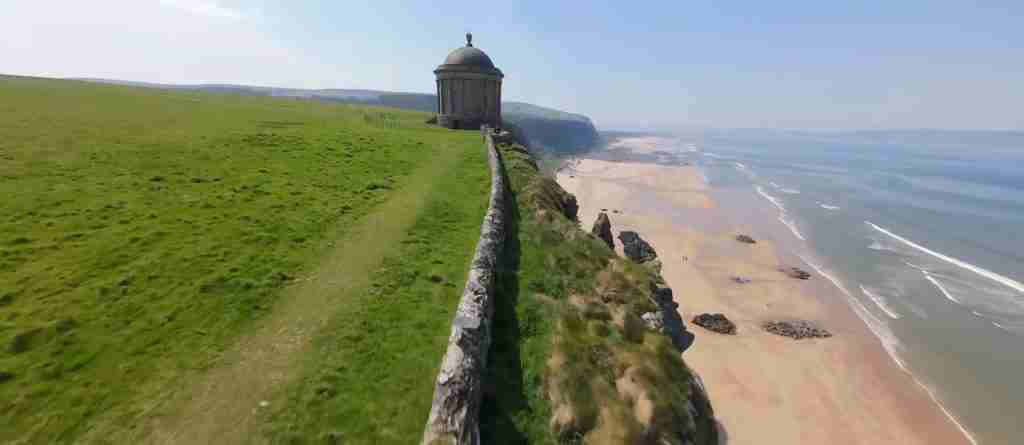
Casino at Marino northeast of city center represents 18th-century neoclassical garden folly built by James Caulfeild, 1st Earl of Charlemont, following Grand Tour of Europe. Designed by William Chambers and constructed 1758-1776, the compact building conceals 16 rooms on three floors within exterior appearing as single-story temple. Architectural innovations include hidden drainpipes within decorative columns, curved doors fitting walls, and windows disguised as friezes. The building’s name derives from Italian “casino” meaning small house, not gambling venue.
The interior features elaborate plasterwork, inlaid floors, and decorative details throughout compact spaces including entrance hall, saloon, bedroom chambers, and servants’ quarters. The building sits in residential Marino neighborhood with public access to surrounding grounds. Guided tours required for interior access operate April through September with reduced winter schedule. Bus routes 14, 15, 27, 27A, 27B, 42, and 123 from city center reach Marino area.
Traditional Pubs Maintaining Authentic Atmosphere Without Tourist Performance
Dublin’s pub culture exists in tension between tourism’s economic benefits and authenticity’s cultural value. Establishments maintain traditional atmosphere not through nostalgic recreation but through continued operation serving local communities while welcoming respectful visitors. These pubs distinguish themselves through lack of stage separation between musicians and audience, conversation balance with music, proper Guinness service, and resistance to modern renovations that would alter Victorian and earlier interiors.
The Gravediggers, officially John Kavanagh, operates beside Glasnevin Cemetery walls where the establishment has served customers since 1833. The pub earned “Gravediggers” nickname from cemetery workers who entered through back door to drink while leaving shovels outside to collect when work resumed. The Victorian interior preserves original mahogany bar, snugs providing private drinking alcoves, and unchanged decoration creating time capsule atmosphere. The establishment serves Guinness, whiskey, and limited drink selection without extensive beer taps or cocktail menus.
The pub maintains no-nonsense traditional character—no music, no food beyond basic snacks, no tourist-focused explanations of pub culture. Conversation fills the space. Locals occupy regular seats. Visitors who understand and respect the environment find welcome; those expecting performance or explanation encounter polite indifference. The location on Prospect Square adjacent to Glasnevin Cemetery rather than city center keeps tourist numbers manageable while providing destination appeal for visitors willing to take bus 13, 40, or 140 from O’Connell Street.
The Cobblestone in Smithfield has already been discussed in the Stoneybatter neighborhood section as venue for traditional music sessions, but merits emphasis for music quality and authentic session atmosphere. Nightly sessions feature accomplished local musicians playing traditional tunes in back room while front bar maintains separate conversation space. The music follows traditional session etiquette—musicians set the pace and tune selection, audience listens respectfully between sets, photography and talking during music disrupts experience. Visitors unfamiliar with session culture should observe before photographing or requesting specific tunes.
The pub faces ongoing preservation challenges as surrounding Smithfield area undergoes development pressure. Community mobilization in defense of venue as cultural space rather than merely commercial property reflects broader tension between Dublin’s development and heritage protection. Visiting The Cobblestone supports traditional music culture through drink purchases during sessions, with musicians playing for love of music rather than professional performance fees.
The Blue Light Pub in Dublin Mountains south of city center combines traditional music sessions with coastal views overlooking Dublin Bay. The location requires driving or taxi rather than convenient public transport, keeping clientele primarily local with some visitors making specific journey. The pub interior features open fireplace, traditional furnishings, and lived-in atmosphere without modern renovations. Music sessions occur regularly with focus on traditional tunes and songs rather than contemporary Irish music or international repertoire.
The setting provides daylight visits combining mountain walks with pub stops, or evening sessions watching sunset over bay while music plays. The remoteness from Temple Bar and city center tourist zones means clientele consists largely of local residents and visitors genuinely interested in traditional music and mountain setting rather than pub crawl participants seeking authentic Irish experience as checklist item.
Grogan’s Castle Lounge on South William Street southwest of Trinity College maintains literary and artistic pub character established when establishment served bohemian community including writers Patrick Kavanagh and Brendan Behan. The Victorian interior preserves high ceilings, dark wood fixtures, and artwork covering walls—pieces sometimes purchased directly from artists drinking in the pub. The atmosphere balances traditional pub culture with artistic sensibility, attracting mix of longtime regulars, art students, and visitors seeking substance over tourist-focused Irish pub recreation.
The establishment serves proper Guinness, whiskey selection, and straightforward pub food without gastropub pretensions. Conversation dominates rather than music or sports television. The location near Grafton Street provides accessibility while narrow lane frontage reduces passing foot traffic compared to main streets. Afternoon visits offer quieter atmosphere and opportunity to appreciate art collection covering walls throughout two-floor space.
Palace Bar on Fleet Street near Temple Bar preserves Victorian pub interior with carved woodwork, etched glass panels, and historic atmosphere despite proximity to tourist district. The establishment maintains traditional pub culture through locals’ loyalty and management resisting modernization that would alter character. Literary associations with Irish Times journalists and writers who drank here during 20th century add historical significance. The pub serves Guinness, Irish whiskey, and limited food menu focusing on quality over quantity. The narrow shopfront interior expands to larger back spaces providing capacity without losing intimate feel of front bar room.
Coastal Walks and Natural Escapes Within Dublin’s Urban Boundaries
Dublin’s coastal setting and extensive parklands provide natural escapes requiring minimal travel from city center. These spaces offer big-sky views, seabird encounters, woodland trails, and coastal paths where urban noise fades despite remaining within city boundaries.
The Great South Wall extends three kilometers from Poolbeg peninsula into Dublin Bay as stone causeway built 1748-1795 to prevent silt blocking Dublin Port. The structure created dual function—protecting shipping channel while providing public walkway reaching Poolbeg Lighthouse at far end. The red lighthouse beacon built 1767-1768 stands as one of oldest lighthouses in Ireland and Britain, continuing operation with automated light visible from approaching vessels.
The walk begins at Poolbeg peninsula car park or Irishtown/Sandymount DART stations with approach walk through Sandymount Strand during low tide or roads during high tide. The wall itself provides three-kilometer one-way walk (six kilometers return) on stone surface sometimes slippery during wet weather or high seas. The surrounding water allows close observation of harbor seals, seabirds including cormorants and gulls, and occasional dolphins visible from vantage point. Dublin Mountains and Howth Head frame views west and north, while Bray Head rises south across bay.
Weather conditions dramatically affect walk quality and safety. Strong winds create challenging conditions on exposed causeway. High seas send waves over wall during storms. Summer evenings provide pleasant conditions with long daylight extending past 10 PM in June. Winter visits require afternoon timing before 5 PM darkness. The wall lacks facilities, lighting, or emergency services—visitors should check weather forecast, wear appropriate footwear, bring water, and inform someone of plans before attempting full lighthouse walk.
Howth Cliff Path on Howth peninsula northeast of city center provides clifftop coastal walk combining seascapes, seabird colonies, heathland, and historic landmarks. The main cliff path extends approximately 6 kilometers from Howth Summit to Howth village, with sections following cliff edges offering 80-meter drops to sea below. The trail passes ancient dolmen, 18th-century Baily Lighthouse, rhododendron-covered slopes, and viewing points toward Ireland’s Eye island where seabird colonies nest April through July.
Access via DART train to Howth station provides car-free journey, with village offering seafood restaurants, harbor views, and transport back to city center. The cliff path requires reasonable fitness and sure footing—steep sections, uneven surfaces, and cliff edges demand attention. Weather affects safety significantly, with strong winds, rain, and fog creating hazardous conditions. The path crosses open heathland without shade during sunny weather—visitors should bring water, sun protection, and layered clothing for changeable conditions.
Bull Island between Dollymount Strand and mainland Dublin provides UNESCO Biosphere Reserve protecting dunes, saltmarsh, and intertidal habitats supporting over 40,000 wintering waterbirds. The island formed through sand accumulation after Great South Wall construction altered Dublin Bay tidal patterns. The 5-kilometer island allows car access via wooden bridge from Clontarf, with designated parking areas and boardwalk protecting dune vegetation while providing walking access.
The Royal Dublin Golf Club and St. Anne’s Golf Club occupy portions of island, with public access concentrated on Dollymount Strand beach side and dune boardwalks. Interpretive center near bridge entrance provides information on island formation, habitats, and wildlife. Bird species include brent geese arriving October from Arctic Canada, dunlin, sanderling, oystercatcher, and occasional raptors hunting across saltmarsh. The beach extends several kilometers, popular with kitesurfers during windy conditions and swimmers during calm weather despite water temperatures rarely exceeding 15°C even in summer.
Phoenix Park’s lesser-known areas beyond Dublin Zoo and main visitor attractions provide woodland trails, open grasslands, and historical sites within 700-hectare urban park. The Furry Glen already discussed offers woodland escape with stream and deer sightings. Magazine Fort occupies star-shaped hilltop fortification built 1735, now partially ruined but accessible for exploration with views across park and city. Victorian People’s Flower Gardens near Parkgate Street entrance display bedding plants, glasshouses, and formal gardens contrasting with park’s natural grasslands.
The park contains approximately 600 fallow deer introduced 1660s, visible grazing across grasslands particularly during early morning and evening hours. Deer become habituated to human presence, allowing close observation while visitors maintain respectful distance. Cycling paths traverse park connecting gates and landmarks, with rental bicycles available from Parkgate Street entrance. The park closes to vehicle traffic at dusk, with pedestrian and cyclist access continuing through night via lit paths near main roads.
Free Cultural Experiences Offering World-Class Collections Without Admission Charges
Dublin maintains tradition of free museum and cultural institution access, allowing visitors to experience internationally significant collections, botanical gardens, and cultural spaces without financial barriers. These institutions support operations through government funding, donations, and gift shop revenue rather than admission charges, democratizing access to cultural heritage.
Chester Beatty Library within Dublin Castle grounds displays one of world’s most significant collections of Islamic, East Asian, and Christian manuscripts alongside ancient Egyptian papyri, European illuminated manuscripts, and printed books. Sir Alfred Chester Beatty, American mining magnate who settled in Ireland, donated his collection to Irish nation in 1950s, with current library building opening in 2000 after conservation and display development.
Collection highlights include Quran manuscripts from 9th century onward with elaborate illumination and calligraphy, Persian and Mughal miniature paintings, Japanese woodblock prints, Chinese jade books, Burmese parabaik folding manuscripts, European medieval gospels with gold leaf decoration, and Egyptian papyri dating to 2700 BCE. Temporary exhibitions rotate quarterly, focusing on specific collection areas or borrowed works from international institutions. The library operates education programs including workshops on calligraphy, bookbinding, and manuscript illumination.
Opening hours Monday through Friday 9:45 AM to 5:30 PM, Wednesday until 8 PM, Saturday 11 AM to 5 PM, Sunday 1 PM to 5 PM, closed Monday November through February. The location within Dublin Castle complex requires entering through Castle Street gates, with Chester Beatty Library signposted through Coach House courtyard. The building includes rooftop garden cafe providing meals and refreshments with city views. Free admission applies to permanent collections and most temporary exhibitions.
National Gallery of Ireland on Merrion Square displays Irish and European art from medieval period through 20th century across 54 rooms. The collection includes Italian Renaissance paintings, Dutch Golden Age works, French Impressionism, British portraiture, and comprehensive Irish art collection documenting national artistic development. Notable works include Caravaggio’s The Taking of Christ rediscovered in Dublin Jesuit house in 1990, Vermeer’s Lady Writing a Letter with her Maid, works by Monet, Picasso, and Rembrandt, plus Irish artists Jack B. Yeats, Roderic O’Conor, and Mainie Jellett.
The gallery building combines 1864 original structure designed by Francis Fowke with millennium wing addition from 2002 and recent renovations expanding display space and improving visitor facilities. Free guided tours operate daily, introducing collection highlights and architectural features. Temporary exhibitions require charges in some cases, but permanent collection remains free. The gallery opens Monday through Saturday 9:15 AM to 5:30 PM, Thursday until 8:30 PM, Sunday 11 AM to 5:30 PM. The location facing Merrion Square places gallery walking distance from Trinity College, Government Buildings, and National Museum of Ireland locations.
National Museum of Ireland operates four Dublin locations focusing on archaeology, decorative arts, natural history, and country life. The Archaeology Museum on Kildare Street displays prehistoric gold artifacts, Viking Dublin excavation finds, medieval religious treasures including Tara Brooch and Ardagh Chalice, and Egyptian mummy collection. The Decorative Arts and History Museum at Collins Barracks in Smithfield showcases furniture, silver, ceramics, military history, and Irish design evolution. Natural History Museum on Merrion Street maintains Victorian-era zoological displays including Irish mammals, worldwide taxidermy specimens, and skeleton collections. All locations offer free admission to permanent collections.
Irish Museum of Modern Art occupies Royal Hospital Kilmainham, 17th-century military hospital building designed by William Robinson. The museum collects and displays Irish and international contemporary art from 1940s onward through rotating exhibitions in former hospital wards surrounding courtyard. The formal gardens extend behind building toward War Memorial Gardens and Phoenix Park, providing sculpture displays and walking paths. Free admission to exhibitions and grounds makes IMMA accessible destination for contemporary art appreciation without financial barriers. The location requires bus journey from city center—routes 13, 40, 69, or Luas tram to Heuston Station with 10-minute walk.
Hugh Lane Gallery on Parnell Square north of O’Connell Street specializes in Irish and European art from 19th century onward within Francis Johnston-designed Charlemont House. The collection includes Impressionist paintings from Hugh Lane’s original donation including works by Monet, Renoir, and Manet, Francis Bacon’s London studio reconstructed room-by-room after artist’s death, contemporary Irish art, and temporary exhibitions focusing on modern and contemporary work. The gallery expanded into adjacent building, connecting historic townhouse with contemporary gallery spaces. Opening hours Tuesday through Thursday 9:45 AM to 6 PM, Friday and Saturday 9:45 AM to 5 PM, Sunday 11 AM to 5 PM, closed Monday. Free admission to all exhibitions and collections.
Architectural Details and Georgian Doors Creating Photography Walks Through Residential Dublin
Dublin’s Georgian architecture legacy extends beyond formal squares and institutional buildings to residential streets where 18th and 19th-century townhouses display colorful doors, fanlights, ironwork, and architectural details documenting centuries of urban development. These streets provide photography opportunities combining architectural appreciation with neighborhood exploration beyond tourist itineraries.
Fitzwilliam Square south of St. Stephen’s Green represents Dublin’s last Georgian square built, constructed 1791-1825 as private residential development for upper middle classes. The central park remains private, accessible only to residents holding keys. The surrounding four-sided square features continuous terraces of three and four-story townhouses with distinctive colored doors, semicircular fanlights above entrances allowing light into hallways, wrought iron balconies on upper floors, and Georgian proportions creating harmonious streetscape. Door colors span full spectrum—red, blue, green, yellow, purple, black—with urban legend suggesting each house required different color to help drunken residents find correct home, though actual explanation involves property ownership and aesthetic preference rather than inebriation.
Walking Fitzwilliam Square requires approximately 15 minutes to circuit all four sides, photographing doors, fanlights, and architectural details. The square sits 10-minute walk south from Trinity College via Kildare Street and Merrion Square. Continuing south on Fitzwilliam Street Lower and Fitzwilliam Street Upper toward Grand Canal provides additional Georgian streetscapes. Fitzwilliam Place connects to Leeson Street creating extended photography walk through Georgian residential district.
Merrion Square east of Government Buildings represents Dublin’s most architecturally significant Georgian square, constructed 1762-1764 with terraced townhouses on three sides and National Gallery, Natural History Museum, and Leinster House (Parliament building) occupying fourth side. The square park opened to public in 1974 after centuries as private residents’ garden, now providing 12-acre green space with sculptures including Oscar Wilde reclining on boulder, playgrounds, and flower displays. The surrounding buildings house professional offices, cultural institutions, and residential apartments, maintaining Georgian exterior facades with modern interior adaptations.
Door colors, fanlights, ironwork balconies, and stone doorways vary around square perimeter, with some buildings maintaining original features and others showing restoration or modification. The square rewards both wide-angle architectural photography capturing terrace continuity and detail photography focusing on individual doors, fanlights, boot scrapers, and decorative elements. Walking the square’s four sides requires 20 minutes, with National Gallery providing convenient break point or alternative destination if weather deteriorates.
Leeson Street running south from St. Stephen’s Green toward Grand Canal provides less formal Georgian street photography opportunities through continuous residential terraces rather than formal square arrangement. The street extends approximately two kilometers from Grafton Street area to canal crossing, with Georgian townhouses concentrated on streets intersecting Leeson Street including Waterloo Road, Appian Way, and Adelaide Road. The intersecting streets feature particularly photogenic door concentrations with varied colors, well-maintained fanlights, and residential character without heavy foot traffic.
St. Mary’s Road off Leeson Street showcases “posh Dublin doors” with elaborate fanlights, high-quality door paint finishes, and expensive ironwork. The residential street maintains quieter atmosphere than main thoroughfares while providing concentrated architectural details within short walking distance. Continuing from Leeson Street to Donnybrook or turning toward Ranelagh creates extended photography walk through multiple Georgian residential districts.
Portobello neighborhood already discussed provides Grand Canal setting combining water reflections with Georgian architecture. Streets including Richmond Street South, Harrington Street, and Lennox Street feature Georgian townhouses, Victorian terraces, and occasional Edwardian buildings creating varied architectural timeline. The canal towpath itself offers photography opportunities combining period buildings with waterside setting, swans, narrow boats, and lock mechanisms.
Street Art and Contemporary Urban Creativity Beyond Formal Gallery Spaces
Dublin’s street art scene concentrates in The Liberties, Portobello, Stoneybatter, and Smithfield neighborhoods where large-scale murals, stencil work, paste-up installations, and commissioned pieces transform blank walls into public art displays. The informal gallery circuit rewards walking with camera ready and attention directed above ground-floor shopfronts where many works occupy upper-story walls and gable ends.
The Liberties neighborhood contains highest concentration of street art, particularly on Meath Street, Thomas Street, Francis Street, and surrounding laneways. Works range from commissioned murals celebrating local history and community figures to independent artist interventions creating social commentary. Tivoli Theatre car park on Francis Street provides large-scale works covering multiple surfaces with rotating pieces as artists add new works. The area’s working-class history, community identity, and artistic energy create receptive environment for street art development.
Artists documented in The Liberties include international names like Vhils (Portuguese artist who carves portraits into walls through controlled destruction of surface layers), Maser (Irish artist known for colorful geometric abstractions and text-based works), Aches (Irish street artist creating photorealistic murals), and local artists contributing smaller-scale works. Subjects include portraits of historical figures, abstract color compositions, social and political commentary, and decorative patterns transforming utilitarian walls.
Portobello and Camden Street area street art concentrates on lanes between Camden Street and Portobello Road, with works visible from main streets but requiring intentional looking to spot pieces on upper walls and laneway corners. The artistic content balances commissioned commercial murals with independent guerrilla pieces, creating layered urban landscape where advertisements, art, and decay coexist. Pleasant’s Lane, Montague Lane, and streets intersecting Camden Street Upper contain multiple works within concentrated area allowing 30-minute walking exploration.
Smithfield area street art reflects neighborhood’s transformation from industrial warehouse district to cultural quarter, with large blank walls on former industrial buildings providing canvases for massive murals visible from significant distances. Stoneybatter extension includes works on Arbour Hill, Prussia Street, and Manor Street where Victorian terraces occasionally feature gable-end murals taking advantage of exposed brick surfaces created by demolished adjacent buildings.
Photographing street art in Dublin follows standard urban photography etiquette—shoot from public spaces without trespassing, respect property owners and residents when works appear on private buildings in residential areas, and credit artists when sharing images if artist identity is known. Many works lack clear attribution, existing anonymously as part of urban landscape. Some pieces face removal through building renovation or property owner decisions, making documentation time-sensitive before works disappear.
Local Markets and Food Experiences Beyond Tourist Restaurant Strips
Dublin’s food culture extends beyond Temple Bar restaurant concentration and tourist-focused establishments to neighborhood markets, family-run shops, ethnic grocers, and local favorites where residents shop and eat. These spaces provide access to Dublin’s multicultural character and food traditions maintaining connection to working-class heritage.
Moore Street running parallel to Henry Street north of O’Connell Street maintains Dublin’s oldest surviving outdoor market tradition, though contemporary market struggles compared to historical peak when working-class families purchased produce from stalls extending length of street. The remaining vendors—primarily women continuing multi-generational family traditions—sell fresh produce from permanent stalls and mobile carts, calling prices and engaging in banter maintaining market atmosphere. The street holds historical significance as location where 1916 Easter Rising leaders made final retreat before surrender, with several buildings preserving bullet damage and commemorative plaques.
The market operates Tuesday through Saturday during morning and afternoon hours, with reduced vendor numbers compared to historical operations. Produce quality and prices compete with supermarkets while maintaining personal service and community connection. Adjacent Moore Street Mall provides indoor market selling international foods reflecting Dublin’s immigrant communities—Polish shops, African grocers, Asian food vendors, and Middle Eastern suppliers creating multicultural marketplace.
Liberty Market on Meath Street in The Liberties operates Thursday through Saturday selling vintage clothing, records, books, antiques, and household items from permanent and temporary stalls. The market occupies industrial building with multiple vendors setting up booths in warren layout encouraging browsing and discovery. Prices allow genuine bargain hunting rather than boutique vintage pricing. The market atmosphere balances commercial transactions with social interaction, vendors knowing regular customers and engaging conversation alongside sales pitches.
Dublin Food Co-op in Newmarket Square near Teeling Distillery operates as member-owned cooperative selling organic produce, artisanal foods, and environmentally conscious products. The Thursday market brings together farmers, bakers, cheese makers, and prepared food vendors selling directly to customers. The setting in covered market building provides weather-protected shopping. The cooperative operates on democratic principles with member volunteers contributing to operations, creating community food space beyond conventional retail.
English Market in Cork receives frequent mention in Dublin food discussions despite wrong-city location, confusing travelers. Dublin lacks direct equivalent to Cork’s English Market covered food hall, though Temple Bar Food Market on Saturday and People’s Park Market in Dun Laoghaire on Sunday provide outdoor farmer’s markets with fresh produce, artisanal foods, and prepared foods from regional producers.
Capel Street north of the Liffey contains international food shops, Asian grocers, bakeries, and restaurants reflecting Dublin’s immigrant communities. The street evolved from overlooked thoroughfare to dining and shopping destination through independent business openings serving specific cultural communities and attracting broader interest. Korean restaurants, Chinese bakeries, Polish shops, and Middle Eastern grocers occupy storefronts between traditional Irish businesses that served neighborhood for generations.
Brother Hubbard North on Capel Street serves Middle Eastern-influenced brunch and lunch including shakshuka, mezze plates, flatbreads, and date-sweetened treats. The kitchen produces food with ingredient quality and spicing that suggests ownership’s genuine connection to cuisines rather than Dublin interpretation of Middle Eastern food. The space accommodates seated dining with tables turning over during weekend brunch rush. Sister location in Stoneybatter provides alternative if Capel Street location fills.
Secret Viewpoints and Elevated Perspectives Across Dublin’s Urban Landscape
Dublin’s relatively flat topography concentrates elevated views at specific locations requiring intentional travel beyond casual walking routes. These viewpoints provide perspective on city layout, bay setting, mountain backdrop, and urban development patterns that ground-level exploration doesn’t reveal.
Hellfire Club on Montpellier Hill in Dublin Mountains south of city center combines ruined 18th-century hunting lodge, legendary reputation, and panoramic views across Dublin Bay to Howth Head. The building ruins date to 1725, constructed by William Conolly as lodge for hunting parties. The structure earned “Hellfire Club” name from 18th-century gentlemen’s club that held meetings and parties characterized by gambling, drinking, and rumored devilish activities—legends claim the devil attended meetings, though historical accuracy seems unlikely given aristocratic propensity for shocking reputation rather than actual Satanism.
The site sits 383 meters above sea level providing 360-degree views when weather permits. Dublin Bay and city sprawl spread north, Wicklow Mountains rise south, and Irish Sea horizon extends east. The location’s exposure to weather creates challenging conditions during wind, rain, or fog—conditions can deteriorate rapidly even when city enjoys calm weather. The access road reaches near summit with final approach on foot path across open hillside. Car parking available at road end, with walk requiring 15-20 minutes uphill on sometimes muddy path.
Safety considerations include checking weather forecast before attempting visit, wearing appropriate footwear and wind-resistant clothing, bringing flashlight if visiting evening hours, and informing someone of plans. The ruins lack safety barriers with stone walls posing fall risks. The mountain setting means no facilities, lighting, or emergency service proximity. Sunset visits provide dramatic light conditions but require leaving sufficient time for descent before darkness.
Killiney Hill south of Dublin in coastal suburb provides elevated coastal views from 153-meter summit without requiring mountain journey. The park features walking paths through woodland and open hillside, summit obelisk monument, and viewing points toward Bray Head, Wicklow Mountains, Dublin Bay, and Howth Head. The location served as inspiration for writers including James Joyce and George Bernard Shaw who lived nearby. DART train to Killiney station provides car-free access, with summit walk requiring 20-30 minutes uphill through residential streets and park paths.
The hill park includes Victorian-era stonework, trails through gorse and bramble vegetation, and benches at strategic viewpoints. The summit obelisk built 1742 during famine relief employment scheme allows close approach for views in all directions. Clear weather reveals coastline extending south past Bray toward Wicklow, while cloudy conditions obscure distance views but create atmospheric effects as clouds move across hillside and sea.
Chimney viewing tower in Smithfield provides industrial heritage structure converted to observation platform reaching 55 meters above square. The glass elevator ascends through former brick chimney built for Jameson Distillery in 1895, with viewing platform providing 360-degree city views. The experience emphasizes architectural interest and historical connection to whiskey production alongside viewing opportunity. Opening hours and admission charges apply—check Old Jameson Distillery website for current information as tower sometimes closes for maintenance.
Dublin Mountains throughout southern periphery provide multiple elevated access points including Two Rock, Three Rock, Ticknock, and Montpellier Hill already discussed. Each location offers distinct character balancing accessibility, facilities, view quality, and hiking challenge. Two Rock and Three Rock require longer walks from parking but provide more remote mountain atmosphere. Ticknock offers car park at elevation reducing walking distance to views. Dublin Mountains Way hiking trail connects these summits for multi-hour mountain walking combining elevated perspectives with woodland and heathland environments.
Underground Dublin: Crypts, Vaults, and Historical Spaces Beneath Street Level
Dublin’s underground spaces provide access to historical layers literally beneath contemporary city, where crypts, vaults, medieval structures, and archaeological remains document urban development from Viking origins through medieval expansion to Georgian construction.
Christchurch Cathedral crypt represents Ireland’s largest medieval crypt, extending under entire cathedral length with stone vaulted ceilings supported by pillars dating to 1170s Norman construction. The crypt operated as secular space throughout history, storing goods, housing tavern, and serving practical functions beyond religious use. Contemporary interpretation displays medieval treasures including manuscripts, liturgical objects, and cathedral historical artifacts. The space includes cats and rats display—mummified cat and rat discovered in organ pipes, preserved in eternal chase after dying trapped in instrument.
Cathedral tour admission includes crypt access along with nave, transepts, and medieval stonework. The crypt maintains stable cool temperature year-round, making it refreshing escape during summer and requiring warm clothing during winter visits. The cathedral operates daily 9:30 AM to 6 PM Monday through Saturday, 12:30 PM to 2:30 PM and 4:30 PM to 6 PM Sunday. The location adjacent to Dublinia museum and crossing over to Temple Bar creates convenient itinerary grouping.
St. Michan’s Church on Church Street north of the Liffey contains limestone crypt preserving mummified remains through environmental conditions including constant cool temperature, lack of moisture, and limestone’s desiccating properties. The vaults contain coffins of Dublin’s prominent 17th, 18th, and 19th-century families including Shears brothers executed for 1798 rebellion involvement. The naturally mummified remains remain visible through opening coffin lids—a practice that raises ethical questions about displaying human remains but continues as church tour highlight.
The church dates to 1685 Viking foundation with current structure from 1685, featuring original organ reputedly played by Handel during Dublin visit to premiere Messiah in 1742. Guided tours operate Monday through Friday with weekend tours by appointment. The crypt visit requires descending steep narrow stairs unsuitable for mobility challenges. The atmosphere combines historical fascination with macabre tourism—reactions vary from fascination to discomfort depending on visitor sensibilities regarding human remains displays.
Dublin Castle Medieval Undercroft excavations beneath castle complex reveal Viking and Norman Dublin foundations discovered during 1990s construction work. The archaeological site preserves sections of 13th-century town walls, Viking ship remains, medieval buildings, and moat structure that defended castle before later modifications buried these layers. The interpretation combines original stonework with explanatory displays documenting Dublin’s Viking origins, Norman conquest, and medieval urban development.
Access requires Dublin Castle tour ticket with guided or self-guided options. The undercroft forms one component of broader castle complex including State Apartments, Chapel Royal, medieval tower, and courtyard spaces. Tour admission includes all areas. The castle opens Monday through Saturday 9:45 AM to 5:45 PM, Sunday and holidays 12 PM to 5:45 PM. Location on Dame Street provides convenient access from Temple Bar and Trinity College directions.
Tunnels under Dublin city center exist but lack public access, functioning as utility corridors connecting buildings for heating, communications, and infrastructure rather than tourist spaces. Urban legends reference extensive tunnel networks connecting cathedrals, castles, and important buildings, though documented tunnels primarily serve practical infrastructure purposes. Some buildings including universities and government complexes maintain internal tunnel connections, but these remain private access points rather than historical passages available for exploration.
Day Trip Destinations From Dublin Revealing Ireland’s Hidden Treasures Beyond Tourist Highways
Dublin’s central location and public transport connections enable day excursions to lesser-known destinations showcasing monastic ruins, coastal villages, mountain valleys, and historical sites that reward travelers willing to venture beyond Cliffs of Moher coach tours and Guinness Storehouse lines.
Glendalough in Wicklow Mountains 50 kilometers south of Dublin preserves 6th-century monastic settlement founded by St. Kevin in remote valley where two lakes (Irish: glen of two lakes) nestle between wooded slopes and granite cliffs. The site includes round tower standing 30 meters tall, stone church ruins from various centuries, Celtic crosses with elaborate carvings, medieval gateway, and atmospheric cemetery where tombstones date back centuries. The valley setting combines historical ruins with natural beauty—the upper and lower lakes provide walking paths through oak woodlands, glacial valley views, and mountain backdrop creating Ireland’s most photogenic monastic site.
Access via St. Kevin’s Bus from Dublin requires approximately 90-minute journey each direction with limited return schedule requiring day planning around bus timetable. Personal vehicle allows flexible timing and combination with Wicklow Mountain driving routes. The site attracts significant visitor numbers particularly during summer weekends, though arriving early morning or late afternoon reduces crowds. Walking routes extend from 15-minute lake circuit to several-hour mountain trails reaching valley head and surrounding peaks. Visitor center provides historical context, cafe, and facilities. Free admission to ruins and walking trails.
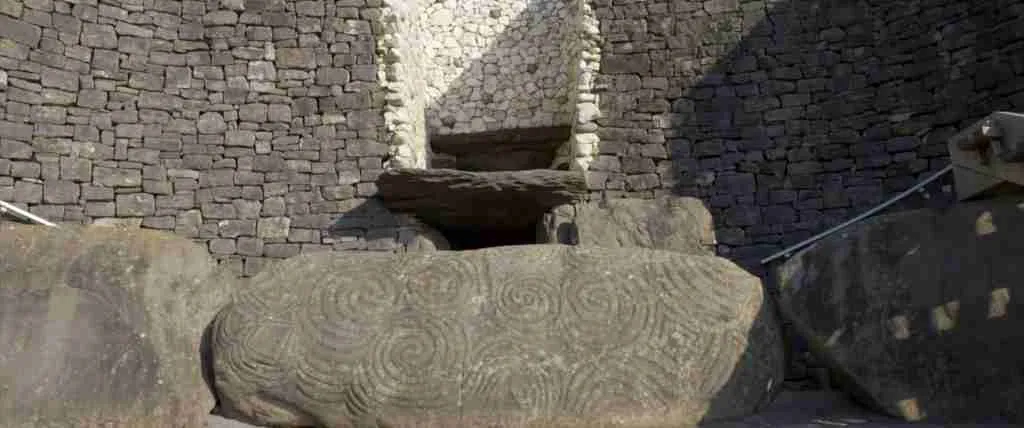
Newgrange and Brú na Bóinne passage tombs in Boyne Valley 50 kilometers north of Dublin represent Neolithic monuments older than Stonehenge and Egyptian pyramids, built approximately 3200 BCE as burial chambers with astronomical alignments. Newgrange tomb features white quartz facade, carved stone art including triple spirals, and winter solstice alignment where sunrise light penetrates passage on December 21st illuminating central chamber. Knowth and Dowth passage tombs nearby demonstrate Neolithic engineering and artistic traditions across multiple centuries.
Visitor center access only—independent entry to tombs prohibited to protect monuments. Tours operate throughout day with advance booking essential during peak season. The combined ticket includes Newgrange, Knowth, and visitor center exhibitions. Bus Éireann route 100 operates Dublin to Drogheda with stop near visitor center, though limited frequency makes organized day tours practical alternative. The site receives UNESCO World Heritage designation recognizing outstanding universal value of Neolithic tomb complexes.
Howth peninsula provides coastal village atmosphere, cliff walks, and seafood dining without leaving Dublin county boundaries. DART train reaches Howth village in 30-40 minutes from city center, with cliff path walks, harbor views, fish and chip takeaways, and upscale seafood restaurants creating day trip destination combining exercise, scenery, and dining. The cliff path already discussed provides main walking attraction, while village pubs, craft shops, and weekend market add alternative activities when weather prevents cliff walking.
Malahide Castle and gardens north of Dublin combine medieval tower house with Georgian and Victorian additions, set in 260-acre gardens featuring walled garden, glasshouses, and walking trails. The castle displays period furnishings, portrait collection, and interpretation of aristocratic family history from 1185 through 1975 when last Talbot family member died. The grounds provide extensive walking combining formal gardens, woodland paths, and playing fields open to public. Coastal location in Malahide village includes marina, seafood restaurants, and beach walks extending day trip beyond castle visit.
Access via Northern Line DART train or bus routes 32, 42, or 102 requires 40-minute journey from O’Connell Street. Combined castle and gardens ticket provides access to interior and grounds. The castle operates year-round with seasonal hour variations. Gardens remain free with castle admission required for interior access. The village features independent shops, cafes, and restaurants creating destination beyond castle itself.
Trim Castle in County Meath represents Ireland’s largest Anglo-Norman castle, built starting 1172 by Hugh de Lacy establishing English control over conquered Irish territories. The massive keep rising 20 meters and curtain walls extending 500 meters around bailey demonstrate medieval military architecture on ambitious scale. The castle featured in Mel Gibson’s Braveheart film standing in for York Castle. Guided tours through keep interior operate daily April through October with reduced winter schedule, explaining castle construction, medieval life, and siege defenses.
Trim village adjacent to castle features medieval bridge, cathedral ruins, and Georgian streetscapes creating attractive destination combining historical interest with contemporary cafes and restaurants. Access via Bus Éireann route 111 from Dublin requires approximately 90 minutes each direction. The relatively quiet tourist profile compared to major attractions means manageable crowds and authentic small-town atmosphere. The castle charges admission with Heritage Card providing access. Trim Castle website provides current schedule and tour information.
Practical Strategies for Experiencing Dublin’s Hidden Treasures Beyond Tourist Itineraries
Successfully discovering Dublin’s hidden gems requires strategic approaches balancing destination-specific information with general principles for authentic experiences. These strategies apply across neighborhoods, establishments, and experiences where respectful engagement determines welcome quality and depth of encounter.
Timing significantly affects experience quality at locations shared between locals and visitors. Early morning visits to parks and gardens before 9 AM provide quieter atmospheres with better light for photography and opportunities for wildlife observation. Evening visits to canal paths between 6 PM and 8 PM capture locals’ after-work walking and running when neighborhood character emerges clearly. Museum visits immediately when doors open avoid tour group arrivals that concentrate midmorning through early afternoon. Pub sessions mid-week Tuesday through Thursday attract serious musicians and listeners rather than weekend social atmosphere. Off-season visits November through March reduce crowds throughout city while maintaining most cultural offerings.
Transportation choices affect neighborhood access and exploration quality. Walking from city center reaches Stoneybatter, Smithfield, Portobello, and Liberties neighborhoods within 20-30 minutes, providing opportunities for route variation, spontaneous stops, and street-level discovery that public transport doesn’t allow. Dublin Bikes short-term bicycle rental scheme operates throughout central areas with first 30 minutes free—ideal for reaching parks, canals, and neighborhoods efficiently while maintaining exploration flexibility. DART coastal train reaches Howth, Dun Laoghaire, and Malahide enabling car-free day trips. Bus networks serve neighborhoods and suburbs beyond walking range, though route complexity and Dublin traffic make journey planning essential.
Local etiquette in pubs and music venues follows unwritten rules that distinguish respectful visitors from disruptive tourists. Traditional music sessions require listening during tunes, applause between sets but not mid-tune, and conversations held quietly away from musicians. Photography should request musicians’ consent rather than assuming camera access. Rounds-based drinking where individuals buy group rounds rather than separate drinks demonstrates pub culture understanding. Guinness requires proper settling time between pulls—patience while bartender allows pint to settle shows appreciation for traditional service. Conversation with locals emerges naturally through shared space rather than interrogative questions about Irish culture.
Neighborhood exploration benefits from targeted walking rather than comprehensive coverage attempts. Select specific area for 2-3 hour exploration rather than attempting multiple neighborhoods in single day. Notice details at ground level—doorways, shopfronts, street names—and above eye level where street art, architectural details, and business signs provide character. Stop at cafes for coffee or lunch, supporting independent businesses and observing local patterns. Ask shopkeepers, baristas, or pub staff for recommendations rather than relying solely on online sources—personal knowledge and current conditions often exceed published information.
Free cultural experiences maximize value while reducing budget pressure. Prioritize no-admission museums, gardens, and galleries before paying for commercial attractions. Coastal walks, park trails, and architectural photography provide content-rich experiences without costs beyond transport. Free walking through neighborhoods, markets, and historical streets creates authentic encounters that structured tours cannot replicate. Evening sessions at pubs offer cultural experiences for drink purchase cost—significantly less than commercial entertainment while potentially more memorable.
Weather management requires realistic expectations and flexible planning for Dublin’s maritime climate where rain occurs frequently regardless of season and temperature ranges remain moderate but damp. Layered clothing addresses variable conditions better than single heavy jacket. Waterproof outer layer and umbrella provide rain protection allowing continued exploration rather than shelter-seeking. Indoor alternatives including museums, libraries, and cafes enable pivot from outdoor plans when weather deteriorates. Accepting rain as normal condition rather than trip disruption improves experience—locals continue activities during light rain and visitors adapting this mindset discover that crowds diminish creating better conditions for hidden gem experiences.
Safety in Dublin follows standard urban precautions without exceptional concerns. Most neighborhoods including those highlighted in this guide present minimal crime risk for visitors exercising basic awareness. Late-night city center areas around Temple Bar attract drunk crowds requiring navigation patience. Avoid displaying expensive cameras, phones, or jewelry unnecessarily. Keep valuables secured in front pockets or bags worn across body. Phoenix Park at night and canal towpaths after 10 PM require reasonable caution without paranoia. Trust instincts regarding situations feeling uncomfortable and choose alternative routes. Emergency services respond via 112 or 999 phone numbers.
Accommodation location affects hidden gem access significantly. Staying in Stoneybatter, Portobello, or Liberties neighborhoods rather than central tourist zone provides authentic neighborhood experience, easier access to local establishments, and often better value than Temple Bar vicinity. Airbnb apartments in residential areas immerse visitors in daily life rather than tourist bubble. Transport connections from these neighborhoods to major attractions remain straightforward via walking, buses, or Luas tram. The tradeoff involves less immediate access to Trinity College and Temple Bar while gaining more authentic Dublin residential experience.
How Hidden Gems Reflect Dublin’s Contemporary Character Beyond Heritage Tourism
Dublin’s hidden treasures document the city’s living character rather than preserved past, revealing how contemporary Dublin balances heritage preservation with cultural evolution, working-class traditions with creative energy, and local identity with multicultural diversity. These spaces demonstrate what makes Dublin distinctive among European capitals—not historical grandeur or tourist infrastructure but authentic urban life maintaining specific character against development pressures and tourism commercialization.
The neighborhood revival occurring in Stoneybatter, Liberties, and Portobello reflects generational change as creative professionals, artists, and young families choose these areas for character, affordability relative to southside Georgian districts, and community atmosphere over anonymous apartment developments. Independent businesses opening in these neighborhoods—third-wave coffee roasteries, natural wine bars, Middle Eastern brunch spots, vintage boutiques—signal cultural preferences valuing authenticity, sustainability, and local ownership over chain establishments and corporate brands.
This creative energy coexists with multi-generational residents who maintain traditional businesses, attend local churches, and consider neighborhoods home rather than lifestyle choice. Family butchers operating beside gastropubs, traditional pubs maintaining local clientele despite neighboring craft cocktail bars, and longtime residents living above shops they operate create layered communities rather than homogenous gentrification. The tension between development pressure and heritage protection that mobilized community response defending The Cobblestone music venue exemplifies ongoing negotiations over Dublin’s character and who controls neighborhood evolution.
Multicultural Dublin emerges clearly in hidden spaces rather than tourist zones. Asian grocers, African shops, Eastern European bakeries, and Middle Eastern restaurants on Capel Street, Moore Street, and Parnell Street demonstrate immigration’s transformation of Dublin from largely homogenous Irish city to multicultural capital. These businesses serve specific communities while attracting broader interest from residents seeking authentic international cuisines and products. The evolution reflects Ireland’s economic transformation from emigration source to immigration destination, with Dublin absorbing majority of newcomers creating cultural diversity unprecedented in Irish history.
Literary heritage continues in contemporary forms rather than preserved museums. Readings at pubs, independent bookshops hosting author events, literary journals publishing new writing, and writers groups meeting in cafes maintain Dublin’s literary tradition through active creation rather than Joyce tourism alone. Hidden literary culture lives in Library Project alternative bookshop, Gutter Bookshop independent recommendations, and conversations at Grogan’s or Palace Bar rather than Bloomsday costume events.
Food culture evolution visible in neighborhood restaurants and markets reflects both global influences and renewed appreciation for Irish ingredients and traditional recipes reinterpreted with contemporary techniques. Michelin-starred restaurants in Portobello and Liberties demonstrate ambitious cooking choosing neighborhood locations over formal dining districts. Market vendors selling organic Irish produce, artisan cheeses, sourdough bread, and specialty items show food quality appreciation extending beyond restaurant dining to home cooking with premium ingredients. This represents significant shift from historical Irish food culture focused on sustenance over gastronomy.
Environmental awareness emerges through community gardens in Blessington Basin, Dublin Food Co-op emphasis on organic and local products, cycling infrastructure expanding throughout city, and rewilding initiatives in Phoenix Park and coastal areas. These developments reflect changing values prioritizing sustainability and environmental protection over pure economic development, though tensions remain between preservation and growth pressures from housing crisis and infrastructure needs.
Architecture appreciation shifts from purely Georgian heritage focus to recognition of Victorian workers’ housing value, industrial building adaptive reuse, and contemporary design quality. The conversion of Collins Barracks to museum, Smithfield warehouses to cultural spaces, and docklands redevelopment demonstrates how Dublin reimagines historical industrial areas. The appreciation for Victorian terraces in Stoneybatter and Portobello reflects understanding that working-class housing represents significant architectural and social history deserving protection alongside aristocratic Georgian squares.
Music culture beyond tourist performances maintains traditional music through sessions, while incorporating international genres, electronic music scenes, and hip-hop emerging from working-class communities. Hidden venues host underground electronic nights, indie bands playing small rooms, and rap nights reflecting youth culture. Traditional music sessions at Cobblestone coexist with experimental music at alternative spaces, creating diverse music ecology beyond Danny Boy performances for tourists.
Frequently Asked Questions About Dublin’s Hidden Gems and Secret Spots
Where Are the Best Secret Gardens in Dublin City Center?
Iveagh Gardens behind Harcourt Street and Blessington Street Basin north of O’Connell Street provide the most accessible secret gardens within central Dublin. Iveagh Gardens features Victorian landscaping with hedge maze, rosarium, cascade waterfall, woodland paths, and wide lawns despite sitting minutes from Grafton Street shopping district. Access points include Clonmel Street main entrance, Hatch Street side entrance, and gate behind National Concert Hall on Earlsfort Terrace. The gardens open during daylight hours year-round. Blessington Street Basin centers on circular reservoir built 1810, surrounded by walking paths, mature trees, children’s playground, and community garden spaces. The walled park opens 10 AM daily, closing between 5 PM in winter and 10 PM in summer. Both locations provide tranquil atmospheres without St. Stephen’s Green’s crowds.
Which Dublin Neighborhoods Offer Authentic Local Experiences Away From Temple Bar?
Stoneybatter north of the Liffey maintains village character with Victorian terraced cottages, independent cafes including Slice bakery and The Little Cactus coffee, traditional music sessions at The Cobblestone, and gastropub L. Mulligan Grocer. Portobello south along Grand Canal combines Georgian architecture, waterside paths, Michelin-starred restaurant Bastible, brunch spots Bibi’s and Alma, and Irish Jewish Museum. The Liberties southwest of Christchurch Cathedral preserves working-class traditions alongside Teeling Whiskey Distillery, street art on Meath Street and Thomas Street, Liberty Market vintage shopping, and neighborhood cafes including Two Pups Coffee and Soren & Son. Smithfield adjacent to Stoneybatter features Old Jameson Distillery, Light House Cinema, Token arcade bar, and monthly food markets in cobbled square. These neighborhoods balance local residents, independent businesses, and authentic character without tourist-focused commercialization.
Where Can I Experience Traditional Irish Music Without Tourist Performance Atmosphere?
The Gravediggers (John Kavanagh) beside Glasnevin Cemetery operates as traditional pub serving Guinness in Victorian interior without music but with authentic conversation-first atmosphere since 1833. The Cobblestone in Smithfield hosts nightly traditional music sessions where local musicians gather in back room playing fiddles, tin whistles, bodhráns, and uilleann pipes following traditional session etiquette where audience listens respectfully and musicians set tune selection and pacing. The Blue Light Pub in Dublin Mountains combines traditional sessions with views over Dublin Bay in remote setting requiring driving or taxi, keeping clientele primarily local. These establishments maintain genuine music culture where sessions emerge organically from gathered musicians rather than scheduled performances for tourist consumption. Mid-week visits Tuesday through Thursday attract serious musicians and dedicated listeners over weekend social crowds.
What Hidden Historical Sites Reveal Dublin’s Past Beyond Major Tourist Attractions?
Marsh’s Library near St. Patrick’s Cathedral preserves 18th-century scholarly library atmosphere with original oak bookcases, caged reading alcoves where readers were locked in with rare books, and over 25,000 volumes including first editions annotated by Jonathan Swift. 14 Henrietta Street presents Georgian Dublin’s social transformation through Ireland’s most complete surviving townhouse documenting aristocratic origins through subdivision into tenement apartments housing entire families in single rooms. St. Audoen’s Church on High Street represents Dublin’s only remaining medieval parish church with Norman architecture from 1190 and Lucky Stone shrine. Drimnagh Castle maintains Ireland’s only remaining flooded medieval moat surrounding castle with Great Hall and medieval gardens. St. Michan’s Church crypt contains naturally mummified remains of 17th, 18th, and 19th-century Dubliners preserved through limestone’s desiccating properties. Dublin Castle Medieval Undercroft reveals Viking and Norman foundations with 13th-century town walls and archaeological excavations beneath castle complex.
How Do I Access the Great South Wall and Poolbeg Lighthouse?
The Great South Wall extends three kilometers from Poolbeg peninsula into Dublin Bay, accessible from Poolbeg car park or via walking routes from Sandymount and Irishtown DART stations. The stone causeway built 1748-1795 provides pedestrian walkway reaching Poolbeg Lighthouse (red beacon from 1767-1768) at far end. The walk requires six kilometers return journey on exposed stone surface sometimes slippery during wet weather or high seas. Surrounding waters allow harbor seal observation, seabird watching including cormorants and gulls, and occasional dolphin sightings. Weather significantly affects walk safety and enjoyment—strong winds and high seas create challenging conditions, while summer evenings provide pleasant light and calm conditions. The wall lacks facilities, lighting, or emergency services. Visitors should check weather forecast, wear appropriate footwear, bring water, and inform someone of plans before attempting full lighthouse walk. The exposed causeway offers big-sky views with Dublin Mountains and Howth Head framing scenery.
What Free Cultural Attractions in Dublin Offer World-Class Collections?
Chester Beatty Library within Dublin Castle grounds displays internationally significant Islamic manuscripts, East Asian art, ancient Egyptian papyri, and European illuminated manuscripts from Sir Alfred Chester Beatty’s donated collection. Opening hours Monday through Friday 9:45 AM to 5:30 PM (Wednesday until 8 PM), Saturday 11 AM to 5 PM, Sunday 1 PM to 5 PM, closed Monday November through February. National Gallery of Ireland on Merrion Square shows Irish and European art including works by Caravaggio, Vermeer, Monet, and comprehensive Irish collection. Opening Monday through Saturday 9:15 AM to 5:30 PM (Thursday until 8:30 PM), Sunday 11 AM to 5:30 PM. National Botanic Gardens in Glasnevin provide 50 acres of botanical collections including Victorian glasshouses, alpine houses, and arboretum featuring trees from six continents. Opening 9 AM to 6 PM daily summer, 9 AM to 4:30 PM winter. Hugh Lane Gallery on Parnell Square specializes in Impressionist and contemporary art including Francis Bacon’s reconstructed London studio. Irish Museum of Modern Art at Royal Hospital Kilmainham displays Irish and international contemporary art. All locations offer free admission to permanent collections.
Where Should I Photograph Dublin’s Georgian Doors and Architecture?
Fitzwilliam Square south of St. Stephen’s Green features continuous Georgian terraces with colorful doors, semicircular fanlights, wrought iron balconies, and harmonious proportions. Walking circuit requires 15 minutes around all four sides. Continuing south on Fitzwilliam Street toward Grand Canal and turning onto intersecting streets including Leeson Street extends photography walk. Merrion Square east of Government Buildings provides architecturally significant Georgian square with National Gallery occupying fourth side and public park providing 12-acre green space. Door colors, fanlights, and architectural details vary around perimeter. Leeson Street running south from St. Stephen’s Green toward Grand Canal shows continuous Georgian residential terraces, with particularly photogenic concentrations on intersecting streets including Waterloo Road, Appian Way, and St. Mary’s Road. Portobello neighborhood along Grand Canal combines Georgian architecture with waterside setting, autumn foliage, and residential character. Photography works best during morning light or late afternoon golden hour, with weekdays providing quieter streets than weekend tourist traffic.
What Are the Best Day Trips From Dublin to Lesser-Known Irish Destinations?
Glendalough in Wicklow Mountains 50 kilometers south preserves 6th-century monastic settlement with round tower, stone church ruins, Celtic crosses, and lakes nestled between wooded slopes. St. Kevin’s Bus operates from Dublin requiring approximately 90 minutes each direction. Newgrange and Brú na Bóinne passage tombs 50 kilometers north represent Neolithic monuments from 3200 BCE with astronomical alignments and carved stone art. Visitor center access only with advance booking essential. Bus Éireann route 100 operates to area though organized day tours provide practical alternative. Howth peninsula provides coastal village, cliff walks, and seafood dining accessible via DART train in 30-40 minutes. Malahide Castle and gardens combine medieval tower house with Georgian additions set in 260-acre estate, accessible via DART Northern Line. Trim Castle in County Meath represents Ireland’s largest Anglo-Norman castle with guided tours through massive keep and curtain walls. Bus Éireann route 111 requires approximately 90 minutes from Dublin. These destinations reward travelers seeking authentic Irish heritage beyond crowded tourist highways while remaining accessible for day trips using public transport or personal vehicle.
How Do I Find Street Art and Murals in Dublin’s Neighborhoods?
The Liberties contains highest street art concentration particularly on Meath Street, Thomas Street, Francis Street, and surrounding laneways. Tivoli Theatre car park on Francis Street provides large-scale works covering multiple surfaces. Works include pieces by Vhils (Portuguese artist carving portraits into walls), Maser (Irish artist creating colorful geometric abstractions), and Aches (Irish photorealistic murals). Portobello and Camden Street area street art concentrates on lanes between Camden Street and Portobello Road including Pleasant’s Lane and Montague Lane. Smithfield features large murals on former industrial building walls visible from significant distances. Stoneybatter extension includes works on Arbour Hill, Prussia Street, and Manor Street. Street art changes as artists add new works and property owners remove or paint over pieces—documentation becomes time-sensitive. Photographing from public spaces without trespassing follows standard urban photography etiquette. Many works lack clear attribution, existing anonymously as part of urban landscape. Walking exploration with attention above ground-floor level reveals works not immediately visible from casual passing.
What Safety Considerations Apply When Visiting Dublin’s Hidden Gems?
Dublin presents minimal crime risk for visitors exercising basic urban awareness throughout neighborhoods highlighted in this guide. Late-night city center areas around Temple Bar attract drunk crowds requiring navigation patience but pose limited actual danger. Standard precautions include avoiding excessive valuable displays, keeping items secured in front pockets or cross-body bags, and trusting instincts regarding uncomfortable situations. Phoenix Park at night and canal towpaths after 10 PM require reasonable caution without paranoia. The Great South Wall walk demands weather assessment before attempting—strong winds and high seas create dangerous conditions on exposed stone causeway lacking safety barriers or emergency service proximity. Visitors should check forecast, wear appropriate footwear, bring water, and inform someone of plans. Hellfire Club in Dublin Mountains requires similar weather awareness plus recognition that conditions deteriorate rapidly at elevation despite calm city weather. The remote location means no facilities, lighting, or emergency response. St. Michan’s Church crypt requires descending steep narrow stairs unsuitable for mobility challenges. Christchurch Cathedral crypt and Dublin Castle undercroft provide step-free access alternatives for visitors with mobility needs. Emergency services respond via 112 or 999 phone numbers throughout Ireland.