
Dublin Travel Tips 2026: Essential Planning & Practical Advice
Dublin welcomes millions of visitors annually to its Georgian streets, literary landmarks, and celebrated pub culture, yet many travelers encounter avoidable challenges with transportation systems, payment methods, weather preparation, and cultural expectations. This comprehensive guide addresses the practical realities of visiting Ireland’s capital in 2026, from navigating the Leap Card transit system and understanding Irish tipping customs to selecting mobile connectivity options and preparing for the city’s famously changeable weather patterns.
Key Takeaways: Dublin Travel Tips 2026
- Transport Mastery: The Leap Card revolutionizes Dublin travel with €2 fares covering 90 minutes of unlimited transfers across buses, trams, and trains within Zone 1, while Leap Visitor Cards (€10-40) provide unlimited travel for 1, 3, or 7 consecutive days.
- Mobile Connectivity 2026: Three, Vodafone, and Eir dominate Ireland’s mobile networks with tourist plans €20-30 monthly, offering unlimited 5G data across the country, with eSIM options providing instant activation upon arrival without physical card requirements.
- Weather Reality Check: Dublin’s oceanic climate delivers mild summers averaging 15°C-19°C (59°F-66°F) and cool winters 2°C-8°C (36°F-46°F), with rain possible any day year-round requiring layered waterproof clothing regardless of season.
- Tipping Expectations 2026: Irish tipping culture differs dramatically from American norms, with 10-15% considered generous in restaurants, no tips expected at bars unless receiving table service, and service charges sometimes automatically included requiring bill verification before adding gratuities.
- Payment & Currency: Ireland uses the Euro throughout the Republic, with contactless payment universally accepted in Dublin, though small pubs and markets may still require cash, while Northern Ireland across the border uses British Pounds Sterling creating potential confusion.
- Safety & Health Standards: Dublin ranks among Europe’s safest capitals with low violent crime rates, though Temple Bar tourist areas attract pickpockets after dark, while Ireland’s public healthcare system requires EU visitors carry EHIC cards and non-EU travelers maintain comprehensive travel insurance.
People Also Ask About Dublin Travel 2026
Do I need a visa to visit Dublin Ireland in 2026?
Most visitors do not require visas for short tourism stays in Ireland. EU, EEA, and Swiss citizens can enter Ireland freely with just a valid passport or national ID card for stays of any duration. US, Canadian, Australian, and New Zealand citizens can visit visa-free for up to 90 days within any 180-day period for tourism purposes. UK citizens enjoy special status under the Common Travel Area agreement allowing unrestricted movement between Britain and Ireland.
Travelers from countries outside these visa-waiver programs must apply for Irish tourist visas through their nearest Irish embassy or consulate well in advance of travel, typically requiring proof of accommodation, return flights, and sufficient funds. Check the official Irish Naturalisation and Immigration Service website for your specific nationality’s requirements, as visa policies update regularly.
Is Dublin expensive to visit in 2026?
Dublin ranks among Western Europe’s pricier capitals, with daily costs comparable to London or Amsterdam. Budget travelers spend €70-95 ($75-100) per person daily staying in hostels and cooking meals, mid-range visitors allocate €160-220 ($170-235) per person daily for comfortable hotels and restaurant dining, while luxury travelers invest €300+ ($320+) per person daily for premium experiences. Accommodation forms the largest expense category, with central Dublin hotels €120-280 per night in summer months.
Food costs vary dramatically by venue choice, with casual pub meals €15-25, mid-range restaurant dinners €35-55, and upscale dining €70-120 per person. Major attractions like the Guinness Storehouse (€26) and Book of Kells (€16) add substantial daily costs. Advance booking for accommodation and attractions typically saves 15-25% versus walk-up rates, while visiting during shoulder seasons March-May or September-November reduces costs significantly compared to peak summer July-August pricing.
What should I pack for Dublin weather in 2026?
Dublin’s maritime climate requires layered, waterproof preparation regardless of season. Pack a quality waterproof jacket with hood as your most essential item, since rain showers occur year-round with little warning. Layering pieces prove more practical than bulky coats, with lightweight long-sleeve shirts, sweaters, and cardigans allowing temperature adjustment as weather shifts throughout single days.
Comfortable waterproof walking shoes are mandatory, as Dublin exploration involves extensive walking on cobblestone streets that become slippery when wet. Summer visitors (June-August) still need long pants and closed-toe shoes despite mild 15°C-19°C (59°F-66°F) temperatures, as mornings and evenings cool considerably. Winter travelers (December-February) require warm coats, scarves, and gloves for 2°C-8°C (36°F-46°F) conditions, though snow rarely falls. An umbrella helps but proves unwieldy in Dublin’s frequent winds, making hooded rainwear more practical.
How do I get from Dublin Airport to city center in 2026?
Multiple efficient options connect Dublin Airport to the city center 10 kilometers south. Airlink Express buses (routes 757 and 747) operate 24 hours daily, departing every 10-15 minutes during peak hours, reaching central O’Connell Street in 25-35 minutes for €7 single or €12 return tickets purchased from drivers or machines. The Airlink accepts Leap Cards for slightly discounted fares.
Local Dublin Bus routes (16, 41, 102) serve the airport for €3.30 but take 45-60 minutes with multiple stops. Taxis from the official rank outside arrivals cost €25-35 to central Dublin depending on traffic and exact destination, taking 20-40 minutes. Private transfer services booked in advance charge €30-45, offering meet-and-greet services. The Aircoach private bus service (€8-10) provides comfortable express service to multiple city points every 15 minutes. Note that DART rail service does not reach the airport directly.
Extended multi-day tours – 5+ days
Featured Dublin Multi-Day Tour Packages
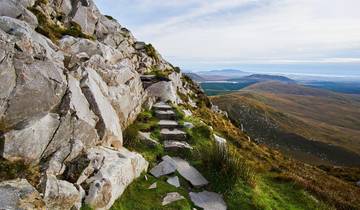
7 days
7 Day Dublin And Galway By Train
- ✓ Comprehensive Dublin tour
- ✓ Expert local guides included
- ✓ All accommodation arranged
- ✓ Transportation provided
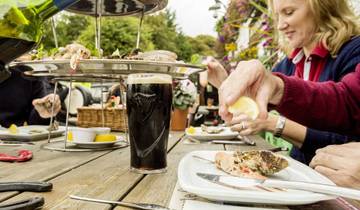
1 days
Private Day Tour of Wicklow and Glendalough.
- ✓ Comprehensive Dublin tour
- ✓ Expert local guides included
- ✓ All accommodation arranged
- ✓ Transportation provided

6 days
6-Day Magical Southern Explorer Small Group Tour
- ✓ Comprehensive Dublin tour
- ✓ Expert local guides included
- ✓ All accommodation arranged
- ✓ Transportation provided

5 days
Ireland's Ultimate Whiskey & Beer Journey
- ✓ Booking needs min. 2 travelers
Multi-day tour packages powered by TourRadar. Prices and availability subject to change.
Introduction: Navigating Dublin in 2026
Dublin operates as a compact, walkable capital where medieval quarters meet Georgian elegance, yet first-time visitors frequently struggle with practical logistics that locals navigate effortlessly. The city’s distinctive features — a contactless-card-dependent public transport system, a weather pattern that can cycle through sun, clouds, and rain within single hours, and a tipping culture fundamentally different from American expectations — create genuine confusion that diminishes travel experiences when approached unprepared.
Understanding Dublin’s systems before arrival transforms visits from frustrating to fluid. The Leap Card transit system appears straightforward but contains zone structures and transfer rules that maximize value only when properly understood. Irish mobile networks offer generous data allowances through unfamiliar providers whose coverage and pricing structures differ dramatically from American carriers. The city’s restaurant and pub culture follows unwritten rules about service charges, tipping expectations, and booking requirements that visitors violate unknowingly, creating awkward interactions.
Weather preparation proves particularly critical, as Dublin’s maritime climate delivers conditions that contradict expectations. Summer months average merely 15°C-19°C (59°F-66°F), requiring layered clothing that anticipates sudden temperature drops, while winter rarely freezes but maintains persistent dampness that chills more effectively than colder dry climates. Rain falls frequently year-round, often in brief showers rather than sustained storms, making waterproof layering more practical than umbrellas.
This guide addresses the practical realities Dublin visitors actually encounter rather than generic tourist information. Transportation strategies cover not just how to buy Leap Cards but when visitor passes provide better value than pay-as-you-go options. Mobile connectivity guidance explains Ireland’s three major networks, their coverage differences beyond Dublin city limits, and how eSIM technology changes connectivity for 2026 visitors. Tipping advice details exactly when Irish servers expect gratuities versus when tips cause confusion, based on specific venue types and service contexts.
Currency and payment systems receive detailed attention because Dublin exists in a transitional state where contactless cards dominate but cash remains necessary for certain transactions. Safety guidance addresses the specific areas and situations where Dublin’s generally excellent security record doesn’t apply, particularly in tourist-concentrated Temple Bar after dark. Health and insurance requirements explain the complexities of EU reciprocal healthcare agreements, pharmacy access for common needs, and when travelers require comprehensive medical coverage.
The following sections organize practical Dublin information by topic, allowing quick reference for specific questions while building comprehensive understanding of how Dublin operates in 2026. Each section provides specific, actionable information — exact prices, precise locations, concrete strategies — rather than vague generalities. The goal is eliminating uncertainty and preventing the small frustrations that accumulate into travel stress, allowing visitors to focus on experiencing Dublin’s rich literary heritage, vibrant pub culture, and welcoming Georgian streets.
Understanding Dublin’s Transportation System 2026
Leap Card Fundamentals for Visitors
Dublin’s public transportation operates primarily through the Leap Card, a rechargeable smart card that provides substantially discounted fares compared to cash payments. The TFI 90-Minute Fare stands as the system’s revolutionary feature, charging just €2 for adults for 90 minutes of unlimited transfers across Dublin Bus, Go-Ahead Ireland buses, Luas trams, DART trains, and commuter rail services within Zone 1 (central Dublin). This single fare costs €1 for students and young adults aged 19-25, and €0.65 for children.
Standard Leap Cards are available at post offices, convenience stores, Luas ticket machines, and Irish Rail stations throughout the city for a refundable €5 deposit. Purchasing locations are found at leapcard.ie, with cards requiring initial top-up of €5-50 depending on anticipated usage. The card automatically deducts appropriate fares when tapped on yellow validators at bus entrances, Luas platforms, and train station gates. Always tap both on entry and exit for trains and trams to ensure correct fare calculation.
Cash payments on Dublin buses cost €2.70-3.30 for single journeys depending on distance, with no change given, making the €2 Leap fare a 40% saving. Bus drivers cannot provide change, so exact fare becomes mandatory for cash payments. Buses accept only coins, not notes, creating additional complications for visitors without proper change.
Leap Visitor Card for Tourists 2026
The Leap Visitor Card provides unlimited travel specifically designed for short-stay tourists, available in three durations: 1-day (€10), 3-day (€19.50), and 7-day (€40). These cards cover unlimited travel on Dublin City Bus services operated by Dublin Bus and Go-Ahead Ireland, Luas tram lines, DART coastal rail, and Commuter Rail services within Zone 1 from first use through midnight of the final day.
Visitor cards are purchased online at leapcard.ie with home delivery available internationally, at Dublin Airport arrivals from WH Smith stores and SIM Local vending machines in both terminals, or at select retailers including Eason bookshops and tourist information offices throughout Dublin. Cards activate automatically upon first tap at any validator, making them immediately functional without additional setup.
The visitor card proves economical for travelers making four or more journeys daily, as the break-even point occurs at approximately six €2 trips. A typical sightseeing day involving travel to Trinity College, Guinness Storehouse, Temple Bar, and return to accommodation represents eight separate fares totaling €16, making the 3-day visitor card (€6.50 daily) considerably cheaper than pay-as-you-go options.
Important limitations apply to visitor cards: they are not valid on Hop-on-Hop-off tourist buses, Bus Éireann intercity services, Aircoach airport shuttles, or Dublin Express airport buses. For airport transfers, travelers must purchase separate tickets or use standard Leap Card credit. The cards do work on Dublin Bus routes 16 and 41 serving the airport, providing the most economical airport transfer option at no additional cost beyond the visitor card price.
Navigating Zone Systems and Fares
Dublin’s public transport divides into four geographic zones extending outward from the city center, with fares increasing for cross-zone travel. Zone 1 encompasses central Dublin and inner suburbs including most tourist attractions, accommodation areas, and the airport. Zone 2 extends to Blessington, Skerries, Naas, and Greystones. Zone 3 reaches Trim, Drogheda, Newbridge, and Wicklow Town. Zone 4 covers Navan, Kildare Town, and Rathdrum.
Leap Card fares for cross-zone travel are: Zone 1 to Zone 2 €3.90 adults, Zone 1 to Zone 3 €6 adults, Zone 1 to Zone 4 €7.50 adults. These fares apply when traveling to or from Zone 1, though additional zone-to-zone fares are under development. Most visitors remain entirely within Zone 1 for central Dublin exploration, with Zone 2 relevant only for day trips to coastal towns like Howth or Greystones.
Daily fare capping on standard Leap Cards limits charges to the equivalent of a daily ticket after sufficient travel, preventing overcharges on heavy-use days. The system automatically applies the best value, though specific cap amounts vary by zones traveled. Weekly capping similarly protects frequent travelers from excessive charges, making standard Leap Cards potentially more economical than visitor cards for longer stays exceeding seven days with intensive daily travel.
Taxis, Rideshare, and Alternative Transport 2026
Official Dublin taxis operate under strict regulation with metered fares starting at €4 base charge plus €1.20-1.50 per kilometer depending on time of day. Evening rates (8 PM-8 AM) and Sunday surcharges add approximately 40% to journey costs. Typical fares include city center to suburbs €12-18, airport to city center €25-35, and cross-city journeys €15-25. All taxis accept card payments, though confirming card acceptance before departure prevents disagreements.
Free Now (formerly MyTaxi) and Uber operate in Dublin, with Free Now more widely adopted among local drivers. Both apps provide upfront pricing, eliminating meter concerns and allowing comparison shopping. Free Now integrates with Leap Card accounts, offering integrated payment options. Uber’s Dublin presence remains smaller than Free Now, sometimes resulting in longer wait times, particularly outside peak hours or beyond central areas.
Dublin’s growing bike-share scheme, Moby, provides electric bikes at stations throughout the city center for €2 per 30 minutes plus €5 daily access fee. Traditional pedal bikes from Dublin Bikes cost €2 for three-day access with first 30 minutes free and subsequent half-hours €0.50. Cycling infrastructure has improved substantially with protected lanes on major routes, though narrow streets in medieval quarters remain challenging for inexperienced urban cyclists.
Walking remains the most practical transport method within central Dublin, with Trinity College to Temple Bar in 5 minutes, Temple Bar to Dublin Castle in 3 minutes, and St. Stephen’s Green to Grafton Street in 2 minutes. Compact historic center layout makes buses and trams unnecessary for attractions within the Georgian core, though useful for reaching outlying sites like Kilmainham Gaol, Phoenix Park, or seaside Dún Laoghaire.
Mobile Connectivity and Internet Access 2026
Irish Mobile Networks and Coverage
Three Ireland, Vodafone Ireland, and Eir dominate Ireland’s mobile telecommunications market, collectively providing 99% population coverage including rural areas. Three leads in 5G deployment across Dublin, Cork, Limerick, and Galway urban centers, offering fastest speeds in densely populated areas. Vodafone maintains the most extensive 4G network extending into countryside beyond major cities, making it optimal for travelers planning road trips through rural Ireland beyond Dublin. Eir, Ireland’s oldest telecommunications provider, offers comprehensive coverage at typically higher prices than competitors.
Three Ireland’s tourist plans provide exceptional value at €20-30 for 28-day unlimited 5G data within Ireland plus 13GB EU roaming allowance. Vodafone’s tourist packages cost €20-30 monthly with 10GB-unlimited data options, unlimited calls, and texts. Eir charges similar €20-30 rates but includes only specific data amounts rather than unlimited options. All three networks provide excellent service throughout Dublin proper, with differences emerging only in remote countryside areas.
Network selection matters primarily for travelers venturing beyond Dublin into Wild Atlantic Way coastal routes, Ring of Kerry drives, or Northern Ireland crossings. Within Dublin itself, all three networks deliver comparable performance for standard tourist needs including GPS navigation, ride-sharing apps, restaurant bookings, and attraction information. 5G coverage extends throughout Dublin 1-24 postal districts, while suburban areas rely on 4G LTE maintaining adequate speeds for all typical applications.
Purchasing Physical SIM Cards in Dublin
Dublin Airport provides the most convenient SIM card purchase location, with Three, Vodafone, and Lycamobile kiosks in both Terminal 1 and 2 arrivals areas operating during all flight arrival times. Prices at airport locations exceed city center rates by €5-10, with tourist plans at airport kiosks typically €25-30 compared to €20-25 at urban retail stores. SIM Local vending machines in both terminals offer 24-hour access but charge premium prices for convenience.
Dublin city center offers numerous SIM card purchase options along Henry Street, where official Three, Vodafone, and Eir stores cluster within 100 meters of each other. These stores provide tourist-specific plans, assistance with phone configuration, and no-purchase-pressure browsing. Staff speak fluent English and understand international travelers’ typical questions about roaming, data allowances, and EU coverage. Stores operate Monday-Saturday 9 AM-6 PM, with Thursday late opening to 8 PM and Sunday hours 12 PM-5 PM.
Tesco, Dunnes Stores, and Centra convenience stores throughout Dublin sell prepaid SIM cards for all three major networks, though staff assistance varies greatly by location. These retail options provide lower prices than airport kiosks, with standard tourist plans €20-25, but require self-activation following package instructions. Convenience store purchases suit tech-comfortable travelers willing to configure phones independently, while airport or official store purchases benefit those preferring assisted setup.
Physical SIM cards require unlocked phones to function. International visitors should verify their devices are carrier-unlocked before traveling, as locked phones purchased through installment plans from home carriers typically cannot accept foreign SIM cards. No identification or passport is required for purchasing prepaid Irish SIM cards, contrasting with some European countries’ registration requirements.
eSIM Technology for 2026 Travelers
eSIM digital cards revolutionize mobile connectivity for 2026 travelers with compatible devices, eliminating physical card swapping while maintaining home number accessibility simultaneously. Most iPhone models from XS/XR onwards (2018+), Google Pixel 3 and newer (2018+), and recent Samsung Galaxy flagship models support eSIM technology. Check device compatibility at device manufacturer websites before departure, as eSIM support varies by model and carrier origin.
Holafly, Airalo, and SimCorner lead eSIM provision for Ireland travel, offering plans from €10-60 with data allowances from 3GB to unlimited for durations 1-90 days. Holafly provides unlimited data plans starting €19 for 5 days, €32 for 15 days, and €54 for 30 days with instant delivery via QR code email. Airalo offers smaller packages from 1GB/7 days at €4.50, scaling to 10GB/30 days at €26, suiting light-data users. SimCorner’s Ireland eSIM provides 3GB daily high-speed data with unlimited reduced-speed access after daily threshold, operating on Three Ireland and Vodafone networks.
eSIM activation occurs through QR code scanning in device settings before departure or upon Ireland arrival, taking 2-5 minutes for complete setup. The eSIM downloads wirelessly, activates automatically when connecting to supported Irish networks, and begins validity periods from first network connection rather than purchase date. Primary phone numbers remain active for calls and SMS while eSIM handles all data traffic, ideal for travelers needing home number accessibility for banking authentication codes or family contact.
eSIM limitations include inability to share data through hotspots with some providers, restriction to single device use without transferability, and occasional activation complications requiring customer service contact. Physical SIM cards allow easier device switching if phones fail or are lost, provide shareable hotspot access universally, and enable family members to pass cards between devices during trips. eSIM advantages include pre-arrival activation, no airport kiosk queues, dual SIM functionality maintaining home numbers, and immunity to physical loss or damage.
Data requirements for typical Dublin visitors average 2-5GB weekly, covering constant GPS navigation, frequent Instagram/Facebook updates, restaurant searches, ride-sharing apps, and evening accommodation research. Power users consuming streaming video or uploading high-resolution photos to cloud services require 10-20GB weekly. Budget minimum 500MB daily for basic navigation and messaging, 1GB daily for moderate social media and photo sharing, or 2-3GB daily for heavy usage including video streaming.
WiFi Access Throughout Dublin
Public WiFi blankets Dublin’s tourist areas, with DubLinkCity providing free city center access across O’Connell Street, Grafton Street, and St. Stephen’s Green requiring only email registration for unlimited hourly sessions. Speeds support basic browsing, mapping, and messaging but prove inadequate for video calls or cloud photo uploads. Connection quality degrades severely during peak tourist hours 11 AM-3 PM, making mobile data more reliable for time-sensitive bookings or navigation.
Accommodation universally provides WiFi as standard amenity, with speeds varying dramatically from barely-functional 2-5 Mbps in budget hostels to excellent 50-100 Mbps in business hotels. Specifically request room WiFi codes at check-in rather than relying on lobby networks, as signal rarely penetrates thick Georgian-era walls effectively to upper floors. Most accommodations limit simultaneous device connections to 2-3 per room, potentially problematic for families or groups.
Cafés, restaurants, and pubs typically offer free WiFi to customers, with passwords displayed near counters or provided on receipt. Starbucks, Costa Coffee, and Insomnia chains provide reliable high-speed connections throughout their Dublin locations without purchase requirements. Traditional Irish pubs in Temple Bar and surrounding tourist areas provide WiFi inconsistently, with older establishments often lacking services entirely. Museums including the National Gallery, Natural History Museum, and EPIC museum provide free visitor WiFi supporting online ticket validation and audio guide streaming.
Security considerations apply to all public WiFi networks, as unencrypted connections allow potential data interception. Avoid accessing banking, entering passwords, or transmitting payment information over public networks without VPN protection. Use cellular data for financial transactions even when WiFi appears convenient, as mobile network encryption provides substantially better security than public hotspots.
Weather, Climate, and What to Pack
Understanding Dublin’s Oceanic Climate Patterns
Dublin’s maritime position on Ireland’s east coast creates an oceanic climate characterized by mild temperatures year-round, frequent precipitation, and rapid weather changes within single days. July averages 15.4°C (59.7°F) as the warmest month with just 56mm rainfall, while January averages 5.3°C (41.5°F) as the coldest month. The city rarely experiences temperature extremes, with summer highs rarely exceeding 25°C (77°F) and winter lows rarely dropping below freezing.
Rain falls approximately 150 days annually, distributed evenly across seasons rather than concentrated in specific wet periods. Annual precipitation totals 760mm, lower than western Ireland due to eastern coastal positioning sheltering Dublin from Atlantic moisture. Rain typically arrives in brief showers lasting 15-45 minutes rather than sustained all-day storms, with multiple dry periods between showers allowing tourism activities to proceed with waterproof layering preparation.
Cloud cover dominates Dublin skies throughout the year, with average annual sunshine hours just 1,445 hours, approximately 4 hours daily. Completely clear days occur rarely, with partial cloudiness representing typical conditions even during summer months. Visitors expecting Mediterranean-style sunny days encounter disappointment, requiring attitude adjustment to appreciate the atmospheric Celtic light that inspired generations of Irish poets and painters.
Wind represents Dublin’s fourth weather element, with Atlantic systems delivering moderate to strong breezes particularly November through March. Coastal exposure makes temperatures feel significantly colder than thermometer readings suggest, especially along Sandymount Strand, Dún Laoghaire, or Howth seafront walks. Wind chill can reduce effective temperatures by 3-5°C (5-9°F), making a “mild” 8°C (46°F) winter day feel closer to 3°C (37°F) near the coast.
Seasonal Packing Strategies for 2026
Summer visitors June through August pack for pleasant 19°C (66°F) average temperatures requiring layering rather than heavy clothing. Base wardrobe on lightweight long-sleeve shirts, thin sweaters, and comfortable pants, with shorts suitable only for unseasonably warm afternoons. A waterproof jacket with hood proves mandatory as primary outerwear, supplemented by an umbrella for sustained rain periods. Closed-toe walking shoes with water-resistant treatment handle cobblestone streets and unexpected showers better than sandals.
Spring and autumn shoulder seasons March-May and September-November demand versatile layering systems accommodating 11°C-13°C (52°F-55°F) average temperatures with significant daily fluctuation. Morning departures require sweaters and light jackets, while afternoon temperatures may allow shirt-sleeve comfort. Pack multiple thin layers instead of bulky coats, creating flexible insulation options as weather shifts throughout exploration days. Scarves and light gloves prove useful for early morning or evening walks, while remaining easily stowable in daypack when unnecessary.
Winter travelers December through February prepare for 2°C-8°C (36°F-46°F) conditions requiring warm but not arctic gear. A quality winter coat, warm scarf, gloves, and hat handle most Dublin winter days, though layering beneath coats with sweaters and long underwear for particularly cold or windy periods proves sensible. Waterproof winter boots with traction become essential, as wet surfaces combined with cold temperatures create slippery conditions on Dublin’s ubiquitous cobblestone streets. Thermal underlayers add warmth without bulk for travelers planning extended outdoor time at coastal locations or open-air attractions.
The golden packing rule for Dublin: bring half the clothes you think necessary and twice the rain protection. Layerable, quick-drying clothing allows outfit repetition without laundry stress, while comprehensive rain gear ensures weather never derails plans. A small daypack carrying water bottle, umbrella, extra sweater, and light raincoat provides flexibility for all weather scenarios encountered during full-day exploration.
Month-by-Month Weather Expectations
January and February represent Dublin’s coldest, darkest period with temperatures 2°C-8°C (36°F-46°F) and just 2-3 sunshine hours daily. Tourist crowds thin dramatically creating excellent value accommodation and attraction pricing, though many outdoor events and seasonal attractions close. Daylight shortens to 8 hours, with sunrise around 8:30 AM and sunset 4:30 PM limiting exploration time. Winter suits visitors prioritizing indoor cultural attractions — museums, theaters, traditional music sessions — over outdoor sightseeing.
March through May brings spring awakening with temperatures climbing from 8°C (46°F) in April to 11°C (52°F) in May, accompanied by increasing daylight extending to 16-17 hours by late May. St. Patrick’s Day March 17 attracts enormous crowds and premium accommodation pricing, with the entire city celebrating Ireland’s patron saint through parades, pub festivities, and green everything. April and May offer excellent visiting conditions with mild temperatures, blooming gardens, and moderate tourist volumes preceding summer peak season.
June through August constitutes peak summer season with average temperatures 15°C-19°C (59°F-66°F) and maximum daylight approaching 17 hours daily in June. Large tourist crowds pack attractions and restaurants, requiring advance bookings for popular venues and accommodation. Weather remains mild rather than hot, disappointing sun-seekers but proving comfortable for extensive walking exploration. Festival calendar fills with outdoor events, while pub gardens operate at full capacity creating vibrant evening atmosphere.
September through November delivers autumn charm with pleasant early September conditions around 13°C (55°F) cooling progressively toward November. Tourist crowds dissipate after schools resume, creating excellent value opportunities while weather remains reasonable through October. November grows damp and cold with shortening days, though crisp autumn colors in Phoenix Park and coastal walks maintain appeal. Accommodation pricing drops 30-50% compared to summer peaks, benefiting flexible travelers prioritizing value over guaranteed weather.
Money, Payment, and Tipping in Ireland 2026
Currency and Cash Requirements
The Republic of Ireland uses the Euro (€) as official currency, with coins in denominations €0.01, €0.02, €0.05, €0.10, €0.20, €0.50, €1, €2 and notes €5, €10, €20, €50, €100, €200, €500. Northern Ireland across the border uses British Pounds Sterling (£), creating confusion for visitors unaware of the currency change when crossing into Belfast or Derry. Always verify which currency businesses accept when traveling between Republic and Northern Ireland.
ATMs throughout Dublin dispense Euros in €10, €20, and €50 notes, with €20 notes most practical for daily transactions. Bank of Ireland, AIB, Ulster Bank, and Permanent TSB operate extensive ATM networks throughout the city center and suburbs, typically charging €3-5 for international card withdrawals plus home bank foreign transaction fees. Airport ATMs charge premium rates €5-8 per transaction, making city center withdrawals more economical after arrival.
Daily cash requirements in Dublin remain minimal, as contactless cards dominate transactions. Budget €40-60 cash daily for street food, market purchases, traditional pubs lacking card readers, and tipping situations. Some small establishments maintain €10 card minimum purchases, though this practice declines as contactless adoption increases. Restaurants, hotels, attractions, taxis, and supermarkets universally accept cards, eliminating cash necessity for most purchases.
Currency exchange services at Dublin Airport, major banks, and city center exchange bureaus charge 3-8% commissions plus unfavorable exchange rates, making them expensive options. Credit and debit card purchases provide better exchange rates with lower fees, while ATM withdrawals offer moderate rates with predictable per-transaction charges. Avoid airport exchange services entirely, using €20-40 ATM withdrawal upon city arrival for immediate cash needs.
Contactless and Card Payments
Contactless payment dominates Dublin retail, with tap-to-pay limits at €50 allowing most purchases without PIN entry. Visa, Mastercard, American Express, and Discover cards function universally, though American Express acceptance remains lower than Visa/Mastercard at approximately 85% of establishments. Apple Pay, Google Pay, and Samsung Pay work identically to physical contactless cards throughout Ireland, providing convenient phone-based payment without physical card carrying.
Foreign transaction fees charged by home banks vary substantially, typically 1-3% per transaction plus potential fixed fees on international purchases. Credit cards generally provide better exchange rates and fraud protection than debit cards, making them preferable for larger purchases despite interest charges on unpaid balances. Notify card issuers before international travel to prevent fraud-triggered card blocks that leave travelers without payment access.
Chip-and-PIN technology remains standard in Ireland, with signature-based cards occasionally problematic at automated kiosks or unstaffed retail locations. Contactless eliminates chip-and-PIN complications for purchases under €50, though larger transactions require PIN entry. US travelers with signature-based cards should carry backup payment methods for automated ticket machines at train stations or parking garages potentially rejecting signature cards.
Card reader fraud remains minimal in Dublin’s regulated environment, though basic precautions apply: shield PIN entry, verify correct amounts before confirming transactions, save receipts for later verification, and monitor account activity during travel. Irish chip-and-PIN technology provides stronger fraud protection than magnetic stripe systems, reducing risk substantially compared to less developed payment infrastructures.
Irish Tipping Culture and Expectations
Tipping in Ireland operates on 10-15% standards in restaurants, fundamentally different from American 18-20% minimums. Irish service workers receive standard minimum wages (€12.70 hourly in 2025), making tips genuine bonuses for excellent service rather than wage supplements. This structural difference creates relaxed tipping culture where gratuities reward exceptional experiences without compulsory obligation.
Service charges appear automatically on restaurant bills for groups of 10 or more, typically 12-20%, eliminating additional tipping requirements. Always verify bill totals before adding tips, as double-tipping common when service charges exist but remain unnoticed by diners. When service charges appear, additional gratuities acknowledge truly outstanding service rather than standard expectations.
Bar and pub tipping differs from restaurant expectations, with no tips expected for drinks ordered at the bar. Table service situations warrant tips when staff delivers drinks to your seating area, typically rounded up to nearest €5 or €10 on larger orders. Ordering three pints totaling €18 might warrant €20 payment with €2 tip, while bar-only service for the same drinks receives no tip. This distinction confuses American visitors accustomed to tipping bartenders automatically.
Taxi tipping remains optional, with rounding fares to nearest €5 or €10 considered generous. A €12 taxi ride might receive €15 payment if driver assisted with luggage or provided helpful recommendations. Express simple appreciation verbally rather than financially for standard taxi service meeting basic expectations. Free Now and Uber apps allow in-app tipping, though this remains rarer in Irish taxi culture than American equivalents.
Hotel staff tipping focuses on porters (€1-2 per bag) and housekeeping (€2-5 daily), with concierge tips (€5-10) reserved for exceptional assistance securing difficult reservations or arranging special experiences. Small bed-and-breakfast operations owned and operated by resident families expect no tips, as personal hospitality differs from commercial hotel service structures. Tipping breakfast servers in hotels remains uncommon even when table service occurs.
Cash remains strongly preferred for tipping despite Dublin’s contactless payment dominance. Credit card tip options appear increasingly on payment terminals, though servers receive these tips less reliably than cash gratuities due to processing delays and potential pooling arrangements. Carry €1, €2, and €5 coins plus €10, €20 notes specifically for tipping situations throughout Dublin visits.
Safety, Health, and Emergency Information 2026
Personal Safety in Dublin Neighborhoods
Dublin ranks among Europe’s safest capital cities with low violent crime rates and minimal risks for tourists following basic precautions. City center areas including Trinity College, Grafton Street, Temple Bar, and Georgian Quarter maintain excellent safety standards during daylight hours, with heavy pedestrian traffic and visible Garda (police) presence deterring opportunistic crime. Solo travelers, including women, navigate these areas safely throughout the day.
Temple Bar after 10 PM attracts attention as Dublin’s primary tourist-targeted crime area, with pickpockets working crowded pub-lined streets and intoxicated visitors providing easy targets. Remain vigilant about personal belongings in Temple Bar evening hours, keeping phones in front pockets, bags zipped and held forward, and valuable cameras stored until photography moments. Groups of young men loitering near ATMs or engaging tourists in distracting conversations often signal pickpocketing operations.
Dublin’s north inner city including areas around O’Connell Street upper sections, Gardiner Street, and Summerhill exhibit higher crime rates than tourist-centered south-side neighborhoods. These areas remain generally safe during daylight hours for tourists traveling through toward attractions like the James Joyce Centre or Croke Park, though exercise additional awareness. After dark, avoid walking these neighborhoods alone, instead using taxis or rideshare services for north-side evening returns.
Public intoxication occurs frequently in Dublin’s pub-centric culture, particularly Friday-Saturday nights and any evening around sporting events. Intoxicated individuals rarely pose direct threats but create unpredictable situations best avoided. Cross streets or enter shops when encountering aggressive drunks or groups engaging in heated discussions, as these situations escalate rapidly without tourist involvement. Garda respond quickly to public disturbances, making assistance readily available when situations appear threatening.
Garda stations throughout Dublin operate 24 hours with English-speaking officers assisting tourists with lost property reports, theft claims for insurance purposes, or general safety concerns. Store Garda station locations in phone: Pearse Street Station (city center), Harcourt Terrace Station (south city), and Kevin Street Station (south inner city) serve tourist areas most effectively. Emergency number 112 or 999 reaches police, ambulance, and fire services from any phone including locked mobile devices without SIM cards.
Healthcare Access and Medical Services
Ireland’s public healthcare system provides emergency treatment to all visitors regardless of nationality or payment ability, though non-urgent care requires payment from non-EU visitors without reciprocal healthcare agreements. EU citizens must carry valid European Health Insurance Cards (EHIC) to access Irish public healthcare at local rates, which remain substantially cheaper than full tourist rates but still involve charges. Non-EU visitors should maintain comprehensive travel insurance covering medical emergencies, as Irish healthcare costs mirror American levels without insurance coverage.
Dublin’s major hospitals providing accident and emergency services include St. James’s Hospital (city center southwest), Beaumont Hospital (north city), and Mater Misericordiae University Hospital (north inner city). Emergency department wait times range from 2-8 hours for non-life-threatening conditions, with triage determining treatment priority. Private hospitals including Blackrock Clinic and Beacon Hospital offer faster service for insured patients or those paying directly.
Pharmacies throughout Dublin provide over-the-counter medications for common ailments without prescription requirements, including ibuprofen, paracetamol (acetaminophen), antihistamines, and cold/flu remedies. Boots and Lloyds Pharmacy chains operate extensively throughout central Dublin with extended hours, some locations open until 10 PM weekdays. Pharmacy staff provide informal medical advice for minor conditions, recommending appropriate treatments or suggesting GP visits for concerning symptoms.
Prescription medications from home countries generally cannot be filled in Ireland without Irish doctor prescriptions, making adequate supply critical for travelers with ongoing medication needs. Bring medications in original labeled containers with doctor’s letters explaining conditions and dosages, easing customs clearance and enabling Irish GP consultations if emergency refills become necessary. Contact lens solution, contact lenses, and eyeglass repairs are widely available throughout Dublin’s optical shops.
Mental health crisis support operates through Samaritans hotline 116 123 available 24/7 for anyone experiencing emotional distress or suicidal thoughts. Pieta House specifically supports individuals in suicidal crisis through 1800 247 247 hotline. These services assist tourists experiencing mental health emergencies alongside Irish residents, providing immediate crisis intervention and directing callers to appropriate continuing support services.
Travel Insurance Considerations for 2026
Comprehensive travel insurance proves essential for non-EU visitors to Dublin, covering medical emergencies, evacuation, trip cancellation, lost luggage, and theft. Policies costing €40-80 for week-long Dublin visits provide €50,000-100,000 medical coverage, €5,000-10,000 trip cancellation protection, and €1,000-2,000 baggage loss coverage. Compare policies carefully for pre-existing condition clauses, adventure activity exclusions, and coverage limits matching anticipated risks.
Medical evacuation coverage becomes critical for travelers from countries without reciprocal healthcare agreements with Ireland, as emergency transport to home countries costs €50,000-150,000 depending on medical requirements and distance. Standard travel insurance includes evacuation coverage, though limits vary substantially between budget and comprehensive policies. Verify evacuation benefits exceed €100,000 for adequate protection against catastrophic expenses.
Trip cancellation insurance protects against financial losses from cancelled flights, prepaid accommodations, and advance-purchase attraction tickets when emergencies prevent travel. Most policies cover documented medical emergencies, death of family members, natural disasters, or jury duty summons as valid cancellation reasons. “Cancel for any reason” upgrades cost 40-50% more than standard policies but provide flexibility for non-covered cancellation circumstances.
Credit card travel insurance provided by premium cards including Chase Sapphire Reserve, American Express Platinum, or Citi Prestige often duplicates standalone policy coverage when trip purchases occur using those cards. Review card benefits documentation carefully, as coverage limitations including maximum trip durations, geographic exclusions, or activity restrictions may leave coverage gaps requiring supplemental policies. Card-based insurance typically provides secondary coverage, paying only after other insurance sources exhaust benefits.
Language, Culture, and Local Etiquette
English Language Variations and Irish Slang
English serves as Ireland’s primary language with distinctly Irish vocabulary, pronunciation patterns, and slang expressions requiring brief adjustment periods for American and British visitors. Irish English pronunciation softens certain consonants while emphasizing others, creating melodic speech patterns occasionally challenging for comprehension when delivered rapidly in strong Dublin accents. Most Dubliners modify speech patterns when addressing tourists, speaking more slowly and avoiding heavy dialect.
Common Irish expressions confusing American visitors include “grand” meaning fine or acceptable rather than impressive, “gas” meaning funny rather than petroleum, “yer man” or “yer one” referring to that guy or that woman, “deadly” meaning excellent, and “craic” (pronounced crack) referring to fun, news, or gossip. “What’s the craic?” asks how you’re doing or what’s happening, while “it was great craic” means it was enjoyable fun.
Irish Gaelic appears on street signs, government buildings, and official documents, with English translations accompanying Gaelic text universally in Dublin. Tourist attractions increasingly provide information in Irish Gaelic, English, and major international languages, though English dominates all practical tourism contexts. Learning basic Gaelic phrases proves unnecessary for tourism purposes, as English comprehension extends universally throughout Ireland.
Directional references in Irish English differ slightly from American usage, with “footpath” replacing “sidewalk,” “lift” meaning elevator, “queue” replacing “line” for waiting, and “first floor” indicating the level above ground floor rather than ground level itself. Restaurants serve “starters” not appetizers, “mains” not entrees, and “sweets” or “desserts” for final courses. Adapting to these minor language variations prevents minor confusion.
Pub Culture Protocols and Expectations
Irish pub culture revolves around communal drinking, conversation, and traditional music sessions following unwritten social protocols foreign visitors occasionally violate unknowingly. Bar service operates on queuing principles, with bartenders serving customers in arrival order rather than crowding-forward American bar behavior. Position yourself visibly at the bar, make eye contact with bar staff when your turn approaches, and place orders efficiently without lengthy deliberation holding up service.
Round-buying represents core pub social etiquette, with groups taking turns purchasing drinks for all members rather than individual ordering. Accepting a drink purchased for you creates obligation to buy the next round for the group, making refusal or early departure after accepting others’ drinks socially awkward. Americans uncomfortable with round-buying due to different drinking paces or budgets should order and pay individually from the start, explaining preferences before accepting group drinks.
Traditional Irish music sessions occurring nightly in Temple Bar, Smithfield, and throughout the city center follow specific protocols respecting musicians and audiences. Photography during performances requires subtle, non-disruptive approach without flash or movement during songs. Applaud between songs rather than during performances, allow musicians breaks between sets without constant requests, and tip generously in collection buckets passed around as musicians typically perform for tips rather than venue payments.
Guinness pouring ritual remains sacrosanct in Dublin, with properly poured pints requiring 119.5 seconds for complete two-part pour creating optimal head and flavor. Bartenders take pride in pouring techniques, with perfect pours demonstrating skill and dedication to quality. Never rush bartenders during Guinness pours or express impatience at wait times, as this violates fundamental Dublin pub culture principles. The wait forms part of the ritual and experience.
Dining Customs and Restaurant Etiquette 2026
Dublin restaurants operate on reservation systems for dinner service, particularly Thursday through Sunday when local diners fill popular establishments. Book reservations 2-7 days in advance for desired restaurants through phone calls, OpenTable, or restaurant websites. Walk-in availability exists at most establishments for lunch service or early dinners before 6 PM, though prime dining times 7-9 PM require advance bookings at popular venues.
Table service standards in Ireland follow European patterns with less frequent server check-ins than American restaurants. Servers initially take orders, deliver meals, and check satisfaction once after delivery, then remain available but unobtrusive until summoned for dessert, additional drinks, or bills. The absence of constant server presence doesn’t indicate poor service but rather European dining culture allowing extended table time without pressure. Signal servers through eye contact, subtle hand raises, or brief “excuse me” statements when requiring assistance.
Dining pace in Irish restaurants proceeds leisurely, with 90-120 minute meals typical for multi-course dinners. Servers allow extensive time between courses, never rushing diners toward completion to turn tables. This relaxed pacing benefits travelers seeking restful meals after intensive sightseeing days, though Americans accustomed to rapid service may initially perceive slowness as inattention. Bills arrive only when explicitly requested, as delivering unrequested bills suggests rushed table turnover considered rude in Irish culture.
Children dine welcomed in most Dublin restaurants including pubs during daytime hours, with high chairs and children’s menus standard offerings. Evening pub transformation shifts from family-friendly dining to adult drinking environments around 8-9 PM, making earlier dinner times more appropriate for families with young children. Formal fine-dining establishments maintain quiet adult atmospheres regardless of time, making them less suitable for families with young children unable to maintain extended quiet behavior.
Accommodation Booking Strategies 2026
Neighborhood Selection for Different Budgets
Dublin’s accommodation concentrates in distinct neighborhoods serving different budget levels and travel styles. Temple Bar provides maximum tourist convenience with walking-distance access to major attractions, nightlife, and restaurants, though noise levels from nearby pubs extend until 2-3 AM nightly. Rates in Temple Bar peak at €120-280 per night for mid-range hotels, with hostel beds €25-45 per night. The area trades sleep quality for location convenience, suiting young travelers prioritizing nightlife over quiet rest.
St. Stephen’s Green and surrounding Georgian streets offer upscale accommodation €180-350 per night in boutique hotels and guesthouses occupying elegant historic townhouses. This neighborhood provides quiet refuge just steps from Grafton Street shopping and Trinity College, appealing to travelers seeking refined atmosphere with easy access to cultural attractions. Limited budget options exist in this premium area.
Ballsbridge and Dublin 4 suburbs south of city center provide excellent-value accommodation €80-150 per night in family-run guesthouses and mid-range hotels along residential streets. DART trains and buses connect Ballsbridge to city center in 15 minutes, combining affordability with quieter neighborhood character. This area suits travelers prioritizing comfortable accommodation over nightlife proximity, particularly families and older visitors.
Smithfield and Dublin 7 north of River Liffey offer emerging accommodation options €70-140 per night in converted warehouse buildings and modern budget hotels. The neighborhood lacks some south-side Georgian elegance but provides authentic Dublin residential atmosphere away from tourist concentrations. Luas Red Line trams connect Smithfield to city center in 8 minutes, making transport access excellent despite non-central location.
Booking Timing and Advance Planning
Optimal booking windows for Dublin accommodation vary seasonally, with summer peak season June-August requiring 8-12 week advance reservations to secure preferred properties at reasonable rates. Waiting until 4-6 weeks before summer travel increases rates 30-50% as availability tightens. St. Patrick’s Day period March 15-18 demands 4-6 month advance bookings due to extreme demand concentrated around Ireland’s national holiday.
Shoulder season spring April-May and autumn September-October provide greater booking flexibility, with 4-6 week advance reservations securing good selection and competitive rates. Last-minute bookings 1-2 weeks before travel during shoulder periods often yield deals as properties discount unsold inventory, though selection narrows substantially. Budget travelers willing to accept available properties rather than specific preferences benefit from last-minute booking strategies.
Winter low season November-February offers maximum booking flexibility and best value, with properties frequently discounting rates 40-60% compared to summer peaks. Last-minute bookings 3-7 days before travel provide excellent deals, particularly mid-week when business travel slows. Many Dublin properties close for January renovations, making December or February better low-season visiting periods than January.
Booking platforms including Booking.com, Hotels.com, Airbnb, and Hostelworld dominate Dublin accommodation reservations, often providing better rates than direct bookings for budget and mid-range properties. Luxury hotels and boutique properties frequently offer best rates through direct websites with exclusive packages bundling breakfast or attraction tickets. Compare platform and direct prices before finalizing reservations, as no single booking method consistently provides optimal value across all property types.
Alternative Accommodation Options
Airbnb and VRBO operate extensively throughout Dublin despite increasing regulatory restrictions on short-term rentals in residential areas. Entire apartments in residential neighborhoods cost €100-180 nightly for 2-bedroom units accommodating 4-6 guests, providing excellent value for families or groups. Private rooms in occupied apartments offer budget options €40-70 nightly, though sharing space with hosts creates less privacy than hotels or independent accommodations.
Hostels throughout Dublin provide budget accommodation €25-55 per night for dormitory beds or €70-120 per night for private rooms with shared bathrooms. Generator Hostel, Jacobs Inn, and Abbey Court Hostel maintain excellent reputations for cleanliness, social atmosphere, and central locations. Most hostels include basic breakfast, free WiFi, and common areas facilitating traveler interaction, suiting solo travelers and young budget-conscious visitors.
University accommodation becomes available during summer months June-August when students vacate, offering basic single or double rooms €50-90 per night in locations including Trinity College campus and Dublin City University. Rooms provide simple furnishings, shared bathrooms, and minimal services but deliver unbeatable central locations at budget prices. These options suit travelers prioritizing location value over accommodation comfort.
Suburban guesthouses and B&Bs along DART train lines in Dún Laoghaire, Dalkey, or Howth coastal towns provide peaceful retreat options €80-140 per night with full Irish breakfast included. These properties combine residential neighborhood tranquility with 25-35 minute train commutes to city center, suiting travelers seeking escape from urban intensity while maintaining easy access to Dublin attractions. Coastal locations provide additional sightseeing opportunities in charming seaside villages.
Dublin Tourist Pitfalls to Avoid in 2026
Temple Bar Tourist Trap Navigation
Temple Bar’s pedestrian cobblestone streets concentrate Dublin’s highest tourist traffic alongside its most inflated prices, creating environment where €7 pints (versus €5-6 elsewhere in Dublin) and €18-25 basic pub meals represent significant overcharges compared to identical offerings 200 meters beyond tourist zone boundaries. The neighborhood serves valuable purposes for first-time visitors seeking concentrated Irish pub atmosphere and live music, but dining and regular drinking there multiplies costs 30-50% unnecessarily.
Temple Bar pubs offer live traditional Irish music nightly without cover charges, making brief visits for music appreciation worthwhile despite expensive drinks. Purchase single drinks to experience authentic music sessions, then relocate to surrounding neighborhoods like Dame Street, Georges Street, or Smithfield for better-value subsequent rounds. This strategy captures Temple Bar’s musical atmosphere without sustaining inflated prices throughout entire evenings.
Restaurant quality in Temple Bar ranges from excellent to mediocre at identical high prices, requiring careful selection. Research TripAdvisor or Google reviews before committing to Temple Bar dining, as tourist-focused establishments prioritize volume over quality. Several outstanding restaurants operate within Temple Bar including The Woollen Mills and Bunsen, offering quality meals justifying premium prices, while many others provide forgettable food at memorable prices.
Transport and Attraction Booking Mistakes
Purchasing individual Dublin Bus, Luas, and DART tickets daily instead of Leap Card costs accumulate rapidly, with cash bus fares €2.70-3.30 versus €2 Leap rates representing 35-65% premium for inconvenient payment method. First-day Leap Card purchases at airport or city center for €10 including €5 card deposit plus €5 credit pays for itself within 3-4 journeys, then continues saving throughout entire Dublin visit.
Major Dublin attractions including Guinness Storehouse, Kilmainham Gaol, Book of Kells, and Jameson Distillery tours require advance timed-entry bookings during peak season June-August, with walk-up attempts resulting in sold-out disappointment or hours-long waits for next-available entry slots. Book popular attractions 1-3 weeks in advance through official websites, as third-party booking sites add €3-8 fees for identical tickets. Same-day mobile bookings often work for shoulder-season visits but risk disappointment during summer peaks.
Dublin Pass bundled attraction tickets marketed as money-saving options provide poor value for most visitors, requiring intensive multi-attraction daily schedules to break even. The pass costs €69-139 for 1-5 days covering 30+ attractions, but most tourists realistically visit 2-3 attractions daily making individual tickets more economical. Calculate your specific planned attractions before purchasing Dublin Pass, as targeted individual bookings typically save €20-40 versus pass costs.
Unrealistic Daily Itinerary Planning
First-time Dublin visitors frequently plan impossible itineraries attempting 6-8 major attractions daily, underestimating travel times between sites, queue waits at popular venues, and exploration depth that quality visits require. Realistic daily schedules accommodate 3-4 attractions with associated travel, meals, and rest periods, allowing meaningful engagement rather than rushed check-box tourism.
Dublin’s compact center deceives visitors into underestimating walking distances, as Trinity College to Kilmainham Gaol represents comfortable 35-minute walk on maps but requires 50-60 minutes accounting for pedestrian crossings, crowds, and authentic Irish pace. Add 15-20 minutes buffer to all mapped walking times, or utilize Luas, DART, and buses for distances exceeding 2 kilometers when time constraints matter.
Attraction entry times appear straightforward but conceal substantial additional time requirements for full experiences. Guinness Storehouse “2-hour” visits realistically require 2.5-3 hours including rooftop bar waits and gift shop browsing. Book of Kells “45-minute” experiences extend to 90 minutes including Long Room Library exploration. Budget 30-50% beyond published visit durations for complete attraction experiences without rushed hurrying.
Day Trip Planning Beyond Dublin 2026
Accessible Day Destinations from Dublin
Glendalough monastic settlement in County Wicklow provides Ireland’s most accessible mountain and lake scenery 50 kilometers south of Dublin, reachable via St. Kevin’s Bus Service €20 return departing twice daily from central Dublin. The 6th-century monastic site features iconic round tower, stone churches, and two mountain lakes surrounded by hiking trails ranging from easy 30-minute lakeside loops to challenging 4-hour mountain circuits. Allow full days for Glendalough visits combining monastic history with mountain walking.
Newgrange prehistoric passage tomb north of Dublin predates Egypt’s pyramids by 500 years, representing Ireland’s most significant archaeological site accessible via organized tours €45-60 or independent travel combining Bus Éireann services with 2-kilometer walks from nearest stops. The 5,000-year-old structure features winter solstice alignment allowing sunlight penetration to inner chamber December 21, with year-round guided tours explaining Neolithic construction techniques. Newgrange requires advance booking through official visitor center, as independent site access is prohibited.
Howth fishing village perches on peninsula 30 minutes north of Dublin via DART trains €3.90 return, offering cliff walks, seafood restaurants, and working harbor atmosphere. The Howth Cliff Loop Walk covers 6 kilometers in 2 hours along dramatic coastal paths with panoramic Dublin Bay views, accessible directly from Howth DART station. This represents Dublin’s easiest day trip, combining coastal scenery with fresh seafood dining at minimal cost and no advance planning requirements.
Kilkenny medieval city 130 kilometers southwest of Dublin features Norman castle, medieval cathedral, and craft breweries accessible via Bus Éireann or Irish Rail services €20-28 return. Day trips allow 3-4 hours exploring Kilkenny Castle, meandering medieval streets, and sampling craft beers at Smithwick’s Experience before returning to Dublin evening. This represents maximum reasonable day-trip distance from Dublin, with earlier departures and later returns essential for adequate exploration time.
Organized Tour versus Independent Travel
Wild Atlantic Way coastal tours, Cliffs of Moher excursions, and Giant’s Causeway Northern Ireland trips operate daily from Dublin at €40-85 per person, providing guided experiences but involving 12-14 hour days with 6-8 hours in coaches. These tours suit travelers without cars prioritizing iconic sight coverage over deep engagement, delivering maximum sights with minimum planning. However, brief photo stops at destinations and rigid schedules limit authentic experiences compared to independent travel.
Car rental for day trips costs €40-70 daily from Dublin Airport or city locations, plus €20-35 fuel depending on distances traveled, providing flexibility unavailable on organized tours. Irish driving involves left-side roads, roundabouts, narrow country lanes, and occasional challenging navigation on rural routes, requiring confident driving skills and careful attention. Parking at major tourist sites costs €5-12 daily, with payment typically via app-based systems requiring Irish mobile numbers.
Public transport reaches most major day-trip destinations from Dublin through Bus Éireann intercity coaches and Irish Rail services, offering economical independent travel €15-30 return with flexibility absent from organized tours. Schedules require advance research as services operate less frequently on Sundays and holidays, with some rural destinations served only 2-3 times daily requiring careful timing. This approach combines independence with economy, though demand advance planning and schedule adherence.
Frequently Asked Questions About Visiting Dublin 2026
What is the best area to stay in Dublin for first-time visitors?
Temple Bar and surrounding areas within Dublin 2 postal district provide optimal first-time visitor locations, placing major attractions including Trinity College, Dublin Castle, Christ Church Cathedral, and Grafton Street shopping within 5-10 minute walks. Accommodation costs €120-280 per night for mid-range hotels, with hostels €25-45 per night for budget travelers. Noise from nearby pubs continues until 2-3 AM most nights, trading sleep quality for unbeatable convenience. St. Stephen’s Green area offers quieter alternatives at similar prices with nearly equivalent central access.
How many days do I need to visit Dublin properly in 2026?
Three full days covers Dublin’s essential attractions at comfortable pace without rushed schedules: Day 1 for Trinity College and Book of Kells, National Museum, and Grafton Street exploration; Day 2 for Dublin Castle, Christ Church Cathedral, Guinness Storehouse, and Temple Bar evening; Day 3 for Kilmainham Gaol, Phoenix Park, and St. Patrick’s Cathedral. Adding 1-2 days allows day trips to Glendalough or Howth, deeper neighborhood exploration, or flexible weather-dependent adjustments. Five-day visits provide comprehensive Dublin experiences without rushing.
Can I drink tap water safely in Dublin?
Dublin tap water meets EU safety standards and is completely safe for drinking, cooking, and teeth brushing. The water originates from Dublin and Wicklow mountain reservoirs, receiving treatment meeting stringent quality requirements. Restaurants provide tap water free upon request, though many visitors unnecessarily purchase bottled water from habit. Some older buildings’ internal plumbing affects taste without compromising safety, though major hotels and restaurants maintain modern systems delivering clean-tasting water. Bring refillable water bottles to reduce plastic waste and save money.
Is Dublin a walkable city for tourists in 2026?
Dublin’s compact historic center enables extensive walking exploration, with Trinity College to Temple Bar in 5 minutes, Dublin Castle to St. Stephen’s Green in 10 minutes, and most major cultural attractions within 20-minute walks of each other. Comfortable waterproof walking shoes prove essential for Georgian-era cobblestone streets that dominate the city center. Longer distances to outlying attractions like Kilmainham Gaol (4.5 kilometers from Trinity), Phoenix Park (5 kilometers from center), or Glasnevin Cemetery (4 kilometers north) benefit from public transport via Luas trams or Dublin Bus services reducing walking fatigue.
What electrical adapters do I need for Dublin?
Ireland uses Type G electrical sockets (same as United Kingdom) with three rectangular prongs arranged in triangular pattern, operating at 230V and 50Hz. American visitors (110V, 60Hz) require plug adapters plus voltage converters for devices lacking dual-voltage capability. Most modern electronics including phone chargers, laptop power supplies, and camera battery chargers support 110-240V (verify label specifications) requiring only plug adapters without voltage conversion. Hair dryers, straighteners, and heating devices typically require voltage converters unless specifically manufactured for international dual-voltage use.
Can I use my credit cards everywhere in Dublin?
Visa and Mastercard function universally throughout Dublin at hotels, restaurants, attractions, shops, and transportation services, with contactless payment tap limits at €50. American Express acceptance reaches approximately 85% of establishments, occasionally refused at smaller independent shops and restaurants. Discover card acceptance remains limited to approximately 40% of Dublin merchants, making backup Visa or Mastercard essential. Notify credit card companies before international travel preventing fraud-triggered card suspensions. Carry €40-60 daily cash for small establishments, tipping, and rare card-reader failures.
What should I do if my phone is stolen in Dublin?
Immediately report phone theft to Garda at nearest police station for official crime reference number required by insurance claims. Pearse Street Garda Station (central Dublin) operates 24 hours serving tourists effectively. Contact your mobile carrier from hotel or hostel to suspend service preventing unauthorized charges, then remotely wipe device through Find My iPhone (Apple) or Find My Device (Android) protecting personal data. File insurance claims within 24-48 hours of theft for optimal processing. Purchase temporary replacement phone from Carphone Warehouse, Three stores, or Vodafone locations throughout Dublin, with basic smartphones available €80-150 or borrow hostel/hotel computers for essential communications.
Are Dublin restaurants open on Sundays in 2026?
Most Dublin restaurants open Sundays with reduced hours compared to weekdays, typically 12 PM-9 PM for lunch and dinner service. Temple Bar tourist area restaurants maintain full daily schedules with extended hours. Small cafes and casual eateries close Sundays or operate 12 PM-5 PM for lunch only, particularly in residential neighborhoods beyond tourist centers. Major chain restaurants including TGI Fridays, Eddie Rocket’s, and international cuisines open standard hours seven days weekly. Traditional Irish pubs serve Sunday roast lunches 12 PM-4 PM as cultural institutions, with regular bar service continuing until late evening. Verify specific restaurant hours through Google listings or phone calls before planning Sunday dining, especially for breakfast or late dinners.
How much should I tip tour guides in Dublin?
Walking tour guides expect €2-5 per person for 2-hour tours and €5-10 per person for full-day excursions when satisfied with guide quality and information provided. “Free” walking tours operating on tips-only basis typically collect €5-15 per person, with lower amounts acceptable for budget travelers and higher tips rewarding exceptional guides. Bus tour drivers receive €2-5 per person for day trips, with separate additional tips €5-10 for tour guides providing commentary. Multi-day tour guide/drivers receive €10-15 per person per day for excellent service. Tip at tour conclusions in cash directly to guides rather than through companies, ensuring guides receive full amounts.
Can I visit Northern Ireland easily from Dublin in 2026?
Northern Ireland remains fully accessible from Dublin despite separate political status, with Belfast reachable via Bus Éireann coaches €15-20 return in 2.5 hours or Irish Rail services €25-35 return in 2 hours. The border between Republic of Ireland and Northern Ireland involves no checkpoints, passport controls, or customs inspections for travelers, functioning identically to US state borders. However, Northern Ireland uses British Pounds Sterling (£) rather than Euros (€), requiring currency exchange or card payments. EU visitors may need separate UK visas for Northern Ireland access despite Irish visa exemption, while US citizens visit both jurisdictions visa-free. Belfast day trips allow 4-5 hours exploring Titanic Museum, political murals, and Ulster Museum before returning to Dublin evening.