
Dublin Food Guide: Irish Cuisine, Pubs & Best Restaurants
Dublin’s culinary landscape transforms Ireland’s agricultural heritage into a sophisticated dining scene where traditional pub fare coexists with Michelin-starred innovation. From centuries-old establishments serving Irish stew in bread bowls to contemporary restaurants reimagining Irish ingredients through modern technique, the capital delivers authentic flavor experiences alongside world-class gastronomy. Whether exploring historic pubs in Temple Bar, sampling artisan produce at weekend food markets, or experiencing the precision of two-Michelin-starred tasting menus, Dublin offers depth and variety that challenges outdated perceptions of Irish cuisine.
Key Takeaways About Dublin’s Food Scene
- Traditional Irish Cuisine Excellence: Dublin’s pubs and restaurants serve authentic Irish dishes using locally-sourced ingredients — Irish stew features tender lamb with root vegetables, Dublin coddle combines sausages and bacon in savory broth, and boxty transforms potatoes into versatile pancakes that accompany countless meals across the city.
- Michelin-Starred Dining Concentration: The capital hosts five Michelin-starred restaurants including two establishments with two stars each — Restaurant Patrick Guilbaud and Chapter One deliver classical French technique applied to Irish ingredients, while Liath and Forest Avenue showcase seasonal tasting menus that change with ingredient availability.
- Historic Pub Culture: Dublin’s pub scene combines centuries of tradition with quality food service — The Brazen Head, established in 1198 as Dublin’s oldest pub, serves beef and Guinness stew alongside live traditional music, while neighborhood gastropubs like O’Neill’s and Darkey Kelly’s offer full Irish breakfasts, seafood chowder, and proper Sunday roasts.
- Dining Cost Structure: Restaurant meals in Dublin range from €15-25 for pub lunches to €35-55 for mid-range dinners, with Michelin-starred tasting menus starting at €85 for lunch service and reaching €275 for eight-course dinner experiences, while a pint of Guinness costs €6.50-7.50 depending on location.
- Food Market Heritage: The Temple Bar Food Market, established in 1997 in Meeting House Square, operates every Saturday featuring artisan cheese producers, organic vegetable growers, fresh seafood vendors, and international street food stalls that showcase both traditional Irish produce and contemporary culinary trends.
- Seafood Quality and Availability: Dublin’s coastal location ensures exceptional seafood access — restaurants source Dublin Bay prawns, Atlantic oysters, wild sea bass, and native lobster from nearby waters, with establishments like SOLE and The Pullman building entire menus around daily catches and seasonal availability.
People Also Ask About Dublin Food and Dining
What is traditional Irish food in Dublin?
Traditional Irish food in Dublin centers on hearty dishes built around locally-sourced meat, potatoes, and seasonal vegetables. Irish stew, the national dish, combines lamb or mutton with potatoes, carrots, and onions in a savory broth served with wheaten bread. Dublin coddle features pork sausages, bacon, potatoes, and onions slow-cooked until tender. The Full Irish breakfast delivers bacon, sausages, black and white pudding, baked beans, grilled tomatoes, mushrooms, and eggs with toast. Boxty, a traditional potato pancake, appears in various forms from crispy cakes to filled wraps. Colcannon mashes potatoes with cabbage or kale and butter. Seafood chowder showcases Ireland’s coastal bounty with cream-based soups containing white fish, salmon, and shellfish. Soda bread, made with bicarbonate of soda instead of yeast, accompanies most traditional meals and remains a daily staple across Dublin’s restaurants and homes.
How much does a meal cost in Dublin restaurants?
Casual pub meals in Dublin cost €15-25, with fish and chips at the lower end and steak dishes reaching the upper range. Mid-range sit-down restaurants charge €35-55 for three-course dinners excluding drinks. Fast food meals average €10-12, while café breakfast options range €12-18 for Full Irish breakfasts and €8-12 for lighter continental options. Fine dining establishments charge €85-190 for multi-course tasting menus at lunch, with dinner tasting menus reaching €185-275 at two-Michelin-starred venues. A pint of Guinness costs €6.50-7 in most pubs, though tourist-heavy locations like Temple Bar charge €7.90. Cappuccinos average €4, while non-alcoholic soft drinks cost €3 across most establishments. Early bird menus, offered between 5-7 PM at many restaurants, provide two or three courses for €25-30, representing the best value for quality dining in the capital.
Where can I find the best Irish pubs in Dublin?
The Brazen Head on Bridge Street Lower stands as Dublin’s oldest pub, dating to 1198, serving traditional Irish food including beef and Guinness stew and hosting nightly traditional music sessions. O’Neill’s Bar on Suffolk Street combines historic atmosphere with quality pub fare, offering Irish stew, seafood chowder, and Sunday roasts. Darkey Kelly’s in the Liberties district delivers authentic neighborhood pub atmosphere with traditional dishes and exceptional staff service. The Celt on Talbot Street features polished wooden interiors, traditional music sessions, and menu highlights including Clonanny Farm bangers and mash plus 100% Irish beef burgers. Brannigan’s, a family-run gastropub established in 1854, serves elevated pub cuisine in traditional surroundings. For those seeking Temple Bar’s energy, the iconic Temple Bar pub itself offers the most photographed red facade in Dublin alongside premium-priced Guinness and regular traditional music sessions. Outside the city center, Johnnie Fox’s Pub in the Dublin Mountains provides 18th-century atmosphere, stunning mountain views, and hooley nights featuring Irish music and storytelling.
What Michelin-starred restaurants operate in Dublin?
Restaurant Patrick Guilbaud holds two Michelin stars and has maintained its distinction since 1981, serving contemporary Irish cuisine with French foundations at the Merrion Hotel on Upper Merrion Street. Chapter One, located on Parnell Square, earned two Michelin stars under chef Mickael Viljanen, featuring Irish seafood and composed meat courses with lunch menus at €85 and dinner tasting menus from €185. Liath in Blackrock Market, led by chef Damian Grey, operates as a two-Michelin-star destination with communal dinner sittings at 7:30 PM Wednesday through Saturday, serving seasonal tasting menus at €190 for dinner and €110 for Saturday lunch. Forest Avenue near the Grand Canal recently earned one Michelin star for chef John Wyer’s ingredient-focused cooking showcasing superb Irish produce. Glovers Alley on St. Stephen’s Green serves bold contemporary Irish cuisine in elegant surroundings. One Pico on Molesworth Place delivers polished modern Irish cooking in comfortable settings suitable for both lunch and dinner. All Michelin-starred establishments require advance reservations, with waiting lists extending weeks for the most sought-after dining times.
Extended multi-day tours – 5+ days
Featured Dublin Multi-Day Tour Packages

3 days
Dublin 3-Day Discovery Tour
- ✓ Comprehensive Dublin experience
- ✓ Expert local guides included
- ✓ All accommodation included
- ✓ Transportation provided
5 days
Dublin 5-Day Highlights Experience
- ✓ Comprehensive Dublin experience
- ✓ Expert local guides included
- ✓ All accommodation included
- ✓ Transportation provided

7 days
Dublin 7-Day Cultural Journey
- ✓ Comprehensive Dublin experience
- ✓ Expert local guides included
- ✓ All accommodation included
- ✓ Transportation provided

10 days
Dublin 10-Day Complete Adventure
- ✓ Comprehensive Dublin experience
- ✓ Expert local guides included
- ✓ All accommodation included
- ✓ Transportation provided
Multi-day tour packages powered by TourRadar. Prices and availability subject to change.
Introduction to Dublin’s Culinary Heritage and Modern Food Scene
Dublin’s transformation from a city known primarily for hearty traditional fare into a sophisticated international dining destination reflects broader changes in Irish agriculture, culinary education, and cultural attitudes toward food over the past three decades. The capital’s dining landscape now encompasses everything from 200-year-old pubs serving recipes unchanged for generations to contemporary restaurants applying molecular gastronomy techniques to Irish ingredients. This evolution occurred without abandoning tradition — Dublin’s best restaurants source lamb from Irish farms, seafood from nearby waters, and vegetables from local growers, maintaining connections to agricultural heritage while elevating preparation and presentation to world-class standards.
The city’s geographical position as both coastal port and agricultural center provides natural advantages. Dublin Bay supplies prawns and fresh fish to restaurants across the capital. Farms in surrounding counties deliver grass-fed beef, free-range pork, and seasonal vegetables to markets and kitchens. Artisan producers crafting farmhouse cheeses, curing meats, and baking traditional breads maintain techniques passed through generations while innovating with contemporary flavors. This agricultural abundance, combined with Ireland’s broader culinary renaissance, enables Dublin chefs to create menus rivaling any European capital while maintaining distinctly Irish character.
Temple Bar epitomizes Dublin’s dual culinary identity. The cobblestoned cultural quarter houses both traditional pubs serving Irish stew to tourists and locals alike, and contemporary restaurants reimagining Irish ingredients through international techniques. Saturday’s food market in Meeting House Square showcases organic produce alongside international street food. Three blocks away, Michelin-starred restaurants present intricate tasting menus in elegant dining rooms. This coexistence of tradition and innovation, accessibility and exclusivity, defines Dublin’s modern food culture.
The pub remains central to Dublin’s culinary and social landscape. These establishments serve not merely as drinking venues but as community gathering places where food, conversation, and music intertwine. Traditional pubs offer hearty, affordable meals — Irish stew, fish and chips, shepherd’s pie — in atmospheric settings unchanged for decades. Gastropubs elevate this concept, applying restaurant-quality cooking to pub classics while maintaining the welcoming informality that characterizes Irish hospitality. Whether seeking a proper pint of Guinness with a beef stew in a centuries-old establishment or a refined meal in a contemporary dining room overlooking St. Stephen’s Green, Dublin delivers authentic experiences across every price point and culinary style.
Understanding Traditional Irish Cuisine: Core Ingredients and Cooking Techniques
Traditional Irish cuisine developed from agricultural necessity and climatic constraints, creating a food culture centered on potatoes, dairy, pork, lamb, and root vegetables that could withstand Ireland’s temperate maritime climate. The potato, introduced in the late 16th century, became fundamental to Irish cooking not through choice but through its reliability and yield in challenging growing conditions. Modern Dublin cuisine maintains these traditional ingredients while expanding preparation techniques and flavor combinations far beyond historical limitations.
Potatoes appear in nearly every traditional Irish meal, prepared through methods perfected over centuries. Colcannon mashes potatoes with cabbage or kale, butter, and cream. Champ combines mashed potatoes with scallions and butter. Boxty transforms grated potatoes into pancakes, dumplings, or bread. Restaurants across Dublin serve these preparations as side dishes or feature them as main courses, demonstrating how a single ingredient sustains endless variation. The best versions use floury Irish potato varieties like Roosters or Kerr’s Pinks, which create the fluffy texture essential to proper colcannon or champ.
Irish meat cookery emphasizes slow methods that tenderize tougher cuts while developing deep flavors. Irish stew originally used mutton — older sheep meat with pronounced flavor — slow-cooked with potatoes, onions, and carrots until the meat fell from the bone. Contemporary versions often substitute lamb for more delicate flavor while maintaining the slow-cooking technique. Dublin coddle, a working-class dish traditionally prepared on Thursdays using leftover bacon and sausages, layers these meats with potatoes and onions in broth, cooking slowly until ingredients merge into comforting unity. Beef and Guinness stew applies the same principle, braising beef in Ireland’s famous stout with root vegetables until the meat achieves fork-tender consistency.
Soda bread represents Irish baking’s practical ingenuity. Using bicarbonate of soda and buttermilk instead of yeast, the bread requires no proving time and bakes quickly, making it accessible to households lacking access to commercial yeast. Traditional soda bread contains only four ingredients — flour, buttermilk, salt, and bicarbonate of soda — producing a dense, slightly tangy loaf perfect for soaking up stew broths. Dublin restaurants serve warm soda bread with butter alongside traditional meals, maintaining this centuries-old practice while some contemporary bakeries add seeds, grains, or dried fruits to create modern variations.
Irish dairy farming produces exceptional butter, cream, and cheese that form the foundation of countless dishes. Irish butter, made from milk of grass-fed cows, contains higher butterfat content than most European butters, creating richer flavor and golden color. Kerrygold, Ireland’s most famous butter brand, appears on tables across Dublin. Irish cream enriches seafood chowders, desserts, and coffee-based drinks. Farmhouse cheese production has expanded dramatically in recent decades, with producers creating both traditional styles and innovative varieties that appear on cheese boards in Dublin’s finest restaurants.
Seafood preparation in Dublin emphasizes freshness and simplicity, allowing quality ingredients to showcase natural flavors. Dublin Bay prawns, langoustines caught in local waters, appear on menus grilled with garlic butter or incorporated into bisques and chowders. Atlantic oysters arrive raw on ice with lemon and Tabasco. Fish and chips, though associated with British cuisine, has become thoroughly Irish through quality and preparation — fresh Atlantic cod or haddock in light crispy batter served with thick-cut chips and mushy peas. The best Dublin chippers source fish daily from Howth or Dun Laoghaire harbors, ensuring the freshness that separates exceptional fish and chips from merely acceptable versions.
Essential Traditional Irish Dishes and Where to Find Them in Dublin
Irish stew represents Ireland’s national dish and appears on menus across Dublin in variations ranging from traditional recipes unchanged for generations to contemporary interpretations incorporating modern techniques. The classic version combines lamb or mutton pieces with potatoes, carrots, onions, and fresh thyme in simple broth, slow-cooked until the meat tenderizes and vegetables break down slightly to thicken the liquid. O’Neill’s Bar on Suffolk Street serves exceptional Irish stew in generous portions at €17, accompanied by crusty bread perfect for soaking up the flavorful broth (check official site for current rates as pricing may vary). The Old Mill Restaurant offers Wicklow lamb shank variation that elevates traditional stew into fine dining territory while maintaining the dish’s essential character. For the most authentic experience, The Brazen Head serves Irish stew in the atmospheric surroundings of Dublin’s oldest pub, where the recipe has remained largely unchanged for decades.
Dublin coddle occupies a unique position in the city’s culinary heritage as a distinctly Dublin dish rarely found outside the capital. This working-class specialty combines pork sausages, bacon rashers, potatoes, and onions in layers, cooking slowly in broth until ingredients merge into unified comfort. The dish traditionally used whatever ingredients remained in the larder on Thursdays before Friday shopping day, yet its humble origins belie the satisfying depth of flavor proper coddle achieves. The Old Mill Restaurant specializes in coddle prepared according to traditional Dublin recipes, serving it in earthenware crocks that maintain heat throughout the meal. Several Temple Bar pubs including The Quays Irish Restaurant feature coddle on evening menus, offering visitors the opportunity to experience this Dublin specialty in historic surroundings. The dish’s revival in recent years reflects broader Irish culinary confidence — chefs no longer feel compelled to apologize for or abandon traditional working-class foods, instead celebrating them as authentic expressions of Dublin’s food culture.
The Full Irish breakfast stands as Ireland’s most iconic meal, delivering enough calories and protein to sustain manual laborers through morning work while creating a ritual weekend indulgence for contemporary diners. The traditional full Irish includes back bacon, pork sausages, black pudding (blood sausage), white pudding (grain and pork sausage), fried eggs, grilled tomatoes, mushrooms, and baked beans, served with toast and Irish butter. Dublin versions typically add an extra potato element — either hash browns or boxty — because one can never have too many potatoes at an Irish breakfast. Most Dublin hotels serve Full Irish breakfasts to guests, but for the best versions, head to traditional cafés and pubs where locals eat. The Bakehouse in Temple Bar serves exceptional Full Irish breakfasts with premium sausages and bacon at €15. Brother Hubbard on Capel Street offers contemporary variations incorporating Middle Eastern spices while maintaining traditional components. For those seeking the most generous portions, Fagan’s pub serves Sunday carvery breakfasts that could sustain you through an entire day of sightseeing.
Boxty demonstrates Irish ingenuity with potatoes, transforming them into versatile pancakes that serve as both side dish and meal foundation. Traditional boxty grates raw potatoes, combining them with mashed potatoes, flour, and buttermilk to create a batter that fries into crispy-edged, tender-centered pancakes. These accompany breakfast sausages, wrap around savory fillings for lunch, or serve as the base for elaborate dinner presentations. Gallagher’s Boxty House in Temple Bar specializes entirely in boxty preparations, offering the potato pancakes stuffed with combinations like bacon and cabbage, chicken and mushroom, or seafood in cream sauce. Their traditional boxty arrives plain at the table, allowing diners to appreciate the potato’s natural flavor and the perfect crisp-tender texture contrast. The restaurant has served boxty continuously since opening, introducing countless visitors to this distinctly Irish preparation.
Beef and Guinness stew transforms Ireland’s most famous beer into a cooking liquid that tenderizes beef while adding malty depth and slight bitterness that balances the dish’s richness. Quality versions require hours of slow cooking, allowing the beef to absorb Guinness flavors while breaking down into fork-tender pieces. Root vegetables — carrots, parsnips, turnips — add sweetness and bulk, while pearl onions provide contrasting texture. The Brazen Head’s beef and Guinness stew, served in a crusty bread bowl, exemplifies the dish’s appeal at €18 — the bread soaks up gravy as you eat, becoming an integral part of the meal rather than mere vessel. The Landmark pub offers similar quality at comparable prices, serving their stew piping hot with the bread bowl carved tableside. Many Dublin pubs feature this dish as a menu staple year-round, though it tastes particularly satisfying during autumn and winter months when hearty, warming meals appeal most.
Seafood chowder showcases Ireland’s Atlantic bounty in cream-based soups that vary by chef and season but consistently deliver comfort and flavor. Traditional Irish chowder differs from New England versions through sweeter cream base and generous seafood chunks rather than mostly broth. The best Dublin chowders contain smoked haddock, salmon, white fish, prawns, and mussels in thick cream enriched with butter and seasoned simply with salt, white pepper, and fresh herbs. The Celt serves outstanding seafood chowder at €12, packed with generous seafood pieces and accompanied by brown bread and butter. SOLE seafood restaurant offers a more refined version incorporating Dublin Bay prawns and scallops, priced at €14. Howth village, a 30-minute journey from central Dublin, hosts numerous seafood restaurants serving chowder made with that morning’s catch — the freshness difference is immediately apparent in both flavor and texture.
Dublin’s Historic Pub Scene: Where Tradition Meets Quality Food Service
The Brazen Head occupies a unique position in Dublin’s pub hierarchy as both the city’s oldest licensed premises, dating to 1198, and a functioning restaurant serving quality traditional food to capacity crowds nightly. Located on Bridge Street Lower near the River Liffey, the pub’s medieval origins show in low ceilings, crooked floors, and labyrinthine layout connecting multiple small rooms around a central courtyard. The food menu emphasizes traditional Irish preparations — beef and Guinness stew, Irish lamb stew, seafood chowder, bangers and mash — executed with attention to ingredient quality and proper technique. Roaring Water Bay mussels steamed in white wine and garlic butter demonstrate the kitchen’s ability to handle seafood with appropriate delicacy. The vegan Shepherdless Pie proves sufficiently appealing that meat-eaters order it regularly. Traditional music sessions occur nightly in the main bar area, creating authentic atmosphere while you eat. Despite heavy tourist traffic, The Brazen Head maintains both food quality and genuine Irish character, making it worth visiting even for Dublin residents who typically avoid Temple Bar’s tourist-focused establishments.
O’Neill’s Bar on Suffolk Street represents Dublin’s Victorian pub tradition, with ornate carved woodwork, etched glass partitions, and brass fittings creating an elegant atmosphere that contrasts with working-class pub stereotypes. The expansive venue contains multiple rooms spanning three floors, including a street-level bar serving quick pints and sandwiches, a first-floor restaurant offering full table service, and upper floors hosting private functions. The food menu extends beyond typical pub fare to include quality steaks, fresh seafood, and vegetarian options alongside traditional Irish dishes. Their Irish stew receives consistent praise for tender lamb and well-balanced seasoning. The Sunday roast service attracts local families for traditional carvery meals featuring perfectly cooked beef, pork, or turkey with all accompaniments. O’Neill’s positioning near Trinity College and Grafton Street makes it convenient for sightseeing breaks, though the quality justifies a dedicated meal visit rather than just a convenience stop.
Darkey Kelly’s in the Liberties embodies neighborhood pub culture where locals outnumber tourists and the atmosphere reflects genuine Dublin rather than performed Irishness for visitors. Named after a famous 18th-century madam, the pub occupies a corner building with traditional snug rooms, well-worn wooden fixtures, and photographs documenting Liberties history covering every wall. The food menu focuses on pub classics executed properly — crispy fish and chips with mushy peas, hearty shepherd’s pie with golden mashed potato topping, proper ham and cheese toasties on thick-cut bread. Staff members often work here for years, creating the kind of service familiarity where regulars receive their usual orders without asking. Traditional music sessions occur several nights weekly, drawing skilled musicians who play for love of the music rather than tourist entertainment. The Guinness pours perfectly, as you would expect in a proper Dublin local. For those seeking authentic neighborhood pub experience rather than polished tourist venues, Darkey Kelly’s delivers the real thing.
The Celt on Talbot Street northeast of O’Connell Street maintains traditional pub character while serving quality food that attracts both locals seeking good value and visitors wanting authentic atmosphere. The interior features polished wooden tables, vintage photographs documenting Irish history, and comfortable seating arrangements that encourage conversation over phones. The lighting remains deliberately subdued, creating cozy ambiance without darkness. Their fish and chips, beer-battered to golden crispness, comes with thick-cut chips and proper tartare sauce. The 100% Irish beef burger, served on brioche with aged cheddar and bacon, demonstrates how pubs can elevate simple dishes through ingredient quality. Clonanny Farm bangers (sausages) and creamy mashed potatoes with onion gravy represent traditional Irish comfort food at its finest. Live traditional music sessions occur multiple nights weekly, with skilled fiddlers, tin whistle players, and bodhrán drummers creating the soundtrack to your meal. The Celt successfully balances tourist welcome with local authenticity, making it comfortable for visitors while maintaining the character that keeps Dublin residents returning.
Johnnie Fox’s Pub in the Dublin Mountains offers the most dramatic pub setting in the region, perched on cliffs above Glencullen with views stretching across Dublin Bay to the Irish Sea. Dating to the 18th century, the pub originally provided refuge for Irish fighters during the 1798 Rebellion before evolving into a public house serving the farming community. The journey from central Dublin takes 40 minutes by car through increasingly rural landscape, with the pub’s remote location adding to its appeal. The interior sprawls across multiple rooms filled with traditional Irish memorabilia, agricultural implements, vintage advertisements, and musical instruments. Open fires warm the spaces during cooler months. The food menu emphasizes hearty pub fare with particular attention to meat dishes — their prawns in garlic butter, beef and Guinness stew, and lamb shank receive frequent praise. Traditional music sessions called “hooley nights” feature storytelling, singing, and dancing alongside dinner service, creating immersive cultural experiences. The combination of spectacular setting, quality food, and authentic entertainment makes Johnnie Fox’s worth the journey despite premium prices reflecting its destination status.
Brannigan’s on Cathedral Street represents the gastropub evolution that transformed traditional pubs into serious dining destinations while maintaining pub atmosphere and accessibility. The family-run establishment, operating since 1854, occupies a handsome Victorian building with original woodwork and period features preserved throughout. The kitchen elevates pub classics through better ingredients and refined technique — their fish comes from Howth harbor that morning, beef from specific Irish farms, vegetables from local organic suppliers. Menu highlights include pan-seared Dublin Bay prawns with garlic butter, slow-roasted pork belly with apple sauce and crackling, and traditional beef and Guinness stew enriched with bone marrow. The Sunday roast service attracts booking-ahead crowds for perfectly pink roast beef served with Yorkshire pudding, roast potatoes, seasonal vegetables, and rich gravy. Brannigan’s demonstrates how pubs can modernize food offerings without abandoning traditional atmosphere or alienating regular customers who want quality drinks and genuine Irish welcome alongside their meals.
Michelin-Starred Excellence: Dublin’s Fine Dining Establishments
Restaurant Patrick Guilbaud has maintained two Michelin stars since earning the distinction, representing the highest level of fine dining available in Dublin. Located within the elegant Merrion Hotel on Upper Merrion Street, the restaurant occupies a Georgian townhouse with gilt barrel ceilings, handcrafted marquetry, and art collection that creates sumptuous surroundings matching the food’s ambition. Chef Patrick Guilbaud and his team apply classical French technique to exceptional Irish ingredients, creating dishes that balance tradition with restrained modernity. The à la carte menu changes seasonally, featuring preparations like native blue lobster tail, Celtic Sea black sole meunière, glazed Barbary duckling, sika deer with autumn vegetables, and fillet of Irish beef with foie gras. The eight-course dégustation menu, priced at €275 per person, showcases the kitchen’s full range across seafood, meat, and composed desserts. Lunch service offers better value with set menus from €140 to €190 depending on course count. The wine list spans classic French regions and emerging producers, with the resident sommelier providing expert pairing recommendations. Service achieves the polish expected at this level — attentive without intrusion, knowledgeable without condescension, precisely timed across multiple courses. Restaurant Patrick Guilbaud represents occasion dining where quality justifies premium pricing and advance reservations remain essential for securing tables at desirable times.
Chapter One earned two Michelin stars under head chef and co-owner Mickael Viljanen, who combines classical French training with respect for Irish ingredients to create contemporary cuisine that feels both refined and rooted in place. Located in the basement of the Dublin Writers Museum on Parnell Square, the restaurant occupies a former Georgian dwelling with vaulted ceilings, elegant table settings, and warm lighting that creates intimate atmosphere despite the room’s size. The menu emphasizes seafood sourced from Irish waters — expect preparations featuring turbot, halibut, langoustines, and oysters treated with technical precision and creative garnishes. Meat courses showcase Irish farms’ exceptional quality through dishes like sika deer en croûte or Hereford beef with seasonal accompaniments. Composed desserts demonstrate pastry skills through intricate plating and balanced flavors. Lunch service, available Thursday through Saturday from 12:00 to 14:00, offers tasting menus from €85, providing the most accessible entry point to Chapter One’s cooking. Dinner tasting menus range from €185 to higher levels depending on course count and wine pairings. The restaurant attracts both special occasion diners and serious food enthusiasts, with many considering it Dublin’s finest restaurant alongside Patrick Guilbaud. Booking well in advance proves essential, particularly for Saturday evening service.
Liath in Blackrock Market represents the most unusual Michelin two-star setting globally — a purpose-built restaurant space within a working market building in south Dublin’s suburbs. Chef Damian Grey, formerly of Heron & Grey, operates a tightly controlled format with single communal dinner sittings at 7:30 PM Wednesday through Saturday, plus Saturday lunch at 1:00 PM. The restaurant seats approximately 20 diners at a large communal table facing the open kitchen, creating theater as chefs prepare each course. The seasonal tasting menu format changes frequently based on ingredient availability, with past dishes including white soy with cep and walnut, Anjou pigeon with blackberry and amaranth, and pear with black pepper and Grand Cru chocolate. The cooking emphasizes ingredient-driven precision over elaborate technique, allowing exceptional produce quality to shine through careful but restrained preparation. Wine pairings are available at multiple price levels. Dinner menus cost €190 per person, with Saturday lunch at €110 representing better value for those seeking Liath’s cooking at lower commitment. The communal format and market location deliberately democratize fine dining, removing stuffiness while maintaining culinary excellence. Reservations open months ahead and fill rapidly, requiring planning for those determined to experience this unique dining format.
Forest Avenue recently earned one Michelin star for chef John Wyer’s pared-back cooking that allows superb Irish ingredients to speak for themselves without unnecessary complication. The restaurant sits close to the Grand Canal in a glass-fronted corner building with minimalist contemporary design — white walls, simple wooden tables, open kitchen visible from the dining room. The cooking philosophy rejects elaborate garnishes and complex sauces in favor of ingredient perfection and technical precision. A dish of glisteningly fresh cod with celeriac beurre blanc demonstrates this approach — the fish cooked exactly to the point where translucency becomes opacity, the sauce providing richness without masking the cod’s delicate flavor, the celeriac adding earthy counterpoint. The full tasting menu format showcases the kitchen’s range across multiple courses, though à la carte options exist for those preferring selective ordering. The efficient and friendly service creates welcoming atmosphere despite the restaurant’s growing reputation. Forest Avenue represents modern Irish cooking at its confident best — no longer feeling compelled to prove itself through elaborate technique or international influences, instead trusting that exceptional Irish ingredients, properly cooked, create memorable meals without artifice.
Glovers Alley occupies the second floor of The Fitzwilliam Hotel overlooking St. Stephen’s Green, combining prime location with chic 1930s-influenced design and accomplished cooking. Chef Andy McFadden’s bold flavor combinations work through careful judgment rather than randomness — seemingly unlikely pairings resolve into harmonious wholes on the plate. The restaurant earned its Michelin star through consistent execution across technically demanding dishes and willingness to push boundaries while maintaining balance. The room’s contemporary elegance suits both business dining and special occasions, with window tables offering green views particularly desirable during daylight service. The wine list emphasizes interesting bottles over famous names, with knowledgeable staff providing guidance through less familiar regions and producers. Glovers Alley represents Dublin fine dining’s contemporary style — confident, creative, and grounded in excellent ingredients without feeling bound by tradition or needing to announce its Irishness through obvious signifiers.
One Pico on Molesworth Place near St. Stephen’s Green delivers polished modern Irish cooking in comfortable surroundings that avoid fine dining stuffiness. The restaurant has maintained its Michelin recommendation through reliable quality and genuine hospitality that makes diners feel welcome rather than intimidated. The cooking style blends Irish ingredients with international influences, creating familiar-yet-refined dishes like roasted chicken with truffle pommes purée, or grilled sea bass with samphire and brown butter. The lack of formal ceremony encourages relaxed enjoyment — you can dress up if desired, but smart casual attire fits the atmosphere equally well. The lunch service offers particularly good value for those wanting Michelin-quality cooking without evening premium pricing. One Pico succeeds by delivering consistent quality without pretension, making fine dining accessible to those who might find more formal establishments intimidating.
Contemporary Dublin Restaurants: Modern Irish Cuisine Beyond Michelin Stars
SOLE on South William Street specializes in seafood sourced from Irish waters, with daily-changing menus reflecting catch availability and seasonal variation. The restaurant occupies an elegant corner space with bronze and grey interior design, sweeping colonnade centerpiece, and comfortable banquette seating creating intimate atmosphere despite the room’s size. The focus on provenance means dishes showcase specific Irish fisheries and growers — West Cork mussels steamed in red Thai curry, Dingle brown crab claws with lemon and herb butter, Coquilles St. Jacques with gruyère cream and potato, pan-seared sea bass with mussel and coconut Thai curry cream. The kitchen demonstrates skill handling delicate seafood, cooking fish precisely to maintain moisture while developing flavor through proper searing technique. The wine list emphasizes crisp whites and light reds that complement seafood without overwhelming delicate flavors. SOLE represents the confident modern Irish restaurant that succeeds through ingredient quality and cooking skill rather than elaborate presentation or trendy technique. Main courses range €29-38, with the quality justifying premium pricing for Dublin’s best seafood restaurant experience.
Mr. Fox on Parnell Square serves contemporary Irish cuisine with French influence in an intimate dining room that seats fewer than 30 covers. The restaurant operates a seasonal set menu format priced at €93 per person, with courses changing regularly based on ingredient availability and chef inspiration. Past menus have featured langoustine tempura with citrus aioli, beef short rib with parsnip purée, lobster with saffron risotto, beef tartare with quail egg, and chocolate fondant with salted caramel ice cream. The small room and limited covers create neighborhood restaurant intimacy despite the food’s ambition. The cooking displays technical skill and creative confidence without descending into complexity for its own sake. With 4.7 out of 5 stars from nearly 900 Google reviews, Mr. Fox clearly resonates with diners seeking quality cooking in relaxed surroundings. Advance reservations are essential given the limited seating, particularly for Friday and Saturday evening service.
Delahunt earned a Michelin Bib Gourmand award for delivering quality cooking at moderate prices in a Victorian-era building that retains period character. The restaurant embraces Irish ingredients and traditional food culture through contemporary techniques, with menu highlights including cured meats, smoked fish, preserved vegetables, and dishes that showcase Irish farmhouse cheeses. The cooking skillfully blends traditional preservation methods with modern presentation and flavor combinations. The atmosphere combines Victorian elegance with contemporary comfort, making it suitable for both casual dinners and special occasions. Delahunt represents the Bib Gourmand category’s purpose — restaurants offering quality food at prices below fine dining levels while maintaining technical accomplishment and creativity. Main courses range €24-32, with the quality-to-price ratio making it popular with Dublin residents and visitors alike.
L Mulligan Grocer functions as both gastrobpub and craft beer specialist, showcasing local Irish ingredients alongside carefully curated beer and cider selections. Located on Stoneybatter, the restaurant champions regional Irish producers — expect menu items featuring Gubbeen cheese, Ballymakenny potatoes, Clare Island salmon, and other products sourced from specific farms and artisans. Each dish comes with suggested beer or cider pairings chosen to complement flavors rather than simply matching by weight or intensity. The Sunday roast service draws neighborhood crowds for traditional carvery meals elevated through ingredient quality and proper cooking technique. L Mulligan Grocer demonstrates how pubs can serve restaurant-quality food while maintaining the casual atmosphere and community focus that defines Irish pub culture. The combination of quality ingredients, skilled cooking, and thoughtful beverage pairings creates memorable meals at prices below formal restaurant levels.
Richmond has reinvented itself from all-night café serving breakfast and wine from midnight until 6 AM into a quality modern European restaurant earning Michelin Bib Gourmand recognition. The transformation maintained the late-night energy through evening service that creates lively atmosphere, while the cooking elevated from café standards to restaurant quality. The early evening menu, priced at €40 for two courses or €46 for three courses, offers exceptional value for Michelin-recognized cooking. Sleek décor with twinkling fairy lights and abundant candles creates romantic ambiance suitable for date nights or celebrations. Richmond demonstrates Dublin’s evolving food culture — restaurants no longer follow rigid categories, instead creating hybrid concepts that combine elements from café, pub, and fine dining traditions into new formats that appeal to contemporary diners seeking quality without formality.
International Cuisine in Dublin: Global Flavors and Fusion Cooking
Dublin’s international restaurant scene has expanded dramatically over the past two decades, with immigrant communities and returning Irish travelers introducing cuisines from across the globe. Parnell Street in Dublin 1 hosts the city’s highest concentration of Asian restaurants, particularly Chinese and Korean establishments serving authentic regional dishes rather than westernized adaptations. The street’s transformation from declining commercial district into vibrant food destination demonstrates how immigration enriches local dining culture. Expect to find hand-pulled noodles, Sichuan hot pot, Korean barbecue, Vietnamese pho, and Japanese ramen alongside Irish pubs and traditional shops, creating cultural diversity rare in smaller European capitals.
South William Street runs parallel to Grafton Street and contains numerous international restaurants serving Indian, Italian, Middle Eastern, and Mediterranean cuisines. The area’s Indian restaurants offer particularly good value, with many serving early bird specials between 5-7 PM featuring three courses around €25-30. Quality varies across establishments, but the best venues prepare dishes using proper technique and authentic spice blends rather than creating generic “curry house” food. Italian restaurants range from casual pizza and pasta spots to more refined establishments serving regional Italian specialties. The concentration of options makes South William Street ideal for groups with diverse preferences who want to eat near each other at different restaurants.
Middle Eastern and North African cuisines have established strong presence in Dublin through both immigrant-run restaurants and Irish-owned establishments inspired by Mediterranean travels. Brother Hubbard on Capel Street combines Irish breakfast traditions with Middle Eastern flavors, creating dishes like shakshuka with soda bread or traditional Full Irish with za’atar roasted potatoes. The fusion approach works through respectful integration rather than gimmickry, honoring both Irish and Middle Eastern cooking traditions. Falafel shops throughout the city center provide quick, affordable meals featuring crispy chickpea fritters in pita with tahini sauce, pickled vegetables, and hot sauce. The quality often surprises first-time visitors — properly made falafel with fresh vegetables and good tahini creates satisfying meals at €9-12, making it popular with students and budget-conscious diners.
Asian street food has proliferated across Dublin through food trucks, market stalls, and casual restaurants bringing Vietnamese, Thai, Malaysian, and Japanese flavors to the capital. Kanum Thai operates stalls at various markets including the Thursday lunch market on Mespil Road, serving pad thai, green curry, and tom yum soup that rival Bangkok street vendors for authenticity and flavor. Malaysian Food Stall at Howth Market demonstrates how skilled immigrant cooks sharing their heritage cuisines through market stalls can match restaurant quality while maintaining street food pricing and accessibility. These vendors often source ingredients from Asian grocery stores on Parnell Street and Moore Street, maintaining authenticity impossible using only mainstream Irish supermarket products.
Burritos and Mexican-inspired fast casual dining have become surprisingly popular in Dublin, with multiple chains and independent restaurants serving customizable bowls and wraps. While not traditional Irish food, these establishments fill the quick-service niche between fast food and sit-down restaurants, offering relatively healthy, affordable meals customized to individual preferences. The popularity reflects broader international food trends rather than specific Mexican immigration to Ireland, demonstrating how global food culture influences even relatively small cities. Quality varies significantly — the best versions use fresh ingredients and proper technique, while lesser establishments rely on jarred sauces and shortcuts. Locals develop strong loyalty to their preferred burrito shop, with debates about which establishment serves the best version rivaling pub loyalty in intensity.
Dublin Food Markets: Artisan Producers and Weekend Shopping
The Temple Bar Food Market, established in 1997 in Meeting House Square, represents Dublin’s longest-running artisan food market and continues featuring many original traders alongside newer vendors. Open every Saturday from 10 AM to 4:30 PM, the market occupies Meeting House Square in the heart of Temple Bar, protected by a permanent canopy roof that ensures trading regardless of weather. The market brings together Irish farmers, artisan food producers, bakers, cheesemakers, and international food vendors in a concentrated space that creates vibrant Saturday morning atmosphere. Arrive early for the best selection — popular items like fresh sourdough bread, organic vegetables, and farmhouse cheeses sell out by early afternoon.
The produce stalls showcase organic vegetables grown by small farms in counties surrounding Dublin — expect seasonal offerings like new potatoes in spring, tomatoes and courgettes in summer, root vegetables in autumn and winter. The quality typically exceeds supermarket produce through freshness and variety, with heirloom tomato types, unusual squash varieties, and specialty greens rarely found in commercial outlets. Prices reflect the organic certification and small-scale farming but remain reasonable for those prioritizing flavor and sustainability. Many vendors offer samples, allowing you to taste before buying and creating interactive shopping experience impossible in supermarkets.
Artisan cheese vendors represent Irish farmhouse cheese revolution that began in the 1970s and continues expanding as new producers establish operations. Expect to find raw milk cheeses from Gubbeen, Durrus, Coolea, and other renowned Irish producers alongside European imports and new Irish experimental cheeses. The vendors provide expert guidance, offering tastes and suggesting pairings with Irish chutneys, crackers, and accompaniments also sold at the market. A proper Irish cheese board might include Cashel Blue (creamy Irish blue), Coolea (gouda-style aged cheese), Durrus (washed-rind semi-soft), and St. Tola goat cheese, representing the range of styles Irish cheesemakers now produce.
The Temple Oyster Bar operates a stall at the market every Saturday, shucking fresh oysters from Irish waters and serving them on ice with lemon and Tabasco. The oysters come from specific growing regions — Carlingford Lough, Galway Bay, Cork Harbor — with subtle flavor differences reflecting water salinity, temperature, and growing conditions. At approximately €3 per oyster, the market pricing offers better value than restaurant service while maintaining equivalent quality. For those new to oysters, the vendors provide guidance on proper consumption technique and flavor expectations, creating low-pressure introduction to this Irish seafood tradition.
International food stalls bring global flavors to the market, with vendors preparing food fresh throughout the morning. Expect offerings like Korean bibimbap, Thai pad see ew, Middle Eastern falafel wraps, artisan pizzas from wood-fired portable ovens, Malaysian curries, and Mexican tacos alongside Irish preparations. The quality varies by vendor, but the best stalls develop loyal followings and maintain consistent standards over years of weekly trading. Eating at the market creates social experience as diners claim spots on benches around the square, balancing plates on laps while people-watching and absorbing Saturday morning energy.
The baked goods stalls offer fresh bread, pastries, and cakes from artisan bakeries that don’t operate retail shops. Sourdough bread made with Irish flour and natural starters sells quickly — arrive before 11 AM if you want specific loaves. Croissants, pain au chocolat, Danish pastries, and other French-style viennoiserie demonstrate Irish bakers’ technical skill. Traditional Irish baking appears through soda bread, barm brack (spiced fruit bread), and porter cake made with Guinness. Many stalls also offer gluten-free and vegan baking that matches conventional versions for quality and flavor, reflecting dietary accommodations now standard across Irish food culture.
Café Culture and Brunch in Dublin: Contemporary Coffee and All-Day Dining
Dublin’s café culture has evolved from basic tea rooms into sophisticated spaces serving specialty coffee, creative brunch menus, and all-day dining that blurs traditional meal boundaries. The proliferation of quality coffee roasters and skilled baristas over the past fifteen years transformed Irish coffee standards from instant granules to properly pulled espresso using freshly roasted beans. Major Dublin roasters including 3fe, Cloud Picker, and Proper Order supply both their own cafés and wholesale clients, ensuring quality coffee availability across the city. A well-made cappuccino or flat white costs approximately €4, with the price reflecting the skill, equipment, and quality beans required for proper espresso-based drinks.
Brother Hubbard on Capel Street pioneered Dublin’s Middle Eastern-influenced café style, combining traditional Irish breakfast components with Mediterranean and Middle Eastern flavors. Their shakshuka — eggs poached in spiced tomato sauce with peppers and herbs — served with soda bread creates cultural fusion that respects both traditions. The space combines café informality with restaurant-quality cooking, attracting both quick coffee stops and extended brunch sessions. The diverse menu accommodates various dietary requirements including vegetarian, vegan, and gluten-free options without segregating these into separate lesser menus. Brother Hubbard represents contemporary Dublin café culture’s inclusive, creative approach that moves beyond traditional Irish breakfast rigidity while maintaining quality standards.
The Bakehouse near St. Patrick’s Cathedral occupies a small heritage building serving exceptional pastries, bread, and breakfast dishes in intimate surroundings. The fresh-baked croissants rival Paris bakeries for buttery layered texture, while their Irish breakfast variations combine traditional components with contemporary presentation. Their signature Irish porridge with seasonal fruit, cream, and toasted almonds demonstrates how even porridge — often considered bland necessity — becomes delicious through quality ingredients and proper preparation. Scones served with butter and jam provide lighter alternative to full breakfasts. The Bakehouse fills rapidly on weekend mornings, with the small interior creating cozy atmosphere that encourages lingering over coffee and conversation.
Queen of Tarts operates two locations serving elaborate cakes, pastries, tarts, and savory lunch options in charming old Dublin buildings. The display counters showcase layers cakes with intricate decorations, individual tarts featuring seasonal fruits, brownies, cookies, and traditional Irish baking alongside contemporary creations. The savory menu includes quiches, tarts, sandwiches, and soups that provide lunch options alongside the sweet offerings that attract initial attention. The cafés function as both quick takeaway spots and sit-down destinations for afternoon tea or casual lunch. The combination of excellent baking, prime locations near Christ Church Cathedral and Cow’s Lane, and consistent quality over many years makes Queen of Tarts a Dublin institution appreciated by locals and discovered with delight by visitors.
Hatch and Sons on Little Stephen Street combines sleek contemporary design with all-day menu spanning breakfast through dinner. The space features large windows, comfortable seating, and stylish décor creating Instagram-friendly backdrop for food photography. The menu emphasizes fresh, seasonal ingredients prepared simply to showcase quality — expect dishes like smashed avocado on sourdough with poached eggs, grilled halloumi with roasted vegetables, burgers with hand-cut chips, and composed salads. The cocktail list extends café culture into evening bar service, creating hybrid space functioning for morning coffee, lunch meeting, afternoon work session, or evening drinks and dinner. Hatch and Sons represents Dublin’s evolving hospitality where rigid categories dissolve into flexible spaces serving multiple purposes throughout the day.
KC Peaches on Dame Street occupies prime city center location near Dublin Castle, serving American-influenced breakfast and brunch in spacious contemporary setting. The menu features pancakes, French toast, eggs benedict variations, breakfast burritos, and bagels alongside healthier options like açai bowls and avocado toast. Large portions reflect American sizing, making it popular with those seeking substantial breakfasts that sustain through hours of sightseeing. The casual atmosphere and quick service make it practical choice for tourists and business people needing efficient morning meals. While not uniquely Irish, KC Peaches fills the American-style brunch niche that appeals to international visitors and young Dublin residents seeking familiar comfort food in social settings.
Irish Drinks Culture: Guinness, Irish Whiskey, and Craft Beer Revolution
Guinness occupies mythical status in Irish drinking culture, with the perfectly poured pint serving as symbol of Irish identity both domestically and internationally. The dry stout originated at St. James’s Gate Brewery in Dublin in the late 18th century and has dominated Irish beer consumption for over two centuries. The proper Guinness pour requires specific technique — tilting the glass 45 degrees, filling three-quarters full, allowing to settle until the surge completes, then topping off to create the distinctive creamy head. The entire process takes approximately 119 seconds, with rushed pours producing inferior results lacking the smooth mouthfeel and balanced flavor that define proper Guinness. Prices range €6.50-7 in most Dublin pubs, with tourist-focused establishments in Temple Bar charging up to €7.90 for the same pint.
The Guinness Storehouse at St. James’s Gate attracts over one million visitors annually, making it Ireland’s most popular tourist attraction. The self-guided tour explains brewing history, processes, and techniques across seven floors of converted fermentation building, culminating in the Gravity Bar with panoramic Dublin views. Admission costs approximately €25 (check official site for current rates), with the price including a complimentary pint served in the rooftop bar. While some Dublin residents dismiss the Storehouse as tourist trap, the comprehensive exhibition genuinely educates about brewing history and technique, making it worthwhile for those interested in beer culture beyond just drinking it. The included pint, served with views across Dublin, creates memorable conclusion to the visit.
Irish whiskey has experienced dramatic revival over the past twenty years after nearly disappearing during the 20th century. New distilleries across Ireland now produce single pot still, single malt, grain, and blended whiskeys rivaling Scottish and American spirits for quality and innovation. Dublin hosts several whiskey experiences including the Jameson Distillery Bow St., Teeling Whiskey Distillery, and Pearse Lyons Distillery, each offering tours and tastings explaining whiskey production while showcasing their specific expressions. Irish whiskey traditionally undergoes triple distillation rather than Scotland’s double distillation, creating smoother, more approachable spirits with less aggressive burn. The resurgence reflects broader premium spirits trends and Irish cultural confidence that extends traditional products into contemporary markets.
The craft beer revolution that transformed American brewing reached Ireland later but with equal impact, spawning dozens of microbreweries and brewpubs producing ales, IPAs, stouts, and experimental styles that challenge Guinness’s dominance. Dublin breweries including Galway Bay Brewery, The Porterhouse Brewing Company, Black Donkey Brewing, and Dublin Brewing Company operate taprooms serving fresh beer directly from brewing tanks alongside diverse rotating selections. The craft beer scene attracts younger drinkers and beer enthusiasts seeking flavor variety beyond mainstream lagers and stout. BrewDog operates an outpost in the Docklands serving their Scottish craft beers alongside similar international brands, creating hub for those seeking American-style IPAs and contemporary beer styles.
Irish pubs typically stock multiple beer options spanning mainstream lagers, stout, craft ales, and cider, allowing groups with diverse preferences to each find suitable drinks. Cider consumption in Ireland exceeds most European countries, with both mass-market brands and craft producers offering varying sweetness levels and flavor profiles. Bulmers (sold as Magners internationally) dominates the commercial cider market, while smaller producers create artisanal versions using specific apple varieties and traditional fermentation methods. Proper cider service in Irish pubs involves chilled bottles poured over ice, creating refreshing drink that appeals particularly during warmer months.
Wine culture in Dublin has grown substantially, with wine bars, specialty shops, and restaurant wine lists expanding beyond basic French and Italian standards to include interesting bottles from emerging regions and natural wine producers. Piglet Wine Bar in Temple Bar exemplifies contemporary wine bar culture, offering European wines by glass or bottle alongside small plates that complement rather than overwhelm wine flavors. The rise of sophisticated wine culture reflects Ireland’s economic development and cultural globalization — wine is no longer reserved for special occasions but has become everyday drinking option for many Dublin residents. Restaurant wine lists increasingly feature Irish-made wines from small vineyards established in recent years, though production remains limited and experimental rather than commercially significant.
Seafood in Dublin: Coastal Access and Quality Fish Preparations
Dublin Bay prawns, despite the name, are actually langoustines (Nephrops norvegicus) caught in waters around Ireland and constitute a premium seafood product prized for sweet, delicate flavor and firm texture. The crustaceans live in mud burrows on the seafloor, emerging to feed in patterns that allow targeted fishing. Traditional preparation involves simple grilling with garlic butter, allowing the prawn’s natural flavor to dominate. More elaborate presentations incorporate them into bisques, pasta dishes, or risottos, though purists argue these preparations obscure rather than showcase quality. Fresh Dublin Bay prawns command premium prices — expect €18-25 for a starter portion at quality seafood restaurants. The prawns deteriorate rapidly after harvest, making freshness absolutely critical. Restaurants sourcing directly from Howth or Dun Laoghaire fishing ports ensure the superior quality impossible to achieve through commercial distribution chains.
Oysters from Irish waters rank among Europe’s finest, with growing regions including Carlingford Lough, Galway Bay, Cork Harbor, and Donegal Bay each producing oysters with distinctive flavor profiles reflecting local water conditions. Irish oysters are predominantly Pacific oysters (Crassostrea gigas) rather than the native European flat oyster (Ostrea edulis), as Pacific oysters grow faster and tolerate wider temperature ranges. Proper oyster service presents them freshly shucked on ice with lemon wedges, Tabasco, and sometimes mignonette sauce, though purists consume them unadorned to taste the clean brine and subtle sweetness. Temple Bar Food Market’s oyster bar shucks oysters fresh throughout Saturday morning, with vendors explaining origin and characteristics while preparing orders. Restaurant pricing ranges €3-4 per oyster, making a dozen oysters a luxurious but not unattainable splurge for seafood enthusiasts.
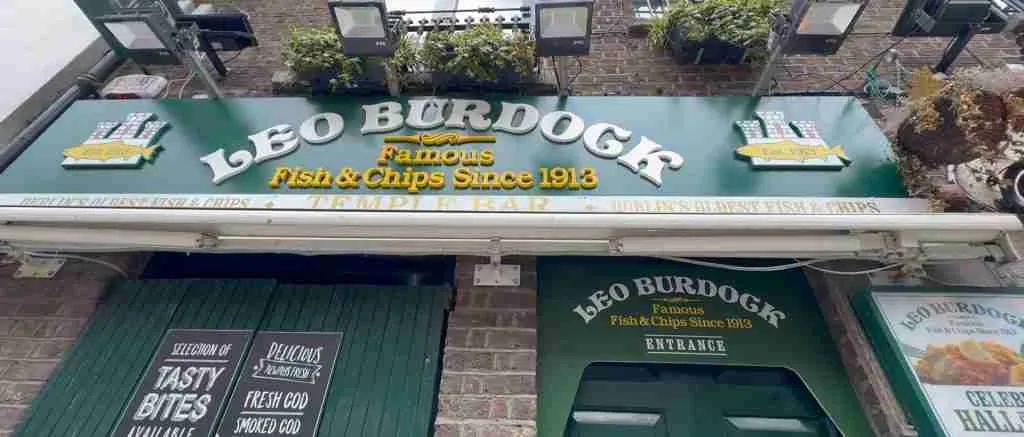
Fish and chips represents Ireland’s most democratic seafood preparation, available from casual chippers (fish and chip shops) to upscale restaurants with surprising quality variation between extremes. The best versions use ultra-fresh Atlantic cod or haddock delivered from fishing ports that morning, coated in light crispy batter that protects the fish while cooking, served immediately to maintain the crucial crunch-to-tender contrast. Proper chips should be thick-cut, golden, fluffy inside and crisp outside, never soggy or limp. Mushy peas — dried marrowfat peas cooked until soft and slightly sweet — provide traditional accompaniment alongside malt vinegar and salt. Leo Burdock’s on Werburgh Street has served fish and chips since 1913, maintaining traditional quality that attracts both locals and tourists. Beshoff Bros operates multiple locations across Dublin, offering consistent quality at reasonable prices. The best fish and chips experiences occur at harbor-side establishments in Howth or Dun Laoghaire, where fishing boats visible from dining rooms guarantee absolute freshness.
Salmon preparation in Irish restaurants typically features both wild Atlantic salmon and farmed salmon from Irish waters, with flavor and texture differences significant enough that knowledgeable diners specify preference. Wild salmon, caught during limited seasons, offers deeper color, firmer texture, and more pronounced flavor reflecting the fish’s natural diet and active lifestyle. Farmed salmon, available year-round, provides consistent quality and milder flavor at lower cost. Smoked salmon appears as breakfast component, salad protein, or appetizer, with Irish smoking techniques producing cold-smoked salmon with delicate texture and sweet-smoky flavor distinct from heavily smoked styles. Burren Smokehouse and other artisan producers supply restaurants across Dublin, with the best versions avoiding the oily, overly salty characteristics that plague commercial smoked salmon.
Monkfish, also called anglerfish, provides firm, almost meaty texture that makes it popular in preparations where delicate fish would fall apart. The tail section contains all usable meat, with the grotesque head and bones discarded despite containing excellent flavor for stocks. Monkfish suits aggressive preparations including roasting, grilling, and pan-searing, holding together through high-heat cooking that would devastate cod or sole. Dublin restaurants often prepare monkfish with robust accompaniments like bacon, chorizo, or curry spices that complement rather than overwhelm the fish’s mild flavor and substantial texture. While less celebrated than sea bass or turbot, monkfish provides excellent value for those seeking satisfying seafood at prices below premium species.
Seafood chowder showcases Irish Atlantic bounty in cream-based preparations that vary by chef and season but consistently deliver comfort and satisfaction. The best versions contain smoked haddock providing depth and subtle smokiness, fresh white fish offering delicate texture, salmon adding richness, prawns or mussels contributing brininess, all suspended in thick cream base enriched with butter and aromatic vegetables. The consistency should coat the spoon without being gluey, with individual seafood pieces remaining intact rather than disintegrating into mush. Brown bread and butter accompany virtually every chowder serving, allowing you to soak up the rich soup. While some restaurants serve chowder year-round, it tastes particularly appropriate during autumn and winter when warming soups appeal most. Expect to pay €12-16 for a bowl at quality establishments, with the seafood quantity and cream richness making it substantial enough to serve as light main course rather than merely starter.
Dining Etiquette and Practical Information for Dublin Restaurants
Reservations prove essential for popular restaurants, particularly Michelin-starred establishments, weekend dinner services, and any dining during Dublin’s peak tourist season from June through September. Many top restaurants release reservations months in advance, with prime slots for Saturday evening filling within hours of becoming available. Call directly or use online booking systems provided through restaurant websites. Some establishments hold back tables for walk-ins, but relying on walk-in availability risks disappointment, especially for groups larger than two. Mid-week lunch services and early dinner times (before 7 PM) typically offer better availability for those with scheduling flexibility.
Dress codes in Dublin restaurants remain relatively casual compared to other European capitals, with smart casual appropriate for most establishments including Michelin-starred venues. Clean jeans, collared shirts, and neat footwear suit almost any restaurant, though some diners choose to dress more formally for special occasions at top-tier establishments. Shorts, athletic wear, and extremely casual clothing may draw disapproving glances at fine dining restaurants, though outright refusal of service remains rare. Irish hospitality culture emphasizes welcoming behavior over rigid formality, meaning restaurants accommodate varying dress standards while appreciating guests who make some effort.
Tipping practices in Dublin follow European rather than American patterns, with 10-12% considered generous for good service at sit-down restaurants. Many Dublin restaurants now add discretionary service charges of 10-12.5% to bills, particularly for larger groups, though these charges can be removed if service was poor. When service charge is included, additional tipping is unnecessary though not refused if you found service exceptional. Fast food establishments, cafés with counter service, and pubs where you order at the bar do not expect tips. Some newer establishments use tablet payment systems that prompt for tips before processing cards — you can select “no tip” without offense if you feel the service charge is sufficient or service didn’t merit additional gratuity.
Restaurant hours in Dublin typically involve lunch service from 12:00-2:30 PM and dinner from 6:00-10:00 PM, though these vary by establishment type and neighborhood. Traditional pubs often serve food continuously from noon until evening, making them practical for irregular meal schedules or afternoon snacks that don’t align with formal restaurant hours. Many restaurants close Sunday evenings and Monday entirely, with Tuesday through Saturday representing safest bet for finding desired restaurants open. Always verify hours before making plans, particularly during winter months when some establishments reduce operating schedules due to lower tourist traffic.
Payment methods universally include credit and debit cards across all but the smallest establishments, with contactless payments widely accepted. Cash remains useful for small transactions, tips, and the handful of traditional establishments that prefer cash though accept cards reluctantly. Splitting bills receives accommodation in most restaurants, though servers appreciate when groups notify them at the beginning rather than after delivering a single check. Some restaurants, particularly higher-end establishments, limit bill splitting to avoid excessive transaction processing time during busy service periods.
Dietary restrictions and allergies receive appropriate accommodation across Dublin’s restaurant scene, reflecting both legal requirements and cultural shifts toward inclusivity. Most menus indicate vegetarian options with (V) markers, with vegan and gluten-free options increasingly common though not yet universal. Celiac disease awareness has improved dramatically, with many restaurants offering gluten-free bread and pasta alternatives. Always notify servers of serious allergies when ordering, as kitchens need to take extra precautions to prevent cross-contamination. Vegetarian and vegan diners no longer face limited options of salad and chips — most contemporary restaurants design vegetarian dishes as genuine menu items rather than afterthoughts created by removing meat from standard preparations.
Children are generally welcome in Dublin restaurants, with family-friendly establishments providing high chairs, kids’ menus, and patient service accommodating messy eaters and fidgety behavior. More formal restaurants may not explicitly exclude children but create atmospheres better suited to adults, with lighting, noise levels, and pacing designed for leisurely dining rather than keeping young children occupied. Pubs welcome families with children until approximately 9 PM, after which the atmosphere shifts toward adult drinking culture. The Sunday roast tradition particularly attracts families, with intergenerational groups filling restaurants for leisurely afternoon meals combining quality food with social connection.
Budget Dining and Money-Saving Strategies for Dublin Food Experiences
Early bird menus offered by many Dublin restaurants between 5:00-7:00 PM provide the most significant dining savings, with two or three-course meals costing €25-30 at establishments charging €40-60 for equivalent à la carte dining during peak hours. The quality remains identical to evening service — restaurants use early bird pricing to fill tables during typically slow periods rather than offering inferior food. Arrive promptly at 5:00 PM to ensure the full menu remains available, as popular items can sell out during busy periods. Early bird timing suits travelers wanting substantial dinners before evening activities like theater or live music, and the pricing makes multiple restaurant meals financially feasible for those on moderate budgets.
Pub lunches deliver superior value compared to equivalent dinner service, with substantial meals costing €12-18 rather than €20-28 for the same dishes served in evening hours. Irish stew, fish and chips, burgers, sandwiches, and other pub staples provide filling, satisfying lunch at prices that allow you to allocate budget toward more expensive dinner reservations at restaurants requiring advance planning. Many pubs offer lunch specials featuring soup and sandwich combinations or daily roast specials at further reduced prices. The informal atmosphere suits quick efficient meals for travelers maximizing sightseeing time without sacrificing food quality to fast food chains.
Food markets provide opportunities to assemble excellent meals at costs far below restaurant equivalents while experiencing Dublin’s artisan food culture. The Temple Bar Food Market on Saturdays offers hot food stalls serving international cuisine at €8-12 per meal, alongside fresh bread, cheese, produce, and prepared foods for picnic assembly. Many visitors purchase market ingredients for hotel-room breakfasts or afternoon snacks, saving restaurant money while sampling quality Irish artisan products. The social atmosphere and weather-protected trading area make market visits enjoyable experiences rather than merely budget necessities. Other markets including Blackrock Market and Howth Market operate on weekends with similar offerings.
Supermarket chains including Tesco, SuperValu, Dunnes Stores, and Lidl offer ready-made meals, sandwiches, and ingredients at prices dramatically below restaurant equivalents. The meal deal format typically includes sandwich, snack, and drink for €4-6, providing quick lunch at one-third restaurant costs. While lacking the experience or quality of proper restaurant meals, supermarket food makes practical sense for some meals during longer stays, freeing budget for memorable dining experiences. Many Dublin hotels and Airbnb accommodations include refrigerators and microwaves allowing simple meal preparation from supermarket ingredients.
Lunch at Michelin-starred restaurants costs substantially less than dinner while providing equivalent cooking quality and service standards. Chapter One offers lunch tasting menus from €85 compared to dinner starting at €185. Restaurant Patrick Guilbaud’s lunch service ranges €140-190 versus €275 for dinner’s eight-course menu. Forest Avenue and other starred establishments similarly discount lunch service. For those wanting to experience Michelin-starred cooking without full dinner commitment, lunch provides accessible entry point to Dublin’s finest restaurants. The reduced pricing reflects shorter service time and smaller portions rather than inferior cooking, making lunch service the best value in Dublin fine dining.
Happy hour drink specials and lunch-with-drink deals at bars and restaurants provide beverage savings during traditionally slow periods. Many establishments near office districts offer deals from 4:00-6:00 PM targeting after-work crowds with reduced-price pints, cocktails, or wine. The savings of €2-3 per drink become significant when consuming multiple drinks. Some restaurants include wine or soft drinks with lunch specials at no additional cost, providing better value than ordering beverages separately. While Irish licensing laws restrict the lowest-price drink promotions common in some countries, legitimate savings opportunities exist for those timing visits strategically.
Avoiding tourist-focused establishments in Temple Bar and other high-traffic areas reduces costs without sacrificing quality. The same Irish stew costing €21 in a Temple Bar pub with live music and red-faced tourists costs €16 two streets away in a neighborhood pub serving local regulars. Guinness pricing demonstrates this clearly — €7.90 at Temple Bar, €6.50 at pubs outside the tourist zone. The quality often improves alongside the price decrease, as neighborhood establishments maintain standards to retain regular customers rather than relying on one-time tourist traffic. Walking ten minutes from major attractions typically delivers superior value for equivalent or better food and drink.
Seasonal Eating in Dublin: Ingredient Availability and Holiday Food Traditions
Irish agriculture’s seasonal rhythm affects ingredient availability and menu content throughout the year, with spring bringing new potatoes, summer yielding soft fruits and tomatoes, autumn delivering game meats and mushrooms, and winter featuring root vegetables and preserved foods. Contemporary restaurants increasingly embrace seasonality rather than relying on year-round imports, with menus changing regularly to reflect what grows or is caught during specific months. This approach connects diners to agricultural cycles while ensuring ingredients arrive at peak flavor and freshness. Seasonal eating also affects pricing, as abundant products cost less than scarce items shipped from distant growing regions.
Spring in Dublin, roughly March through May, brings new-season lamb from farms where sheep birthed earlier in the year. These younger animals provide more delicate flavor and tender texture than mutton from older sheep. New potatoes appear at markets and on restaurant plates, with their thin skins and sweet, earthy flavor requiring only butter and salt. Wild garlic (ramsons) grows in woodlands around Dublin, with foraging chefs incorporating the pungent leaves into spring dishes. Asparagus season arrives in late spring, with Irish-grown spears appearing briefly on menus before the season ends. The produce selection remains relatively limited compared to summer’s abundance, but the quality of available ingredients reaches its annual peak.
Summer extends from June through August, delivering the year’s greatest ingredient variety and finest weather for outdoor dining and food markets. Soft fruits including strawberries, raspberries, and blackberries reach farmers’ markets and restaurant dessert menus. Irish-grown tomatoes become available, with their concentrated flavor surpassing imported greenhouse varieties. Salad greens flourish, allowing restaurants to serve locally-grown leaves rather than imported options. Outdoor seating at Dublin restaurants fills rapidly during rare sunny days, with Temple Bar’s pedestrianized streets becoming particularly lively. The Temple Bar Food Market operates at peak capacity with maximum vendor participation and heaviest foot traffic. Summer represents optimal time for Dublin food experiences, combining ingredient quality, market energy, and weather favorable for outdoor enjoyment.
Autumn, spanning September through November, brings game season with wild venison, pheasant, duck, and other hunted meats appearing on restaurant menus. Irish game management maintains sustainable populations while providing quality meat for culinary use. Mushroom foraging peaks during autumn, with both wild and cultivated varieties flooding markets. Apples from Irish orchards supply markets and juice producers. Root vegetables including parsnips, turnips, carrots, and various potato varieties replace summer’s delicate produce. Autumn cooking tends toward heartier preparations — roasts, braises, stews — as weather cools and appetites shift from light salads to warming substantial meals. Oyster season traditionally begins in September, with the adage about only eating oysters in months containing the letter R reflecting historical food safety concerns largely eliminated by modern refrigeration.
Winter, December through February, features preserved and stored foods alongside winter vegetables that tolerate cold growing conditions. Brussels sprouts, kale, cabbage, and leeks thrive in Irish winter weather, providing fresh green vegetables when most crops have finished. Root vegetable storage allows potatoes, carrots, and parsnips to remain available throughout winter months. Seafood remains accessible year-round due to ocean harvesting independence from agricultural seasons, making winter particularly appropriate for seafood-focused meals. Dublin’s Christmas food traditions include turkey dinner with traditional accompaniments, Christmas pudding (dense dried-fruit cake), and mince pies (spiced dried-fruit tarts). New Year’s celebrations don’t feature specific food traditions beyond general festivity and indulgence. The limited daylight and cold weather during winter months make this least ideal season for food tourism, though heated indoor dining maintains comfort regardless of outdoor conditions.
St. Patrick’s Day on March 17 represents Ireland’s most significant celebration, with Dublin hosting massive parades and citywide festivities. Traditional foods include corned beef and cabbage — ironically more Irish-American than authentically Irish, as bacon and cabbage represents the traditional Irish equivalent. Many Dublin restaurants offer Irish-themed menus for the holiday, though the focus tends toward drinking rather than elaborate dining. Restaurants and pubs fill to capacity, requiring reservations weeks in advance for any desirable venue. The combination of international visitors, Irish returning home, and local celebration creates unique energy impossible to experience during other periods, though the crowds and chaos may not appeal to those seeking peaceful dining experiences.
Neighborhoods for Food Exploration: Dublin’s Diverse Culinary Districts
Temple Bar, Dublin’s cultural quarter on the River Liffey’s south bank, concentrates restaurants, pubs, cafés, and food markets in a compact pedestrianized area that facilitates food-focused exploration. The neighborhood transformation from deteriorating commercial district into vibrant cultural quarter occurred during the 1990s, with careful planning creating spaces for artists, musicians, and food entrepreneurs alongside traditional pubs. The Temple Bar Food Market operates every Saturday in Meeting House Square, while numerous restaurants offer international cuisines alongside Irish traditional food. The area’s tourist focus creates mixed results — some establishments maintain genuine quality while others prioritize volume over excellence, requiring discrimination to find the best options. The atmosphere particularly comes alive during evenings and weekends when live music spills from pubs and international crowds fill the cobblestoned streets.
Stoneybatter and Smithfield, historic neighborhoods northwest of city center, have emerged as food destinations showcasing Dublin’s contemporary dining culture without tourist-focused pricing or atmosphere. These working-class areas are gentrifying gradually, with independent restaurants, cafés, and craft beer bars attracting both neighborhood residents and food-focused visitors willing to venture beyond central zones. L Mulligan Grocer represents this evolution, operating as gastropub and craft beer specialist emphasizing local Irish producers. The neighborhoods maintain authentic Dublin character with traditional shops, residential streets, and community atmosphere rarely found in central tourist districts. Food quality often exceeds city center equivalents while prices remain noticeably lower, making these areas valuable for those seeking genuine Dublin experiences rather than performative Irishness designed for tourists.
Ranelagh and Rathmines, affluent suburbs immediately south of Grand Canal, host numerous quality restaurants serving neighborhood residents who demand consistent quality rather than one-time tourist traffic. These areas feature less obvious Irish character than Temple Bar but deliver reliable dining across multiple cuisines and price points. The restaurant density supports food-focused walking tours covering multiple establishments in single evening. Residential surroundings create quieter atmosphere compared to central Dublin’s tourist energy, appealing to those preferring neighborhood dining over entertainment district excitement. The areas are easily accessible via Luas tram, bus, or short taxi rides from central accommodations.
The Docklands, Dublin’s regenerated waterfront east of city center, combines modern office towers, hotels, and residential buildings with restaurants, bars, and cultural venues in formerly industrial shipping district. The contemporary architecture and planned public spaces contrast sharply with historic Dublin’s organic development, creating different aesthetic and atmosphere. Several notable restaurants operate in the Docklands including BrewDog Outpost for craft beer enthusiasts and various hotel restaurants serving business travelers and tourists. The area lacks the historical character that defines older Dublin neighborhoods but offers convenience for those staying in Docklands hotels and provides pleasant waterfront walking connecting central Dublin to coastal suburbs.
Howth, a fishing village on Dublin Bay’s northern peninsula approximately 30 minutes by DART train from city center, offers the capital’s best seafood access with fishing boats unloading catches directly into harbor-side restaurants. The combination of working fishing port, scenic coastal views, clifftop walks, and quality seafood restaurants makes Howth popular for day trips and Sunday outings. Multiple fish and chip shops compete for the title of best in Dublin, while sit-down restaurants serve fresh seafood in slightly more formal settings. The Howth Market operates weekends featuring food stalls and artisan products. The village maintains genuine fishing community character despite tourist traffic, with locals outnumbering visitors during weekdays. Seafood consumed in Howth tastes noticeably fresher than equivalent dishes in central Dublin due to minimal time between catch and cooking, making the journey worthwhile for serious seafood enthusiasts.
Parnell Street, particularly the section northeast of O’Connell Street, hosts Dublin’s highest concentration of Asian restaurants serving Chinese, Korean, Vietnamese, Thai, and Japanese cuisines to both immigrant communities and adventurous Irish diners. The area developed as Dublin’s unofficial Chinatown through organic migration rather than planned designation, creating authentic restaurant culture serving regional dishes rather than westernized adaptations. Many establishments display menus in Chinese characters alongside English translations, with some requiring pointing and gesturing to order unfamiliar dishes. The food quality and authenticity often exceeds more polished Asian restaurants in tourist districts, though language barriers and unfamiliar dining customs may challenge those accustomed to Western restaurant service. For those seeking authentic international dining experiences rather than Irish food, Parnell Street delivers remarkable variety and quality at prices below tourist-focused establishments.
Frequently Asked Questions About Dublin Food and Restaurants
Is Dublin expensive for dining out compared to other European cities?
Dublin ranks among Europe’s more expensive dining cities, with restaurant prices comparable to London, Paris, or Copenhagen rather than Mediterranean or Eastern European capitals. Mid-range sit-down dinners cost €35-55 per person excluding drinks, while pub meals range €15-25. A pint of Guinness averages €6.50-7.50 depending on location. These prices reflect Ireland’s high living costs, strong economy, and premium ingredient sourcing rather than restaurants overcharging tourists. Budget-conscious strategies including early bird menus, pub lunches, food markets, and neighborhood establishments outside tourist zones can reduce costs substantially while maintaining quality. Compared to equivalently expensive cities, Dublin delivers good value through generous portions, quality ingredients, and the absence of additional service charges and taxes that inflate bills in some European countries. Visitors from less expensive countries will find Dublin costly, while those from similarly expensive cities will find prices familiar and justified by quality.
What should I order at an Irish pub for an authentic experience?
Order Irish stew featuring lamb, potatoes, and root vegetables in savory broth served with soda bread for soaking up liquid. A pint of Guinness represents the quintessential Irish drink, properly poured with the characteristic creamy head. Fish and chips with mushy peas delivers another pub classic, ideally featuring Atlantic cod or haddock in light crispy batter. Beef and Guinness stew provides variation on traditional stew using Ireland’s famous beer as braising liquid. For lighter options, seafood chowder containing smoked haddock, white fish, and shellfish in rich cream base serves as satisfying starter or light main course. Sunday roast dinners featuring beef, pork, or lamb with roasted potatoes and vegetables represent traditional weekend pub dining. Bailey’s cheesecake or chocolate fudge cake provides sweet conclusion. The combination of traditional food, proper Guinness, and pub atmosphere creates authentic Irish experience impossible to replicate elsewhere.
Are reservations necessary for Dublin restaurants?
Reservations prove essential for Michelin-starred restaurants, popular weekend dinner services, and any dining during peak tourist season from June through September. Top establishments release reservations months ahead, with prime Saturday evening slots filling within hours. Mid-week lunches and early dinner times before 7:00 PM typically offer better walk-in availability. Casual pubs generally accommodate walk-ins except during major events or Sunday roast service when family groups book ahead. Neighborhood restaurants outside central tourist zones more readily accept walk-ins than Temple Bar establishments. Call directly or use online booking systems provided through restaurant websites. For those with flexible schedules, booking 3-5 days ahead usually secures tables at most non-Michelin restaurants. Groups larger than four should always reserve regardless of restaurant type or timing, as accommodating larger parties without notice challenges even spacious establishments during busy periods.
Where can vegetarians and vegans eat well in Dublin?
Contemporary Dublin accommodates vegetarian and vegan diners far better than previous decades, with most restaurants offering substantial plant-based options beyond basic salads. Brother Hubbard on Capel Street serves creative vegetarian and vegan breakfast and brunch dishes incorporating Middle Eastern flavors. Cornucopia on Wicklow Street operates as fully vegetarian restaurant with extensive vegan options, serving buffet-style meals and baked goods. Most traditional pubs now offer vegetarian versions of classic dishes — vegetable stew, veggie burgers, mushroom and leek pies. Several Dublin pubs including The Brazen Head serve vegan Shepherdless Pie earning praise from meat-eaters. High-end restaurants typically design vegetarian tasting menus equal in creativity and technique to meat-focused offerings, with chefs treating vegetables as primary ingredients rather than mere garnishes. Indian, Middle Eastern, and Asian restaurants on Parnell Street and South William Street naturally feature numerous vegetarian and vegan options reflecting their traditional cuisines. Supermarkets stock extensive plant-based products allowing self-catering when restaurant options don’t satisfy.
What is Dublin coddle and where can I try it?
Dublin coddle represents the capital’s unique contribution to Irish cuisine, a working-class dish combining pork sausages, bacon, potatoes, and onions slow-cooked in broth until ingredients merge into unified comfort. The name derives from “coddling” — gentle simmering that tenderizes ingredients without aggressive boiling. Traditionally prepared on Thursdays using remaining bacon and sausages before Friday shopping, coddle has evolved from necessity dish into celebrated Dublin specialty. The Old Mill Restaurant near Ha’Penny Bridge specializes in traditional coddle prepared according to historic Dublin recipes, serving it in earthenware crocks. The Quays Irish Restaurant in Temple Bar features coddle on evening menus alongside other traditional dishes. Several gastropubs across Dublin offer contemporary coddle interpretations adding premium sausages or vegetables while maintaining the dish’s essential character. The combination of smoky bacon, savory sausage, creamy potatoes, and flavorful broth creates surprisingly sophisticated comfort food that transcends its humble origins.
How much should I budget per day for food in Dublin?
Budget travelers eating primarily at pubs, cafés, and fast food establishments should allocate €40-60 daily for three meals and drinks. This allows €12 breakfast at café, €15 pub lunch, €20-25 pub dinner, plus €8-10 for coffee and snacks. Mid-range dining including sit-down restaurant meals costs €80-120 daily, covering €15 breakfast, €25-35 lunch at casual restaurant, €40-55 dinner at mid-range establishment, plus drinks and coffee throughout the day. Higher-end dining incorporating Michelin-starred meals or fine dining experiences requires €150-250+ daily depending on restaurant choices and wine consumption. These estimates assume modest alcohol consumption — adding multiple pints of Guinness at €7 each or restaurant wine increases costs substantially. Using strategies like early bird menus, pub lunches, market shopping, and neighborhood establishments rather than tourist-focused Temple Bar venues allows significant savings while maintaining quality. Visitors should remember that Ireland uses euro rather than British pounds despite geographic proximity to the United Kingdom.
What food should I buy at the Temple Bar Food Market?
Purchase fresh sourdough bread from artisan bakeries, arriving early before popular loaves sell out by noon. Farmhouse Irish cheeses from small producers provide excellent value compared to restaurant cheese boards, with vendors offering tastes and suggestions for assembling balanced selections. Fresh oysters from the Temple Oyster Bar, shucked to order and served on ice, deliver restaurant-quality seafood at approximately €3 per oyster. Organic vegetables from small farms surrounding Dublin offer superior flavor and variety compared to supermarket produce, particularly seasonal items like heirloom tomatoes, specialty greens, and unusual squash varieties. International food stalls serve prepared meals from Korean, Thai, Malaysian, Middle Eastern, and other cuisines at €8-12 per portion, creating affordable Saturday lunch while experiencing global flavors. Irish meat products including artisan sausages, bacon, and black pudding from small producers showcase traditional Irish butchery at its finest. Fresh pastries and baked goods from artisan bakeries provide treats for later enjoyment. The market combines shopping with social experience as crowds gather around the square enjoying food and atmosphere.
Is Dublin tap water safe to drink, or should I buy bottled water?
Dublin tap water meets all European Union safety standards and tastes perfectly acceptable, making bottled water unnecessary from health or flavor perspectives. The city’s water supply comes from the Wicklow Mountains through treatment plants ensuring quality. Restaurants universally provide tap water free upon request, with no expectation of purchasing bottled water. Some Dublin residents and visitors detect slight mineral taste compared to exceptionally soft water found in some regions, but this reflects mineral content rather than contamination or poor treatment. Carrying a refillable water bottle and filling from taps saves money while reducing plastic waste. The cultural expectation in Ireland differs from Mediterranean countries where bottled water consumption dominates — Irish people drink tap water without hesitation and regard bottled water as unnecessary expense and environmental waste. Visitors with sensitive stomachs adjusting to different water may experience minor digestive adjustment, but this occurs when traveling anywhere rather than indicating Dublin water quality problems.
What are Ireland’s tipping customs in restaurants?
Irish tipping customs follow European rather than American patterns, with 10-12% considered generous for good service at sit-down restaurants. Many Dublin restaurants now add discretionary service charges of 10-12.5% to bills, particularly for larger groups, though these charges can be removed if service was poor. When service charge appears on the bill, additional tipping is unnecessary though not refused for exceptional service. Pubs where you order at the bar don’t expect tips, though some patrons leave small amounts in tip jars near registers. Fast food establishments and cafés with counter service don’t expect tips. Some restaurants use electronic payment systems prompting for tips before processing cards — you can select “no tip” without causing offense if service charge is already included or service didn’t merit additional gratuity. The lower tipping expectations compared to North America reflect higher base wages for Irish service workers who don’t rely on tips for living wages. Undertipping causes less offense than in tip-dependent cultures, while overtipping may create confusion rather than gratitude.
Where can I find late-night food in Dublin?
Dublin’s late-night food options center on fast food establishments, takeaway restaurants, and specific pubs with extended kitchen hours rather than traditional restaurant dining. Numerous chipper shops across the city center remain open until midnight or later, serving fish and chips, burgers, kebabs, and other quick options to post-pub crowds. Temple Bar contains the highest concentration of late-night food vendors, with various international takeaway restaurants operating until 2:00-3:00 AM on weekends. Several 24-hour convenience stores stock sandwiches, pastries, and microwaveable meals for emergency sustenance. Some pizza restaurants deliver until early morning hours, though quality varies dramatically between establishments. Traditional sit-down restaurants typically close by 10:00-11:00 PM, with few exceptions maintaining later hours. The combination of Ireland’s relatively early pub closing times and limited late-night dining creates challenges for those seeking substantial meals after midnight. Night owls should plan accordingly by eating substantial dinners before evening activities or accepting that late-night options will be casual fast food rather than quality restaurant meals.