
Dublin Museums & Galleries 2026: Complete Cultural Guide
Dublin houses over 30 world-class museums and galleries, with more than half offering free admission. The capital’s cultural landscape spans illuminated medieval manuscripts at Trinity College, contemporary art at IMMA, Viking artifacts at the National Museum, and revolutionary history at Kilmainham Gaol—making Dublin one of Europe’s most accessible destinations for museum enthusiasts in 2026.
Key Takeaways: Dublin Museums & Galleries 2026
- Free Admission Excellence: Dublin’s major national institutions—National Gallery of Ireland, National Museum of Ireland (all branches), Chester Beatty, and Irish Museum of Modern Art—charge no admission fees, making world-class art and artifacts accessible to all visitors.
- Book of Kells Advance Booking Essential: Trinity College’s Book of Kells Experience costs €25 for adults in 2026, with timed entry requiring online booking days or weeks ahead during peak season to guarantee entry to Ireland’s most visited cultural treasure.
- Dublin Pass Value: The All-Inclusive Dublin Pass (€89 for 1 day, €119 for 2 days) provides access to over 35 attractions including Guinness Storehouse, EPIC Museum, Kilmainham Gaol, and St Patrick’s Cathedral—but notably excludes the Book of Kells.
- Kilmainham Gaol Guided Access Only: Ireland’s most significant revolutionary heritage site requires advance online booking for mandatory guided tours (€7 adults online, €8 at door), with tickets released 28 days ahead and selling out rapidly for summer months.
- Chester Beatty Hidden Gem: European Museum of the Year 2002, this free museum in Dublin Castle grounds houses the world’s second-oldest biblical fragments after the Dead Sea Scrolls, yet remains overlooked by tourists paying €25 nearby at the Book of Kells.
- Strategic Clustering Saves Time: Dublin’s museums cluster in walkable zones—Trinity College/Kildare Street (Book of Kells, National Museum, National Gallery), Temple Bar/Docklands (EPIC, Chester Beatty), and Kilmainham (Gaol, IMMA)—allowing efficient multi-museum days without transport costs.
People Also Ask About Dublin Museums & Galleries 2026
Which Dublin Museums Are Completely Free in 2026?
Seventeen major Dublin museums charge no admission in 2026. The National Museum of Ireland offers free entry to all four branches: Archaeology on Kildare Street (Viking hoards, Tara Brooch, ancient gold), Natural History on Merrion Street (the “Dead Zoo”), Decorative Arts & History at Collins Barracks, and Country Life in County Mayo. The National Gallery of Ireland displays Caravaggio’s “The Taking of Christ” and Vermeer alongside 16,300 artworks across 54 galleries at zero cost. Chester Beatty at Dublin Castle—European Museum of the Year 2002—presents Egyptian papyri from the 2nd century AD, 9th-century Persian illuminated Qur’ans, and medieval European manuscripts without charge. Irish Museum of Modern Art (IMMA) at Royal Hospital Kilmainham features contemporary Irish and international art in a 17th-century building with 48-acre sculpture gardens. Additional free museums include the National Library of Ireland, Hugh Lane Gallery with Francis Bacon’s reconstructed studio, Garda Museum at Dublin Castle, Revenue Museum, and specialized institutions like the Pearse Museum and Masonic Grand Lodge Museum.
How Much Does the Book of Kells Experience Cost in 2026?
The Book of Kells Experience at Trinity College costs €25 for adults, €22 for students and seniors over 60, and €13 for children ages 6-12 in 2026, with children under 6 entering free (check the official Trinity College website for current rates as pricing may vary). Family tickets covering two adults and up to two children cost approximately €57. The admission includes entry to the Old Library’s digital exhibition in the Red Pavilion, viewing of the 1,200-year-old manuscript, and access to the Long Room library with its barrel-vaulted ceiling and 200,000 antique books. Timed entry operates throughout the year—visitors must pre-book specific time slots online, particularly essential during summer months when prime slots sell out days or weeks ahead. Trinity students and staff visit free with up to two guests. The experience typically requires 90 minutes including exhibition viewing, manuscript inspection, and Long Room exploration. An optional guided Old Library tour adds depth for an additional fee, while Trinity Trails walking tours of the campus can be combined with Book of Kells admission.
Is the Dublin Pass Worth Buying for Museums in 2026?
The Dublin Pass delivers substantial value for visitors planning to see multiple paid attractions in 2026, but strategic planning determines its worthiness. The All-Inclusive Pass costs €89 for one day, €119 for two days, €139 for three days, €154 for four days, and €164 for five days for adults, with child passes running €49-109. Included paid attractions relevant to museum visitors comprise EPIC Irish Emigration Museum (€21 standalone), Kilmainham Gaol (€7 standalone), Little Museum of Dublin (€18 standalone), Guinness Storehouse (€22 standalone), Jameson Distillery Bow St., St Patrick’s Cathedral, Christ Church Cathedral, Dublin Castle Museums, National Wax Museum Plus, GPO Museum, Museum of Literature Ireland, 14 Henrietta Street, and Irish Rock ‘n’ Roll Museum Experience. The pass also includes one-day hop-on-hop-off bus access and 10 percent discounts at select venues. However, the pass excludes Dublin’s most expensive attraction—the Book of Kells Experience at €25—requiring separate purchase. Since many premier museums (National Gallery, National Museum branches, Chester Beatty, IMMA) charge nothing, the pass’s value hinges on visiting the paid cultural attractions it does cover. A visitor seeing Guinness Storehouse (€22), EPIC Museum (€21), Kilmainham Gaol (€7), and Little Museum (€18) in one day spends €68 independently versus €89 for the one-day pass—minimal savings unless adding transport value and additional paid sites. The two-day pass at €119 begins justifying its cost when incorporating four or more paid attractions plus transport. The alternative Explorer Pass allows choosing 3, 4, 5, or 7 specific attractions from 31 options within 30 days (€69-114 adults), providing flexibility for travelers with selective interests rather than daily museum marathons.
What Are Dublin’s Most Important Revolutionary History Museums in 2026?
Kilmainham Gaol stands as Ireland’s paramount revolutionary heritage site in 2026, operating as a museum since 1966 within the former prison that held leaders from rebellions spanning 1798 to 1922. The gaol detained and executed figures including Robert Emmet (1803), Charles Stewart Parnell, and the 14 leaders of the 1916 Easter Rising who faced firing squads in the prison yard—events that galvanized Irish independence. Access requires mandatory guided tours (€7 adults online, €8 at door) booking 28 days ahead, with tours lasting one hour followed by museum exploration. EPIC The Irish Emigration Museum at Custom House Quay presents Ireland’s diaspora story through 20 interactive galleries exploring why 10 million Irish emigrated and their global impact (€21 adults, €17-19 seniors). The GPO Museum on O’Connell Street occupies the General Post Office that served as Irish Volunteers headquarters during the 1916 Easter Rising, offering interactive exhibits about the Rising’s six-day occupation and surrender. The Museum of Literature Ireland (MoLI) at UCD Newman House on St Stephen’s Green explores Irish literary heritage from ancient texts through contemporary writers, connecting cultural expression to political awakening. Richmond Barracks, where 3,000 revolutionaries were held after the 1916 Rising, now interprets that pivotal uprising. The National Museum of Ireland – Archaeology hosts the permanent “Proclaiming a Republic: The 1916 Rising” exhibition examining the Easter Rising’s causes, events, and consequences. Dublin Castle Museums document British colonial administration and the handover to Irish governance in 1922. 14 Henrietta Street explores tenement life during Ireland’s revolutionary period through the restored Georgian house. Together these institutions trace the evolution from subjugation through rebellion to independence, preserving Ireland’s most defining century for contemporary visitors.
Extended multi-day tours – 5+ days
Featured Dublin Multi-Day Tour Packages
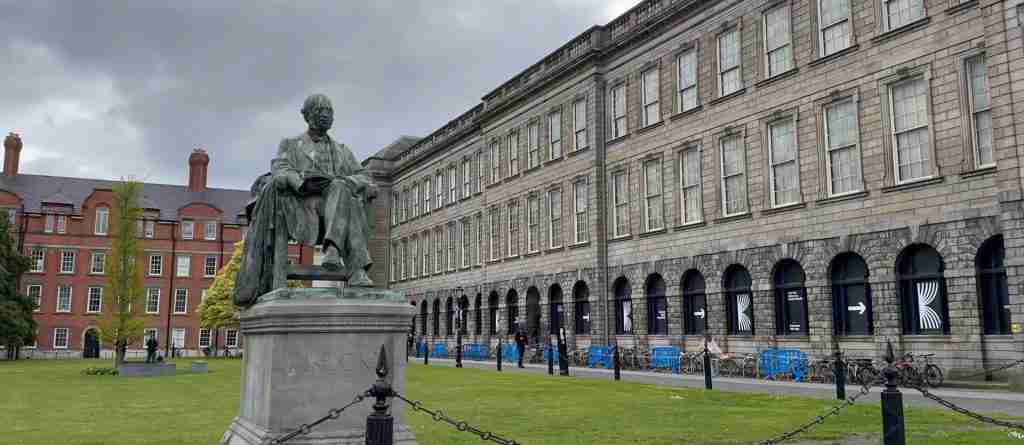
3 days
Dublin 3-Day Discovery Tour
- ✓ Comprehensive Dublin experience
- ✓ Expert local guides included
- ✓ All accommodation included
- ✓ Transportation provided
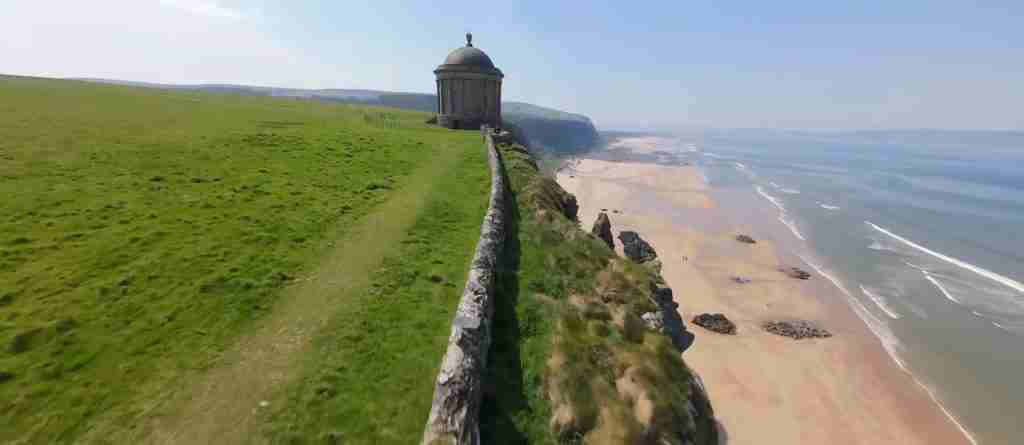
5 days
Dublin 5-Day Highlights Experience
- ✓ Comprehensive Dublin experience
- ✓ Expert local guides included
- ✓ All accommodation included
- ✓ Transportation provided
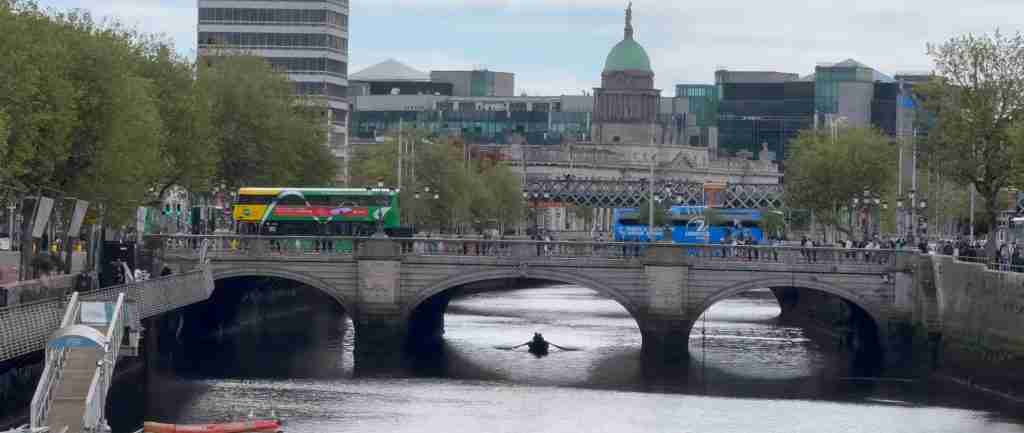
7 days
Dublin 7-Day Cultural Journey
- ✓ Comprehensive Dublin experience
- ✓ Expert local guides included
- ✓ All accommodation included
- ✓ Transportation provided
10 days
Dublin 10-Day Complete Adventure
- ✓ Comprehensive Dublin experience
- ✓ Expert local guides included
- ✓ All accommodation included
- ✓ Transportation provided
Multi-day tour packages powered by TourRadar. Prices and availability subject to change.
Understanding Dublin’s Museum Landscape in 2026
Dublin’s cultural infrastructure divides into four distinct categories that shape visitor planning. National institutions under government administration—National Gallery of Ireland, four National Museum of Ireland branches, Chester Beatty, and Irish Museum of Modern Art—receive state funding enabling universal free admission to permanent collections. Private attractions including Trinity College’s Book of Kells Experience, EPIC Irish Emigration Museum, Little Museum of Dublin, and specialized museums charge admission fees ranging €7-25 to sustain operations without government subsidy. Heritage sites managed by the Office of Public Works, particularly Kilmainham Gaol and Dublin Castle Museums, maintain modest fees covering conservation and guided interpretation. Corporate experiences such as Guinness Storehouse, Jameson Distillery Bow St., and Teeling Whiskey Distillery operate as brand museums charging premium admission while providing immersive product storytelling.
Geographic clustering creates natural museum districts across the capital. The Trinity College/Kildare Street zone concentrates Ireland’s premier collections within a 400-meter radius—Book of Kells at Trinity, National Museum of Ireland – Archaeology on Kildare Street, National Gallery on Merrion Square, Natural History Museum on Merrion Street Upper, and National Library on Kildare Street form a walkable cultural quarter covering medieval manuscripts, Viking treasures, European masterworks, Victorian natural history, and literary archives. The Docklands/Temple Bar district houses contemporary attractions including EPIC Irish Emigration Museum at Custom House Quay, Chester Beatty at Dublin Castle, and Museum of Literature Ireland near St Stephen’s Green. The Kilmainham corridor west of Phoenix Park pairs revolutionary history at Kilmainham Gaol with contemporary art at Irish Museum of Modern Art in Royal Hospital Kilmainham, connected by a five-minute walk. Phoenix Park area museums include the Decorative Arts & History branch at Collins Barracks.
Seasonal patterns significantly affect museum visitation in Dublin. Summer months from June through August bring peak tourism, with Book of Kells and Kilmainham Gaol requiring booking weeks ahead as tickets release to immediate sellouts. Trinity College operates extended hours during peak season (May-September weekdays 9 AM-6 PM versus October-April 9:30 AM-5 PM), while most national institutions maintain year-round schedules. European school holiday periods—Easter week, mid-July through August, Christmas through New Year—generate family crowds at interactive museums like EPIC and Guinness Storehouse. Winter months November through February offer shortest queues and most relaxed viewing at National Gallery and National Museum branches, with indoor cultural experiences remaining appealing despite weather. St Patrick’s Day week (mid-March) creates booking challenges across all major sites due to festival tourism influx.
Dublin’s museum ecosystem balances preservation with accessibility through various funding models and admission policies that collectively make the capital one of Europe’s most museum-rich cities relative to population.
Major National Museums & Galleries in Dublin 2026
National Gallery of Ireland: European Masterworks and Irish Art
The National Gallery of Ireland on Merrion Square presents 16,300 artworks spanning European and Irish collections across 54 galleries—entirely free of charge. Founded in 1854, the gallery houses Caravaggio’s “The Taking of Christ,” lost for 200 years until discovered hanging in a Dublin Jesuit dining room in 1990 and authenticated as the master’s work. Vermeer’s “Lady Writing a Letter” occupies the same building alongside works by Monet, Rembrandt, and Irish artist Jack B. Yeats, creating one of the world’s finest free art experiences. The Irish collection traces artistic development from medieval religious works through Georgian portraiture to contemporary expressions, with particular depth in 19th and 20th-century Irish painting including significant holdings of works by William Orpen, John Lavery, and Paul Henry.
Gallery hours run Tuesday through Saturday 9:15 AM-5:30 PM, Thursday evenings extending until 8:30 PM, Sundays 11 AM-5:30 PM, closing Mondays. Free guided tours departing at various times provide expert interpretation of collection highlights, while audio guides in multiple languages enable self-directed exploration. The Shaw Room houses portraits and memorabilia related to playwright George Bernard Shaw, who bequeathed one-third of his royalties to the gallery in gratitude for his artistic education there. The millennium wing addition provides contemporary exhibition spaces hosting rotating international loan shows—occasionally charging special exhibition fees while permanent collections remain free. A café and museum shop occupy the ground floor, with the shop offering art books, prints, and Irish craft items.
The gallery’s location on Merrion Square places it within 200 meters of the National Museum of Ireland – Archaeology and 300 meters from the Natural History Museum, enabling a concentrated cultural afternoon covering Irish antiquities, Victorian natural science, and European painting without transport requirements. Visitors should budget two to three hours to survey highlights without rushing, though comprehensive viewing of the entire permanent collection could consume a full day. The Caravaggio painting in Gallery 32 attracts more international visitors than any other single artwork in Ireland, yet most tourists who pay €25 at nearby Trinity College remain unaware of the masterpiece’s free availability four minutes’ walk away.
National Museum of Ireland: Four Branches Exploring Irish Heritage
The National Museum of Ireland operates four distinct branches across Dublin and County Mayo, all offering free admission to permanent exhibitions. The Archaeology branch on Kildare Street, established in 1890 within a Victorian building, displays artifacts from 7000 BC through the 20th century including Ireland’s finest collection of prehistoric gold in the Ór – Ireland’s Gold exhibition. The Treasury showcases Celtic and Medieval masterworks including the Tara Brooch (8th century), Ardagh Chalice (8th century), and Derrynaflan Hoard (9th century) demonstrating Irish metalworking excellence during Europe’s Dark Ages. The Viking Ireland exhibition presents artifacts from Dublin’s Norse settlement period including weapons, domestic items, and evidence of trade connections stretching from Scandinavia to Byzantium. The Kingship and Sacrifice exhibition displays Iron Age bog bodies preserved in peat for over 2,000 years, providing evidence of ritual practices and elite culture. The “Proclaiming a Republic: The 1916 Rising” permanent exhibition explores Ireland’s revolutionary period through artifacts, documents, and multimedia interpretation.
The Natural History Museum on Merrion Street Upper, affectionately known as the “Dead Zoo,” operates as a Victorian museum within a museum—its displays and mahogany cases virtually unchanged since opening in 1857. The ground floor Irish Room presents mammals, birds, and marine life from Ireland’s ecosystems, while upper galleries house world mammals including African elephants, Asian tigers, and skeletons of the extinct Irish Giant Deer with antlers spanning nearly four meters. The preserved specimens, Victorian presentation style, and creaking wooden floors create a time-capsule experience valued by visitors seeking authentic 19th-century museum atmosphere rather than contemporary interactive displays. The museum underwent structural renovation in recent years while maintaining its historical character.
The Decorative Arts & History branch occupies Collins Barracks, a former 18th-century military installation on Benburb Street accessible via the Luas Red Line Museum stop. The vast space houses Irish silver, ceramics, glassware, furniture, and costume across specialized galleries including the stunning Harry Clarke stained glass room displaying the Irish artist’s distinctive Arts and Crafts movement works. The military history collection traces Irish forces from medieval armor through modern peacekeeping operations. The Curator’s Choice exhibition presents 25 objects selected by museum staff as personally significant, ranging from a Viking sword to a Jedward costume, illustrating diverse collecting priorities. The Dead Zoo Lab—a preserved taxidermy workshop—can be visited at this location.
All branches maintain similar operating hours: Tuesday through Saturday 10 AM-5 PM, Sunday 1 PM-5 PM, Monday closure. The Archaeology branch experiences highest visitation due to its central location and Gold Treasury contents, with weekday mornings offering quietest viewing conditions. Combined visiting of the Kildare Street (Archaeology) and Merrion Street (Natural History) branches can be accomplished in a single afternoon given their 400-meter separation, covering Ireland’s archaeological treasures and Victorian natural science in one cultural session without transport requirements.
Chester Beatty: Europe’s Finest Asian, Middle Eastern & European Manuscripts
Chester Beatty in Dublin Castle grounds received European Museum of the Year recognition in 2002, making it the only Irish institution ever awarded this prestigious honor—yet tourists consistently bypass it to pay €25 at the Book of Kells 400 meters away. The museum houses the collection of American mining magnate Sir Alfred Chester Beatty, who bequeathed his lifetime acquisitions of manuscripts, miniature paintings, prints, drawings, and decorative arts to the Irish state upon his death in 1968. The holdings include Egyptian papyri dating to the 2nd century AD containing biblical texts—the second oldest biblical fragments after the Dead Sea Scrolls. Illuminated Qur’ans from 9th-century Persia sit alongside medieval European manuscripts, Japanese woodblock prints, Chinese jade carvings, and Islamic binding masterworks spanning 4,000 years of human artistic achievement across Asian, Middle Eastern, and European cultures.
Two permanent exhibition floors present Sacred Traditions and Artistic Traditions. Sacred Traditions explores Christianity, Islam, Buddhism, and other world religions through illuminated manuscripts, sacred texts, and religious artifacts demonstrating shared human spiritual expression across cultures. Artistic Traditions examines secular book arts, miniature paintings, and decorative objects revealing aesthetic developments across civilizations. Rotating temporary exhibitions in dedicated galleries bring focused attention to specific collections, artists, or themes within the vast holdings. The museum’s strength lies in comparative presentation—visitors observe Islamic calligraphy beside Christian Gospel illumination beside Buddhist sutra painting, revealing both cultural distinctiveness and universal artistic impulses.
Opening hours run Tuesday through Friday 9:45 AM-5:30 PM, Wednesday extending until 8 PM, Saturday 9:45 AM-5:30 PM, Sunday noon-5:30 PM, closing Mondays from November through February. Admission remains free with suggested €10 donation. Photography without flash is permitted throughout. The rooftop garden café serves Middle Eastern-influenced food and provides Dublin Castle views. A museum shop sells books on Islamic art, Asian manuscripts, and related subjects alongside Chester Beatty merchandise. Location within Dublin Castle grounds places the museum 250 meters from Temple Bar, enabling combination visits to the cultural quarter and medieval castle complex in single expeditions.
The museum’s relative obscurity despite world-class holdings creates a paradox—while Trinity College’s Long Room attracts 500,000 annual visitors paying premium admission, Chester Beatty welcomes substantially fewer guests to comparable manuscript treasures at zero cost. This visitor disparity benefits those who research Dublin museums beyond surface-level guides, offering uncrowded viewing of artifacts that would command queues and premium tickets in Paris, London, or New York institutions.
Irish Museum of Modern Art (IMMA): Contemporary Art in Historic Setting
Irish Museum of Modern Art occupies Royal Hospital Kilmainham, a 17th-century building completed in 1684 as a retirement home for soldiers, with architecture directly modeled on Les Invalides in Paris (1678) and inspiring Christopher Wren’s Chelsea Hospital in London. The building’s classical symmetry, chapel, formal courtyards, and 48-acre grounds create striking contrast with the contemporary and modern art housed within its galleries. IMMA collects, presents, and interprets Irish and international modern and contemporary art spanning the 20th and 21st centuries, serving as Ireland’s leading national institution for contemporary artistic practice.
Permanent collection displays rotate through the galleries, showcasing Irish artists including Sean Scully, Dorothy Cross, Willie Doherty, and Kathy Prendergast alongside international figures. Temporary exhibitions bring major contemporary artists to Dublin for focused presentations, with multiple exhibitions running simultaneously across the museum’s extensive gallery spaces. The sculpture gardens distribute outdoor works throughout the historic grounds, enabling contemplation of contemporary art within landscape settings and architectural heritage. Artists’ talks, performances, workshops, and educational programs activate the museum beyond static display, engaging diverse audiences with contemporary creative practice.
Hours operate Tuesday through Friday 11:30 AM-5:30 PM, Saturday 10 AM-5:30 PM, Sunday and bank holiday Mondays noon-5:30 PM, closing Mondays. Free admission applies to all galleries and grounds. The museum café serves lunch and refreshments in a light-filled contemporary space. Museum shop stocks contemporary art books, Irish design objects, and artist-made items. The location approximately 20 minutes by bus from central Dublin or five minutes’ walk from Kilmainham Gaol makes IMMA the natural cultural pairing for visitors exploring Irish revolutionary history—viewing the gaol’s 19th and early 20th-century imprisonment spaces followed by IMMA’s contemporary artistic responses to Irish experience and global themes creates meaningful historical progression from independence struggles to modern cultural expression.
The museum’s accessibility—zero admission, spacious galleries rarely experiencing crowding, extensive grounds for outdoor respite, and proximity to Kilmainham Gaol—positions IMMA as Dublin’s most underutilized major cultural resource relative to quality and scale of offerings.
Essential Paid Museums & Cultural Attractions 2026
Trinity College Book of Kells Experience: Ireland’s Greatest Cultural Treasure
The Book of Kells Experience at Trinity College presents the 1,200-year-old illuminated manuscript of the four Gospels alongside the Old Library’s Long Room, combining Ireland’s most famous medieval artifact with one of the world’s most photographed library spaces. The manuscript, created around 800 AD by Irish monks likely at the monastery of Iona off Scotland’s coast, contains intricate illuminations demonstrating supreme artistic skill and religious devotion. Each page displays elaborate Celtic designs, zoomorphic decorations, miniature portraits, and precise calligraphy in brilliant pigments that remain vibrant after twelve centuries. The book was moved to Kells in County Meath when Viking raids made Iona unsafe, eventually reaching Trinity College in the 1650s where it has resided for over 350 years.
The experience begins in the Red Pavilion with digital exhibitions explaining the manuscript’s creation, preservation, symbolism, and significance. Interactive displays allow close examination of illuminated pages, revealing details invisible to the naked eye when viewing the physical manuscript. The exhibition covers medieval monastic life, scriptwriting techniques, pigment sources, and binding methods, contextualizing the Book of Kells within broader manuscript traditions while emphasizing its unique artistic achievement. Visitors then proceed to view two volumes of the actual manuscript displayed in climate-controlled cases—pages are turned regularly for conservation, with current displays rotating through different Gospels throughout the year.
The Long Room occupies the Old Library’s upper floor, extending 65 meters with barrel-vaulted ceiling added in 1860 when original shelving ran out of space. The room houses 200,000 of Trinity’s oldest books, with the Brian Boru harp—Ireland’s oldest surviving harp dating to the 15th century—displayed prominently. The atmospheric space with its oak shelving, marble busts of great philosophers and writers, and distinctive smell of aging leather bindings creates the archetypal scholarly library experience. The Gaia artwork—a large-scale Earth sculpture—hangs within the space as a contemporary artistic intervention.
Admission costs €25 for adults, €22 for students and seniors, and €13 for children ages 6-12 in 2026 (check official Trinity College website for current rates as pricing may vary). Timed entry operates year-round—visitors select 15-minute arrival windows when booking online, with slots selling out days or weeks ahead during summer and holiday periods. Standard tickets allow 90 minutes for the complete experience including exhibition, manuscript viewing, and Long Room exploration. Optional guided tours provide expert interpretation for additional fees. Trinity Trails walking tours of the campus can be combined with Book of Kells admission, offering 45-minute student-led explorations of the historic college grounds before proceeding to the manuscript experience.
Peak visitation occurs May through September and during Easter and Christmas breaks when first-morning slots disappear weeks ahead. Booking at least two weeks in advance for summer travel ensures preferred time slots. Photography is permitted in the Old Library and Red Pavilion but prohibited of the Book of Kells manuscript itself due to conservation concerns. The experience concludes at the gift shop offering high-quality reproductions, scholarly books, and Trinity merchandise. Trinity students, staff, and alumni receive complimentary admission with advance booking, each entitled to bring two guests free.
The Book of Kells represents Dublin’s most expensive cultural attraction and one of Ireland’s most visited sites, drawing 500,000 annual visitors. The €25 admission causes some travelers to question value for a 90-minute experience, particularly when compared to free admission at National Gallery, National Museum, and Chester Beatty. However, viewing one of the world’s finest illuminated manuscripts in its historic library setting provides unique access to Ireland’s medieval artistic apex unavailable elsewhere—justifying premium pricing for those prioritizing rare cultural artifacts over museum quantity.
EPIC The Irish Emigration Museum: Interactive Diaspora Experience
EPIC The Irish Emigration Museum at Custom House Quay in the Docklands earned Europe’s Leading Tourist Attraction designation at the World Travel Awards in 2019, 2020, and 2021, presenting Ireland’s emigration story through 20 interactive galleries housed in the historic CHQ Building. The museum explores why 10 million Irish people left their homeland over centuries, where they settled, how they influenced adopted countries, and the ongoing relationship between Ireland and its global diaspora. The narrative spans 1,500 years from early Christian missionaries through Famine emigration, 20th-century economic migration, and contemporary diaspora connections.
The galleries divide into four thematic sections. Migration galleries examine departure circumstances, transportation methods, and settlement patterns. Motivation galleries analyze economic hardship, political persecution, religious discrimination, and opportunity-seeking that drove Irish emigration. Influence galleries document Irish contributions to adopted nations including politics, science, arts, business, and culture—highlighting figures from revolutionary war generals to Nobel Prize-winning authors, U.S. presidents to Formula One racing drivers. Diaspora Today galleries connect historical emigration to modern Irish global identity, encouraging visitors to explore personal connections to Irish heritage.
The fully interactive approach employs touchscreens, motion-sensor games, audio testimonies, video presentations, and digital archives throughout. Visitors swipe through emigrant letters home, dance to motion-sensor music quizzes, view remastered century-old audio recordings, and watch filmed emigrant testimonies. Each visitor receives a “passport” to stamp at gallery stations, creating a personal emigration journey memento. The immersive technology and storytelling methods engage diverse ages and learning styles, making EPIC particularly effective for families seeking interactive rather than artifact-focused museum experiences.
Admission costs €21 for adults, €17-19 for seniors, €14.50 for youth ages 13-17, €10.50 for children ages 6-12, with under-5s entering free (check official EPIC website for current rates). Family tickets covering two adults and two children cost approximately €57, with 20 percent advance booking discounts available. Audio guides in nine languages cost an additional €2 for those unable to download the free EPIC app. Hours operate daily 10 AM-6:45 PM, with last admission 4:45 PM. Timed ticketing helps manage visitor flow—advance online booking guarantees entry while walk-ups may need to wait for next available slot.
The museum typically requires 90 minutes to two hours for comprehensive exploration, though engaged visitors spending extra time with interactive elements can extend visits beyond two hours. The Irish Family History Centre operates within the same building, offering genealogy consultations and research services for visitors seeking to trace Irish ancestry—available as separate paid service from EPIC admission. The museum shop sells Irish diaspora books, family history resources, and emigration-themed gifts. Combining EPIC with the nearby Famine Memorial sculptures and Jeanie Johnston famine ship creates a focused half-day exploration of 19th-century emigration causes and conditions.
EPIC’s location in the Docklands places it 12 minutes’ walk from O’Connell Bridge and Trinity College, accessible via George’s Dock Luas stop on the Red Line. The contemporary museum’s technology-driven presentation contrasts sharply with traditional artifact museums, offering complementary rather than overlapping experiences to National Museum and National Gallery visits within balanced Dublin itineraries.
Kilmainham Gaol: Ireland’s Most Significant Revolutionary Heritage Site
Kilmainham Gaol operated as Dublin’s county prison from 1796 until 1924, witnessing the most pivotal events in Ireland’s emergence as an independent nation. The gaol held leaders from every major Irish rebellion—the 1798 United Irishmen Rising, Robert Emmet’s 1803 Rebellion, Young Ireland’s 1848 Rising, the Fenian movement of 1867, and crucially the 1916 Easter Rising whose leaders were executed by firing squad in the prison yard. Names forever associated with Irish independence—Henry Joy McCracken, Robert Emmet, Anne Devlin, Charles Stewart Parnell, Patrick Pearse, James Connolly, Éamon de Valera, Constance Markievicz—all endured imprisonment here. Beyond revolutionaries, Kilmainham held thousands of ordinary men, women, and children for crimes ranging from petty theft to begging, with the prison serving as a transportation point for approximately 4,000 convicts shipped to Australian penal colonies in the early 19th century.
The guided tour, lasting one hour, covers the East Wing with its Victorian-era individual cells arranged in tiers around a central atrium, the West Wing’s communal holding areas from earlier prison design, the exercise yard where executions occurred, and the Stonebreakers Yard. The audiovisual presentation contextualizes Irish revolutionary history before the physical tour begins. Guides, often passionate and knowledgeable, bring personal stories to the cold stone cells—describing Anne Devlin’s imprisonment after refusing to betray Robert Emmet, the harsh conditions during the Great Famine when starvation drove thousands to commit crimes for food, the 1916 leaders’ final hours before execution, and the prison’s role during the Irish Civil War when former comrades faced each other across cell bars. The physical spaces—cramped cells, echoing atriums, execution sites—communicate the reality of imprisonment and revolutionary sacrifice more effectively than any text or display.
After the guided tour, visitors access the museum independently, exploring exhibitions on prison history, revolutionary movements, daily life of prisoners, and the gaol’s abandonment and restoration. The museum houses artifacts, documents, photographs, and interpretive displays supplementing the tour narrative. A café operates in the Courthouse Visitor Centre providing refreshments before or after visits.
Access requires mandatory guided tours with advance online booking—no walk-up entry is available. Adult tickets cost €7 when purchased online, €8 at the door, with seniors paying €5-6, children/students €3-4, and families (2 adults + children) €15-16. Heritage Card holders book complimentary tickets online. Tours release 28 days in advance at midnight Irish time, with summer slots often selling out within hours of release. Additional tickets from cancellations appear online between 9:15-9:30 AM daily, offering same-day entry for persistent visitors refreshing the booking page. The experience requires approximately 90 minutes total—one-hour guided tour plus 30 minutes for museum exploration after.
Opening hours run Courthouse Visitor Centre 9:30 AM-5:15 PM, Museum 10:30 AM-5:15 PM (October-March) or 5:45 PM (April-September), closed December 24-27. The prison is not recommended for children under age 6 due to tour duration and content. Buggies/strollers cannot be accommodated on tours. The building remains unheated—warm clothing is essential for winter visits. Location approximately 3.5 kilometers west of Dublin city center requires bus routes 69 or 79 from Wellington Quay, G1/G2 from Spencer Dock, or Luas Red Line to Suir Road stop. No on-site parking exists, but limited parking is available at nearby Irish Museum of Modern Art (5-minute walk via West Avenue and Richmond Gate).
Kilmainham Gaol’s power lies in its authenticity—this is not a recreation or interpretation center but the actual site where Ireland’s revolutionary martyrs spent final hours before execution. Standing in the cells, viewing the execution yard, hearing personal stories in the physical spaces where they occurred creates emotional impact unmatched by other Dublin museums. For visitors seeking to understand Ireland’s struggle for independence beyond textbook accounts, Kilmainham Gaol provides essential, visceral connection to the revolutionary experience that shaped modern Ireland.
Little Museum of Dublin: City History in Georgian Townhouse
The Little Museum of Dublin occupies a Georgian townhouse at 15 St Stephen’s Green, presenting Dublin’s 20th and 21st-century history through donated objects, photographs, documents, and memorabilia collected from citizens. Founded in 2011, the museum embraced a community-based collecting approach—Dublin residents donated over 5,000 items from personal collections, creating a people’s history rather than institutional narrative of the capital’s transformation from British colonial center through independence to modern European capital.
The permanent collection spans the ground and first floors, organized chronologically through 20th-century decades. Exhibitions include royal visits (Queen Victoria, George V), independence struggle artifacts, Irish Civil War materials, economic development, social change, popular culture evolution, and U2’s global success story. The museum’s strength lies in everyday objects that reveal lived experience—family photographs, clothing, household items, advertising ephemera, entertainment memorabilia—rather than rare artifacts or elite treasures. A dedicated U2 room displays memorabilia from Dublin’s most famous musical export, while rotating temporary exhibitions explore specific themes or periods in greater depth.
The “Famous Dublin Welcome” guided tour, included with admission, provides humorous and informative introduction to Dublin history through museum objects. Tours run regularly throughout operating hours, lasting approximately 30 minutes, with knowledgeable guides weaving facts, anecdotes, and comedy into engaging narratives that consistently earn praise as Ireland’s best museum tour experience. The tour’s conversational, entertaining approach makes Dublin history accessible to visitors regardless of prior knowledge, with guides happy to answer questions and recommend city attractions beyond the museum.
Admission costs €18 for adults, €16 for seniors and students, with family tickets (2 adults + up to 3 children) priced at €45 in 2026 (check official Little Museum website for current rates). Hours operate daily 9:30 AM-5 PM, with last entry 4:30 PM. Tours book up rapidly—advance online booking guarantees admission particularly during summer and holiday periods. The museum location directly on St Stephen’s Green places it in Dublin’s most central district, within 5-minute walk of Trinity College, Grafton Street shopping, and National Museum of Ireland – Archaeology, enabling easy incorporation into Trinity/Grafton/Kildare Street cultural walking routes.
The museum shop sells Dublin-themed books, gifts, and locally made products. Visitors holding DoDublin hop-on-hop-off bus tickets receive free admission—exchanging bus ticket receipts at museum reception for entry to next available tour. Combined walking tours of St Stephen’s Green exploring the Georgian square’s history, architecture, and literary connections are available as add-on experiences.
Despite its modest size, the Little Museum punches above its weight through compelling storytelling, donated objects’ personal connections, guides’ engaging presentation, and central location making it Dublin’s highest-rated museum on travel review platforms. The €18 admission—significant for a small museum—reflects the tour’s entertainment and information value rather than collection scale, with many visitors considering it Dublin’s best cultural experience relative to time invested.
Specialized Museums & Unique Collections 2026
Hugh Lane Gallery: Contemporary Art & Francis Bacon’s Studio
Hugh Lane Gallery on Parnell Square North presents modern and contemporary art with particular strength in early 20th-century Irish painting, offering free admission to one of Dublin’s finest art museums. Founded by Sir Hugh Lane in 1908, the gallery houses works by Francis Bacon, Jack B. Yeats, Seán Scully, and international artists across painting, sculpture, and installation media. The collection emphasis on Irish modernist painters including William Orpen, John Lavery, and Paul Henry documents Ireland’s artistic development during the independence period and subsequent decades.
The gallery’s most distinctive feature is the complete reconstruction of Francis Bacon’s South Kensington studio, relocated to Dublin after the artist’s death in 1992. The studio—7,500 items including paintings, brushes, books, photographs, magazines, and accumulated materials—was painstakingly documented, disassembled, and recreated within the Hugh Lane Gallery. Visitors observe the chaotic creative environment where Bacon produced his most significant works, with the studio serving as both artwork and archival resource. Rotating displays from the studio archive reveal Bacon’s working methods, influences, and artistic development.
Temporary exhibitions present contemporary Irish and international artists, with the gallery maintaining active acquisition and commissioning programs supporting living artists. Sunday@Noon concert series provides free classical music performances, while educational programs, artist talks, and family activities extend engagement beyond static display. The gallery café serves light refreshments, while the museum shop stocks contemporary art books, Irish design objects, and exhibition catalogues.
Hours operate Tuesday through Thursday 9:45 AM-6 PM, Friday 9:45 AM-5 PM, Saturday 10 AM-5 PM, Sunday 11 AM-5 PM, closing Mondays. Free admission applies to all galleries and programs. Location on Parnell Square places the gallery north of O’Connell Street, approximately 15 minutes’ walk from Trinity College or accessible via multiple bus routes. The relative distance from tourist-heavy Temple Bar and Grafton Street areas results in lighter crowds than National Gallery despite comparable collection quality, rewarding visitors willing to venture beyond central districts for uncrowded viewing of significant Irish modernist works.
Guinness Storehouse: Ireland’s Most Visited Paid Attraction
Guinness Storehouse at St James’s Gate Brewery presents the history, production, and global reach of Ireland’s most famous export across seven floors within the former fermentation plant. Crowned “World’s Leading Tourist Attraction” at 2023 World Travel Awards, the Storehouse attracts over one million annual visitors experiencing Ireland’s brewing heritage and iconic brand. The building’s interior is designed around a glass atrium shaped like a giant pint glass extending from ground to seventh floor, creating architectural drama to match brand storytelling.
The self-guided experience progresses floor by floor covering ingredients (water, barley, hops, yeast), brewing process, transportation history, cooperage craft, advertising evolution, and tasting education. Interactive exhibits, historical artifacts, multimedia presentations, and sensory experiences explore 265 years of Guinness history since Arthur Guinness signed his famous 9,000-year lease in 1759. The Advertising floor showcases iconic Guinness campaigns including Guinness is Good for You, Lovely Day for a Guinness, and modern television advertisements that established Guinness as advertising pioneer. The Tasting Experience introduces flavor profiles and proper pouring techniques, while the Guinness Academy offers paid workshops teaching the perfect pint pour with certification upon completion.
The experience culminates at the Gravity Bar on the seventh floor—360-degree panoramic views of Dublin from one of the city’s highest points accompanied by complimentary pint of Guinness included in admission. The dramatic views spanning Dublin Mountains to Dublin Bay, combined with the pint’s symbolic significance as journey’s reward, create the Storehouse’s signature moment generating endless social media posts and cementing visitor satisfaction. Additional bars and restaurants throughout the building offer Irish cuisine, premium beers, and whiskey selections for those extending visits beyond the standard tour.
Adult admission costs approximately €22 in 2026 when purchased on-site, with advance online booking providing modest discounts (check official Guinness Storehouse website for current rates). Connoisseur Experience upgrades (€28-38) provide guided tasting sessions exploring Guinness variants, while STOUTie Experience allows printing personal photographs onto pint foam for additional fee. Packages combining Guinness Storehouse with distillery visits, food tours, or transport create premium Dublin experiences. Hours operate daily 9:30 AM-5 PM (extended to 7 PM July-August), with last admission one hour before closing. Timed entry operates—advance booking is essential, particularly weekends and summer months, with reservations opening 7 days ahead for general public, 28 days for groups.
The typical visit requires 90 minutes to two hours depending on pace and interest level. The extensive merchandise shop offers Guinness-branded clothing, glassware, collectibles, and gift items spanning budget souvenirs to premium Irish craft collaborations. Location at St James’s Gate sits approximately 2 kilometers southwest of city center, accessible via bus 51B from Aston Quay (15-minute frequency) or included stops on hop-on-hop-off bus routes. Combined visits with Kilmainham Gaol (1.5 kilometers west) or Irish Museum of Modern Art create western Dublin cultural clusters.
Guinness Storehouse polarizes opinion—brand enthusiasts and beer history devotees rate it essential Dublin experience, while critics consider it overpriced corporate museum offering mediocre beer and manufactured heritage. The €22 admission exceeds every other Dublin museum except Book of Kells, yet Guinness’s status as Irish cultural icon, the building’s architectural drama, comprehensive storytelling, and complimentary pint’s value maintain the Storehouse’s position as Ireland’s most visited paid attraction. For travelers deciding whether the experience justifies premium pricing, interest in brand history, advertising, and industrial heritage should guide the decision more than beer appreciation alone—the Storehouse functions as cultural museum as much as brewery attraction.
Museum of Literature Ireland (MoLI): Celebrating Irish Literary Heritage
Museum of Literature Ireland (MoLI) occupies UCD Newman House on St Stephen’s Green, celebrating Ireland’s profound literary heritage through a nation that produced four Nobel Prize winners for Literature (W.B. Yeats, George Bernard Shaw, Samuel Beckett, Seamus Heaney) and countless globally influential writers. The museum opened in 2019, transforming the historic Georgian townhouse where James Joyce attended university into an interactive exploration of Irish writing from ancient times through contemporary voices.
Permanent exhibitions trace Irish literary evolution through manuscripts, first editions, personal artifacts, audio recordings, and multimedia installations. The Ulysses Gallery explores James Joyce’s masterwork with original manuscripts, annotated drafts, and interactive elements revealing the novel’s complexity and Dublin connections. The Yeats Room presents the poet’s life, work, and cultural significance with manuscripts, correspondence, and personal items from Ireland’s most celebrated poet. Temporary exhibitions highlight contemporary Irish writers, specific literary movements, or thematic explorations connecting past and present Irish writing. The museum’s approach emphasizes accessibility—making literary heritage engaging for general visitors rather than requiring academic background or deep literary knowledge.
Guided tours departing regularly provide expert interpretation connecting writers to their Dublin settings, while audio guides enable self-directed exploration. Performance events, readings, workshops, and author talks activate the museum as living literary space rather than static archive. The building itself—Newman House—carries literary and educational history as site where Gerard Manley Hopkins taught, John Henry Newman led Catholic education, and James Joyce studied before establishing himself as 20th century’s most influential English-language novelist.
Hours operate Tuesday through Sunday 10 AM-5 PM, closing Mondays. Admission fees apply—check official MoLI website for current adult, concession, and family ticket prices. The location directly on St Stephen’s Green, adjacent to Little Museum of Dublin and within 5-minute walk of Trinity College, National Gallery, and National Museum – Archaeology, places MoLI at Dublin’s cultural heart. The café serves contemporary Irish cuisine emphasizing local producers, while the museum shop stocks Irish literature, literary criticism, author biographies, and Dublin-themed books.
MoLI appeals primarily to visitors with existing interest in Irish literature or curiosity about Ireland’s disproportionate literary influence relative to population. Casual tourists prioritizing visual arts, archaeology, or history over literary heritage may find MoLI less compelling than Dublin’s art and history museums, though the interactive approach and engaging presentation make Irish literary tradition accessible to those without deep prior knowledge.
Garda Museum: Irish Police History Hidden Gem
Garda Museum occupies the crypt beneath Dublin Castle’s Chapel Royal, presenting the history of An Garda Síochána (Ireland’s National Police Service) and policing in Ireland before independence. The compact museum houses police artifacts, uniforms, equipment, photographs, and documents tracing law enforcement evolution from 19th-century Royal Irish Constabulary through the Garda’s establishment in 1922 following independence. Exhibitions cover famous cases, organizational development, equipment changes, and the Garda’s role in Irish society across political and social transformations.
The museum’s hidden location within Dublin Castle complex, free admission, and focus on specialized subject matter result in light visitation despite engaging content. Displays include forensic equipment, historic crime-solving techniques, prohibition-era artifacts, and personal stories of individual Gardaí. The crypt setting—low vaulted ceilings, intimate galleries—creates atmospheric viewing environment enhancing historical materials’ impact. The museum operates primarily for enthusiasts of police history, Irish criminal justice, or Dublin Castle visitors discovering the space during broader castle exploration.
Opening hours and access can vary—the museum maintains limited operating schedule, typically requiring advance arrangement or alignment with Dublin Castle tours. Admission remains free. Location within Dublin Castle grounds places the museum alongside Chester Beatty, State Apartments, and Revenue Museum, enabling combined Dublin Castle cultural sessions covering manuscripts, governmental history, taxation, and policing within single visits.
Planning Your Dublin Museum Visits 2026
Strategic Itinerary Building: Clustering and Timing
Efficient Dublin museum touring leverages geographic clustering and operational hours to maximize experiences while minimizing transit time. The Trinity College / Kildare Street cluster concentrates premium attractions within 5-minute walks—Book of Kells at Trinity, National Museum – Archaeology on Kildare Street, National Gallery on Merrion Square, Natural History Museum on Merrion Street Upper, and National Library on Kildare Street. A full day dedicated to this cluster covers medieval manuscripts, Ireland’s greatest archaeological treasures, European painting masterworks, Victorian natural history, and literary archives without requiring any transport beyond walking. Morning arrival at Book of Kells (assuming 9 AM timed entry) followed by National Museum – Archaeology before lunch, then National Gallery afternoon session, concluding with Natural History Museum’s Victorian charm creates comprehensive cultural immersion covering Irish heritage from Bronze Age gold through contemporary European art.
The Docklands / Temple Bar zone pairs modern attractions—EPIC Irish Emigration Museum at Custom House Quay, Chester Beatty at Dublin Castle, and Museum of Literature Ireland near St Stephen’s Green within 10-15 minute walks of each other. Half-day itineraries combining morning at EPIC’s interactive diaspora galleries with afternoon at Chester Beatty’s manuscript collections provide contrasting museum experiences: contemporary technology-driven storytelling versus traditional artifact contemplation, Irish emigration versus global manuscript traditions. Adding Little Museum of Dublin on St Stephen’s Green extends to full-day Trinity/Grafton/Docklands circuit covering Book of Kells, National Museum, Chester Beatty, and Little Museum in single urban walking route.
The Kilmainham corridor west of Phoenix Park requires dedicated half-day commitment due to distance from city center. Kilmainham Gaol’s mandatory timed guided tour (book specific slot weeks ahead) determines the schedule anchor, with Irish Museum of Modern Art’s free contemporary galleries 5-minute walk away providing natural pairing. A late-morning Kilmainham Gaol tour (11 AM slot) followed by lunch break and IMMA afternoon exploration creates focused revolutionary history + contemporary art day without rushing. Adding Guinness Storehouse (1.5 kilometers east of Kilmainham) extends to full western Dublin cultural circuit covering prison history, contemporary art, and brewing heritage.
Seasonal timing affects visitation quality significantly. Winter months (November-February) offer quietest conditions at National Gallery, National Museum branches, and Chester Beatty—enabling leisurely contemplation of artifacts without summer crowds pressing viewing times. However, shorter daylight hours and cold weather reduce walking comfort between sites. Spring (March-May) and autumn (September-October) provide optimal balancing—manageable crowds, pleasant walking weather, and full operating hours create ideal museum-touring conditions. Summer (June-August) brings peak tourism—Book of Kells, Kilmainham Gaol, and Guinness Storehouse require booking weeks ahead, while free museums experience increased visitation though rarely to discomfort levels given spacious galleries. Strategic summer visiting targets early mornings or late afternoons at major paid attractions, reserving midday for free museums’ quieter periods.
Daily timing recommendations prioritize paid attractions with timed entry during morning slots when crowds peak later in day, saving free museums for afternoon and evening hours when operational. National Gallery’s Thursday evening extension until 8:30 PM and Chester Beatty’s Wednesday evening until 8 PM enable late visits after other museums close, particularly valuable during short winter daylight when outdoor sightseeing becomes less appealing after 5 PM. Most major museums open 9:30-10 AM, enabling morning entry at paid sites followed by free museums from 11 AM onward when early crowds disperse.
Dublin Pass Economics: When It Saves Money, When It Doesn’t
Dublin Pass value depends entirely on specific attractions visited, trip duration, and individual priorities. The All-Inclusive Pass at €89 for one day provides unlimited access to included attractions plus one-day hop-on-hop-off bus—but Dublin’s greatest museums (National Gallery, National Museum, Chester Beatty, IMMA) charge nothing, immediately removing substantial cultural content from pass value equation. The pass’s worth derives from paid attractions it does include: Guinness Storehouse €22, EPIC Irish Emigration Museum €21, Kilmainham Gaol €7, Little Museum of Dublin €18, plus cathedrals, distilleries, and specialized museums.
A museum-focused traveler visiting Guinness Storehouse (€22), EPIC Museum (€21), Kilmainham Gaol (€7), and Little Museum (€18) in one day spends €68 purchasing tickets independently versus €89 for one-day All-Inclusive Pass—saving only if valuing bus transport (€20+ standalone) and any additional attractions visited. The two-day pass at €119 justifies cost more readily when spreading six paid attractions across two days: Guinness, EPIC, Kilmainham, Little Museum, plus St Patrick’s Cathedral, Christ Church Cathedral, and Jameson Distillery totals €140+ independently, saving €21+ with pass while adding transport flexibility. Three-day pass (€139) and beyond provide clear savings for travelers prioritizing attraction quantity over selective quality museum experiences.
The Explorer Pass (€69-114) offers superior value for strategic visitors—choosing 3, 4, 5, or 7 specific attractions within 30 days rather than consecutive-day access. A visitor selecting Book of Kells (not included), Guinness Storehouse, EPIC Museum, Kilmainham Gaol, Little Museum, St Patrick’s Cathedral, and Christ Church Cathedral pays separately for Book of Kells (€25) while using 5-attraction Explorer Pass (€99) covering remaining sites worth €103 independently—total €124 versus €128 independent purchase, saving €4 while maintaining selective control over experiences and timing. The Explorer Pass particularly suits travelers making day trips from Dublin or visiting during multiple separate trips within one month.
Pass disadvantages include inability to use at Book of Kells (Dublin’s most expensive cultural attraction), redundancy with free museums providing Dublin’s finest art and archaeology, and psychological pressure to maximize pass value potentially leading to rushed, quantity-over-quality museum marathons. Travelers prioritizing immersive engagement with fewer museums rather than checking maximum attractions off lists often find independent ticket purchase more satisfying—spending two hours absorbed in National Gallery’s Caravaggio and European collection, three hours exploring National Museum’s Viking treasures and medieval metalwork, and 90 minutes contemplating Chester Beatty’s manuscripts costs nothing while potentially delivering richer cultural experiences than pass-driven attraction accumulation.
Financial breakeven analysis should incorporate actual itinerary rather than theoretical possibilities. A visitor genuinely planning to see Guinness Storehouse, three distillery experiences, both cathedrals, Kilmainham Gaol, EPIC Museum, and Little Museum across two days realizes substantial savings with two-day pass. A visitor primarily interested in National Gallery, National Museum, and Chester Beatty (zero admission) with only Book of Kells and Kilmainham Gaol as paid attractions wastes money on any Dublin Pass variant—independent tickets totaling €32 versus minimum €89 pass cost represents €57 overpayment for unused access.
The strategic approach: list every museum and attraction you genuinely intend to visit with realistic time allocations, calculate independent admission costs, compare against relevant pass prices including transport value, then purchase pass only if savings exceed €20+ while avoiding pressure to visit included attractions you otherwise wouldn’t prioritize merely because pass grants access.
Booking Strategies for High-Demand Museums 2026
Three Dublin attractions require advance booking to guarantee access: Book of Kells Experience, Kilmainham Gaol, and Guinness Storehouse, each with distinct booking windows and strategies. Book of Kells releases tickets continuously via the official Trinity College website, with summer and holiday slots disappearing days or weeks before desired visit dates. The optimal booking window for peak season (June-August) visits runs 3-4 weeks ahead—earlier than that and convenient times may not yet be released, later and prime morning slots vanish. For winter visits (November-February), booking 1-2 weeks ahead typically secures preferred times. First morning slots (9-10 AM) offer quietest viewing but require early arrival, while late morning (10:30-11:30 AM) balances crowd levels with convenient timing after hotel breakfast and check-out procedures.
Kilmainham Gaol operates more restricted booking—tickets release precisely 28 days ahead at midnight Irish time, with popular dates and times (weekend mornings, summer weekdays) selling out within hours of release. The strategy requires monitoring the calendar 28 days before your Dublin visit date, setting alarm for midnight release if serious about securing optimal slots. Cancellation tickets appear daily 9:15-9:30 AM—visitors without advance bookings who refresh the website persistently during this window sometimes capture released slots for same-day entry. This fallback option demands flexibility and patience but enables Kilmainham access for travelers unable to book 28 days ahead.
Guinness Storehouse requires advance reservation through the official website or via Dublin Pass if using Go City products. General public can book 7 days ahead, groups 28 days ahead. Weekend slots and late afternoon weekday times (3-5 PM) experience highest demand. Morning slots (9:30-11 AM) and early afternoon (12:30-2 PM) typically show better availability. The Storehouse experiences least crowding at opening and during lunchtime when many visitors have departed post-morning visits or not yet arrived for afternoon sessions.
EPIC Irish Emigration Museum and Little Museum of Dublin accept walk-ins but encourage advance booking during peak season to guarantee preferred times. Their timed ticketing manages flow without absolute sellouts common at Book of Kells or Kilmainham, providing more visitor flexibility.
National museums and galleries (National Gallery, National Museum branches, Chester Beatty, IMMA, Hugh Lane) require no booking for permanent collections—visitors arrive anytime during operating hours. This booking-free access makes them ideal flexibility buffers when weather, energy, or schedule changes disrupt planned museum visits to booked attractions. A rained-out Phoenix Park day easily converts to extended National Gallery afternoon without advance arrangements. Missed Kilmainham booking doesn’t doom Dublin museum ambitions when National Museum, Chester Beatty, and National Gallery await with comparable cultural significance and zero entry barriers.
Family-Friendly Museum Selection & Child Engagement
Dublin museums vary dramatically in child appeal and age-appropriateness, requiring strategic selection for family visits. EPIC Irish Emigration Museum excels for families with children ages 8-16—the interactive touchscreens, motion-sensor games, video presentations, and passport-stamping progression maintain engagement while education occurs organically through play. The two-hour experience passes quickly for children accustomed to technology-driven entertainment, with diverse content (music, sports, science, arts) preventing boredom. Family tickets (€57 for 2 adults + 2 children) provide good value for 90-120 minute experiences keeping entire family engaged.
National Museum of Ireland – Natural History (“Dead Zoo”) captivates younger children (ages 4-10) with its Victorian taxidermy displays, skeleton specimens, and “museum of a museum” atmosphere. The creaking wooden floors, mahogany cases, and mounted animals create adventure-story ambiance appealing to children’s imaginations, while scientific content remains accessible for elementary ages. The compact size prevents overstimulation, and free admission removes financial pressure to extract maximum value from visits if children tire after 30-45 minutes.
Guinness Storehouse offers family appeal through visual spectacle and interactive elements, though the brewing focus limits appeal for younger children. Ages 10+ typically engage with brand history, advertising evolution, and building’s architectural drama, while under-10s may find limited entertainment value in process explanations and adult-oriented content. The Gravity Bar pint reward motivates teenagers but means nothing to children receiving soft drinks instead. Family considerations should include whether children genuinely interest in brewing heritage or if the €22-per-person admission (children pay reduced rates) delivers sufficient family entertainment value versus Dublin alternatives like Dublin Zoo or Phoenix Park outdoor exploration.
Kilmainham Gaol explicitly discourages visits for children under 6 due to tour duration (1 hour mandatory guided tour, no independent exploration allowed) and potentially disturbing content regarding executions, imprisonment conditions, and revolutionary violence. Ages 8-16 with interest in Irish history find Kilmainham compelling, particularly when parents contextualize revolutionary struggles and independence importance beforehand. The guided tour format with charismatic storytelling often captures teenage attention despite resistance to traditional museums, making Kilmainham potentially more engaging for 13-16 year-olds than artifact-heavy National Museum branches.
Book of Kells presents challenges for children under 10—the manuscript’s beauty requires sustained visual attention and appreciation for medieval artistry uncommon in elementary ages. The Long Room library’s “Harry Potter” aesthetic appeals to children familiar with those films, providing photo opportunities and atmospheric experience, but 90-minute visit duration with significant walking, standing, and information absorption taxes young attention spans. The €25 adult / €13 child admission represents considerable family investment potentially better directed toward more child-engaging attractions unless children demonstrate specific interest in ancient books or Irish history.
National Gallery of Ireland and Chester Beatty offer free admission removing financial risk from experimental family visits—if children lose interest after 20 minutes, departing costs nothing. Both museums provide family activity sheets guiding children through collections with age-appropriate challenges, games, and questions transforming passive viewing into active exploration. Chester Beatty’s manuscript diversity (Egyptian, Islamic, Asian, European) provides visual variety maintaining interest, while compact size (90 minutes maximum for comprehensive viewing) prevents exhaustion.
Strategic family museum visiting prioritizes interactive institutions (EPIC) and visually dramatic collections (Natural History, Chester Beatty) over text-heavy or artifact-focused museums (archaeology branches, literature museums) unless children demonstrate unusual intellectual engagement with those subjects. Combining child-friendly morning museum sessions with afternoon outdoor activities (St Stephen’s Green, Phoenix Park) or interactive non-museum attractions (Dublin Zoo) creates balanced days preventing family museum fatigue. The abundance of free museums enables low-stakes experimentation—entering National Gallery or Hugh Lane to test children’s art interest costs only time, not money, informing better decisions for paid attraction selection later in trip.
Specialized Museums for Niche Interests 2026
Distillery Museums: Jameson, Teeling, Pearse Lyons
Dublin operates three major whiskey distillery museums presenting Irish whiskey history, production, and tasting experiences. Jameson Distillery Bow St. at Smithfield occupies the original Jameson production site operational from 1780 to 1971, now converted to visitor experience covering Irish whiskey heritage, distillation process, and brand story. Guided tours include whiskey tasting comparing Irish, Scotch, and American whiskeys, with participants voting on preferences. The experience lasts 60-75 minutes, concluding at JJ’s Bar where tours culminate with cocktails or additional whiskey flights. Premium experiences include whiskey blending workshops and cocktail masterclasses. Admission costs approximately €25-30 per adult depending on experience tier chosen.
Teeling Whiskey Distillery in Newmarket Square operates as working distillery alongside visitor experience, enabling observation of actual production rather than historical recreation. Tours cover raw materials, fermentation, distillation, and maturation while viewing operational equipment and cask warehousing. Tastings include Teeling’s distinct expressions, with visitors sampling from working distillery inventory rather than retail products available elsewhere. The modern facility contrasts with Jameson’s heritage focus, appealing to whiskey enthusiasts interested in contemporary craft distilling rather than 19th-century history. Tours last approximately 60 minutes with various experience tiers priced €18-35 per adult.
Pearse Lyons Distillery occupies St James’s Church, a deconsecrated church converted to working distillery creating one of Dublin’s most unusual venues. The church architecture combined with distillery equipment produces striking visual contrasts, while tasting sessions in the former church setting add novelty value. Tours explore building history, distillery operations, and Pearse Irish whiskey production, concluding with tastings in the church’s atmospheric interior. The smaller scale compared to Jameson or Teeling creates intimate experiences appealing to travelers seeking unique venues rather than just whiskey education.
All three distilleries operate on timed booking systems requiring advance reservations, particularly for weekend and evening slots. Visitors must be 18+ to participate in tastings. The distilleries cluster in western Dublin—Jameson at Smithfield, Teeling in Liberties, Pearse Lyons near St James’s Gate—enabling distillery-hopping days for whiskey enthusiasts. Combined tickets linking distillery tours with Guinness Storehouse create comprehensive Irish drinks heritage experiences. Dublin Pass (All-Inclusive and Explorer versions) includes Jameson and Teeling tours, providing value for multi-attraction visitors, though Book of Kells remains excluded from pass coverage.
Dublin Castle Museums & State Apartments
Dublin Castle complex houses multiple museums and heritage spaces beyond Chester Beatty. The State Apartments occupy the castle’s ceremonial rooms where Irish presidents are inaugurated, visiting heads of state received, and official functions hosted. Guided tours showcase State Drawing Room, Throne Room, St Patrick’s Hall with painted ceiling celebrating Irish-British union, and excavated medieval tower foundations. The opulent interiors and governmental history contrast with castle’s military origins, revealing the site’s transformation from Norman stronghold through British administration center to Irish state ceremonial venue.
Revenue Museum in the crypt beneath Chapel Royal displays Ireland’s taxation and customs history through confiscated smuggled goods, historical tax collection implements, and enforcement artifacts. The compact museum reveals the often-adversarial relationship between Irish population and tax authorities throughout history, with smuggling treated as economic resistance during colonial periods. Free admission and hidden location result in light visitation despite engaging content for history enthusiasts.
Dublin Castle Gardens provide respite with formal plantings and medieval excavations visible in Dubh Linn Garden, revealing Viking and medieval foundations beneath manicured lawns. The castle complex requires 90 minutes to two hours for comprehensive exploration including State Apartments, Chester Beatty, Revenue Museum, and gardens. Combined tickets covering multiple castle attractions provide modest savings versus individual admission purchases. Location adjacent to Dame Street and Temple Bar places the castle at Dublin’s geographic and historical center, enabling combination with nearby Trinity College, City Hall, and Christ Church Cathedral visits in Temple Bar/medieval Dublin walking routes.
14 Henrietta Street: Georgian Tenement Experience
14 Henrietta Street presents Dublin’s tenement history through a restored Georgian house that transformed from elite single-family residence to overcrowded tenement housing 100+ residents in cramped conditions. The museum explores class divisions, urban poverty, living conditions, and social change from Georgian elegance through Victorian overcrowding to 20th-century housing crisis and eventual clearance. Guided tours (mandatory for access) bring personal stories to architectural spaces—describing families of eight living in single rooms, shared outdoor toilets serving dozens, and conditions that drove disease, infant mortality, and emigration.
The restoration preserves layers of occupation—Georgian plasterwork, Victorian subdivisions, and 20th-century decay all remain visible, revealing the house’s evolution. Former residents’ testimonies, photographs, and artifacts humanize statistical poverty data, creating emotional connection to Dublin’s undocumented working-class history rarely represented in museums focused on political leaders or cultural elites. The museum particularly illuminates 1913 Dublin Lockout and revolutionary period’s socioeconomic drivers—revolutionary politics emerged not just from nationalist ideology but from desperate living conditions affecting thousands of Dublin families.
Admission costs approximately €9 adults, with concessions for students and seniors. Timed guided tours run regularly during operating hours, typically lasting 60-75 minutes. Location on Henrietta Street places the museum north of O’Connell Street, walkable from city center or accessible via bus. The specialized focus on tenement history appeals primarily to visitors with specific interest in social history, urban poverty, or Irish working-class experience rather than general tourists seeking headline attractions. However, the guided tour’s storytelling and architectural revelation frequently earn praise from visitors who discovered the museum through research rather than guidebook recommendations, positioning 14 Henrietta Street as hidden gem for history-engaged travelers.
Photography Policies & Visitor Practicalities 2026
Museum Photography Rules & Social Media Guidelines
Photography policies vary significantly across Dublin museums, requiring attention to specific institutional rules. The Book of Kells manuscript itself prohibits all photography due to conservation concerns—flash, smartphone light, and cumulative light exposure damage fragile 1,200-year-old illuminations. However, Trinity College permits non-flash photography in the Old Library Long Room and Red Pavilion exhibition spaces, enabling architectural and exhibition documentation excluding the manuscript pages on display. Visitors must respect these boundaries strictly—security staff enforce photography restrictions to protect irreplaceable cultural heritage.
National Gallery of Ireland, National Museum branches, Chester Beatty, and Irish Museum of Modern Art all permit non-flash photography for personal, non-commercial use throughout permanent collection galleries. Flash photography damages paintings and manuscripts through cumulative light exposure, hence universal flash prohibition in art and artifact museums. Tripods face restrictions or require advance permission at most institutions due to space limitations and visitor flow disruption. Temporary exhibitions sometimes prohibit photography entirely when works are loaned from collections with restrictive lending agreements—signage at gallery entrances clarifies photography permissions for each exhibition space.
EPIC Irish Emigration Museum encourages photography throughout its interactive galleries, with social media sharing promoted via hashtags and digital engagement campaigns. The modern museum’s technology-driven displays suffer no conservation concerns from photography, making picture-taking integral to visitor experience rather than conservation threat. Similarly, Guinness Storehouse welcomes photography across all floors including Gravity Bar, with dramatic architectural spaces and 360-degree Dublin views designed as photogenic moments generating organic social media marketing.
Kilmainham Gaol permits photography throughout tours and museum spaces, enabling documentation of cells, atrium, and execution yard. However, guides request respectful photography acknowledging the site’s significance as place of suffering and death rather than tourist backdrop—selfies in execution yard require sensitivity to revolutionary history being commemorated. The prison’s atmospheric Victorian architecture and revolutionary heritage make photographs compelling without requiring posed visitor intrusion into solemn spaces.
Practical photography tips: turning off flash before entering museums prevents accidental discharge in prohibited spaces; museum lighting often produces yellow or dim photographs requiring smartphone HDR modes or post-processing adjustment; crowded galleries make wide-angle composition difficult—selective detail shots often succeed better than attempting comprehensive room views; respecting other visitors requires awareness that extensive photography sessions blocking prime viewing positions frustrate fellow museum-goers seeking undisturbed contemplation.
Accessibility, Facilities & Practical Visitor Information
Dublin museums generally provide good accessibility for visitors with mobility limitations, though historic buildings present inherent challenges. National Gallery of Ireland, Chester Beatty, EPIC Museum, and Guinness Storehouse offer full wheelchair access via elevators and ramps, with accessible restrooms available throughout facilities. The National Museum – Natural History, however, occupies a Victorian building with limited elevator access—ground floor galleries remain accessible, but upper floor world collection requires stair navigation, restricting mobility-impaired visitors to partial museum experience.
Kilmainham Gaol provides ground-floor accessible tour option for wheelchair users and visitors with mobility issues, requiring advance email arrangement at [email protected] rather than standard online booking. The accessible tour covers representative prison spaces without ascending stairs to upper-tier cells, providing substantive prison experience while acknowledging architectural limitations of 19th-century building never designed for universal access. Trinity College’s Book of Kells Experience maintains full accessibility through Long Room ramp access, though narrow corridors in some exhibition areas may challenge wheelchair maneuverability.
Coat check and bag storage facilities vary by institution. Larger museums including National Gallery, National Museum – Archaeology, EPIC, and Guinness Storehouse provide free coat check and small bag storage, though valuables must remain with visitors. Kilmainham Gaol offers designated space in entrance hall for large belongings but accepts no liability for lost or stolen items, with CCTV monitoring providing limited security. Book of Kells prohibits suitcases and large bags entirely, with no left-luggage facilities available—visitors carrying full travel luggage face entry denial, necessitating hotel or commercial luggage storage before museum visits.
Restroom facilities exist at all major museums, with baby-changing stations standard in contemporary institutions (EPIC, Guinness Storehouse, Chester Beatty) but potentially absent from older buildings (Natural History Museum). Drinking fountains appear sporadically—bringing water bottles proves advisable for extended museum sessions, though most institutions operate cafés selling beverages.
Museum shops range from modest gift counters selling postcards and guidebooks to extensive retail operations offering books, art reproductions, Irish crafts, and premium souvenirs. National Gallery shop stocks art books, exhibition catalogues, and Irish design objects. Guinness Storehouse shop occupies vast ground-floor space selling Guinness-branded clothing, glassware, and collectibles spanning €5 magnets to €200 leather goods. Chester Beatty shop specializes in books on Islamic art, Asian manuscripts, and religious studies—niche titles unavailable in mainstream bookstores. Museum shop purchases require no admission ticket in most cases—shops remain accessible to public enabling souvenir purchases without museum entry fees.
Food facilities span simple cafés to full restaurants. National Gallery Wintergarden Café serves light lunches and afternoon tea beneath glass atrium. Guinness Storehouse’s 1837 Bar & Brasserie offers Irish cuisine and craft beer menu beyond the Gravity Bar’s complimentary pint. Chester Beatty’s rooftop Silk Road Café serves Middle Eastern-influenced dishes with Dublin Castle views. IMMA café provides contemporary Irish menu in historic Royal Hospital setting. Most museum cafés maintain separate operating hours from exhibition spaces—often opening earlier for breakfast or remaining open after galleries close, enabling meals without museum admission.
Hidden Gems & Overlooked Museums 2026
National Print Museum: Typography & Printing Heritage
National Print Museum in Beggars Bush barracks celebrates Irish printing history and typography’s cultural impact. The collection includes working printing presses from 19th and 20th centuries, historic typefaces, printing equipment, and examples demonstrating printing’s role in Irish political movements, literary publishing, and commercial development. Demonstrations of letterpress printing and bookbinding techniques bring obsolete crafts to life, with knowledgeable volunteers often operating antique presses and explaining movable type composition. Temporary exhibitions explore themes where printing intersected with historical moments—suffrage movement, independence struggle, literary publication, or specific printers’ contributions to Irish culture.
Free admission and specialized subject matter result in light visitation, creating intimate museum experience where staff and volunteers provide personalized attention and extended explanations rarely possible in crowded major institutions. The museum appeals primarily to typography enthusiasts, graphic designers, historians of book production, or visitors with curiosity about how print technology shaped modern communication. Operating hours run limited schedules, typically Tuesday-Saturday mornings and early afternoons, requiring advance schedule checking before visiting. Location in Beggars Bush southeast of city center necessitates bus or longer walk from tourist districts, contributing to the museum’s hidden gem status.
Marsh’s Library: Europe’s Oldest Public Library
Marsh’s Library behind St Patrick’s Cathedral operates as Europe’s first public library, built 1701-1707 and preserving its original oak bookcases, wired alcoves where readers were locked in with valuable books, and 25,000-volume collection of 16th-18th century books. Archbishop Narcissus Marsh established the library to provide scholars access to learning materials, with holdings spanning theology, medicine, law, mathematics, and classical literature. The library functions as museum and research facility—visitors walk among original shelving viewing antique bindings and rare volumes including books from Archbishop Ussher’s collection, while serious researchers still access the collection for academic purposes.
The atmosphere—dark oak, leather bindings, old book smell, dim lighting—evokes scholarly contemplation more authentically than modern museum reconstructions. The wired alcoves where valuable books were consulted under supervision create tangible connection to 18th-century scholarship when printed books represented enormous value justifying locked-in readers to prevent theft. Temporary exhibitions explore specific volumes or themes within the collection, revealing the library’s depth beyond its atmospheric charm.
Admission costs approximately €5 adults, with concessions for students and seniors. Hours operate Wednesday-Friday 9:30 AM-1 PM and 2-5 PM, Saturday 10 AM-1 PM, closing Sunday-Tuesday. Location adjacent to St Patrick’s Cathedral enables combined visits to cathedral (paid attraction), Marsh’s Library, and nearby Christ Church Cathedral in medieval Dublin walking route. The modest admission, limited hours, and specialized appeal position Marsh’s Library as destination for bibliophiles and history enthusiasts rather than general tourists, though its authentic preservation of early 18th-century public library environment rewards visitors appreciating rare book collections and scholarly heritage.
Casino at Marino: Neoclassical Architectural Gem
Casino at Marino stands as one of Ireland’s finest neoclassical buildings, completed 1775 as Earl of Charlemont’s garden folly designed by architect William Chambers. The name “casino” derives from Italian “little house” rather than gambling associations—the compact building functions as architectural masterpiece demonstrating neoclassical design principles through proportions, decorative elements, and spatial illusions. Despite small footprint, the Casino houses 16 rooms across three floors through clever design including curved walls, hidden chimneys integrated into urn decorations, and doorways concealing service spaces.
Guided tours (mandatory for entry) explore the building’s architecture, Earl of Charlemont’s cultural ambitions, neoclassical movement in Ireland, and craftsmanship evident in stucco decorations, stone carving, and woodwork. The Casino’s isolated location on Marino hillside north of Dublin removes it from tourist circuits, with visitors making specific journeys to view the architectural jewel rather than encountering it during central Dublin wandering. The relatively modest visitor numbers and specialized architectural focus create quiet, expert-guided experiences for those prioritizing Georgian architecture over mainstream attractions.
Admission costs approximately €5 adults with Heritage Card access. Hours operate April-October with seasonal variations, typically 10 AM-5 PM. Location in Marino requires bus route 20A, 27, 27A, 27B, or 42 from city center (15-20 minute journey), with nearest DART station at Clontarf Road approximately 15-minute walk. The journey investment rewards architecture enthusiasts and Georgian heritage devotees seeking Dublin’s finest neoclassical building in an authentic 18th-century landscape setting away from commercial tourism districts.
Museum Cafés, Dining & Post-Visit Activities
Best Museum Dining Experiences in Dublin 2026
Dublin museum cafés range from functional coffee counters to destination dining experiences meriting visits independent of gallery exploration. National Gallery Wintergarden Café beneath the Millennium Wing’s glass atrium serves contemporary Irish cuisine emphasizing seasonal ingredients and local producers. The menu spans morning coffee and pastries through lunch salads, sandwiches, and hot mains to afternoon tea with scones and cakes. The bright, plant-filled space provides respite between gallery sessions or standalone destination for Merrion Square area lunches. Prices reflect museum café premium—€12-18 for lunch mains—but quality and setting justify costs for leisurely midday breaks.
Chester Beatty Silk Road Café on the museum’s rooftop terrace serves Middle Eastern-influenced dishes aligning with the collection’s Asian and Islamic holdings. Mezze plates, falafel wraps, spiced tagines, and Turkish coffee create culinary connections to manuscripts and artifacts viewed below. The rooftop location provides Dublin Castle views while dining, combining cultural immersion with actual rooftop ambiance. The café operates independently from museum admission—visitors can access the café without entering exhibitions, enabling business lunches or casual meals in Dublin Castle grounds without museum entry. Morning coffee, lunch, and afternoon refreshments cover daily service, with mezze-style sharing plates encouraging social dining.
Guinness Storehouse 1837 Bar & Brasserie offers upscale Irish cuisine and extensive craft beer selection beyond the Gravity Bar’s complimentary pint. The restaurant occupies prime Storehouse real estate with industrial-chic design referencing brewing heritage while maintaining contemporary dining standards. Menu highlights include beer-paired dishes, seasonal Irish ingredients, and chef-driven interpretations of traditional recipes. Reservations are advisable for dinner service, though lunch and afternoon sessions often accommodate walk-ins. The brasserie enables extended Storehouse visits beyond standard 90-minute tour route—visitors can return for meals after completing exhibitions, making afternoon arrival and evening dining viable alternative to morning tour rushes.
IMMA café at Irish Museum of Modern Art serves contemporary Irish food in the historic Royal Hospital Kilmainham building. The café occupies bright, modern space contrasting with 17th-century architecture, offering courtyard views and sculpture garden access. Lunch menu features soups, salads, sandwiches, and hot specials with vegetarian and vegan options standard. The café operates during museum hours, providing essential refreshment for visitors combining IMMA with Kilmainham Gaol in half-day western Dublin cultural expeditions—museum hopping requires eating, and IMMA café delivers quality midday meals enabling sustained cultural engagement without departing museum district.
National Museum cafés operate at Archaeology (Kildare Street) and Decorative Arts (Collins Barracks) branches, serving coffee, pastries, sandwiches, and light lunches adequate for museum visiting fuel without aspiring to destination dining. Pricing remains reasonable by Dublin standards—€6-10 lunch options—with functional service prioritizing convenience over culinary ambition. The cafés succeed at their primary purpose: enabling visitors to refuel and continue museum exploration without exiting to seek external restaurants.
Combining Museums with Walking Tours & Neighborhoods
Dublin museums cluster within walkable districts enabling organic integration with neighborhood exploration, architectural appreciation, and urban discovery. The Trinity College / Kildare Street cultural quarter sits at the historic city core, surrounded by Georgian squares, government buildings, and Victorian-era institutional architecture. After viewing Book of Kells at Trinity, Merrion Square’s Georgian doors, Leinster House exterior, and Iveagh Gardens provide outdoor architectural appreciation between National Museum and National Gallery sessions. The compact district—everything within 10-minute walks—invites museum-to-museum wandering past elegant streetscapes representing Dublin’s 18th and 19th-century prosperity.
Temple Bar and medieval Dublin surrounding Chester Beatty, Dublin Castle, and Christ Church Cathedral preserve winding medieval street patterns and stone buildings predating Georgian development. Combining Chester Beatty manuscript viewing with Dublin Castle tours, Christ Church Cathedral exploration, and wandering through Fishamble Street, Cow’s Lane, and narrow Temple Bar alleys reveals Dublin’s layered history—Viking foundations beneath Norman castle beneath Georgian additions beneath Victorian commerce beneath contemporary cultural quarter. The compact area requires no transport, enabling full-day medieval/Georgian Dublin immersion walking between cultural institutions and architectural heritage.
The Liberties district surrounding St Patrick’s Cathedral, Marsh’s Library, and distillery museums retains working-class character distinct from tourist-polished Temple Bar. Combining cathedral, library, and Teeling Distillery visits with walks along Thomas Street, Francis Street antique shops, and residential neighborhoods reveals authentic Dublin neighborhoods where residents actually live rather than purely commercial tourism zones. The Liberties demonstrates how cultural institutions sit within lived communities—St Patrick’s Cathedral serves active parish alongside tourist visits, Marsh’s Library supports scholarly research alongside heritage tourism, and distilleries operate working production alongside visitor experiences.
Kilmainham and IMMA occupy parkland west of Phoenix Park, enabling combination with outdoor recreation. After viewing Kilmainham Gaol’s revolutionary history and IMMA’s contemporary art, War Memorial Gardens (500 meters southwest) provide peaceful riverside walking, while Phoenix Park’s vast expanse offers Dublin Zoo, Áras an Uachtaráin (Presidential Residence with Saturday tours), and open parkland for afternoon respite from museum intensity. The western location removes visitors from central Dublin’s commercial tourism, revealing quieter city districts where cultural institutions integrate with residential neighborhoods and green spaces.
Annual Events, Temporary Exhibitions & Special Programming 2026
Culture Night 2026 & Free Museum Late Openings
Culture Night operates annually on late September Friday evenings, transforming Dublin into city-wide cultural festival with free late-night museum access, special programming, performances, and exhibitions. National Gallery, National Museum branches, Chester Beatty, IMMA, Hugh Lane Gallery, and dozens of smaller institutions extend hours until 11 PM or midnight with free admission to paid exhibitions, curator-led tours, artist talks, live music, and family activities. The event draws thousands of Dublin residents and visitors for culturally saturated evening exploring institutions rarely experienced after dark.
Culture Night 2026 typically falls mid-to-late September (exact date announced spring 2026), with comprehensive program published weeks ahead on official Culture Night website. Popular museums experience queues at peak evening hours (7-9 PM), with earlier arrival (5-6 PM) or later visits (10-11 PM) reducing waits. The atmosphere—crowds, excitement, performances—creates festival energy distinct from typical museum contemplation, appealing to visitors seeking social cultural experiences rather than quiet gallery viewing. Many museums offer special programming unique to Culture Night—curator talks on specific artworks, conservation demonstrations, musical performances in galleries, or after-hours access to normally restricted spaces.
Year-round free evening access occurs Thursday nights at National Gallery (open until 8:30 PM) and Wednesday evenings at Chester Beatty (open until 8 PM), enabling extended viewing without Culture Night crowds. These regular late nights suit travelers whose daytime schedules fill with outdoor sightseeing, tours, or business obligations, shifting museum time to evening hours when most institutions have closed.
Temporary Exhibitions Worth Planning Visits Around
Major temporary exhibitions at National Gallery, IMMA, and Hugh Lane Gallery often warrant travel timing adjustments. National Gallery hosts international loan exhibitions 2-3 times annually, bringing European masters or thematic shows unavailable in permanent collection. Recent years featured exhibitions of Vermeer, Caravaggio, Irish Impressionists, and focused retrospectives that draw substantial crowds and require timed ticketing despite the gallery’s general free admission policy. Exhibition calendars published on official gallery websites enable advance planning around shows aligned with personal interests—a Vermeer exhibition fan adjusts Dublin travel dates to coincide with rare opportunity viewing multiple works by an artist who produced only 35 paintings.
IMMA’s temporary exhibitions showcase contemporary international artists rarely seen in Ireland, with some exhibitions generating controversy or critical acclaim meriting specific visits. The museum’s scale accommodates multiple simultaneous exhibitions, often pairing Irish artists with international counterparts exploring related themes. Exhibition durations typically run 2-4 months, requiring calendar monitoring for visitors hoping to catch specific shows. IMMA’s permanent collection rotations mean each visit reveals different works from storage, preventing repetitive experiences even for repeat visitors.
Chester Beatty rotates focused exhibitions from its vast manuscript collection, periodically displaying rarely-shown treasures or exploring specific themes like Ottoman miniatures, Chinese jade books, or early Christian papyri. Given the collection’s depth—only fraction displays at any time—temporary exhibitions reveal holdings visitors couldn’t access during previous visits, rewarding return trips with new manuscript discoveries.
Trinity College’s Book of Kells displays two volumes with pages turned regularly for conservation. While visitors always see “the Book of Kells,” the specific pages viewed vary depending on visit date. The Long Room occasionally hosts temporary exhibitions exploring Trinity’s manuscript collection or Irish literary heritage, adding depth to standard Book of Kells Experience.
Planning Dublin trips around specific temporary exhibitions makes sense only for exhibitions aligned with deep personal interest—casual visitors benefit more from permanent collection visits timed around weather, crowds, and personal schedule rather than chasing temporary shows.
Frequently Asked Questions: Dublin Museums 2026
Can I Visit Dublin’s Major Museums in One Day?
Attempting comprehensive Dublin museum coverage in one day results in exhausting, superficial experiences rather than meaningful cultural engagement. However, strategic prioritization enables quality engagement with multiple premier institutions. A focused day starting with Book of Kells at Trinity (9 AM slot) proceeds to National Museum of Ireland – Archaeology on Kildare Street (10:30 AM-12:30 PM), lunch break, National Gallery of Ireland (2-4 PM), and Chester Beatty at Dublin Castle (4:30-6 PM) covers Ireland’s greatest medieval manuscript, premier archaeological collection, European painting masterworks, and Asian manuscript treasures in approximately 9 hours. This itinerary requires sustained energy, minimal exhibition lingering, and acceptance of overview viewing rather than deep contemplation. Most visitors benefit more from selecting 2-3 museums daily with leisurely exploration enabling actual appreciation rather than exhausting museum marathon checking sites off lists without genuine engagement.
Are Dublin Museums Open on Sundays and Holidays?
Most major Dublin museums open Sundays with modified hours. National Gallery operates Sunday 11 AM-5:30 PM. National Museum branches maintain Sunday 1-5 PM hours. Chester Beatty opens Sunday noon-5:30 PM. Book of Kells keeps Sunday hours (typically noon-4:30 PM October-April, 9:30 AM onward May-September). EPIC Museum and Guinness Storehouse operate standard hours Sundays. However, several smaller museums close Sundays, including Hugh Lane Gallery, some specialized institutions, and certain historic sites. Christmas period closures (December 24-26) affect all national museums, Trinity College, and most major attractions. St Patrick’s Day (March 17) sees varied openings—some museums close while others maintain holiday hours. Good Friday closures occur at several Catholic-affiliated institutions. Always verify specific museum operating schedules for holiday weekends and religious observances via official websites before planning visits around these dates.
Do I Need to Speak English to Enjoy Dublin Museums?
Dublin museums provide extensive multilingual support through audio guides, written materials, and visual presentations enabling non-English speakers to access content effectively. National Gallery offers audio guides in multiple languages. Chester Beatty provides interpretive materials in several languages given its Asian and Islamic collection’s international appeal. EPIC Museum’s app-based audio guide operates in nine languages including German, French, Spanish, Italian, Portuguese, Chinese, with €2 physical audio guide rental for visitors unable to download the app. Book of Kells provides audio guides in multiple languages explaining the manuscript’s significance and Long Room history. Technology-driven museums like EPIC rely heavily on visual and interactive elements requiring minimal text comprehension—touchscreens, videos, and audiovisual presentations communicate through imagery and design as much as language. Museums with strong visual collections (National Gallery painting collections, Natural History Museum taxidermy, IMMA contemporary art) deliver rewarding experiences through visual contemplation regardless of text comprehension. However, text-heavy institutions (National Museum archaeology exhibitions, literary museums, historical document collections) present greater challenges for non-English speakers despite best multilingual efforts, as detailed artifact interpretation requires substantial reading.
What Museums Should First-Time Dublin Visitors Prioritize?
First-time visitors with limited time should prioritize museums representing uniquely Irish cultural heritage unavailable elsewhere over generic art collections (however excellent) accessible in other European capitals. The Book of Kells Experience at Trinity College provides access to one of world’s finest illuminated manuscripts in its historic Irish context—uniquely Irish, impossible to replicate elsewhere, and worth the €25 admission despite premium pricing. National Museum of Ireland – Archaeology on Kildare Street presents Ireland’s greatest archaeological treasures including Bronze Age gold hoards, Celtic metalwork masterpieces (Tara Brooch, Ardagh Chalice), and Viking Dublin artifacts exclusive to Irish collections. Kilmainham Gaol delivers visceral connection to Irish revolutionary history through the actual prison where independence leaders were executed—authentic heritage site impossible to experience outside Ireland. These three institutions communicate Irish cultural identity, historical development, and artistic achievement in ways no other Dublin museums replicate. Visitors completing these three have experienced Ireland’s medieval manuscript tradition, archaeological heritage from prehistory through Viking conquest, and revolutionary independence struggle—comprehensive introduction to Irish civilization’s defining elements. Additional time enables Chester Beatty’s world manuscripts, National Gallery’s European art, or EPIC’s diaspora story, but the Trinity/Archaeology/Kilmainham trio delivers maximum Irish cultural immersion for minimum time investment.
How Do Dublin Museums Compare to Other European Capitals?
Dublin’s museum landscape distinguishes itself through free admission to premier collections, Celtic and early Christian archaeological treasures absent from continental collections, revolutionary history museums unique to Ireland’s independence struggle, and compact geographic concentration enabling walking between major institutions. The free admission policy at National Gallery, National Museum branches, Chester Beatty, and IMMA surpasses London’s partial free admission (British Museum, National Gallery free but many major museums charging) and dramatically contrasts Paris, Rome, or Madrid where premiere museums command €12-20 admission. The Book of Kells manuscript and early Christian metalwork represent artistic traditions unavailable in continental museums—Europe’s Dark Ages produced the Tara Brooch and Ardagh Chalice in Irish monastic centers while continental civilization contracted, making National Museum’s holdings irreplaceable internationally. Revolutionary history museums documenting 20th-century independence reflect uniquely Irish experience absent from nations lacking similar recent independence struggles. The compact geography—Trinity College, National Museum, National Gallery, and Natural History Museum within 5-minute walks—enables museum density London’s spread-out institutions cannot match. However, Dublin lacks the comprehensive breadth of the Louvre, British Museum, or Prado—collections spanning Egyptian, Mesopotamian, Asian, African, and global art across millennia. Dublin museums excel at Irish civilization documentation and provide excellent European painting collections, but visitors seeking comprehensive world art survey find Dublin specialized rather than encyclopedic. The capital rewards travelers prioritizing Celtic heritage, early Christian art, Georgian architecture, and revolutionary history over seeking exhaustive global collections better found in larger European capitals.
Are Dublin Museum Shops Worth Visiting Without Museum Entry?
Many Dublin museum shops permit public access without purchasing museum admission, enabling souvenir shopping or book browsing independent of cultural visits. National Gallery shop stocks art books, exhibition catalogues, Irish design objects, prints, and gifts accessible from street-level entrance without gallery entry. Guinness Storehouse shop—vast ground-floor retail operation selling Guinness-branded merchandise from €5 magnets to €200 leather goods—welcomes shoppers entering from street without touring the attraction, though signage and layout encourage shop access via tour exit for obvious commercial reasons. Chester Beatty shop specializing in Islamic art books, Asian manuscript facsimiles, and religious studies texts serves academic researchers and interested public without requiring museum admission. Book of Kells shop sells high-quality manuscript reproductions, scholarly books on medieval illumination, and Trinity College merchandise accessible independently of Long Room tours. However, shop-only access provides limited value unless seeking specific books or gifts unobtainable elsewhere—the merchandise justifies special trips only for collectors of Irish art books, medieval manuscript scholarship, or premium Irish craft items unavailable in general Dublin shops.
What Student Discounts Are Available at Dublin Museums?
Student discounts reduce admission at paid museums by €2-6 depending on institution, requiring valid student identification (international student cards, university ID cards, ISIC cards all accepted). Book of Kells charges students €22 versus €25 adults. Kilmainham Gaol students pay €3 versus €7 adults. Little Museum of Dublin students pay €16 versus €18 adults. EPIC Museum students pay €14.50 versus €21 adults. The discounts—typically 10-30 percent off adult rates—provide modest savings but don’t fundamentally alter attraction value propositions. However, students should note that Dublin’s greatest museums (National Gallery, National Museum branches, Chester Beatty, IMMA, Hugh Lane) charge everyone €0 admission, making student status irrelevant to accessing premier collections. The student discount value concentrates at paid attractions where even modest savings accumulate across multiple admissions. Students considering Dublin Pass should evaluate whether standard Explorer Pass (€69 for 3 attractions) delivers better value than individual student tickets—three student admissions to Book of Kells (€22), Kilmainham (€3), and EPIC (€14.50) total €39.50 independent purchase versus €69 pass cost with no student discount, making independent tickets dramatically cheaper than pass for museum-focused students prioritizing cultural institutions over distilleries, hop-on-hop-off transport, or dozens of included attractions.
Can I Store Luggage at Dublin Museums?
Luggage storage facilities vary dramatically across Dublin museums, with most lacking secure left-luggage services for suitcases and backpacks. Book of Kells Experience prohibits suitcases and large bags entirely, with no storage available—visitors carrying full travel luggage face entry denial, necessitating external luggage storage at hotels, hostels, or commercial facilities (Dublin city center has several pay luggage storage services near O’Connell Street and Temple Bar). Kilmainham Gaol offers designated space in entrance hall for large belongings but accepts no liability for lost or stolen items, with CCTV monitoring providing limited security—adequate for day bags during tour but unsuitable for valuable luggage. National Gallery, National Museum branches, and Chester Beatty provide free coat check and small bag storage but lack capacity for suitcases. Guinness Storehouse and EPIC Museum maintain coat check services adequate for jackets and small bags but generally discourage large luggage. Visitors traveling with luggage on check-out day before evening flights should utilize commercial luggage storage services near hotels or O’Connell Street rather than expecting museum facilities to accommodate full-size suitcases—museums simply lack infrastructure for secure long-term luggage storage during multi-hour visits.
Which Dublin Museums Offer the Best Value for Money in 2026?
The National Gallery of Ireland delivers exceptional value through zero admission accessing Caravaggio’s “The Taking of Christ,” Vermeer masterworks, and 16,300 artworks rivaling major European museums charging €15-20 admission. Chester Beatty at zero admission provides world-class Asian, Middle Eastern, and European manuscript collections earning European Museum of the Year recognition—collections that would command premium admission in Paris, London, or New York institutions. National Museum of Ireland’s four branches offer free access to Ireland’s greatest archaeological treasures including Celtic gold hoards and medieval masterworks impossible to value monetarily given irreplaceable cultural significance. These free institutions provide infinitely better value than any paid attraction by definition—accessing world-class collections costs only time investment. Among paid museums, Kilmainham Gaol at €7 adult admission delivers exceptional value through mandatory guided tour, revolutionary history access, and visceral connection to Irish independence unavailable elsewhere. The Book of Kells at €25 adult admission represents Dublin’s highest museum cost, justified only by manuscript’s global significance and Long Room’s architectural splendor—value depends entirely on personal interest in medieval manuscripts versus perceiving €25 as excessive for 90-minute experience when comparable Chester Beatty manuscripts cost nothing. Guinness Storehouse at €22 provides dubious value for non-beer enthusiasts—essentially paying premium admission for complimentary pint plus brand museum—while delivering enthusiastic satisfaction for Guinness devotees who consider building’s architectural drama, comprehensive storytelling, and Gravity Bar views worth premium pricing. The strategic approach: maximize time at free premier collections (National Gallery, National Museum, Chester Beatty) supplemented by selective paid admissions to uniquely Irish heritage sites (Book of Kells, Kilmainham) rather than paying for brand experiences (Guinness, distilleries) available globally.