
Dublin Day Trips 2026: Cliffs of Moher, Wicklow & Coastal Excursions
Dublin’s strategic location on Ireland’s east coast positions travelers within reach of the country’s most dramatic landscapes, ancient monastic settlements, and UNESCO World Heritage coastlines. From the towering Cliffs of Moher along the Wild Atlantic Way to the glacial valleys of Wicklow Mountains National Park and the basalt columns of Giant’s Causeway, Ireland’s essential experiences lie just hours from the capital, accessible through organized tours, public transport, or independent road trips that transform a Dublin city break into a comprehensive Irish adventure.
Key Takeaways: Planning Dublin Day Trips 2026
- Cliffs of Moher Full-Day Tours: Depart Dublin at 7 AM, return 8 PM. Coach tours cost €45 per adult with entrance included, offering 2 hours at the 214-meter cliffs plus stops at Burren limestone landscape and Galway City or coastal villages. Small group tours run €129 with premium coaches and smaller group sizes.
- Wicklow Mountains Access: Half-day tours to Glendalough monastic settlement cost €25, departing morning or afternoon with 2 hours at the 6th-century ruins and glacial lakes. Full-day tours adding Kilkenny medieval city run €35-50. Independent travelers reach Bray by DART train in 45 minutes, then connect to Wicklow by bus.
- Coastal Escapes Within 30-45 Minutes: Howth fishing village accessible by DART train for €8 round trip offers cliff walks, seal colonies, and seafood restaurants. Malahide Castle and Dalkey village similarly reachable by commuter rail without organized tours. TFI 90-minute fare of €2 with Leap Card covers multiple transfers across Dublin bus, DART, and Luas tram networks.
- Northern Ireland Extended Trips: Giant’s Causeway day tours from Dublin require 13-14 hours, covering 300+ kilometers each direction. Standard coach tours cost €55-75 including entrance to UNESCO basalt formations, Dunluce Castle, and Belfast city stop. Tours cross the UK border requiring valid passport or national ID. Two-day Belfast packages available for deeper Northern Ireland exploration.
- Seasonal Timing 2026: April through October offers most reliable weather for coastal cliff walks and outdoor attractions, with longest daylight hours June-August. Cliffs of Moher tours sell out during July-August peak season and St. Patrick’s Festival week in March. Winter tours November-February face wind exposure and reduced attraction hours but provide smaller crowds and lower prices.
- Booking Strategy: Reserve Cliffs of Moher and Giant’s Causeway tours 1-2 weeks ahead during summer, 24-48 hours sufficient in shoulder seasons. Most operators offer free cancellation up to 24 hours before departure. Multi-tour discounts available when booking 2-3 different day trips with same operator. Leap Visitor Cards provide unlimited Dublin transport for 1, 3, or 7 days, useful when combining day trips with city sightseeing.
People Also Ask About Dublin Day Trips 2026
How much does a Cliffs of Moher day tour from Dublin cost in 2026?
Standard coach tours to the Cliffs of Moher from Dublin cost €45 per adult, €25 for students and children in 2026, check official tour operators for current rates as pricing may vary. This includes round-trip transportation in air-conditioned coaches, entrance to the Cliffs of Moher Visitor Centre, and guided commentary throughout the 13-14 hour journey. Small group luxury tours with Mercedes vehicles and groups limited to 25 passengers run €129 per person. Optional boat cruises beneath the cliffs add €10 to any tour package. Tours depart Dublin between 6:45-7:15 AM from central pickup points and return around 8-8:30 PM. The entrance fee to the Cliffs of Moher Visitor Centre, normally €17 when purchased separately, is included in these tour prices.
Can you visit Wicklow Mountains and Glendalough without a car in 2026?
Glendalough and Wicklow Mountains are fully accessible without a car through half-day and full-day coach tours from Dublin priced at €25-50 depending on itinerary length and inclusions. Half-day morning tours departing 9-9:30 AM return to Dublin by 1-2 PM, providing 2 hours at the monastic settlement and time for the Upper Lake walk. Afternoon departures follow similar timing. Full-day tours adding Kilkenny medieval city, Wicklow Gap mountain pass, or sheep farm demonstrations run 8-10 hours. Independent travelers can take the DART train from Dublin Connolly to Bray in 45 minutes, then catch St. Kevin’s bus service directly to Glendalough, though this requires more planning and offers less flexibility than organized tours. Tours include pickup from central Dublin locations and handle all logistics.
How far is Giant’s Causeway from Dublin and is it worth a day trip in 2026?
Giant’s Causeway lies 175 kilometers north of Dublin requiring 3 hours minimum each direction, making day trips feasible but demanding with 13-14 hour total tour duration. Standard day tours cost €55-75 including entrance to the UNESCO World Heritage basalt formations, stops at Dunluce Castle and Dark Hedges filming location, and approximately 90 minutes in Belfast city center for either Titanic Experience or Black Taxi political murals tour. Small group tours run €129 with premium vehicles and longer stops at featured attractions. Travelers departing Dublin at 7 AM typically spend 2-2.5 hours at Giant’s Causeway itself, sufficient time to walk the basalt columns, visit the visitor center, and photograph the dramatic coastline. Tours return to Dublin around 8-8:30 PM. Two-day Belfast and Giant’s Causeway packages provide more relaxed pacing with overnight accommodation included, recommended for travelers wanting deeper exploration without marathon single-day journeys.
What’s the best day trip from Dublin for first-time visitors in 2026?
The Cliffs of Moher day tour represents Ireland’s most iconic natural landmark and delivers maximum dramatic scenery for first-time visitors, with the 214-meter sea cliffs, Wild Atlantic Way coastal drive, and stops in traditional Irish villages creating comprehensive introduction to the country’s western landscapes. Tours cost €45 and operate year-round with weather-dependent viewing quality. Alternatively, the Wicklow Mountains and Glendalough half-day tour at €25 provides ancient monastic history, mountain scenery, and glacial valleys in just 4-5 hours, leaving afternoon free for Dublin sightseeing. For visitors prioritizing convenience over drama, the Howth coastal village reached by 30-minute DART train for €8 offers cliff walks, harbor seals, and fresh seafood without organized tour commitment. First-time visitors staying 4-7 days in Dublin typically combine one major full-day excursion to Cliffs of Moher or Giant’s Causeway with one shorter half-day trip to Wicklow or coastal villages.
Extended multi-day tours – 5+ days
Featured Dublin Multi-Day Tour Packages
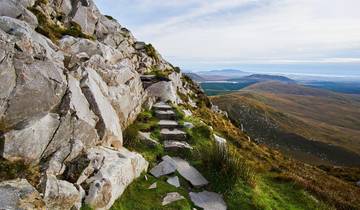
7 days
7 Day Dublin And Galway By Train
- ✓ Comprehensive Dublin tour
- ✓ Expert local guides included
- ✓ All accommodation arranged
- ✓ Transportation provided
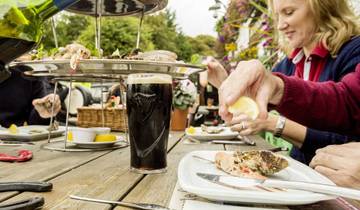
1 days
Private Day Tour of Wicklow and Glendalough.
- ✓ Comprehensive Dublin tour
- ✓ Expert local guides included
- ✓ All accommodation arranged
- ✓ Transportation provided
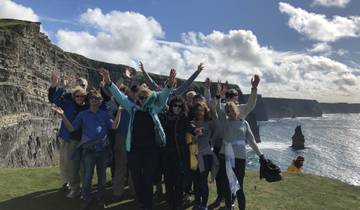
6 days
6-Day Magical Southern Explorer Small Group Tour
- ✓ Comprehensive Dublin tour
- ✓ Expert local guides included
- ✓ All accommodation arranged
- ✓ Transportation provided
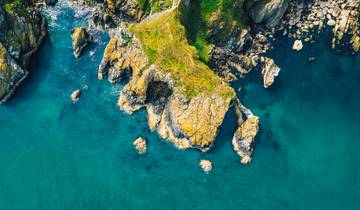
5 days
Ireland's Ultimate Whiskey & Beer Journey
- ✓ Booking needs min. 2 travelers
Multi-day tour packages powered by TourRadar. Prices and availability subject to change.
Introduction: Ireland’s Essential Landscapes Within Reach of Dublin 2026
Dublin functions as Ireland’s geographic and logistical hub, with the national motorway network, rail connections, and organized tour infrastructure radiating outward to the island’s most significant natural and historical sites. While the capital itself rewards extended exploration, the concentration of Ireland’s defining landscapes within a 3-hour radius creates opportunities for day trips that capture experiences unavailable in any urban setting—standing at cliff edges where the Atlantic pounds 200-meter rock walls, walking among 1,500-year-old monastic ruins in glacial valleys, or photographing 40,000 basalt columns shaped by volcanic forces 60 million years ago.
The Wild Atlantic Way coastal route stretches 2,500 kilometers along Ireland’s western seaboard, with its most accessible dramatic section—the Cliffs of Moher in County Clare—lying 3 hours west of Dublin. These 214-meter cliffs attract 1.5 million annual visitors and represent the single most visited natural attraction in Ireland, their accessibility from Dublin by organized coach tour making them feasible within a day trip framework despite the distance. The journey itself crosses the Irish Midlands, passes medieval Bunratty Castle, and follows coastal roads through fishing villages like Doolin, creating a comprehensive western Ireland experience that extends beyond the cliffs themselves.
South of Dublin, the Wicklow Mountains form Ireland’s largest continuous upland area, earning the designation “Garden of Ireland” for its dramatic contrast to the surrounding lowlands. Within this protected national park, the Glendalough monastic settlement occupies a glacial valley where St. Kevin established a monastery in the 6th century, with structures including a 33-meter round tower, cathedral ruins, and Celtic crosses surviving from the 10th-12th centuries. The site’s proximity to Dublin—just 50 kilometers south—enables half-day tours that return visitors to the capital by early afternoon, or full-day itineraries combining Glendalough with Kilkenny medieval city, Wicklow Gap mountain pass, and traditional sheep farms.
Dublin’s coastal position enables immediate escapes to fishing villages and seaside towns accessible by the DART commuter rail network, requiring neither organized tours nor car rental. Howth, 16 kilometers northeast of Dublin city center, provides cliff walks with panoramic Irish Sea views, harbor seal colonies, weekend markets, and seafood restaurants supplied by the active fishing fleet. Malahide preserves a 12th-century castle surrounded by extensive parklands, while Dalkey’s Victorian streets and harbor views attracted writers including James Joyce and George Bernard Shaw. These coastal destinations serve travelers seeking shorter 4-5 hour excursions rather than full-day commitments.
Northern Ireland’s Giant’s Causeway represents Ireland’s only UNESCO World Heritage natural site, with 40,000 interlocking basalt columns created by volcanic activity forming a geological phenomenon along the Antrim Coast. At 175 kilometers from Dublin, day trips require 13-14 hour total time including stops at Dunluce Castle, Dark Hedges beech tree avenue used as a Game of Thrones filming location, and Belfast city center. The journey crosses from the Republic of Ireland into the United Kingdom, requiring valid passport or national ID and introducing travelers to Northern Ireland’s distinct political history, industrial heritage, and landscape character.
Organized coach tours dominate Ireland’s day trip market, with established operators running daily departures from central Dublin pickup points to all major destinations. Standard coaches carry 40-50 passengers with reclining seats, WiFi, and air conditioning, while small group tours limit capacity to 16-25 passengers in premium Mercedes vehicles. Pricing reflects group size, vehicle quality, and itinerary inclusions—entrance fees, guided walks, extended stops—with standard Cliffs of Moher tours starting at €45 and premium Giant’s Causeway small group experiences reaching €129. Independent travelers using public transport and personal vehicles gain flexibility but assume responsibility for navigation, parking, and timing at attraction sites that may operate reduced hours outside peak season.
Seasonal variation affects both feasibility and experience quality of Dublin day trips, with April through October representing optimal conditions for outdoor attractions and maximum daylight hours. Summer peak season July-August brings crowds to popular sites, advance booking requirements for tours, and highest prices, but guarantees full operational schedules and longest days for photography. Winter months November-February offer dramatically lower tourist density and reduced tour prices, though Atlantic storms can close coastal cliff walks and reduce visibility at viewpoints. Spring April-May and autumn September-October provide the most balanced conditions—moderate crowds, stable weather patterns, and full attraction access—though travelers should prepare for rain on any Irish excursion regardless of season.
This comprehensive guide examines Dublin’s day trip options by destination, providing verified 2026 pricing from established tour operators, public transport alternatives, seasonal considerations, and practical logistics for travelers planning single-day excursions from Ireland’s capital. Whether seeking dramatic coastal scenery, ancient monastic settlements, UNESCO World Heritage geology, or simply escape from urban density, Dublin’s geographic position enables access to Ireland’s essential landscapes and historical sites within timeframes compatible with multi-day city visits or week-long Irish itineraries.
Cliffs of Moher Day Tours 2026: Wild Atlantic Way Excursions
The Cliffs of Moher rise 214 meters above the Atlantic Ocean along an 8-kilometer stretch of County Clare coastline, with near-vertical rock walls hosting one of Ireland’s most significant seabird colonies and providing unobstructed views across Galway Bay to the Aran Islands and Connemara mountains. UNESCO designated the cliffs as part of the Burren and Cliffs of Moher Geopark in 2011, recognizing both geological significance and cultural landscape value. Standard day tours from Dublin dedicate 2 hours to the cliffs themselves, allowing time for the 600-meter paved coastal path, underground visitor center with Atlantic Edge exhibition, and photography from multiple viewing platforms including O’Brien’s Tower, a 19th-century observation point at the cliffs’ highest section.
Tour operators run daily departures year-round with increased frequency April-October, utilizing 49-passenger coaches or 16-25 passenger premium vehicles depending on tour tier selected. Paddywagon Tours, Wild Rover Tours, and multiple other established operators maintain similar itineraries—departure 6:45-7:15 AM from Dublin city center pickup points, return 8:00-8:30 PM—with route variations determining specific stops beyond the cliffs. Most tours include Bunratty Castle photo stop, passage through the limestone Burren landscape, and either Galway city center free time or the fishing village of Doolin adjacent to the cliffs. Tours cross the Shannon River and traverse the Irish Midlands, with guides providing cultural and historical commentary throughout the 3-hour westbound journey.
Standard coach tour pricing in 2026 runs €45 per adult, €25 for students aged 13-16 and seniors, €25 for children 5-12, check official tour operator websites for current rates as pricing may vary seasonally. This all-inclusive rate covers round-trip transportation, professional driver-guide, entrance to Cliffs of Moher Visitor Centre (€17 value when purchased separately), and WiFi aboard air-conditioned coaches. Optional boat cruises departing Doolin harbor add €10 to any tour package, providing sea-level perspective of the cliffs during 1-hour Atlantic excursions that approach within 200 meters of the rock face. These boat tours operate weather-dependent March-October, with cancellations common during high wind or heavy seas conditions.
Premium small group tours differentiate through vehicle quality and passenger capacity limits. Elegant Irish Tours operates Mercedes-Benz coaches restricted to 25 passengers maximum, priced at €129 per person with hotel pickup service from Dublin’s leading properties. The small group format enables flexible photo stops, more personalized guide attention, and premium leather seating with enhanced legroom. Tour duration extends slightly longer than standard offerings, with approximately 2.5 hours allocated to the Cliffs of Moher itself rather than the standard 2-hour stop. These premium tours typically include the Titanic Experience in Belfast or similar upgraded inclusions when combining Cliffs of Moher with other major sites.
The Cliffs of Moher coastal path runs 600 meters from the visitor center south toward Hag’s Head, with safety barriers protecting the cliff edge along the most exposed sections. Travelers comfortable with heights can walk beyond the barriers to reach closer viewpoints, though strong Atlantic winds make this inadvisable during poor weather. The underground visitor center built into the hillside houses the Atlantic Edge exhibition covering geology, wildlife, and human history of the cliffs through interactive displays and film presentations. O’Brien’s Tower, constructed in 1835 by Cornelius O’Brien, provides elevated views from the cliffs’ highest accessible point, with entrance fee of €5 providing 360-degree panoramas extending to Loop Head peninsula and the Twelve Bens mountain range on clear days.
Wildlife viewing opportunities peak during seabird nesting season April-July, with the cliffs hosting over 20,000 breeding pairs representing 29 species. Atlantic puffins burrow in the cliff-top grasslands, visible at close range along the southern coastal path, while razorbills, guillemots, and kittiwakes nest on rock ledges down the cliff face. Peregrine falcons and ravens patrol the cliff edges year-round. Marine mammal sightings from the cliff top include harbor porpoises, occasional minke whales, and basking sharks during summer months, though distances of 200+ meters from observation points limit clear viewing without binoculars.
Tour itineraries beyond the cliffs vary by operator but commonly include Galway city center with 60-90 minutes free time for lunch and exploration. Ireland’s third-largest city preserves medieval street patterns in the Latin Quarter, with Shop Street’s pedestrian zone hosting buskers, craft shops, and traditional pubs. Alternative itineraries substitute Doolin village, Ireland’s traditional music capital, for extended lunch opportunities at pubs featuring lunchtime sessions and fresh seafood from Doolin harbor. Some operators include brief stops at Dunguaire Castle, a 16th-century tower house on Galway Bay, or Kinvara fishing village with traditional Galway Hooker sailing boats moored in the harbor.
The Burren limestone landscape between the Shannon River and Cliffs of Moher represents Ireland’s most extensive karst formation, with glacially scoured limestone pavement creating alien terrain visible from tour coach windows. Photo stops enable close examination of the fissured rock surfaces supporting rare Arctic-alpine flora alongside Mediterranean species, a botanical anomaly resulting from the Burren’s unique microclimate. Poulnabrone dolmen, a 5,000-year-old portal tomb, appears on some Cliffs of Moher tour itineraries as a brief cultural addition to the primarily natural landscape focus.
Weather considerations dominate Cliffs of Moher excursion planning, with Atlantic exposure generating high winds, frequent rain, and rapid weather changes regardless of season. Summer months June-August provide longest daylight hours and warmest temperatures averaging 15-18°C, though afternoon thunderstorms remain possible. Spring April-May and autumn September-October offer more stable conditions with moderate crowds, making these shoulder seasons optimal for photography when combined with advance weather forecasting. Winter tours November-March face significant wind exposure requiring proper outdoor clothing, with some cliff paths closing temporarily during severe weather alerts. Tour operators maintain operations year-round with weather-related cancellations remaining relatively rare despite challenging conditions.
Booking recommendations vary by season, with July-August peak period requiring 1-2 weeks advance reservation to secure preferred dates, while April-June and September-October shoulder seasons allow booking 2-3 days ahead with good availability. Winter months November-March rarely sell out, enabling last-minute bookings 24 hours before departure. Most operators offer free cancellation up to 24 hours before scheduled departure time, allowing weather-dependent decisions for travelers monitoring forecasts. Multi-day Dublin visitors commonly schedule Cliffs of Moher tours early in their stay, then rebook if cancelled due to weather rather than risking missing the experience entirely.
Departure points cluster in Dublin city center around O’Connell Street and College Green, with precise meeting locations communicated via email confirmation immediately after booking. Travelers using hotel-based pickup services through premium operators receive collection times 15-30 minutes before main departure, with exact timing dependent on hotel location relative to city center. Return times to Dublin around 8-8:30 PM enable evening restaurant reservations but eliminate afternoon sightseeing on tour days. The 13-14 hour total time commitment makes Cliffs of Moher trips full-day undertakings incompatible with other scheduled activities.
Wicklow Mountains and Glendalough Tours 2026: Monastic Valleys and Mountain Scenery
Wicklow Mountains National Park covers 20,000 hectares of upland terrain 30-70 kilometers south of Dublin, with rounded granite peaks, glacial valleys, blanket bog, and native woodland creating Ireland’s largest continuous mountain wilderness. Within this protected landscape, the Glendalough monastic settlement represents one of Ireland’s most important early Christian sites, founded by St. Kevin in the 6th century and evolving into a major center of learning that attracted scholars from across Europe through the medieval period. The combination of ancient monastic ruins, glacial lakes, and mountain scenery within 50 kilometers of Dublin enables both half-day and full-day tour options, with accessibility by public transport also feasible for independent travelers willing to coordinate bus schedules.
Half-day tours departing Dublin at 9:00-9:30 AM return by 1:00-2:00 PM, providing 4-5 hours total time including 1.5-2 hours at Glendalough itself. Standard pricing runs €25 per adult for these morning departures, with afternoon options at identical pricing departing 2:00-2:30 PM. The abbreviated itinerary focuses primarily on Glendalough with brief photo stops at Wicklow Mountains viewpoints along the route, rather than attempting comprehensive mountain exploration within the limited timeframe. Paddywagon Tours, Wild Rover Tours, and Darby O’Gill Tours all operate these half-day services using standard 49-passenger coaches with WiFi and air-conditioning.
Full-day Wicklow tours extending 8-10 hours incorporate additional destinations beyond Glendalough, with Kilkenny medieval city representing the most common extension. These comprehensive itineraries priced €35-50 depending on operator and specific inclusions depart Dublin 8:30-9:00 AM, allocate 2 hours to Glendalough, cross the Wicklow Gap mountain pass at 486 meters elevation, spend 2.5-3 hours in Kilkenny, and return to Dublin by 6:00-7:00 PM. Some operators substitute alternative Wicklow highlights—the village of Avoca with its handweavers, Powerscourt Estate and Gardens, or traditional sheep dog demonstrations at working farms—for travelers less interested in medieval cities than mountain landscape immersion.
Glendalough’s monastic ruins span a 1-kilometer area between the Lower and Upper Lakes, with the visitor center near the entrance providing historical context before exploring the site. The Round Tower stands 33 meters high, constructed in the 10th century as a bell tower and refuge during Viking raids, with its conical cap and doorway positioned 3.5 meters above ground level demonstrating defensive design. The Cathedral, largest building on site, dates to the 10-11th centuries with intact nave and chancel demonstrating Irish Romanesque architectural characteristics. St. Kevin’s Church, erroneously called “St. Kevin’s Kitchen” due to its tower resembling a chimney, represents one of Ireland’s best-preserved early Irish churches. Celtic crosses, grave slabs, and monastic cell foundations scattered throughout the site illustrate the complex’s scale during its medieval peak when thousands lived, studied, and worshipped in the valley.
The Upper Lake walk follows a mostly flat trail along the Glenealo River through native oak woodland, covering 2 kilometers round trip from the main visitor area to the lake’s eastern end. This unpaved path provides access to mining ruins from Wicklow’s 18th-19th century lead and zinc operations, with tailings and stone structures visible along the valley sides. The lake itself occupies a classic U-shaped glacial valley, with steep sides and flat bottom demonstrating ice erosion patterns from the last glacial period ending 11,000 years ago. Viewing points along the south shore enable photography of the monastic settlement reflected in the Lower Lake, with the Round Tower and surrounding ruins framed by Camaderry mountain’s 700-meter summit.
Wicklow Gap, the highest road crossing the Wicklow Mountains at 486 meters, appears on full-day tour itineraries as a mountain pass linking Glendalough to the eastern valleys. The narrow road traverses blanket bog terrain with panoramic views across corrie lakes and glacial valleys, providing dramatically different landscape character from the wooded valleys surrounding Glendalough. Tour coaches stop at designated viewpoints for photography, with guides explaining glacial formation processes and pointing out landmarks including Lough Tay, a small lake on private property sometimes called “Guinness Lake” due to its dark water and white sand beach resembling a pint of Ireland’s famous stout.
Kilkenny medieval city additions to full-day tours allocate 2-3 hours for exploration of Ireland’s best-preserved medieval urban core. Kilkenny Castle, built in 1195 and renovated through the 19th century, dominates the city center with its position above the River Nore and extensive parklands. The Medieval Mile walking route connects the castle to St. Canice’s Cathedral and Round Tower via narrow medieval streets lined with stone buildings housing craft shops, restaurants, and traditional pubs. Most tours include guided walking introductions to the city followed by free time for lunch and independent exploration, with guides recommending specific restaurants serving traditional Irish fare and local Kilkenny craft beers.
Independent travelers reach Glendalough via public transport by taking the DART train from Dublin Connolly Station to Bray (45 minutes, departures every 15-20 minutes during daytime hours), then transferring to St. Kevin’s bus service (route 181) operated by Dublin Bus. This bus runs twice daily Monday-Saturday, three times on Sundays, with journey time of 1 hour 15 minutes from Bray to Glendalough. The schedule requires careful planning—morning bus departs Bray at 11:30 AM, afternoon service at 5:00 PM, with return trips from Glendalough at 4:15 PM and 7:00 PM. Total travel time each direction exceeds 2 hours compared to 1 hour by tour coach, and the rigid schedule limits flexibility compared to organized tours, making public transport most suitable for travelers prioritizing cost savings over convenience.
The Wicklow Way hiking trail, Ireland’s oldest waymarked long-distance path, passes directly through Glendalough on its 132-kilometer route from Dublin suburbs to Clonegal in County Carlow. Day hikers can walk sections of this trail using Glendalough as a base, with the stretch south to Glenmalure valley (12 kilometers) offering mountain terrain without requiring the 5-7 day commitment for the complete route. Tour itineraries do not incorporate Wicklow Way hiking due to time constraints, but some operators offer specialized walking tours focusing on shorter trail sections combined with minibus transport between hiking segments.
Weather patterns in the Wicklow Mountains prove more variable than Dublin city center due to elevation differences and exposure to Atlantic weather systems. Summer temperatures in Glendalough valley average 3-4°C cooler than Dublin, with mountain passes experiencing stronger winds and frequent low cloud even during settled conditions at lower elevations. Rain gear and layered clothing prove essential year-round, with the treeless terrain around Wicklow Gap providing no shelter during sudden weather changes common in Irish mountain environments. Winter months November-March bring occasional snow to higher elevations, though main roads remain passable except during severe weather events, and tours operate unless specific alerts close mountain passes.
Half-day Wicklow tours integrate easily with Dublin city sightseeing, with morning departures returning travelers to the capital by early afternoon enabling visits to Trinity College, Guinness Storehouse, or other urban attractions before dinner. This split-day approach proves popular among visitors spending 3-4 days in Dublin who want mountain scenery without sacrificing entire days to excursions. Full-day tours eliminate afternoon city time but provide more comprehensive rural Ireland experience and better value for travelers less interested in maximizing Dublin sightseeing density.
Coastal Excursions 2026: Howth, Malahide, and Dublin Bay Villages
Dublin’s coastal position enables immediate access to fishing villages, seaside towns, and harbor communities via the DART (Dublin Area Rapid Transit) commuter rail network, with journey times of 25-45 minutes reaching destinations that require no organized tour infrastructure or advance booking. These shorter half-day excursions suit travelers seeking escape from urban density without full-day time commitment, morning or afternoon departures returning to Dublin city center within 4-5 hours for continued sightseeing or evening activities. The TFI 90-minute fare system allows unlimited transfers between DART trains, Dublin Bus services, and Luas trams for €2 using a Leap Card, making coastal trips remarkably affordable compared to organized coach tours.
Howth, 16 kilometers northeast of Dublin on the peninsula’s northern tip, represents the most popular coastal day trip accessible independently, with DART trains departing Dublin Connolly Station every 15-20 minutes during daytime hours. Journey time of 30 minutes brings travelers to Howth DART station positioned directly in the village center adjacent to the harbor, eliminating any need for onward bus connections or taxi transfers. Standard return train fares run approximately €8 when paying with Leap Card, though the TFI 90-minute fare enables additional Dublin public transport within the same €2 charge when timing allows.
The Howth Cliff Walk follows the peninsula’s perimeter for 6 kilometers, with the most popular route beginning at Howth DART station, ascending through residential streets to Howth Summit (171 meters), then descending along the cliff edge path past Bailey Lighthouse to return via Howth village. Well-maintained trails require no special equipment beyond weatherproof clothing and proper footwear, with estimated walking time of 2-3 hours depending on photography stops and pace. The cliff path provides panoramic views across Dublin Bay to Dún Laoghaire and Killiney Hill southward, with northern perspectives reaching Ireland’s Eye island 1 kilometer offshore and the Mourne Mountains in Northern Ireland on clear days.
Ireland’s Eye island, visible throughout the Howth Cliff Walk, supports Ireland’s fourth-largest seabird colony with 30,000+ breeding pairs including gannets, guillemots, razorbills, and kittiwakes nesting on the island’s eastern cliffs April-August. Boat tours departing Howth harbor reach the island in 15 minutes, with 2-3 hour excursions allowing time for guided walks to the 10th-century church ruins and Martello tower, plus close approaches to the gannet colonies during breeding season. These boat tours operate weather-dependent April-September, priced €20-25 per adult with departures typically at 11:00 AM and 2:00 PM from the East Pier.
Howth harbor supports an active fishing fleet, with trawlers unloading daily catches of prawns, crab, lobster, and various fish species sold through harbor-side vendors and supplying the village’s numerous seafood restaurants. The weekend Howth Market operates every Sunday at the harbor with stalls selling local produce, artisan foods, crafts, and hot food including fresh fish and chips sourced from the morning’s catch. The market creates particularly lively atmosphere 10:00 AM-4:00 PM, combining with the harbor setting and cliff walk potential to fill an entire morning or afternoon excursion from Dublin.
Malahide, 15 kilometers north of Dublin city center, provides alternative coastal destination reached by DART in 30 minutes from multiple Dublin stations. Malahide Castle, originally constructed in 1185 and expanded through the 19th century, occupies 100 hectares of parklands including ornamental gardens, walled garden, and Victorian glasshouses. Castle admission costs €14 for adults with guided tours showcasing period furnishings, portraits, and historical collections, while the grounds remain freely accessible year-round during daylight hours. The castle and gardens typically require 2-3 hours to explore thoroughly, with the adjoining Malahide village offering cafes, restaurants, and marina walks for extended visits.
Dalkey, 13 kilometers south of Dublin, preserves Victorian character in its main street while overlooking Killiney Bay and the Wicklow Mountains across the water. The village contains seven medieval castles within its compact area, with one—Dalkey Castle and Heritage Centre—open to visitors for guided tours covering Viking and Norman history. DART trains reach Dalkey station in 35-40 minutes from Dublin city center, with the village center and harbor a 5-minute walk from the platform. Dalkey Island, 300 meters offshore, supports Martello tower ruins and seal colonies visible from shore, with kayak rentals available for closer approaches during calm weather.
Dún Laoghaire, 11 kilometers south of Dublin, functions as Ireland’s primary ferry port with routes to Wales and as a Victorian seaside resort with extensive waterfront promenades. The East and West Piers extend 1.5 kilometers each into Dublin Bay, with walks along their length providing harbor views, lighthouse perspectives, and frequent seal sightings. The National Maritime Museum occupies a converted church in the town center, displaying Ireland’s maritime heritage through ship models, navigation instruments, and historical artifacts. Dún Laoghaire provides extensive dining options and serves as a DART hub with services connecting to both Howth northbound and Greystones southbound.
Bray, 23 kilometers south of Dublin in County Wicklow, represents the southernmost easily accessible coastal destination on the DART network. The 1.5-kilometer seafront promenade faces a pebble beach with views across Dublin Bay to Howth Head, while the more dramatic Bray Head cliff walk ascends behind the town to viewpoints over the Wicklow coast. Bray serves as the main transport hub for accessing Wicklow Mountains and Glendalough via St. Kevin’s bus service, making it a natural stopping point for travelers combining coastal and mountain excursions in a single day using public transport rather than organized tours.
Guided coastal tours operate as alternatives to independent DART excursions, with Big Bus Tours and similar operators offering half-day Howth tours including coach transport from Dublin city center, guided cliff walk with local commentary, and free time in the village. These tours priced around €30-35 per adult provide value primarily through guided interpretation rather than transport convenience, as independent DART travel costs significantly less and operates on more frequent schedule. The tours suit travelers uncomfortable with self-navigation or those wanting historical and cultural context beyond what self-guided walks provide.
Weather considerations affect coastal excursions less severely than exposed cliff destinations like the Cliffs of Moher, with the DART rail network operating in virtually all conditions and coastal villages providing indoor alternatives if rain interrupts outdoor activities. Wind exposure on cliff walks requires appropriate clothing year-round, with seafront promenades and harbor areas offering more sheltered walking when conditions prove challenging on exposed headlands. Summer months June-August provide warmest temperatures and longest days, though harbor villages and coastal paths remain appealing during spring and autumn shoulder seasons when crowds diminish and restaurants maintain full operations.
The flexibility of DART-accessible coastal destinations enables spontaneous day trips based on weather forecasts, with travelers checking morning conditions and departing to Howth, Malahide, or Dalkey within minutes using regular train services. This contrasts sharply with pre-booked coach tours to distant destinations requiring commitment 24 hours ahead regardless of weather development. The coastal villages also accommodate shorter visits—a 3-4 hour morning in Howth enables afternoon Dublin sightseeing—whereas full-day tours to the Cliffs of Moher or Giant’s Causeway consume entire days with rigid schedules.
Belfast and Giant’s Causeway Extended Day Trips 2026
Northern Ireland’s Giant’s Causeway, Ireland’s only UNESCO World Heritage natural site, consists of approximately 40,000 interlocking basalt columns formed by volcanic activity 60 million years ago, creating hexagonal stepping stones descending from coastal cliffs into the North Atlantic. The causeway’s location along the Antrim Coast, 175 kilometers north of Dublin in County Antrim, requires 3 hours minimum driving time each direction, making day trips logistically challenging but feasible through early morning departures and late evening returns. Standard coach tours departing Dublin at 7:00 AM typically return by 8:00-8:30 PM after 13-14 hours total time, with approximately 2-2.5 hours allocated to the Giant’s Causeway itself plus stops at Belfast, Dunluce Castle, and coastal viewpoints.
Tour pricing reflects the extended distance and full-day commitment, with standard coach tours costing €55-75 per adult depending on operator and specific itinerary inclusions. Small group luxury tours limited to 25 passengers in Mercedes-Benz vehicles run €129, matching the premium tier pricing seen on Cliffs of Moher excursions but delivering significantly more driving time relative to attraction time due to the greater distances involved. Entrance to the Giant’s Causeway Visitor Centre, valued at €17 when purchased separately, is included in virtually all tour packages. These tours cross from the Republic of Ireland into the United Kingdom at the border between Counties Louth and Armagh, requiring all passengers to carry valid passports or national identification cards as the journey traverses international frontiers.
The Giant’s Causeway coastal path allows close approach to the basalt columns at sea level, with the most accessible route descending from the visitor center via either a paved path (1.2 kilometers) or shuttle bus service (€2 each direction for those with mobility limitations or time constraints). The columns themselves range from individual pillars to formations reaching 12 meters in height, with the hexagonal basalt structure creating geometric patterns photographed from multiple angles along the shoreline. The visitor center exhibition explains volcanic formation processes, local legends of giant Finn McCool building a causeway to Scotland, and the area’s designation as Northern Ireland’s first UNESCO World Heritage Site in 1986.
Belfast stops on Giant’s Causeway day tours typically provide 90 minutes in Northern Ireland’s capital, with most operators offering choice between two distinct experiences. The Titanic Experience occupies the former Harland & Wolff shipyard where RMS Titanic was built 1909-1911, with interactive exhibitions covering design, construction, launch, maiden voyage, and sinking through original artifacts, reconstructed ship sections, and multimedia presentations. Entry costs €20-25 when purchased separately, included in most premium tour packages. Alternatively, Black Taxi tours provide political history perspective through visits to neighborhoods displaying murals depicting Republican and Loyalist viewpoints during The Troubles (1969-1998), with local guides explaining the Peace Walls that still separate communities and the ongoing reconciliation process.
Dunluce Castle ruins occupy a dramatic clifftop location on the Antrim Coast, with the medieval fortress constructed around 1500 by the McQuillan clan then expanded by the MacDonnell clan in the 16th-17th centuries. The castle served as a filming location for House of Greyjoy in HBO’s Game of Thrones series, generating renewed tourist interest in the ruins already attracting visitors for their spectacular setting on rock outcrop separated from the mainland by a chasm crossed via bridge. Tours typically allocate 30 minutes at Dunluce, sufficient time for photography and exploration of the accessible ruins but not comprehensive investigation of the entire site.
The Dark Hedges, an avenue of intertwined beech trees planted in the 18th century by the Stuart family, appears on virtually all Giant’s Causeway tour itineraries due to its use as the Kingsroad in Game of Thrones filming. The avenue now suffers from over-tourism, with the trees themselves showing stress from excessive visitor numbers and vehicles continuing to use the narrow road despite efforts to restrict traffic. Photo stops last 15-20 minutes, allowing travelers to walk beneath the gnarled branches and capture the distinctive tunnel effect created by the arching limbs, though the proliferation of tour coaches and crowds during peak season diminishes the atmospheric quality that attracted film location scouts.
The Carrick-a-Rede Rope Bridge, a 20-meter span suspended 30 meters above the ocean connecting the mainland to a small island, occasionally appears on extended Giant’s Causeway itineraries though standard day tours from Dublin often exclude it due to time constraints. When included, the bridge crossing and return walk from the parking area requires 45-60 minutes minimum, with separate admission fee of €12 for National Trust members, €14 non-members. The narrow rope bridge limits throughput to one-way crossings at 5-minute intervals, creating queues during peak visitor periods that can extend wait times beyond what tour schedules accommodate.
Two-day Belfast and Giant’s Causeway tour packages provide alternative to marathon single-day journeys, with overnight accommodation in Belfast allowing more relaxed pacing and deeper exploration of Northern Ireland’s capital. Paddywagon Tours operates these multi-day options with pricing starting around €100-120 per person including one night hostel accommodation (backpacker tier) or €140-160 with hotel accommodation (standard tier). Day one typically covers Belfast’s Titanic Quarter, political murals, and evening free time for independent dining and pub exploration. Day two addresses the coastal attractions—Giant’s Causeway, Dunluce Castle, Dark Hedges—with return to Dublin by evening. This format eliminates the 6-7 hours of driving occurring on single-day tours, instead dedicating that time to Belfast immersion and Northern Ireland cultural experience.
Weather conditions along the exposed Antrim Coast prove more severe than Dublin, with Atlantic storms generating high winds and driving rain that can reduce Giant’s Causeway viewing quality even when the site remains open. The coastal path becomes slippery during wet conditions, and the elevated visitor center provides sheltered alternative viewing when weather prohibits safe descent to the columns. Winter months November-March face the most challenging conditions, though tours operate year-round with weather-related cancellations remaining relatively uncommon. Summer months June-August bring warmest temperatures and longest daylight hours, critical factors when tour itineraries span sunrise to sunset periods.
Booking requirements for Giant’s Causeway tours mirror those for Cliffs of Moher excursions, with 1-2 weeks advance reservation recommended during July-August peak season and St. Patrick’s Festival week in March. Shoulder season months April-June and September-October allow booking 2-3 days ahead, while winter months November-March rarely sell out, enabling last-minute reservations. The cross-border nature of these tours adds complexity, as UK immigration rules apply to the Northern Ireland portion of the journey, requiring all passengers to confirm nationality and document status during the booking process to ensure tour operator can accept their participation.
Independent Day Trip Planning 2026: Self-Drive and Public Transport Options
Car rental enables maximum flexibility for Dublin-based day trips, with vehicles available from Dublin Airport and city center locations through major international companies and Irish operators. Standard economy cars rent from €40-60 per day in low season, €70-90 during summer peak periods, with automatic transmissions adding €15-25 premium over manual options. Insurance coverage, often doubling the base rental rate, requires careful review as personal auto insurance and credit card benefits may not cover Irish rentals or left-hand driving (despite Ireland driving on the left like the UK). Drivers must be 23+ years old for standard vehicles, 25+ for larger cars and SUVs, with young driver surcharges applying under age 25.
Driving in Ireland presents challenges for visitors unfamiliar with left-hand traffic, narrow rural roads without shoulders or marked lanes, and aggressive local driving styles particularly on motorways around Dublin. The M50 motorway encircling Dublin requires electronic toll payment via barrier-free system, with visitors needing to pre-register rental vehicle details or face penalty charges if tolls remain unpaid. Rural roads to destinations like Wicklow Mountains and the Cliffs of Moher feature hedgerow-lined lanes barely wide enough for two vehicles to pass, sheep and cattle crossings without warning, and winding routes where sat-nav estimated times prove optimistic compared to actual driving duration.
Parking at major attractions ranges from free (Glendalough, Giant’s Causeway) to €5-10 daily charges at popular coastal sites like Howth and Dún Laoghaire. The Cliffs of Moher charges €17 entry fee which includes parking, though the combined visitor center entrance and parking charge matches what tour packages include in their all-inclusive pricing. Dublin city center parking costs €3-4 per hour in multi-story car parks, with street parking limited and heavily enforced, making car rental most practical for travelers planning multiple consecutive day trips rather than those combining single excursions with city-based hotel stays.
Public transport to major day trip destinations proves inconsistent in frequency and convenience. The DART coastal rail network provides excellent service to Howth, Malahide, Dalkey, and other Dublin Bay communities with trains every 15-20 minutes during daytime hours, but destinations beyond the immediate Dublin area require careful schedule coordination. Bus Éireann operates intercity services to Galway (€15-20, 2.5 hours, hourly departures) and Belfast (€20-25, 3 hours, 8-10 daily services), enabling independent access to these cities though not directly to the Cliffs of Moher or Giant’s Causeway, which require onward local buses with limited frequency.
Irish Rail’s Dublin-Galway service provides alternative approach to Cliffs of Moher region, with trains departing Heuston Station hourly throughout the day for 2.5-hour journey. From Galway, private tour operators run Cliffs of Moher excursions shorter and more affordable than Dublin-based tours, though this approach requires overnight accommodation in Galway rather than true day trip format. The rail journey itself delivers scenic views through the Irish Midlands and along the Shannon estuary, with standard return fares running €30-40 when booked in advance compared to €15-20 for advance-purchase bus tickets on the same route.
Bicycle rental enables self-guided exploration of nearby destinations like Howth peninsula and Malahide Castle grounds, with Dublin city center bike shops offering road bikes, hybrids, and electric-assist models from €25-40 per day. The DART network permits bicycles on trains outside peak hours (before 7:00 AM, between 10:00 AM-5:00 PM, after 7:00 PM weekdays, any time weekends), creating opportunities for train-assisted cycling day trips combining rail access with coastal road exploration. Electric bikes particularly suit hillier routes around Howth and Killiney, reducing the physical challenge while maintaining outdoor experience and scenic route flexibility impossible with car-based touring.
Private tour guides offer customized itineraries for small groups, with rates starting around €250-300 for half-day services, €400-500 for full-day excursions including vehicle, driver-guide, and flexible routing based on client interests. These premium options suit families or small groups splitting costs across 4-6 passengers, matching or beating organized coach tour pricing on per-person basis while providing personalized experience and flexible timing impossible with standardized 49-passenger coach tours. Private guides typically operate Mercedes vehicles or premium minivans, pick up directly from hotels, and adjust itineraries in real-time based on weather or client preferences.
Multi-day rail passes and tourist transport cards provide value for visitors planning multiple independent excursions. The Leap Visitor Card offers unlimited travel on Dublin Bus, DART, commuter rail, and Luas tram services within the Dublin area for 1 day (€10), 3 days (€25), or 7 days (€40), with free airport transfers included. Irish Rail’s Explore Ireland tickets provide 5 consecutive days of unlimited rail travel for €160 adult, €80 child, covering intercity routes to Belfast, Galway, Cork, and other major cities though requiring onward transport from rail terminals to final destinations like the Cliffs of Moher or Giant’s Causeway.
Best Time for Dublin Day Trips 2026: Seasonal Considerations
Ireland’s maritime climate generates weather variability year-round, with Atlantic weather systems bringing rain, wind, and rapid changes regardless of season. No month guarantees dry conditions, and successful outdoor excursions depend more on specific weekly weather patterns than broad seasonal generalizations. That acknowledged, distinct seasonal characteristics affect both feasibility and experience quality of Dublin day trips, with optimal conditions occurring April-October for most destinations while winter months November-March offer advantages for budget-conscious travelers willing to accept weather risks.
Summer peak season July-August delivers warmest temperatures averaging 15-19°C, longest daylight hours with sunset past 10:00 PM in early July, and most reliable dry weather though afternoon thunderstorms remain possible on approximately one day in four. These advantages come with significant drawbacks—highest tourist density at major attractions, advance booking requirements for tours, premium pricing across accommodation and tour services, and traffic congestion on popular routes to the Cliffs of Moher and Wicklow Mountains. The Cliffs of Moher attract 1.5 million annual visitors with heavy concentration in July-August, creating crowded viewing platforms and queues for the visitor center that diminish the dramatic landscape experience.
Shoulder seasons April-May and September-October provide the most balanced conditions for Dublin day trips, with moderate temperatures (12-16°C), lower tourist density than peak summer, full operational schedules at attractions and tour operators, and competitive pricing on tours and accommodation. Spring brings new vegetation growth and wildflowers to Wicklow Mountains and the Burren, while autumn offers clearer air quality for long-distance views from cliff tops and mountain passes. Rain probability remains similar to summer at approximately 50% of days experiencing precipitation, but the reduced crowds and lower prices offset the similar weather risks.
St. Patrick’s Festival week surrounding March 17 creates unique booking pressures, with tours to the Cliffs of Moher, Giant’s Causeway, and other major sites selling out 2-3 weeks ahead as international visitors combine Dublin city celebrations with broader Irish touring. Hotels in Dublin and along tour routes raise prices significantly during this week, and traffic congestion affects both city exits and motorway travel times. Travelers visiting Dublin specifically for St. Patrick’s celebrations should book day trips immediately after confirming accommodation, as availability diminishes rapidly once festival dates approach.
Easter weekend in April 2026 (April 18-21) generates similar booking pressures to St. Patrick’s Festival, with domestic Irish tourists joining international visitors for long weekend breaks. Many attractions and tour operators treat Easter as the unofficial start of high season, implementing summer pricing and increased service frequency beginning Easter Monday. Hotels in popular day trip destinations like Galway, Kilkenny, and the Cliffs of Moher region fill completely over Easter weekend, though this affects primarily overnight accommodation rather than day tour availability from Dublin.
Winter months November-March present challenging conditions for coastal cliff destinations, with Atlantic storms generating high winds that can close sections of cliff paths at the Cliffs of Moher and Howth. Daylight hours shrink dramatically, with sunset occurring before 5:00 PM in December, limiting outdoor activity time and affecting tour itineraries that depend on natural light for photography and landmark identification. Indoor attractions like monastic settlements at Glendalough or Belfast’s Titanic Experience operate year-round, making these destinations more reliable winter choices than exposed coastal sites. Winter tour pricing typically runs 20-30% below summer peak rates, and advance booking becomes unnecessary as tours rarely fill completely outside the Christmas-New Year week.
Specific monthly considerations shape day trip planning throughout 2026. January-February bring coldest temperatures (6-8°C), shortest days, and highest cancellation rates for coastal boat tours to Ireland’s Eye and beneath the Cliffs of Moher. March marks transition toward spring conditions with increasing daylight and moderating temperatures, though weather remains highly variable with winter storms possible through mid-March. April sees spring vegetation emerge in Wicklow valleys and extended evening daylight enabling later tour return times. May typically delivers Ireland’s driest month statistically, though individual years vary significantly from historical averages.
June represents early summer with longest days approaching summer solstice June 20, full attraction access including all boat tours and extended seasonal operations, and moderate crowds before school holiday peak begins late July. July-August peak season characteristics already addressed, with crowds and prices at maximum but weather at optimal reliability. September maintains summer-like conditions early in the month, gradually transitioning toward autumn by month-end with beautiful fall foliage appearing in Wicklow forests. October brings more variable weather and earlier sunsets but maintains full attraction operations and provides excellent autumn photography opportunities before winter conditions begin.
November marks transition to winter operations at many attractions, with reduced tour frequencies, earlier closing times, and some coastal boat services ceasing operations for the season. December faces shortest daylight hours with the winter solstice December 21 bringing sunset at 4:00 PM, limiting tour itineraries and creating challenges for photography-focused excursions. The Christmas-New Year period December 24-January 2 sees many tour operators close completely or run limited services, though DART trains to coastal villages maintain regular schedules except Christmas Day itself.
Weather forecasting enables tactical day trip planning, with reliable 5-7 day forecasts allowing travelers to schedule outdoor excursions during predicted dry periods while reserving urban activities for wet days. Met Éireann, Ireland’s national weather service, provides detailed regional forecasts with wind speed predictions particularly relevant for coastal cliff destinations. Tour operators monitor weather closely, with Cliffs of Moher tours proceeding in light rain but potentially modifying itineraries during severe wind warnings when cliff paths close for safety. The flexibility of DART-accessible coastal villages enables spontaneous morning decisions based on current conditions rather than 24-hour advance commitments required by organized coach tours.
Booking and Logistics 2026: Practical Planning for Dublin Day Trips
Tour booking processes follow standardized procedures across established operators, with online reservations through company websites offering immediate confirmation via email, printable tickets, and mobile-accessible vouchers eliminating need for physical ticket pickup. Major operators including Paddywagon Tours, Wild Rover Tours, Elegant Irish Tours, and Darby O’Gill Tours maintain sophisticated booking systems accepting international credit cards and providing instant availability verification for selected dates. Third-party booking platforms like Viator, GetYourGuide, and TripAdvisor aggregate multiple operator offerings with user review integration, though direct booking through operator websites typically provides identical pricing without additional platform fees.
Departure points cluster around Dublin’s central business district, with O’Connell Street Upper (at the Gresham Hotel) and College Green serving as primary meeting locations for most tour operators. Exact meeting points receive specification in booking confirmation emails, with travelers advised to arrive 10-15 minutes before scheduled departure for check-in procedures. Premium tour services offering hotel pickup collect passengers from central Dublin properties beginning 15-30 minutes before main departure time, with pickup order determined by hotel location relative to city center. Travelers booking hotel pickup services should confirm their accommodation address during booking to ensure coverage within the pickup zone.
Cancellation policies across established tour operators follow similar patterns, with free cancellation available up to 24 hours before scheduled departure for standard day tours to the Cliffs of Moher, Wicklow, and similar destinations. Multi-day tours including accommodation typically require 48-72 hours cancellation notice for full refund. Weather-related cancellations initiated by tour operators result in automatic refunds or date changes at no charge, though operators define “weather-related” relatively narrowly, proceeding with tours during rain and moderate winds while cancelling only during severe weather warnings affecting road safety or attraction access.
Group size considerations affect both tour experience and pricing structure. Standard coach tours accommodate 40-50 passengers in full-size vehicles, delivering lowest per-person pricing but limiting flexibility for photo stops, seat selection, and guide interaction. Small group tours capping capacity at 16-25 passengers command 50-100% premium pricing but provide premium vehicles, enhanced legroom, more personalized guide attention, and increased flexibility for route modifications or extended stops at interesting sites discovered en route. Solo travelers face no single supplements on coach tours, as seating assignment occurs at driver discretion rather than through paired booking requirements.
Multi-tour booking discounts appear with some operators offering 10-12% reduction when booking 2+ different day trips during same reservation. These discounts apply most commonly when combining complementary destinations—Cliffs of Moher and Wicklow, or Giant’s Causeway and Belfast multi-day packages—rather than repeat bookings of identical tours. Family discounts for children reduce pricing to approximately 50% of adult rates with age definitions varying by operator (typically 5-12 years for child pricing, 13-17 for youth pricing, with children under 5 often free if sharing seat with parent).
Payment methods across established operators include all major credit cards, with some accepting PayPal, Apple Pay, and Google Pay for online transactions. Dynamic currency conversion allowing payment in home currency rather than euros often carries unfavorable exchange rates compared to standard credit card processing, making euro-denominated payments more economical for international visitors. Tour operators charge full payment at booking rather than deposit systems, with refunds for cancellations processing within 5-10 business days to original payment method.
Meeting location logistics require attention to Dublin’s one-way street system and pedestrian zones. O’Connell Street meeting points specify “Upper O’Connell Street at Gresham Hotel” to distinguish from lower sections of this long boulevard, with the hotel’s prominent facade providing obvious landmark. College Green meeting points often reference “Bus Stop 33” or specific street addresses to differentiate from multiple nearby locations within the Trinity College area. Travelers unfamiliar with Dublin should scout meeting locations the evening before tours, particularly for early 6:45-7:15 AM departures when reduced street activity and limited open businesses make navigation more challenging.
Luggage storage creates complications for travelers departing Dublin directly after day tours or checking out of hotels before tour departure. Most tour operators prohibit large suitcases on coaches but accommodate small backpacks and day packs under seats. Dublin Airport offers luggage storage at €10 per item per day, while several private services near Trinity College and O’Connell Street provide similar services at €6-8 per item. Hotels typically accommodate luggage storage for guests checking out before day tours, though policies vary and advance confirmation prevents departure-day complications.
Food and meal logistics vary by tour type and destination. Cliffs of Moher tours typically include 60-minute lunch stops in Doolin village or Galway city center, with travelers purchasing meals independently at restaurants, pubs, or cafes offering options from €12-25 for lunch mains. Tour operators provide restaurant recommendations but do not include meals in base pricing. Wicklow half-day tours provide insufficient duration for formal meal stops, with travelers advised to bring snacks and water bottles. Full-day Wicklow-Kilkenny tours allocate extended time in Kilkenny for lunch purchases. Tour coaches rarely provide meal service beyond comfort stop opportunities to purchase snacks at service stations, making packed lunches practical for budget-conscious travelers.
Accessibility considerations affect tour participation, with standard coaches featuring steps requiring mobility and balance to board and exit. Some operators offer wheelchair-accessible vehicles with advance notice and appropriate booking, though availability remains limited compared to standard coach inventory. Glendalough monastic site and Cliffs of Moher visitor center both provide wheelchair access to primary viewing areas, though cliff paths and extensive walking areas remain challenging for mobility-limited visitors. DART trains offer wheelchair access at most stations, with level boarding at some platforms and lift access at others, making independent coastal village visits more feasible for wheelchair users than coach tours to distant destinations.
Weather preparation requirements receive insufficient emphasis in many tour descriptions, with visitors underestimating Ireland’s wind exposure and temperature variation from Dublin city center. Layered clothing systems enable adaptation to changing conditions, with waterproof outer layers essential regardless of forecast. The Cliffs of Moher generate wind speeds 20-30% higher than inland areas due to unobstructed Atlantic exposure, with wind chill making temperatures feel 5-10°C colder than thermometer readings. Wicklow Mountains similarly face enhanced wind exposure and cooler temperatures than Dublin at sea level. Comfortable walking shoes prove essential for all tours, with formal business shoes or fashion footwear inadequate for uneven terrain at outdoor sites.
Day Trip Combinations and Multi-Day Strategies 2026
Travelers spending 4-7 days in Dublin typically incorporate one or two day trips into their itinerary, balancing urban cultural experiences with natural landscape exposure and historical sites beyond the capital. The most common combination pairs the Cliffs of Moher full-day tour with either a Wicklow half-day excursion or DART-accessible coastal village visits, providing western coastal drama, mountain scenery, and local village atmosphere within two days of excursion time. This approach dedicates remaining Dublin days to city attractions—Trinity College and Book of Kells, Guinness Storehouse, Kilmainham Gaol, Temple Bar cultural quarter—without excessive tour fatigue or continuous early morning departures.
Three-day Dublin visitors face difficult choices regarding day trip inclusion, as dedicating one full day to the Cliffs of Moher consumes one-third of available time. Half-day Wicklow tours or 4-5 hour Howth excursions provide landscape variety without eliminating entire days of Dublin sightseeing, representing more balanced approaches for short stays. Alternatively, visitors can eliminate day trips entirely during brief Dublin visits, recognizing that the city itself merits 3-4 full days of exploration when including museums, historical sites, traditional music venues, and neighborhood walking tours.
Week-long Ireland itineraries enable multiple day trips combined with overnight stays outside Dublin, creating more comprehensive touring patterns without returning to the capital between each destination. Common week-long circuits depart Dublin for 2-3 nights in Galway (providing easy Cliffs of Moher access), continue to Belfast for 2 nights (Giant’s Causeway day trip), then return to Dublin for final 2 nights. This pattern eliminates repetitive Dublin-based day trip driving while maintaining urban accommodation bases in Ireland’s major cities. Independent travelers renting cars follow similar circuits, adding Kilkenny, Cork, or Killarney National Park to create figure-eight or linear routes across Ireland’s most significant sites.
Budget-conscious travelers can execute effective day trip programs using exclusively public transport and DART-accessible destinations, eliminating organized tour costs entirely. A 5-day Dublin visit might include Howth cliff walk and village exploration (€8 DART fare), Glendalough via DART and bus (€20 combined transport), Malahide Castle (€8 DART plus €14 castle admission), and Dún Laoghaire waterfront (€8 DART), totaling €58 for four days of excursions compared to €120-150 for equivalent organized tours. The trade-offs include reduced guide commentary, more complex logistics, longer transit times, and weather vulnerability from schedule inflexibility.
Premium travelers prioritizing comfort and personalized experiences might book private guide services for all excursions, with €400-500 daily rates for full-day tours providing customized itineraries, luxury vehicles, flexible timing, and expert local knowledge. For small groups of 4-6 passengers splitting costs, per-person pricing approaches or undercuts standard small-group tour rates while delivering significantly enhanced experience. Private guides accommodate specific interests—photography-focused itineraries with optimal lighting timing, literary connections at destinations associated with Irish writers, detailed archaeological interpretation at ancient sites—impossible in standardized coach tours following fixed schedules.
Photography-oriented travelers should structure day trips around lighting conditions and weather forecasts, with Cliffs of Moher facing west receiving optimal afternoon-evening light, while Glendalough’s east-facing glacial valley provides best morning illumination. The flexibility of DART-accessible coastal destinations enables weather-reactive planning, with Howth cliff walks reserved for clear days when long-distance views reach the Mourne Mountains, while rainy days shift to indoor attractions like Malahide Castle or Dublin museums. Tour bookings with free 24-hour cancellation enable similar weather-responsive planning for organized excursions, though travelers must monitor forecasts actively and execute cancellations before deadline windows close.
Seasonal strategies significantly affect day trip success rates, with summer visitors facing advance booking requirements and crowds but enjoying extended daylight hours enabling late afternoon photography at cliff sites. Winter visitors gain scheduling flexibility and lower prices but confront abbreviated daylight hours restricting tour itineraries and early sunset eliminating golden hour photography opportunities. Shoulder season travelers in April-May or September-October secure optimal balance of moderate booking pressures, full attraction access, and reasonable weather probability, making these months ideal for visitors prioritizing day trip experiences over specific event participation like St. Patrick’s Festival.
Transport card strategies maximize value for visitors combining day trips with Dublin city sightseeing. The Leap Visitor Card at €40 for 7 days provides unlimited Dublin transport including DART trains to Howth, Malahide, and Dalkey, potentially covering 4-5 coastal village excursions plus all Dublin city bus and tram travel during a week-long visit. Standard Leap Cards with pay-as-you-go credit suit shorter visits, capturing the €6 daily cap and €24 weekly cap for multi-day use without prepaid card purchase. International visitors planning extensive Irish Rail travel might consider Irish Rail’s multi-day passes, though their value proposition weakens when most travel consists of day trip coach tours rather than independent rail journeys.
Frequently Asked Questions: Dublin Day Trips 2026
Can you visit the Cliffs of Moher and Galway in one day from Dublin?
Most Cliffs of Moher day tours from Dublin include 60-90 minutes in Galway city center, typically stopping either before or after the cliff visit for lunch and independent exploration. The combined itinerary totals 13-14 hours with departure around 7 AM and return to Dublin by 8 PM. Some tours substitute Doolin fishing village for Galway, providing different cultural experience focused on traditional Irish music rather than urban exploration. Travelers seeking extended Galway time beyond brief lunch stops should consider overnight accommodation in Galway rather than Dublin-based day tours, as the 2.5-hour drive each direction between Dublin and Galway limits time available in the city itself.
Are Dublin day trips suitable for young children and families in 2026?
Wicklow Mountains half-day tours suit families with children aged 5+ better than full-day Cliffs of Moher excursions, with shorter 4-5 hour duration reducing fatigue and boredom during extended coach travel. Glendalough’s monastic ruins and lakeside walking paths provide varied activity opportunities appealing to children, while the 2-hour time at site allows self-paced exploration rather than rigid group schedules. DART-accessible coastal villages like Howth offer maximum flexibility for families, with children managing cliff walks and harbor activities more comfortably than 7-hour coach rides to distant destinations. Full-day tours to the Cliffs of Moher and Giant’s Causeway prove challenging for children under 8, though operators permit all ages and some families successfully complete these extended tours with appropriate preparation including snacks, electronic devices, and realistic expectations about prolonged sitting time.
Do Dublin day tours operate in winter and bad weather?
Established tour operators run Cliffs of Moher, Wicklow, and most other day trips year-round including winter months November-March, though some coastal boat tours and specific attraction elements cease operations during this period. Tours proceed in rain and moderate winds, with cancellations occurring only during severe weather warnings affecting road safety or closing attraction sites like cliff paths. The Cliffs of Moher Visitor Centre remains open year-round providing sheltered viewing when outdoor paths close during extreme wind events. Winter tours face significantly reduced demand, often operating with half-empty coaches compared to summer sellouts, and tour operators may cancel departures with insufficient passenger bookings, typically notifying affected travelers 24-48 hours ahead with full refunds. Travelers booking winter day trips should maintain flexible schedules allowing rebooking if cancellations occur.
Can you take the train from Dublin to the Cliffs of Moher independently?
No direct train service connects Dublin to the Cliffs of Moher. Irish Rail operates hourly trains from Dublin Heuston Station to Galway (2.5 hours, €30-40 return), then local bus service 350 runs from Galway to the Cliffs of Moher visitor center requiring additional 1.5 hours and €10-15 fare. This approach requires 4+ hours each direction compared to 3 hours by direct coach tour, making independent train access significantly less efficient than organized day tours. Additionally, local bus services from Galway to the Cliffs operate reduced frequency in winter, sometimes running only twice daily, creating extended wait times or requiring overnight Galway accommodation. The organized coach tour model developed specifically because direct public transport to the Cliffs of Moher remains inadequate for day trip logistics from Dublin.
How much time do you actually spend at the Cliffs of Moher on a day tour?
Standard day tours allocate 2 hours at the Cliffs of Moher site including the visitor center, cliff path walking, and photography. Small group premium tours sometimes extend this to 2.5 hours. The time proves sufficient for walking the main 600-meter coastal path, visiting the underground Atlantic Edge exhibition, accessing O’Brien’s Tower viewpoint, and capturing photographs from multiple angles, though travelers seeking extensive hiking along more remote cliff sections need more time than day tours provide. The remaining 11-12 hours of the tour divide between driving time (6 hours round trip), lunch stop in Galway or Doolin (60-90 minutes), Burren photo stops (30 minutes), and various brief stops at castles or coastal viewpoints. Independent travelers renting cars can allocate more time at the cliffs but face similar total journey duration when accounting for Dublin-to-Cliffs driving time.
What’s included in the price of Giant’s Causeway day tours from Dublin?
Standard Giant’s Causeway day tours priced €55-75 include round-trip coach transportation from Dublin city center, professional driver-guide commentary, entrance to Giant’s Causeway Visitor Centre (€17 value), and entrance to Dunluce Castle (€6 value). Most tours provide choice between Titanic Experience entry (€20-25 value) or Black Taxi political tour of Belfast neighborhoods in the tour price. Small group premium tours at €129 add luxury Mercedes vehicle, reduced passenger numbers (25 maximum), and potentially longer stop durations at featured attractions. Food is not included in any Giant’s Causeway tours, with travelers purchasing lunch and snacks independently during Belfast stop or at Giant’s Causeway cafe. Optional shuttle bus service from Giant’s Causeway visitor center to the basalt columns costs €2 each direction, paid locally by travelers who prefer not to walk the 1.2-kilometer paved path.
Is it better to book day trips before arriving in Dublin or after arrival?
Booking 1-2 weeks ahead proves advisable for summer visits July-August and St. Patrick’s Festival week in March when popular tours sell out, particularly for Cliffs of Moher and Giant’s Causeway excursions. Shoulder season months April-June and September-October allow booking 2-3 days ahead, enabling travelers to monitor weather forecasts before committing to specific dates. Winter months November-February rarely face availability issues, with last-minute bookings 24 hours ahead typically securing seats. The primary advantage of pre-arrival booking involves securing preferred dates and morning departure times rather than accepting afternoon alternatives or different dates, though all established operators offer free cancellation up to 24 hours ahead, allowing weather-reactive rebooking even with advance reservations. Travelers visiting Dublin during multi-week Ireland tours might book day trips after arrival once they’ve assessed weather patterns and adjusted itineraries based on actual conditions.
Can you visit multiple destinations like Cliffs of Moher and Wicklow in the same day?
Geographic distances and driving times make combining the Cliffs of Moher and Wicklow Mountains in a single day logistically impossible from Dublin. The Cliffs of Moher lie 280 kilometers west of Dublin requiring 3 hours minimum driving time, while Wicklow Mountains sit 50 kilometers south requiring 1 hour, placing these destinations in opposite directions from the capital. Organized tours structure itineraries around single primary destinations with supplementary stops en route—Cliffs of Moher tours add Galway or the Burren, Wicklow tours add Kilkenny or coastal viewpoints—rather than attempting multiple major sites across conflicting geographic axes. Travelers wanting both experiences should allocate separate days, typically combining Cliffs of Moher full-day tour with Wicklow half-day tour on different dates to avoid excessive consecutive-day tour fatigue.
What happens if weather closes the Cliffs of Moher during a scheduled tour?
Complete closures of the Cliffs of Moher occur infrequently, perhaps 3-5 times per year during exceptional Atlantic storms generating winds exceeding safety thresholds for coastal cliff paths. When closures occur, tour operators typically provide alternative viewing from the underground visitor center where large windows and outdoor terraces provide partially sheltered cliff views, then extend time at other itinerary stops like Galway or the Burren to maintain full-day tour value. Weather-related closures initiated by attraction management result in partial tour refunds (typically 30-40% representing the cliff entrance portion of tour value) or full rebooking to alternative dates without penalty. Tours themselves rarely cancel for weather, proceeding to the Cliffs of Moher area even when conditions prove unpleasant, as sheltered viewing options and the visitor center exhibition provide alternatives to exposed cliff path walking. Travelers should review tour operator specific weather policies during booking, as approaches vary across companies.
Are organized tours better value than independent travel for Dublin day trips?
Organized tours provide superior value for distant destinations like the Cliffs of Moher and Giant’s Causeway where independent travel requires car rental (€50-70 daily), fuel costs (€40-60 for Cliffs of Moher round trip at current Irish fuel prices), parking fees, and significant navigation challenges on unfamiliar rural roads. Standard Cliffs of Moher tours at €45 including entrance fees deliver comprehensive experience at lower total cost than car rental plus fuel plus attraction entry. DART-accessible coastal destinations like Howth, Malahide, and Dalkey favor independent travel, with €8 DART fares dramatically undercutting €30-35 guided tour costs for identical destinations reached in similar timeframes. Wicklow represents middle ground, with half-day tours at €25 competitive against DART-plus-bus public transport (€20 combined) when considering convenience and guaranteed coordination between connections. Value calculations shift for groups of 3-4 travelers splitting car rental costs, potentially favoring independent travel even for distant destinations.