
Best Dublin Tours 2026: Walking, Pub & Heritage Experiences
Dublin’s compact city center rewards exploration through expertly guided tours that unlock centuries of literary history, Viking heritage, and legendary pub culture. From tip-based walking tours revealing hidden Georgian squares to evening pub crawls connecting Temple Bar’s music venues, the city’s 2026 tour offerings blend professional storytelling with flexible pricing across every interest and budget level.
Key Takeaways: Dublin Tours 2026
- Free Walking Tours Deliver Professional Quality: Tip-based tours from Original Dublin, SANDEMANs, and Generation Tours provide 2-3 hour historical overviews with knowledgeable guides operating daily from Temple Bar meeting points, with participants typically tipping €10-20 based on satisfaction and group size.
- Heritage Tours Command Premium Pricing: Book of Kells and Dublin Castle combination tours range €75-105 including fast-track entry and expert guides, with early morning slots at Trinity College offering crowd-free viewing of the 1,200-year-old manuscript before general admission begins at 9:30 AM.
- Pub Crawls Span Budget to Literary: The Generation Pub Crawl delivers five venues with skip-the-line access for €14-16, while the acclaimed Literary Pub Crawl combines professional actors performing Joyce and Wilde excerpts across traditional pubs for €18-25, meeting nightly at The Duke Pub on Duke Street.
- Seasonal Timing Affects Availability and Experience: Summer tours (June-August) require advance booking as slots sell out 3-7 days ahead, while winter months (November-February) offer immediate availability with smaller groups and more personalized guide interaction despite shorter daylight hours for evening tours.
- Private Tours Triple Base Pricing: Context Travel and specialized operators charge €400-875 for private 2-6 hour experiences with PhD historians or specialized experts, offering customized itineraries and exclusive campus or collection access unavailable on standard group tours.
- Combination Tickets Maximize Efficiency: Multi-attraction passes bundling tours with Guinness Storehouse, Jameson Distillery, or hop-on-hop-off buses save €15-30 versus separate purchases while concentrating Dublin’s highlights into single-day itineraries ideal for first-time visitors with limited time.
People Also Ask About Dublin Tours 2026
How much do Dublin tours cost in 2026?
Dublin walking tours in 2026 range from tip-based free tours where participants pay €10-20 gratuities to €25-35 for standard paid group tours and €75-105 for premium heritage experiences including Book of Kells fast-track entry. Pub crawls cost €14-30 depending on venues and inclusions, while private tours with specialized historians command €400-875 for 2-6 hour experiences. The city’s tip-based free walking tour model allows budget travelers to access professional guides daily, with most participants tipping €15-20 for 2.5-3 hour comprehensive city introductions covering Trinity College, Dublin Castle, Temple Bar, and St. Patrick’s Cathedral.
What are the best walking tours in Dublin for 2026?
Original Dublin’s city highlights tour ranks among 2026’s highest-rated walking experiences, operating daily at 11 AM and 2 PM from Temple Bar with 2-hour routes covering Georgian architecture, Viking history, and literary landmarks. SANDEMANs offers parallel tip-based tours with similar itineraries but larger group sizes, while Context Travel provides intimate 10-person maximum tours led by archaeologists and historians for €65-95. The Literary Pub Crawl uniquely combines walking with pub culture through professional actors performing excerpts from Joyce, Wilde, and Beckett between four traditional venues, ranked #4 in the Sunday Times World’s 50 Best Walks for blending education with authentic Dublin pub atmosphere.
Do I need to book Dublin tours in advance for 2026?
Book of Kells tours require 3-7 days advance reservation during peak season (May-September 2026) as timed entry slots at Trinity College sell out rapidly, particularly morning departures before 10 AM. Free walking tours accept walk-ups at meeting points but booking online guarantees spots during high-demand periods and allows tour companies to manage group sizes effectively. Pub crawls typically accommodate same-day bookings except Friday-Saturday nights when Generation Pub Crawl and Literary Pub Crawl reach capacity by early evening. Private tours and specialized experiences like the Musical Pub Crawl or food tours require 2-5 days notice for guide availability and restaurant coordination.
What should I expect from Dublin pub crawl tours in 2026?
Dublin pub crawls in 2026 visit 4-5 venues over 3-5 hours with local guides providing skip-the-line entry, drink discounts, and cultural context about Irish pub traditions, music heritage, and drinking customs. The Generation Pub Crawl includes free welcome Guinness, free shots at multiple venues, and VIP nightclub access for €14-16, targeting social travelers aged 20-35 seeking nightlife immersion. The Literary Pub Crawl contrasts sharply by emphasizing Dublin’s UNESCO City of Literature designation through professional actors performing passages from celebrated Irish writers between historic literary pubs, attracting culture-focused travelers aged 30-65. Most pub crawls depart 7:30-8 PM from Temple Bar area meeting points and conclude midnight-1 AM after visiting establishments across Grafton Street, South William Street, and the Liberties neighborhoods.
Extended multi-day tours – 5+ days
Featured Dublin Multi-Day Tour Packages
7 days
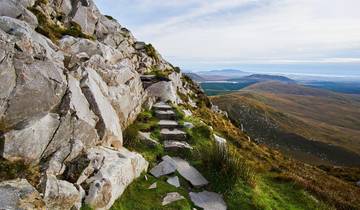
7 Day Dublin And Galway By Train
- ✓ Comprehensive Dublin tour
- ✓ Expert local guides included
- ✓ All accommodation arranged
- ✓ Transportation provided
1 days
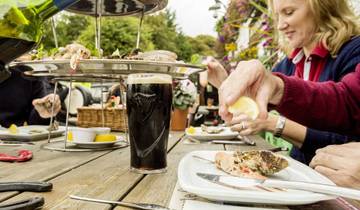
Private Day Tour of Wicklow and Glendalough.
- ✓ Comprehensive Dublin tour
- ✓ Expert local guides included
- ✓ All accommodation arranged
- ✓ Transportation provided
6 days
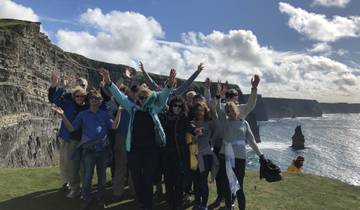
6-Day Magical Southern Explorer Small Group Tour
- ✓ Comprehensive Dublin tour
- ✓ Expert local guides included
- ✓ All accommodation arranged
- ✓ Transportation provided
5 days
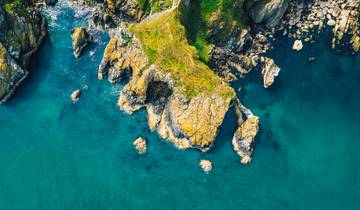
Ireland's Ultimate Whiskey & Beer Journey
- ✓ Booking needs min. 2 travelers
Multi-day tour packages powered by TourRadar. Prices and availability subject to change.
Introduction: Navigating Dublin’s Tour Landscape in 2026
Dublin’s status as Europe’s most compact capital creates ideal conditions for walking-based tour experiences that compress centuries of cultural achievement into pedestrian-friendly routes spanning Trinity College’s 47-acre campus to medieval Christ Church Cathedral within 20-minute strolls. The city’s 2026 tour ecosystem reflects this walkability through offerings that prioritize intimate group sizes, specialized expertise, and flexible departure schedules across categories ranging from tip-based historical walking tours to evening literary pub crawls and premium heritage experiences with fast-track access to the Book of Kells.
Dublin’s tourism infrastructure evolved significantly following UNESCO’s 2010 designation of the city as a City of Literature, the fourth globally to receive this recognition. This cultural credential elevated literary-focused tours from niche offerings to mainstream experiences, with the Literary Pub Crawl expanding from single-night operations to nightly departures year-round and spawning competitors emphasizing Joyce, Wilde, Yeats, and Beckett connections across the city’s 700+ licensed pubs. The Book of Kells similarly transitioned from academic attraction to mass-tourism pillar, necessitating timed-entry systems at Trinity College that now process 1,000+ daily visitors during peak summer months.
The city’s compact geography concentrates tour departures within the South City Centre between O’Connell Bridge and St. Stephen’s Green, with Temple Bar serving as the primary meeting point hub for free walking tours, pub crawls, and specialty experiences. This centralization allows travelers to combine multiple tour types within single days, starting with morning heritage tours at Trinity College, transitioning to afternoon walking tours of Georgian Dublin, and concluding with evening pub crawls or music experiences. The Liffey River serves as the natural divider between northside attractions like the General Post Office and O’Connell Street and southside concentrations around Trinity, Dublin Castle, and the Temple Bar cultural quarter.
Dublin’s 2026 tour market segments clearly into four pricing tiers that reflect guide expertise, group size, and inclusion levels. Tip-based free walking tours operate at the entry level with participant payments averaging €10-20 for 2-3 hour experiences, offering professional guides and comprehensive city introductions without upfront cost barriers. Standard paid group tours occupy the middle tier at €25-65, providing smaller groups, specialized themes like food or ghost tours, and ticket inclusions for attractions like St. Patrick’s Cathedral. Premium heritage tours command €75-105 through fast-track Book of Kells access, early morning Trinity College entry before crowds, and combination tickets covering Dublin Castle. Private tours top the pricing hierarchy at €400-875, delivering customized itineraries with PhD-level historians, exclusive access to closed collections, and flexible scheduling accommodating family groups or corporate teams.
The seasonal rhythm of Dublin tourism creates distinct booking patterns that affect tour availability and group dynamics throughout 2026. Summer months from June through August represent peak demand when advance reservations become essential for Book of Kells tours, popular pub crawls, and specialty food experiences. This period delivers maximum tour frequency with multiple daily departures for most offerings but also generates largest group sizes and crowded conditions at major attractions. Spring (March-May) and autumn (September-October) represent shoulder seasons when tours operate at reduced frequency but offer improved availability, smaller groups, and more personalized guide interaction. Winter months (November-February) see lowest tour frequency with some operators suspending specialty offerings, though core walking tours and pub crawls maintain daily schedules with immediate booking availability.
Dublin’s tour guides represent the city’s greatest competitive advantage in the tourism marketplace, with many operators employing Trinity College students, professional actors, working historians, and career guides with decades of experience. This talent pool differentiates Dublin from other European cities where tour guides may lack deep local knowledge or specialized credentials. The Literary Pub Crawl exclusively employs professional actors trained in classical performance, while Context Travel recruits guides holding advanced degrees in Irish history, archaeology, or literature. Free walking tour companies like Original Dublin and Generation Tours maintain rigorous audition processes and ongoing training programs that produce guides capable of delivering entertaining, accurate historical narratives while managing groups of 20-40 participants through crowded city-center streets.
The technological infrastructure supporting Dublin tours evolved substantially through 2024-2025, with most operators now providing digital tickets, real-time booking updates, and contactless check-in systems that reduce administrative friction at meeting points. GetYourGuide and Viator dominate the online booking marketplace, offering centralized reservation platforms with verified reviews, free cancellation options, and lowest-price guarantees. Direct booking through operator websites occasionally provides €3-8 savings but sacrifices the consumer protection and refund flexibility that aggregator platforms guarantee. Mobile tickets eliminated the need for printed confirmations, with QR codes scanned at meeting points or attraction entrances enabling seamless entry to Trinity College, Dublin Castle, and participating pub crawl venues.
This guide examines Dublin’s 2026 tour landscape across categories including free walking tours, heritage experiences, pub crawls, specialty food tours, day trips, and private experiences. Each section provides verified pricing with official rates confirmed through operator websites and booking platforms, operating schedules including meeting points and departure frequencies, and detailed itinerary breakdowns identifying specific stops and duration allocations. The analysis emphasizes practical booking strategy including optimal reservation windows, cancellation policies, and combination ticket opportunities while maintaining focus on the guide expertise, group size parameters, and experience quality factors that determine tour value regardless of pricing tier.
Free Walking Tours Dublin 2026: Tip-Based Professional Experiences
Dublin’s free walking tour model revolutionized the city’s tourism landscape by removing upfront cost barriers while maintaining professional guide quality through tip-based compensation structures. These tours operate daily year-round with multiple departure times, meeting at Temple Bar locations and covering 2-3 hours of comprehensive city exploration. The “free” designation refers to no mandatory upfront payment, with participants tipping guides €10-20 based on tour quality and personal budget at conclusion. This model allows budget travelers immediate access to expert guides while enabling operators to scale capacity during peak demand without complex pricing structures.
Original Dublin operates the city’s highest-rated tip-based walking tours, ranked #1 on TripAdvisor with 5,000+ reviews averaging 4.9 stars. Tours depart 11 AM and 2 PM daily from The Old Storehouse Pub on Crown Alley in Temple Bar, running 2 hours covering Trinity College exterior, Dublin Castle grounds, Christ Church Cathedral, Temple Bar cultural quarter, and St. Patrick’s Cathedral with comprehensive Irish history narration from Viking invasions through Georgian architecture to modern independence. The company employs writers, actors, musicians, and accredited tour guides who deliver theatrical storytelling blending humor with historical accuracy. Participants commonly tip €15-20 for these experiences, with the company’s guides earning above-average compensation through this model compared to competitors.
SANDEMANs NEW Europe runs parallel free walking tours meeting at the same Temple Bar location at 11 AM and 2 PM daily. These tours follow similar routes covering Trinity College, Dublin Castle, Temple Bar, and Georgian Dublin over 2 hours. SANDEMANs operates Europe’s largest free walking tour network across 20+ cities, bringing standardized training programs and quality control systems to Dublin operations. Group sizes typically reach 30-40 participants during summer peak season compared to Original Dublin’s 20-30 average, affecting the intimacy of guide interaction but providing guaranteed daily departures regardless of season. The company’s guides generally earn €12-18 average tips per participant.
Generation Tours Dublin completes the free walking tour triumvirate with 11 AM and 2 PM daily departures from Front Gate of Trinity College. These 2.5-hour tours extend coverage beyond competitors to include O’Connell Street on Dublin’s northside, the General Post Office of 1916 Rising significance, and Ha’penny Bridge crossing back to Temple Bar. The additional 30 minutes allows guides to address Irish independence history more comprehensively than compressed 2-hour alternatives. Generation Tours employs predominantly Irish-born guides with Trinity College or University College Dublin degrees, emphasizing local credibility and contemporary Dublin context alongside historical narrative. Expected tips range €10-20 with €15 representing the median.
Free walking tour itineraries across operators share core stops while varying emphasis and sequencing. All tours begin at Trinity College discussing its 1592 foundation, Protestant history, and role as Ireland’s oldest university. Guides point out the Long Room and Book of Kells location from outside but do not enter, reserving interior visits for separate paid heritage tours. Dublin Castle receives 15-20 minutes of exterior coverage discussing Viking origins, Norman fortification, British rule headquarters status through 1922, and current ceremonial government use. Christ Church Cathedral warrants 10-15 minutes highlighting its 1028 Viking foundation and medieval architecture, though guides remain on public streets without entering. Temple Bar occupies tour conclusions with explanations of the neighborhood’s cultural quarter development, pub culture significance, and contemporary Dublin social life.
The Georgian Dublin segment distinguishes guide quality most clearly, with top-tier operators providing architectural detail about Merrion Square, St. Stephen’s Green, and Georgian townhouse construction patterns that lesser tours gloss over. Original Dublin guides typically dedicate 20 minutes to Georgian period discussion including door colors, fanlights, and the economic context of 18th-century Dublin’s status as the British Empire’s second city. This depth separates professional historians from casual guides reading scripts, with participants noting the tangible expertise difference in reviews. The segment includes visits to Merrion Square’s Oscar Wilde statue and discussions of the neighborhood’s literary residents including Yeats, Wilde, and Bram Stoker.
Literary content pervades all free walking tours given Dublin’s UNESCO City of Literature designation, with guides incorporating Joyce, Wilde, Beckett, and Shaw references throughout historical narratives. The Molly Malone statue on Suffolk Street serves as a standard photo stop where guides explain the folk song’s cultural significance and the statue’s 1988 Dublin Millennium installation. Trinity College discussion inevitably covers Wilde and Beckett’s student years, while Temple Bar segments reference contemporary Irish literature and the neighborhood’s literary pubs. This literary thread differentiates Dublin walking tours from European competitors focusing purely on monarchs and architecture, reflecting the city’s identity as a literary capital where writers shaped culture as profoundly as politicians or generals.
Free walking tour booking requires online registration through operator websites even though no payment occurs upfront. This allows companies to predict group sizes, assign appropriate numbers of guides during peak periods, and send meeting point confirmations and tour details to participants. Walk-ups receive accommodation when space permits, but summer peak season tours frequently reach capacity with advance registrations alone. Booking 1-3 days ahead during May-September 2026 ensures guaranteed spots, while October-April shoulder and off-season months allow same-day registrations without capacity concerns. Cancellation policies permit no-shows without penalty given the free model, though courteous travelers cancel online reservations they cannot honor to free capacity for others.
Group size dynamics significantly affect free walking tour quality, with 15-25 participants representing optimal ranges for guide audibility and group mobility through crowded city streets. Summer tours commonly reach 30-40 participants when operators hesitate to turn away walk-ups, creating challenges for those positioned at group peripheries who struggle to hear guides over ambient city noise. Purchasing portable audio receivers remains uncommon on Dublin free tours unlike paid alternatives, leaving guide voice projection as the primary communication method. Smaller shoulder-season groups of 10-20 participants allow spontaneous questions and more personalized guide interaction, making March-May and September-November ideal months for travelers prioritizing intimate experiences over summer weather guarantees.
Weather considerations impact free walking tour comfort given Dublin’s maritime climate delivering rain 150+ days annually. Tours operate rain or shine without weather cancellations, with participants expected to carry umbrellas and wear waterproof layers. Summer months provide longest daylight hours enabling afternoon tours to conclude in bright conditions, while winter 2 PM tours finish near dusk around 4:30 PM. The Temple Bar area’s narrow cobblestone streets and medieval layout create wind tunnel effects during storms, making calm weather days noticeably more pleasant for outdoor touring. Smart travelers check Dublin’s hourly weather forecasts and select morning or afternoon tours strategically to dodge predicted rain bands while acknowledging Ireland’s weather unpredictability makes guarantees impossible.
Tipping etiquette for free walking tours follows informal conventions rather than fixed rules, with €10 representing minimum acceptable gratuities for budget travelers receiving professional 2-hour tours. Most participants tip €15-20 based on tour quality and personal budget, while particularly impressed or affluent travelers may tip €25-30. Guides depend entirely on tips for compensation without hourly wages, making adequate tipping essential for sustaining the free tour business model. Under-tipping or skipping gratuities entirely creates ethical issues given the professional service received, though no mandatory minimums exist. Groups traveling together typically tip per person rather than single amounts, recognizing that guide effort scales with participant counts.
Free walking tour alternatives include specialty themed walks focusing on specific neighborhoods or topics beyond general introductions. The 1916 Rising Tour follows rebellion sites from the General Post Office to Jacob’s Factory, providing detailed Irish independence history absent from broader city tours. The Viking & Medieval Dublin Tour concentrates on pre-Georgian history including Wood Quay Viking settlement, Christ Church Cathedral, and Dublin Castle’s Norman origins. These specialized tours typically request €15-25 donations rather than operating purely tip-based, reflecting increased guide specialization and narrower audience appeal. Food tours, ghost tours, and pub crawls never operate as free experiences given their inclusion of tastings, admissions, or venue access that generate hard costs beyond guide compensation.
Heritage Tours 2026: Book of Kells and Dublin Castle Experiences
Heritage tours combining Trinity College’s Book of Kells with Dublin Castle represent Dublin’s premier cultural experiences for 2026, delivering expert-guided access to the city’s most significant medieval manuscript and fortress. These tours command premium pricing through fast-track entry that bypasses standard queues, early morning access before general admission crowds arrive, and specialized guide expertise in medieval Irish history and manuscript illumination. Tour durations range 2.5-4 hours with pricing spanning €75-105 depending on operator, group size, and inclusion scope.
The Book of Kells Experience at Trinity College provides the foundation for all heritage tours, featuring the 1,200-year-old illuminated manuscript housed in the Old Library’s specially controlled environment. Created around 800 AD by Celtic monks likely at Iona monastery off Scotland’s coast, the manuscript contains Latin text of the four Gospels with intricate illumination incorporating Celtic knots, animal imagery, and vibrant pigments derived from imported minerals. Trinity College acquired the manuscript in 1661, making it the institution’s most treasured artifact and Ireland’s premier cultural attraction. The viewing experience includes the modern exhibition explaining manuscript history and illumination techniques, the darkened manuscript viewing room where two volumes lie open displaying current pages (rotated quarterly for conservation), and the Long Room housing 200,000 of Trinity’s oldest books beneath a stunning barrel-vaulted ceiling added in 1860.
Standard self-guided Book of Kells admission costs €25 for adults and €22 for students or seniors in 2026, requiring timed entry reservations through Trinity’s official website at visittrinity.ie. Check the official website for current rates and booking availability. Independent visitors navigate the exhibition and Long Room at personal pace over 45-90 minutes depending on reading detail and crowd density. This option suits travelers prioritizing flexibility over guided commentary, though it sacrifices the contextual expertise professional guides provide about illumination techniques, monastic manuscript production, and the Book’s historical journey from Iona through Viking raids to permanent Trinity residence. Summer peak season requires booking 3-7 days in advance as morning slots before 11 AM sell out rapidly, while winter months offer same-day availability.
Guided heritage tours elevate the Book of Kells experience through expert narration and strategic timing that maximizes viewing quality. Tour operators secure early morning entry slots beginning 8:30-9 AM before general admission commences at 9:30 AM, delivering 30-60 minutes of crowd-free viewing when manuscript and Long Room stand nearly empty. This timing differential alone justifies the premium pricing for many travelers who recognize the impossibility of appreciating intricate manuscript details while jostling among hundreds of simultaneous visitors during midday peak hours. Guides provide 15-20 minutes of pre-entry context about manuscript history, illumination techniques, and viewing strategies, then accompany groups through the exhibition allowing questions and directing attention to specific details visitors might overlook independently.
Dublin Castle integration creates comprehensive heritage tour packages by adding Ireland’s most historically significant fortress to Book of Kells itineraries. Built 1204-1230 by King John following Norman invasion, the castle served as the seat of British rule in Ireland for seven centuries until 1922 independence. Today it functions as a ceremonial government venue hosting state dinners and presidential inaugurations while offering tours of the State Apartments, Chapel Royal, and surrounding gardens. Tours typically cover castle exteriors including the Record Tower (Dublin’s oldest surviving structure from 1226), the Octagonal Tower, and Bedford Tower, with some premium offerings including State Apartments interior access when not reserved for government functions. Guides contextualize the castle’s role in Irish history from medieval fortress through English conquest headquarters to modern governmental symbolism.
GetYourGuide and Viator dominate the heritage tour booking marketplace with dozens of operator options at varying price points. The “Dublin: Fast-Track Book of Kells Ticket & Dublin Castle Tour” represents the standard product at €82-95 for 3-hour experiences including both attractions, check booking platforms for current pricing. This tour meets at Trinity College’s main entrance, provides fast-track Book of Kells entry, delivers expert guided commentary, includes Molly Malone statue photo stop, and concludes with Dublin Castle exterior tour covering grounds and gardens. Maximum group sizes of 15-20 participants maintain manageable guide interaction while permitting cost efficiencies that keep pricing competitive. Tours operate multiple daily departures at 9 AM, 10 AM, and 11 AM during peak season, with reduced frequency November-March.
Premium heritage tours elevate the standard offering through ultra-small groups, extended duration, and enhanced access. Context Travel’s “Dublin Highlights Walk” provides 3-hour private or semi-private tours limited to 6 participants maximum, led by Trinity College graduates or professional historians with advanced degrees. Pricing reaches €420-500 per group for this experience, which includes Trinity College campus walking tour, Book of Kells viewing with extensive manuscript discussion, Dublin Castle visit, and additional stops at Christ Church Cathedral exterior and Viking Dublin sites. The guide expertise level surpasses standard group tours through specialized knowledge of Irish medieval history, manuscript illumination techniques, and archaeological context unavailable from general guides. This tier suits serious history enthusiasts willing to invest premium amounts for authoritative expertise and intimate group dynamics.
Combination tickets bundle heritage tours with other major Dublin attractions to create comprehensive day itineraries. The “Trinity College, Guinness Storehouse & Jameson Distillery Tour” combines morning Book of Kells access with afternoon visits to Ireland’s two most famous beverage attractions, spanning 6 hours with transport between locations and costing €140-165. This format appeals to first-time visitors seeking maximum landmark coverage within single days, though purists argue the rushed pace sacrifices the contemplative experience each attraction deserves independently. The Guinness Storehouse alone warrants 2 hours for thorough exploration, while Jameson Distillery tours require 90 minutes, leaving little flexibility when combined with morning heritage touring.
The Trinity Trails walking tour represents the official Trinity College alternative to third-party tour operators, led by current Trinity students who provide insider campus perspectives unavailable from external guides. The 45-minute campus tour costs €15 as standalone experience or €65 when bundled with Book of Kells admission as the “Book of Kells and Campus Tour Bundle.” Student guides emphasize contemporary Trinity life alongside historical coverage, incorporating anecdotes about famous alumni, campus traditions, and student culture. The Museum Building interior access provides exclusive entry to one of Dublin’s most spectacular Victorian spaces featuring double-height hall, ornate ironwork staircases, and natural history specimens. This tour operates daily at fixed times requiring advance reservation through visittrinity.ie.
Booking strategy for heritage tours depends on season and flexibility priorities. Summer travelers booking 1-2 weeks in advance secure optimal 8:30-9 AM early access slots before general crowds, while last-minute bookers often find only afternoon departures available with consequent crowding issues. Winter and shoulder season months permit 2-3 days advance booking with consistent slot availability. Cancellation policies typically allow full refunds for cancellations made 24-48 hours before tour time, with progressive penalty structures for shorter notice cancellations. Travel insurance becomes relevant for expensive private tours where per-person costs reach €100+ and unexpected illness or flight disruptions create financial exposure.
Language options for heritage tours overwhelmingly favor English with limited Spanish or French alternatives. Trinity College’s English-language academic context and guide pool drawn from Irish universities means non-English tours remain rare specialty offerings commanding premium pricing. Spanish-speaking travelers find occasional tours through Civitatis platform, while French and German speakers typically encounter only private tour options with specialized guides charging €500-700 for language-specific services. The Book of Kells audio guide available through personal smartphone provides limited alternative for independent non-English speakers, though guide commentary quality pales compared to live expert narration.
Accessibility considerations affect heritage tour suitability for mobility-impaired travelers, with Trinity College offering generally good wheelchair access through ramps and elevators serving the Book of Kells exhibition and Long Room. Dublin Castle presents more challenges given its medieval construction and cobblestone courtyards, though main garden areas remain accessible. Tour operators respond to advance wheelchair or mobility aid notification by adjusting routes and providing appropriate assistance, though the walking-intensive nature of 3-hour tours may prove exhausting for travelers with stamina limitations. Shorter 2-hour tours focusing solely on Book of Kells without Dublin Castle extension offer more manageable alternatives for those prioritizing manuscript viewing without comprehensive city coverage.
Dublin Pub Crawl Tours 2026: From Party Tours to Literary Performances
Dublin pub crawl tours span dramatically different audiences and experiences, from social party crawls delivering nightclub access and drink specials to theatrical literary crawls where professional actors perform excerpts from Irish writers between historic pubs. This diversity reflects Dublin’s multifaceted pub culture encompassing both raucous Temple Bar nightlife and the contemplative literary tradition that inspired Joyce’s Dubliners short story collection. Tour prices range €14-50 depending on inclusions, duration, and cultural versus party orientation, with nightly departures meeting at Temple Bar locations between 7:30-8 PM.
The Generation Pub Crawl represents Dublin’s premier party-oriented option, targeting social travelers aged 20-35 seeking authentic nightlife immersion with fellow international visitors. Meeting 8 PM nightly at 4 Dame Lane pub near Temple Bar, the 5-hour tour visits four traditional pubs plus VIP nightclub access, includes free welcome Guinness at the first venue, provides free shots at multiple stops, and delivers skip-the-line entry to all locations. Pricing starts at €14-16, check the official Generation Pub Crawl website for current rates and booking. Group sizes commonly reach 60-100 participants during peak summer Friday-Saturday nights, managed through multiple guide teams splitting participants into smaller units of 20-30 for individual venues.
Generation Pub Crawl itineraries rotate among Temple Bar, Grafton Street, and South William Street venues selected for tourist-friendly atmospheres, drink specials, and live music. Typical stops include The Old Storehouse (traditional Irish music venue), Whelan’s (legendary rock venue with nightly concerts), and Copper Face Jacks nightclub (Dublin’s most famous late-night destination frequented by celebrities and locals alike). The tour concludes midnight-1 AM at the nightclub with VIP entry bypassing substantial queues that typically delay standard visitors 30-60 minutes. Drink discounts at participating venues provide €2-4 savings per beverage, potentially offsetting tour cost for heavy drinkers though pacing becomes important to maintain coherent participation through the 5-hour experience.
The Literary Pub Crawl delivers the cultural counterpoint to party-focused alternatives through professional actors performing passages from Joyce, Wilde, Beckett, Shaw, and other Irish literary giants between four traditional pubs. Meeting 7:15 PM nightly upstairs at The Duke Pub on Duke Street, this 2.5-hour tour combines theater with pub culture through scripted performances, historical context about Dublin’s literary heritage, and visits to pubs frequented by famous writers. Two professional actors lead each tour, alternating between performing character pieces and providing historical narration. The tour includes special evening access to Trinity College grounds otherwise closed after dark, plus a literary quiz at conclusion testing participants on newly learned information.
Literary Pub Crawl pricing typically ranges €18-25 per person based on seasonal demand, significantly higher than party crawls but reflecting the professional theatrical talent and cultural content distinguishing the experience. The tour earned #4 ranking in Sunday Times’ World’s 50 Best Walks and #2 position on Lonely Planet’s Top 10 Literary Walks globally, validating its reputation as Dublin’s premier cultural pub experience. Group sizes remain smaller than party crawls at 30-50 participants maximum, creating more intimate theatrical atmosphere where actors directly engage audience members between performances. The demographic skews older than Generation Pub Crawl, attracting ages 30-65 with higher proportions of literary enthusiasts, academics, and culturally motivated travelers.
The Traditional Musical Pub Crawl represents Dublin’s third major pub crawl category, combining live traditional Irish music with pub culture education. Two professional musicians lead tours visiting two traditional music venues over 2.5 hours, performing songs and instrumental pieces while explaining traditional Irish music history, instruments, and the “session” culture where musicians gather spontaneously to play together. The moving concert format includes audience participation through sing-alongs and explanations of how visitors can identify and join authentic traditional music sessions during Dublin stays. Tours depart 7:30 PM from Ha’penny Bridge Inn in Temple Bar, operating Sunday through Friday March-October but suspending winter operations November-February.
Musical Pub Crawl pricing remains undisclosed on most booking platforms but typically ranges €20-30 per person based on the professional musician talent and live performance component. The experience attracts music enthusiasts, older travelers seeking authentic cultural experiences, and families given the all-ages appropriateness contrasting with party crawl adult orientations. Venues include Ha’penny Bridge Inn and Flanagans Bar on O’Connell Street, both known for quality traditional music programming and tourist-friendly atmospheres. The tour’s suspension during winter months reflects seasonal demand patterns and venue availability, with operators focusing resources on peak season when Dublin tourism reaches maximum volume.
Specialty pub tours expand beyond standard crawl formats through focused themes like craft beer, whiskey, or food pairings. The Dublin Craft Beer Tour visits three craft breweries and beer-focused pubs over 3 hours, providing tastings of 8-10 beers with expert commentary about Ireland’s craft beer revolution. Unlike traditional music or literary crawls, this tour requires advance booking given brewery visit coordination and limited capacity, with pricing reaching €45-55 per person reflecting tastings and venue fees. The whiskey-focused alternative combines pub visits with Jameson Distillery or Irish Whiskey Museum tours, targeting spirits enthusiasts willing to invest €80-95 for comprehensive whiskey education alongside traditional pub culture.
Food and pub tour combinations represent premium offerings where guides lead participants through traditional Irish dishes at multiple venues punctuated by pub stops for beverages. The “Dublin Food Tour” visits eight locations over 3 hours including traditional pubs, artisan food shops, and markets, providing tastings totaling a full meal’s worth of food. Pricing ranges €65-80 reflecting food costs, guide expertise in culinary history, and smaller group sizes of 8-12 participants enabling personalized service. These tours suit foodies prioritizing Irish cuisine exploration over drinking culture, though most itineraries include at least one traditional pub for Guinness or whiskey pairing with Irish stew or seafood chowder.
Pub crawl booking strategies vary by tour type, with party crawls accepting walk-ups at meeting points but recommending online booking to guarantee spots during Friday-Saturday peak nights. The Generation Pub Crawl regularly reaches 100+ participants during summer weekends, creating scenarios where late arrivals find tour departure underway. Literary Pub Crawl booking becomes more critical given the theatrical nature and fixed seating capacity at performance venues, with Friday-Saturday summer nights often selling out 24-48 hours in advance. Musical Pub Crawl advance booking ensures spot guarantees while allowing organizers to confirm venue arrangements and musician availability.
Group dynamics affect pub crawl experiences significantly, with solo travelers finding party crawls ideal for meeting fellow tourists while couples or small friend groups may prefer literary or musical alternatives offering cohesive shared experiences. The Generation Pub Crawl explicitly targets social interaction through ice-breaker activities and guide encouragement of participant mingling, creating spontaneous friendships common on party-focused tourism. Literary Pub Crawl participants rarely interact beyond casual conversation, focusing attention on theatrical performances and historical content. Musical Pub Crawl sing-along components create moderate social interaction as audiences join traditional songs, though conversation remains secondary to performance focus.
Age appropriateness varies dramatically across pub crawl categories, with party crawls requiring 18+ age (19+ for some operators) and attracting predominantly 20-35 demographics. Literary Pub Crawl accepts all ages though content skews toward adults given Joycean themes and pub setting, with typical participants aged 30-65. Musical Pub Crawl welcomes families with teenagers interested in traditional music, creating diverse age mixes from teens through retirees united by cultural interest rather than party motivation. Venues on party crawls enforce strict ID checks given nightclub access, while literary and musical crawls operate in family-friendly pubs without age restrictions.
Alcohol consumption expectations differ between crawl types, with party tours assuming heavy drinking and providing drink specials encouraging participation. The free shots included in Generation Pub Crawl ticket create scenarios where participants consume 4-6 drinks over 5 hours, resulting in significant intoxication levels by nightclub arrival. Literary and musical crawls assume moderate drinking with participants purchasing 2-3 drinks over tour duration, focusing attention on performances rather than alcohol consumption. Tour guides on party crawls monitor participant intoxication to prevent excessive drinking creating health or behavior issues, while cultural crawl guides rarely intervene in personal alcohol choices given the adult audience and sophisticated atmosphere.
Dress codes apply to party crawls given nightclub access, with “smart casual” requirements prohibiting tracksuits, gym wear, and excessively casual athletic clothing. Men typically wear collared shirts or smart t-shirts with jeans or trousers, while women dress in evening casual attire appropriate for nightclub environments. Literary and musical crawls impose no dress requirements given traditional pub settings accepting all attire, though most participants dress casually comfortable for walking and pub seating. Summer temperatures allow lighter clothing, while winter demands layers given outdoor walking between venues and variable pub heating quality.
Specialty Dublin Walking Tours 2026: Food, Ghost, and Neighborhood Experiences
Specialty walking tours provide focused alternatives to general historical walking tours by concentrating on specific themes like food culture, ghost stories, or individual neighborhood deep dives. These tours typically run 2-3 hours with smaller group sizes of 8-15 participants enabling specialized guide interaction and venue access challenging for larger groups. Pricing ranges €40-80 depending on inclusions, with food tours commanding highest rates through tasting costs while ghost tours remain mid-priced given their entertainment orientation over educational focus.
Dublin food tours combine walking with multiple tasting stops at markets, pubs, cafes, and specialty food shops representing traditional Irish cuisine and contemporary culinary innovation. The “Eat Like a Local Dublin Food Tour” visits eight locations over 3.5 hours in the city center and Liberties neighborhood, providing tastings of Irish stew, artisan cheeses, soda bread, smoked salmon, traditional baked goods, and craft chocolate totaling enough food to constitute a substantial meal. Guides contextualize Irish food history including potato famine impact, British culinary influences, and recent revival of traditional ingredients like seaweed and wild game. Tour pricing reaches €70-80 reflecting food costs and smaller group sizes of 8-12 participants enabling personalized service and efficient venue transitions.
Food tour itineraries typically begin at Temple Bar area markets before proceeding to traditional pubs for Irish stew or seafood chowder, visiting artisan cheese shops in the Liberties, stopping at bakeries for brown bread and scones, and concluding at craft chocolate or dessert cafes. The George’s Street Arcade provides frequent stop given its concentration of specialty food vendors, while traditional pubs like The Brazen Head (Ireland’s oldest pub, dating to 1198) deliver authentic atmosphere for traditional dish tastings. Guides emphasize sustainable sourcing, farm-to-table movements, and Ireland’s grass-fed beef and dairy reputation throughout tastings, educating participants about contemporary Irish food quality rather than reinforcing outdated stereotypes about boiled potatoes and bland cuisine.
Ghost tours deliver evening entertainment through theatrical guides narrating Dublin’s dark history at haunted sites, murder locations, and medieval execution grounds. The “Dark Dublin Ghost Tour” departs 8 PM nightly from Temple Bar, visiting Dublin Castle, Christ Church Cathedral, St. Audoen’s Church, and hidden alleys where guides recount murders, executions, plague outbreaks, and ghost sightings spanning medieval through Victorian periods. The 90-minute experience costs €16-20 and attracts couples, small friend groups, and tourists seeking evening entertainment alternatives to pub crawls. Guide theatricality varies by individual, with the best operators employing professional actors delivering scripted performances while lesser competitors rely on guides reading prepared materials without dramatic flair.
Viking and Medieval Dublin tours concentrate on the city’s Norse origins and medieval development before Georgian architecture dominated 18th-century expansion. These specialized tours visit Christ Church Cathedral (originally Viking foundation from 1028), Dublin Castle’s Norman fortifications, St. Audoen’s Church (Dublin’s oldest parish church from 1190), and Wood Quay area where archaeological excavations uncovered extensive Viking settlement remains. Guides trained in archaeology or medieval history provide depth unavailable on general walking tours, explaining Norse trade networks, Viking integration with existing Irish populations, and the transition from pagan Norse culture to Christianized medieval society. Tour duration spans 2-2.5 hours with pricing around €25-35 reflecting specialized guide expertise.
Georgian Dublin tours focus exclusively on the city’s 18th-century architectural golden age when Dublin ranked as the British Empire’s second city after London. These tours explore Merrion Square, Fitzwilliam Square, St. Stephen’s Green, and the Grand Canal area where intact Georgian terraces preserve period architecture including colorful doors, fanlights, wrought-iron balconies, and brick facades. Guides explain Georgian Dublin’s social hierarchy through architecture, discussing how house sizes and locations reflected occupant wealth and status. The tour includes visits to Number 29 museum (restored Georgian townhouse) or similar period houses offering interior views of upper-middle-class Georgian life. Duration runs 2 hours with pricing around €30-40 including museum admission when applicable.
Jewish Dublin tours represent niche offerings exploring the city’s small but historically significant Jewish community centered in the Portobello area around South Circular Road. These tours visit the former Jewish neighborhood including defunct synagogues, kosher shops, and residences of prominent Jewish-Irish families, while discussing the community’s peak in 1940s-1950s before emigration to Israel and assimilation reduced Dublin’s Jewish population to approximately 1,000 today. James Joyce’s character Leopold Bloom from Ulysses provides literary connection given his Jewish heritage, with tours often incorporating Joyce’s depictions of Jewish Dublin life. Specialized guides with connections to Dublin’s Jewish community lead these tours, which operate irregularly requiring advance booking. Pricing typically reaches €35-45 for 2-hour experiences given niche audience and specialized expertise.
Street art tours emerged recently as Dublin developed significant murals and graffiti art in neighborhoods like Temple Bar, Smithfield, and the Liberties. These 2-hour walking tours introduce participants to Dublin’s urban art scene through visits to prominent murals, discussions of street art versus graffiti debates, and artist background stories. Some tours include meetings with working street artists when scheduling allows, providing insider perspectives on Dublin’s art scene. The tours appeal to younger travelers and contemporary art enthusiasts, offering stark contrast to traditional historical walking tours focused on medieval and Georgian heritage. Pricing remains modest at €20-30 given the free outdoor nature of street art eliminating venue admission costs.
Northside Dublin tours address the often-overlooked areas north of the River Liffey including O’Connell Street, Parnell Square, and Smithfield. These tours visit the General Post Office (1916 Easter Rising headquarters), the Garden of Remembrance commemorating independence fighters, the Hugh Lane Gallery with its exceptional modern art collection, and the Jameson Distillery at Smithfield. The focus emphasizes working-class Dublin history and republican independence movement compared to southside tours concentrating on Anglo-Irish gentry and literary elites. Guides address Dublin’s class geography where northside historically housed working populations while southside accommodated affluent Anglo-Irish establishment, though contemporary gentrification complicates these historical patterns.
Women’s history tours highlight female contributions to Irish history often marginalized in traditional male-focused narratives. These specialized tours discuss Countess Markievicz (first woman elected to British Parliament), Maud Gonne (revolutionary and Yeats muse), Mary Robinson (Ireland’s first female president), and countless working-class women who sustained families through famine, poverty, and independence struggles. The Little Museum of Dublin operates a dedicated “Women of Dublin” tour covering 2 hours with artifacts, photographs, and stories documenting women’s experiences from Georgian period through modern era. Pricing runs €20-25 with proceeds supporting the museum’s non-profit educational mission. These tours appeal to female travelers and history enthusiasts seeking balanced narratives beyond great men accounts.
Brewery and distillery walking tours combine pub crawls with production facility visits, creating comprehensive experiences exploring Dublin’s beverage heritage. The “Guinness and Jameson Tour” combines visits to both flagship attractions with walking tour connections explaining brewing and distilling history, including stops at smaller craft operations like Teeling Distillery. Duration extends to 4-5 hours given facility tour times, with all-inclusive packages costing €90-110 covering admissions, guided tours, tastings, and transport between locations. These tours suit visitors prioritizing beverage tourism who want structured experiences eliminating independent navigation between attractions while adding historical context unavailable from self-guided visits.
Photography walking tours cater to amateur and serious photographers seeking optimal shooting locations with historical context. These 3-hour tours visit picturesque locations including Ha’penny Bridge at dawn, Trinity College courtyards, colorful Temple Bar streets, Georgian door collections on Merrion Square, and Liffey riverside perspectives. Guides provide photography tips including optimal times of day for particular shots, camera settings recommendations, and composition advice while narrating location histories. Tours typically limit groups to 6-8 participants enabling personalized instruction, with pricing reaching €60-75 reflecting small group economics and specialized guide expertise in both photography and history.
Day Trip Tours from Dublin 2026: Cliffs, Castles, and Countryside Excursions
Day trip tours from Dublin transport travelers to Ireland’s renowned natural landscapes and heritage sites beyond city limits, offering alternatives to multi-day independent road trips for visitors with limited time. These coach tours typically span 10-13 hours with early morning departures and evening returns, covering destinations 120-280 kilometers from Dublin including the Cliffs of Moher, Newgrange, Glendalough, and Belfast. Pricing ranges €45-95 depending on distance, inclusions, and group size, with all tours including comfortable coach transport, professional driver-guides, and admission to major sites.
Cliffs of Moher tours represent Ireland’s most popular day excursion from Dublin, visiting the dramatic 214-meter coastal cliffs on Ireland’s Atlantic coast approximately 270 kilometers west. These 12-hour tours depart 6:30-7 AM to allow 2 hours at the cliffs with sufficient time for coastal walks and visitor center exploration. Return routes typically transit through Galway City with 90-minute stops for lunch and brief city exploration, plus potential stops at Burren limestone landscape or medieval Dunguaire Castle. Tour pricing ranges €60-95 depending on operator and inclusions, check booking platforms for current rates. Maximum group sizes reach 50-55 participants on standard coach tours, though premium operators limit groups to 16-25 participants for more personalized experiences at proportionally higher €110-140 pricing.
Cliffs of Moher tour itineraries allocate approximately 2 hours at the cliffs themselves, providing time for walks along the cliff-top paths extending several kilometers north and south from the main viewing platforms. The visitor center includes exhibitions about cliff geology, seabird colonies (puffins during spring-summer breeding season), and local history, though most visitors prioritize outdoor cliff viewing over indoor exhibits. Weather dramatically affects experience quality, with clear days delivering visibility extending to Aran Islands and Connemara mountains while fog or heavy rain can obscure views entirely. Guides emphasize that Atlantic coastal weather changes rapidly and visitors should expect variable conditions regardless of Dublin’s weather at departure.
Glendalough and Wicklow Mountains tours provide Ireland’s premier monastic site and mountain scenery just 50 kilometers south of Dublin, delivering 8-hour day trips well-suited for travelers with afternoon commitments or preferences for shorter excursions. These tours visit Glendalough’s 6th-century monastic settlement founded by St. Kevin, featuring a remarkably preserved round tower, stone churches, Celtic crosses, and two mountain lakes in a glacial valley setting. Additional stops include Wicklow Mountains National Park scenic viewpoints, Sally Gap mountain pass, and potential visits to Powerscourt Estate’s formal gardens. Tour pricing remains modest at €45-59 reflecting shorter duration and proximity to Dublin, with morning or afternoon departure options accommodating flexible schedules.
Newgrange tours focus on Ireland’s premier Neolithic monument predating Stonehenge and Egyptian pyramids by centuries. The 5,200-year-old passage tomb 50 kilometers north of Dublin features a precisely engineered entrance passage aligned with winter solstice sunrise, when light penetrates the chamber for 17 minutes on December 21st. Tours spend 90-120 minutes at the Brú na Bóinne visitor center and Newgrange itself, with guides explaining Neolithic engineering, astronomical alignments, and the monument’s relationship to surrounding passage tombs at Knowth and Dowth. Half-day tours priced €40-55 return to Dublin by early afternoon, while full-day versions combine Newgrange with additional sites like the Hill of Tara (ancient seat of Irish High Kings) or Trim Castle (Ireland’s largest Norman castle) for €65-85 all-inclusive pricing.
Belfast and Giant’s Causeway tours deliver Northern Ireland’s top attractions through extensive 13-14 hour excursions covering 280 kilometers to the Antrim coast and 160 kilometers to Belfast. The Giant’s Causeway features 40,000 interlocking basalt columns formed by volcanic activity 60 million years ago, creating dramatic hexagonal stone formations descending into the Atlantic. Tours allocate 90-120 minutes at the Causeway plus brief stops at Carrick-a-Rede rope bridge (optional suspension bridge crossing) and Dunluce Castle ruins. Belfast components include Titanic Quarter visits, political murals tours explaining the Troubles history, and city center orientation. These ambitious itineraries require early 6-6:30 AM departures with 8-9 PM returns, costing €85-110 reflecting distance and multiple admission fees.
Cork and Blarney Castle tours head 260 kilometers south to Ireland’s second city and its most famous castle hosting the Blarney Stone kissing ritual supposedly conferring eloquence. These 12-13 hour tours allocate 2 hours at Blarney Castle enabling castle exploration, stone kissing queue navigation, and extensive gardens walks. Cork city stops provide lunch breaks and brief city center touring, while return routes may include Rock of Cashel (dramatic hilltop medieval cathedral ruins). Tour pricing reaches €80-95 given distance and Blarney Castle admission costs, with stone kissing requiring visitors to lie on their backs and lean backward over the parapet edge while staff hold them securely, creating memorable if somewhat theatrical Irish experience.
Connemara tours explore Ireland’s remote western region featuring mountains, lakes, peat bogs, and traditional Irish-speaking villages. These 13-hour tours visit Kylemore Abbey (Benedictine monastery in stunning lakeside castle), Connemara National Park, Sky Road coastal drive, and Clifden town, delivering Ireland’s most dramatic mountain and coastal scenery. The region’s isolation preserves traditional Irish culture including Gaelic language use in daily life, with guides explaining Ireland’s linguistic history and ongoing Irish language preservation efforts. Tour pricing ranges €70-90 reflecting significant driving time to reach Connemara approximately 300 kilometers west of Dublin, with limited stops given the distances requiring long coach segments.
Day trip booking strategies prioritize weather consideration for outdoor-intensive tours like Cliffs of Moher, where rain or fog substantially diminish experience quality. Travelers with multi-day Dublin stays can monitor weather forecasts and book tours 24-48 hours in advance when clear conditions appear likely, maximizing odds of optimal viewing conditions. Tours operate rain or shine without weather cancellations, making this flexible booking approach valuable for avoiding confirmed reservations on forecast rainy days. Cancellation policies typically permit free cancellations up to 24 hours before departure, with some operators extending this to 48-72 hours given the weather-dependent nature of outdoor touring.
Coach comfort varies significantly between operators, with premium companies utilizing modern coaches featuring air conditioning, reclining seats, restroom facilities, and WiFi connectivity. Budget operators may employ older coaches lacking amenities, creating comfort issues on 12-13 hour tours. Tour reviews consistently identify coach quality as primary comfort factor given the substantial time spent traveling, making operator research worthwhile to avoid spending entire days in cramped conditions on aging vehicles. Seat selection matters less given that stops every 2 hours provide opportunities to stretch and most landscapes merit viewing from either coach side at various route segments.
Group size dynamics affect day trip experiences through stop duration flexibility and guide attention. Standard 50-55 passenger coach tours require extended time at rest stops to accommodate restroom queues and meal service, reducing time available at primary attractions. Smaller 16-25 passenger mini-coach tours transit more efficiently, potentially adding 30-45 minutes total time at key sites across full-day itineraries. Guide interaction similarly improves with smaller groups enabling questions and discussions impossible when managing 50+ participants. The pricing premium for small-group tours typically reaches 40-60% above standard coach offerings, positioning this as value decision between cost savings and enhanced experience quality.
Combination day trip tickets bundle multiple attractions through single bookings, potentially saving €10-20 versus separate purchases while guaranteeing coordinated timing. The “Cliffs of Moher and Galway City Tour” packages both experiences with professional guides, eliminating concerns about navigation, parking, or time management across independent visits. These combinations suit first-time visitors prioritizing efficiency over flexibility, though independent travelers with rental cars gain freedom to adjust timing and explore lesser-known sites absent from standard tour itineraries. The choice depends on traveler preferences around structure versus spontaneity and willingness to navigate Irish roads and parking.
Private Dublin Tours 2026: Customized Experiences with Expert Guides
Private Dublin tours deliver fully customized experiences with dedicated guides accommodating specific interests, flexible scheduling, and intimate group dynamics impossible in standard group tours. These tours range from 2-hour focused walks to full-day comprehensive explorations, with pricing spanning €400-1,200 depending on duration, guide credentials, and inclusions. The premium pricing reflects guide exclusivity, customization effort, and the economics of serving small groups where per-person costs multiply compared to 20-30 participant group tours distributing guide compensation broadly.
Context Travel represents the premium private tour market leader, employing guides holding advanced degrees in Irish history, archaeology, literature, or related fields. Their “Dublin Highlights Walk” provides 3-hour private tours for up to 6 participants led by Trinity College graduates or professional historians, covering Trinity College campus, Book of Kells, Dublin Castle, and additional sites based on group interests. Pricing reaches €420-500 per group, positioning this as investment suitable for serious history enthusiasts, academic groups, or affluent travelers prioritizing authoritative expertise over cost considerations. The guide credentials distinguish Context from competitors employing generalist guides, with many Context historians publishing academic research or teaching at Irish universities.
Private literary tours create customized experiences following specific authors through Dublin’s streets, visiting homes, pubs, and landmarks associated with Joyce, Wilde, Yeats, Beckett, or Shaw. These specialized tours accommodate Joyce scholars seeking Ulysses location precision, book clubs studying Irish literature, or casual readers wanting literary context for Dublin’s UNESCO City of Literature designation. Guides tailor content and difficulty level to participant knowledge, from introductory overviews for literature novices to advanced discussions of Joycean symbolism for graduate students or professors. Tour duration and pricing vary dramatically based on customization, ranging from 2-hour €350 focused walks to full-day €800-1,000 comprehensive explorations including Trinity College library research sessions or visits to James Joyce Centre archives.
Private food tours elevate standard group food experiences through restaurant reservations, chef meetings, and behind-the-scenes kitchen visits impossible with larger groups. These VIP experiences include meetings with chefs at Michelin-starred restaurants, private tastings at artisan food producers, and reserved seating at traditional pubs for Irish music performances. A 4-hour private food tour might visit 6-8 locations with substantial tastings totaling a full meal plus beverages, featuring interactions with food artisans explaining their craft. Pricing reaches €600-900 for groups up to 6 participants, reflecting food costs, venue coordination, and guide expertise in Irish culinary history. These tours suit serious foodies, culinary professionals seeking industry connections, or special occasion celebrations where guests prioritize memorable experiences over budget constraints.
Private photography tours provide dedicated instruction and location access optimizing image capture beyond standard photography walks. Professional photographer guides lead small groups to premium shooting locations at optimal times, often beginning before dawn for Trinity College sunrise shots or Ha’penny Bridge morning light. Tours include composition instruction, camera settings guidance for Irish lighting conditions, and post-processing tips. Some operators provide photo editing sessions after tours, reviewing participant images and demonstrating processing techniques. Half-day private photography tours cost €500-700 for groups up to 4 participants, while full-day intensive workshops reach €900-1,200 including lunch and potentially locations outside central Dublin like coastal areas or Wicklow Mountains.
Private family tours adapt content and pacing for children, incorporating interactive elements and age-appropriate storytelling absent from adult-focused group tours. These tours might include Viking costume activities at Dublin Castle, treasure hunt games at Trinity College, or interactive storytelling sessions at St. Patrick’s Cathedral. Guides trained in family engagement maintain children’s attention through participatory activities, humor, and frequent breaks accommodating shorter attention spans and energy needs. Tour duration typically limits to 2-3 hours recognizing family stamina constraints, with pricing around €400-550 reflecting specialized guide skills and smaller group economics. These tours particularly suit families with children aged 6-14 where general group tours’ historical detail and pacing prove inappropriate.
Private accessibility tours accommodate mobility-impaired travelers through routes emphasizing wheelchair-accessible locations, modified pacing with frequent rest opportunities, and transportation when walking distances prove challenging. Guides coordinate with venues to ensure ramp access, elevator availability, and accessible restroom facilities at all stops. Some operators provide adapted transport vehicles with wheelchair lifts or wide doorways accommodating mobility aids. These specialized tours require advance booking enabling accessibility coordination with venues and transport providers. Pricing reflects additional logistics and specialized guide training, typically reaching €500-700 for half-day experiences covering 3-4 accessible highlights.
Private corporate tours serve business groups visiting Dublin for conferences or corporate events, delivering team-building experiences or cultural programming for international clients. These tours often emphasize Irish business culture, economic history, and contemporary Dublin’s role as European tech hub hosting Google, Facebook, and Amazon European headquarters. Content balances cultural tourism with business context, discussing Ireland’s transformation from agricultural economy to knowledge economy while visiting both historical sites and contemporary business districts. Full-day corporate tours cost €800-1,200 for groups up to 20 participants, potentially including private venue hire for lunch or reception concluding the experience.
Private tour booking requires 3-7 days advance notice enabling guide scheduling and venue coordination, with popular operators requiring 1-2 weeks during peak summer season. Customization discussions occur via email or phone before booking confirmation, allowing guides to understand interests, pace preferences, and special requirements. This consultation process distinguishes private tours from standardized group offerings where itineraries remain fixed regardless of participant interests. Detailed pre-tour communication ensures realistic expectations about coverage, with guides advising on optimal duration for desired content depth and feasibility of particular location requests.
Cancellation policies for private tours typically require 48-72 hours notice for full refunds given the dedicated guide reservation and venue coordination involved. Shorter notice cancellations may incur 50% penalties, while same-day cancellations forfeit full payment. These stricter policies compared to group tour 24-hour standards reflect the business impact of cancelled private bookings where guides block time for single groups rather than maintaining daily scheduled departures. Travel insurance becomes relevant for expensive private tours where total costs exceed €500-1,000 and unexpected illness or travel disruptions create financial exposure.
Guide tipping for private tours follows €50-100 conventions for full-day experiences or 15-20% of tour cost, substantially higher than €15-20 tips on group tours. The private guide dedication, customization effort, and intimate service justify elevated gratuities, though tip amounts remain discretionary based on service quality and participant satisfaction. Some luxury operators include gratuities in pricing, eliminating tipping ambiguity, while others explicitly note that tips remain optional but appreciated, creating expectation of additional payment beyond base rate.
Practical Booking Strategies for Dublin Tours 2026
Booking Dublin tours efficiently requires understanding the marketplace structure, timing considerations, and combination opportunities that maximize value and experience quality. The city’s tour offerings span from immediate walk-up availability for free walking tours to advance booking requirements for timed-entry heritage experiences, creating variable planning needs across tour categories. Smart booking leverages flexible cancellation policies, monitors weather forecasts for outdoor-intensive tours, and bundles complementary experiences reducing per-attraction costs while building coherent daily itineraries.
Booking platforms dominate Dublin tour reservations, with GetYourGuide and Viator controlling majority market share for paid tours while individual operators handle free walking tour bookings through proprietary websites. These aggregator platforms provide centralized search comparing dozens of operators, verified customer reviews totaling thousands of ratings, lowest price guarantees, and standardized cancellation policies enabling comparison shopping. Commission structures mean operators sometimes offer €3-8 discounts for direct bookings through company websites, though this savings sacrifices the consumer protection and refund flexibility that platforms guarantee. Direct booking makes sense for travelers certain of plans, while platform booking suits those wanting maximum flexibility given uncertain weather or health concerns.
Advance booking requirements vary dramatically across tour categories, with Book of Kells heritage tours requiring 3-7 days advance reservation during summer peak season while free walking tours accommodate same-day bookings outside Friday-Saturday peak nights. The practical booking timeline for first-time Dublin visitors spans 1-2 weeks before arrival when tour research identifies priority experiences and advance tickets secure optimal time slots. Summer travelers booking 2-3 weeks ahead guarantee access to all desired tours including potentially sold-out experiences, while shoulder and winter season visitors find 3-5 days advance booking sufficient for comprehensive tour coverage.
Weather monitoring enables strategic booking for weather-dependent outdoor tours, particularly Cliffs of Moher day trips where rain or fog substantially diminish experience quality. Dublin’s 7-day weather forecasts achieve reasonable accuracy, allowing travelers with multi-day stays to monitor predictions and book day trips when clear conditions appear likely. This flexible approach works when cancellation policies permit free cancellations 24-48 hours before tour time, enabling travelers to book provisionally and cancel if forecasts deteriorate. The strategy proves particularly valuable for expensive €80-95 day trips where poor weather undermines the experience justifying cancellation and rescheduling versus proceeding with confirmed reservations regardless of conditions.
Combination ticket strategies bundle multiple attractions or tour types, potentially saving €15-30 versus separate bookings while ensuring coordinated timing. The “Dublin Pass” provides admission to 35+ attractions including Trinity College, Guinness Storehouse, Jameson Distillery, and Dublin Castle plus hop-on-hop-off bus access and discounts on select tours. Pass pricing reaches €79 for 1-day, €109 for 2-day, and €139 for 3-day validity, delivering value for visitors prioritizing maximum attraction coverage within compressed timeframes. Breakeven analysis suggests the pass makes financial sense when visiting 3+ major paid attractions daily, while travelers with more relaxed pacing find individual tickets more economical given their selective attraction priorities.
Cancellation policy navigation requires careful reading of specific operator terms, which vary substantially across the tour marketplace. Most tours permit free cancellations 24 hours before departure, with some extending this to 48-72 hours while others implement stricter 48-hour minimums. Private tours commonly require 48-72 hours notice given guide scheduling and venue coordination, while group tours with daily scheduled departures accept 24-hour cancellations without penalty. Booking platform policies sometimes differ from direct operator policies, with GetYourGuide and Viator occasionally providing more generous refund windows as part of their customer service positioning. Understanding these variations before booking enables strategic selection of flexible options when weather uncertainty or health concerns create cancellation risk.
Group size optimization for Dublin tours depends on individual preferences around social interaction, guide access, and experience intimacy. Free walking tours averaging 25-35 participants provide social atmospheres ideal for solo travelers seeking conversation but sacrifice intimate guide interaction possible in smaller groups. Paid tours limiting groups to 12-15 participants balance social dynamics with personalized service, while premium tours capping at 6-10 participants deliver near-private experiences at costs substantially below full private tour pricing. Solo travelers and couples often prefer larger groups for social variety, while families and friend groups find smaller groups provide better guide attention without dependence on strangers for social interaction.
Tour duration selection requires honest assessment of personal stamina and interest depth for particular subjects. Two-hour tours suit general interest tourists wanting introduction without exhaustive detail, while 3-hour experiences provide comprehensive coverage enabling questions and extended site exploration. Full-day 12-13 hour day trips demand significant stamina and genuine interest in destinations justifying early morning departures and late evening returns. Seniors or families with young children often find half-day tours align better with energy levels and attention spans compared to ambitious full-day itineraries that leave participants exhausted and overwhelmed.
Peak versus off-peak booking timing substantially affects tour experience quality through crowd density, weather conditions, and pricing levels. Summer peak season (June-August) delivers longest daylight hours, warmest weather averaging 15-20°C, and maximum tour frequency with multiple daily departures for most offerings. This convenience comes at cost of largest crowds at Trinity College and Dublin Castle, highest tour prices given demand, and advance booking requirements for popular experiences. Shoulder season (March-May, September-October) provides balanced compromise with moderate weather, smaller crowds, and immediate booking availability at slightly reduced pricing. Winter (November-February) offers lowest prices and smallest groups but confronts short daylight hours limiting afternoon tours and wet weather averaging 12-15 rainy days monthly.
Review analysis provides valuable booking guidance through pattern recognition in verified customer feedback on platforms like TripAdvisor, GetYourGuide, and Viator. Reviews consistently highlight guide quality as the primary experience determinant, with entertaining, knowledgeable guides compensating for suboptimal weather or crowding while poor guides undermine otherwise promising tours. Group size complaints appear frequently when tours reach 40-50 participants, signaling travelers to prefer operators maintaining smaller groups or accepting that large groups will affect experience quality. Practical issues like meeting point confusion, late departures, or inadequate time at key sites emerge in negative reviews, alerting potential bookers to specific operators with operational problems.
Multi-day visit strategies spread tours across multiple days rather than cramming experiences into single days, reducing fatigue and enabling flexible scheduling responding to weather conditions or personal energy levels. A common 3-4 day Dublin itinerary allocates Day 1 to free walking tour establishing city orientation, Day 2 to Book of Kells and Dublin Castle heritage touring, Day 3 to pub crawl or literary experiences, and Day 4 to day trips like Glendalough or Cliffs of Moher. This pacing allows morning rest after late pub crawls, weather-responsive day trip scheduling, and absorption of information without overwhelming rushing between experiences.
Tour Guide Quality and Credentials in Dublin 2026
Dublin tour guide quality varies dramatically across the marketplace, ranging from Trinity College students delivering summer walking tours to PhD historians leading premium private experiences and professional actors performing literary pub crawls. Understanding credential differences enables informed tour selection aligning guide expertise with traveler priorities, whether seeking entertainment value, academic depth, or balanced general knowledge. The city’s competitive tour market rewards guide excellence through tips on free tours and repeat bookings for private guides, creating incentives that generally maintain quality standards across reputable operators.
Formal guide credentials in Ireland require completion of Fáilte Ireland’s Tour Guide Training Program for legally operating as professional paid guides at heritage sites. This certification ensures baseline knowledge of Irish history, customer service skills, and first aid training, though enforcement varies and many free tour operators employ guides lacking official credentials. Premium tour companies like Context Travel exclusively hire guides holding advanced degrees in relevant fields, while mid-tier operators seek guides with undergraduate degrees in history, literature, or tourism. Budget operators and free tour companies often employ enthusiastic students or recent graduates who compensate for limited credentials with personality and storytelling ability.
Trinity College student guides bring insider campus knowledge and contemporary perspectives unavailable from external guides, making Trinity Trails campus tours particularly valuable for understanding student life alongside historical coverage. These guides typically study history, English, or other humanities fields providing strong foundational knowledge while lacking the depth career historians bring to specialized topics. Their youth and energy generally create engaging tours particularly effective with younger visitors, families, or first-time tourists seeking accessible rather than academic presentations. Student guides rotate seasonally as academic commitments allow, creating variable experience levels where senior students with multiple summers of guiding outperform newcomers still developing presentation skills.
Professional actor guides employed on the Literary Pub Crawl deliver performance quality unavailable from traditional historians, with theatrical training enabling character portrayals and dramatic readings bringing Joyce, Wilde, and Beckett texts alive. This specialized credential differentiates entertainment-focused tours from educational alternatives, with the best actor-guides balancing performance with historical context providing both entertainment and learning. Actor availability varies with Dublin’s theater season, as working performers take guiding work supplementing irregular acting income, creating scenarios where off-season tours feature less experienced performers while summer peak season attracts established actors between theatrical productions.
Historian guides with advanced degrees bring academic expertise particularly valuable on heritage tours, archaeological sites, or specialized topics like medieval Dublin or Georgian architecture. Context Travel’s historian guides often hold PhDs and publish academic research, delivering authority unavailable from generalist guides regardless of personality or presentation skills. This expertise level suits serious history enthusiasts, academic groups, or travelers wanting definitive answers rather than generalized narratives. The tradeoff involves potentially dry presentation styles compared to entertainment-focused guides, though the best historians combine scholarly knowledge with engaging storytelling.
Local Dublin-born guides provide authentic insider perspectives on contemporary city life, neighborhood characteristics, and cultural nuances that transplant guides struggle to convey regardless of historical knowledge. These guides contextualize historical sites within current Dublin life, explaining how Viking Dublin relates to modern Smithfield gentrification or Georgian architecture connects to contemporary housing crises. The best free walking tour companies prioritize local guides over internationals who may know Irish history intellectually but lack the lived experience enabling genuine cultural insight. Reviews consistently praise guides who share personal Dublin stories and neighborhood recommendations alongside historical facts, creating connections between past and present.
Guide personality dimensions affect tour enjoyment as significantly as credential depth, with engaging storytellers compensating for limited specialized knowledge through entertainment value while brilliant historians with poor presentation skills deliver disappointing experiences despite authoritative expertise. Humor represents the most consistently praised guide characteristic across review platforms, with funny guides making 2-3 hour walking tours feel shorter while dry guides create endurance tests regardless of content quality. Energy level similarly affects group dynamics, with high-energy guides maintaining participant attention while low-energy presenters struggle to compete with ambient city distractions.
Language skills beyond English remain limited among Dublin tour guides given Ireland’s English-speaking context, with Spanish representing the most common second language given Latin American and Spanish tourism growth. French, German, Italian, and other European languages rarely appear except on specialized private tours where guides charge premium rates reflecting language skills. Non-English speakers typically encounter audio guide alternatives at attractions like Trinity College or Guinness Storehouse rather than live guided tours in native languages, though major booking platforms occasionally list tours in Spanish or French during peak season when demand justifies specialized guides.
Guide training quality varies dramatically between operators, with premium companies maintaining extensive onboarding programs covering Irish history, customer service standards, and presentation techniques while budget operators provide minimal training assuming guides arrive with adequate knowledge. Original Dublin and other top free tour companies implement rigorous audition processes where prospective guides deliver sample tours to evaluators who assess historical accuracy, storytelling ability, and crowd management skills. This quality control explains why certain operators consistently receive higher reviews despite employing young guides with limited formal credentials compared to competitors hiring older guides with impressive resumes but weak performance skills.
Tip dependency on free tours creates direct financial incentive for guide excellence, with higher tips rewarding engaging presentations while lower tips signal subpar performance. This market mechanism generates quality control absent from paid tours where guides receive fixed compensation regardless of participant satisfaction. The best free tour guides regularly earn €200-400 daily during summer peak season through €15-20 average tips from 20-30 participants across two daily tours, creating income levels exceeding many paid guide positions and attracting talented performers who might otherwise avoid guiding work.
Specialized expertise areas distinguish premium guides from generalists, with the best guides developing reputations for particular topics like Joyce literature, Georgian architecture, Viking archaeology, or contemporary Irish politics. These recognized experts attract repeat bookings and referrals from satisfied clients, building private tour businesses through word-of-mouth rather than platform advertising. Travelers seeking definitive expertise on specific topics benefit from researching specialist guides through Irish tourism forums, university connections, or specialty tour companies rather than booking through general platforms where guide matching remains random across operators’ available staff.
Seasonal Considerations for Dublin Tours 2026
Dublin’s maritime climate creates distinct seasonal tourism patterns affecting tour availability, pricing, crowd density, and experience quality across the calendar year. Summer peak season from June through August delivers maximum tour frequency and longest daylight hours but confronts largest crowds and highest prices, while winter offers smallest groups and lowest rates alongside short days and frequent rain. Understanding seasonal tradeoffs enables strategic visit timing aligning weather preferences, budget constraints, and crowd tolerance with desired tour experiences.
Summer season (June-August 2026) represents peak tourism period when international visitors maximize attendance alongside domestic Irish holidaymakers. Tours operate at maximum frequency with multiple daily departures for all major offerings, from hourly free walking tours to frequent pub crawl options. This convenience comes at cost of advance booking requirements 3-7 days ahead for popular experiences like Book of Kells tours and evening pub crawls that sell out regularly. Weather conditions during summer months average 15-20°C with approximately 13-14 rainy days monthly, creating moderate rainfall risk without the persistent wet conditions characterizing other seasons. Daylight extends 16+ hours in June-July allowing evening pub crawl tours concluding midnight to finish in twilight rather than darkness, while day trip tours to Cliffs of Moher or Glendalough benefit from long afternoons maximizing site exploration time.
Pricing reaches annual peaks during summer months when demand justifies premium rates, with some tours increasing 15-25% above off-season baseline pricing. Free walking tours maintain consistent tip-based models but guides earn maximum income from largest group sizes and highest participation rates. Heritage tours implement dynamic pricing where early morning Book of Kells slots command premiums over afternoon alternatives, while day trip operators charge peak rates reflecting capacity constraints on popular summer weekend departures. Hotel costs similarly peak during summer when Dublin accommodation reaches 85-95% occupancy, creating cumulative budget impacts beyond tour pricing alone.
Crowd density at major attractions reaches annual maximums during summer when Trinity College processes 1,000+ daily Book of Kells visitors and Dublin Castle tours queue 20-30 minutes during midday peaks. This congestion affects tour quality through rushed viewing times, photo-taking difficulties amid crowds, and guide audibility challenges over ambient noise. Smart tourists mitigate crowding through early morning tour bookings beginning 8:30-9 AM before general admission peaks around 10:30 AM-noon, or through shoulder season visit timing when similar attractions serve half summer visitor volumes with consequent improvements to viewing experiences.
Spring shoulder season (March-May 2026) provides balanced compromise between summer crowds and winter weather limitations. March brings improving conditions as winter rain subsides, with average temperatures reaching 8-12°C and daylight extending from 11 hours in early March to 15 hours by late May. Tours operate at increasing frequency as season progresses, with limited schedules in March expanding to near-summer levels by May. Easter week (April 2026) represents spring peak when Irish domestic tourism combines with international visitors creating temporary summer-level crowding, though this subsides quickly post-holiday. Booking flexibility improves compared to summer with 2-3 days advance notice typically sufficient for all tours except occasionally fully-booked pub crawls on prime weekend nights.
Autumn shoulder season (September-October 2026) delivers the year’s most favorable conditions for Dublin touring through mild weather averaging 13-17°C in September declining to 9-13°C by October, reduced crowding as summer peak subsides, and immediate booking availability for most tours. September maintains near-summer tour frequency while October sees reduced schedules as operators transition toward winter operations. Daylight remains adequate through September with 13+ hours, declining to 10-11 hours by late October when evening pub crawl tours conclude in darkness. Weather reliability decreases compared to summer with October rain probability increasing substantially, though September typically provides stable conditions rivaling summer months.
Winter off-season (November-February 2026) challenges tourism through short daylight hours averaging 7-9 hours, frequent rainfall with 15-18 rainy days monthly, and cold temperatures averaging 5-9°C with wind chill creating harsher perceived conditions. Tours operate at reduced frequency with some specialty offerings suspending operations entirely, while core free walking tours and pub crawls maintain daily schedules accommodating limited but consistent winter demand. Winter delivers significant advantages through immediate booking availability for all tours, smallest groups often reaching 8-12 participants compared to summer 30-40 averages, lowest annual pricing with some operators discounting 20-30% below summer rates, and intimate guide interaction possible when groups remain compact.
Holiday period considerations affect tour availability during major Irish celebrations including St. Patrick’s Day (March 17), Easter (variable spring dates), and Christmas-New Year period. St. Patrick’s Day weekend transforms Dublin into massive celebration with special parade tours and pub crawl offerings augmenting standard schedules, though massive crowds create challenging conditions for regular touring and accommodation becomes expensive and difficult to secure. Christmas week (December 23-26) sees tour suspensions for most operators with gradual resumption December 27-31 as staff return from holiday, while New Year’s Eve features special pub crawl events capitalizing on celebration demand. Easter week maintains full tour operations with increased frequency serving Irish domestic tourists on spring break.
Daylight hour impacts particularly affect day trip tours where winter’s 4:30 PM sunset substantially limits Cliffs of Moher or Glendalough exploration compared to summer’s 9:30 PM sunsets enabling leisurely afternoon site visits. Winter day trips compensate through smaller groups and improved guide attention but cannot overcome the fundamental constraint that major attractions require daylight viewing for full appreciation. Heritage tours prove less affected given Trinity College and Dublin Castle’s indoor components remain viable regardless of exterior conditions, making winter excellent timing for museum-heavy or indoor-focused itineraries while outdoor-intensive experiences wait for longer spring-summer days.
Weather unpredictability represents Dublin’s signature climate characteristic, with conditions changing rapidly throughout the day regardless of season. Four-season-in-one-day experiences occur regularly when morning sunshine yields to afternoon rain followed by evening clearing, frustrating visitors expecting consistent conditions. This volatility affects outdoor tours particularly, creating scenarios where morning clear skies at tour booking times become afternoon downpours during actual tours. Waterproof layers and umbrellas prove essential touring equipment year-round, with locals embracing the philosophy that perfect weather never arrives so proceeding despite rain represents the only viable approach to outdoor activities.
Festival season timing coordinates touring with Dublin’s cultural event calendar when theatre productions, music festivals, and literary celebrations enhance the city’s standard attractions. Dublin Theatre Festival (September-October) showcases Irish and international productions, the Dublin Fringe Festival (September) emphasizes experimental performance, and the International Literature Festival Dublin (May) attracts authors worldwide. Coordinating visits with these events enables evening cultural programming complementing daytime touring, though accommodation becomes more expensive and scarce during major festival periods requiring advance booking and budget adjustments.
Accessibility and Family-Friendly Dublin Tours 2026
Dublin tour accessibility for mobility-impaired travelers and family appropriateness for young children varies substantially across tour categories, with some offerings providing inclusive experiences while others present physical or content barriers limiting participation. Understanding accessibility limitations and age appropriateness enables families and disabled travelers to select suitable tours avoiding disappointment from incompatible offerings discovered only after arrival at meeting points. Progressive operators increasingly prioritize accessibility through route planning, communication aids, and staff training, though Dublin’s medieval street layout and historic building architecture create inherent challenges to universal accessibility.
Mobility accessibility for wheelchair users and travelers with limited walking ability divides Dublin tours into accessible, partially accessible, and inaccessible categories. Heritage tours including Trinity College and Dublin Castle achieve generally good accessibility through modern ramps, elevators, and level pathways serving major visitor areas. The Book of Kells exhibition and Long Room feature step-free access via elevators enabling wheelchair users to view the manuscript and library alongside ambulatory visitors. Dublin Castle’s State Apartments similarly provide elevator access when open for tours, though exterior garden areas include cobblestones and uneven surfaces challenging for wheelchair navigation.
Walking tours present accessibility challenges given their pedestrian-intensive nature covering 3-5 kilometers over 2-3 hours across pavements, cobblestones, and occasional stairs. The city center’s medieval street layout features narrow sidewalks, uneven surfaces, and historic buildings lacking modern accessibility adaptations. Free walking tour operators rarely accommodate wheelchair users given route constraints and group management logistics, while specialized operators occasionally offer adapted routes emphasizing accessible locations and transport for portions where walking proves challenging. Travelers requiring mobility accommodations find private tours enable route customization around accessibility constraints, with guides coordinating accessible transport and selecting venues confirmed to provide ramp access and appropriate facilities.
Audio accessibility for hearing-impaired participants remains limited across Dublin tours given the reliance on guide narration as primary communication method. Portable audio systems providing amplification exist on some premium tours but remain uncommon on free walking tours and standard group offerings where guides rely on voice projection alone. Trinity College’s Book of Kells audio guide provides alternative access for hearing-impaired visitors touring independently, while assisted listening technology occasionally appears on pub crawls or heritage tours when requested during booking. Sign language interpretation requires private tour booking with specialized interpreters arranged in advance through disability-focused tour operators charging premium rates reflecting interpreter costs.
Visual accessibility for blind or low-vision travelers proves challenging given tours’ heavy emphasis on architectural viewing and visual appreciation of manuscripts, murals, and landscapes. Some premium operators incorporate tactile elements and detailed verbal descriptions adapting experiences for non-visual learning, while Trinity College occasionally offers touch tours enabling handling of replica manuscripts providing tactile experience unavailable to sighted visitors restricted to viewing through glass. Service animals receive welcome across all Dublin tours and attractions, with guides accommodating assistance dogs through route planning and venue coordination ensuring appropriate access and rest opportunities.
Family-friendly tour considerations address content appropriateness, physical demands, and engagement levels for children across different age groups. Free walking tours prove challenging for children under 8-10 given the 2-3 hour duration, historical content complexity, and minimal interactive elements maintaining young attention spans. The continuous standing and walking without playground breaks tests children’s patience, creating scenarios where parents struggle to keep kids engaged while simultaneously attending to guide narratives. Some families successfully complete walking tours with 10+ year olds showing history interest, while those with younger children find tours frustrating for both family and other participants distracted by restless kids.
Heritage tours at Trinity College and Dublin Castle work moderately well for families with children 8+ interested in history and manuscripts, though content depth may exceed young comprehension levels. The Book of Kells’ illuminated manuscript appeals visually to children who appreciate colorful artwork even without understanding medieval religious context, while the Long Room’s dramatic architecture and scale impress young visitors in ways historical context cannot. Dublin Castle’s exterior grounds and gardens provide more physical space than Trinity’s constrained indoor exhibition, enabling children to move around while parents absorb historical information from guides.
Pub crawls remain adult-oriented with age restrictions typically requiring 18+ participation, though some venues technically permit accompanied minors during early evening hours before transition to adult-only status at 9-10 PM. The Literary Pub Crawl’s sophisticated content appeals to mature teenagers 16+ with literary interests, while party-focused Generation Pub Crawl targets adults 20-35 seeking social nightlife inappropriate for family participation. Musical Pub Crawl accepts families including teenagers given its all-ages traditional music focus, providing rare pub crawl option suitable for 13+ children who appreciate Irish music culture.
Specialized family tours adapt content and pacing specifically for children, incorporating interactive elements like costume activities, treasure hunts, and storytelling sessions maintaining young attention. These tours typically limit duration to 1.5-2 hours recognizing children’s stamina constraints, include playground or park breaks providing movement opportunities, and employ guides trained in child engagement techniques. The Viking Splash Tours amphibious vehicle experience combines land and water touring with theatrical Viking guide performances popular among children 5-12, though some families find the loud theatrical approach overwhelming rather than entertaining. Prices for family-specific tours reach €35-50 per person reflecting specialized guide skills and smaller group sizes essential for managing children effectively.
Age-appropriate content selection requires parent judgment about historical topics potentially disturbing young children, particularly tours addressing Irish independence struggles, Viking violence, or medieval executions. Ghost tours explicitly target teenage and adult audiences through dark historical narratives inappropriate for young children, while literary pub crawls assume adult literary knowledge and pub environments unsuitable for elementary-age kids. Heritage tours address these topics contextually without graphic detail, though sensitive children may find discussions of British rule, independence conflicts, or religious persecution emotionally difficult even when presented factually.
Stroller accessibility proves extremely limited on Dublin walking tours given cobblestone streets, narrow sidewalks, and stairs at many attractions. Parents with infants typically opt for baby carriers enabling mobility flexibility unavailable with strollers constantly confronting accessibility barriers. Trinity College and Dublin Castle permit strollers in accessible areas but require folding for stairs or elevators with weight capacity limits. Free walking tour participation with strollers creates group management challenges when guides navigate crowded streets requiring stroller parents to lag behind and potentially miss content delivered to the leading group segment.
Rest facilities including accessible restrooms, baby-changing areas, and seating for exhausted participants vary across tour routes. Trinity College and Dublin Castle provide accessible restrooms with baby-changing facilities, while random mid-tour bathroom needs require guide assistance locating nearby cafes or public facilities willing to accommodate non-customers. Water fountains and hydration opportunities prove limited on summer tours when children require frequent drinking, making parent preparation with water bottles essential given that purchasing drinks at every stop proves expensive and time-consuming disrupting tour flow.
Educational value for children varies dramatically across tour types, with heritage tours providing legitimate learning opportunities for history-interested students while party-focused pub crawls offer zero educational content. Parents homeschooling or seeking educational travel experiences find Dublin’s historical depth enables substantial learning through well-chosen tours emphasizing medieval history, Viking settlement, Georgian architecture, or Irish literature. Some families coordinate tours with pre-trip reading about Irish history or literary works, enabling children to recognize references and appreciate content at deeper levels than arriving without contextual knowledge.
Frequently Asked Questions: Dublin Tours 2026
What tours should first-time Dublin visitors book?
First-time Dublin visitors should prioritize a free walking tour on arrival day for city orientation, followed by the Book of Kells and Dublin Castle heritage tour for Ireland’s premier cultural attractions, and conclude with the Literary Pub Crawl or Generation Pub Crawl experiencing Dublin’s legendary pub culture. This three-tour foundation covers essential historical sites, provides expert guide context, and samples both cultural depth and social nightlife within 2-3 days. Budget €75-105 total for heritage tour, €14-25 for pub crawl, plus €15-20 walking tour tip.
How much should I tip Dublin free walking tour guides?
Tip Dublin free walking tour guides €15-20 for satisfactory 2-3 hour tours, with budget travelers paying minimum €10 and highly satisfied participants tipping €25-30. Base tips on tour quality, guide engagement, and personal budget while recognizing guides depend entirely on gratuities for income without hourly wages. Group travelers should tip per person rather than single amounts, acknowledging that guide effort scales with participant numbers and that each person received equivalent service value.
Can I visit the Book of Kells without a guided tour?
Yes, Trinity College sells self-guided Book of Kells Experience tickets for €25 adults and €22 students/seniors providing timed entry to the exhibition, manuscript viewing room, and Long Room at personal pace over 45-90 minutes. Check the official Trinity College website for current rates and advance booking. Independent visits sacrifice the contextual expertise and early morning crowd-free access guided tours provide but offer scheduling flexibility and cost savings appealing to budget travelers or those preferring self-paced exploration without group constraints.
Are Dublin pub crawls safe for solo travelers?
Dublin pub crawls prove generally safe for solo travelers through professional guide supervision, group cohesion, and venue security at participating establishments. Solo travelers comprise 30-40% of pub crawl participants, finding these tours ideal for meeting fellow visitors and experiencing nightlife with built-in social structure rather than navigating Temple Bar bars alone. Exercise normal precautions including monitoring drink consumption, staying with the group, safeguarding valuables, and arranging transportation home from the final venue rather than walking alone late night.
When is the best time to visit Dublin for tours?
May, September, and early October provide optimal Dublin touring conditions through moderate weather averaging 12-17°C, reduced crowding compared to June-August peak season, immediate tour booking availability, and balanced pricing between expensive summer rates and discounted winter levels. These shoulder months deliver 13-15 hour daylight sufficient for full-day touring while avoiding summer’s advance booking requirements and large group sizes. March-April prove nearly equivalent though cooler and wetter, while November-February challenge touring through short 7-9 hour daylight and frequent rainfall despite smallest crowds and lowest annual pricing.
Do I need to book Dublin day trips in advance?
Book popular day trips like Cliffs of Moher and Giant’s Causeway tours 3-5 days in advance during May-September peak season when weekend departures sell out regularly, while shoulder and winter months permit 1-2 days advance booking with consistent availability. Weather-dependent tours benefit from flexible 24-48 hour advance booking when cancellation policies permit free cancellations, enabling travelers to monitor forecasts and book when clear conditions appear likely rather than committing weeks ahead to potentially rainy day trips undermining experience quality.
Are Dublin tours wheelchair accessible?
Heritage tours at Trinity College and Dublin Castle provide generally good wheelchair accessibility through ramps, elevators, and level pathways serving major visitor areas including Book of Kells exhibition and State Apartments. Walking tours present substantial accessibility challenges given pedestrian-intensive routes covering 3-5 kilometers across cobblestones and uneven pavements requiring private tours with adapted routes and transport coordination. Pub crawls prove largely inaccessible given multiple venue transitions, stairs at traditional pubs, and crowd density in Temple Bar establishments challenging wheelchair navigation.
Can children participate in Dublin walking tours?
Children 10+ with history interest can successfully participate in Dublin walking tours, while those under 8-10 typically struggle with 2-3 hour durations, historical content complexity, and minimal interactive elements maintaining young attention spans. Specialized family tours adapt content and pacing for children 6-12 through treasure hunts, costume activities, and shorter 1.5-2 hour durations recognizing stamina constraints. Parents with infants find baby carriers essential given stroller limitations on cobblestone streets, while pub crawls remain inappropriate for children through adult content and venue age restrictions.
How far in advance should I book the Literary Pub Crawl?
Book the Literary Pub Crawl 24-48 hours in advance for Friday-Saturday summer nights when performances frequently sell out given theatrical seating capacity constraints at participating pubs. Weeknight departures accept same-day bookings outside peak June-August season, while winter months offer immediate availability given reduced demand. The tour’s popularity stems from professional actor performances and ranking among world’s best literary walks, creating consistent advance booking recommendations ensuring guaranteed spots avoiding disappointment at sold-out meeting points.
What’s included in Dublin heritage tour pricing?
Dublin heritage tour packages typically include fast-track Book of Kells entry bypassing standard queues, professional guide expertise, admission to Trinity College Long Room, Dublin Castle exterior tour with gardens access, and Molly Malone statue visit. Tours priced €75-105 cover all entrance fees, eliminating separate ticket purchasing, with early morning departures 8:30-9 AM providing crowd-free viewing before general admission peaks. Premium tours may add State Apartments interior access, Trinity campus walking tour, or Christ Church Cathedral exterior coverage depending on operator and package selection.