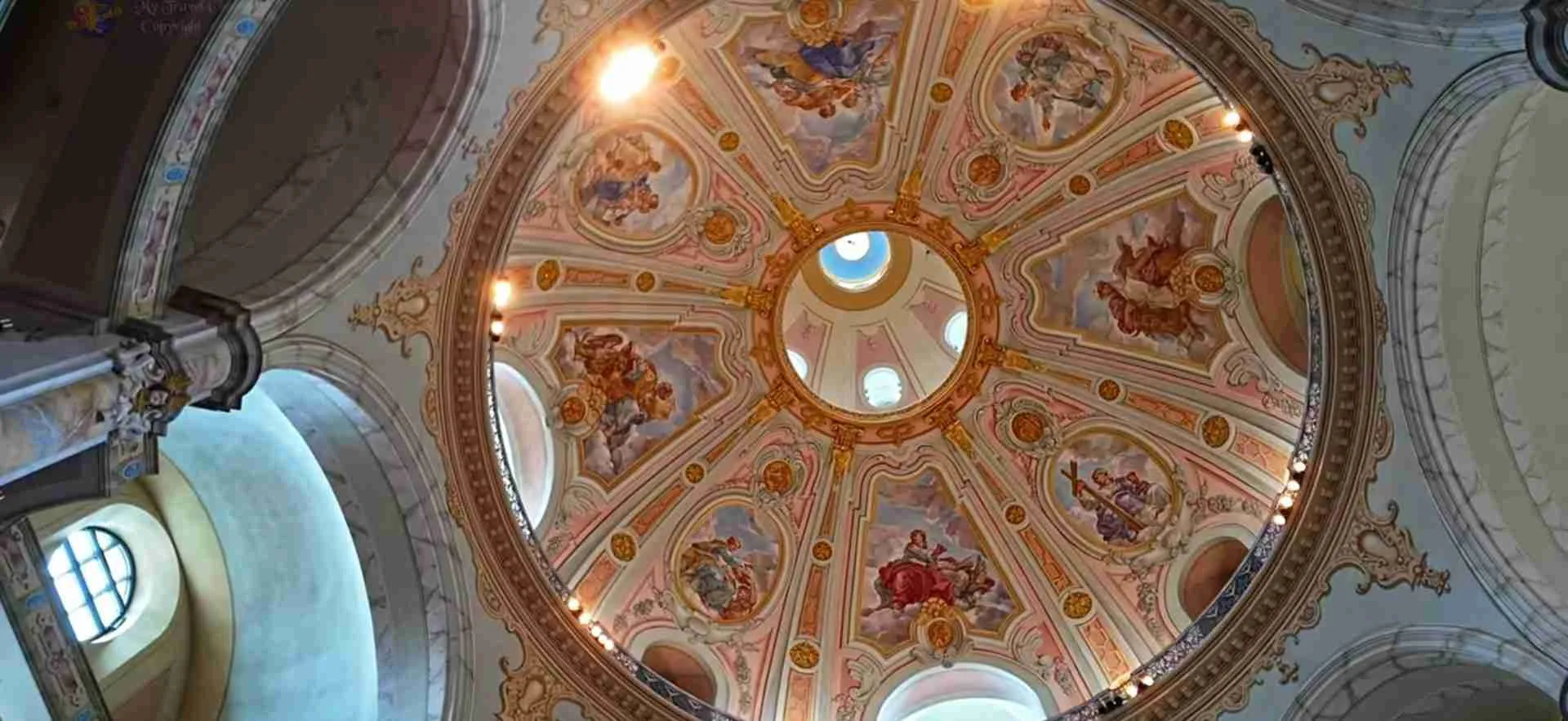
Dresden Photography Guide: Zwinger & Frauenkirche Masterpieces
Key Takeaways:
- Dresden’s Baroque architecture creates exceptional photographic subjects, with the Zwinger Palace and Frauenkirche offering complementary challenges in scale, detail, and lighting conditions throughout the day
- Master golden hour timing along the Elbe River promenade for optimal soft light on sandstone facades, particularly during early morning sessions before tour groups arrive at major monuments
- Wide-angle lenses in the 16-35mm range capture the Zwinger’s expansive courtyards, while 70-200mm telephotos isolate architectural details and sculptures that define Dresden’s artistic heritage
- The Frauenkirche dome requires panoramic stitching techniques or ultra-wide focal lengths to encompass its 95-meter height and surrounding Neumarkt square in single compositions
- Seasonal variations transform photographic opportunities, with summer’s extended daylight hours contrasting dramatically against winter’s shortened days that intensify golden hour warmth
- Understanding Dresden’s historical context enhances meaningful photography beyond simple documentation, connecting visual compositions to the city’s phoenix-like reconstruction following wartime devastation
Understanding Dresden’s Photographic Appeal
Dresden represents one of Europe’s most compelling photographic destinations, where Baroque architecture achieves extraordinary harmony through meticulous reconstruction following near-total destruction during World War II. The city’s dramatic rebirth from rubble to restored glory creates visual narratives that transcend typical architectural photography, offering layers of meaning visible to informed observers. The creamy sandstone facades characteristic of Dresden’s monuments provide ideal surfaces for capturing subtle light variations throughout the day.
The Zwinger Palace stands as Dresden’s architectural masterpiece, a sprawling Baroque complex designed by architect Matthäus Daniel Pöppelmann between 1710-1728. The palace’s expansive courtyards, ornate pavilions, and sculptural galleries create endless compositional possibilities ranging from grand establishing shots to intimate detail studies. The building functions simultaneously as museum complex and architectural monument, though photographers benefit primarily from its exterior magnificence rather than interior gallery spaces.
The Frauenkirche dominates Dresden’s skyline with its massive stone dome, rebuilt between 1994-2005 using original construction techniques and incorporating surviving fragments from the destroyed original. The church’s photogenic qualities stem from its architectural purity, dramatic proportions, and symbolic significance as testament to reconciliation and renewal. The surrounding Neumarkt square provides various vantage points for capturing the church against changing sky conditions and seasonal backdrops.
These two monuments anchor photographic exploration of Dresden’s historic center, located within easy walking distance of each other along the Elbe River promenade. The proximity allows photographers to transition between subjects based on optimal lighting conditions, with morning light favoring the Zwinger’s eastern facades and afternoon sun illuminating the Frauenkirche’s western aspect. Understanding this spatial relationship maximizes productive shooting time during limited travel windows.
People Also Ask About Dresden Photography
What makes Dresden ideal for architectural photography?
Dresden excels in architectural photography through its unique combination of Baroque grandeur, meticulous restoration quality, and dramatic historical narrative. The uniform sandstone construction creates visual coherence across the historic center, while varied building scales from intimate courtyards to monumental domes provide compositional diversity. The Elbe River functions as natural reflector, doubling photographic opportunities through water mirroring effects during calm conditions. The city’s compact historic core concentrates photographic subjects within walkable distances, maximizing efficiency for photographers working with limited time or heavy equipment.
What camera equipment works best for Dresden monuments?
Full-frame camera bodies provide superior dynamic range essential for capturing Dresden’s high-contrast scenes where bright sandstone facades meet deep shadow details. Wide-angle lenses from 16-35mm capture the Zwinger’s expansive spaces and Frauenkirche’s monumental proportions, while 24-70mm zooms offer versatile general-purpose performance. Telephoto lenses in the 70-200mm range isolate sculptural details and compress architectural elements for dramatic perspectives. Sturdy tripods enable long exposures during blue hour when electric lighting enhances architectural features, though handheld shooting suffices during optimal daylight hours with modern image stabilization systems.
When do the best lighting conditions occur for Dresden photography?
Golden hour periods during the hour after sunrise and before sunset provide the most flattering light on Dresden’s sandstone architecture, casting warm tones across facades while creating dimensional shadow play that reveals ornamental details. Summer months offer extended blue hour periods when ambient twilight balances with building illumination, creating ethereal atmospheric effects impossible during winter’s abrupt transitions to darkness. Overcast days produce even, soft lighting ideal for detail photography and sculptural studies where harsh shadows interfere with texture documentation. Seasonal timing influences both light quality and crowd density, with autumn and spring offering favorable compromises between comfortable temperatures and manageable visitor numbers.
How do you photograph the Frauenkirche dome effectively?
The Frauenkirche’s massive 95-meter dome challenges photographers through its vertical scale and surrounding urban density that limits ideal vantage points. Ultra-wide lenses below 20mm focal length capture the complete structure from Neumarkt square, though extreme wide angles introduce distortion requiring careful leveling and perspective correction in post-processing. Elevated viewpoints from surrounding buildings provide compressed perspectives emphasizing the dome’s relationship to Dresden’s broader skyline. Panoramic stitching techniques combine multiple exposures to create high-resolution images encompassing both the church’s full height and surrounding architectural context without excessive distortion.
Extended multi-day tours – 5+ days
Featured Dresden Multi-Day Tour Packages
7 days
Amsterdam, Berlin and Prague
- ✓ Comprehensive Dresden tour
- ✓ Expert local guides included
- ✓ All accommodation arranged
- ✓ Transportation provided
4 days
From Prague to Dresden
- ✓ Comprehensive Dresden tour
- ✓ Expert local guides included
- ✓ All accommodation arranged
- ✓ Transportation provided
7 days
North Germany By Train
- ✓ Comprehensive Dresden tour
- ✓ Expert local guides included
- ✓ All accommodation arranged
- ✓ Transportation provided
7 days
Windmills to Wonders Amsterdam, Berlin, Prague – 7 days
- ✓ Comprehensive Dresden tour
- ✓ Expert local guides included
- ✓ All accommodation arranged
- ✓ Transportation provided
Multi-day tour packages powered by TourRadar. Prices and availability subject to change.
Technical Foundations for Architectural Photography
Camera Settings and Exposure Management
Aperture priority mode provides optimal control for architectural photography, allowing precise depth of field management while the camera determines shutter speed based on available light. Set apertures between f/8-f/11 for maximum sharpness across the frame, balancing diffraction limitations against depth of field requirements. ISO settings remain as low as practical for maximum image quality, typically ISO 100-400 during daylight hours and ISO 800-3200 during twilight and evening sessions when tripods eliminate camera shake concerns.
Expose for highlight preservation in Dresden’s high-contrast scenes, where bright sandstone facades easily blow out detail if metering prioritizes shadow areas. Use exposure compensation of -0.3 to -1.0 stops when shooting in aperture priority mode, protecting highlight information that becomes unrecoverable if clipped during capture. Shoot RAW format exclusively for maximum post-processing flexibility, particularly when balancing Dresden’s challenging lighting scenarios that combine direct sunlight, deep shadows, and reflected light from adjacent buildings.
Bracket exposures during complex lighting situations, capturing three or more frames at varying exposures for later blending in post-processing. This technique proves invaluable during blue hour when balancing ambient twilight against building illumination requires exposure ranges exceeding single-frame dynamic range capabilities. Modern mirrorless cameras with electronic shutters eliminate vibration from mechanical shutter mechanisms, enhancing sharpness during long exposures on tripod-mounted equipment.
Lens Selection Strategy
Wide-angle lenses form the foundation of architectural photography, with focal lengths from 16-35mm capturing the expansive scale of Dresden’s monuments. The 24mm focal length provides versatile general-purpose performance with manageable distortion levels, suitable for both grand establishing shots and tighter compositional studies. Ultra-wide lenses below 20mm expand creative possibilities but require careful perspective management to avoid distracting distortion that makes buildings appear to lean backward unnaturally.
Standard zoom lenses covering 24-70mm or 24-105mm ranges provide flexibility for adapting to varied shooting situations without changing lenses. These moderate focal lengths capture architectural details at human-scale perspectives that feel natural to viewers, avoiding the dramatic distortion of ultra-wide glass or the compression effects of telephoto lenses. The versatility of standard zooms makes them ideal primary lenses for photographers carrying limited equipment or working in environments where frequent lens changes prove impractical.
Telephoto lenses from 70-200mm isolate architectural details, sculptural elements, and ornamental features impossible to appreciate from ground-level perspectives. These longer focal lengths compress spatial relationships between foreground and background elements, creating layered compositions that emphasize Dresden’s architectural density. The shallow depth of field available at telephoto focal lengths and wide apertures enables selective focus techniques that draw attention to specific architectural features while softening surrounding context into pleasant blur.
Stabilization and Support Equipment
Sturdy tripods prove essential for Dresden photography during low-light conditions, enabling long exposures that maintain image quality without raising ISO to noise-producing levels. Carbon fiber tripods balance strength with portable weight, important when walking several kilometers daily between photographic subjects. Three-way pan-tilt heads provide precise leveling critical for maintaining vertical lines in architectural compositions, while ball heads offer quicker adjustability suitable for dynamic shooting situations.
L-brackets mounted to camera bodies enable seamless transitions between horizontal and vertical orientations without readjusting tripod head position, saving time and maintaining precise composition alignment. Quick-release plates allow rapid camera mounting and removal, facilitating transitions between tripod work and handheld shooting as lighting conditions and subject matter change throughout the day. Spike feet for tripod legs improve stability on cobblestone surfaces common throughout Dresden’s historic center.
Remote shutter releases eliminate camera shake during long exposures, though most modern cameras offer equivalent functionality through smartphone apps or built-in self-timers. The 2-second self-timer function provides simple alternative to dedicated remote releases for static architectural subjects where precise timing matters less than vibration elimination. Mirror lockup or electronic first curtain shutter modes further reduce internal camera vibrations that can degrade sharpness during exposures between 1/60th and 1 second.
Zwinger Palace Photography Techniques
Courtyard Compositions and Spatial Relationships
The Zwinger’s central courtyard creates natural amphitheater effect, with baroque pavilions rising on all sides and formal fountains anchoring the center space. Photograph from the central fountain area using ultra-wide lenses to capture the encompassing architecture, or move to courtyard edges for compressed telephoto perspectives that stack architectural layers. Early morning light enters from the eastern Semper Gallery side, gradually rotating clockwise around the courtyard as the sun arcs overhead throughout the day.
Symmetrical compositions emphasize the Zwinger’s formal geometric design, centering pavilions within the frame and using fountain elements as foreground anchors. The palace’s architectural rhythm of repeating arches, columns, and sculptural niches rewards exploration of pattern-based compositions that abstract the building’s decorative elements into graphic designs. Look for diagonal sight lines across the courtyard that create dynamic tension within otherwise static architectural scenes.
Seasonal variations dramatically alter the Zwinger’s photographic character, with summer’s manicured gardens providing colorful foreground elements while winter’s bare geometry emphasizes architectural purity. Autumn leaves scattered across courtyard pavement add natural texture to compositions, though maintenance staff sweep regularly keeping surfaces pristine. Spring tulip displays in formal beds inject vibrant color contrasts against the cream sandstone backdrop, creating seasonal images that capture specific moments in Dresden’s annual cycle.
Sculptural Details and Ornamental Features
The Zwinger hosts hundreds of sandstone sculptures depicting mythological figures, allegorical representations, and decorative putti that reward close photographic study. Telephoto lenses isolate individual sculptures against sky backgrounds, eliminating visual clutter while emphasizing three-dimensional form through side lighting. Position yourself to capture sculptures with directional light raking across surfaces at acute angles, revealing subtle modeling and texture details invisible under flat frontal illumination.
The Crown Gate pavilion’s elaborate sculptural program includes muscular atlantes supporting the baroque crown structure, their strained poses creating dramatic subjects for detail photography. Shoot from low angles emphasizing the sculptures’ power and the pavilion’s vertical thrust toward the sky. The golden crown finial catches late afternoon sunlight spectacularly, creating opportunities for silhouette compositions or backlit studies that outline the crown’s ornate profile against blue sky backgrounds.
Sandstone’s warm cream color responds beautifully to golden hour light, which intensifies the material’s inherent warmth while shadows gain complementary cool blue tones. This color contrast creates visual interest even in monochromatic architectural subjects, though black and white conversions emphasize form and texture over color relationships. Afternoon light between 3:00-6:00 PM provides optimal oblique angles for revealing sculptural modeling across the Zwinger’s western facades and central pavilion elements.
Reflections and Water Features
The Zwinger’s central fountain operates continuously during warm months, creating opportunities for reflection photography that doubles architectural imagery through water mirror effects. Position low to the fountain basin edge to capture maximum reflection area, using wide-angle lenses to encompass both the actual pavilions and their inverted water-borne duplicates. Calm conditions produce perfect mirror reflections, while gentle breezes create artistic distortions that abstract architectural forms into impressionistic patterns.
Long exposure techniques smooth water motion into silky surfaces that enhance mirror-like reflection quality, requiring neutral density filters during bright daylight hours to enable exposure times of 1-4 seconds. These extended exposures eliminate ripple texture while maintaining sharpness in static architectural elements, creating ethereal images that separate human perception from photographic representation. Circular polarizing filters reduce glare from water surfaces, though they simultaneously diminish reflection intensity requiring careful rotation to balance these competing effects.
Winter ice formations transform fountain basins into crystalline sculptures that provide foreground interest for architectural compositions. Frozen spray creates temporary sculptural elements that change daily based on temperature fluctuations and wind patterns. These ephemeral natural sculptures offer unique photographic opportunities unavailable during other seasons, rewarding photographers who brave cold conditions for distinctive imagery unavailable to summer visitors.
Frauenkirche Photography Strategies
Capturing the Iconic Dome
The Frauenkirche’s stone dome rises 95 meters above Neumarkt square, creating compositional challenges through its massive scale relative to available shooting distances in the dense urban environment. Photograph from the square’s center using ultra-wide lenses below 20mm to capture the complete structure, accepting the exaggerated perspective distortion as dramatic element rather than technical flaw. Alternatively, move to elevated positions in surrounding buildings for compressed telephoto views that emphasize the dome’s relationship to Dresden’s broader cityscape.
Vertical orientation suits the church’s towering proportions, though horizontal compositions incorporating surrounding Neumarkt architecture provide environmental context that places the Frauenkirche within its urban setting. Include Martin Luther’s statue in foreground compositions as human-scale reference point that emphasizes the church’s monumental dimensions. The statue’s dark bronze patina contrasts effectively against the church’s pale sandstone, creating tonal variety that enhances compositional interest.
Sunrise light strikes the Frauenkirche’s eastern facade with warm illumination while the western Neumarkt buildings remain in shade, creating dramatic lighting contrast that emphasizes the church’s prominence. The effect reverses during sunset when western light bathes the church while eastern structures fall into shadow. Blue hour photography after sunset captures the illuminated dome glowing against deepening blue sky, a classic Dresden image that appears frequently in travel photography but remains worth pursuing through personal interpretation.
Interior Photography Considerations
The Frauenkirche interior presents significant photographic challenges through its vast scale, complex three-dimensional space, and mixed lighting from windows and supplemental artificial sources. Wide-angle lenses capture the soaring central space beneath the dome, though extreme focal lengths introduce heavy distortion on vertical elements requiring careful post-processing correction. The altar and organ receive preferential lighting, creating high-contrast scenes where exposure balancing proves difficult without bracketing and blending multiple frames.
Photography restrictions apply during religious services, though visitors can photograph freely during general visiting hours. Tripods enhance image quality through reduced ISO requirements, though their use during busy periods may interfere with other visitors requiring consideration for fellow tourists’ experience. Elevated galleries circling the interior provide alternative perspectives unavailable from ground level, creating opportunities for downward views emphasizing the church’s geometric floor patterns and upward angles that compress the vertical space into dramatic compositions.
The reconstructed interior blends original fragments blackened by fire with new cream-colored replacement stone, creating powerful visual metaphor for Dresden’s rebirth from wartime destruction. Photograph close-up details showing this transition from dark historical stone to bright reconstruction material, illustrating the church’s layered history through abstract architectural studies. These detail shots convey deeper meaning than wide establishing shots, connecting viewers to the Frauenkirche’s symbolic significance beyond its architectural splendor.
Neumarkt Square Context
Neumarkt square underwent extensive reconstruction matching the Frauenkirche’s restoration timeline, recreating the baroque architectural context that originally surrounded the church before wartime destruction. The reconstructed townhouses provide period-appropriate background elements for photographs that suggest historical continuity, though viewers aware of the reconstruction timeline recognize these buildings as modern interpretations rather than preserved originals. This knowledge adds interpretive complexity to seemingly straightforward architectural documentation.
Seasonal markets transform Neumarkt during Christmas and Easter periods, adding temporary architecture, festive lighting, and dense crowds that create distinct photographic opportunities compared to normal conditions. The Christmas market in particular generates atmospheric evening images where illuminated market stalls complement the lit Frauenkirche creating warm, inviting scenes. These seasonal variations appeal to different photographic interests, from pure architectural documentation during quiet periods to environmental portraiture during festival seasons.
Street performers, outdoor cafés, and tourist activity animate Neumarkt throughout the day, creating opportunities for environmental architectural photography that includes human presence rather than pursuing empty architectural studies. The challenge lies in balancing architectural documentation with human elements, using selective timing and framing to incorporate people purposefully rather than allowing random tourists to clutter compositions accidentally. Patient observation identifies recurring patterns in foot traffic, enabling predictable positioning of human elements within carefully composed architectural frames.
Golden Hour Mastery Along the Elbe
Morning Light Characteristics
Dresden’s eastern position and Elbe River valley orientation create exceptional morning light conditions as the sun rises over the hills beyond the opposite riverbank. Golden hour begins approximately 45 minutes before sunrise, with soft pre-dawn light gradually warming across sandstone facades creating gentle color transitions invisible during midday harsh illumination. The Zwinger’s eastern Semper Gallery receives first direct light, while the Frauenkirche remains in shade during early morning hours making it more suitable for afternoon and evening photography.
Summer mornings offer extended shooting windows from 5:00 AM through 8:00 AM, with optimal light quality during the first two hours. Winter sunrise occurs later around 8:00 AM with compressed golden hour duration under one hour, though the lower sun angle creates more dramatic oblique lighting than summer’s steeper solar arc. Morning light tends toward cooler color temperatures compared to afternoon golden hour, requiring white balance adjustments to achieve desired warmth if shooting JPEG rather than RAW format.
The Elbe River functions as natural reflector during morning hours, bouncing soft fill light onto southern facades that would otherwise remain in harsh shadow contrast. Calm morning conditions create mirror-smooth water surfaces that double photographic opportunities through reflection compositions. Position yourself along the Brühlsche Terrasse promenade for unobstructed views across the river toward the historic center, using foreground willow trees and baroque balustrades as framing elements for layered compositions.
Evening Light Dynamics
Afternoon golden hour arrives approximately 90 minutes before sunset, with warm light progressively intensifying until the sun drops below the horizon. Dresden’s sandstone architecture glows luminously during this period, with surface textures revealed through long-angle raking light impossible to achieve during overhead midday illumination. The Frauenkirche receives spectacular side lighting during late afternoon, with the dome’s curves catching warm light while shadowed areas gain cool blue tones from clear sky reflection.
Blue hour begins immediately after sunset, lasting approximately 30-45 minutes as ambient twilight balances with building illumination. The Zwinger and Frauenkirche receive professional architectural lighting after dark, creating opportunities for long-exposure photography that captures both the illuminated monuments and residual twilight in the sky. This brief transition period offers the most magical light conditions in Dresden photography, requiring quick work to capture multiple compositions before darkness eliminates sky detail entirely.
Summer blue hour extends until 10:00 PM during June-July, allowing leisurely evening shooting sessions that accommodate dinner breaks between golden hour and twilight photography. Winter blue hour passes rapidly around 5:00 PM, compressing evening photography into concentrated bursts that demand efficient location scouting and pre-visualized compositions. Scout locations during daytime to identify optimal shooting positions, enabling quick setup during the brief optimal light windows when minutes matter.
Seasonal Light Variations
Summer’s high sun angle creates shorter shadows and more overhead illumination compared to winter’s low arc that produces long shadows and prolonged oblique lighting throughout the entire day. Winter light quality often surpasses summer for architectural photography despite shorter shooting hours, as the sun never climbs high enough to create the harsh overhead conditions that plague summer midday photography. December through February golden hours can extend from 3:00 PM until 5:00 PM, essentially eliminating unfavorable midday light periods entirely.
Spring and autumn equinox periods offer balanced daylight durations with moderate sun angles that create favorable lighting throughout most of the day. September-October provides particularly beautiful light as autumn haze softens harsh contrasts while maintaining clarity superior to summer heat shimmer. April-May delivers fresh spring light with high atmospheric clarity following winter’s cleansing, though unpredictable weather creates more challenging planning compared to summer’s reliable conditions.
Cloud cover dramatically influences light quality regardless of season, with overcast conditions producing soft, even illumination ideal for detail photography and sculptural studies. Partly cloudy skies create dynamic lighting scenarios where dappled sunlight and shadow patterns add visual interest, though these changing conditions complicate exposure management requiring constant monitoring and adjustment. Completely clear skies generate maximum contrast and saturated colors but also create harsh shadows during midday hours when overcast conditions actually prove more favorable for successful photography.
Compositional Techniques and Visual Design
Leading Lines and Geometric Patterns
Dresden’s baroque architecture employs strong geometric organization based on symmetry, repetition, and axial alignment that creates natural leading lines directing viewer attention through photographs. The Zwinger’s courtyard colonnades form powerful perspective lines converging toward central focal points, while the Frauenkirche’s radiating floor patterns create similar directional movement. Use these architectural elements to guide composition, positioning yourself along axes to maximize perspective compression and linear emphasis.
Diagonal compositions inject dynamic energy into otherwise static architectural subjects, achieved by shooting from corners rather than centrally aligned positions or by emphasizing strong diagonal elements within the architecture itself. The Zwinger’s pavilion rooflines create sweeping diagonal rhythms across the frame, while the Frauenkirche’s dome generates powerful circular forms that anchor compositions through their geometric purity. Combine linear perspective with these circular elements to create visual tension between competing geometric systems.
Pattern-based compositions abstract architectural details into graphic designs emphasizing repetition, rhythm, and texture over literal representation of buildings. The Zwinger’s repeating window arches, balustrades, and sculptural niches provide endless opportunities for pattern photography that celebrates baroque ornamentation through isolated studies. Fill the frame completely with pattern elements, eliminating sky and surrounding context to create graphic images that function as studies in architectural decoration rather than building documentation.
Foreground Interest and Depth Layers
Compelling architectural photography establishes spatial depth through foreground elements that create three-dimensional illusion within two-dimensional photographs. Use fountain sculptures, garden elements, or baroque statuary as foreground anchors that lead the eye progressively deeper into the composition toward background monuments. This layering technique requires wide-angle lenses at stopped-down apertures (f/11-f/16) maintaining sharp focus from near foreground through distant background.
The Elbe River promenade offers numerous foreground opportunities including baroque balustrades, period lampposts, and willow tree branches that frame views across the water toward the historic center. Position these foreground elements to occupy the lower third of vertical compositions or the left/right thirds of horizontal frames, avoiding central placement that blocks rather than enhances the primary architectural subjects. Foreground elements should complement rather than compete with main subjects, serving compositional support roles rather than demanding equal attention.
Seasonal flowers, autumn leaves, or winter snow provide natural foreground elements that add color, texture, and temporal specificity to architectural photographs. Spring tulips in the Zwinger’s formal gardens inject vivid color contrasts against neutral sandstone backgrounds, while scattered autumn leaves add organic texture to geometric architectural compositions. These seasonal elements ground photographs in specific moments rather than creating timeless documentation, appealing to photographers interested in environmental context over pure architectural study.
Human Scale and Environmental Context
Including people in architectural photographs provides scale reference that helps viewers comprehend the true dimensions of monuments impossible to gauge from empty architectural studies. The Frauenkirche’s massive scale becomes apparent when tourists appear as tiny figures dwarfed by the soaring dome, while the Zwinger’s courtyards reveal their expansive proportions through scattered visitors providing measurement reference. Use long exposures to blur moving people into ghostly transparent figures that maintain scale reference without dominating compositions.
Environmental portraiture approaches incorporate Dresden’s monuments as backdrop for images that emphasize human interaction with architecture rather than buildings themselves. Photograph musicians performing in Neumarkt square with the Frauenkirche rising behind them, or tourists sketching architectural details while seated in the Zwinger courtyard. These images tell broader stories about Dresden as lived environment rather than museum pieces, appealing to documentary and travel photography interests beyond pure architectural documentation.
Decide consciously whether pursuing empty architectural studies or embracing human presence as integral element of Dresden’s character. Neither approach supersedes the other, though they serve different photographic purposes and appeal to distinct aesthetic preferences. Empty architectural photography emphasizes timeless qualities and formal geometric relationships, while peopled scenes capture contemporary reality and social dimensions of public architecture. Successful photographers often pursue both approaches in parallel, expanding their portfolio diversity while exploring Dresden’s multiple photographic dimensions.
Post-Processing and Enhancement Workflow
Perspective Correction Fundamentals
Architectural photography requires careful attention to perspective management, with vertical lines rendered truly vertical rather than converging toward the top of the frame. Wide-angle lenses tilted upward to capture tall buildings introduce keystone distortion that makes structures appear to lean backward unnaturally. Correct this distortion in post-processing using transform tools that realign vertical elements, accepting the resulting image crop that accompanies perspective correction or shooting with excess sky area to accommodate the necessary crop.
Adobe Lightroom’s Transform panel offers automated perspective correction through Upright modes (Auto, Level, Vertical, Full) that analyze images and apply appropriate corrections with single clicks. Manual slider adjustments provide fine-tuning control when automated modes over-correct or introduce unwanted distortions in complex architectural scenes. The guided transform mode enables specification of vertical and horizontal reference lines, directing the software to align specific architectural elements rather than relying on automated detection.
Architectural photography specialists often employ tilt-shift lenses that provide optical perspective control during capture, eliminating the need for post-processing correction and associated image quality degradation from digital manipulation. These specialized lenses cost significantly more than standard wide-angles but deliver superior results for serious architectural photographers working professionally. Most enthusiast photographers achieve acceptable results through post-processing correction of images captured with standard wide-angle lenses, making expensive tilt-shift glass unnecessary for casual Dresden photography.
Dynamic Range Optimization
Dresden’s high-contrast scenes combining bright sandstone facades with deep shadow areas often exceed camera sensors’ ability to capture complete tonal range in single exposures. Shoot RAW format for maximum highlight recovery and shadow lifting capability during post-processing, enabling extraction of detail from areas that appear blown out or blocked in initial images. Modern camera sensors capture impressive dynamic range in RAW files despite seemingly problematic histogram displays showing highlight or shadow clipping.
HDR (High Dynamic Range) techniques merge multiple exposures at different brightness levels, combining the best-exposed areas from each frame into composite images that reveal detail throughout the tonal range. Bracket three or more exposures separated by 1-2 stops, then merge in software like Adobe Lightroom, Photoshop, or dedicated HDR programs. Apply HDR processing subtly to maintain natural appearance, avoiding the over-processed look that characterizes amateur HDR work with obvious halos, excessive local contrast, and unnatural color saturation.
Graduated neutral density filters provide optical dynamic range management during capture by darkening bright sky areas relative to darker foreground architecture, bringing the scene’s total brightness range within the camera sensor’s recording capability. These filters prove particularly valuable during blue hour when balancing ambient twilight against brighter illuminated buildings. Digital graduated filters applied in post-processing offer similar effects without requiring physical filters and the associated expense, though they cannot recover completely blown highlights in original captures.
Color and Tone Enhancement
Dresden’s cream sandstone architecture responds beautifully to warm color enhancement during post-processing, with subtle increases to color temperature emphasizing the stone’s inherent warmth. Avoid excessive warming that pushes images toward unnatural orange tones, instead seeking balance that enhances rather than distorts the sandstone’s natural color. Adjust white balance based on shooting conditions, with golden hour images requiring less warming than midday shots captured under cooler daylight color temperatures.
Local adjustment tools enable selective enhancement of specific image areas without affecting the entire frame uniformly. Brighten foreground shadow areas to reveal architectural detail while maintaining proper exposure on bright facades. Add localized clarity to emphasize sculptural texture and architectural details, though apply this effect judiciously as excessive clarity creates unnatural over-sharpened appearance. Graduated filters darken bright skies preventing them from drawing attention away from architectural subjects below.
Black and white conversion emphasizes architectural form, texture, and geometric relationships over color information, creating timeless images that echo Dresden’s historical photography traditions. Successful monochrome architectural photography requires strong compositional foundation with clear tonal separation, interesting textures, and compelling shapes that maintain visual interest without color’s support. Use color channel mixing to control tonal relationships during conversion, darkening blue sky channels for dramatic contrast against pale sandstone or lightening specific channels to emphasize particular architectural elements.
Seasonal Photography Opportunities
Spring Renaissance
Spring arrives in Dresden during April, transforming the city from winter’s monochromatic palette to vibrant color as gardens bloom and trees leaf out. The Zwinger’s formal gardens feature carefully planned tulip displays in coordinated colors that provide spectacular foreground elements for architectural photography. Early morning light illuminates fresh blossoms creating jewel-like highlights, while morning dew adds sparkle details visible only during narrow time windows after sunrise.
Flowering trees lining the Elbe River promenade create natural frames for across-river views toward Dresden’s historic skyline. Cherry and magnolia blossoms appear in late April through early May, offering brief seasonal windows for specific photographic effects unavailable during other months. Plan visits to coincide with peak bloom periods, though precise timing varies annually based on winter temperatures and spring weather progression. Monitor local bloom reports or consult with Dresden tourism offices for current status during planned visits.
Spring light quality benefits from increased atmospheric clarity following winter’s cleansing, with reduced heat shimmer compared to summer months that can soften distant details. The moderate sun angles create favorable lighting throughout most of the day, while extended daylight hours allow leisurely shooting schedules without extreme time pressure. Unpredictable spring weather brings both opportunities and challenges, with dramatic cloud formations adding visual interest to architectural compositions while rain showers occasionally disrupt planned photography sessions.
Summer Abundance
Summer’s extended daylight hours stretch from 5:00 AM sunrise through 9:30 PM sunset during June-July peak, creating generous shooting windows that accommodate multiple photography sessions per day. The warm weather enables comfortable early morning starts and late evening sessions without winter’s cold-weather challenges. Tourist crowds peak during summer months, requiring early morning or late evening timing to photograph popular locations without excessive human presence in frames.
The Zwinger’s courtyard fountains operate at full capacity during summer, creating water features and reflection opportunities inactive during cooler months. Afternoon thunderstorms occasionally develop during July-August, bringing dramatic cloud formations and post-storm lighting effects that create exceptional photographic conditions when timing works favorably. Pack weather protection for camera equipment and be prepared to seek shelter during storms, then emerge quickly as clearing skies often produce spectacular lighting during brief windows following storm passage.
Summer heat can create atmospheric haze that softens distant details and reduces color saturation compared to spring or autumn clarity. Morning sessions before heat builds deliver superior atmospheric conditions, while afternoon heat shimmer becomes increasingly problematic for distant views across the Elbe valley. The high summer sun angle creates harsh overhead lighting during midday hours from 11:00 AM through 3:00 PM, making this period least favorable for architectural photography despite extended overall daylight availability.
Autumn Transformation
Autumn foliage peaks during October in Dresden, with deciduous trees along the Elbe promenade and in the Großer Garten park transitioning through golden and orange phases. The warm autumn colors complement Dresden’s cream sandstone architecture, creating harmonious color relationships that enhance photographic appeal. Fallen leaves scattered across stone courtyards and plazas add textural interest and seasonal specificity to architectural studies, grounding images in particular temporal moments.
Autumn light quality often surpasses other seasons for architectural photography, combining moderate sun angles with reduced atmospheric haze following summer’s humid conditions. The crisp autumn air creates exceptional clarity for distant views, while the lower sun angle maintains favorable oblique lighting throughout extended portions of the day. September-October weather proves more stable than spring’s unpredictable patterns, though increasing cloud cover toward November brings more overcast days suitable for detail photography requiring soft even lighting.
Autumn’s decreasing daylight hours compress shooting schedules as sunset advances from 8:00 PM in September to 5:00 PM by late November. The earlier sunset creates convenient blue hour timing that doesn’t require staying out until 10:00 PM as during summer months. The seasonal transition also reduces tourist crowds compared to summer peak season, creating easier access to popular viewpoints and less human presence complicating architectural photography requiring empty frames.
Winter Minimalism
Winter transforms Dresden into stark monochromatic landscape where snow highlights architectural geometry against grey skies. The simplified color palette emphasizes form and composition over color relationships, creating graphic images with strong visual impact. Fresh snowfall provides brief windows for pristine winter photography before foot traffic and urban conditions dirty the snow, requiring responsive photographers prepared to work quickly when conditions align favorably.
Winter’s low sun angle maintains favorable oblique lighting throughout the short daylight window from 8:00 AM through 4:30 PM. The compressed shooting schedule concentrates photography into focused sessions rather than leisurely all-day approaches possible during summer months. Golden hour extends for hours during winter as the sun arcs low across the southern sky, creating warm side lighting on architecture throughout midday periods when summer sun would produce harsh overhead illumination.
Christmas markets operating throughout December transform Dresden’s historic squares with temporary architecture, festive lighting, and evening atmosphere ideal for blue hour photography. The combination of illuminated monuments, market lights, and twilight sky creates magical conditions that attract both tourists and photographers in large numbers. The Striezelmarkt in Altmarkt square and markets in Neumarkt create specific seasonal photographic opportunities unavailable during other months, though crowd management becomes essential for successful photography during this popular period.
Advanced Techniques and Creative Approaches
Panoramic Stitching Methods
Dresden’s expansive architectural scenes often exceed single-frame capability even with ultra-wide lenses, making panoramic stitching techniques valuable for capturing complete vistas. Shoot series of overlapping frames spanning the desired field of view, maintaining consistent exposure settings across all frames to ensure seamless blending during stitching. Overlap adjacent frames by 30-50% to provide sufficient information for automatic alignment algorithms to merge images successfully.
Vertical panoramas enable capture of tall structures like the Frauenkirche without excessive perspective distortion from tilting ultra-wide lenses upward. Shoot three to five vertical-format frames progressing from ground level to top of structure, maintaining level camera orientation throughout the sequence. The resulting stitched image provides massive resolution suitable for large-scale printing while maintaining natural perspective superior to single ultra-wide shots requiring heavy perspective correction.
Panoramic stitching software including Adobe Lightroom, Photoshop, or dedicated programs like PTGui automatically align and blend image sequences into seamless panoramas. Modern algorithms correct for perspective distortion and exposure variations, producing results that appear as unified images rather than obvious composites. The high-resolution output from panoramic techniques enables extreme cropping flexibility during post-processing, allowing perfect compositional refinement impossible during initial capture.
Long Exposure Architecture
Extended exposures ranging from several seconds to minutes create ethereal effects in architectural photography, smoothing water features into mirror-smooth surfaces and transforming moving clouds into streaked patterns across static buildings. Neutral density filters enable these long exposures during daylight hours when ambient light would otherwise overexpose images before achieving desired creative effects. 6-stop or 10-stop ND filters allow exposures of 30 seconds to several minutes even during bright midday conditions.
The Zwinger’s fountains become silky smooth surfaces during long exposures, creating dreamy atmospheric effects impossible to human vision experiencing real-time water motion. Experiment with varying exposure durations from 1-4 seconds for subtle motion blur effects to 30+ seconds for complete motion abstraction. Each duration produces distinct aesthetic results, with shorter exposures maintaining some water texture while longer exposures create complete smoothness approaching fog-like appearance.
Night photography employs long exposures naturally due to limited ambient light, creating opportunities for star trails above Dresden’s monuments during clear winter nights. Exposures of 15-30 minutes record earth’s rotation as circular star trails centered on celestial north pole, with Dresden’s illuminated architecture anchoring terrestrial compositions beneath the wheeling heavens. These dramatic images require patient photographers willing to work through cold winter nights, though the unique results reward the challenging shooting conditions.
Architectural Abstract Studies
Move beyond literal documentation toward abstract interpretations emphasizing pattern, texture, geometry, and light over architectural identification. Isolate sculptural details, ornamental elements, or geometric patterns using telephoto compression that removes environmental context. Fill the frame completely with abstract architectural elements creating graphic designs that function as studies in form, rhythm, and baroque decorative vocabulary rather than building portraits.
Extreme perspective distortion from ultra-wide lenses creates abstract architectural effects when pointed directly upward from building bases. The resulting images transform familiar structures into unrecognizable geometric compositions emphasizing converging lines and dramatic foreshortening. This creative approach requires comfort with unconventional perspectives and willingness to abandon literal representation for expressive interpretation.
Black and white conversion enhances abstract architectural photography by eliminating color information that can distract from pure form and tonal relationships. Experiment with high-contrast processing that reduces midtones creating graphic images with strong blacks and bright whites. Alternatively, pursue low-contrast interpretations emphasizing subtle tonal gradations and delicate texture rather than dramatic impact, exploring the full expressive range available through monochrome architectural photography.
Conservation and Photographic Ethics
Respecting Sacred and Cultural Spaces
The Frauenkirche functions as active Lutheran church hosting regular worship services where photography restrictions apply out of respect for religious observance. Observe posted signage and verbal instructions from church staff regarding photography permissions during your visit. General tourist hours permit photography, though tripods and flash photography may face restrictions to prevent disruption to other visitors or potential damage to interior elements sensitive to light exposure.
Dress appropriately when photographing inside religious spaces, with covered shoulders and knees showing respect for sacred environments even during general tourist hours. Maintain quiet demeanor avoiding loud conversation or disruptive behavior that conflicts with the contemplative atmosphere appropriate to religious architecture. The Frauenkirche’s significance as memorial to wartime destruction and reconciliation demands thoughtful approach that acknowledges its deeper meaning beyond photographic subject status.
Consider whether your photography serves educational, artistic, or commercial purposes, as different usage categories carry distinct ethical implications regarding permission requirements and appropriate behavior. Personal photography for learning and artistic expression generally faces few restrictions, while commercial usage may require specific permissions and usage fees. Respect private property boundaries and posted restrictions, recognizing that property owners and building managers establish access rules for legitimate reasons beyond mere inconvenience to photographers.
Environmental Impact Awareness
Popular photographic locations accumulate impact from millions of annual visitors whose cumulative presence gradually degrades sensitive sites through trampling vegetation, eroding soil, and physically wearing stone surfaces. Stay on designated pathways and viewing platforms rather than venturing onto fragile areas for marginally improved camera angles. The aggregate impact of individual photographers choosing optimal positions without regard for conservation creates measurable environmental damage over time.
Avoid manipulating environments to improve photographic compositions, such as removing protective barriers, moving vegetation, or repositioning architectural elements. Dresden’s monuments represent cultural heritage deserving preservation for future generations rather than backdrop props for manipulated photography. Successful architectural photographers work within existing conditions rather than altering sites to match preconceived images, developing skills to find compelling compositions within protected parameters.
Support conservation efforts through appropriate tourism spending that funds ongoing preservation of Dresden’s architectural heritage. Visit museum exhibitions, attend concerts, and patronize restaurants and shops whose economic activity justifies continued investment in historic preservation. Photographers benefit enormously from access to these monuments, creating ethical obligation to support their preservation through responsible tourism spending rather than merely extracting images for personal portfolios without contributing to conservation funding.
Frequently Asked Questions
Do you need photography permits for Dresden monuments?
Exterior photography of Dresden’s public monuments including the Zwinger and Frauenkirche requires no special permits for personal or editorial use. Commercial photography intended for advertising, product promotion, or corporate usage may require location permits from property managers or city authorities. Interior photography permissions vary by location, with some museums restricting photography entirely while others permit non-flash photography without tripods. Always verify current photography policies upon arrival as regulations evolve based on conservation concerns and visitor management strategies.
What time of year provides the best light for Dresden photography?
October through November delivers exceptional light quality for Dresden architectural photography, combining autumn’s crisp atmospheric clarity with favorable sun angles that maintain oblique lighting throughout extended portions of shortened days. Spring months of April-May offer comparable light quality with the added benefit of flowering gardens and fresh seasonal growth. Summer provides longest shooting hours but suffers from high sun angles creating harsh midday conditions and atmospheric haze reducing distant detail clarity. Winter excels for monochromatic photography and extended golden hour periods despite severely compressed daylight windows.
Can you photograph inside the Frauenkirche?
Interior photography within the Frauenkirche proceeds freely during general visiting hours, though restrictions apply during religious services when photography disrupts worship activities. Tripods face usage restrictions requiring advance permission, while flash photography remains prohibited to protect artwork and maintain appropriate atmosphere. The church encourages respectful documentation of its remarkable reconstruction, though commercial photography requires specific permissions and potential usage fees. Always verify current policies as regulations evolve based on visitor management needs and conservation priorities.
How crowded are Dresden’s monuments during photography hours?
Summer months from June through August bring peak visitor numbers creating significant crowds at popular locations between 10:00 AM and 4:00 PM. Early morning hours before 9:00 AM and evening hours after 6:00 PM see substantially reduced crowds enabling clearer photography without extensive human presence in frames. Weekday visits prove less crowded than weekends when domestic German tourists join international visitors. Shoulder seasons of April-May and September-October offer favorable compromise between pleasant weather and manageable visitor density compared to summer peak congestion.
What focal length works best for Dresden architectural photography?
Wide-angle lenses in the 16-24mm range provide foundational capability for Dresden’s monuments, capturing expansive architectural scenes and the Zwinger’s courtyard spaces. The 24mm focal length offers versatile general-purpose performance with manageable distortion levels suitable for most architectural applications. Supplement wide-angle capability with 70-200mm telephoto for isolating sculptural details and compressing architectural elements into layered compositions. A complete kit spanning 16-200mm enables comprehensive coverage of Dresden’s varied photographic opportunities from grand vistas to intimate detail studies.
Should you shoot RAW or JPEG for architectural photography?
RAW format provides superior post-processing flexibility essential for architectural photography’s technical demands including perspective correction, dynamic range optimization, and precise color control. The uncompressed image data preserves maximum information for highlight recovery and shadow detail extraction impossible with JPEG’s baked-in processing. Architectural photography’s controlled subject matter and technical precision requirements make RAW format’s additional file size and processing overhead worthwhile trade-offs compared to JPEG’s simplified workflow. Serious architectural photographers shoot RAW exclusively, accepting the workflow complexity for superior image quality control.
How do you photograph Dresden without tourists in the frame?
Early morning arrivals before 8:00 AM position photographers at popular locations ahead of tour group arrivals that begin around 9:30-10:00 AM. Evening hours after 6:00 PM see reduced crowds as tour groups depart for dinner, creating renewed opportunities for clearer compositions. Long exposure techniques of 10-30 seconds blur moving tourists into transparent ghostly forms or eliminate them entirely from frames, though this requires tripods and neutral density filters for daytime shooting. Patience and selective timing allow identification of brief gaps in pedestrian traffic enabling quick capture of empty frames between tourist groups.
What makes Dresden unique for photography compared to other European cities?
Dresden’s complete post-war reconstruction creates unique photographic subject combining baroque architectural splendor with underlying narrative of destruction and rebirth impossible to find elsewhere. The uniform sandstone construction and concentrated historic core create visual coherence often lacking in cities with mixed architectural periods and building materials. The Elbe River provides natural reflector and compositional element enhancing photographic possibilities compared to inland cities. Dresden’s smaller scale compared to major European capitals enables comprehensive photographic coverage during shorter visits while avoiding overwhelming complexity of cities like Paris or Rome.
Do you need insurance for professional photography in Dresden?
Professional photographers working commercially in Dresden should maintain liability insurance covering potential damage to property or injury to third parties during photography sessions. Equipment insurance protects valuable camera gear from theft, damage, or loss during travel. German authorities may require proof of insurance for commercial photography permits, though casual personal photography faces no such requirements. Consult with insurance providers specializing in photography coverage to identify appropriate policies meeting both personal risk tolerance and potential regulatory requirements for commercial work.
What weather conditions create the best Dresden photography?
Partly cloudy skies provide ideal conditions for Dresden architectural photography, creating dynamic lighting with interesting cloud formations while maintaining sufficient direct sunlight to reveal architectural detail and create dimensional shadow play. Completely clear skies generate maximum color saturation and contrast but lack visual interest in sky areas, while overcast conditions produce soft even lighting ideal for detail studies requiring minimal shadow contrast. Post-storm clearing creates exceptional conditions as dramatic cloud formations combine with clean post-rain atmosphere and occasional rainbow appearances adding natural drama to architectural compositions.