
Saxon Switzerland Day Trip 2026: Bastei Bridge Adventure from Dresden
Key Takeaways:
- Saxon Switzerland National Park lies just 30 kilometers southeast of Dresden, making it perfect for day trips with regular S-Bahn connections departing every 30 minutes throughout the day
- The Bastei Bridge stands 194 meters above the Elbe River, offering panoramic views across sandstone formations that have inspired artists and hikers for over 200 years
- Plan €45-65 per person for a complete day trip in 2026, including transportation, meals, and optional guided experiences through Germany’s most dramatic rock landscape
- Visit during May-September for optimal hiking conditions and extended daylight hours, though the park remains accessible year-round with each season offering distinct photographic opportunities
- Book accommodation in Dresden’s Neustadt district for convenient early morning departures, with hotels ranging €80-140 per night providing easy access to S-Bahn stations
- The hiking trails require moderate fitness levels with well-maintained paths, though sturdy footwear remains essential for navigating sandstone staircases and rocky viewpoints
Planning Your Saxon Switzerland Day Trip in 2026
The Saxon Switzerland National Park represents one of Central Europe’s most extraordinary geological formations, where the Elbe River carves through dramatic sandstone cliffs creating a landscape that inspired the Romantic movement in art and continues to captivate modern travelers. Located a short train ride from Dresden, this UNESCO-protected region offers accessible wilderness experiences without requiring multi-day expeditions or specialized mountaineering skills.
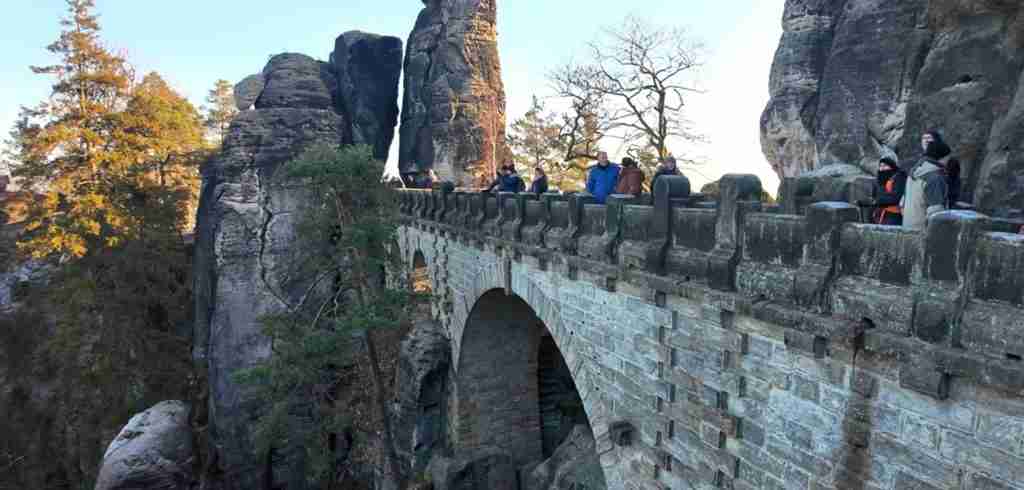
The Bastei Bridge serves as the park’s centerpiece attraction, a stone marvel connecting towering rock pillars 194 meters above the river valley. Built in 1851 to replace earlier wooden structures, the bridge provides access to viewing platforms where visitors witness the full majesty of the Elbe Sandstone Mountains. The surrounding trail network extends for over 400 kilometers, though day-trippers can experience the highlights through carefully planned routes that maximize scenic impact while respecting time constraints.
Dresden’s proximity to Saxon Switzerland creates ideal conditions for single-day exploration. The S-Bahn railway system connects the city center to park access points in under 45 minutes, with trains departing frequently enough to accommodate flexible schedules. Morning departures allow full-day experiences that include multiple viewpoints, forest trails, and traditional Saxon lunch stops before returning to Dresden for evening activities.
The 2026 season benefits from enhanced trail maintenance programs and improved visitor facilities following recent infrastructure investments. New interpretive signage in German and English helps international visitors understand the geological processes that created these formations over 100 million years ago. Digital trail maps available through park management apps provide real-time navigation assistance and safety updates during your visit.
People Also Ask About Saxon Switzerland Day Trips 2026
How much does a day trip to Saxon Switzerland cost in 2026?
A complete day trip to Saxon Switzerland costs €45-65 per person in 2026, depending on meal choices and optional guided experiences. The S-Bahn day ticket from Dresden to Rathen costs €10.50 for unlimited regional travel. Check bahn.de for current fare information as pricing may vary. Budget €15-25 for lunch at mountain huts or traditional restaurants, €8-12 for snacks and beverages throughout the day, and €10-15 if joining guided tours or visiting the nearby Königstein Fortress. Transportation costs remain fixed through official railway pricing, while meal expenses vary based on dining preferences from simple Bratwurst stands to full-service restaurant meals.
What is the best time to visit Saxon Switzerland in 2026?
May through September offers optimal conditions for Saxon Switzerland day trips in 2026, with comfortable temperatures ranging 15-25°C and extended daylight hours until 9 PM during summer months. July and August bring peak visitor numbers but also the warmest weather ideal for extended hiking. Spring months of April-May showcase wildflower blooms across forest floors, while September-October delivers spectacular autumn colors as beech forests transition to golden hues. Winter visits remain possible with proper preparation, though ice and snow can close certain trail sections and viewing platforms from December through February.
Do you need hiking experience for the Bastei Bridge in 2026?
The Bastei Bridge itself requires no specialized hiking skills, as paved pathways and stone staircases provide easy access from Rathen S-Bahn station in approximately 45 minutes of moderate uphill walking. The main viewing platforms accommodate visitors of varying fitness levels, though sturdy walking shoes remain essential for navigating uneven stone surfaces. More challenging trails extending beyond the bridge into deeper wilderness areas suit experienced hikers seeking extended adventures. Families with children over age 8 navigate the standard routes successfully, while those with mobility limitations can arrange taxi transport to upper parking areas reducing walking distance to 15-20 minutes.
Can you visit Saxon Switzerland without a car in 2026?
Saxon Switzerland remains highly accessible without personal vehicles through Dresden’s excellent S-Bahn network connecting to park entry points at Rathen, Königstein, and Bad Schandau stations. The S1 line departs Dresden Hauptbahnhof every 30 minutes starting at 6:00 AM, with journey times of 35-45 minutes to primary trailheads. Local bus services operate between villages within the park, though most visitors find the S-Bahn connections sufficient for day trip purposes. Ferry crossings at Rathen transport visitors across the Elbe River to trail access points for €2 per crossing, creating seamless car-free exploration of the entire region.
Extended multi-day tours – 5+ days
Featured Dresden Multi-Day Tour Packages

3 days
Dresden 3-Day Discovery Tour
- ✓ Comprehensive Dresden experience
- ✓ Expert local guides included
- ✓ All accommodation included
- ✓ Transportation provided

5 days
Dresden 5-Day Highlights Experience
- ✓ Comprehensive Dresden experience
- ✓ Expert local guides included
- ✓ All accommodation included
- ✓ Transportation provided

7 days
Dresden 7-Day Cultural Journey
- ✓ Comprehensive Dresden experience
- ✓ Expert local guides included
- ✓ All accommodation included
- ✓ Transportation provided
10 days
Dresden 10-Day Complete Adventure
- ✓ Comprehensive Dresden experience
- ✓ Expert local guides included
- ✓ All accommodation included
- ✓ Transportation provided
Multi-day tour packages powered by TourRadar. Prices and availability subject to change.
Essential Planning Information 2026
Getting to Saxon Switzerland from Dresden
The S-Bahn S1 line provides direct connections from Dresden Hauptbahnhof to Saxon Switzerland National Park, with stations at Rathen (closest to Bastei Bridge), Königstein (for fortress access), and Bad Schandau (eastern park entrance). Trains depart every 30 minutes from 6:00 AM through 11:00 PM, with journey times of 35 minutes to Rathen and 45 minutes to Bad Schandau. The day ticket costs €10.50 per person for unlimited regional travel within the Saxon Switzerland tariff zone, covering all S-Bahn trips and local buses throughout your visit.
Purchase tickets at automated machines in Dresden Hauptbahnhof or through the DB Navigator mobile app, which also provides real-time departure information and platform updates. Validate tickets before boarding by stamping them in yellow boxes located on platforms. Weekend mornings see increased passenger volumes as both tourists and local hiking clubs travel to the park, though trains maintain sufficient capacity for all passengers. Board carriages marked with bicycle symbols if carrying cycling equipment or large backpacks.
Alternative access points include the Stadt Wehlen station for less crowded trails and the Kurort Rathen stop for direct access to the river ferry crossing. Early morning departures around 7:30-8:00 AM position you at trailheads before peak crowds arrive, while afternoon returns between 4:00-6:00 PM allow full-day exploration without rushing through highlights. Purchase snacks and beverages at Dresden stations before departure, as options become limited within the park boundaries.
Current Costs and Pricing Breakdown 2026
Transportation expenses begin with the S-Bahn day ticket at €10.50, covering unlimited travel between Dresden and all park stations. Check bahn.de for current official rates as pricing may vary. The Rathen ferry crossing costs €2 per person each way (€4 total), operating continuously from 6:00 AM to 7:00 PM during summer months. Parking at upper access points costs €5 per day for those arriving by car, though S-Bahn travel eliminates this expense entirely.
Dining options range from €8-12 for traditional Bratwurst and beer at mountain huts to €15-25 for full meals at restaurants in Rathen village or the Bastei Berghotel. The Berghotel Saxon Switzerland Restaurant serves regional specialties including Saxon potato soup and venison dishes at moderate prices with panoramic terrace seating. Pack snacks and water to reduce food costs, though supporting local mountain huts helps maintain these traditional facilities for future visitors.
Optional experiences include guided hiking tours at €25-35 per person for 3-4 hour excursions with professional guides explaining geological formations and regional history. The nearby Königstein Fortress charges €12 for adult admission if combining attractions. Rental equipment for via ferrata climbing routes costs €15-20 for harness and safety gear, though standard day hiking requires no specialized equipment beyond proper footwear.
Best Time to Visit Saxon Switzerland 2026
Seasonal Analysis for 2026 Planning
Spring (April-May) brings moderate temperatures of 12-18°C with wildflower blooms transforming forest floors into colorful displays. Trail conditions remain excellent following winter maintenance, while visitor numbers stay manageable before summer peak season. Morning mist often creates atmospheric effects around rock formations, perfect for dramatic photography. Pack layers as weather can shift quickly, and afternoon thunderstorms occur occasionally in May.
Summer (June-August) delivers warm weather ideal for extended hiking, with temperatures reaching 20-28°C and daylight lasting until 9:00 PM. July and August see maximum visitor numbers, particularly on weekends when both German tourists and international travelers fill popular viewpoints. Start early to secure parking spaces and enjoy morning light on rock formations. Afternoon heat makes shaded forest trails preferable to exposed ridge walks during peak hours.
Autumn (September-October) provides spectacular foliage as beech and oak forests transition through golden and orange phases. Temperatures cool to comfortable 10-18°C ranges perfect for vigorous hiking without summer heat stress. September maintains reliable weather patterns, while October brings increased rainfall and earlier sunset times around 6:00 PM. Weekday visits in autumn often provide solitary trail experiences absent during summer months.
Winter (November-March) transforms Saxon Switzerland into a stark landscape where snow highlights sandstone formations against grey skies. Temperatures drop to -5 to 5°C, requiring winter hiking gear including insulated layers and traction devices for icy trails. Many mountain huts close during winter months, while the Bastei Bridge remains accessible year-round. Clear winter days offer exceptional visibility across the Elbe valley, though prepare for shortened daylight hours ending around 4:30 PM in December.
Weather Patterns and Crowd Predictions 2026
Saxon Switzerland experiences continental climate with distinct seasonal variations influencing trail conditions and visitor comfort. May through September provides the most predictable weather for day trip planning, with less than 10 rainy days per month on average. Summer thunderstorms develop quickly during afternoon hours, making morning departures strategically advantageous for avoiding weather disruptions. Check local forecasts through wetter.com or the park service website before finalizing plans.
Weekend crowds peak from June through August, with popular viewpoints like Bastei Bridge hosting hundreds of visitors between 11:00 AM and 3:00 PM. Weekday visits reduce congestion significantly, particularly Tuesday through Thursday when most tour groups schedule other destinations. Easter and Pentecost holidays bring German domestic travelers in large numbers, creating temporary crowding despite occurring outside peak summer months.
Morning arrivals before 9:00 AM consistently provide the most peaceful trail experiences regardless of season. The first S-Bahn departures from Dresden around 7:30 AM position you at trailheads well before tour bus arrivals that begin around 10:00 AM. Late afternoon visits after 4:00 PM also avoid peak congestion, though summer sunset lighting creates renewed visitor interest at this time. Shoulder season months of April-May and September-October offer excellent compromise between favorable weather and manageable visitor density.
Sample 2026 Itinerary: Classic Bastei Day Trip
Morning Departure and Trail Access
Depart Dresden Hauptbahnhof on the 7:45 AM S-Bahn S1 toward Schöna, arriving at Kurort Rathen station at 8:20 AM. Cross the Elbe River via the historic ferry, a 5-minute journey costing €2 and providing first views of towering rock formations rising above the opposite bank. The ferry operates continuously throughout the day, though morning crossings avoid afternoon queue times that can extend 15-20 minutes during peak season.
Begin the ascent toward Bastei Bridge via the well-marked Malerweg trail, a moderate 45-minute uphill walk through mixed beech and pine forest. The trail features stone staircases carved into sandstone cliffs, with handrails assisting steeper sections. Interpretive panels along the route explain geological processes and highlight notable rock formations visible through forest openings. Rest benches positioned at scenic overlooks provide opportunities to adjust pace while enjoying valley views.
Arrive at Bastei Bridge around 9:15 AM, encountering minimal crowds during this early window. Spend 60-90 minutes exploring the bridge itself, multiple viewing platforms, and the adjacent Felsenburg Neurathen ruins. The stone bridge spans seven rock pillars, creating dramatic perspectives in all directions. Professional photographers occupy prime viewpoint positions during golden hour, though morning light provides excellent clarity for landscape photography without the warmth of sunset glow.
Midday Exploration and Dining
Continue hiking along the Bastei Panorama Trail, a 3-kilometer loop requiring 90 minutes that extends to additional viewpoints including Ferdinandstein and Kanapee platforms. This moderate extension rewards effort with progressively more dramatic perspectives across the Elbe Sandstone Mountains. The loop returns to the bridge area via forest paths that provide welcome shade during summer midday heat.
Lunch at the Bastei Berghotel Restaurant between 12:00-1:00 PM, where traditional Saxon cuisine complements panoramic terrace views. Regional specialties include Saxon potato soup (€6.50), venison goulash with red cabbage and dumplings (€18.50), and local trout preparations (€16.50). The Radeberger Pilsner draft beer (€4.50) or regional apple juice (€3.80) accompany meals perfectly. Alternatively, pack lunch items purchased in Dresden to enjoy at designated picnic areas near the bridge.
After lunch, descend toward the Schwedenlöcher (Swedish Holes), a dramatic sandstone gorge featuring metal staircases and ladders descending through narrow rock passages. This 30-minute route provides thrilling geology experience as you navigate spaces where rock walls close to shoulder width. The name references legend of Swedish soldiers hiding in these crevices during the Thirty Years’ War, though modern visitors simply marvel at erosion patterns creating these natural chambers.
Afternoon Return and Optional Extensions
Return to Rathen village via the alternate Waldweg trail, a 40-minute forest descent that completes the circular route back to the ferry crossing. Stop at traditional German cafés in Rathen for afternoon Kaffee und Kuchen (coffee and cake), a cultural ritual offering rest before the train journey. Apple strudel with vanilla sauce (€5.50) or Black Forest cake (€6.80) provide perfect energy supplements while reviewing photos from your hike.
Board return S-Bahn trains departing Kurort Rathen at 3:45 PM or 4:15 PM for arrival in Dresden by 5:00 PM, leaving evening free for exploration of Dresden’s historic center or dinner along the Elbe promenade. Alternative schedules allow extended afternoon hiking to Lilienstein summit (add 2-3 hours) or visits to neighboring Königstein Fortress (add 2 hours), though these extensions require later Dresden returns around 7:00-8:00 PM.
Day Cost Summary
S-Bahn day ticket €10.50, ferry crossing €4, lunch €15-25, afternoon café €6-10, snacks and beverages €8-12. Total day cost: €43.50-61.50 per person (excluding accommodation). These calculations provide realistic budgeting for comfortable day trip experiences without luxury spending or extreme budget constraints. Add €12-35 for optional guided tours or fortress admission if combining attractions.
Transportation Guide 2026
Public Transport Options and Schedules
Dresden’s S-Bahn network operates with German efficiency, providing reliable connections throughout the day with minimal delays or disruptions. The S1 line serves Saxon Switzerland exclusively, eliminating confusion about correct routes or transfer requirements. Weekend service maintains identical 30-minute frequencies as weekday schedules, ensuring consistent planning regardless of travel dates. Purchase day tickets at automated machines accepting cash (coins and bills up to €50) or credit cards with chip technology.
The Saxon Switzerland Day Ticket (Tageskarte Sächsische Schweiz) at €10.50 covers unlimited S-Bahn travel plus local buses within the park region. Families benefit from group tickets at €20 for up to 5 people traveling together, reducing per-person costs significantly. The ticket validates from first use until 3:00 AM the following day, accommodating extended evening stays if desired. Download the DB Navigator app for real-time departure information, platform changes, and service disruptions.
Alternative bus routes connect smaller villages within Saxon Switzerland, though most day-trippers find S-Bahn access sufficient for visiting primary attractions. Bus line 252 links Bad Schandau to Czech border crossings at Hřensko for those extending trips into Bohemian Switzerland National Park. Regional bus tickets cost €2-4 per journey, though the S-Bahn day ticket does not cover these separate bus systems.
Ferry Operations and Local Access
The Rathen ferry represents one of Germany’s oldest continuously operating river crossings, transporting visitors across the Elbe River since medieval times. Modern ferries accommodate foot passengers, bicycles, and even small vehicles on the 5-minute crossing. Operating hours extend from 6:00 AM to 7:00 PM April through October, with reduced winter schedule from 7:00 AM to 6:00 PM November through March. Crossings depart continuously as demand requires, typically every 10-15 minutes during peak hours.
Purchase ferry tickets (€2 per crossing) from operators on board or at small kiosks on either riverbank. The crossing provides scenic introduction to Saxon Switzerland’s dramatic landscape as rock formations tower above both sides of the river valley. Photographers capture excellent images from ferry decks, particularly during morning light when mist often clings to cliff faces. The gentle river current creates minimal motion, suitable even for those sensitive to boat travel.
Alternative access to Bastei viewpoints exists via upper parking areas reachable by car, though the ferry crossing and subsequent forest trail climb create far more rewarding experiences. The physical journey upward through changing forest ecosystems enhances appreciation for the elevated viewpoints, while car access diminishes this progressive revelation of the landscape.
Accommodation Strategies 2026
Dresden Base Options
Dresden’s Neustadt district provides ideal base location for Saxon Switzerland day trips, with hotels and apartments positioned within 10-minute walking distance of Hauptbahnhof S-Bahn connections. Budget hotels and hostels range €60-90 per night for double rooms, including chains like Ibis Budget Dresden and B&B Hotel Dresden. Mid-range options including Motel One Dresden-Palaisplatz and Holiday Inn Express cost €95-140 per night with breakfast included, superior locations, and modern amenities.
Book accommodation within 500 meters of Dresden Hauptbahnhof or Neustadt station for maximum convenience during early morning departures to Saxon Switzerland. Properties near Albertplatz or along Königsbrücker Strasse combine excellent transport access with vibrant neighborhood character featuring restaurants, cafés, and evening entertainment. Advanced reservations 3-4 months ahead secure best rates during summer peak season, while shoulder months allow more flexible booking windows.
Apartment rentals through platforms like Booking.com or Airbnb offer kitchen facilities for preparing picnic lunches, reducing daily food expenses while providing authentic neighborhood living experiences. Expect costs of €80-150 per night for well-located one-bedroom apartments sleeping 2-4 people. Longer stays of 3-4 nights often unlock reduced nightly rates and create opportunities for multiple Saxon Switzerland visits with different routes each day.
Saxon Switzerland Village Stays
Overnight accommodation within Saxon Switzerland villages creates opportunities for dawn photography sessions and evening trail walks impossible during day trips from Dresden. Rathen, Stadt Wehlen, and Bad Schandau offer guesthouses and small hotels ranging €75-120 per night including breakfast. The intimate village atmosphere and immediate trail access compensate for limited dining and entertainment options compared to Dresden.
Berghotel Bastei provides premium on-site accommodation steps from the famous bridge, with rooms at €140-200 per night offering incomparable sunrise access and evening tranquility after day-trippers depart. The hotel’s restaurant serves dinner for guests, eliminating transportation concerns for evening meals. Book several months in advance as limited room capacity fills quickly during summer and autumn color seasons.
Village accommodations suit travelers prioritizing immersive nature experiences over urban cultural activities. The pace of life in Saxon Switzerland villages moves considerably slower than Dresden, with limited evening entertainment beyond peaceful riverside walks and traditional German tavern visits. This environment perfectly complements multi-day hiking itineraries or photography-focused trips requiring specific lighting conditions.
Money-Saving Strategies 2026
Transport and Ticket Optimization
The Saxon Switzerland Day Ticket at €10.50 provides exceptional value for unlimited regional travel, easily justifying its cost through flexibility alone. Travelers visiting multiple access points or taking late afternoon S-Bahn departures maximize ticket value compared to single-journey pricing. Group tickets at €20 for up to 5 people deliver substantial per-person savings when traveling with family or friends, reducing individual costs to just €4 per person.
Avoid taxi services from Dresden to Saxon Switzerland, which cost €60-80 each way compared to €10.50 for unlimited S-Bahn access. The railway journey provides scenic introduction to the landscape while eliminating parking costs and concerns. Monthly or weekly visitors to the region benefit from the Abo-Monatskarte monthly pass at €87, covering unlimited regional travel throughout Saxony for frequent explorers.
Purchase day tickets at automated machines rather than on-board from conductors, as ticket inspectors occasionally charge small surcharges for tickets bought after boarding. The DB Navigator app often features special weekend offers or group discounts, worth checking before traditional machine purchases. Students and seniors qualify for reduced rates through BahnCard discount programs, though these require annual subscription fees justifiable only for frequent travelers.
Dining and Provisions Planning
Pack lunch items purchased from Dresden supermarkets like REWE, Edeka, or Lidl for significant savings compared to mountain hut or restaurant meals. Sandwich ingredients, fresh fruit, trail mix, and beverages cost €8-12 total versus €15-25 for prepared restaurant lunches. Reusable water bottles fill at public fountains in Rathen village or trail rest areas, eliminating beverage purchase requirements throughout the day.
If dining at restaurants or mountain huts, lunch menus offer better value than á la carte dinner pricing. The Bastei Berghotel lunch specials provide substantial portions at €12-18 compared to evening main courses at €18-28. Sharing appetizers or desserts between travel companions stretches budgets while sampling multiple menu items. German portion sizes typically exceed American or British standards, making single meals often sufficient to satisfy two moderate appetites.
Breakfast inclusion with Dresden accommodation eliminates morning meal costs while providing fuel for active hiking days. Load up on protein, bread, and fruit during hotel breakfast to sustain energy through midday, potentially skipping lunch entirely or managing with light snacks. Afternoon Kaffee und Kuchen in Rathen village provides cultural experience at reasonable cost (€6-10) while marking the transition from active hiking to relaxed return journey.
Hiking Routes and Trail Options 2026
Classic Bastei Circuit
The standard Bastei route from Rathen village covers approximately 5 kilometers with 250 meters elevation gain, requiring 2.5-3 hours at moderate pace including time for photography and viewpoint appreciation. Begin at the ferry landing and follow yellow trail markers indicating “Bastei” through forest trails that gradually steepen as you approach the rock formations. Stone staircases assist the final ascent, with handrails provided on steeper sections suitable for families with school-age children.
The trail surface alternates between packed dirt forest paths and carved stone steps, remaining accessible in most weather conditions though wet periods create slippery sections requiring cautious navigation. Tree roots cross trails in several locations, making focused attention to footing important throughout the ascent. Red and yellow trail markers appear frequently enough to prevent wrong turns, while small directional signs at intersections confirm your route toward the bridge.
Return routes offer several variations including the Schwedenlöcher gorge descent for adventurous hikers comfortable with metal ladders and narrow rock passages. The standard return via forest trails provides gentler option suitable for those fatigued from morning climbing or traveling with young children. Circular routes prevent retracing the same path, maintaining scenic interest throughout the entire journey while showcasing diverse forest ecosystems and geological features.
Extended Bastei to Hohnstein Trek
Experienced hikers extend the basic Bastei circuit to include Hohnstein village, creating a 12-kilometer trek requiring 4-5 hours of steady hiking. This route follows the Malerweg trail eastward from Bastei Bridge through remote forest sections with occasional rock formation viewpoints. The extension suits those seeking more challenging terrain and extended wilderness immersion beyond the popular tourist routes around the bridge itself.
Navigation requires greater attention on this extended route as trail markers appear less frequently and intersections multiply in the dense forest network. Download offline trail maps through the Saxon Switzerland National Park app or carry printed maps purchased in Rathen or Dresden outdoor shops. Mobile phone coverage remains reliable throughout most of the route, though deep gorges occasionally block signals requiring traditional navigation skills.
The Hohnstein extension concludes at a village served by local buses connecting back to S-Bahn stations, creating a one-way hiking route rather than circular loop. Bus schedules run every 1-2 hours, making careful timing important to avoid extended waits. This route provides excellent option for very fit hikers seeking maximum daily mileage while still using public transportation for both access and return to Dresden.
Lilienstein Summit Challenge
The distinctive table mountain Lilienstein rises 415 meters above the Elbe River, offering 360-degree panoramas from its flat summit plateau. Access the climb from Stadt Wehlen or Königstein stations via trails requiring 1.5-2 hours ascent with 300 meters elevation gain. The final approach utilizes metal staircases installed on steep rock faces, creating dramatic climbing experiences suitable for those comfortable with heights and exposed positions.
Summit views encompass the entire Saxon Switzerland region plus neighboring Bohemian Switzerland across the Czech border. The broad summit plateau allows exploration of multiple viewpoints while recovering from the strenuous climb. Stone markers indicate directions and distances to visible landmarks including Königstein Fortress, Bastei Bridge, and various rock formations throughout the landscape. Pack sufficient water for this climb as no facilities exist on the mountain itself.
Combine Lilienstein with Bastei Bridge visits only if starting very early and maintaining vigorous hiking pace throughout the day, as the combined route exceeds 10 kilometers with significant elevation changes. Most visitors dedicate separate days to each major attraction, allowing proper appreciation without exhausting rushed experiences. The Lilienstein climb particularly rewards clear weather days when visibility extends 50+ kilometers across the Saxon countryside.
Photography Opportunities 2026
Bastei Bridge and Rock Formations
The Bastei Bridge creates Germany’s most photographed landscape feature outside of Neuschwanstein Castle, with its stone arches perfectly framing dramatic sandstone pillars. Morning light from the east illuminates the bridge and rocks from 6:00-9:00 AM during summer months, casting long shadows that emphasize the vertical nature of the formations. Dawn photography sessions from late May through August provide warm golden light impossible to replicate at other times of day.
Wide-angle lenses in the 16-35mm range capture the full sweep of the bridge and surrounding landscape, while telephoto lenses isolate individual rock formations and distant valley details. Bring circular polarizing filters to deepen blue skies and reduce haze across the Elbe valley. Tripods enhance image quality during lower light conditions, though busy platforms during midday hours make their use challenging without impeding other visitors.
Alternative viewpoints beyond the main bridge platform provide fresh perspectives on the famous structure. Explore paths extending to Ferdinandstein and Kanapee platforms for side angles showing the bridge against the backdrop of the Elbe valley and distant mountains. These secondary viewpoints attract fewer photographers, creating opportunities for unobstructed compositions impossible during peak hours at the primary platform.
Forest and Seasonal Landscapes
The mixed beech and pine forests provide excellent subjects during autumn color season from late September through October, when golden foliage contrasts with grey sandstone formations. Macro photography opportunities abound with forest floor fungi, wildflowers, and unique rock weathering patterns. Morning mist creates atmospheric conditions in valleys below elevated viewpoints, particularly during autumn months when temperature inversions trap fog beneath the rock formations.
Winter photography transforms Saxon Switzerland into minimalist compositions where snow emphasizes geometric patterns in rock formations. The stark contrast between white snow and grey stone creates graphic images with strong visual impact. Winter visits require specialized cold-weather protection for camera equipment, as temperatures frequently drop below freezing from December through February. Extended exposures capture the dramatic winter light, though shortened daylight hours limit shooting time to approximately 8:00 AM to 4:00 PM.
Spring wildflower blooms carpet forest floors in April-May, creating colorful foreground elements for landscape compositions featuring rock formations above. Wood anemones, wild garlic, and various orchid species provide subjects for nature photography complementing the dramatic geological features. Overcast days during spring actually benefit forest photography by eliminating harsh shadows and creating even lighting ideal for capturing detail in vegetation and rock textures.
Booking and Reservations 2026
Accommodation Booking Strategies
Book Dresden accommodation 3-4 months in advance for summer travel during June-August peak season, when hotel availability tightens and rates increase 20-30% above shoulder season pricing. Spring and autumn visits allow more flexible booking windows of 4-6 weeks ahead, with comparable selection at reduced rates. Use comparison platforms like Booking.com, HRS.de, or hotel direct websites to identify best current rates, noting that direct booking sometimes unlocks exclusive discounts or complimentary breakfast upgrades.
Cancellation policies vary significantly between properties, with chain hotels typically offering free cancellation up to 24-48 hours before arrival. Independent guesthouses may require non-refundable deposits or impose stricter cancellation terms. Read terms carefully before finalizing reservations, as unpredictable weather or changed travel plans occur occasionally. Travel insurance policies covering accommodation costs provide additional protection for longer trips or expensive hotel bookings.
Weekend rates in Dresden increase on Friday-Saturday nights as domestic German tourists fill hotels for city breaks. Midweek arrivals offer better rates and selection, particularly for multi-night stays spanning Tuesday through Thursday. Package deals combining multiple nights sometimes reduce effective nightly rates compared to single-night bookings, beneficial for extended Saxon Switzerland exploration over 3-4 days.
Tour and Guide Reservations
Guided hiking tours through Saxon Switzerland operate April through October with various operators offering half-day and full-day experiences. Book through local tourism offices in Dresden or online through platforms like GetYourGuide and Viator. Half-day guided hikes cost €25-35 per person, while full-day adventures including lunch extend to €55-75 depending on group size and included services. Private guides command premium rates of €150-200 for small groups seeking customized routes and detailed geological explanations.
Group tours depart from Dresden hotels with transportation included, eliminating independent navigation requirements. These structured experiences suit first-time visitors prioritizing expert commentary over flexible scheduling. Maximum group sizes typically range 12-15 people, creating manageable groups that maintain conversation with guides while moving efficiently along trails. English-language tours require advance booking as most guide services operate primarily in German.
Photography workshops specifically designed for Saxon Switzerland landscapes operate during peak color seasons in autumn and during optimal spring wildflower periods. These specialized tours cost €85-120 per person for full-day instruction covering landscape composition, optimal timing, and technical camera settings. Professional landscape photographers lead sessions, providing insights into location scouting and returning to sites across multiple visits for ideal conditions.
Planning Your 2026 Visit
Pre-Trip Preparations
Download offline maps of Saxon Switzerland through apps like Maps.me or the official Saxon Switzerland National Park app before departure, ensuring navigation capability if mobile signals weaken in remote areas. Check weather forecasts through reliable sources like wetter.com or the German Weather Service (DWD) website, noting that mountain weather changes more rapidly than valley conditions. Pack layered clothing even during summer months, as temperatures on exposed ridges drop 5-10°C below valley levels.
Sturdy hiking boots or trail shoes with good ankle support and aggressive tread provide essential safety on steep stone staircases and potentially slippery forest paths. Athletic running shoes lack the stability required for sustained hiking on uneven terrain. Break in new footwear during training hikes before your Saxon Switzerland visit to prevent blisters during the actual trip. Trekking poles assist with steep ascents and descents, reducing strain on knees particularly when carrying camera equipment or day packs.
Prepare basic German phrases for interactions with ferry operators, restaurant staff, and fellow hikers, though English comprehension remains widespread in tourist areas. Learn numbers for ordering in restaurants and understanding costs, plus basic directional terms for trail navigation. Download language translation apps for reference during moments when communication challenges arise, though most signage includes English translations in high-traffic areas.
Safety and Health Considerations
Carry 1.5-2 liters of water per person for full-day hikes, as limited refill opportunities exist between Rathen village and the Bastei Bridge area. Mountain huts sell beverages but at premium prices compared to supermarket purchases in Dresden. Dehydration risks increase during summer heat, particularly when combining exposed ridge walks with strenuous uphill climbs. Energy snacks including nuts, dried fruit, and granola bars maintain blood sugar levels during extended physical activity.
First aid kits containing adhesive bandages, blister treatments, pain relievers, and any personal medications provide essential security for trail emergencies. Mobile phone coverage reaches most trail areas, enabling emergency calls if needed, though deep gorges occasionally block signals. The European emergency number 112 connects to multilingual operators who coordinate rescue services if serious injuries occur. Share your planned route and expected return time with hotel staff or travel companions not joining your hike.
Tick-borne diseases including Lyme disease and TBE (tick-borne encephalitis) occur in Central European forests, making protective measures important during warm months from April through October. Wear long pants and long sleeves when possible, apply insect repellent to exposed skin, and conduct thorough body checks after hiking. TBE vaccination provides protection for frequent hikers in European forests, though casual visitors often forego this preventive measure. Remove attached ticks promptly with fine-tipped tweezers, cleaning the bite site with antiseptic.
2026 Updates and Current Information
Infrastructure Improvements
The Saxon Switzerland National Park administration implemented enhanced trail maintenance programs for the 2026 season, addressing erosion damage from recent heavy rainfall events. New stone retaining walls and improved drainage systems protect vulnerable trail sections while maintaining the natural character of the landscape. These improvements increase safety margins during wet conditions when trails become more challenging, though proper footwear remains essential regardless of maintenance upgrades.
Digital infrastructure expanded with improved mobile phone coverage throughout the park, addressing previous signal gaps in remote valleys and gorges. Free WiFi now operates at major viewpoints including Bastei Bridge and several mountain huts, though data speeds remain modest compared to urban networks. The park service app received significant updates for 2026 including real-time trail condition reports, weather alerts, and GPS-based navigation assistance even when mobile signals weaken.
Accessibility improvements at the Bastei Bridge area include new tactile guidance systems for visually impaired visitors and enhanced wheelchair access to primary viewing platforms. While the climbing approach from Rathen remains challenging for mobility-impaired visitors, alternative car access to upper parking areas now features improved pathways to key viewpoints. These modifications expand park access without compromising the natural character that defines Saxon Switzerland’s appeal.
Environmental and Visitor Management
New visitor guidelines for 2026 emphasize Leave No Trace principles, with enhanced education about minimizing impact on fragile sandstone formations and forest ecosystems. Rangers conduct periodic trail patrols educating visitors about staying on marked paths, proper waste disposal, and respecting wildlife habitats. These efforts protect the park’s UNESCO candidacy status while ensuring sustainable tourism that balances access with conservation.
Peak season crowd management strategies include recommended arrival times for optimal experiences with fewer visitors. The park service actively promotes weekday visits and shoulder season travel to distribute visitor pressure more evenly throughout the year. Real-time crowd density information available through the park app helps visitors make informed decisions about timing their visit to specific viewpoints, though early morning arrivals consistently provide the most peaceful experiences.
Wildfire prevention measures increased following recent dry summers across Central Europe. Smoking bans apply throughout the forest areas, with designated smoking zones limited to village centers and parking areas. Barbecuing and open fires remain strictly prohibited throughout the park, with substantial fines for violations. These restrictions protect the irreplaceable natural heritage while allowing continued public access to one of Germany’s most treasured landscapes.
Frequently Asked Questions
Is Saxon Switzerland suitable for children in 2026?
Families with children aged 8 and older successfully navigate the standard Bastei circuit, though the trail requires moderate fitness and comfort with heights at exposed viewpoints. The metal staircases and elevated viewing platforms include safety railings, though supervision remains important as drops exceed 150 meters in several locations. Younger children often struggle with the sustained uphill climb from Rathen, making the journey more appropriate for active families accustomed to hiking rather than casual walkers expecting easy strolls.
Can you swim in the Elbe River near Saxon Switzerland in 2026?
Swimming in the Elbe River occurs at designated areas near Bad Schandau and other villages, though strong currents and commercial river traffic make the activity more dangerous than typical lake or ocean swimming. Most visitors prefer the hiking and scenic experiences over water activities, as Saxon Switzerland’s appeal centers on its dramatic landscape rather than aquatic recreation. Public swimming pools in Bad Schandau offer safer alternatives during hot summer days when cooling off becomes attractive after strenuous hikes.
What wildlife might you encounter during day trips in 2026?
Saxon Switzerland hosts diverse wildlife including red deer, wild boar, red foxes, and numerous bird species including black woodpeckers and peregrine falcons. Large mammals typically avoid areas with heavy human traffic, though early morning hikers occasionally glimpse deer in forest clearings. Bring binoculars for birdwatching, as the varied habitats support rich avian diversity. Respect wildlife by observing from distance and never feeding animals, which disrupts natural behaviors and creates dependency on human food sources.
Are dogs allowed on Saxon Switzerland trails in 2026?
Dogs accompany hikers on Saxon Switzerland trails provided they remain leashed at all times and owners remove waste properly. The leash requirement protects ground-nesting birds and prevents dogs from disturbing other hikers on narrow trail sections. Not all mountain huts permit dogs in indoor seating areas, though outdoor terraces typically accommodate well-behaved pets. Bring sufficient water for your dog during summer hikes, as streams occur infrequently along many popular routes.
How difficult is the Bastei Bridge hike compared to other European trails in 2026?
The standard Bastei route rates as moderate difficulty, easier than alpine trails requiring mountaineering skills but more challenging than flat valley walks. The 250 meters elevation gain distributed over 2.5 kilometers creates sustained uphill effort without extreme steepness. Fit travelers without recent hiking experience manage the route successfully by maintaining slow, steady pace. The trail difficulty resembles popular hikes in Scotland’s Highlands or Italy’s Cinque Terre, accessible to anyone with general fitness but inappropriate for completely sedentary visitors.
What should you wear for a Saxon Switzerland day trip in 2026?
Wear moisture-wicking base layers, insulating mid-layers, and waterproof outer shells adaptable to changing mountain weather. Sturdy hiking boots provide essential ankle support and traction on steep stone staircases. Avoid cotton clothing that retains moisture, instead choosing synthetic or wool fabrics that dry quickly and maintain insulating properties when damp. Bring sun protection including hat and sunglasses even during partly cloudy days, as UV exposure increases at elevation. Pack a small backpack for carrying water, snacks, extra layers, and camera equipment.
Can you visit Saxon Switzerland during winter months in 2026?
Winter visits remain possible from December through February, though ice and snow conditions require appropriate equipment including winter hiking boots with good traction or supplemental microspikes. Some trails close temporarily when ice makes them dangerously slippery, while shorter daylight hours limit hiking time. Winter photography captures dramatic stark landscapes, and the absence of summer crowds creates peaceful experiences for those prepared for cold-weather hiking. Check trail conditions through the park service website before winter visits.
Are there guided tours available in English for 2026?
English-language guided tours operate from Dresden throughout the summer season, with various operators offering half-day and full-day experiences. Book through tourism offices or online platforms ensuring the specific tour advertises English-speaking guides, as most default to German. Private guides accommodate English-speaking clients year-round with advance reservations. Audio guide apps available for download provide English narration for self-guided experiences without requiring live guide services.
What’s the best viewpoint besides Bastei Bridge in 2026?
Lilienstein summit provides the most comprehensive panorama across the entire Saxon Switzerland region, rivaling Bastei Bridge for scenic impact while requiring more physical effort to reach. The Königstein Fortress offers elevated perspectives across the Elbe valley from its massive hilltop position. Schrammsteine ridge creates dramatic jagged rock formations accessible via challenging scrambling routes. Each major viewpoint provides unique characteristics, making multiple visits worthwhile for those spending several days exploring the region.
How early should you start a day trip to avoid crowds in 2026?
Depart Dresden on S-Bahn trains before 8:00 AM to reach Bastei Bridge by 9:00-9:30 AM, well before tour bus arrivals that begin around 10:30 AM. The first ferry crossings at Rathen operate around 6:00 AM during summer months, accommodating photographers seeking dawn lighting conditions. Midweek departures avoid the weekend rush when German domestic tourists join international visitors. October through April sees substantially fewer visitors regardless of arrival time, making early starts less critical during shoulder and winter seasons.