Douro Valley Wine Guide: UNESCO Region & Port Wine Heritage
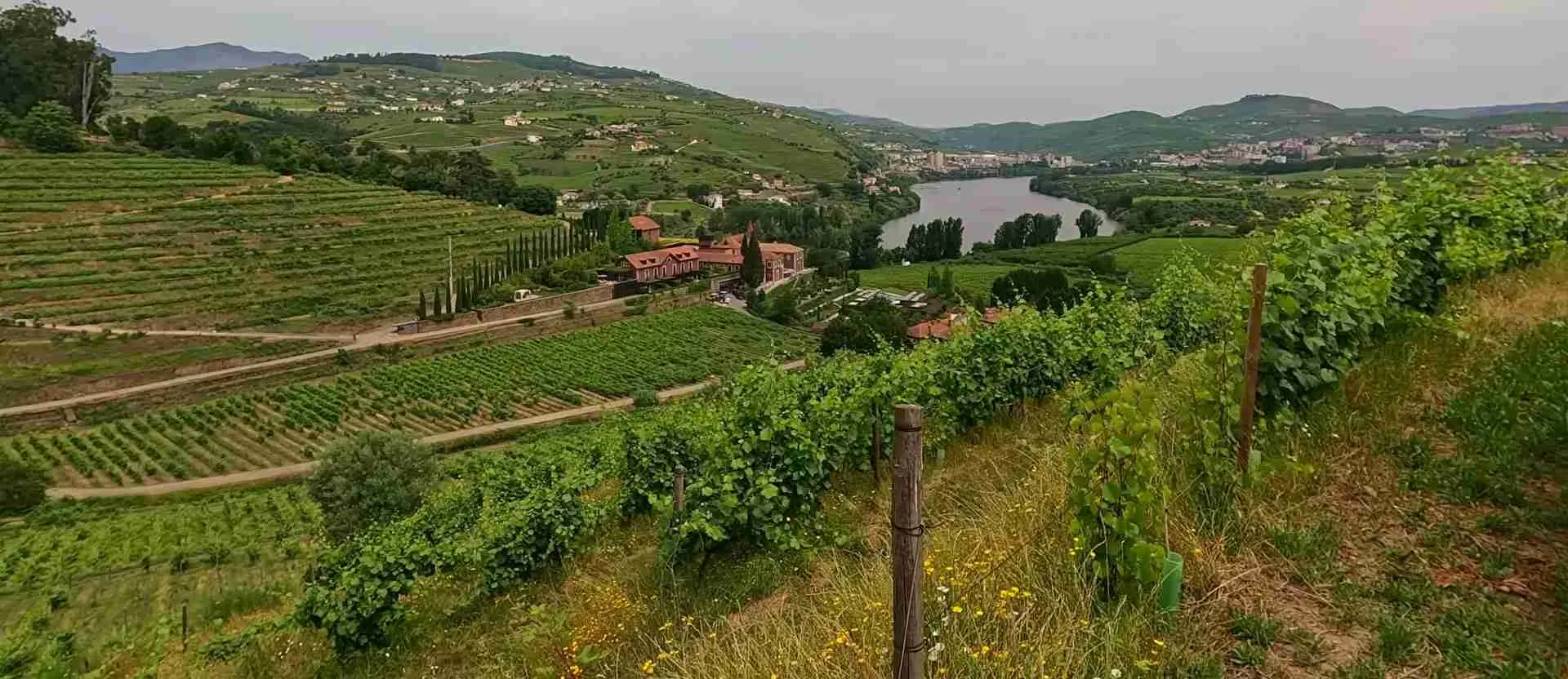
The Alto Douro Wine Region stands as Portugal’s most celebrated viticultural landscape, where terraced vineyards cascade down steep schist hillsides along the Douro River’s winding path through northern Portugal. Recognized as a UNESCO World Heritage Site in 2001, this cultural landscape represents 2,000 years of continuous winemaking tradition that shaped both the world-famous Port wine and a distinctive agricultural heritage visible in every carved terrace and whitewashed quinta.
Key Takeaways About Douro Valley Wine Heritage
- World’s First Demarcated Wine Region: The Douro received official demarcation in 1756 under Portuguese royal charter, establishing boundaries and quality standards that predated all other wine regions by more than a century and laid the foundation for modern wine appellations worldwide.
- UNESCO Cultural Landscape Recognition: The Alto Douro Wine Region earned UNESCO World Heritage status in 2001 as an outstanding example of a traditional European wine-producing region, recognized for its exceptional beauty and the harmonious integration of human activity with natural landscape over two millennia.
- Port Wine Global Heritage: Since the 18th century, Port wine from the Douro Valley has achieved worldwide renown as a fortified wine of exceptional quality, with British merchants establishing Porto’s historic lodges and creating an international trade that defined Portugal’s economy and cultural identity for centuries.
- Three Distinct Subregions: The wine region divides into Baixo Corgo (mildest climate, first planted), Cima Corgo (prestigious center around Pinhão with the greatest concentration of historic quintas), and Douro Superior (hottest, driest, extending to the Spanish border), each producing wines with distinctive characteristics shaped by microclimate and terroir.
- Ancient Viticulture Methods: Traditional Douro winemaking preserves techniques dating to Roman times, including hand-harvesting on impossibly steep terraces, foot-treading grapes in granite lagares, and aging Port wine in massive oak pipas, with many quintas maintaining these labor-intensive practices that define wine quality and cultural authenticity.
- Living Cultural Heritage: The region remains profitably farmed by traditional landholders using methods passed through generations, with historic quintas, whitewashed villages, 18th-century parish churches, and thousands of kilometers of schist terracing walls creating a landscape that UNESCO recognized as a living testament to sustainable agricultural tradition.
People Also Ask About Douro Valley Wine Heritage
Why is the Douro Valley a UNESCO World Heritage Site?
The Alto Douro Wine Region received UNESCO World Heritage designation in 2001 based on its outstanding universal value as a cultural landscape shaped by 2,000 years of continuous viticulture. UNESCO recognized the region under Criterion III as an area where wine production has molded the landscape through human activities for nearly two millennia, and under Criterion V as an outstanding example of a traditional European wine-producing region reflecting the evolution of this human activity over time. The inscription specifically honors the harmonious integration of terraced vineyards, traditional quintas, historic villages, and centuries-old winemaking practices that together create a landscape of exceptional beauty while maintaining productive agricultural use. The region’s cultural significance extends beyond aesthetic value to encompass its role as the birthplace of the world’s first demarcated wine region in 1756 and the source of Port wine, which has been internationally famous since the 18th century for its quality and distinctive character.
What makes Douro Port wine unique compared to other fortified wines?
Port wine’s uniqueness stems from the Douro Valley’s exceptional terroir, traditional production methods, and strict appellation controls dating to 1756. Unlike other fortified wines, Port gains its character from grapes grown on steep schist terraces where vines struggle in poor soil and extreme temperature variations, concentrating flavors intensely. The fortification process itself follows a distinctive method: grape spirits are added midway through fermentation while significant residual sugar remains, creating the sweet, high-alcohol profile that defines Port. Traditional production employs foot-treading in shallow granite lagares to extract color and tannins gently while preserving fruit character, a labor-intensive practice many premium producers maintain. The aging process in Porto’s Vila Nova de Gaia lodges, where constant temperature and humidity create ideal maturation conditions, contributes further distinction. Multiple indigenous grape varieties unique to the region including Touriga Nacional, Touriga Franca, Tinta Roriz, Tinta Barroca, and Tinto Cão blend to create Port’s complexity, with some quintas maintaining century-old field blend vineyards that preserve genetic diversity lost elsewhere.
How long has wine been produced in the Douro Valley?
Wine production in the Alto Douro region extends back approximately 2,000 years, with traditional landholders cultivating vineyards continuously throughout this period. Archaeological evidence confirms viticulture during the late Western Roman Empire in the 3rd and 4th centuries AD, with grape seeds discovered at even older sites suggesting earlier cultivation. Medieval Cistercian monks significantly influenced regional winemaking from the mid-12th century through three monasteries: Salzedas, São João de Tarouca, and São Pedro das Águias. The earliest documented reference to “Port wine” appears in 1675, though the fortified style as known today developed throughout the 18th century in response to British market demands. The Methuen Treaty between Portugal and England in 1703 established favorable trade terms that made Port economically crucial to Portugal, accelerating vineyard expansion and quality improvements. This unbroken winemaking tradition spanning two millennia represents one of Europe’s longest continuous viticultural histories, with knowledge, techniques, and even some vineyard sites passed through dozens of generations.
What is a quinta in the Douro Valley and why are they important?
A quinta in the Douro Valley is a wine estate comprising vineyards, production facilities, and often historic manor houses that function as self-contained wine-producing properties. These quintas serve as major landscape landmarks, easily identified by groups of farm buildings and wineries surrounding the main house, particularly in the Upper Corgo and Upper Douro subregions. Quintas vary dramatically in scale from small family holdings of a few hectares to vast estates exceeding 100 hectares, but all represent the fundamental production unit that has shaped Douro winemaking for centuries. Historic quintas often feature 18th and 19th-century architecture including baroque manor houses, private chapels, worker housing, massive granite lagares for foot-treading grapes, and ancient cellars with enormous oak pipas for aging Port. Many prestigious quintas maintain single-vineyard production that expresses terroir distinctively, with names like Quinta do Vesúvio, Quinta do Vale Meão, Quinta do Noval, and Quinta do Crasto achieving international recognition. Beyond wine production, quintas preserve cultural heritage through traditional architecture, agricultural practices, and social structures that sustained rural communities for generations, making them essential both to wine quality and to the living cultural landscape UNESCO recognized.
Extended multi-day tours – 5+ days
Featured Porto Multi-Day Tour Packages
5 days
Gems of Porto & the Douro Valley with Douro River Cruise – 5 Days in Portugal
- ✓ Comprehensive Porto tour
- ✓ Expert local guides included
- ✓ All accommodation arranged
- ✓ Transportation provided
5 days
5 Day Porto Including Aveiro, Costa Nova, Douro Valley Cruise, Braga & Guimaraes
- ✓ Comprehensive Porto tour
- ✓ Expert local guides included
- ✓ All accommodation arranged
- ✓ Transportation provided
2 days
Porto Discovery Tour
- ✓ Booking needs min. 2 travelers
6 days
Wine and Gastronomy in the Heart of Portugal
- ✓ Booking needs min. 2 travelers
Multi-day tour packages powered by TourRadar. Prices and availability subject to change.
Introduction: The Douro Valley’s Living Wine Heritage
The Douro Valley represents one of humanity’s most remarkable examples of landscape transformation through agricultural persistence, where steep, seemingly inhospitable hillsides have been reshaped over centuries into productive terraced vineyards that produce some of the world’s most celebrated wines. Stretching approximately 250 kilometers from the Spanish border to Porto, where the Douro River meets the Atlantic Ocean, this wine region encompasses a dramatic landscape where schist rock formations, continental climate extremes, and human determination have combined to create wines of extraordinary character and a cultural heritage of global significance.
The physical challenges of Douro viticulture remain formidable even with modern equipment. Vineyards cling to hillsides with gradients often exceeding 30 degrees, where temperatures can reach 45°C in summer yet plunge below freezing in winter. Rainfall averages only 400-800mm annually depending on subregion, concentrated in winter months when vineyards lie dormant. Schist bedrock, while excellent for drainage and deep root penetration, makes vineyard establishment brutally difficult, requiring extensive terracing to create workable surfaces. Yet these harsh conditions concentrate grape flavors intensely, producing wines with depth and complexity impossible to achieve in gentler environments.
What distinguishes the Douro from other challenging wine regions is the scale and antiquity of human intervention. Thousands of kilometers of dry-stone schist walls support narrow terraces hand-built over generations, creating a landscape UNESCO recognized as a masterpiece of human adaptation to difficult terrain. Traditional socalcos (narrow terraces supporting 1-2 vine rows) represent the oldest terrace style, requiring massive stone walls to support tiny growing surfaces. Patamares (wider terraces created with earthmoving equipment) emerged in the 1970s and 1980s as mechanization became possible, though many premium producers maintain socalcos for quality. The most recent development, vinha ao alto (vertical planting up the slope), maximizes efficiency while challenging traditional aesthetics and raising questions about erosion and long-term sustainability.
The region’s wine heritage encompasses far more than viticulture techniques. Port wine lodges in Vila Nova de Gaia across the river from Porto preserve centuries of aging and blending expertise, with some companies maintaining reserves exceeding 100 years old. Historic quintas scattered throughout the valley maintain architecture, equipment, and production methods dating to the 18th and 19th centuries. Whitewashed villages clustered midway up valley sides preserve vernacular architecture and community structures evolved specifically for wine production. Ancient rabelo boats, flat-bottomed vessels once essential for transporting Port wine barrels downriver to Porto before dam construction, now serve primarily as tourist vessels and historic symbols. The Douro train line, completed in 1887, opened the upper valley to easier access while creating one of Europe’s most scenic rail journeys.
Understanding Douro wine heritage requires grasping the interplay between geography, history, commerce, and cultural tradition that created this unique landscape and its wines. The following sections explore these elements in detail, from UNESCO recognition criteria to traditional winemaking methods, from the three distinct subregions to individual historic quintas, from indigenous grape varieties to the evolution of wine styles beyond traditional Port. Together, these elements reveal a living cultural landscape where ancient traditions adapt to contemporary realities while maintaining the essential character that makes the Douro Valley wine heritage globally significant.
UNESCO World Heritage Status: Recognition and Significance
The Alto Douro Wine Region earned UNESCO World Heritage inscription based on its exceptional demonstration of a traditional European wine-producing region where landscape reflects technological, social, and economic evolution over time. This recognition in 2001 acknowledged not merely the region’s aesthetic beauty but its outstanding universal value as a cultural landscape where human activity and natural environment have achieved harmonious balance through centuries of adaptation and innovation. The UNESCO designation applies to approximately 24,600 hectares of the wine-producing core, with an additional buffer zone protecting the inscribed area’s setting and integrity.
The specific criteria under which UNESCO inscribed the Alto Douro Wine Region reveal what international heritage experts considered most significant about this landscape. Criterion III recognizes places bearing exceptional testimony to cultural tradition or civilization living or disappeared. In the Douro’s case, 2,000 years of continuous wine production have molded the landscape through human activities, creating a testimony to viticultural persistence unmatched in scale and continuity. Criterion V identifies the Douro as an outstanding example of traditional land-use representing the interaction of humanity with the environment, especially when vulnerable to irreversible change. The visibly dramatic landscape remains profitably farmed using traditional methods by traditional landholders, demonstrating that heritage preservation and productive agriculture can coexist successfully.
What makes the Douro’s UNESCO recognition particularly significant is its status as a living, working landscape rather than a museum or monument. Unlike many World Heritage Sites that preserve past civilizations or architectural masterpieces no longer serving their original function, the Douro Valley continues producing wine using many traditional techniques while evolving to meet contemporary market demands and sustainability requirements. Thousands of landowners, from large historic quintas to small family holdings, maintain vineyards and produce wine within the heritage area. This presents both opportunities and challenges for heritage management, as UNESCO recognition must balance preservation goals with economic viability and landowner rights.
The inscription specifically highlights several landscape elements contributing to outstanding universal value. Terraced vineyards, some maintained for centuries, demonstrate extraordinary human persistence in adapting impossibly steep terrain to productive use. Historic quintas, particularly those in Cima Corgo and Douro Superior, preserve 18th and 19th-century architecture and production facilities that reveal evolving winemaking technology and social organization. Whitewashed villages located midway up valley sides, clustered around often imposing 18th-century parish churches, maintain vernacular architecture and street patterns shaped by wine-producing communities’ specific needs. Small chapels dotting hillsides or adjoining manor houses reflect the Catholic faith’s central role in rural Portuguese society and the patronage wealth from Port wine enabled.
The demarcation of the Douro wine region in 1756 under Portuguese royal charter represents another factor in UNESCO’s recognition. This act created the world’s first legally defined and regulated wine region, more than a century before France’s appellation system and establishing principles of geographic indication, quality control, and production standards that influence global wine law today. The Marquis of Pombal instituted this demarcation to protect Port wine quality and combat fraud, establishing boundaries marked by stone markers, regulating which grape varieties could be planted, and creating a governance structure that persisted for over two centuries.
UNESCO recognition has profoundly impacted the Douro Valley’s development trajectory since 2001. Tourism has expanded significantly, with river cruises, wine tourism, and heritage tourism becoming major economic drivers supplementing traditional wine production. This growth brings both benefits and pressures. Increased visitor spending supports local economies, helps maintain historic structures through tourism revenue, and raises global awareness of Douro wines beyond Port. However, tourism development requires careful management to avoid overwhelming the cultural landscape’s carrying capacity, threatening the traditional character UNESCO recognized, or creating conflicts with working agricultural operations.
The Intermunicipal Spatial Plan for the Alto Douro Wine Region (IMSP-ADWR) provides the regulatory framework protecting the heritage area. This plan involves multiple municipalities, regional government entities, and stakeholder groups in coordinated management addressing vineyard installation methods, building licensing, road network development, heritage structure conservation, and visual impact assessment. Key concerns include conserving schist terrace walls and socalcos, minimizing visual intrusions from new construction, protecting vernacular architecture, and ensuring new vineyard development respects landscape character. The challenge lies in maintaining productive viticulture supporting local livelihoods while preserving the cultural landscape’s integrity for future generations.
Port Wine History: From British Trade to Global Recognition
Port wine’s history intertwines inextricably with Anglo-Portuguese relations, commercial competition, and the evolution of wine styles to suit distant market preferences. While wine production in the Douro Valley extends back 2,000 years, Port as a distinctive fortified wine emerged primarily in the 17th and 18th centuries as British merchants sought stable wine supplies following conflicts with France. The Methuen Treaty of 1703 between Portugal and England established preferential trade terms favoring Portuguese wines in British markets, accelerating Port wine’s development and creating economic relationships that shaped both countries’ wine industries for centuries.
The earliest documented reference to “Port wine” appears in 1675, though the style bore little resemblance to modern Port. Initial exports consisted of unfortified red wines from the Douro Valley, often harsh and unstable during long sea voyages to England. British merchants sought ways to stabilize these wines for transport, experimenting with adding brandy at various stages. The discovery that adding grape spirits during fermentation created a sweet, stable wine that improved with age proved transformative. This fortification technique, refined throughout the 18th century, established Port’s fundamental character: high alcohol content, residual sweetness, and rich fruit flavors with aging potential measured in decades.
British merchant houses established in Porto and Vila Nova de Gaia dominated Port production and trade from the early 18th century through the 20th century. Families whose names remain prominent today founded companies that built vast lodges along the Douro River’s south bank where Port aged in ideal cool, humid conditions. Taylor’s, Croft, Graham’s, Warre’s, Dow’s, and Cockburn’s established operations in the 18th and 19th centuries, purchasing wine from Douro quintas, aging and blending it in their lodges, and marketing it globally under their brands. This system concentrated power in merchants’ hands, often leaving Douro grape growers with little influence over pricing or quality standards despite producing the raw material.
The 1756 demarcation of the Douro wine region under the Marquis of Pombal represented an attempt to impose quality control and combat fraud that threatened Port’s reputation. The demarcation defined boundaries within which grapes for Port could be grown, classified vineyard areas by quality, regulated which grape varieties could be planted, and established the Companhia Geral da Agricultura das Vinhas do Alto Douro to oversee production and trade. Stone boundary markers erected at the time remain visible in some locations. While the system faced resistance from merchants who saw it restricting their operations, it established regulatory principles that evolved into modern appellation control and helped maintain Port wine quality during periods of rapid production expansion.
The 19th century brought both challenges and growth to Douro Port production. Powdery mildew (oidium) struck vineyards in 1852, devastating production before sulfur treatments provided control. Phylloxera, the root louse that destroyed European vineyards, arrived in 1863, eventually requiring the grafting of European vine varieties onto resistant American rootstock. Despite these setbacks, the century saw Port wine production systematize around style classifications still used today. Vintage Port, produced only in exceptional years from single harvests and aged in bottle, emerged as the premium category. Tawny Port, aged in wood barrels where oxidation creates nutty, caramel flavors, provided a different aging profile. Ruby Port maintained fresh fruit character through shorter aging. Late Bottled Vintage (LBV) offered a middle ground between vintage and standard styles.
The 20th century brought profound changes to Port production and the merchant-grower relationship. Portugal’s entry into the European Economic Community in 1986 abolished Porto merchants’ monopoly on Port bottling and sales, allowing Douro quintas to bottle and market wine under their own labels for the first time. This shift enabled estate-bottled Ports that expressed individual quinta terroir and style, challenging the merchant houses’ blended products while preserving traditional methods. Many historic quintas now produce both Port for merchant houses and estate-bottled wines carrying the quinta name, creating economic diversification.
Simultaneously, dry Douro wines began gaining recognition as serious alternatives to Port. Fernando Nicolau de Almeida created Barca Velha in 1952, inspired by Bordeaux during World War II visits, demonstrating that Douro grapes could produce world-class table wines. The wine didn’t find immediate followers, but by the 1990s, numerous producers launched ambitious Douro DOC wines showing that the region’s terroir, grape varieties, and winemaking expertise could create outstanding non-fortified wines. Today, the Douro produces roughly equal volumes of Port and table wine, though Port remains more economically significant due to higher prices.
Contemporary Port production faces challenges balancing tradition with modern expectations. Climate change brings earlier harvests, higher alcohol levels, and increased weather volatility. Younger consumers often prefer lighter wines, challenging Port’s traditional profile. Competition from other fortified wines and spirits intensifies. Yet the industry adapts while maintaining essential traditions. Many producers preserve foot-treading in granite lagares despite its labor intensity, arguing the gentle extraction produces superior Port. Traditional grape varieties dominate plantings despite lower yields than modern varieties might provide. Aging in oak pipas continues in Vila Nova de Gaia lodges, though temperature control systems now protect wine from extreme heat. The challenge lies in evolving sufficiently to remain economically viable while preserving the traditional character that defines authentic Port wine.
Wine Regions and Terroir: Three Distinct Subregions
The Alto Douro Wine Region divides into three distinct subregions moving from west to east: Baixo Corgo, Cima Corgo, and Douro Superior. Each exhibits different climate, soil, topography, and viticultural characteristics that influence wine styles and production economics. Understanding these subregional differences provides essential context for appreciating Douro wine diversity and the factors shaping quality and character.
Baixo Corgo: The Gateway Region
Baixo Corgo, extending from Peso da Régua westward toward the Marão and Montemuro mountain ranges, represents the coolest and wettest Douro subregion. Annual rainfall reaches 800-900mm in the western areas nearest the mountains, significantly higher than elsewhere in the region. Temperatures remain more moderate, with less extreme summer heat and winter cold. The landscape, while still hilly, exhibits gentler slopes than further east, making vineyard work somewhat easier. Baixo Corgo contains approximately 14,000 hectares of vineyards, the smallest area of the three subregions.
Historically, Baixo Corgo was planted first as Port production expanded, taking advantage of its proximity to Peso da Régua, the traditional center of the Port trade before the railroad opened the upper valley. However, the region’s milder, wetter climate generally produces wines considered less concentrated and complex than those from Cima Corgo or Douro Superior. Higher rainfall dilutes grape flavors, while cooler temperatures mean less phenolic maturity at harvest. Consequently, Baixo Corgo wines typically sell at lower prices, and many vineyards supply grapes for entry-level Port blends rather than premium single-quinta or vintage bottlings.
Despite this second-tier reputation, Baixo Corgo produces Port and table wines of genuine quality, particularly from well-sited vineyards and quality-focused producers. The cooler climate can benefit table wine production by preserving acidity that hot climates lose, creating better balance in non-fortified wines. Some producers argue that Baixo Corgo’s challenges actually reward careful viticulture, as the region forgives mistakes less than drier areas where rain scarcity forces conservative approaches. The subregion also benefits from easier access and proximity to Porto, making it convenient for tourism development.
Cima Corgo: The Prestigious Heart
Cima Corgo, centered on the town of Pinhão and extending from Peso da Régua eastward to the Cachão da Valeira gorge, represents the Douro’s most prestigious wine-producing area. This subregion contains approximately 19,000 hectares of vineyards, the largest vineyard area, and produces the majority of premium Port wines. The landscape grows progressively steeper and more dramatic, with schist hillsides plunging to the Douro River in spectacular amphitheaters of terraced vineyards. Rainfall drops to 600-700mm annually, temperatures become more extreme with scorching summers and cold winters, and sunshine hours increase significantly.
The concentration of famous quintas in Cima Corgo testifies to the subregion’s quality reputation. Quinta do Noval, Quinta do Vesúvio, Quinta do Crasto, Quinta dos Malvedos, Quinta da Roêda, and numerous other estates producing premium vintage and single-quinta Ports cluster in this area. The terroir combines perfectly for Port production: sufficient heat to ripen grapes fully, limited rainfall to concentrate flavors, dramatic day-night temperature variations that preserve acidity, and ancient schist soils providing excellent drainage while forcing roots deep for water and minerals. The resulting wines exhibit the power, concentration, and aging potential that define great Port.
Pinhão serves as Cima Corgo’s commercial and cultural center. This small town sits where the Pinhão River joins the Douro, surrounded by some of the region’s most photographed vineyard amphitheaters. The railway station features stunning azulejo tile panels depicting Douro viticulture and wine production, created in the 1930s and now protected as cultural heritage. Numerous quintas operate tasting rooms and tourism facilities within short distances. The town supports hotels, restaurants, and wine bars catering to visitors exploring the region, though it maintains the character of a working agricultural community rather than a pure tourist destination.
Cima Corgo faces particular pressures from tourism development and vineyard economics. The subregion’s prestige attracts visitors whose spending supports local businesses but whose presence can overwhelm small communities and agricultural operations. Prime vineyard land tempts developers seeking sites for hotels or housing. Climate change brings earlier harvests and higher sugar levels that challenge traditional Port profiles. Despite these pressures, Cima Corgo remains the Douro’s quality heartland, where the finest wines originate and where traditional viticulture maintains strongest continuity with the past.
Douro Superior: The Eastern Frontier
Douro Superior extends from Cachão da Valeira eastward to the Spanish border, covering the most remote and climatically extreme portion of the Douro Valley. This subregion remains the least developed for viticulture, with considerable land suitable for vineyards still unplanted. The landscape becomes increasingly arid moving east, with annual rainfall dropping below 500mm in the remotest areas. Summer temperatures regularly exceed 40°C, while winter can bring hard frosts. The terrain grows wilder and less populated, with vineyards often separated by expanses of scrubland and rocky outcrops.
Viticulture in Douro Superior presents distinct challenges and opportunities. The intense heat and limited rainfall concentrate grape flavors dramatically, producing wines of great power and potential longevity. However, the extreme climate can cause vine stress, uneven ripening, and difficulty maintaining acidity. Water availability becomes critical, with some estates investing in irrigation systems despite traditional dry-farming approaches. The region’s remoteness historically limited development, as transporting grapes to Porto before modern roads took days, often compromising quality.
Recent decades have seen renewed investment in Douro Superior as producers recognize the subregion’s potential. Improved roads make transport practical. Modern vineyard technology allows better management of climate extremes. Some argue that global warming actually benefits Douro Superior, as slightly cooler growing seasons allow better phenolic ripening than when temperatures pushed grapes into overripeness. Historic quintas like Quinta do Vale Meão demonstrate that Douro Superior can produce exceptional wines when terroir and viticulture align properly.
The subregion also contains important cultural and natural heritage beyond viticulture. The Côa Valley Archaeological Park, a separate UNESCO World Heritage Site, preserves exceptional Paleolithic rock art dating back over 20,000 years. The International Douro Natural Park protects the river’s most dramatic gorges along the Portuguese-Spanish border, where vertical cliffs create habitat for rare bird species including Egyptian vultures and black storks. Balancing agricultural development with heritage and environmental protection remains a key challenge as Douro Superior’s potential continues attracting investment.
Traditional Viticulture: Terraces, Techniques, and Sustainability
Douro Valley viticulture represents one of the world’s most challenging and labor-intensive agricultural systems, where steep schist hillsides require extensive terracing, hand labor remains essential for many operations, and harsh climate extremes test both vines and viticulturists. Understanding traditional methods provides crucial context for appreciating why Douro wines command premium prices and why UNESCO recognized the landscape’s cultural value.
Three main terracing systems shape the Douro landscape. Socalcos, the oldest system, consist of narrow terraces supporting 1-2 rows of vines, with dry-stone schist walls constructed entirely by hand without mortar. These walls, often exceeding 2 meters in height, required enormous labor to build and must be maintained constantly as frost, rain, and vine roots cause periodic collapse. Walking a vineyard of socalcos reveals the extraordinary scale of human effort involved: thousands of walls snaking across hillsides, creating growing surfaces from terrain that would otherwise support only scrub vegetation. Many historic quintas maintain socalcos in their finest vineyard parcels, arguing the restricted yields and old vines produce Port of incomparable quality.
Patamares emerged in the 1970s and 1980s as bulldozers and earthmoving equipment became available. These wider terraces, typically 3-4 meters wide supporting several vine rows, reduce wall construction and maintenance while allowing limited mechanization for vineyard operations like spraying and harvest transport. The earth walls and gentler gradients suit modern vineyard management better than socalcos, reducing labor costs significantly. However, critics argue patamares create less distinctive microclimates than socalcos, potentially reducing wine quality, and their regular geometry lacks the traditional landscape’s irregular beauty.
Vinha ao alto, planting vines in vertical rows running straight up slopes without terracing, represents the most recent and controversial development. This system maximizes vineyard density and allows full mechanization, dramatically reducing establishment and maintenance costs. Supporters argue modern equipment and cover crops prevent erosion concerns while producing quality equal to terraced vineyards. Opponents claim vertical planting damages landscape character that UNESCO recognized, increases erosion and water runoff, and destroys traditional viticulture wisdom accumulated over centuries. The debate reflects broader tensions between economic viability and heritage preservation in a working cultural landscape.
Vineyard operations in the Douro remain remarkably labor-intensive despite mechanization. Pruning happens by hand each winter, with workers deciding which shoots to remove based on individual vine vigor and positioning. Shoot positioning and leaf removal during the growing season require careful hand work to ensure proper sun exposure and air circulation. Harvest remains entirely hand-picked in steeper vineyards where machinery cannot operate, with workers carrying heavy baskets up and down steep slopes in temperatures often exceeding 35°C. Even in flatter areas where small tractors operate, selective picking by hand allows better quality control than machine harvesting.
The schist soil dominating Douro vineyards presents both challenges and advantages. This metamorphic rock, formed when ancient mudstone and shale underwent heat and pressure, fractures into flat plates oriented vertically. Vine roots can penetrate deep into schist fractures seeking water and nutrients, creating drought resilience essential in a region receiving 400-600mm annual rainfall concentrated in winter months. The stone absorbs heat during the day and releases it at night, moderating temperature extremes slightly. Schist’s excellent drainage prevents waterlogging during winter rains. However, working schist-dominated soil requires specialized equipment, as the rock dulls conventional tools rapidly.
Water management represents a critical sustainability challenge in Douro viticulture. Traditional dry-farming approaches depend entirely on winter rainfall stored in soil through summer, with no irrigation. This forces vines to develop deep root systems and produces concentrated flavors, but extreme drought can stress vines excessively, reducing yields and potentially damaging vineyard health long-term. Climate change brings more variable rainfall, with dry springs following wet winters creating timing mismatches between water availability and vine needs. Some producers have installed drip irrigation for young vines or precise deficit irrigation to prevent extreme stress, arguing this improves sustainability even if departing from tradition.
Soil erosion and terrace wall maintenance present ongoing concerns. Heavy winter rains on steep slopes cause significant erosion in vineyards without adequate cover crop or mulch protection. Terrace walls require constant inspection and repair, with collapsed sections rebuilt stone by stone. The schist walls’ dry construction without mortar makes them permeable to water drainage while remaining flexible through temperature changes, but this same construction means walls can collapse suddenly if foundation stones shift. The cost of maintaining thousands of kilometers of terrace walls across the region represents a significant economic burden that threatens abandonment of steeper, more costly vineyards.
Biodiversity in Douro vineyards varies considerably depending on management intensity. Traditionally farmed vineyards with minimal chemical inputs, diverse field blend plantings, and wildflower-rich cover crops support substantial biodiversity including beneficial insects, native plants, and small mammals. More intensively managed modern vineyards with monoculture plantings, herbicide use, and frequent pesticide applications reduce biodiversity significantly. Some producers pursue organic or biodynamic certification, eliminating synthetic chemicals and emphasizing soil health, though organic viticulture in the Douro’s humid spring conditions can be challenging. Integrated pest management approaches combining cultural practices, monitoring, and selective intervention offer a middle ground.
Grape Varieties: Indigenous Heritage and Blending Tradition
The Douro Valley’s winemaking heritage relies fundamentally on indigenous Portuguese grape varieties that have adapted to the region’s extreme climate and schist soils over centuries. Unlike many premium wine regions dominated by a single variety or a handful of internationally recognized grapes, the Douro maintains extraordinary diversity, with over 80 authorized varieties and complex field blends that challenge modern winemaking approaches while creating distinctive wines impossible to replicate elsewhere.
The Five Principal Red Varieties
Port production traditionally emphasizes five main red varieties, though many other grapes contribute to blends. Touriga Nacional, widely considered Portugal’s finest indigenous variety, produces small, thick-skinned berries that yield intensely colored, tannic wines with powerful aromatics showing violet, rose, and black fruit. The variety ripens relatively early, avoiding late-season rains, and maintains good acidity even in hot years. However, Touriga Nacional’s naturally low yields make it expensive to grow, and its vigor requires careful management to prevent excessive vegetative growth that shades fruit.
Touriga Franca, despite its name suggesting French origin, is purely Portuguese and represents the Douro’s most widely planted red variety due to its reliability and productivity. The variety produces elegant, perfumed wines with good color and structure but less concentration than Touriga Nacional. Touriga Franca adapts well to various vineyard sites, resists common vine diseases reasonably well, and yields consistently, making it economically attractive while maintaining quality sufficient for premium Port blends. Many producers use Touriga Franca as the structural backbone of blends, with other varieties adding complexity and concentration.
Tinta Roriz, identical to Spain’s Tempranillo, thrives in Douro conditions, producing wines with good color, medium body, and red fruit character. The variety ripens relatively late, requiring warm sites to achieve full maturity, and performs best in years without early autumn rains. Tinta Roriz contributes softness and approachability to Port blends, balancing Touriga Nacional’s power and Touriga Franca’s structure. The variety has gained importance in Douro table wines, where its compatibility with oak aging and moderate alcohol levels suit contemporary preferences.
Tinta Barroca produces wines high in sugar and alcohol with intense fruit but lower acidity and lighter color than other principal varieties. The variety ripens early, sometimes too early in hot years, and grows best in cooler sites where extended ripening preserves balance. Tinta Barroca’s prolific yields make it economically attractive, and its high sugar content contributes sweetness to Port blends naturally rather than relying entirely on fortification timing. However, the variety’s lower acidity and color mean it requires careful blending to avoid producing flabby wines lacking structure.
Tinto Cão, once extensively planted, has declined dramatically due to low yields and difficult cultivation, but maintains prestige for quality in traditional blends. The variety produces small, loose clusters with tiny berries, yielding wines of remarkable complexity, finesse, and aging potential. Old-vine Tinto Cão from historic vineyards contributes a distinctive character to premium vintage Ports that younger vines or more productive varieties cannot replicate. Some producers maintain old Tinto Cão vines or have replanted small areas, valuing quality over quantity despite economic pressures favoring higher-yielding varieties.
Field Blends and Traditional Vineyard Diversity
Many old Douro vineyards contain not five principal varieties but dozens of different grapes interplanted throughout the same vineyard parcel. This field blend system, common before modern viticulture emphasized varietal identification and selection, creates extraordinary complexity while presenting management challenges. Traditional farmers planted multiple varieties partly for risk management, as different varieties ripen at different times and resist pests or weather stresses differently, ensuring some fruit would ripen successfully even in difficult years. The blending happens not in the winery but in the vineyard, with all varieties harvested and fermented together.
Field blend vineyards preserve genetic diversity threatened by modern monovarietal plantings. Many minor grape varieties survive only in old field blends, as they would never be planted in modern vineyards due to low yields or difficult cultivation. Some of these obscure varieties may possess valuable characteristics like disease resistance, drought tolerance, or flavor compounds that could become important as climate changes. However, field blends create management difficulties, as different varieties require different pruning, canopy management, and harvest timing, making optimal treatment impossible when everything grows mixed together.
Contemporary vineyard planting generally separates varieties into distinct parcels, allowing tailored management and enabling winemakers to create blends from different components rather than accepting whatever proportions the vineyard produces. This approach suits modern winemaking’s emphasis on control and consistency. Yet some producers maintain that field blend wines possess complexity and integration impossible to achieve through post-fermentation blending, as the different varieties ferment together and interact during winemaking. The debate reflects broader tensions between traditional wisdom and modern viticultural science.
White Varieties and Table Wine Evolution
While Port production focuses overwhelmingly on red varieties, white Port production and the growing Douro table wine industry rely on several indigenous white varieties. Malvasia Fina produces aromatic wines with moderate acidity and good body, suitable both for white Port and dry table wines. Viosinho yields powerful, full-bodied wines with tropical fruit character and good aging potential. Gouveio, identical to Spain’s Godello, creates structured, mineral-driven wines gaining recognition as Douro’s finest white variety for serious table wines. Rabigato contributes high acidity and aromatic intensity to blends. Códega do Larinho adds floral aromatics and elegant structure.
The expansion of Douro table wine production has driven renewed interest in white varieties and experimentation with different winemaking approaches. Traditional white Port production uses relatively neutral varieties and emphasizes sweetness over aromatics. Modern Douro white table wines aim for complexity, structure, and aging potential comparable to premium whites worldwide. Some producers ferment in stainless steel to preserve fresh fruit character, while others employ barrel fermentation and extended lees aging to create texture and complexity. The best examples demonstrate that Douro’s terroir and indigenous varieties can produce distinctive white wines alongside reds.
Winemaking Methods: Traditional and Modern Approaches
Port wine production follows methods developed over centuries to extract maximum color, tannin, and flavor from grapes before fortification stops fermentation. The fortification process itself requires precise timing and technique to achieve desired sweetness levels while ensuring wine stability. Understanding these production methods reveals how Port achieves its distinctive character and why traditional techniques persist despite their labor intensity.
Harvest and Crushing
Harvest timing for Port grapes focuses on achieving optimal ripeness balancing sugar accumulation, phenolic maturity, and acidity preservation. Grapes typically harvest in September and October, with Baixo Corgo earliest due to cooler climate, Cima Corgo mid-season, and Douro Superior latest. Hand-picking remains essential in steep vineyards inaccessible to machinery, with workers carrying grapes in traditional wicker baskets or plastic containers to collection points. Quality-focused producers harvest selectively, picking only fully ripe clusters and leaving underripe or damaged fruit on vines, though this increases labor costs substantially.
Traditional crushing employs foot-treading in shallow granite lagares, massive rectangular tanks typically 1-1.5 meters deep and holding several thousand liters of must. Workers tread grapes in synchronized lines for 2-3 hours, breaking skins gently to release juice while avoiding crushing seeds that could add harsh tannins. The gentle treading motion extracts color and tannin efficiently while preserving fruit character, and human feet apply consistent pressure impossible to replicate mechanically. The labor intensity and cost make lagar foot-treading economically challenging, yet many premium producers maintain this tradition for their finest vintage Ports, arguing the quality justification exceeds the expense.
Modern mechanical alternatives include autovinifiers and robotic lagares attempting to replicate foot-treading’s gentle extraction. Autovinifiers use the fermentation’s carbon dioxide pressure to pump juice over skins automatically, providing gentle extraction through continuous circulation. Robotic lagares employ mechanical feet that simulate human treading motions while allowing overnight operation without human supervision. Both technologies reduce labor costs while claiming quality comparable to traditional foot-treading. Skeptics argue mechanical systems cannot match skilled human treaders’ sensitivity, producing good but not great wine.
Fermentation and Fortification
Port fermentation proceeds at high temperatures, typically 28-32°C, to extract maximum color and tannin quickly before fortification stops fermentation. This differs from table wine fermentation, which often maintains cooler temperatures to preserve aromatic complexity and proceed more slowly. The hot, rapid fermentation suits Port production because fortification’s addition of grape spirits at 77% alcohol arrests fermentation while substantial residual sugar remains, creating Port’s characteristic sweetness and high alcohol content of 19-22%.
Determining fortification timing represents the winemaker’s most critical decision. Fortifying too early leaves excessive sugar, producing cloying wine lacking balance. Fortifying too late consumes too much sugar, yielding dry, harsh wine. Winemakers monitor fermentation constantly, measuring sugar levels multiple times daily and tasting to assess flavor development, typically fortifying when approximately half the sugar has fermented. The fortification process adds high-proof grape spirit at a ratio of approximately 1:4, raising alcohol to levels that kill yeasts and permanently stop fermentation.
The quality of fortification spirit significantly impacts final Port character. Premium spirit distilled from wine contributes neutral alcohol that preserves fruit character. Lower-quality spirit can add off-flavors or harshness that compromises wine quality. Regulations specify minimum spirit quality standards, but producers pursuing premium positioning typically use spirits exceeding these minimums. The fortification must be thorough, ensuring spirit and wine mix completely to prevent fermentation restarting later, which would create spoilage and unstable wine unsuitable for long aging.
Aging and Maturation
Port aging strategies vary dramatically depending on intended style. Ruby Port and basic reserva styles age briefly in large oak vats or stainless steel tanks before bottling, maintaining fresh fruit character and deep color. Tawny Port ages in smaller oak barrels where controlled oxidation gradually transforms color from deep purple to tawny brown while developing nutty, caramel, dried fruit flavors. Tawny aging continues for 10, 20, 30, or 40+ years in premium designations, with producers blending wines of appropriate average age. The aging environment’s temperature and humidity critically affect maturation speed and character.
Vintage Port follows a unique path: minimal wood aging (2-3 years in large vats) followed by decades of bottle aging. Declared only in exceptional years, vintage Port bottles young with significant tannin requiring extended aging to soften and integrate. The wine develops in bottle under reductive conditions, creating complex bottle-bouquet aromas of tobacco, leather, earth, and dried fruits that define mature vintage Port character. The sediment vintage Port throws during bottle aging requires careful decanting, and the wine’s evolution continues for 30-50+ years in the best cases.
Single-quinta vintage Port, Late Bottled Vintage (LBV), and crusted Port represent intermediate styles balancing vintage Port’s prestige with more approachable pricing and drinkability. Single-quinta wines come from exceptional estates in years not declared as overall vintage, offering estate-specific character. LBV ages 4-6 years in wood before bottling, softening tannins while maintaining vintage designation. Crusted Port blends vintages but bottles without filtration, throwing sediment like vintage Port while costing less. These categories expand consumer options beyond the binary choice of expensive vintage or simple ruby/tawny.
Table Wine Production Evolution
Douro table wine production employs techniques differing from traditional Port methods, focusing on balance, elegance, and terroir expression rather than maximum extraction and fortification. Fermentation proceeds at cooler temperatures (24-28°C for reds, 14-18°C for whites) to preserve aromatic complexity. Maceration times vary by style, from 5-10 days for approachable wines to 20-30 days for structured, age-worthy wines. Whole-cluster fermentation adds complexity and textural interest. Wild yeast fermentation preserves terroir character though increasing technical risk.
Oak aging approaches vary widely among producers. Some employ extensive new oak aging (18-24 months in French barriques) to create powerful, internationally styled wines. Others use minimal oak or older barrels to preserve fruit purity and regional typicity. Concrete eggs, amphorae, and other alternative vessels gain popularity for their oxygen transmission properties without oak flavoring. The diversity of approaches reflects an industry still exploring optimal expression for Douro table wines, without the centuries of accumulated wisdom guiding Port production.
Climate change presents significant challenges for both Port and table wine production. Rising temperatures advance harvest dates and increase sugar levels, creating higher alcohol wines that can taste unbalanced or hot. Maintaining acidity becomes more difficult as grapes ripen in scorching late-summer heat. Some producers experiment with earlier harvesting, although this may compromise phenolic ripeness and flavor development. Others explore higher-elevation or cooler-aspect vineyards to maintain balance. The industry faces difficult choices balancing traditional character with adaptation to changing conditions.
Historic Quintas and Wine Estates
Individual quintas represent both the fundamental production unit of Douro viticulture and repositories of architectural, cultural, and viticultural heritage dating to the 18th and 19th centuries. Understanding specific quintas and their histories provides concrete examples of the abstract principles shaping Douro wine heritage.
Quinta do Vesúvio: Monumental Scale and Pristine Conservation
Quinta do Vesúvio stands as one of the Douro’s largest and most prestigious estates, encompassing approximately 320 hectares with 160 hectares under vine in the remote Douro Superior. The property’s isolation and dramatic setting along the Douro River’s north bank create a landscape of extraordinary beauty and viticultural potential. Established in the 19th century and owned by the Symington family since 1989, Vesúvio produces single-quinta vintage Port of legendary quality from exceptionally old vines, some pre-phylloxera, planted in traditional field blends across steep terraced vineyards.
The estate’s architectural heritage includes a grand manor house, traditional worker housing, massive granite lagares for foot-treading grapes, and historic cellars with enormous oak pipas used for Port storage before transport to Vila Nova de Gaia. The preservation of these structures and traditional production methods demonstrates that heritage conservation and premium wine production can coexist successfully. Vesúvio’s remote location has protected it from development pressures affecting more accessible areas, maintaining landscape character that UNESCO recognition seeks to preserve.
Quinta do Noval: Terraced Amphitheater and Nacional Vineyard
Quinta do Noval occupies a spectacular amphitheater of terraced vineyards overlooking Pinhão, representing Cima Corgo terroir at its most dramatic. The estate’s history extends to 1715, with the current configuration developed in the 19th century. Noval’s socalco terracing demonstrates extraordinary human effort, with thousands of handbuilt schist walls creating narrow planting surfaces on impossibly steep slopes. The maintenance of these traditional terraces despite their cost reflects commitment to heritage preservation and belief that socalco vineyards produce superior wine.
The estate’s crown jewel is Nacional, a small 2.5-hectare ungrafted vineyard planted with pre-phylloxera vines that somehow survived when the root louse devastated European viticulture. Quinta do Noval Nacional produces one of the world’s most expensive and sought-after wines, with bottles from legendary vintages commanding thousands of dollars. The vineyard’s survival represents exceptional luck combined with its location in pure schist soil where phylloxera spreads more slowly. Nacional demonstrates the extraordinary quality potential of ungrafted vines with their deep, unrestricted root systems exploring terroir without rootstock influence.
Quinta do Vale Meão: Historical Significance and Modern Excellence
Quinta do Vale Meão, located in Douro Superior near Pocinho, holds particular historical significance as the estate where Fernando Nicolau de Almeida created Barca Velha in 1952, demonstrating that Douro terroir could produce world-class table wines. The property remained within the Ferreira family until Francisco Javier de Olazabal acquired it in 1998, launching Vale Meão as an independent estate producing both outstanding Douro red wines and traditional Port.
The quinta’s location in hot, dry Douro Superior provides intense concentration and power, with the estate’s 65 hectares of mature vineyards producing wines of considerable structure and aging potential. The architectural heritage includes an imposing manor house and traditional production facilities, though Olazabal invested in modern winemaking equipment while preserving traditional approaches where quality justifies. Vale Meão represents successful adaptation of historic estates to contemporary markets while maintaining connections to tradition and terroir.
Quinta do Crasto: Integration of Tradition and Innovation
Quinta do Crasto, positioned above the village of Gouvinhas in Cima Corgo, demonstrates how traditional estates can modernize production while preserving heritage character. The Roquette family has owned Crasto for over a century, but the 1980s and 1990s brought significant investment in both vineyards and winemaking facilities. The estate pioneered quality Douro table wines when most producers focused exclusively on Port, helping establish the region’s reputation for non-fortified wines.
Crasto maintains traditional socalco vineyards in its oldest parcels while employing modern patamares in areas replanted since the 1980s. The estate produces both premium Ports and critically acclaimed Douro wines, demonstrating that these two production streams can coexist successfully. A striking modern winery building, designed by architects Souto Moura and completed in 2001, shows that contemporary architecture can integrate into the heritage landscape without compromising character, though such projects require careful planning and sensitive design.
Wine Routes and Cultural Experiences
Experiencing Douro wine heritage requires understanding not only the wines themselves but the landscape, cultural traditions, and historic sites that together create the region’s distinctive character. The valley offers numerous ways to explore this heritage, from river cruises to vineyard visits to historic town walking tours.
The N222: One of the World’s Most Scenic Drives
The N222 highway follows the Douro River’s south bank from Peso da Régua to Pinhão, creating what many consider one of the world’s most beautiful drives. The road winds through terraced vineyards, passes numerous quintas, crosses the river on historic bridges, and provides viewpoints revealing the valley’s dramatic scale. The approximately 27-kilometer route takes 45 minutes without stops but deserves several hours with pauses at scenic overlooks, quinta visits, and the villages of Pinhão and Provesende.
Specific viewpoints along the route offer particularly stunning vistas. The São Leonardo da Galafura viewpoint north of Peso da Régua provides panoramic views across the valley with terraced vineyards stretching to the horizon. Casal de Loivos, above Pinhão, overlooks the river’s S-curve around the village, a view the BBC named among the world’s six most beautiful. São Salvador do Mundo near São João da Pesqueira offers vast perspectives across multiple valley branches. These viewpoints reveal the terraced landscape’s scale and the human effort required to create productive vineyards from steep, rocky hillsides.
Douro River Cruises: Traditional and Modern Perspectives
River cruises provide distinctive perspectives on Douro heritage, revealing vineyard amphitheaters, quintas, and villages from the valley floor rather than hillside roads. Traditional rabelo boats, flat-bottomed wooden vessels originally used for transporting Port wine barrels from the Douro to Porto before dam construction blocked navigation, now operate as tourist vessels offering short cruises from Pinhão and Peso da Régua. Multi-day cruise ships operate from Porto upriver through the entire wine region, combining wine tourism with cultural experiences and luxury accommodation.
The river itself has been dramatically altered by dam construction, with five major dams between Porto and the Spanish border creating lakes where swift currents once ran and rapids blocked navigation. While dams destroyed the river’s wild character in many stretches, they enabled modern river cruise tourism and stabilized water levels for recreation. The locks allowing vessels to bypass dams create engineering spectacles in themselves, lifting ships 30+ meters between different pool levels. The tension between development enabling tourism access and preservation of natural and cultural heritage characterizes much Douro planning.
Railway Journey: The Douro Line
The railway connecting Porto to Pocinho offers an alternative perspective on the valley, with the line hugging hillsides and following river meanders to reveal constantly changing vistas. The journey from Porto’s São Bento station to Pocinho takes approximately 3.5 hours, passing through Peso da Régua and Pinhão while providing access to the upper valley without driving narrow, winding roads. The railway itself represents cultural heritage, completed in 1887 and opening remote Douro areas to easier commerce and tourism.
Pinhão’s railway station features exceptional azulejo tile panels depicting Douro viticulture and wine production, created in the 1930s as part of a broader program decorating Portuguese railway stations with regional imagery. These tiles, now protected as cultural heritage, illustrate traditional grape harvesting, treading in lagares, and barrel transport, creating a visual record of historic practices. The station and its tiles represent both transportation infrastructure’s cultural significance and the decorative arts tradition expressing regional identity through ceramic work.
Quinta Visits and Wine Tourism
Numerous quintas throughout the Douro offer tours, tastings, and accommodation, allowing direct engagement with wine production and cultural heritage. Visiting ranges from casual drop-in tastings to appointment-only tours of prestigious estates to multi-night stays in quinta guesthouses. Experiences vary from simple wine tastings focusing on different Port styles to comprehensive tours covering vineyards, production facilities, and historic architecture, sometimes including meals featuring regional cuisine paired with estate wines.
Several quintas offer particularly immersive experiences. Quinta da Pacheca near Peso da Régua operates a hotel in traditional wine barrels converted to guestrooms, combining novelty accommodation with serious wine tourism. Quinta do Vallado welcomes visitors to a comprehensive wine museum explaining Douro viticultural history alongside tastings of both Ports and table wines. Quinta de la Rosa operates a guesthouse in a restored 19th-century manor house while maintaining active Port and Douro wine production. These diverse approaches demonstrate wine tourism’s range, from educational to experiential to purely hedonistic.
Historic Towns and Architectural Heritage
The Douro’s cultural landscape encompasses not only vineyards and quintas but also historic towns and villages that developed specifically to support wine production and trade. These settlements preserve architectural heritage and community structures evolved over centuries to serve viticulture’s needs.
Pinhão: Heart of the Wine Country
Pinhão sits where the Pinhão River joins the Douro in the heart of Cima Corgo, surrounded by some of the region’s most prestigious vineyards. This small town serves as the commercial and cultural center for upper valley viticulture, with numerous quintas within short distances, the spectacular railway station with azulejo panels, several hotels and restaurants serving wine tourists, and a working agricultural community that avoids becoming a pure tourist destination despite increasing visitor numbers.
The town’s architecture reflects its wine heritage, with 19th and early 20th-century buildings serving commercial and residential functions related to wine production and trade. The riverside preserves traditional character despite modern development pressure, with several wine bars and tasting rooms occupying historic structures. Pinhão’s challenge lies in accommodating growing tourism without losing the working-town character that makes it authentic, a tension playing out in planning decisions about hotel development, restaurant expansion, and traffic management.
Provesende: Preserved Village Heritage
Provesende, perched on hills above Pinhão, represents one of the Douro’s best-preserved historic villages, with stone houses, manor homes, narrow streets, and traditional community structures largely intact. The village received official classification as a historic village, protecting architectural heritage and limiting development that would compromise character. Provesende demonstrates rural Portuguese life organized around viticulture, with many residents maintaining connections to wine production either as landowners, vineyard workers, or quinta employees.
The village’s manor houses reveal wealth that Port wine trade generated for landowners and merchants, with baroque façades, family chapels, and elaborate gardens reflecting 18th and 19th-century prosperity. Some manors now operate as rural tourism accommodation, allowing visitors to experience historic architecture while generating revenue that supports building maintenance. The challenge lies in preventing village abandonment as younger generations leave for urban opportunities while avoiding gentrification that transforms working communities into tourist-only spaces without authentic life.
Peso da Régua: Commercial Center and Gateway
Peso da Régua, positioned where the Corgo River joins the Douro at the boundary between Baixo Corgo and Cima Corgo, served historically as the Douro wine trade’s commercial center. Grapes and wine from upper valley quintas converged at Régua for consolidation before transport to Porto, making the town a hub for wine merchants, shippers, and associated trades. The railway’s arrival in 1879 enhanced this central position, as did Régua’s role as the demarcated region’s administrative center.
Today Régua functions as the Douro’s largest town and primary access point for visitors entering from Porto. The Douro Museum, located in a restored warehouse building on the riverfront, provides comprehensive exhibits on regional viticultural history, wine production methods, cultural traditions, and UNESCO heritage. The museum serves as an excellent introduction before exploring the valley, offering context for understanding what visitors experience at individual quintas and villages. Régua also provides services including hotels, restaurants, and transportation connections supporting wine tourism throughout the region.
Conservation Challenges and Heritage Management
Managing the Alto Douro Wine Region as both a UNESCO World Heritage Site and a working agricultural landscape presents complex challenges balancing preservation with economic viability, tradition with innovation, and local needs with international heritage obligations. The following issues represent particularly significant concerns requiring ongoing attention and adaptive management.
Terrace Wall Maintenance and Abandonment Risk
The thousands of kilometers of schist terrace walls defining the Douro landscape require constant maintenance to prevent collapse from frost damage, erosion, root pressure, and simple aging. Rebuilding collapsed walls demands skilled labor increasingly difficult to find as younger generations pursue urban careers rather than agricultural work. The economic burden of wall maintenance falls on individual landowners, many operating small holdings where Port prices may not justify maintenance costs, creating abandonment risk for less productive or accessible vineyards.
UNESCO recognition brings international attention and tourism revenue but provides limited direct funding for terrace maintenance. Various grant programs assist landowners with conservation costs, but bureaucratic complexity and funding limitations prevent comprehensive protection of all threatened structures. Some abandoned terraces collapse completely, with vegetation reclaiming former vineyards and centuries of accumulated stonework disintegrating. The loss of terraced landscapes would fundamentally alter the cultural landscape UNESCO recognized, making terrace conservation perhaps the single most critical heritage preservation challenge.
Tourism Development Pressures
Growing wine tourism brings economic benefits supporting local communities but creates pressures threatening cultural landscape integrity. Hotel and rural tourism development requires careful siting and design to avoid visual intrusion, architectural incompatibility, or landscape damage. Increased visitor traffic strains narrow roads, creates parking problems in small villages, and can overwhelm agricultural operations during harvest when large tour groups arrive unexpectedly. Balancing tourism development’s economic benefits against heritage preservation and local quality of life requires sophisticated planning and management.
Some tourism development clearly benefits heritage preservation by generating revenue for quinta and village building restoration, employing local residents, and creating markets for traditional products. Other development threatens heritage through inappropriate construction, excessive visitor numbers, or transformation of working landscapes into tourist-focused spaces losing authentic character. Distinguishing beneficial from harmful development and establishing effective controls represents an ongoing management challenge engaging multiple stakeholders with different interests and perspectives.
Climate Change Adaptation
Climate change brings earlier harvests, higher alcohol levels, increased drought stress, more variable rainfall, and greater extreme weather frequency. These changes challenge traditional viticulture practices and threaten wine styles’ character. Adaptation strategies including different rootstocks, adjusted planting densities, canopy management modifications, and possible irrigation implementation may compromise traditional approaches while proving necessary for maintaining viable viticulture. The tension between preservation and adaptation requires careful navigation, as excessive rigidity could make vineyards economically unviable while unlimited change could destroy the traditional character UNESCO recognized.
Research into climate-adapted viticulture specific to Douro conditions remains essential but underfunded. University programs, industry associations, and individual quintas conduct experiments with various adaptation strategies, but scaling successful approaches across thousands of small landholdings presents challenges. The rate of climate change may exceed traditional viticulture’s adaptive capacity, forcing more rapid changes than heritage preservation ideally allows. Finding pathways that preserve cultural landscape character while enabling necessary adaptation represents a critical challenge affecting the Douro’s future as both a wine region and a cultural heritage site.
Balancing Economic Development and Heritage Preservation
The fundamental tension underlying Douro heritage management involves balancing economic development necessary to sustain local communities against heritage preservation that may limit development options. UNESCO recognition can restrict landowners’ freedom to develop property, potentially reducing economic value while providing limited compensation. Younger generations often view heritage restrictions as obstacles preventing economic advancement, creating intergenerational conflicts about landscape management priorities.
Successful heritage management requires demonstrating that preservation creates economic value exceeding development restrictions’ costs. Wine tourism revenue, premium pricing for wines from prestigious heritage vineyards, and international recognition supporting export markets all provide economic benefits linked to UNESCO status. Making these benefits tangible to individual landowners and local communities, not just large quintas or tourism businesses, remains essential for maintaining local support for heritage conservation. The alternative risks gradual abandonment of traditional practices and landscape degradation as residents pursue economic opportunities incompatible with heritage preservation.
Contemporary Wine Industry: Beyond Traditional Port
While Port wine remains the Douro’s most famous product, the contemporary wine industry increasingly emphasizes high-quality table wines that express terroir distinctively while appealing to modern consumer preferences. This evolution represents both opportunity and challenge, as table wine expansion brings economic diversification while raising questions about the Douro’s identity and traditional character.
Douro DOC Table Wines: Quality Revolution
Douro DOC table wines have achieved remarkable quality improvements since the 1990s, with leading producers creating wines earning international critical acclaim and premium pricing. These wines typically employ indigenous varieties in blends showcasing regional character rather than mimicking international styles. The best examples demonstrate power balanced by freshness, concentrated fruit without excessive alcohol, and aging potential rivaling prestigious wine regions worldwide. Some quintas now emphasize table wines over Port, believing contemporary markets offer greater growth potential for non-fortified wines.
White Douro wines remain less developed than reds but show increasing quality and distinctiveness. Indigenous varieties like Gouveio, Rabigato, Viosinho, and Códega do Larinho create whites with structure, complexity, and aging potential uncommon in hot-climate wines. Some producers ferment in oak barrels with extended lees aging to create textured, complex wines suitable for premium pricing. Others emphasize fresh, mineral-driven styles in stainless steel. The diversity of approaches reflects experimentation determining optimal expression for Douro white terroir.
Organic and Biodynamic Viticulture
Growing interest in organic and biodynamic viticulture reflects broader wine industry trends toward sustainability and natural production. Several Douro producers pursue organic certification, eliminating synthetic pesticides and fertilizers while emphasizing soil health and biodiversity. Biodynamic practitioners follow Rudolf Steiner’s agricultural philosophy, treating vineyards as self-contained ecosystems and timing operations by lunar cycles. These approaches appeal to consumers seeking authentically produced wines while potentially improving environmental sustainability.
However, organic and biodynamic viticulture presents challenges in the Douro’s climate. Spring humidity encourages fungal diseases requiring protective treatments, with organic-approved copper and sulfur applications sometimes less effective than synthetic alternatives. The steep terrain complicates mechanical weed control, making herbicide elimination difficult. Some producers adopt integrated pest management combining organic principles with selective conventional interventions, arguing this pragmatic approach better suits Douro conditions than pure organic certification. The debate reflects broader tensions between ideological purity and practical viticulture in challenging environments.
International Market Positioning
Positioning Douro wines in international markets requires balancing regional authenticity against global market expectations. Port wine enjoys established international recognition, though facing challenges from changing consumption patterns favoring lighter wines. Table wines must establish separate identities competing with thousands of alternatives, often at disadvantage regarding name recognition despite quality parity. Success requires creating distinctive regional identity that resonates with consumers willing to explore beyond familiar names.
Premium pricing remains challenging for Douro table wines despite quality justification, as the region lacks Bordeaux, Burgundy, or Napa Valley’s prestige. Some producers emphasize terroir distinctiveness and indigenous varieties’ uniqueness as selling propositions differentiating Douro wines from international competition. Others highlight UNESCO heritage and cultural landscape as stories creating emotional connections beyond wine quality alone. Export market development requires sustained investment in marketing, distribution, and consumer education that smaller producers often cannot afford individually, suggesting collective marketing initiatives may prove essential.
Frequently Asked Questions About Douro Valley Wine Heritage
When was the Douro Valley designated as a UNESCO World Heritage Site?
The Alto Douro Wine Region received UNESCO World Heritage designation in 2001, recognized for its outstanding cultural landscape shaped by 2,000 years of continuous winemaking tradition. The inscription honored the harmonious integration of terraced vineyards, traditional quintas, historic villages, and traditional production methods creating exceptional beauty while maintaining productive agricultural use. The region qualified under UNESCO Criterion III for bearing exceptional testimony to a cultural tradition spanning two millennia, and Criterion V as an outstanding example of traditional land-use representing human interaction with the environment.
What is the difference between the three Douro wine subregions?
The Alto Douro Wine Region divides into three subregions with distinct climatic and geographic characteristics. Baixo Corgo, nearest Porto, is the coolest and wettest subregion receiving 800-900mm annual rainfall, historically planted first but generally producing wines of less concentration and complexity. Cima Corgo, centered on Pinhão, represents the prestigious heartland with 600-700mm rainfall, extreme temperatures, and the greatest concentration of premium quintas producing the finest vintage Ports. Douro Superior extends to the Spanish border as the hottest, driest subregion with under 500mm rainfall in remote areas, remaining less developed but showing potential for powerful wines as climate moderates with global warming. Each subregion produces distinctive wines reflecting its particular terroir and microclimate.
How is Port wine different from regular wine?
Port wine is a fortified wine produced by adding grape spirits (brandy) during fermentation, which stops fermentation while significant sugar remains, creating a sweet wine with 19-22% alcohol compared to table wine’s 12-14%. Traditional Port production emphasizes maximum extraction of color and tannins through hot, rapid fermentation and often foot-treading in shallow granite lagares before fortification. The resulting wine ages either in wood barrels where oxidation creates tawny styles with nutty, caramel character, or minimally in wood followed by decades of bottle aging for vintage Port developing complex secondary aromas. Port’s sweetness, higher alcohol, and distinctive production methods create wines completely different from dry table wines, though both can originate from the same vineyard and grape varieties.
Can you visit Douro Valley quintas for wine tastings?
Many Douro quintas welcome visitors for tours and tastings, though approaches vary from casual drop-in tastings to appointment-only visits at prestigious estates. Some quintas operate dedicated tasting rooms with scheduled public tours requiring no reservation, while others accept visitors only by prior arrangement to avoid disrupting winemaking operations. Experiences range from simple tastings of several wines to comprehensive tours covering vineyards, production facilities, historic architecture, and cellars, sometimes including meals featuring regional cuisine paired with estate wines. Several quintas offer accommodation in manor houses or purpose-built hotels, providing immersive multi-day experiences. Planning ahead with research and reservations ensures access to desired quintas, as harvest season and peak tourism periods can limit availability.
What are the main grape varieties used in Port wine?
Port wine production traditionally emphasizes five principal red varieties, though over 80 authorized varieties contribute to blends. Touriga Nacional, considered Portugal’s finest indigenous variety, produces intensely colored, tannic wines with powerful violet and black fruit aromatics. Touriga Franca, the most widely planted variety, contributes elegance, perfume, and reliable yields. Tinta Roriz (Tempranillo) adds softness and red fruit character with good oak aging compatibility. Tinta Barroca produces high-sugar wines with intense fruit but lower acidity. Tinto Cão, now rare due to low yields, contributes remarkable complexity and finesse to premium blends. Many traditional vineyards contain field blends with dozens of varieties interplanted, creating extraordinary complexity while preserving genetic diversity threatened by modern monovarietal plantings.
When is the best time to visit the Douro Valley?
Each season offers distinct attractions in the Douro Valley. Spring (April-June) brings comfortable temperatures, green landscapes after winter rains, and flowering vines, though occasional rain remains possible. Summer (July-August) provides hot, sunny weather ideal for river activities and outdoor dining but brings crowds and temperatures often exceeding 40°C making midday vineyard touring uncomfortable. Autumn (September-October) coincides with harvest when the valley buzzes with activity, vineyards turn golden and red, and temperatures moderate to pleasant levels, making this many visitors’ preferred season despite higher prices and booking competition. Winter (November-March) offers solitude, lowest prices, and stark beauty as bare vines reveal landscape structure, though cold weather, reduced daylight, and some closed tourism facilities limit activities. Spring and autumn generally provide the best balance of weather, landscape beauty, and tourism infrastructure operation.
How long should you spend visiting the Douro Valley?
A minimum of two full days allows meaningful Douro Valley exploration, providing time for quinta visits, scenic drives, river activities, and historic town touring without excessive rushing. Three to four days enables deeper engagement with multiple subregions, more comprehensive quinta experiences, and time to appreciate the landscape’s subtleties beyond major tourist sites. Wine enthusiasts or those combining the Douro with broader northern Portugal exploration might spend five to seven days, allowing systematic quinta touring, multiple meals at regional restaurants, hiking or cycling vineyard routes, and day trips to nearby attractions like the Côa Valley rock art or historic Lamego. Weekend trips from Porto remain popular for limited-time visitors, though these necessarily provide only surface impressions of a region deserving extended attention.
Is the Douro Valley suitable for families with children?
The Douro Valley can suit families with children, though wine tourism’s adult focus means planning requires consideration of children’s needs and interests. River cruises, especially shorter trips on traditional rabelo boats, appeal to children through boat travel novelty and changing scenery. Some quintas welcome families and offer non-wine activities like swimming pools, gardens, or farm animal interactions. Scenic drives provide frequent stopping opportunities at viewpoints, villages, or picnic areas. However, extensive wine tastings, formal quinta tours, and high-end restaurants catering to adult wine tourists may bore children. Families succeed best with mixed itineraries balancing wine experiences for adults with child-friendly activities like outdoor play, river swimming in appropriate locations, or cultural sites beyond wineries. Accommodation with family rooms or apartments, outdoor space, and flexibility proves essential.
What traditional foods pair well with Port and Douro wines?
Douro regional cuisine emphasizes hearty dishes suited to agricultural communities and cooler inland climates, often pairing excellently with local wines. Alheira (smoked sausage traditionally made from game and bread) and other enchidos (cured meats) complement both ruby Port and robust Douro reds. Cabrito assado (roasted kid goat) represents a traditional celebratory dish pairing well with structured red wines. Bacalhau (salt cod) prepared in various traditional methods suits white Douro wines. Cozido à portuguesa (mixed meat and vegetable stew) matches powerful reds. Desserts like aletria (sweet vermicelli) or arroz doce (rice pudding) pair with tawny Port. Many quinta restaurants and regional establishments feature traditional dishes alongside wine pairings showcasing how local cuisine and viticulture evolved together. The hearty, flavorful character of traditional Douro foods complements the intensity of local wines naturally.
Can you produce good wine in such steep, difficult terrain?
The Douro’s steep, seemingly inhospitable terrain actually contributes directly to wine quality through several mechanisms that gentler sites cannot replicate. Steep slopes provide excellent drainage preventing waterlogging and forcing vine roots deep into schist fractures seeking water and nutrients, creating drought resilience and flavor concentration. The varied aspects and elevations across hillsides create diverse microclimates allowing precise matching of grape varieties to optimal sites. Thin, poor soils limit vigor, keeping yields naturally low and concentrating flavors intensely. The schist rock absorbs daytime heat and releases it at night, moderating temperature extremes while providing warmth extending the growing season. These challenging conditions stress vines beneficially, producing small, thick-skinned grapes with concentrated flavors impossible in fertile valley floors. The extraordinary human effort required to create and maintain terraced vineyards reflects wine quality justification, as only exceptional results warrant such investment in difficult viticulture.