
Douro Valley Day Trip from Porto 2026: Complete Planning Guide
This comprehensive 2026 guide covers all practical aspects of Douro Valley day trips including transportation comparisons, optimal timing strategies, quinta recommendations, itinerary planning, and cost breakdowns for both independent travelers and those preferring organized tours. Understanding the valley’s geography, seasonal characteristics, and booking requirements ensures maximizing this UNESCO heritage experience.
Key Takeaways
- Independent train travel to Douro Valley costs €22-30 round-trip from Porto in 2026, while organized tours range €80-120 per person including transportation, tastings, and lunch
- The scenic Linha do Douro railway ranks among Europe’s most beautiful train routes, following the UNESCO-protected Douro River through terraced vineyards for 2.5-3 hours
- September-October harvest season provides the most spectacular Douro Valley experience in 2026, combining perfect weather with active grape harvesting and fall colors
- Quinta visits with tastings cost €15-30 per person when booking directly, with advance reservations essential during peak summer months (July-September)
- Day trips require 10-12 hours round-trip from Porto, departing early morning (7-8 AM) and returning evening (6-8 PM) for comprehensive valley exploration
- Pinhão serves as the optimal base for Douro Valley day trips, offering concentrated quinta access, riverside dining, and scenic viewpoints within walking distance
Planning Your Douro Valley Day Trip in 2026
The Douro Valley, recognized as UNESCO World Heritage landscape in 2001, stretches 100km east of Porto through dramatic river gorge lined with ancient terraced vineyards producing port wine grapes for over 2,000 years. This extraordinary landscape combines natural beauty with human agricultural achievement, where stone terraces climb impossibly steep hillsides above the meandering Douro River, dotted with centuries-old quintas (wine estates) and traditional villages preserving rural Portuguese culture.
A Douro Valley day trip from Porto ranks as one of Portugal’s premier experiences, whether traveling independently by scenic railway or joining organized wine tours with expert guides. The journey itself provides spectacular scenery as trains follow the river through narrow gorges and wide valleys, with every turn revealing new panoramas of terraced vineyards, whitewashed quintas, and traditional rabelo boats. Spring brings blooming almond trees and wildflowers, summer offers swimming opportunities and outdoor dining, fall showcases grape harvest and colorful foliage, while winter provides uncrowded exploration and intimate quinta experiences.
People Also Ask About Douro Valley Day Trips 2026
How much does a Douro Valley day trip cost in 2026?
Independent Douro Valley day trips from Porto cost approximately €55-95 per person including round-trip train tickets (€22-30), quinta visits with tastings (€15-30 each for 1-2 estates), lunch (€15-25), and local transportation (€5-10). Organized tours range €80-120 per person in 2026 (check tour operator websites for current rates), including air-conditioned coach transportation, professional guide, two quinta visits with tastings, traditional Portuguese lunch, and often river cruise. Premium small-group tours cost €120-180, offering deeper wine education, boutique quinta access, and enhanced dining experiences.
The cost difference between independent and organized travel narrows when factoring convenience, pre-arranged quinta access, and included meals. Independent travelers gain flexibility for personalized schedules and extended quinta time, while tours provide stress-free logistics, expert commentary, and guaranteed English-language experiences. Solo travelers find organized tours more cost-effective than independent exploration requiring private transport for remote quinta access.
What’s the best time for a Douro Valley day trip in 2026?
September-October represents the optimal period for Douro Valley day trips in 2026, combining ideal weather (20-26°C), active grape harvest providing insight into port wine production, and spectacular fall foliage transforming terraces into golden landscapes. Harvest season brings animated activity at quintas with workers handpicking grapes and traditional foot treading demonstrations. May-June offers spring beauty with blooming almond trees and wildflowers, mild temperatures (18-24°C), and uncrowded conditions before summer peak.
July-August brings hot weather (often 30-35°C), crowded quintas requiring advance bookings 2-3 weeks ahead, and highest tour prices, though river swimming and extended daylight hours (sunset 9 PM) provide advantages. Winter (November-March) offers serene valley exploration with minimal tourists and lowest quinta rates, but shorter days (sunset 5-6 PM), frequent rain, and reduced train schedules limit day trip feasibility. Spring and fall combine optimal conditions for photography, comfortable outdoor activities, and manageable crowds.
Can you visit Douro Valley independently or do you need a tour in 2026?
Independent Douro Valley visits work excellently via scenic Linha do Douro railway connecting Porto to Pinhão and beyond, with trains departing Porto’s São Bento or Campanhã stations 3-4 times daily. The train journey itself provides spectacular valley views, requiring no driving on narrow mountain roads. Pinhão’s compact riverside location allows walking to several quintas or taking short taxis (€8-15) to hillside estates. Many quintas accept walk-ins outside peak season, though advance reservations guarantee availability at preferred properties.
Organized tours provide advantages of pre-arranged quinta access, multilingual guides explaining viticulture and port production, included lunches at scenic restaurants, and visiting remote estates inaccessible by public transportation. Tours eliminate planning complexity and driving concerns on winding valley roads. The choice depends on travel style preferences: independent travelers valuing flexibility and extended quinta time versus those preferring comprehensive guided experiences without logistical management. Both approaches deliver memorable Douro Valley experiences.
Which Douro Valley towns are best for day trips from Porto in 2026?
Pinhão serves as the premier Douro Valley day trip destination, located at the valley’s scenic heart 125km from Porto with excellent train connections (2.5-3 hours), concentrated quinta access, riverside dining, and dramatic viewpoints including São Salvador do Mundo. The compact town allows exploring multiple quintas, enjoying riverside lunch, and experiencing valley atmosphere within day trip timeframe. Pinhão station sits directly on the river with azulejo-decorated platforms depicting grape harvest scenes.
Peso da Régua (100km from Porto, 2 hours by train) provides alternative base with Douro Museum explaining region’s wine history and several nearby quintas, though less concentrated than Pinhão. Régua serves as valley’s commercial center with practical services and transportation hub. Tua offers smaller, quieter experience 135km from Porto (3 hours by train) with stunning tributary valley scenery and fewer tourists. Pinhão’s combination of accessibility, quinta density, and scenic beauty makes it optimal for single-day visits maximizing valley experience.
Extended multi-day tours – 5+ days
Featured Porto Multi-Day Tour Packages
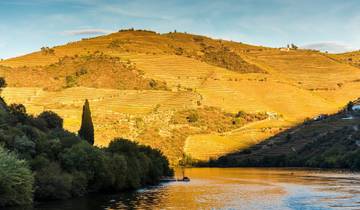
2 days
Porto Discovery Tour
- ✓ Booking needs min. 2 travelers
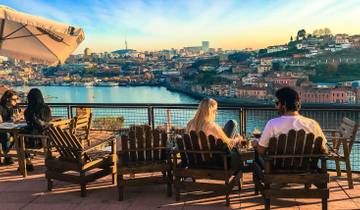
7 days
Best of North Portugal with Porto, Minho and Douro Valley
- ✓ Comprehensive Porto tour
- ✓ Expert local guides included
- ✓ All accommodation arranged
- ✓ Transportation provided
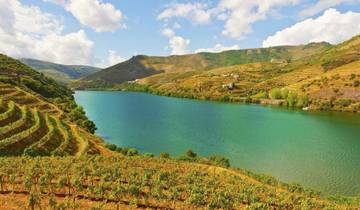
5 days
Gems of Porto & the Douro Valley with Douro River Cruise – 5 Days in Portugal
- ✓ Comprehensive Porto tour
- ✓ Expert local guides included
- ✓ All accommodation arranged
- ✓ Transportation provided
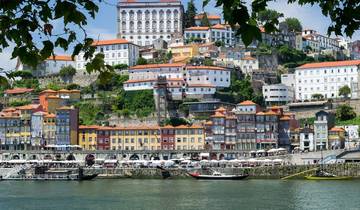
5 days
5 Day Porto Including Aveiro, Costa Nova, Douro Valley Cruise, Braga & Guimaraes
- ✓ Comprehensive Porto tour
- ✓ Expert local guides included
- ✓ All accommodation arranged
- ✓ Transportation provided
Multi-day tour packages powered by TourRadar. Prices and availability subject to change.
Essential Planning Information 2026
Geography and UNESCO Designation
The Alto Douro Wine Region UNESCO designation covers approximately 250,000 hectares of cultivated terraced hillsides along the Douro River and tributaries, representing 2,000 years of continuous wine production. The region divides into three sub-regions: Baixo Corgo (lower valley near Régua with highest rainfall), Cima Corgo (middle valley around Pinhão producing finest port wines), and Douro Superior (upper valley toward Spanish border with driest conditions). Pinhão sits in Cima Corgo’s heart, accessing the most prestigious quintas.
Terraces, constructed over centuries using stone walls without mortar, climb slopes reaching 60-degree inclines in places. These engineering marvels create microclimates allowing grape cultivation in schist-rich soil that retains heat while providing drainage. The landscape’s cultural significance stems from harmonious integration of human agricultural activity with dramatic natural topography, producing distinctive wine-making traditions and architectural heritage in stone-built quintas and workers’ cottages.
Transportation Logistics 2026
Trains depart Porto’s São Bento station (city center) or Campanhã station (main railway hub) for Douro Valley destinations 3-4 times daily during peak season (May-October), with reduced frequency November-April. The Linha do Douro scenic railway follows the river from Porto to Pocinho (203km, 3.5-4 hours), stopping at Peso da Régua (2 hours from Porto), Pinhão (2.5-3 hours), and smaller villages. Regional trains cost €11-15 to Régua, €11-15 to Pinhão, requiring advance booking only during summer weekends when tourist demand peaks.
Typical day trip timing from Porto: 7-8 AM departure arriving Pinhão 10-10:30 AM, allowing 6-7 hours valley exploration before 5-6 PM return train reaching Porto 8-9 PM. Earlier departures (as early as 5:45 AM summer weekends) maximize valley time but require pre-dawn Porto departure. Verify current schedules on CP (Comboios de Portugal) website, as timetables adjust seasonally. Weekend schedules sometimes differ from weekday services, warranting careful planning.
Rental cars provide flexibility for visiting multiple valleys and remote quintas, though narrow mountain roads require confident driving skills. Rental costs €30-50 daily for economy vehicles, with Porto-Pinhão driving time 1.5-2 hours via A4 motorway (€10 tolls) or 2.5-3 hours via scenic N222 riverside road. Driving allows stopping at viewpoints like São Leonardo de Galafura and exploring side valleys, but eliminates wine tasting opportunities for drivers. Consider private driver services (€200-300 daily) for groups wanting car flexibility plus wine tasting access.
Transportation Options for 2026 Day Trips
Independent Train Travel
The Linha do Douro railway journey ranks among Europe’s most scenic train routes, following the Douro River through terraced vineyard landscapes with constantly changing views. Trains feature large windows and comfortable seating, though first-class upgrades (€5-8 additional) provide extra space and less crowding during peak summer service. Second-class seats prove perfectly comfortable for 2.5-3 hour journeys, with most travelers opting for window seats to maximize scenery viewing.
Purchase tickets at São Bento or Campanhã station ticket offices, automated machines, or online via CP website. Online booking requires Portuguese mobile number for ticket delivery, though station purchase remains straightforward with English-speaking staff at major stations. Round-trip tickets cost no less than two singles, so booking flexibility determines purchase strategy. Peak summer weekends sometimes sell out days ahead, warranting advance purchase for guaranteed seats, while weekday services outside July-August maintain excellent availability.
The train experience itself justifies day trip cost, passing through gorges where tracks cling to cliff faces, crossing iron bridges over river tributaries, and winding through villages where station buildings display traditional azulejo tiles. Many travelers consider the journey as significant as destination, with photography opportunities throughout. Bring snacks and water, as onboard service may be limited to beverage cart with basic refreshments.
Organized Day Tours from Porto
Douro Valley organized tours operate daily March-November from Porto hotels and central meeting points, with winter service reduced to demand-based departures. Standard full-day tours (€80-120 per person) include air-conditioned coach transportation, English/Spanish/Portuguese-speaking guides, visits to 2 quintas with tastings, traditional lunch at valley restaurant, river cruise (some operators), and return to Porto by early evening. Tours depart 8-9 AM and return 6-7 PM, providing comprehensive valley introduction without independent planning.
Small-group tours (€120-180, typically 8-16 participants) offer boutique quinta access, extended tasting sessions, upgraded lunch venues, and more personalized guide attention. These premium options visit family-owned estates not open to large groups, include 4-6 wine tastings per quinta versus 2-3 on standard tours, and allow more flexible timing at each location. Some specialized tours focus on specific themes like organic viticulture, olive oil production, or archaeological sites integrated with wine experiences.
Private tours (€300-600 for 2-4 people) provide ultimate flexibility with customized itineraries, timing, and quinta selection based on wine preferences. Private options work well for serious wine enthusiasts wanting technical discussions, groups with specific interests like photography or cycling, or travelers seeking luxury experiences at premium quintas. Book organized tours 1-2 weeks ahead during summer peak, 3-5 days for spring/fall, with winter tours often accepting same-week reservations.
Best Time for Douro Valley Day Trips 2026
Seasonal Characteristics and Recommendations
Spring (March-May) brings awakening vineyards with bright green new growth, blooming almond trees creating white-pink displays across terraces, and wildflowers carpeting valley floors. March can be cool and wet (12-18°C), while April-May provide ideal conditions (16-24°C) with moderate rainfall and uncrowded quintas. Spring offers excellent photography with dramatic cloud formations and changing light conditions. Quinta gardens display azaleas, roses, and wisteria in full bloom. Train services increase frequency from April onward, providing better scheduling flexibility.
Summer (June-August) delivers guaranteed sunshine with hot temperatures often exceeding 30-35°C during July-August afternoons. River swimming becomes popular at designated beaches near Pinhão and Régua, with locals and tourists cooling off after quinta visits. Extended daylight (sunset 9 PM in June-July) allows relaxed evening explorations of riverside villages. However, summer brings peak crowds requiring advance quinta bookings 2-3 weeks ahead, higher tour prices, and crowded trains during weekends. Early morning departures and late afternoon quinta visits avoid midday heat.
Fall (September-October) represents premier Douro Valley season, combining harvest activity with spectacular autumn colors. September’s grape harvest brings animated quinta scenes with workers picking grapes in traditional wicker baskets, foot treading demonstrations, and fresh must tasting opportunities. Temperatures moderate to comfortable 20-26°C, rainfall remains minimal, and crowds thin compared to summer. October showcases golden-yellow vine leaves transforming terraces into artistic displays, with photographic conditions superb for landscape and architectural subjects. Book popular quintas 1-2 weeks ahead during harvest peak.
Winter (November-February) offers serene valley experience with minimal tourists, lowest quinta rates, and uncrowded train service. However, frequent rain (8-12 rainy days per month), cool temperatures (8-15°C), and shorter daylight (sunset 5-6 PM) challenge day trip logistics. Quintas reduce hours or close for winter maintenance, requiring advance confirmation of operations. Pruning season (January-February) provides insight into vineyard maintenance. Winter works well for wine enthusiasts wanting intimate quinta experiences and serious tastings without tourist crowds, though weather unpredictability requires flexible planning.
Optimal Visiting Periods by Interest 2026
Wine enthusiasts prioritize September-October for harvest observations and technical discussions with vintners about growing season outcomes. Photography specialists favor April-May for spring bloom and September-October for autumn colors, both providing dramatic lighting and minimal heat haze. Family travelers prefer June-July for warm weather, river swimming, and extended daylight hours accommodating children’s energy levels. Budget-conscious visitors target November-March for lowest accommodation and tour rates, accepting weather trade-offs.
Romantic getaway travelers choose May or September-October for temperate weather, uncrowded conditions, and optimal outdoor dining experiences at quinta terraces overlooking terraced hillsides. Solo travelers find summer’s frequent tour departures and busy quintas facilitate meeting other travelers, while spring/fall’s moderate pace allows deeper conversations with quinta staff. Cyclists and outdoor enthusiasts prefer April-May or September-October when temperatures suit physical activities without summer’s extreme heat.
What to See and Do in Douro Valley 2026
Top Quintas for Day Trip Visits
Quinta do Seixo, operated by Sandeman, sits on Pinhão riverside with modern architecture and panoramic terrace overlooking the valley. Tours (€18-25) include vineyard walks explaining terroir and grape varieties, production facility visits showing contemporary wine-making technology, and tastings of 3-4 ports ranging from ruby to aged tawny. The property features striking contemporary design contrasting with traditional landscape, with tour guides providing excellent English-language explanations of port production. Advanced booking recommended for summer weekends, walk-ins accepted spring/fall weekdays.
Quinta do Bomfim (Dow’s and Graham’s) occupies hillside position above Pinhão with spectacular valley views from tasting terrace. Tours (€18-28) emphasize traditional foot treading in granite lagares during harvest season, with vintage port tastings highlighting terroir expression. The quinta’s extensive gardens display Mediterranean species thriving in Douro’s microclimate. Premium tours include cheese and charcuterie pairings with vintage ports. Book 1-2 weeks ahead for English tours during summer, shorter notice acceptable off-season.
Quinta da Pacheca offers comprehensive wine estate experience with on-site restaurant (lunch €20-35), wine hotel accommodation, and extensive tour program (€15-25). The quinta produces table wines in addition to port, allowing broader Portuguese wine education. Tours include barrel aging cellars and bottling facilities, concluding with generous tastings of 4-5 wines. The estate’s historic manor house and chapel date to 18th century, representing traditional quinta architecture. Family-friendly environment welcomes children with outdoor spaces and relaxed atmosphere.
Quinta do Crasto combines traditional port production with contemporary table wines, offering sophisticated tastings (€20-30) at riverside tasting room with floor-to-ceiling valley views. Tours emphasize viticulture practices on impossibly steep terraces, organic farming principles, and oak aging effects on wine character. The property produces highly-regarded Douro DOC red wines alongside traditional ports, appealing to wine enthusiasts wanting comprehensive Portuguese wine knowledge. Restaurant serves lunch by reservation (€35-50 per person) featuring estate wines and regional cuisine.
Scenic Viewpoints and Photography Locations
São Salvador do Mundo viewpoint, perched 600 meters above Pinhão on N222 road, provides panoramic valley views encompassing terraced hillsides, the meandering river, and distant quintas. Accessible via 15-minute taxi ride from Pinhão (€12-18 round-trip including waiting time) or demanding 90-minute uphill hike. Sunset timing (particularly May-September) creates golden light illuminating terraces, with photographers positioning 60-90 minutes before sunset. Simple café serves refreshments with outdoor seating facing the valley. This location delivers Douro Valley’s most iconic photographic compositions.
Casal de Loivos viewpoint sits on hillside above Pinhão offering similar panoramas to São Salvador but with closer perspectives of the river’s horseshoe bend. The village features small square with shaded benches, traditional wine press display, and café serving drinks and snacks. Walk from Pinhão requires 45-60 minutes uphill on paved roads with intermittent shade, or taxi costs €10-15. Morning light (8-10 AM) provides excellent photography conditions before heat haze develops.
Pinhão railway station platform features exceptional azulejo tile panels depicting grape harvest scenes, traditional port wine production, and Douro Valley landscapes. These 1930s tiles represent outstanding examples of Portuguese narrative azulejo art, photographable from platform (free access) during daylight hours. The station building itself, with period architecture and riverside setting, creates picturesque compositions combining rail heritage with wine country landscape.
Wine Tasting Experiences 2026
Understanding Port Wine Categories
Ruby port represents youngest style, aged 2-3 years in large oak casks maintaining fresh fruit character and deep red color. These ports cost €15-25 per bottle at quintas, offering approachable entry point for port discovery. Tawny port ages in smaller oak barrels allowing oxidation that creates amber color, nutty flavors, and smooth texture. Aged tawnies (10, 20, 30, or 40+ years) indicate average barrel aging time, with 10-year providing excellent balance of fruit and oak character (€25-40 per bottle), while 20-year delivers profound complexity (€45-80).
Vintage port, produced only in exceptional years (declared by each house), represents port’s pinnacle—unblended wine from single harvest, aged minimally in wood then extensively in bottle. These powerful, structured ports require 10-20+ years cellaring to reach optimal drinking, costing €60-200+ per bottle depending on producer and vintage reputation. Late Bottled Vintage (LBV) offers vintage character with 4-6 years wood aging, creating ready-to-drink style (€18-35 per bottle). White port ranges from dry to sweet, served chilled as aperitif (€12-25 per bottle).
Tasting Etiquette and Techniques
Quinta tastings follow standard wine evaluation protocol: observe color and clarity, swirl to release aromatics, smell deeply noting fruit, oak, and oxidative characteristics, taste small amounts allowing wine to coat palate, and expectorate or consume small quantities. Port’s higher alcohol (19-22%) warrants moderation during multiple tastings, with water and plain crackers helping palate cleansing. Quinta staff appreciate genuine questions about production, terroir, and vintage characteristics, with knowledgeable visitors receiving more technical information and extended discussions.
Tasting fees (€15-30) typically apply toward purchase at many quintas, though policies vary. Premium tastings including vintage ports or food pairings generally do not apply toward purchases due to higher wine costs. Photography receives welcome at most quintas except in sensitive production areas, with stunning terrace and vineyard shots enhancing memories. Respect quinta guides’ expertise and avoid dominating group tastings with excessive questions, allowing all participants equal learning opportunities.
Sample 2026 Douro Valley Itineraries
Independent Train Day Trip to Pinhão
7:00 AM: Depart Porto São Bento station on regional train to Pinhão (€11-15), settling into window seat for scenic 2.5-3 hour journey. Bring breakfast pastries and coffee from Porto bakery for train consumption, enjoying views as city gives way to Douro gorge.
10:00 AM: Arrive Pinhão, photographing azulejo station tiles, then 10-minute walk to Quinta do Seixo riverside location for 11 AM tour reservation (€18-25). Tour includes vineyard walk, production facilities, and tasting of 3-4 ports on panoramic terrace.
12:30 PM: Walk back to Pinhão town center (10 minutes) for lunch at Restaurante DOC by Rui Paula (€25-40) overlooking river, or casual option at Restaurante Veladouro (€15-25). Regional specialties include slow-roasted lamb, river fish, and local cheeses.
2:30 PM: Taxi to Quinta do Bomfim (€8-12) for 3 PM tour (€18-28), exploring hillside terraces and traditional lagares, with extended tasting including vintage ports. Alternative: walk to Quinta da Roêda (20 minutes) if energy permits.
4:30 PM: Return to Pinhão, enjoying coffee and pastéis de nata at riverside café (€5-8), photographing valley views from various angles, browsing wine shops for purchases.
5:45 PM: Board return train to Porto (€11-15), arriving São Bento 8:15-8:45 PM. Evening light during journey provides different perspectives on morning’s scenery.
Day Cost Summary: Train tickets €22-30, quinta tours €36-53, lunch €15-40, coffee/snacks €5-8, taxi €8-12. Total day cost: €86-143 per person. Optional wine purchases €30-100 additional depending on selections.
Organized Full-Day Wine Tour
8:30 AM: Hotel pickup or meeting point departure from Porto in air-conditioned coach with small group (typically 12-16 participants) and English-speaking guide. Journey to Douro Valley via scenic routes with viewpoint stops for photographs.
10:30 AM: First quinta visit (often Quinta da Pacheca or similar) with comprehensive production tour explaining terroir, grape varieties, and traditional vs. modern wine-making. Tasting of 3-4 wines including ruby, tawny, and white ports with guide-led discussion of characteristics.
12:30 PM: Traditional Portuguese lunch at quinta restaurant or village venue (included in tour price), featuring multiple courses: appetizers, main course (often roasted meats or bacalhau), dessert, wine, coffee. Opportunity to interact with other participants and guide.
2:30 PM: Second quinta visit at premium estate (Graham’s, Taylor’s, or similar), with focus on aged tawnies and vintage ports. Extended tasting sessions with detailed explanations of aging processes and flavor development. Photo opportunities from quinta terraces.
4:00 PM: Scenic viewpoint stop (São Salvador do Mundo or Casal de Loivos) for panoramic valley photographs and guide commentary on landscape formation and viticulture history. Brief free time for exploration.
4:45 PM: Optional river cruise on traditional rabelo boat (some tour operators include this, others offer as supplement €15-20) for different valley perspective from water level. Otherwise, village exploration time in Pinhão with guide recommendations.
6:00 PM: Depart Douro Valley for Porto return, arriving hotels/central points by 7:30-8:00 PM after full day of wine experiences and cultural immersion.
Tour Cost: €80-120 per person including all transportation, guide services, two quinta visits with tastings, comprehensive lunch, and pickup/drop-off. Wine purchases and river cruise (if optional) additional. Premium small-group tours €120-180 with enhanced experiences.
Budget Planning for 2026 Douro Valley Trips
Independent Travel Cost Breakdown
Transportation represents primary independent travel expense with round-trip train tickets Porto-Pinhão costing €22-30 depending on season and booking timing. Local taxis for quinta access add €15-25 total for 2-3 short trips (station to quinta, between properties if visiting multiple). Quinta visits with tastings range €15-30 each, with serious wine enthusiasts visiting 2-3 properties totaling €30-90 for tasting experiences. Lunch at Pinhão riverside restaurants costs €15-40 per person depending on venue choice and wine ordering.
Coffee, snacks, and incidentals add €8-15 for morning pastries, afternoon treats, and refreshments. Wine purchases vary wildly based on individual preferences and discoveries, with quality ports available €18-50 per bottle, though serious collectors may invest €100-300 in vintage or rare tawnies. Budget travelers choosing simple lunch (€15-20), single quinta visit (€15-18), and minimal taxi use can complete Douro day trips for €55-75 excluding wine purchases, while comprehensive experiences with multiple quintas, upscale dining, and extensive tasting reach €120-150.
Organized Tour Value Analysis
Organized tours at €80-120 prove competitive with independent travel when accounting for included components. Consider comprehensive tour price includes: round-trip transportation (€20-30 equivalent), two quinta visits (€36-60 value), substantial lunch with wine (€25-40 value), professional guide (€15-20 allocated value per person), and organized logistics. Total independent equivalent costs €96-150, making organized tours excellent value, particularly for travelers prioritizing convenience, guaranteed English experiences, and social interaction.
Premium small-group tours (€120-180) justify higher prices through boutique quinta access, extended tastings, superior dining venues, and limited group sizes ensuring personalized attention. These tours visit properties unavailable to large groups or walk-in visitors, taste premium vintage ports not included in standard experiences, and allow flexible timing based on group interests. Serious wine enthusiasts find premium tours worthwhile for depth of education and quality of wines encountered.
Solo travelers benefit especially from organized tours, as per-person costs remain fixed regardless of party size, while independent travel offers no significant savings advantage. Couples and small groups can compare: independent travel for two costs €110-190 total (€55-95 per person), while organized tour costs €160-240 total (€80-120 per person) but includes superior experiences and eliminates planning stress.
Booking Strategies for 2026 Douro Valley Visits
Quinta Reservations
Major quintas like Quinta do Seixo, Quinta do Bomfim, and Quinta da Pacheca maintain online booking systems allowing tour reservations days or weeks ahead. Summer months (June-September) require 1-3 weeks advance booking for guaranteed English-language tours at preferred times, while spring and fall allow 3-5 days planning. Walk-in availability exists during off-peak periods, though tour timing may be limited to Portuguese-language groups or scheduled hours not aligning with train arrivals.
Contact quintas directly via email or phone for group bookings (6+ people), specialized requests like technical tastings, or questions about accessibility. Many properties offer customized private tours (€100-200 for small groups) providing ultimate flexibility with timing, depth of technical discussion, and wine selections. Family-owned boutique quintas sometimes lack formal booking systems, accepting walk-ins or requiring phone reservations, though language barriers may challenge non-Portuguese speakers.
Tour Operator Selection
Research Douro Valley tour operators through TripAdvisor, Viator, GetYourGuide, and company direct websites, comparing itineraries, quinta selections, included meals, group sizes, and review ratings. Established operators like Living Tours, DouroAzul, and We Hate Tourism Tours maintain consistent service quality with professional guides and reliable logistics. Book 1-2 weeks ahead during summer for guaranteed availability, particularly for small-group premium tours with limited daily departures.
Verify exactly what’s included: some tours exclude river cruises or charge supplements, lunch quality varies from simple buffets to multi-course experiences, and quinta selections range from commercial properties to family estates. Read recent reviews noting guide knowledge, time allocated at each stop, and overall pacing. Premium tours warrant higher prices when visiting superior quintas, offering extended tastings, and providing expert wine education unavailable on budget options.
2026 Updates and Current Information
Recent Developments
New quintas continue opening tasting facilities and tour programs, expanding visitor options throughout the valley. Several properties recently completed renovation projects adding restaurants, wine bars, and accommodation, allowing extended visits beyond standard day trips. N222 road improvements enhanced safety on portions of the scenic riverside route, though some sections retain narrow width requiring careful driving. Pinhão village developed additional riverside dining and wine bar options, complementing traditional restaurants.
Some quintas now offer electric bicycle rentals for self-guided vineyard exploration, combining active tourism with wine experiences. Advanced booking platforms expanded, with more properties accepting online reservations reducing uncertainty for independent travelers. Weekend train service increased during summer months, providing better scheduling flexibility for Porto day trippers. These developments enhance Douro Valley accessibility while maintaining the UNESCO landscape’s essential character.
Sustainable Tourism Practices
The Douro Valley wine industry increasingly emphasizes sustainable viticulture and tourism practices, with many quintas implementing organic farming, water conservation, and renewable energy. Visitors supporting these properties through tours and purchases encourage continued environmental stewardship of the UNESCO landscape. Train travel represents the most sustainable transportation option, eliminating tour coach emissions while providing authentic Portuguese railway experience.
Respecting quinta properties, vineyards, and local communities ensures the valley’s appeal for future generations. Stay on designated paths during quinta visits, follow guide instructions regarding photography restrictions in production areas, and dispose of waste properly. Purchasing wines directly from producers supports local economy and family-owned estates maintaining traditional viticulture. The Douro Valley’s recognition as UNESCO World Heritage landscape depends on preserving both natural beauty and cultural wine-making traditions through responsible tourism.
Frequently Asked Questions About Douro Valley Day Trips 2026
Can you do Douro Valley as a day trip from Porto?
Yes, Douro Valley works excellently as Porto day trip, with Pinhão offering optimal destination for 10-12 hour excursions. Early morning train departure (7-8 AM) allows arriving Pinhão by 10-10:30 AM, providing 6-7 hours for quinta visits, lunch, and valley exploration before evening return trains (5-6 PM) reaching Porto by 8-9 PM. This timing permits visiting 2 quintas with comprehensive tours and tastings, enjoying riverside lunch, and experiencing valley atmosphere without feeling rushed. Organized tours similarly operate on day trip schedules with hotel pickup/drop-off encompassing full-day itineraries.
Is the Douro Valley train ride scenic?
The Linha do Douro railway ranks among Europe’s most spectacular train journeys, following the Douro River through dramatic gorges, terraced vineyards, and traditional villages for 125km from Porto to Pinhão. The route provides constantly changing views as trains wind along the riverside, cross iron bridges, and pass through tunnels carved in cliff faces. Many travelers consider the journey itself as valuable as destination, with photography opportunities throughout. Window seats on the river side (right side departing Porto, left side returning) offer optimal views, though both sides provide excellent scenery as the route alternates between river banks.
What should I wear for a Douro Valley day trip?
Comfortable walking shoes with good grip prove essential for quinta visits involving cobblestone courtyards, uneven vineyard paths, and stairs in production facilities. Summer (June-September) requires sun protection including hat, sunglasses, and sunscreen, with temperatures often exceeding 30-35°C during midday. Light, breathable clothing suits hot conditions, though bring light jacket for air-conditioned train and touring coaches. Spring and fall warrant layers allowing adjustment to temperature changes between cool morning trains and warm afternoon sunshine. Modest clothing shows respect at traditional family quintas, avoiding revealing attire.
Can I bring wine back to Porto from Douro Valley?
Yes, purchasing port wine at Douro quintas for Porto transport presents no issues, with many travelers buying multiple bottles for personal consumption or gifts. Quintas provide secure packaging with cardboard boxes and padding protecting glass during train or coach journey. Train travel allows carrying reasonable wine quantities without restrictions, though excessive amounts become cumbersome on public transport. Organized tours often accommodate wine purchases in coach storage, though verify policies with specific operators. Shipping services exist at some quintas for large purchases or international delivery, though costs may exceed €30-50 for international shipments.
Are Douro Valley tours worth the money in 2026?
Organized Douro Valley tours provide excellent value at €80-120 for comprehensive day experiences including transportation, guide services, two quinta visits, and substantial lunch. Independent travel costs €55-95 when accounting for trains, quinta fees, lunch, and local transport, with €25-30 difference buying significant convenience, guaranteed English experiences, access to exclusive quintas, and social interaction. Tours prove especially worthwhile for first-time visitors wanting comprehensive introduction, solo travelers preferring group experiences, and those prioritizing stress-free logistics over maximum flexibility. Premium tours (€120-180) justify higher prices through boutique quinta access and superior wine selections.
What’s the difference between port wine and Douro wine?
Port wine undergoes fortification with grape spirit (brandy) during fermentation, stopping fermentation early and leaving residual sweetness while increasing alcohol to 19-22%. This fortified sweet wine represents the Douro Valley’s historic specialty, aged in oak and exported worldwide for centuries. Douro DOC table wines use same grapes (Touriga Nacional, Touriga Franca, Tinta Roriz, Tinta Barroca) but ferment completely dry, producing powerful red wines with 13-15% alcohol. Many quintas now produce both ports and table wines, with some achieving international recognition for exceptional Douro reds rivaling finest Portuguese wines.
How many quintas should I visit on a day trip?
Two quintas provides optimal balance for day trips, allowing comprehensive 60-90 minute tours with extended tastings at each property without feeling rushed. This pace permits absorbing information, asking questions, enjoying quinta settings, and making thoughtful wine purchases. Three quinta visits compress timing, reducing each experience to 45-60 minutes and limiting lunch time. Serious wine enthusiasts may prefer single quinta focus with technical tour, extensive tasting flight, and leisurely lunch at estate restaurant. The scenic journey and valley atmosphere deserve appreciation beyond simply accumulating quinta visits, with quality of experiences outweighing quantity of properties.
Is Douro Valley better than Napa Valley?
The Douro Valley and Napa Valley offer distinctly different wine experiences, with Douro providing UNESCO heritage landscape, centuries of traditional viticulture, unique fortified wine production, and significantly lower costs compared to Napa’s contemporary wine scene and premium pricing. Douro’s dramatic terraced topography and historic quintas contrast with Napa’s rolling hills and modern facilities. Port wine represents specialized category without direct Napa equivalent, while Douro table wines increasingly rival international quality standards. Cost comparisons favor Douro substantially, with quinta tours and tastings €15-30 versus Napa’s $50-150, and comparable accommodation/dining significantly cheaper in Portugal. Wine enthusiasts appreciate both regions for different reasons, though Douro delivers extraordinary value for heritage, scenery, and wine quality.
Can I stay overnight in Douro Valley instead of day trip?
Overnight stays enhance Douro Valley experiences, allowing sunset and sunrise photography, relaxed dining at quinta restaurants, visiting multiple properties without time pressure, and experiencing valley’s peaceful evening atmosphere after day-trippers depart. Accommodation options include wine hotels at quintas (€120-300 per night), village guesthouses in Pinhão or Régua (€60-100), and rural tourism properties (€80-150). Two-day visits permit exploring different valley sections, visiting 4-5 quintas thoroughly, enjoying evening wine bars, and adding activities like hiking or river cruises. However, day trips work excellently for time-constrained travelers, with Porto’s superior dining and accommodation options making single-day valley excursions perfectly satisfying.
What if it rains during my Douro Valley day trip?
Douro Valley visits proceed in light rain, with quinta production facilities, barrel rooms, and covered tasting areas providing shelter. The train journey remains spectacular in any weather, with dramatic clouds adding atmospheric dimension to valley scenery. Bring waterproof jacket and closed-toe shoes with grip for wet cobblestones. Heavy rain may limit outdoor vineyard walks and terrace photography, though comprehensive tours and tastings continue normally. Summer rain proves rare (June-August sees minimal precipitation), while spring and fall bring occasional showers requiring flexible attitudes. Winter trips warrant monitoring weather forecasts closely and maintaining backup dates if possible, as severe rain can diminish enjoyment of outdoor elements central to valley experience.