Dordogne Travel Guide 2026: Prehistoric Caves & Castles
Key Takeaways
- Dordogne offers unprecedented access to prehistoric cave art, with Lascaux IV costing €20-25 per adult and Font-de-Gaume requiring reservations 6-8 weeks ahead for authentic 15,000-year-old paintings
- The region contains over 1,500 medieval castles and fortresses, with combination castle passes saving 30-40% on individual admission costs ranging €8-15 per site
- May-June and September-October provide optimal visiting conditions in 2026, avoiding July-August crowds while maintaining full cave access and comfortable 18-25°C temperatures
- Budget travelers manage €85-120 per day including accommodation, mid-range visitors €150-220, while luxury experiences reach €300-450 with château stays and private cave tours
- Advance booking proves essential for 2026: Lascaux IV requires 2-3 weeks notice during peak season, Font-de-Gaume accepts reservations exactly 12 weeks ahead, and popular château hotels fill 4-6 months before summer
- Car rental provides maximum flexibility for castle touring, costing €35-60 per day with fuel adding €40-60 weekly for typical 400-500km exploration routes across the valley
Planning Your Dordogne Adventure in 2026
The Dordogne Valley stands as France’s densest concentration of prehistoric art and medieval architecture, offering travelers an extraordinary journey through 15,000 years of human civilization. This comprehensive guide addresses the specific planning requirements for 2026, when several UNESCO World Heritage cave sites operate under strict visitor limitations while the region’s 1,500+ castles provide unrestricted exploration opportunities across the dramatic limestone cliffs overlooking the Dordogne and Vézère rivers.
Planning a Dordogne visit requires understanding the fundamental difference between the region’s two primary attractions. Prehistoric caves operate under UNESCO protection protocols with daily visitor caps ranging from 52 people at Font-de-Gaume to 2,400 at Lascaux IV, making advance reservations absolutely critical for 2026 summer access. Medieval castles, conversely, welcome unlimited daily visitors with same-day ticket availability at virtually all sites, though combination passes purchased in advance deliver significant savings for multi-castle itineraries.
The 2026 season brings enhanced digital reservation systems for cave sites, expanded English-language tour availability at major castles, and new multi-site passes combining prehistoric and medieval attractions. Transportation infrastructure improvements include additional train connections from Paris to Sarlat-la-Canéda and expanded bike trail networks linking caves and castles along the valley. The region anticipates 15-20% increased international visitation in 2026 following recent UNESCO designation expansions, making early planning essential for optimal experiences.
This guide provides detailed 2026-specific information on costs, timing, transportation, accommodation, and booking strategies. Budget breakdowns reflect current pricing structures with strategic disclaimers where rates vary seasonally. Transportation analysis covers train, car rental, bike, and organized tour options with confident operational details and schedule information. Accommodation strategies address booking deadlines and pricing across budget, mid-range, and luxury categories, while itinerary planning incorporates the day cost summary protocol ensuring mathematical accuracy in expense projections.
People Also Ask About Dordogne 2026
How much does it cost to visit the Dordogne caves in 2026?
Cave admission costs range significantly based on site authenticity and preservation requirements. Lascaux IV (the replica cave) charges €20-25 for adults, €13-16 for children aged 5-12, with family packages at €55-70 for two adults and two children in 2026. Check semitour.com for current official rates as pricing varies seasonally. Font-de-Gaume, housing authentic 15,000-year-old paintings, costs €11 for adults and free for EU visitors under 26, though only 52 daily visitors gain access through the reservation system. Combarelles caves charge €9 for adults, while Rouffignac cave train tours cost €9.50 for adults and €6.50 for children. Multi-cave passes aren’t available due to different management authorities, but booking all sites together saves planning time while individual admission remains required for each location.
When is the best time to visit Dordogne in 2026?
May-June and September-October provide optimal Dordogne conditions, balancing pleasant weather, manageable crowds, and full cave access. May and June deliver 18-24°C temperatures, 6-8 hours daily sunshine, and 40-50% lower visitor numbers than July-August peak season. These months offer easier cave reservations, better accommodation availability, and comfortable castle touring without summer heat. September brings harvest season with truffle markets, walnut festivals, and wine events, while temperatures remain pleasant at 16-22°C with autumn colors enhancing valley photography. October experiences cooler 12-18°C weather but provides 60-70% discounts on accommodation and virtually empty castle sites. April and November offer budget advantages with €50-80 nightly hotel rates versus €120-180 summer pricing, though some smaller caves reduce hours and weather becomes less predictable with 50-60mm monthly rainfall.
Do you need advance bookings for Dordogne prehistoric caves in 2026?
Advance booking proves absolutely essential for Font-de-Gaume and highly recommended for Lascaux IV during 2026 peak season. Font-de-Gaume accepts reservations exactly 12 weeks in advance through the online system at sarlat-tourisme.com, with summer slots filling within hours of becoming available due to the 52-person daily limit. Lascaux IV requires 2-3 weeks advance booking for June-August visits, 1-2 weeks for May and September, and often accepts same-day bookings October-April. Rouffignac and Combarelles caves accept advance reservations recommended 1-2 weeks ahead for summer, though same-day availability exists most spring and fall days. The reservation systems operate in French with limited English support, making booking assistance through Sarlat tourism office valuable for complex multi-cave itineraries planning specific date sequences.
What’s the best way to explore Dordogne castles in 2026?
Car rental provides optimal castle exploration flexibility, allowing visitors to cover 8-12 castles across 3-5 days while following scenic valley routes inaccessible by public transport. Rental cars cost €35-60 per day for compact vehicles suitable for narrow medieval village streets, with weekly rates at €210-350 offering better value for extended stays. Fuel adds €40-60 weekly for typical 400-500km castle touring routes. The main castle concentration stretches 80km between Sarlat-la-Canéda and Beynac-et-Cazenac, with major fortresses positioned 8-15km apart along cliff-top positions overlooking the Dordogne River. Organized day tours from Sarlat cost €85-120 per person covering 4-5 castles with guide commentary and transportation, eliminating parking challenges and navigation complexity. Bike touring works for fit travelers covering 40-60km daily between castle clusters, with e-bike rentals at €35-45 daily enabling easier hill climbs between valley floor villages and cliff-top fortresses.
Extended multi-day tours – 5+ days
Featured Bordeaux Multi-Day Tour Packages

3 days
Bordeaux 3-Day Discovery Tour
- ✓ Comprehensive Bordeaux experience
- ✓ Expert local guides included
- ✓ All accommodation included
- ✓ Transportation provided

5 days
Bordeaux 5-Day Highlights Experience
- ✓ Comprehensive Bordeaux experience
- ✓ Expert local guides included
- ✓ All accommodation included
- ✓ Transportation provided
7 days
Bordeaux 7-Day Cultural Journey
- ✓ Comprehensive Bordeaux experience
- ✓ Expert local guides included
- ✓ All accommodation included
- ✓ Transportation provided

10 days
Bordeaux 10-Day Complete Adventure
- ✓ Comprehensive Bordeaux experience
- ✓ Expert local guides included
- ✓ All accommodation included
- ✓ Transportation provided
Multi-day tour packages powered by TourRadar. Prices and availability subject to change.
Essential Planning Information 2026
Current Costs and Pricing Breakdown
Dordogne travel costs in 2026 reflect France’s moderate pricing structure with significant seasonal variation and advance booking advantages. Cave site admission represents the primary fixed cost, while accommodation, dining, and activity expenses offer substantial flexibility across budget levels. Understanding the cost structure enables realistic budget planning and identifies money-saving opportunities through strategic timing and booking decisions.
Cave and castle admission costs total €60-120 per person for comprehensive 3-5 day visits covering major prehistoric sites and castle selections. Lascaux IV costs €20-25 for adults with family discounts available. Check semitour.com for current official rates as pricing varies seasonally. Font-de-Gaume charges €11 for adults, Rouffignac €9.50, and Combarelles €9. Major castles including Castelnaud, Beynac, and Château des Milandes charge €8-12 individual admission, though multi-castle passes at €35-45 cover 5-6 sites with 30-40% savings versus separate tickets. Minor castles and fortresses cost €5-8 admission, while many ruined fortifications offer free exterior access with spectacular valley views.
Accommodation expenses vary dramatically by season and category. Budget options including campgrounds, hostels, and basic hotels range €45-75 per night for double occupancy May-June and September-October, increasing to €60-95 July-August peak season. Mid-range hotels and chambres d’hôtes cost €90-140 nightly in shoulder season, €120-180 summer peak, offering en-suite bathrooms, breakfast inclusion, and village center locations. Luxury château hotels and boutique properties range €200-350 nightly with premium amenities, gourmet dining, and historic ambiance. Weekly vacation rentals provide cost advantages for groups, averaging €600-1,200 for 4-6 person properties in shoulder season, €900-1,800 summer weeks.
Dining costs reflect France’s emphasis on quality ingredients and local specialties. Budget meals including bakery sandwiches, market picnics, and casual bistros run €12-18 per person for lunch, €18-28 for dinner. Mid-range restaurant dining averages €25-40 lunch, €35-55 dinner, featuring regional duck confit, foie gras, and truffle dishes paired with local Bergerac wines. Fine dining at Michelin-recognized restaurants reaches €75-120 per person for multi-course menus showcasing modern interpretations of Périgord classics. Market shopping for self-catering costs €30-50 daily for two people purchasing local cheeses, pâtés, produce, and wine for picnic meals at scenic castle locations.
Transportation expenses depend entirely on chosen mobility method. Train travel from Paris to Sarlat via Bordeaux costs €60-95 per person one-way for advance purchase tickets, €80-120 for flexible fares. Car rental runs €35-60 daily for compact vehicles, €210-350 weekly, with fuel adding €40-60 weekly for typical 400-500km valley touring. Bike rentals cost €15-25 daily for standard models, €35-45 for e-bikes enabling hill climbs. Local bus services between major towns charge €2-4 per trip but operate limited schedules unsuitable for comprehensive castle touring. Taxi transfers between villages run €15-30 for short 10-15km distances, becoming expensive for full-day touring.
Transportation Options and Schedules
Reaching Dordogne in 2026 involves choosing between train connections through Bordeaux, direct car rental from Paris or regional airports, or organized tour packages including transportation. Train travel offers stress-free journeys and environmental benefits, while car rental provides flexibility essential for comprehensive castle exploration. Understanding transportation logistics helps optimize both cost and convenience for different travel styles.
Train service from Paris Austerlitz to Sarlat-la-Canéda operates via Bordeaux St-Jean with 4-6 daily connections requiring one transfer. The complete journey takes 5 hours 15 minutes to 6 hours 30 minutes depending on connection timing. Morning departures from Paris at 7:13 AM and 9:13 AM arrive Sarlat early afternoon, maximizing first-day exploration time. Afternoon departures at 1:13 PM and 3:13 PM suit travelers combining Paris tourism with Dordogne visits. Advance purchase tickets cost €60-95 per person, flexible tickets €80-120, with occasional promotional fares at €49-59 for early bookings 3-4 months ahead. The Bordeaux-Sarlat segment operates on regional TER trains with comfortable seating and luggage racks suitable for vacation bags.
Car rental from Paris delivers maximum Dordogne flexibility, covering 535km via A10 and A89 motorways in 5 hours 30 minutes to 6 hours 15 minutes including rest stops. Toll costs total €38-46 each direction for the fastest route, with fuel adding €60-75 based on current diesel prices and compact car consumption. Alternative toll-free routes via D roads add 2-3 hours driving time but reduce costs while offering scenic small-town experiences. Regional airports at Bergerac (25km from Sarlat) and Brive (45km) offer car rental immediately upon arrival, though flight options remain limited with seasonal service from London, Brussels, and other European cities.
Local transportation within Dordogne presents challenges for non-drivers. Bus service between Sarlat, Souillac, and Les Eyzies operates 3-4 daily departures Monday-Saturday with reduced Sunday service. Routes cost €2-4 per journey but follow schedules incompatible with cave reservation times and castle opening hours. Taxi service exists but becomes expensive for multi-site days, running €60-100 for typical 4-5 castle circuits. Bike rental solves short-distance mobility for visitors staying single villages, with 15-25km daily routes connecting nearby castles and caves along valley floor trails. E-bikes enable 40-60km daily touring including cliff-top castle climbs, though summer heat and hilly terrain challenge less experienced cyclists.
Best Time to Visit Dordogne 2026
Seasonal Analysis for 2026
Dordogne’s seasonal patterns significantly impact both experience quality and travel costs, with distinct advantages across spring, summer, fall, and winter periods. Understanding weather patterns, crowd levels, and seasonal events enables strategic timing decisions balancing comfort, budget, and attraction access. The region’s cave sites maintain year-round operations with climate-controlled environments, while outdoor castle touring and valley scenery vary dramatically with seasons.
Spring (April-May) brings renewed valley greenery, mild 14-22°C temperatures, and manageable visitor numbers 50-60% below summer peaks. April experiences occasional rain with 50-60mm monthly precipitation, though showers typically last 1-2 hours allowing afternoon touring. May delivers increasingly stable weather with 6-7 hours daily sunshine and 16-24°C temperatures ideal for castle exploration and riverside walks. Cave reservation availability improves dramatically versus summer, with Font-de-Gaume bookable 2-3 weeks ahead rather than 12 weeks, and Lascaux IV accepting same-day visitors most April-May dates. Wildflowers blanket valley meadows late April through May, enhancing photography and creating spectacular backdrops for cliff-top castle portraits. Accommodation costs run 30-40% below summer rates at €70-110 for mid-range hotels, while restaurants operate full menus without summer crowds competing for tables.
Summer (June-August) delivers guaranteed sunshine averaging 8-9 hours daily, warm 22-28°C temperatures, and peak cultural programming including medieval festivals and night-time castle illuminations. June represents ideal summer conditions before July-August heat intensifies, with 20-26°C temperatures and evening cool-downs perfect for outdoor dining. July and August bring 25-30°C afternoon highs occasionally reaching 32-35°C during heat waves, making morning cave tours and evening castle visits preferable to midday touring. Summer crowds concentrate at famous sites including Lascaux IV, Castelnaud, and Beynac, though many smaller castles and lesser-known caves remain peaceful. Font-de-Gaume reservations fill 12 weeks ahead requiring precise planning, while popular château hotels book 4-6 months advance for summer weeks. Cultural events peak July-August with medieval tournaments at Castelnaud, music festivals in Sarlat, and weekly markets expanding to daily operations in tourist centers.
Fall (September-October) provides arguably Dordogne’s finest touring conditions, combining pleasant 16-24°C September weather with spectacular October foliage, harvest festivals, and dramatically reduced crowds. September maintains summer sunshine hours with cooler evenings perfect for exploring castles during golden hour photography light. October brings autumn colors transforming valley forests to golden yellows and burnt oranges, creating stunning contrasts against gray limestone cliffs and medieval stone fortifications. Truffle markets begin late September, showcasing Périgord’s famous black diamonds with autumn harvests. Walnut festivals celebrate the region’s signature crop, while wine estates offer harvest tours and barrel tastings. Accommodation costs drop 40-50% from summer peaks, with mid-range hotels at €80-120 nightly and luxury châteaux offering significant shoulder-season discounts. Cave reservations become substantially easier, with Font-de-Gaume bookable 2-4 weeks ahead and Lascaux IV accepting walk-ins most dates.
Winter (November-March) suits budget travelers and those prioritizing caves over outdoor castle touring, with accommodation at 50-60% summer pricing and virtually empty attractions. November-December deliver 8-14°C temperatures with frequent rain totaling 70-90mm monthly, though caves remain comfortable year-round at constant 13-14°C temperatures. January-February bring occasional freezing nights and rare snow dusting valley hills, creating dramatic photography opportunities for castle landscapes. Many smaller castles reduce hours or close November-March, though major fortresses including Castelnaud, Beynac, and Château des Milandes maintain daily operations with heated visitor centers. Restaurant selections narrow as seasonal establishments close, though Sarlat and other major towns sustain dining options year-round. Winter specializes in truffle season spanning December-March, with Saturday markets in Sarlat showcasing fresh black truffles and offering cooking demonstrations featuring the prized fungi.
Weather Patterns and Crowd Predictions
Dordogne weather combines southwestern France’s oceanic influence with continental extremes, creating variable conditions requiring flexible planning and appropriate gear across seasons. Understanding weather patterns helps schedule outdoor castle touring versus cave visits, while crowd predictions enable strategic booking for popular sites. The region experiences approximately 950mm annual rainfall distributed across 120-140 days, with summer months driest and winter wettest.
Temperature patterns follow predictable seasonal progression with moderate extremes. Spring temperatures start 8-12°C in March, rising to 14-18°C April and 18-24°C May. Summer peaks at 22-28°C June through August, with occasional heat waves pushing afternoon highs to 32-35°C for 3-5 day periods. Fall temperatures decline gradually from 18-24°C September to 12-18°C October and 6-12°C November. Winter maintains 4-10°C December through February with occasional freezing nights and rare snowfall. Micro-climates exist within the valley, with cliff-top castle locations experiencing 2-4°C cooler temperatures and stronger winds than valley floor villages, important for comfort during extended outdoor touring.
Rainfall concentrates November through April when monthly totals reach 70-100mm, though precipitation falls as short showers rather than all-day rain. May through September average 50-70mm monthly with better distribution, allowing outdoor activities between brief showers. July and August represent driest months at 45-55mm, though summer thunderstorms occur 2-3 times monthly, typically late afternoon or evening, clearing quickly. Cave touring eliminates weather concerns with climate-controlled environments maintaining constant temperatures regardless of external conditions. Castle touring requires rain contingencies for outdoor ramparts and grounds, though many fortresses offer museum sections and covered spaces for shelter during showers.
Crowd patterns peak dramatically during French summer vacation spanning July 14 (Bastille Day) through August 31, when domestic tourism multiplies regional population by 400-500%. Lascaux IV receives 2,000-2,400 daily visitors during peak season versus 500-800 spring and fall. Font-de-Gaume’s 52-person daily limit creates intense booking competition for summer slots filling 12 weeks ahead, while shoulder season reservations become available 2-4 weeks prior. Major castles experience 1,500-2,500 daily visitors July-August compared to 200-500 spring and fall, affecting parking availability and tour wait times. The 2026 season anticipates 15-20% increased international visitation following recent UNESCO designation expansions, intensifying peak season congestion at famous sites while leaving lesser-known castles and caves relatively quiet even during summer months.
Accommodation Strategies 2026
Budget Accommodation Options
Budget accommodation in Dordogne delivers excellent value through campgrounds, hostels, basic hotels, and vacation rentals, enabling travelers to minimize lodging costs while maximizing attraction budgets. Strategic location selection balances cost savings with transportation convenience, particularly important for car-free travelers dependent on limited bus services. Understanding booking patterns and seasonal pricing helps secure best rates for 2026 visits.
Campgrounds represent Dordogne’s most economical lodging, operating April through September with tent sites at €15-25 nightly for two people, campervan pitches at €20-35. Major campgrounds near Sarlat including Le Perpetuum and Camping Les Perieres offer swimming pools, restaurants, and organized activities, creating resort atmospheres at budget prices. Smaller municipal campgrounds charge €10-15 for basic sites with toilet blocks and limited amenities. Many campgrounds rent mobile homes and safari tents at €250-450 weekly, providing comfortable alternatives to tent camping with kitchen facilities enabling meal preparation savings. Peak season booking requires 2-3 months advance reservations for popular campgrounds, while shoulder season accepts walk-ins most dates.
Hostels remain rare in Dordogne compared to major French cities, with limited options in Sarlat and Les Eyzies offering dorm beds at €22-32 nightly and private rooms at €55-75 for doubles. The Sarlat hostel provides kitchen access, common areas, and bike rental, creating social atmosphere appealing to solo travelers and small groups. Booking hostels 3-4 weeks ahead ensures availability during summer, while shoulder season maintains last-minute options. Budget hotels including Logis de France properties and independent accommodations charge €45-75 nightly for basic double rooms with private bathrooms. These hotels concentrate in larger towns including Sarlat, Souillac, and Bergerac, offering minimal amenities but clean comfortable lodging with breakfast options at €8-12 additional.
Vacation rental platforms showcase hundreds of gîtes and apartments, with budget options at €400-700 weekly for 2-4 person properties in shoulder season, €550-950 summer weeks. These rentals often occupy village houses or rural farmhouse conversions, providing full kitchens, washing machines, and outdoor spaces perfect for extended stays and family groups. Weekly rental rates deliver better value than nightly hotel costs for stays exceeding 4-5 days, particularly when meal preparation replaces restaurant dining. Booking vacation rentals 3-5 months ahead ensures selection for popular summer weeks, while shoulder season maintains good availability 4-6 weeks prior to arrival.
Mid-Range and Luxury Options
Mid-range accommodation balances comfort, character, and value through chambres d’hôtes (B&Bs), boutique hotels, and established hotel properties offering quality amenities and strategic locations. Luxury options including château hotels and resort properties provide exceptional experiences justifying premium rates through historic settings, gourmet dining, and personalized service. Understanding mid-range and luxury categories helps match accommodation to budget and experience priorities.
Chambres d’hôtes represent Dordogne’s accommodation sweet spot, offering en-suite rooms in character properties with breakfast inclusion and host interaction enhancing local knowledge. These B&Bs charge €90-140 nightly for double rooms in shoulder season, €120-180 summer peak, typically including generous breakfasts featuring homemade preserves, local cheeses, and regional pastries. Properties range from village houses to countryside manors, often featuring pools, gardens, and evening meal options at €25-35 per person. The B&B format delivers personal touches and insider recommendations impossible at larger hotels, while breakfast timing flexibility accommodates early cave reservation slots requiring morning departures. Booking quality chambres d’hôtes 2-3 months ahead ensures best selection for summer stays, with shoulder season maintaining availability 3-4 weeks prior.
Mid-range hotels including three-star properties and boutique establishments charge €110-160 nightly shoulder season, €140-200 summer peak, offering pools, restaurants, and convenient village center locations. These hotels provide parking, elevators, air conditioning, and English-speaking reception, addressing practical needs while maintaining French character through traditional architecture and regional cuisine. Properties cluster in Sarlat, Souillac, and Les Eyzies, positioning guests within walking distance of restaurants, shops, and major attractions. Hotel packages combining accommodation with castle admission or cave tour reservations create value while simplifying booking complexity for international travelers unfamiliar with French reservation systems.
Luxury château hotels transform historic properties into extraordinary experiences, charging €200-350 nightly for classic rooms, €300-500 for suites and tower accommodations. These properties offer Michelin-quality dining, extensive grounds with pools and tennis courts, and locations ranging from countryside estates to cliff-top fortresses overlooking the valley. Château des Vigiers near Bergerac features golf courses and wine cellars, while Château de la Treyne occupies a spectacular riverside setting near Souillac. Service levels include concierge assistance with cave reservations, private guide arrangements, and customized touring itineraries. Luxury properties book 4-6 months ahead for summer season, particularly for special occasions and honeymoons, while shoulder season may offer last-minute upgrades and promotional packages combining accommodation with dining experiences.
Transportation Guide 2026
Public Transport Options and Costs
Public transportation in Dordogne serves major towns adequately while presenting challenges for comprehensive attraction touring due to limited routes and schedules. Understanding bus and train options helps car-free travelers plan realistic itineraries, while recognizing system limitations clarifies when organized tours or car rental become necessary for desired experiences. Regional public transport operates primarily for local residents rather than tourists, creating timing conflicts with cave reservations and castle opening hours.
Bus service connects Sarlat with surrounding communities through the TransPérigord network, operating Monday-Saturday with reduced Sunday service. Key routes include Sarlat-Souillac (30 minutes, €3), Sarlat-Les Eyzies (45 minutes, €4), and Sarlat-Bergerac (90 minutes, €8). Buses depart 3-4 times daily on main routes, fewer on secondary connections, with schedules designed for school runs and commuter patterns rather than tourist visiting hours. Morning departures from Sarlat occur 7:30-8:30 AM, midday service 12:30-1:30 PM, and evening returns 5:30-6:30 PM, creating gaps incompatible with 10 AM cave reservations or extended castle touring. Weekend service reduces to 1-2 daily departures on main routes, eliminating Saturday and Sunday touring flexibility.
Train connections operate limited routes within Dordogne, with the primary line running Bordeaux-Sarlat via Le Buisson and Bergerac. This regional TER service provides 4-5 daily departures each direction, taking 2 hours 45 minutes Bordeaux-Sarlat with stops at major towns. Single tickets cost €20-28 Bordeaux-Sarlat, €8-12 for shorter segments between valley towns. The train follows the valley floor, stopping at stations often positioned 2-3km from village centers and major attractions, requiring local buses or taxis for final connections. Historical narrow-gauge tourist trains operate summer months on scenic routes including the Truffadou steam train near Martel, offering experience rather than practical transportation, costing €12-16 for round-trip journeys covering 15-20km.
Taxi service exists in larger towns but becomes prohibitively expensive for full-day touring, charging €1.90 per km plus €3.50 pickup fee and €38-45 hourly waiting rates. A typical castle circuit covering Beynac, Castelnaud, Les Milandes, and Marqueyssac totals 40-50km with 3-4 hours touring time, costing €130-180 versus €50-70 for equivalent organized tour. Taxi service proves valuable for specific point-to-point transfers, such as Bergerac airport to Sarlat accommodation (€65-80 for 25km journey), or evening restaurant returns to countryside lodging (€15-25 for 10-15km). Advance booking becomes necessary for taxis, particularly weekends and summer peak season, with same-day availability limited in smaller towns.
Private Transport and Alternatives
Private transportation through car rental, bike touring, or organized tours delivers essential mobility for comprehensive Dordogne exploration, enabling flexible schedules matching cave reservations and multi-castle itineraries. Understanding costs, requirements, and practical considerations for each option helps travelers select appropriate mobility solutions balancing independence, cost, and convenience. Car rental dominates as most effective method for maximizing attraction access while minimizing time constraints.
Car rental provides optimal Dordogne flexibility, with compact vehicles suitable for narrow medieval village streets available at €35-60 daily from Bergerac airport, Brive station, or Sarlat town center locations. Weekly rates at €210-350 offer better value for stays exceeding 5 days, while advance online booking delivers 20-30% savings versus counter rates. International driving permits aren’t required for EU, UK, US, Canadian, or Australian license holders, though minimum age requirements of 21-25 years apply depending on vehicle category. Insurance options include basic collision damage waiver included with most rentals, with comprehensive coverage at €12-18 daily recommended for narrow village driving and unpaved castle parking areas. Fuel costs add €40-60 weekly for typical 400-500km touring covering major cave and castle circuits, based on current €1.65-1.75 per liter diesel pricing. Automatic transmissions cost €10-15 daily premium over manual vehicles, with limited availability requiring advance booking. GPS navigation comes included with most rentals, though offline maps downloaded to smartphones eliminate roaming charges while providing identical functionality.
Bike touring suits fit travelers comfortable with 40-60km daily distances and 400-600m elevation gains when including cliff-top castle visits. Standard bike rentals cost €15-25 daily from shops in Sarlat, Souillac, and Les Eyzies, while e-bikes at €35-45 daily enable less strenuous hill climbs and extended range. The Dordogne valley floor maintains relatively flat terrain along riverside paths, with dedicated cycling routes between Sarlat and Beynac following 22km of paved trails. Climbing to cliff-top castles involves 150-200m elevation gains over 2-3km on road shoulders with limited bike infrastructure, manageable but challenging during summer heat. Bike rental includes locks, helmets, and basic repair kits, with delivery to accommodation available at €10-15 additional charge. Multi-day rentals offer discounts, with weekly rates at €80-120 for standard bikes, €180-240 for e-bikes. Panniers and bike bags cost €5-8 daily rental for carrying supplies, essential for picnic provisions and personal items during full-day touring.
Organized tours eliminate driving stress and parking challenges while providing expert commentary, though sacrifice schedule flexibility and increase per-person costs. Full-day castle tours from Sarlat cost €85-120 per person including transportation, guide services, and admission to 4-5 major fortresses. Half-day cave tours at €65-85 cover Lascaux IV plus 1-2 additional sites with commentary on prehistoric art and archaeology. Small group tours limit participants to 8-15 people, creating intimate experiences impossible at self-guided major sites. Private tours for 2-4 people run €350-500 full day, offering completely customized itineraries matching specific interests in architecture, history, or photography. Multi-day tour packages combining accommodation, meals, and guided touring range €850-1,400 per person for 3-4 day programs, representing convenience premium over independent travel but eliminating planning complexity and reservation challenges for complex multi-site itineraries.
Sample 2026 Itineraries
Three-Day Prehistoric and Medieval Discovery
This intensive three-day itinerary balances Dordogne’s prehistoric cave art with medieval castle exploration, requiring advance cave reservations and car rental for maximum efficiency. The program covers UNESCO World Heritage sites, major fortresses, and characteristic villages while maintaining sustainable daily pacing. Total costs assume mid-range preferences with mix of guided tours and independent exploration.
Day 1 concentrates on prehistoric cave art beginning with 9:30 AM Lascaux IV reservation, spending 90 minutes exploring the magnificent replica cave recreating original Paleolithic paintings in extraordinary detail. The €25 admission includes audio guide explaining 17,000-year-old artwork depicting horses, aurochs, and mysterious geometric symbols. Following Lascaux, drive 30 minutes to Font-de-Gaume for 2:30 PM reservation, joining one of 52 daily visitors accessing authentic prehistoric paintings still vibrant after 15,000 years. The 45-minute guided tour (€11 admission) navigates narrow passages illuminating bison, horses, and reindeer painted on cave walls. Afternoon concludes with Les Eyzies village exploration, visiting the National Prehistory Museum (€8) housing artifacts from local excavations. Dinner in Les Eyzies ranges €35-50 per person at restaurants specializing in regional duck and walnut dishes. Accommodation €120-180 per night (mid-range double occupancy). Museum €8, lunch €20-25, dinner €35-50, snacks €10, transportation included in rental car. Total day cost: €98-143 per person (excluding accommodation).
Day 2 shifts focus to medieval castles, beginning with 10 AM arrival at Castelnaud fortress, spending 2 hours exploring extensive medieval weapons museum and castle ramparts overlooking strategic Dordogne River position (€11 admission). Cross the river to Beynac Castle for afternoon exploration, climbing vertically-oriented fortress built into cliff face with spectacular valley views from summit terraces (€10). Continue to Château des Milandes, Josephine Baker’s former estate, touring art deco interiors and gardens with falconry demonstrations scheduled hourly through afternoon (€12). Conclude at Les Jardins de Marqueyssac, walking 6km of sculpted boxwood gardens along cliff edges providing sunset photography opportunities over the valley (€10). Evening dinner in Sarlat’s medieval quarter costs €40-55 per person at bistros featuring local foie gras and Bergerac wines. Castle admissions €43, lunch €25-30, dinner €40-55, snacks €12, transportation included. Total day cost: €120-140 per person (excluding accommodation €120-180).
Day 3 balances caves and castles, starting with 10:30 AM Rouffignac cave visit, riding underground train through vast cavern system decorated with 13,000-year-old mammoth engravings (€10 admission). Mid-morning transfer to Domme bastide village, exploring hilltop fortified town with panoramic viewpoints over Dordogne valley and visiting underground caves beneath central square (€9). Lunch in Domme features market fresh ingredients and terrace views (€22-30). Afternoon visits Château de Commarque, climbing partially ruined medieval fortress surrounded by forest trails offering photography and historical exploration (€9). Final stop at La Roque-Gageac, one of France’s most beautiful villages, built into cliff face with exotic gardens and traditional flat-bottomed boat rides on the Dordogne River (boat ride €10). Evening dinner in La Roque-Gageac waterfront restaurants costs €35-48 per person. Cave and castle admissions €38, boat ride €10, lunch €22-30, dinner €35-48, snacks €10, transportation included. Total day cost: €115-136 per person (excluding accommodation).
Three-day totals: Cave and castle admissions €118, meals €249-338, accommodation €360-540 (three nights mid-range double), transportation €105-180 (three-day car rental plus fuel). Total trip cost: €832-1,176 per person for comprehensive prehistoric and medieval Dordogne experience.
Five-Day Complete Dordogne Exploration
This comprehensive five-day program provides thorough coverage of Dordogne’s caves, castles, villages, and cultural experiences while maintaining comfortable pacing with balance between structured touring and relaxed exploration. The itinerary incorporates truffle market visits, wine tasting, and river activities alongside major attractions, requiring advance reservations for popular cave sites and premier restaurant dining.
Day 1 establishes base in Sarlat, spending afternoon exploring the remarkably preserved medieval town center with over 65 protected monuments. Walking tour covers Cathedral of St-Sacerdos, Lantern of the Dead tower, and Renaissance mansions along narrow medieval streets (free exploration). Saturday arrivals coincide with famous Sarlat market filling Place de la Liberté with local produce, foie gras, truffles, and regional specialties (market browsing free, purchases variable). Evening includes cooking class learning to prepare traditional Périgord dishes using market ingredients (€85 per person including dinner and wine). Alternatively, dine at established restaurants in €40-60 range featuring duck confit, walnut cake, and local wines. Accommodation €120-180 per night. Cooking class €85 (includes dinner) OR lunch €18-25 plus dinner €40-60, snacks €8-12, transportation included (arrival day). Total day cost: €93-157 per person (excluding accommodation).
Day 2 explores prehistoric cave art with early 9 AM Font-de-Gaume reservation requiring 12-week advance booking, experiencing authentic 15,000-year-old paintings in intimate 52-person daily limit environment (€11). Follow with Combarelles cave tour viewing intricate prehistoric engravings of horses, bison, and mammoths in narrow passages (€9). Afternoon visits Lascaux IV for comprehensive 90-minute experience with replica cave and interpretive exhibits explaining Paleolithic art techniques (€25). Break between caves includes lunch in Montignac featuring riverside dining at €20-30 per person. Conclude day with National Prehistory Museum in Les Eyzies, viewing extensive artifact collections explaining 400,000 years of human occupation in the region (€8). Evening dinner in Les Eyzies costs €35-50 at restaurants with prehistoric-themed menus. Cave admissions €53, museum €8, lunch €20-30, dinner €35-50, snacks €10. Total day cost: €126-151 per person (excluding accommodation €120-180).
Day 3 concentrates on castle touring, beginning with 10 AM Castelnaud visit exploring medieval weapons museum and siege machine demonstrations scheduled throughout summer season (€11). Cross valley to Beynac fortress, climbing cliff-top citadel with feudal keep and chapel offering commanding Dordogne views (€10). Lunch in Beynac village features terraced restaurant overlooking river at €25-35 per person. Afternoon includes Château des Milandes with Josephine Baker museum and gardens (€12), followed by Les Jardins de Marqueyssac sunset walk through spectacular topiary gardens and cliff-edge paths (€10). Evening dining in Domme hilltop village costs €40-55 with panoramic valley views from restaurant terraces. Castle and garden admissions €43, lunch €25-35, dinner €40-55, snacks €12. Total day cost: €120-145 per person (excluding accommodation).
Day 4 combines additional caves with river activities, starting with 10 AM Rouffignac underground train tour through mammoth cave decorated with 13,000-year-old engravings (€10). Mid-morning canoe rental in Vitrac launches 17km paddle past cliff-top castles including Montfort, Fayrac, and Castelnaud, ending at Beynac after 3-4 hours on water (€18 per person for one-way paddle with vehicle shuttle). Riverside picnic lunch using market provisions costs €15-20 per person for artisanal bread, pâté, cheese, and fruit. Afternoon explores La Roque-Gageac village built into cliff face, with optional traditional boat ride on Dordogne (€10). Evening includes wine tasting at Château de Tiregand Bergerac estate, sampling regional reds and sweet Monbazillac with cheese pairings (€25), followed by dinner at estate restaurant (€45-60) or return to Sarlat for dining at €35-50. Cave €10, canoe €18, picnic €15-20, boat ride €10, wine tasting €25, dinner €35-60. Total day cost: €113-143 per person (excluding accommodation).
Day 5 visits lesser-known sites and villages, beginning with Château de Commarque exploring partially ruined medieval fortress and prehistoric shelter in remote forest setting (€9). Continue to Sarlat truffle market (winter season December-March) or walnut market (autumn September-November) learning about regional specialties (market browsing free, truffle purchases €800-1,200 per kg). Mid-morning visit to Château de Puymartin, privately owned castle maintaining original furnishings and offering intimate guided tours (€10). Lunch in Sarlat returns to favorite market vendors or restaurants discovered earlier in trip (€20-30). Afternoon options include additional castle touring, shopping for walnut products and foie gras, or relaxing at accommodation pool before departure preparations. Final dinner celebration at Michelin-recommended restaurant costs €75-95 per person for multi-course menu showcasing modern Périgord cuisine. Alternatively, casual farewell dinner runs €40-55 at bistro favorites. Castle admissions €19, market purchases variable, lunch €20-30, dinner €40-95, snacks €10. Total day cost: €89-154 per person (excluding accommodation).
Five-day totals: Cave and castle admissions €233, activities (cooking class, canoe, boat, wine tasting) €148, meals €345-503, accommodation €600-900 (five nights mid-range double), transportation €175-300 (five-day car rental plus fuel). Total trip cost: €1,501-2,084 per person for comprehensive Dordogne cultural and historical exploration.
UNESCO Sites and Prehistoric Caves 2026
Vézère Valley UNESCO Heritage Sites
The Vézère Valley contains one of Earth’s highest concentrations of prehistoric sites, with 147 deposits and 25 decorated caves earning UNESCO World Heritage designation in 1979. This extraordinary archaeological landscape preserves 400,000 years of human occupation, from Neanderthal settlements through Cro-Magnon artistic achievements reaching apex 17,000-15,000 years ago during Magdalenian period. Understanding the valley’s significance and practical access details enables visitors to appreciate humanity’s oldest surviving artworks in their authentic geological and cultural contexts.
Lascaux represents prehistoric art’s most famous example, though the original cave closed to public in 1963 after visitor breath damaged paintings. Lascaux IV, opened 2016, recreates entire original cave using laser scanning and artisan painting techniques producing remarkable facsimile 200 meters from sealed original. The replica demonstrates extraordinary faithfulness to 17,000-year-old paintings depicting over 600 animals including horses, aurochs, deer, and mysterious geometric symbols. Visits follow timed entry system with maximum 2,400 daily visitors, requiring advance reservations 2-3 weeks ahead during peak summer season. The 90-minute experience includes cave tour with tablet audio guides and extensive museum exhibits explaining Paleolithic art techniques, dating methods, and cultural contexts. Admission costs €20-25 for adults, €13-16 for children aged 5-12, with family packages at €55-70 for two adults and two children. Check semitour.com for current official rates as pricing varies seasonally. The facility operates daily except January maintenance closure, with last entry 5:30 PM summer, 4:30 PM winter.
Font-de-Gaume preserves authentic prehistoric paintings still visible after 15,000 years, making it among world’s most significant accessible decorated caves. The site limits access to 52 daily visitors protecting fragile artworks from environmental damage caused by human presence. Guided tours in French (English audio guides available) navigate narrow passages illuminating polychrome bison, horses, mammoths, and reindeer painted using natural pigments including red ochre, yellow ochre, and manganese black. The 45-minute visits require moderate physical capability for uneven cave floor walking and low ceiling ducking. Reservations open exactly 12 weeks in advance through official website, with summer slots filling within hours of availability. Admission costs €11 for adults and free for EU visitors under 26, though reservation fees apply regardless of ticket cost. The cave operates Tuesday-Sunday 9:30 AM-5:30 PM May-September, 10 AM-12:30 PM and 2-5:30 PM October-April, with Monday closures year-round.
Combarelles cave offers intimate viewing of over 800 prehistoric engravings concentrated along 300-meter passage walls. The narrow gallery displays remarkable artistic skill in horse, bison, reindeer, and occasional human figure engravings dating 13,000-11,000 years ago. Visits accommodate maximum 15 people per tour, creating exclusive experiences impossible at larger sites. The 45-minute guided tours require comfort with confined spaces, as passage widths narrow to 1 meter in sections while ceiling heights drop below 1.5 meters. Advance reservations recommended 2-3 weeks ahead for summer, though spring and fall availability often allows 3-5 day advance booking. Admission costs €9 for adults with reduced rates for under-26 EU visitors. The cave operates Tuesday-Sunday with similar seasonal hours to Font-de-Gaume, located 2km from Les Eyzies and accessible via short connecting trail.
Rouffignac cave showcases different prehistoric experience through vast cavern system explored via electric train navigating 1km underground through galleries decorated with mammoth engravings and paintings. The cave contains over 250 animal representations dominated by mammoths, unusual given species’ relative rarity in regional diets and neighboring cave art. The one-hour train tours provide comfortable viewing for all physical abilities, making the site accessible to wheelchair users, seniors, and young children unable to navigate Font-de-Gaume or Combarelles. Advance reservations recommended 1-2 weeks for summer, with frequent same-day availability shoulder season. Admission costs €9.50 for adults, €6.50 for children aged 5-12. The cave operates daily April-November with departures every 30 minutes during peak season, located 15km north of Les Eyzies in forested setting requiring personal vehicle access.
Visiting Strategies and Cave Access 2026
Successfully experiencing Dordogne’s prehistoric caves requires understanding reservation systems, physical requirements, and optimal visiting sequences balancing major sites with lesser-known alternatives. The 2026 season introduces enhanced booking platforms and expanded tour capacities at some locations while maintaining strict visitor limitations protecting fragile artworks. Strategic planning transforms cave touring from logistical challenge into profound encounter with humanity’s earliest creative expressions.
Reservation strategies differ significantly by cave type and management authority. Font-de-Gaume reservations open exactly 12 weeks (84 days) in advance at midnight French time through centralized booking system at sarlat-tourisme.com. Summer reservations require precise timing, with popular 10-11 AM tour slots filling within 2-4 hours of becoming available. Spring and fall reservations maintain availability 3-5 weeks ahead, while winter bookings remain open days before visits. The system accepts credit card payment immediately upon reservation, with no-show forfeitures and limited refund options encouraging travelers to finalize plans before booking. Lascaux IV operates different booking system through semitour.com allowing reservations up to 6 months ahead, though 2-3 weeks advance suffices for most dates except peak July-August when 4-6 weeks recommended. Same-day tickets become available April-June and September-October for visitors with flexible schedules. Rouffignac and Combarelles accept reservations through local tourism offices with simpler systems allowing telephone or email booking 1-3 weeks ahead.
Physical requirements vary dramatically between caves, affecting visitor eligibility and comfort levels. Font-de-Gaume and Combarelles demand moderate physical capability for 400-500 meter walks through narrow passages with uneven floors, steps, and low ceilings requiring ducking. Visitors exceeding 1.85 meters height find ceiling clearances challenging in sections, though tours proceed successfully with attention to head positioning. The caves maintain 13-14°C year-round temperatures requiring light jackets or sweaters regardless of external weather, with humidity creating damp conditions on cave surfaces. Lascaux IV provides completely accessible experience with paved paths, ramps, and climate control enabling wheelchair users, seniors, and young children to navigate comfortably. Rouffignac’s train system similarly accommodates all physical abilities, with level platform access and spacious train cars allowing easy movement. Visitors with claustrophobia may struggle with Font-de-Gaume and Combarelles’ confined passages, while Lascaux IV and Rouffignac’s open spaces pose no anxiety challenges.
Optimal cave visiting sequences combine major sites with complementary experiences while respecting energy levels and travel logistics. First-time visitors prioritize Lascaux IV and Font-de-Gaume as essential introduction to prehistoric art’s range from replica perfection to authentic deterioration. This combination requires two separate days given reservation timing constraints and geographic separation, with Font-de-Gaume typically scheduled early morning for optimal lighting during guided tours. Combarelles pairs efficiently with Font-de-Gaume given 2km proximity, creating comprehensive prehistoric art day when both reservations align. Rouffignac serves as excellent third cave adding mammoth engravings and train experience to painting-focused itineraries, positioned midway between Les Eyzies and Sarlat for logical routing. Visitors extending beyond three caves add Grotte du Grand Roc for spectacular geological formations, Bara-Bahau for rarely visited authentic engravings, or Bernifal for intimate guided experiences in private cave setting. Museum visits to National Prehistory Museum in Les Eyzies provide essential context before or after cave touring, explaining archaeological methods, artifact analysis, and Paleolithic culture informing artistic achievements visible underground.
Medieval Castles and Fortress Planning 2026
Major Castle Circuit
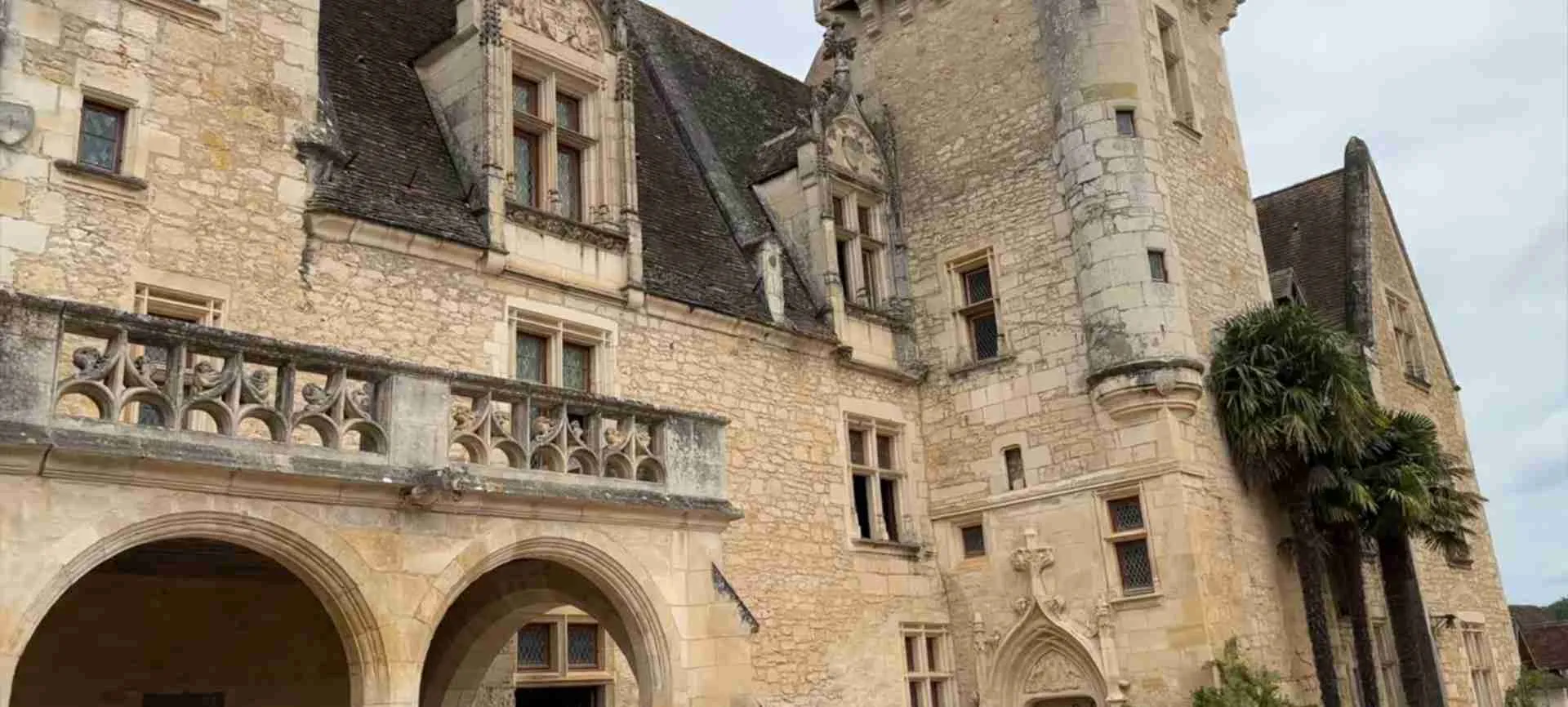
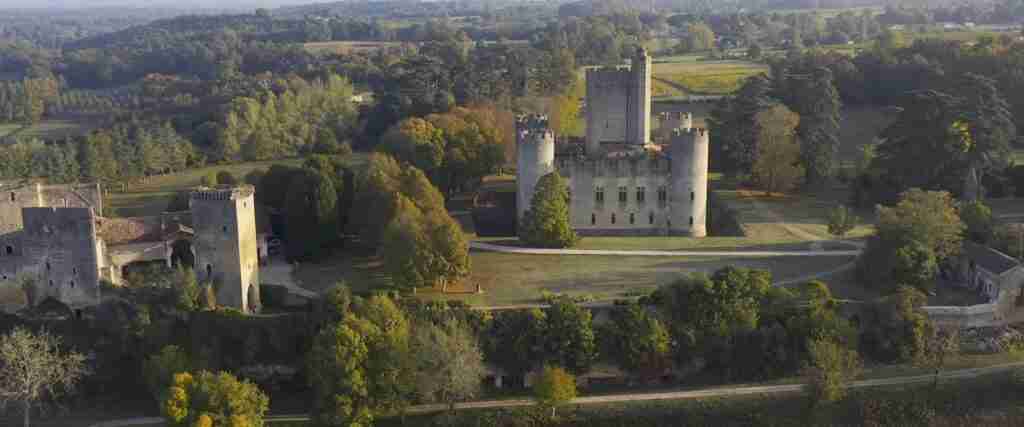
Dordogne contains over 1,500 castles, châteaux, and fortified structures spanning medieval through Renaissance periods, creating unprecedented concentration of defensive architecture in compact valley setting. The region’s strategic position on English-French frontier during Hundred Years’ War (1337-1453) drove fortress construction proliferation as territorial control shifted repeatedly between kingdoms. Understanding castle types, historical contexts, and visiting logistics enables travelers to appreciate both architectural evolution and historical significance while planning efficient touring circuits.
Castelnaud dominates as region’s most comprehensive castle experience, combining authentic medieval fortress with extensive weapons museum showcasing over 250 pieces including crossbows, swords, siege engines, and armor spanning 13th-17th centuries. The castle occupies dramatic cliff-top position overlooking Dordogne River with views directly across to rival Beynac fortress, visualizing medieval territorial competition. Visitors explore multiple levels including great hall, chapel, artillery tower, and rampart walls while interactive displays demonstrate trebuchet operation and crossbow mechanics. Admission costs €11 for adults, €7 for children aged 10-17, with family tickets at €29 for two adults and children. The castle operates daily 10 AM-7 PM July-August, 10 AM-6 PM April-June and September-October, 2-5 PM November-January, with February-March closure for maintenance. Expect 90-120 minute visits covering museum exhibits and exterior ramparts, with summer crowds of 1,500-2,500 daily visitors creating 10-15 minute wait times for ticket purchase and museum entry.
Beynac Castle represents contrasting architectural approach, built vertically into cliff face rather than across horizontal plateau like Castelnaud. The fortress climbs 150 meters above river through successive defensive positions including barbican, outer walls, bailey, and summit keep with commanding valley views. Interior spaces preserve medieval character with Gothic hall, Renaissance fireplaces, and chapel decorated with 17th-century frescoes. The castle’s historical significance includes serving as staging point for French forces during Hundred Years’ War and inspiration for animated film “Sleeping Beauty” castle design. Admission costs €10 for adults, €5.50 for children aged 5-11, with €27 family tickets covering two adults and children. Operating hours run daily 10 AM-6:30 PM May-September, 10 AM-6 PM April and October, 10 AM-5 PM November-March with occasional winter closures during severe weather. Visit duration averages 60-90 minutes including climb to summit and exterior rampart exploration, with physical demands exceeding flat-terrain Castelnaud due to steep staircases and vertical positioning.
Château des Milandes offers refined contrast to military fortresses, showcasing Renaissance elegance and 20th-century celebrity history as Josephine Baker’s residence 1947-1969. The château combines medieval foundations with Renaissance modifications including decorated dormers, mullioned windows, and formal French gardens. Interior exhibits detail Baker’s life as performer, resistance fighter, and civil rights activist alongside period furniture and art deco elements. Falconry demonstrations occur hourly April-October in château gardens with handlers presenting eagles, hawks, and owls in free-flight displays. Admission costs €12 for adults, €7 for children aged 5-15, with family tickets at €34. The château operates daily 10 AM-7:15 PM July-August, 10 AM-6:15 PM April-June and September-October, with November-March weekend-only opening 2-5 PM. Full visits including gardens and falconry require 90-120 minutes, with summer tour languages including English, French, and German audio guides.
Les Jardins de Marqueyssac transcends traditional castle category, featuring 19th-century château surrounded by 22 hectares of sculpted boxwood gardens containing over 150,000 hand-pruned trees forming geometric patterns along cliff edges. The gardens offer 6km walking paths providing spectacular Dordogne Valley panoramas from 130-meter elevation, particularly dramatic during golden hour photography. Interactive features include children’s play area, peacock population roaming freely, and seasonal events including candlelight evening walks with 2,000 candles illuminating paths July-August Thursday evenings. Admission costs €10 for adults, €5 for children aged 10-17, with family tickets at €27.50. Operating hours run daily 9 AM-8 PM July-August, 10 AM-7 PM April-June and September, 10 AM-6 PM October-March with seasonal variations. Visit duration ranges 60-180 minutes depending on trail selection and photography interest, with minimal physical demands on wide gravel paths suitable for moderate fitness levels.
Multi-Castle Pass Strategies and Hidden Fortresses
Optimizing castle visits combines strategic pass purchases with discovery of lesser-known fortresses offering crowd-free exploration and unique architectural features. Understanding pass options, valid sites, and booking procedures delivers substantial savings for multi-day castle touring, while hidden fortress selections provide authentic medieval atmosphere impossible at famous locations handling thousands of daily visitors. The combination creates comprehensive castle experience balancing efficiency and discovery.
Several multi-castle passes provide admission savings versus individual tickets, though coverage and value vary significantly. The “Pass Châteaux” sold at major fortresses costs €35 for adults covering admission to five participating castles including Castelnaud, Beynac, Les Milandes, Commarque, and Puymartin, delivering €18-23 savings versus separate €53 total admission. The pass validates for one year from purchase, allowing visitors to spread visits across multiple trips though most travelers complete included castles within 3-5 days. Children’s passes at €18 cover same sites with €9-12 savings. Alternative “Gardens Pass” at €25 includes Les Jardins de Marqueyssac, Jardins d’Eyrignac, and Jardins de Cadiot, saving €8-10 for garden enthusiasts. Passes purchased at any participating site provide immediate first-entry activation with subsequent visits requiring pass presentation at ticket windows. No advance purchase necessary, though buying passes at smaller sites like Puymartin avoids July-August queue times at major fortresses.
Hidden fortress selection reveals Dordogne’s depth beyond famous names, starting with Château de Commarque occupying remote forest location 15km from Sarlat. The partially ruined medieval fortress combines 12th-century keep with prehistoric rock shelter containing engravings, creating unique architectural and archaeological site. Visitors climb keep tower accessing panoramic views across forest canopy while exploring chapel ruins and defensive walls gradually reclaimed by vegetation. The atmosphere provides dramatic contrast to restored fortresses, with weathered stone and nature encroachment evoking authentic medieval decay. Admission costs €9 for adults with modest visitor numbers averaging 100-300 daily even summer peak, eliminating crowds encountered at major sites. Operating hours run daily 10 AM-7 PM July-August, 10 AM-6 PM April-June and September, with October-March closure for winter season.
Château de Puymartin represents privately-owned alternative offering intimate guided tours through furnished interior spaces maintained by resident noble family. The 13th-century fortress preserves original tapestries, period furniture, and armor collections within great hall, bedchambers, and chapel decorated with Renaissance frescoes. Guides share family legends including “White Lady” ghost story and historical connections to French court. The mandatory guided visit format creates personal experience limited to 20-25 people per tour, departing hourly during operating season. Admission costs €10 for adults including guided tour, with children at €5. The château operates daily 10 AM-noon and 2-6 PM April-November, closed December-March for family residence. Visit duration runs 45-60 minutes for complete guided circuit through private rooms rarely accessible at larger tourist fortresses.
Château de Fénelon, birthplace of famous 17th-century writer François de Fénelon, combines medieval military architecture with Renaissance residential additions creating architectural timeline spanning three centuries. The fortress maintains double defensive walls, three keeps, and dungeon while furnished apartments display 15th-17th century tapestries and furniture. Audio guide tours in English, French, German, and Dutch enable self-paced exploration through chapel, great hall, and rooftop terraces offering sweeping countryside panoramas. Admission costs €9 for adults, €5.50 for children aged 6-14. Operating hours run daily 10 AM-7 PM July-August, 10:30 AM-6:30 PM April-June and September-October, with November-March closure except school holiday weeks. Location 8km south of Sarlat positions château conveniently for travelers based in town, creating easy half-day excursion requiring 60-90 minutes visit time.
Money-Saving Strategies 2026
Advance Booking Benefits
Strategic advance booking delivers substantial savings across accommodation, transportation, and activities while securing access to limited-availability cave reservations and premier château lodging. Understanding optimal booking windows balances early purchase discounts against maintaining itinerary flexibility, with specific timelines varying by service category. The 2026 season emphasizes advance planning given anticipated 15-20% increased international visitation following recent UNESCO designation expansions.
Accommodation booking 3-6 months ahead captures early-bird promotional rates offering 20-35% savings versus last-minute bookings, particularly valuable for summer peak season. Mid-range hotels and chambres d’hôtes frequently offer non-refundable advance purchase rates at €90-130 versus €120-180 flexible summer pricing, representing €30-50 nightly savings for committed travelers. Luxury château properties provide maximum advance booking advantages, with 4-6 month early reservations accessing promotional packages combining accommodation, gourmet dinners, and wine tastings at €250-320 versus €350-450 standard rates. Vacation rentals reward earliest bookers through seasonal pricing tiers, with 5-6 month advance reservations accessing shoulder-season rates even for peak summer weeks, saving €200-400 weekly on popular properties. Booking platforms including Airbnb and Booking.com frequently offer first-time user discounts and seasonal promotions amplifying savings, while direct bookings with small properties sometimes secure better rates eliminating commission fees.
Transportation savings concentrate in train ticket advance purchase, with SNCF TGV and regional services offering “Prem’s” fares at 40-50% discounts for bookings 3-4 months ahead versus flexible pricing. Paris-Bordeaux-Sarlat connections drop from €80-120 standard fares to €49-65 advance purchase, representing €31-55 per person savings each direction. Car rental early booking delivers 20-30% savings through online aggregator promotional codes and seasonal campaigns, with weekly rates dropping from €280-350 standard pricing to €210-260 for 8-12 week advance reservations. These savings compound significantly for couples and groups, with two-person train tickets saving €62-110 round-trip and car rentals reducing €70-90 weekly costs. Organized tour packages booked 2-3 months ahead access early-bird rates with free upgrades and included meals, though single-day tour advance booking provides minimal savings given stable year-round pricing.
Activity reservations reward advance planning primarily through access rather than cost savings, though some operators offer modest early-booking discounts. Lascaux IV advance reservations cost identical prices to same-day tickets, but summer access requires 2-3 week booking ensuring preferred time slots versus sold-out dates. Font-de-Gaume’s 12-week advance booking window provides only access benefit given fixed €11 admission, though successful reservation secures priceless opportunity versus denied entry for spontaneous visitors finding no availability. Cooking classes and wine tasting experiences sometimes offer 10-15% early-bird discounts for bookings 4-6 weeks ahead, reducing €85 cooking class costs to €75 or €25 wine tastings to €22. These modest savings matter less than guaranteed participation in small-group experiences filling completely during peak season.
Seasonal Optimization Tips
Seasonal timing dramatically impacts Dordogne costs across accommodation, dining, and activities while affecting experience quality through weather and crowds. Understanding seasonal pricing patterns and visitor volume fluctuations enables strategic planning maximizing value without sacrificing experience quality. The region’s extended shoulder seasons spanning April-May and September-October provide optimal value propositions combining pleasant weather with substantial cost savings.
Shoulder season accommodation delivers 30-50% savings versus summer peak while maintaining comfortable weather and full attraction access. April-May and September-October mid-range hotel rates run €80-120 versus €120-180 summer pricing, saving €40-60 nightly per room. This translates to €160-240 savings across four-night stays, substantial sum redeploying toward premium dining, additional activities, or luxury upgrades. Luxury château properties show even more dramatic seasonal variation, with shoulder season rates at €200-280 versus €350-500 summer peaks, representing €150-220 nightly savings enabling stays at properties otherwise exceeding budgets. Vacation rentals demonstrate similar patterns with weekly rates dropping €300-500 from summer highs, creating family vacation savings of €450-750 for autumn or spring bookings versus peak season.
Restaurant pricing remains relatively stable year-round, though shoulder season delivers superior value through reduced crowds, easier reservations, and occasional promotional menus. The same €45-65 menu costs apply May or August, but May diners secure terrace tables without waiting while August visitors face 30-45 minute waits or interior seating. Some establishments offer “menu du marché” spring and fall specials featuring seasonal ingredients at €38-48 versus €52-68 standard menus, providing 20-30% savings on identical quality dining. Wine tasting experiences maintain consistent pricing year-round, though autumn harvest period provides bonus experience watching crush operations and meeting winemakers focused on production rather than dispersed with tourist commitments.
Activity costs show minimal seasonal variation for cave admissions and castle tickets, though shoulder season delivers superior experience value through reduced crowding. Font-de-Gaume’s €11 admission remains constant, but spring and fall visitors join tours of 15-25 people versus summer’s constant 52-person capacity creating cramped conditions in narrow passages. Lascaux IV’s €20-25 admission similarly stays fixed, while April-June and September-October visits enable unhurried exhibit exploration versus July-August crowds creating rushed atmosphere despite timed entry systems. The experience quality differential justifies shoulder season prioritization even without direct cost savings, as uncrowded cave tours and empty castle ramparts multiply enjoyment and photographic opportunities impossible during summer peaks.
Booking and Reservations 2026
Official Booking Channels
Navigating Dordogne’s booking landscape requires understanding multiple reservation systems managed by different authorities for caves, castles, accommodation, and activities. Official channels provide secure transactions, accurate information, and customer support while avoiding third-party markups and scam websites. The 2026 season introduces enhanced digital platforms improving English-language access and mobile-friendly interfaces for international travelers.
Cave reservation systems operate through separate platforms by managing authority. Lascaux IV bookings process through semitour.com, the official site management company, accepting reservations up to 6 months in advance with calendar interface showing availability by date and time slot. The system accepts major credit cards, processes immediate confirmation emails with QR code tickets, and offers customer support via phone +33 5 53 51 95 03 or email [email protected]. English-language functionality works reliably, though some confirmation emails arrive in French requiring basic translation. Font-de-Gaume, Combarelles, and other National Monument caves book through Monuments Nationaux platform at sarlat-tourisme.com, accepting reservations exactly 12 weeks ahead with midnight releases of new availability. This system proves less user-friendly with limited English support, making telephone booking through Sarlat tourism office (+33 5 53 31 45 45) valuable for travelers uncomfortable with French-language online forms. Rouffignac cave maintains independent booking via grottederouffignac.fr or telephone +33 5 53 05 41 71, accepting reservations 1-3 months ahead with email confirmations in French.
Castle bookings generally don’t require advance reservations except for guided tours at private properties including Puymartin and Fénelon. These châteaux accept telephone reservations or direct email contact ensuring guided tour participation during preferred time slots, particularly valuable for English-language tours operating limited summer schedules. Multi-castle passes purchase in-person at any participating fortress, with Castelnaud and Beynac ticket offices offering most comprehensive information and English-speaking staff. Major castles accept credit cards, while smaller properties sometimes operate cash-only policies making ATM visits necessary before arrival at remote locations.
Accommodation booking channels include standard international platforms (Booking.com, Airbnb, Hotels.com) plus regional specialists (Gîtes de France, Clévacances) focusing on vacation rentals and chambres d’hôtes. Direct property websites often match or beat platform rates while enabling communication with owners regarding dietary restrictions, early check-in, or activity recommendations. The Sarlat tourism office operates free accommodation booking service ([email protected]) assisting with property selection, availability checking, and coordinating multi-property stays across extended visits. This complimentary service proves particularly valuable for complex itineraries involving countryside chambres d’hôtes and luxury château combinations requiring coordination.
Tour Operator Recommendations
Organized tours eliminate driving stress, reservation complexity, and language barriers while providing expert commentary enhancing site understanding. Selecting quality operators requires evaluating group sizes, guide expertise, flexibility, and value relative to independent travel costs. The Dordogne market includes international tour companies, regional specialists, and local guides offering experiences ranging from mass-market efficiency to boutique customization.
Regional specialists including Dordogne Authentic Tours and Secret Dordogne provide small-group experiences limited to 8-12 participants with English-speaking guides holding archaeology or history degrees. These operators charge €95-130 per person for full-day castle and cave programs including transportation, guide services, and admission fees to 4-5 sites. The pricing represents moderate premium over independent costs when accounting for car rental, fuel, and admission totals reaching €75-95 per person, with added value in expert commentary and reserved parking avoiding summer congestion. Tours depart Sarlat and other major towns with hotel pickup included, operating daily May-October with reduced winter schedules. Booking 2-3 weeks ahead ensures availability for preferred dates, with online systems at dordogne-authentic.com and secret-dordogne.com accepting secure credit card payment and providing instant confirmations.
Private guide services including Sarlat Medieval Tours and Dordogne Cultural Guides offer completely customized experiences for 2-6 people, charging €350-500 full day for dedicated guide and vehicle. This pricing suits couples or small groups seeking flexibility impossible with scheduled group tours, enabling spontaneous itinerary adjustments, extended time at preferred sites, and specialized focus on photography, architecture, or archaeology. Private guides accommodate mobility limitations, provide translation services beyond site touring, and facilitate reservations at cave sites with complex French-language booking systems. Contact private guides 4-6 weeks ahead discussing interests, physical capabilities, and preferences, with payment typically split between booking deposit and day-of-tour balance.
International tour companies including Rick Steves Tours and Tauck include Dordogne segments within broader France programs, offering comprehensive packages with accommodation, most meals, transportation, and guided touring over 7-14 day itineraries. These programs charge €2,800-4,500 per person for week-long tours, representing significant premium over independent travel but eliminating all planning responsibilities and logistics management. Group sizes reach 24-28 participants creating less intimate experiences than regional specialists, though professional tour managers ensure smooth operations and handle any issues arising during travel. These programs suit travelers prioritizing convenience over budget or seeking comprehensive France coverage beyond Dordogne-specific interests.
Food and Wine Experiences 2026
Périgord Cuisine and Regional Specialties
Dordogne cuisine, traditionally called Périgord gastronomy, centers on duck, foie gras, truffles, walnuts, and mushrooms reflecting agricultural heritage and forest resources. Understanding regional dishes, seasonal availability, and dining customs enhances cultural immersion while navigating menus at establishments ranging from casual bistros to Michelin-starred restaurants. The region’s agricultural abundance and culinary traditions create exceptional value compared to Paris or coastal destinations, with farm-direct products delivering premium quality at moderate prices.
Duck preparations dominate Périgord cuisine through multiple forms reflecting complete animal utilization traditions. Duck confit (confit de canard) preserves duck legs slowly cooked in fat until tender, served crisped with garlic potatoes and garnished with parsley. This ubiquitous dish appears on virtually every restaurant menu at €16-24 for generous portions. Duck breast (magret de canard) grills to medium-rare, sliced and fanned over seasonal vegetables with fruit-based sauces including cherry, raspberry, or fig. Magret costs €18-26 with preparation quality varying significantly between casual bistros and serious restaurants prioritizing cooking technique. Duck foie gras (fattened liver) serves as appetizer in various forms: terrine sliced thick with toast and onion confit (€14-22), poached or pan-seared mi-cuit (€18-28), or incorporated into sauces enriching main courses. Fresh foie gras quality peaks November-January during production season, though preserved terrines maintain availability year-round.
Truffles (Tuber melanosporum) transform winter menus December through March when fresh black “Périgord diamonds” command €800-1,200 per kilogram at Saturday markets. Restaurants incorporate fresh truffles into omelets (€25-38), risottos (€32-45), and shaved over scrambled eggs (€28-38) during peak season. Preserved truffle products including oils, butters, and whole preserved truffles extend availability through summer, though flavor intensity diminishes significantly versus fresh varieties. Truffle hunting demonstrations with trained dogs occur at several farms including Eco-Musée de la Truffe, offering educational experiences explaining cultivation and harvesting techniques for €15-20 per person.
Walnuts (noix du Périgord) achieve AOC (Appellation d’Origine Contrôlée) protected status, appearing in savory dishes, salads, and desserts throughout menus. Traditional walnut cake (gâteau aux noix) serves as regional dessert signature, featuring dense texture and subtle sweetness pairing beautifully with coffee for €6-9 per slice. Walnut oil dresses salads including salade Périgourdine combining duck gizzards (gésiers), walnuts, greens, and crispy duck skin croutons for €12-18 starters or €16-22 main courses. Walnut liqueur (liqueur de noix) provides digestif option at €5-8 per glass, with varying sweetness levels from different producers available at markets and specialty shops.
Wine Regions and Tasting Experiences
Bergerac wine region surrounding Dordogne produces diverse styles including reds, rosés, dry whites, and sweet wines from 12,000 hectares vineyards cultivated since Roman period. Understanding grape varieties, appellations, and tasting opportunities enables wine discovery complementing Périgord cuisine while offering excellent values versus famous French regions commanding premium prices. The proximity of vineyards to major touring routes facilitates winery visits integrating naturally into castle and cave itineraries.
Bergerac AOC produces majority regional wines using Bordeaux varieties including Merlot, Cabernet Sauvignon, and Cabernet Franc for reds, Sauvignon Blanc and Sémillon for whites. Red Bergerac wines offer approachable styles with soft tannins and red fruit flavors, retailing €8-15 locally versus €12-20 in export markets. These wines pair excellently with duck confit and grilled meats, providing restaurant wine list values at €18-28 bottles versus €35-50 Bordeaux equivalents. White Bergerac delivers crisp acidity and citrus flavors suiting fish, goat cheese, and lighter cuisine at similar price points. The region’s value proposition enables everyday drinking of quality wines affordable for regular consumption versus special occasion Bordeaux purchases.
Monbazillac produces celebrated sweet wines from Sémillon and Sauvignon Blanc grapes affected by noble rot (botrytis cinerea) creating concentrated honeyed flavors rivaling Sauternes. These golden wines pair classically with foie gras, blue cheese, or fruit-based desserts, with quality bottles ranging €15-35 for excellent producers versus €40-80 Sauternes comparisons. The dramatic Château de Monbazillac dominates appellation physically and symbolically, offering tours and tastings combining Renaissance architecture with cellars housing vintage collections. Tasting fees run €8-12 for standard flights of 3-4 wines, €18-25 for premium tastings including library vintages and cheese pairings. The château operates daily 10 AM-7 PM May-September, 10 AM-12:30 PM and 2-6 PM October-April, located 8km south of Bergerac requiring personal vehicle access.
Wine touring logistics combine château visits, village wine shops (caveaux), and cooperative tasting rooms offering producer comparisons. Château visits require advance appointments 2-7 days ahead depending on property size and season, with harvest period September-October limiting availability as winemaking takes priority. Tastings range free at smaller properties encouraging sales to €15-25 at premier estates including sommelier-guided experiences and food pairings. English-language tour and tasting availability varies by property, with larger châteaux including Monbazillac and Tiregand offering reliable English service while smaller producers require French capability or translator assistance. Designated driver necessities limit multi-château touring for couples, though organized wine tours from Sarlat solve this challenge with €95-130 full-day programs visiting 3-4 estates with transportation, guide commentary, and tasting fees included.
Planning Your 2026 Visit
Essential Pre-Departure Preparation
Successful Dordogne visits require advance preparation spanning cave reservations, accommodation booking, transportation arrangements, and cultural research maximizing on-ground time efficiency. Understanding essential preparation tasks and optimal completion timelines prevents last-minute stress while ensuring access to limited-availability experiences. The 2026 season demands particular attention to advance booking given anticipated increased visitation following recent UNESCO designation expansions.
Cave reservation timeline begins 12 weeks before travel for Font-de-Gaume priority bookings, requiring precise calculation of desired visit dates and reservation opening at midnight French time. Set calendar reminders for booking opening days, prepare account registration on Monuments Nationaux platform in advance, and have credit card information ready for immediate transaction completion. Lascaux IV reservations follow 2-3 weeks ahead for summer visits, allowing more relaxed booking timeline though earlier access provides better time slot selection. Research cave descriptions and select preferred sites balancing authentic prehistoric art (Font-de-Gaume, Combarelles) with comprehensive modern interpretation (Lascaux IV) and comfortable accessibility (Rouffignac). Budget 4-6 hours researching cave options, reading visitor reviews, and understanding physical requirements ensuring selections match interests and capabilities.
Accommodation booking follows 3-6 months ahead for optimal availability and early-bird rates, requiring decisions on preferred base location, accommodation style, and budget allocation. Consider Sarlat as primary base offering accommodation variety, restaurant selection, and central position for radiating to caves and castles within 30km. Alternative bases include Les Eyzies for cave-focused itineraries, countryside chambres d’hôtes for peaceful settings, or luxury château hotels for special occasion travel. Read property reviews focusing on recent experiences, parking availability, breakfast quality, and host helpfulness rather than superficial aesthetic comments. Contact properties directly via email or telephone asking about check-in flexibility, local restaurant recommendations, and cave booking assistance, evaluating response quality and English capability as indicators of service standards.
Transportation planning requires deciding between train travel plus organized tours versus car rental enabling independent flexibility. Train travelers book SNCF tickets 3-4 months ahead capturing promotional fares, research bus schedules connecting Sarlat to major cave sites (limited but possible), and identify organized tour operators offering daily cave and castle programs. Car rental travelers compare aggregator websites for best weekly rates, confirm automatic transmission availability if required (limited and expensive in France), and verify included insurance coverage versus required add-ons. Download offline GPS maps for Dordogne region eliminating mobile data costs and ensuring navigation in cellular dead zones common in valley’s remote areas. Research parking situations at major sites noting free lots at most castles but challenging summer availability at Beynac and Castelnaud requiring early arrival or remote parking with walks.
Packing Essentials and Practical Considerations
Packing for Dordogne combines standard travel necessities with specific items addressing cave touring, castle exploration, and regional climate variability. Understanding practical requirements for different activities and seasons prevents discomfort and missed opportunities while avoiding overpacking unnecessarily. The region’s casual atmosphere and outdoor focus prioritizes functional gear over formal clothing requirements minimal beyond serious restaurants demanding business casual standards.
Cave touring essentials begin with light jacket or fleece required for constant 13-14°C underground temperatures regardless of summer heat on surface. Comfortable closed-toe walking shoes with non-slip soles prove essential for uneven cave floors and occasional wet surfaces, eliminating sandals or smooth-soled fashion shoes. Small backpack carries water bottles, though cave regulations prohibit food and large bags near prehistoric paintings. Headlamp or small flashlight assists viewing dim passages at Font-de-Gaume where artificial lighting remains minimal protecting artworks. Camera capabilities vary by cave, with Lascaux IV prohibiting photography while Rouffignac permits non-flash images during train tours.
Castle exploration clothing prioritizes sun protection and comfortable walking shoes for rampart circuits and tower climbs. Wide-brim hat or cap provides essential sun defense during summer when exposed stone ramparts offer minimal shade, while sunglasses reduce glare from limestone walls. Layered clothing enables adaptation to temperature differences between sunny courtyards and cool tower interiors, with light rain jacket addressing sudden summer thunderstorms. Binoculars enhance castle visits by enabling architectural detail examination on tall structures and valley scanning for locating distant fortresses. Basic first aid supplies including blister treatments prove valuable when extended walking reveals uncomfortable shoes, while reusable water bottles reduce costs and plastic waste given limited drinking fountains at smaller castle sites.
General packing includes electrical adapter for European outlets (Type C and E two-pin rounded), unlocked smartphone enabling local SIM purchase for data (€15-20 for 30-day plans with 20-40GB), and power bank maintaining camera charge during full-day touring without vehicle access. Picnic supplies including pocket knife, small cutting board, and wine opener enable market lunches at scenic viewpoints, while lightweight daypack carries provisions plus extra clothing layers. French phrasebook or translation app assists menu reading and basic conversations, particularly at smaller properties and restaurants outside Sarlat where English remains limited. Prescription medications require adequate supply plus copies of prescriptions, as French pharmacies dispense limited medications without local doctor authorization creating potential access challenges for visitors requiring specific drugs.
FAQ Section
How many days do you need to explore Dordogne properly?
A minimum of four to five days allows meaningful Dordogne exploration covering major prehistoric caves, castle highlights, and characteristic villages without rushed schedules. This duration enables visiting Lascaux IV and Font-de-Gaume caves, touring 4-6 castles including Castelnaud and Beynac, and experiencing medieval towns like Sarlat and La Roque-Gageac. Extended seven to ten day visits permit deeper engagement with lesser-known caves, comprehensive castle touring across different architectural periods, and incorporation of river activities, wine tasting, and cooking classes. Weekend visitors covering two to three days should prioritize either caves or castles rather than attempting both, as reservation timing and geographic distribution make comprehensive coverage impossible in short timeframes. The region rewards slow travel with discoveries multiplying as visitors venture beyond famous sites into countryside villages, local markets, and family-run restaurants impossible to appreciate during rushed itineraries.
Can you visit Dordogne caves without advance reservations in 2026?
Lascaux IV accepts same-day visitors during shoulder season April-June and September-October, with ticket availability at entrance or through mobile booking systems morning of desired visit. Summer months July-August require 2-3 week advance reservations ensuring preferred time slots, as daily visitor capacity reaches 2,400 with popular morning hours filling quickly. Font-de-Gaume absolutely requires advance booking through online reservation system opening exactly 12 weeks ahead, with all daily slots filling for summer season leaving zero same-day availability. The 52-person daily limit creates intense competition for reservations, making spontaneous Font-de-Gaume visits impossible May-September. Rouffignac and Combarelles maintain more flexible access with same-day tickets often available except peak July-August weeks, though advance booking 1-2 weeks ahead ensures preferred tour times. The reservation complexity and cave-specific systems make researching booking requirements essential during trip planning rather than assuming walk-in availability comparable to castle touring.
What is the best base location for first-time Dordogne visitors?
Sarlat-la-Canéda serves as optimal base for first-time visitors, offering accommodation variety across all budget levels, extensive restaurant selection, central position within 30km of major caves and castles, and regular summer markets showcasing regional products. The remarkably preserved medieval town center provides immediate cultural immersion through architecture and atmosphere while maintaining modern conveniences including supermarkets, pharmacies, and visitor information services. Sarlat’s 10,000 resident population supports year-round dining and services unlike smaller villages dependent entirely on summer tourism. Alternative bases include Les Eyzies for cave-focused itineraries positioning visitors within 5-10km of major prehistoric sites, though limited accommodation and restaurant selection creates constraints. Countryside chambres d’hôtes offer peaceful settings and host interaction but require car transportation and eliminate walking access to evening dining, appropriate for travelers prioritizing quiet rural experiences over village atmosphere. Bergerac suits travelers combining Dordogne with wine touring, positioned at valley entrance with airport access but requiring 45-60 minute drives reaching major caves and castles.
Are Dordogne caves suitable for young children?
Lascaux IV provides excellent family experience with climate-controlled environment, paved paths, and engaging interpretive exhibits appealing to children ages 5 and up. The 90-minute visit maintains interest through replica cave exploration, hands-on exhibits explaining prehistoric art techniques, and tablet audio guides offering child-friendly commentary. Rouffignac cave delights children through underground train ride, mammoth engravings capturing imagination, and one-hour duration preventing attention span challenges. These two caves suit families with elementary school age children capable of sustained interest in educational content. Font-de-Gaume and Combarelles present significant challenges for children under 10 due to narrow passages requiring careful walking, 45-minute guided tour durations demanding attention, and limited lighting potentially frightening younger visitors. The caves’ dim preservation lighting, confined spaces, and authentic primitive conditions create atmospheric experiences some children find uncomfortable or boring. Cave minimum age restrictions vary, with most sites allowing all ages but recommending Font-de-Gaume and Combarelles for children 8 and older capable of following guide instructions and appreciating artwork significance.
How difficult is it to visit Dordogne without speaking French?
Major tourist sites including Lascaux IV, Castelnaud, Beynac, and château hotels maintain English-speaking staff and audio guides eliminating language barriers for attraction visits and upscale accommodation. Sarlat restaurants and shops in tourist quarter include English menus and basic English capability, though fluency remains limited and patience proves necessary for complex questions or special requests. Smaller villages, countryside properties, and local restaurants outside tourist centers operate primarily in French, requiring translation apps, phrasebook consultation, or gesture communication for basic interactions. Cave reservation systems present significant language challenges, with online booking platforms offering limited English functionality and telephone reservations requiring French capability or assistance through tourism office intermediaries. Car navigation and road signage follow international symbols requiring minimal language skills, though parking restriction understanding and rural driving etiquette benefit from French capability. Overall, independent travelers with zero French manage successfully through major sites and establishments while encountering frustrations at smaller properties and complex booking scenarios. Learning basic phrases (bonjour, merci, s’il vous plaît, l’addition, combien) demonstrates respect and facilitates positive interactions, as French hospitality responds warmly to visitors attempting local language regardless of proficiency level.
What are the best months to avoid crowds while maintaining good weather?
May and late September through early October deliver optimal balance of pleasant weather, reduced crowds, and full attraction access. May temperatures range 18-24°C with 6-7 hours daily sunshine, while visitor numbers run 50-60% below July-August peaks. These conditions create comfortable outdoor touring without summer heat while maintaining easier cave reservations and uncrowded castle ramparts. Late September combines similar weather benefits with autumn foliage enhancing valley photography and harvest season markets showcasing fresh walnuts and truffles. Early October delivers spectacular fall colors transforming forest canopy to golden yellows and burnt oranges, creating stunning backdrops for cliff-top castle portraits. Accommodation costs drop 30-40% from summer rates during these shoulder periods, amplifying value through better weather-to-price ratios than winter budget months. Mid-April through early May offers similar advantages with wildflower meadows and renewed valley greenery, though slightly cooler temperatures and increased rainfall probability create minor weather risks. Both shoulder periods maintain full cave operating schedules and complete castle access unlike November-March when some smaller sites reduce hours or close entirely.
Can you tour Dordogne castles and caves without a car?
Comprehensive castle and cave touring requires car rental given limited public transportation between sites and incompatible bus schedules with cave reservation times. Organized tours provide car-free alternative, with daily departures from Sarlat covering 4-5 castles or multiple caves with guide commentary and transportation for €85-120 per person. This tour approach enables thorough exploration over 3-4 days through different daily programs, though sacrifices schedule flexibility and increases per-person costs versus car rental economics for couples and groups. Train travel reaches Sarlat from Paris via Bordeaux, positioning visitors in optimal base location, while local buses connect Sarlat with Les Eyzies (cave concentration) and major valley towns 3-4 times daily. However, bus schedules designed for local commuters rather than tourists create departure and return times conflicting with 10 AM cave reservations and afternoon castle touring. Bike rental provides limited-range solution for fit travelers comfortable with 40-60km daily distances and 400-600m elevation gains accessing cliff-top castles. E-bikes extend range and ease hill climbs, enabling car-free exploration between Sarlat and Beynac valley floor sites though requiring physical capability and good weather. Taxi service exists but becomes prohibitively expensive for full-day touring, with typical castle circuits costing €130-180 versus €50-70 for equivalent organized tours. Successful car-free touring requires combining organized tour days with strategically timed bus connections and accepting limited cave access versus comprehensive itineraries possible with personal vehicles.
What food allergies or dietary restrictions can be accommodated in Dordogne?
Gluten-free travelers face challenges in Dordogne given bread’s central role in French dining culture and limited gluten-free product availability outside major supermarkets in Sarlat and Bergerac. Many restaurants lack gluten-free menu options or staff knowledge about preparation requirements, making advance communication essential when booking reservations. Bringing gluten-free bread, pasta, and snacks from home or purchasing at Sarlat supermarkets enables meal flexibility particularly for countryside accommodation with kitchen access. Vegetarians encounter significant difficulty as regional cuisine centers on duck, foie gras, and meat-based dishes with vegetables typically serving as garnishes rather than main components. Sarlat maintains 2-3 vegetarian-friendly restaurants, while most establishments offer limited options like salads, omelets, or cheese plates creating repetitive dining across extended stays. Vegans face extreme challenges with dairy and egg ingredients pervasive in French cooking and restaurant understanding of vegan concepts limited outside tourist centers. Self-catering through market shopping and accommodation meal preparation provides most reliable vegan and vegetarian solutions. Lactose intolerance accommodates more easily as French culture understands digestive limitations, with restaurants familiar with “sans lactose” requests and alternative milk available at cafés. Nut allergies require careful management given walnuts’ prevalence in Périgord cuisine, demanding clear communication about “allergie aux noix” and ingredient verification at restaurants and markets. Staff responses to dietary restrictions vary dramatically between sophisticated establishments accustomed to special requests and traditional bistros operating fixed menus with limited substitution capability.
How much should I budget daily for meals in Dordogne?
Budget-conscious travelers manage €30-45 daily per person combining bakery breakfast pastries (€3-5), market picnic lunches with bread, cheese, pâté, and fruit (€10-15), and casual bistro dinners (€18-28) with house wine. This approach requires market shopping capability and willingness to eat simply, focusing food budgets on single special dinner rather than multiple restaurant meals daily. Mid-range dining at €60-85 daily includes café breakfast with coffee and croissants (€8-12), casual lunch at village restaurants (€20-30), and quality dinner at established bistros featuring regional specialties with wine (€35-50). This level enables sampling duck confit, foie gras, and local wines while maintaining sustainable costs across extended stays. Upscale dining reaches €100-140 daily incorporating bakery or hotel breakfast (€10-15), nice lunch at recommended restaurants (€30-45), and serious dinner at Michelin-recognized establishments with wine pairings (€75-95). Food enthusiasts and special occasion travelers allocate €150-200 daily enabling Michelin dining, premium wine selections, and market luxury ingredients including fresh truffles during winter season. These budgets exclude alcohol beyond house wines with meals, as serious wine consumption adds €20-40 daily for quality bottles at restaurants. Market shopping for vacation rental meal preparation reduces costs substantially, with €40-60 daily covering quality ingredients for self-prepared breakfast, lunch, and dinner for two people creating 50-60% savings versus restaurant dining while enabling lingering over meals in scenic accommodation settings.
What is the best way to experience Dordogne’s truffle culture?
Winter visits December through March provide authentic truffle experiences when fresh black Périgord truffles reach markets commanding €800-1,200 per kilogram. Saturday morning Sarlat market dedicates sections to truffle sales with vendors displaying prized fungi for inspection and negotiation, creating atmospheric scenes from early November through late March peak season. Markets operate 8:30 AM-12:30 PM with serious buyers arriving early for best selection before 9:30 AM. Truffle hunting demonstrations with trained dogs occur at several properties including Eco-Musée de la Truffe near Sorges, offering 90-minute experiences explaining cultivation, harvesting techniques, and truffle biology for €15-20 per person with advance reservations. These educational programs operate November-March during active hunting season, providing hands-on exposure to detection methods and preservation practices. Restaurant truffle menus appear winter months featuring fresh specimens in omelets (€25-38), scrambled eggs (€28-38), and shaved over risottos or pasta (€32-45). Quality establishments source locally within 48 hours of service, displaying whole truffles for guest inspection before preparation. Cooking classes incorporating fresh truffles run €95-130 per person during winter season, teaching traditional Périgord preparations and preservation techniques for transporting truffle products home. Off-season visitors access truffle culture through preserved products including truffle butter, oils, and whole preserved truffles available year-round at specialty shops and markets, though flavor intensity diminishes significantly versus fresh winter specimens. These products suit souvenirs and home cooking applications at €15-35 for small jars extending truffle experience beyond winter visit windows.