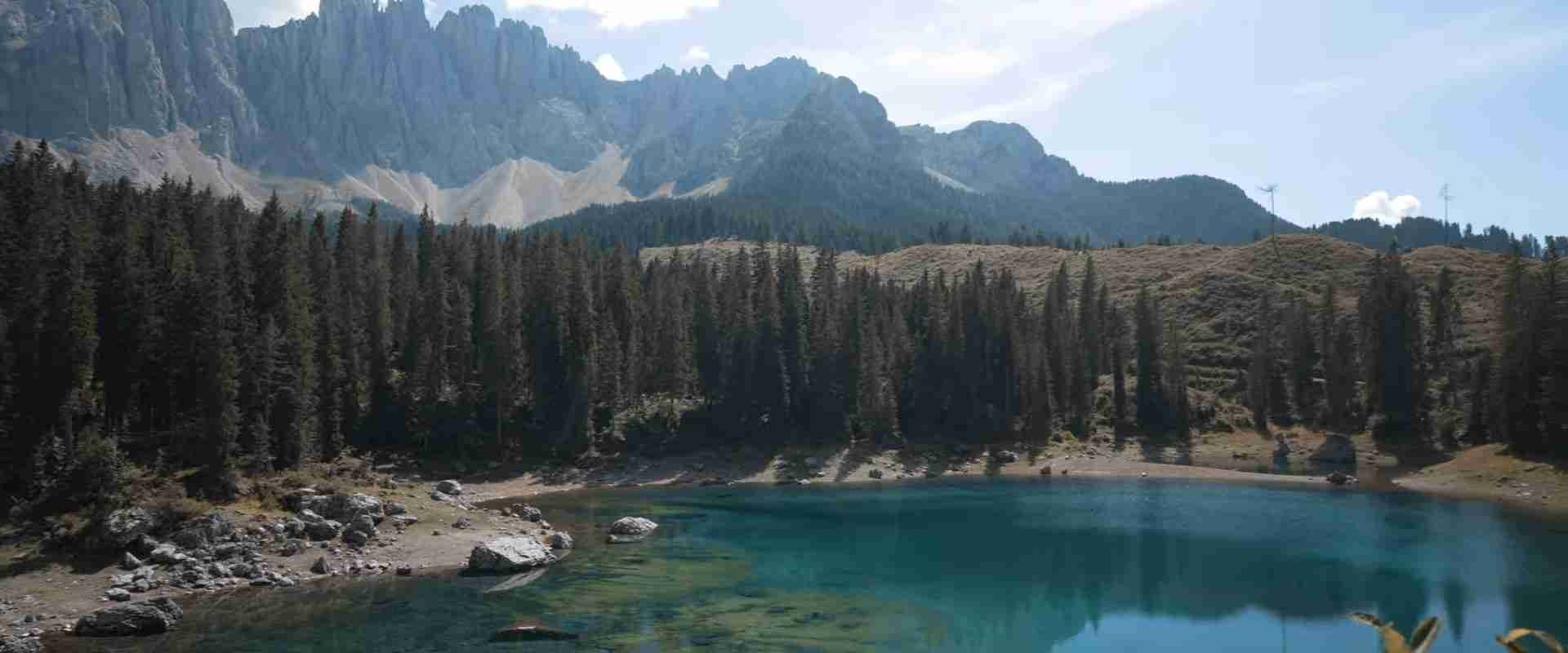
Dolomites Local Culture Guide: Traditions & Daily Life
The Dolomites shelter communities whose daily lives balance ancient mountain traditions with contemporary European life. These valleys contain villages where residents speak three languages, work traditional farms alongside tourist businesses, and maintain social customs rooted in centuries of alpine adaptation. Understanding this local culture transforms superficial tourism into meaningful engagement with living mountain communities.
Key Takeaways
- Dolomite communities maintain distinct daily rhythms shaped by alpine environment, agricultural cycles, and seasonal tourism economy
- Social structures emphasize community cooperation through voluntary fire brigades, festival committees, and mutual aid traditions essential for mountain survival
- Three language communities—Italian, German, and Ladin—create unique multilingual society where daily life flows between cultural worlds
- Traditional occupations including farming, woodworking, and hospitality continue alongside modern professions creating hybrid economy
- Local etiquette and customs reflect mountain values including respect for nature, community solidarity, and conservative social norms
- Understanding local culture enriches visitor experiences and demonstrates respect for communities welcoming guests into their mountain home
Introduction: Living in the Pale Mountains
Daily life in Dolomite communities follows patterns distinct from both Italian lowlands and international ski resorts. The rhythm responds to agricultural cycles, tourism seasons, and mountain environment rather than urban schedules. Social relationships emphasize long-term community connections over transient interactions. Work often involves multiple occupations across seasons—guiding visitors in summer, working hospitality in winter, and maintaining farms year-round.
These communities exist not as museum exhibits but as dynamic societies navigating tensions between tradition and change, local identity and global connection, preservation and innovation. Residents grapple with questions facing mountain regions worldwide: how to maintain cultural authenticity while welcoming tourism, preserve language against dominant cultures, and support young people while maintaining community character. Engaging with these living cultures requires moving beyond romantic stereotypes toward appreciating complexity, respecting autonomy, and acknowledging mountain communities as contemporary societies rather than historical artifacts.
People Also Ask About Dolomites Local Culture
What languages do people speak in the Dolomites?
Dolomite communities speak three primary languages depending on location and cultural background. Italian functions as administrative language throughout the region and serves as lingua franca enabling communication across language groups. German predominates in Tyrol and some northern valleys, reflecting historical Austrian rule and German-speaking settlement. Ladin represents the indigenous minority language spoken in five main valleys—Val Badia, Val Gardena, Val di Fassa, Livinallongo, and Ampezzo. Most Dolomite residents speak at least two languages fluently, with many speaking all three plus English for tourism. Schools teach multiple languages from early grades, creating society comfortable navigating between linguistic worlds. Road signs appear in multiple languages, official documents accommodate language preferences, and daily commerce flows seamlessly between Italian, German, and Ladin. This multilingual environment creates distinctive social dynamic where language choice signals cultural identity, regional belonging, and social context. Visitors find communication easy in tourist areas where English works well, but learning basic phrases in local languages demonstrates respect and opens cultural doors.
How do young people in the Dolomites balance tradition and modern life?
Young Dolomite residents navigate complex tensions between maintaining cultural heritage and accessing contemporary opportunities. Many pursue higher education requiring temporary urban relocation but return to mountains for professional life, particularly in tourism, agriculture, or regional government. The tourism economy provides employment opportunities allowing mountain residence without traditional farming or crafts. Digital connectivity enables remote work in professional services while maintaining mountain lifestyle. Language education creates trilingual professionals valuable in international contexts. However, youth migration remains significant challenge—limited employment diversity, high housing costs from tourism development, and small dating pools push young people toward cities. Those who remain often work multiple seasonal jobs combining tourism, agriculture, and other occupations. Cultural traditions hold varying appeal—some youth embrace heritage through traditional music, language preservation, and festival participation while others feel constrained by conservative social norms. The outcome varies by individual, family background, and specific valley, with no single pattern describing all young people’s experiences.
What traditional occupations still exist in Dolomite communities?
Several traditional occupations continue as viable livelihoods rather than historical recreation. Mountain farming survives through combination of direct sales, agritourism, and regional subsidies supporting agricultural landscape preservation. Farmers maintain cattle herds moving to alpine pastures in summer, produce traditional cheeses commanding premium prices, and operate farm stays hosting urban visitors. Woodcarving remains economically viable in Val Gardena where artisans produce religious statuary, decorative art, and custom sculptures for international markets. Mountain guides work professionally leading climbing, hiking, and skiing expeditions while maintaining deep traditional knowledge. Hut-keepers operate alpine refuges that function as working mountain facilities, not just tourist accommodations. Traditional building crafts continue through restoration work and new construction following regional architectural standards. These occupations maintain economic relevance by emphasizing quality, authenticity, and cultural value rather than competing on price with industrial production. However, all traditional work now intersects with tourism economy—farmers host guests, woodcarvers sell to collectors, guides serve international clients.
How do Dolomite communities view tourism?
Local attitudes toward tourism reflect complex mixture of appreciation and ambivalence. Tourism provides primary income for many families and enables young people to remain in valleys through employment opportunities. The economic benefits support community infrastructure, fund cultural preservation, and maintain population levels that would otherwise decline. However, residents also experience tourism’s negative aspects including seasonal disruption of daily life, traffic congestion, housing cost inflation, and transformation of authentic culture into performed heritage. Opinions vary significantly—those directly profiting from tourism generally express more positive views while others see cultural dilution and quality-of-life reduction. Generational differences emerge with older residents remembering pre-tourism poverty while youth know only tourism-dependent economy. Geographic patterns show heavily touristed areas experiencing more ambivalence while valleys with balanced economies maintaining more welcoming attitudes. Most residents distinguish between respectful visitors interested in genuine cultural engagement and entitled tourists treating communities as theme parks. The overall attitude accepts tourism as economic necessity while desiring visitors who respect local culture, follow social norms, and appreciate communities as living places rather than entertainment venues.
Extended multi-day tours – 5+ days
Featured The Dolomites Multi-Day Tour Packages
3 days
The Dolomites 3-Day Discovery Tour
- ✓ Comprehensive The Dolomites experience
- ✓ Expert local guides included
- ✓ All accommodation included
- ✓ Transportation provided
5 days
The Dolomites 5-Day Highlights Experience
- ✓ Comprehensive The Dolomites experience
- ✓ Expert local guides included
- ✓ All accommodation included
- ✓ Transportation provided
7 days
The Dolomites 7-Day Cultural Journey
- ✓ Comprehensive The Dolomites experience
- ✓ Expert local guides included
- ✓ All accommodation included
- ✓ Transportation provided
10 days
The Dolomites 10-Day Complete Adventure
- ✓ Comprehensive The Dolomites experience
- ✓ Expert local guides included
- ✓ All accommodation included
- ✓ Transportation provided
Multi-day tour packages powered by TourRadar. Prices and availability subject to change.
Daily Rhythms and Social Patterns
Daily life in Dolomite communities follows patterns shaped by mountain environment, agricultural traditions, and seasonal tourism cycles. Understanding these rhythms provides insight into how mountain communities function and helps visitors align their behavior with local customs.
Morning routines start early, particularly in farming communities where livestock require feeding before other activities begin. Breakfast emphasizes coffee and simple foods preparing for physical work. The Italian morning coffee culture—cappuccino consumed only before 11 AM, espresso throughout the day—blends with Germanic breakfast traditions in northern valleys. Shops and offices open between 8 AM and 9 AM, earlier than southern Italian standards but following alpine working patterns.
Midday brings the traditional pause for main meal and rest, though modern employment patterns erode this custom. Traditional restaurants serve lunch between 12 PM and 2 PM, with many closing afterward for afternoon break. Agricultural and construction work stops during hottest hours, resuming in late afternoon. This pause reflects Mediterranean influence while adapting to mountain conditions where midday provides optimal working weather. Visitors find many services closed between 2 PM and 4 PM, requiring planning around local schedules.
Afternoon resumes work activities with shops reopening and businesses conducting customer service. Farmers complete evening livestock care, hospitality workers prepare for dinner service, and office employees finish workdays. Evening brings family time, social activities, and community involvement. Dinner occurs between 7 PM and 9 PM depending on Italian, German, or Ladin cultural norms—southern valleys eat later while northern communities dine earlier.
Social evening activities center on voluntary associations including fire brigades, musical groups, festival committees, and sports clubs. These associations form backbone of community life, providing social connection and organizing collective activities. Membership represents civic duty as much as personal interest, with families maintaining multi-generational involvement. Evening meetings and practice sessions fill community centers, churches, and private homes. This associational culture creates dense social networks where most residents know each other through multiple organizational connections.
Weekly rhythms follow European patterns with Sunday holding special significance as family and church day. Traditional Sunday routine involves morning mass followed by elaborate midday family meal lasting several hours. Shops and many restaurants close, making Sunday quiet day of rest and family time. However, tourism pressure increasingly disrupts this pattern, particularly in heavily visited areas where Sunday becomes busiest day. Monday often brings weekly closures for restaurants and shops taking their day of rest after weekend tourism intensity.
Seasonal patterns create dramatic variations in community rhythm and population. Summer brings intense tourism activity with all services operating full capacity, agricultural work in high gear, and communities swollen with visitors and seasonal workers. Autumn harvest period focuses on securing winter provisions—preserving foods, collecting firewood, preparing buildings. Winter divides between ski season intensity and quiet periods when visitors decrease. Many businesses close during early winter and spring shoulder seasons, allowing residents to recuperate from summer intensity. These closed periods provide breathing room when communities return to local rhythms without visitor accommodation demands.
Housing and Living Arrangements
Residential life in Dolomite communities reflects both traditional patterns and contemporary pressures from tourism development and economic change. Housing availability, costs, and types vary dramatically between heavily touristed areas and quieter valleys.
Traditional family homes follow alpine architectural patterns with multi-generational occupation. Ground floors historically housed livestock while upper floors provided living space, though modern regulations separate residential and agricultural uses. Many families maintain historical homes while modernizing interiors with contemporary amenities. These traditional houses often remain in family ownership across generations, providing residential stability while creating limited housing available for newcomers.
Multi-generational living arrangements remain common with grandparents, parents, and children sharing homes or adjacent properties. This pattern provides childcare support, elder care integration, and efficient resource use while maintaining family cohesion. However, young families increasingly prefer independent housing when possible, creating tension between traditional patterns and contemporary preferences. Economic pressures from high housing costs often force multi-generational arrangements out of necessity rather than choice.
Tourism development dramatically increased housing costs by converting residential properties to vacation rentals and second homes. Popular valleys see limited housing available for local residents as owners realize higher income from tourist rentals. This pressure forces service workers to commute long distances or live in inadequate housing. Some communities implemented regulations restricting vacation rental conversions and requiring new construction include residential units. However, enforcement remains challenging and housing affordability continues as significant issue affecting community sustainability.
Apartment living exists primarily in valley towns where multi-unit residential buildings house residents without traditional family homes. These communities attract younger residents, newcomers, and those unable to afford traditional properties. However, apartments remain minority housing type compared to single-family homes. Rental availability stays limited with most transactions occurring through personal networks rather than formal markets. Newcomers find securing housing challenging without community connections and local knowledge.
Agricultural properties maintain special legal status with restrictions on subdivision and non-agricultural use. These regulations preserve agricultural landscape while sometimes creating housing rigidity. Farm families often continue agricultural activities partially to maintain residential rights rather than pure economic motivation. The regulations reflect community values prioritizing landscape preservation over housing flexibility, though consequences include limited new housing construction.
Work Life and Economic Patterns
Economic life in the Dolomites centers on tourism while maintaining traditional occupations including farming, forestry, and crafts. Understanding work patterns provides insight into how communities function economically and socially.
Tourism employment dominates local economy with direct jobs in hotels, restaurants, ski lifts, mountain huts, and guiding. Indirect tourism employment includes construction, retail, and services supporting visitor economy. Many residents work multiple seasonal jobs—summer guiding or hospitality, winter ski instruction or hotel work, and off-season maintenance or other occupations. This seasonal employment pattern requires flexibility and diverse skill sets while creating income instability during transition periods.
Traditional farming continues as combination of economic activity, lifestyle choice, and landscape maintenance subsidized by agricultural policies. Farms produce dairy products, meat, and hay while many also operate agritourism accommodations. The work demands year-round attention with seasonal intensity during summer alpine pasture period and autumn harvest. Young farmers face economic pressure from low agricultural income but benefit from direct sales, regional branding, and agritourism that capture value beyond commodity production. Many farmers work part-time agriculture while maintaining other employment, particularly in tourism or construction.
Artisan crafts including woodcarving, textile production, and traditional building continue through combination of tourism sales, commission work, and regional market demands. Successful artisans balance traditional techniques with contemporary design, produce for specific market niches, and market through direct sales and quality retail outlets. The work provides meaningful livelihood for skilled practitioners while requiring business acumen alongside craft skills. Younger artisans often combine traditional craft training with art school education, creating hybrid practices bridging tradition and innovation.
Professional employment in regional government, education, healthcare, and services employs significant numbers working standard European schedules. These positions allow mountain residence without traditional occupations but concentrate in valley towns with administrative functions. Professional work often requires trilingual fluency and understanding of regional cultural complexity. These jobs provide stable income and benefits unlike seasonal tourism work but sometimes lack the flexibility that traditional occupations offered for combining multiple activities.
Remote work increasingly enables Dolomite residence for professionals in information technology, consulting, and creative fields. Digital connectivity allows maintaining urban-level employment while living in mountains. This trend brings educated professionals enriching communities while sometimes creating cultural tensions with traditional residents. The phenomenon remains recent enough that long-term impacts remain unclear, though housing pressure and changing community character raise concerns among longtime residents.
Food Culture and Dining Customs
Food culture in the Dolomites reflects geographic position between Italian and Austrian culinary traditions while maintaining distinctive regional specialties. Understanding local food customs and dining etiquette enriches visitor experiences and demonstrates cultural awareness.
Meals follow significant social and cultural importance with elaborate midday Sunday meal representing weekly family gathering and social ritual. This meal extends several hours with multiple courses, conversation, and family bonding. Skipping or rushing Sunday meal violates important cultural custom. Weekly rhythms orient around this communal event with preparation beginning days in advance.
Daily meal patterns blend Italian three-meal structure with Austrian influences. Breakfast stays simple with coffee, bread, and occasionally cold cuts or cheese—less elaborate than German breakfast buffets but heartier than Italian coffee-and-cornetto. Lunch traditionally serves as main meal though modern schedules shift this pattern toward evening dinner. Dinner timing varies by valley with southern areas eating later (8-9 PM) following Italian patterns while northern valleys dine earlier (6-7 PM) following Germanic customs.
Restaurant behavior follows specific unwritten rules that locals take for granted. Entering restaurant requires greeting staff and other diners—a simple “buon giorno” or “grüß Gott” acknowledges community presence. Sitting uninvited at occupied tables violates personal space norms even in crowded venues—ask permission before joining tables. Service occurs at relaxed pace with meals lasting minimum 1-2 hours—rushing meal through quick turnover seems rude and disrespectful. Summoning waiters by snapping, calling, or waving appears crude—make eye contact and wait for acknowledgment.
Regional specialties carry cultural significance beyond mere food. Canederli represents mountain resourcefulness, speck demonstrates preservation traditions, and polenta reflects historical corn importance. Ordering these dishes shows cultural interest and supports traditional food systems. However, requesting modifications or substitutions seems disrespectful—dishes represent specific preparations that don’t accommodate individual preferences. Dietary restrictions receive accommodation when explained respectfully but casual modification requests create friction.
Local food markets operate weekly in valley towns selling regional products from area farmers and producers. These markets function as social spaces for community interaction as much as commercial venues. Shopping requires patience, conversation, and relationship-building rather than efficient transaction completion. Vendors expect questions about products, farming practices, and preparation methods—this conversation represents normal market interaction. Haggling doesn’t occur but relationship development leads to better selection and occasional price considerations for regular customers.
Coffee culture follows Italian patterns throughout the region regardless of German influence. Cappuccino appears only at breakfast—ordering after 11 AM marks you as tourist. Espresso consumed throughout the day, often standing at bar rather than seated at table. Standing service costs less than table service, reflecting different service levels. Taking coffee to go seems strange—the custom involves pausing for consumption as brief social break rather than consuming while moving.
Social Etiquette and Behavior Norms
Social behavior in Dolomite communities follows conservative norms reflecting small-town mountain culture. Understanding these unwritten rules demonstrates respect and facilitates positive interactions.
Greetings hold significant importance with verbal acknowledgment expected when encountering others on trails, in shops, or on streets. A simple “buon giorno” in Italian, “grüß Gott” in German, or “bon dì” in Ladin acknowledges shared humanity and community belonging. Failing to greet seems rude and dismissive—tourists who ignore locals create negative impressions. This custom extends to entering shops, restaurants, and public spaces where greeting everyone present represents basic courtesy.
Personal space and volume norms reflect reserved mountain character rather than effusive Italian stereotypes. Loud conversation, public displays of emotion, and attention-seeking behavior seem inappropriate and disruptive. Americans and some Mediterranean cultures often appear too loud and intrusive by local standards. Speaking at moderate volume, maintaining personal space, and exercising emotional restraint demonstrate respect for community norms. Public intoxication or rowdy behavior creates serious social censure—mountain culture values self-control and respectful conduct.
Punctuality matters with appointments expected to start within 5-10 minutes of scheduled time. The stereotype of flexible Italian time doesn’t apply in Dolomite culture influenced by Germanic precision values. Arriving significantly late without explanation seems disrespectful and impacts others’ schedules. However, some flexibility exists around social gatherings where exact timing remains approximate. The key involves distinguishing formal appointments requiring punctuality from casual social meetings allowing looser timing.
Dress codes remain conservative particularly for religious services, formal occasions, and traditional festivals. Covering shoulders and knees when entering churches represents basic respect regardless of personal beliefs. Traditional festivals expect participants to dress appropriately—wearing hiking clothes to festival evening events seems disrespectful. Mountain communities notice and judge appearance more than urban environments where anonymity allows greater freedom. While younger generations adopt more casual standards, traditional expectations remain influential particularly among older residents.
Photography etiquette requires requesting permission before photographing individuals, private property, or religious ceremonies. The custom reflects respect for privacy and personal dignity. Assuming right to photograph anyone or anything because you’re tourist violates local norms. Many people welcome photography when asked respectfully but resent uninvited image capture. This applies particularly to traditional events and working situations where photography can disrupt activities or commodify culture.
Environmental respect appears central to mountain culture with strict expectations about trail behavior, waste management, and nature interaction. Leaving trails, picking flowers, disturbing wildlife, or littering provoke strong negative reactions. Mountain communities depend on landscape preservation for both livelihood and cultural identity—disrespecting nature disrespects community. The culture expects visitors to leave no trace, stay on designated paths, and carry out all waste. These aren’t suggestions but firm expectations that communities enforce through social pressure and occasionally legal sanctions.
Community Organizations and Social Life
Voluntary associations form the backbone of Dolomite social life with most residents participating in multiple organizations. Understanding this associational culture provides insight into community structure and social cohesion.
Volunteer fire brigades exist in every community serving critical emergency response while functioning as social organizations. Membership represents civic duty with most young men and increasingly women joining upon reaching adulthood. Fire brigades organize social events, maintain equipment through volunteer labor, and provide mutual aid during emergencies. The organizations embody community solidarity and collective responsibility essential to mountain survival. Firefighter identity carries social prestige and respect reflecting the organization’s importance.
Traditional music groups preserve and perform regional folk music including choir singing, brass bands, and traditional instrument ensembles. These groups practice weekly, perform at festivals and ceremonies, and maintain cultural traditions across generations. Membership often spans entire families with children joining youth groups and progressing to adult ensembles. The groups represent living cultural practice rather than historical preservation—they create contemporary arrangements of traditional music while maintaining authentic instrumentation and style.
Sports clubs organize activities from soccer to skiing to climbing, providing recreation while building social connections. These clubs operate through volunteer leadership with professional coaching supplemented by parent and member involvement. Youth sports participation creates social relationships extending into adulthood and often determines friendship groups and even marriage partners. Adult recreation clubs continue providing activities and social connection throughout life. Sports culture emphasizes participation and community over elite performance, though successful athletes receive significant local recognition.
Festival committees plan and execute annual celebrations including religious processions, cultural events, and seasonal festivities. These committees involve extensive volunteer labor organizing logistics, coordinating participants, and preserving traditional elements. Committee membership represents significant time commitment and social responsibility. The work maintains cultural traditions while adapting to contemporary contexts. Festival involvement provides social status and community recognition while demanding substantial personal investment.
Agricultural cooperatives organize collective activities including alpine pasture management, dairy production, and equipment sharing. These cooperatives represent both economic necessity and cultural tradition of collective resource management. Membership involves financial contribution and labor commitment while providing services and social connection. The cooperatives demonstrate how mountain agriculture requires collective action that individual operations cannot achieve. This cooperation extends beyond economics into social relationships defining community identity.
Political and civic organizations including municipal councils, parent associations, and cultural institutes provide governance and community service. These organizations operate primarily through volunteer participation with elected or appointed positions rarely providing full-time employment. The expectation holds that educated, successful residents will contribute time and expertise to community governance. This civic obligation creates cross-cutting social relationships that build community cohesion beyond kinship and friendship.
Religious Life and Spirituality
Religious practice remains more significant in Dolomite communities than in many modern European regions while accommodating decreasing participation among younger generations. Understanding religious culture provides insight into community values and social patterns.
Catholic observance structures weekly and seasonal rhythms with Sunday mass remaining important social event beyond religious service. Church attendance varies by generation and community with older residents maintaining regular participation while youth attendance decreases. However, even non-practicing residents identify culturally Catholic and participate in major religious festivals. The church functions as community institution providing social services, organizing charitable activities, and maintaining cultural traditions regardless of personal belief levels.
Religious festivals including processions, pilgrimages, and saint day celebrations maintain strong participation even among less-religious residents. These events combine spiritual practice with cultural identity, community gathering, and historical tradition. Participation represents cultural expression as much as religious devotion. The festivals preserve traditional customs including costumes, music, and ritual practices that define regional identity. Even secular residents often join these events as cultural practice and community bonding rather than purely religious observance.
Small roadside chapels and wayside crosses dot landscapes reflecting historical devotion and ongoing spiritual practice. Families maintain specific chapels through generations, demonstrating continued spiritual connection even when formal church participation decreases. These intimate sacred spaces provide personal prayer sites and represent spiritual claims on landscape. Their maintenance demonstrates ongoing relationship with religious tradition regardless of institutional church involvement.
Seasonal religious observances mark agricultural cycles and natural transitions. Spring blessings of alpine pastures before cattle move to summer grazing combine Christian prayer with traditional practices ensuring herd safety. Harvest festivals thank God for agricultural success while celebrating community cooperation. These observances blend religious and cultural elements creating syncretistic practices that accommodate multiple interpretations. The persistence of these traditions demonstrates religion’s cultural integration beyond purely theological belief.
Religious influence extends into social norms and community values even among secular residents. Concepts of mutual aid, community responsibility, and moral behavior reflect Catholic social teaching regardless of personal belief. This cultural Catholicism shapes social expectations without requiring active religious practice. However, church influence on social issues including family structure, sexual behavior, and gender roles creates tensions with modern secular values particularly among younger generations. These tensions play out in community discussions about tourism development, social services, and cultural preservation.
Education and Child Rearing
Education systems in the Dolomites balance academic preparation with cultural transmission, creating young people comfortable navigating multiple linguistic and cultural worlds. Understanding educational approaches provides insight into community values and youth development.
Multilingual education begins in kindergarten with most schools teaching Italian, German, and where applicable, Ladin. This trilingual approach produces fluent speakers comfortable code-switching between languages based on social context. Language education represents cultural preservation alongside practical skill development. Children grow up understanding that language choice signals identity and social positioning. The system’s success demonstrates that early childhood language exposure produces native-level fluency across multiple languages.
School structure follows Italian national patterns in Italian-speaking areas and Austrian systems in German-speaking regions with adaptations for local circumstances. Primary education emphasizes foundational literacy and numeracy alongside cultural education including regional history, geography, and traditions. Secondary education divides between academic preparation for university and technical training for specific occupations. This tracking system directs students toward different futures based on academic performance and family background.
Cultural education includes traditional music, crafts, and history integrated throughout curriculum. Students learn regional songs, study local dialects, and understand cultural traditions as part of standard education. This institutional cultural transmission supplements family teaching, ensuring younger generations maintain cultural knowledge even when family ties weaken. Schools organize festival participation, traditional craft workshops, and historical site visits making cultural education experiential rather than purely academic.
Outdoor education and mountain skills receive emphasis recognizing the alpine environment’s centrality to regional identity. Schools organize skiing programs, hiking trips, and environmental education developing mountain competency from early ages. This emphasis produces young people comfortable in mountain terrain who understand both natural environment and human impacts. The approach contrasts with urban education focused on classroom learning, reflecting environment’s continuing importance despite modern life’s digital orientation.
Higher education requires leaving valleys for university cities since no universities exist in remote mountain areas. This necessity creates significant youth outmigration with uncertain return patterns. Students who succeed academically often find limited professional opportunities in valleys, creating tension between educational achievement and community connection. Some regions developed technical colleges and professional schools allowing advanced training without complete relocation, but research universities remain urban institutions requiring students leave mountain homes.
Generational Differences and Social Change
Dolomite communities experience significant generational differences reflecting rapid social change, economic transformation, and shifting cultural values. Understanding these generational patterns provides insight into community dynamics and future directions.
Older generations remember pre-tourism economy based on subsistence farming, limited mobility, and material hardship. Their perspectives emphasize gratitude for economic improvement, respect for tradition, and skepticism toward rapid change. These elders witnessed transformation from poverty to prosperity, making them grateful for tourism benefits while mourning lost cultural authenticity. They maintain strongest commitment to traditional practices, language preservation, and community institutions. However, their influence decreases as younger generations with different experiences shape community direction.
Middle generations navigating between tradition and modernity face pressures from maintaining inherited farms, working tourism jobs, and raising children in changing social environments. They often work multiple occupations maintaining family lands while pursuing tourism employment. This generation bears primary responsibility for community institutions including voluntary associations, festival organization, and municipal governance. They balance elder expectations for tradition with youth demands for change, creating complex negotiation around community direction. Economic pressure from tourism development and housing costs particularly affects this generation trying to establish families in expensive markets.
Young generations demonstrate most dramatic departure from traditional patterns through different career expectations, social values, and cultural practices. Youth increasingly pursue professional careers requiring higher education and sometimes urban relocation. Social media and digital connectivity expose them to global culture reducing valley isolation that preserved traditional culture. Many maintain ambivalent relationships with tradition—appreciating cultural heritage while rejecting conservative social norms particularly around gender roles and personal freedom. Language use shifts toward Italian or German with declining Ladin fluency among some youth. However, counter-trends show some young people embracing cultural traditions, learning endangered crafts, and choosing mountain life over urban opportunities.
Gender dynamics shift significantly across generations. Traditional culture emphasized distinct male and female roles with men controlling public life and women managing domestic sphere. Younger generations reject these rigid divisions with women pursuing careers, participating in traditionally male organizations, and demanding equal social status. This shift creates tensions around festival roles, organizational leadership, and family expectations. However, changes occur gradually with traditional patterns maintaining influence particularly in rural communities and conservative families.
Technology adoption patterns vary dramatically by generation with youth embracing digital connectivity while elders maintain more limited engagement. This digital divide affects everything from business operations to social communication to cultural preservation. Youth find traditional practices and institutions irrelevant when compared to digital alternatives. However, some young people use technology for cultural preservation through language apps, digital archives of traditional knowledge, and social media promotion of regional identity. The outcome remains uncertain whether technology accelerates cultural loss or provides new preservation tools.
Engaging Respectfully With Local Culture
Visitors who engage thoughtfully with Dolomite culture contribute positively to communities while enriching their own experiences. This engagement requires preparation, cultural sensitivity, and genuine interest in understanding communities on their own terms.
Learning basic phrases in local languages demonstrates respect and facilitates interaction. Even simple greetings in Ladin, Italian, or German show awareness of linguistic diversity and willingness to meet locals on their terms. This effort receives appreciation far beyond linguistic utility—it signals cultural respect that residents notice. Language learning apps, phrasebooks, and online resources make basic proficiency accessible to motivated visitors.
Supporting local businesses, artisans, and producers provides direct benefit to culture bearers. Buying authentic crafts from artisan studios, eating at family restaurants serving traditional cuisine, and purchasing regional agricultural products channels tourism revenue to cultural preservation. These transactions support economic viability of traditional practices while providing authentic products with genuine cultural meaning. However, distinguishing authentic local production from imported tourist goods requires effort and discernment.
Participating appropriately in festivals and events requires understanding role as guest rather than entitled spectator. Many festivals welcome visitor observation but expect respectful behavior including appropriate dress, quiet attention during solemn moments, and following community lead regarding appropriate participation. Some aspects of festivals remain community-focused where outsider presence seems intrusive. Respecting these boundaries demonstrates cultural sensitivity that residents appreciate.
Seeking genuine cultural understanding through museum visits, cultural center programs, and respectful questions shows serious interest beyond superficial tourism. Quality museums present regional culture, history, and traditions through sophisticated exhibits. Cultural centers offer lectures, workshops, and demonstrations providing deeper engagement. Asking thoughtful questions when appropriate demonstrates genuine interest that locals often appreciate and respond to generously. However, respecting people’s time and privacy remains important—not everyone wants to serve as cultural informant.
Behaving considerately regarding noise, environmental impact, and social norms maintains positive community-visitor relationships. Following trail rules, proper waste disposal, and quiet behavior in villages demonstrates basic respect. Understanding that mountains function as communities’ home rather than vacation playground shifts visitor perspective toward more respectful engagement. Simple courtesies including greeting people, being punctual, and dressing appropriately seem minor but collectively impact how communities experience tourism.
Conclusion: Living Mountain Culture
Dolomite local culture represents living tradition constantly evolving while maintaining connections to historical patterns and mountain environment. Communities navigate complex tensions between tourism economy and cultural authenticity, traditional practices and modern life, local identity and global connection. This negotiation produces dynamic culture that defies simplistic characterization as either purely traditional or completely modern.
Understanding this culture requires moving beyond romantic stereotypes toward appreciating complexity, respecting autonomy, and engaging thoughtfully. Dolomite communities welcome visitors who demonstrate genuine interest, behave respectfully, and appreciate that valleys function as home for permanent residents rather than entertainment venues for transient tourists. This respectful engagement enriches visitor experiences while supporting communities struggling to maintain cultural identity amid tourism pressures.
The future of Dolomite culture depends partly on how tourism develops and how communities navigate ongoing challenges. Thoughtful visitors who engage respectfully with local culture contribute positively through demonstrating demand for authentic experiences, supporting cultural preservation economically, and respecting community autonomy. Tourism succeeds when it supports rather than exploits communities, respects rather than consumes traditions, and learns rather than simply observes.
Ultimately, engaging with Dolomite culture means recognizing mountain communities as contemporary societies facing real challenges rather than picturesque backgrounds for vacation photographs. This recognition leads to more meaningful experiences, more respectful behavior, and more positive impacts on communities generous enough to share their mountain home with visitors from around the world.
Frequently Asked Questions
Is it better to speak Italian or German in the Dolomites?
Italian works throughout the entire region since it functions as administrative language and common tongue across language communities. German predominates in northern valleys and Austrian border areas. In practice, most residents speak both languages plus English in tourist areas. Starting conversations in Italian generally succeeds, though northern valley residents may prefer German. Learning which language predominates in specific valleys shows cultural awareness—Val Gardena and Val Badia use Ladin primarily, northern areas prefer German, southern valleys speak Italian. However, any attempt at local language receives appreciation regardless of perfect choices.
Can I visit working farms and see traditional agriculture?
Many farms offer agritourism including accommodations, meals, and farm tours. These farm stays provide authentic insight into mountain agriculture while supporting traditional farming economically. However, approaching random farms without invitation seems intrusive—farmers work productively and aren’t tourist attractions. Booking agritourism accommodation, organized farm tours, or programs through tourist offices provides appropriate access. Some farmers welcome respectful visitors who ask permission and show genuine interest, but expect this courtesy isn’t guaranteed. Agricultural cooperatives sometimes offer cheese-making demonstrations and dairy tours providing educational access to traditional production.
How formal or informal should I be with local people?
Mountain culture tends toward reserved formality compared to stereotype of effusive Italian warmth. Initial interactions work best with polite distance, formal address, and respect for personal boundaries. Friendships develop gradually through repeated interactions and demonstrated trustworthiness rather than instant familiarity. Using formal “Lei” in Italian or “Sie” in German maintains appropriate distance until locals indicate shifting to informal address. Americans often appear too familiar too quickly by local standards. However, genuine respect and cultural interest gradually build relationships with people who prove welcoming once trust develops. The key involves patience and respecting that social integration takes time in small mountain communities.
What should I know about shopping in local markets and stores?
Shopping requires patience, conversation, and relationship-building rather than efficient transaction completion. Greeting shop owners and other customers upon entering represents basic courtesy. Touching merchandise without asking seems presumptuous—request permission to examine items. Vendors expect questions about products, origins, and preparation methods—this represents normal interaction rather than sales pressure. Taking time to chat builds relationships that improve future interactions. Prices remain fixed without haggling, though relationship development may lead to better selection. Many shops close for midday break between 12 PM and 3 PM plus one weekday afternoon for cleaning—plan shopping around these closures.
Are there topics I should avoid in conversation with locals?
Politics, regional autonomy disputes, and language controversies represent sensitive topics requiring careful navigation. Historical border changes and ethnic tensions remain emotional subjects particularly for older generations who experienced these transitions directly. Avoid simplistic judgments about Italian versus Austrian identity—many residents hold complex feelings about both. Tourism impacts and community changes represent current sensitive issues where outsider opinions may seem presumptuous. Sex, money, and personal matters remain private until substantial friendship develops. However, questions about culture, traditions, agriculture, and mountain life generally receive welcoming responses when asked respectfully. The key involves listening more than pronouncing judgments and respecting that outsiders don’t fully understand community complexities.
How can I tell if I’m at a tourist trap or authentic local establishment?
Authentic establishments show local clientele, regional language use, and focus on traditional regional cuisine rather than international dishes. Menus in multiple languages targeting tourists signal commercial orientation. Prices comparable to surrounding establishments indicate authenticity while dramatically higher costs suggest tourist targeting. Location matters—establishments in heavily touristed centers adapt to visitor expectations while those in residential areas maintain local character. Family operation across generations indicates authenticity while corporate branding suggests commercial development. However, the distinction isn’t absolute—some traditional establishments serve tourists successfully while maintaining authentic character. Observing whether locals eat there provides best guidance.
What’s appropriate tipping behavior in Dolomite restaurants?
Italian tipping customs apply with service charge often included in bills. Additional tipping remains discretionary rather than obligatory. Rounding up bills or leaving small additional amount (5-10%) for excellent service represents standard practice. However, large percentage tips American-style seem excessive and unnecessary. German-influenced northern areas follow similar patterns. The key involves understanding that service workers receive living wages unlike American restaurant workers dependent on tips. Tipping remains gesture of appreciation rather than required subsidy for inadequate wages. Exceptional service merits additional recognition but normal competent service needs no large additional payment beyond bill amount.
How do I navigate between different cultural areas within the Dolomites?
Understanding which valleys predominate Italian, German, or Ladin helps adapt behavior appropriately. Southern valleys including Cortina area emphasize Italian culture. Northern areas near Austrian border follow Germanic patterns. Five main Ladin valleys maintain indigenous culture. However, these divisions aren’t absolute with mixing occurring throughout region. Observing language on signs, listening to conversation around you, and noting architectural styles provides cues. When uncertain, Italian works throughout while attempts at German or Ladin show cultural awareness. Tourist offices provide information about local culture and customs. The multilingual environment means most residents navigate these differences daily and help confused visitors determine appropriate cultural approach.
Is it appropriate to photograph people during their daily activities?
Always request permission before photographing individuals whether during daily work or special occasions. This rule applies universally but particularly in small communities where people notice and remember photographer behavior. Many people welcome photography when asked respectfully but resent uninvited image capture. Festival participants often allow photography but expect courtesy and respect. Working situations including farming and crafts require particular sensitivity—you’re interrupting productive work for your hobby. Some circumstances including religious ceremonies or private moments require refraining from photography entirely regardless of permission. The guideline involves treating people with dignity they deserve rather than treating them as exotic subjects for your collection.
How can I learn more about Ladin culture beyond tourist presentations?
Museum Ladin in San Martino in Badia provides comprehensive cultural documentation beyond tourist summaries. Ladin Cultural Institute offices in multiple valleys offer resources for serious learners. Attending cultural events including lectures, concerts, and traditional festivals provides deeper engagement. Learning Ladin language through online resources or local courses demonstrates serious commitment that opens cultural doors. Reading Ladin literature, history books, and cultural studies provides intellectual foundation. However, deepest understanding comes through extended time in communities, relationship building with residents, and direct participation in cultural life. This requires commitment beyond typical tourism and genuine respect for culture as living tradition rather than anthropological curiosity.