Dolomites Photography Guide: Techniques & Locations
This guide provides comprehensive foundation for Dolomite photography spanning technical approaches, location strategies, seasonal considerations, and creative techniques. The content serves photographers from enthusiastic beginners to experienced professionals seeking location-specific guidance. The mountains reward preparation, patience, and willingness to explore beyond obvious viewpoints while punishing careless safety decisions and inflexible shooting plans.
Key Takeaways
- The Dolomites’ unique geology creates exceptional alpenglow phenomena during golden hour, with pink and orange tones lasting longer than typical mountain ranges
- Successful Dolomite photography requires understanding seasonal lighting patterns, weather dynamics, and elevation effects on atmospheric conditions
- Iconic locations like Tre Cime di Lavaredo and Seceda offer classic compositions, while lesser-known valleys provide original perspectives without crowds
- Technical challenges include extreme dynamic range, rapidly changing mountain weather, and balancing foreground-background distances in vertical terrain
- Each season offers distinctive photographic opportunities—summer wildflowers, autumn larches, winter minimalism, spring waterfalls—requiring different approaches
- Combining technical skill with mountain safety awareness ensures both quality images and personal safety in challenging alpine terrain
Introduction: Photographing the Pale Mountains
The Dolomites present photographers with one of Earth’s most visually dramatic mountain landscapes—vertical rock walls rising thousands of meters, meadows exploding with wildflower color, and geological formations that transform under changing light. The distinctive pale limestone creates photographic opportunities unmatched in other mountain ranges, particularly during alpenglow when rocks glow with pink, orange, and red hues that photographers travel worldwide to capture.
Photographing these mountains successfully requires more than technical camera skills. Mountain photography demands understanding weather patterns, anticipating light quality, navigating challenging terrain, and making rapid decisions as conditions change. The Dolomites add specific challenges—extreme vertical relief creating dramatic elevation changes, weather systems that shift in minutes, and iconic locations attracting crowds that complicate composition.
This guide provides comprehensive foundation for Dolomite photography spanning technical approaches, location strategies, seasonal considerations, and creative techniques. The content serves photographers from enthusiastic beginners to experienced professionals seeking location-specific guidance. The mountains reward preparation, patience, and willingness to explore beyond obvious viewpoints while punishing careless safety decisions and inflexible shooting plans.
People Also Ask About Dolomites Photography
What makes the Dolomites uniquely photogenic compared to other mountain ranges?
The Dolomites’ distinctive geology creates exceptional visual drama through stark contrast between pale limestone towers and surrounding green meadows or dark forests. The dolomite rock composition reflects light in ways that create more intense and longer-lasting alpenglow than typical granite or metamorphic mountain ranges. The vertical architecture provides natural leading lines, dramatic layering, and sculptural forms that create strong compositions even in flat light. Accessibility allows reaching stunning viewpoints with reasonable effort, enabling photographers to capture quality images without extreme mountaineering. The compact geography concentrates iconic peaks, allowing multiple locations in single outings. Cultural elements including traditional architecture, working farms, and mountain huts add human interest to natural grandeur. This combination of geological drama, accessible beauty, and cultural context creates photographic opportunities rivaling any mountain landscape worldwide.
When does alpenglow occur in the Dolomites and how do I predict it?
Alpenglow occurs when low-angle sunlight passes through atmosphere and reflects off dolomite rock, creating pink, orange, and red tones. Morning alpenglow happens in the 20-40 minutes before sunrise when east-facing walls catch first light. Evening alpenglow develops in the 20-40 minutes after sunset when west-facing walls receive last light reflected from atmosphere. The intensity and duration depend on atmospheric conditions—high-altitude clouds enhance effect by reflecting more colored light, while clear skies produce shorter but more intense glow. Air quality affects color saturation, with clean post-storm air producing most vibrant displays. Time of year influences alpenglow quality through sun angle—summer’s higher sun creates less dramatic color while winter’s low angle produces intense but brief displays. Spring and autumn balance duration and intensity optimally. Weather apps showing cloud forecasts help predict alpenglow potential, though the phenomenon remains partially unpredictable, requiring patience and multiple attempts for optimal results.
What camera equipment do I need for Dolomites mountain photography?
A capable camera body with good dynamic range and high ISO performance handles the extreme brightness ranges and low-light conditions common in mountain photography. Full-frame sensors provide advantages but modern APS-C cameras produce excellent results. Lens selection matters more than camera body—a wide-angle lens in the 16-35mm range captures grand landscapes and works well in valleys, while a mid-range zoom (24-70mm or 70-200mm) isolates peaks and compresses distance in telephoto compositions. A sturdy tripod proves essential for long exposures, focus stacking, and sharp images in low light. Graduated neutral density filters help manage extreme dynamic range between bright skies and shadowed valleys. Circular polarizing filters reduce glare on lakes and enhance sky contrast. Weather protection including rain covers and lens cloths handles sudden storms common in mountains. Backup batteries compensate for cold weather drain and extended shooting sessions. A comfortable backpack distributes weight across difficult terrain. While professional gear helps, strong images depend more on understanding light, composition, and location than equipment expense.
How do I deal with crowds at popular Dolomites photography locations?
Crowds concentrate at iconic locations during golden hour, particularly in summer and autumn. Arriving before dawn secures prime positions for sunrise photography before crowds arrive. Weekdays see fewer photographers than weekends. Off-season shooting—late autumn, winter, early spring—reduces crowds dramatically. Exploring less-known locations provides solitude and original compositions—local knowledge and guidebook research reveal alternatives to famous viewpoints. Adjusting shooting times avoids peak periods—midday offers opportunities for detail shots and creative approaches when dramatic lighting seems impossible. Using longer lenses isolates specific elements within crowded scenes, excluding other photographers from frame. Higher or lower viewpoints than standard positions provide different perspectives. Embracing the crowd as documentary subject when appropriate makes virtue of necessity. Building relationships with other photographers creates cooperative atmosphere where people take turns in prime positions. Patience often rewards those willing to wait for crowds to disperse, particularly at sunset when many leave before light reaches peak quality.
Extended multi-day tours – 5+ days
Featured The Dolomites Multi-Day Tour Packages

8 days
Hiking in the Dolomites
- ✓ Comprehensive The Dolomites tour
- ✓ Expert local guides included
- ✓ All accommodation arranged
- ✓ Transportation provided

8 days
Walking in the Dolomites – Campitello
- ✓ Comprehensive The Dolomites tour
- ✓ Expert local guides included
- ✓ All accommodation arranged
- ✓ Transportation provided

10 days
Dolomites Alta Via 1 – Guided Trek (Most Inclusive, AV1)
- ✓ Comprehensive The Dolomites tour
- ✓ Expert local guides included
- ✓ All accommodation arranged
- ✓ Transportation provided
7 days
Dolomites of Cortina Explorer – Self-Guided Hike
- ✓ Comprehensive The Dolomites tour
- ✓ Expert local guides included
- ✓ All accommodation arranged
- ✓ Transportation provided
Multi-day tour packages powered by TourRadar. Prices and availability subject to change.
Understanding Dolomite Light and Weather
Light quality determines photographic success in mountains more than any other single factor. The Dolomites experience distinctive lighting patterns influenced by elevation, latitude, geology, and weather systems. Understanding these patterns enables predicting optimal shooting conditions and making field decisions that maximize results.
The region’s southern European latitude creates higher sun angles than northern mountain ranges, producing strong midday light that flattens relief and creates harsh shadows. This makes early morning and evening light crucial for dimensional landscape photography. Summer sees sunrise around 5:30 AM and sunset around 9:00 PM, providing brief golden hour windows at reasonable times. Winter sunrise pushes past 7:30 AM with sunset before 5:00 PM, making golden hour more accessible but shorter in duration.
Elevation dramatically affects light quality and atmospheric conditions. Valley floors experience morning fog that lifts through morning, creating layered atmospherics perfect for mysterious compositions. Mid-elevation meadows receive clean, direct light with minimal atmospheric interference. High alpine zones above treeline face intense sun, thin atmosphere, and extreme UV that shifts color balance toward blue. These elevation effects allow choosing shooting positions based on desired atmospheric quality.
Weather patterns follow predictable daily cycles during stable periods. Morning starts clear with cumulus clouds building through afternoon as sun heats valleys and drives convection. By late afternoon, clouds often obscure peaks while valleys remain clear. Early risers capture clear conditions before cloud buildup. Evening shooting requires monitoring cloud development—scattered high clouds enhance alpenglow while thick afternoon buildups block setting sun. Post-storm conditions offer exceptional clarity with dramatic cloud formations providing compositional drama.
The Dolomites’ pale limestone creates unique reflective properties that extend useful shooting light. While granite mountains go dark shortly after sunset, dolomite walls continue glowing through twilight, reflecting ambient light that keeps peaks visible long after direct sunlight disappears. This extended twilight allows shooting 30-45 minutes past sunset when granite ranges become photographically dead. Blue hour becomes particularly productive as cool blue ambient light contrasts with warm artificial lights in valleys and huts.
Seasonal light variations create distinctive photographic opportunities. Summer’s high sun produces short shadows and less dramatic relief but enables shooting wildflower meadows in soft morning light. Autumn’s lower sun creates longer shadows, enhanced golden hour light, and dramatic sidelighting that emphasizes vertical relief. Winter’s extreme low angle produces brief but intense light with long shadows that define every geological detail. Spring balances duration and quality with moderate sun angles producing clean, directional light without summer’s flatness or winter’s briefness.
Essential Technical Approaches
Mountain photography presents specific technical challenges requiring adapted approaches to exposure, focus, and camera settings. Mastering these techniques separates compelling Dolomite images from snapshots that fail to convey the landscape’s drama.
Extreme dynamic range between bright rock faces and shadowed valleys exceeds most cameras’ capture capabilities. Graduated neutral density filters physically darken sky while keeping foreground properly exposed, maintaining natural appearance. Bracketing exposures allows blending multiple captures in post-processing for maximum detail in highlights and shadows. Shooting RAW format preserves maximum tonal information for exposure recovery. Exposing for highlights and lifting shadows in post-processing maintains detail better than the reverse approach. Understanding your camera’s dynamic range limits prevents technical failures when scenes exceed capture capabilities.
Focus stacking extends depth of field beyond single-exposure capabilities, keeping foreground flowers and distant peaks simultaneously sharp. This technique shoots multiple images focused at different distances, then blends them in post-processing. Mountain landscapes particularly benefit from focus stacking when strong foreground elements anchor compositions. The approach requires tripod stability and careful focus progression through the scene. While initially complex, focus stacking becomes intuitive with practice and dramatically improves technical quality.
Hyperfocal distance focusing maximizes depth of field in single exposures by focusing at specific distance where everything from half that distance to infinity appears acceptably sharp. Wide-angle lenses at moderate apertures (f/8-f/11) allow keeping entire scenes sharp without focus stacking. Charts and smartphone apps calculate hyperfocal distance for specific lens and aperture combinations. This classic landscape technique remains valuable for dynamic situations where focus stacking isn’t practical. Understanding when to use hyperfocal versus focus stacking improves field efficiency.
Long exposure techniques transform moving elements like clouds and water into smooth, ethereal forms that contrast with static rock. Neutral density filters reduce light entering the camera, allowing extended shutter speeds even in bright conditions. Exposure times from several seconds to several minutes create progressively smoother motion blur. The technique works beautifully with mountain streams, cloud movement, and windblown grass. Extreme neutral density filters (10-stop or more) enable daytime long exposures that create surreal, minimalist compositions. Balancing motion blur against maintaining rock sharpness requires careful technique and solid tripod support.
Panoramic stitching captures the Dolomites’ horizontal breadth that single frames can’t contain. Shooting multiple overlapping frames allows stitching them into wide compositions with high resolution. The technique requires level tripod, consistent exposure across frames, and 30-40% frame overlap. Specialized panoramic heads ensure precise rotation, though careful manual panning produces good results. Modern software simplifies stitching process to near-automation. Panoramas suit the Dolomites’ horizontal ridgelines and valley sweeps that feel cramped in standard aspect ratios.
Iconic Locations and Shooting Strategies
Certain Dolomite locations achieved iconic status through distinctive geology, accessibility, and photographic drama. These locations deserve their popularity while presenting challenges from crowds and thoroughly documented viewpoints. Success requires either executing classic compositions with exceptional light and conditions, or finding original perspectives on famous scenes.
Tre Cime di Lavaredo
The three distinctive towers of Tre Cime rank among the world’s most photographed mountains, appearing in countless calendars, advertisements, and photography portfolios. The location provides classic morning alpenglow on south-facing walls and dramatic silhouettes during sunset. The standard viewpoint from Rifugio Auronzo captures all three peaks with foreground chapel, creating balanced compositions. However, this obvious perspective requires exceptional conditions to stand out from thousands of similar images.
Alternative approaches include hiking around the north side where aggressive terrain and difficult access produce more original perspectives. The north faces present dramatically different character—dark, imposing, and less crowded. Winter access requires significant mountaineering skills but produces unique images of snow-covered towers. Telephoto compression from distant viewpoints emphasizes vertical drama while eliminating crowds. Predawn arrival secures prime positions and captures deep blue hour before sunrise colors develop. Autumn brings golden larches providing warm foreground contrast to cool stone tones.
Seceda Ridge
Seceda’s knife-edge ridge dropping into Val Gardena creates one of the Dolomites’ most dramatic elevation changes visible from accessible viewpoints. The ridge runs northwest-southeast, receiving exceptional evening light from the west. Standard compositions shoot southeast along the ridge toward Odle peaks, capturing rolling foreground leading to jagged background. Summer wildflowers carpet the slopes in multiple color bands creating natural compositional layers.
The location suits wide-angle drama and telephoto compression equally well. Morning light works for photographers on the opposite valley side shooting back toward the ridge. Winter transforms the scene completely—snow simplifies compositions to pure form and tone. Clouds flowing over the ridge create dynamic foregrounds when wind and weather cooperate. The cable car access allows quick positioning but creates significant crowds during optimal light. Hiking beyond the immediate station area provides solitude and original viewpoints. Autumn photography benefits from golden larch forests below the ridge providing warm tones against cool rock.
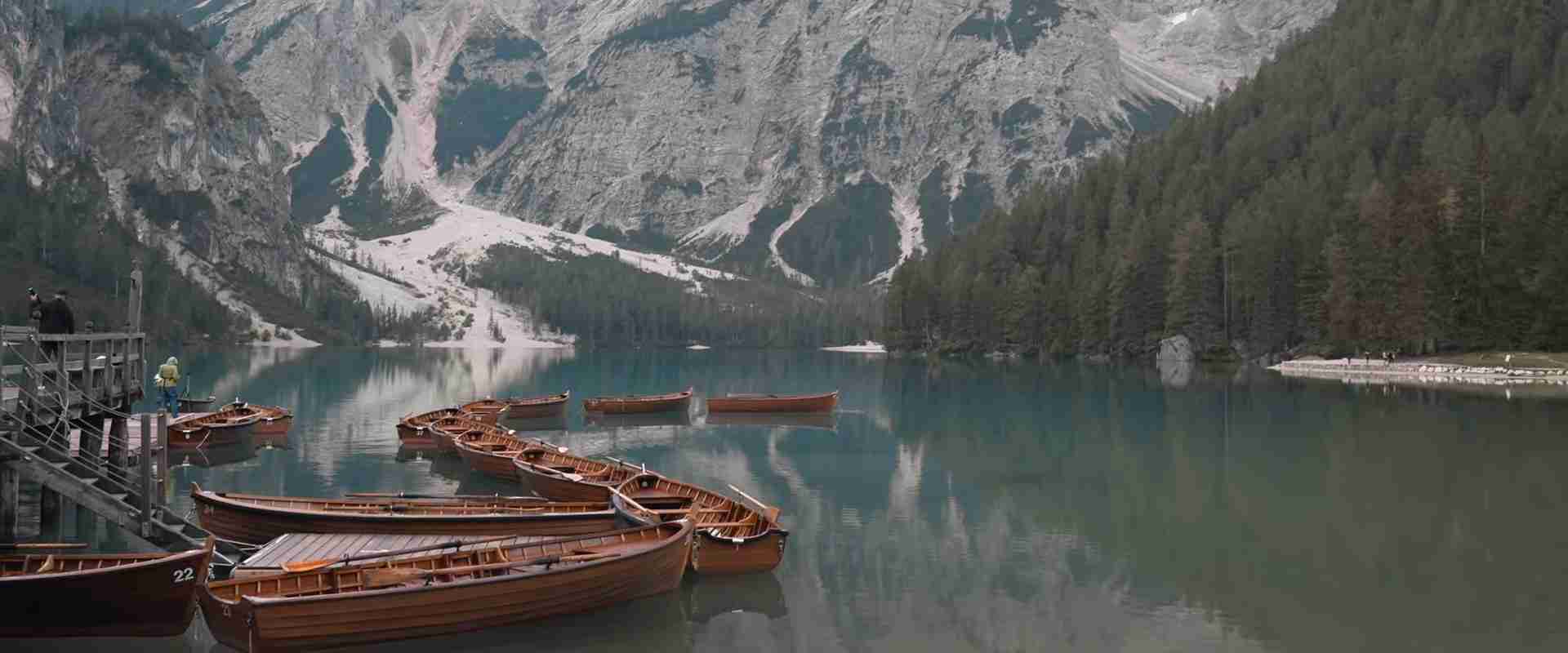
Lago di Braies
This turquoise lake surrounded by forest and peaks provides one of the Dolomites’ most accessible and popular locations. Reflections in calm morning water double compositional impact. The distinctive boathouse and wooden boats provide human-scale elements in vast landscapes. East-facing peak Seekofel catches morning alpenglow reflected in lake surface. Autumn transforms lakeside forest into golden frame for blue-green water.
Crowds concentrate at the boathouse viewpoint, but hiking around the lake reveals numerous alternative perspectives. Early morning provides both better light and fewer people. Winter shooting requires winter equipment but produces minimalist compositions with snow, ice, and bare trees. The location suits beginners—easy access, clear compositions, and reliable conditions. However, distinguishing images from countless similar photographs requires exceptional light, original perspectives, or creative approaches. Using the boathouse and boats as foreground elements rather than subjects shifts emphasis while acknowledging iconic features.
Alpe di Siusi
Europe’s largest high-alpine meadow provides sweeping compositions with Sassolungo and Sasso Piatto peaks rising dramatically from rolling grasslands. The location offers 360-degree shooting possibilities with different peak groups in all directions. Summer wildflowers create natural foregrounds in every direction. The scale challenges photographers—the meadow extends so broadly that conveying size while maintaining focal interest requires careful composition.
Classic positions include shooting west toward Sassolungo during sunrise, capturing both golden light on peaks and illuminated meadow. Evening light from the east backlights peaks dramatically. Traditional hay barns and isolated larches provide compositional anchors in vast spaces. Winter photography transforms the meadow into white minimalism where lone trees and distant peaks create spare, powerful compositions. The area suits exploration—walking across meadows reveals constantly changing foreground-background relationships. Telephoto lenses compress relationships between meadow elements and distant peaks while wide angles emphasize space and scale.
Val di Funes and Odle Peaks
The chapel of San Giovanni sits photogenically beneath the jagged Odle peaks, creating the Dolomites’ quintessential foreground-background relationship. Autumn brings golden meadows and orange larches framing white chapel and grey peaks. The composition balances human scale against mountain grandeur perfectly. Multiple shooting positions along the valley road provide similar but subtly different perspectives.
The challenge involves differentiating images from the many thousands of similar photographs taken from identical positions. Solutions include extreme weather—storm clouds, clearing storms, or fresh snow creating conditions that transform familiar scenes. Winter compositions emphasize minimalism with snow unifying valley and peaks. Focusing on details—textures, patterns, isolated trees—provides alternatives to standard grand landscapes. Night photography captures stars above peaks with lit chapel providing foreground interest. The valley offers year-round access and reliable conditions, making it perfect for photographers seeking sure results while requiring creativity to produce original work.
Hidden Locations and Original Perspectives
While iconic locations deliver reliable results, less-known areas provide opportunities for original work and solitary shooting experiences. These locations require more research and potentially more challenging access but reward effort with unique perspectives.
Val di Fassa offers accessible beauty with fewer crowds than Val Gardena or Cortina areas. Multiple peaks including Catinaccio, Torri del Vajolet, and Marmolada provide dramatic subjects. Traditional Ladin villages add cultural context to natural landscapes. The valley receives excellent morning and evening light depending on shooting direction. Summer wildflower meadows rival Alpe di Siusi without the crowds. Winter cross-country skiing allows accessing snow-covered landscapes on established trails.
Croda da Lago circuit provides dramatic lake and mountain combinations with moderate hiking requirements. The distinctive red lake and surrounding peaks create surreal color combinations under right conditions. Autumn larches surrounding the lake create golden frames for blue-green water. The hike eliminates casual tourists, ensuring relative solitude even during peak seasons. Multiple viewpoints around the lake circuit offer varied perspectives on the same basic scene.
Pale di San Martino massif rises dramatically from Val di Primiero with massive vertical walls rivaling more famous ranges. The eastern Dolomites generally see fewer visitors than western areas while offering equivalent geological drama. The range suits adventurous photographers willing to explore beyond guidebook standards. Baita Segantini high on the plateau provides access to unique high-alpine compositions.
Val di Gares and the Ampezzo Dolomites northeast of Cortina provide classic peak-and-valley compositions without the crowds of more accessible areas. Longer approaches eliminate day-trippers while rewarding committed photographers with pristine landscapes. The area particularly suits multi-day photography trips using mountain huts as bases for sunrise and sunset shooting.
Exploring logging roads and minor valley approaches reveals countless undocumented viewpoints. Topographic map study identifies potential shooting positions based on orientation, elevation, and sightlines to major peaks. This exploration requires more time and uncertain results but discovers truly original perspectives. Modern satellite imagery allows virtual scouting before field visits, increasing success probability while maintaining discovery’s excitement.
Seasonal Photography Strategies
Each season transforms the Dolomites’ appearance and presents distinctive photographic opportunities requiring adapted approaches. Understanding seasonal variations enables matching photographic goals with optimal timing.
Summer Photography: Wildflowers and Alpine Light
Summer brings meadows exploding with wildflower diversity, creating natural foregrounds in multiple color bands. Peak wildflower timing varies with elevation—valleys bloom in May and early June, mid-elevations peak in June and early July, and high alpine meadows hit maximum diversity in July and August. Planning shoots around bloom timing ensures optimal color and variety. Summer’s high sun creates challenging midday light, making early morning and late evening crucial for quality results. Afternoon thunderstorms build regularly, creating dramatic cloud formations while presenting lightning risk. Morning shoots offer most reliable clear conditions and calm wind for reflections. Summer enables accessing high-elevation locations closed by snow other seasons, reaching remote areas inaccessible in winter. However, summer brings maximum crowds, requiring early arrival at popular locations and exploring lesser-known areas. The season suits photographers prioritizing color, detail, and botanical interest over dramatic light and weather.
Autumn Photography: Larches and Golden Valleys
Autumn ranks as the Dolomites’ premium photographic season, combining optimal light angles, larch forests turning golden, and reliable weather. Larch coloration peaks in mid-October, varying slightly by elevation and exposure. The golden trees create warm foregrounds contrasting beautifully with cool grey peaks and blue skies. Lower sun angles produce enhanced golden hour light with longer duration than summer. Side-lighting emphasizes vertical relief and geological texture. Clear, stable weather following autumn storms creates exceptional visibility and dramatic cloud formations. Autumn sees significant crowds during peak color weeks, particularly weekends. The season provides comfortable hiking temperatures while requiring warmer clothing than summer. Morning frost creates additional photographic interest through ice patterns and frozen water. Autumn suits photographers seeking classic mountain landscapes with strong color and optimal light quality. The brief peak season means timing becomes critical—arriving too early finds green larches while late arrival meets bare branches.
Winter Photography: Minimalism and Snow Patterns
Winter transforms the Dolomites into high-contrast minimalist landscapes where simple forms create powerful compositions. Snow blankets valleys and covers lower peaks while highest rock faces remain bare, creating natural tonal separation. The season offers exceptional clarity following storms with dramatic cloud formations and crisp air. Lower sun angles produce long shadows that define every geological detail and create warm tones during brief golden hours. Blue hour becomes particularly productive as cool twilight contrasts with warm artificial lights in villages and mountain huts. Winter photography requires proper equipment including insulated clothing, winter boots, and potentially avalanche safety gear. Cold drains batteries rapidly, requiring multiple backups and pocket warming. Snow and ice create grip challenges while protecting expensive camera equipment. Winter access restricts some locations while opening others—frozen lakes allow shooting from positions impossible in summer. Ski lifts provide easy access to high elevations, though some close completely. Winter particularly suits photographers comfortable with technical challenges and winter mountain safety. The season rewards preparedness with unique images impossible to capture in other seasons. Snowfall creates ethereal atmospheric effects though shooting during active precipitation requires weather protection for equipment.
Spring Photography: Waterfalls and Awakening
Spring brings the Dolomites’ most dynamic conditions as snowmelt feeds dramatic waterfalls and valleys emerge from winter. The transitional season provides mixed conditions—snow remaining at high elevations while valleys green up creates natural composition layers. Waterfalls reach maximum flow in May and June, creating powerful vertical elements and opportunities for long-exposure techniques. Spring wildflowers begin blooming in valleys while higher elevations remain snow-covered. Weather remains unsettled with frequent storms creating dramatic cloud formations and rapid condition changes. The unstable conditions demand flexibility and patience while potentially delivering exceptional light and atmosphere. Spring sees fewer visitors than summer or autumn, providing relative solitude at popular locations. Access remains challenging as snow lingers on high trails and roads remain closed. Spring photography requires adapting to rapidly changing conditions, accepting uncertain results, and maintaining flexibility. The season suits adventurous photographers comfortable with variable conditions and unpredictable outcomes. The reward comes through capturing the mountains’ transitional beauty that brief spring season provides.
Creative Approaches and Artistic Vision
Technical proficiency enables capturing technically correct images but artistic vision creates compelling photography that transcends documentation. Developing personal creative approaches distinguishes your work from the countless technically competent but artistically generic mountain photographs.
Minimalist compositions reduce scenes to essential elements—single peak against sky, lone tree in meadow, abstract rock patterns. This approach suits the Dolomites’ distinctive geology where individual formations provide strong subjects. Minimalism requires ruthless elimination of extraneous elements and patient waiting for optimal conditions. The style works particularly well in winter when snow simplifies landscapes and fog obscures busy backgrounds.
Intimate landscapes focus on details rather than grand vistas—rock textures, wildflower clusters, water patterns in streams. This approach provides alternatives when iconic locations feel overcrowded or light doesn’t favor wide views. Macro and close-up work reveals patterns and forms invisible at landscape scale. Intimate photography requires different technical approaches including focus stacking for depth of field and careful attention to light quality on small subjects.
Abstract approaches emphasize patterns, colors, and forms over recognizable subjects. The Dolomites’ layered geology creates natural abstractions through color banding, erosion patterns, and rock textures. Telephoto compression and selective framing transform three-dimensional landscapes into two-dimensional designs. This approach requires training yourself to see graphics rather than subjects, focusing on compositional elements independent from representational content.
Night photography opens creative opportunities through star trails, Milky Way captures, and low-light techniques. The Dolomites’ relatively dark skies and dramatic peak silhouettes create excellent conditions for astrophotography. Mountain huts provide foreground light sources adding human scale to cosmic scenes. Night shooting requires technical proficiency with exposure, focusing in darkness, and safety awareness in dark mountain terrain. The approach delivers images that casual photographers rarely attempt, ensuring originality.
Black and white conversion emphasizes form, texture, and tonal relationships over color. The Dolomites’ dramatic geology suits black and white interpretation through strong contrast and distinctive shapes. Converting color images in post-processing allows controlling tonal relationships through color filter simulation. Black and white particularly suits harsh midday light that challenges color photography, transforming liability into strength through emphasis on form and texture.
Slow photography prioritizes quality over quantity, spending extended time at single locations exploring perspectives, waiting for optimal light, and developing deep connection with specific places. This approach contradicts the modern tendency to rush between locations collecting images. Deep engagement produces more sophisticated understanding and often stronger images than brief visits. The practice requires patience and confidence to ignore other opportunities while committing to present location.
Weather and Safety Considerations
Mountain photography involves inherent risks that demand respect and preparation. Beautiful images aren’t worth injury or worse outcomes that result from poor decisions in challenging conditions. Successful mountain photographers balance ambitious photographic goals with conservative safety practices.
Weather changes rapidly in mountains with severe consequences for unprepared photographers. Clear morning skies can deteriorate into violent thunderstorms within hours. Temperature drops dramatically with elevation gain—summery valley conditions become winter-like on exposed ridges. Wind intensifies with elevation and on exposed terrain, creating dangerous conditions even in moderate temperatures. Monitoring weather forecasts provides baseline information but local conditions often differ from valley predictions. Mountain weather apps specific to alpine regions provide better accuracy than general forecasts.
Lightning presents serious threat during thunderstorms, particularly on exposed ridges and peaks. If thunderstorms develop, descend immediately to lower elevations and away from isolated peaks. Never wait to finish shooting during approaching storms. The images aren’t worth electrocution risk. If caught in lightning, avoid isolated trees, shallow caves, and ridge crests. Crouch low on insulating material rather than lying flat. The brief duration of most alpine storms means patience and caution allow returning to photography once danger passes.
Hypothermia risks increase when combining high elevation, wind, and moisture. Carrying extra clothing layers prevents emergencies when planned quick shoots extend through weather changes. Synthetic or wool insulation maintains warmth when wet unlike cotton that kills through evaporative cooling. Wind protection outer layers prevent convective heat loss on exposed ridges. Carrying emergency shelter enables waiting out storms safely rather than descending through dangerous conditions.
Terrain hazards include loose rock, steep drops, snowfields, and unmarked trails. The Dolomites’ vertical terrain creates fall consequences that flat landscapes don’t present. Via ferratas—protected climbing routes—require proper equipment and training despite seeming accessible. Photographing near cliff edges demands anchoring to stable objects or remaining well back from exposed drops. Via ferrata equipment rental provides false confidence without proper technique training. Snowfields present hidden crevasses and slippery surfaces requiring appropriate footwear and potentially ice axes. If terrain feels beyond your comfort level, acknowledge limitations rather than pushing into dangerous situations.
Navigation skills prevent getting lost when exploring less-traveled areas. Topographic maps and GPS devices provide backup when trails become unclear. Downloading offline maps ensures navigation capability without cell service. Leaving trip plans with others enables rescue if you don’t return as expected. Headlamps allow safe descent if shooting extends past dark. Multiple light sources prevent emergencies if primary fails.
Physical fitness requirements increase with photography ambitions. Early morning starts after short sleep, extended hiking with heavy camera equipment, and operating in thin mountain air demand reasonable fitness. Knowing personal limits prevents situations where fatigue leads to poor decisions. Training for mountain photography through regular hiking with weighted packs prepares body for demands while testing equipment systems.
Post-Processing Approaches
Post-processing transforms raw captures into finished images that convey artistic vision while maintaining photographic authenticity. Developing consistent post-processing workflow ensures technical quality while allowing creative expression. The Dolomites’ distinctive color palette and dramatic tonal range benefit from thoughtful processing that enhances natural beauty without creating artificial results.
RAW processing begins with white balance adjustment correcting color casts from atmospheric conditions or camera settings. The Dolomites’ high-altitude light often shifts toward cool tones requiring warming adjustments. Alpenglow scenes need careful balance maintaining warm rock tones without over-saturating into unrealistic orange. Custom white balance during capture simplifies post-processing but field conditions don’t always allow time for precise adjustment.
Exposure optimization recovers detail in shadows and highlights using RAW file latitude. The mountains’ extreme dynamic range often requires significant recovery work. Maintaining natural appearance requires restraint—excessive shadow lifting creates flat appearance while aggressive highlight recovery produces grey skies. Learning your camera’s RAW file characteristics enables pushing recovery to limits without breaking files into posterization.
Contrast adjustment defines tonal relationships and creates depth perception. Global contrast controls overall snap while local contrast emphasizes texture and detail. The Dolomites’ layered geology benefits from enhanced local contrast revealing rock stratification and erosion patterns. However, excessive local contrast creates unnatural appearance with obvious halos around edges. Finding balance requires iterative adjustment and comparison to original captures.
Color saturation and vibrance adjustments intensify colors without creating unnatural appearance. Vibrance increases saturation in muted tones while protecting already-saturated colors from over-processing. The Dolomites’ wildflower meadows benefit from selective color enhancement emphasizing specific hues without affecting overall scene. HSL sliders allow independent control of specific colors adjusting their saturation, hue, and luminance independently. This precision enables correcting color casts in specific scene elements while leaving others untouched.
Selective adjustments using gradients, radial filters, and brushes apply processing to specific regions rather than entire image. This localized approach balances sky exposure separately from foreground, enhances specific peaks while leaving surroundings natural, and guides viewer attention through brightness and sharpness variations. Photoshop and Lightroom provide increasingly sophisticated masking tools enabling complex selective adjustments while maintaining natural transitions.
Sharpening enhances detail and creates crisp appearance but requires careful control preventing over-sharpening artifacts. Applying sharpening selectively to important details while avoiding flat areas like sky prevents noise amplification. Output sharpening varies based on display size and medium—prints require different sharpening than web displays. Understanding sharpening workflow prevents the common error of excessive sharpening that creates crunchy, unnatural appearance.
Noise reduction becomes necessary in low-light situations and with shadow recovery. Modern noise reduction tools preserve detail while reducing chrominance and luminance noise. The key involves balancing noise reduction against detail preservation—aggressive noise reduction creates smooth, plastic appearance while insufficient reduction leaves distracting grain. Applying noise reduction selectively to problematic areas while preserving detail in sharp regions provides optimal results.
Building a Distinctive Portfolio
Creating compelling Dolomite photography portfolio requires moving beyond competent execution of classic subjects toward developing distinctive vision that separates your work from the countless other mountain photographers. This distinction comes through consistent artistic approach, original perspectives, and patient development of personal style.
Focusing on specific aspects rather than attempting comprehensive coverage creates coherent bodies of work. This might involve concentrating on specific valleys, particular seasons, intimate landscapes, or abstract approaches. Narrow focus allows developing deep understanding and expertise that produces stronger work than superficial coverage of many subjects. The specialization also makes portfolio more memorable and distinctive.
Developing signature style through consistent processing, compositional approaches, or subject selection makes your work immediately recognizable. This doesn’t mean processing all images identically but rather establishing visual language that runs through portfolio. Style emerges through intentional choices repeated across bodies of work until they become natural expression of artistic vision.
Printing work reveals image qualities invisible on screen and forces ruthless editing that digital accumulation doesn’t demand. Physical prints require commitment—financially and practically—that eliminates marginal work and forces identifying truly strong images. Building print portfolio also enables exhibitions and sales that purely digital work doesn’t support. Quality printing requires understanding color management, paper selection, and print finishing that adds technical dimension to photography skills.
Sharing work through social media, photography communities, and exhibitions provides feedback, builds audience, and creates opportunities. However, online presentation requires strategic approach rather than flooding feeds with every decent image. Selective sharing of best work maintains quality standards and respects audience attention. Engagement with other photographers’ work builds community connections while expanding your visual education.
Revisiting locations across multiple visits and seasons allows deepening understanding beyond superficial first impressions. This repeated engagement produces more sophisticated work reflecting intimate knowledge that single visits can’t achieve. The practice also embraces chance—returning to same locations under different conditions produces varied results showing location’s multiple personalities.
Studying master photographers’ work across genres—not just mountain photography—expands visual vocabulary and creative approaches. Understanding how painters, cinematographers, and other visual artists solve compositional challenges provides tools applicable to photography. This broader artistic education prevents insular approach where you only reference other mountain photographers’ work.
Conclusion: Your Dolomite Vision
Photographing the Dolomites rewards technical proficiency, artistic vision, and patient engagement with one of Earth’s most spectacular mountain landscapes. The distinctive geology creates photographic opportunities unmatched in other ranges while accessibility enables photographers at all levels capturing quality images. However, creating work that stands out from countless other Dolomite photographs requires moving beyond technical competence toward developing distinctive artistic vision.
Success combines understanding light and weather patterns, mastering technical approaches appropriate to mountain conditions, learning specific locations’ characteristics, respecting safety requirements, and developing creative approaches that express personal artistic vision. This comprehensive foundation enables adapting to field conditions, making rapid decisions, and recognizing photographic opportunities that less-prepared photographers miss.
The mountains ultimately reward patience, persistence, and willingness to embrace uncertainty. The best images often come from challenging conditions—clearing storms, extreme cold, or difficult access—rather than comfortable circumstances. Developing comfort with discomfort enables accessing photographic opportunities that others miss through risk aversion or insufficient preparation.
Building distinctive Dolomite portfolio requires long-term engagement rather than single trips. Returning across seasons, exploring beyond obvious locations, and developing deep connection with specific places produces work that transcends competent execution of standard subjects. This commitment to craft and place separates memorable portfolios from collections of technically proficient but artistically generic images.
Most importantly, maintain perspective that photography serves artistic expression and personal fulfillment rather than social media metrics or commercial success. Create work that satisfies your artistic vision and documents your personal connection with these remarkable mountains. The images that emerge from genuine engagement and authentic vision prove most satisfying and ultimately most compelling to audiences.
Frequently Asked Questions
Do I need a permit to photograph in the Dolomites?
No permits required for amateur photography throughout the Dolomites. Commercial photography requiring models, artificial lighting, or disruptive equipment may require permits from local authorities or land managers. Photographing from roads, trails, and public areas remains completely unrestricted. Drone photography requires following Italian aviation regulations including restricted areas around airports and populated zones. Some private land including working farms and alpine huts may restrict access, requiring permission from owners. Via ferratas and climbing routes allow photography but prioritize climber safety over photographer positioning.
What camera settings work best for Dolomites landscape photography?
Aperture priority mode with f/8-f/11 provides good depth of field for landscapes while maintaining reasonable shutter speeds. Lower ISO settings (100-400) ensure clean images when light permits. Enable highlight warnings to prevent blown skies during exposure adjustment. Shoot RAW format for maximum post-processing flexibility. Use mirror-up or electronic shutter to minimize vibration on tripod. Enable image stabilization only when handholding—disable for tripod work. Auto white balance works well but consider custom settings for consistency when shooting series. These baseline settings adjust based on specific situations—lower apertures for selective focus, higher ISO in low light, faster shutters for wind-blown subjects.
How do I protect camera equipment in harsh mountain weather?
Weather-sealed cameras and lenses provide first defense against moisture and dust. Rain covers protect equipment during active precipitation while allowing continued shooting. Keeping cameras in sealed bags when not shooting prevents condensation problems from temperature transitions. Avoiding rapid temperature changes prevents internal lens condensation—allow gear to temperature-acclimate gradually. Silica gel packets in camera bags absorb moisture. Lens hoods prevent rain and snow hitting front elements. Microfiber cloths enable cleaning wet gear without scratching. Extra batteries stored in warm pockets maintain charge despite cold temperature drain. Memory card organization prevents fumbling with small items in cold. Equipment insurance covers theft and damage that careful use can’t prevent.
What’s the best focal length for Dolomites mountain photography?
Wide-angle lenses (16-35mm) capture grand landscapes and work well in valleys where you’re close to subjects. Standard zooms (24-70mm) provide versatility handling varied situations. Telephoto lenses (70-200mm and longer) isolate distant peaks and compress depth making subjects appear closer. The “best” focal length depends on your compositional style and specific locations. Carrying multiple lenses or zoom ranges provides maximum flexibility. However, a quality wide-angle lens handles most classic Dolomite compositions if forced to choose only one. Many photographers find 24-70mm range offers optimal versatility for mountain work. Consider that wider lenses require more careful foreground composition while telephotos simplify backgrounds.
How early do I need to arrive for sunrise photography?
Arrive 45-60 minutes before sunrise for setup, composition, and capturing pre-dawn blue hour. Popular locations fill early during peak seasons requiring arrival even earlier for prime positions. The hour before sunrise often provides better light than the moment of sunrise itself. Predawn arrival allows adjusting as light develops rather than rushing setup during best light. Consider twilight photography before actual sunrise—blue hour provides excellent shooting opportunities. Night photography before dawn requires arriving earlier still. Calculate driving time, hiking distance, and setup needs when planning departure. Dawn timing varies seasonally—summer requires very early starts while winter allows more reasonable timing.
Can I use smartphone cameras for serious Dolomites photography?
Modern smartphones capture impressive landscape images particularly in good light. Their advantages include always-available convenience, automatic HDR, and computational photography that handles difficult exposures. However, limitations include fixed focal length, smaller sensors limiting low-light performance and dynamic range, and less manual control. Smartphones excel at documentation and social media sharing but lack technical capabilities for large prints or professional applications. Use smartphones for spontaneous captures and scouting compositions while carrying dedicated camera for serious work. Many photographers use smartphones for backup images and behind-scenes documentation. The best camera remains the one you have—better to capture images with smartphone than miss shots waiting for “proper” camera.
What weather conditions create the most dramatic photography?
Clearing storms provide exceptional drama through dramatic cloud formations, clean air, and dynamic light. Fresh snow transforms scenes while storms pass through creating movement and atmosphere. Morning fog in valleys with peaks emerging creates mysterious, layered compositions. High-altitude lenticular clouds signal strong winds but produce distinctive formations. Rainbow conditions after storms combine dramatic skies with color arcs. Extreme weather including blizzards and violent storms creates powerful atmosphere but demands safety awareness. The most dramatic conditions often involve some discomfort or challenge—getting soaked in rain, enduring cold, or hiking through difficult conditions. The images reward the effort but require commitment to uncomfortable situations.
How do I find less-photographed locations in the Dolomites?
Study topographic maps identifying potential viewpoints based on terrain, sightlines, and accessibility. Satellite imagery allows virtual scouting before field visits. Explore logging roads and minor valleys that guidebooks ignore. Talk with local hikers, mountain guides, and hut keepers who know areas intimately. Visit during off-season when even popular locations see few visitors. Hike beyond the first obvious viewpoints to where crowds thin. Some excellent locations simply require more physical effort reaching them. Research historical photographs showing how areas looked before tourism development. Join local photography groups or online communities sharing location information. Accept that discovering original locations requires more time, research, and uncertain outcomes than shooting established viewpoints.
Should I shoot in JPEG or RAW format?
Always shoot RAW for landscape photography requiring post-processing flexibility. RAW files contain maximum sensor data allowing significant exposure adjustment, white balance correction, and highlight/shadow recovery impossible with JPEG. The Dolomites’ extreme dynamic range and distinctive color particularly benefit from RAW processing capabilities. RAW files require post-processing while JPEGs appear finished but with limited adjustment potential. Shooting RAW+JPEG provides both options though it uses more storage and slows shooting. Some photographers use JPEG for casual documentation while maintaining RAW for serious work. Modern storage and processing power make RAW workflow standard for serious landscape photography. Learning RAW processing requires time investment but enables quality unachievable with in-camera JPEG processing.
What’s the role of luck versus skill in mountain photography?
Exceptional mountain photography requires both luck and skill working together. Skill involves technical proficiency, understanding light and weather, knowing locations, and making compositional decisions. Luck provides optimal conditions that skill alone can’t create—perfect alpenglow, dramatic cloud formations, or serendipitous moments. However, prepared photographers positioned correctly recognize and capitalize on lucky moments that unprepared photographers miss or fumble. The saying “luck is when preparation meets opportunity” applies perfectly to mountain photography. Increase luck probability through repeated visits, staying longer in mountains, accepting uncertain outcomes, and maintaining readiness when conditions improve. Skills ensure capitalizing on luck when it appears. Neither element alone produces consistently excellent work—combine both through patient engagement with mountains.