
Dolomites Free Things to Do 2026: Complete Budget Activities Guide
The Dolomites UNESCO World Heritage Site delivers spectacular alpine experiences at zero cost beyond minimal parking fees and transportation, with thousands of kilometers of marked hiking trails, dramatic viewpoints, historic village centers, and traditional festivals accessible to budget-conscious travelers throughout the year. This 2026 guide identifies genuinely free activities alongside strategic cost-minimization approaches enabling comprehensive Dolomites exploration without expensive cable car tickets, guided tours, or admission fees that typically dominate mountain tourism budgets.
Key Takeaways About Free Dolomites Activities 2026
- Trail Access Reality 2026: All Dolomites hiking trails remain free with zero entrance fees or permits required, though trailhead parking costs €2-5 daily at most locations and new 2026 restrictions include mandatory Tre Cime parking reservations at €40 per vehicle plus a €5 per person turnstile fee for Seceda’s main ridge trail.
- Guest Pass Value 2026: The South Tyrol Guest Pass included automatically with 85% of accommodations provides unlimited regional bus travel throughout your stay, eliminating transportation costs between valley towns, trailheads, and cable car stations across South Tyrol province.
- Budget-Free Mountain Access: Classic hikes including the 70-kilometer Giro delle Tre Cime circuit, Val di Funes meadow walks beneath the Odle Group, Alpe di Siusi plateau trails, and dozens of alpine lake approaches require only hiking boots and basic fitness, delivering world-class mountain scenery without cable car expenses averaging €25-45 per ride.
- Village Exploration Opportunities 2026: Historic town centers in Cortina d’Ampezzo, Ortisei, Bolzano, and smaller villages offer free walking tours through pedestrian zones featuring traditional architecture, woodcarving workshops, local churches with centuries of art and history, and weekly farmers markets selling regional products at prices below restaurant charges.
- Seasonal Festival Calendar: Summer village festivals celebrating alpine traditions, autumn harvest markets featuring local cheeses and wines, and cultural events including concerts, traditional costume displays, and sporting competitions occur throughout the season with free admission enabling authentic cultural experiences beyond standard tourist activities.
- Strategic Cost Minimization 2026: Combining free hiking with packed supermarket lunches rather than rifugio dining at €12-18 per meal, utilizing the Guest Pass for unlimited bus travel, parking at free or low-cost lots requiring short walk-ins to trailheads, and timing visits for September shoulder season with reduced accommodation costs enables week-long Dolomites stays under €400 per person excluding major transportation.
People Also Ask About Free Dolomites Activities 2026
Is hiking in the Dolomites free in 2026?
All Dolomites hiking trails remain completely free with no entrance fees, permits, or trail passes required for accessing the thousands of kilometers of marked routes throughout the UNESCO World Heritage Site. Costs arise exclusively from trailhead parking at €2-5 daily for most locations, though some areas including the Tre Cime di Lavaredo toll road now require advance parking reservations at €40 per vehicle starting in 2025, and the popular Seceda ridge introduced a €5 per person turnstile fee for the main ridgeline trail in 2026. Valley-start hikes eliminating parking fees entirely include routes from Ortisei, Val di Funes villages, and Cortina town center, while the South Tyrol Guest Pass included with most accommodations provides unlimited regional bus travel enabling free transportation to trailheads served by public buses across South Tyrol province.
What free activities can I do in the Dolomites besides hiking in 2026?
Free Dolomites activities beyond hiking include exploring historic village centers with pedestrian zones featuring traditional architecture and local artisan workshops, visiting churches containing centuries of religious art and frescoes, attending weekly farmers markets selling regional products, watching traditional festivals and cultural events occurring throughout summer and autumn seasons, photographing iconic viewpoints including Val di Funes meadows and Lago di Braies reflections requiring only parking fees, observing wildlife including chamois, marmots, and birds of prey in natural habitats, and driving scenic mountain passes including Passo Pordoi, Passo Giau, and Passo Gardena offering spectacular panoramas without toll charges. Village museums occasionally offer free admission days, while outdoor concerts and sporting events provide entertainment at no cost beyond transportation to venues.
How much does parking cost at Dolomites trailheads in 2026?
Dolomites trailhead parking costs vary from completely free at remote locations with roadside spaces to €2-5 daily at popular hiking areas including Alpe di Siusi access points, Val di Funes trails, and smaller lake destinations. Town center parking in resort communities including Cortina d’Ampezzo, Ortisei, and Canazei charges €5-12 daily with strict enforcement and regular patrols issuing fines for violations. The Tre Cime di Lavaredo toll road implements a pre-booking system requiring online reservations at €40 per vehicle valid for 12 hours, while Val di Funes Zans parking area manages capacity through traffic light systems allowing entry only with confirmed reservations when lots reach capacity. New 2026 regulations include the €5 per person Seceda ridgeline turnstile fee and expanded parking restrictions at high-traffic locations, though numerous trails throughout the Dolomites maintain free roadside parking requiring short walk-ins to official trailheads.
Can I wild camp for free in the Dolomites in 2026?
Wild camping remains completely illegal throughout the Dolomites UNESCO World Heritage Site with fines ranging €100-500 for violations including tent camping outside designated campgrounds and parking recreational vehicles overnight with stabilizing legs deployed, awnings extended, or outdoor furniture arranged. Italian law distinguishes emergency bivouacking (sleeping under stars or in tents from dusk until dawn) potentially tolerated above 1,500-2,000 meters when far from rifugios versus camping activities strictly prohibited in all Nature Parks including Fanes-Sennes-Braies and Tre Cime areas. Official campgrounds charge €15-25 nightly for two people with tent and vehicle, providing legal alternatives to wild camping while maintaining lower costs than valley hotels at €80-150 nightly for basic accommodations. Simple overnight parking without camping activities (sleeping in vehicle without external setup) receives occasional tolerance in some public lots, though many explicitly prohibit overnight stays with prominent signage and active police enforcement during 2026 season.
Extended multi-day tours – 5+ days
Featured The Dolomites Multi-Day Tour Packages
3 days
The Dolomites 3-Day Discovery Tour
- ✓ Comprehensive The Dolomites experience
- ✓ Expert local guides included
- ✓ All accommodation included
- ✓ Transportation provided

5 days
The Dolomites 5-Day Highlights Experience
- ✓ Comprehensive The Dolomites experience
- ✓ Expert local guides included
- ✓ All accommodation included
- ✓ Transportation provided
7 days
The Dolomites 7-Day Cultural Journey
- ✓ Comprehensive The Dolomites experience
- ✓ Expert local guides included
- ✓ All accommodation included
- ✓ Transportation provided

10 days
The Dolomites 10-Day Complete Adventure
- ✓ Comprehensive The Dolomites experience
- ✓ Expert local guides included
- ✓ All accommodation included
- ✓ Transportation provided
Multi-day tour packages powered by TourRadar. Prices and availability subject to change.
Introduction to Free Dolomites Activities Planning for 2026
The Dolomites UNESCO World Heritage Site encompasses 142,000 hectares of spectacular mountain terrain where budget-conscious travelers access extraordinary alpine experiences without the significant expenses typically associated with European mountain tourism. Unlike ski resorts charging daily lift passes at €55-75 or national parks implementing entrance fees, the Dolomites maintain free trail access throughout nine protected mountain systems enabling unlimited hiking, photography, and mountain exploration constrained only by minimal parking charges and personal transportation costs between valleys.
This accessibility stems from Italian and European alpine traditions establishing mountain landscapes as public resources rather than privatized recreation facilities, creating networks of marked trails maintained by alpine clubs and local communities rather than commercial operators charging user fees. The resulting infrastructure enables independent travelers to experience the same spectacular limestone formations, alpine meadows, and dramatic ridgelines as expensive guided tour participants, with the primary cost differential arising from accommodation choices, meal strategies, and cable car usage decisions rather than trail access restrictions.
Planning free or low-cost Dolomites experiences for 2026 requires understanding which activities genuinely cost nothing versus those requiring strategic budget allocation, identifying cost-saving opportunities including the valuable South Tyrol Guest Pass and public transportation networks, recognizing new 2026 access restrictions affecting specific high-traffic locations, and developing realistic expectations about unavoidable expenses including parking fees, accommodation costs, and meal expenditures that minimize but never completely eliminate spending during multi-day mountain visits. This guide provides comprehensive information enabling budget travelers to maximize free activities while strategically managing necessary costs throughout Dolomites explorations.
Free Hiking Trails Throughout the Dolomites 2026
The Dolomites contain approximately 3,000 kilometers of marked hiking trails spanning all difficulty levels from gentle valley walks accessible to families with young children through challenging high-altitude traverses demanding technical mountaineering skills. These trails require no entrance fees, permits, or passes regardless of duration, elevation gain, or popularity, creating the foundation for zero-cost mountain experiences throughout the UNESCO World Heritage Site. Trails receive maintenance from local alpine clubs, volunteer organizations, and municipal authorities funded through general taxation rather than user fees, ensuring public access remains free while infrastructure including waymarkers, signposts, and basic trail work continues without direct cost recovery from hikers.
Major free hiking routes include the 70-kilometer Giro delle Tre Cime circuit completely surrounding the Three Peaks of Lavaredo through spectacular high-altitude terrain, the Adolf Munkel Trail beneath the Odle Group’s dramatic spires offering 9 kilometers of moderate mountain walking, the Alpe di Siusi plateau network spanning 350 kilometers of interconnected paths across Europe’s largest high-altitude meadow, and countless valley trails exploring forests, alpine lakes, and traditional farming villages throughout the nine UNESCO-designated systems. These routes deliver identical scenery and mountain access as expensive helicopter tours or cable car-dependent excursions, with the sole differential involving personal effort required for elevation gain versus mechanical ascent shortcuts.
Trail markings follow standardized Italian alpine conventions with red-white-red painted stripes on rocks and trees plus numbered trail designations on signposts positioned at intersections and decision points. Most popular routes feature excellent marking quality with waymarkers visible every 50-100 meters ensuring confident navigation, while secondary paths in remote areas may display faded or missing markers requiring basic map reading skills and careful attention to terrain features. Trail numbers appear on detailed hiking maps available for purchase at €8-12 in valley bookshops and tourist offices or accessible through free smartphone apps including Maps.me enabling offline navigation when cellular coverage disappears in mountain terrain.
Seasonal trail access varies with higher elevations remaining snow-covered until mid-June and early snowfall potentially closing passes after mid-September, creating a prime hiking window from late June through mid-September when all trails open for safe passage. Lower elevation valley walks remain accessible year-round including winter months when snow depths permit snowshoeing activities, while shoulder seasons in May-June and September-October offer reduced crowds and spectacular seasonal displays including spring wildflowers and autumn larch colors despite potential trail closures at highest elevations above 2,500 meters.
Completely Free Lake Viewpoints and Scenic Areas 2026
Alpine lakes throughout the Dolomites provide spectacular photography locations and relaxing destinations accessible via short easy walks from parking areas charging €2-5 daily as the sole expense beyond personal transportation. These emerald and turquoise waters surrounded by dramatic limestone peaks create iconic Dolomites imagery recognized worldwide, with viewing and photographing requiring no additional fees once parking costs are paid.
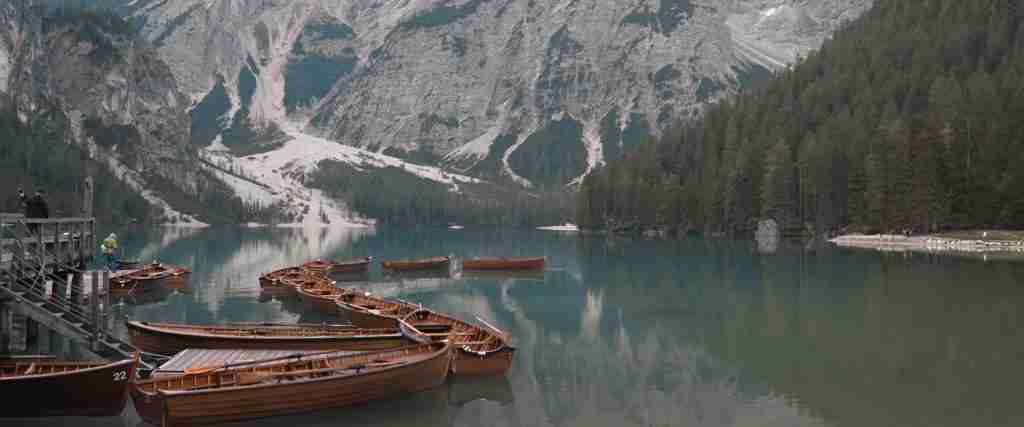
Lago di Braies represents the Dolomites’ most photographed lake where visitors walk freely along the 3-kilometer shoreline loop encircling turquoise waters reflecting the Croda del Becco peak’s vertical walls. Parking costs €5 daily with spaces filling by 8:00 AM during July-August peak season requiring early arrival or alternative bus access from nearby villages. The lake offers free rowboat views from shore and unrestricted photography opportunities throughout daylight hours, with sunrise and sunset lighting creating particularly dramatic reflections and color displays against surrounding cliffs.
Lago di Carezza displays distinctive multi-colored waters ranging from emerald green to deep blue depending on mineral content and light angles, surrounded by dense forest with the Latemar massif rising dramatically behind. Parking costs €5 daily at the main lot 200 meters from the lakeshore, with a gentle paved path enabling wheelchair and stroller access to viewing platforms positioned around the lake perimeter. Photography remains unrestricted throughout the year including winter when frozen surfaces and surrounding snow create ethereal winter wonderland scenes contrasting with summer’s vivid colors.
Lago di Misurina provides free shoreline access following a 3-kilometer walking loop with panoramic Tre Cime views dominating the western horizon. Large free parking areas exist along the main road though prime lakeside spaces charge €2-3 daily, with the lake serving as a convenient base for Tre Cime access via toll road or bus connection. The area offers multiple free viewpoints from different angles around the lake, unrestricted photography, and picnic areas enabling budget-friendly lunch stops with spectacular mountain backdrops.
Additional free lake destinations include Lago di Antorno (€2 hourly parking recently implemented), Lago di Sorapis requiring a 6-kilometer hike from roadside parking making lake viewing completely free beyond initial parking expense, Lago di Federa approached via moderate hiking trail, and dozens of smaller alpine tarns discovered along high-elevation trails throughout the mountain systems. These locations enable budget travelers to experience classic Dolomites lake scenery without entrance fees, guided tour costs, or restricted viewing areas limiting photography and exploration.
Free Village Exploration and Cultural Activities 2026
Historic Dolomites villages and towns offer extensive free exploration opportunities through pedestrian centers featuring traditional architecture, artisan workshops, religious sites, and local markets providing cultural experiences and mountain town atmosphere without admission charges or tour fees. These communities developed over centuries as farming and trading centers maintaining distinctive South Tyrolean, Ladin, and Veneto cultural identities reflected in architecture, language, cuisine, and traditions observable through casual wandering and cultural curiosity.
Ortisei in Val Gardena serves as the valley’s largest town where pedestrian zones enable free walking past traditional buildings decorated with painted facades depicting religious and historical scenes, woodcarving workshops where local artisans create sculptures and decorative pieces using generations-old techniques observable through shop windows, and the parish church of Santa Maria Assunta containing baroque altarpieces and frescoes accessible during open hours with free admission. The town square hosts weekly farmers markets on Fridays during summer season where local producers sell cheeses, speck, bread, and produce at prices below restaurant charges, creating cost-effective provisioning opportunities alongside cultural experiences observing traditional market practices and regional agricultural products.
Cortina d’Ampezzo combines upscale resort atmosphere with accessible town center exploration where pedestrian Corso Italia features boutique shopping windows, historic hotels including the century-old Hotel de la Poste, and parish churches with elaborate interiors freely accessible during daytime hours. The town provides free viewpoints from multiple locations including the Olympic ski jump area offering panoramas across the Ampezzo valley and surrounding peaks, while nearby villages including San Vito di Cadore and Pieve di Cadore (Titian’s birthplace) offer quieter alternatives for traditional architecture appreciation without Cortina’s crowds and premium pricing.
Smaller villages including Santa Maddalena in Val di Funes, Seis am Schlern, and traditional farming communities throughout the valleys provide intimate cultural experiences where centuries-old farming practices continue alongside modern tourism, with hay meadows, traditional barns, and working farms creating living museums observable from public roads and trails. Village churches open during daytime hours contain religious art spanning centuries, while village squares often feature fountains, war memorials, and public gathering spaces revealing local history and community values through architecture and monument inscriptions.
Bolzano, the regional capital, offers extensive free urban exploration including the pedestrian old town with arcaded streets dating to medieval periods, Piazza Walther as the social heart featuring the cathedral with its distinctive spire and elaborate Gothic architecture, riverside walks along the Talvera providing green space within the urban environment, and the Museion modern art museum offering occasional free admission days though standard entry requires tickets. The city combines Italian and Germanic cultural influences creating distinctive bilingual atmosphere observable in street signs, restaurant menus, and public conversations mixing Italian and German languages throughout daily interactions.
Understanding the South Tyrol Guest Pass Value 2026
The South Tyrol Guest Pass represents the Dolomites’ most valuable free benefit included automatically with approximately 85% of accommodations throughout the Bolzano province including Val Gardena, Alpe di Siusi, Val Badia, Val di Funes, and Cortina areas. This pass provides unlimited travel on all regional buses throughout South Tyrol’s public transportation network for the duration of your stay, eliminating costs for valley-to-valley transfers, trailhead access, and town exploration throughout areas covered by the Guest Pass system.
Guest Pass coverage extends across approximately 100 bus routes connecting major valleys, villages, and trailheads throughout South Tyrol, operating from early morning through evening hours with 30-60 minute frequencies during summer peak season. Routes include connections between Bolzano and Val Gardena villages, Val di Funes access from Chiusa, Alpe di Siusi cable car stations, and numerous trailhead stops enabling car-free hiking across the region. Standard single-ride bus tickets cost €2-5 depending on distance, while day passes run €10-15, making the free Guest Pass potentially worth €70-100 weekly for active travelers utilizing buses frequently throughout their stays.
Guest Pass validity requires staying at participating accommodations prominently displaying Guest Pass membership in booking confirmations and check-in materials, with cards issued automatically upon arrival for all guests regardless of length of stay. The pass works through simple presentation to bus drivers when boarding without requiring reservations or advance scheduling, enabling spontaneous travel decisions throughout regions covered by the system. Non-South Tyrol areas including Belluno province and some Trentino valleys operate separate public transportation systems not covered by the Guest Pass, requiring separate ticket purchases for routes outside the South Tyrol network.
Strategic Guest Pass utilization maximizes budget efficiency by enabling complete car-free travel throughout South Tyrol eliminating rental car costs at €40-70 daily plus fuel at €15-25 daily for typical driving distances. Travelers base themselves in single valley accommodations offering the Guest Pass, then utilize unlimited bus travel for day trips to different hiking areas and villages throughout their stays. This approach eliminates parking fees at €5-12 daily in town centers and €2-5 at trailheads, reduces environmental impact through reduced personal vehicle usage, and removes driving stress navigating narrow mountain roads through passes and valleys with challenging hairpin curves and limited visibility.
The Guest Pass does not cover cable car costs, museum admission, guided tours, or any services beyond standard regional bus transportation throughout South Tyrol’s public transit network. Travelers requiring cable car access for specific hikes must purchase individual tickets or multi-day passes separately, while areas outside South Tyrol including Belluno and eastern Dolomites valleys require separate transportation arrangements. Despite these limitations, the Guest Pass represents exceptional value for budget travelers prioritizing free mountain access through hiking rather than expensive cable car-dependent activities.
Free Seasonal Festivals and Cultural Events 2026
Traditional festivals, cultural events, and sporting competitions occur throughout the Dolomites calendar year providing free entertainment, authentic cultural experiences, and community interaction opportunities supplementing outdoor activities with social and cultural dimensions beyond standard tourist attractions. These events reflect centuries of alpine traditions including farming celebrations, religious observances, and contemporary sporting competitions attracting participants and spectators from throughout Italy and internationally.
Summer village festivals called “feste” occur in most towns featuring outdoor music performances with traditional Ladin folk music and contemporary bands, food stands selling local specialties at prices below restaurant rates, traditional costume displays demonstrating historical and regional clothing styles preserved through generations, and social dancing continuing late into evening hours. These festivals typically offer free admission with food and beverage sales generating revenue supporting local cultural associations and volunteer organizations maintaining traditions. Notable festivals include the Funes Almabtrieb celebrating autumn cattle descent from summer pastures to valley farms with decorated animals parading through village streets, Val Gardena cultural festivals featuring Ladin language performances and woodcarving demonstrations, and various patron saint celebrations combining religious processions with secular festivities.
Cycling events including the annual Sellaronda Bike Day close the Sella Group passes to motorized traffic for a full day allowing thousands of cyclists to complete the iconic circuit without vehicle interference, with spectator viewing free along the entire 55-kilometer route offering opportunities to observe amateur and professional cyclists tackling the challenging mountain terrain. The event occurs in June and September drawing participants from throughout Europe, with support services and food stations positioned throughout the route creating festival atmosphere along normally busy mountain roads.
Winter season brings Christmas markets to Bolzano, Bressanone, and valley towns during December featuring traditional crafts, regional food products, mulled wine, and festive decorations creating atmospheric holiday experiences with free market access though purchases required for food and crafts. These markets operate daily through late December attracting both tourists and local residents, with entertainment including musical performances, children’s activities, and traditional demonstrations occurring throughout market hours. The Bolzano Christmas market ranks among South Tyrol’s largest with 80+ vendors occupying the historic town center for four weeks annually.
Sporting events including ski races, trail running competitions, and mountain bike championships occur throughout the season with spectator access free at most locations enabling viewing of elite athletes competing in challenging mountain terrain. The Val Gardena World Cup downhill and super-G races in mid-December attract tens of thousands of spectators to the Saslong course, with viewing areas accessible along the entire descent route providing close-up racing action without ticket costs. Summer trail running events including the Dolomites Skyrace and various vertical kilometer competitions feature courses visible from valley locations and mountain trails enabling spectators to observe competitive mountain running without admission charges.
Strategic Cost Minimization for Dolomites Travel 2026
Combining free activities with strategic cost management across accommodation, food, and transportation categories enables comprehensive Dolomites experiences on limited budgets well below typical mountain tourism expenditures. These strategies require planning, flexibility, and willingness to prioritize cost savings over convenience, though delivering authentic mountain experiences matching or exceeding expensive alternatives through different approaches rather than reduced quality.
Accommodation Cost Strategies 2026
Valley camping represents the most economical accommodation option at €15-25 nightly for two people with tent and vehicle, providing base camps for daily hiking excursions while maintaining significantly lower costs than valley hotels at €80-150 nightly for budget accommodations. Campgrounds typically include bathroom facilities with hot showers, communal cooking areas, and often small shops selling basic provisions, creating functional though rustic accommodations suitable for active travelers prioritizing outdoor activities over lodging comfort. Popular campgrounds include locations near Cortina, Val di Funes, Val Gardena, and throughout major valleys, with advance booking recommended for July-August peak season when sites reach capacity.
Guesthouse and agriturismi (farm stay) accommodations offer mid-range alternatives at €60-90 nightly for double rooms including breakfast, providing comfortable lodging at prices below commercial hotels while supporting local families operating small-scale tourism businesses. These properties often include Guest Pass coverage for unlimited bus travel, homemade breakfast featuring local products, and insider knowledge from hosts familiar with area hiking trails and hidden locations beyond standard tourist circuits. Booking directly through property websites or telephone contact sometimes yields better rates than online booking platforms charging 15-20% commissions reflected in final prices.
Rifugio dormitory accommodation at mountain huts costs €25-35 per person for room-only arrangements or €50-75 including half-board (dinner and breakfast), enabling multi-day hut-to-hut trekking eliminating daily valley returns and parking fees while positioning hikers directly in high-alpine terrain for sunrise photography and early trail starts. Budget-conscious hikers select room-only arrangements then prepare packed lunches from breakfast supplies and purchase a la carte dinners at €10-18 rather than committing to full half-board packages, reducing daily costs by €15-25 per person across multi-day treks.
Food Cost Management Strategies 2026
Supermarket provisioning dramatically reduces food expenses compared to restaurant dining and rifugio meals, with valley supermarkets including Despar, Conad, and Eurospar chains offering comprehensive selections of bread, cheese, salami, fruit, vegetables, and packaged foods at standard Italian grocery prices. Daily food budgets of €15-25 per person enable three meals through strategic shopping including fresh bread rolls at €0.40-0.60 each, local cheeses at €12-18 per kilogram, salami and speck at €20-30 per kilogram, seasonal fruit at €2-4 per kilogram, and basic packaged goods including pasta, tomato sauce, and shelf-stable items for evening meal preparation at campgrounds or guesthouse kitchens.
Packed lunch strategies eliminate rifugio lunch expenses at €12-18 per meal, with sandwich preparations using supermarket ingredients costing €3-5 per person delivering equivalent nutrition for extended hiking days. Budget allocation focuses rifugio spending on evening meals providing hot food, social atmosphere, and supporting mountain hut operations rather than expensive midday stops duplicating packed provisions at triple the cost. Many hikers combine approaches, packing lunches for most days while budgeting occasional rifugio lunches at scenic locations offering exceptional regional specialties worth the premium pricing.
Farmers markets in valley towns including Ortisei Friday markets, Bolzano Saturday markets, and various smaller village markets provide fresh local products at prices competitive with or below supermarket rates, enabling budget-conscious provisioning while supporting regional agriculture and experiencing traditional market culture. Products include fresh vegetables, mountain cheeses, local honey, freshly baked bread, and seasonal specialties with vendors often offering samples and engaging in friendly conversation about product origins and preparation recommendations.
Transportation Cost Optimization 2026
Public bus utilization through the South Tyrol Guest Pass provides unlimited free travel throughout covered regions, eliminating car rental costs at €40-70 daily, fuel expenses at €15-25 daily, and parking fees at €5-12 daily in town centers and €2-5 at trailheads. Bus-dependent travel requires schedule awareness and flexibility accepting 30-60 minute wait times between connections, though summer season frequencies enable reasonable travel times between major valleys and tourist destinations. Strategic accommodation selection in well-connected villages including Ortisei, Selva, or Corvara maximizes Guest Pass utility with frequent bus departures to multiple hiking areas and neighboring valleys.
Carpooling and ride-sharing through informal arrangements or structured platforms including BlaBlaCar reduce transportation costs by sharing expenses among multiple travelers, with costs typically €0.15-0.25 per kilometer split among passengers creating economical long-distance travel between major cities and Dolomites valleys. International travelers arriving in Venice, Verona, or Munich coordinate ride-shares to popular valley destinations, reducing individual costs below bus service prices while providing door-to-door convenience and flexibility for luggage and equipment transport.
Strategic parking selection identifies free or low-cost lots requiring 15-30 minute walk-ins to popular trailheads rather than premium parking directly at access points charging higher fees for proximity convenience. These alternative lots reduce daily parking costs from €5 to zero while adding modest distance to daily hiking totals, creating acceptable tradeoffs for budget-conscious travelers willing to walk additional distance saving €30-50 weekly on parking expenses across extended stays.
2026 Access Restrictions and New Costs
The 2026 season implements expanded access management systems at high-traffic locations addressing overcrowding, environmental protection, and visitor safety concerns through pre-booking requirements, capacity limits, and new user fees at specific sites previously offering unrestricted free access. These changes affect popular destinations including Tre Cime di Lavaredo, Seceda ridge, and Val di Funes parking areas, requiring advance planning and budget allocation for fees now mandatory at locations previously accessible without reservation or payment beyond standard parking charges.
The Tre Cime di Lavaredo toll road requires online parking reservations through official booking systems at €40 per vehicle valid for 12 hours, with weekend slots filling 3-5 days ahead during July-August peak season. The system replaces previous first-come access allowing unrestricted entry until lots filled, now mandating confirmed reservations enabling entry past control points. Alternative access via public bus from Misurina costs approximately €12 per person round-trip, while hiking from Misurina adds 7 kilometers and 2-3 hours each direction appealing to fit hikers avoiding toll road expenses.
The Seceda ridgeline trail introduces a €5 per person turnstile fee for accessing the main ridge trail from the cable car station, marking the first direct trail access charge implemented in the Dolomites. This fee applies only to the primary ridge walk while alternative routes remain free, though the ridge represents the area’s signature experience making the charge effectively mandatory for most visitors reaching Seceda via the Ortisei-Furnes-Seceda cable car system. Combined with cable car costs at €32 round-trip, a Seceda visit now totals €37 per person before any meal or additional expenses.
Val di Funes Zans parking area implements pre-booking systems with traffic light controls at Ranui managing access based on lot capacity, allowing entry with green light signal or requiring online reservation when red light indicates full capacity. Free alternative parking in Santa Maddalena villages (Ranui, Putzen, Filler) combined with Bus 330 shuttle service provides no-cost access to Zans trailheads, adding 15-30 minutes to approach times while eliminating parking costs and reservation requirements. This system balances access management with budget-friendly alternatives for cost-conscious travelers willing to accept modest inconvenience avoiding fees.
These restrictions reflect broader European alpine management trends implementing visitor quotas, reservation systems, and user fees at iconic locations experiencing excessive demand threatening environmental integrity and visitor experience quality. Budget travelers adapt through strategic timing (September shoulder season with reduced demand and fewer restrictions), alternative access methods utilizing public transportation and walk-in approaches, and route selection favoring less-regulated areas delivering comparable scenery without access fees or reservation requirements.
Free Wildlife Watching and Nature Observation 2026
The Dolomites support diverse alpine wildlife including mammals, birds, and unique flora observable during hiking and photography excursions without permits, fees, or specialized equipment beyond binoculars and patience. Wildlife watching enhances mountain experiences through unexpected encounters and deliberate observation combining recreation with natural history education about alpine ecosystems and species adaptations to harsh mountain environments.
Alpine ibex represent the Dolomites’ most impressive mammal species, with males weighing 80-120 kilograms displaying distinctive curved horns reaching 80-100 centimeters length. These mountain goats inhabit steep rocky terrain above treeline, often visible on cliffsides and scree slopes where confident climbing abilities enable escape from predators and access to sparse vegetation supporting their herbivorous diet. Common observation locations include areas around the Puez-Odle group, Sella massif cliffs, and various locations throughout protected nature parks, with dawn and dusk offering best viewing opportunities when animals feed actively before retiring to rocky shelters during midday heat.
Chamois, smaller relatives of ibex weighing 30-50 kilograms, occupy similar alpine terrain with populations throughout the Dolomites displaying remarkable agility on precipitous slopes and vertical rock faces. These animals appear more frequently than ibex due to larger population numbers and less extreme habitat preferences, with sightings common during summer hiking above 2,000 meters elevation. Chamois demonstrate characteristic alarm behavior standing motionless while assessing threats before explosive escapes bounding up seemingly impossible terrain with grace and speed.
Marmots provide entertaining wildlife encounters through characteristic whistling alarm calls and social colony behavior observable in alpine meadows throughout the Dolomites. These large ground squirrels weighing 4-8 kilograms live in extensive burrow systems supporting family groups of 10-20 individuals, with sentinel animals posting lookout duty while others feed on alpine vegetation. Marmots show curiosity toward stationary observers, gradually approaching within 10-15 meters when hikers remain still and quiet, providing excellent photography opportunities and behavioral observations. Common locations include the Alpe di Siusi, meadows around rifugios, and various high-altitude plateaus throughout the mountain systems.
Bird species including golden eagles, alpine choughs, rock ptarmigans, and various smaller species inhabit different elevation zones and habitat types throughout the Dolomites. Golden eagles hunt across extensive territories soaring on thermal currents while scanning for marmots, smaller mammals, and ground-nesting birds, with wingspan reaching 2-2.3 meters creating impressive silhouettes against sky backdrops. Alpine choughs appear at rifugios and summit areas in large flocks displaying acrobatic flight and bold behavior approaching hikers for food scraps, though feeding wildlife remains discouraged protecting natural behavior patterns and preventing human food dependency.
Flora diversity spans elevation gradients from valley forests dominated by spruce and larch through alpine meadows featuring endemic Dolomite species to extreme high-altitude environments where specialized plants survive intense UV radiation, temperature extremes, and minimal soil development. June wildflower displays transform alpine meadows into botanical gardens featuring gentians, edelweiss (protected species prohibiting collection), alpine roses, and dozens of other species creating spectacular color displays best observed in Val di Funes, Alpe di Siusi, and high plateaus throughout the mountain systems. Autumn brings dramatic larch forest color changes from green to brilliant golden yellow, particularly impressive in mixed forest areas where evergreen spruce provides contrasting background highlighting seasonal transformation.
Free Photography Locations and Viewpoints 2026
The Dolomites deliver world-class landscape photography opportunities accessible without expensive workshops, guided tours, or location fees beyond minimal parking charges at key viewpoints. Iconic locations appear regularly in international mountain photography publications and social media platforms, with free access enabling budget photographers to capture comparable images through personal skill, timing, and persistence rather than financial investment in exclusive access or professional guidance.
Val di Funes represents the Dolomites’ most photographed valley where the Santa Maddalena church positioned in alpine meadows with the Odle Group’s dramatic spires rising vertically behind creates the quintessential postcard composition recognized worldwide. Multiple free viewpoints along valley roads enable varied perspectives on this classic scene, with sunrise and sunset lighting creating optimal conditions for dramatic color and shadow interplay. Autumn photography features golden larch forests contrasting with gray limestone peaks and green meadows, while spring brings wildflower displays adding foreground interest to mountain backdrops. Parking costs €5 daily in Santa Maddalena village with free roadside spaces available requiring short walks to optimal shooting positions.
Seceda’s curved ridgeline photographed from below delivers Instagram-famous perspectives of dramatic limestone fins and jagged peaks rising above green slopes, while summit viewpoints offer 360-degree panoramas spanning multiple mountain groups and valleys. Photography from below requires only roadside parking and short walk-ins reaching optimal angles, eliminating the €32 cable car ticket and €5 ridge access fee required for summit photography. Dawn lighting provides east-facing illumination highlighting ridge textures and creating dramatic shadows, while afternoon backlighting creates silhouette opportunities with sky drama during weather transitions.
Lago di Braies reflections capture Croda del Becco’s vertical north face mirrored in calm morning water, requiring dawn arrivals before 7:00 AM securing parking and accessing the lakeshore before crowds disturb water surfaces with rowboat activity. Early morning photography combines calm reflection conditions with soft directional lighting creating three-dimensional mountain modeling absent during harsh midday illumination. Autumn color periods add golden larch reflections to turquoise water and gray limestone compositions, while winter freezing creates abstract ice formations and snow-covered landscapes offering alternative seasonal perspectives.
Tre Cime viewpoints accessible via the main circuit trail provide close-range perspectives on the famous limestone towers from multiple angles throughout the 9.5-kilometer loop, with Rifugio Locatelli area offering classic compositions featuring all three peaks in single frames. Sunrise photography from Rifugio Auronzo parking area eliminates circuit hiking requirements while capturing the distinctive “enrosadira” phenomenon when first light illuminates limestone faces creating orange and pink glows lasting 15-30 minutes. This timing requires either overnight parking (regulations vary) or very early morning arrivals navigating mountain roads in darkness, creating logistical challenges rewarded by dramatic lighting absent during typical midday visits.
Passo Giau provides accessible roadside viewpoints featuring the distinctive Ra Gusela mountain rising dramatically beside the pass, with multiple pullouts enabling photography without hiking or parking fees beyond roadside space utilization. Sunrise and sunset sessions capture bidirectional lighting across the pass area, with morning light illuminating Ra Gusela’s east face while sunset creates dramatic western sky backgrounds. The pass remains accessible via paved road throughout summer season with free photography from numerous vantage points along the route requiring only vehicle positioning and basic landscape photography techniques.
Budget-Friendly Day Trip Itineraries 2026
Strategic day trip planning combines free hiking with minimal parking costs, packed lunches, and public transportation utilizing the Guest Pass, enabling comprehensive Dolomites exploration under €10 daily per person excluding accommodation. These itineraries demonstrate practical budget approaches delivering authentic mountain experiences without expensive cable cars, guided tours, or rifugio dining dominating typical tourist spending patterns.
Val di Funes Free Day Trip
Begin with 7:00 AM departure from accommodation utilizing the Guest Pass for free bus travel to Chiusa, then connecting bus to Santa Maddalena arriving approximately 8:30 AM. Walk 15 minutes to Adolf Munkel Trail trailhead beginning the 9-kilometer moderate loop beneath the Odle Group’s dramatic spires, completing the circuit in 3-4 hours with photography stops at multiple viewpoints. Packed supermarket lunch costs €4 per person consumed at scenic locations along the trail or at Zanser Alm meadow. Return to Santa Maddalena by early afternoon, explore village center and church (free admission), then catch return buses departing hourly reaching accommodation by 6:00 PM. Total cost: €4 per person for packed lunch only, with all transportation free via Guest Pass and trail access requiring no fees.
Alpe di Siusi Plateau Free Exploration
Utilize Guest Pass for morning bus from accommodation to Siusi village, then free Guest Pass coverage on the Siusi cable car (Guest Pass includes cable car in this specific location unlike most Dolomites cable cars) reaching the plateau at 1,800 meters elevation. Walk freely across 350 kilometers of marked trails exploring meadows, rifugios, and viewpoints throughout the day, with packed lunch €4 per person eliminating rifugio dining costs at €12-18 per meal. Photography opportunities include Sciliar views, Sassolungo perspectives, and endless meadow compositions with wildflower foregrounds during June-July peak blooming. Descend via cable car in late afternoon, return bus to accommodation completing the day. Total cost: €4 per person for packed lunch, with Guest Pass covering all transportation and cable car access unique to this location.
Lago di Braies and Surrounding Trails
Early 7:00 AM departure enables parking lot arrival by 8:00 AM before capacity fills, with €5 parking fee covering all-day vehicle storage. Complete the 3-kilometer lake loop in 45 minutes, then extend adventures with trails to Rifugio Biella (3 hours round-trip) or the Sennes valley (full day options) depending on fitness and available time. Packed lunch €4 per person consumed at scenic locations along extended hiking routes or at lakeshore viewpoints. Return to parking by 5:00 PM avoiding evening traffic congestion, completing the day with comprehensive lake and valley exploration. Total cost: €5 parking plus €4 per person packed lunch, enabling full-day mountain experiences under €10 per person.
Free Winter Activities in the Dolomites 2026
Winter season transforms the Dolomites into snow-covered landscapes offering free activities beyond expensive ski passes and resort facilities, with valley walking, snowshoeing on ungroomed terrain, and village exploration providing budget alternatives to downhill skiing dominating typical winter tourism. These activities require warm clothing and appropriate footwear but eliminate daily ski pass costs at €55-75 and equipment rental at €25-45, creating accessible winter mountain experiences on limited budgets.
Cleared valley paths enable winter walking through snow-covered landscapes on maintained trails connecting villages and accessing viewpoints throughout valley floors. Popular routes include Val di Funes village connections remaining accessible throughout winter, Cortina valley floor trails, and various village-to-village paths receiving regular clearing from local municipalities. These walks require only warm clothing and winter boots with basic traction rather than specialized snowshoes or skiing equipment, enabling free daily exercise and photography in stunning winter mountain settings.
Snowshoeing on ungroomed terrain away from commercial ski areas provides backcountry winter access without daily fees, with equipment rental at €8-15 daily versus ski equipment at €25-45 creating significant cost savings. Self-guided snowshoeing requires avalanche awareness, appropriate equipment, and conservative route selection avoiding steep terrain and known avalanche paths, with valley-floor and gentle-slope routes offering safe alternatives to technical mountain ascents. Free snowshoe routes include lower elevation forests, valley meadows, and maintained summer hiking trails receiving winter snow cover transforming familiar routes into winter wonderlands accessible without ski resort access.
Village ice skating rinks in towns including Ortisei, Cortina, and various valley communities offer free or minimal-cost public skating sessions during designated hours, with equipment rental at €3-5 creating economical family activities. These outdoor rinks operate December through February weather permitting, providing social atmosphere and winter recreation without resort lift ticket requirements. Christmas markets during December provide free browsing and atmosphere despite purchases required for food and crafts, creating festive winter experiences celebrating regional traditions.
Winter photography opportunities capture snow-covered peaks, frozen waterfalls, ice formations on lakes, and village scenes with traditional architecture under snow blankets. Sunrise and sunset lighting creates dramatic color contrasts between blue snow shadows and orange-pink sunlit peaks, while stormy weather generates atmospheric conditions with partial cloud cover and dramatic light breaks. These photography opportunities require only appropriate winter clothing, camera protection from cold temperatures and precipitation, and willingness to work in challenging winter conditions producing distinctive images unavailable during summer green seasons.
Frequently Asked Questions About Free Dolomites Activities 2026
Are there any completely free hikes in the Dolomites with no parking fees in 2026?
Multiple Dolomites hikes start directly from village centers accessible via free Guest Pass bus travel, eliminating parking costs entirely while accessing spectacular mountain terrain. These walks include trails from Ortisei town center reaching Seceda area via valley paths rather than cable cars, Val di Funes village walks connecting Santa Maddalena to surrounding meadows and Adolf Munkel Trail trailhead via footpaths, and Cortina town center trails accessing nearby peaks and valleys. Additionally, numerous secondary trailheads throughout the Dolomites offer free roadside parking spaces requiring short walk-ins to official trail starts, with locals familiar with these alternatives directing visitors to free options avoiding premium lots charging €2-5 daily. Early morning arrivals secure free roadside spaces before lots fill, while late afternoon starts find spaces vacated by departing day hikers throughout summer season.
Can I take photographs anywhere in the Dolomites for free in 2026?
Photography remains completely unrestricted throughout the Dolomites with no permits required, fees charged, or limitations on camera usage at any public locations including trails, viewpoints, lakes, and villages. Commercial photography for advertising or publication purposes may require permissions from private landowners when shooting on private property, while drone usage requires permits and compliance with Italian aviation regulations prohibiting flights in Nature Parks and near sensitive areas. Standard tourist and amateur photography proceeds freely without restrictions, enabling social media sharing, personal use, and portfolio building at zero cost beyond minimal parking charges at popular locations. Some rifugios prohibit interior photography of dining areas and guest rooms respecting privacy of other guests, while religious sites occasionally request no photography during services though permitting architectural documentation during public visiting hours.
What is the cheapest way to get around the Dolomites without a car in 2026?
The South Tyrol Guest Pass included with most accommodations provides the most economical Dolomites transportation, offering unlimited free bus travel throughout extensive regional networks covering major valleys, villages, and many trailheads. Travelers base themselves in well-connected towns including Ortisei, Corvara, or Bolzano accessing daily hiking and sightseeing via free bus connections eliminating car rental costs entirely. Areas outside South Tyrol Guest Pass coverage including Belluno province require separate ticket purchases at standard public transportation rates, with single rides costing €2-5 and day passes at €10-15 providing value for multiple trips daily. Hitchhiking remains culturally acceptable in Italian mountain regions particularly among hikers requesting rides between trailheads, though requiring flexibility and patience accepting variable wait times and uncertain availability depending on traffic volumes and driver willingness stopping for passengers.
Are there free camping options anywhere in the Dolomites in 2026?
Wild camping remains illegal throughout the Dolomites UNESCO World Heritage Site with strict enforcement and fines ranging €100-500 for violations, eliminating free camping possibilities except emergency bivouacking potentially tolerated above 1,500-2,000 meters when far from rifugios. Official campgrounds represent the most economical legal camping at €15-25 nightly for two people with tent and vehicle, providing bathroom facilities, hot showers, and legal accommodation eliminating illegal camping risks. Some parking areas tolerate overnight vehicle parking without external camping setup (no awnings, stabilizers, or outdoor furniture), though many explicitly prohibit overnight stays with active enforcement. Budget travelers prioritize official campgrounds or guesthouse/hostel dormitory beds at €25-35 per person rather than risking fines attempting illegal wild camping in protected UNESCO landscapes with regular ranger patrols and local police actively monitoring high-traffic areas.
How much does a completely free day in the Dolomites cost in 2026?
A day utilizing exclusively free activities costs €0-5 per person covering only packed lunch food from supermarket supplies, with all other expenses eliminated through strategic planning. This budget assumes accommodation including Guest Pass coverage for free bus transportation, valley-start hiking avoiding parking fees and cable car costs, packed meals eliminating rifugio dining expenses, and village exploration or nature observation occupying non-hiking hours. Completely zero-cost days prove challenging requiring either staying at accommodation all day without travel or walking directly from lodging to nearby trailheads reachable on foot, with most realistic “free” days involving minimal €3-5 food costs for packed provisions. Adding parking at trailheads increases costs to €7-10 daily per vehicle split among passengers, while cable car access or rifugio meals quickly escalate expenses to €40-60 per person demonstrating the dramatic budget impact of paid mountain infrastructure versus free trail access and self-provided provisions.
What free activities are available in bad weather in the Dolomites in 2026?
Poor weather alternatives include village exploration of pedestrian centers featuring traditional architecture, artisan workshops observable through windows, and covered arcades in towns like Bolzano providing rain-protected walking. Churches throughout the Dolomites open during daytime hours offering free admission to religious art, baroque altars, and centuries of architectural history, while public libraries in larger towns provide reading rooms and internet access at no cost. Museums occasionally offer free admission days though standard entry requires tickets, with schedule research identifying cost-free cultural opportunities. Valley driving on scenic routes remains spectacular during light rain and low clouds, with mountain passes including Passo Pordoi and Passo Giau offering dramatic atmosphere when weather obscures high peaks creating moody photography conditions. Rainy days suit supermarket provisioning, gear maintenance, route planning for subsequent clear weather, and rest recovering from previous hiking exertions, accepting occasional weather disruptions as normal mountain travel reality requiring schedule flexibility and alternative activity planning.
Are museums and cultural sites free in the Dolomites in 2026?
Most Dolomites museums charge admission fees ranging €5-12 per person, with occasional free entry days announced through tourist office calendars and museum websites. The Messner Mountain Museums network operates six locations throughout the region with individual tickets at €10-12 or combined passes offering multi-site access, while local museums in towns including Ortisei, Cortina, and Bolzano charge €4-8 admission. Churches and religious sites maintain free admission during open hours enabling architectural and artistic appreciation at zero cost, with major churches in valley towns featuring elaborate baroque interiors, religious art spanning centuries, and historical significance worthy of dedicated visits. Outdoor museums including World War I battle sites throughout the Dolomites offer free exploration of trenches, fortifications, and historical military infrastructure preserved throughout mountain landscapes, combining hiking with historical education about the region’s role in alpine warfare during 1915-1918 mountain campaigns.
Can I drink water from streams and fountains for free in the Dolomites in 2026?
Village fountains throughout the Dolomites provide free potable water sourced from mountain springs, displaying “acqua potabile” signs indicating safe drinking quality meeting Italian health standards. These fountains enable free water bottle refilling eliminating bottled water purchases at €1-3 per liter in shops and rifugios, with fountains positioned in village squares, trailhead parking areas, and various public locations throughout valleys. Mountain stream water requires caution as grazing animals above collection points potentially contaminate water sources with bacteria and parasites, though springs emerging directly from rock faces above grazing areas generally provide safe drinking water. Most hikers carry water filtration systems or purification tablets enabling safe stream water consumption when fountain access proves unavailable, while rifugios provide potable water at €1-2 per liter to hikers requesting refills, a service many budget travelers utilize rather than carrying excessive water weight during long approaches to mountain huts.
What are the best free viewpoints accessible by car in the Dolomites in 2026?
Mountain passes including Passo Pordoi, Passo Giau, Passo Gardena, and Passo Sella provide spectacular viewpoints accessible via paved roads with free roadside parking at multiple pullouts throughout pass areas. These locations offer 360-degree mountain panoramas photographable from vehicle parking areas without hiking requirements, enabling mobility-limited visitors and families with young children to experience dramatic Dolomites scenery. The passes remain accessible throughout summer season typically June through October depending on snow conditions, with dawn and dusk lighting creating optimal photography conditions when directional light highlights mountain textures and creates dramatic shadow patterns. Additional roadside viewpoints throughout valleys include the Val di Funes panorama road offering multiple Odle Group perspectives, Cortina valley viewpoints overlooking the Ampezzo basin and surrounding peaks, and various lake overlooks throughout the region providing scenic stops requiring only momentary parking without extended hiking commitments or fees beyond standard trailhead charges.
Are there free guided activities or nature programs in the Dolomites in 2026?
Some Nature Parks including Fanes-Sennes-Braies, Puez-Odle, and various protected areas offer free guided nature walks during summer season led by park rangers and naturalists educating visitors about alpine ecosystems, wildlife, geology, and conservation challenges. These programs typically run weekly during July-August with schedules published on park websites and tourist office calendars, meeting at designated locations for 2-3 hour guided excursions suitable for families and casual hikers. Topics include alpine flora identification, wildlife tracking, geological formations, and historical landscape use by traditional farming communities, providing educational depth beyond self-guided hiking. Tourist offices in valley towns occasionally organize free guided village tours during peak season highlighting local history, architecture, and cultural traditions, with German, Italian, and occasionally English language options depending on guide availability and group composition. These free programs provide structured learning opportunities and social interaction with local experts and fellow travelers, enhancing visits beyond independent exploration through knowledge sharing and guided interpretation.