Dolomites 3-Day Itinerary 2026: First-Time Visitor Planning Guide
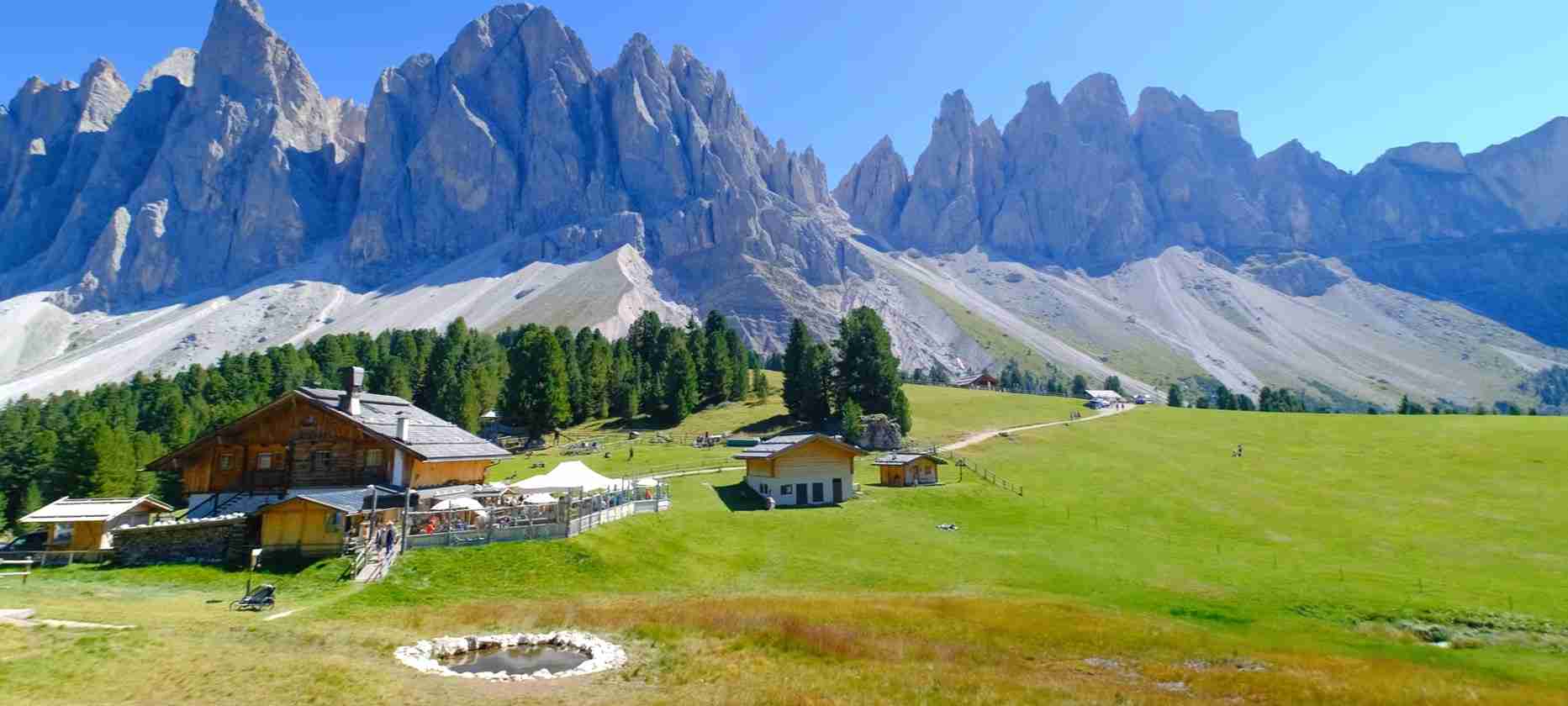
A three-day Dolomites journey concentrates the region’s most spectacular landscapes into an achievable itinerary balancing iconic viewpoints, accessible hiking trails, and authentic alpine experiences across Val Gardena and surrounding valleys. This carefully structured plan maximizes your time while avoiding the overwhelm that comes from trying to cover too much ground, delivering sunrise at Seceda’s razor-edge ridgeline, emerald waters at Lago di Braies, and dramatic peaks encircling the Tre Cime circuit.
Key Takeaways for Your Dolomites Trip 2026
- Budget Planning 2026: A three-day Dolomites visit costs approximately €450-800 per person including accommodation (€180-360 for 3 nights), meals (€135-195), transportation (€60-90), and cable car access (€75-155), excluding flights and car rental
- Best Base Location 2026: Staying in Ortisei, Santa Cristina, or Selva in Val Gardena provides central access to Seceda, Alpe di Siusi, and the Sella Ronda circuit while offering free public bus transportation with most accommodation bookings through the Val Gardena Mobil Card
- Essential Timing 2026: Summer season (late June through September) delivers the best conditions for this itinerary with all cable cars operational, trails snow-free, and mountain refuges open, though shoulder seasons (early June or September) reduce crowds by 40-50% while maintaining excellent weather
- Cable Car Strategy 2026: The Gardena Card at €112 for 6 days provides unlimited cable car access across Val Gardena, delivering better value than single ascents (€25-35 each) if you plan to use three or more lifts during your visit
- Physical Requirements 2026: This itinerary suits moderate fitness levels with daily hikes ranging from 3-5 hours covering 8-12 kilometers and 300-600 meters elevation gain, though cable cars eliminate most climbing effort before trails begin
- Transportation Essentials 2026: Car rental provides maximum flexibility for this multi-valley itinerary and costs €40-60 daily, while public buses serve major destinations but require careful schedule coordination and limit spontaneity for sunrise photography or weather-dependent adjustments
People Also Ask About Dolomites 3-Day Itinerary 2026
How much does a 3-day Dolomites trip cost in 2026?
A three-day Dolomites visit in 2026 costs approximately €450-800 per person for budget to mid-range travel, breaking down to accommodation €60-120 per night (€180-360 total for 3 nights), meals €45-65 daily (€135-195 total), transportation €20-30 daily for fuel and parking (€60-90 total), and cable car access €25-52 daily (€75-155 total). Budget travelers staying in two-star hotels or apartments, preparing some meals, and limiting cable car use spend toward the €450-550 range, while mid-range visitors in three-star hotels with full restaurant dining and comprehensive cable car access approach €700-800. These figures exclude international flights, car rental (€40-60 daily), and optional guided tours, though the Val Gardena Mobil Card included free with most accommodations eliminates local bus costs that otherwise add €10-15 daily.
Is 3 days enough for the Dolomites in 2026?
Three days provides sufficient time to experience the Dolomites’ essential highlights through focused exploration of a single valley system with strategic day trips to nearby iconic locations, though this duration requires accepting that you will see only a fraction of the region’s 18 mountain groups distributed across 15,000 square kilometers. This itinerary concentrates on Val Gardena as a base for accessing Seceda, Alpe di Siusi, and Lago di Braies while including the Tre Cime circuit, creating a representative Dolomites experience showcasing dramatic ridgelines, alpine meadows, turquoise lakes, and UNESCO-protected peaks. Extending to 5-7 days enables adding Cortina d’Ampezzo, the Marmolada glacier, Val di Funes, and additional hiking routes while reducing daily rushing, though three days remains sufficient for first-time visitors building initial familiarity with the region before potential return visits to explore areas this itinerary necessarily omits.
What is the best base for 3 days in the Dolomites 2026?
Val Gardena’s three connected villages—Ortisei, Santa Cristina, and Selva—provide the optimal base for a three-day Dolomites itinerary in 2026, offering central geographic positioning that enables day trips to Seceda, Alpe di Siusi, Lago di Braies, and Tre Cime without excessive driving distances (45-75 minutes maximum), comprehensive accommodation options spanning budget guesthouses (€60-80 nightly) to four-star hotels (€150-250), and free unlimited public bus transportation throughout the valley with the Val Gardena Mobil Card included in most accommodation bookings. Ortisei functions as the valley’s largest town with the most dining and shopping options plus direct cable car access to Seceda, while Santa Cristina and Selva position slightly closer to Sella Pass routes and cost 15-20% less for comparable accommodation quality. Alternative bases including Cortina d’Ampezzo offer prestige and excellent hiking access but cost 30-50% more for accommodation while requiring longer drives to western Dolomites locations, while staying in Lago di Braies or Tre Cime area hotels provides immediate access to those specific destinations but limits exploration of other valleys this itinerary includes.
Do I need a car for 3 days in the Dolomites 2026?
A rental car dramatically improves this three-day itinerary by enabling sunrise timing at Seceda (requires pre-dawn departure), flexible exploration of Lago di Braies without bus schedule constraints (buses run every 30-90 minutes depending on season), direct access to Tre Cime parking areas (public transport requires multiple connections adding 90+ minutes each direction), and spontaneous weather-dependent adjustments when clouds or rain force itinerary modifications. Car rental costs €40-60 daily in 2026 plus fuel (€20-30 daily for typical Dolomites driving distances) and parking fees (€5-15 at major attractions), totaling €195-315 for three days that buys flexibility and time efficiency maximizing your limited visit duration. Public transportation functions adequately for Val Gardena-based hiking using the free Mobil Card for local buses and strategic use of cable cars, though reaching Lago di Braies and Tre Cime via public buses consumes 2-3 hours of daily travel time that car access reduces to 60-90 minutes, effectively sacrificing half a day’s exploration to save rental costs. Solo travelers or those uncomfortable mountain driving may prefer buses despite time penalties, while groups of 3-4 people split car costs to €15-25 per person daily, making rental economically efficient relative to time gained and schedule flexibility.
Extended multi-day tours – 5+ days
Featured The Dolomites Multi-Day Tour Packages
3 days
The Dolomites 3-Day Discovery Tour
- ✓ Comprehensive The Dolomites experience
- ✓ Expert local guides included
- ✓ All accommodation included
- ✓ Transportation provided
5 days
The Dolomites 5-Day Highlights Experience
- ✓ Comprehensive The Dolomites experience
- ✓ Expert local guides included
- ✓ All accommodation included
- ✓ Transportation provided
7 days
The Dolomites 7-Day Cultural Journey
- ✓ Comprehensive The Dolomites experience
- ✓ Expert local guides included
- ✓ All accommodation included
- ✓ Transportation provided
10 days
The Dolomites 10-Day Complete Adventure
- ✓ Comprehensive The Dolomites experience
- ✓ Expert local guides included
- ✓ All accommodation included
- ✓ Transportation provided
Multi-day tour packages powered by TourRadar. Prices and availability subject to change.
Introduction: Planning Your Perfect 3-Day Dolomites Experience in 2026
The Dolomites present first-time visitors with a paradox: the region’s 18 distinct mountain groups distributed across northeastern Italy offer hundreds of potential hiking routes, dozens of scenic valleys, and countless viewpoints, yet most travelers arrive with only three days to experience landscapes that inspire return visits spanning decades. This itinerary resolves that challenge through geographic concentration in Val Gardena combined with strategic day trips to the region’s most iconic destinations, creating a representative Dolomites experience that balances must-see highlights with realistic travel logistics, moderate physical demands, and authentic alpine experiences rather than exhausting yourself attempting to cover too much ground.
Val Gardena functions as your base location for three nights, selected for its central positioning between the Dolomites’ western valleys around Bolzano and eastern sections near Cortina d’Ampezzo, comprehensive accommodation infrastructure spanning all budget levels, free public transportation within the valley that eliminates local driving needs, and direct cable car access to Seceda’s dramatic ridgeline and the vast Alpe di Siusi plateau. From this base, each day explores a distinct landscape typology that showcases different facets of Dolomites character: razor-sharp ridgelines plunging to valley floors, gentle alpine meadows stretching beneath craggy peaks, mirror-calm mountain lakes reflecting surrounding walls, and the stark lunar landscapes of high-altitude Tre Cime.
The itinerary assumes summer season travel between late June and September 2026, when snowmelt exposes trails, cable cars operate full schedules, mountain refuges open their kitchens, and weather delivers the reliable conditions that make hiking safe and enjoyable rather than the challenging proposition that snow patches, limited lift access, and unpredictable storms create during shoulder seasons. Peak summer weeks from mid-July through August bring the warmest weather and busiest trails, though accommodation costs increase 30-50% above June or September rates while popular viewpoints see sunrise crowds numbering hundreds rather than dozens. Early September emerges as the sweet spot for many visitors, maintaining excellent weather while school schedules reduce family travel and accommodation pricing drops toward shoulder-season levels.
Budget planning for this three-day itinerary requires allocating approximately €450-800 per person excluding flights and car rental but including accommodation, meals, local transportation, and cable car access. Budget-conscious travelers achieving the lower end through two-star hotels or apartments, self-catered breakfasts and lunches, limited cable car use, and free hiking can experience the same landscapes as luxury visitors spending triple that amount on four-star accommodations, full restaurant dining, and comprehensive lift access. The key insight: the Dolomites’ outstanding universal value recognized through UNESCO World Heritage designation stems from natural landscapes accessible to all visitors regardless of budget, with spending primarily determining comfort levels during evening hours rather than the quality of mountain experiences themselves.
Physical fitness requirements for this itinerary remain moderate rather than demanding, with daily hikes ranging from 3-5 hours covering 8-12 kilometers and ascending 300-600 meters elevation gain, though cable cars eliminate most climbing by depositing you at trail-start elevations of 2,000-2,500 meters where relatively flat or rolling terrain predominates. Any reasonably fit person who walks regularly and can climb several flights of stairs without excessive breathlessness should manage these routes comfortably, though the altitude (trails reach 2,400-2,800 meters) may cause slight breathlessness during exertion even for lowland athletes until acclimatization occurs. Hiking boots with ankle support prove essential given rocky trails, while trekking poles aid stability on descents and reduce knee strain particularly for those carrying camera equipment or day packs exceeding 5 kilograms.
Transportation logistics require deciding between car rental and public buses, a choice that significantly impacts daily schedules, photography opportunities, and overall trip flexibility. This itinerary’s routing across multiple valleys—Val Gardena to Lago di Braies to Tre Cime—strongly favors private transportation given the time penalties and connection complexity that public buses impose, though budget constraints or driver discomfort with mountain roads may justify the schedule limitations that bus travel creates. The detailed daily descriptions below assume car access while noting public transportation alternatives and their time implications, enabling you to make informed decisions about rental costs versus schedule flexibility based on personal priorities and budget parameters.
Day 1: Seceda Ridge and Alpe di Siusi in 2026
Your first day introduces the Dolomites through two contrasting landscapes accessible via cable cars from Ortisei: the vertical drama of Seceda’s knife-edge ridge where pale limestone walls plunge hundreds of meters to Val Gardena below, and the horizontal expanse of Alpe di Siusi where Europe’s largest high-altitude plateau spreads gentle meadows beneath the Sassolungo and Sciliar massifs. This combination delivers the visual diversity that makes the Dolomites unique among Alpine ranges while requiring only moderate hiking effort given cable car access to 2,000+ meter starting elevations.
Morning: Sunrise at Seceda Ridge 2026
Seceda delivers the Dolomites’ most photographed panorama, where a dramatic ridgeline of pale limestone peaks rises above sloping meadows in a composition that has become iconic through countless Instagram posts and travel publications. Reaching this viewpoint requires the Ortisei-Furnes-Seceda cable car system ascending from Ortisei at 1,236 meters to the summit station at 2,518 meters through two sequential gondola rides totaling 15 minutes. The first cable car from Ortisei to Furnes operates from 8:00 AM during summer 2026 with departures every 10 minutes, while the Furnes-Seceda connection runs the same schedule.
Sunrise timing dictates the morning schedule for serious landscape photographers, with the golden hour illuminating Seceda’s peaks and casting dramatic shadows across the meadows as the sun rises over the Odle Group to the northeast. Summer sunrise in the Dolomites ranges from 5:15 AM in late June to 6:15 AM in September, requiring cable car operators to run special pre-dawn services for photography enthusiasts. However, standard operations begin at 8:00 AM, meaning most visitors experience Seceda’s drama in full morning light rather than the warm glow that occurs during the first hour after sunrise. If photography drives your visit, inquire about special sunrise gondola services that some operators offer during peak summer weeks, though these typically require advance booking and premium pricing.
The Seceda summit station deposits you at the main viewpoint immediately adjacent to the building, where the famous ridge formation stretches before you with the Val Gardena spreading below and the Sassolungo, Sella, and Marmolada massifs visible in the distance on clear days. Allocate 45-60 minutes here for photography, taking in the 360-degree panorama, and enjoying coffee at the summit refuge before beginning the day’s hiking. The classic ridge walk extends northwest from the summit station along well-maintained trails for 2 kilometers, maintaining elevation around 2,400-2,500 meters while following the ridgeline with continuous views. This route requires 45-60 minutes one-way with minimal elevation change, though steep drop-offs on the northern side demand attention to footing and create unsuitability for those with height sensitivity or young children.
Return to the summit station via the same trail or continue the ridge circuit that loops back through meadows and eventually reconnects with the cable car area, creating a 1.5-2 hour round-trip hike covering 4-5 kilometers with 200 meters cumulative elevation change. Weather conditions determine route choice, as clouds or wind can render the exposed ridge walk uncomfortable or potentially dangerous, while the meadow circuit remains pleasant in most conditions. Descend via cable car to Ortisei by late morning, allocating time for the 15-minute gondola descent and potential queue waits during peak season when morning crowds all descend simultaneously around 11:00-11:30 AM.
Afternoon: Alpe di Siusi Plateau Exploration 2026
Alpe di Siusi presents an entirely different landscape character from Seceda’s vertical drama, spreading 56 square kilometers of rolling alpine meadows dotted with hay barns, crossed by gentle trails, and framed by the Sassolungo and Sciliar peaks that rise as vertical walls from the plateau’s edges. Accessing Alpe di Siusi from Ortisei requires either driving to the Seiser Alm cable car base station (free parking) or taking the free public bus included with your Val Gardena Mobil Card that connects Ortisei to the gondola in 15 minutes with departures every 30 minutes during summer 2026.
The Seiser Alm cable car operates from 8:00 AM to 6:00 PM during summer season, ascending from Seis at 1,004 meters to Compatsch on the plateau at 1,850 meters in 8 minutes. A round-trip ticket costs €23 for adults, or use the Gardena Card if purchased. Compatsch functions as Alpe di Siusi’s central hub with restaurants, shops, and the starting point for numerous hiking trails radiating across the plateau in all directions. The afternoon timing enables enjoying lunch at one of Compatsch’s restaurants before hiking, with options including Ristorante Icaro (€18-28 for main courses), Baita Panorama (€15-22), or self-service cafeteria options (€12-18) providing faster service and lower costs.
The classic Alpe di Siusi introduction follows a rolling trail toward the Bullaccia chairlift and eventually the Schlern massif, though turning back after 3-4 kilometers creates a manageable afternoon hike covering 6-8 kilometers in 2-2.5 hours with minimal elevation change beyond the plateau’s gentle undulations. This route passes traditional hay barns used for centuries to store mountain grass for winter cattle feed, wooden crucifixes marking trail intersections, and meadows that explode with wildflowers during July and August. The Sassolungo massif dominates southwestern views while the Sciliar plateau forms a dramatic wall to the south, creating compositions where foreground meadows and barns frame distant peaks in classic alpine tableaux.
Alternative activities on Alpe di Siusi include mountain biking on designated trails (rentals available at Compatsch for €35-45 daily), horseback riding tours (€45-65 for 1-2 hours), or simply relaxing at a mountain refuge terrace absorbing the panorama while enjoying local specialties like canederli (bread dumplings, €12-15) or kaiserschmarrn (shredded pancake dessert, €8-12). The plateau’s gentle terrain and extensive trail network enable customizing distances and durations to match energy levels and remaining daylight, with the last cable car descending at 6:00 PM requiring return to Compatsch by 5:45 PM during peak season when queues develop.
Return to Val Gardena via cable car descent and either bus or car to your accommodation, arriving by early evening with time for showering and changing before dinner. Ortisei offers the broadest restaurant selection in Val Gardena, with options including traditional Ladin cuisine at Tubladel (€18-32 mains, reservations recommended), casual Italian at Pizzeria Grones (€12-18 pizzas), or upscale dining at Mauriz (€28-45 mains, Michelin Guide mentioned). Budget-conscious diners find supermarkets including Eurospar and Despar open until 7:30 PM for picnic supplies or apartment meal preparation, though traditional dining out remains a key component of the Dolomites experience that most visitors prioritize despite higher costs than valley supermarkets.
Day 2: Lago di Braies and Prato Piazza in 2026
Day two ventures beyond Val Gardena to explore the eastern Dolomites’ most photographed lake and a lesser-known plateau offering spectacular Tre Cime views, combining the obligatory tourist pilgrimage to Lago di Braies’s turquoise waters with more peaceful hiking on Prato Piazza’s meadows where crowds thin dramatically despite equally impressive landscapes. This routing requires covering 120 kilometers round-trip from Val Gardena accommodations, spending approximately 2 hours total behind the wheel for those with rental cars, or facing complex public transportation connections that triple travel time and severely constrain schedule flexibility.
Morning: Lago di Braies Iconic Photography 2026
Lago di Braies (Pragser Wildsee in German) has become the Dolomites’ most Instagrammed location, drawing crowds that can number in thousands during peak summer days when the turquoise lake reflecting the Seekofel peak creates compositions so perfect they appear digitally enhanced. This popularity creates management challenges that local authorities address through vehicle access restrictions during summer 2026: private cars face entry limits between 9:30 AM and 4:00 PM on peak days, requiring advanced online parking reservations (€15 including lake access) through the official system at pragser-wildsee.com. Without reservations, arrive before 9:30 AM or after 4:00 PM to ensure parking access, with the morning window aligning perfectly with this itinerary’s sunrise emphasis.
The drive from Ortisei to Lago di Braies covers 62 kilometers requiring 75 minutes via the Würzjoch Pass and Pustertal valley, following SS243 east through Brixen/Bressanone before turning south toward the lake. The route through Würzjoch Pass (2,006 meters) features 24 hairpin turns with spectacular views across the Puez-Odle range, though winter snow closes this pass from November through May requiring the longer route via Brixen. Allow extra time for this mountain driving, which proceeds at 30-40 km/h through switchbacks rather than the 60-70 km/h possible on valley highways. Parking near the lake costs €15 daily during summer 2026, included in the advance reservation system or payable at machines for early/late arrivals.
The lake’s famous boathouse and reflection viewpoint sits immediately adjacent to the parking area, requiring no hiking beyond a 3-minute walk to the shoreline. This accessibility explains the overwhelming crowds that gather here by mid-morning, with hundreds of visitors queuing for unobstructed photos at the boathouse and surrounding piers between 10:00 AM and 3:00 PM. Arriving at 9:00 AM enables shooting the classic compositions with modest crowds, while predawn timing (first light around 5:30 AM in July) delivers near-empty conditions that serious landscape photographers prize. The lake spans 1.2 kilometers long and 300 meters wide, surrounded by dense forest with the Seekofel peak (2,810 meters) rising directly above the far shore to create the mirror reflection that makes this location famous.
The lake circuit trail offers an alternative to merely photographing from the arrival point, following the shoreline for 3.5 kilometers and requiring 90-120 minutes to complete the loop. This mostly flat path passes through forest with periodic viewpoints opening to the lake, though the classic composition from the boathouse remains unsurpassed. The trail provides peaceful retreat from the parking area crowds while delivering different perspectives on the lake and surrounding peaks, though most visitors allocate 45-60 minutes total at Lago di Braies focusing on the iconic view before moving to less crowded destinations rather than investing 2+ hours in the full circuit.
Afternoon: Prato Piazza Mountain Meadows 2026
Prato Piazza (Plätzwiese) occupies a high plateau at 2,000 meters elevation southeast of Lago di Braies, offering sweeping meadows with direct views of the Tre Cime’s distinctive peaks without the intense crowds that mob the Tre Cime circuit itself. This location remains relatively obscure compared to more famous Dolomites destinations, enabling peaceful hiking through classic alpine landscapes of meadows, scattered barns, and dramatic mountain backdrops that deliver the quintessential Dolomites experience without competing for trail space or viewpoint access.
Driving from Lago di Braies to Prato Piazza covers 18 kilometers requiring 30 minutes via the Höhlensteintal valley, following signs toward Schluderbach/Carbonin and turning onto the narrow mountain road climbing to the plateau. This final access road features tight switchbacks and limited passing zones where uphill traffic takes priority, proceeding at 20-30 km/h for the final 6 kilometers. Parking at Prato Piazza costs €5-8 daily during summer 2026, with a large lot accommodating 200+ vehicles that rarely fills outside August weekends. The plateau sits at 2,000 meters with immediate trail access from the parking area, eliminating cable car costs while requiring readiness to start hiking at elevation.
The main hiking route from Prato Piazza toward the Tre Cime follows well-marked trail number 6, heading southeast across meadows toward Rifugio Vallandro perched on a rocky outcrop with panoramic views. This relatively flat trail covers 3 kilometers one-way requiring 45-60 minutes to reach the refuge, where you can enjoy drinks or snacks on the terrace (€8-15 for beverages and light meals) while absorbing views of the Tre Cime’s distinctive three peaks rising directly to the south. The positioning delivers one of the finest Tre Cime vistas without hiking the crowded circuit itself, creating an alternative that many photographers prefer given the meadow foregrounds that frame the peaks more attractively than the bare rock surrounding the traditional circuit.
Return via the same trail or extend the hike by looping through additional meadows, adding 2-3 kilometers to the total distance for those with remaining energy and time. The plateau’s gentle terrain enables wandering freely across meadows beyond established trails, exploring World War I trench remnants and bunkers that dot the landscape where Italian and Austro-Hungarian forces clashed at 2,000+ meters elevation during mountain warfare campaigns. These historical elements add cultural dimensions to the natural beauty, illustrating how the Dolomites’ strategic positioning as the border between German and Latin cultures generated centuries of conflict that left physical scars alongside the artistic and architectural fusion that defines the region’s contemporary character.
Depart Prato Piazza by mid-afternoon for the 90-minute return drive to Val Gardena, arriving by 5:00-5:30 PM with time to relax before dinner. The drive retraces morning routing via Höhlensteintal and Pustertal valleys before climbing back through Würzjoch Pass with late afternoon light creating different perspectives on the morning’s views. This day totals approximately 120 kilometers driving with 2 hours behind the wheel plus 4-5 hours hiking and sightseeing, creating a full but not exhausting schedule that delivers two distinct landscape experiences spanning the Dolomites’ most photographed lake and a peaceful plateau offering comparable drama with a fraction of the visitors.
Day 3: Tre Cime di Lavaredo Circuit in 2026
The Tre Cime di Lavaredo (Drei Zinnen) ranks among the Dolomites’ most iconic formations, where three distinctive peaks rise as vertical towers of pale limestone creating one of the world’s most recognizable mountain silhouettes. Day three dedicates your full attention to hiking the circuit trail that loops around these peaks, delivering constantly shifting perspectives on the three towers while crossing high-altitude terrain at 2,300-2,400 meters that showcases the Dolomites’ dramatic geology, World War I military infrastructure, and the stark beauty of limestone mountains rising above barren plateaus.
Morning: Accessing Rifugio Auronzo 2026
The Tre Cime circuit begins at Rifugio Auronzo (2,330 meters), accessible via a 7-kilometer toll road climbing from Misurina village through 15 hairpin turns that private vehicles can navigate for a €40 toll in 2026 (check official website for current rates as pricing may vary). This toll road requires advance online reservations during summer peak season (July-August) when daily vehicle quotas prevent overcrowding, though shoulder season visitors (June and September) typically access without reservations subject to space availability. The booking system opens 60 days in advance at rifugioauronzo.it, with weekend slots during peak weeks selling out within hours of release given overwhelming demand for this iconic Dolomites destination.
Alternative access from Misurina via public shuttle buses operates during summer season at €5 round-trip per person, departing every 30 minutes from 8:00 AM to 5:00 PM and eliminating the €40 toll while avoiding parking challenges at the overcrowded refuge lot. However, shuttle schedules constrain your flexibility for sunrise timing or extending hikes beyond the circuit itself, creating trade-offs between cost savings and schedule control. The drive from Val Gardena to Misurina covers 88 kilometers requiring 100 minutes via the Pustertal valley and Höhlensteintal, following yesterday’s routing partway before continuing east beyond Lago di Braies toward Cortina d’Ampezzo region.
Arriving at Rifugio Auronzo by 9:00-9:30 AM enables starting the circuit before mid-morning crowds that transform this alpine wilderness into a highway of hikers by 11:00 AM during peak season. The refuge sits immediately below the Tre Cime’s southern faces, offering cafeteria service (€8-15 for coffee and pastries) and terraces where the three peaks fill your entire northern view. Take time before hiking to absorb this initial perspective, as the circuit’s northern sections deliver different angles on these formations that create appreciation for how viewpoint positions fundamentally transform mountain photography compositions.
Midday: Tre Cime Circuit Trail 2026
The Tre Cime circuit follows trail number 101, creating an 8-kilometer loop that circumnavigates the three peaks while maintaining relatively constant elevation between 2,300-2,450 meters through terrain ranging from boulder fields to rocky trails to wartime tunnels and trenches. The circuit requires 3-4 hours for most hikers moving at moderate pace with photography stops, though racing the loop takes 2 hours while extended photography sessions or side excursions to additional viewpoints extend the time to 5-6 hours. The trail proceeds counterclockwise from Rifugio Auronzo, though clockwise routing works equally well with slightly different lighting progression throughout the day.
The initial section from Rifugio Auronzo toward Rifugio Lavaredo heads northwest around the peaks’ southern flanks through rocky terrain with the massive limestone walls rising directly above to your left. This 2-kilometer stretch gains 80 meters elevation to reach Rifugio Lavaredo (2,344 meters), a larger refuge offering full meal service (€15-28 for pasta and main courses) and the trail’s midpoint where most hikers pause for refreshments. The positioning delivers frontal views of the Cima Grande’s 600-meter north face, the most impressive of the three towers’ vertical walls that technical climbers ascend via routes first pioneered in the 1930s requiring advanced skills and multi-pitch experience.
Continuing northwest from Rifugio Lavaredo, the trail rounds the peaks’ western edge where the three towers align to create the famous profile that photographers shoot from this angle, with the distinctive peaked summits arranged left to right as Cima Ovest, Cima Grande, and Cima Piccola. This section passes through extensive World War I trench systems and bunker complexes where Italian and Austro-Hungarian forces faced each other across no-man’s-land at 2,400 meters elevation during mountain warfare campaigns. The preserved fortifications include tunnels, ammunition stores, and concrete observation posts that illustrate the extraordinary logistical challenges of maintaining frontline positions in such hostile terrain, where altitude, cold, avalanches, and falling rocks killed more soldiers than enemy fire.
The circuit’s northern section traverses a high plateau called the Forcella Lavaredo (2,454 meters), the route’s highest point offering panoramic views north toward Austria and east toward the Sesto Dolomites beyond the Tre Cime’s northern flanks. This exposed traverse crosses rocky terrain where summer snow patches may persist into July, requiring careful footing on loose scree where trail markers painted on rocks provide the main navigation guidance. The desolate lunar landscape here contrasts dramatically with the meadows and forests characterizing lower elevations, illustrating how altitude transforms the Dolomites’ character from hospitable alpine valleys to harsh environments where only the most adapted plant species survive.
The final circuit section descends gently back toward Rifugio Auronzo through boulder fields on the peaks’ eastern flanks, completing the loop where you began with shifted perspectives on the southern faces that appeared so imposing from the refuge terrace. Allow 15-30 minutes after completing the hike for final photography and refreshments before departing, as the initial viewpoint often delivers the most balanced compositions where all three peaks remain visible simultaneously rather than the partial views dominating most of the circuit where trail positioning relative to the towers creates constantly changing compositions.
Afternoon: Return Journey and Final Stops 2026
The return drive from Tre Cime to Val Gardena covers 88 kilometers requiring 100-110 minutes via the reverse of your morning route, though this timing assumes direct driving without stops. The scenic value of this routing enables incorporating brief roadside viewpoints that transform the drive from mere transportation into final opportunities for Dolomites photography, particularly if clouds or rain during your morning circuit created suboptimal conditions at the Tre Cime themselves.
Consider a 30-minute stop at Lago di Misurina, passed at the base of the Tre Cime access road, where a 2.6-kilometer shoreline trail circles this smaller lake (0.86 square kilometers) reflecting the Sorapiss peaks that rise to the west. The lake sits at 1,754 meters elevation requiring no climbing, with the circuit taking 45-60 minutes for those desiring brief additional hiking or 15 minutes for drivers merely shooting from roadside viewpoints. The mirror reflections during calm conditions rival Lago di Braies for photographic impact while drawing a fraction of the crowds given less aggressive social media marketing of this location.
Arrive back in Val Gardena by late afternoon (5:00-5:30 PM) with time for showering before your final dinner in the valley, potentially selecting a special restaurant to mark your trip conclusion given tomorrow’s departure. The villages offer numerous options from casual to upscale, with representative choices including Ristorante Grones in Ortisei for traditional Ladin cuisine (€22-38 mains), Malga Saraghes above Santa Cristina for mountain refuge dining with valley views (€18-28 mains, requires driving 15 minutes up mountain road), or the Michelin-mentioned Restaurant Anna Stuben in Selva for elevated regional dishes (€35-55 mains, reservations essential). Budget-conscious travelers find pizzerias in all three villages offering €10-15 pizzas and €12-18 pasta dishes, while supermarkets enable apartment meal preparation saving €30-40 per person compared to restaurant dining.
Where to Stay in Val Gardena 2026
Val Gardena’s three connected villages—Ortisei, Santa Cristina, and Selva—offer accommodation ranging from budget guesthouses to five-star spa hotels, with selection determining both your nightly costs and base location convenience for this itinerary’s various activities. All three villages provide free public bus transportation via the Val Gardena Mobil Card included with most accommodation bookings, eliminating location concerns for car-free travelers since buses connect the villages every 15-30 minutes from 7:00 AM to 11:00 PM during summer 2026. For those with rental cars, parking availability varies with hotel category, as budget guesthouses may lack private parking while three-star and above typically include free guest parking.
Budget Accommodation Options 2026
Budget accommodations in Val Gardena center on two-star hotels, guesthouses, and apartments delivering clean comfortable lodging at €60-90 per room nightly for double occupancy during summer 2026. Garni Snaltnerhof in Ortisei represents this category well at €70-85 per room with breakfast, offering basic rooms with private bathrooms, complimentary Wi-Fi, and the Val Gardena Mobil Card but no additional amenities like pools or spas that characterize higher-category properties. Similar options include Garni B&B Pozzamanigoni in Selva (€65-80 with breakfast) and Residence Ciasa Mirasas apartments in Santa Cristina (€75-95 for apartments sleeping 2-4).
Apartments deliver the greatest budget flexibility through self-catering that eliminates restaurant costs for breakfast and lunch, reducing daily food expenses from €45-65 to €25-35 per person through supermarket shopping. Typical apartments include kitchenettes with stoves, refrigerators, and basic cookware, enabling preparation of simple meals while maintaining the option for restaurant dinners as desired. The main drawback compared to hotels involves less personal service and lack of breakfast provision, though the cost savings of €10-15 per person daily for self-prepared breakfast and packed trail lunches typically justifies the inconvenience of morning cooking rather than walking to a hotel breakfast buffet.
Mid-Range Accommodation Choices 2026
Three-star hotels form Val Gardena’s mid-range accommodation core at €100-150 per room nightly with breakfast, delivering comfortable rooms with balconies, wellness areas including saunas and pools, and often half-board options that include dinner alongside breakfast for €20-30 per person daily surcharges. Hotel Grones in Ortisei exemplifies this category at €120-145 with breakfast, featuring renovated rooms, a spa area with indoor pool and saunas, and an on-site restaurant serving traditional cuisine. Similar properties include Hotel Pralong in Santa Cristina (€110-135) and Hotel Tyrol in Selva (€125-155).
Half-board arrangements deserve consideration for this three-day itinerary given uncertain dinner timing after long hiking days and the convenience of guaranteed meals without searching for available restaurants, though the fixed dining schedule (typically 7:00-8:00 PM) reduces flexibility if you return late from activities or prefer exploring various restaurants rather than eating nightly at your accommodation. Calculate whether the half-board surcharge (€20-30 per person daily) delivers value compared to restaurant meals averaging €35-50 per person with drinks, recognizing that half-board typically provides three-course hotel dining of good but not exceptional quality while independent restaurant selection enables experiencing the valley’s best establishments though at higher total costs.
Luxury Options for Special Occasions 2026
Four-star superior and five-star hotels in Val Gardena provide luxury accommodation at €180-350 per room nightly, featuring extensive spa facilities, fine dining restaurants, elegant design, and premium service that elevates your mountain experience beyond mere hiking base to destination stay. Alpenroyal Grand Hotel in Selva represents the valley’s luxury tier at €250-350 with breakfast, offering suites with mountain-view terraces, a 2,000-square-meter spa with multiple saunas and pools, Michelin-mentioned dining, and the refined ambiance that characterizes South Tyrol’s best hotels. Similarly positioned properties include Gardena Grödnerhof Hotel & Spa in Ortisei (€220-300) and Hotel Chalet Gerard in Santa Cristina (€180-250).
Luxury hotels justify their premium pricing through details that budget properties omit: rooms averaging 35-45 square meters versus 20-25 in three-star hotels, premium mattresses and linens, balconies with lounging furniture and mountain views, extensive spa areas with multiple sauna types, treatment rooms, and relaxation zones, upgraded breakfast buffets featuring local organic products, and evening turndown service with homemade treats. For travelers treating the Dolomites as a special-occasion destination celebrating anniversaries or milestones, these properties enhance the experience beyond hiking alone, though budget-conscious visitors achieve identical mountain access and trail experiences from €60 guesthouses as luxury guests enjoy from €300 suites.
Transportation and Getting Around 2026
Reaching the Dolomites and navigating between this itinerary’s various locations requires planning transportation carefully, as the region’s mountain geography creates dependencies on private vehicles for maximum schedule flexibility while public transportation functions adequately for valley-based activities but struggles with multi-valley routing that this three-day itinerary requires. The fundamental decision between car rental and bus transportation determines both your budget and schedule flexibility, with implications affecting photography opportunities, weather-response capacity, and overall trip enjoyment beyond simple cost calculations.
Flying to the Dolomites 2026
International visitors reach the Dolomites via airports in Venice (VCE, 210 kilometers from Val Gardena), Innsbruck (INN, 120 kilometers), Verona (VRN, 230 kilometers), or Munich (MUC, 280 kilometers), with Venice offering the most flight connections from North America and Asia while Innsbruck provides the shortest ground transportation distance. Venice Marco Polo Airport serves as the primary gateway for most international travelers, with car rental desks from all major companies (Hertz, Avis, Europcar, Sixt) located in the arrivals hall offering vehicles at €40-70 daily for compact cars during summer 2026. The drive from Venice to Val Gardena requires 3-3.5 hours via the A27 and A22 autostradas, passing through Belluno and Bolzano with tolls totaling €15-18 charged to your credit card weeks after travel via electronic license plate reading systems that require no interaction with toll booths.
Innsbruck Airport serves primarily European connections from major hubs like Frankfurt, Vienna, and Amsterdam, offering shorter ground transportation time at 2-2.5 hours to Val Gardena via the Brenner Pass and Italian autostrada. However, international connections typically require changes at European hubs rather than direct long-haul flights that Venice accommodates. The trade-off between flight convenience (Venice) and driving time (Innsbruck) depends on your origin point and available connections, with most North American travelers defaulting to Venice despite the additional hour of driving given superior flight options and typically lower airfares due to greater competition on transatlantic routes.
Car Rental Strategy for This Itinerary 2026
Renting a car for this three-day itinerary delivers maximum flexibility for €165-285 total (three-day rental at €40-70 daily plus fuel costs of €15-25 daily), enabling sunrise photography at Seceda through pre-dawn departure, direct access to Lago di Braies and Tre Cime without bus transfer hassles, and spontaneous schedule adjustments when weather forces itinerary modifications. Compact cars prove sufficient for two people with standard luggage, though four adults or families benefit from intermediate SUV categories that cost €55-85 daily but provide space for passengers and gear without crowding. Automatic transmissions add €15-25 daily surcharges in Europe where manual transmission remains standard, though drivers unfamiliar with manual shifting or concerned about mountain driving benefit from the additional security that automatic gearboxes provide.
Mountain road driving in the Dolomites requires comfort with narrow roads, hairpin turns, and passes reaching 2,200+ meters elevation, though main routes remain paved and well-maintained with guardrails at precipitous sections. The Sella Pass, Pordoi Pass, Würzjoch Pass, and others feature 15-24 switchback turns climbing hundreds of meters elevation in several kilometers, proceeding at 25-35 km/h rather than valley highway speeds. Oncoming traffic on narrow sections requires patience and willingness to reverse to passing zones when meeting vehicles in tight spots, with uphill traffic traditionally taking priority. Snow chains or winter tires prove unnecessary during summer months (June-September), though sudden weather changes at high passes can bring rain, fog, or even brief summer snow that demands cautious driving regardless of season.
Public Transportation Alternatives 2026
Public buses serve Val Gardena and connect to surrounding valleys through regional networks, offering economical transportation for travelers avoiding car rental costs or uncomfortable mountain driving, though schedule constraints and connection complexity limit flexibility for this multi-valley itinerary. Within Val Gardena, the free Mobil Card included with most accommodations provides unlimited bus travel between Ortisei, Santa Cristina, and Selva plus connections to cable car base stations, operating every 15-30 minutes from 7:00 AM to 11:00 PM during summer 2026. These local buses handle Day 1’s itinerary efficiently, reaching both Seceda and Alpe di Siusi cable cars without private vehicle needs.
Regional bus line 442 connects Val Gardena to the Pustertal valley serving Lago di Braies and Tre Cime access points, though complex schedules requiring 2-3 connections and 3-4 hours travel time each direction make this routing impractical for Day 2 and Day 3 unless you dramatically extend your trip duration to allocate full days for each destination rather than the efficient single-day visits that car access enables. The Cortina Express bus from Bolzano serves Cortina d’Ampezzo with connections to Misurina, though again the multi-stage routing and limited departure times constrain schedule flexibility that makes car rental increasingly attractive despite the €135-225 three-day cost.
Budget travelers or solo visitors may justify bus transportation despite time penalties, particularly if limiting the itinerary to Day 1’s Val Gardena-focused activities while accepting that Lago di Braies and Tre Cime become difficult to reach without private transportation. Groups of 2-4 people split car rental costs to €40-70 per person for three days, making the economics favorable relative to time gained and schedule flexibility while eliminating the stress of bus connections and schedule constraints that transform spontaneous exploration into regimented timetable following.
Essential Practical Information 2026
Cable Car Tickets and Lift Pass Options 2026
Cable car access forms a major itinerary expense totaling €75-155 per person for three days depending on which lifts you use and whether you purchase single tickets or multi-day passes. Single ascent tickets cost €25-35 for major cable cars like Seceda (€32 round-trip), Alpe di Siusi (€23 round-trip), and others throughout the Dolomites. The Gardena Card provides unlimited use of 17 cable cars in Val Gardena for €112 (6 days) or €87 (3 days for ages 8-18), delivering value if you plan three or more cable car ascents during your visit since three single tickets would cost €75-105 while the card costs €112 but enables unlimited additional usage.
Calculate your specific lift needs before purchasing passes rather than defaulting to multi-day options that appear economical: this itinerary uses two cable car systems (Seceda and Alpe di Siusi) on Day 1, potentially zero on Day 2 if you drive directly to Prato Piazza, and zero on Day 3 at Tre Cime where toll road access reaches the trailhead. The Gardena Card at €112 for 6 days exceeds the €55 total for two single tickets, making it economically disadvantageous for this specific itinerary unless you add optional cable car excursions beyond the core routing. The Dolomiti Supersummer Card offers even broader access to 100+ lifts throughout the region at €165 (7 days), though again the value depends on intensive usage across multiple days rather than the selective approach this three-day itinerary employs.
Hiking Gear Requirements 2026
Proper hiking equipment proves essential for safely and comfortably completing this itinerary’s trails, with certain items mandatory and others optional but beneficial. Hiking boots with ankle support top the required gear list, as rocky Dolomites trails with loose stones create ankle-twist hazards that low-cut running shoes cannot protect against. Waterproof hiking boots prove superior to fabric models given the possibility of residual snow patches, stream crossings, or afternoon thunderstorms that make dry feet crucial for multi-hour hikes. Break in new boots before your trip through 3-4 training hikes totaling 15-20 kilometers, as untested footwear causes blisters that can ruin mountain vacations.
Layered clothing enables adaptation to changing conditions as you ascend cable cars from valley temperatures to alpine environments where temperatures drop 6-7°C per 1,000 meters elevation gain. Pack a base layer, insulating fleece or down jacket, waterproof shell, hiking pants (zip-off pants convertible to shorts prove versatile), and sun hat plus warm beanie for early mornings. Sunglasses and sunscreen become mandatory at altitude where UV exposure increases 10-12% per 1,000 meters, creating severe burn risk during 4-5 hour hikes even when feeling cool due to altitude. A daypack of 25-35 liter capacity carries layers, lunch, camera equipment, and essentials without excessive weight or bulk that would hinder hiking.
Optional but highly beneficial gear includes trekking poles that reduce knee strain on descents by 25-30% according to sports medicine research, particularly valuable for those over 40 or carrying camera equipment adding weight, and a thermos for hot beverages on summit stops where cold winds make warm tea or coffee deeply satisfying. Download offline maps to your smartphone via apps like Maps.me or Komoot before your trip, as cellular coverage proves spotty in valleys and non-existent on many high trails, making navigation dependent on offline mapping capabilities rather than assumption that data connections will enable on-demand route checking.
Weather Patterns and Safety Considerations 2026
Dolomites weather during summer 2026 typically delivers warm sunny conditions with afternoon thunderstorm possibilities that create characteristic patterns requiring strategic trip planning. Mornings usually start clear with best visibility and photography light, deteriorating by mid-afternoon as clouds build and thunderstorms develop over peaks between 2:00-5:00 PM. This pattern favors early starts completing major hikes by 1:00-2:00 PM before weather deteriorates, though day-to-day variations mean some days remain clear throughout while others cloud over by late morning or deliver multi-day rain cycles that force itinerary adjustments.
Lightning poses the primary weather-related safety hazard on exposed ridge walks or high plateaus where you become the tallest object attracting strikes during thunderstorms. Retreat immediately from summits and ridgelines when hearing thunder, descending at least 100 vertical meters and avoiding isolated trees or rock outcrops that attract lightning. The 30-30 rule provides decision guidance: when the time between seeing lightning and hearing thunder reaches 30 seconds or less, seek shelter immediately and wait 30 minutes after the last thunder before resuming hiking. Summer thunderstorms typically pass within 30-60 minutes, though occasionally produce persistent rain that forces trip abandonment rather than mere delay.
Check weather forecasts before each day’s activities via Mountain-Forecast.com or Meteo.it, both providing detailed alpine predictions including wind speeds, precipitation probability, and summit conditions that valley forecasts omit. The forecasts update every 6 hours, with morning checks at 6:00 AM determining whether to proceed with planned activities or adjust itineraries based on predicted conditions. Cloud-shrouded peaks eliminate photography value while creating navigation challenges, favoring valley-based activities or museum visits rather than forcing summit hikes that deliver minimal rewards when conditions deteriorate. Flexibility proves more valuable than rigid itinerary adherence when mountain weather turns poor.
Frequently Asked Questions About 3-Day Dolomites Itinerary 2026
What fitness level do I need for this Dolomites itinerary in 2026?
This three-day itinerary requires moderate fitness enabling daily hikes of 3-5 hours covering 8-12 kilometers with 300-600 meters elevation gain, comparable to walking 2-3 hours at moderate pace while climbing 20-30 flights of stairs. Cable cars eliminate major climbing before trails begin, starting you at 2,000-2,500 meters elevation where relatively flat or rolling terrain predominates despite the mountain environment. Any reasonably active person who exercises regularly through walking, jogging, cycling, or gym workouts should manage these hikes comfortably, though the altitude (trails reach 2,400-2,800 meters) may cause slight breathlessness during exertion even for lowland athletes until acclimatization occurs after 1-2 days. The trails surface varies from maintained paths to rocky sections requiring attention to footing, making hiking boots with ankle support essential while trekking poles reduce knee strain on descents. Consider training through 3-4 practice hikes of 10-15 kilometers with 400-500 meters elevation gain during the month before your trip if you currently exercise minimally, ensuring your body adapts to sustained walking under load rather than discovering fitness limitations on mountain trails where retreat options remain limited.
Can I do this itinerary without a car in 2026?
You can complete portions of this itinerary without a car through strategic use of cable cars and regional buses, though the multi-valley routing becomes significantly more challenging and time-consuming via public transportation compared to private vehicle flexibility. Day 1’s Seceda and Alpe di Siusi activities function perfectly without a car since free Val Gardena buses connect accommodations to both cable car base stations every 15-30 minutes throughout summer 2026, using the included Mobil Card for unlimited rides. Days 2 and 3 involving Lago di Braies, Prato Piazza, and Tre Cime become problematic via public transport given complex connections requiring 3+ hours each direction from Val Gardena versus 60-90 minutes driving, with limited bus departure frequencies constraining schedule flexibility and eliminating sunrise photography possibilities requiring pre-dawn access. Modifying the itinerary to focus on Val Gardena-accessible locations while accepting that you will not reach distant valleys like Braies and Tre Cime enables car-free travel, substituting alternative hikes in the Puez-Odle range, Val di Funes, or extended Alpe di Siusi exploration for the car-dependent destinations. Solo travelers may justify this trade-off given car rental costs of €165-285 for three days fall entirely on one person, while groups of 2-4 splitting costs to €40-70 per person make the economics favor car rental despite the value of bus transportation in reducing stress and environmental impact.
What’s the best month to visit the Dolomites in 2026?
September emerges as the optimal month for this Dolomites itinerary in 2026, combining excellent weather conditions with reduced crowds and accommodation costs dropping 25-35% below peak summer rates while maintaining full cable car operations and open hiking trails. September weather typically delivers warm days (15-20°C in valleys, 8-12°C at 2,500 meters) with crisp clear air creating exceptional visibility for mountain photography, though nighttime temperatures drop to 5-8°C requiring warmer evening clothing than July-August necessitates. Crowds thin dramatically after school schedules resume in late August, with popular viewpoints seeing 50-60% fewer visitors during September weekdays compared to the August masses that transform iconic locations into crowded spectacles. July and August guarantee snow-free trails and warmest temperatures (valley highs 22-28°C) but command premium accommodation pricing and deliver the intense crowding that defines peak season, while early June offers shoulder-season benefits including lower prices and modest crowds but risks encountering residual snow patches on high trails and limited refuge/cable car operations before full summer schedules begin. Late June strikes a middle ground with trails mostly snow-free, facilities fully operational, and moderate pricing/crowds splitting the difference between peak summer intensity and September’s shoulder season advantages.
How do I handle mountain refuges and dining in 2026?
Mountain refuges (rifugi) function as restaurants and sometimes overnight accommodations perched at high elevations throughout the Dolomites, serving hot meals, beverages, and snacks to hikers while offering authentic alpine dining experiences with spectacular mountain views from outdoor terraces. Most refuges on this itinerary serve food from 11:00 AM to 5:00 PM during summer 2026, offering pasta dishes (€12-18), soups (€8-12), polenta with mushrooms or cheese (€12-16), and traditional specialties like canederli (bread dumplings, €12-15) alongside beverages including coffee (€3-4), beer (€5-7), and wine (€6-9 per glass). Refuges accept cash primarily though larger facilities increasingly accept credit cards, so carry €50-80 in cash as backup to ensure payment capability regardless of card acceptance. No reservations prove necessary for lunch service as refuges accommodate walk-in diners throughout the day, though dinner reservations become essential if staying overnight in refuge accommodations rather than merely dining during day hikes. The food quality varies from basic cafeteria-style service to excellent regional cuisine depending on individual refuge management, though all maintain adequate standards given the captive market that altitude creates where poor service would still attract hikers with few alternatives at 2,300 meters elevation.
What photography equipment should I bring in 2026?
Landscape photography in the Dolomites rewards bringing versatile gear covering wide-angle through telephoto focal lengths, with lightweight emphasis crucial given the multi-hour hikes this itinerary requires carrying camera equipment alongside essentials in 25-35 liter daypacks. A mirrorless camera body with 24-70mm f/4 zoom and 16-35mm f/4 wide-angle covers most compositions from sweeping panoramas to medium-distance peaks, weighing approximately 1.5 kilograms complete versus 2.5+ kilograms for equivalent DSLR systems. Add a 70-200mm telephoto for compressing distant peaks and isolating details, though the additional 850 grams weight creates trade-offs between capability and comfort during long hikes where every kilogram matters by hour four. A lightweight carbon fiber tripod (1.2-1.5 kilograms) proves essential for sunrise/sunset shooting with long exposures creating silky water effects in lakes and dramatic cloud movement, though its bulk and weight make selective carrying reasonable—bringing it for planned sunrise sessions at Seceda or Lago di Braies while leaving at accommodations for midday hikes where handheld shooting suffices. Filters including circular polarizers (reducing reflections and enhancing sky saturation) and 3-stop neutral density filters (enabling long daytime exposures) enhance creative possibilities, while spare batteries become critical since cold mountain temperatures drain power 30-40% faster than sea-level conditions. Protect gear from afternoon thunderstorms through waterproof camera covers or storm shells costing €40-80, as Dolomites weather can deteriorate rapidly at altitude leaving you exposed on exposed plateaus when rain begins.
Are there family-friendly options for this itinerary in 2026?
This itinerary adapts reasonably well for families with children aged 8+ who possess moderate hiking fitness and experience with 2-3 hour trail walks, though you must adjust expectations regarding distances and modify some activities to match children’s capabilities and attention spans. Day 1’s Seceda and Alpe di Siusi activities work well for families since cable cars eliminate climbing while the relatively flat terrain at altitude enables children to walk without excessive exertion, though Seceda’s exposed ridge walk creates unsuitable conditions for young children or those with height sensitivity given the steep drop-offs along trail edges. Alpe di Siusi’s gentle plateau terrain provides ideal family hiking with flat meadow trails where children can explore freely, numerous mountain refuges offering food stops that break up walking distances, and playgrounds at Compatsch that entertain younger children during adult lunch breaks. Days 2 and 3 present greater challenges as Lago di Braies requires patience with crowds that may frustrate children, Prato Piazza involves 90 minutes driving each direction testing children’s car tolerance, and the Tre Cime circuit’s 8 kilometers with rocky terrain and 3-4 hours duration may exceed younger hikers’ capabilities. Consider substituting shorter family-appropriate hikes in Val di Funes, the Adolf Munkel Trail, or additional Alpe di Siusi exploration for the more demanding Prato Piazza and Tre Cime activities, creating gentler daily schedules that match children’s energy while maintaining the spectacular Dolomites scenery that makes family mountain vacations memorable.
What if weather ruins my hiking plans in 2026?
Poor weather forces itinerary modifications rather than trip cancellation, as the Dolomites offer alternative activities suitable for rainy days when summit hikes become unpleasant or dangerous due to limited visibility, slippery trails, or lightning risk. Bolzano, 30 kilometers from Val Gardena, provides South Tyrol’s cultural capital with the South Tyrol Museum of Archaeology housing Ötzi the Iceman (€9 admission), numerous art galleries and museums, covered shopping arcades protecting from rain, and excellent restaurant options for extended lunches when outdoor activities prove impossible. The Messner Mountain Museum at Kronplatz (accessible via cable car from Bruneck, 45 minutes from Val Gardena) explores mountain culture and climbing history through architect Zaha Hadid’s striking building perched at 2,275 meters (€15 admission, €30 including cable car). Ortisei itself offers the Museum Gherdeina focusing on Ladin culture and local history (€5 admission), woodcarving workshops demonstrating traditional crafts, and spa facilities in higher-end hotels that welcome day visitors (€35-50 for spa access including pools, saunas, and relaxation areas). Alternative indoor activities including wine tasting at local producers, cooking classes focusing on regional cuisine, or simply relaxing in comfortable accommodations provide valuable rest days that prevent pushing through poor conditions risking injury or miserable experiences that damage overall trip satisfaction. Flexible travelers maintaining weather-watching throughout their visit can swap planned Day 1 and Day 2 activities if forecasts show Day 2 delivering better summit conditions than Day 1, optimizing experiences rather than rigidly following predetermined schedules regardless of conditions.
How crowded will popular spots be in 2026?
Expect substantial crowds at iconic Dolomites destinations during peak summer season (mid-July through August) in 2026, with locations like Lago di Braies, Seceda, and Tre Cime attracting thousands of daily visitors who transform wilderness landscapes into social gatherings where finding unobstructed photography compositions requires patience and strategic positioning. Lago di Braies sees the most extreme crowding with 200-400 visitors simultaneously present at the famous boathouse viewpoint between 10:00 AM and 3:00 PM during August, requiring advance parking reservations and accepting that your experience will include queuing for photos rather than peaceful lake contemplation. Seceda maintains better crowd flow despite high visitor numbers since the ridge walk disperses people along several kilometers rather than concentrating them at single viewpoints, though the summit station area and main photo spots still see 100-150 simultaneous visitors during late morning peak season. Tre Cime’s circuit distributes crowds across 8 kilometers, reducing density though you will encounter 50-100 hikers during your 3-4 hour walk rather than enjoying solitary mountain experiences. Shoulder season visits (early June or September) reduce crowds by 40-50% while maintaining excellent conditions, delivering more peaceful experiences though absolute solitude remains impossible at these famous locations regardless of season. Strategic timing helps even during peak weeks: sunrise and sunset hours (requiring overnight refuge stays or very early cable car access) reduce crowds by 70-80% compared to midday periods when day visitors concentrate their activities between 9:00 AM and 4:00 PM conforming to typical vacation schedules.
What about food allergies and dietary restrictions in 2026?
The Dolomites’ dining infrastructure accommodates common dietary restrictions including vegetarian, gluten-free, and lactose-free diets with varying degrees of ease, though more specialized requirements like vegan diets or multiple simultaneous restrictions may challenge you at mountain refuges where menus remain limited and kitchen flexibility proves minimal. Vegetarian options appear on virtually all restaurant menus, with pasta dishes, polenta variations, salads, and vegetable soups providing adequate choices beyond the meat-heavy traditional Ladin cuisine emphasizing speck (cured ham), venison, and sausages. Gluten-free pasta and bread have become standard alternatives throughout Italy including mountain regions, with restaurants legally required to offer celiac-safe options though you should verify preparation methods prevent cross-contamination when ordering. Lactose-free milk appears readily in supermarkets for apartment meal preparation, while restaurants increasingly accommodate lactose intolerance through dairy substitutions or naturally dairy-free dishes. Vegan dining proves more challenging particularly at mountain refuges where menus depend heavily on cheese, butter, and meat, requiring advance communication with hotel kitchens if booking half-board arrangements or accepting limited options like plain pasta with vegetables, salads, and sides rather than complete composed dishes. Always inform restaurant staff about allergies or restrictions when ordering rather than assuming menu items meet your requirements, using clear Italian phrases or translation apps to communicate critical information preventing dangerous exposures to allergens.
Should I book accommodations and activities in advance for 2026?
Advance booking proves essential for accommodations and certain activities during summer 2026 given high demand for limited availability, though some spontaneity remains possible for flexible travelers willing to accept whatever options remain available rather than securing ideal choices. Val Gardena accommodation during peak summer weeks (late July through August) books 8-12 weeks in advance particularly for mid-range three-star hotels offering the best value-for-money equation, with procrastinators finding selections limited to either budget guesthouses or expensive luxury properties as preferred moderate options sell out first. Shoulder season periods (early June or September) maintain more availability enabling booking 4-6 weeks ahead, though popular properties still sell out requiring advance planning rather than last-minute spontaneity. The Tre Cime toll road requires mandatory online reservations during peak season weekends when daily vehicle quotas prevent overcrowding, with slots releasing 60 days in advance and popular dates selling out within hours of opening for weekend bookings during August. Cable cars require no reservations for day visitors in summer though purchasing tickets online ahead of your visit date reduces queue time at popular base stations like Seceda where 15-20 minute ticket lines develop during peak morning hours. Restaurant reservations prove unnecessary for most establishments though upscale restaurants and Michelin-mentioned venues require booking several days ahead, while mountain refuge lunch service accommodates walk-ins throughout operating hours without reservations needed.