
Dolomites Day Trips 2026: Best Excursions & Planning
The Dolomites UNESCO World Heritage Site spans nine distinct mountain systems across northeastern Italy, offering day-trippers access to dramatic limestone peaks, crystalline alpine lakes, and traditional mountain refuges. Planning effective day trips in 2026 requires understanding transportation logistics, mandatory parking reservations at popular destinations, and strategic timing to balance crowds with optimal experiences across this 142,000-hectare alpine landscape.
Key Takeaways for Dolomites Day Trips 2026
- Transportation Planning 2026: Tre Cime di Lavaredo requires mandatory online parking reservations (€40 per car) booked minimum one day advance, while Seceda cable car costs €59 round-trip with parking €2.80 per hour at Ortisei station.
- Budget Allocation 2026: Plan €80-150 daily per person for mid-range day trips including cable car access (€25-59 depending on destination), mountain refuge meals (€15-30), parking (€0-40), and regional transportation (€8-22).
- Base Location Strategy: Cortina d’Ampezzo provides access to eastern destinations (Tre Cime, Lago di Braies, Cadini di Misurina), while Ortisei or Val Gardena serves western attractions (Seceda, Alpe di Siusi, Val di Funes) with 45-90 minute drives between zones.
- Seasonal Operations 2026: Cable cars and toll roads operate late May through early November (8:30 AM-5:00 PM typical hours), with June-September providing full access and stable weather, while July-August brings peak crowds requiring advance bookings 3-5 days ahead.
- Public Transport Options: Cortina Express bus (€18-22 one-way from Venice), DolomitiBus regional services (€8-15 per journey), and free shuttle services with accommodation Guest Pass enable car-free day trips to major destinations during summer season.
- Hidden Gem Alternatives: Val di Funes, Lago di Carezza, and Prato Piazza offer equally spectacular scenery with significantly fewer crowds and lower costs (free or minimal parking) compared to heavily-marketed destinations like Tre Cime and Seceda.
People Also Ask About Dolomites Day Trips 2026
What is the best base location for Dolomites day trips in 2026?
Cortina d’Ampezzo serves as the optimal eastern base providing 20-45 minute access to Tre Cime di Lavaredo, Lago di Braies, Tofana di Mezzo, and Cadini di Misurina, with accommodation ranging €80-180 nightly and full services including rental cars, bus connections, and tour operators. Ortisei in Val Gardena functions as the premier western base delivering cable car access to Seceda (10-minute walk from town center), plus 30-60 minute drives to Alpe di Siusi, Val di Funes, and Lago di Carezza, with slightly lower accommodation costs (€70-150 nightly) and excellent public transportation throughout Val Gardena valley. Bolzano offers compromise positioning between zones with budget accommodation (€50-100 nightly) and major transportation hub status, though requiring 45-90 minute drives to reach either eastern or western destinations, making it suitable for travelers prioritizing urban amenities and central location over immediate mountain access.
Do I need a car for Dolomites day trips in 2026?
Car rental provides maximum flexibility enabling visits to 3-4 destinations daily, access to remote viewpoints and trailheads, and independence from bus schedules, with costs totaling €30-55 daily rental plus €80-120 weekly fuel and €0-40 daily parking depending on destinations. Public transportation serves major attractions adequately during summer season (June-September) through Cortina Express bus from Venice (€18-22), DolomitiBus regional services (€8-15 per journey), and free shuttles to Tre Cime, Lago di Braies, and Alpe di Siusi with accommodation Guest Pass, though limiting daily itineraries to 1-2 destinations and requiring careful schedule coordination. Hybrid approach combining public transport between valleys with occasional taxi services (€30-60 per trip) or guided day tours (€80-150 per person) balances cost control with reasonable flexibility for travelers uncomfortable driving mountain roads or unable to secure parking reservations at popular destinations.
How much does a Dolomites day trip cost in 2026?
Budget day trips cost €40-70 per person through public transportation (€8-22), packed lunch from grocery stores (€8-12), free hiking without cable cars, and low-cost or free parking at less-visited destinations like Val di Funes or Prato Piazza. Mid-range day trips run €80-150 per person including cable car access to Seceda or Marmolada (€25-65), mountain refuge lunch (€20-35), paid parking at Tre Cime (€40 split among passengers) or other popular spots (€5-15), and personal vehicle fuel costs (€15-25 daily allocation). Premium day trips reach €150-250 per person incorporating guided via ferrata experiences (€80-120), multi-cable-car routes like Sella Ronda passes (€60-80), restaurant dining at high-altitude locations (€40-60), private guide services (€150-250 split among group), and helicopter flights or paragliding experiences (€150-200) that provide aerial perspectives of UNESCO-protected landscapes.
What are the must-see Dolomites day trip destinations in 2026?
Tre Cime di Lavaredo stands as the iconic Dolomites destination featuring three dramatic limestone towers (2,999 meters maximum elevation) accessible via 10-kilometer loop trail from Rifugio Auronzo, requiring mandatory parking reservation (€40 per car) and 2.5-hour drive from western valleys or 30-minute approach from Cortina. Seceda Ridgeline delivers the most photographed Dolomites vista showcasing jagged Odle/Geisler peaks from accessible 2,500-meter viewpoint reached by two-stage cable car from Ortisei (€59 round-trip), with minimal walking required making it suitable for all fitness levels. Alpe di Siusi represents Europe’s largest high-altitude Alpine meadow (56 square kilometers) offering gentle hiking across flower-filled pastures with Sassolungo and Sciliar mountain backdrop, accessed by cable car from Siusi (€25-35 round-trip) or free shuttle bus with Guest Pass during summer season. Lago di Braies and Lago di Carezza provide mirror-like alpine lake reflections framed by surrounding peaks, both requiring early morning arrival (before 9:00 AM) or shuttle bus access during July-August when private vehicle restrictions apply, with Braies offering boat rentals (€20-25 per hour) and Carezza featuring 15-minute walking loop around turquoise-green waters.
Extended multi-day tours – 5+ days
Featured The Dolomites Multi-Day Tour Packages
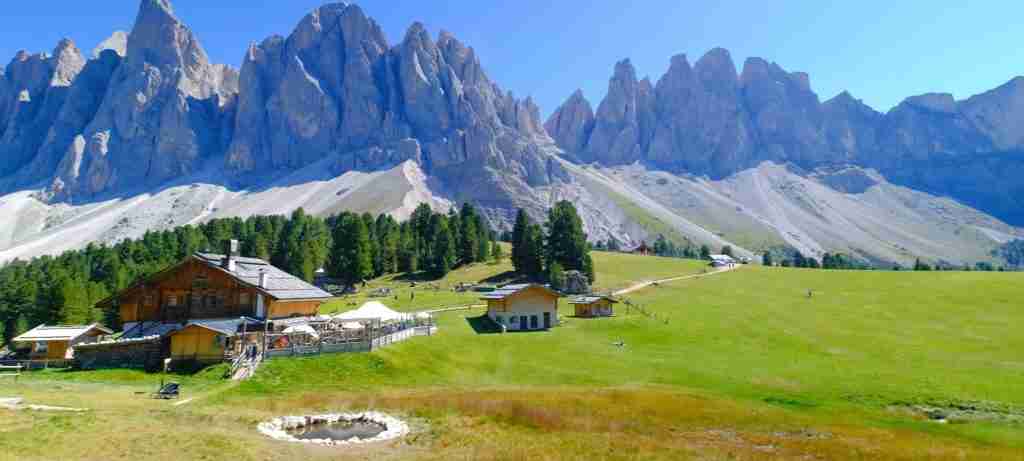
3 days
The Dolomites 3-Day Discovery Tour
- ✓ Comprehensive The Dolomites experience
- ✓ Expert local guides included
- ✓ All accommodation included
- ✓ Transportation provided
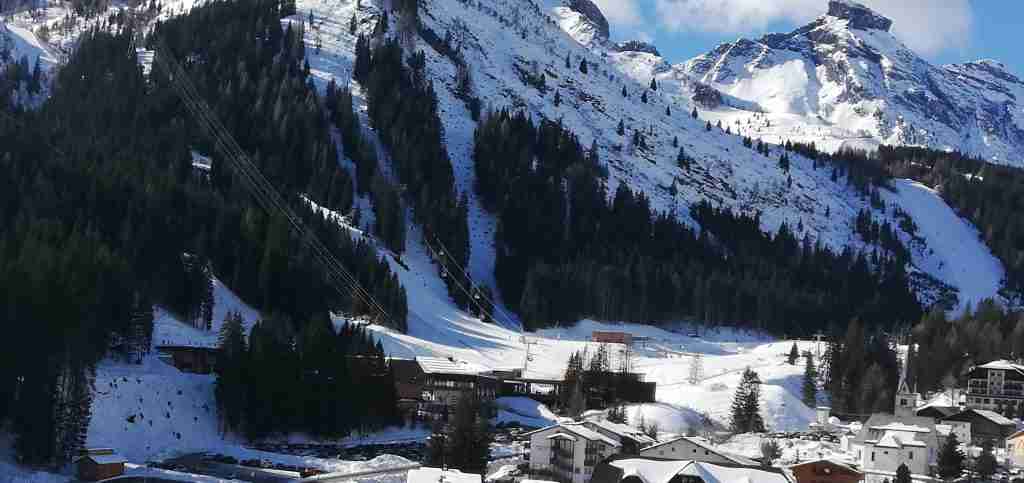
5 days
The Dolomites 5-Day Highlights Experience
- ✓ Comprehensive The Dolomites experience
- ✓ Expert local guides included
- ✓ All accommodation included
- ✓ Transportation provided
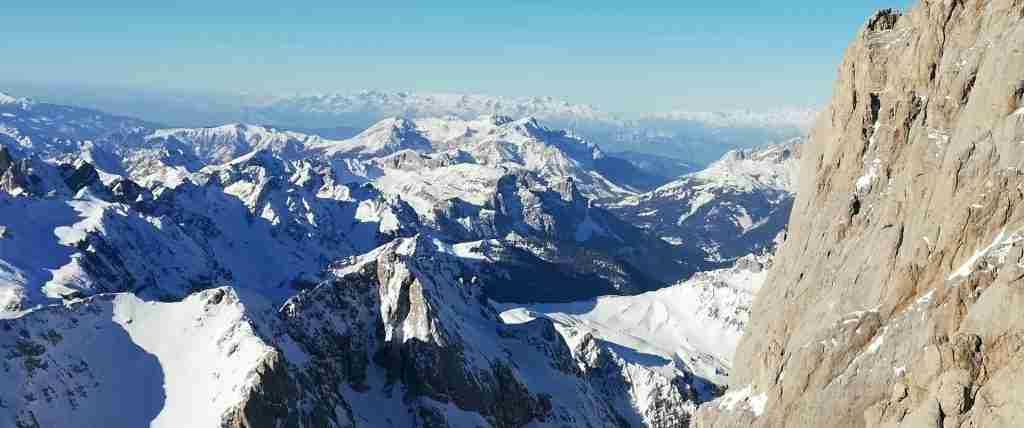
7 days
The Dolomites 7-Day Cultural Journey
- ✓ Comprehensive The Dolomites experience
- ✓ Expert local guides included
- ✓ All accommodation included
- ✓ Transportation provided
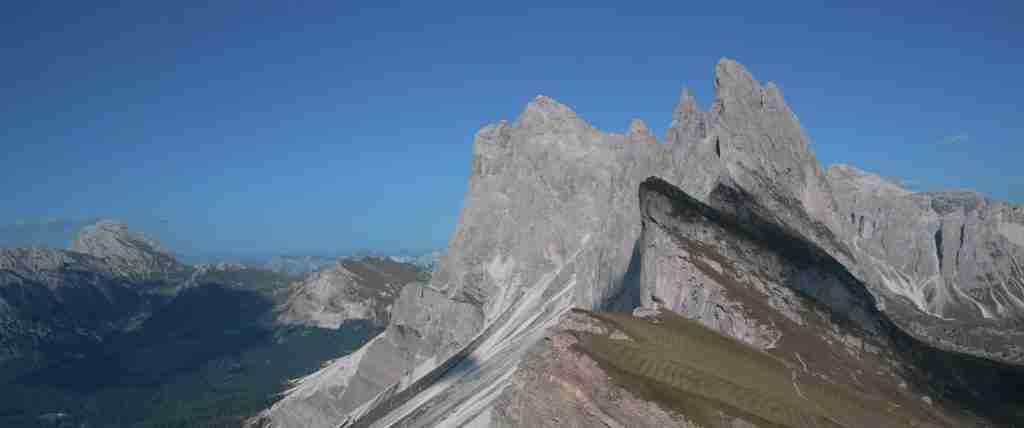
10 days
The Dolomites 10-Day Complete Adventure
- ✓ Comprehensive The Dolomites experience
- ✓ Expert local guides included
- ✓ All accommodation included
- ✓ Transportation provided
Multi-day tour packages powered by TourRadar. Prices and availability subject to change.
Introduction: Planning Effective Dolomites Day Trips in 2026
The Dolomites UNESCO World Heritage Site encompasses nine geographically distinct mountain systems spanning 142,000 hectares across northeastern Italy’s Veneto, Trentino-Alto Adige, and Friuli-Venezia Giulia regions. Inscribed in 2009 for outstanding natural beauty and exceptional geological significance, these limestone peaks rise dramatically to heights exceeding 3,000 meters, featuring vertical walls reaching 1,500 meters that rank among the world’s highest limestone cliffs. The pale-colored rock formations display distinctive sculptural shapes including pinnacles, spires, and towers contrasting with horizontal surfaces of ledges and plateaus, creating the archetypal “dolomitic landscape” recognized globally.
Planning day trips within this vast alpine landscape requires understanding geographic relationships between the nine UNESCO components. The eastern section centers on Tre Cime di Lavaredo (Drei Zinnen), Cadini di Misurina, and the Sesto Dolomites, with Cortina d’Ampezzo serving as primary base. The central zone encompasses Marmolada (highest peak at 3,343 meters), Pale di San Martino, and Sella Group, positioned between eastern and western valleys. The western area includes Puez-Odle massif, Sciliar-Rosengarten, and Brenta Dolomites, accessed from Val Gardena, Alpe di Siusi, and Val di Funes. Each zone offers distinct character and experiences, from technical via ferrata routes on Marmolada to gentle meadow walks across Alpe di Siusi’s high plateau.
The 2026 season brings enhanced access control at popular destinations addressing overtourism concerns while protecting fragile alpine ecosystems. Tre Cime di Lavaredo implements mandatory online parking reservations limiting daily visitors, with same-day bookings prohibited and weekend slots filling 3-5 days advance during peak season. Lago di Braies continues vehicle restrictions during summer months requiring shuttle bus access (included with accommodation Guest Pass) or arrival before 9:00 AM. These regulations necessitate advance planning and booking discipline but reward prepared travelers with improved experiences through reduced crowding and protected natural environments that maintain UNESCO World Heritage integrity.
Transportation infrastructure serves the Dolomites through multiple access points. Venice Marco Polo Airport (160 kilometers from Cortina) provides international gateway with Cortina Express bus service (€18-22 one-way, 2.5-3 hours) operating April-October. Innsbruck Airport (100 kilometers from eastern Dolomites) offers alternative access particularly for travelers from German-speaking regions, with shuttle services to Sesto/Sexten area (€30-40 per person). Bolzano Airport handles regional flights with bus connections throughout South Tyrol valleys. Car rental from any gateway enables maximum flexibility, with well-maintained mountain roads connecting all major destinations, though requiring confidence navigating tight switchbacks and mountain passes reaching 2,000+ meter elevations.
Seasonal patterns dramatically affect day trip planning. June-September represents optimal hiking season with all cable cars operating, mountain refuges serving meals and accommodation, and trails snow-free at elevations below 2,800 meters. July-August brings peak crowds, highest prices (30-40% above shoulder season), and mandatory advance reservations for parking and cable cars at popular destinations. September delivers exceptional value through stable weather, autumn colors at higher elevations, 35-45% lower accommodation costs compared to August, and dramatically reduced crowds while maintaining full cable car operations. May and October function as shoulder seasons with limited cable car operations (many closed for maintenance), unpredictable weather including snow above 2,000 meters, but exceptional solitude and spring wildflower displays (May) or dramatic autumn colors (October) for prepared hikers.
Budget allocation for 2026 day trips varies significantly based on destination choices and travel style. Budget-conscious travelers spend €40-70 daily through public transportation, packed meals, free hiking, and visiting less-crowded destinations without paid parking. Mid-range visitors allocate €80-150 daily incorporating cable car access, mountain refuge dining, paid parking at premier destinations, and personal vehicle operation. Premium experiences reaching €150-250 daily include guided activities, multiple cable car routes, restaurant dining, and specialized adventures like via ferrata courses or paragliding flights. Understanding these cost structures and making strategic choices about which destinations merit premium expenses versus budget approaches enables effective financial planning while maximizing experience quality.
This comprehensive guide provides detailed information for each major day trip destination including verified 2026 access requirements, current pricing, transportation logistics, hiking options, and strategic timing recommendations. Geographic organization proceeds from east to west, enabling readers to plan efficient itineraries based on accommodation location. Alternative suggestions throughout identify less-crowded destinations offering comparable scenery without premium pricing or reservation requirements. Practical information covers parking strategies, public transportation schedules, cable car operations, mountain refuge facilities, and safety considerations for varying weather conditions in high alpine environments.
Eastern Dolomites Day Trips 2026
The eastern Dolomites section encompasses the most iconic destinations including Tre Cime di Lavaredo, Lago di Braies, Cadini di Misurina, and the Sesto Dolomites, accessed from Cortina d’Ampezzo or secondary bases in Auronzo di Cadore, Dobbiaco, and Misurina. This zone features dramatic vertical limestone walls, pristine alpine lakes, and the highest concentration of visitors in the UNESCO site. Strategic planning including advance reservations and early-morning departures proves essential for optimal experiences during 2026 summer season.
Tre Cime di Lavaredo Day Trip 2026
Tre Cime di Lavaredo stands as the Dolomites’ most recognizable landmark, featuring three massive limestone towers—Cima Grande (2,999 meters), Cima Occidentale (2,973 meters), and Cima Piccola (2,857 meters)—that define the region’s visual identity. The famous 10-kilometer loop trail encircling the peaks delivers continuously changing perspectives of the north faces, which rise 500-600 meters vertically from the surrounding high plateau. This destination requires the most advance planning in the Dolomites due to mandatory parking reservations and significant access costs, but rewards visitors with world-class alpine scenery accessible to hikers of moderate fitness.
Reaching Tre Cime requires navigating the Strada Panoramica delle Tre Cime di Lavaredo, a scenic 7-kilometer private toll road ascending from near Lago Antorno to Rifugio Auronzo at 2,320 meters elevation. Starting May 2025, the 2026 season continues mandatory online parking reservations through auronzo.info/en/parking-tre-cime-di-lavaredo with same-day bookings prohibited. Reserve your spot minimum one day advance (by 11:59 PM the night before visit), though weekend slots during July-August fill 3-5 days ahead. The parking fee costs €40 per car, €26 per motorcycle, and €60 per campervan for 12-hour maximum stay (check official site for current rates). Your license plate number serves as digital permit with no physical ticket required, though exceeding the 12-hour limit triggers automatic double-fee charge (€80 for cars) at toll gate exit.
Public transportation provides alternative access without parking reservation stress. DolomitiBus service 30/31 operates from Cortina d’Ampezzo to Rifugio Auronzo during summer season (June-September) with buses departing Cortina approximately every 90 minutes from 8:00 AM-3:00 PM, returning from Auronzo 8:30 AM-5:30 PM. Bus fare costs €9.50 one-way without advance reservation required. From Auronzo di Cadore village, direct buses run to Rifugio Auronzo with more frequent service and convenient departure point for travelers staying in this lower-cost accommodation alternative. SüdtirolMobil Shuttle 444 operates from Dobbiaco (Toblach) to Rifugio Auronzo with online reservation required at sudtirolmobil.it. Public bus eliminates parking reservation challenges, parking fees, and narrow mountain road navigation while providing relaxation during the 45-60 minute journey, though limiting flexibility for early-morning or late-evening visits when buses don’t operate.
The classic Tre Cime loop begins at Rifugio Auronzo following well-marked trail 101 counterclockwise around the peaks. Distance measures 10.3 kilometers with 400 meters elevation gain spread throughout the circuit, taking 4-5 hours including stops at rifugios and photo viewpoints. Trail difficulty rates moderate with well-maintained gravel paths, several rocky sections requiring attention, and one steep descent/ascent between Rifugio Locatelli and Forcella Col di Mezzo. No technical climbing skills necessary, though sturdy hiking boots essential for ankle support on uneven terrain. The route passes four staffed rifugios—Auronzo (start/finish), Lavaredo (1.7 kilometers), Locatelli (halfway point), and Langalm—offering meals (€12-25), drinks, restrooms (€1 fee), and overnight accommodation for multi-day hikers.
Strategic timing dramatically affects experience quality at Tre Cime. Arrive at Rifugio Auronzo by 8:00-8:30 AM for optimal conditions including softer morning light illuminating the north faces, minimal crowds on the trail and at viewpoints, available parking spaces before daily limit reaches, and cooler temperatures for uphill hiking segments. The 10:00 AM-2:00 PM midday period brings peak crowds with several hundred people simultaneously at popular viewpoints, parking lot approaching capacity (if reservations available), harsh overhead lighting flattening mountain features, and queues at rifugio facilities. Late afternoon visits (3:00-5:00 PM arrivals) provide excellent golden hour lighting on the towers, reduced trail traffic as day-trippers depart, though requiring efficiency completing the loop before sunset and potential afternoon thunderstorms common in summer months.
The Cadini di Misurina viewpoint adds spectacular bonus destination requiring only 3.2 kilometers round-trip (90 minutes) from Rifugio Auronzo. This short trail leads to overlook of the Cadini mountain group featuring dozens of jagged pinnacles and spires rising from surrounding terrain in distinctive formations unlike typical Dolomite peaks. Most visitors skip this extension due to time constraints or fatigue after the main loop, resulting in dramatically fewer people at the viewpoint despite exceptional scenery. Energetic hikers can complete both Tre Cime loop and Cadini viewpoint in single day, though requiring 7-8 hours total including breaks.
Alternative approach routes enable reaching Tre Cime without vehicle or bus. Hiking from Misurina parking (€14 daily fee) follows 7-kilometer trail gaining 950 meters elevation over 2.5-3 hours, arriving directly at the circuit loop. This approach transforms Tre Cime into genuine mountain experience rather than cable-car tourism, rewards effort with solitude and progressive views of surrounding peaks during ascent, and eliminates toll road and parking reservation entirely. The challenging uphill slog tests fitness significantly more than the loop trail itself, requires early start to complete full circuit plus descent before dark, and proves impractical for less-experienced hikers or those with time constraints.
Accommodation near Tre Cime ranges from luxury hotels in Misurina (€150-280 nightly) offering lake views and full-service facilities, to budget-focused Auronzo di Cadore (€70-120 nightly) providing authentic Italian town atmosphere with lower prices, to Cortina d’Ampezzo (€100-220 nightly) serving as full-featured resort base 35 kilometers from Tre Cime. Rifugio Auronzo and Rifugio Locatelli offer on-mountain accommodation (€60-75 half-board) enabling sunrise and sunset photography without crowds, though requiring advance booking starting February for July-August dates and cash payment on-site despite online reservations.
Lago di Braies Day Trip 2026
Lago di Braies ranks among the Dolomites’ most photographed locations, featuring turquoise-green waters reflecting surrounding Croda del Becco mountain walls in mirror-like symmetry. The lake sits at 1,494 meters elevation in Val di Braies, stretching 1.2 kilometers length with walking path encircling the shoreline through forest and meadow terrain. Summer crowds necessitate strategic timing or shuttle bus access during vehicle restriction periods, though the exceptional scenery and minimal physical demands justify popularity for visitors of all ages and fitness levels.
Private vehicle access to Lago di Braies experiences restrictions during peak summer season (typically July-August) with exact dates varying annually based on visitor numbers. During restriction periods, vehicles cannot reach the lake parking lot during morning hours (generally 9:00 AM-4:00 PM), with free shuttle buses operating from Welsberg/Monguelfo parking area every 20-30 minutes using Guest Pass from any accommodation in the region. Outside restriction periods, lake parking costs €8 per day with spaces filling by 9:00 AM on sunny summer weekends, requiring early arrival or afternoon visit after 4:00 PM when many day-trippers depart. The parking lot accommodates approximately 100 vehicles creating significant competition for spaces during popular times.
The complete lake circuit measures 3.6 kilometers on well-maintained gravel and paved paths, requiring 60-90 minutes at leisurely pace with photo stops. Trail difficulty rates easy with minimal elevation change (35 meters total gain), making it accessible for young children, elderly visitors, and those with limited mobility. The classic view photographed widely occurs at the north end where wooden rowboats typically moor at a small dock with Croda del Becco rising 2,810 meters directly behind, creating the iconic composition. Morning light (8:00-10:00 AM) illuminates the mountain face while afternoon sun (4:00-6:00 PM) warms the boathouse and foreground elements, with both times offering excellent photography conditions depending on desired composition.
Rowboat rentals operate from the boathouse at the north shore, costing approximately €20-25 per hour with deposit required (check current rates). Boats accommodate 4-5 people maximum with relatively stable handling suitable for inexperienced rowers, though wind conditions affect lake surface creating potential challenges. The rental experience provides unique perspective from water level, though the most iconic views actually occur from shoreline positions rather than from boats. During peak season (July-August), boat queues extend 30-60 minutes during midday hours, with early morning or late afternoon providing shorter wait times and better lighting conditions.
Strategic timing proves critical for optimal Lago di Braies experiences. Arrive before 8:00 AM for parking access (outside restriction periods), minimal crowds on circuit path and at viewpoints, smooth lake surface for reflections before afternoon winds develop, and soft morning light on surrounding peaks. The 10:00 AM-3:00 PM midday period brings maximum crowds with hundreds of visitors simultaneously at north shore viewpoint, parking lot full (if accessible), boat rental queues lengthy, and harsh overhead lighting. Evening visits (after 5:00 PM) restore tranquility as day-trippers depart, deliver excellent golden hour lighting, though requires completing circuit before sunset around 8:00-8:30 PM during summer months.
Extended hiking options around Lago di Braies include the Croda del Becco summit trail (8 kilometers round-trip, 1,000 meters elevation gain, 5-6 hours) providing aerial perspective over the lake and surrounding valleys, and the Valle di Braies trail leading to mountain refuges deeper in the valley. These extensions transform Lago di Braies from tourist photo stop into genuine hiking destination, though most visitors limit themselves to the circuit path spending 90 minutes-2 hours on-site.
Combining Lago di Braies with Tre Cime creates efficient eastern Dolomites day trip for visitors with personal vehicle. Morning visit to Braies (arrive 7:30-8:00 AM) allows circuit walk and photography before crowds, then 30-minute drive to Tre Cime for midday hiking when Braies becomes overcrowded. This combination covers two premier destinations in single day, requires early start and full-day commitment (7:00 AM-6:00 PM), and necessitates advance Tre Cime parking reservation. Public transportation users must choose between destinations as bus schedules don’t enable same-day combination efficiently.
Tofana di Mezzo via Freccia nel Cielo Cable Car 2026
The Freccia nel Cielo (“Arrow in the Sky”) cable car system ascends from Cortina d’Ampezzo to Cima Tofana at 3,244 meters elevation, providing spectacular 360-degree Dolomites panoramas without hiking requirements. This three-stage lift sequence delivers efficient access to high-altitude viewpoints, intermediate hiking options at Col Druscie and Ra Valles stations, and restaurant facilities at multiple elevations. The route attracts fewer crowds than Tre Cime or Seceda despite comparable scenery, making it excellent alternative for travelers based in Cortina seeking impressive views without reservation stress.
The cable car system operates through three distinct stages from Cortina’s base station (located at town periphery with large parking lot). First segment: gondola from Cortina (1,224 meters) to Col Druscie (2,070 meters) lifting riders 846 meters over 2,500-meter distance in approximately 8 minutes. Second segment: cable car from Col Druscie to Ra Valles (2,470 meters) ascending 400 meters with increasingly dramatic views. Third segment: cable car from Ra Valles to Cima Tofana (3,244 meters) completing the 774-meter final ascent to summit station with observation deck. Total journey time runs 15-20 minutes with brief transfers between stages, though queues during peak hours (11:00 AM-2:00 PM) can extend wait times significantly.
Ticket pricing for summer 2026 operates through three levels allowing partial ascents. Cortina to Col Druscie costs €25 round-trip providing access to mid-elevation hiking and restaurant. Cortina to Ra Valles runs €35 round-trip reaching high-alpine terrain above treeline. Cortina to Cima Tofana (full route) costs €45 round-trip delivering complete summit experience (check official website for current rates as pricing may vary). One-way tickets available for hikers planning descent on foot, though steep terrain and 2,000-meter elevation loss makes downhill hiking challenging for most visitors. No advance reservation required—tickets purchased at base station or online, though early morning or late afternoon timing avoids midday queues during July-August.
Summer season cable car operations run late May through early November with daily hours 8:30 AM-5:00 PM (verify current schedule before visit as dates vary by weather and maintenance requirements). The final cable car to Cima Tofana operates summer only, while lower stages continue winter operations for skiing. Mountain weather at 3,244 meters elevation changes rapidly with morning sunshine often giving way to afternoon clouds or thunderstorms, particularly July-August when thermal activity increases. Temperature differences between Cortina base (summer highs 25-30°C) and Cima Tofana summit (5-15°C) require layered clothing with windproof jacket essential even on sunny days.
Hiking options from intermediate stations provide alternatives to full summit cable car route. From Col Druscie, trail 403 leads to Rifugio Dibona (2,083 meters) in 45 minutes, offering another restaurant option and continuing trail connections. From Ra Valles, the trail to Tofana di Mezzo (3,244 meters) parallels the cable car route providing similar summit views through 45-minute hike gaining 770 meters elevation, though requiring strong fitness and mountain hiking experience. These partial hiking combinations enable cost savings (€35 for Ra Valles access versus €45 for full cable car) while adding physical challenge and extended time on mountain.
The Cima Tofana summit station features observation deck with identifying plaques marking visible peaks across the Dolomites panorama. Clear conditions reveal Marmolada (highest Dolomites peak) to east, Tre Cime di Lavaredo distinctive towers to northeast, Cristallo group to north, and Sella/Sassolungo massifs to west. Photography conditions vary by time of day with morning light (9:00-11:00 AM) providing clear atmospherics before afternoon haze, though softer morning light can lack drama compared to afternoon sun angle. The summit restaurant serves meals and drinks at premium prices (€8-12 for basic items) with heated indoor seating welcome during cool or windy conditions common at this elevation.
Strategic timing recommendations for Freccia nel Cielo include early morning ascent (8:30-9:30 AM cable car) providing clearest atmospheric conditions for photography, minimal queues at all stages, and opportunity to complete descent before afternoon thunderstorm risk. Midday visits (11:00 AM-2:00 PM) encounter maximum crowds with 20-30 minute wait times possible at each cable car stage during peak summer weeks. Late afternoon ascents (after 3:00 PM) restore tranquility and deliver excellent golden hour lighting on surrounding peaks, though requiring descent before 5:00 PM final cable car departure with no flexibility for delays.
Combining Freccia nel Cielo with Cortina town exploration creates efficient full-day itinerary. Morning cable car ascent and summit visit (3-4 hours including hiking at intermediate stations) followed by afternoon in Cortina’s pedestrian center browsing shops, visiting Olympic facilities, and dining at traditional restaurants. This combination provides balanced mountain scenery and cultural experience, particularly valuable during weather transition days when morning offers clear conditions but afternoon brings clouds reducing high-altitude visibility.
Central Dolomites Day Trips 2026
The central Dolomites encompass Marmolada (the highest peak at 3,343 meters with the largest Dolomites glacier), the Sella Group with its famous Sella Ronda circuit, and Passo Pordoi connecting major valleys. This zone bridges eastern and western sections, accessible from multiple base locations including Canazei, Arabba, and Corvara. The central area offers combination of technical mountain experiences, accessible viewpoints via cable cars and passes, and dramatic volcanic rock formations contrasting with typical pale limestone.
Marmolada Cable Car and Glacier Day Trip 2026
Marmolada stands as the Dolomites’ highest peak at 3,343 meters elevation, crowned by the largest glacier in the mountain range. The Marmolada cable car ascends from Malga Ciapela (1,450 meters) to Punta Rocca station (3,265 meters) near the summit, providing access to permanent ice fields, World War I historical sites, and exceptional panoramic views across the entire Dolomites system. The glacier’s dramatic retreat due to climate change adds urgency to visits, though also raises questions about future access and environmental impact of mountain tourism.
The cable car system operates in stages from Malga Ciapela in the Veneto region. First segment lifts to Serauta (2,950 meters) with intermediate stop, then continues to Punta Rocca summit station at 3,265 meters elevation. Round-trip tickets cost approximately €35-45 (check official marmolada.com for current 2026 rates) with operation from late May through October depending on snow conditions and weather. The journey takes 12-15 minutes total with spectacular views developing as elevation increases, though cable car cabins can become crowded during peak midday hours requiring patience at base station queue.
The Marmolada glacier occupies the mountain’s north face, covering approximately 2 square kilometers though shrinking significantly from historical extent. Climate change has accelerated glacier retreat with visible year-over-year reduction in ice coverage and increasing rock exposure. The glacier surface remains accessible for short walks from Punta Rocca station, though crevasse dangers require staying on marked paths and never venturing onto unchecked ice. Summer temperatures at summit elevation stay cool (0-10°C typical) with strong winds common, requiring warm layers and windproof clothing even during warm valley conditions below.
World War I historical sites cover Marmolada’s slopes where Italian and Austro-Hungarian forces fought at elevations exceeding 3,000 meters. The Great War Museum at Serauta station documents mountain warfare with artifacts, photographs, and reconstructed trenches providing context for the brutal high-altitude combat. Hiking trails from Punta Rocca lead past artillery positions, tunnel entrances, and memorial plaques, though proper mountain equipment and guide services essential for any extended exploration beyond immediate station vicinity.
Strategic timing for Marmolada visits emphasizes early morning ascent (8:30-9:30 AM) capturing clear atmospheric conditions for photography, minimal crowds at summit station and observation points, and stable weather before afternoon thunderstorm development common during summer months. The glacier surface displays optimal conditions during morning hours before sun softens snow and ice. September-October shoulder season delivers exceptional clarity with autumn air masses, though limited cable car operations and unpredictable weather require flexible planning.
Alternative Marmolada experiences include the Via Ferrata routes ascending the south face, though these technical climbing routes require specialized equipment (harness, helmet, via ferrata set with shock absorbers), strong fitness, and preferably guide services (€120-180 per person for guided ascent). Summer skiing operates on limited glacier terrain when snow conditions permit, utilizing t-bar lifts accessing permanent ice fields, though this option faces uncertain future as glacier continues retreating.
Combining Marmolada with Passo Pordoi creates efficient central Dolomites day trip. Morning cable car ascent at Marmolada (3-4 hours including museum and summit time) followed by 45-minute drive to Passo Pordoi for afternoon cable car to Sass Pordoi viewpoint (€25 round-trip) provides two distinct high-elevation experiences in single day. This combination requires personal vehicle as public transportation doesn’t efficiently connect these destinations, though the scenic mountain pass driving itself contributes significant value to the experience.
Sella Ronda Driving Circuit Day Trip 2026
The Sella Ronda circuit encompasses four mountain passes encircling the massive Sella Group, creating a spectacular driving route covering approximately 55 kilometers through four distinct valleys. While famous as ski touring circuit during winter, the summer driving experience delivers continuously changing perspectives of limestone walls, traditional villages, and alpine meadows, with minimal traffic compared to more direct through-routes. Multiple cable car access points, hiking trailheads, and scenic stops enable customized exploration rather than simple circuit completion.
The Sella Ronda circuit connects four passes in sequence: Passo Gardena/Grödner Joch (2,121 meters) between Val Gardena and Alta Badia, Passo Campolongo (1,875 meters) dropping toward Arabba, Passo Pordoi (2,239 meters) climbing to highest point with spectacular Sella Group views, and Passo Sella/Sellajoch (2,240 meters) returning to Val Gardena. The circuit can be driven in either direction (clockwise or counterclockwise) with equally spectacular scenery, taking 90-120 minutes for complete loop without stops, or full-day experience with cable car rides, short hikes, and meal breaks at mountain refuges.
Passo Pordoi serves as circuit highlight with cable car ascending to Sass Pordoi (2,950 meters) delivering 360-degree panorama including Marmolada, Sella towers, and distant peaks across South Tyrol. Cable car tickets cost approximately €25 round-trip (verify current rates at sassopordoi.it) with 5-minute ride to summit station featuring observation deck, restaurant, and short walking paths. The pass itself offers roadside parking (€5-8 daily), cafes, and souvenir shops, though the dramatic views from summit station justify cable car expense for visitors allocating time and budget for this addition.
Passo Gardena provides alternative cable car option accessing the Puez-Odle massif from the Val Gardena side. This less-crowded route delivers excellent hiking access and traditional mountain refuge experiences without the tourist density of more famous destinations. Passo Campolongo offers gentlest elevation profile with gradual approaches from both valleys, making it suitable for less-confident drivers navigating mountain roads. Passo Sella features dramatic Sella towers looming directly overhead with parking areas allowing close approach to vertical walls and access to Via Ferrata routes for equipped climbers.
Strategic additions to basic Sella Ronda circuit include Corvara Alta Badia town stop for lunch at traditional Ladin restaurants, Arabba village for cable car access to Porta Vescovo (2,478 meters), and Val Gardena villages (Selva, Santa Cristina, Ortisei) for shopping and cultural exploration. These additions transform simple driving loop into comprehensive central Dolomites experience, though requiring full day and personal vehicle as public buses serve valleys rather than completing full circuit efficiently.
Hiking opportunities from Sella Ronda passes provide active alternatives to driving-only experience. From Passo Gardena, trail to Rifugio Puez (2,475 meters) offers 2-hour moderate hike with exceptional Odle Group views. From Passo Pordoi, the trail to Rifugio Maria (2,950 meters) parallels the cable car route for hikers seeking leg-powered summit access. From Passo Sella, short walks to closer viewpoints of Sella towers require only 20-30 minutes round-trip, suitable for families or those with limited time.
Weather considerations for Sella Ronda circuit include summer afternoon thunderstorm potential requiring early start (departing base by 8:00-9:00 AM) to complete circuit before storm development around 2:00-4:00 PM. Pass roads remain open year-round though spring (May) and autumn (October) can experience snow closures requiring chain availability or alternate routing. Dense morning fog occasionally limits visibility, typically clearing by mid-morning as sun warms valleys and drives moisture upward.
Western Dolomites Day Trips 2026
The western Dolomites section encompasses Val Gardena, Alpe di Siusi, Val di Funes, and the Sciliar-Rosengarten massif, characterized by gentler terrain, extensive high-altitude meadows, and strong Ladin cultural heritage. This zone provides more accessible hiking for families and less-experienced mountain visitors while maintaining spectacular mountain scenery, though popular destinations like Seceda experience significant summer crowds requiring strategic planning similar to eastern locations.
Seceda Ridgeline Day Trip 2026
Seceda delivers the Dolomites’ most distinctive and widely-photographed vista, featuring the jagged Odle/Geisler peaks rising from high alpine meadows in dramatic vertical relief. The viewpoint sits at 2,500 meters elevation, accessible via two-stage cable car from Ortisei requiring minimal hiking, making it achievable for all fitness levels. However, accessibility drives enormous popularity with summer crowds significant during midday hours and substantial 2026 price increases (€59 round-trip) reflecting demand pressures on this compact high-alpine environment.
Cable car access from Ortisei town center operates through two-stage system. First segment: gondola from Ortisei (1,236 meters) to Furnes intermediate station (1,685 meters) seating 6-8 passengers per cabin with 8-10 minute journey. Second segment: cable car from Furnes to Seceda summit (2,518 meters) accommodating approximately 30 standing passengers per car with 5-6 minute ride completing the ascent. Round-trip tickets cost €59 adults, €30 children 8-16 years, representing substantial increase from 2025 pricing (€45). One-way tickets available at €43 adults for hikers planning descent on foot. Purchase tickets at base station or online at seceda.it to avoid queue, though no reservation system exists creating potential wait times during peak hours.
The cable car valley station in Ortisei sits approximately 10-minute walk from town center along clearly-signed pedestrian path “La Curta,” with covered parking garage at station charging €2.80 per hour (no daily maximum, check current rates). Parking fills by 9:00-9:30 AM on summer weekends, requiring early arrival or alternative parking in town center with longer walk to cable car. Public bus from Bolzano or Bressanone reaches Ortisei (€8-12 per journey) with bus stop 6-minute walk from cable car station, providing car-free access alternative. Summer season operations run late May through early November with daily hours 8:30 AM-5:00 PM, though verify exact dates annually as weather and maintenance affect scheduling.
From the Seceda summit cable car station, the famous viewpoint requires 10-minute uphill walk gaining approximately 50 meters elevation on well-maintained gravel path. Trail 1 leads directly to summit cross and observation platform offering unobstructed views of the Odle/Geisler peaks’ distinctive serrated ridge. Morning light (8:30-10:30 AM) illuminates the peaks’ east faces providing excellent photography conditions, while afternoon sun (4:00-6:00 PM) warms the ridge creating dramatic shadows emphasizing vertical relief. Midday overhead sun (11:00 AM-2:00 PM) flattens features reducing visual impact, though crowds peak during these hours as cable car delivers continuous flow of visitors.
Extended hiking from Seceda summit provides alternatives to simple viewpoint visit. Trail 2 follows the ridgeline south toward Forcella Pana (30-40 minutes) delivering additional perspectives and solitude beyond the main tourist concentration. Trail 35 descends through alpine meadows toward Pieralongia and Col Raiser (2-3 hours to Col Raiser cable car station) enabling one-way descent with return cable car from Col Raiser to Santa Cristina, though this creates transportation logistics requiring vehicle shuttling between valley stations. Most visitors limit Seceda visit to 90 minutes-2 hours including cable car rides, viewpoint walk, and time at summit for photography and mountain hut refreshments.
Rifugio Sofie (Baita Sofie Hütte) sits below the summit near trail junction, offering excellent Ladin cuisine, outdoor seating with mountain views, and restroom facilities. Meal prices run €12-25 for main dishes with exceptional food quality justifying premium pricing. The rifugio provides welcome respite and adds cultural dimension to mountain visit, though services create additional time requirement (45-60 minutes for full meal) extending total Seceda experience.
Crowd avoidance strategies for Seceda emphasize early arrival (first cable car at 8:30 AM) providing solitude at viewpoint before masses arrive, optimal lighting conditions, and opportunity to complete experience before midday rush. Alternative involves late afternoon visit (after 3:30 PM) as day-trippers descend, delivering excellent golden hour lighting and restored tranquility, though requiring completion before 5:00 PM final cable car departure. September shoulder season dramatically reduces crowds (30-40% fewer visitors than August) while maintaining full cable car operations and stable weather, representing optimal value-to-quality balance for budget-conscious travelers.
Alternative Seceda access via Col Raiser cable car from Santa Cristina (€35-45 round-trip) followed by 2.5-kilometer hike gaining 400 meters elevation to Seceda summit provides less-crowded approach and genuine hiking experience, though requiring stronger fitness and 60-90 minutes uphill effort. This route attracts hikers rather than casual visitors, dramatically reducing crowds even during peak summer weeks. The Col Raiser valley station offers easier parking than Ortisei with lower fees, making it practical alternative despite hiking requirement.
Combining Seceda with Alpe di Siusi creates efficient western Dolomites full-day itinerary. Morning Seceda cable car and viewpoint visit (3-4 hours including rifugio meal) followed by 30-minute drive to Alpe di Siusi cable car for afternoon meadow hiking provides contrasting mountain experiences—dramatic peaks versus gentle high plateau—in single day. This combination requires personal vehicle or tactical taxi services between locations, as public buses don’t efficiently enable same-day combination. Budget-conscious alternative involves choosing single destination and dedicating full day to extended hiking rather than rushing between cable car access points.
Alpe di Siusi High Alpine Meadow Day Trip 2026
Alpe di Siusi (Seiser Alm in German) represents Europe’s largest high-altitude alpine meadow, stretching 56 square kilometers at elevations between 1,800-2,200 meters below the Sciliar and Sassolungo massifs. Unlike dramatic peak destinations elsewhere in the Dolomites, Alpe di Siusi offers gentle terrain suitable for families, elderly visitors, and those seeking relaxed hiking without technical challenges or extreme elevation. The expansive flower-filled meadows, traditional wooden huts, and iconic mountain backdrop create quintessential alpine scenery without demanding physical fitness or advanced outdoor skills.
Cable car access from Siusi/Seis town operates year-round with summer season daily hours typically 8:00 AM-6:00 PM (verify current schedule at seiseralmbahn.it). Round-trip tickets cost approximately €25-35 depending on season and advance purchase (check official rates). The 10-minute cable car ride lifts from Siusi (1,004 meters) to Compatsch (1,844 meters), the main village on Alpe di Siusi plateau offering restaurants, hotels, tourist information, and bus connections across the meadow system. Alternative access via winding mountain road from Siusi requires paid toll (€8-12 per vehicle) during daylight hours, though vehicles belonging to hotel guests staying on the plateau drive free with accommodation confirmation.
Public bus from Bolzano to Siusi (€8-12 one-way, 45-60 minutes) provides car-free access with bus stop adjacent to cable car valley station. The Guest Pass provided by any accommodation in the region includes free cable car access during summer season, dramatically reducing daily costs for visitors staying in Siusi, Castelrotto, or other nearby villages. This benefit alone can justify accommodation choice for multi-day visitors planning repeated Alpe di Siusi visits, with Guest Pass saving €25-35 daily compared to purchasing individual cable car tickets.
Hiking options on Alpe di Siusi range from 30-minute gentle strolls to full-day 15-kilometer circuits, all on well-maintained trails with minimal elevation change. The Panorama Trail encircling Compatsch requires 2-3 hours covering 7 kilometers with spectacular Sassolungo views throughout, suitable for young children and elderly visitors given gentle terrain. The trail toward Saltria and Malga Tuff extends into more remote meadow areas (4-5 hours round-trip) with flower diversity peak occurring June-July. The approach to Rifugio Bolzano beneath Sciliar’s vertical walls (3-4 hours one-way, 600 meters elevation gain) represents more challenging option reaching 2,457 meters elevation with via ferrata access for equipped climbers.
Mountain refuges across Alpe di Siusi offer traditional South Tyrolean cuisine featuring speck (smoked ham), cheese dumplings, apple strudel, and local wines. Meal prices run €15-30 for main courses with outdoor seating providing unobstructed mountain views. The huts operate June through October with peak season July-August when advance lunch reservations recommended for popular locations. These refuges function as hiking destinations themselves rather than just rest stops, with many visitors planning routes specifically to reach particular huts known for culinary quality.
Strategic timing for Alpe di Siusi emphasizes weekday visits avoiding weekend crowds that can transform the plateau into outdoor recreation center. Morning departure (8:00-9:00 AM cable car) provides cool temperatures for hiking, optimal flower colors before midday sun intensity, and opportunity to secure rifugio seating before lunch rush. June visits coincide with wildflower peak when meadows display exceptional color diversity, though weather can be unpredictable with lingering snow patches at higher elevations. September delivers reliable weather, autumn colors at forest edges, and dramatically reduced crowds compared to July-August peak season.
The Sassolungo massif rising 3,181 meters forms Alpe di Siusi’s most distinctive backdrop, with morning sun illuminating the mountain’s east face providing photography opportunities from meadow trails. The Sciliar plateau with its characteristic flat top and vertical walls creates equally recognizable silhouette from western meadow areas. These mountains provide constant visual anchors throughout hiking experiences, with perspective shifts creating continuously changing compositions as trails progress across the expansive plateau.
Horse-drawn carriage rides and mountain bike rentals offer alternative meadow exploration methods for visitors seeking variety beyond hiking. Carriage rides cost approximately €15-25 per person for 45-60 minute circuits with driver/guide providing landscape commentary. Bike rentals run €25-35 per day with excellent gravel trail network suitable for mountain bikes or e-bikes, though e-bike battery range limits viable distance for elderly riders or those with limited cycling experience.
Combining Alpe di Siusi with Ortisei or Castelrotto town exploration creates balanced mountain-and-culture day trip. Morning hiking on the plateau (4-5 hours including cable car and rifugio meal) followed by afternoon wandering Ortisei’s pedestrian shopping streets or Castelrotto’s medieval center provides variety appealing to travelers seeking mixed experiences rather than pure mountain focus. This combination particularly suits days when afternoon weather deteriorates, allowing retreat to valley towns rather than remaining exposed on high plateau during thunderstorm development.
Val di Funes Day Trip 2026
Val di Funes delivers postcard-perfect Dolomites scenery featuring the distinctive Odle peaks rising behind traditional wooden churches and alpine meadows, creating the iconic composition photographed extensively. This narrow valley stretches 24 kilometers from Chiusa in the Isarco valley to the valley head beneath the Puez-Odle massif, maintaining agricultural character and authentic mountain village atmosphere despite tourism presence. Val di Funes offers accessible photography locations, gentle hiking on valley floor, and advanced routes into surrounding peaks, with significantly fewer visitors than Seceda despite sharing views of the same mountain group.
The Santa Maddalena (St. Magdalena) area serves as Val di Funes’ focal point, featuring the photogenic church framed by Odle peaks. Driving from Chiusa requires approximately 30 minutes up the winding valley road with multiple photo stop opportunities at pullouts along the route. Parking in Santa Maddalena village remains free but limited to small roadside areas filling by mid-morning during summer season, requiring early arrival (before 9:00 AM) or acceptance of 10-15 minute walk from more distant parking locations. The church and surrounding meadows sit on private property with public walking allowed on marked paths, though respecting agricultural activities and avoiding trampling crops essential for maintaining access.
The classic Santa Maddalena photograph occurs from the small road leading toward Rifugio Adolf Munkel Hütte, approximately 500 meters uphill from the church. This viewpoint provides elevated perspective with church foreground and Odle peaks background in balanced composition. Morning light (8:00-10:00 AM) illuminates the peaks’ east faces while afternoon sun (4:00-6:00 PM) warms the church and meadow foreground, with both times offering excellent photography conditions depending on desired mood. Spring (May-June) brings wildflower displays while autumn (September-October) delivers golden larch trees adding color to foreground elements.
Hiking options from Santa Maddalena include the Adolf Munkel trail encircling beneath the Odle peaks (9 kilometers, 3-4 hours, 400 meters elevation gain) providing continuously changing perspectives of the dramatic limestone walls. The trail passes multiple mountain refuges offering meals and rest stops with genuine mountain atmosphere absent from more-touristy destinations. This moderate hike suits families with older children and represents authentic Dolomites experience without cable cars or tourist infrastructure, though requiring proper hiking boots and weather-appropriate clothing given high-altitude exposure.
The San Giovanni (St. Johann) area occupies the opposite side of Val di Funes valley, offering alternative compositions with different church architecture against the same mountain backdrop. This less-visited location provides solitude even during peak season when Santa Maddalena becomes crowded, though photographic results can be equally compelling for those seeking variety or avoiding tourist masses. Accessing both areas in single visit requires driving valley roads connecting villages, consuming 1-2 hours for complete exploration plus photography time.
Strategic timing for Val di Funes emphasizes early morning arrival (7:30-8:30 AM) securing parking in desired locations, capturing soft morning light on peaks, and experiencing tranquility before tour buses arrive mid-morning. Weekday visits dramatically reduce crowds compared to summer weekends when Italian and Austrian day-trippers converge on the valley. September-October shoulder season combines stable weather, reduced visitor numbers, and autumn colors creating exceptional value for photographers and hikers willing to accept shorter daylight hours and cool temperatures.
Extended activities in Val di Funes include via ferrata routes on Odle peaks for equipped climbers, mountain biking on forestry roads connecting villages, and multi-day hut-to-hut hiking traversing Puez-Odle massif. These advanced options transform Val di Funes from quick photo stop into serious mountain destination, though most visitors limit themselves to valley floor photography and moderate hiking requiring half-day commitment.
Combining Val di Funes with Val Gardena creates efficient western Dolomites loop. Morning in Val di Funes (3-4 hours including photography and Adolf Munkel trail) followed by lunch in Ortisei and afternoon cable car to Seceda provides complementary experiences—authentic agricultural valley versus developed tourist destination—in single full day. This combination requires personal vehicle as public transportation doesn’t efficiently connect these valleys, though the mountain pass driving itself contributes value through scenic variety.
Alternative hidden gems near Val di Funes include Lago di Carezza (30-minute drive) featuring turquoise alpine lake with Latemar peaks reflected in waters, and Passo delle Erbe connecting Val Badia with Val di Funes through high alpine meadows and exceptional wildflower displays. These additions extend Val di Funes visit into multi-day western Dolomites exploration or provide backup options when weather limits high-altitude destinations like Seceda.
Transportation Strategies for Dolomites Day Trips 2026
Effective transportation planning fundamentally shapes Dolomites day trip experiences, affecting destination access, daily itinerary flexibility, budget requirements, and stress levels navigating mountain roads or public transit schedules. The choice between rental car, public transportation, guided tours, or hybrid approaches depends on driving confidence, budget constraints, desired flexibility, and willingness to accept scheduling limitations inherent in bus-dependent travel.
Rental Car Strategy and Costs 2026
Rental cars provide maximum flexibility enabling multiple destination visits daily, access to remote viewpoints and trailheads lacking public transport, spontaneous itinerary changes responding to weather conditions, and independence from bus schedules restricting early-morning and late-evening activities. Venice, Verona, and Innsbruck airports offer competitive rental rates with major international agencies present, while Bolzano airport serves regional needs with limited flight connections but convenient Dolomites positioning.
Rental rates vary significantly by booking timing and season. Compact manual transmission vehicles suitable for mountain driving cost €30-55 daily during summer peak season (July-August) when booked 8-10 weeks advance, rising to €55-75 for last-minute reservations. Automatic transmissions add €10-15 daily premium reflecting limited availability in European fleet. Week-long rentals reduce effective daily cost through multi-day discounts, with 7-day summer booking running €210-350 (€30-50 daily average) versus €385-525 for daily-rate accumulation (€55-75 × 7 days).
Fuel costs add substantial expense to rental car budget. Typical weekly driving covers 500-700 kilometers visiting major destinations across eastern and western Dolomites zones, consuming 35-50 liters fuel in compact vehicle (14-16 km/liter efficiency). Italian fuel prices run €1.75-1.85 per liter, totaling €60-90 weekly fuel cost, though border crossing to Austria occasionally offers 5-10% savings justifying minor detour for fill-up when positioned near national boundary. Diesel vehicles provide better fuel economy (18-20 km/liter) but higher rental rates, generally neutral cost impact overall.
Parking costs vary dramatically by destination. Free parking exists at Val di Funes, Prato Piazza, and most smaller villages, while Tre Cime charges €40 per car (mandatory reservation), Ortisei parking runs €2.80 per hour for Seceda cable car access, Lago di Braies costs €8 daily when accessible, and Cortina town center parking runs €2-3 per hour. Strategic parking location choices (free roadside parking with short walk versus premium lot at trailhead) can save €10-20 daily, accumulating to €70-140 weekly savings for budget-conscious travelers willing to walk extra distances.
Mountain driving requires confidence navigating tight switchbacks, steep grades, and oncoming traffic on narrow roads. Major routes (SR48, SS241, SS244) maintain good pavement and adequate width for careful drivers, while secondary mountain roads accessing some destinations feature single-lane sections requiring careful attention and potential for encountering agricultural vehicles or buses with limited passing opportunities. Winter and shoulder season driving demands snow chain availability and experience driving in mountain conditions, with some pass roads closing entirely during heavy snowfall.
One-way rental between different airports enables linear rather than loop itineraries, though incurring drop fees typically €75-150 depending on distance and agency. Venice pickup with Innsbruck return allows west-to-east Dolomites traverse, eliminates backtracking to Venice, but adds drop fee offsetting convenience benefits. Most travelers find round-trip rental from single airport more economical despite occasionally suboptimal routing.
Public Transportation System and Regional Bus Network 2026
Public transportation serves major Dolomites destinations adequately during summer season (June-September) through regional bus networks, though requiring schedule adherence, limiting daily destination count, and eliminating spontaneous itinerary changes. The Guest Pass provided by all accommodations includes free local bus travel, dramatically reducing transportation costs for visitors comfortable with bus-dependent travel and accepting inherent flexibility limitations.
The Cortina Express bus connects Venice Marco Polo Airport directly to Cortina d’Ampezzo, operating April-October with three daily departures from Venice at 8:30 AM, 12:30 PM, and 4:30 PM, returning from Cortina at 8:30 AM, 1:00 PM, and 4:30 PM. Journey time runs 2.5-3 hours covering 160 kilometers through scenic mountain routes. Tickets cost €18-22 one-way, €32-38 round-trip when purchased online at cortinaexpress.it, with €3-5 surcharge for onboard purchase. Book online guarantees seating while onboard purchase remains subject to space availability, potentially problematic during peak summer weeks.
DolomitiBus operates extensive regional network connecting major towns and tourist destinations throughout the Dolomites. Routes serve Cortina to Tre Cime (Line 30/31), Bolzano to Val Gardena villages (multiple lines), and connections between valleys enabling multi-destination travel. Single journey tickets cost €8-15 depending on distance, while daily passes run €25-30 for unlimited regional travel within designated zones. The Guest Pass from accommodations often includes free bus travel eliminating per-journey costs and simplifying budget planning.
Shuttle services to popular destinations operate during peak summer season addressing parking limitations and vehicle restrictions. Tre Cime shuttles run from Auronzo di Cadore and Misurina to Rifugio Auronzo, eliminating parking reservation requirement. Lago di Braies shuttles operate from Welsberg during vehicle restriction periods. Alpe di Siusi shuttle buses connect hotels on the plateau with hiking areas and cable car stations. These specialized services typically included with Guest Pass or modest fee (€5-10 round-trip) provide essential access when parking unavailable or restricted.
Bus schedule coordination requires careful planning with morning departures often limited to 8:00-9:00 AM range and return services ending 4:00-5:00 PM. This scheduling restricts early-morning photography opportunities, eliminates evening golden hour timing, and creates inflexibility responding to weather changes or personal pace variations. Missed connections can strand travelers in remote locations requiring expensive taxi services (€40-80) to reach accommodations or alternative bus routes with lengthy travel times.
Practical bus travel strategies include downloading regional bus apps providing real-time schedules and route information, confirming schedules day-before visit as seasonal variations affect frequency, allowing generous connection time between routes (30-45 minutes minimum) accounting for delays, and maintaining flexible itineraries accepting that aggressive multi-destination days prove impractical via public transport.
Guided Day Tours from Major Cities 2026
Guided day tours from Venice, Milan, Verona, and Bolzano provide structured Dolomites access eliminating transportation logistics, parking challenges, and navigation concerns while offering expert commentary and organized itineraries visiting multiple destinations efficiently. Tour costs run €80-150 per person for full-day excursions including round-trip transportation, guide services, and sometimes entrance fees, representing middle ground between independent rental car flexibility and public transport budget constraints.
Venice-based day tours reach eastern Dolomites destinations including Cortina, Tre Cime, and Lago di Braies through 12-14 hour excursions departing 7:00-8:00 AM and returning 7:00-9:00 PM. The lengthy travel time (3+ hours each direction) limits actual mountain time to 6-8 hours with typical itinerary visiting 2-3 locations through brief stops rather than extended hiking. These tours suit travelers based in Venice without rental cars seeking Dolomites exposure, though serious hikers find time allocation insufficient for meaningful trail experiences.
Bolzano-based tours access western Dolomites destinations (Seceda, Alpe di Siusi, Val Gardena) through shorter travel times (30-60 minutes) allowing greater on-site duration. Full-day tours cost €90-120 per person with small group sizes (8-15 participants) providing more personalized experiences than large coach tours from Venice. Local guide knowledge includes insider information about best viewpoints, crowd avoidance timing, and traditional culture that independent travelers might miss, though rigid schedules prevent individual-paced exploration.
Specialized tours focus on activities rather than general sightseeing. Via ferrata day tours include guide services, equipment rental, and climbing route selection for €120-180 per person depending on route difficulty and group size. Photography tours targeting optimal lighting at key locations cost €150-200 per person with professional photographer guides providing technical instruction and location knowledge. Wine and culture tours combine Dolomites scenery with South Tyrolean wine tastings and traditional lunch experiences for €140-180 per person.
Tour booking considerations include group size affecting flexibility and pace (smaller groups enable more responsive itineraries), included services varying by operator (entrance fees, meals, equipment), cancellation policies particularly important given weather uncertainty in mountains, and pickup location convenience (hotels, train stations, central meeting points). Reading recent reviews provides realistic expectations about actual time allocation, guide quality, and value relative to independent travel alternatives.
Hybrid Transportation Approach 2026
Hybrid strategies combining public transportation between valleys with tactical taxi services, occasional rental days, or selective guided tours often provide optimal balance between cost control and reasonable flexibility. This approach requires more complex planning but delivers advantages of each transportation mode while mitigating disadvantages through strategic selection.
Example hybrid strategy: public bus from Venice to Cortina (€18-22) establishing eastern base, four nights accommodation with Guest Pass enabling free Tre Cime shuttle and local buses, one-day car rental (€40-60) accessing multiple destinations in single efficient circuit, return to Bolzano via bus (€12-18) establishing western base for Val Gardena exploration via free Guest Pass buses and Seceda cable car walking distance from Ortisei accommodation. This combination costs €70-100 transportation total versus €250-350 for week-long rental with fuel and parking, while maintaining access to all major destinations and reasonable flexibility.
Taxi services provide strategic point-to-point transportation when bus schedules don’t align with desired timing or destinations. Cortina to Tre Cime taxi runs €50-70 one-way, expensive for solo travelers but reasonable when split among 3-4 people (€13-18 per person). Ortisei to Val di Funes taxi costs €40-60, enabling early-morning arrival for photography before bus service starts. These tactical taxi uses cost more per journey than buses but dramatically less than full rental car commitment when needed only occasionally.
Single-day or two-day rental insertions within longer public-transport-dependent trip enable efficient multi-destination circuits impossible via bus. Renting car for single day (€45-65 including insurance) allows visiting 3-4 destinations in efficient loop, then returning vehicle and resuming public transport or staying in single location for remainder of trip. This approach concentrates driving requirements into minimal duration reducing rental costs while providing flexibility when most valuable.
E-bike rentals represent emerging transportation option for fit travelers comfortable cycling mountain routes. Daily rental costs €30-45 with excellent valley floor networks and some capability for pass climbs given electric assist. Range limitations (40-80 kilometers depending on terrain and battery capacity) restrict daily distance but enable access to destinations within reasonable radius. Combining e-bike days with bus travel between valleys creates active, economical, and environmentally-conscious transportation approach, though requiring fitness, weather cooperation, and acceptance that some destinations remain inaccessible without motorized vehicle.
Budget Planning for Dolomites Day Trips 2026
Accurate budget planning enables realistic expectations and prevents mid-trip financial stress when mountain activities, cable car access, refuge meals, and parking costs accumulate beyond initial estimates. Daily costs vary dramatically based on destination selections, transportation mode, dining choices, and accommodation type, with strategic decisions potentially saving €50-80 daily without sacrificing experience quality.
Daily Budget Breakdown by Travel Style 2026
Budget day trips cost €40-70 per person excluding accommodation through public transportation (€8-22 depending on route), packed lunch from grocery stores (€8-12 for quality items including fruit, sandwich materials, snacks, and beverages), free hiking without cable car expenses (€0 activities), and targeting destinations with free or minimal parking like Val di Funes, Prato Piazza, and smaller villages. This approach emphasizes natural beauty over infrastructure-dependent experiences, rewards physical fitness enabling longer hikes to viewpoints others reach via cable car, and requires flexibility accepting that some premier destinations (Tre Cime, Seceda) remain inaccessible without substantial expense.
Mid-range day trips run €80-150 per person through combination of personal vehicle fuel allocation (€15-25 daily for 70-100 kilometer driving), one cable car or lift access (€25-59 depending on destination), mountain refuge lunch (€20-35 for main course, drink, and dessert), paid parking at popular destinations (€8-40 depending on location), and occasional additional activities like boat rentals or short cable car rides. Accommodation costs €100-180 nightly mid-range hotels or €60-100 private rooms in guesthouses. Total day cost approximately €80-150 per person (excluding accommodation).
Premium day trips reach €150-250 per person incorporating multiple cable car rides on single day (€50-120 cumulative for complex routes like Sella Ronda with multiple lifts), guided experiences like via ferrata courses (€80-120 per person), restaurant dining at high-altitude locations (€40-60 for full meal with wine), private guide services (€150-250 split among group participants), and specialized activities like helicopter flights (€150-200 per person for 15-20 minute tours) or paragliding experiences (€150-180 including brief instruction and tandem flight). Premium accommodations run €200-350 nightly in resort hotels or luxury properties. Total day cost approximately €150-250 per person (excluding accommodation).
Money-Saving Strategies Without Experience Degradation 2026
Strategic destination selection targeting less-crowded locations delivers comparable scenery at fraction of costs. Val di Funes provides free parking and stunning photography opportunities matching Seceda’s fame without €59 cable car expense. Prato Piazza offers high-altitude meadow hiking similar to Alpe di Siusi with free road access versus €25-35 cable car cost. Lago di Carezza creates mirror-lake reflections comparable to Lago di Braies without vehicle restrictions or arrival time stress. These alternatives save €40-80 daily on cable cars and parking while often providing superior experiences through reduced crowds.
Hiking uphill to destinations others reach via cable car provides significant savings while adding physical challenge and genuine mountain experience. Hiking to Seceda summit from Col Raiser (90 minutes, 400 meters gain) versus €59 cable car saves €59 while delivering superior alpine atmosphere. Tre Cime access via hiking from Misurina (2.5-3 hours, 950 meters gain) eliminates €40 parking reservation plus toll, though requiring strong fitness and early start completing full circuit before afternoon fatigue.
Grocery shopping for breakfast and lunch supplies cuts meal costs substantially. Supermarkets in valley towns (Cortina, Ortisei, Canazei) offer quality products at reasonable prices with breakfast materials (bread, cheese, yogurt, fruit, coffee) costing €8-12 versus €15-25 hotel breakfast buffets. Packed lunch from grocery ingredients runs €8-12 per person versus €20-35 mountain refuge meals, though eliminating authentic alpine dining experiences that contribute cultural value beyond mere sustenance.
Multi-day lift passes provide per-day savings for visitors planning multiple cable car rides. The Dolomiti Supersummer Card costs €80 for 3 days or €140 for 7 days (check dolomitisuperski.com for current rates) covering 118 lifts across 12 valleys, averaging €27-20 daily versus €25-59 single ride costs. This pass benefits visitors planning cable-car-intensive itineraries visiting Seceda, Marmolada, Alpe di Siusi, and multiple Sella Ronda lifts, potentially saving €60-100 over week versus individual ticket purchases. However, passes create pressure to use lifts frequently justifying cost, potentially distorting itinerary toward cable-car-accessible destinations over equally compelling but lift-free alternatives.
Shoulder season travel (June and September) reduces accommodation costs 30-40% compared to July-August peak while maintaining excellent weather, full cable car operations, and green hiking conditions. September particularly delivers exceptional value with stable high-pressure weather patterns, autumn colors at higher elevations, and dramatically reduced crowds enabling spontaneous parking and easier refuge reservations. Accommodation savings of €50-80 nightly accumulate to €350-560 weekly, funding substantial expense increases elsewhere or enabling longer trips within fixed budgets.
Safety and Practical Considerations for Dolomites Day Trips 2026
Mountain environments present hazards absent from urban or coastal destinations, requiring appropriate preparation, realistic self-assessment of abilities, and respect for rapidly-changing weather conditions at high elevations. Most Dolomites day trips proceed without incident when travelers exercise reasonable caution, but inadequate preparation occasionally results in preventable emergencies straining rescue services and ruining what should be memorable experiences.
Weather Patterns and Afternoon Thunderstorm Risk 2026
Alpine weather changes rapidly with morning sunshine frequently giving way to afternoon thunderstorms, particularly July-August when thermal activity peaks. Typical summer pattern features clear mornings with clouds developing over peaks by midday, building into thunderstorms by 2:00-4:00 PM. These storms bring lightning danger (significant risk on exposed ridges and summits), heavy rain soaking inadequately-protected hikers, temperature drops of 10-15°C creating hypothermia risk when combined with wet clothing and wind, and potential for hail at higher elevations.
Lightning poses genuine danger on exposed terrain above treeline with multiple annual fatalities across the Alps from strikes hitting hikers on ridgelines and summits. When thunderstorms approach (indicated by building cumulus clouds, darkening sky, first rumbles of thunder), immediately descend from exposed locations toward valley floor or treeline, avoid metal infrastructure including via ferrata cables and refuge lightning rods, separate from companions by 5-10 meters reducing multiple-casualty risk, and wait in low-lying areas away from tall objects until storm passes.
Weather forecasting for mountain regions requires checking specialized mountain weather services rather than general valley forecasts. Websites like meteotrentino.it and suedtirol.info provide detailed mountain weather including precipitation probability, wind speeds at elevation, and thunderstorm timing predictions. Morning weather check before departing enables informed go/no-go decisions, though conditions can deteriorate faster than forecasts predict requiring constant sky monitoring during activities.
Strategic timing starting hikes early (7:00-8:00 AM) positions hikers for summit or viewpoint arrival by 10:00-11:00 AM, completing exposure on high terrain before afternoon storm development, and enabling descent to safety when thunderstorms arrive. This schedule conflicts with sleeping-in vacation preferences but dramatically improves safety margins while also avoiding peak crowds and providing superior photography lighting.
Proper Equipment and Clothing Requirements 2026
Sturdy hiking boots with ankle support prove essential for rocky mountain trails, preventing ankle injuries on uneven terrain and providing traction on steep sections. Running shoes or casual sneakers lack necessary support and grip for Dolomites hiking, though sufficing for paved Lago di Braies circuit or Alpe di Siusi meadow trails on dry days. Breaking in new boots before trip prevents blisters that can end hiking plans prematurely.
Layered clothing enables adaptation to temperature variations between valley starts (25-30°C summer days) and high-elevation destinations (5-15°C at 2,500+ meters). Base layer wicks moisture from skin, mid layer provides insulation (fleece or light down jacket), outer layer blocks wind and rain through waterproof breathable shell. This three-layer system adjusts to conditions by adding or removing layers, prevents overheating during uphill exertion, and provides warmth when stopping for breaks or reaching windy summits.
Rain protection through quality waterproof jacket rates essential not optional, given afternoon thunderstorm frequency and rapid weather changes. Cheap ponchos or water-resistant windbreakers prove inadequate when genuine rain arrives, leaving hikers cold and miserable. Quality Gore-Tex or similar breathable waterproof fabric provides protection while allowing perspiration escape during active hiking. Waterproof pants add full protection though many hikers find them excessive for summer conditions, accepting wet legs during brief storms.
Sun protection at high elevation requires more attention than beach vacations given increased UV intensity with altitude (approximately 10% increase per 1,000 meters elevation gain). Sunscreen SPF 30+ applied generously and reapplied every 2-3 hours prevents painful burns, sunglasses with UV protection prevent eye damage, wide-brimmed hat shades face and neck reducing exposure. Sunburn ruins following days’ activities through pain and fatigue, making prevention critical for multi-day trips.
Navigation tools prevent getting lost on extensive trail networks. Downloaded offline maps on smartphones using apps like Maps.me or OsmAnd provide route guidance without requiring cellular signal, which becomes unreliable in valleys and on peaks. Physical trail maps purchased at tourist offices or refuges offer backup when phone batteries die or devices malfunction. Following marked trails prevents dangerous off-route wandering into steep terrain or cliffy areas where rescue becomes necessary.
Physical Fitness Requirements and Altitude Considerations 2026
Dolomites destinations span enormous fitness range from wheelchair-accessible Lago di Braies paved circuit to technical via ferrata requiring climbing ability and extreme exposure tolerance. Honest self-assessment of fitness level and choosing appropriate destinations prevents overextension leading to exhaustion, injury, or requiring rescue assistance.
Easy destinations suitable for families and low fitness include Lago di Braies circuit (3.6 kilometers, minimal elevation), Alpe di Siusi meadow trails (variable distance, gentle terrain), Seceda viewpoint from cable car (10-minute walk, 50 meters gain), and paved paths near cable car stations. These require only basic mobility and comfortable walking shoes, making them achievable for children, elderly, and those with medical conditions limiting strenuous activity.
Moderate destinations requiring reasonable fitness include Tre Cime loop (10 kilometers, 400 meters elevation gain), Adolf Munkel trail beneath Odle peaks (9 kilometers, 400 meters gain), and extended Alpe di Siusi routes to remote refuges. These demand several hours sustained walking with some uphill sections testing cardiovascular fitness and leg strength. Most moderately-active adults complete these without difficulty, though inadequate conditioning results in slow pace, excessive fatigue, and potential for not completing planned routes before dark.
Challenging destinations demanding strong fitness include hiking to Seceda from valley floor (1,300 meters elevation gain), Tre Cime approach from Misurina (950 meters gain), via ferrata routes requiring sustained climbing effort, and multi-peak traverses covering 15+ kilometers with 1,000+ meters cumulative elevation. These push physical limits for average fitness levels, require training preparation in advance of trip, and prove beyond capabilities of casual hikers without mountain experience.
Altitude effects become noticeable at Dolomites elevations (2,500-3,300 meters maximum) for some visitors, particularly those living at sea level. Symptoms include headache, fatigue, shortness of breath during exertion, and reduced appetite. These effects typically remain mild compared to much higher Alpine peaks, rarely progressing to dangerous altitude sickness, but can diminish enjoyment and performance. Gradual acclimatization spending first day at mid-elevation (1,200-1,800 meters) before ascending to high destinations reduces altitude impact, as does maintaining hydration through increased water consumption at elevation.
Seasonal Considerations for Dolomites Day Trips 2026
Seasonal timing dramatically affects destination accessibility, weather reliability, crowd levels, pricing structures, and overall experience quality. Understanding monthly patterns enables strategic trip timing maximizing advantages while minimizing disadvantages inherent to each period.
Peak Summer Season July-August 2026
July-August represents absolute peak season with maximum visitors, highest prices, and mandatory advance reservations at popular destinations. Weather generally delivers reliable sunshine with afternoon thunderstorm risks, all cable cars operating full schedules, mountain refuges fully staffed and serving complete menus, and trail networks snow-free to highest elevations. Wildflower displays peak in July at elevations above 2,200 meters, providing exceptional color across alpine meadows.
Crowd management becomes critical during peak summer with Tre Cime parking slots filling 3-5 days advance, Seceda cable cars experiencing 20-30 minute queues during midday hours, Lago di Braies requiring shuttle bus access or pre-9:00 AM arrival, and popular rifugios packed during lunch hours (12:00-2:00 PM). Strategic timing through very early starts (6:00-7:00 AM), late afternoon visits (after 4:00 PM), or targeting less-famous destinations provides solitude even during peak weeks.
Accommodation costs peak 30-40% above shoulder season rates with mid-range hotels running €150-250 nightly versus €100-180 in June or September. Advance booking 3-4 months ahead proves essential for prime locations in Cortina, Ortisei, or lakeside properties near Lago di Braies. Last-minute bookings face limited availability and premium pricing, potentially forcing accommodation in less-convenient locations requiring longer drives to destinations.
Weather reliability during July-August runs approximately 70-75% sunny days with periodic multi-day unsettled periods bringing clouds and rain reducing visibility and creating muddy trail conditions. The afternoon thunderstorm pattern becomes highly predictable, rarely affecting morning activities but regularly disrupting afternoon plans for hikers on exposed terrain. Temperature ranges 20-28°C in valleys with cool nights (10-15°C) at higher elevations, creating comfortable hiking conditions once above hot valley floors.
Shoulder Season June and September 2026
June represents early shoulder season with gradually increasing visitor numbers, 25-35% lower accommodation costs compared to July-August peak, and generally good weather though with less reliability than peak summer. Cable cars begin operations late May or early June (exact dates vary by location and snow conditions), mountain refuges open progressively through the month, and trails at elevations above 2,400 meters may retain snow patches into mid-June requiring navigation adjustments or alternative routes.
Wildflower displays peak at lower elevations (1,600-2,000 meters) during June with exceptional color diversity across meadows and forest edges. Alpine wildflowers at higher elevations bloom progressively as snowmelt proceeds, creating moving display ascending mountainsides throughout the month. Photography benefits from lush green landscapes not yet dried by summer sun, though morning dew and occasional rain creates challenges for sunrise shoots.
September delivers exceptional shoulder season value with stable high-pressure weather patterns, autumn colors developing at higher elevations (golden larches above 2,000 meters), dramatically reduced crowds enabling spontaneous planning, and 35-45% lower accommodation costs compared to August. Cable cars operate full schedules through late September before beginning phased closures early October. Mountain refuges maintain operations through September though with reduced hours and occasionally limited menus as season winds down.
September weather reliability exceeds June with approximately 75-80% sunny days and reduced afternoon thunderstorm frequency as thermal activity diminishes. However, first snowfalls can occur at elevations above 2,500 meters late September, requiring weather monitoring and backup plans for high-altitude destinations. Temperature ranges 15-23°C in valleys during daytime with cool nights (5-10°C), providing pleasant hiking conditions though requiring warmer clothing than peak summer.
Strategic shoulder season timing emphasizes September over June for travelers prioritizing weather reliability, crowd avoidance, and cost savings. June appeals to wildflower enthusiasts and those accepting occasional weather-related plan changes in exchange for green landscapes and fewer visitors than peak summer. Both months deliver superior value-to-quality ratios compared to July-August peak season for travelers with flexible schedules able to travel outside traditional vacation periods.
Frequently Asked Questions About Dolomites Day Trips 2026
How many days do I need for Dolomites day trips in 2026?
Five to seven days provides adequate time experiencing both eastern destinations (Tre Cime, Lago di Braies, Tofana) and western locations (Seceda, Alpe di Siusi, Val di Funes) without excessive rushing, allowing flexibility for weather contingencies and rest days. This duration enables covering major highlights while maintaining reasonable daily pace rather than cramming multiple destinations into insufficient timeframes that create stress and superficial experiences.
Is Tre Cime di Lavaredo worth the €40 parking cost in 2026?
Tre Cime represents the iconic Dolomites destination with genuinely spectacular scenery justifying the mandatory €40 parking reservation (including toll road access) for visitors seeking premier mountain landscapes accessible via moderate hiking. However, comparable scenery exists at Val di Funes, Prato Piazza, and Seceda for substantially lower costs or free access, making Tre Cime skippable for budget-conscious travelers or those visiting multiple Dolomites destinations where cost accumulation becomes prohibitive.
Can I visit the Dolomites without a car in 2026?
Public transportation adequately serves major destinations during summer season (June-September) through regional bus networks, with Guest Pass from accommodations providing free local bus travel substantially reducing costs. However, bus-dependent travel limits daily destination count to 1-2 locations, eliminates early-morning and late-evening flexibility, and creates scheduling stress coordinating connections. Car-free travel suits travelers based in single location for extended stays, accepting flexibility limitations, and prioritizing budget over maximum destination coverage.
What is the best month to visit the Dolomites in 2026?
September delivers optimal combination of stable weather (75-80% sunny days), dramatically reduced crowds (40-50% fewer visitors than August), autumn colors at higher elevations, full cable car operations, and 35-45% lower accommodation costs compared to peak summer. June provides alternative shoulder season with wildflower displays and lower costs, though less reliable weather and potential high-elevation snow limiting trail access. July-August ensures maximum accessibility and reliable operations but requires accepting peak crowds, premium pricing, and mandatory advance reservations.
How difficult is hiking in the Dolomites in 2026?
Dolomites hiking difficulty ranges enormously from wheelchair-accessible paved paths at Lago di Braies to technical via ferrata requiring climbing equipment and advanced skills. Popular destinations like Tre Cime loop (10 kilometers, 400 meters gain, 4-5 hours) and Alpe di Siusi meadow trails rate moderate difficulty achievable by reasonably-fit adults with some hiking experience. Cable car access to viewpoints at Seceda, Marmolada, and Tofana eliminates hiking requirements entirely, making spectacular scenery accessible to all fitness levels including families with young children and elderly visitors.
Are Dolomites day trips expensive in 2026?
Budget day trips cost €40-70 per person through public transportation, packed meals, and free hiking destinations, while mid-range experiences run €80-150 including cable car access, refuge dining, and paid parking. Premium days reach €150-250 with multiple cable cars, guided activities, and restaurant meals. Strategic destination selection targeting free-access locations (Val di Funes, Prato Piazza) versus premium destinations requiring substantial cable car expenses (Seceda €59, Marmolada €35-45) dramatically affects daily costs without necessarily reducing experience quality.
What should I pack for Dolomites day trips in 2026?
Essential items include sturdy hiking boots with ankle support, layered clothing system (base layer, insulation, waterproof shell), rain jacket rated for genuine downpours not just drizzle, sunscreen SPF 30+ with sunglasses and hat for high-altitude sun protection, navigation tools (offline maps on smartphone plus backup physical map), sufficient water (1.5-2 liters per person for full-day hiking), high-energy snacks, basic first aid supplies, and headlamp for unexpected delays extending activities past sunset.
Can I do multiple Dolomites destinations in one day in 2026?
Personal vehicle enables visiting 2-3 destinations daily through efficient routing, such as morning Lago di Braies circuit followed by afternoon Tre Cime hiking, or Seceda cable car combined with Val di Funes photography. However, rushing between locations reduces time experiencing each destination and creates stress through tight schedules. Public transportation generally limits daily itineraries to single destination due to bus schedule constraints and connection times. Most travelers find single-destination focus with 4-6 hours on-site provides more satisfying experiences than hurried multi-destination marathons.
Is the Dolomiti Supersummer Card worth buying in 2026?
The Dolomiti Supersummer Card justifies cost (€80 for 3 days, €140 for 7 days) only for travelers planning frequent cable car use visiting multiple lift-accessed destinations. Break-even analysis: three cable car rides (Seceda €59, Marmolada €35-45, Alpe di Siusi €25-35) total €119-139 covering 3-day card cost, while seven rides over week (adding Tofana €45, multiple Sella Ronda lifts €25 each) reach €200-250 justifying 7-day card. However, many compelling destinations offer free access (Val di Funes, Prato Piazza, hiking trails) where card provides no benefit, making per-destination ticket purchases often more economical for balanced itineraries mixing cable car and non-cable-car destinations.
How crowded are the Dolomites in 2026?
Major destinations (Tre Cime, Seceda, Lago di Braies) experience significant crowds during July-August peak season with hundreds of visitors simultaneously at popular viewpoints during midday hours (10:00 AM-3:00 PM). Early morning visits (before 9:00 AM), late afternoon timing (after 4:00 PM), weekday selection over weekends, and September shoulder season reduce crowds by 40-60% while maintaining excellent weather and full access. Alternative destinations like Val di Funes, Prato Piazza, and lesser-known valleys offer comparable scenery with minimal visitor numbers even during peak summer weeks, rewarding travelers willing to explore beyond heavily-marketed locations.