Dolomites Best Tours & Walking Routes 2026: Complete Travel Guide
The Dolomites UNESCO World Heritage Site transforms into Europe’s premier alpine hiking destination each summer, with over 400 mountain refuges and thousands of kilometers of marked trails connecting nine spectacular mountain systems across northeastern Italy. This 2026 guide delivers expert-tested routes, verified tour operator pricing, and strategic planning advice for navigating one of the world’s most breathtaking mountain landscapes through both guided expeditions and independent trekking adventures.
Key Takeaways About Dolomites Tours & Walking Routes 2026
- Peak Season Timing 2026: Mountain huts open mid-June through mid-October, with July-August offering the most stable weather and full service availability across all 400+ rifugios, though June and September deliver superior value with 30-40% lower accommodation costs.
- Tour Investment Range 2026: Self-guided hut-to-hut expeditions start at €1,800 for seven-day itineraries including accommodation and most meals, while premium guided experiences range €5,700-6,200 for six-day fully supported tours with expert mountain guides and luxury hotel accommodations.
- Independent Hiking Economics 2026: Free trail access enables unlimited hiking at zero daily cost beyond rifugio accommodation at €50-75 nightly for half-board, with optional cable car ascents at €25-45 per ride providing elevation shortcuts to spectacular high-altitude routes.
- Strategic Route Selection: The Alta Via 1 from Lago di Braies to Belluno ranks as the Dolomites’ most accessible multi-day trek at moderate difficulty, while the Tre Cime circuit, Seceda panoramas, and Puez-Odle traverses deliver world-class scenery on shorter 4-8 hour day hikes requiring no technical skills.
- Booking Pressure Reality 2026: Popular rifugios along iconic routes like Alta Via 1 fill 4-6 months ahead for July-August private rooms, making early spring booking essential for peak summer travel, though September flexibility increases with reduced demand and exceptional autumn alpine colors.
- UNESCO Heritage Context: The Dolomites’ inscription in 2009 recognizes nine distinct mountain systems totaling 142,000 hectares across five Italian provinces, protecting vertical limestone walls rising 1,500+ meters, the highest peaks above 3,000 meters, and geological formations documenting 280 million years of Earth history.
People Also Ask About Dolomites Tours & Hiking 2026
How much does a week-long Dolomites hiking trip cost in 2026?
A seven-day Dolomites hut-to-hut hiking experience costs €1,800-2,900 per person for self-guided arrangements including rifugio half-board accommodation at €50-75 nightly, luggage transfer services where available, and detailed route materials with offline GPS maps. Premium guided tours with IFMGA-certified mountain guides, upgraded hotel accommodations replacing rifugios, and full meal inclusions range €5,700-6,200 for six-day itineraries. Independent budget hikers carrying full packs and preparing packed lunches from supermarket supplies reduce costs to €400-600 weekly excluding transportation, accessing the same spectacular trails and mountain scenery through strategic planning and flexible scheduling avoiding peak-season surcharges.
What is the best walking route in the Dolomites for first-time visitors in 2026?
The 70-kilometer Giro delle Tre Cime circuit surrounding the Three Peaks of Lavaredo delivers the Dolomites’ most iconic alpine scenery on moderate terrain accessible to reasonably fit hikers without technical mountaineering skills, completing as either a spectacular 8-10 hour single-day traverse or a relaxed two-day journey with overnight at Rifugio Locatelli positioned directly beneath the famous limestone towers. Alternative beginner-friendly routes include the 6-hour Seceda ridge walk from Ortisei cable car station offering 360-degree Dolomite panoramas, the gentle Alpe di Siusi meadow trails crossing Europe’s largest high-altitude alpine plateau, and the Lago di Braies to Croda del Becco circuit combining emerald lake views with forested valley walking on well-maintained paths requiring only standard hiking boots and basic fitness levels.
Do I need a guide for hiking the Dolomites in 2026?
The Dolomites’ extensive network of clearly marked trails with numbered routes, regularly maintained waymarkers, and strategic rifugio placement every 3-5 hours enables confident independent hiking for experienced trekkers comfortable with alpine terrain, map navigation, and variable mountain weather assessment. Professional mountain guides add substantial value for via ferrata routes requiring technical equipment and expertise, for challenging high-altitude traverses demanding route-finding skills in exposed terrain, and for maximizing safety and experience quality when hiking with children, seniors, or groups with mixed ability levels. First-time Dolomites visitors benefit from guided day hikes or shorter 2-3 day supported tours before attempting longer independent expeditions, building familiarity with rifugio systems, trail conditions, and alpine environment dynamics specific to this UNESCO World Heritage landscape.
When should I book Dolomites tours and rifugios for summer 2026?
Rifugio reservations for July-August 2026 travel require booking by March-April for private room availability along popular routes like the Alta Via 1, Tre Cime circuit, and Puez-Odle traverse, as prime mountain huts fill 4-6 months ahead during peak season. Dormitory bed availability extends slightly longer into May-June booking windows, though specific rifugios with exceptional locations or limited capacity (Rifugio Locatelli, Rifugio Lagazuoi, Rifugio Nuvolau) sell out earlier. Guided tour companies accept bookings 8-12 months ahead for their 2026 summer departures, with most programs releasing dates and opening reservations in autumn 2025, enabling strategic early booking securing preferred departure weeks and group sizes before popular June-September slots reach capacity across the industry’s major operators.
Extended multi-day tours – 5+ days
Featured The Dolomites Multi-Day Tour Packages

8 days
Hiking in the Dolomites
- ✓ Comprehensive The Dolomites tour
- ✓ Expert local guides included
- ✓ All accommodation arranged
- ✓ Transportation provided
4 days
4 Days Dolomites Tour – from Milan
- ✓ Comprehensive The Dolomites tour
- ✓ Expert local guides included
- ✓ All accommodation arranged
- ✓ Transportation provided

8 days
Walking in the Dolomites – Campitello
- ✓ Comprehensive The Dolomites tour
- ✓ Expert local guides included
- ✓ All accommodation arranged
- ✓ Transportation provided

10 days
Dolomites Alta Via 1 – Guided Trek (Most Inclusive, AV1)
- ✓ Comprehensive The Dolomites tour
- ✓ Expert local guides included
- ✓ All accommodation arranged
- ✓ Transportation provided
Multi-day tour packages powered by TourRadar. Prices and availability subject to change.
Introduction to Dolomites Tours & Walking Routes Planning for 2026
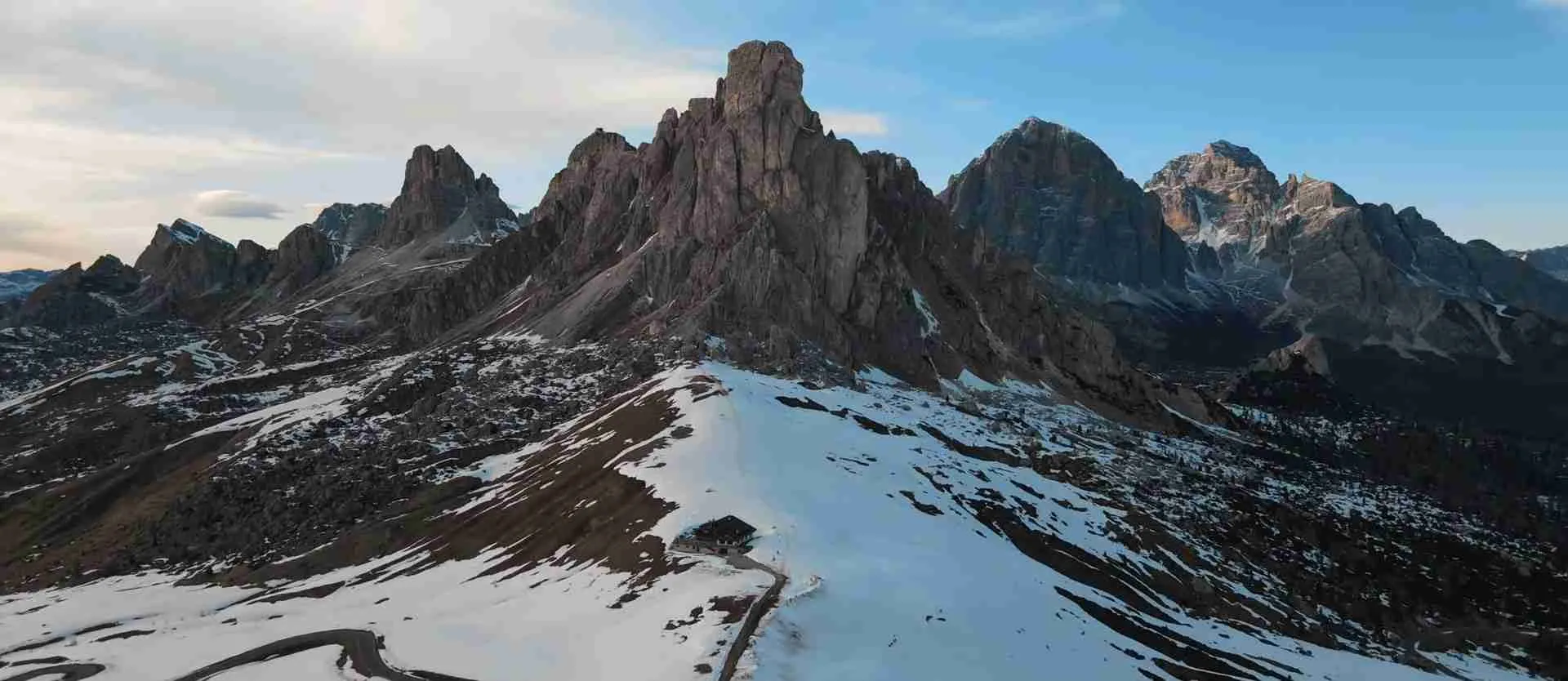
The Dolomites UNESCO World Heritage Site encompasses nine distinct mountain systems across 142,000 hectares of northeastern Italy, where vertical limestone towers rise abruptly from alpine meadows and dark forests create one of Europe’s most dramatic mountain landscapes. Inscribed by UNESCO in June 2009 under criteria VII (exceptional natural beauty) and VIII (geological significance), these “Pale Mountains” attract hikers worldwide to traverse ancient shepherds’ paths, World War I historical routes, and modern trail networks connecting over 400 rifugios perched at elevations between 1,800 and 2,750 meters above sea level.
The summer 2026 season presents exceptional opportunities for both guided tour experiences and independent trekking adventures across terrain ranging from gentle valley walks suitable for families to challenging high-altitude traverses demanding mountaineering skills. Professional tour operators offer comprehensive packages eliminating logistical complexities while independent hikers gain flexibility and cost savings through self-planned itineraries utilizing the Dolomites’ sophisticated rifugio infrastructure and extensive public transportation networks serving valley communities.
Planning successful Dolomites hiking trips for 2026 requires understanding seasonal timing affecting rifugio operations and weather stability, navigating booking procedures for accommodation in mountain huts that fill months ahead during peak periods, selecting appropriate routes matching fitness levels and experience backgrounds, and budgeting realistically for costs spanning wide ranges depending on accommodation choices, meal strategies, and cable car usage decisions. This guide provides verified 2026 information enabling confident planning whether joining organized tours with professional support or crafting independent adventures exploring the Dolomites’ spectacular UNESCO-protected mountain wilderness.
Understanding the Dolomites UNESCO World Heritage Site
The Dolomites achieved UNESCO World Heritage inscription on June 26, 2009, recognizing exceptional natural beauty and outstanding geological significance within nine separate mountain systems spanning five Italian provinces: South Tyrol, Trentino, Belluno, Udine, and Pordenone. The inscription protects 142,000 hectares of core area plus 89,000 hectares of buffer zones, encompassing 18 peaks exceeding 3,000 meters elevation including Marmolada at 3,343 meters, the Dolomites’ highest summit.
UNESCO criterion VII acknowledges the Dolomites among the world’s most attractive mountain landscapes, where distinctive vertical limestone formations including pinnacles, spires, towers, and walls rising more than 1,500 meters contrast dramatically with horizontal plateaus, ledges, and gentle foothills below. The pale-colored rock surfaces against dark forests and green meadows create the archetypal “dolomitic landscape” inspiring artists, photographers, and mountaineers for centuries. Criterion VIII recognizes international geological significance for Mesozoic carbonate platform preservation documenting marine life recovery after the Permian-Triassic extinction event 252 million years ago, with exceptionally well-exposed rock formations enabling scientific understanding of reef evolution and construction processes.
The nine UNESCO-designated systems each display unique landscape characteristics. The Pelmo-Croda da Lago system features Mount Pelmo’s distinctive throne-like profile known as “Caregon del Padreterno.” The Marmolada system protects the Dolomites’ highest peaks and largest glacier. The Northern Dolomites encompass the famous Tre Cime di Lavaredo (Three Peaks) alongside the Fanes-Sennes-Braies, Tofane, and Cristallo groups. The Puez-Odle system showcases classic Dolomite landscapes with jagged peaks and extensive plateaus. These protected areas support exceptional biodiversity including Alpine ibex, chamois, golden eagles, and endemic plant species adapted to harsh mountain conditions at elevations between 1,000 and 3,343 meters.
This UNESCO recognition brings protection responsibilities ensuring sustainable tourism development balancing visitor access with landscape preservation. The UNESCO Dolomites Foundation coordinates management across regional boundaries, implementing the Overall Management Strategy adopted in 2016 following extensive stakeholder consultation. Visitors contribute to conservation by following marked trails, respecting wildlife, utilizing designated rifugios rather than wild camping, and supporting local mountain communities whose traditional practices shaped these cultural landscapes over centuries.
Guided Tour Options in the Dolomites 2026
Guided Dolomites tours eliminate logistical complexities by providing professional mountain leadership, pre-arranged accommodation, organized meals, luggage transfers, and expert route knowledge enabling participants to focus entirely on hiking experiences and mountain scenery. Tour operators range from budget-conscious providers offering basic guided services to luxury companies delivering premium experiences with upgraded hotels, gourmet cuisine, and small group sizes ensuring personalized attention throughout multi-day expeditions.
Self-guided tour packages represent a middle ground between fully independent travel and traditional guided groups, providing pre-planned itineraries with detailed route instructions, pre-booked rifugio accommodations, luggage transfer services where accessible, and emergency support hotlines while allowing hikers to walk at their own pace without group schedule constraints. These arrangements cost €1,800-2,100 per person for seven-day Dolomites hut-to-hut itineraries including accommodation and selected meals (check tour operator websites for current official rates as pricing may vary by departure date and group size). Operators like 10Adventures and Macs Adventure specialize in self-guided Dolomites trekking with comprehensive planning materials including offline GPS-enabled smartphone apps, detailed daily route descriptions, and 24-hour emergency contact support throughout the hiking period.
Fully guided group tours with professional IFMGA-certified mountain guides provide maximum safety, local expertise, and enhanced learning opportunities about Dolomites geology, flora, fauna, and mountain culture. Premium operators like Backroads offer six-day Dolomites to Lake Garda hiking tours at €5,700-6,200 per person including luxury premiere hotel accommodations, all meals with regional wine selections, professional guides fluent in multiple languages, and van support for luggage transport and alternative route options on challenging weather days. These tours maintain small group sizes typically 10-16 participants ensuring personalized attention and flexible pacing accommodating varying fitness levels within the group.
Budget guided options exist through local Dolomites guide services offering day hikes at €45-85 per person for group excursions or €200-300 daily for private guide services. Multi-day budget guided tours through regional operators range €800-1,200 per person for basic rifugio accommodation and guide services, with meals paid separately at mountain huts. These economical options provide professional leadership at accessible prices for cost-conscious travelers comfortable with rifugio dormitory accommodation and rustic mountain hut dining experiences.
Specialized tour programs cater to specific interests and demographics. Family-oriented Dolomites tours feature moderate daily distances of 8-12 kilometers with entertainment elements for children ages 8-16, utilizing cable cars to reduce elevation gain and selecting rifugios with private family rooms rather than dormitories. Photography-focused tours schedule sunrise and sunset shooting sessions at iconic locations including Seceda, Tre Cime, and Lago di Braies under guidance of professional landscape photographers. Via ferrata tours concentrate on secured climbing routes requiring technical equipment and expert instruction in safe progression techniques on exposed mountain faces.
Booking guided Dolomites tours for summer 2026 follows early reservation patterns common across European mountain tourism. Tour operators release their 2026 summer schedules in autumn 2025, opening bookings 8-12 months ahead of departure dates. Popular June-September departure weeks fill first, particularly programs featuring the Alta Via 1, Tre Cime circuit, and classic Dolomite highlight tours combining multiple famous locations in single itineraries. Early booking secures preferred dates and provides maximum flexibility for international flight arrangements and pre/post-tour accommodation planning in gateway cities like Venice, Verona, or Innsbruck.
Classic Multi-Day Walking Routes 2026
Alta Via 1: The Dolomites’ Most Famous Trek
The Alta Via 1 stretches 120 kilometers from Lago di Braies in the north to Belluno in the south, traversing eight to ten days through six of the nine Dolomites UNESCO systems including the Fanes-Sennes-Braies, Puez-Odle, Sella, Marmolada, Civetta, and Moiazza-Pelmo groups. This moderately difficult route follows well-maintained trails marked with red-white-red stripes and trail number 1, passing through spectacular alpine scenery including the Lagazuoi massif with World War I tunnels, the Cinque Torri rock towers, the massive Civetta north face rising 1,200 meters, and the impressive Pelmo mountain’s distinctive profile.
Daily hiking distances average 12-18 kilometers with elevation gains of 600-1,000 meters and similar descents, demanding solid fitness but requiring no technical mountaineering skills or via ferrata equipment. The route connects strategically-placed rifugios spaced 4-6 hours apart, enabling comfortable daily stages with afternoon arrival times allowing rest before communal dinner service beginning at 7:00 PM. Nine rifugios provide overnight accommodation along the classic route, with alternative huts offering slight variations enabling customized itineraries matching specific fitness levels or time constraints.
Rifugio booking for the Alta Via 1 demands early action for 2026 summer travel. Popular huts including Rifugio Lagazuoi, Rifugio Nuvolau, and Rifugio Tissi fill 4-6 months ahead for July-August private room requests, while dormitory beds remain available somewhat longer. Strategic booking begins by securing the most difficult huts first, then filling remaining nights around these confirmed reservations. Many hikers contact rifugios directly via email or phone beginning in February-March 2026 for July-September travel, though some huts accept earlier bookings starting in January.
The Alta Via 1 season runs mid-June through late September, with optimal conditions from early July through mid-September when all rifugios operate full services, trails remain free of snow, and weather patterns stabilize into more predictable daily cycles. Late June hiking encounters lingering snowfields above 2,400 meters requiring careful navigation, while October offers spectacular autumn colors but reduced rifugio availability as many huts close mid-September ending seasonal operations.
Alta Via 2: The Advanced High Route
The Alta Via 2 presents the Dolomites’ most challenging classic trek, covering 180 kilometers in 12-15 days through extremely varied terrain including secured via ferrata passages, high passes exceeding 2,800 meters, and technically demanding sections requiring mountaineering experience and comfort with significant exposure on narrow ridges and steep faces. This route traverses the Puez-Odle, Sella, Marmolada, Pale di San Martino, and Feltrine mountain groups, delivering spectacular high-altitude landscapes and genuine alpine adventure.
Via ferrata equipment including helmet, harness, and two-armed energy-absorbing lanyards with carabiners proves essential for multiple route sections featuring steel cables, iron rungs, and ladder systems protecting passages on vertical or near-vertical rock faces. Participants require solid fitness, technical climbing competence, and psychological comfort with exposed situations where falls would result in serious injury or death despite protection systems. Many hikers hire professional IFMGA mountain guides for the entire Alta Via 2 or at minimum for the most technical sections, ensuring safe progression and proper equipment usage.
Shorter Alta Via 2 variants exist for experienced hikers preferring reduced technical difficulty while maintaining spectacular high-altitude scenery. The 9-day Alpenventures UNGUIDED route bypasses the most challenging via ferrata sections while preserving the route’s essential character through the Puez-Odle group’s dramatic landscapes, the Sella massif’s vertical walls, and the Marmolada glacier approaches. This modified itinerary suits strong hikers comfortable with alpine terrain but lacking via ferrata experience or the desire for maximum technical challenge.
Shorter Multi-Day Circuit Options 2026
Three to five-day circuit routes enable Dolomites hut-to-hut hiking experiences for travelers with limited time or those preferring concentrated explorations of specific mountain systems rather than extended linear traverses. The Puez-Odle circuit completes in 3-4 days, circling this spectacular UNESCO system via the Adolf Munkel Weg trail with overnights at Rifugio Genova and Rifugio Firenze, showcasing the distinctive Odle spires and broad Puez plateaus. Daily stages range 4-6 hours with moderate elevation changes under 800 meters, suitable for reasonably fit hikers including families with teenagers.
The Sella Group circuit, commonly called the Sella Ronda in hiking season, circumnavigates the massive Sella massif in 4-5 days utilizing cable car ascents at several points reducing total elevation gain while accessing high passes and dramatic viewpoints. This route passes through Ladin cultural regions in Val Gardena and Val Badia, staying in rifugios including Rifugio Puez, Rifugio Puez-Odle, and returning via the Val di Fassa. The combination of cable car access and moderate trail difficulty makes this circuit popular with older hikers and those new to multi-day mountain trekking.
The Tre Cime circuit, completable as either an intensive single-day 8-10 hour trek or a relaxed two-day journey with overnight at Rifugio Locatelli, ranks among the Dolomites’ most spectacular short routes. The 18-kilometer path circles the Three Peaks of Lavaredo, the Dolomites’ most photographed formation, on mostly level terrain following World War I military roads and trails constructed for Austrian and Italian troops during mountain warfare. This route requires moderate fitness but no technical skills, delivering maximum scenic impact for minimum difficulty.
Best Day Hiking Routes in the Dolomites 2026
Tre Cime di Lavaredo Circuit
The 9.5-kilometer Tre Cime circuit ranks as the Dolomites’ most famous day hike, circling the iconic Three Peaks limestone towers on trail 101 marked with red-white-red stripes. This moderately easy route gains only 350 meters elevation while maintaining 2,300-2,400 meter altitude throughout, completing in 3-4 hours at comfortable pace with photography stops. The trail starts from Rifugio Auronzo accessed via toll road from Misurina (€30 per vehicle), offering counterclockwise or clockwise direction options both passing Rifugio Locatelli positioned directly beneath the north faces of the three towers.
Sunrise and sunset lighting transforms the limestone walls into glowing orange and pink displays during the “enrosadira” phenomenon unique to Dolomite peaks, making dawn starts or evening visits highly rewarding despite crowds present during midday peak hours. Early morning arrivals before 8:00 AM or late afternoon starts after 4:00 PM provide superior photography conditions and reduced trail congestion. September offers the best combination of autumn colors, fewer tourists, and stable weather compared to peak July-August crowds when 2,000+ hikers complete the circuit daily.
Seceda Ridge Walk
The Seceda ridge walk delivers spectacular Dolomite panoramas accessible via cable car from Ortisei in Val Gardena, eliminating 1,200 meters of elevation gain and enabling immediate access to 2,500-meter alpine terrain. The cable car costs €32 round-trip providing access to the dramatic Seceda ridgeline with views spanning the Sella Group, Marmolada glacier, and surrounding peaks (check valgardena.it for current official rates). From the upper cable car station, multiple trail options range from easy 1-hour strolls along the main ridge to more challenging 4-6 hour circuits descending to Rifugio Firenze or crossing to the Puez plateau.
The classic Seceda walk follows trail 2A along the knife-edge ridge northward for 2 kilometers, passing the distinctive curved rock formations and jagged limestone teeth characterizing this mountain group. Photographers favor early morning visits when eastern light illuminates the Odle peaks across the valley, though sunset views prove equally spectacular as western light bathes the landscape in warm tones. This route suits families, seniors, and anyone seeking maximum scenery with minimal physical effort, though the exposed ridgeline demands caution in windy conditions or when trails remain icy in early/late season.
Alpe di Siusi (Seiser Alm) Meadow Trails
The Alpe di Siusi represents Europe’s largest high-altitude alpine plateau, spreading across 56 square kilometers at 1,800-2,000 meters elevation with gentle meadows, scattered rifugios, and spectacular surrounding peaks including the Sassolungo and Sciliar groups. Cable car access from Siusi or Ortisei eliminates valley ascent, depositing hikers directly into expansive grasslands crisscrossed by 350 kilometers of marked trails suitable for all ability levels from easy 1-hour family strolls to challenging full-day 20-kilometer traverses.
Popular routes include the 2-hour Puflatsch circuit offering panoramic views from the plateau’s edge overlooking Val Gardena and the Sella massif, the 4-hour Bullaccia loop passing multiple rifugios and crossing wildflower meadows beneath the Sciliar’s massive rock faces, and the 6-hour Siusi to Saltria traverse covering the plateau’s full length with return via cable car or bus. These trails feature minimal elevation change rarely exceeding 200 meters, enabling comfortable walking for families with young children, seniors, or anyone recovering fitness after injury.
The Alpe di Siusi delivers exceptional June wildflower displays when alpine meadows explode in color with gentians, edelweiss, Alpine roses, and dozens of other high-altitude species creating natural gardens stretching to distant horizons. Rifugio stops for lunch or refreshments occur every 1-2 hours along most routes, offering traditional South Tyrolean cuisine including speck (smoked ham), cheese dumplings, apple strudel, and local wines at €12-18 for main courses. The plateau’s gentle terrain and comprehensive rifugio network make this area ideal for introducing children or nervous hikers to Dolomites mountain walking before attempting more challenging routes.
Val di Funes Church Trail
The Val di Funes (Villnösstal) delivers the Dolomites’ most photographed landscape, where the tiny Santa Maddalena church stands surrounded by alpine meadows with the dramatic Odle Group peaks rising vertically behind creating the classic postcard image recognized worldwide. Multiple easy trails ranging 2-6 kilometers explore the valley floor at 1,300-1,500 meters elevation, passing through traditional farming villages, flower-filled meadows, and dense forests with constant views of the distinctive Geisler/Odle spires towering 1,500 meters overhead.
The classic walk starts from Santa Maddalena village, following gentle paths through hay meadows to Ranui and returning via slightly different routes creating 5-kilometer loops completing in 2-3 hours. This area remains accessible to families with young children, seniors, and anyone seeking spectacular scenery without steep ascents or technical challenges. Spring (late May-June) brings wildflowers and green meadows, while September-October delivers golden larch forests and autumn colors contrasting brilliantly with the gray limestone peaks.
Parking costs €5 daily in Santa Maddalena with limited spaces filling by 9:00 AM during July-August peak season, making early arrival essential or alternatively using bus service from Chiusa connecting to Val di Funes villages every 2 hours. The valley offers numerous guesthouses and small hotels enabling multi-night stays for exploring various trails, visiting local farms producing mountain cheeses and yogurt, and experiencing authentic South Tyrolean culture in communities where Ladin language and traditions remain vibrant.
Via Ferrata Routes for Adventurous Hikers 2026
Via ferrata routes, translating as “iron roads,” represent secured climbing paths featuring permanent steel cables, iron rungs, ladder systems, and suspension bridges protecting passages on vertical or near-vertical rock faces otherwise requiring technical rock climbing skills. The Dolomites pioneered via ferrata development during World War I when Austrian and Italian forces constructed elaborate secured routes for troop movement in mountain warfare, later adapting these military infrastructure elements into recreational climbing routes attracting thousands of adventure seekers annually.
Essential via ferrata equipment includes a climbing helmet (€3-5 daily rental or €45-80 purchase), full-body harness (€5-7 rental or €60-120 purchase), and specialized via ferrata lanyard set with two arms featuring shock-absorbing technology and locking carabiners (€8-10 rental or €90-150 purchase). Many mountain shops in Cortina d’Ampezzo, Canazei, Ortisei, and other Dolomites resort towns offer complete via ferrata kit rental packages at €15-20 daily including helmet, harness, and lanyards with brief instruction on proper attachment and progression techniques. First-time via ferrata participants benefit from half-day introduction courses at €80-120 per person teaching equipment usage, movement techniques, and safety procedures under professional guide supervision.
Via ferrata difficulty gradings range from A (easiest, comparable to hiking with occasional secured sections) to E (extremely difficult, requiring excellent fitness and technical climbing competence). Popular beginner-friendly via ferrata routes include the Ivano Dibona route at Cristallo accessible from Cortina with spectacular scenery and moderate exposure at grade B-C difficulty, the Tridentina route near Arabba featuring World War I historical tunnels and galleries at grade B difficulty, and the Rio Gere route near Corvara combining waterfall approaches with gentle vertical sections at grade A-B difficulty.
Advanced via ferrata enthusiasts seek routes like the Cesco Tomaselli at Lagazuoi rated D-E with extremely exposed vertical faces and overhanging sections demanding strong arms and absolute comfort with height, the Giovanni Lipella route featuring challenging climbing moves on small holds, and the Sentiero Astaldi traversing beneath the Marmolada’s south face with 800-meter exposure requiring several hours of sustained concentration. These expert routes absolutely demand via ferrata experience, excellent fitness, and preferably professional guide accompaniment for safety and route-finding in complex terrain.
Via ferrata season runs June through September when routes remain snow-free and rifugios provide convenient starting/finishing points. Weather assessment proves critical as via ferrata routes become extremely dangerous during thunderstorms when steel cables conduct lightning, in heavy rain when wet rock becomes slippery, or in strong winds threatening to blow climbers off exposed faces. Early morning starts enable completion before afternoon thunderstorm development common in Dolomites summer weather patterns. Many via ferrata participants hire professional mountain guides at €250-400 for small groups (2-4 people), ensuring safe progression, proper technique instruction, and emergency response capability if accidents occur on remote mountain faces.
Mountain Rifugio Accommodation Guide 2026
Mountain rifugios (Italian) or hütten (German) represent staffed mountain accommodations positioned at high elevations between 1,800 and 2,750 meters, accessible primarily or exclusively by foot and providing overnight lodging, meals, and refreshments for hikers and climbers. The Dolomites contain over 400 rifugios ranging from basic shelters offering minimal amenities to upgraded huts featuring private rooms, hot showers, saunas, and gourmet cuisine approaching hotel standards despite remote mountain locations.
Rifugio accommodation options divide into room-only and half-board arrangements with distinct pricing structures. Room-only rates at €25-35 per person provide a bed with blankets and pillows plus access to communal bathroom facilities, with meals purchased separately a la carte at €10-18 for main courses and €10-15 for breakfast (check individual rifugio websites for current official rates as pricing may vary by hut location and season). Subsequently throughout stays, meals cost the stated amounts without repeated disclaimer language. Half-board rates at €50-75 per person include the bed, dinner (typically three-course meal with soup or salad starter, hearty main course like goulash or grilled cheese with polenta, and dessert), and breakfast (bread, jam, cheese, cold cuts, and hot beverages). Half-board delivers better value for most hikers planning to eat dinner at the rifugio regardless, with breakfast providing morning fuel before day’s hiking begins.
Dormitory accommodation represents the most economical option, featuring bunk beds in shared rooms sleeping 6-20 people with mattresses separated by thin plywood dividers or occasionally arranged in long rows with minimal separation. Dormitory beds in CAI (Club Alpino Italiano) affiliated huts cost €14-26 per night for members holding Alpine Club cards from participating countries, while non-members pay €26-42 for the same beds. Private rooms sleeping 2-6 people cost €35-60 per person for room-only arrangements or €60-90 per person for half-board, offering privacy and quieter sleeping conditions compared to dormitory settings though filling earliest and requiring the most advance booking.
Rifugio booking procedures vary by hut with some accepting online reservations through dedicated websites or booking platforms, others requiring email contact, and some operating exclusively via telephone reservations speaking Italian or German. Popular rifugios along classic routes like the Alta Via 1 require booking 4-6 months ahead for July-August private rooms, while dormitory bed availability extends somewhat later into the booking window. Many rifugios accept reservations beginning January 1st for the upcoming summer season, with booking pressure building through February-April as international hikers finalize summer plans. Confirmation typically requires credit card details for deposit security, with cancellation policies varying from flexible (full refund with 7+ days notice) to strict (no refunds for cancellations less than two weeks prior).
Rifugio amenities differ substantially between basic and upgraded huts. Standard features include dormitory and private room accommodation, communal dining areas, flush toilets (though some remote huts maintain composting toilets), and covered outdoor terraces for relaxing and mountain viewing. Enhanced rifugios add hot showers (€3-5 per person for 5-minute token-controlled usage), sauna facilities (€25-30 per person for one-hour sessions), WiFi internet access (limited and often unreliable due to remote locations), and mobile phone charging stations (€2-3 per charge). Water availability varies with some huts offering free drinking water while others charge €1-2 per liter due to limited supply dependent on rainwater collection and snowmelt rather than piped municipal sources.
Rifugio etiquette follows established mountain protocols ensuring comfortable coexistence in crowded shared facilities. Remove hiking boots before entering sleeping areas, utilizing provided slippers or indoor shoes. Hang wet clothing and rain gear in designated drying rooms rather than in sleeping quarters where moisture and odors disturb others. Observe quiet hours typically 10:00 PM to 6:00 AM when conversations cease, lights turn off, and movement minimizes to allow sleeping. Meals occur at designated times (dinner 7:00-8:30 PM, breakfast 7:00-8:30 AM) with communal seating at long tables encouraging conversation between hikers from various countries sharing mountain experiences.
Mountain hut dining delivers surprisingly good cuisine given remote locations and supply challenges, with many rifugios preparing regional specialties using local ingredients transported by cable car, helicopter, or donkey depending on hut accessibility. Typical dinner menus feature hearty mountain fare including barley soup with speck, polenta with wild mushrooms and cheese, venison goulash, and apple strudel dessert. Lunch options for passing hikers include grilled sausages with sauerkraut, cheese dumplings in broth, pasta with tomato sauce, and schnitzel with potato salad at €12-18 per dish. Beverages range from €2-3 for soft drinks and tea to €4-8 for beer and €5-8 per glass for wine, with some rifugios offering extensive wine lists featuring regional South Tyrolean and Trentino selections at surprisingly reasonable prices given challenging logistics.
Transportation and Access Strategies 2026
Reaching the Dolomites from international origins requires multi-modal transportation combining flights to regional airports, ground transfers via train or bus to valley towns, and local transportation between trailheads. Venice Marco Polo Airport (VCE) serves as the primary international gateway positioned 140 kilometers south of the Dolomites with frequent flights from North American, European, and Asian origins. Verona Airport (VRN) lies 180 kilometers southwest providing alternative access particularly for travelers focusing on western Dolomites valleys. Innsbruck Airport (INN) in Austria serves as the nearest airport to northern Dolomites areas at 110 kilometers distance, though offering more limited international connections primarily from German-speaking countries.
Ground transportation from Venice to the Dolomites operates via Cortina Express bus service (€35 one-way, €60 round-trip) departing Venice Mestre train station daily at 7:30 AM and 3:30 PM with arrival in Cortina d’Ampezzo 3.5 hours later after stops in intermediate valley towns. Train service connects Venice to Belluno, Bolzano, and Bressanone with regional bus transfers completing journeys to specific Dolomites valleys. Car rental at Venice Airport costs €40-70 daily for compact vehicles, providing maximum flexibility for exploring multiple valleys and accessing remote trailheads throughout stays, though adding fuel expenses at €15-25 daily for typical driving distances and parking fees of €5-12 daily in town centers and trailhead lots.
Public bus networks within the Dolomites enable valley travel without private vehicles. Single-ride tickets cost €2-5 depending on distance, while day passes at €10-15 provide unlimited regional travel. The South Tyrol Guest Pass included automatically with 85% of accommodations in Bolzano province delivers unlimited regional bus travel at no additional cost, creating exceptional value for visitors staying in Val Gardena, Alpe di Siusi, Val Badia, or other areas within the Guest Pass network. Summer season buses connect valley towns every 30-60 minutes from 7:00 AM to 8:00 PM with reduced weekend schedules and minimal service during May and October shoulder seasons.
Cable car systems provide elevation shortcuts eliminating thousands of meters of hiking ascent, enabling access to spectacular high-altitude trails and rifugios for visitors with limited time or fitness constraints. Individual cable car tickets cost €25-45 for round-trip depending on vertical distance and system complexity. The Val Gardena Gardena Card at €87 for three days or €112 for six days provides unlimited access to 17 lifts within Val Gardena valley, delivering substantial savings for active visitors planning multiple cable car rides during stays. The Dolomiti SuperSummer Card at approximately €190 for seven consecutive days enables unlimited use of 100+ cable cars and chairlifts across the entire Dolomites region including Val Gardena, Alta Badia, Val di Fassa, Cortina, and other valleys, representing best value for travelers exploring multiple areas or planning intensive cable car-assisted hiking accessing different mountain systems daily.
Cable car operating schedules run mid-June through early October with daily operations typically 8:30 AM to 5:00 PM allowing morning ascents for day hiking and late afternoon descents after completing routes. July-August peak season sees extended hours until 6:00 PM accommodating longer daylight and increased visitor numbers. Early June and late September shoulder periods may feature reduced operating days with some systems running weekends only or closing entirely for seasonal maintenance before winter skiing season begins. Check specific cable car websites for 2026 operational calendars confirming dates and hours before planning itineraries dependent on lift access.
Budget Planning for Dolomites Hiking 2026
Dolomites hiking costs vary dramatically based on accommodation choices, meal strategies, cable car usage, and tour arrangements versus independent travel decisions. Understanding cost structures enables realistic budget planning and strategic spending choices maximizing experience value while controlling expenses.
Accommodation represents the largest expense category with rifugio half-board at €50-75 nightly forming the baseline for multi-day hut-to-hut trekking. Valley hotels range €80-150 for budget/mid-range properties and €180-300+ for upscale accommodations, enabling comfortable valley bases for day hiking adventures returning to the same lodging nightly rather than moving between mountain huts. Camping costs €8-15 per person at valley campgrounds, though wild camping remains prohibited throughout the Dolomites UNESCO World Heritage Site requiring use of established rifugios or valley commercial camping facilities.
Meal costs divide between rifugio dining and supermarket provisions. Rifugio lunches at €12-18 per person for main courses with beverage adding three daily meals to approximately €35-50 total food cost when including breakfast and dinner. Packed lunch strategies purchasing bread, cheese, salami, fruit, and snacks from valley supermarkets reduce daily food expenses to €20-30 by eliminating rifugio lunch charges while maintaining adequate nutrition and energy for strenuous hiking. Many independent hikers combine approaches, packing lunches from supermarket supplies while enjoying rifugio dinners for hot meals, social atmosphere, and avoiding cooking responsibilities after long hiking days.
Cable car expenses vary from zero for hikers exclusively using valley-start trails accessing alpine terrain through sustained elevation gain to €100-200 weekly for travelers frequently utilizing lift systems to shortcut ascents and access specific high-altitude routes efficiently. Strategic cable car use concentrating lift-assisted access on a few select days while hiking valley-start trails on other days balances convenience against cost constraints. Multi-day cable car passes deliver savings versus individual tickets when planning three or more lift rides during visits, with break-even calculations determining optimal purchase decisions based on specific itinerary requirements.
Equipment costs remain minimal for Dolomites hiking as the trail infrastructure requires only standard hiking gear including boots, backpack, clothing layers, and rain protection. Via ferrata equipment rental at €15-20 daily adds costs for routes featuring secured climbing sections, though many hikers exploring primarily hiking trails rather than technical via ferrata avoid this expense entirely. New equipment purchases for boots (€100-200), technical backpack (€100-180), and quality rain jacket (€150-300) represent one-time investments enabling unlimited future hiking rather than recurring costs charged per trip or day.
Sample Budget Breakdowns 2026
Budget-conscious independent hiking: Seven-day Dolomites trek utilizing rifugio dormitory beds, packed lunches from supermarket supplies, minimal cable car use, and walking between trailheads rather than utilizing paid shuttle services. Rifugio dormitory accommodation €30 nightly × 7 nights equals €210, supermarket food supplies €8 daily × 7 days equals €55, occasional rifugio dinners €18 × 3 evenings equals €55, two cable car rides €30 each equals €60. Total approximately €380 per person excluding transportation to/from the Dolomites and equipment costs.
Mid-range self-guided hiking: Seven-day hut-to-hut trek via organized tour package including rifugio half-board accommodation, luggage transfer services where accessible, detailed route materials with GPS tracks, and emergency support hotline. Package cost €1,800 per person covers all rifugio accommodation and most meals with lunches typically purchased en route or packed from breakfast supplies. Additional expenses include packed lunch supplements €8 daily × 7 days equals €55, beverages and snacks €10 daily equals €70, optional cable car shortcuts €30 × 2 rides equals €60. Total approximately €1,985 per person.
Comfortable valley-based day hiking: Seven-night hotel stay in single valley base (Val Gardena, Cortina, or similar) with daily hiking excursions returning to the same comfortable accommodation nightly. Mid-range hotel €120 nightly × 7 nights equals €840, daily meals at valley restaurants €45 × 7 days equals €315, cable car day pass or multi-day card €95, rental car €50 daily × 7 days equals €350, fuel and parking €20 daily equals €140. Total approximately €1,740 per person excluding international transportation.
Premium guided tour experience: Six-day fully supported hiking tour with professional IFMGA mountain guide, luxury hotel accommodations, all meals with wine, van support for luggage and weather alternatives, and small group size ensuring personalized service. Tour package cost €5,700 per person includes all accommodation, meals, guide services, and ground transportation during the tour. Additional expenses typically include tips for guide and drivers at €50-100, personal gear rental if needed €30, and souvenirs or shopping €50-100. Total approximately €5,850-5,950 per person excluding flights to Italy.
Best Time to Visit the Dolomites for Hiking 2026
Dolomites hiking season spans mid-June through late September with mountain rifugios opening around June 15th and closing between September 15th and October 15th depending on weather, snow conditions, and individual hut operator schedules. Summer months divide into distinct periods offering different advantages for weather stability, crowd levels, accommodation availability, and overall experience quality.
June (mid-June through June 30th) delivers blooming alpine meadows with spectacular wildflower displays including gentians, edelweiss, Alpine roses, and dozens of other species creating natural gardens across high-altitude plateaus and valley floors. Weather patterns remain somewhat unstable with higher precipitation frequency at 10-12 rainy days monthly, though rainfall typically occurs as afternoon thunderstorms clearing by evening rather than all-day precipitation events. Higher elevation trails above 2,400 meters may retain snowfields requiring careful navigation until late June when full melting occurs. Rifugio availability increases through the month as more huts open for summer operations, though popular locations may still operate reduced schedules or maintain closure until early July. Accommodation prices run 20-30% below July-August peak rates, delivering excellent value for travelers accepting slightly higher weather uncertainty and potential trail restrictions at highest elevations.
July (July 1st through July 31st) marks peak season onset with stable weather patterns, minimal precipitation, and all rifugios operating full services including extended dining hours and comprehensive amenities. Trails at all elevations remain snow-free enabling access to highest passes and most challenging routes. Daylight extends until 9:00 PM providing long hiking days and superior photography opportunities during extended golden hour lighting. Crowd levels reach seasonal highs particularly during late July when European school holidays concentrate family travelers into the Dolomites simultaneously, creating congestion at popular locations including Tre Cime, Seceda, and Lago di Braies. Accommodation costs peak at seasonal maximums with rifugio half-board at €70-75 and valley hotels charging premium rates. July suits travelers prioritizing weather reliability and full trail access over cost considerations or crowd avoidance preferences.
August (August 1st through August 31st) continues peak season patterns with excellent weather, full operational schedules, and maximum tourist numbers throughout the month. Early August (first two weeks) experiences the most intense crowding as Italian holiday periods known as “Ferragosto” bring domestic travelers to mountain regions in massive numbers. Mid-late August sees gradual crowd reduction as school holidays end in northern European countries and families return home preparing for autumn term. Weather remains predominantly stable though late August occasionally experiences transitional patterns introducing increased precipitation frequency presaging autumn arrival. Accommodation availability becomes challenging without advance booking as rifugios and valley hotels fill months ahead for prime August dates. Prices maintain July peak levels throughout August with minimal discount opportunities despite slightly reduced demand in late month.
September (September 1st through September 30th) represents the Dolomites’ optimal hiking period balancing weather reliability, spectacular autumn colors, reduced crowds, and superior value pricing creating ideal conditions for discerning mountain travelers. Early September maintains summer weather patterns with warm temperatures, minimal precipitation, and full rifugio services extending through mid-September. Autumn larch forests begin transforming from green to brilliant golden yellow during mid-September, particularly in valleys including Val di Funes, Val Gardena, and areas surrounding Cortina where extensive larch groves create stunning color displays contrasting dramatically with gray limestone peaks overhead. Crowds diminish substantially after September 10th as school terms resume across Europe, creating peaceful trail conditions and abundant accommodation availability without advance booking requirements. Rifugio closures accelerate after September 15th with many huts ending seasonal operations by September 20th, requiring careful itinerary planning for late-September visits confirming specific rifugio availability along planned routes. Hotel rates drop 35-45% below August peak pricing, enabling comfortable valley accommodations at budget-friendly rates around €90-130 nightly for mid-range properties.
Essential Practical Information for 2026
Fitness Requirements and Physical Preparation
Dolomites hiking demands moderate to strong fitness levels depending on route selection, daily distances, and elevation gain patterns. Typical day hikes cover 10-18 kilometers with 600-1,000 meters elevation gain requiring 4-8 hours total time including breaks, demanding cardiovascular endurance, leg strength, and mental determination pushing through discomfort during sustained ascents on steep mountain trails. Preparation training beginning 8-12 weeks before Dolomites trips should include 3-4 weekly hiking sessions gradually increasing distance and elevation gain, reaching 15+ kilometer hikes with 800+ meters elevation gain in final preparation weeks confirming adequate fitness for planned Dolomites routes.
Multi-day hut-to-hut trekking requires consecutive day hiking capabilities as trails continue regardless of fatigue, muscle soreness, or weather challenges. Mental preparation proves equally important as physical fitness, developing positive mindset approaching daily hiking challenges, accepting discomfort as normal mountain trekking reality, and maintaining motivation when weather deteriorates or trails become more demanding than anticipated. Prior multi-day hiking experience in other mountain regions builds confidence and realistic expectations, though many successful Dolomites first-timers complete classic routes like the Alta Via 1 relying solely on solid general fitness and determination rather than extensive alpine trekking backgrounds.
Weather Patterns and Clothing Strategies
Dolomites mountain weather exhibits dramatic variability with conditions changing rapidly as altitude increases and weather systems move through alpine terrain creating localized microclimates. Valley temperatures reach 20-25°C during summer months while ridges and passes at 2,500-3,000 meters remain 10-15°C cooler, requiring layering systems adapting to temperature changes as elevation gains and losses accumulate through hiking days. Morning starts often occur in cool conditions around 10-15°C, warming to 20-25°C by midday before cooling again during afternoon ascents to high passes or evening arrivals at elevated rifugios.
Afternoon thunderstorms represent the most dangerous Dolomites weather pattern, developing rapidly after midday heating creates unstable atmospheric conditions triggering electrical storms with lightning, heavy rain, and occasionally hail. These storms typically build between 2:00-4:00 PM, last 1-3 hours, then clear by evening creating spectacular sunset lighting on wet limestone peaks. Alpine starts departing rifugios by 7:00-8:00 AM enable completing major ascents and exposed ridge sections before thunderstorm development, reaching next rifugio or safe lower elevation by early afternoon when storms most commonly occur.
Essential clothing includes moisture-wicking base layers avoiding cotton which retains sweat and loses insulating properties when wet, insulating mid-layers like fleece or synthetic jackets providing warmth during cool morning starts and high elevation passages, waterproof-breathable rain jacket and pants protecting against precipitation and wind, sun protection including wide-brim hat and sunglasses defending against intense alpine UV radiation, and warm hat and gloves for early morning starts, high passes, and cool rifugio evenings. Hiking pants should be quick-drying synthetic materials rather than cotton, with convertible zip-off legs offering versatility for varying conditions throughout single days. Quality hiking socks preventing blisters prove worth investment as foot problems ruin multi-day treks faster than any other equipment failure.
Safety Considerations and Emergency Protocols
Mountain safety requires vigilance assessing trail conditions, weather developments, personal capabilities, and group dynamics throughout hiking days. Turning back remains a valid decision when conditions exceed skill levels, fatigue accumulates beyond sustainable levels, or weather deteriorates creating dangerous situations. Alpine rescue services (emergency number 118 in Italy) provide helicopter evacuation for serious injuries or medical emergencies, though response times vary from 30 minutes to several hours depending on weather conditions, helicopter availability, and patient location accessibility. Rescue insurance costs €3-5 daily through specialized mountain insurance providers or Alpine Club memberships, covering helicopter evacuation expenses that otherwise bill €3,000-8,000 depending on flight duration and medical care requirements.
Navigation skills using paper maps, compass, and GPS devices prevent getting lost on trail networks where fog, snow, or fading daylight obscure waymarkers and route identification becomes challenging. Smartphone apps like Maps.me or Gaia GPS enable downloading offline map data before trips, maintaining navigation capability when cellular coverage disappears in remote valleys and high ridges. Trail markings follow Italian alpine standards with red-white-red painted stripes on rocks and trees plus numbered trail designations on signposts, though marking quality varies between well-maintained popular routes and neglected secondary paths where waymarkers fade or disappear requiring careful attention and occasional backtracking when routes become unclear.
Frequently Asked Questions About Dolomites Tours & Hiking 2026
Can I hike the Dolomites without a guide or tour group in 2026?
The Dolomites’ extensive trail marking systems with numbered routes, regular waymarkers, and strategic rifugio placement enable confident independent hiking for experienced trekkers comfortable with alpine terrain and basic navigation skills. Thousands of hikers complete the Alta Via 1 and other classic routes independently each summer using only maps, trail descriptions, and GPS devices without guides or organized group support. However, first-time Dolomites visitors benefit from initial guided experiences learning rifugio protocols, understanding trail marking systems, and building familiarity with weather patterns and mountain environment dynamics before attempting longer independent expeditions. Via ferrata routes and technical high-altitude traverses demand professional guide accompaniment ensuring safety on exposed climbing sections regardless of prior hiking experience.
What language should I know for hiking the Dolomites in 2026?
Italian serves as the official language throughout the Dolomites with German widely spoken in South Tyrol (Alto Adige) region and Ladin representing the traditional language in specific valleys including Val Gardena, Val Badia, and Val di Fassa. English comprehension remains limited among older rifugio staff and local populations in smaller villages, though younger workers and tourism professionals typically manage basic English communication. Learning essential Italian phrases for greetings, ordering meals, and making rifugio reservations enhances experiences and demonstrates respect for local culture. Translation apps on smartphones enable real-time communication when language barriers arise, though cellular coverage disappears in many mountain areas requiring downloaded offline translation dictionaries maintaining functionality without internet connectivity.
Are the Dolomites suitable for families with children hiking in 2026?
Family-friendly Dolomites hiking exists on gentle valley trails, cable car-accessed plateau walks, and short circuits connecting multiple rifugios within 2-3 hour stages manageable for children ages 8-14 with moderate fitness and hiking experience. The Alpe di Siusi meadows, Val di Funes valley floor, and Lago di Braies area provide excellent family hiking with minimal elevation gain, spectacular scenery, and frequent rifugio stops offering refreshments and rest facilities. Families should select routes conservatively based on youngest/least fit member capabilities, plan 50% longer completion times compared to adult-only groups accounting for slower pace and frequent breaks, and maintain flexibility abandoning plans when weather deteriorates or children reach exhaustion limits. Many families combine hiking days with rest days at valley pools, adventure parks, or cable car rides providing variety maintaining children’s enthusiasm throughout week-long Dolomites holidays.
What fitness level do I need for Alta Via 1 hiking in 2026?
The Alta Via 1 requires moderate-to-strong fitness enabling 5-7 consecutive days hiking 12-18 kilometers daily with 600-1,000 meters elevation gain followed by similar descent distances. Successful completion demands cardiovascular endurance sustaining 6-8 hours daily mountain walking, leg strength managing sustained steep ascents and descents without excessive muscle fatigue, and mental toughness continuing hiking despite physical discomfort across multiple consecutive days. Preparation training over 8-12 weeks building to 15+ kilometer hikes with 800+ meters elevation gain confirms adequate fitness, while prior multi-day backpacking experience (though not required) develops realistic expectations about physical demands and recovery challenges inherent in hut-to-hut trekking. The route requires no technical mountaineering skills or via ferrata equipment, remaining accessible to fit hikers without specialized alpine training beyond standard mountain walking competence.
How far in advance should I book rifugios for summer 2026 hiking?
Popular rifugios along classic routes including the Alta Via 1 require booking 4-6 months ahead for July-August private room availability, with March-April 2026 reservations securing prime summer dates before capacity fills. Dormitory beds remain available somewhat longer into the booking window extending into May-June for summer travel, though specific rifugios with exceptional locations or limited capacity sell out earlier. September travel offers increased flexibility with many rifugios accepting reservations just 4-6 weeks ahead due to reduced demand after European school holidays end. Strategic booking confirms the most difficult rifugios first (typically the most famous or remotely located huts with smallest capacity), then arranges remaining nights around these anchored reservations creating complete itineraries with confirmed accommodation throughout multi-day treks.
Can I use credit cards at Dolomites mountain huts in 2026?
Many Dolomites rifugios now accept credit cards for accommodation and meal charges following infrastructure improvements bringing electricity and internet connectivity to remote mountain locations, though cash remains the preferred payment method and some huts continue operating cash-only policies. Carrying €200-300 cash ensures payment capability at any rifugio regardless of card acceptance, covering multiple nights accommodation, meals, beverages, and incidental expenses like showers or laundry services. ATMs exist in valley towns including Cortina, Ortisei, Canazei, and larger villages, though withdrawing sufficient cash before beginning multi-day treks eliminates concerns about payment capability at individual rifugios with varying policies and technology capabilities.
What should I pack for multi-day Dolomites hut-to-hut hiking in 2026?
Essential packing for Dolomites hut-to-hut trekking includes hiking boots broken in before the trip preventing blisters, backpack sized 35-45 liters for clothing and daily supplies, moisture-wicking base layers and hiking pants avoiding cotton, insulating mid-layer fleece or synthetic jacket, waterproof rain jacket and pants, warm hat and gloves for cool mornings and high passes, sun hat and sunglasses, sleeping bag liner (required at most rifugios, lightweight silk or synthetic versions work perfectly), first aid kit with blister treatment supplies, headlamp with fresh batteries, refillable water bottles totaling 2 liters capacity, trekking poles reducing knee stress on long descents, and basic toiletries including sunscreen and lip balm with high SPF ratings protecting against intense alpine UV exposure. Omit heavy items like full sleeping bags (rifugios provide blankets), camp stoves and cookware (rifugios serve all meals), and excessive clothing changes (wearing same hiking outfit multiple consecutive days remains acceptable mountain trekking practice).
Are there vegetarian and vegan food options at Dolomites rifugios in 2026?
Vegetarian options exist at most Dolomites rifugios with pasta dishes, cheese polenta, vegetable soups, and salads appearing regularly on menus, though advance notification when booking improves kitchen staff preparation ensuring satisfying meal options. Traditional rifugio cuisine emphasizes meat-based dishes reflecting historical mountain farming culture and contemporary South Tyrolean culinary traditions, creating limited vegan options at many huts where dairy products and eggs feature prominently in standard preparations. Vegans should contact rifugios ahead confirming ability to accommodate plant-based diets, considering packing supplemental food supplies like nuts, dried fruit, and energy bars ensuring adequate nutrition if rifugio offerings prove limited. Valley towns contain supermarkets and health food shops selling vegetarian and vegan supplies enabling provisions shopping before beginning multi-day treks into more remote areas.
What is the best Dolomites hiking route for photography in 2026?
The Seceda ridge and Odle Group area delivers the Dolomites’ most spectacular photography opportunities combining dramatic limestone formations, sweeping valley views, and accessible cable car transport eliminating early morning hiking enabling photographer presence at prime sunrise lighting locations. The famous curved ridgeline and jagged peaks create iconic compositions recognized worldwide, while Val di Funes valley below provides classic church-meadow-mountain landscapes photographed extensively in Dolomites marketing materials. Alternative photography-focused routes include the Tre Cime circuit offering sunrise/sunset “enrosadira” lighting on vertical limestone towers, the Lago di Braies reflection shots with Croda del Becco peak mirrored in calm morning water, and the Puez-Odle traverse capturing multiple angles on the distinctive Odle spires from high passes and rifugio positions throughout multi-day trekking loops.
How does weather affect Dolomites hiking plans in summer 2026?
Afternoon thunderstorms represent the primary weather challenge during Dolomites summer hiking, developing rapidly after midday and creating dangerous conditions with lightning strikes, heavy precipitation, reduced visibility, and slippery rock surfaces. Experienced mountain travelers adopt alpine start schedules departing rifugios by 7:00-8:00 AM, completing major ascents and exposed ridge sections before 2:00 PM when thunderstorm development typically begins, then reaching next rifugio or descending to safer lower elevations before storms arrive. Multi-day weather systems occasionally bring extended poor conditions lasting 2-3 days with continuous rain and low clouds obscuring trails and eliminating mountain views, requiring flexible planning accepting rest days at rifugios rather than attempting dangerous hiking in unsuitable conditions. September weather generally provides more stable patterns compared to July-August with reduced thunderstorm frequency and extended high-pressure systems delivering several consecutive clear days ideal for ambitious trekking itineraries.