Bear Viewing at Katmai National Park Complete Guide 2026: Ultimate Planning Resource
Katmai National Park protects the world’s largest population of brown bears—approximately 2,200 individuals—concentrated in one of Alaska’s most pristine wilderness areas. This complete guide provides everything you need to plan your 2026 bear viewing adventure, from understanding optimal viewing seasons and booking competitive reservations to navigating transportation logistics and budgeting for this bucket-list wildlife experience.
Key Takeaways for Bear Viewing at Katmai 2026
- Peak Viewing Windows 2026: Late June through July offers the highest concentration of bears at Brooks Falls during the first salmon run, with September providing excellent opportunities as bears return to feed on spawned-out salmon before hibernation.
- Budget Planning 2026: Day tours from Homer range $995-1,295 per person, Anchorage day trips cost $1,540, while multi-day bear camps run $4,395-4,999 for immersive 4-5 day experiences including flights and accommodations.
- Reservation Strategy 2026: Brooks Camp camping permits ($18 per person nightly in peak season) release in three blocks starting January 7 for May-June nights, February 7 for July-August, and March 7 for September-October at 8 AM Alaska Time—securing permits requires immediate action when reservations open.
- Transportation Reality 2026: Katmai has no road access and requires floatplane or boat transfer from King Salmon (reached via scheduled flights from Anchorage), with weather frequently delaying or canceling connections during Alaska’s unpredictable summer conditions.
- Viewing Platform Access 2026: Brooks Falls features strategically positioned elevated platforms connected by walking trails approximately 1.5 miles from Brooks Camp, with rangers managing platform time during peak periods when 60+ bears may congregate simultaneously.
- No Park Entrance Fee: Unlike most U.S. national parks, Katmai charges no entrance fee, though transportation costs and guided tours represent the primary expenses for accessing this remote wilderness.
People Also Ask About Bear Viewing at Katmai 2026
What is the Best Time to Visit Katmai National Park for Bear Viewing in 2026?
The optimal bear viewing period at Katmai in 2026 falls into two distinct windows. Late June through July represents peak season when bears concentrate at Brooks Falls during the first major salmon run, with June 25-July 25 offering the most reliable viewing as salmon encounter the 6-foot waterfall barrier while migrating upstream. This period sees the highest bear concentrations with as many as 60-70 bears documented at Brooks Falls simultaneously. September provides the second prime window as bears return to feed on spawned-out and dying salmon before hibernation, offering excellent photography opportunities with fall colors and less crowded viewing platforms compared to July peak season.
How Much Does a Katmai Bear Viewing Trip Cost in 2026?
Katmai bear viewing costs in 2026 vary significantly based on trip type and duration. Day tours from Homer range $995-1,295 per person including round-trip floatplane transportation and 4-6 hours of viewing time. Day trips departing from Anchorage cost $1,540 per person, requiring a scheduled flight to King Salmon followed by floatplane transfer to Brooks Camp. Multi-day bear camps offering immersive wilderness experiences range $4,395-4,999 for 4-5 days with all meals, camping equipment, and bush flights included. Budget-conscious travelers can independently arrange Brooks Camp camping permits at $18 per person per night (peak season) plus separate booking of flights to King Salmon ($300-500 round-trip from Anchorage) and floatplane transfers ($200-350 per person round-trip).
How Do I Get to Brooks Camp in Katmai National Park in 2026?
Brooks Camp requires multi-stage transportation with no road access available. Most visitors fly from Anchorage to King Salmon on scheduled commercial airlines (Alaska Air, Horizon Air, or Via Air) with flights taking approximately 1.5 hours and costing $300-500 round-trip when booked in advance. From King Salmon, floatplane services provide the only access to Brooks Camp via a 20-minute flight over the wilderness, costing $200-350 per person round-trip. Alternative access includes organized day tours from Homer that handle all transportation logistics via direct floatplane service, or private charter flights for groups willing to pay premium rates. Weather significantly impacts flight schedules, with fog, wind, and rain frequently causing delays or cancellations that can extend visits by one or more days.
Are Bear Sightings Guaranteed at Katmai in 2026?
While Katmai protects approximately 2,200 brown bears and offers some of North America’s most reliable bear viewing, sightings are never guaranteed as bears are wild animals following natural behavioral patterns dictated by salmon availability, weather, and individual preferences. During peak season (late June through July and September), Brooks Falls typically hosts multiple bears simultaneously with viewing success rates exceeding 95 percent during optimal timing. Early season (June 1-24) and late season (October) offer lower but still reasonable chances of encounters as bears disperse across the park’s vast 4.1 million acres following food sources. Day visitors arriving during off-peak times or experiencing poor weather may see few or no bears, while multi-day stays dramatically increase viewing opportunities through extended time in the field.
Extended multi-day tours – 5+ days
Featured Anchorage Multi-Day Tour Packages
3 days
Anchorage 3-Day Discovery Tour
- ✓ Comprehensive Anchorage experience
- ✓ Expert local guides included
- ✓ All accommodation included
- ✓ Transportation provided
5 days
Anchorage 5-Day Highlights Experience
- ✓ Comprehensive Anchorage experience
- ✓ Expert local guides included
- ✓ All accommodation included
- ✓ Transportation provided
7 days
Anchorage 7-Day Cultural Journey
- ✓ Comprehensive Anchorage experience
- ✓ Expert local guides included
- ✓ All accommodation included
- ✓ Transportation provided

10 days
Anchorage 10-Day Complete Adventure
- ✓ Comprehensive Anchorage experience
- ✓ Expert local guides included
- ✓ All accommodation included
- ✓ Transportation provided
Multi-day tour packages powered by TourRadar. Prices and availability subject to change.
Introduction to Bear Viewing at Katmai National Park 2026
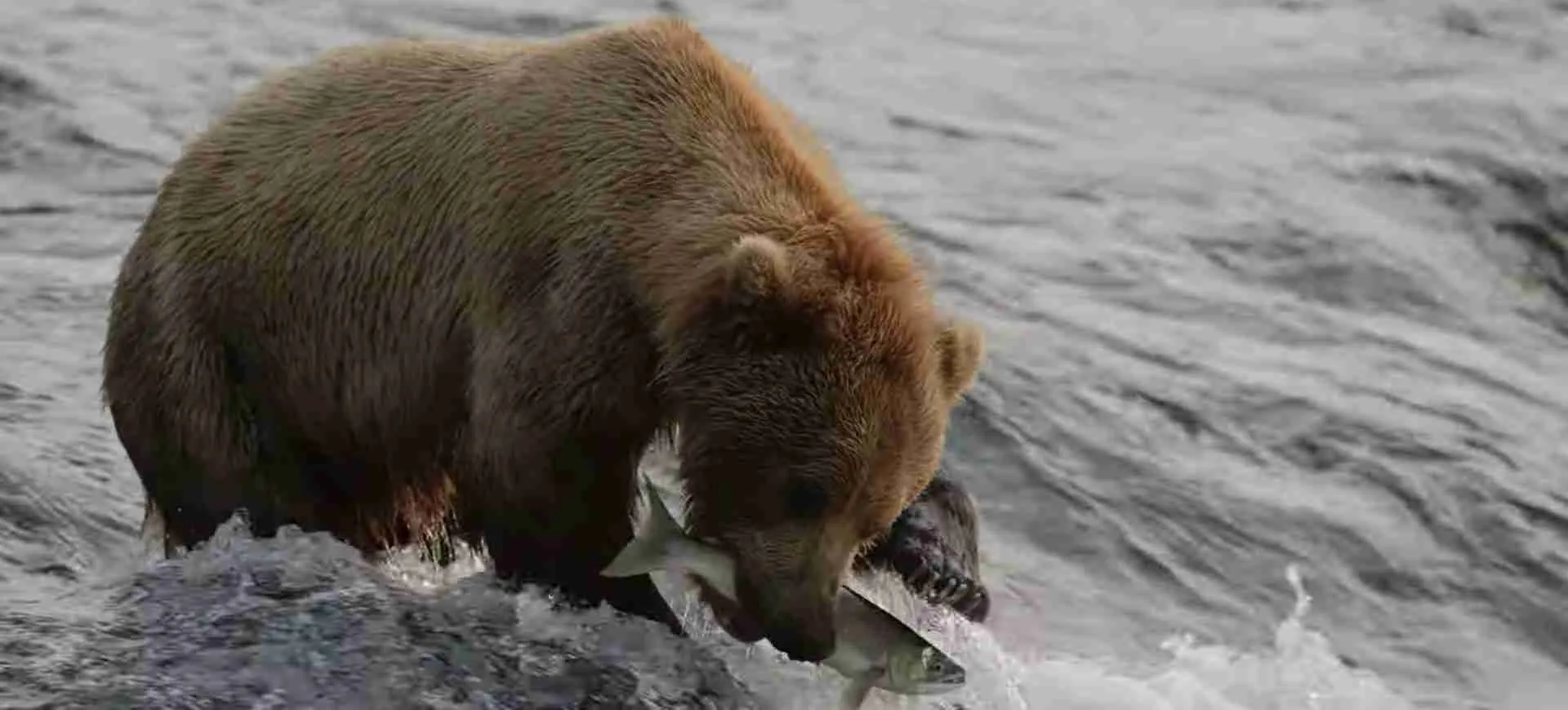
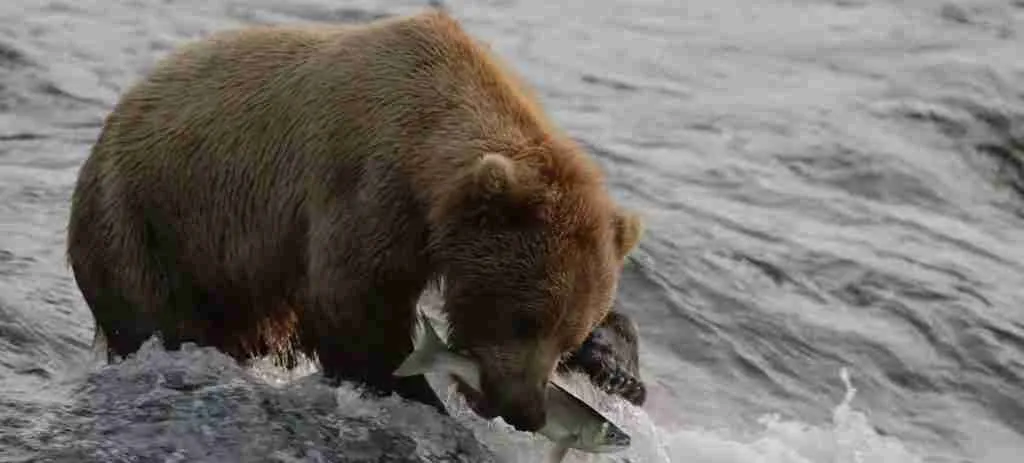
Katmai National Park and Preserve represents the pinnacle of brown bear viewing experiences available anywhere in the world. Protecting approximately 2,200 brown bears across 4.1 million acres of pristine Alaskan wilderness on the Alaska Peninsula, Katmai offers unparalleled opportunities to observe these magnificent apex predators in their natural habitat with minimal human interference. The park gained international recognition through the iconic imagery of brown bears positioned at Brooks Falls catching leaping salmon mid-air, a scene that has become synonymous with wild Alaska and attracts photographers and wildlife enthusiasts from every continent.
Originally established in 1918 as a national monument to protect the volcanically devastated region surrounding the 1912 Novarupta eruption and the Valley of Ten Thousand Smokes, Katmai evolved into a bear sanctuary as visitor interest shifted from volcanic features to the park’s extraordinary wildlife concentrations. The 1980 Alaska National Interest Lands Conservation Act expanded and redesignated Katmai as both national park and preserve, cementing protections for salmon habitat and bear populations while allowing limited hunting in preserve areas. Today, Katmai’s coastal brown bears represent one of the few remaining populations worldwide living in essentially unaltered habitat with natural predator-prey dynamics intact.
The bears of Katmai differ from their inland grizzly relatives through access to abundant coastal resources, particularly the millions of sockeye salmon that migrate through park waterways each summer. This protein-rich diet enables Katmai’s brown bears to reach impressive sizes exceeding 1,000 pounds after successful feeding seasons, significantly larger than the 200-700 pound grizzlies inhabiting interior regions like Yellowstone or Glacier National Parks. The salmon dependency also creates predictable congregation points where bears gather in unusual proximity, tolerating each other’s presence in ways rarely observed in less food-rich environments.
Brooks Camp serves as the epicenter of Katmai’s bear viewing infrastructure, featuring elevated viewing platforms positioned along Brooks River and at Brooks Falls where salmon encounter a 6-foot waterfall barrier during upstream migration. This temporary obstacle creates ideal fishing conditions for bears, concentrating both salmon and their ursine predators in a relatively compact area accessible to human observers. The National Park Service manages Brooks Camp through strict protocols designed to protect both bear behavior and visitor safety, including mandatory bear safety orientations, platform time limits during peak periods, and armed rangers maintaining separation between humans and bears along trails and camp areas.
Planning a 2026 Katmai bear viewing trip requires navigating significant logistical challenges inherent to one of America’s most remote national parks. Brooks Camp has no road access, requiring expensive floatplane or boat transfers from the gateway community of King Salmon, itself accessible only via scheduled flights from Anchorage. Accommodation options range from basic camping at the 60-person capacity Brooks Camp Campground to lottery-allocated rooms at Brooks Lodge or multi-day guided bear camps positioned in even more remote coastal locations. Weather plays a decisive role in all Katmai operations, with fog, wind, and rain frequently grounding aircraft and stranding visitors for extended periods.
The 2026 bear viewing season at Katmai follows natural salmon migration patterns that dictate bear presence and behavior. Late June through mid-July represents the first major viewing window as sockeye salmon begin their upstream migration through Brooks River, creating the famous Brooks Falls fishing spectacle as bears position themselves to intercept leaping fish. Bear activity decreases in August as salmon disperse into larger waterways where fishing success proves more challenging, before a September resurgence when bears return to Brooks River to feed on spawned-out, dying salmon in a final pre-hibernation feast. Understanding these seasonal patterns proves critical for timing visits to maximize bear encounters while managing expectations around viewing conditions.
This comprehensive guide provides the detailed planning information necessary to execute a successful 2026 Katmai bear viewing adventure. From understanding the competitive reservation systems for camping permits and lodge accommodations to budgeting transportation costs and selecting between day tours and multi-day expeditions, we cover every aspect of Katmai trip planning. Whether you’re a first-time wildlife photographer seeking that iconic Brooks Falls image or an experienced Alaska traveler pursuing a deeper wilderness bear experience, this guide delivers the practical knowledge needed to transform Katmai aspirations into reality.
Understanding Katmai’s Brown Bear Population 2026
Katmai National Park and Preserve protects approximately 2,200 brown bears, representing the world’s largest concentration of these apex predators in a designated protected area. This extraordinary population density results from several factors that distinguish Katmai from other brown bear habitats. The park encompasses diverse ecosystems from coastal meadows to interior river valleys, each supporting distinct seasonal food resources that sustain bears year-round. Abundant salmon runs provide critical protein during summer and fall, while spring sedge meadows, berry patches, and marine resources like clams supplement diets throughout the active season.
Brown bears in Katmai are the same species (Ursus arctos) as grizzly bears found in the continental United States, though biologists recognize subtle differences between coastal and interior populations. Katmai’s coastal brown bears access rich marine resources and abundant salmon that enable them to achieve substantially larger body sizes than their inland relatives. Adult male brown bears at Katmai commonly exceed 900 pounds, with exceptional individuals topping 1,200 pounds after successful salmon feeding seasons. Females typically range 400-700 pounds, still substantially larger than interior grizzlies due to superior nutrition availability.
The Brooks River area represents a tiny fraction of Katmai’s vast wilderness but concentrates bears during specific periods when salmon migrations create exceptional fishing opportunities. Research documents as many as 60-70 individual bears visiting Brooks Falls during peak July salmon runs, with bears rotating through the area as some individuals feed successfully and depart while new arrivals take their positions. This level of bear concentration in close proximity defies typical brown bear territorial behavior, demonstrating how abundant food resources override normal spacing patterns and aggressive interactions.
Katmai’s bears exhibit remarkable habituation to human presence at Brooks Camp, a result of decades of managed viewing programs that enforce strict protocols preventing bears from obtaining human food or experiencing negative interactions with people. Unlike bears in areas with limited human contact, Brooks River bears largely ignore properly behaving visitors, continuing natural activities like fishing, playing, and caring for cubs even with crowds of photographers mere yards away on elevated platforms. This habituation benefits both bears and observers—bears can access prime fishing locations without human-caused stress, while visitors enjoy unprecedented viewing opportunities impossible at most wildlife sites.
Bear activity at Brooks River follows predictable seasonal patterns tied to salmon availability. The first significant bear concentrations appear in late June as early sockeye salmon runs enter the river, with numbers building through July as the main migration pulse arrives. August sees decreased bear presence as salmon disperse into larger rivers and lakes where fishing proves more challenging. September brings bears back to Brooks River to capitalize on spawned-out salmon—weakened, dying fish that provide easy meals requiring minimal energy expenditure. Understanding these patterns helps visitors time trips for optimal bear viewing aligned with personal preferences for crowd levels and photography conditions.
Beyond Brooks Camp, Katmai harbors substantial bear populations in remote coastal areas like Geographic Harbor, Hallo Bay, Kaflia Bay, and Kukak Bay. These locations host bears feeding on clams, sedges, and salmon in rivers lacking the viewing infrastructure of Brooks Camp. Several guide services offer day trips or multi-day camps in these areas, providing wilderness bear experiences with smaller crowds and different environmental backdrops compared to the Brooks Falls scene. Coastal brown bears in these regions often appear even larger than Brooks River bears, having access to diverse marine resources supplementing their salmon-based diet.
Planning Your 2026 Katmai Bear Viewing Season
Successful Katmai bear viewing in 2026 requires understanding the park’s seasonal patterns and aligning your visit with specific wildlife objectives. The bear viewing season effectively runs from early June through early October, though late June through September offers the most reliable encounters due to salmon migration timing. Each segment of the season presents distinct advantages and challenges that influence both bear activity levels and visitor experience quality.
Late June through mid-July represents peak bear viewing season at Brooks Falls, coinciding with the first major sockeye salmon run as fish migrate upstream to spawning grounds. This period sees the highest bear concentrations with multiple individuals simultaneously fishing at the falls, creating the classic Katmai viewing spectacle of bears catching leaping salmon. The most reliable viewing window within this broader timeframe runs from approximately June 25 through July 25 when salmon numbers peak and bears consistently patrol the falls. Visitor numbers also peak during July, resulting in crowded viewing platforms, competitive camping reservation systems, and premium pricing for guided tours and lodge accommodations.
September offers the season’s second prime viewing window as bears return to Brooks River to feed on spawned-out salmon. After expending tremendous energy swimming upstream and spawning, dying salmon provide easy meals for bears preparing for hibernation. September viewing presents several advantages over July peak season—fewer visitors on platforms, fall colors enhancing photography, more relaxed bear behavior as they feed on stationary fish rather than actively hunting, and often clearer weather compared to summer’s frequent rain and fog. However, salmon numbers decline through September, and by late month bears begin dispersing to denning areas as fish runs conclude.
Early season June 1-24 and late season October offer lower bear viewing reliability but appeal to visitors seeking solitude and discounted pricing. Early June sees bears beginning to arrive at Brooks River as the first salmon appear, though concentrations remain modest compared to late June peaks. Weather during early June can be particularly challenging with cold temperatures, persistent rain, and unreliable flight conditions. October represents the tail end of bear activity as most animals enter hibernation, though occasional bears remain active into early November during mild years. Both periods require flexible scheduling to accommodate weather delays and managing expectations around potentially limited bear encounters.
Weather considerations significantly impact 2026 Katmai trip planning regardless of season. Alaska’s coastal weather patterns bring frequent rain, fog, and wind that affect both visitor comfort and flight operations. July averages 15-20 days with measurable precipitation, while September sees slightly drier conditions but cooler temperatures. Fog represents the primary flight operations challenge, often grounding floatplanes for hours or entire days until visibility improves. Planning buffer days before critical commitments like international flights proves essential, as multi-day weather delays occur regularly even during summer months.
Crowd dynamics vary dramatically by season and should factor into planning decisions. July weekends can see 200+ day visitors at Brooks Camp in addition to camping and lodge guests, creating competition for viewing platform space and making solitary wildlife experiences essentially impossible. Weekdays during July prove somewhat less crowded, though still busy by wilderness standards. September weekdays offer the best balance of reliable bear activity and manageable visitor numbers, with some days seeing fewer than 50 people across all visitor categories. Early June and October provide near-solitude but sacrifice viewing reliability for reduced crowds.
Brooks Camp Camping Permits and Reservations 2026
Brooks Camp Campground represents the most affordable accommodation option for Katmai bear viewing, offering 60-person capacity camping at $18 per person per night during peak season (June 1 through September 17) and $10 per person per night during shoulder season (May and September 18 through October 31). The campground operates under a permit system managed through Recreation.gov, with advance reservations required and permits released in three separate blocks following a highly competitive reservation process that demands strategic planning and immediate action when reservations open.
The 2026 Brooks Camp camping reservation schedule follows Recreation.gov’s established release pattern. Permits for May and June nights become available January 7, 2026 at 8:00 AM Alaska Time (12:00 PM Eastern Time). July and August permits release February 7, 2026 at 8:00 AM Alaska Time. September and October permits open March 7, 2026 at 8:00 AM Alaska Time. These release dates create intense competition among thousands of prospective visitors attempting to secure limited camping slots, particularly for prime July weekends and late June peak season dates.
Securing Brooks Camp camping permits requires preparation and execution speed comparable to obtaining tickets for major concerts or sporting events. Create or verify your Recreation.gov account well before reservation dates, ensuring payment information is current and account details are accurate. Log into Recreation.gov at least 15 minutes before the 8:00 AM Alaska Time release, navigating to the Brooks Camp Camping Permit page and having multiple browser tabs or windows ready. At exactly 8:00 AM, refresh the page and immediately select your desired dates—delays of even 30 seconds can result in sold-out conditions for premium dates.
Understanding Recreation.gov’s booking interface proves critical for reservation success. The system allows booking for groups of 1-6 people with a maximum 7-night stay during July and 14-night maximum for other months. Each reservation requires selecting specific dates and paying both a $6 advance reservation fee plus the per-person nightly camping fee. The system processes reservations in the order received, meaning fastest connection and quickest completion of the booking process determines success. Have backup dates ready as first-choice periods often sell out within minutes of the 8:00 AM release.
If initial reservation attempts fail, persistent monitoring of Recreation.gov can yield cancellation opportunities. Visitors canceling plans must do so at least one day before arrival, releasing permits back into the system immediately. Checking Recreation.gov multiple times daily, particularly in the weeks immediately before desired dates, can reveal last-minute openings. Setting up automated monitoring through third-party reservation tracking services increases chances of capturing cancellations, though these services typically charge fees and cannot guarantee availability.
Brooks Camp Campground provides basic facilities suitable for experienced wilderness campers comfortable with minimal amenities. The designated camping area features no individual campsites—campers select any available space within the bounds of the designated area, which can become crowded during peak season with tents positioned close together. Facilities include food storage lockers (required for all food, toiletries, and scented items), pit toilets, potable water, and covered cooking shelters with picnic tables. The campground is surrounded by an electric fence to deter bears, though bears regularly pass through the area and campers must maintain constant food storage vigilance.
Campers at Brooks Camp face the same bear safety requirements as all park visitors. Upon arrival, all visitors must attend a mandatory bear safety orientation presented by park rangers, covering proper behavior around bears, food storage requirements, and emergency protocols. Food must be stored in provided lockers at all times when not actively being consumed, and cooking occurs only in designated areas under covered shelters. Bears regularly walk through camp, particularly at dawn and dusk, requiring campers to remain alert and follow ranger instructions for safe passage between tents and facilities.
The 1.5-mile trail from Brooks Camp to Brooks Falls viewing platforms requires hiking through bear habitat with multiple bear encounters likely during each transit. Rangers staff the trail during daylight hours, managing bear-human interactions through strategic use of bear-resistant barriers, communication about bear locations, and occasional temporary trail closures when bears occupy the immediate area. Campers make this hike multiple times daily to access viewing platforms, representing both a logistical consideration and part of the authentic Katmai wilderness experience.
Brooks Lodge Lottery and Premium Accommodations 2026
Brooks Lodge offers the only indoor accommodations at Brooks Camp, providing 16 modern guest rooms with private bathrooms and three daily buffet meals included in package rates. High demand for these limited rooms necessitates a random lottery system for booking, with application periods typically opening 18-24 months before travel dates. For 2026 season bookings, the lottery application period would have opened in late 2024 or early 2025, meaning prospective 2026 Brooks Lodge visitors should have already entered the lottery or must now pursue alternative accommodations.
The Brooks Lodge lottery operates through Katmailand, the park’s concessionaire managing all Brooks Camp lodging and dining services. The lottery system replaced the previous first-come, first-served booking approach after overwhelming demand crashed reservation systems and created unfair advantages for those with fastest internet connections. The current lottery provides equal opportunity for all applicants regardless of internet speed or time zone, with random selection determining who receives booking invitations. Winners receive email notification and a limited time window to confirm reservations and provide payment.
Brooks Lodge rooms accommodate up to four guests in bunk bed configurations, with all rooms featuring identical layouts and amenities. The main lodge building contains a lobby with large circular fireplace, dining area serving buffet-style meals, and bar offering cocktails during afternoon and evening hours. Package rates typically range $4,000+ per person for 3-night stays to $8,500+ per person for 7-night stays, not including flights to King Salmon, floatplane transfers to Brooks Camp, guide services for bear viewing or fishing, or gratuities. These rates reflect the remote location, limited capacity, and all-inclusive nature of the lodge experience.
Visitors unable to secure Brooks Lodge lottery spots have several alternative premium accommodation options within or near Katmai. Grosvenor Lodge, also operated by Katmailand, sits on the shores of Lake Grosvenor approximately 8 miles from Brooks Camp, offering a more fishing-oriented experience with guided bear viewing available as an add-on activity. The lodge opens June 7 through September 27, 2026, with 2026 rates ranging from $4,000 per person for 3 nights to $8,500 per person for 7 nights, excluding flights, guided activities beyond the base package, and gratuities.
Several private lodges operate on inholdings or lands adjacent to Katmai boundaries, offering alternative access points for bear viewing. These lodges typically provide all-inclusive packages including lodging, meals, guide services, and sometimes transportation from Anchorage or King Salmon. Rates vary widely based on amenities and services but generally start around $5,000-8,000 per person for 3-4 day packages. These lodges often focus on coastal bear viewing locations beyond Brooks Camp, providing different perspectives on Katmai’s bear populations and potentially less crowded viewing conditions.
Gateway communities including King Salmon, Naknek, and Homer offer conventional hotel accommodations for visitors planning independent trips to Katmai or combining bear viewing with broader Alaska itineraries. King Salmon provides the closest lodging to Katmai with several hotels and lodges serving as staging points for Brooks Camp day trips or longer park visits. Rates in King Salmon typically range $150-300 per night for basic accommodations, considerably less expensive than in-park options but requiring separate arrangement of meals and Brooks Camp transportation.
Day Tour Options from Anchorage and Homer 2026
Day tours provide the most straightforward approach to Katmai bear viewing, bundling all transportation logistics and park access into single packages that eliminate the complexity of independent trip planning. Multiple operators offer day tours from both Anchorage and Homer, with tour structures, pricing, and time allocations varying based on departure location and operator business models. Understanding these differences helps match tour selection to budget constraints, time availability, and desired bear viewing experience.
Anchorage-based day tours typically depart early morning (7:00-9:30 AM) via scheduled commercial flights to King Salmon, followed by floatplane transfer to Brooks Camp for approximately 4-6 hours of unguided bear viewing before returning to Anchorage in early evening. Total trip duration runs 10-12 hours from hotel pickup to return, with actual viewing time at Brooks Falls depending on flight schedules and weather delays. Tours priced around $1,540 per person in 2026 include all flights, Brooks Camp access, and ranger-led bear safety orientation but exclude meals, guide services at Brooks Falls, and gratuities.
The Anchorage day tour structure creates several inherent limitations. Morning departure times from Anchorage require very early hotel pickups, and weather delays in either Anchorage or King Salmon can significantly reduce viewing time or cancel trips entirely. The 4-6 hour viewing window provides adequate time for casual visitors to experience Brooks Falls and observe bears, but serious photographers or wildlife enthusiasts may find this insufficient for capturing ideal shots or observing full range of bear behaviors. Return flights typically depart Brooks Camp in mid-afternoon, meaning peak evening bear activity periods are inaccessible to day trippers.
Homer-based day tours offer more intimate experiences with smaller aircraft (typically 4-8 passengers) and direct floatplane service to either Brooks Camp or alternative coastal bear viewing areas in Lake Clark National Park. Tours departing Homer range $995-1,295 per person and provide 4-9 hours of viewing time depending on package selected and flight distances involved. Homer’s coastal location reduces weather delay frequency compared to Anchorage routes, though fog and wind still impact operations regularly. Some Homer operators offer guided bear viewing rather than the unguided Brooks Camp model, providing expertise that enhances wildlife observation and photography success.
Coastal bear viewing tours from Homer frequently visit locations beyond Brooks Camp, targeting sedge meadows and salmon streams in remote areas of Katmai or Lake Clark National Park. These tours land on beaches or coastal lagoons where bears feed on clams, sedges, and salmon in more natural settings without elevated platforms or crowds of visitors. Viewing occurs from ground level with guides maintaining safe distances through behavioral knowledge and communication with bears, creating different photographic opportunities and more intimate wildlife encounters compared to Brooks Falls platform viewing.
Tour selection considerations should weigh several factors beyond base pricing. Weather cancellation and refund policies vary by operator, with some providing full refunds for weather cancellations while others offer rescheduling only or partial refunds. Guide qualifications and group sizes affect experience quality, with smaller groups and more experienced guides generally delivering superior wildlife encounters. Aircraft types influence flight comfort and viewing opportunities during transit, with high-wing aircraft providing better aerial photography options than low-wing configurations.
Booking day tours for 2026 Katmai bear viewing should occur as early as possible, particularly for July peak season dates. Popular tour operators sell out weeks or months in advance, especially for small-group or premium service options. Most operators require deposits at booking with final payments due 30-90 days before travel dates. Cancellation terms vary but typically impose increasing penalties as departure dates approach, with cancellations within 30 days often forfeiting all payments regardless of reason.
Multi-Day Bear Camps and Wilderness Experiences 2026
Multi-day bear camps offer the most immersive Katmai wilderness experiences available, positioning participants directly in prime bear habitat for 3-7 days of intensive wildlife observation, photography, and backcountry adventure. These camps operate in remote coastal locations accessible only by floatplane, featuring semi-permanent facilities including sleeping tents, cooking areas, and bear-resistant electric perimeter fencing. Pricing ranges $4,395-4,999 for 4-5 day camps, with all camping equipment, meals, guide services, and floatplane transportation from staging points like Kodiak or King Salmon included.
Bear camps typically accommodate 4-8 guests maximum, creating intimate group dynamics and ensuring all participants receive adequate guide attention and prime wildlife viewing positions. Daily schedules revolve around bear activity patterns, with morning and evening sessions targeting peak feeding times when bears emerge from cover to hunt salmon or graze sedge meadows. Midday periods allow equipment maintenance, rest, and strategy sessions for afternoon outings. Unlike day tour time constraints, camp-based visitors can remain in the field during optimal lighting conditions and adjust schedules based on real-time bear activity rather than fixed flight departure times.
The physical demands of bear camp experiences vary by operator and location but generally require moderate fitness levels capable of hiking 3-8 miles daily over uneven terrain while carrying camera equipment and day packs. Terrain includes coastal beaches, sedge meadows with uneven footing, stream crossings, and occasional elevation changes approaching viewing locations. Weather exposure proves significant with limited shelter available during field sessions—participants must possess appropriate rain gear, layered clothing, and physical tolerance for cold, wet conditions that can persist for days.
Camp facilities balance wilderness authenticity with reasonable comfort. Sleeping accommodations consist of individual or shared tents equipped with cots, sleeping bags, pillows, and basic furnishings. Cooking areas feature communal dining tents or shelters with tables, camp stoves, and food preparation equipment. Bathroom facilities typically include designated areas with portable toilets and privacy screens rather than permanent structures. Electric bear fencing surrounds camp perimeters, powered by solar panels or generators, providing critical safety layer that allows relaxation within camp boundaries while bears actively patrol surrounding areas.
Meals at bear camps emphasize high-calorie, nutritious food suitable for cold weather and physical activity. Breakfast and dinner are prepared in camp kitchens by guides or designated camp staff, with menu variety reflecting available storage and cooking capabilities. Lunch often consists of pre-packaged trail foods or sandwiches consumed in the field during extended viewing sessions. Dietary restrictions can usually be accommodated with advance notice, though options remain more limited than restaurant settings. Coffee, tea, and hydration supplies are provided, though alcohol policies vary by operator with some prohibiting consumption due to bear safety concerns.
Photography opportunities at bear camps far exceed day tour possibilities due to extended time in field, access during optimal morning and evening light, and ability to remain at productive locations as conditions evolve. Guides with photography experience help participants position for ideal compositions, anticipate bear movements, and adjust technical settings for challenging lighting conditions. The camps attract serious wildlife photographers willing to invest substantial time and money for imagery impossible during brief day visits, though casual photographers also benefit from extended exposure to bear behaviors and multiple daily sessions for skill development.
Logistics for 2026 bear camp bookings require substantial lead time, with popular operators and prime dates selling out 9-12 months in advance. Applications typically open in late winter or early spring of the preceding year, with first-round bookings occurring before most visitors have finalized summer travel plans. Deposits ranging from $1,000-2,500 per person secure reservations, with balance payments due 60-90 days before camp start dates. Cancellation policies generally impose progressive penalties, with full forfeiture common for cancellations within 30 days of departure unless the operator successfully resells the cancelled space.
Transportation to Katmai National Park 2026
Reaching Katmai National Park in 2026 requires navigating multi-stage transportation systems with no road access available to any park facilities. All Katmai visitors must use either aircraft or boat services to enter the park, with most accessing Brooks Camp via the gateway community of King Salmon followed by floatplane transfer. Understanding transportation options, costs, and reliability challenges proves essential for successful trip planning and budgeting.
Commercial flights to King Salmon operate from Ted Stevens Anchorage International Airport via Alaska Airlines, Horizon Air, and Via Air on scheduled daily service. Flight duration approximates 1.5 hours covering approximately 290 air miles southwest from Anchorage across the Alaska Peninsula. Advanced booking typically yields round-trip fares of $300-500 per person, though last-minute or peak season rates can exceed $700. Flights utilize 737 or smaller regional jets with limited cargo capacity, requiring careful attention to baggage allowances and potential charges for oversized photography equipment or camping gear.
King Salmon airport facilities are extremely basic, consisting of a small terminal building with minimal amenities, no food service beyond vending machines, and limited seating. The community of King Salmon proper offers several hotels, a small grocery store, and basic services, but visitors on day trips rarely interact with town facilities. Floatplane operators maintain offices or check-in desks near the airport, coordinating passenger transfers between commercial flights and Brooks Camp-bound floatplanes. Transfer logistics require coordination as floatplane departures attempt to align with commercial flight arrivals, though weather delays frequently disrupt carefully orchestrated schedules.
Floatplane service from King Salmon to Brooks Camp covers approximately 30 miles via 20-minute flights over Naknek Lake and surrounding wilderness. Multiple operators provide this service including Katmai Air and other licensed commercial carriers, with pricing ranging $200-350 per person round-trip depending on operator, passenger volume, and advance booking terms. These bush planes typically accommodate 4-10 passengers with tight weight restrictions requiring careful luggage management. Flights land directly at Brooks Lake adjacent to Brooks Camp, with passengers disembarking onto floating docks and walking short distances to visitor center and campground facilities.
Weather significantly impacts floatplane operations with fog representing the primary obstacle to safe flight. King Salmon and Brooks Camp can experience entirely different weather patterns, and both locations must maintain adequate visibility for flights to operate. Fog delays of several hours occur frequently, with full-day delays happening regularly during summer months. Multi-day delays, while less common, strand visitors at Brooks Camp or King Salmon several times each season. Floatplane operators make final flight decisions based on current conditions and forecasts, prioritizing safety over schedule adherence even when passengers face missed connections or itinerary disruptions.
Alternative Brooks Camp access via boat services from King Salmon or Naknek provide backup options when flights prove impossible or for budget-conscious travelers willing to invest additional time. Boat transfers navigate Naknek River and Naknek Lake to Brooks Camp, requiring 2-4 hours depending on departure point, boat type, and weather conditions. Costs typically run $100-200 per person each way, less expensive than flights but subject to cancellation during high wind or rough water periods. Few operators regularly schedule boat services, requiring advance arrangements and flexibility around departure times.
Homer serves as an alternative gateway for Katmai access, particularly for visitors targeting coastal bear viewing areas or preferring smaller aircraft operations. Direct floatplane services from Homer to Brooks Camp or other Katmai destinations operate via multiple companies including Bald Mountain Air, Hallo Bay Bear Camp, and Emerald Air Service. Flight times range 45-90 minutes depending on specific Katmai destination, with pricing generally incorporated into tour packages rather than sold separately. Homer’s coastal location and superior weather forecasting infrastructure can provide more reliable flight conditions compared to King Salmon, though no Alaska aviation operation guarantees schedule adherence.
Independent travelers arranging transportation separately from lodging or tour packages must account for significant complexity and potential cost savings. Booking commercial flights to King Salmon, floatplane transfers, and return transportation as separate transactions provides flexibility and potentially lower total costs compared to packaged tours, but requires managing weather delays, coordinating multiple operators, and accepting risk of missed connections. Buffer days before critical commitments like international flights prove essential, with 2-3 day contingency periods recommended for important connections.
Budget Planning for Katmai Bear Viewing 2026
Katmai bear viewing represents one of Alaska’s most expensive wildlife experiences due to remote location, limited infrastructure, and necessary aircraft transportation. Comprehensive budget planning for 2026 trips must account for transportation costs, accommodation expenses, food, equipment, and contingency funds for weather delays. Understanding minimum viable budgets versus comfortable expenditure levels helps align financial resources with Katmai aspirations.
Minimum budget day trips from Anchorage require approximately $1,800-2,200 per person including tour costs ($1,540), hotel in Anchorage before/after trip ($150-200), meals in Anchorage and at Brooks Camp ($50-100), and ground transportation in Anchorage ($20-50). This budget assumes no gear purchases, no photography equipment beyond basic cameras, and no weather delays requiring additional Anchorage accommodation. Any weather disruptions can quickly add $200-400 per extra day in unexpected costs.
Independent Brooks Camp camping trips for 2-3 nights represent the most budget-conscious multi-day option at approximately $900-1,400 per person total costs. Anchorage to King Salmon flights cost $300-500 round-trip, floatplane transfers run $200-350 round-trip, camping permits total $36-54 for 2-3 nights, food supplies cost $50-100, and Anchorage lodging adds $150-300 for pre/post trip nights. This budget requires bringing all camping equipment, cooking gear, and cold-weather clothing, plus assumes no restaurant meals and no guided activities at Brooks Camp.
Comfortable day tour experiences from Homer cost $1,400-2,000 per person including tour package ($995-1,295), Homer accommodation ($150-250 per night for 2 nights), meals in Homer and during tour ($100-150), ground transportation ($50-100), and contingency buffer for potential weather delays. Homer-based trips often prove more weather-reliable than Anchorage routes, though fog delays still occur and should factor into contingency planning.
Multi-day bear camps starting at $4,395-4,999 represent all-inclusive pricing for the camp portion but require additional expenses for travel to staging points. Total trip costs approximate $5,500-6,500 per person including camp fees ($4,395-4,999), flights to staging city like Kodiak or King Salmon ($400-600 from Anchorage), staging city accommodation ($150-250 per night for 1-2 nights), meals outside camp ($100-150), and incidentals. These camps provide best value for serious photographers or dedicated wildlife enthusiasts due to extended bear viewing time and optimal photographic conditions.
Brooks Lodge lottery winners face substantial costs ranging $5,500-10,500+ per person depending on package length. A typical 4-night Brooks Lodge package costs approximately $6,000-7,000 per person including lodge accommodation with meals ($5,200-6,000), King Salmon flights ($400-600), floatplane transfers ($200-350), Anchorage pre/post accommodation ($150-300), and gratuities ($150-300). Seven-night packages easily exceed $10,000 per person before accounting for guide services, fishing licenses, or gear rental.
Equipment costs can substantially increase budgets for first-time Katmai visitors lacking appropriate gear. Quality rain gear including jacket and pants costs $200-500, insulated layers add $150-300, waterproof hiking boots run $150-300, and camping equipment for independent trips totals $500-1,500 if purchasing new. Photography equipment requirements vary dramatically based on objectives, with basic wildlife photography setups starting around $2,000-3,000 and professional-grade camera bodies and telephoto lenses exceeding $10,000-15,000.
Weather delay contingency funds prove essential for responsible Katmai budget planning. Each extra day stranded by weather in Anchorage costs $200-300 for hotel and meals, while delays at Brooks Camp may require additional camping permit fees or unexpected lodge accommodation if available. Setting aside $500-1,000 per person as weather contingency provides reasonable buffer for typical 1-2 day delays without causing financial stress or forcing premature departure that wastes primary trip investment.
Photography Considerations for Katmai Bear Viewing 2026
Katmai National Park ranks among the world’s premier brown bear photography destinations, offering opportunities to capture iconic wildlife imagery in spectacular natural settings. Successful bear photography at Katmai requires appropriate equipment, understanding of bear behavior, knowledge of platform logistics and restrictions, and realistic expectations around challenging environmental conditions. Planning equipment selection and photographic strategies before arrival maximizes success during limited viewing windows.
Telephoto lens selection represents the most critical equipment decision for Katmai photography. Brooks Falls viewing platforms position photographers 30-100 yards from feeding bears depending on specific platform and bear locations, requiring focal lengths of 400mm minimum for frame-filling compositions. Professional wildlife photographers typically bring 500mm, 600mm, or even 800mm prime lenses or 100-400mm, 150-600mm, and 200-600mm zoom lenses. These long focal lengths compress perspective and blur backgrounds while filling frames with bear details even at safe viewing distances.
Camera body selection should prioritize fast autofocus systems, high frame rates, and excellent high-ISO performance for low-light conditions common during overcast weather and extended summer twilight. Modern mirrorless cameras with advanced animal eye detection autofocus dramatically improve focus accuracy on moving bears, particularly during action sequences like salmon catches or bear interactions. Buffer depth and card write speeds matter significantly when photographing rapid action, as bears catching leaping salmon or engaging in dominance displays create brief moments requiring burst shooting to capture peak expressions and body positions.
Weather protection for camera equipment proves essential at Katmai where rain, mist from waterfalls, and humid conditions threaten electronics. Rain covers for camera bodies and lenses should be considered mandatory equipment rather than optional accessories, with multiple covers recommended for redundancy. Silica gel packets in camera bags help control moisture, while regular equipment inspection and drying during breaks prevents condensation damage. Platforms lack shelter from precipitation, meaning photographers must operate in rain for hours while protecting gear and maintaining functionality.
Platform photography logistics at Brooks Falls create specific challenges and opportunities different from typical wildlife photography scenarios. Multiple photographers share limited platform space during peak periods, with rangers managing rotation systems ensuring all visitors receive viewing time. Tripod use is permitted but space constraints during crowded periods may require hand-holding telephoto lenses for extended sessions. Monopods provide valuable stability compromise, offering support without tripod footprint while maintaining maneuverability in tight quarters.
Bear behavior knowledge enhances photographic success by allowing anticipation of action before it occurs. Bears fishing at Brooks Falls employ several techniques—some station themselves in plunge pools below falls waiting for stunned salmon, others position at waterfall lip attempting to catch leaping fish mid-air, while some patrol shallows intercepting fish that evade falls jumpers. Understanding these behavioral patterns helps photographers predict where action will occur, pre-focusing on productive locations and adjusting compositions in anticipation of salmon catches.
Lighting conditions at Katmai prove challenging due to Alaska’s northern latitude creating extended low-angle sunlight, frequent overcast weather, and deep shadows in forested areas. July sunrise occurs around 5:00 AM with sunset near 11:00 PM, providing extraordinarily long shooting days but also requiring stamina for dawn and dusk sessions when bears are most active and light is most dramatic. Overcast conditions create soft, even illumination flattering for portraiture but lacking drama and requiring higher ISO settings to maintain fast shutter speeds for action photography.
Compositional opportunities at Brooks Falls vary by platform location and seasonal conditions. The classic falls shot captures bears positioned at waterfall lip with leaping salmon frozen mid-air, requiring split-second timing and fast shutter speeds exceeding 1/2000 second. Alternative compositions include bears fishing in shallows with reflections, portrait-style head shots emphasizing facial features and expressions, and wide-angle environmental portraits showing bears in landscape context (though long lens requirements usually preclude wide-angle work from platforms).
Video capabilities offer compelling documentation of bear behavior impossible with still photography alone. Modern cameras with 4K video at high frame rates enable both standard video documentation and super slow-motion capture of fishing sequences, bear interactions, and salmon leaps. Audio recording captures river sounds, bear vocalizations, and ambient wilderness atmosphere enhancing video productions. Gimbal stabilizers or in-body stabilization help manage shake from telephoto video work during extended handheld shooting sessions.
Alternative photography locations beyond Brooks Falls provide different perspectives on Katmai’s bears and landscapes. River viewing platforms downstream from falls offer angled views of fishing bears without crowds of falls platform, though bear concentrations are lower. Coastal bear viewing locations accessed via day tours or multi-day camps allow ground-level photography in sedge meadows and on beaches where bears feed on clams and vegetation, creating intimate portraits impossible from elevated platforms. These locations require expert guides maintaining safe distances while positioning photographers for compelling compositions.
Wildlife Beyond Brown Bears at Katmai 2026
While brown bears dominate Katmai’s wildlife viewing reputation, the park protects diverse ecosystems supporting rich assemblages of mammals, birds, fish, and marine life. Visitors focused exclusively on bear photography may overlook remarkable opportunities to observe and document other species that contribute to Katmai’s ecological complexity. Understanding the park’s broader wildlife community enhances appreciation for habitat relationships sustaining the bear population and provides photographic variety during bear viewing lulls.
Sockeye salmon represent the foundation of Katmai’s brown bear concentrations, with millions of fish migrating through park waterways each summer to spawn in natal streams and lakes. Bristol Bay hosts the world’s largest sockeye salmon runs with peak migrations occurring June through August. Brooks River’s relatively small salmon run (compared to massive Bristol Bay rivers) still attracts 1-3 million fish annually, creating the dense concentrations that draw bears and drive the park’s viewing opportunities. Observing salmon jumping Brooks Falls provides spectacular wildlife photography even without bears present, with proper timing capturing multiple fish simultaneously airborne in spray and foam.
Moose inhabit Katmai’s forests and wetlands, though sightings prove less predictable than bears during summer viewing seasons. These massive ungulates browse on aquatic vegetation in lakes and ponds, with cows and calves often visible from Brooks Camp area during early morning or evening hours. Bull moose sporting impressive antler growth appear more frequently in September as rut approaches, sometimes wandering through camp areas or appearing along trails. Photographing moose requires respecting safe distances—despite less aggressive reputations than bears, cow moose defending calves prove extremely dangerous and charge threats with little warning.
Red foxes patrol Katmai’s grasslands and shorelines, hunting voles, ground squirrels, and scavenging salmon carcasses abandoned by bears. These small canids display remarkable hunting techniques including the characteristic mouse-pounce behavior where foxes leap vertically and pin prey with front paws. Brooks Camp area supports resident fox families, with kits visible during summer months playing near den sites and learning hunting skills from parents. Foxes prove far less wary of humans than mainland populations, allowing close observation and photography particularly during early morning or late evening hours.
Gray wolves range throughout Katmai though sightings remain relatively uncommon due to low population density and large territories required by wolf packs. Coastal areas of Katmai support higher wolf encounter rates than interior regions, with packs patrolling beaches hunting seals, scavenging whale carcasses, and intercepting salmon runs. Multi-day bear camps in coastal locations sometimes observe wolves, particularly during early morning or evening sessions when wolves travel between den sites and hunting areas. Any wolf sighting represents exceptional wildlife viewing opportunity worthy of careful observation and documentation.
Caribou migrate through portions of Katmai though do not maintain year-round residence in park boundaries. Small bands occasionally appear on tundra areas during summer months, moving between calving grounds and seasonal forage areas. These sightings prove unpredictable and brief as caribou typically transit through rather than lingering in specific locations. Spotting scopes enhance caribou observation when bands appear at distances beyond photography range, though occasionally small groups approach camp areas providing close viewing opportunities.
Avian diversity at Katmai includes numerous species of waterfowl, raptors, shorebirds, and songbirds. Bald eagles congregate near Brooks River during salmon runs, competing with bears for fish and scavenging carcasses. Arctic terns nest on gravel bars, defending territories aggressively against any perceived threats including bears and humans. Common murres, black-legged kittiwakes, and other seabirds nest on coastal cliffs in large colonies, creating spectacular photography opportunities during breeding season. Ptarmigan—Alaska’s state bird—inhabit alpine areas and can be observed near higher elevation trails.
Marine mammals including harbor seals, sea lions, sea otters, and occasionally whales appear along Katmai’s Pacific coastline. Coastal bear viewing locations often include marine mammal observations as side benefits of beach and nearshore habitats. Harbor seals haul out on rocks and ice, providing photo opportunities when tide and weather cooperate. Sea otters float in kelp beds, often visible from floatplanes during transit flights. Gray whales migrate past Katmai’s coast during spring and fall, occasionally visible from coastal vantage points though dedicated whale watching expeditions prove more reliable for cetacean observations.
Bear Safety and Wilderness Ethics at Katmai 2026
Katmai’s brown bears, while remarkably tolerant of human presence at managed viewing areas, remain powerful apex predators capable of inflicting severe or fatal injuries. Maintaining appropriate safety protocols protects both visitors and bears while preserving the habituated behavior that enables close-proximity viewing. All Katmai visitors must attend mandatory bear safety orientations and consistently apply learned protocols throughout their stay, as complacency or improper behavior creates dangerous situations and can result in bears being destroyed if they develop problematic associations with humans.
The mandatory bear safety orientation conducted by park rangers upon arrival at Brooks Camp covers essential behavioral guidelines and emergency protocols. Rangers emphasize maintaining 50-yard minimum distances from bears in most situations, increasing to 100 yards near dens or when mother bears have small cubs. Viewing platform positions generally maintain these distances automatically, but trail travel and camp areas require constant vigilance and appropriate responses to bear encounters. The orientation explains proper bear encounter responses—standing ground, speaking calmly, and slowly backing away while avoiding eye contact that bears may interpret as challenges.
Food storage requirements at Brooks Camp follow strict protocols designed to prevent bears obtaining human food or toiletries that could condition them to seek human sources. All food, toiletries, cosmetics, and scented items must remain in designated bear-proof storage lockers when not in active use. Cooking occurs only in designated covered areas, and all food waste must be properly disposed in bear-proof containers. Violations of food storage regulations result in citations and potential removal from the park, as improperly stored food creates risks for subsequent visitors and may necessitate destroying bears that develop food conditioning.
Trail protocols along the 1.5-mile Brooks Camp to Brooks Falls route manage bear-human interactions through ranger-staffed checkpoints, communication systems, and temporary closures when bears occupy trail corridors. Rangers position themselves at strategic locations, monitoring bear movements via radio communication and directing visitor traffic to avoid close encounters. When bears approach trails or refuse to yield right-of-way, rangers temporarily halt visitor movement until bears pass or can be redirected. Visitors must follow ranger instructions immediately and without argument, as delays or non-compliance create dangerous situations for both people and bears.
Electric fencing surrounds Brooks Camp Campground perimeter and certain other facilities, providing deterrent barriers that prevent bears from casually wandering through high-use areas. These fences deliver non-lethal but unpleasant shocks when contacted, teaching bears to avoid fenced areas without causing injury. Campers must never touch or lean against fencing, both for personal safety and to avoid damaging systems protecting entire camp populations. Bears regularly patrol outside fence perimeters and occasionally attempt to breach fences, requiring campers to remain alert even within protected areas.
Photography ethics demand prioritizing bear welfare over image acquisition. Photographers must never approach bears beyond designated platform areas to obtain closer shots, alter bear behavior through noise or movement to create action, or otherwise harass wildlife for photographic purposes. Platform rangers monitor photographer behavior and will remove visitors who violate guidelines or create unsafe situations. The privilege of photographing bears at close range carries responsibility to document natural behavior without interference, preserving Katmai’s unique human-habituated bear population for future generations.
Leave No Trace principles apply throughout Katmai despite the developed infrastructure at Brooks Camp. All trash must be packed out or deposited in designated bear-proof containers, human waste requires proper disposal in facilities provided, and camping impacts should be minimized through careful site selection and appropriate gear use. Backcountry travelers beyond Brooks Camp carry full Leave No Trace responsibility including waste management, campfire restrictions (generally prohibited), and minimizing vegetation damage.
Noise discipline enhances wildlife viewing opportunities while showing respect for other visitors. Loud conversations, music, and unnecessary noise disrupts bear behavior and diminishes experience quality for photographers attempting to work quietly. Viewing platforms require particularly strict noise discipline as sound travels across water and bears respond to human vocalizations by altering natural behaviors. Cell phone use should be minimized, with conversations conducted away from viewing areas and ringers silenced during wildlife observation sessions.
Fishing regulations at Brooks River balance recreational angling opportunities with bear viewing priorities and salmon conservation needs. The river operates under fly fishing only restrictions with catch and release required for rainbow trout. Fishing during peak bear viewing periods may be restricted or prohibited on certain river sections to prevent conflicts between anglers and feeding bears. Any fish caught must be immediately released without removing from water, as retaining or cleaning fish near bears creates conditioning risks and potentially dangerous associations between humans and food resources.
Weather and Packing Essentials for Katmai 2026
Katmai’s maritime subarctic climate creates weather conditions that challenge unprepared visitors through frequent precipitation, cool temperatures even during summer months, and rapid weather changes requiring adaptive gear and clothing systems. Successful packing for 2026 Katmai trips requires understanding weather patterns, selecting appropriate rain protection, and bringing layered clothing suitable for temperature ranges from near-freezing to 60-70°F within single days.
July temperatures at Brooks Camp typically range from 45-65°F with occasional warmer days reaching 70°F. Overnight lows frequently drop into the 40s, requiring warm sleeping systems for campers and layered clothing for evening bear viewing sessions. August remains similar though with increasing precipitation frequency. September sees cooling with daytime highs of 50-60°F and nighttime lows approaching freezing, particularly in late September as autumn advances. These moderate temperatures prove deceptive—wind chill, rain, and lack of shelter during platform viewing sessions create conditions that feel significantly colder than thermometer readings suggest.
Precipitation occurs frequently throughout Katmai’s bear viewing season with July averaging 15-20 days of measurable rainfall. Rain intensities range from light mist to heavy downpours, with multi-day periods of continuous precipitation common during unsettled weather patterns. Fog represents a near-constant presence, forming over Naknek Lake and Brooks River during temperature inversions and persisting through morning hours before burning off under solar heating. Wind speeds prove moderate in protected Brooks Camp area but increase substantially on exposed coastal locations, with gusts occasionally exceeding 40 mph during storm systems.
Rain gear selection determines comfort levels more than any other equipment category. High-quality waterproof-breathable jacket and pants in Gore-Tex or equivalent fabrics provide essential protection during multi-hour viewing sessions in rain. Budget rain gear using coated nylon or PVC materials proves inadequate for sustained Katmai use, trapping perspiration and creating damp conditions despite blocking external rain. Jackets should feature hoods large enough to accommodate hat brims, pit zips for ventilation management, and pockets positioned for accessibility while wearing camera harnesses or backpacks.
Layering systems built around synthetic or wool base layers, insulating mid-layers, and waterproof shells enable adaptation to variable conditions throughout each day. Merino wool or synthetic base layers provide insulation even when damp, critical given high probability of some moisture infiltration during extended outdoor sessions. Fleece or synthetic insulated mid-layers add warmth during cool periods without bulk that restricts movement. Down insulation proves risky at Katmai due to complete loss of insulating value when wet—synthetic alternatives maintain warmth during damp conditions that characterize the park.
Footwear must balance waterproof protection, traction on wet surfaces, and comfort during extended walking sessions. Full-height rubber boots provide complete waterproof protection suitable for platform viewing and trail walking but lack ankle support and prove uncomfortable during long wear periods. Waterproof hiking boots in Gore-Tex or equivalent construction offer better support and comfort while maintaining reasonable rain protection, though extended exposure to heavy rain or standing water eventually defeats waterproofing. Gaiters enhance lower leg protection and prevent debris or water from entering boot tops during trail walking.
Accessories significantly impact comfort during Katmai bear viewing sessions. Waterproof gloves enable camera operation during rain while protecting hands from cold. Warm hats provide critical heat retention, with options ranging from lightweight fleece for cool conditions to insulated caps for cold morning sessions. Sunglasses protect eyes during rare sunny periods and reduce glare from water surfaces. Buffs or neck gaiters add versatile warmth or sun protection depending on conditions. Waterproof stuff sacks organize gear while protecting electronics, spare clothing, and food from moisture infiltration in packs.
Camping-specific packing for Brooks Camp requires balancing gear performance against weight and bulk for floatplane transportation with strict luggage limits. Four-season tents prove excessive for summer Katmai conditions, but three-season tents must demonstrate proven rain protection and wind resistance. Sleeping bags rated to 20-30°F provide adequate warmth for summer nights with additional clothing layers available for unexpectedly cold periods. Sleeping pads with high R-values (insulation ratings) prevent ground cold from sapping body heat during cool nights, with inflatable pads offering best warmth-to-weight ratios.
Photography equipment protection demands special attention given expensive electronics and optics exposure to extreme moisture. Rain covers for camera bodies and lenses must fit properly and allow manipulation of controls while providing complete protection. Lens cloths and air blowers enable field cleaning when mist or spray coats front elements. Waterproof camera bags with weather-sealed closures protect gear during transportation and when not actively shooting. Silica gel packets combat condensation inside bags and lens cases, requiring periodic regeneration by drying in sun or warm environments.
Packing lists should account for longer-than-planned stays due to weather delays affecting return transportation. Extra food, medications, and critical supplies provide buffer against 1-3 day extensions while weather clears for flight operations. Battery redundancy for camera equipment and electronics proves essential as charging opportunities may be limited and power failures can occur. Cash reserves handle unexpected accommodation or meal expenses during extended delays in King Salmon or Anchorage when weather grounds flights.
Katmai Bear Viewing Regulations and Permits 2026
Katmai National Park imposes specific regulations governing visitor activities, camping, wildlife viewing, and resource protection that apply to all visitors regardless of tour participation or independent travel status. Understanding and complying with these regulations protects park resources, maintains safety standards, and preserves privileges allowing continued access to sensitive bear viewing areas. Violations can result in citations, fines, removal from the park, and in extreme cases criminal prosecution for activities threatening wildlife or visitor safety.
Park entrance fees do not apply to Katmai, consistent with most Alaska national parks maintaining free public access. This no-fee policy reflects Alaska’s commitment to preserving wilderness access while recognizing that transportation costs to remote parks like Katmai effectively limit visitation without need for additional entrance fees. Despite free park access, specific permits and fees apply to camping, cabin use, and commercial operations within park boundaries.
Brooks Camp camping requires permits obtained through Recreation.gov at $18 per person per night during peak season (June 1 through September 17) or $10 per person per night during shoulder season (May and September 18 through October 31). Each permit accommodates groups of 1-6 people with a $6 advanced reservation fee per permit regardless of group size. The permit system enforces maximum stay limits of 7 nights during July when demand peaks and 14 nights per calendar year during other periods. Camping outside designated Brooks Camp Campground area within 1.5 miles of Brooks Falls is prohibited year-round.
Backcountry camping throughout Katmai’s 4.1 million acres requires no permits for most areas, reflecting National Park Service policy promoting wilderness access while protecting resources through education rather than permitting barriers. Exceptions include prohibited camping within the Brooks Camp Developed Area (1.5 mile radius from Brooks Falls) and Hallo Bay core meadows (April 1 through October 31). Backcountry campers must practice Leave No Trace principles, properly store food and scented items, and avoid wildlife harassment or disturbance to sensitive habitats.
Fishing regulations at Katmai balance recreational angling opportunities with resource conservation and bear viewing compatibility. Brooks River operates under fly fishing only restrictions year-round, with mandatory catch-and-release for all rainbow trout. Salmon fishing follows Alaska Department of Fish and Game regulations with specific seasons and limits varying by species and location. Fishing near actively feeding bears is prohibited in designated bear viewing areas during peak seasons, with rangers enforcing closures to prevent conflicts between anglers and bears competing for the same salmon resource.
Wildlife viewing regulations prohibit approaching brown bears closer than 50 yards in most circumstances, increasing to 100 yards near dens or when females have small cubs. These minimum distance requirements apply throughout the park, including designated viewing platforms where physical barriers maintain appropriate spacing. Feeding wildlife, either intentionally or through improper food storage creating access opportunities, violates federal regulations and creates dangerous conditioning that may require destroying affected animals. Any bear obtaining human food triggers intensive management response potentially including platform closures, camping restrictions, or bear removal.
Drone regulations prohibit launching, landing, or operating unmanned aircraft within Katmai National Park boundaries consistent with National Park Service policy restricting drones across the park system. This prohibition protects wildlife from harassment, maintains natural soundscapes, preserves visitor experiences uncompromised by drone noise and visual intrusion, and prevents potential bear conditioning to aerial harassment. Violations result in citations and equipment confiscation, with federal courts consistently upholding National Park Service drone restrictions despite commercial and recreational operator challenges.
Commercial filming and photography requiring permits applies to any professional activity involving film or digital capture for commercial purposes including stock photography, magazine assignments, television production, or commercial social media content. The permit process evaluates potential resource impacts, determines appropriate fees, and establishes conditions protecting park values while allowing appropriate documentation. Casual photography and video for personal use requires no permits regardless of equipment sophistication, though all photographers must comply with wildlife distance requirements and platform etiquette standards.
Group size limits apply to both commercial operations and private visitors in specific park areas. Brooks Falls viewing platforms implement dynamic group size management during peak periods when bear and visitor numbers create crowding, with rangers rotating access to ensure all visitors receive adequate viewing time. Commercial tour operators face additional restrictions on group sizes, guide-to-client ratios, and designated operating areas under terms of commercial use authorizations issued by the park. These limitations prevent overcrowding while maintaining safety standards and experience quality.
Alternatives to Brooks Camp Bear Viewing 2026
While Brooks Camp dominates Katmai bear viewing publicity and attracts the majority of park visitors, numerous alternative locations within Katmai and nearby wilderness areas offer outstanding bear encounters often with fewer crowds and different environmental contexts. Understanding these alternatives helps visitors select experiences matching budget constraints, crowd tolerance, and specific wildlife photography or observation objectives beyond the classic Brooks Falls scene.
Geographic Harbor on Katmai’s Pacific coast provides exceptional coastal brown bear viewing in a spectacular fjord setting backed by active volcanoes. Bears congregate in sedge meadows during early summer before transitioning to salmon streams as fish runs commence. Multiple guide services operate day trips and multi-day camps at Geographic Harbor, with viewing occurring from ground level rather than elevated platforms. This creates intimate encounters requiring expert guide management of safe distances while positioning clients for compelling photography and observation. Costs run similar to Brooks Camp tours at $1,200-1,500 for day trips or $4,500-5,500 for multi-day camps.
Hallo Bay represents another premier coastal bear viewing destination, featuring extensive sedge meadows attracting bears during spring and early summer grazing periods. The bay’s protected waters and productive intertidal zones support clam digging bears visible from beaches, while inland meadows host bears feeding on protein-rich sedge vegetation. Hallo Bay Bear Camp offers one of Katmai’s most established bear viewing operations with multi-day stays in comfortable wilderness facilities. Viewing occurs primarily during morning and evening sessions when bears emerge from forest cover to feed in open meadows, creating dramatic photography opportunities with mountain and glacier backgrounds.
Kukak Bay and Kaflia Bay on Katmai’s eastern coastline offer more remote bear viewing experiences accessed through specialized outfitters operating small-group expeditions. These locations see fewer visitors than Brooks Camp or popular coastal meadows, providing solitude and pristine wilderness conditions alongside excellent bear populations. Bears in these areas display natural behaviors unmodified by decades of human presence, sometimes proving more cautious around people but also presenting opportunities to observe authentic wild bear ecology without platform crowds or managed access systems.
Lake Clark National Park, adjacent to Katmai’s northern boundary, protects additional coastal brown bear populations concentrated around Chinitna Bay and Crescent Lake areas. Several operators based in Homer offer Lake Clark bear viewing as alternatives or supplements to Katmai trips, with similar costs and logistics but different scenery and potentially different bear behaviors. Lake Clark’s proximity to Homer reduces flight distances compared to Brooks Camp, potentially increasing weather reliability and reducing transportation costs while delivering equivalent bear viewing quality.
Grosvenor Lake within Katmai’s interior offers fishing-focused lodge experiences with bear viewing available as secondary activities. Grosvenor Lodge caters primarily to anglers pursuing trophy rainbow trout, Arctic grayling, and salmon, but the lodge operates guided bear viewing excursions to Brooks Falls or other locations during guests’ stays. This hybrid approach suits visitors valuing fishing equally with wildlife viewing, providing comfortable accommodations and meal service while accessing multiple park attractions during longer stays.
McNeil River State Game Sanctuary, though not part of Katmai National Park, offers arguably the world’s premier brown bear viewing through a highly restrictive permit lottery system limiting visitation to 10 people daily during peak season. Located north of Katmai on the Alaska Peninsula, McNeil River hosts concentrations of 60-100 bears during July salmon runs, creating unparalleled photography and observation opportunities. The permit lottery receives hundreds of applications for approximately 200 total permit-days available annually, making McNeil River access extremely competitive but worthwhile for serious bear enthusiasts willing to navigate the complex application process.
Katmai’s Valley of Ten Thousand Smokes offers entirely different park experiences focused on volcanic landscapes rather than wildlife. This 40-square-mile ash flow deposited during the 1912 Novarupta eruption creates otherworldly terrain accessible via bus tours from Brooks Camp. While bears occur in the valley, viewing reliability proves far lower than Brooks Falls. The valley appeals to geology enthusiasts and visitors seeking diverse park experiences beyond wildlife observation, with guided tours providing interpretive information about the volcanic event that originally triggered Katmai’s national monument designation.
Frequently Asked Questions About Katmai Bear Viewing 2026
Can I visit Katmai National Park without joining a tour in 2026?
Independent Katmai visits prove entirely feasible for travelers comfortable managing complex logistics and accepting weather-related risks. Arrange commercial flights from Anchorage to King Salmon ($300-500 round-trip), book floatplane transfers to Brooks Camp ($200-350 round-trip), and secure Brooks Camp camping permits through Recreation.gov ($18 per person per night peak season). Independent travelers must bring all camping equipment, food supplies, and bear safety knowledge while accepting responsibility for managing weather delays that may extend trips by multiple days. This approach costs substantially less than guided tours—approximately $900-1,400 per person for 2-3 night trips—but requires extensive planning, flexibility, and self-sufficiency in wilderness environments.
What is the best camera setup for photographing bears at Brooks Falls in 2026?
Optimal Brooks Falls bear photography requires telephoto lenses in the 400-600mm range mounted on camera bodies featuring fast autofocus, high frame rates (10+ fps), and excellent high-ISO performance. Professional wildlife photographers typically use 500mm or 600mm prime lenses or quality 150-600mm or 100-400mm zoom lenses on full-frame or crop-sensor mirrorless bodies with advanced animal detection autofocus. Budget-conscious photographers achieve good results with 100-400mm or 150-600mm consumer telephoto zooms on mid-range camera bodies, though autofocus performance and image quality lag professional setups. Tripods or monopods provide essential stability for handholding long telephotos during extended viewing sessions, while weather protection including rain covers protects equipment during frequent precipitation.
How likely am I to see bears catching salmon at Brooks Falls in July 2026?
July visitors to Brooks Falls during peak season (approximately June 25 through July 25) have excellent chances of witnessing bears catching leaping salmon, with multiple successful catches typically occurring during each viewing session. However, exact timing and frequency vary daily based on salmon run strength, bear population dynamics, and individual bear fishing techniques. Some bears station themselves at waterfall lip specifically to intercept leaping fish, creating the iconic mid-air catch imagery, while others employ different fishing strategies in plunge pools or river shallows. Spending multiple hours on platforms dramatically increases probability of witnessing and photographing successful salmon catches, while brief 1-2 hour visits may miss peak action periods despite occurring during prime season.
What happens if weather prevents my floatplane from reaching Brooks Camp in 2026?
Weather delays grounding floatplanes represent common occurrences at Katmai, with fog being the primary obstacle to safe flight operations. If weather prevents departure from King Salmon, passengers typically wait at the airport or return to town accommodations until conditions improve—delays ranging from several hours to multiple days occur regularly during summer months. If already at Brooks Camp when weather deteriorates, visitors may face extended stays until safe departure conditions return. Most tour operators provide weather delay policies offering rescheduling, partial refunds, or full refunds depending on specific circumstances, though independent travelers bear full financial responsibility for additional accommodation, meals, and rebooking flights. Weather contingency planning including buffer days before critical connections and emergency funds for unexpected accommodation proves essential for responsible Katmai trip planning.
Is Brooks Camp safe for families with children in 2026?
Brooks Camp welcomes families with children and provides safe bear viewing opportunities when parents maintain appropriate supervision and ensure children follow ranger instructions consistently. Children should be at least 7 years old to fully appreciate bear viewing experiences and handle the physical demands of platform access and trail walking. Young children must remain with adults at all times, stay quiet on viewing platforms to avoid disturbing bears and other visitors, and follow emergency protocols if bear encounters occur on trails. The electric fence surrounding the campground provides safety buffer, though bears regularly pass through camp areas requiring constant vigilance. Families should realistically assess children’s attention spans, ability to maintain noise discipline, and tolerance for rain, cold, and basic camping conditions before committing to Katmai trips.
Can I fish at Brooks River while bear viewing in 2026?
Fishing at Brooks River is permitted under fly fishing only regulations with mandatory catch-and-release for rainbow trout, though significant restrictions apply during peak bear viewing periods. Certain river sections may be temporarily closed to fishing when bears actively feed in those areas, preventing conflicts between anglers and bears competing for salmon. All anglers must possess valid Alaska fishing licenses and follow National Park Service and Alaska Department of Fish and Game regulations. Fishing near viewing platforms or in areas with concentrated bear activity is prohibited, requiring anglers to select locations where bear presence remains minimal. Salmon fishing follows specific season and limit regulations varying by species, with rangers providing current information about closures and restrictions during mandatory bear safety orientations.
What food options are available at Brooks Camp in 2026?
Brooks Lodge operates a dining room serving three daily buffet meals to lodge guests only—camping visitors and day trippers cannot purchase meals at the lodge. Campers must bring all food supplies from King Salmon or Anchorage, as no grocery stores or food vendors operate at Brooks Camp. The campground provides food storage lockers and covered cooking shelters with picnic tables, but no refrigeration, food storage beyond lockers, or cooking equipment. Independent campers should plan menus around non-perishable items or foods that remain safe without refrigeration for trip duration, with emphasis on high-calorie options suitable for cold weather and physical activity. King Salmon offers a small grocery store for purchasing supplies before floatplane departure, though selection proves limited and prices run substantially higher than Anchorage supermarkets.
How much time should I plan to spend at Brooks Falls for adequate bear viewing in 2026?
Minimum recommended viewing time at Brooks Falls runs 4-6 hours for casual wildlife observers seeking basic bear encounters and photography, though serious photographers or dedicated wildlife enthusiasts benefit from multi-day visits allowing extended platform time during optimal lighting conditions and various bear activity periods. Day tours typically provide 4-6 hours at Brooks Camp including mandatory bear safety orientation and trail walking time, leaving 3-5 hours actual platform viewing. This proves adequate for most visitors to observe multiple bears, witness fishing behaviors, and capture satisfactory photographs. Multi-day camping or lodge stays enable morning and evening viewing sessions when bears show peak activity and lighting conditions enhance photography, while also providing flexibility to adapt schedules based on bear activity levels and weather conditions that vary throughout each day.
What physical fitness level is required for Katmai bear viewing in 2026?
Brooks Camp bear viewing requires moderate physical fitness adequate for walking 1.5 miles each direction between campground and viewing platforms over uneven trail with minor elevation changes. The trail presents no technical challenges but can be muddy, slippery, and fatigued legs during extended viewing days making multiple daily transits. Viewing platforms involve standing for extended periods (1-3 hours per session) on elevated wooden structures, which may challenge visitors with balance issues or severe joint problems. Coastal bear viewing locations accessed via day tours or multi-day camps involve walking 2-5 miles daily over beach sand, sedge meadows, and uneven terrain while carrying camera equipment and day packs. Anyone capable of moderate day hiking can successfully participate in Brooks Camp viewing, while coastal expeditions may require higher fitness levels depending on specific itinerary and terrain.
Can I see the Northern Lights at Katmai in 2026?
Katmai’s latitude (approximately 58° North) and summer viewing season timing make Northern Lights observations unlikely during peak bear viewing months of June through August. Alaska’s far north location provides extended daylight during summer with sunset occurring near 11:00 PM and sunrise around 5:00 AM in July, eliminating the darkness required for aurora visibility. September visitors gain increasing chances of Northern Lights as nights lengthen, though still limited by relatively southern latitude compared to interior Alaska locations like Fairbanks where aurora viewing proves far more reliable. Visitors prioritizing Northern Lights should plan separate trips during winter months (December through March) when darkness and auroral activity both peak, recognizing that winter aurora trips exclude bear viewing opportunities that occur only during ice-free summer months.