Peru is a place that calls to travelers with its amazing archaeological sites, deep culture, and tasty food. This guide will take you on a journey to see the best of Lima and Machu Picchu. You’ll learn about the ancient history, see Andean traditions, try the famous Peruvian food, and learn about sustainable tourism in Peru.

Key Takeaways
- Discover the architectural and cultural wonders of Lima, the World’s Leading Culinary Destination
- Explore the magnificent Inca ruins of Machu Picchu, a UNESCO World Heritage Site
- Immerse yourself in the rich Andean traditions and witness demonstrations of traditional weaving
- Savor the diverse and flavorful Peruvian cuisine, recognized for its global culinary excellence
- Gain insights into Peru’s commitment to sustainable tourism and its efforts to preserve cultural and natural heritage
- Ask for a comfortable and personalized itinerary to Peru (Free Service)
Uncovering the Wonders of Peru
Peru is a captivating place that takes you deep into the amazing history and culture of the Inca civilization and the Andean region. You’ll see the grand Inca cities and the lively communities that still live today. This country shows us the secrets of the old world and the strong spirit of the Andes.
A Land of Archaeological Riches
Peru’s history before Columbus is seen in its beautiful ruins and archaeological sites. Visit the Sacred Valley, the heart of Inca civilization. Be amazed by Machu Picchu, the “Lost City of the Incas.” See the Nazca Lines, the Royal Tombs of Sipán, and learn about the rich culture that still thrives here.


Cultural Immersion in the Andes
There’s more to Peru than just ancient ruins. It offers a close look at the lively Andean culture. See the traditional crafts and rituals that have been kept alive for generations. Learn about the Inca civilization and its lasting impact on this unique nation.
“Peru is a land where the ancient and the modern coexist, where the echoes of the past reverberate in the present, and where every journey unveils a new layer of wonder and discovery.”
The Colonial Charm of Lima
Start a journey through the colonial heart of Peru’s capital, Lima. Step into the historic core and find Casa Aliaga, one of the oldest homes in Lima, from 1535. Admire the rich architecture and the stunning Peruvian art and artifacts inside.
Then, dive into the past at the famous Larco Herrera Museum. It’s a treasure with a vast ceramics collection, including erotic pre-Columbian figures. This museum gives you a peek into Peru’s cultural and artistic past.
Exploring Casa Aliaga and Larco Herrera Museum
Experience Lima’s colonial charm by visiting Casa Aliaga, a beautiful example of Colonial architecture. Built in 1535, it’s been lived in by the same family, making it a rare sight. Walk through the detailed rooms and courtyards, seeing the mix of Spanish and indigenous styles.
Next, head to the Larco Herrera Museum to learn more about Lima’s past. This museum, in an 18th-century mansion, has a vast collection of pre-Columbian art. You’ll see ceramics, textiles, and metalwork, giving you a full view of Peruvian history and ancient art.

“Lima’s colonial architecture is a testament to the city’s rich history and the blending of cultures that has shaped its unique identity.”
| Site | Highlights |
|---|---|
| Casa Aliaga |
|
| Larco Herrera Museum |
|
Sacred Valley: Cradle of Inca Civilization
Step into the lush Sacred Valley, known for its stunning Inca ruins and lively indigenous communities. See the ruins of Sacsayhuamán, a true Inca architectural wonder. You’ll be amazed by the huge stone blocks and the building’s size and detail.
In Pisac, a colorful town, you’ll see the local traditions still alive. It’s like stepping into the Andean landscapes. The valley, with its snow-capped mountains, shows the deep culture and strength of the Inca Empire.
“The Sacred Valley is a place where the past and present coexist in perfect harmony, inviting you to discover the timeless wonders of the Inca civilization.”
The Sacred Valley is a mix of ancient ruins and vibrant communities. It’s a place that touches your heart and mind. Get ready to be amazed by this incredible spot of Inca history.
Ollantaytambo: A Living Inca Town
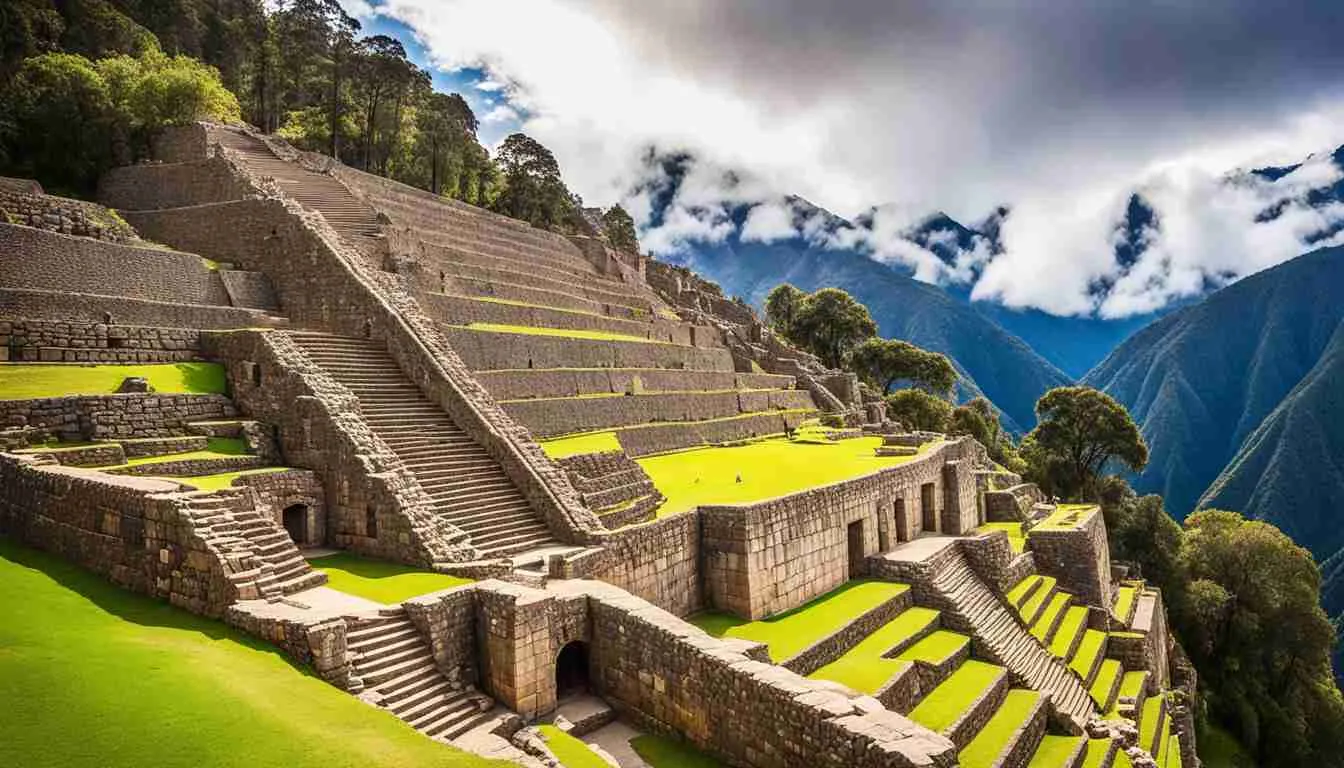
Visit Ollantaytambo, a town that has kept its Inca layout and buildings from the 15th century. It’s about 71 kilometers from Cusco and 40 kilometers from Machu Picchu. This town in the Sacred Valley of the Incas shows the greatness of the Inca civilization.
Marveling at the Massive Ruins
Ollantaytambo is famous for its huge Inca ruins. They show the amazing skills of the ancient Incas. The town is between 2,792 to 2,922 meters high, with a nice climate for visiting the ruins.
Walk through the detailed stone work and see how the town sits at a key spot. It’s where the Urubamba River Valley and the Patakancha Valley meet. This made Ollantaytambo important for the Incas as a place for government, farming, and worship.
Witnessing Traditional Weaving Demonstrations
Ollantaytambo is not just about Inca ruins. It’s also a place of indigenous culture and traditional crafts. See the Andean weaving at a local cooperative. Artisans make beautiful textiles that share their heritage.
These textiles have bright patterns and symbols. They show the deep culture of the Incas and the strength of the local people.
Experience the town’s lively feel, its narrow streets, and the mix of old Inca and modern buildings. Ollantaytambo’s mix of ancient and modern makes it a key spot for those wanting to see Peru’s indigenous culture and the Inca Empire’s greatness.
Machu Picchu: The Lost City of the Incas
Visiting Peru isn’t complete without seeing the famous Machu Picchu, known as the “Lost City of the Incas.” It’s a UNESCO World Heritage site. Take a train to Aguas Calientes, then join a guided tour to learn about this amazing place.
Unveiling the Mysteries of the Citadel
Walk through the Inca ruins at your own pace. Be amazed by the Inca’s stone work and the beautiful nature around you. Hiram Bingham III found Machu Picchu in 1911 while looking for Vilcabamba, a hidden Inca capital. This site is on two fault lines, showing the Incas’ amazing engineering. Kenneth Wright’s research says 60% of it was built underground.
Hiking Trails and Panoramic Views
For those who love adventure, try hiking to the Sun Gate or climb Huayna Picchu. You’ll get amazing panoramic views of Machu Picchu. Only 400 people can go up Huayna Picchu each day. It shows how special this spot is for climbers.
Or, you can go to Machu Picchu Mountain, which is taller than Huayna Picchu. It gives even better views of the area.
“Machu Picchu is one of the most significant archaeological sites in South America, and a true testament to the engineering and architectural prowess of the Inca civilization.”
Lima and Machu Picchu: Culinary Delights
Start an unforgettable food journey in Peru’s capital, Lima, and the famous Machu Picchu. Taste the Pisco sour cocktail and try Amazonian-inspired dishes. Peruvian food will amaze you.
In Lima’s Barranco district, start your food adventure with a walking tour. You’ll see the area’s rich Peruvian cuisine and fun vibe. Enjoy local dishes, from snacks to a fancy dinner by ancient ruins.
At Machu Picchu, the stunning cloud forest and fine dining experience will wow you. Try dishes made with local ingredients and new takes on Peruvian cuisine. This will take your food journey to new heights.
| Culinary Highlights | Destination |
|---|---|
| Pisco sour, Amazonian-inspired dishes, gourmet dining | Lima |
| Locally sourced ingredients, innovative Peruvian cuisine | Machu Picchu |
“Indulge in the vibrant flavors of Peru, from the iconic Pisco sour to the captivating Amazonian-inspired dishes, and let your taste buds embark on a culinary journey like no other.”
Lake Titicaca: Floating Islands and Ancient Traditions
Visit the magical shores of Lake Titicaca, the world’s highest navigable lake. Dive into the world of the Uros and Taquile communities. See how they live on floating islands made of reeds. Learn about their traditions and how they’ve adapted over time.
Visiting Uros and Taquile Islands
Start by visiting the Uros’ floating islands. Watch as they build their homes from Totora reeds. This way of life is self-sufficient, relying on the lake for food and crafts.
Then, head to Taquile Island. This place still holds Inca customs and traditions. See the islanders weaving beautiful textiles. Talk to them to understand their unique lifestyle.
“The floating islands of Lake Titicaca are a testament to the ingenuity and resilience of the Uros people, who have adapted to the harsh environment and thrived for centuries.”
These islands show how old traditions and new ways of living can mix. The Uros and Taquile communities let you see their rich culture. It’s a chance to see their beautiful way of life up close.
Cusco: Heart of the Inca Empire
Cusco sits in the Andes Mountains of Peru, as the legendary capital of the Inca Empire. It’s a UNESCO World Heritage site, known for its rich history, stunning architecture, and vibrant culture.
Exploring Sacsayhuamán and Q’orikancha
The ruins of Sacsayhuamán are a must-see in Cusco. This massive Inca fortress shows off the engineering skills of the pre-Columbian civilization. Its huge stone walls, some as heavy as 200 tons, prove the Incas’ amazing building skills.
The Q’orikancha is another site you can’t miss. It was the richest and most sacred place in the Inca Empire. This temple, dedicated to the sun god Inti, combines Inca and Spanish styles. This mix shows the complex history of the area.
| Attraction | Significance | Key Facts |
|---|---|---|
| Sacsayhuamán | Impressive Inca fortress with massive stone walls |
|
| Q’orikancha | Former Inca temple dedicated to the sun god Inti |
|
Visiting these Inca ruins in Cusco lets you see the ancient Inca civilization’s glory. It shows their lasting impact on Peru.
Sustainable Tourism in Peru
When you visit Peru, you’ll see how the country values sustainable tourism. It supports local communities, protects cultural heritage, and keeps natural resources safe. Peru is a leader in ecotourism, making sure its beautiful places stay untouched for the future.
Supporting Local Communities and Conservation Efforts
Peru’s tourism is more than just showing off its famous spots. It helps local communities and protects nature. For instance, only 2,500 people can visit Machu Picchu each day, thanks to a deal with UNESCO. Also, the Inca Trail has a limit of 500 permits a day, counting everyone involved.
Sustainable tourism in Peru balances the needs of people, places, and the planet. Apus Peru leads in adventure travel that helps communities. They give part of their earnings to local projects and help textile workers. They also organize “Clean Up Treks” to clean up trash left behind.
- Apus Peru was the first trekking company in Peru to get the Rainforest Alliance seal for being eco-friendly.
- Tierra de los Yachaqs connects eight Quechua communities through music, stories, and hikes, letting visitors dive into local culture.
- Awamaki in the Sacred Valley helps women start small businesses in textiles, boosting local empowerment.
By joining these efforts, travelers help keep Peru’s culture and nature safe. This way, Peru’s wonders will be here for future generations to enjoy.
Planning Your Journey to Peru
Planning your trip to Peru is exciting. Knowing the best time to go is key. Peru has a lot to offer, from colorful festivals in the highlands to the green Amazon rainforest. With the right travel tips, you’ll have a trip you’ll always remember.
Best Time to Visit and Travel Tips
Peru welcomes visitors all year, but the best time depends on what you like. The dry season, from May to September, is great for seeing the Inca sites. The weather is mild, and it rains less. The wet season, from October to April, is perfect for festivals and cultural events.
- Machu Picchu has a daily limit of 4,500 visitors, with groups of 10 per guide to protect the site.
- Tickets to Machu Picchu are $40 for adults and $19 for kids under 18, with a 5% fee for online bookings.
- The recommended first-time visitor circuit at Machu Picchu is Circuit 2, covering the main parts of the Inca citadel.
- Only 2,500 people can visit Machu Picchu daily, and tickets often sell out fast during peak season.
Think about how you’ll get around. Look into train options like PeruRail and IncaRail. These trains offer different prices and experiences, making your trip to Machu Picchu unforgettable.
| Packing Recommendations | Transportation Tips |
|---|---|
|
|
Plan well and follow these tips for a smooth and unforgettable trip to Peru. Machu Picchu and the Andes’ culture are waiting for you.
Conclusion
Peru is a land full of wonders from the Inca civilization. It shows off the cultural heritage that draws visitors from all over. From Lima’s colonial charm to Machu Picchu’s grandeur, it offers a memorable trip through its sites, traditions, and sustainable tourism.
The Inca Empire’s legacy is alive in Machu Picchu’s ruins. Hiram Bingham found it in 1911, and it’s a UNESCO World Heritage site. Peru works hard to keep it safe and protect its nature.
There’s more to see in Peru than just Machu Picchu. Places like Lima and Ollantaytambo show off its rich culture. With sustainable tourism, visitors help the local economy and nature. This creates a good relationship between tourists and the people they meet.