
Dharavi Slum Tour Mumbai: Ethical Tourism Guide
Dharavi stands as one of Asia’s most dynamic communities, home to nearly one million residents and generating approximately $1 billion in annual economic activity through thousands of small-scale industries. Walking through this vibrant neighborhood reveals not poverty tourism but an extraordinary ecosystem of entrepreneurship, innovation, and resilience that challenges stereotypes about informal settlements. This guide helps you understand how to visit Dharavi responsibly, ethically, and with respect for the community that makes this place extraordinary.
Key Takeaways
- Dharavi generates approximately $1 billion annually through small-scale industries including recycling, leather production, pottery, soap manufacturing, and textile work
- Ethical tour operators reinvest 60-80% of tour profits directly into community education programs, healthcare initiatives, and skill development projects
- Tours showcase entrepreneurship and community strength rather than exploiting poverty, with local guides controlling their own narratives about their neighborhood
- Photography requires explicit permission from residents to protect privacy and dignity, with most operators maintaining strict no-camera policies during tours
- The community welcomes visitors when approached respectfully through established operators who work directly with residents and maintain long-term relationships
- Tours typically last 2-3 hours covering small industries, residential areas, religious diversity, and community development projects run by local NGOs
People Also Ask About Dharavi Tours
Is visiting Dharavi exploitative or ethical?
Ethical Dharavi tours benefit the community when conducted properly. Reputable operators like Reality Tours & Travel reinvest 80% of post-tax profits into their sister NGO Reality Gives, which runs educational programs and community centers in Dharavi. These tours employ local guides who live in the community, provide income to residents through direct employment, and challenge negative stereotypes by showcasing Dharavi’s economic productivity and strong community bonds. The ethical distinction lies in the operator’s approach: tours focusing on entrepreneurship, industry, and community strength while directly benefiting residents through profit-sharing represent responsible tourism. Exploitative tourism occurs when outside companies extract profits without community benefit, treat residents like attractions, or focus solely on poverty without showing economic activity and solutions.
What makes Dharavi’s economy significant?
Dharavi functions as Mumbai’s industrial engine for recycling and small-scale manufacturing. The neighborhood processes plastic, metal, and paper recycling from across Mumbai and internationally, with materials arriving from around the world for processing. Industries include leather tanning (Asia’s largest leather production in one location), pottery making at Kumbhar Wada (centuries-old clay pot tradition), textile and garment production, soap manufacturing, food production (including 2 tons of snacks daily, particularly papad/poppadoms), and aluminum recycling. These industries employ thousands of workers and contribute an estimated $665 million to $1 billion annually to Mumbai’s economy. The recycling sector alone saves Mumbai millions in waste management costs while providing livelihoods to entire families. This economic activity occurs in spaces averaging just 0.7 square miles (approximately 2 square kilometers), making Dharavi one of the most productive areas per square foot in Mumbai.
How safe are Dharavi tours for visitors?
Dharavi maintains lower crime rates than many Mumbai tourist areas, with approximately one million people living in close-knit communities where neighbors know each other. Local guides provide protection through personal relationships with residents, established routes through safe well-lit paths used daily by thousands of residents, and community welcome since local families recognize tour groups. Tour operators maintain emergency protocols with all guides carrying emergency contacts and first aid training. The strong police presence in the area and the community’s inherent hospitality toward visitors create safe conditions. Visitors stay safer with local guides who navigate the narrow lanes expertly than walking alone in many Mumbai neighborhoods. Safety recommendations include staying with your group, following guide instructions, treating residents with respect, avoiding expensive jewelry or electronics, and wearing comfortable walking shoes for narrow lanes and workshops.
What will I see during a Dharavi tour?
Tours focus on small-scale industries where visitors observe recycling operations processing plastic, metal, and cardboard; pottery workshops at Kumbhar Wada making traditional clay pots; leather tanning and production facilities; soap and detergent manufacturing; bakery operations producing bread and snacks; papad (poppadom) production by women’s cooperatives; and textile manufacturing including embroidery work. Residential areas reveal how people from all regions and religions of India live together, with Hindu temples, mosques, churches, and pagodas standing side by side. Most ethical operators include visits to community centers and educational projects, showing how tour profits fund programs for teenagers and young adults. Tours avoid entering private homes without invitation, maintain respectful distances from residents, and focus on businesses that welcome visitors. The experience demonstrates how Dharavi functions as a micro-city within Mumbai with its own economy, social structure, and community systems.
Extended multi-day tours – 5+ days
Featured Mumbai Multi-Day Tour Packages

3 days
Mumbai 3-Day Discovery Tour
- ✓ Comprehensive Mumbai experience
- ✓ Expert local guides included
- ✓ All accommodation included
- ✓ Transportation provided

5 days
Mumbai 5-Day Highlights Experience
- ✓ Comprehensive Mumbai experience
- ✓ Expert local guides included
- ✓ All accommodation included
- ✓ Transportation provided

7 days
Mumbai 7-Day Cultural Journey
- ✓ Comprehensive Mumbai experience
- ✓ Expert local guides included
- ✓ All accommodation included
- ✓ Transportation provided
10 days
Mumbai 10-Day Complete Adventure
- ✓ Comprehensive Mumbai experience
- ✓ Expert local guides included
- ✓ All accommodation included
- ✓ Transportation provided
Multi-day tour packages powered by TourRadar. Prices and availability subject to change.
Introduction: Understanding Dharavi Beyond Stereotypes
Dharavi has become synonymous with informal settlements after gaining international attention through films like “Slumdog Millionaire,” but this portrayal tells only a fraction of the story. Located in the heart of Mumbai between the Western and Central railway lines, Dharavi spans approximately 0.7 square miles (2.2 square kilometers) and houses nearly one million residents from all regions of India. What outsiders often perceive as urban poverty represents something far more complex: a thriving economic ecosystem where entrepreneurship flourishes despite infrastructure challenges.
The neighborhood’s economic significance cannot be overstated. Dharavi processes most of Mumbai’s recycling, manufactures leather goods exported internationally, produces pottery using techniques passed down through generations, and creates textiles that reach markets across India. Small workshops operate in spaces no larger than a bedroom, yet generate millions of dollars in economic activity annually. Families live and work in the same buildings, creating vertical integration where ground floors house industries and upper floors provide living space.
This economic density creates unique challenges. Overcrowding, inadequate sanitation infrastructure, and limited access to formal municipal services create hardships for residents. However, these challenges coexist with remarkable community resilience, innovative problem-solving, and social cohesion that binds diverse populations together. People from different states, religions, and linguistic backgrounds share narrow lanes, celebrate each other’s festivals, and maintain peaceful coexistence in one of the world’s most densely populated areas.
The ethical question surrounding Dharavi tourism centers on whether outsiders should visit informal settlements at all. Critics argue that any tourism in such areas risks reducing residents’ hardships to entertainment for wealthy visitors. Proponents counter that ethical tours, when conducted properly, educate visitors about urban poverty and informal economies while directly benefiting communities through employment and development funding. The answer lies not in avoiding Dharavi entirely but in choosing operators who prioritize community benefit over profit extraction.
The Ethics of Slum Tourism
Historical Context and Global Precedent
Slum tourism emerged globally in the early 2000s as travelers sought authentic experiences beyond traditional tourist sites. Cities like Rio de Janeiro (favela tours), Cape Town (township tours), Nairobi (Kibera tours), and Manila (Tondo tours) developed similar offerings. Mumbai’s Dharavi gained prominence after “Slumdog Millionaire” won eight Academy Awards in 2009, sparking international curiosity about the film’s setting. This attention created both opportunities and risks for the community.
The tourism industry in Dharavi began with small grassroots initiatives by residents who saw an opportunity to change narratives about their neighborhood. Early tour operators, particularly Reality Tours & Travel founded in 2006, established models prioritizing community benefit over profit maximization. These pioneers created frameworks requiring local guides from the community, profit reinvestment into local development, respectful photography policies, and focus on economic activity rather than poverty spectacle.
What Makes Tourism Exploitative
Several factors determine whether tourism harms communities. Exploitative practices include outside companies extracting profits without community benefit, treating residents like zoo animals or tourist attractions, focusing solely on poverty without showing economic activity and solutions, photography without consent that violates dignity, sensationalizing hardship for emotional impact, and providing no tangible benefit to the community being toured. These practices reduce human experiences to entertainment for outsiders while providing no pathway for improving conditions.
The most harmful aspect involves narrative control. When outsiders tell stories about communities without their input or consent, stereotypes become reinforced rather than challenged. Tours that emphasize shock value over education, that present residents as helpless victims rather than capable entrepreneurs, or that fail to acknowledge the community’s economic contributions perpetuate damaging myths about informal settlements.
Ethical Tourism Principles for Dharavi
Responsible Dharavi tours operate on specific principles. Community employment ensures guides come from Dharavi itself, providing income to residents and ensuring authentic perspectives. Profit sharing directs the majority of earnings back into community development through education, healthcare, and skill training programs. Dignity and respect require treating residents as equals, seeking permission before any photography, and acknowledging their economic contributions. Educational focus emphasizes learning about industries, entrepreneurship, and community systems rather than gawking at poverty. Long-term commitment means operators maintain ongoing relationships with the community rather than extracting value without building trust.
Operators implementing these principles transform tourism from extraction into partnership. When profits fund community centers where local teenagers learn computer skills, when guides earn sustainable incomes from sharing their neighborhood’s story, and when visitors leave understanding Dharavi’s economic significance rather than just its challenges, tourism becomes a force for positive change rather than exploitation.
Choosing an Ethical Tour Operator
Reality Tours & Travel: The Pioneer Model
Reality Tours & Travel established the ethical Dharavi tour model in 2006, creating standards other operators now follow. The company commits 80% of post-tax profits to Reality Gives, their sister NGO operating community centers in Dharavi. These centers provide educational programs for teenagers and young adults, offering computer training, English classes, career counseling, and soft skills development that residents might not otherwise access.
Tours employ local guides who bring personal knowledge of the community and maintain relationships with residents. The 2.5-hour walking tour showcases small-scale industries including recycling operations, pottery making, leather production, and food manufacturing. Guides explain how these businesses function, the challenges they face, and their contribution to Mumbai’s economy. Tours also visit residential areas where guides point out temples, mosques, and churches standing side by side, illustrating the religious diversity that characterizes Dharavi.
Reality Tours maintains strict policies protecting resident dignity. No photography is allowed during tours to prevent visitors from treating residents like subjects to be captured on camera. This policy protects privacy and signals respect for people going about their daily lives. The company also limits group sizes to six people maximum, ensuring intimate experiences where questions can be answered thoroughly and guides can manage interactions carefully.
Cityscape Mumbai Tours: Community-Focused Approach
Cityscape Mumbai Tours offers similar ethical standards with some variations in approach. The company emphasizes local guide expertise, with guides living in Dharavi or neighboring communities who possess deep knowledge of the area. Tours last 2-3 hours and cover industries, residential areas, and cultural sites. The operator partners with local NGOs to ensure tour benefits reach community development initiatives.
Cityscape allows limited photography with explicit permission from residents, teaching visitors how to ask respectfully and accept refusals gracefully. This approach balances visitor desires for documentation with resident rights to privacy. Guides explain why some people decline photos and how to interact respectfully when making requests.
The company offers flexible scheduling with morning tours recommended for optimal conditions. Workshops operate at full capacity in mornings, temperatures remain cooler, and schools are in session allowing respectful observation of educational facilities. Morning tours also provide better natural lighting for the permitted photography.
Magical Mumbai Tours: Holistic Mumbai Experience
Magical Mumbai Tours integrates Dharavi visits into broader Mumbai exploration, positioning the tour within context of the city’s economic and social systems. Their approach emphasizes how Dharavi connects to Mumbai’s larger economy, explaining how industries in Dharavi serve the entire city through recycling, manufacturing, and food production.
Guides receive training in both historical context and contemporary economics, enabling them to explain how Dharavi developed, why informal settlements persist despite Mumbai’s wealth, and what solutions might address infrastructure challenges while preserving economic activity. This educational depth helps visitors understand urban development complexities rather than viewing Dharavi in isolation.
Red Flags to Avoid
Certain warning signs indicate potentially exploitative operators. Avoid companies making no mention of community benefit or profit sharing, emphasizing poverty and hardship over economic activity, using sensational language in marketing materials, operating without local guides or community partnerships, charging premium prices without transparency about fund allocation, or permitting unrestricted photography without resident consent.
Also be wary of operators focusing tours entirely on residential areas without showing industries, those treating Dharavi as a poverty spectacle rather than an economic ecosystem, or companies operating without established relationships with community organizations. Legitimate operators can explain exactly how their tours benefit residents and provide evidence of community projects they support.
What to Expect During Your Tour
Small-Scale Industries
The industrial tour begins with recycling operations, Dharavi’s economic backbone. Visitors observe plastic recycling where workers sort materials by type and color before processing. Materials arrive from across Mumbai and internationally, with shipping containers delivering recyclables from as far as Europe and North America. Workers separate plastics manually, wash them in large vats, shred them into small pieces, and melt them down for reprocessing. The efficiency impresses most visitors—Dharavi processes thousands of tons of plastic annually in spaces no larger than small garages.
Pottery workshops at Kumbhar Wada demonstrate traditional clay pot making passed down through generations. Potters spin wheels manually, shaping clay into pots, diyas (oil lamps), and decorative items. The clay comes from specific regions known for quality, transported to Dharavi where skilled artisans transform it into functional and ceremonial objects used across Mumbai. Visitors watch the entire process from raw clay to finished products drying in the sun.
Leather production constitutes Dharavi’s largest industrial sector. Workshops tan hides, cut leather, and manufacture products including bags, belts, shoes, and garments. The industry employs thousands of workers and exports products internationally. Visitors observe cutting operations, stitching workstations, and quality control processes. The leather’s quality often surprises visitors who assumed informal sector production meant inferior products.
Food production facilities manufacture snacks, bread, and papad (poppadoms) consumed across Mumbai. Women’s cooperatives produce approximately 2 tons of food daily, with papad representing a significant portion. Visitors watch women roll thin circles of seasoned lentil flour, dry them in the sun, and package them for distribution. The process requires skill developed over years, and the cooperative structure provides income and social support for participating women.
Soap and detergent manufacturing demonstrates chemical knowledge and production efficiency. Workers mix ingredients in large vats, pour the mixture into molds, allow it to cure, cut it into bars, and package it for sale. The soap reaches markets across Mumbai and surrounding regions. The operation’s scale, accomplished in cramped quarters with basic equipment, illustrates the resourcefulness characterizing Dharavi’s industries.
Residential Areas
Walking through residential sections reveals how people organize daily life in high-density conditions. Narrow lanes barely wide enough for two people to pass connect different neighborhoods. Buildings rise three to four stories, with families living in compact spaces that serve multiple functions. What appears chaotic to outsiders operates according to understood patterns and informal rules governing space use, waste disposal, and neighbor relations.
The religious diversity becomes immediately apparent. Hindu temples decorated with colorful gods and goddesses stand meters from mosques with their distinctive minarets. Christian churches serve communities that migrated from Goa and other regions. Pagodas indicate Buddhist presence. This religious pluralism creates a unique social fabric where different communities celebrate each other’s festivals and maintain peaceful coexistence.
Guides explain social structures governing neighborhood life. Different areas house people from specific regions of India—one street might be primarily Gujarati families, another Tamil speakers, another migrants from Uttar Pradesh. These micro-communities provide support networks for newcomers, maintain cultural traditions, and help people navigate urban life far from their ancestral villages.
The sense of community impresses most visitors. Children play in lanes, neighbors chat at doorways, and elders sit on stoops watching daily activities. Despite cramped conditions, people maintain cleanliness in their immediate surroundings, sweep lanes in front of their homes, and create small gardens in whatever space allows. This community pride challenges stereotypes about informal settlements as places of despair or resignation.
Community Development Projects
Ethical tour operators include visits to community centers funded by tour profits. Reality Gives operates the most established center, offering programs for teenagers and young adults. Visitors see computer classrooms where students learn digital skills, English language classes teaching communication abilities crucial for employment opportunities, and career counseling programs helping residents access jobs beyond Dharavi’s traditional industries.
These centers provide safe spaces for learning and personal development. Many Dharavi families cannot afford private education or tutoring, so free programs fill critical gaps. The centers also offer vocational training in fields like hospitality, retail, and office administration, expanding economic opportunities beyond family businesses.
Health education programs address sanitation challenges and preventable diseases. Workshops teach hygiene practices, nutrition, and disease prevention. While these programs cannot solve infrastructure problems requiring government investment, they empower residents with knowledge to protect their health within existing constraints.
Practical Information for Visitors
Tour Duration and Timing
Most Dharavi tours last 2 to 3 hours including walking time through industries and residential areas. This duration provides comprehensive exposure without causing fatigue from walking in narrow lanes and climbing stairs in workshops. Tours typically start at meeting points near Mahim station or Dharavi station, with some operators offering hotel pickup for premium bookings.
Morning tours (9 AM to 11 AM) offer optimal conditions. All workshops and factories operate at full capacity as business owners start their workday early. Temperatures remain cooler in mornings, making the walking more comfortable. Local schools are in session, allowing respectful observation of educational facilities from outside. Natural lighting provides better visibility in workshops where electric lighting may be limited.
Afternoon tours operate but present challenges. Heat intensifies by midday, making walking through narrow lanes uncomfortable. Some workshops close during afternoon prayer times or for lunch breaks. Crowds increase as local residents return from work in other parts of Mumbai, making lanes more congested.
Physical Requirements
Tours require moderate physical fitness as visitors walk 2 to 3 kilometers through narrow lanes and climb stairs in multi-story workshops. The terrain includes uneven surfaces, steep staircases without railings, and areas where headroom may be limited. Comfortable walking shoes with good grip are essential—avoid sandals, flip-flops, or high heels.
The experience suits children aged 8 years and older who can walk independently for extended periods. Younger children may struggle with the distance and attention span required. Tours are not wheelchair accessible due to narrow lanes and multiple staircases. Visitors with mobility limitations should contact operators in advance to discuss possible accommodations or alternative routes.
What to Bring
Bring minimal belongings to avoid attracting unwanted attention and move easily through narrow spaces. Essential items include a water bottle (hydration is crucial, especially in hot weather), sun hat and sunglasses for portions of the tour in open areas, sunscreen lotion for sun protection, small amount of cash for optional purchases from local artisans, and comfortable backpack or crossbody bag to keep hands free.
Leave expensive jewelry, watches, and electronics at your hotel. While Dharavi maintains low crime rates, visible wealth creates uncomfortable disparities and attracts attention. Bring basic smartphones if needed for emergencies, but avoid professional cameras unless your tour operator specifically permits photography with resident consent.
Dress modestly out of respect for the community. Men should wear long pants and shirts covering shoulders. Women should wear long pants or below-knee skirts/dresses with tops covering shoulders and avoiding low necklines. Modest dress demonstrates cultural sensitivity and helps visitors blend in rather than standing out conspicuously.
Photography Guidelines
Photography policies vary by operator but always prioritize resident dignity. Reality Tours maintains strict no-camera policies throughout tours, requiring visitors to leave cameras and phones at hotels or keep them stored. This policy prevents residents from feeling like museum exhibits and signals that the tour focuses on learning rather than collecting images for social media.
Operators permitting photography require explicit consent from any person appearing in photos. Guides teach visitors how to ask permission respectfully: make eye contact, gesture toward the camera, wait for clear affirmation before photographing. Accept refusals graciously without argument or attempts at persuasion. Many residents decline photography to protect their privacy or because they dislike being subjects of tourist photos.
Focus photography on industries, architectural details, and urban landscapes rather than people. Industrial processes, colorful temple decorations, and the physical structure of the neighborhood can be documented without invading personal privacy. If someone agrees to be photographed, show them the image afterward and delete it if they express discomfort.
Never photograph children without explicit parental permission. Children cannot meaningfully consent to photography, so responsible tourists always seek approval from accompanying adults. This applies even when children appear in public spaces.
Understanding the Community’s Perspective
Resident Attitudes Toward Tourism
Resident perspectives on tourism vary widely within Dharavi. Some community members welcome tours as opportunities to change negative narratives about their neighborhood, earning income as guides, and funding community development through operator profit-sharing. These supporters appreciate when visitors show genuine interest in understanding Dharavi’s economic contributions rather than just photographing poverty.
Other residents express ambivalence, accepting tourism as economic reality while feeling uncomfortable with outsiders walking through their daily lives. They cooperate with tours run by trusted operators with proven community relationships but remain wary of growing tourism that may commodify their neighborhood without meaningful benefit.
Some residents actively oppose tourism, viewing it as inherently exploitative regardless of operator intentions. They argue that even ethical tours reduce their lives to entertainment for wealthy outsiders, that no amount of profit-sharing justifies treating a neighborhood like a tourist attraction, and that tourism distracts from addressing fundamental infrastructure problems requiring government action.
Ethical visitors acknowledge these diverse perspectives and approach tours with humility. Recognize that residents did not invite tourism but rather respond to external interest in their community. Show gratitude when residents allow you into their working spaces, listen carefully when guides explain resident concerns, and reflect on your motivations for visiting.
Economic Impact on the Community
Ethical tour operators generate meaningful economic benefits for Dharavi. Direct employment of local guides provides stable income for families who might otherwise work in informal industries with irregular pay. Guide salaries typically exceed what residents could earn in traditional Dharavi occupations, and the work involves less physical strain than factory labor.
Profit reinvestment into community programs creates opportunities for education and skill development. Reality Gives’ community center has served thousands of teenagers and young adults since its founding, providing free computer training, English classes, and career counseling. These programs expand economic opportunities beyond Dharavi’s traditional industries, helping residents access jobs in Mumbai’s formal sector.
Artisan support through tour-related purchases provides additional income streams. Operators connecting visitors with pottery makers, leather craftspeople, and textile producers create markets for traditional crafts. While these purchases represent small transactions individually, aggregated over thousands of tourists they constitute meaningful supplementary income.
However, tourism cannot solve Dharavi’s fundamental infrastructure challenges. Tours do not provide water supply, sewage systems, or formal housing security. The economic benefits, while real, remain limited in scale compared to government investment needed to improve living conditions comprehensively. Ethical tourists understand tourism as one small contribution rather than a comprehensive solution to complex urban development challenges.
Contextualizing Dharavi Within Mumbai
The City’s Economic Structure
Understanding Dharavi requires grasping Mumbai’s economic geography. The city operates as India’s financial capital, housing the Bombay Stock Exchange, Reserve Bank of India, and headquarters of major corporations. This formal economy coexists with extensive informal sectors where millions work without contracts, fixed wages, or social protections.
Dharavi exemplifies the informal economy’s crucial role in Mumbai’s functioning. The neighborhood’s recycling operations save the city millions in waste management costs. Leather production supplies materials for Mumbai’s fashion and footwear industries. Food production from Dharavi kitchens reaches markets across the city. Without these informal industries, Mumbai’s formal economy would struggle to function efficiently.
The informal-formal economy relationship creates dependencies cutting both ways. Formal businesses rely on informal suppliers for cost-effective inputs. Informal workers depend on formal economy demand for their products and services. This interdependence complicates simple narratives about development requiring formalization of all economic activity.
Housing and Land Challenges
Dharavi occupies prime real estate in central Mumbai, between major railway lines and close to the city’s commercial heart. This location makes the land extremely valuable, creating development pressures and conflicts over the area’s future. Multiple redevelopment proposals have emerged over decades, each promising modern housing and infrastructure while facing resistance from residents fearing displacement.
Residents lack formal ownership of the land they occupy, instead holding various forms of informal tenure recognized through local practice but not formal law. This tenure insecurity complicates redevelopment as residents worry about receiving fair compensation or adequate alternative housing. Past redevelopment projects in other Mumbai neighborhoods displaced long-time residents who could not afford the new housing built on their former land.
The redevelopment debate raises fundamental questions about urban development. Can Dharavi be modernized without destroying the economic ecosystems that make it functional? How can infrastructure improvements occur while preserving affordability for current residents? Who gets to decide the neighborhood’s future—government planners, private developers, or the residents themselves?
Ethical tour guides explain these complexities rather than offering simple solutions. They present different perspectives on redevelopment, acknowledge legitimate concerns on multiple sides, and help visitors understand why seemingly obvious solutions like building modern apartments face resistance from residents who fear losing their livelihoods and community networks.
Broader Mumbai Attractions
Combining Dharavi with Other Sites
Most visitors combine Dharavi tours with other Mumbai attractions to understand the city comprehensively. The Gateway of India, Mumbai’s most iconic landmark, stands 10 kilometers from Dharavi and serves as the departure point for ferry trips to Elephanta Caves. This stone arch built to commemorate King George V’s 1911 visit to India now symbolizes Mumbai’s colonial history and modern identity.
Elephanta Caves, located on an island in Mumbai Harbor, offer contrast to Dharavi’s urban intensity. These UNESCO World Heritage rock-cut temples dedicated to Lord Shiva date to the 5th-7th centuries and display elaborate sculptures depicting Hindu mythology. Ferry rides to the island take one hour from Gateway of India, with regular departures throughout the day. The caves remain open 9:30 AM to 5:30 PM except Mondays, with entry fees of ₹40 for Indians and ₹600 for foreign visitors.
Dhobi Ghat, the world’s largest outdoor laundry, provides another perspective on Mumbai’s working-class communities. Hundreds of dhobis (washermen) hand-wash clothing from hotels, hospitals, and households in concrete wash pens, then dry them on clotheslines stretching across the facility. The operation demonstrates traditional industries persisting alongside modern infrastructure, similar to Dharavi’s small-scale manufacturing.
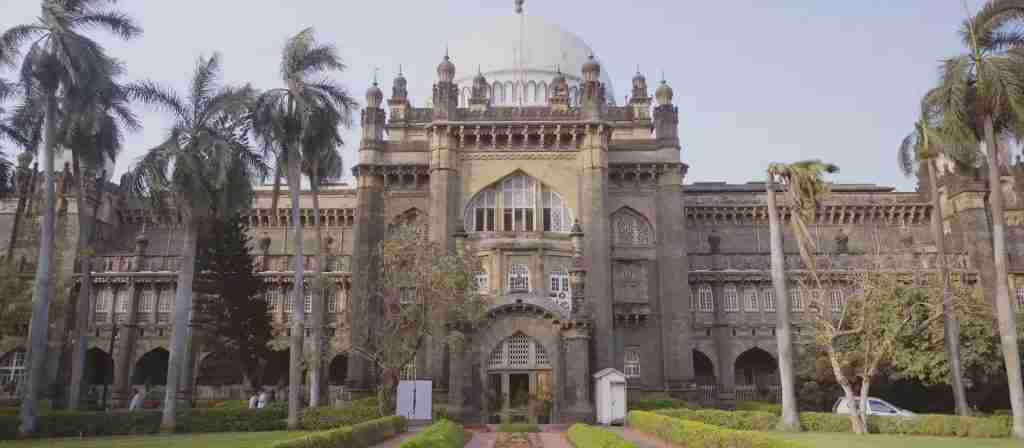
Chhatrapati Shivaji Maharaj Terminus (formerly Victoria Terminus) showcases Victorian Gothic architecture blended with Indian traditional elements. This UNESCO World Heritage railway station serves as a hub for Mumbai’s suburban rail network transporting millions of commuters daily. The building’s grandeur contrasts sharply with Dharavi’s dense informal architecture, illustrating Mumbai’s economic and social disparities.
Marine Drive, Mumbai’s seaside promenade, offers evening relaxation after Dharavi tours. This 3-kilometer arc along the Arabian Sea becomes illuminated at night, earning the nickname “Queen’s Necklace.” Locals and tourists gather here for sunset views, street food, and people watching. The area’s relative spaciousness and leisure atmosphere provide contrast to Dharavi’s density and work-focused environment.
Recommended Itinerary Integration
For comprehensive Mumbai understanding, schedule Dharavi tours early in your visit. This exposure to the city’s economic foundations provides context for understanding other attractions. Begin with a morning Dharavi tour (9-11 AM), followed by lunch in Colaba or Fort area. Afternoon visit to Gateway of India and surrounding colonial architecture provides historical perspective. Evening at Marine Drive offers relaxation and reflection on the day’s contrasts.
Day two might include Elephanta Caves ferry departure at 9 AM, exploration of the island’s temples and return to Mumbai by early afternoon. Late afternoon visit to Chhatrapati Shivaji Maharaj Terminus and Crawford Market shows colonial commercial architecture. Evening in Bandra or Juhu Beach areas reveals Mumbai’s contemporary culture and middle-class neighborhoods.
This sequencing moves from informal economy to colonial heritage to contemporary culture, building comprehensive understanding of how Mumbai’s different social and economic layers interact. The contrasts sharpen awareness of inequality while also revealing how different communities contribute to the city’s functioning.
Frequently Asked Questions
How much do Dharavi tours cost?
Ethical Dharavi tours cost ₹900 to ₹1,000 ($10-12 USD) for group tours lasting 2-3 hours. Private tours with dedicated guides cost ₹2,000 to ₹3,500 ($24-42 USD) depending on group size and customization. These prices include guide services but not transportation to the meeting point. Tours combined with other Mumbai attractions (Dhobi Ghat, local train rides) cost ₹1,500 to ₹2,500 ($18-30 USD). Premium experiences including pottery workshops or family lunch additions cost ₹1,800 to ₹3,000 ($22-36 USD). Prices vary by operator, with established ethical companies like Reality Tours charging at the higher end to fund community programs. Budget operators offering significantly lower prices likely do not reinvest profits into community development.
Do I need to book Dharavi tours in advance?
Booking 24 to 48 hours in advance ensures preferred time slots, especially for morning tours that operate at optimal conditions. Weekend tours fill quickly as both tourists and Mumbai residents book experiences. Peak tourist season (November to February) requires advance booking as operators limit group sizes for quality experiences. Last-minute bookings may be accommodated for afternoon tours or weekday departures, but morning slots typically sell out. Booking directly through operator websites guarantees authentic tours with established companies rather than risking unlicensed guides who may not follow ethical practices. Online booking also provides confirmation emails useful for planning broader Mumbai itineraries.
Can I visit Dharavi independently without a tour?
Independent visits are technically possible but strongly discouraged for several reasons. Without local guides, visitors easily get lost in the maze of narrow lanes that confuse even experienced Mumbai residents. Independent visitors cannot access workshops or factories as business owners do not welcome random tourists interrupting operations. Language barriers prevent meaningful communication with residents who speak Marathi, Hindi, Tamil, or regional languages rather than English. Most importantly, independent visits risk appearing disrespectful as residents did not invite random tourists to walk through their neighborhood photographing their daily lives. The presence of tour groups with local guides signals community approval and establishes boundaries for acceptable visitor behavior. Ethical operators maintain relationships with residents that make tours welcome; independent visitors lack these relationships and may be viewed as intrusive.
What languages do tour guides speak?
English is the primary language for tourist-oriented guides as most visitors come from international backgrounds. Guides speak excellent English having received training from tour operators and developed communication skills through years of leading tours. Many guides also speak Hindi, Marathi (Mumbai’s local language), and often additional regional languages depending on their family origins. This multilingual ability allows guides to communicate with residents during tours while explaining to visitors in English. For non-English speaking visitors, some operators arrange guides speaking Spanish, French, German, or other languages with advance notice, though these requests may require additional fees and availability varies by season.
Are Dharavi tours appropriate for children?
Tours suit children aged 8 years and older who can walk 2-3 kilometers, navigate stairs and uneven surfaces, and maintain attention for 2-3 hours. The experience provides valuable education about economic diversity, urban development, and different ways of living. Children often ask insightful questions that enrich tours for all participants. However, parents should prepare children beforehand by explaining they will see people living differently than in their own communities, discussing why respectful behavior matters, and establishing photography boundaries. Very young children (under 8) typically lack the physical stamina and attention span for full tours, though some families successfully bring younger siblings if one parent can leave the tour early if needed. Operators do not recommend tours for toddlers or infants as the narrow lanes and crowds create safety concerns.
What happens during monsoon season?
Tours operate year-round including monsoon months (June to September), though conditions become more challenging. Heavy rains flood narrow lanes, making walking difficult and potentially unsafe. Some workshops close during severe weather, reducing the industrial activity visitors can observe. Humidity increases significantly, making the walking uncomfortable even with rain breaks. However, monsoon visits offer unique perspectives on how the community manages weather challenges without formal drainage infrastructure. Visitors see residents deploying temporary solutions, community cooperation during floods, and daily life continuing despite difficult conditions. Operators may cancel individual tours during severe weather but reschedule for subsequent days. Visitors planning monsoon trips should bring waterproof footwear, rain jackets, and flexible schedules allowing rescheduling if needed.
Can I buy products directly from Dharavi artisans?
Purchasing from artisans supports their livelihoods directly, and ethical operators facilitate these connections. Pottery workshops sell traditional clay items including diyas (oil lamps), cooking pots, and decorative pieces at prices substantially lower than retail shops. Leather craftspeople offer bags, belts, wallets, and other products showcasing skilled workmanship. Textile producers sell embroidered fabrics, garments, and household items. Prices reflect the informal economy—expect to pay ₹100 to ₹500 ($1.20-6 USD) for small items like pottery or simple leather goods, ₹500 to ₹2,000 ($6-24 USD) for larger textile pieces or quality leather bags. Bargaining is expected but should remain respectful, recognizing the significant labor involved in handmade products. Operators often explain fair price ranges to prevent visitors from underpaying for skilled work or overpaying due to unfamiliarity with local markets.
How do residents feel about tourists in their neighborhood?
Resident opinions vary widely, from welcoming to ambivalent to actively opposed. Supporters appreciate when tours challenge stereotypes, generate employment for local guides, and fund community development through profit-sharing. They recognize that many outsiders know Dharavi only through negative media portrayals and value opportunities to present the neighborhood’s economic contributions and community strength. Ambivalent residents accept tourism as economic reality but remain uncomfortable with strangers walking through their daily lives. They cooperate with established operators maintaining community relationships but wish more benefits flowed directly to residents beyond guide employment. Opponents view all tourism as inherently exploitative, arguing that no amount of profit-sharing justifies treating a neighborhood like a zoo, that tourism distracts from demanding government infrastructure investment, and that residents never requested this attention. Ethical visitors acknowledge these varied perspectives, approach with humility, respect residents’ right to object to tourism, and support operators demonstrating tangible community benefits.
What health or safety precautions should I take?
Dharavi maintains lower crime rates than many Mumbai tourist areas, but visitors should follow standard precautions. Leave expensive jewelry, watches, and unnecessary electronics at your hotel to avoid attracting attention and creating uncomfortable wealth disparities. Carry minimal cash for optional purchases, keeping it secured in front pockets or money belts rather than backpacks. Stay with your tour group as guides know safe routes and maintain relationships with residents. Avoid wandering off independently or lagging behind. For health concerns, bring hand sanitizer as washing facilities may be limited during tours. Avoid eating or drinking during tours except for bottled water you brought. Some workshops involve chemical processes (leather tanning, soap making) producing strong odors that may affect sensitive individuals—inform guides about respiratory conditions before starting. Wear closed-toe shoes with good grip as lanes may have puddles, loose surfaces, or slippery areas. Apply sunscreen before tours as sun exposure occurs in open areas between workshops.
How does visiting Dharavi differ from visiting other informal settlements globally?
Dharavi’s economic productivity distinguishes it from many other informal settlements where poverty and unemployment dominate. The concentration of industries generating approximately $1 billion annually creates an economic ecosystem rare in informal communities. This productivity means Dharavi functions as an integral part of Mumbai’s economy rather than existing as a marginalized neighborhood. The religious and regional diversity exceeds most informal settlements, with Hindu, Muslim, Christian, and Buddhist communities from all Indian states coexisting peacefully. This diversity creates unique social dynamics requiring sophisticated community governance. Dharavi’s central location within Mumbai provides better connectivity to jobs and services compared to peripheral slums in other cities. However, similar to other informal settlements, Dharavi faces severe infrastructure challenges, tenure insecurity, and limited government investment. The ethical tourism model pioneered in Dharavi has inspired similar approaches in other cities, but few settlements have replicated the community benefit structures at comparable scale.