
Mumbai Budget Guide 2026: Complete Cost Breakdown
Planning your Mumbai trip for 2026 requires understanding costs across accommodation, food, transportation, and attractions to budget effectively. The city offers options for every budget level, from backpacker-friendly hostels and street food to luxury hotels and fine dining, with daily expenses ranging from $83 to $256 per person depending on your travel style. This comprehensive guide breaks down all costs you’ll encounter, provides sample daily budgets for different traveler types, and offers money-saving strategies to maximize your Mumbai experience while staying within your financial comfort zone.
Key Takeaways
- Budget travelers spend $83-100 per day in 2026 including hostels, street food, local transport, and free attractions, while mid-range travelers average $195-236 daily for 3-star hotels and restaurant meals
- Accommodation costs range from $8-15 per night for hostel dormitories to $300-450 for luxury hotels in South Mumbai, with mid-range hotels averaging $40-80 in suburban areas
- Street food meals cost $0.24-0.60 while mid-range restaurant dinners run $8-15 per person, making food highly affordable for budget-conscious travelers
- Local trains cost $0.03-0.07 per ride with metro fares at $0.27-0.67, while taxis and ride-sharing services charge $4-8 for typical cross-town journeys
- Major attractions like Gateway of India require no entry fees, while Elephanta Caves charges $7.20 (₹600) for foreign visitors including ferry costs of approximately $3.12 (₹260)
- November through February offers the best weather for 2026 visits with moderate temperatures, while monsoon months June-September bring heavy rains and lower accommodation prices
People Also Ask About Mumbai Budget 2026
How much does Mumbai cost per day in 2026?
Daily costs in Mumbai for 2026 vary significantly by travel style. Budget travelers spend $83-100 (₹7,462-9,061) per day staying in hostel dormitories ($8-15 per night), eating street food and local restaurants ($8-15 total for meals), using local trains and buses ($2-3 for unlimited daily travel), and visiting free attractions. Mid-range travelers budget $195-236 (₹17,589-21,320) daily for 3-star hotels ($40-80 per night), restaurant meals ($25-40 for all meals), taxi or Uber transport ($10-15 daily), and paid attraction entries. Luxury travelers exceed $567 (₹51,168) daily with 5-star hotels ($300-450+ per night), fine dining ($80-150 for meals), private car services ($50-100 daily), and premium tours. These estimates assume double occupancy for accommodation costs. Solo travelers pay approximately 60-70% more for single room supplements.
What’s the average hotel price in Mumbai for 2026?
Mumbai hotel prices in 2026 span wide ranges depending on location and quality. South Mumbai (Colaba, Fort, Marine Drive) charges premium rates with budget hotels at $30-50 per night, mid-range properties at $80-150, and luxury hotels at $300-600. Suburban areas (Bandra, Andheri, Navi Mumbai) offer better value with budget options at $20-35, mid-range hotels at $40-80, and upscale properties at $150-250. Hostel dormitories cost $8-15 per bed in South Mumbai, $6-12 in suburbs. Prices peak during November-February high season with 30-50% premiums over monsoon season (June-September). Booking 2-3 months in advance for 2026 winter travel secures better rates and availability. Areas near airports or business districts charge 20-30% more than residential neighborhoods offering similar quality.
Is Mumbai expensive compared to other Indian cities in 2026?
Mumbai ranks as India’s most expensive city for visitors in 2026, particularly for accommodation. Hotel prices exceed Delhi by 20-30% and Bangalore by 30-40% for comparable quality. However, food costs remain similar to other major cities, with street food at $0.24-0.60 and restaurant meals at $3-6 for local cuisine. Transportation costs less than Delhi due to Mumbai’s extensive local train network offering unlimited travel at minimal cost. Attraction entry fees match or undercut other cities, with many Mumbai landmarks charging no admission. The expense disparity concentrates in accommodation where land costs in this coastal city drive higher hotel rates. Budget travelers can manage Mumbai costs through hostel stays, street food, and local trains for under $100 daily, matching budget travel costs in other Indian cities. Mid-range and luxury travelers face 25-50% higher overall costs than comparable experiences in Delhi, Jaipur, or Bangalore.
When is the cheapest time to visit Mumbai in 2026?
June through September 2026 offers the lowest prices as monsoon season discourages tourism. Hotels drop rates 30-50% below high season, with 3-star properties available at $25-40 instead of $50-80. Flights to Mumbai decrease 20-40% during monsoon months. However, heavy rainfall creates challenges including ferry cancellations to Elephanta Caves, flooding in low-lying areas, and humid conditions making outdoor exploration uncomfortable. March-May (summer months) provides middle-ground pricing with 15-25% discounts from peak season while maintaining better weather than monsoon. The optimal value period comes October and March—shoulder months with pleasant weather and 10-20% lower prices than November-February peak. Booking accommodation 2-3 months ahead for October 2026 or March 2026 captures good rates before last-minute demand drives prices up. Avoid Diwali week (November 2026) when prices spike 40-60% above normal high season rates.
Extended multi-day tours – 5+ days
Featured Mumbai Multi-Day Tour Packages

3 days
Mumbai 3-Day Discovery Tour
- ✓ Comprehensive Mumbai experience
- ✓ Expert local guides included
- ✓ All accommodation included
- ✓ Transportation provided

5 days
Mumbai 5-Day Highlights Experience
- ✓ Comprehensive Mumbai experience
- ✓ Expert local guides included
- ✓ All accommodation included
- ✓ Transportation provided
7 days
Mumbai 7-Day Cultural Journey
- ✓ Comprehensive Mumbai experience
- ✓ Expert local guides included
- ✓ All accommodation included
- ✓ Transportation provided

10 days
Mumbai 10-Day Complete Adventure
- ✓ Comprehensive Mumbai experience
- ✓ Expert local guides included
- ✓ All accommodation included
- ✓ Transportation provided
Multi-day tour packages powered by TourRadar. Prices and availability subject to change.
Introduction to Mumbai Travel Costs 2026
Mumbai presents a complex pricing landscape where luxury and budget options coexist within the same neighborhoods. The city’s status as India’s financial capital creates high demand for upscale accommodation and dining, driving prices in premium segments. Simultaneously, the needs of 21+ million residents support extensive budget infrastructure including street food networks, local train systems, and affordable lodging options. This dual nature allows travelers to choose their comfort level while experiencing the same attractions and neighborhoods.
Understanding Mumbai’s geography proves essential for budget planning. South Mumbai (Colaba, Fort, Marine Drive, Gateway of India area) offers proximity to major tourist attractions but charges premium accommodation rates. The area caters to both luxury tourists and backpackers, with 5-star hotels and hostels operating blocks apart. Suburban areas (Bandra, Juhu, Andheri, Navi Mumbai) provide better accommodation value while requiring longer commutes to South Mumbai attractions. The choice between convenience and cost savings shapes overall budget requirements.
Transportation infrastructure significantly impacts daily costs. Mumbai’s local train network, the world’s busiest, connects all areas at minimal cost—unlimited daily travel costs under $0.50. However, trains operate at extreme capacity during rush hours (8-11 AM, 6-9 PM), creating uncomfortable conditions for visitors with luggage. Metro lines expanding through 2026 offer air-conditioned comfort at slightly higher prices. Taxis and ride-sharing services provide convenience but increase transportation budgets substantially. The transportation mode chosen dramatically affects both comfort and costs.
Seasonal variation creates pricing swings requiring strategic timing. November through February attracts peak tourism with pleasant 25-28°C temperatures and minimal rainfall. This period commands 30-50% premiums on accommodation and requires advance booking for popular hotels. March through May brings intense heat (35-40°C) with moderate pricing. June through September monsoon season offers lowest prices but heavy rainfall creating travel disruptions. October and March represent optimal value with good weather and reasonable rates.
Currency considerations affect 2026 budget planning. The Indian Rupee (INR) trades at approximately 83-90 per US Dollar as of early 2026, with exchange rates fluctuating based on global economic conditions. Using ATMs at arrival provides better rates than airport exchange counters. International credit cards work at hotels and upscale restaurants but many local establishments, street vendors, and smaller shops accept cash only. Budgeting requires maintaining adequate rupee reserves for daily expenses.
Accommodation Costs 2026
Budget Accommodation Options
Hostel dormitories represent the most economical accommodation in Mumbai for 2026. South Mumbai hostels in Colaba and Fort areas charge $10-15 (₹830-1,245) per bed in mixed dormitories, $12-18 (₹996-1,494) for female-only dormitories. These facilities typically include free WiFi, shared bathrooms, common areas, and basic breakfast. Popular hostel areas cluster near Colaba Causeway within walking distance of Gateway of India. Suburban hostels in Bandra or Andheri charge $6-10 (₹498-830) per bed with similar facilities but requiring metro or taxi rides to reach South Mumbai attractions.
Budget hotels and guesthouses offer private rooms at $20-40 (₹1,660-3,320) per night for basic doubles with air conditioning and private bathrooms. These properties concentrate in areas slightly removed from prime tourist zones—Fort area hotels near CST station provide good value with easy access to local trains. Room sizes average 120-150 square feet with minimal amenities beyond bed, AC, and bathroom. WiFi quality varies considerably, with many budget properties offering slow or unreliable connections.
Budget travelers should expect basic conditions. Many budget properties occupy older buildings requiring stair climbing (no elevators), provide intermittent hot water, and offer minimal soundproofing. However, cleanliness standards generally meet expectations with daily room service included. Location trade-offs become necessary—properties near major attractions charge premium rates even in budget categories, while those requiring 15-20 minute walks or short transit rides offer better value.
Mid-Range Accommodation 2026
Mid-range hotels in South Mumbai charge $80-150 (₹6,640-12,450) per night for 3-star properties offering comfortable rooms (180-220 square feet), reliable air conditioning, consistent hot water, quality WiFi, and basic amenities like room service and breakfast options. Properties in this category include both local chains and international budget brands. Locations in Colaba and Marine Drive provide walking access to major attractions while Bandra and Juhu Beach area hotels offer quieter environments with good restaurant access.
Suburban mid-range options provide better value at $40-80 (₹3,320-6,640) per night for equivalent quality. Navi Mumbai and Thane area hotels cater primarily to business travelers, offering modern facilities, reliable services, and good transport connections. These locations suit travelers prioritizing comfortable accommodation over proximity to tourist attractions or those with cars enabling independent exploration. The metro system expanding through 2026 improves connectivity between suburban hotels and South Mumbai attractions.
Mid-range accommodation typically includes breakfast (continental or Indian buffet), 24-hour front desk service, luggage storage, and assistance with tour bookings or transportation arrangements. Room sizes allow comfortable movement with space for luggage. Bathrooms feature Western-style toilets and shower cubicles (though bathtubs remain uncommon except in higher-end properties). These hotels maintain consistent standards with reliable hot water, strong WiFi, and functioning air conditioning—basic expectations that budget properties sometimes fail to meet.
Luxury Hotels 2026
Five-star luxury properties in South Mumbai command $300-600+ (₹24,900-49,800+) per night for standard rooms, with suites exceeding $800-1,500 (₹66,400-124,500). The iconic Taj Mahal Palace near Gateway of India represents Mumbai’s most prestigious address, while other luxury chains maintain flagship properties along Marine Drive and in the Fort business district. These hotels offer 350-450 square foot rooms with high-end furnishings, luxury bedding, marble bathrooms with separate tub and shower, panoramic city or sea views, and extensive amenities.
Luxury accommodation includes services expected at this level globally: 24-hour concierge, multiple on-site restaurants offering international and Indian cuisine, fitness centers and swimming pools, spa facilities, business centers, and personalized service. Many properties occupy historic buildings blending colonial architecture with modern conveniences. The Taj Mahal Palace combines heritage wing rooms in the original 1903 building with contemporary tower accommodations.
Airport luxury hotels in Andheri and near Chhatrapati Shivaji International Airport charge $150-300 (₹12,450-24,900) for international chain properties offering comparable quality to South Mumbai luxury hotels without the prestigious addresses. These suit business travelers or those with early flights, providing reliable quality at 30-40% below South Mumbai luxury rates. Complimentary airport shuttles offset the 45-60 minute drive to South Mumbai attractions.
Food and Dining Costs 2026
Street Food and Casual Dining
Mumbai’s street food offers incredible value and authentic local experiences. Vada pav (spiced potato fritter in bread bun) costs $0.24-0.35 (₹20-29) making it Mumbai’s most iconic budget meal. Pav bhaji (vegetable curry with buttered bread) runs $0.60-1.20 (₹50-100) for a filling portion. Bhel puri and pani puri (crispy snacks with chutneys) cost $0.35-0.60 (₹29-50) per serving. Chaat vendors cluster around Chowpatty Beach, Juhu Beach, and major railway stations.
Breakfast options include chai (tea) at $0.12-0.24 (₹10-20) per cup, often served with biscuits. South Indian breakfast items—idli, dosa, vada—cost $1.20-2.40 (₹100-200) for a complete meal at small restaurants (udupi hotels). Fresh fruit juice stands sell seasonal juices at $0.60-1.20 (₹50-100) per glass. Early morning breakfast near Crawford Market provides cheap, filling meals before sightseeing.
Lunch thali meals at local restaurants offer complete balanced meals with rice, bread, vegetables, dal (lentils), and often a sweet for $2.40-4.80 (₹200-400). These thali restaurants concentrate in commercial areas serving office workers, providing excellent value and authentic home-style cooking. Portions often include unlimited refills of rice, bread, and dal. Vegetarian thalis cost 20-30% less than non-vegetarian options including chicken or fish curries.
Safety considerations for street food include choosing busy vendors with high turnover ensuring fresh food, avoiding pre-cut fruits vulnerable to contamination, selecting cooked-to-order items rather than pre-prepared foods sitting at room temperature, and building tolerance gradually if unaccustomed to Indian spices and ingredients. Most visitors experience minor digestive adjustment but serious illness remains uncommon when following basic precautions.
Mid-Range Restaurant Dining 2026
Mid-range restaurants charge $8-15 (₹664-1,245) per person for complete dinners including appetizers, mains, bread or rice, and beverages. South Mumbai’s Colaba and Fort areas host numerous restaurants serving Indian regional cuisines, Chinese-Indian fusion, and continental options. Popular dining zones include Causeway restaurants in Colaba, Leopold Cafe (famous from “Shantaram” novel), and restaurants near Marine Drive.
Lunch at mid-range establishments costs $5-10 (₹415-830) per person for main courses with rice or bread and drinks. Many restaurants offer lunch specials or thali options providing better value than dinner pricing. Air-conditioned seating, English menus, and tourist-friendly service come standard. Alcohol adds significantly to costs—beer runs $2.40-4.80 (₹200-400) per bottle, wine glasses $4.80-9.60 (₹400-800), and cocktails $6-12 (₹500-1,000).
Seafood restaurants along the coast specialize in fresh catches prepared with local spices. Mahim and Worli seafood restaurants charge $12-20 (₹996-1,660) per person for fresh pomfret, prawns, or crab preparations. Tawa fried or tandoori preparations cost less than elaborate curries. Fish thali meals providing rice, fish curry, and accompaniments run $8-12 (₹664-996) offering better value than à la carte ordering.
South Indian restaurants (Udupi and Chettinad styles) provide excellent mid-range options. Dosa varieties range $3-6 (₹249-498) for large crispy crepes with different fillings and accompaniments. Full South Indian meals (unlimited rice, sambar, rasam, vegetables) cost $6-10 (₹498-830). These restaurants maintain high cleanliness standards and cater to both locals and tourists, ensuring authentic preparations at fair prices.
Fine Dining and Luxury Restaurants
High-end dining in 5-star hotels charges $40-80+ (₹3,320-6,640+) per person for multi-course meals. Restaurants like Wasabi by Morimoto at Taj Mahal Palace, The Table in Colaba, and Masala Library in Bandra offer innovative cuisine, sophisticated atmospheres, and extensive wine lists. These establishments serve international cuisine with Indian influences, requiring advance reservations especially for Friday-Saturday dinners.
Hotel breakfast buffets cost $15-30 (₹1,245-2,490) for all-you-can-eat spreads including Western options (eggs, pastries, cereals) and Indian preparations (dosa station, parathas, local specialties). These buffets provide good value for hearty eaters planning light lunches. Many mid-range hotels include basic buffet breakfast in room rates, while luxury properties charge separately.
Rooftop bars and restaurants along Marine Drive offer sunset views with premium pricing. Cocktails run $8-15 (₹664-1,245), wine by glass $8-12 (₹664-996), and appetizers $10-20 (₹830-1,660). The ambiance and views justify higher costs for special occasions. Aer at Four Seasons and AER Lounge provide signature Mumbai experiences though expect minimum spending requirements on busy nights.
Transportation Costs 2026
Local Trains and Metro
Mumbai’s local train network provides the cheapest transportation at $0.03-0.07 (₹2.50-5.80) per ride for second class tickets. Daily unlimited passes cost $0.35-0.60 (₹29-50) allowing unlimited second class travel across the network. First class tickets cost approximately 10 times second class rates but offer less crowded compartments. Women-only compartments operate on all lines providing safer, less crowded options for female travelers during rush hours.
Metro Line 3 connecting the airport to South Mumbai charges $0.27-0.67 (₹22.50-55.70) per ride depending on distance. Metro provides air-conditioned comfort, less crowding than local trains, and cleaner facilities. The system expands through 2026 with additional lines opening, improving connectivity across Mumbai. Metro cards offer slight discounts over single-journey tokens.
Practical considerations for train travel include avoiding rush hours (8-11 AM, 6-9 PM) when trains operate at 250-300% capacity with passengers literally packed inside cars. Off-peak travel provides comfortable experiences with available seating. Purchase tickets at station counters rather than from touts outside stations who may overcharge. Keep tickets until exiting as inspectors conduct random checks with fines for ticketless travel.
Taxis and Ride-Sharing Services 2026
Black-and-yellow Mumbai taxis use meters starting at $0.35-0.60 (₹29-50) with additional charges per kilometer. Typical cross-South Mumbai rides (Colaba to Marine Drive) cost $2.40-3.60 (₹200-300). Airport to South Mumbai taxis charge $8-11 (₹664-913) depending on traffic conditions requiring 45 minutes to 2 hours. Insist drivers use meters; some attempt to negotiate flat rates typically 50-100% above metered fares.
Uber and Ola ride-sharing apps provide transparent pricing and cashless payments. UberGo and Ola Micro (compact cars) charge $3-6 (₹249-498) for typical South Mumbai journeys, $8-12 (₹664-996) for airport trips. Premium options (UberXL, Ola Prime) cost 30-50% more offering larger vehicles and experienced drivers. Surge pricing during rush hours or rainy weather increases costs 1.5-2.5 times base rates. Apps estimate costs before booking, preventing fare disputes.
Auto-rickshaws operate only in suburban areas (not permitted in South Mumbai), charging similar rates to taxis. Meters start at approximately $0.24-0.35 (₹20-29) with per-kilometer charges. Three-wheeler auto-rickshaws provide open-air experiences suitable for short trips in residential neighborhoods. Drivers often refuse rides during peak hours or to destinations they consider inconvenient.
Ferry Services
Ferries to Elephanta Caves from Gateway of India cost $2.36-3.12 (₹196-260) for return tickets. Boats depart every 30 minutes from 9 AM to 2 PM with return ferries until 5:30 PM. The one-hour journey provides scenic harbor views and access to UNESCO World Heritage cave temples. Toy train service from Elephanta jetty to cave entrance costs additional $0.12 (₹10) return, optional but helpful for conserving energy before climbing cave steps.
Ferry services to Mandwa (Gateway to Alibaug beach resort) cost $6-9 (₹498-747) return for adult tickets. These high-speed catamarans take 30-45 minutes crossing Mumbai Harbor, providing alternative routes to coastal destinations. Regular ferries serve various harbor routes including Rewas and other coastal points at $1.20-3.60 (₹100-300) depending on distance.
Attraction Entry Fees 2026
Free and Low-Cost Attractions
Gateway of India charges no entry fee, allowing free exploration of Mumbai’s iconic monument. The surrounding area provides people-watching opportunities, street photography, and starting points for harbor cruises. Marine Drive promenade offers free walking and sunset viewing along the 3-kilometer arc earning the nickname “Queen’s Necklace” for nighttime illumination. Beaches including Juhu Beach, Chowpatty Beach, and Aksa Beach charge no admission with free access to sand and sea.
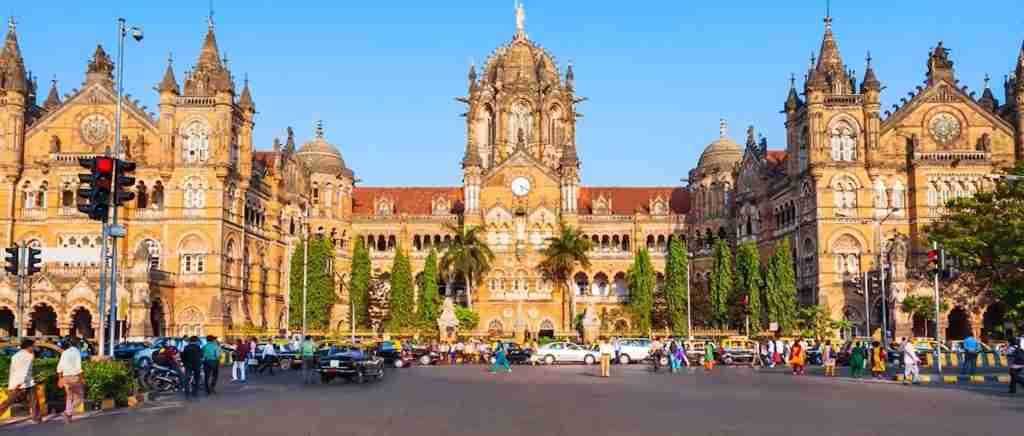
Chhatrapati Shivaji Maharaj Terminus exterior viewing costs nothing, with the UNESCO World Heritage railway station functioning as working transit hub. Photography of the Gothic Revival architecture requires no fees though interior station areas have photography restrictions. The Bandra-Worli Sea Link provides free views from both Bandra and Worli sides, with the cable-stayed bridge creating impressive photo opportunities.
Haji Ali Dargah allows free entry to the mosque and tomb complex accessible by causeway at low tide. The walk across the Arabian Sea to the island mosque provides unique experiences though modest dress requirements apply (head coverings for women, removed shoes for all visitors). Donation boxes accept voluntary contributions. Mahalaxmi Temple similarly permits free entry with voluntary donations.
Paid Attractions 2026
Elephanta Caves charges $7.20 (₹600) entry for foreign visitors, $0.48 (₹40) for Indian citizens (check official Archaeological Survey of India website for current rates). Children under 15 enter free. Additional costs include village entry fee $0.12 (₹10), videography permit $0.30 (₹25), and optional guide services $6-9.60 (₹500-800). The ferry from Gateway of India adds $2.36-3.12 (₹196-260) return to total costs, making complete Elephanta trip approximately $10.20-12 (₹847-996) per foreign visitor.
Chhatrapati Shivaji Maharaj Vastu Sangrahalaya (formerly Prince of Wales Museum) charges $10.80 (₹896) for foreign visitors, $0.60 (₹50) for Indians. The comprehensive collection spans art, archaeology, and natural history requiring 2-3 hours for thorough exploration. Audio guides cost additional $1.20 (₹100). The Dr. Bhau Daji Lad Museum charges $2.40 (₹200) for foreigners, $0.12 (₹10) for Indians, featuring Mumbai history and decorative arts.
Bollywood studio tours cost $30-60 (₹2,490-4,980) for group tours including transportation from South Mumbai, studio visits, and sometimes film set access or dance performances. These half-day experiences provide insights into India’s film industry though actual celebrity sightings remain rare. Book through established tour operators rather than street touts who may promise unauthorized access.
Sample Daily Budgets 2026
Budget Traveler Daily Costs
Morning breakfast with chai and bun-maska at local cafe $0.60, mid-morning vada pav snack $0.30, lunch thali at local restaurant $3.60, afternoon bhel puri at Chowpatty $0.60, dinner dosa and South Indian meal $4.80. Total daily food: $9.90 (excluding accommodation).
Transportation using local train day pass $0.60 covering unlimited travel to Elephanta ferry dock, attractions in South Mumbai, and return to hostel in Bandra. Total daily transport: $0.60.
Accommodation in Bandra hostel dormitory: $8 per night (shared dorm).
Activities visiting free attractions (Gateway of India, Marine Drive walk, Juhu Beach evening) with no entry fees. Total attraction costs: $0.
Daily total budget traveler: Hostel $8, food $9.90, transport $0.60. Total: $18.50 per person (excluding one-time Elephanta entry if visited). This ultra-budget approach suits backpackers willing to stay in dormitories, eat exclusively local food, use public transport, and focus on free attractions.
Mid-Range Traveler Daily Costs 2026
Morning breakfast at hotel (included in room rate), mid-morning coffee at cafe $3, lunch at mid-range restaurant $12, afternoon street snack sampling $2.40, dinner at good restaurant including beer $20. Total daily food: $37.40 (breakfast included in hotel).
Transportation using Uber/Ola for Gateway of India visit $4.80, ferry to Elephanta Caves $3.12 return, Uber from Elephanta dock to dinner restaurant $6. Total daily transport: $13.92.
Accommodation at mid-range hotel in Bandra: $60 per night double room (split between two people = $30 per person).
Activities including Elephanta Caves entry $7.20, museum visit $10.80. Total attraction costs: $18.
Daily total mid-range traveler: Accommodation $30, food $37.40, transport $13.92, attractions $18. Total: $99.32 per person. This represents comfortable travel with private hotel rooms, mix of restaurant and street food, convenient transportation, and paid attraction entries.
Luxury Traveler Daily Costs
Accommodation at Taj Mahal Palace: $400 per night double room ($200 per person). Hotel breakfast buffet $25, lunch at upscale restaurant $35, afternoon tea at hotel $20, dinner at fine dining restaurant including wine $80. Total daily food: $160.
Transportation via private car with driver for day: $80 including airport pickup, city touring, and flexible scheduling. Ferry to Elephanta $3.12 (luxury travelers still use public ferries as only option). Total daily transport: $83.12.
Activities including Elephanta Caves with private guide $90 (entry plus premium guide service), museum visit with private curator tour $60. Total attractions: $150.
Daily total luxury traveler: Accommodation $200, food $160, transport $83.12, attractions $150. Total: $593.12 per person. Luxury travel provides maximum comfort, personalized service, and exclusive experiences.
Money-Saving Strategies 2026
Accommodation Savings
Book hotels 2-3 months in advance for November-February 2026 travel to secure lower rates before last-minute demand increases prices 30-50%. Use booking platforms with free cancellation allowing price monitoring and rebooking if rates drop. Consider locations requiring short metro or local train rides to major attractions rather than paying premiums for walkable distances to tourist sites.
Split costs with travel companions by booking double or triple rooms at mid-range hotels rather than separate budget singles. A $60 double room split three ways ($20 per person with extra bed charge) often provides better value and comfort than $25 budget singles. Negotiate directly with hotels for stays exceeding 5-7 nights—many properties offer 10-15% discounts for extended bookings not advertised online.
Choose shoulder season travel (October or March 2026) capturing good weather with 10-20% lower accommodation costs than peak November-February period. Even within peak season, Sunday-Thursday nights cost 15-25% less than Friday-Saturday with identical hotels and locations. Plan Mumbai visits during weekdays if schedule flexibility exists.
Food Cost Reduction
Eat breakfast at local cafes rather than hotels. Hotel breakfast buffets cost $15-30 while equivalent food at neighborhood cafes runs $3-6. Breakfast typically provides the easiest meal for matching local dining patterns. Make lunch your main meal when restaurants offer lunch specials and thali deals providing better value than dinner menus at the same establishments.
Mix street food with restaurant meals rather than dining exclusively at sit-down restaurants. A day including street food breakfast ($1.20), thali lunch ($3.60), restaurant dinner ($12) totals $16.80 versus three restaurant meals costing $30-40. Street food safety improves dramatically at busy vendors with high turnover—watch where locals eat and follow their lead.
Avoid alcohol at restaurants where markups reach 200-300% above retail prices. A beer costing $0.80 at shops becomes $2.40-4.80 at restaurants. Purchase drinks at liquor shops and consume at accommodations if lodging permits, or simply enjoy Mumbai dining without alcohol, reducing meal costs by 30-50%.
Transportation Efficiency
Master the local train system saving 90% compared to taxi use. The initial confusion of navigating trains pays dividends across multi-day stays. Download Mumbai rail map apps, learn major station names along routes connecting your hotel and attractions, and travel during off-peak hours avoiding rush hour crowds. Women should use designated women’s compartments providing safer, less crowded experiences.
Walk whenever practical in concentrated areas like Colaba where Gateway of India, Taj Mahal Palace Hotel, Colaba Causeway shops, and Leopold Cafe sit within 10-15 minute walks. South Mumbai’s major attractions cluster walkably despite the city’s overall vast scale. Walking provides street-level insights into daily Mumbai life while saving transport costs.
Use ride-sharing apps (Uber, Ola) instead of metered taxis to avoid fare disputes and ensure transparent pricing. Apps also offer ride-splitting options reducing costs when multiple people travel to the same destination. Book rides during non-surge periods when possible—waiting 15-20 minutes often allows surge pricing to subside during evening rush hours.
Attraction and Activity Savings
Prioritize free attractions for 50-75% of sightseeing activities. Gateway of India, Marine Drive, Haji Ali Dargah, beaches, and exterior architecture viewing cost nothing while providing quintessential Mumbai experiences. Dedicate paid entrance fees to truly unmissable sites like Elephanta Caves where the UNESCO World Heritage status justifies costs.
Book Elephanta Caves ferry tickets and Bollywood tours directly with operators rather than through hotel concierges adding 20-40% commissions to published prices. Hotels provide convenient booking but charge for this service. Reputable tour companies like Reality Tours maintain transparent published pricing on their websites.
Visit museums on specific discount days when some institutions reduce or waive foreign visitor premiums. Confirm current policies as these change periodically. Student discounts apply at some attractions for those carrying valid student ID cards—reductions typically range 25-50% off standard foreign visitor rates.
Seasonal Pricing Variations 2026
Peak Season (November-February)
Peak season November through February 2026 commands highest prices across all categories. Pleasant temperatures averaging 25-28°C with minimal rainfall attract maximum tourism. Accommodation prices peak 30-50% above monsoon season rates with South Mumbai 3-star hotels charging $100-160 instead of $60-100. Book 2-3 months ahead to secure preferred hotels as properties fill completely during Christmas-New Year period.
Flight prices to Mumbai increase 25-40% above monsoon season, with December-January representing most expensive period. International flights from Europe and North America see particular price spikes during Western holiday seasons. Restaurant reservations become necessary for upscale establishments on Friday-Saturday evenings with walk-ins facing 45-60 minute waits at popular locations.
Tourist attractions experience maximum crowds during this period. Elephanta Caves ferries fill quickly with lines forming 30-45 minutes before departure times. Arrive at Gateway of India jetty early to board first 9 AM ferry avoiding mid-morning crowds. Museums and galleries see heaviest attendance requiring patience with exhibits and potential crowding in smaller galleries.
Shoulder Seasons (March-May, October)
March through May brings increasing heat with temperatures reaching 35-40°C making outdoor exploration less comfortable. However, accommodation prices drop 15-25% below peak season with better availability. May represents the least expensive time within these months as heat peaks just before monsoon arrival. October provides optimal value with pleasant post-monsoon weather and 10-20% discounts from November peak.
October 2026 particularly suits budget travelers seeking good weather without peak pricing. Temperatures moderate to 28-32°C after monsoon ends, humidity decreases, and most establishments maintain monsoon-season pricing rather than immediately raising rates for November peak. Book October travel in August-September to secure best rates before demand increases.
Flight prices during shoulder seasons run 10-20% below peak but 15-25% above monsoon rates. Restaurant availability improves with minimal wait times even at popular establishments. Attractions maintain manageable crowd levels allowing unhurried exploration and better photography opportunities without masses of other visitors in frame.
Monsoon Season (June-September)
Monsoon months offer lowest prices with accommodation dropping 30-50% below peak season. Many 3-star hotels reduce rates to $40-70 from $80-150 peak rates to maintain occupancy during slow tourism period. Luxury properties offer attractive packages combining accommodation with spa treatments or dining credits at 25-40% below high season pricing.
Flight prices decrease 20-40% below peak season with particularly good deals available in July-August when monsoon peaks. However, heavy rainfall creates practical challenges including ferry cancellations to Elephanta Caves, flooding in low-lying areas disrupting ground transportation, and high humidity making outdoor activities uncomfortable. Daily rainfall often exceeds 200mm during peak monsoon weeks.
Limited tourist crowds provide uncrowded attraction experiences for visitors willing to manage weather challenges. Museums, galleries, and indoor attractions operate normally while outdoor sites face periodic closures during heavy rainfall periods. The monsoon season suits travelers prioritizing low costs over optimal weather or those interested in experiencing Mumbai’s dramatic monsoon transformation.
Currency and Payment Methods 2026
Exchange Rates and Currency Access
Indian Rupees (INR) trade at approximately ₹83-90 per US Dollar in early 2026, with exchange rates fluctuating based on global economic conditions. Airport exchange counters typically offer rates 3-5% worse than market rates with additional service fees. Using ATMs after clearing airport customs provides better rates matching or approaching interbank exchange rates.
International ATM cards work at most Mumbai bank ATMs with foreign transaction fees varying by home bank. Withdrawal limits typically cap at ₹10,000-20,000 ($120-240) per transaction with most banks allowing 2-3 transactions daily. Transaction fees from Indian banks average ₹100-200 ($1.20-2.40) per withdrawal regardless of amount, making larger withdrawals more cost-effective than multiple small ones.
Credit and debit cards work at hotels, upscale restaurants, shopping malls, and established businesses. However, many local restaurants, street vendors, small shops, auto-rickshaws, and taxis accept cash only. Maintain adequate cash reserves for daily expenses—budget $30-50 cash daily for mid-range travel covering meals, transport, and incidental purchases. Exchange currency or withdraw cash before Sundays when many bank branches close.
Tipping Customs and Additional Costs
Tipping in Mumbai follows moderate expectations. Restaurant bills automatically include service charges (typically 10%) so additional tipping remains optional though 5-10% extra demonstrates appreciation for exceptional service. Hotel porters expect ₹50-100 ($0.60-1.20) per bag, hotel housekeeping ₹100-200 ($1.20-2.40) per day. Tour guides appreciate ₹500-1,000 ($6-12) for half-day tours, ₹1,000-2,000 ($12-24) for full-day experiences.
Taxi and auto-rickshaw drivers typically receive no tips for metered rides as fare covers service. However, rounding up bills to nearest ₹10-50 or providing ₹20-50 extra demonstrates appreciation for helpful service, dealing with traffic, or carrying luggage. Uber and Ola app settings allow optional in-app tipping after ride completion.
Frequently Asked Questions About Mumbai Budget 2026
How much money should I budget for a week in Mumbai in 2026?
A one-week Mumbai trip in 2026 requires $580-700 for budget travelers staying in hostels, eating street food and local restaurants, using public transport, and visiting primarily free attractions. Mid-range travelers budget $1,365-1,652 for the week with comfortable hotels, restaurant meals, convenient transportation, and paid attraction entries. Luxury travelers exceed $3,969 weekly for premium accommodation, fine dining, private transport, and exclusive experiences. These estimates assume double occupancy for accommodation costs; solo travelers pay 60-70% more for single supplements. Include additional $300-600 for round-trip international flights to Mumbai (prices vary widely by origin city and booking timing). Budget extra 10-15% as contingency for unexpected expenses, currency fluctuations, or spontaneous splurges on shopping or activities.
Can I use US dollars or euros directly in Mumbai?
Most Mumbai businesses require Indian Rupees for transactions with very limited exceptions. Five-star hotels and some upscale restaurants accept US dollars or euros but apply unfavorable exchange rates typically 5-10% worse than market rates. Attempting to use foreign currency at mid-range hotels, restaurants, shops, or for transportation typically results in refusal or highly disadvantageous exchange rates. Convert currency to rupees through ATM withdrawals, bank exchanges, or authorized money changers before attempting purchases. Some authorized foreign exchange dealers operate in Colaba and Fort areas near major hotels, providing better rates than airport exchanges. Carry sufficient rupee cash for daily expenses as card payment acceptance varies considerably, with many small businesses, street food vendors, and local transport requiring cash payment. Budget travelers should maintain ₹2,000-5,000 ($24-60) daily cash reserves; mid-range travelers ₹5,000-10,000 ($60-120).
What’s included in typical Mumbai hotel prices for 2026?
Mumbai hotel inclusions vary by category and property. Budget hotels ($20-40 per night) typically include only air conditioning, private bathroom, basic WiFi, and daily room cleaning with towels and linens changed every 2-3 days. Mid-range hotels ($40-150 per night) often include breakfast (continental or Indian buffet), 24-hour front desk, luggage storage, reliable WiFi, daily housekeeping, and sometimes airport shuttle services. Luxury properties ($300+ per night) bundle breakfast, airport transfers, welcome drinks, evening cocktail hours, fitness center access, swimming pool use, and premium amenities like luxury toiletries and evening turndown service. Always verify inclusions before booking as policies vary significantly even within the same price category. Some properties charge separately for breakfast adding $10-30 per person daily, WiFi access in rooms (though lobby WiFi typically remains free), safe deposit boxes, mini-bar items, and in-room entertainment. Request itemized rate breakdowns to understand total costs before finalizing reservations.
How much should I budget for shopping in Mumbai?
Shopping budgets depend entirely on interests and spending limits. Colaba Causeway street markets offer souvenirs, textiles, and handicrafts at budget-friendly prices with aggressive bargaining expected—allow $30-60 for typical tourist shopping including pashmina shawls ($10-25), silver jewelry ($15-40), handicraft items ($5-20), and textiles ($8-30). High-end shopping at Linking Road, Bandra boutiques, or Phoenix Palladium mall requires substantially higher budgets with designer clothing starting at $60-150, quality leather goods at $40-100, and premium accessories at $30-80. Crawford Market provides middle-ground options with fixed-price shops selling spices ($3-8 per 100g premium varieties), tea ($5-15 per 250g), dried fruits ($8-20 per kg), and traditional Indian clothing ($20-60). Budget conscious travelers limit shopping to small souvenirs and essential purchases, mid-range travelers allocate $100-300 for shopping during week-long stays, while luxury travelers may budget $500-2,000+ for designer purchases and high-quality artisan crafts. Negotiate prices at street markets and small shops but expect fixed pricing at malls and established boutiques.
Are there ATM fees for international cards in Mumbai?
International ATM withdrawals in Mumbai incur multiple fees. Indian banks typically charge ₹100-200 ($1.20-2.40) per transaction regardless of withdrawal amount, appearing as immediate deduction from dispensed cash. Home banks add international transaction fees (typically 1-3% of withdrawal amount) plus foreign exchange conversion spreads (usually 0.5-2% above interbank rates). Some banks waive international ATM fees for premium account holders or charge flat per-transaction fees ($3-5) instead of percentages. Total effective cost often reaches 4-8% when combining all fees and exchange rate spreads. Minimize costs by making fewer, larger withdrawals rather than multiple small ones—withdrawing maximum ₹20,000 ($240) once weekly versus daily ₹2,000 ($24) withdrawals saves significantly on per-transaction fees. Notify your bank before travel to prevent card blocks from unexpected foreign usage. Carry backup cards from different banks and payment networks (Visa, Mastercard) as ATM availability and network acceptance varies. Many banks reimburse certain numbers of international ATM fees monthly for premium accounts—check policies before travel.
How expensive is alcohol in Mumbai compared to food?
Alcohol prices in Mumbai significantly exceed food costs with markups varying dramatically by purchase location. Retail liquor shops sell beer at ₹60-150 ($0.72-1.80) per bottle, wine at ₹500-2,000+ ($6-24+) per bottle, and spirits at ₹800-3,000+ ($9.60-36+) per bottle. Restaurants and bars add 200-400% markups—the same ₹100 ($1.20) beer becomes ₹300-500 ($3.60-6) at mid-range restaurants, ₹600-1,000 ($7.20-12) at upscale establishments. Cocktails at bars cost ₹600-1,500 ($7.20-18) matching or exceeding full meal prices at the same venues. This disparity means a dinner with two beers costs ₹1,500 ($18) while the identical meal without alcohol runs ₹500 ($6). Maharashtra state taxes alcohol heavily and some areas restrict sales to specific hours or days. Mumbai prohibits alcohol sales on certain religious holidays and election days. Many hotels permit guests to consume personally purchased alcohol in rooms, allowing significant savings versus bar prices. Budget travelers typically skip alcohol entirely or purchase retail for hotel room consumption. The expense of restaurant alcohol represents one of the largest budget variables separating modest from expensive dining costs.
Do Mumbai prices differ much between neighborhoods?
Significant price variations exist across Mumbai neighborhoods. South Mumbai (Colaba, Fort, Nariman Point, Marine Drive) commands 30-60% premiums on accommodation, 15-25% higher restaurant prices, and modest transport cost increases versus suburban areas. These central locations provide walking access to major attractions justifying premiums for convenience-focused travelers. Bandra combines upscale dining and shopping with lower accommodation costs than South Mumbai—expect 15-30% savings on hotels with equivalent quality. Andheri, Juhu, and areas near the airport offer 30-50% accommodation discounts from South Mumbai though requiring metro rides or taxis to reach major attractions. Navi Mumbai and Thane provide maximum savings with accommodation 40-60% below South Mumbai rates, though these locations suit budget travelers willing to commute 60-90 minutes to tourist sites. Local restaurant and street food prices vary minimally across neighborhoods as these cater to residents rather than tourists—expect similar costs for thalis, street food, and casual dining citywide. Shopping prices remain relatively consistent with fixed-price modern retail chains charging standardized rates while traditional markets require similar bargaining across locations.
What hidden costs should I prepare for in Mumbai?
Several expenses catch unprepared visitors. Many mid-range hotels charge separately for breakfast adding $8-15 per person daily, WiFi in rooms (though lobby WiFi may be free), and safe deposit box usage. Restaurant bills include service charges (10-15%) plus government taxes (typically 18% GST) making final bills 28-33% above menu prices before adding optional tips. Some restaurants distinguish between AC (air-conditioned) and non-AC seating with different menus and 10-20% price premiums for AC areas. Tourist site photography fees range ₹25-100 ($0.30-1.20) for cameras at many attractions beyond basic entry fees. Baggage handling at railway stations or ferry terminals costs ₹50-100 ($0.60-1.20) per bag for porter service. Taxi drivers may refuse to use meters demanding flat fares typically 50-100% above metered costs—insist on meters or use Uber/Ola apps instead. Accommodation in peak season often requires 2-3 night minimum stays at premium rates with single-night bookings refused or charged 30-50% premiums. Budget extra ₹500-1,000 ($6-12) daily for these miscellaneous costs beyond accommodation, food, transport, and attraction budgets to avoid constant surprise expenses.
How much does it cost to hire a private guide in Mumbai for 2026?
Private guides in Mumbai charge ₹3,000-8,000 ($36-96) per day for English-speaking guides with rates varying by guide qualifications, specializations, and client group size. Half-day tours (4-5 hours) run ₹2,000-4,000 ($24-48) for basic city orientation covering Gateway of India, Chhatrapati Shivaji Terminus, and Marine Drive. Specialized guides focusing on architecture, Bollywood industry, or food tours command ₹5,000-10,000 ($60-120) daily due to expert knowledge requirements. Licensed government-approved guides charge at higher end of ranges but guarantee professional standards and accurate historical information. Hiring guides through reputable tour operators includes insurance coverage and backup guide availability if primary guide becomes unavailable. Private guides provide flexibility for customized itineraries, slower pacing for photography, and detailed explanations matching visitor interests. Groups sharing guide costs reduce per-person expenses—a ₹6,000 ($72) day guide split among four people costs only ₹1,500 ($18) per person. Tips of ₹500-1,000 ($6-12) for half-day or ₹1,000-2,000 ($12-24) for full-day guide services demonstrate appreciation for quality service. Book guides advance through established operators rather than accepting services from touts at attractions who lack credentials and provide questionable information quality.
What’s a realistic budget for a luxury Mumbai experience in 2026?
Luxury Mumbai travel in 2026 requires minimum $500-600 per person daily including 5-star accommodation ($300-450 for superior rooms at properties like Taj Mahal Palace, Four Seasons, or Oberoi), premium dining ($150-200 for three meals at hotel restaurants and upscale establishments with wine or cocktails), private car service with driver ($80-120 for full-day availability including airport transfers), and premium tours with expert guides ($100-200 for specialized experiences). Week-long luxury stays cost $3,500-4,200 per person before international flights. This baseline luxury budget provides excellent accommodation, high-quality dining, and comfortable transport without reaching ultra-luxury territory. Travelers seeking ultra-luxury experiences including Taj Mahal Palace suites ($1,000-3,000+ nightly), Michelin-quality dining at every meal ($250-400 daily), private helicopter transfers, yacht charters, or exclusive event access easily exceed $1,000-2,000+ per person daily. Shopping at designer boutiques, spa treatments ($150-400 per treatment), and premium nightlife add substantial costs beyond baseline luxury budgets. Luxury travelers typically book comprehensive packages through specialized travel operators bundling accommodation, transfers, tours, and dining experiences at negotiated rates providing 15-25% savings versus booking components separately. The Mumbai luxury experience emphasizes service quality, heritage properties, and exclusivity rather than purely expensive modern luxury typical of newer Asian cities.