Denmark Best Tours & Walking Routes 2026: UNESCO Heritage & Cultural Experiences
Denmark combines spectacular landscapes, rich Viking heritage, and world-class cities with some of Europe’s most rewarding walking routes and guided tours. From Copenhagen’s cobblestone streets to the dramatic chalk cliffs of Møns Klint, organized tours and marked trails help you discover this compact Scandinavian nation efficiently while experiencing Danish hygge at your own pace.
Key Takeaways
- Comprehensive tour options: Copenhagen offers walking tours from €220 for private groups, canal tours, and UNESCO site excursions to Kronborg Castle and Roskilde Cathedral, all accessible with the Copenhagen Card
- Legendary walking trails: Explore Denmark’s 500-kilometer Hærvejen pilgrim route, the 220-kilometer Archipelago Trail through South Funen, and the 175-kilometer Camønoen across Møn, Nyord, and Bogø islands
- Copenhagen Card value: 24-120 hour cards (€54-133) grant unlimited public transport plus free admission to 80+ attractions including Tivoli Gardens, Rosenborg Castle, and Kronborg Castle
- National park discoveries: Certified trails wind through Mols Bjerge National Park (80 kilometers), Thy National Park, and Kongernes Nordsjælland with routes suitable for all fitness levels
- Coastal adventures: The Gendarme Path follows 74 kilometers of Danish-German border history, while Bornholm’s coastal trail circles the entire “Rock Island” through dramatic landscapes
- 2026 accessibility: Well-marked routes, excellent public transport connections, and digital trail apps make independent exploration and organized tours equally convenient throughout Denmark
People Also Ask About Denmark Tours & Walking Routes 2026
What are the best organized tours in Denmark for 2026?
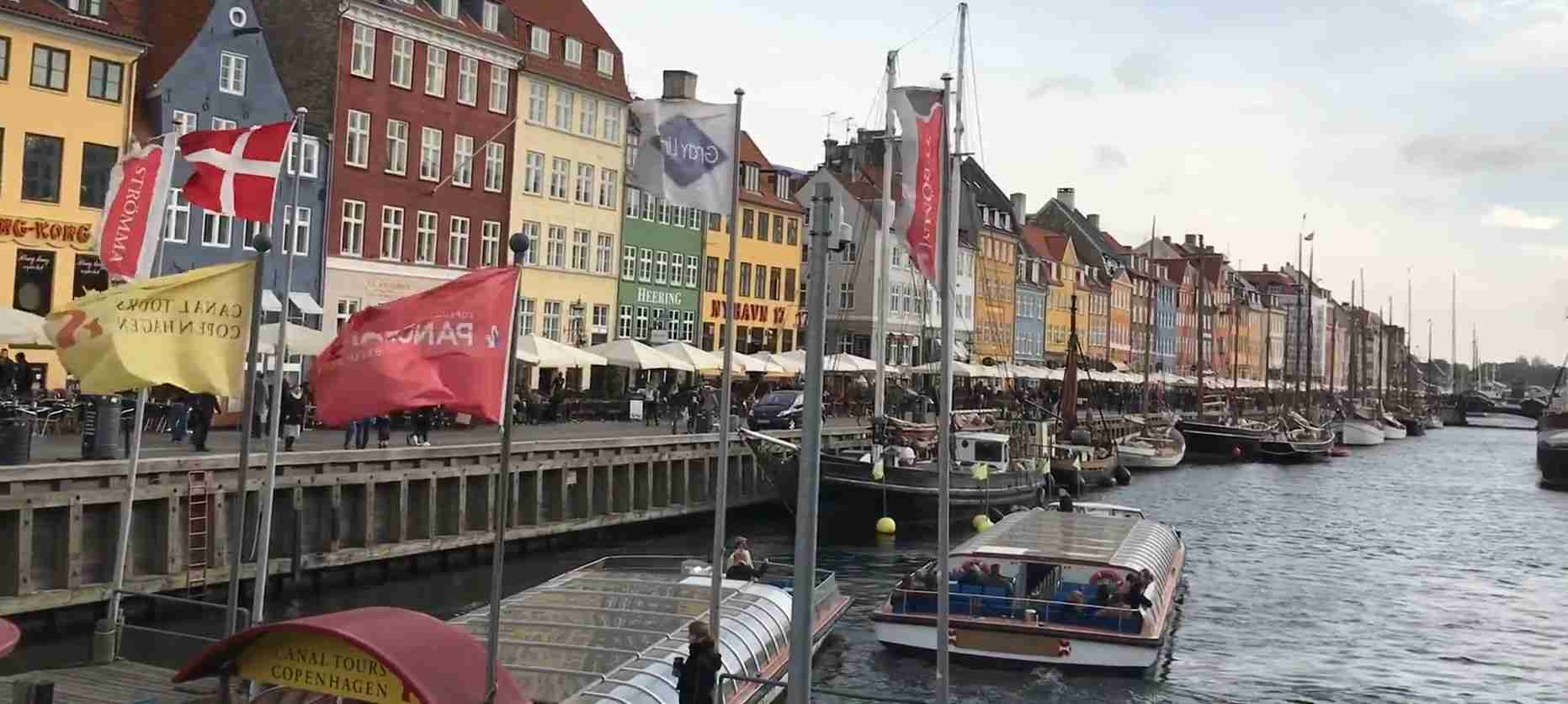
Copenhagen leads Denmark’s organized tour offerings in 2026 with diverse options spanning city explorations, UNESCO heritage excursions, and culinary experiences. Walking tours through Copenhagen’s historic center start from €220 for private groups, covering iconic neighborhoods from Nyhavn’s colorful facades to Amalienborg Palace with expert local guides. Canal tours depart regularly from multiple points, providing waterfront perspectives of the city’s architecture. Day trips to UNESCO sites like Kronborg Castle (Hamlet’s castle) and Roskilde Cathedral include transportation and admission, often packaged with multi-attraction passes. Food tours showcase New Nordic cuisine pioneered by restaurants like Noma, while bicycle tours explore Copenhagen’s bike-friendly infrastructure. Tour operators like Nordic Insite, Stromma, and GetYourGuide offer year-round departures with multilingual guides. Most tours can be booked through the Copenhagen Card app or directly through provider websites.
How difficult are Denmark’s long-distance walking trails in 2026?
Denmark’s walking trails range from beginner-friendly coastal paths to moderate multi-day treks, with terrain characterized by gentle rolling hills rather than steep mountains. Camønoen (175 kilometers) ranks as Denmark’s most accessible long-distance route, spanning Møn, Nyord, and Bogø with well-marked paths and convenient village stops for overnight stays. The Hærvejen (500 kilometers) offers both Eastern and Western routes through central Jutland, with sections suitable for day hikes or extended journeys following ancient trade paths. Mols Bjerge National Park features certified trails with 80 kilometers divided into four stages of approximately 20 kilometers each, traversing Denmark’s “mountains” (hills reaching 150 meters). The Archipelago Trail (Øhavsstien) covers 220 kilometers through South Funen’s island landscapes in seven sections. Most trails provide well-maintained paths, digital trail apps, and proximity to public transport, making them manageable for hikers with moderate fitness levels. Infrastructure includes marked routes, rest areas, and accommodation options along major trails.
What does the Copenhagen Card include for tours and attractions in 2026?
The Copenhagen Card 2026 provides comprehensive access to 80+ attractions and unlimited public transportation throughout the capital region. Major inclusions span Tivoli Gardens entrance (rides additional), Rosenborg Castle with Crown Jewels, Amalienborg Palace, canal tours through historic waterways, Christiansborg Royal Reception Rooms, and the National Museum. Regional attractions include Kronborg Castle in Helsingør with train transport, Frederiksborg Castle, Roskilde Cathedral, and the Viking Ship Museum in Roskilde. Natural sites like ARKEN Museum of Modern Art, Copenhagen Zoo, and the Design Museum Denmark are covered. Cards are available in 24-hour (€54), 48-hour (€84), 72-hour (€104), 96-hour (€124), and 120-hour (€133) durations for adults, with reduced children’s rates. Each adult card permits two children ages 3-11 to enter attractions free. The card operates through a digital app, with unlimited rides on metro, buses, harbor buses, and trains throughout zones 1-99, including airport connections. One visit per attraction is permitted regardless of card duration.
Which Danish walking routes offer the best coastal scenery in 2026?
Denmark’s coastal walking routes showcase dramatic cliffs, sandy beaches, and island seascapes along 7,300 kilometers of coastline. Bornholm’s coastal trail circles the entire “Rock Island” with 72 kilometers passing through picturesque towns and undisturbed nature, revealing why Bornholm earned its nickname through exposed granite formations and coastal cliffs. The Gendarme Path (Gendarmstien) follows 74 kilometers from Padborg at the Danish-German border to Høruphav on Als, tracing historic border patrol routes along steep slopes and Flensburg Fjord beaches. Møns Klint, Denmark’s newest UNESCO site (2025), features trails along 120-meter chalk cliffs overlooking the Baltic Sea with fossil hunting and viewing platforms. The North Sea Trail along North Jutland’s western coast combines wide sandy beaches, migrating dunes, and dramatic wave action where the North Sea and Baltic collide at Denmark’s northern tip. Sjællandsleden creates a coastal network around Zealand with sub-routes like Camønoen (110 miles) and Lagunastien (52 miles) passing through fishing villages and seaports. These routes offer well-marked paths, rest facilities, and accommodation options in coastal towns.
Extended multi-day tours – 5+ days
Featured Denmark Multi-Day Tour Packages
5 days
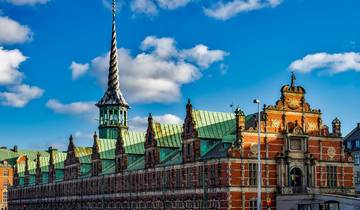
5 Day Copenhagen, Denmark Adventure
- ✓ Comprehensive Denmark tour
- ✓ Expert local guides included
- ✓ All accommodation arranged
- ✓ Transportation provided
7 days
7 Day Stockholm And Copenhagen By Train
- ✓ Comprehensive Denmark tour
- ✓ Expert local guides included
- ✓ All accommodation arranged
- ✓ Transportation provided

5 days
5 Days in Copenhagen_ Nordic Wonders, Coastal Cliffs & Scandinavian Charm
- ✓ Comprehensive Denmark tour
- ✓ Expert local guides included
- ✓ All accommodation arranged
- ✓ Transportation provided
2 days
Explore Berlin to Copenhagen (2 destinations)
- ✓ Comprehensive Denmark tour
- ✓ Expert local guides included
- ✓ All accommodation arranged
- ✓ Transportation provided
Multi-day tour packages powered by TourRadar. Prices and availability subject to change.
Understanding Denmark’s Tour & Trail System 2026
Tour Categories and Booking Options 2026
Denmark’s organized tour market segments into city experiences, regional excursions, active adventures, and specialized interest tours. Copenhagen dominates urban tour offerings with walking tours, canal cruises, bicycle tours, and food experiences operating year-round with departures from central meeting points. Regional tours focus on Denmark’s 12 UNESCO World Heritage Sites, Viking heritage locations, and Hans Christian Andersen’s Odense birthplace. Multi-day tours combine Copenhagen stays with countryside exploration, often including Legoland Billund, Aarhus’s cultural quarter, and North Zealand’s castle route. Active tours emphasize cycling through Denmark’s flat terrain, kayaking along waterways, and seasonal experiences like Christmas markets or midsummer celebrations.
Booking channels span direct operator websites, aggregator platforms like GetYourGuide and Viator, the Copenhagen Card app, and tourist information centers at Copenhagen Central Station. Private tours accommodate 2-15 people with customizable itineraries and English-speaking guides starting from €220 per group. Group tours operate with 15-30 participants at lower per-person rates, particularly during peak season (May-August). Many tours now integrate digital elements including app-based audio guides, GPS tracking, and virtual reality enhancements at heritage sites.
Walking Route Classification and Standards 2026
Denmark’s walking routes follow the Danish Nature Agency’s classification system with certified trails meeting European standards. Premium routes like sections of Hærvejen and the Gendarme Path earned certifications from the German Hiking Institute, indicating superior marking, maintenance, and infrastructure. Family trails around locations like Almindsø Lake receive special certification suitable for children and strollers. Digital trail apps provide GPS navigation, offline maps, and real-time updates on conditions.
Trail marking utilizes color-coded systems with blue for coastal routes, red for forest trails, and yellow for cross-country paths. Distance markers appear at regular intervals with estimated hiking times based on average pace. Rest facilities including shelters, campfire sites, and water points are marked on trail maps. Emergency contact information and nearest access points for medical assistance are clearly posted at trailheads and major junctions.
Copenhagen City Tours 2026
Walking Tours and Historic Center Exploration
Copenhagen’s walking tours navigate the compact historic center (Indre By) from Town Hall Square to Nyhavn harbor, covering iconic landmarks within 2-3 hours. Classic routes visit Hans Christian Andersen’s former residence at Nyhavn No. 20, the Little Mermaid statue at Langelinie promenade, Amalienborg Palace for the changing of the guard, and Strøget’s pedestrian shopping district. Two-hour tours cost approximately €25-35 per person for group tours, while private tours start from €220 for up to 10 participants.
Specialized walking tours explore Copenhagen’s design heritage, New Nordic food scene, or Viking history with visits to the National Museum’s Viking artifacts. Evening tours incorporate Copenhagen’s craft beer scene or harbor-side dining experiences. Free walking tours operate on a tip-based model, departing daily from central meeting points with 2-3 hour itineraries covering major landmarks. All tours include English commentary with many offering additional languages including German, French, and Spanish.
Canal and Harbor Tours
Canal tours depart from Nyhavn and Ved Stranden with 60-minute classic routes passing the Royal Library (Black Diamond), Christianshavn canals, Opera House, and waterfront architecture. Standard canal tours cost DKK 90-110 (€12-15) per adult, with departures every 30-60 minutes during summer months. Grand Canal tours extend to 90 minutes, incorporating additional waterways and architectural commentary at approximately DKK 130-150 (€17-20).
Harbor bus routes function as both transportation and sightseeing, running from Teglholm south to Refshaleøen north with stops at major attractions. These boats accept standard public transport tickets and Copenhagen Cards, making them the most economical sightseeing option at DKK 19-24 per journey. Evening canal tours add dinner service or drinks, operating during summer with departures at sunset. Private canal boat rentals through services like GoBoat allow self-guided exploration with electric boats accommodating 2-8 people for hourly or daily rentals.
Cycling Tours Through Copenhagen
Bicycle tours capitalize on Copenhagen’s bike-friendly infrastructure with guided routes through neighborhoods, parks, and waterfront areas. Three-hour tours cost DKK 300-400 (€40-55) per person including bicycle rental, helmet, and guide. Routes typically cover 12-15 kilometers at relaxed pace, stopping at Rosenborg Castle gardens, Kastellet fortress, Christiania free town, and local markets. Food-focused cycling tours combine pedaling with tastings at traditional smokehouses, bakeries, and contemporary restaurants.
Self-guided cycling using rental bikes (DKK 100-150 daily) or the city’s bike-share program provides flexibility for independent exploration. Copenhagen’s extensive cycle superhighways and dedicated bike lanes connect all major attractions safely. Many hotels offer discounted bike rental at DKK 50-80 daily when forgoing room service. Cycling tours operate year-round with winter departures requiring advance booking and weather-appropriate clothing.
UNESCO Site Day Tours 2026
Kronborg Castle and Helsingør Excursion
Kronborg Castle excursions combine train travel and admission to Shakespeare’s Hamlet setting in Helsingør, 45 kilometers north of Copenhagen. Direct trains from Copenhagen Central Station reach Helsingør in 45 minutes at DKK 88 (€12) roundtrip for 3-zone tickets. The Copenhagen Card covers both train fare and castle admission (standard entry DKK 165/€22), making day trips economical for card holders.
Guided tours of Kronborg explore the Renaissance castle’s ballroom, royal apartments, and underground casemates where the legendary Holger Danske statue sleeps. English-language tours operate hourly during peak season, included with admission. The castle hosts live Hamlet performances during summer months in the courtyard, with separate ticketing through the castle website. Helsingør town offers additional attractions including the Maritime Museum of Denmark and Louisiana Museum of Modern Art, both accessible by local bus from the train station. Allow 4-5 hours for a complete Kronborg and Helsingør visit including travel time.
Roskilde Cathedral and Viking Ship Museum
Roskilde day trips span Denmark’s former capital 35 kilometers west of Copenhagen, combining the UNESCO-listed Gothic cathedral with the Viking Ship Museum. Direct trains from Copenhagen reach Roskilde in 25 minutes at DKK 72 (€10) roundtrip. The Copenhagen Card covers train travel plus admission to both cathedral (DKK 75/€10) and Viking Ship Museum (DKK 180/€24), representing significant savings.
Roskilde Cathedral houses 40 Danish monarchs in elaborate chapels spanning 800 years of architectural evolution. Free guided tours in English depart twice daily during summer, explaining the cathedral’s royal burial traditions and Gothic brick construction. The Viking Ship Museum displays five original Viking vessels recovered from Roskilde Fjord, with indoor exhibits explaining Norse shipbuilding and seafaring. Summer activities include opportunities to row reconstructed Viking ships and watch boat builders demonstrate traditional techniques. Combined visits require 5-6 hours including travel, with both attractions within walking distance of Roskilde station.
Frederiksborg Castle in Hillerød
Frederiksborg Castle represents Scandinavia’s grandest Renaissance palace, located in Hillerød 40 kilometers north of Copenhagen. S-train Line E reaches Hillerød in 40 minutes from Copenhagen Central Station, with the castle 15 minutes’ walk from the station through picturesque town center. Admission costs DKK 90 (€12) for adults, covered by the Copenhagen Card along with train travel.
The Museum of National History occupies the castle’s 60+ rooms, displaying Danish art, furniture, and portraits from 500 years of history. The Great Hall features massive tapestries created by female entrepreneurs in the early 1900s, with a special exhibition running March-September 2026 titled “Gobelins – The Tapestries of Frederiksborg.” Castle gardens around the baroque lake offer walking paths and seasonal flower displays. English audio guides (DKK 40) provide detailed room-by-room commentary. Allow 3-4 hours for castle visit and gardens, extending to 5-6 hours with round-trip travel from Copenhagen.
Major Walking Routes 2026
Hærvejen: Denmark’s Ancient Road
Hærvejen (The Army Road) stretches 500 kilometers through central Jutland, following a 4,000-year-old route used by traders, armies, and pilgrims. The trail offers Eastern and Western route variants, both traversing preserved heathland, forests, and agricultural landscapes from the German border to Viborg. The route is divided into manageable 15-25 kilometer stages with accommodation options in towns and villages along the way.
The trail features characteristic stone bridges, historic fortifications, and medieval churches dating to the route’s religious significance as Denmark’s Camino. Hikers can complete the full route in 3-4 weeks at moderate pace, or select individual stages for day hikes or weekend excursions. The Western Route passes closer to the North Sea coast through Thy National Park and the Wadden Sea region, while the Eastern Route includes the Lake District around Silkeborg with Denmark’s “Sky Mountain” (Himmelbjerget) reaching 147 meters.
Trail infrastructure includes marked paths with blue signage, digital trail apps providing offline GPS navigation, and shelters spaced at regular intervals. Public transport connections from major towns enable flexible stage planning. Bike-friendly sections accommodate cycling enthusiasts seeking multi-day touring. Spring (April-May) and autumn (September-October) offer optimal hiking conditions with moderate temperatures and fewer crowds than summer months.
Camønoen Trail Through Møn
Camønoen covers 175 kilometers across the islands of Møn, Nyord, and Bogø, earning recognition as Denmark’s most beginner-friendly long-distance trail. The route begins at Møns Museum and circles through varied landscapes including Denmark’s newest UNESCO site, Møns Klint chalk cliffs rising 120 meters above the Baltic Sea. Well-marked paths pass through beech forests, agricultural lands, and coastal areas with frequent villages offering accommodation and dining.
The trail divides into 7-10 day stages of 15-25 kilometers each, allowing hikers to customize itineraries based on fitness and available time. Highlights include Møns Klint’s dramatic white cliffs with fossil hunting opportunities, GeoCenter Møns Klint museum explaining the geological significance, Nyord island’s bird sanctuary, and traditional fishing villages preserving 18th-19th century architecture. Digital trail guides and paper maps identify rest points, water sources, and emergency contacts.
Accommodation options span hotels, bed-and-breakfasts, and camping facilities at 10-15 kilometer intervals. Local buses provide connections between trailheads and Copenhagen (2 hours via bus/train combination), enabling weekend excursions on selected sections. The Dark Sky Park status around Møns Klint offers exceptional stargazing during clear evenings. Optimal hiking season runs May-September with longest daylight hours and warmest temperatures.
The Archipelago Trail (Øhavsstien)
Øhavsstien winds 220 kilometers through South Funen’s archipelago, connecting mainland Denmark with smaller islands via bridges and ferry crossings. The trail divides into seven distinct sections, each showcasing different aspects of the region’s maritime heritage, agricultural traditions, and coastal ecosystems. Hikers traverse salt marshes, limestone coasts, agricultural plains, and charming towns preserving traditional Danish architecture.
Bird habitats throughout the archipelago attract ornithologists during spring and autumn migrations. Each trail section features unique attractions including historic churches, manor houses, and local museums explaining island culture. The Fjällräven Classic Denmark trekking event passes through portions of Øhavsstien during late June, creating a festive atmosphere with fellow hikers.
Trail guides available as Det Sydfynske Øhav provide detailed section descriptions, accommodation listings, and cultural points of interest. Ferry schedules coordinate with trail access points, though some ferries operate seasonally (May-September). The slower pace encouraged by the trail’s diverse landscapes rewards photographers and nature enthusiasts. Accommodation options include island hotels, farmstays, and coastal camping sites. Public bus connections from Svendborg provide access to trailheads, with rental bicycles available for sections suitable for cycling.
Mols Bjerge National Park Trail
The Mols Bjerge Trail traverses 80 kilometers through Denmark’s national park, divided into four stages of approximately 20 kilometers each. The certified trail passes through diverse terrain including Denmark’s highest hills (Agri Bavnehøj at 137 meters), ancient oak forests, grasslands, and coastal beaches along Aarhus Bay. Trail infrastructure meets premium standards with clear marking, maintained paths, and regular rest facilities.
Historical sites along the route include Kalø Castle ruins, Bronze Age burial mounds, and traditional farmsteads demonstrating Denmark’s agricultural heritage. The park’s hilly landscape creates scenic viewpoints across lakes and forests, particularly from Trehøje Plantage’s glacial formations. Spring wildflowers (April-June) and autumn colors (September-October) enhance the natural beauty.
Starting points include parking near Knebel village, accessible by public bus from Aarhus (Denmark’s second city). Digital trail apps provide GPS tracking and offline maps. Accommodation options span Ebeltoft’s seaside hotels, farmstays within the park, and camping facilities at designated sites. The trail’s manageable daily distances suit families with older children and hikers seeking moderate challenges. Side trails and shorter loops enable customization for varying fitness levels and time constraints.
Coastal and Regional Routes 2026
Gendarme Path Border Trail
The Gendarme Path (Gendarmstien) follows 74 kilometers from Padborg at the Danish-German border to Høruphav on Als island, tracing routes walked by border guards (gendarmes) during historical frontier patrols. The trail showcases diverse landscapes including steep slopes, mystical forests, and beaches along Flensburg Fjord, with numbered boundary stones marking the historic border.
Recent designation as Denmark’s first European Quality Trail recognizes the route’s infrastructure, marking quality, and cultural significance. Sections traverse nature reserves, coastal areas, and agricultural lands with panoramic viewpoints across the fjord. Historical markers explain the region’s role in Danish-German relations and the border’s evolution through various treaties and conflicts.
Trail access points connect to regional trains and buses from Flensburg (Germany) and Sønderborg (Denmark). The route is divided into 4-5 day stages with accommodation in border towns preserving both Danish and German cultural influences. Spring and summer months (April-August) offer optimal conditions with blooming coastal vegetation and long daylight hours. The trail’s moderate difficulty suits experienced day hikers and multi-day trekkers seeking historical context alongside natural beauty.
Bornholm Coastal Circuit
Bornholm’s coastal trail circles the entire island with 72 kilometers passing through Denmark’s “Rock Island” landscapes. The route begins and ends in Rønne, the island’s main town and ferry port, with paths alternating between dramatic granite cliffs, sandy beaches, and forest sections. Charming coastal villages like Gudhjem, Svaneke, and Sandvig provide overnight stops, rest facilities, and dining featuring Bornholm’s renowned seafood and local specialties.
The island’s unique geology creates diverse coastal formations from rounded rocks on the eastern shore (created by glacial action) to steep western cliffs. Side trails lead to Hammershus fortress ruins (Northern Europe’s largest medieval fortress), Dueodde’s fine sand beaches, and the island’s four distinctive round churches. Bornholm’s designation as Denmark’s sunniest region creates favorable hiking conditions with more annual sunshine hours than mainland Denmark.
Ferry connections from Copenhagen (Køge) reach Rønne in 6 hours, while fast ferries from Ystad, Sweden complete the crossing in 80 minutes. Island buses connect all coastal towns, enabling flexible stage planning or section hiking. Accommodation spans hotels, holiday homes, and camping facilities throughout the island. The complete circuit requires 4-5 days at moderate pace, though many hikers divide the route into shorter weekend excursions. Optimal seasons include late spring (May-June) and early autumn (August-September) when weather remains pleasant without peak summer crowds.
Sjællandsleden Coastal Network
Sjællandsleden creates an extensive network of interconnected trails around Zealand, Denmark’s largest island. The main route circles the entire island coastline with numerous sub-routes including Camønoen (175 kilometers on Møn) and Lagunastien (84 kilometers along Zealand’s southern coast). The network provides access to dramatic landscapes including Stevns Klint UNESCO site marking the asteroid impact that ended the dinosaur era, multiple fjords, and preserved fishing villages.
Trail segments pass Copenhagen’s outskirts, enabling combination of urban sightseeing with coastal hiking. The network’s design allows flexible itinerary planning from day hikes to multi-week journeys, with trail intersections marked and alternative routes clearly signed. Digital trail guides provide segment descriptions, elevation profiles, and points of interest.
Public transport connections throughout Zealand enable access to any trail section via Copenhagen’s regional train network. Accommodation density along populated coastal areas ensures overnight options every 15-25 kilometers. The trail network showcases Zealand’s diversity from UNESCO heritage sites to traditional agriculture, royal castles to fishing harbors. Spring wildflowers, summer beach access, and autumn forest colors provide year-round appeal for different hiking preferences.
National Park and Nature Routes 2026
Thy National Park Trails
Thy National Park in northwestern Jutland features 160 certified hiking trails showcasing Denmark’s largest wilderness area. Routes traverse coastal dunes, heathlands, forests, and wetlands with trails ranging from 2-kilometer nature loops to 20-kilometer day hikes. The park’s North Sea coast creates dramatic landscapes where wind-sculpted dunes meet wide sandy beaches stretching for kilometers.
The Coastal Path follows the North Sea shoreline with opportunities to observe seal colonies, migrating birds, and the dramatic interaction between land and sea. Forest trails wind through plantations and natural oak stands with marked routes suitable for families. The park’s Cold War heritage includes bunkers and observation posts from Denmark’s coastal defense system, now integrated into hiking routes with interpretive signs.
Trail infrastructure includes well-maintained paths, marked routes using the national color-coding system, and regular rest facilities with shelters and campfire sites. Digital trail apps provide GPS navigation and offline maps covering all park routes. The park’s remote location reduces crowds even during peak summer months, offering solitude uncommon in Denmark’s more accessible regions. Accommodation options include the town of Thisted with hotels and services, plus camping facilities at multiple locations within park boundaries.
Kongernes Nordsjælland National Park
Kongernes Nordsjælland (Kings’ North Zealand) National Park encompasses 142 hiking trails through former royal hunting grounds northwest of Copenhagen. The park’s UNESCO-listed Par Force hunting landscape preserves baroque landscape design from the 1670s when King Christian V created geometric forest road systems for royal hunts. Trails traverse three main forest areas: Store Dyrehave, Gribskov, and Jægersborg Dyrehave.
Routes range from easy forest paths suitable for families to longer circuits connecting multiple forest sections. The park supports Denmark’s largest wild deer population, best observed during autumn rutting season (September-October). Spring flowers (April-May) carpet forest floors while summer provides cool shade under ancient oak canopies. The park’s proximity to Copenhagen (30 minutes by S-train) makes it ideal for day hikes and afternoon excursions.
Historical elements include royal hunting lodges, baroque star-pattern road junctions, and boundary markers from the hunting landscape’s creation. Fredensborg Palace on the park’s southern edge offers gardens and lakeside walks. Public transport accesses multiple trailheads via S-train stations at Hillerød, Fredensborg, and Nærum. Digital trail guides detail individual routes with historical context about the hunting landscape’s unique character. Accommodation in surrounding towns enables multi-day exploration with different trail sections.
Wadden Sea National Park Coastal Trails
Denmark’s Wadden Sea National Park forms part of the UNESCO-listed trilateral site extending through Denmark, Germany, and Netherlands. Coastal trails explore the world’s largest tidal flat system where twice-daily tides create unique ecosystems supporting millions of migratory birds. Guided walks onto the mudflats during low tide reveal marine life and geological processes, while independent coastal paths offer birdwatching opportunities year-round.
The Wadden Sea Trail follows Denmark’s west coast from Blåvandshuk to the German border, passing through the national park’s 500-kilometer Danish section. Routes combine dike-top walking with beach sections and visits to traditional fishing villages. Spring and autumn migrations (April-May, August-October) create spectacular birdwatching as millions of birds use the Wadden Sea as stopover habitat between Arctic breeding grounds and African wintering areas.
Seal colonies inhabit sandbanks visible during low tide, with boat tours from Esbjerg and other coastal towns providing close observation opportunities. The region’s unique culture includes oyster safaris, where guides demonstrate harvesting wild oysters during low tide for immediate tasting. Trail infrastructure balances nature protection with access, using designated paths and viewing platforms to minimize environmental impact. Accommodation in coastal towns like Ribe (Denmark’s oldest town) and Esbjerg provides bases for exploring different park sections.
Planning Your Denmark Tours & Trails 2026
Seasonal Considerations and Best Times
Denmark’s tour and hiking seasons span distinct periods with different advantages. Summer (June-August) offers longest daylight hours (17-18 hours), warmest temperatures (18-22°C), and full operation of seasonal services including ferries, extended tour schedules, and open accommodation. However, summer brings peak pricing and maximum crowds at popular attractions. Coastal areas experience pleasant sea breezes while inland forests provide shade during warmer days.
Spring (April-May) and autumn (September-October) create optimal conditions for both tours and hiking. Moderate temperatures (12-18°C), blooming wildflowers or autumn colors, reduced crowds, and lower accommodation rates make shoulder seasons attractive. Tour operations continue with slightly reduced schedules while trails remain in excellent condition. Spring bird migrations peak April-May in coastal areas, while autumn brings rutting season for deer in forest parks.
Winter (November-March) limits some tour options and trail access but offers unique experiences. Copenhagen’s Christmas markets (mid-November through December), winter canal tours, and museum visits continue year-round. Some hiking trails remain accessible, particularly coastal routes and urban nature parks, though daylight hours shorten significantly (7-8 hours December-January). Winter storms can close coastal paths temporarily, while forest trails may become muddy. Indoor attractions, hygge-focused experiences, and cultural tours replace outdoor activities during coldest months.
Transportation and Access 2026
Copenhagen Airport serves as Denmark’s primary international gateway, located 8 kilometers from city center with Metro and train connections reaching central Copenhagen in 15 minutes (DKK 36 for 3-zone tickets). The airport provides access to domestic flights serving Aalborg, Aarhus, and Bornholm for travelers exploring beyond Zealand. Regional trains from Copenhagen Central Station reach all major towns and trail access points throughout Denmark’s compact territory.
Public transport integration enables seamless connections between tours and trail access. Copenhagen’s Metro, S-train network, regional trains, buses, and harbor buses accept unified ticketing through the Rejsebillet app or Copenhagen Card. City Pass options (Small covering zones 1-4 at DKK 100-340 for 24-120 hours, Large covering zones 1-99 at DKK 200-680) provide unlimited travel including airport connections. The Copenhagen Card combines transport with attraction admission, offering best value for visitors touring multiple sites.
Rental cars provide flexibility for remote trails and multi-site itineraries, though unnecessary for Copenhagen-based tours and major trail access. Denmark’s compact size means most destinations lie within 2-3 hours’ drive from Copenhagen. Bicycle rental in Copenhagen (DKK 100-150 daily) or bike-share programs enable independent urban exploration complementing organized tours. Long-distance trails like Hærvejen and coastal routes often have parallel cycling paths for those preferring two wheels.
Accommodation Strategies Along Trails
Denmark’s accommodation network supports both tour-based stays and trail-focused lodging. Copenhagen offers options from budget hostels (DKK 200-300 per bed in dorms) to mid-range hotels (DKK 800-1,200 per night) and luxury properties (DKK 1,500-2,500). The Wakeup Copenhagen hotel chain provides affordable, centrally-located bases (DKK 600-900) ideal for tour participants. Booking 2-3 months ahead secures better rates and availability during peak summer months.
Trail accommodation varies by route and region. Popular trails like Camønoen and Mols Bjerge feature hotels, bed-and-breakfasts, and farmstays at 15-25 kilometer intervals, suitable for daily stage hiking without camping gear. Denmark’s Shelter system provides free overnight structures (three-sided wooden shelters with raised platforms) along major trails, though advance booking through Naturstyrelsen (Danish Nature Agency) is required during peak season. Wild camping is restricted in Denmark, permitted only in designated areas or with landowner permission.
Camping facilities offer full-service options with showers, kitchens, and laundry at DKK 100-200 per tent site. Many campsites rent simple cabins (DKK 400-700 nightly) providing shelter without requiring camping equipment. Danhostel, Denmark’s national hostel network, operates facilities near most major trails and all UNESCO sites, offering budget accommodation (DKK 250-400 per bed) with family rooms available. Advance booking ensures availability, particularly during summer weekends and school holiday periods.
Guided vs. Independent Trail Hiking
Independent hiking dominates Denmark’s trail culture, supported by excellent infrastructure including clear marking, digital apps, and comprehensive trail guides available online or at tourist information centers. Self-guided hikers benefit from flexibility in pacing, route selection, and schedule changes. Denmark’s safety and well-maintained trails make independent hiking accessible to international visitors with basic navigation skills. English-language trail information and maps are widely available.
Guided multi-day walking tours operate on popular routes like Hærvejen and the Archipelago Trail through specialist operators. These packages include accommodation booking, luggage transfer between overnight stops, trail maps, and sometimes meals. Costs typically range DKK 6,000-10,000 per person for 5-7 day guided experiences. Benefits include local knowledge, pre-arranged logistics, and social interaction with fellow hikers. Wild Rover Travel and similar operators offer self-guided packages with support services but without daily guide accompaniment.
Day-hike guided tours operate in national parks and near major cities, providing expert interpretation of natural and cultural features. These tours cost DKK 300-500 per person for 4-6 hour guided hikes including transportation from nearby cities. National park visitor centers often schedule free guided walks during summer months, announced through park websites and tourist information. The choice between guided and independent hiking depends on experience level, desire for social interaction, and comfort with logistics planning.
Copenhagen Card Maximization Strategy 2026
Card Duration Selection and Break-Even Analysis
Copenhagen Card selection requires calculating attraction costs versus card prices. The 24-hour card (€54) breaks even with 2-3 major attractions plus public transport. Tivoli Gardens admission (DKK 175/€23), Rosenborg Castle (DKK 145/€19), and a canal tour (DKK 90/€12) total DKK 410 (€55), exceeding the card cost while adding unlimited transport worth DKK 100-200 daily depending on journeys.
The 72-hour card (€104) suits visitors planning day trips to Kronborg Castle (admission DKK 165 + train DKK 88) and Roskilde Cathedral/Viking Ship Museum (combined admission DKK 255 + train DKK 72). Three days of Copenhagen transport (estimated DKK 300 without card) plus 6-8 attractions easily surpass €100 value. The 120-hour card (€133) becomes cost-effective for visitors exploring multiple regional sites including Frederiksborg Castle, Louisiana Museum of Modern Art, and various Copenhagen museums over 5 days.
Each adult card permits two children (ages 3-11) free attraction admission, making family travel significantly more economical. A family of two adults and two children saves DKK 1,000+ over 3 days compared to individual ticket purchases. Card activation occurs via smartphone app, beginning from first attraction scan or transport use, ensuring no waste of validity period.
Optimal Itinerary Planning with the Card
Maximize card value by clustering high-admission attractions on card days while reserving low-cost or free activities for non-card days. Start card validity with a morning train to Kronborg or Roskilde, immediately utilizing expensive components (transport + admission). Return to Copenhagen for afternoon museum visits and evening canal tour, packing 4-5 experiences into single card days.
Strategic timing involves booking the Carlsberg Experience (included with card but requires advance reservation) and obtaining timed entry at Rosenborg Castle upon arrival rather than pre-booking. Both attractions experience peak crowds 11 AM-2 PM, so morning (9-10 AM) or late afternoon (3-5 PM) visits reduce wait times. Harbor bus routes provide included sightseeing while moving between locations, adding value without additional time commitment.
Advanced users combine card-included attractions with nearby paid experiences, visiting free areas like Kongens Have (King’s Garden) adjacent to Rosenborg or walking Nyhavn harbor before or after paid attractions. The app’s navigation features and attraction hours ensure efficient routing. Cards remain valid until midnight of the final day, permitting late-evening use of transport or attractions with extended hours.
Digital Card Features and Support Services
The Copenhagen Card operates entirely through smartphone app (iOS/Android), requiring digital redemption before first use. The app functions offline after initial download and card activation, crucial for travelers managing data usage. Attractions scan QR codes from the app, while public transport conductors verify digital cards through inspection interface.
App features include attraction descriptions, opening hours, real-time transport integration with Google Maps, and nearest card-included locations based on GPS position. Push notifications alert users to nearby attractions and special exhibitions. The app tracks card validity remaining hours and sites already visited (single visit per attraction rule). Customer service through in-app chat or phone support (+45 70 11 33 33) resolves technical issues or entry problems.
Card transfer capability allows redistribution among family members sharing a booking, though each person requires individual card activation. Lost phone situations require immediate customer service contact to transfer card to replacement device using original booking confirmation. The app’s battery-saving mode reduces power consumption during long sightseeing days, essential for maintaining QR code accessibility.
Practical Trail Preparation and Safety 2026
Essential Gear and Navigation Tools
Danish trail conditions require moderate gear investment compared to mountain hiking regions. Waterproof hiking boots with ankle support handle varied terrain from forest paths to coastal dunes, with breathable construction managing Denmark’s humid climate. Spring and autumn require layered clothing system (base layer, insulating mid-layer, waterproof outer shell) accommodating temperature swings 8-18°C. Summer hiking permits lighter gear though rain protection remains essential given Denmark’s changeable weather patterns.
Navigation tools span traditional paper maps (available at tourist information centers and trailheads) to digital solutions including GPS-enabled trail apps. The Udinaturen app (available in English) provides offline maps for all certified Danish trails with real-time position tracking. Google Maps includes trail routes though lacks detailed offline functionality in remote areas. Power banks ensure smartphone navigation remains functional during all-day hikes.
Additional essentials include hydration systems (2-3 liters for full-day hikes), trail snacks compensating for limited facilities on remote sections, basic first aid supplies, and emergency contact information saved offline. Trekking poles assist on hilly sections like Mols Bjerge or steep coastal paths. Sun protection (hat, sunscreen, sunglasses) proves necessary during summer months when UV exposure increases during long daylight hours.
Weather Monitoring and Contingency Planning
Denmark’s maritime climate creates rapidly changing weather requiring flexible planning. The Danish Meteorological Institute (DMI) provides accurate forecasts through mobile apps and website with detailed wind, precipitation, and temperature predictions. Coastal trails face stronger winds than inland routes, sometimes necessitating route modifications during autumn and winter storms. Rain occurs year-round, averaging 10-12 days monthly, making waterproof gear essential for multi-day hikes.
Contingency plans should identify bailout points where trails intersect roads served by public transport. Most major trails cross bus routes or train stations every 15-25 kilometers, enabling mid-hike evacuation if weather deteriorates or hikers encounter difficulties. Emergency shelter locations (marked on trail maps) provide temporary refuge during severe weather. Danish emergency services (dial 112) respond quickly throughout the country, though precise location information (GPS coordinates or trail marker numbers) expedites assistance.
Seasonal hazards include spring mud on forest trails (April-May), summer heat during unexpected warm periods (25°C+), autumn storms along coastal routes (September-November), and winter ice on shaded path sections (December-February). Trail condition updates appear on national park websites and through tourism office social media during extreme weather events. Local trail associations and park rangers provide current condition information via phone or email inquiry.
Health and Environmental Considerations
Denmark’s trail environments pose minimal health risks compared to wilderness hiking in remote regions. Tick awareness matters April-October in forested and grassland areas, with daily tick checks and appropriate clothing (long pants, closed shoes) reducing exposure. Danish ticks can transmit Lyme disease, though infection rates remain relatively low. Water sources along trails may not meet drinking standards, necessitating carried water or purification systems for multi-day routes.
Denmark’s outdoor code (Naturbeskyttelsesloven) guides environmental responsibility: stay on marked trails to protect vegetation, carry out all waste (limited trail bins exist), respect private property boundaries even when trails cross farmland, avoid disturbing wildlife particularly during breeding seasons (April-July), and use designated camping and fire areas only. Wildflower picking is generally prohibited in protected areas including national parks and nature reserves.
Emergency medical facilities exist in all Danish towns and cities, with hospital access within 30-60 minutes from most trail locations. European Health Insurance Cards (EHIC) provide EU citizens with medical coverage, while non-EU travelers should verify insurance coverage for Denmark. Pharmacies stock hiking-related supplies (blister treatment, pain relief, basic first aid) in larger towns. Mobile phone coverage reaches most trail areas, though remote coastal and forest sections may experience signal gaps.
Combining Tours and Independent Trails
Copenhagen as Multi-Experience Base
Copenhagen’s position on Zealand enables combination of city tours and trail access within single trips. Morning city walking tours (2-3 hours) leave afternoons free for Kongens Nytorv or Amager Strandpark coastal walks. Copenhagen Card holders can visit morning museum attractions followed by afternoon S-train trips to Dyrehaven (Jægersborg Deer Park) for forest trails within the UNESCO hunting landscape, returning for evening canal tours.
Weekend itineraries combine Friday evening arrival in Copenhagen, Saturday urban tours and attractions, Sunday day-trip hiking to Møns Klint (3 hours by bus/train), and Monday return travel. This pattern maximizes Copenhagen Card efficiency while sampling Denmark’s hiking options. Multi-day trail sections connect to Copenhagen via public transport, enabling Thursday-Friday Mols Bjerge hiking with weekend Copenhagen sightseeing.
Accommodation strategies involve Copenhagen stays with day-trip hiking rather than trail-side lodging, particularly for visitors prioritizing city experiences. This approach suits travelers uncomfortable with daily accommodation changes or those managing limited hiking gear. Copenhagen’s extensive public transport makes same-day returns feasible from trails within 50 kilometers (Sjællandsleden sections, Store Dyrehave, Stevns Klint).
Multi-Region Tour and Trail Combinations
Denmark’s compact size permits multi-region combinations within 7-10 day visits. Copenhagen-Aarhus-Aalborg northern route combines Copenhagen’s urban tours with Mols Bjerge hiking near Aarhus and Thy National Park coastal trails from Aalborg base. Direct trains connect these cities in 3-4 hours, with regional tour operators in Aarhus and Aalborg offering local expertise complementing Copenhagen-based experiences.
Island-focused itineraries combine Bornholm’s coastal hiking with Zealand’s UNESCO sites, connected via Copenhagen. Ferry schedules (5-6 hours Copenhagen-Bornholm) enable seamless transitions, with 2-3 days on Bornholm providing complete coastal circuit coverage at moderate pace. Return ferry timing allows half-day Copenhagen tour participation before or after island hiking.
Southern route combinations link Copenhagen tours with Wadden Sea National Park exploration and Hærvejen trail sections. This itinerary emphasizes Denmark’s Viking heritage through Jelling UNESCO site, Ribe’s medieval town, and coastal nature along the North Sea. Car rental proves beneficial for southern itineraries given wider distances between attractions and limited public transport frequency compared to Copenhagen region.
Frequently Asked Questions
Do I need to book Denmark tours in advance for 2026?
Advance booking requirements depend on tour type and season. Copenhagen city tours (walking, canal, cycling) operate with multiple daily departures during peak season (May-September) and accept walk-up participants, though booking 2-3 days ahead guarantees English-language tours and preferred times. Private tours require 1-2 weeks advance notice for guide availability and customization. Popular day trips to UNESCO sites like Kronborg and Roskilde accommodate spontaneous participants, but afternoon departures sometimes fill during summer weekends. Specialized tours (food tours, Carlsberg Experience, evening harbor cruises) benefit from 1 week advance booking to secure spots. Off-season (October-April) generally permits same-day booking though reduced tour frequency makes checking availability advisable. Copenhagen Card purchases don’t require advance booking and can be activated immediately upon arrival.
Can I hike Denmark’s long-distance trails without camping equipment in 2026?
Long-distance trail hiking without camping gear is entirely feasible on most Danish routes thanks to dense accommodation networks and Denmark’s compact geography. Routes like Camønoen, Mols Bjerge Trail, and sections of Hærvejen pass through towns and villages every 15-25 kilometers offering hotels, bed-and-breakfasts, and hostels. Daily hiking stages of 20-25 kilometers with guaranteed indoor lodging enable comfortable multi-day treks carrying only daypacks. The Danhostel network provides budget accommodation near most major trails. Some operators offer luggage transfer services, transporting backpacks between overnight stops while hikers carry only essentials. Wild camping restrictions in Denmark make pre-arranged accommodation the standard approach. Only remote sections of Hærvejen and coastal trails in Thy National Park might require camping for optimal routing, though alternative itineraries avoiding these sections remain available.
How much Danish language do I need for tours and trails in 2026?
English proficiency throughout Denmark minimizes language barriers for tours and trails. All organized tours advertised to international visitors operate in English with many offering additional languages (German, French, Spanish). Copenhagen tour guides speak fluent English with cultural and historical commentary fully accessible. Trail signage increasingly includes English translations, particularly on certified routes and national park trails. Digital trail apps and printed materials provide English versions. Accommodation staff, restaurant workers, and tourist information centers communicate effectively in English. Danish phrases for courtesy (tak for thank you, undskyld for excuse me) prove appreciated though entirely optional. Remote rural areas and older generations may have limited English, but essential services (emergencies, basic needs) remain accessible through universal signage and smartphone translation apps.
What’s included with walking tour prices in Denmark?
Walking tour prices typically include guide services, route planning, and basic commentary with variations by tour operator and type. Standard Copenhagen walking tours (€25-35 per person for group tours, €220+ for private tours) provide English-speaking guide, 2-3 hour route through historic center, and cultural/historical interpretation. Tours do not include attraction admissions, meals, or beverages unless specifically advertised as combination experiences. Food tours add tastings to base price (€60-90 per person including 4-6 tastings). Free walking tours operate on tips-only basis with €10-15 per person suggested for 2-hour tours. Specialized tours (design, architecture, bike tours including bicycle rental) clearly itemize inclusions in booking descriptions. Copenhagen Card holders receive free admission to tour destinations but still pay guide fees for tours themselves unless operator specifically accepts Copenhagen Card for tour cost (rare). Always verify attraction entry, transportation, and meal inclusions before booking to avoid misunderstanding.
Are Denmark’s trails suitable for solo hikers in 2026?
Denmark ranks among Europe’s safest destinations for solo hiking with low crime rates, excellent infrastructure, and helpful local populations. Solo hikers regularly tackle long-distance routes like Hærvejen and Camønoen without safety concerns. Trail marking standards and GPS navigation reduce getting-lost risks, while mobile coverage across most routes ensures communication capability. Denmark’s outdoor culture emphasizes solo nature connection, making lone hikers common and unremarkable. Female solo hikers report high comfort levels, though standard precautions (informing others of routes, carrying charged phone, avoiding night hiking in remote areas) apply. Accommodation options include solo-friendly hostels and hotels without single supplements at many properties. Trail culture encourages brief interactions between hikers, providing social connection without commitment. Solo hikers seeking company can join guided group tours departing from Copenhagen or connect with hiking groups through Danish outdoor clubs advertising on social media.
How do I access Denmark’s UNESCO sites via public transport in 2026?
Denmark’s 12 UNESCO sites enjoy excellent public transport connections from Copenhagen and regional centers. Kronborg Castle reaches via direct trains from Copenhagen Central Station (45 minutes, DKK 88 roundtrip). Roskilde Cathedral and Viking Ship Museum lie within walking distance of Roskilde station (25 minutes from Copenhagen, DKK 72 roundtrip). The Par Force Hunting Landscape accesses via S-trains to Hillerød, Fredensborg, or Klampenborg stations with forest trails beginning at station exits. Jelling UNESCO monuments connect through regional buses from Vejle station. The Viking-Age Ring Fortresses spread across Denmark require combinations of trains and local buses, with Trelleborg near Slagelse most accessible (1 hour from Copenhagen). Stevns Klint and Møns Klint require bus connections from regional trains though journey times extend to 2-3 hours from Copenhagen. The Copenhagen Card covers transport to all Zealand UNESCO sites including trains to Kronborg, Roskilde, and Frederiksborg. Wadden Sea National Park accesses from Esbjerg (regional trains from Copenhagen, 3 hours).
What are the best value tour packages combining multiple Denmark experiences?
The Copenhagen Card represents Denmark’s best-value multi-experience package, combining 80+ attractions with unlimited transport for €54-133 depending on duration. Five-day cards (€133) permit Copenhagen city tours, three UNESCO day trips (Kronborg, Roskilde, Frederiksborg), museum visits, and canal tours while including all transportation costs. Organized multi-day tour packages through operators like Intrepid or On The Go Tours bundle 8-10 day itineraries covering Copenhagen, Odense, Aarhus, and Viking sites at €1,500-2,500 per person including accommodation, some meals, guided tours, and transport. These packages suit travelers preferring structured itineraries without independent logistics planning. Self-guided walking tour packages on routes like Hærvejen or Camønoen combine route planning, accommodation booking, luggage transfer, and trail materials for €800-1,200 per person for 5-7 days, offering value for those wanting trail infrastructure without camping. Budget-conscious travelers maximize value through Copenhagen Card, hostel accommodation (Danhostel chain), and public transport for regional travel, creating custom itineraries at €80-120 daily including budget accommodation, transport, and attractions.
When do Denmark’s seasonal tour operations run in 2026?
Copenhagen’s core tour operations (walking tours, canal tours, major attractions) function year-round with reduced frequency during winter months (November-March). Summer season (May-September) provides maximum tour variety with hourly departures for popular tours, extended operating hours for attractions, and seasonal-only options like evening canal cruises and outdoor food markets. Harbor bus routes operate full schedules May-September with reduced routes October-April. Christmas market tours and seasonal experiences run mid-November through late December. Regional tours to UNESCO sites operate reduced winter schedules with some ferry routes (particularly to smaller islands) suspended November-March. National park guided walks concentrate in summer months though trails remain accessible year-round. Food tours and indoor experiences maintain consistent year-round operations. Optimal tour variety occurs June-August though May and September offer nearly equivalent options without peak crowds. Always verify specific tour availability during winter planning as some operators suspend November-March operations entirely.
How physically demanding are Denmark’s certified hiking trails?
Denmark’s certified trails generally rank as easy to moderate difficulty by international hiking standards given the country’s flat to gently rolling terrain. Maximum elevation gain rarely exceeds 100-150 meters on Denmark’s highest hills in Mols Bjerge and Thy National Park. Daily trail distances of 20-25 kilometers represent the primary challenge rather than elevation changes. Most certified routes feature well-maintained paths suitable for standard hiking boots without technical footwear requirements. Camønoen earns designation as Denmark’s most beginner-friendly long route with flat coastal and forest paths. Hærvejen includes slightly more varied terrain through Jutland’s hills though remains accessible to hikers with moderate fitness. Coastal trails involve some sand walking requiring additional effort but lack steep climbs. Trail certification standards ensure regular marking, clear paths, and accessibility for average fitness hikers. Families with children ages 8+ complete most routes comfortably at adjusted paces. Mobility-limited hikers find numerous short certified routes (2-5 kilometers) in national parks and around Copenhagen specifically designed for accessibility.
Can I combine Denmark tours with Sweden or Norway trips in 2026?
Denmark’s geographic position facilitates multi-country Scandinavian itineraries with excellent transport connections to Sweden and Norway. The Øresund Bridge links Copenhagen to Malmö, Sweden in 35 minutes via train (DKK 88 each way), enabling day trips or extended Swedish explorations. Copenhagen Card covers Danish transport to the border though Swedish tickets require separate purchase. Combined Denmark-Sweden tours operate from Copenhagen visiting both Kronborg Castle (Danish side) and Malmö/Lund (Swedish side) in single-day itineraries. Direct trains connect Copenhagen to Stockholm (5.5 hours) and Oslo (8 hours) with multiple daily departures, suitable for multi-city itineraries. Multi-country tour packages bundle Denmark, Sweden, and Norway in 10-14 day circuits covering Copenhagen, Stockholm, Oslo, and Bergen. These packages cost €2,500-4,000 per person including accommodation, transport, and guided tours. Independent travelers combine city passes (Copenhagen Card, Stockholm Card, Oslo Pass) for economical multi-city exploration. Ferry connections from Copenhagen to Oslo provide scenic overnight alternatives to train travel.