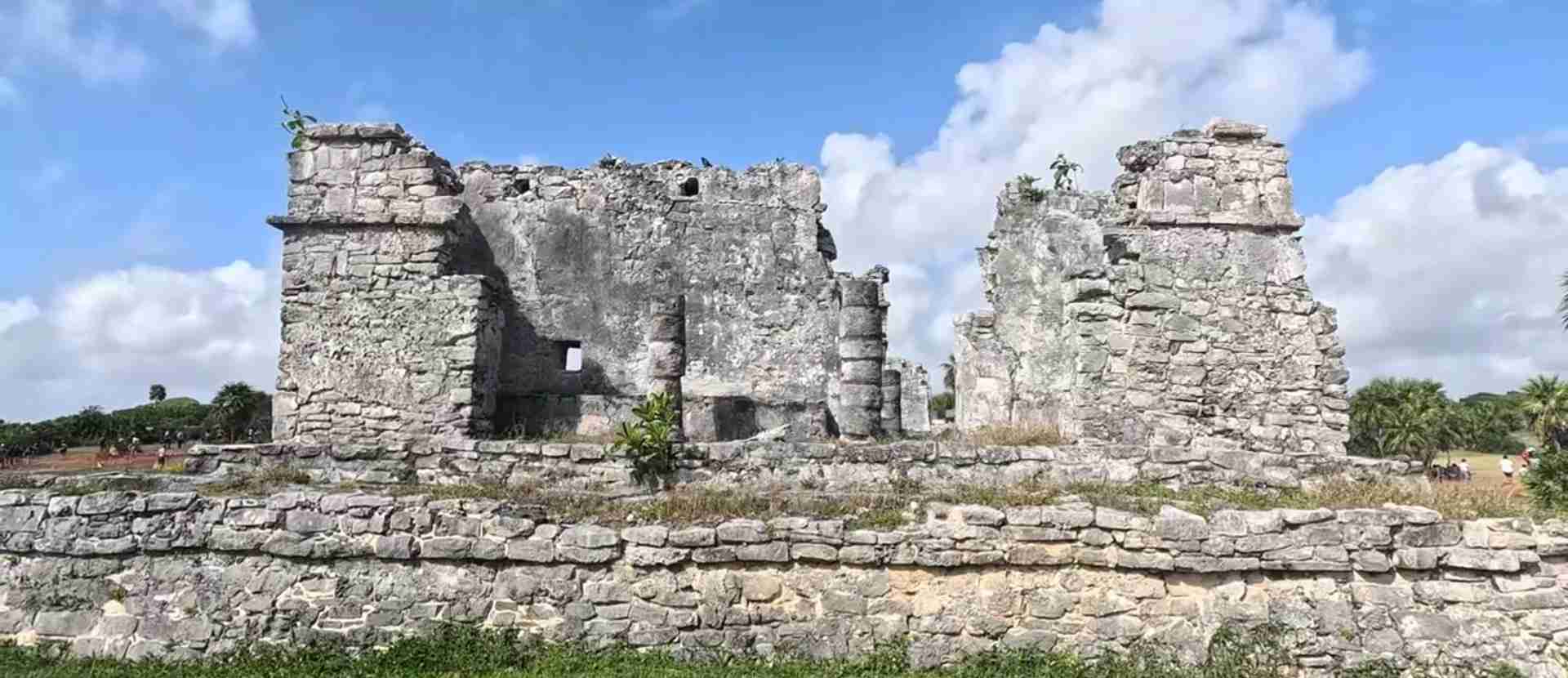
Day Trips from Tulum 2026: Chichen Itza, Coba & Hidden Cenotes
Key Takeaways:
- Chichen Itza tours from Tulum cost $65-95 per person in 2026 for full-day excursions including transportation, guide, and ruins entrance – book 1-2 weeks ahead during high season
- Coba archaeological site lies just 45 km northwest offering pyramid climbing opportunities and bicycle rentals through jungle pathways for budget-friendly independent visits
- Hidden cenote clusters near Tulum including Dos Ojos, Gran Cenote, and Cenote Calavera provide half-day adventures within 15 minutes of town at $10-25 per cenote
- Multi-destination combination tours save 15-20% versus booking separately: Chichen Itza + cenote swimming packages cost $85-110 per person with 12+ hour schedules
- Early departure tours (6:00-7:00 AM) avoid crowds at major archaeological sites and beat midday heat – essential for comfortable exploration during summer months
- Independent day trips to Coba and nearby cenotes cost $30-50 per person total using rental cars or colectivo vans, perfect for budget travelers with flexible schedules
Planning Your Tulum Day Trips in 2026
Tulum serves as an ideal base for exploring Mexico’s Yucatan Peninsula with world-class Maya archaeological sites, pristine cenotes, colonial cities, and nature reserves all accessible within 2 hours travel time. The region concentrates extraordinary cultural and natural heritage within compact geography, allowing visitors to experience pyramid temples rising from jungle canopies, swim in crystalline underground caves, and observe wildlife in protected biosphere reserves without spending excessive time on long-distance transportation. This strategic location explains Tulum’s popularity among travelers seeking comprehensive Yucatan experiences while maintaining a single accommodation base.
Day trip planning from Tulum in 2026 requires balancing interests, budget, physical stamina, and seasonal timing. Major archaeological sites including Chichen Itza (2.5 hours west), Ek Balam (2 hours northwest), and nearby Coba (45 minutes northwest) demand full days when combined with transportation time. Natural attractions like cenote swimming, Sian Ka’an Biosphere Reserve boat tours, and coastal explorations fit half-day or full-day schedules depending on activities chosen. Understanding these time commitments prevents overambitious itineraries that create exhaustion rather than enjoyment.
Transportation options range from organized tours with fixed schedules and group dynamics to independent travel via rental cars or public colectivo vans offering flexibility and budget savings. Organized tours eliminate navigation stress, provide expert guides, and bundle multiple destinations efficiently. Independent travel costs significantly less and allows customized pacing but requires research, Spanish language skills helpful for rural areas, and comfort with self-guided exploration. Most visitors combine both approaches – joining tours for distant destinations like Chichen Itza while exploring nearby attractions independently.
Seasonal considerations dramatically impact day trip experiences. High season from December through April delivers optimal weather with comfortable temperatures (75-85°F), minimal rainfall, and clear skies perfect for outdoor activities. However, this peak period brings maximum crowds at popular sites like Chichen Itza where hundreds or thousands of daily visitors diminish the experience. Shoulder seasons (May, November) offer crowd relief with acceptable weather. Summer months (June-August) present heat challenges but reward hardy travelers with dramatic storm clouds, lush vegetation, and significantly fewer tourists at major sites.
People Also Ask About Tulum Day Trips 2026
What is the best day trip from Tulum in 2026?
The best day trip from Tulum depends on individual interests, with Chichen Itza ranking highest for travelers prioritizing world-famous archaeological sites and UNESCO World Heritage significance. Chichen Itza tours cost $65-95 per person including transportation, guide, and entrance, delivering comprehensive Maya history education and iconic pyramid photography. However, Sian Ka’an Biosphere Reserve boat tours ($95-140 per person) better serve nature enthusiasts seeking wildlife observation, pristine ecosystems, and conservation experiences. Budget-conscious independent travelers prefer Coba archaeological site combined with nearby cenotes, achievable for $30-50 per person total using rental cars or colectivos.
Cultural immersion seekers favor Valladolid colonial city tours combined with Ek Balam archaeological site, offering authentic Yucatan town experiences alongside lesser-known but spectacular Maya ruins. This combination costs $55-85 on organized tours or $40-60 independently. Families with children often choose cenote-focused day trips visiting multiple swimming holes like Dos Ojos, Gran Cenote, and Cenote Azul within short driving distances. These half-day adventures cost $10-25 per cenote entrance with rental car expenses around $40-60 daily total. The “best” day trip ultimately matches your specific interests: archaeology, nature, culture, adventure, or family-friendly activities.
How much do day trips from Tulum cost in 2026?
Day trip costs from Tulum range $30-140 per person depending on destinations, transportation methods, and tour inclusions. Budget independent trips to Coba and nearby cenotes cost $30-50 per person using rental cars ($40-60 daily) or colectivo vans ($3-5 per ride) with self-guided exploration. Mid-range organized tours to Chichen Itza cost $65-95 per person including round-trip transportation, bilingual guide, entrance fees, and basic lunch. Premium experiences like Sian Ka’an boat tours cost $95-140 per person for full-day nature immersion with expert naturalists and boat access to protected lagoons.
Multi-destination combination tours offer better value than single-site visits, with Chichen Itza + cenote swimming packages costing $85-110 per person (15-20% savings versus separate bookings). Private tours for groups of 4-6 people range $350-600 total, averaging $60-100 per person with flexible scheduling and customized itineraries. Daily costs including meals, snacks, and incidentals typically add $20-40 per person beyond tour fees. Budget travelers spending $50-90 daily (tour + meals) contrast with luxury travelers comfortable with $150-200+ daily for premium experiences and dining.
Can you visit Chichen Itza as a day trip from Tulum in 2026?
Chichen Itza visits from Tulum work perfectly as day trips despite the 2.5 hour drive each direction, with tours operating daily year-round. Standard tours depart Tulum 6:00-7:00 AM, arrive at Chichen Itza around 9:00-9:30 AM for 2-3 hours of guided exploration, then return to Tulum by 4:00-5:00 PM. This 10-12 hour schedule allows comprehensive ruins visits while returning guests to hotels before evening. Early departures prove essential for avoiding midday heat (temperatures often exceed 95°F by noon during summer) and maximizing time at the site before afternoon tour bus arrivals from Cancun and Playa del Carmen create crowds.
The journey between Tulum and Chichen Itza crosses 200 kilometers of Yucatan interior passing through small Maya villages, agricultural zones, and remnant forests. Tour buses make strategic stops at cenotes for swimming refreshment and local restaurants for buffet lunches included in tour prices. Independent travelers driving rental cars enjoy flexibility for additional stops at lesser-known cenotes, craft markets, or colonial towns but must navigate heat, parking logistics at Chichen Itza’s massive visitor complex, and return driving when fatigued. Most visitors find organized tours more relaxing despite reduced flexibility.
What are the closest cenotes to Tulum in 2026?
The closest accessible cenotes lie within 5-15 minutes drive from Tulum’s town center, concentrated along the road toward Coba. Gran Cenote (5 km northwest, 10 minutes drive) ranks as the most popular with open-air swimming areas, underwater cave snorkeling, and excellent facilities including restrooms, changing rooms, and gear rentals. Entrance costs $500 pesos ($25-30) with snorkel equipment rental $100 pesos additional. Cenote Calavera (Skull Cenote, 3 km northwest, 8 minutes drive) offers dramatic vertical entry through circular openings perfect for photography and cliff jumping. Entrance costs $250 pesos ($12-15).
Car Wash Cenote (Cenote Aktun-Ha, 6 km northwest, 12 minutes) provides local favorite status with fewer tourists, rope swings, and genuine jungle atmosphere. Entrance costs $150 pesos ($7-9). Dos Ojos cenote system (20 km north, 25 minutes drive toward Playa del Carmen) features spectacular underwater cave diving and snorkeling in two connected cenotes surrounded by jungle. Entrance costs $400-500 pesos ($20-25) depending on activities. These cenotes operate 8:00 AM – 5:00 PM daily with morning visits (8:00-10:00 AM) offering coolest water temperatures and minimal crowds before tour groups arrive.
Extended multi-day tours – 5+ days
Featured Yucatan Multi-Day Tour Packages

14 days
Viva Mexico
- ✓ Comprehensive Yucatan tour
- ✓ Expert local guides included
- ✓ All accommodation arranged
- ✓ Transportation provided
5 days
Mini Wonders of the Maya with the Maya Train
- ✓ Comprehensive Yucatan tour
- ✓ Expert local guides included
- ✓ All accommodation arranged
- ✓ Transportation provided

8 days
Premium Mexico Yucatan Highlights (from Cancun to Tulum)
- ✓ Comprehensive Yucatan tour
- ✓ Expert local guides included
- ✓ All accommodation arranged
- ✓ Transportation provided
9 days
Mexico City & Merida City (Delight Mexican Cuisine)
- ✓ Comprehensive Yucatan tour
- ✓ Expert local guides included
- ✓ All accommodation arranged
- ✓ Transportation provided
Multi-day tour packages powered by TourRadar. Prices and availability subject to change.
Essential Planning Information 2026
Current Costs and Pricing Breakdown
Chichen Itza organized tours from Tulum cost $65-95 per person for standard full-day excursions in 2026. Check tour operator websites for current official rates as pricing may vary by season and group size. Basic tours at $65-75 include round-trip air-conditioned bus transportation, bilingual guide services, Chichen Itza entrance fees ($610 pesos per person currently), 2-2.5 hours at the archaeological site, buffet lunch at roadside restaurant, and cenote swimming stop. Premium tours at $85-95 add smaller group sizes (12-15 people versus 30-40), upgraded lunch venues, longer site visit time (3+ hours), and additional stops at less-visited cenotes or colonial towns.
Coba independent visits cost significantly less with entrance fees $85 pesos ($4-5 per person), bicycle rentals $70 pesos ($3-4) for exploring the 6 km site, parking $50 pesos at site entrance, and colectivo van transportation $100 pesos round-trip ($5) from Tulum ADO bus station. Total Coba costs run $12-18 per person for budget travelers. Organized Coba tours cost $45-65 including transportation, guide, entrance, and optional cenote stops. Private Coba tours for 2-4 people cost $180-280 total, offering flexibility and personalized pacing.
Cenote day trips combining multiple swimming holes cost $40-80 per person depending on quantity visited and transportation methods. Renting cars ($40-60 daily for economy vehicles) allows visiting 3-5 cenotes in one day at individual entrance fees of $7-30 per cenote. Organized cenote tours visiting 2-3 locations cost $65-85 per person with transportation, guide, equipment, and lunch included. Snorkeling gear rentals at cenotes add $5-10 if not provided by tours. These costs exclude incidental expenses like bottled water ($1-2), snacks ($3-5), and tips for guides (10-15% of tour cost recommended).
Transportation Options for 2026 Day Trips
Rental cars provide maximum flexibility for Tulum day trips with economy vehicles costing $40-60 daily from agencies in downtown Tulum or hotel zone. Compact SUVs rent for $60-90 daily, offering higher clearance useful for unpaved cenote access roads. Book rentals online 1-2 weeks ahead during high season (December-April) as vehicle availability tightens when demand peaks. Rental prices include mandatory Mexican liability insurance (minimum $20-30 daily) with optional collision damage waiver ($15-25 daily) reducing financial risk but increasing total costs significantly.
Driving from Tulum to Chichen Itza requires 2.5 hours each direction via Highway 180 through Valladolid. The route features modern toll roads (cuota) and free roads (libre) running parallel – toll roads cost approximately $250 pesos ($12-15) total but save 20-30 minutes versus free alternatives. Gas costs roughly $600-800 pesos ($30-40) for the 400 km round-trip. Parking at Chichen Itza costs $80-100 pesos in official lots. Independent driving allows stops at cenotes, restaurants, and towns along the route but requires navigation skills, dealing with heat and fatigue, and Spanish language helpful for rural interactions.
Colectivo vans offer ultra-budget transportation perfect for Coba day trips. These shared minivans depart Tulum’s ADO bus station when full (typically every 30-60 minutes from 6:00 AM-6:00 PM) charging $50 pesos ($2.50) per person each direction to Coba village. Return colectivos run similar frequency from Coba ruins entrance. Total transportation costs $100 pesos ($5) round-trip. ADO first-class buses serve longer routes including Valladolid ($160 pesos/$8 one-way, 90 minutes) and Merida ($320 pesos/$16 one-way, 4 hours) for travelers exploring beyond day trip distances from Tulum base.
Chichen Itza Day Trip Planning 2026
Tour Options and Scheduling
Chichen Itza tours from Tulum operate daily year-round with departures between 6:00-8:00 AM depending on operator. Early 6:00 AM departures arrive at Chichen Itza around 8:30-9:00 AM, beating crowds and extreme heat. These early tours appeal to photography enthusiasts seeking optimal morning light and visitors prioritizing comfort in tropical climate. Later 7:30-8:00 AM departures suit travelers who value sleep over crowd avoidance, arriving at Chichen Itza 10:00-10:30 AM when tour buses from Cancun also flood the site.
Standard tour itineraries include 2.5-3 hours at Chichen Itza archaeological zone under guide leadership. Guides provide historical context, architectural analysis, and Maya cultural information while touring the pyramid (El Castillo), ball court, temple of warriors, observatory (El Caracol), and sacred cenote. Tours operate in English, Spanish, and sometimes French, German, or Italian with group sizes varying from 12-15 (premium tours) to 30-40 (budget tours). Larger groups move slower and limit individual question opportunities but cost less per person.
Post-ruins activities vary by tour package. Basic tours stop at cenote Ik Kil (3 km from Chichen Itza) for 45-60 minutes swimming in this spectacular open-air cenote surrounded by hanging vines. Entrance to Ik Kil included in tour prices but towel and locker rentals ($2-3) are additional. Lunch occurs at roadside restaurants serving buffet-style Mexican cuisine with adequate but not exceptional quality. Return to Tulum occurs 4:00-5:00 PM depending on departure time and traffic conditions. Expect 10-12 hours door-to-door for complete Chichen Itza day trips.
What to Expect at Chichen Itza
Chichen Itza ranks among the world’s most visited archaeological sites with 2.6+ million annual visitors creating significant crowds during peak times. The site covers approximately 6.5 square kilometers though tourist routes concentrate on the 1 square kilometer central zone featuring iconic structures. Walking distances total 2-3 kilometers during standard tours, requiring comfortable shoes and moderate physical fitness. Wheelchair accessibility remains limited given uneven ancient pathways and lack of paved modern walkways in many zones.
The temperature at Chichen Itza regularly exceeds Tulum’s coastal climate by 5-10°F due to interior location without ocean breezes. Summer temperatures reach 95-105°F during midday hours making shade scarce and hydration critical. Winter months (December-February) offer more comfortable 80-90°F conditions though humidity remains substantial. The site provides minimal shade with most structures in full sun. Bring wide-brimmed hats, sunscreen (apply before arrival), and carry at least 2 liters water per person. Vendors throughout the site sell overpriced bottled water ($3-4 versus $1-2 outside).
Commercial activity at Chichen Itza includes hundreds of vendors selling handicrafts, textiles, wood carvings, and souvenirs along pathways between structures. Vendor persistence can feel overwhelming particularly for visitors unaccustomed to aggressive sales tactics. Polite but firm “no gracias” responses work best for declining unwanted solicitations. Prices remain highly negotiable with 50-70% discounts from initial asking prices achievable through bargaining. Quality varies dramatically from authentic local crafts to mass-produced imports – examine items carefully before purchasing.
Chichen Itza Visitor Regulations and Restrictions
Chichen Itza prohibits climbing on all structures since 2006 after a tourist fell from El Castillo pyramid causing fatal injuries. This policy protects both visitor safety and ancient architecture from erosion caused by millions of annual footsteps. Photography remains permitted throughout the site for personal use. Professional photography requiring tripods or commercial purposes needs special permits obtainable through INAH (National Institute of Anthropology and History). Drone flights receive strict prohibition due to site protection and visitor safety concerns.
Entrance regulations prohibit large backpacks, coolers, and professional camera equipment including detachable lenses longer than 300mm. Security screening at entrances enforces these rules with bag checks and occasional confiscation of prohibited items. Small daypacks holding water, snacks, sunscreen, and basic camera equipment pass through security without issues. Food and beverage consumption is restricted to designated areas outside the main archaeological zone to prevent littering and pest attraction near ancient structures.
The site maintains strict operating hours of 8:00 AM – 4:30 PM with last entry at 4:00 PM. These hours remain consistent year-round regardless of season. Extended evening hours occur only during spring and fall equinoxes (March 20-21, September 22-23) when special light and shadow effects appear on El Castillo pyramid creating the famous serpent descension phenomenon. Equinox visits require advance planning as crowds swell to 30,000-40,000 daily visitors during these astronomical events versus typical 5,000-8,000 daily during other periods.
Coba Archaeological Site and Nearby Cenotes 2026
Coba Site Overview and Access
Coba archaeological site offers dramatically different experiences versus Chichen Itza despite similar Maya Postclassic period origins. Coba sprawls across 70 square kilometers of jungle with structures dispersed along 5-6 km of ancient sacbeob (raised stone roads) connecting different architectural groups. This expansive layout creates intimate exploration feeling with far fewer crowds – daily visitors number 2,000-3,000 versus Chichen Itza’s 5,000-10,000. The site’s remote jungle setting surrounded by lakes preserves atmospheric authenticity missing from heavily developed Chichen Itza.
Access from Tulum requires 45 minutes drive (45 km) northwest via Highway 109, a well-maintained two-lane road through rural Maya villages and agricultural lands. The journey passes traditional thatched-roof houses, small milpa (corn) farms, and occasional livestock. Coba village at the site entrance hosts several small restaurants, artisan markets, and basic accommodations for visitors wanting early morning site entry or multi-day archaeological exploration. Most Tulum-based travelers visit Coba as half-day excursions returning by early afternoon.
Bicycle rentals represent the standard transportation method for exploring Coba’s extensive grounds. Rental stations at the entrance charge $70 pesos ($3-4) for single bikes or $150 pesos for tandems. The 6 km network of paved and unpaved paths connects main structure groups including Nohoch Mul pyramid (42 meters tall – Yucatan’s tallest), ball courts, stelae monuments, and residential groups. Cycling between zones takes 5-10 minutes versus 20-30 minutes walking. Bicycle-drawn taxi services operated by local villagers charge $150-200 pesos for guided site tours, convenient for visitors uncomfortable cycling or with mobility limitations.
Climbing Nohoch Mul Pyramid
Coba’s signature experience involves climbing Nohoch Mul pyramid, one of few remaining Maya pyramids in Mexico where visitors can still ascend. The structure rises 42 meters (138 feet) with 120 steep stone steps requiring physical fitness, balance, and absence of severe height sensitivity. Thick rope installed down the staircase center provides handholds for both ascent and descent. The climb takes 5-10 minutes upward and 8-12 minutes descending carefully. Early morning (8:00-10:00 AM) and late afternoon (3:00-4:00 PM) offer coolest conditions for exertion.
Summit rewards include 360-degree panoramic views across endless jungle canopy broken only by distant pyramid peaks from other structure groups. The vista demonstrates Yucatan’s remarkable flatness and dense tropical forest coverage. Photography opportunities prove exceptional during golden hour with dramatic lighting across the jungle. However, midday harsh light and extreme heat diminish photographic quality and climbing comfort. Visitors with mobility issues, heart conditions, or severe acrophobia should skip the climb and explore ground-level zones featuring equally impressive architecture and carvings.
Safety considerations include wearing proper footwear with good traction (not sandals or flip-flops), descending facing the pyramid using hands and rope for support, watching for loose stones on ancient steps, and avoiding climbing during or after rain when surfaces become dangerously slippery. Park staff occasionally close climbing access during severe weather or high winds. Children under 8 years require adult supervision for climbing, and teenagers should be accompanied for safety. Descent proves more challenging than ascent requiring careful foot placement and patience despite crowds potentially pushing from behind.
Combining Coba with Cenote Visits
Three excellent cenotes lie within 10-15 minutes drive from Coba village, making half-day itineraries combining archaeology and swimming highly efficient. Cenote Choo-Ha, Tamcach-Ha, and Multum-Ha (collectively called “Three Cenotes”) sit 6 km from Coba entrance along the road toward Nuevo X-Can. These underground cavern cenotes feature dramatic stalactites, clear water, and atmospheric lighting through natural openings. Combined entrance costs $350 pesos ($17-20) for access to all three, or $150 pesos each individually.
Cenote Choo-Ha offers the most spectacular underground chambers with sunlight beams penetrating through ceiling openings creating ethereal effects during midday hours (11:00 AM-2:00 PM). Steep stairs descend into the cavern where platforms provide water entry points. Depths range 6-12 feet in swimming areas with roped-off deeper zones. Tamcach-Ha features a larger swimming area and easier access via less steep stairs, perfect for families with children. Multum-Ha provides the smallest swimming space but most dramatic rock formations and stalactites visible from water level.
Independent visitors should allocate 2-3 hours for Coba archaeological site exploration, 2-3 hours for cenote swimming at one or more locations, plus 1.5 hours total driving from/to Tulum. This creates comfortable 6-7 hour day trips departing Tulum 8:00-9:00 AM and returning 3:00-4:00 PM. Pack towels, waterproof bags for phones/cameras, biodegradable sunscreen (mandatory at cenotes), and change of dry clothes. Many cenotes provide basic changing facilities and lockers ($2-3 rental) but lack amenities like showers or elaborate restrooms common at tourist-oriented cenotes near Playa del Carmen.
Hidden Cenote Clusters Near Tulum 2026
Gran Cenote and Car Wash Circuit
Gran Cenote (Cenote Sac Actun) ranks as Tulum’s most popular cenote combining open-air swimming areas with underwater cave snorkeling accessible to all skill levels. The cenote features crystal-clear water with visibility exceeding 100 feet, allowing observation of freshwater fish schools, turtles (often present), and incredible stalactite and stalagmite formations in cavern zones. Entrance costs $500 pesos ($25-30) with snorkel equipment rental $100 pesos if needed. The site provides excellent facilities including clean restrooms, outdoor showers, changing areas, lockers ($2-3), and on-site restaurant serving drinks and light meals.
Swimming areas split into open sections perfect for families with children and cavern zones requiring basic snorkeling skills for safe navigation. Underwater guide ropes mark safe routes through cave systems preventing disorientation. Depths range from 3-6 feet in shallow zones to 15-20+ feet in deeper cave areas. The cenote gets extremely crowded 11:00 AM-3:00 PM when tour groups arrive from Tulum hotels and Playa del Carmen. Visit 8:00-10:00 AM for serene experiences with minimal crowds, optimal morning light penetrating through openings, and comfortable water temperatures (76-78°F year-round).
Car Wash Cenote (Aktun-Ha) located 3 km from Gran Cenote offers authentic local atmosphere with significantly fewer tourists. The name derives from past use by Tulum taxi drivers washing vehicles in the large open cenote. Entrance costs $150 pesos ($7-9) with rope swing and jumping platform providing additional fun beyond swimming. The cenote attracts Mexican families on weekends creating lively social atmosphere. Facilities remain basic with simple changing areas and minimal infrastructure – this rustic character appeals to travelers seeking genuine local experiences versus polished tourist operations.
Dos Ojos Cenote System
Dos Ojos (Two Eyes) constitutes one of the world’s longest underwater cave systems with over 80 km of surveyed passages connecting hundreds of cenotes. The tourist entrance 20 km north of Tulum provides access to two main cenotes (Dos Ojos and adjacent cenotes) through guided snorkeling and scuba diving routes. Surface snorkeling in the first eye costs $400 pesos ($20-22) including mandatory guide service, life jacket, and equipment. This guided snorkeling lasts 45-60 minutes exploring underwater formations including the famous “Bat Cave” where natural light beams penetrate from ceiling openings.
Scuba diving in Dos Ojos attracts certified divers worldwide seeking world-class cavern diving experiences. Guided cavern dives cost $100-140 per person for 1-2 tank dives requiring Advanced Open Water certification or Cavern Diving specialty. The system features exceptional visibility (100-300 feet), consistent 77°F water temperature year-round, and diverse geological formations including haloclines (freshwater/saltwater mixing zones creating surreal visual effects), delicate formations, and complex cave architecture. Multiple dive shops in Tulum arrange Dos Ojos diving with equipment, transportation, and certified guides.
The cenote complex includes facilities with restrooms, changing areas, lockers, and restaurant/bar serving full meals and drinks. Jungle trails connect different cenote openings allowing exploration beyond the main swimming areas for visitors with time and interest. The site opens 8:00 AM-5:00 PM daily with last entry 4:00 PM. Parking costs $50 pesos with security monitoring. Combine Dos Ojos visits with nearby Hidden Worlds (Parque Dos Ojos) offering additional cenote access, zip lines ($45-65), and adventure activities for multi-activity day trips.
Calavera (Skull) Cenote
Cenote Calavera earns its name from three circular openings viewed from above resembling a skull’s eye sockets and mouth. This open-air cenote 3 km from Tulum town center provides unique entry via vertical drops into deep water (20-25 feet depth). Wooden platforms around the edges allow careful entry by ladder, or adventurous visitors jump from openings 8-10 feet above water (instructor approval required). The cenote attracts cliff jumping enthusiasts and photographers seeking dramatic vertical compositions with sunlight beams penetrating through openings.
Entrance costs $250 pesos ($12-15) with basic facilities including changing areas and restroom. The cenote remains locally operated by a Maya family who maintain the site and collect entrance fees. Swimming occurs in a single large chamber approximately 30 meters diameter with underwater cave passages visible but roped off for safety. Depths vary from 6 feet near edges to 30+ feet in central areas. The cenote never gets extremely crowded given its less tourist-oriented reputation, though weekends bring Mexican families from Tulum and nearby towns.
Visit Calavera early morning (8:00-10:00 AM) or late afternoon (4:00-5:30 PM, closes at 6:00 PM) for best light conditions. Morning sunlight creates dramatic beams through the three openings illuminating the water and underwater features. The cenote combines well with other nearby locations including Gran Cenote and Car Wash for comprehensive half-day cenote circuits using rental cars or bicycles. Budget 45-60 minutes per cenote including swimming, photography, and changing time. Pack waterproof phone cases for underwater photos and bring towels as rental/purchase options don’t exist at this basic local operation.
Sample 2026 Day Trip Itineraries
Chichen Itza Full-Day Tour
6:00 AM – Hotel pickup in Tulum zona hotelera or pueblo. Board air-conditioned tour bus with 20-30 passengers and bilingual guide. Receive orientation briefing during departure explaining day’s schedule, Chichen Itza history overview, and logistics.
6:15 AM – Depart Tulum heading west on Highway 180 toward Valladolid. Morning drive through awakening Yucatan countryside passing small Maya villages, agricultural fields, and remnant tropical forests. Guide provides cultural context about contemporary Maya communities, agricultural traditions, and regional history.
8:30 AM – Arrive at Chichen Itza archaeological zone. Quick restroom break and group organization before entering through main visitor complex. Guide distributes radio receivers allowing groups to hear commentary while exploring large site preventing shouting.
8:45 AM – Begin guided tour at El Castillo pyramid (Temple of Kukulkan). Guide explains architectural precision, astronomical alignments, equinox serpent shadow phenomenon, and pyramid’s role in Maya cosmology. Photography time allowing individual exploration around pyramid base observing carved serpent heads, celestial alignments, and massive stone construction.
9:30 AM – Tour Great Ball Court, Mesoamerica’s largest ancient sports arena. Guide details ball game ritual significance, acoustic properties creating echoes across the 168-meter court, carved panels depicting sacrifice ceremonies, and architectural sophistication. Visit Temple of Warriors complex featuring hundreds of columns, carved warrior figures, and Chac Mool statue.
10:30 AM – Explore El Caracol observatory demonstrating Maya astronomical knowledge. Guide explains window alignments tracking Venus cycles, equinox sunrises, and other celestial events crucial for agricultural and ceremonial calendars. Continue to Sacred Cenote where ancient Maya conducted water ceremonies and deposited offerings including jade, gold, and ritual objects.
11:30 AM – Free time for individual exploration, additional photography, restroom breaks, and browsing artisan market outside ruins entrance. Vendors sell handicrafts, textiles, carved masks, and souvenirs with prices highly negotiable. Carry small bills for purchases and drinking water from vendors.
12:15 PM – Depart Chichen Itza heading to roadside restaurant for buffet lunch. Restaurant features traditional Yucatan dishes including cochinita pibil, panuchos, sopa de lima, and standard Mexican preparations. Quality proves adequate for tourist buffets though not exceptional. Vegetarian options available with advance notice to guides.
1:30 PM – Continue to Cenote Ik Kil for swimming break. This spectacular open-air cenote features hanging vines, waterfall, and 40-meter deep crystalline water. Changing facilities and life jacket rental available. Swimming time lasts 45-60 minutes providing refreshment after morning heat and walking.
3:00 PM – Begin return journey to Tulum. Some tours make brief stops at small towns for additional shopping or cenote visits. Bus ride offers rest time with many passengers napping after full morning activities.
5:30 PM – Arrive back in Tulum with hotel drop-offs throughout zona hotelera and pueblo. Tour concludes with guide providing recommendations for other regional attractions and thanking participants.
Chichen Itza Day Cost Summary
Chichen Itza organized tour $75, early breakfast before departure $8-12, afternoon snacks or coffee $5-8, bottled water during day $3-5, artisan market purchases $15-30 (optional), guide tip $8-12 (10-15% tour cost). Total day cost: $99-127 per person (excluding accommodation).
Independent travelers driving rental cars spend differently: rental car $50 daily (split between passengers), gas $30-40 total, toll roads $12-15, Chichen Itza entrance $30 (610 pesos), parking $5, lunch at roadside restaurant $10-15, Cenote Ik Kil entrance $10, snacks and water $5-10. For 2 people sharing car: approximately $80-95 per person. For 4 people: approximately $50-65 per person with significant savings versus tours but requiring navigation, driving stamina, and Spanish helpful for rural areas.
Coba and Cenotes Independent Day Trip
8:00 AM – Depart Tulum in rental car heading northwest on Highway 109 toward Coba. Stop briefly in Tulum town for bottled water, snacks, and light breakfast if not taken at hotel. Drive 45 minutes (45 km) through small Maya villages and agricultural landscapes arriving Coba village around 8:50 AM.
9:00 AM – Arrive Coba archaeological site entrance. Pay parking ($50 pesos), entrance fee ($85 pesos per person), and rent bicycles ($70 pesos). Begin cycling 1.5 km through jungle on paved path toward Nohoch Mul pyramid group, main attraction.
9:20 AM – Reach Nohoch Mul pyramid base. Lock bicycles and begin 10-minute climb up 120 steep steps using central rope for support. Summit provides spectacular 360-degree jungle views and photography opportunities. Descend carefully facing pyramid, taking 8-10 minutes. Spend additional time photographing pyramid from ground level and exploring nearby structures.
10:15 AM – Cycle to other structure groups including ball courts, stelae monuments (carved stone markers with hieroglyphic texts), and residential areas. Self-guided exploration allows flexible pacing versus group tours. Total cycling distance covers 6-8 km through shaded jungle paths.
11:30 AM – Complete Coba exploration. Return bicycles and depart site driving 6 km toward Nuevo X-Can to visit Three Cenotes (Choo-Ha, Tamcach-Ha, Multum-Ha). Purchase combined entrance ticket ($350 pesos) or individual cenote access ($150 pesos each).
12:00 PM – Begin cenote swimming starting at Choo-Ha. Descend steep stairs into underground cavern where sunlight beams create dramatic lighting effects. Swim in crystal-clear water observing stalactites and rock formations. Spend 45-60 minutes swimming and photographing unique geological features.
1:15 PM – Move to Tamcach-Ha cenote with easier stairs and larger swimming area. This cenote suits families better with gentler access. Continue swimming for 45 minutes exploring different chambers and resting in cool water.
2:15 PM – Final cenote visit to Multum-Ha featuring most dramatic stalactite formations. Spend 30-45 minutes swimming and exploring before drying off and changing back to street clothes. Purchase snacks or light lunch from roadside vendors if hungry (minimal restaurant options exist at this rural location).
3:15 PM – Begin return drive to Tulum (60 km, approximately 50 minutes). Arrive back in Tulum zona hotelera or pueblo around 4:15 PM with afternoon free for beach time, rest, or additional activities.
Evening – Dinner in Tulum at restaurants ranging from budget taquerías ($8-15 per person) to mid-range Mexican cuisine ($20-35 per person) or upscale zona hotelera dining ($40-60+ per person).
Coba and Cenotes Day Cost Summary
Rental car $50 (shared between 2 people = $25 each), gas $15 total ($7.50 per person), Coba entrance $4.50, bicycle rental $3.50, Three Cenotes entrance $18, breakfast/snacks $8-12, lunch $10-15, bottled water $3-5, parking fees $3. Total day cost: $79-88 per person (excluding accommodation and dinner).
With four people sharing rental car, costs drop significantly: car and gas total $65 divided by 4 = $16.25 per person. Combined with activity costs ($4.50 + $3.50 + $18 = $26) plus meals and drinks ($23-35), total reaches approximately $65-77 per person. This budget-friendly option demonstrates major cost savings possible through independent travel and cost-sharing versus organized tours charging $55-85 per person for similar Coba and cenote combinations.
Hidden Cenotes Half-Day Circuit
9:00 AM – Depart hotel in rental car or bicycle (some cenotes lie within 5-10 km of Tulum town, bikeable for active travelers). First destination: Gran Cenote (5 km northwest, 10-minute drive). Arrive early before tour group rush begins around 10:30 AM.
9:15 AM – Pay Gran Cenote entrance ($500 pesos / $25-30) and rent snorkel equipment ($100 pesos) if not bringing own. Store belongings in locker ($50 pesos). Begin swimming in open-air sections observing freshwater fish and occasional turtles. Proceed to cavern zones following underwater guide ropes through crystal-clear water with exceptional visibility.
10:30 AM – Complete Gran Cenote swimming. Change clothes and drive 3 km to Car Wash Cenote (Aktun-Ha). Pay entrance ($150 pesos / $7-9) and immediately enter this less-touristy local favorite. Enjoy rope swings, jumping platform, and relaxed atmosphere with primarily Mexican families.
11:45 AM – Finish swimming at Car Wash. Drive 2 km to Cenote Calavera. Pay entrance ($250 pesos / $12-15) and descend through dramatic skull-shaped opening using ladder or cautious jump into deep water. Photography opportunities excellent given unique vertical composition with sunlight beams penetrating through circular openings.
1:00 PM – Complete three-cenote circuit and return to Tulum town or zona hotelera. Stop for lunch at local restaurants in Tulum pueblo featuring affordable Mexican cuisine ($8-20 per person depending on venue choice).
2:30 PM – Arrive back at hotel with afternoon available for beach time, rest, or additional Tulum activities like ruins visit or beach club relaxation.
Cenotes Circuit Day Cost Summary
Gran Cenote entrance $27, snorkel equipment rental $5, locker $2.50, Car Wash Cenote $8, Cenote Calavera $13, rental car shared with partner $25 each (or bicycle if using), gas $5, lunch $10-18, bottled water and snacks $5-8, parking fees $3. Total day cost: $103-114 per person (excluding accommodation).
Budget reduction possible by bringing own snorkel equipment (saves $5), using bicycle instead of rental car (saves $25-30 but requires physical fitness for 20-30 km total cycling with hills), packing lunch from hotel or preparing simple meals (saves $10-18), and choosing to visit only 2 cenotes instead of 3 (saves $8-27 depending which skipped). Minimum budget for 2-cenote circuit: approximately $60-75 per person with maximum savings strategies employed.
Seasonal Timing for 2026 Day Trips
High Season Considerations (December-April)
High season from December through April brings optimal weather conditions for Tulum day trips with daily temperatures 75-85°F, minimal rainfall, and comfortable humidity levels. These months attract peak international tourism creating maximum crowds at all major attractions. Chichen Itza receives 8,000-12,000 daily visitors during high season versus 3,000-5,000 daily in summer months. This dramatic difference impacts experience quality with congested pathways, challenging photography conditions, and reduced ability to appreciate site atmosphere.
Book organized tours 1-2 weeks ahead during high season as daily departure limits fill quickly. Premium small-group tours (12-15 people) sell out 2-3 weeks ahead during peak weeks of Christmas, New Year, and February-March spring break periods. Independent travelers using rental cars avoid booking constraints but face higher vehicle rental prices ($10-20 more daily) and limited availability if not reserved online in advance. Cenotes near Tulum experience afternoon crowding (11:00 AM-3:00 PM) when tour groups arrive from hotels.
Strategic timing minimizes high season crowds. Visit Chichen Itza on early morning tours departing Tulum by 6:00 AM, arriving at ruins 8:30-9:00 AM before Cancun tour buses flood the site after 10:00 AM. Similarly, visit Gran Cenote and other popular swimming holes 8:00-10:00 AM before groups arrive. Weekdays (Tuesday-Thursday) experience lighter crowds than weekends when Mexican domestic tourists join international visitors. These timing strategies create significantly better experiences despite high season challenges.
Shoulder Season Advantages (May, November)
May and November constitute shoulder months balancing acceptable weather against reduced crowds and lower prices. May brings increasing heat with daily temperatures 85-95°F and rising humidity as rainy season approaches. However, morning hours remain comfortable and afternoon thunderstorms don’t typically develop until mid-late May. Tourist numbers drop 30-40% versus peak winter months creating more enjoyable archaeological site visits. November offers similar advantages with temperatures moderating as dry season approaches but crowds not yet reaching December levels.
Tour prices during shoulder months typically drop 10-15% versus high season rates with some operators offering promotional discounts for advance bookings. Rental car prices return to standard rates without seasonal premiums. Hotel rates in Tulum decrease significantly (20-30% less than February-March peaks) creating overall trip savings when combining accommodation, tours, and activities. These financial benefits appeal to budget-conscious travelers willing to accept slightly less ideal weather conditions.
Archaeological sites remain completely accessible during shoulder months with full operating hours and all facilities functioning. Cenotes offer excellent swimming year-round given constant 76-78°F water temperatures from underground aquifer sources. The primary consideration involves rain probability – May averages 4-6 days monthly rainfall while November sees 6-8 days. Brief afternoon thunderstorms prove refreshing rather than problematic for morning activities, and rain rarely cancels tours given typical short duration (30-60 minutes) before clearing.
Summer Season Realities (June-August)
Summer months June through August present significant heat challenges with daily temperatures regularly exceeding 95°F and humidity levels creating heat indices of 100-110°F during midday hours. These conditions demand careful planning, adequate hydration, sun protection, and realistic assessment of heat tolerance. However, summer also delivers major crowd reductions with 50-60% fewer tourists at Chichen Itza and other archaeological sites compared to winter peaks. This dramatic difference creates opportunities for photographers and travelers seeking authentic experiences without masses of other visitors.
Early morning departures become essential during summer rather than merely optimal. Tours departing Tulum 6:00 AM allow completion of outdoor archaeological exploration before 11:00 AM when heat intensifies to dangerous levels. Plan strenuous activities like pyramid climbing at Coba for first morning hours (8:00-10:00 AM) followed by cenote swimming during hottest periods (11:00 AM-2:00 PM). The cool underground cenote environments (76-78°F water temperature) provide perfect midday refuge from surface heat.
Afternoon thunderstorms occur frequently during summer with typical patterns showing clear mornings, cloud development by noon, and heavy rain/lightning 2:00-4:00 PM before clearing by evening. These predictable patterns allow scheduling around weather – complete outdoor activities during morning hours and plan indoor or water activities for early afternoons. Rain rarely lasts more than 1-2 hours and actually provides cooling effect reducing heat stress. Summer tour prices drop 15-20% versus high season with some budget operators offering aggressive discounts attracting heat-tolerant value seekers.
Practical Tips for All Day Trips
Essential Items to Pack
Pack comprehensive day trip supplies ensuring comfort and safety regardless of destination. Sunscreen with minimum SPF 30 proves essential – apply 30 minutes before sun exposure and reapply every 2 hours or after swimming. Biodegradable formulas are mandatory at cenotes to protect aquatic ecosystems. Wide-brimmed hats or caps with chin straps prevent loss during boat rides or windy conditions at archaeological sites. Bring lightweight long-sleeve shirts providing sun protection while allowing ventilation – UV-protective synthetic fabrics dry quickly after swimming.
Carry adequate water supplies of 2-3 liters per person for full-day trips. Reusable water bottles reduce plastic waste and allow refills at restaurants, tour stops, and hotels. Snacks including energy bars, dried fruit, and nuts maintain energy levels during long days with limited meal options. Small first aid kit with basic medications (pain relievers, antihistamines, anti-diarrheal), bandages, and any personal prescription medications proves worthwhile. Insect repellent containing DEET or picaridin protects against mosquitoes at jungle sites like Coba and cenote areas.
Waterproof bags or cases protect phones, cameras, and valuables during cenote swimming and boat tours. Small dry bags (5-10 liter capacity) hold essentials while swimming. Bring towels though some organized tours provide these. Pack lightweight flip-flops or water shoes for cenote access and changing areas. Comfortable walking shoes with good traction remain essential for archaeological sites – avoid fashion sandals or unsupportive footwear given uneven ancient pathways and extensive walking distances. Change of dry clothes for return journeys increases comfort after swimming activities.
Photography Tips and Equipment
Archaeological site photography benefits from wide-angle lenses (16-35mm range) capturing massive pyramids and architectural complexes in single frames. Standard zoom lenses (24-70mm) provide versatility for both structures and detail shots. Telephoto lenses (70-200mm) isolate architectural elements and compress perspectives creating dramatic compositions. Visit during early morning or late afternoon golden hours for warm light and long shadows emphasizing architectural details. Midday harsh overhead light flattens features and creates unappealing contrast.
Cenote photography requires special consideration. Underwater cameras or waterproof phone cases enable swimming photography in crystal-clear water. Bring small waterproof action cameras (GoPro, similar) for hands-free swimming documentation. Natural light cenotes photograph best 10:00 AM-2:00 PM when sunlight beams penetrate through openings creating dramatic lighting effects. Underground cenotes need external lighting or high ISO settings capturing formations in limited natural light. Tripods get prohibited or restricted at many archaeological sites but prove valuable for low-light cenote photography.
Drone photography faces strict prohibition at UNESCO World Heritage archaeological sites including Chichen Itza and protected biosphere reserves. Violations result in fines and equipment confiscation. Some cenotes permit drone photography with advance permission and fees, but confirm regulations before bringing expensive equipment. Always ask permission before photographing local people, especially Maya vendors and community members at archaeological sites. Respect requests for privacy or payment – some vendors charge small fees ($1-2) for portraits in traditional clothing.
Safety and Health Considerations
Sun exposure represents the primary health risk during Tulum day trips given tropical latitude and intense UV radiation. Heat exhaustion and sunburn occur frequently among unprepared tourists. Prevent heat-related illness through adequate hydration (minimum 2-3 liters water daily), frequent breaks in shade, wearing protective clothing and hats, and limiting strenuous activity during peak heat hours (11:00 AM-3:00 PM). Recognize early warning signs including excessive thirst, headache, dizziness, and fatigue. Seek shade, hydrate, and rest immediately if symptoms develop.
Cenote swimming carries risks including drowning for non-swimmers, head injuries from jumping into shallow areas, and disorientation in underwater cave systems. Always use provided life jackets regardless of swimming ability. Never swim alone in remote cenotes. Follow guide instructions and stay within marked safe zones. Underwater cave exploration requires proper training and certification – casual snorkelers should remain in open-water areas following guide ropes. Check water depth before jumping and enter feet-first initially to assess depth. Supervise children closely as depths change abruptly in many cenotes.
Traffic safety during independent driving requires caution on unfamiliar roads. Highway 180 to Chichen Itza carries heavy truck traffic including large tractor-trailers. Drive defensively and avoid nighttime driving when possible given limited lighting, speed bumps (topes) in villages, and occasional livestock on roadways. Rural roads to cenotes feature narrow lanes with limited shoulders. GPS navigation occasionally provides inaccurate directions in remote areas – carry physical maps or detailed directions from accommodation staff as backup. Mexico requires drivers carry Mexican auto insurance regardless of US/Canadian coverage – verify insurance documentation before departing rental agencies.
Booking Strategies and Money-Saving Tips 2026
Tour Operator Selection
Compare multiple tour operators before booking Chichen Itza and other day trips. Reputable established companies include Chichen Itza Plus, Cancun Adventures, Amigo Tours, and México Lindo Tours operating from Tulum with professional guides, modern vehicles, and comprehensive insurance coverage. Check online reviews on TripAdvisor, Google, and Facebook focusing on recent feedback within past 6-12 months. Consistent complaints about late pickups, poor guides, or misleading advertising indicate operators to avoid.
Direct booking through operator websites often provides better rates than third-party platforms like Viator or GetYourGuide which charge commission fees increasing costs. However, platforms offer convenient comparison shopping and customer protection through review systems and dispute resolution. Tour desk bookings at hotels typically add $10-20 per person markup for commission – ask hotel staff for operator contact information and book directly to avoid this premium while still receiving their recommendations.
Verify exact tour inclusions before booking. “All-inclusive” claims vary dramatically between operators with some including only basic transportation and guide while excluding entrance fees, meals, and additional activities. Read cancellation policies carefully – reputable operators allow cancellations 24-72 hours ahead with full or partial refunds while budget operators may enforce strict no-refund policies. Travel insurance covering trip interruption proves worthwhile for expensive multi-tour itineraries when medical emergencies or weather events disrupt plans.
Multi-Tour Package Discounts
Book multiple day trips together for 10-20% package discounts from most tour operators. Packages combining Chichen Itza, Coba, cenote tours, and Sian Ka’an typically cost $280-380 per person for four full-day tours versus $360-450 booking separately. Some operators require advance payment for entire package while others allow progressive payment as each tour occurs. Package booking reduces planning burden and locks in prices preventing last-minute rate increases during high demand periods.
Multi-activity same-day combinations provide better value than single-destination tours. Chichen Itza + cenote swimming costs only $10-20 more than ruins-only tours despite adding significant activities. Coba + three cenotes packages cost $60-75 versus $45 for Coba alone, representing excellent value for additional swimming time. However, evaluate physical stamina requirements – combined tours often last 12+ hours creating exhaustion particularly in hot weather. Balance value against comfort considering age, fitness level, and heat tolerance.
Independent Travel Cost Savings
Independent travel using rental cars delivers substantial savings for groups of 2-4 people. A Chichen Itza self-drive trip costs approximately $50-65 per person for two people sharing car versus $75-95 on organized tours – savings of $25-30 per person. Four people splitting costs reduce individual expenses to $35-45 per person representing 40-50% savings versus tours. These calculations assume rental car booked weekly ($250-350/week) rather than daily ($40-60) for maximum cost efficiency.
Combine cost-sharing strategies with hostel dormitory accommodations ($15-25 per night in Tulum), street food meals ($5-12 per meal), and free activities like public beach access and Tulum town walking tours. Ultra-budget travelers complete full-day itineraries including Coba, cenotes, and meals for $40-60 per person through disciplined spending and cost-sharing. This contrasts dramatically with $150-250+ daily costs common among tourists booking organized tours, staying in zona hotelera hotels, and dining at tourist-oriented restaurants.
Frequently Asked Questions
Can you visit Chichen Itza independently without a tour?
Independent Chichen Itza visits work well for travelers comfortable with self-driving, navigation, and Spanish language useful for rural interactions. Rent a car in Tulum ($40-60 daily), drive 2.5 hours west via Highway 180 (200 km), and explore the archaeological zone self-guided using site maps available at entrance or downloaded beforehand. Total costs for two people: $30 per person entrance, $50 car rental, $30-40 gas, $12-15 tolls, plus meals approximately $20-30 per person. This independent approach costs $55-70 per person versus $75-95 on organized tours with savings of $20-25 per person.
However, independent visits lose the educational value provided by expert guides who explain historical context, architectural significance, and Maya cultural meanings that self-guided visitors miss. Archaeological sites without interpretation become mere ancient ruins rather than windows into sophisticated civilization. Consider compromise solutions: hire private guides at Chichen Itza entrance ($800-1000 pesos for 2-hour tours accommodating 1-10 people) combining independent travel savings with expert interpretation. Audio guide rentals ($75 pesos per person) provide basic information for budget-conscious solo travelers wanting some educational context.
Are Tulum day trips suitable for families with young children?
Family suitability varies dramatically by destination and children’s ages. Cenote swimming trips suit families with children ages 5+ who swim comfortably or accept life jacket use. Cenotes like Gran Cenote and Car Wash feature shallow areas perfect for supervised children’s water play. Archaeological sites prove challenging for children under 8 given extensive walking distances (2-3 km at Chichen Itza), limited shade, heat exposure, and lack of interactive children’s programming. Young children’s attention spans rarely sustain interest through 2-3 hour guided archaeological tours.
Coba works better for active families as bicycle riding between structure groups engages children more than walking. Pyramid climbing at Nohoch Mul excites older children (8+) though requires adult supervision for safety. Consider age-appropriate activities: children under 6 typically enjoy beach days, short cenote visits, and Tulum town exploration more than extensive archaeological touring. Children 7-12 handle half-day trips combining one major attraction with swimming breaks. Teenagers generally manage full-day itineraries matching adult stamina though may resist educational content preferring adventure activities.
What’s the best time of day to visit cenotes?
Morning visits between 8:00-10:00 AM provide optimal cenote experiences with minimal crowds, cooler air temperatures, and serene atmosphere before tour groups arrive. Natural light cenotes like Gran Cenote and Calavera benefit from morning sunlight angles creating dramatic beams through openings. Water temperatures remain constant year-round (76-78°F) so timing affects crowds and light rather than swimming comfort. Weekday mornings prove particularly quiet at popular cenotes receiving weekend crowds of Mexican families from nearby cities.
Midday (10:00 AM-2:00 PM) brings maximum crowds as organized tours schedule cenote stops during hottest hours when swimming provides relief from surface heat. However, overhead sun position creates the most dramatic lighting effects in cenotes with vertical openings where sunlight beams penetrate creating ethereal atmosphere and spectacular photography. Late afternoon (4:00-5:30 PM) before closing offers crowd reduction as tours depart, though light quality diminishes for photography and some cenotes close at 5:00-6:00 PM limiting visit duration.
How much time should I allocate for day trips?
Chichen Itza organized tours require full days of 10-12 hours door-to-door including 5 hours total transportation (2.5 hours each direction). Plan no other activities the same day given early morning departures (6:00-7:00 AM) and late afternoon returns (4:00-6:00 PM). Fatigue from heat, walking, and travel makes evening activities unappealing for most visitors. Coba independent trips take 6-8 hours total allowing morning departures (8:00-9:00 AM) with afternoon returns (3:00-5:00 PM) leaving evenings free for beach time or Tulum town dining.
Cenote circuits vary from 2-3 hours for single cenote visits to 5-6 hours exploring multiple locations. Half-day cenote trips fit morning or afternoon slots allowing combination with other Tulum activities like ruins visits or beach relaxation. Sian Ka’an boat tours consume 8-9 hours making them full-day commitments similar to Chichen Itza though with earlier returns (3:00-4:00 PM). Build rest days between intensive touring days – attempting major day trips on consecutive days typically creates exhaustion diminishing enjoyment of later experiences.
What should I do if a tour gets canceled due to weather?
Tour operators cancel trips only during severe weather including tropical storms, hurricanes, or dangerous thunderstorm conditions making transportation or activities unsafe. Cancellations initiated by operators result in full refunds or complimentary rebooking for alternative dates at guest choice. Operators typically notify guests 12-24 hours ahead of weather cancellations allowing itinerary adjustments. Brief rain or isolated thunderstorms rarely cause cancellations as tours operate year-round in tropical climate where some rain is normal.
Guest-initiated cancellations due to weather preferences receive standard cancellation policy treatment depending on timing. Cancellations 72+ hours ahead typically receive full refunds. Cancellations 24-72 hours ahead incur 50% penalties. Last-minute cancellations (under 24 hours) forfeit full payment. Travel insurance covering weather-related trip interruption proves valuable for expensive multi-tour packages when personal comfort preferences regarding rain differ from operator safety assessments. Review individual operator policies when booking as specific terms vary.
Are there ATMs and restaurants near archaeological sites?
Chichen Itza’s massive visitor complex includes restaurants, food vendors, ATMs, gift shops, and full tourist infrastructure. However, prices at site restaurants significantly exceed normal rates – expect $15-25 per person for basic buffet lunches versus $8-15 at comparable restaurants in nearby towns. ATMs charge high fees ($5-8 per transaction) plus currency conversion charges. Bring adequate cash from Tulum where ATM fees prove lower and exchange rates more favorable. Credit cards work at major site restaurants and shops but smaller vendors require cash.
Coba village features several small restaurants serving traditional Yucatan cuisine at reasonable prices ($8-15 per person). Limited ATM availability exists in Coba – withdraw needed cash in Tulum before departing. Roadside restaurants between Tulum and Chichen Itza provide adequate food at moderate prices ($10-18 per person) though quality varies. Remote cenotes near Coba lack restaurants or services – bring snacks and water. Gran Cenote and other popular cenotes near Tulum offer on-site restaurants, snack vendors, and small shops though prices exceed normal rates given tourist location.
Can I use credit cards at cenotes and archaeological sites?
Major archaeological sites including Chichen Itza accept credit cards at entrance booths, official restaurants, and large gift shops. However, transaction fees of 3-5% often apply. Some sites process credit cards unreliably due to remote locations and connectivity issues – carry cash backup for entrance fees. UNESCO sites’ official entrance fees total approximately $30-35 per person (610 pesos at Chichen Itza, 85 pesos at Coba) requiring $40-50 cash per person for entrances, parking, and incidentals.
Cenotes split between credit acceptance and cash-only operations. Larger tourist-oriented cenotes like Gran Cenote and Dos Ojos accept credit cards with occasional surcharges. Smaller locally-operated cenotes including Calavera, Car Wash, and remote jungle cenotes operate exclusively cash. Expect cenote entrance costs $7-30 per location requiring $50-100 cash per person for day trips visiting multiple swimming holes. Mexican pesos preferred though some cenotes accept US dollars at unfavorable exchange rates (typically 18-19 pesos per dollar versus official rates of 20-22 pesos).
What happens if I get separated from my tour group?
Tour groups use various systems preventing participant separation including numbered wristbands, radio receivers allowing guides to communicate with dispersed groups, and designated meeting points at site entrances. Guides provide explicit instructions about site boundaries, prohibited areas, meeting times, and emergency contact numbers before beginning tours. However, separation occasionally occurs in crowded sites like Chichen Itza or when individuals wander beyond earshot of guide commentary.
If separated, return immediately to the entrance gate where tour buses park or to the last confirmed meeting point. Tour guides maintain radio contact with bus drivers who remain at vehicles throughout site visits. Tour companies carry emergency contact numbers for all participants – guides can call phones if participants fail to appear at scheduled departure times. Most groups allow 15-30 minutes flexibility before departing without missing members. Extreme cases where participants cannot be located result in police notification and search protocols though such situations remain very rare with responsible tour operators maintaining proper participant tracking.
Are there accessibility accommodations for visitors with disabilities?
Archaeological site accessibility remains extremely limited given ancient pathways, uneven surfaces, steep stairs, and lack of modern accessibility infrastructure. Chichen Itza provides some paved pathways allowing wheelchair access to El Castillo pyramid base viewing, though most secondary structures require walking on uneven terrain. Wheelchair users can visit site perimeter areas but cannot access structure interiors, climb pyramids, or explore distant zones without assistance. Coba’s bicycle-based layout and extensive jungle trails prove completely inaccessible for wheelchairs.
Cenotes present major accessibility challenges with most requiring descent on steep stairs, ladders, or uneven rock surfaces. Gran Cenote offers the best accessibility among popular locations with some paved areas and assistance available from staff. However, water entry still requires navigation of stairs or uneven ledges challenging for limited mobility. Few cenotes provide wheelchair-accessible changing facilities or restrooms. Visitors with mobility limitations should contact tour operators before booking to discuss specific accommodation possibilities and realistic expectations given infrastructure constraints at natural and archaeological heritage sites.
What wildlife might I encounter during day trips?
Archaeological sites and cenote areas host diverse tropical wildlife observable during day trips. Iguanas appear frequently at ruins basking on ancient stones in morning sun. Green and black iguanas grow to 3-5 feet including tails, appearing intimidating but posing no danger when undisturbed. Coatis (tropical raccoon relatives) inhabit forest areas near Coba and sometimes approach visitors seeking food – avoid feeding wildlife as this creates habituation and aggressive behavior. Bird diversity at jungle sites includes toucans, parrots, motmots, and hundreds of smaller species providing excellent birdwatching opportunities.
Cenotes harbor unique fauna adapted to underground environments. Freshwater fish schools including mollies and tetras appear in most cenotes. Cave-adapted catfish inhabit some systems. Turtles frequent open-air cenotes like Gran Cenote where visitors reliably observe them. Bats roost in cave ceilings during daytime, occasionally flying past swimmers during evening hours when they exit to feed. Small crocodiles inhabit some remote jungle cenotes though they avoid areas with regular human activity. Sian Ka’an day trips offer maximum wildlife diversity including dolphins, manatees, crocodiles, sea turtles, and over 300 bird species in protected biosphere environments.