
Danube Delta Romania: UNESCO Biosphere Reserve Boat Tours Guide
Europe’s second-largest river delta meets the Black Sea in a 580,000-hectare labyrinth of channels, lakes, and reed beds where boat tours reveal one of the continent’s most biodiverse ecosystems. Navigating the UNESCO-protected Danube Delta by water offers encounters with over 300 bird species, floating reed islands, subtropical forests, and traditional fishing villages accessible only by boat, creating an immersive wildlife experience unmatched elsewhere in Europe.
Key Takeaways: Danube Delta Boat Tours
- UNESCO World Heritage Since 1991: The Danube Delta Biosphere Reserve encompasses 312,440 hectares of protected wetlands inscribed for exceptional natural beauty and biodiversity, with over 300 bird species including Europe’s largest Great White Pelican colony of 14,000-15,000 breeding pairs.
- Boat Access Essential: The delta’s network of channels, lakes, and floating reed islands exists largely without roads, making boat transportation the primary and often only method to reach strictly protected core zones, remote bird colonies, and traditional villages like Mila 23 and Crișan.
- Diverse Tour Options: Boat excursions range from three-hour introductory canal tours through reed beds to multi-day expeditions aboard floating hotels, with specialized birdwatching tours, photography-focused trips, fishing excursions, and cultural village visits all departing from the gateway city of Tulcea.
- Peak Wildlife Seasons: May offers optimal birdwatching with all breeding species present and maximum colony activity lasting until 21:00 daylight hours, while April and June provide nearly equal opportunities and September-October captures massive migration along the Via Pontica flyway.
- Signature Species Encounters: Tours reliably deliver sightings of both Great White and Dalmatian Pelicans, Pygmy Cormorants representing 61% of the world population, five European egret and heron species, White-tailed Eagles, Glossy Ibis, and over 60 fish species in waters ranging from narrow channels to open lakes.
- Protected Zone Navigation: The delta’s strictly protected UNESCO core areas require licensed naturalist guides and ARBDD permits for access, with buffer zones allowing traditional fishing and reed harvesting alongside ecotourism, creating a functional zoning system that balances conservation with sustainable use.
People Also Ask About Danube Delta Boat Tours
What makes the Danube Delta unique for boat tours?
The Danube Delta’s uniqueness stems from three converging factors that create an unparalleled boat tour environment. First, its position at the junction of two major bird migration flyways and the meeting point of Palaearctic and Mediterranean biogeographic zones concentrates extraordinary biodiversity in one accessible wetland system. Second, the delta’s dynamic geomorphology features floating reed islands called plauri, constantly shifting sandbars, and a maze of channels that reshape annually through sediment deposition, creating landscapes that exist nowhere else in Europe. Third, the combination of strictly protected UNESCO core zones harboring pristine wilderness alongside buffer zones with traditional Romanian fishing villages produces a cultural-natural mosaic where boat tours navigate from untouched pelican colonies to communities that have lived on water for generations.
This convergence enables boat tours that routinely produce 50-60 bird species before breakfast and exceed 150 species during week-long excursions without intensive effort. The delta holds both Europe’s largest Great White Pelican breeding population and its most significant Dalmatian Pelican colony, alongside 61% of the world’s Pygmy Cormorant population. The aquatic access system means encounters unfold at water level rather than from distant observation points, with boat engines cutting before approaching colonies to allow eye-level photography and observation opportunities impossible in terrestrial environments.
Which boat tour routes offer the best wildlife viewing?
The Sireasa-Sontea channel system in the delta’s western UNESCO core delivers the highest wildlife density, combining narrow waterways overhung with willows harboring Kingfishers and Golden Orioles with wider lake sections hosting the largest mixed colonies of pelicans, egrets, and cormorants. Lake Fortuna represents the single best pelican observation site, with dawn visits in May offering unforgettable spectacles of massive flocks lifting from roosting areas. The Mila 36 Canal connects the Sulina branch to interior lakes through a corridor where Purple Heron and Night Heron colonies nest in overhanging vegetation, while the wider sections concentrate Great White Pelicans in photogenic concentrations.
Canal Magearu’s floating reed islands draped in white and yellow water lilies attract Purple Herons, Black Terns nesting directly on lily pads, and Marsh Harriers quartering the reeds, creating the delta’s most photographically distinctive route. The Letea Forest approach by boat reveals the northernmost subtropical forest in Europe, home to White-tailed Eagles, Short-toed Eagles, and semi-wild horses descended from Mongolian stock. The Roșu and Roșuleț lakes in the southern delta offer shallow water areas ideal for wading birds and the rare spectacle of lotus flowers blooming in summer. Each route delivers distinct ecological communities, making multi-day tours that sample several zones far more productive than single-route excursions.
Do I need permits to take boat tours in the Danube Delta?
The Danube Delta Biosphere Reserve requires entrance permits for all visitors entering the protected areas, which licensed tour operators include in their packages and handle administratively. The ARBDD (Danube Delta Biosphere Reserve Administration) permit system controls access to maintain conservation standards while enabling sustainable tourism. Individual travelers organizing private boat charters must obtain permits directly from ARBDD offices in Tulcea before departure, with permits verifying at checkpoints throughout the delta’s channel system.
Access to strictly protected core zones that cover the most pristine wildlife areas requires additional authorization and accompaniment by licensed naturalist guides certified by the reserve administration. These zones include the Roșca-Buhaiova complex, portions of the Letea Forest, and critical pelican breeding colonies on floating islands. All reputable tour operators hold these advanced permits and employ certified guides, eliminating permit concerns for travelers booking established tours. Buffer zones where traditional fishing and reed harvesting occur allow freer movement, though the permit system still applies. Tour prices quoted by established operators incorporate permit costs, making separate permit procurement unnecessary for organized excursions.
What types of boats are used for Danube Delta tours?
Danube Delta tours employ three primary vessel categories, each suited to different experience types. Traditional Romanian lotca boats—narrow, flat-bottomed wooden craft propelled by oars or small outboard motors—navigate the shallowest channels and approach wildlife colonies with minimal disturbance, accommodating 2-6 passengers for intimate wildlife encounters. These vessels access narrow waterways impassable to larger craft, reaching remote lakes and hidden channels where bird concentrations peak. Many specialized birdwatching and photography tours exclusively use lotca boats for their superior maneuverability and quiet operation.
Modern fiberglass motorboats with 10-20 passenger capacity serve standard day tours and multi-stop excursions, offering covered seating areas, restroom facilities, and elevated observation decks providing commanding views over reed beds. These vessels balance comfort with access, reaching most major sites while maintaining schedules on longer routes. The largest category comprises floating hotels—converted river vessels and purpose-built houseboats offering 20-40 passenger accommodation with en-suite cabins, dining facilities, and upper sun decks 6 meters above water level. These vessels anchor overnight in quiet channels away from ferry routes, enabling dawn motorboat excursions from mobile bases that reposition daily, maximizing wildlife territory coverage while providing hotel-standard amenities between excursions.
Extended multi-day tours – 5+ days
Featured Romania Multi-Day Tour Packages

7 days
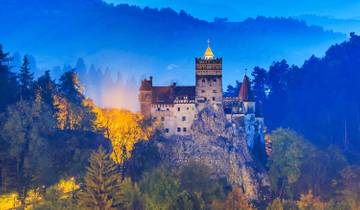
Authentic Transylvania: 7-Day Small-Group Journey
- ✓ Comprehensive Romania tour
- ✓ Expert local guides included
- ✓ All accommodation arranged
- ✓ Transportation provided
10 days
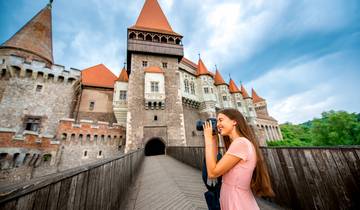
Best of Romania in 10 days
- ✓ Comprehensive Romania tour
- ✓ Expert local guides included
- ✓ All accommodation arranged
- ✓ Transportation provided
4 days
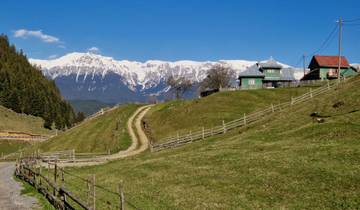
Transylvania Castles tour in 4 days from Bucharest
- ✓ Comprehensive Romania tour
- ✓ Expert local guides included
- ✓ All accommodation arranged
- ✓ Transportation provided
8 days
Transylvanian Village Life: 8-Day Carpathian Hiking & Cultural Journey
- ✓ Comprehensive Romania tour
- ✓ Expert local guides included
- ✓ All accommodation arranged
- ✓ Transportation provided
Multi-day tour packages powered by TourRadar. Prices and availability subject to change.
Introduction: Navigating Europe’s Premier Wetland Wilderness
Where the Danube River completes its 2,860-kilometer journey from Germany’s Black Forest to the Black Sea, the accumulated sediment of millennia has constructed Europe’s second-largest river delta and its most biodiverse wetland ecosystem. The Danube Delta Biosphere Reserve spans 580,000 hectares of channels, lakes, floating reed islands, and gallery forests distributed across Romania and Ukraine, creating a water-dominated landscape where boat transportation represents not tourism preference but geographical necessity. UNESCO’s 1991 World Heritage inscription and 1990 Biosphere Reserve designation recognized this labyrinth as possessing exceptional natural beauty and outstanding universal value, protecting breeding colonies and migration stopover sites critical to bird populations across three continents.
The delta’s configuration makes boat tours the definitive exploration method. Over 2,400 square kilometers of continuous reed beds form the largest compact reed stands in the world, interspersed with thousands of lakes, ponds, and channels navigable only by shallow-draft vessels. Three main distributaries—Chilia, Sulina, and Sfântu Gheorghe—branch into countless smaller channels connecting interior lakes and isolated forests, with the channel network expanding and contracting seasonally as Danube flood pulses inundate lowlands and then recede. Traditional fishing villages like Mila 23, Crișan, Letea, and Caraorman exist without road access, sustained by boat connections that deliver supplies, transport residents, and welcome visitors into communities where life has revolved around water for centuries.
Boat tours transform this aquatic maze from navigation challenge into accessible wilderness experience. Departing from Tulcea—the delta’s gateway city positioned where the Danube splits into its three main arms—tours navigate channels ranging from 100-meter-wide main arteries accommodating commercial ferry traffic to intimate waterways barely wider than the boats themselves, overhung with willows and carpeted with water lilies. The constantly shifting geography means each tour unfolds as unique encounter, with seasonal water levels exposing new mudflats for wading birds or flooding terrestrial zones that become temporary fish nurseries attracting feeding pelicans and cormorants.
This guide examines the full spectrum of Danube Delta boat tour experiences, from half-day introductory excursions through reed-fringed channels to week-long floating hotel expeditions penetrating the delta’s remotest strictly protected cores. The approach emphasizes understanding the delta’s ecological zones, matching tour types to visitor interests, navigating seasonal wildlife patterns, and selecting operators that balance wildlife encounters with conservation ethics in one of Europe’s last great wilderness areas.
Understanding the Danube Delta Biosphere Reserve
The Danube Delta Biosphere Reserve functions as three-tiered conservation system balancing absolute wilderness protection with sustainable human use across its 580,000-hectare extent. Strictly protected core zones encompassing 50,000 hectares preserve the delta’s most sensitive ecosystems with access limited to scientific research and licensed ecotourism accompanied by certified naturalist guides. These cores protect critical breeding colonies, rare habitat types like the Letea Forest’s subtropical flora, and pristine wetlands maintaining Europe’s most important natural water purification system. The Roșca-Buhaiova complex, Periteasca-Leahova area, and portions of both Letea and Caraorman forests fall under strict protection, creating refuges where ecological processes proceed without human interference.
Buffer zones representing 38.5% of the reserve area surround protected cores, allowing traditional resource extraction including fishing, livestock breeding, and reed harvesting under sustainable quotas while prohibiting activities that degrade ecosystems. These zones host most tourism infrastructure and boat tour operations, enabling visitor access without compromising conservation objectives. The final tier comprises economic zones where villages, agricultural areas, and commercial fishing operations concentrate, maintaining the delta’s human communities while gradually transitioning toward sustainable practices compatible with Biosphere Reserve status. This functional zoning enables boat tours to navigate from pristine wilderness harboring undisturbed pelican colonies to traditional fishing villages in single excursions, illustrating the conservation spectrum from absolute protection to sustainable coexistence.
The reserve’s UNESCO World Heritage inscription in 1991 recognized seven distinct criteria including exceptional natural beauty, ongoing ecological processes, and superlative natural phenomena. The designation highlighted the delta’s role as Europe’s largest natural water purification system, with wetlands filtering sediment, nutrients, and pollutants from Danube waters before they reach the Black Sea. This filtering capacity depends on vast reed beds that absorb nitrogen and phosphorus while stabilizing sediments, gallery forests that process flood waters, and complex lake systems providing settlement basins where particulates precipitate. The 1998 establishment of a transboundary Biosphere Reserve linking Romania’s delta with Ukraine’s Danube Delta Biosphere Reserve created unified protection for the complete ecosystem, though boat tours generally remain within Romanian territorial waters.
The delta’s formation continues actively through sediment deposition carrying thousands of tons of alluvial material into the Black Sea annually. This dynamic geomorphology produces constantly reshaping sandbars, emerging islands, and shifting channel patterns that alter navigation routes and create new habitats. Floating reed islands called plauri detach from mainland shores and drift through lakes, creating mobile ecosystems supporting distinct plant and animal communities. Tour guides with decades of delta experience note landmarks that have shifted, channels that have silted shut, and new waterways that opened during recent floods, illustrating the living landscape’s perpetual transformation.
Biodiversity and Wildlife Encounters on Boat Tours
The Danube Delta concentrates over 300 bird species within its wetland mosaic, representing one-third of all European avifauna in a single ecosystem. This extraordinary diversity stems from geographic position at the junction of two major migration flyways—the Black Sea coastal route and the Balkans route—creating a convergence where Arctic breeding species migrating south meet Mediterranean species moving north. Boat tours navigate the interface between these biogeographic zones, encountering species assemblages impossible elsewhere in Europe. Over 176 species breed within the delta, while passage migrants, winter visitors, and accidental vagrants complete the list. The aquatic environment concentrating this diversity makes boat-based observation uniquely productive, with tours routinely achieving 50-60 species counts in single morning excursions.
Pelicans dominate the delta’s avifauna hierarchy both numerically and symbolically. The Great White Pelican population of 14,000-15,000 breeding pairs represents Europe’s largest colony and approximately 50% of the Palaearctic breeding population. These massive birds with 3-meter wingspans nest on floating reed islands in enormous colonies, with hundreds of pairs concentrated on platforms that rise and fall with water levels. Dawn flights as pelicans depart colonial roosts to feed create unforgettable spectacles, with formations of dozens or hundreds proceeding toward feeding lakes in synchronized V-formations. The globally vulnerable Dalmatian Pelican—slightly larger and distinguished by curly head feathers—maintains a more precarious presence with 450-500 breeding pairs representing significant European population. Boat tours to core protection zones like Lake Fortuna position observers amid active colonies where both pelican species intermingle, offering eye-level observation impossible from shore.
The Pygmy Cormorant achieves its highest global densities in the delta, with 2,500 breeding pairs comprising 61% of the world’s total population. This small, fast-flying cormorant species nests in dense colonies often sharing sites with pelicans and herons, creating mixed assemblages of thousands of birds. Boat tours through channels like Mila 36 pass beneath Night Heron and Purple Heron colonies where hundreds of nests cluster in overhanging willows, with adult birds constantly arriving and departing to feed chicks. Five European heron and egret species breed throughout the delta: Great White Egret, Little Egret, Purple Heron, Night Heron, and Squacco Heron. The abundance and accessibility of these species mean boat tours regularly observe multiple species feeding, nesting, and roosting within single viewing sessions.
Raptors patrol the delta’s airspace and reed bed margins, with White-tailed Eagles representing the apex predator. Boat tours to Letea Forest and remote lakes frequently encounter these massive birds of prey perched in dead trees or soaring above channels searching for fish. Short-toed Eagles hunt in forest edges, while Marsh Harriers quarter reed beds with distinctive rocking flight. The rare Red-footed Falcon maintains small breeding populations in riverine forests accessible by boat. During migration periods, additional raptor species including Honey Buzzards, Black Kites, and various harriers pass through, with September-October offering particularly rich raptor movements along the Via Pontica flyway.
The Glossy Ibis—a crimson-backed wading bird with distinctive curved bill—breeds in colonies reaching 5,000 individuals, creating striking visual spectacles during breeding season when plumage achieves peak brilliance. The Red-breasted Goose, though a winter visitor rather than breeder, concentrates in the delta with nearly the entire global population wintering in this single ecosystem. Waterfowl diversity encompasses numerous duck species, grebes, and the elegant Mute Swan, all observable from boats navigating open lakes and reed-fringed channels.
Fish populations supporting avian abundance include over 100 species ranging from prehistoric sturgeons—the last remaining in Europe—to pike, carp, and perch. Traditional fishing communities still practice selective harvesting under sustainable quotas, with boat tours often encountering fishing vessels deploying traditional methods including willow fish traps and hand nets. Mammalian diversity centers on aquatic and semi-aquatic species: European Otters hunt fish along channel margins, Eurasian Beavers construct lodges in quieter waterways, and Golden Jackals patrol forest edges. The Letea Forest harbors semi-wild horses descended from Mongolian stock, viewable during boat-accessed forest excursions.
Aquatic vegetation creates distinct habitat zones visible from boats. Vast beds of white and yellow water lilies carpet shallow lakes, providing nesting substrate for Black Terns and feeding areas for herbivorous waterfowl. Reed beds dominated by Common Reed and Reed Mace form impenetrable walls along channel margins, sheltering rare warblers including Savi’s Warbler, Great Reed Warbler, and Moustached Warbler. Floating vegetation mats support unique plant communities including the rare lotus flowers blooming in southern lakes during summer. This botanical diversity underpins the entire food web, producing biomass that sustains fish populations that feed bird colonies that attract the tourists whose boats navigate this interconnected ecosystem.
Types of Boat Tours Available
Danube Delta boat tours segment into distinct categories matching varied visitor interests, schedules, and wildlife priorities. Understanding these divisions enables informed selection aligned with personal expectations and available time.
Half-Day and Full-Day Standard Tours
Standard day tours departing from Tulcea provide introductory delta experiences accessible to time-constrained visitors. Three to four-hour excursions navigate primary channels like Canal 36 and portions of the Sulina arm, passing reed beds, traditional fishing settlements, and accessible bird observation points. These tours accommodate 10-20 passengers aboard motorboats with covered seating, reaching locations like Mila 23 village and nearby lakes while maintaining tight schedules suitable for day-trippers from Bucharest. Full-day versions extending six to eight hours penetrate deeper into the channel network, typically including lunch stops at floating restaurants or traditional village eateries serving delta fish specialties.
Standard tours prioritize geographical overview over wildlife intensity, introducing delta ecosystems, traditional lifestyles, and basic bird identification without extended observation periods at specific sites. They suit travelers seeking delta exposure without specialized wildlife focus, families with children requiring varied activities, and visitors integrating delta exploration into broader Romanian itineraries. Wildlife encounters on standard tours remain opportunistic rather than guaranteed, dependent on seasonal presence and chance positioning rather than strategic timing and patient observation.
Specialized Birdwatching and Photography Tours
Birdwatching-focused tours employ smaller boats accessing narrower channels, maintain flexible schedules allowing extended observation at productive sites, and include certified naturalist guides with expert identification skills. These excursions target specific locations known for rare species or high diversity, adjusting routes based on recent sightings and seasonal movements. Four to five-day programs aboard floating hotels combine daily motorboat excursions to different zones with strategic positioning at dawn and dusk when bird activity peaks. Typical itineraries include dawn departures to Lake Fortuna for pelican morning flights, full-day explorations of the Sireasa-Sontea core zone, and evening positioning for mixed roosts where thousands of birds congregate before nightfall.
Passenger limits on specialized tours typically cap at 10-12 participants, enabling personalized guidance and reducing disturbance at sensitive sites. Guides carry comprehensive bird lists documenting all delta species, maintain daily checklists tracking trip totals, and provide telescopes for distant observation. Photography-specific tours further refine schedules around optimal light conditions, approach colonies from angles favoring composition, and allow extended sessions at photogenic locations. Floating hotel tours position sun decks 6 meters above water level, creating elevated observation platforms useful for scanning reed beds and spotting raptors while anchored overnight in quiet channels.
May represents the peak month for birdwatching tours, with all breeding species present, colonies at maximum activity, passage migrants still moving through, and daylight extending until 21:00. April and June offer nearly equivalent opportunities with slightly reduced intensity. September-October captures massive migration along the Via Pontica flyway, with different species assemblages than breeding season. Experienced birdwatchers targeting rare species or photography portfolios consistently choose multi-day specialized tours over standard excursions, accepting higher costs for dramatically increased wildlife productivity.
Multi-Day Floating Hotel Expeditions
Floating hotel cruises combine wilderness access with hotel-standard accommodation, repositioning overnight to cover extensive delta territory impossible on day tours. These vessels feature en-suite cabins, dining facilities serving traditional delta cuisine, and observation decks providing 360-degree views. Daily patterns typically involve early morning motorboat excursions from the anchored vessel, return for breakfast, repositioning to new areas while passengers observe from decks, afternoon excursions to different sites, and evening anchorage in scenic channels. This rhythm enables coverage of western core zones, central floating island channels, and Letea Forest approaches within single four to five-day itineraries.
Floating hotels access remote areas requiring multiple transit hours from Tulcea, eliminating repetitive travel by maintaining mobile bases near target sites. Passengers board smaller motorboats or traditional lotcas for precise wildlife observation while the mother ship anchors in deeper channels. This system combines comfort supporting multi-day wilderness exposure with flexibility adjusting itineraries based on weather, water levels, and recent wildlife sightings. Onboard naturalists often present evening programs reviewing daily observations, identifying photographed species, and previewing next day’s targets.
Week-long floating hotel expeditions represent the ultimate delta immersion, penetrating strictly protected cores inaccessible on shorter tours and allowing multiple visits to prime sites under varying conditions. These extended programs attract serious birders, wildlife photographers, and nature enthusiasts prioritizing comprehensive ecosystem understanding over brief exposure. The combination of daily excursions totaling 6-8 hours with comfortable accommodation and quality cuisine creates sustainable rhythm enabling sustained engagement without the physical demands of camping or budget lodging.
Cultural and Village-Focused Tours
Cultural tours emphasize traditional delta communities, visiting fishing villages, observing subsistence lifestyles adapted to wetland environments, and engaging with residents maintaining centuries-old practices. Mila 23—accessible only by boat and famous for pelican observation from village channels—represents the most visited settlement, with several guesthouses hosting overnight visitors. Letea and Caraorman villages near their respective forests offer insights into communities harvesting forest products and managing livestock in protected areas. Crișan serves as secondary gateway with boat connections throughout central delta channels.
These tours include visits to traditional houses built on stilts or floating platforms, demonstrations of fishing techniques including willow trap construction, and meals featuring delta specialties like fish soup, fried catfish with garlic sauce, and fish roe salad. Some programs arrange overnight homestays enabling evening and dawn experiences in villages after day-trippers depart. Cultural tours attract travelers interested in sustainable traditional lifestyles, ethnographic photography, and human adaptation to wetland environments beyond pure wildlife focus.
Fishing and Angling Expeditions
Sport fishing tours target the delta’s abundant fish populations, with pike, catfish, perch, carp, and zander providing challenges for anglers. These specialized excursions employ fishing guides familiar with productive locations, seasonal movements, and effective techniques for delta conditions. Multi-day fishing expeditions base from floating platforms or village guesthouses, combining fishing sessions with wildlife observation and traditional fish cuisine. Strict catch-and-release policies apply in protected zones, while buffer areas permit harvest under quota systems.
The delta’s fish populations remain robust despite historical overfishing pressure, thanks to conservation measures implemented following Biosphere Reserve establishment. Sturgeon fishing remains prohibited, protecting the last European populations of these prehistoric species. Fishing tours appeal to anglers seeking pristine environments with minimal commercial pressure and opportunities combining sport fishing with wilderness experience.
Main Boat Tour Routes and Navigation Channels
The Danube Delta’s channel network divides into primary arteries serving commercial traffic and countless secondary waterways accessible only to shallow-draft tour boats. Understanding this hierarchy clarifies tour route descriptions and helps visitors visualize navigational systems.
The Sulina Arm: Main Gateway
The Sulina distributary carries approximately 17% of total Danube discharge toward the Black Sea through a canalized channel maintained for commercial shipping. The Sulina-Tulcea ferry operates daily along this route, stopping at intermediate villages and providing public transportation alternative to tour boats. Tour vessels departing Tulcea often begin along the Sulina arm before branching into secondary channels accessing interior lakes. The arm’s width accommodates large vessels, reducing intimate wildlife encounters but offering efficient transit to jumping-off points for narrower channels.
Mila 36 Canal branches from the Sulina arm into interior lake systems, creating the most popular single-day tour route. This narrow channel passes beneath overhanging willows harboring Kingfishers, Golden Orioles, and Penduline Tits, with wider sections hosting Purple Heron and Night Heron colonies. Continuing through connected waterways reaches Mila 23 village and Lake Fortuna—the premier pelican observation site—enabling circuit tours that explore diverse habitats before returning to Tulcea. The Mila 36 route combines accessibility with high wildlife productivity, making it standard inclusion on most tour itineraries.
Sireasa-Sontea Core Zone: Strictly Protected Wilderness
The western delta’s Sireasa-Sontea channel complex penetrates the delta’s most protected core areas, requiring licensed guides and advance permits. This intricate network of channels and lakes hosts the highest concentrations of breeding pelicans, egrets, and cormorants, with strictly enforced approach distances protecting nesting colonies. Tours through this zone employ smaller boats capable of navigating narrow passages while maintaining quiet operation to minimize disturbance. The Periteasca and Sontea channels wind through vast reed beds opening into lakes hosting thousands of birds.
Access restrictions mean this route appears exclusively on specialized wildlife tours rather than standard excursions. The combination of pristine habitat and limited visitation creates optimal conditions for observing natural behaviors undisturbed by human presence. Dawn excursions through the Sireasa-Sontea complex capture morning pelican flights and maximum bird activity before heat reduces surface activity. This zone represents the delta at its most wild, offering experiences approaching pre-tourism delta conditions.
Canal Magearu: Floating Islands and Water Lilies
Canal Magearu’s distinctive floating reed islands draped in white and yellow water lilies create the delta’s most photogenic waterway. The plauri—detached reed mats drifting with currents—support unique plant communities including water lilies that bloom from June through August. Black Terns nest directly on lily pads in scenes unique to this ecosystem, while Purple Herons stalk through floating vegetation and Marsh Harriers quarter overhead. The canal’s width accommodates standard tour boats while maintaining intimate scale, with birds feeding mere meters from vessels.
Photography tours prioritize Canal Magearu for composition opportunities unavailable elsewhere, with water lilies providing foreground elements framing bird subjects against reed backgrounds. The channel connects to Lake Roșu and other southern lakes, enabling extended routes combining floating islands with open water bird concentrations. This area’s accessibility and visual appeal make it heavily featured in promotional materials, setting expectations for delta aesthetics.
Letea Forest Approach: Subtropical Wilderness
Reaching Letea Forest—the northernmost subtropical forest in Europe—requires boat transit to channel-side access points followed by off-road transfers into the forest interior. Tours combining boat and land components navigate the Chilia arm toward Ukrainian border regions before landing at forest edges. The forest itself harbors White-tailed Eagles, Short-toed Eagles, and semi-wild horses descended from Mongolian stock introduced centuries ago. Ancient oak species with Mediterranean affinities reach their northern distribution limits here, creating unusual ecosystem mixing temperate and subtropical elements.
Letea Forest tours appeal to visitors seeking diversity beyond pure wetland environments, though forest access adds logistical complexity requiring longer durations. The combination of boat transit through wild channels and forest exploration creates full-day or overnight experiences unavailable on water-only tours. Some multi-day floating hotel programs include Letea as single component within broader itineraries balancing forest, wetland, and open lake environments.
The Sfântu Gheorghe Arm: Black Sea Connection
The southernmost Sfântu Gheorghe distributary carries approximately 18% of Danube discharge toward the Black Sea through the delta’s wildest arm. This route passes the village bearing the same name before reaching wild Black Sea beaches where delta meets marine environment. Tours along this arm target the river’s mouth where pelicans and terns concentrate to feed on fish moving between fresh and salt water. The less-developed southern delta maintains more pristine character than central regions, though longer transit times from Tulcea limit this route primarily to multi-day tours.
The Sfântu Gheorghe village at the arm’s terminus offers rustic beach access and fishing community immersion, attracting cultural tourists alongside wildlife enthusiasts. The broader delta-sea ecotone creates distinct habitat supporting species assemblages different from interior wetlands, including marine birds absent from inland waters. Extended tours combining Sfântu Gheorghe exploration with central delta channels deliver comprehensive ecosystem sampling from Danube entry to Black Sea discharge.
Seasonal Considerations and Optimal Visit Timing
The Danube Delta transforms dramatically across seasons, with bird populations, water levels, vegetation states, and navigation conditions varying monthly. Aligning visits with specific objectives maximizes satisfaction and wildlife encounters.
Spring Migration and Breeding Season: March to June
March inaugurates spring migration as Arctic and Siberian breeding species return from African and Mediterranean wintering grounds. White Pelicans arrive en masse from the Nile Delta and Red Sea to establish breeding colonies, with 14,000-15,000 pairs settling by late March. Dalmatian Pelicans follow similar chronology, though in far smaller numbers. Egrets and herons arrive throughout March and April, with colonies reaching peak activity by May as incubation progresses and chicks hatch. May stands as the single optimal month for delta birdwatching, combining complete breeding species presence with maximum colony activity, passage migrants still moving through, and extended daylight lasting until 21:00 enabling evening observation sessions.
April and June bracket May with nearly equivalent opportunities, though reduced intensity. April catches colony establishment and courtship behaviors as birds compete for nest sites and mates, while June features chick-rearing activities with constant parental food deliveries creating dynamic observation opportunities. Water levels remain high through spring following winter precipitation, keeping channels navigable and flooding seasonal wetlands that attract feeding birds. Temperatures in May range 15-25°C, creating comfortable conditions without summer heat. Spring migration creates the year’s highest species diversity as resident populations mix with northbound migrants pausing to refuel.
Summer Nesting Period: July to August
July and August feature continued breeding activity as late-nesting species raise chicks, though many early breeders complete cycles and begin dispersing by mid-July. Temperatures peak 25-35°C, with afternoon heat reducing bird activity and limiting optimal observation to early morning and evening periods. Water levels decline through summer as evaporation exceeds precipitation and Danube discharge drops seasonally, exposing mudflats attractive to wading birds while reducing access to shallower channels. Reed beds reach maximum height, obscuring some viewing angles while providing nesting cover for late-season breeders.
Summer appeals to visitors prioritizing warm weather swimming at Black Sea beaches over intensive wildlife observation, with boat tours serving as single components of broader coastal vacations. The lotus flowers in southern lakes bloom during summer, attracting photography-focused tourists. Mosquito populations peak in July-August, necessitating protective measures including long sleeves, repellent, and screened accommodation. Summer visitation concentrates Romanian domestic tourists during holiday periods, increasing boat traffic in accessible areas while leaving remote zones relatively undisturbed.
Autumn Migration: September to November
September through October captures southbound migration along the Via Pontica flyway, with species assemblages differing from spring. Raptor movements intensify as European breeding populations migrate toward African wintering grounds, creating spectacular concentrations of Honey Buzzards, Black Kites, and various harriers. Waterfowl numbers swell as northern breeding populations arrive, with thousands of ducks and geese staging in delta wetlands before continuing to Mediterranean wintering areas. The Red-breasted Goose—nearly the entire global population—begins arriving in October, creating one of the delta’s signature autumn spectacles.
Water levels rise with autumn precipitation, improving channel navigation while flooding summer mudflats and reconfiguring habitat availability. Temperatures moderate to 10-20°C in September and 5-15°C in October, creating pleasant conditions without summer heat. Autumn colors emerge in gallery forests and reed beds, enhancing photographic opportunities. Tourist numbers decline after summer peak, reducing boat traffic and improving wilderness quality in popular zones. Autumn migration appeals to serious birders targeting species rare or absent during breeding season and photographers seeking different seasonal light conditions.
Winter Presence: December to February
Winter transforms the delta as breeding migrants depart and northern species arrive for temperate wintering. The Red-breasted Goose population reaches maximum concentration, with nearly all global individuals present by December. White-tailed Eagles remain year-round but achieve highest visibility during winter when reduced vegetation exposes perched birds. Various duck species winter in large numbers, concentrated on unfrozen lakes and channels. Pygmy Cormorants and some heron species maintain winter populations though in reduced numbers compared to breeding season.
Severe winters freeze extensive water areas, limiting boat access and concentrating birds on remaining open water. Milder winters increasingly common under climate change maintain better access while still delivering winter species assemblages. Temperatures range -5°C to 10°C, with occasional severe cold snaps dropping below -15°C. Tourist infrastructure operates at reduced capacity, with many floating hotels and tour operators closing until March. Winter appeals to specialized birders targeting wintering species unavailable in other seasons and photographers seeking dramatic winter light and ice-studded landscapes. The combination of reduced visitation and concentrated bird populations creates exceptional observation opportunities for those tolerating cold conditions.
Selecting Tour Operators and Booking Considerations
The Danube Delta’s tourism infrastructure ranges from informal individual boat owners offering unguided transport to established operators conducting licensed ecotourism under strict conservation protocols. Understanding this spectrum enables informed selection balancing cost, quality, and conservation ethics.
Licensed Tour Operators and Conservation Standards
Reputable delta tour operators hold licenses from the Danube Delta Biosphere Reserve Administration authorizing commercial tourism in protected areas. These licenses require demonstrated conservation knowledge, certified guide employment, and adherence to approach distance regulations protecting sensitive wildlife. Operators holding advanced permits access strictly protected core zones unavailable to unlicensed vessels, creating quality differentiation beyond standard amenities. Licensed operators include ARBDD entrance permits in tour costs, eliminating separate permit procurement and ensuring legal compliance.
Conservation-focused operators employ naturalist guides holding ARBDD certification requiring demonstrated expertise in delta ecology, species identification, and conservation principles. These guides adjust routes based on seasonal sensitivities, maintain protective distances from breeding colonies, and educate passengers about ecosystem values and threats. Operator websites typically showcase guide qualifications, conservation partnerships, and environmental policies, with established operators maintaining long-term relationships with reserve authorities. Tour reviews from experienced birders and conservation organizations provide quality indicators beyond promotional materials.
International Tour Companies Versus Local Operators
International birdwatching tour companies including Naturetrek, Ibis Tours, and similar specialists organize comprehensive Romanian programs incorporating Danube Delta components alongside Carpathian Mountains and other sites. These companies provide English-speaking expert guides with extensive bird knowledge, handle all logistics including Bucharest transfers, and deliver standardized service levels familiar to Western European clients. Costs exceed local operator rates but include airport transfers, hotel accommodation before and after delta segments, and comprehensive trip insurance. These tours suit international visitors prioritizing convenience and English-language interpretation over cost minimization.
Romanian operators based in Tulcea offer delta-focused programs at substantially lower costs, though English proficiency varies significantly between operators. Established Romanian companies like those advertising online through dedicated delta tourism websites provide reliable service with certified guides and modern vessels, creating quality experiences at 40-60% cost reductions versus international companies. Budget local operators may offer basic transport without certified naturalist guides, suitable for general delta exposure but inadequate for serious wildlife observation. The Romanian operator spectrum requires careful research distinguishing professional ecotourism companies from informal transport services.
Floating Hotel Standards and Vessel Quality
Floating hotel quality varies from converted cargo vessels with basic shared facilities to purpose-built ecotourism vessels with en-suite cabins matching land-based hotel standards. Vessel age, maintenance standards, cabin size, bathroom configurations, dining quality, and observation deck design all influence experience quality beyond basic transportation function. Modern floating hotels feature air-conditioned cabins, hot water, Western-style bathrooms, and covered dining areas with full galley facilities. Older conversions may offer more rustic conditions with shared facilities and limited amenities, creating authentic experiences at reduced costs.
Observation deck configurations significantly impact wildlife viewing opportunities. Upper sun decks 6 meters above water level provide commanding views over reed beds useful for spotting distant raptors and scanning open water, while lower decks enable eye-level photography of waterbirds. Vessel stability affects passenger comfort during multi-day cruises, with purpose-built platforms offering superior stability compared to narrow river vessels. Engine noise and vibration levels influence onboard comfort during repositioning transits. Detailed vessel specifications and cabin photographs clarify standards before booking.
Group Size Considerations
Tour group sizes dramatically affect wildlife observation quality and ecosystem impact. Large groups of 20-40 passengers create noise limiting approach distances and reduce guide personalization, while generating higher per-vessel disturbance. Small groups of 6-12 participants enable quieter observation, flexible schedule adjustments based on sightings, and detailed instruction from guides. Maximum group sizes appear in operator descriptions, with specialized birdwatching tours typically capping at 10-12 participants. Private tours for families or small groups eliminate sharing concerns but command premium pricing.
The calculation balances cost against quality: large group tours reduce per-person costs through shared vessel expenses but compromise observation opportunities and increase environmental impact. Small group tours increase costs but deliver superior wildlife encounters justifying premiums for serious enthusiasts. Standard day tours from Tulcea typically carry 15-25 passengers, creating moderate costs with acceptable wildlife opportunities for general tourism. Specialized multi-day programs limiting to 10 participants maximize quality for dedicated birders.
Booking Timeframes and Seasonal Availability
Peak season tours during May require advance booking of 2-3 months minimum to secure spaces on limited vessels, particularly for small-group specialized programs. International tour companies often sell out 6-12 months ahead for prime spring departures. Shoulder seasons in April, June, and September-October offer more availability with 3-6 week advance booking typically sufficient. Summer and winter see reduced demand enabling shorter booking windows, though winter operators close or run minimal schedules requiring verification before planning.
Floating hotel tours operate fixed departure dates with minimum passenger thresholds, typically requiring 8-10 participants to confirm departures. Booking early helps ensure threshold achievement, while last-minute bookings risk cancellation if minimums unmet. Day tours from Tulcea run year-round with daily departures in summer, reduced to 2-3 weekly in shoulder seasons, and sporadic winter availability. Private charters accommodate flexible dates but require advance arrangement for guide and vessel procurement.
Practical Tour Logistics and Preparation
Successful delta boat tours require specific preparation addressing unique wetland environment conditions, wildlife observation needs, and multi-day excursion logistics.
Reaching Tulcea: The Delta Gateway
Tulcea serves as primary embarkation point for delta tours, positioned where the Danube splits into three distributaries at the delta’s western edge. Reaching Tulcea from international gateways requires multi-stage transport typically beginning at Bucharest Henri Coandă Airport. Direct bus services connect Bucharest to Tulcea in 4 hours, departing from Autogară Gară de Nord several times daily. Private transfers arranged through tour operators reduce complexity while increasing costs. Some tour packages include Bucharest-Tulcea transfers as components, eliminating independent transport arrangements.
Constanța on the Black Sea coast offers alternative access via local shuttles or private transfers, useful for travelers combining delta tours with beach destinations. Rail connections from Bucharest to Tulcea operate daily though slower than buses at 5-6 hours. Tulcea airport handles limited domestic flights, creating specialized access for some Romanian travelers. International tour packages typically arrange all transfers, while independent travelers coordinate transport between Bucharest accommodation and Tulcea marina departure points.
Accommodation in Tulcea and Delta Villages
Tulcea offers hotel accommodation ranging from budget guesthouses to mid-range hotels, with most tour operators recommending specific properties near marina departure points. Many tour packages include Tulcea overnight stays before and after delta excursions, simplifying logistics. For independent travelers, advance booking during May peak season prevents availability issues. Multi-day floating hotel tours eliminate separate Tulcea lodging needs, with passengers boarding vessels for entire duration.
Delta village accommodation in Mila 23, Crișan, and other settlements provides rustic overnight options for travelers seeking immersive experiences. Village guesthouses operate at basic standards with shared facilities, local meals, and authentic atmosphere compensating for limited amenities. These stays suit adventurous travelers and cultural tourists prioritizing experience over comfort. Advance arrangements through tour operators or direct contact with guesthouse proprietors secure space during limited high season availability.
Packing Essentials for Boat Tours
Optical equipment heads packing priorities for wildlife observation. Binoculars of 8×42 or 10×42 magnification provide versatile viewing for both close birds and distant subjects, with image stabilization beneficial on moving boats. Photographers require telephoto lenses minimum 400mm for bird photography, with 500-600mm optimal for distant subjects and small species. Spotting scopes deliver superior magnification for identification but prove cumbersome on boats compared to quality binoculars. Camera equipment requires waterproof protection from spray and rain, with dry bags essential for multi-day tours.
Sun protection becomes critical during exposed boat hours, with wide-brimmed hats, high-SPF sunscreen, and polarized sunglasses preventing sunburn and glare. Lightweight long-sleeved shirts protect from sun while reducing mosquito exposure in reed-bed areas. Layers address variable conditions from cool morning departures to hot midday sun, with waterproof outer layers protecting against sudden rain. Closed-toe water-resistant shoes with non-slip soles prove essential for boarding boats and navigating wet surfaces.
Mosquito protection necessitates multiple approaches: DEET-based repellent for exposed skin, permethrin-treated clothing for added protection, and lightweight long pants and sleeves during dawn and dusk peak activity. May and June see moderate mosquito presence, while July-August bring heavy populations in some areas. Insect head nets provide emergency protection for sensitive individuals. Accommodations typically provide screened sleeping areas, though village guesthouses vary in quality.
Field guides enhance identification and understanding, with European bird guides covering delta species. Romanian language basics aid communication in villages and with local guides, though English-speaking guides accommodate international visitors on organized tours. Reusable water bottles reduce plastic waste in protected areas, with operators typically providing drinking water. Dry bags protect electronics, documents, and spare clothing from spray and rain. Power banks maintain camera and phone charges during multi-day trips without guaranteed electricity.
Health and Safety Considerations
The Danube Delta presents minimal serious health risks for travelers taking standard precautions. No specific vaccinations apply beyond routine recommendations for Europe. Drinking water quality in villages varies, with bottled water recommended for sensitive travelers. Tour vessels typically provide safe drinking water or bottled alternatives. Sun exposure during extended boat hours poses primary risk, with sunburn and heat exhaustion prevented through adequate sun protection, hydration, and midday shade use.
Mosquito-borne diseases including West Nile virus occur sporadically in the region, though risk remains low. Mosquito protection reduces exposure alongside sun protection and general comfort benefits. Tick exposure affects those venturing into forest and grassland areas, with standard tick checks and protective clothing recommended for Letea Forest excursions. Water contact carries minimal risk in delta channels, though swimming in designated areas reduces exposure to agricultural runoff and boat traffic.
Boat safety standards vary between operators, with licensed companies maintaining life jackets, first aid equipment, and emergency communication devices. Asking about safety equipment and emergency protocols during booking clarifies standards. Weather can change rapidly on large lakes, with afternoon thunderstorms common in summer. Experienced boat operators monitor conditions and adjust routes accordingly. Travel insurance covering medical evacuation addresses remote area access challenges, though emergency services function adequately in main villages and Tulcea.
Conservation Challenges and Sustainable Tourism Practices
The Danube Delta faces conservation pressures despite UNESCO protection, with tourism representing both economic opportunity and potential threat. Understanding these dynamics enables visitors to support sustainable practices while minimizing individual impacts.
Historical Threats and Ongoing Pressures
Communist-era development between 1960-1989 transformed extensive delta areas through drainage projects converting wetlands to agricultural land, creating 130,000 hectares of polders for crops and fish farming. These modifications eliminated critical wildlife habitat while disrupting natural hydrology, with consequences still visible decades after cessation. Since Biosphere Reserve establishment, ecological restoration projects have reflooded portions of drained areas, restoring approximately 40,000 hectares to natural wetland conditions. Continued restoration remains priority, though funding constraints limit pace.
Danube River pollution from agricultural runoff, industrial discharge, and sewage throughout the 2,860-kilometer basin concentrates in delta wetlands, with nutrient loads causing eutrophication in some lakes. The delta’s natural purification capacity processes substantial pollution, though capacity limits exist. International cooperation through Danube Basin initiatives addresses upstream sources, though progress remains gradual. Climate change affects water levels, seasonal flooding patterns, and species distributions, with impacts projected to intensify. Sea level rise threatens coastal areas including villages and critical habitats at the delta-Black Sea interface.
Overfishing historically depleted sturgeon populations, with commercial harvest now prohibited to protect remaining individuals. Illegal fishing continues despite enforcement efforts, particularly targeting valuable species. Tourism pressure concentrates in accessible zones like Mila 23 and Lake Fortuna, creating disturbance risks if unmanaged. Reed harvesting and traditional fishing represent sustainable practices under quota systems, though monitoring ensures compliance with limits protecting ecosystem function.
Responsible Wildlife Observation Ethics
Approaching breeding colonies requires careful distance management to prevent nest abandonment and chick mortality from stress. Licensed operators maintain minimum approach distances established by ARBDD based on species sensitivity, typically 50-100 meters for large colonies and greater for rare species. Unlicensed boats sometimes violate these standards to offer “better views,” creating conservation harm tourists inadvertently support. Booking licensed operators ensures ethical wildlife observation aligned with scientific standards rather than entertainment maximization.
Engine noise affects bird behavior, with quiet electric motors or oar-propelled boats reducing disturbance compared to loud outboards. Quality operators cut engines before approaching colonies, drifting final distances to minimize impact. Flash photography startles birds and should remain prohibited near nesting areas, with natural light photography capturing authentic behaviors undisturbed by artificial illumination. Staying seated and avoiding sudden movements while observing reduces boat disturbance, enabling closer approaches within ethical limits.
Feeding birds or discarding food waste attracts unnatural concentrations and habituates wildlife to human presence, creating long-term behavioral changes. All waste returns to Tulcea for proper disposal rather than depositing in delta waters or villages lacking waste infrastructure. Respecting posted access restrictions protects the most sensitive strictly protected cores, with licensed guide accompaniment ensuring compliant access to authorized areas. Supporting operators demonstrating conservation commitment through guide certification, permit compliance, and environmental policies channels tourism revenue toward sustainable practices.
Supporting Local Communities and Traditional Livelihoods
Delta villages depend on fishing, reed harvesting, and increasingly tourism for livelihoods, with economic opportunities limited by remote locations and boat-only access. Overnight village stays, purchasing traditional crafts, and eating local fish dishes direct tourism revenue to community residents rather than external operators based in Tulcea. Cultural sensitivity toward traditional practices including fishing and livestock grazing recognizes these activities as components of sustainable delta use rather than threats to conservation, provided they remain within established quotas and buffer zones.
Explaining visitor interest in traditional practices to village residents reinforces cultural value of heritage skills like willow fish trap construction and hand-net fishing threatened by modernization. Photography of villages and residents should request permission, acknowledging that locals are people maintaining communities rather than tourist attractions. Learning basic Romanian phrases demonstrates respect and facilitates interactions, particularly in villages where English remains uncommon.
Supporting Romanian tour operators over international companies maximizes local economic benefit, though quality verification requires research. Established Romanian operators employ local guides, purchase supplies from delta vendors, and maintain long-term community relationships creating distributed economic benefits. Tour reviews mentioning community interaction quality and guide local knowledge help identify operators integrating authentic delta community engagement beyond superficial village stops.
Photography Opportunities and Techniques
The Danube Delta offers exceptional photography opportunities spanning wildlife, landscapes, and cultural subjects, with boat platforms providing unique perspectives unavailable in terrestrial environments.
Wildlife Photography from Boats
Telephoto lenses of 500-600mm focal length capture frame-filling images of distant birds while maintaining ethical approach distances. Image stabilization proves essential for boat-based photography, compensating for vessel movement and wave action. Shutter speeds minimum 1/1000 second freeze bird flight, with 1/2000 second preferable for rapid movements like pelican takeoffs. Continuous autofocus tracking maintains focus on moving subjects, with eye-detection autofocus beneficial for portraits when available.
Morning golden hour light from dawn to two hours after sunrise provides warm illumination enhancing bird plumage colors, with backlighting creating dramatic rim-lit silhouettes against water reflections. Overcast conditions produce soft even light reducing harsh shadows, beneficial for detailed plumage photography. Avoiding midday harsh light prevents washed-out highlights and extreme contrast, with morning and evening sessions capturing optimal conditions. Positioning relative to sun direction affects lighting quality, with operators accommodating photographer needs by adjusting boat orientation when possible.
Pelican flight photography requires anticipation, tracking birds during approach and firing bursts as they pass. Water lilies provide foreground elements framing bird subjects, creating depth and context beyond isolated portraits. Reflection compositions using calm water as mirror double subject impact, with early morning stillness before wind rises creating mirror-like surfaces. Including environmental context like reed beds, channels, and forests places wildlife within habitat rather than producing decontextualized portraits.
Landscape and Habitat Photography
Wide-angle lenses capture expansive wetland vistas, with 16-35mm range encompassing channels, reed beds, and skies in single compositions. Foreground reed stems or water lilies anchor compositions, leading viewers’ eyes toward background subjects. Sunrise and sunset light transforms mundane wetland scenes into dramatic imagery, with colorful skies reflecting in calm waters. Mist rising from channels during cool mornings creates ethereal atmospheres unique to wetland environments.
Floating reed island compositions showcase delta’s distinctive plauri formations draped in vegetation, particularly dramatic when covered in blooming water lilies. Letea Forest’s subtropical character with ancient oaks and lianas creates unusual European landscapes worth documenting. Traditional fishing villages with wooden houses, boat docks, and daily life activities provide cultural context alongside natural photography. Black Sea beach interfaces where delta meets marine environment capture ecosystem transitions.
Technical Challenges and Solutions
Boat movement complicates tripod use, with stabilized handheld shooting or monopods providing practical alternatives. Beanbag camera supports rested on boat rails offer stability while allowing rapid positioning adjustments. Spray and humidity threaten camera electronics, with weather-sealed camera bodies and lenses providing protection. Dry bags store equipment between shooting sessions, particularly critical during rainy periods or high-speed transits.
Dust from dry reeds coats equipment requiring regular cleaning, with blowers removing particles without surface contact. Multiple camera batteries maintain shooting capacity during full-day excursions without recharging access. Memory cards with large capacity prevent storage limitations during intensive shooting sessions capturing thousands of frames. Polarizing filters reduce water glare enhancing water clarity and saturating sky blues, useful for landscape and habitat photography.
Beyond Boat Tours: Complementary Delta Experiences
While boat tours represent primary delta access, supplementary activities enrich overall experiences and provide alternative perspectives on the ecosystem.
Hiking and Forest Exploration
Letea Forest trails enable on-foot exploration of the subtropical forest interior impossible from boats. Several marked trails wind through oak groves, sand dunes, and liana-draped stands, with opportunities encountering semi-wild horses and forest raptors. Off-road vehicle transfers from channel-side access points reach trailheads, with combinations of boat and hiking creating diverse experiential programs. The Caraorman Forest offers similar opportunities on the delta’s southern edge.
Beştepe Hill Natural Reserve near delta villages provides elevated viewpoints overlooking wetland expanses, with steppe meadow flora distinct from aquatic environments. Short hikes to observation points reward sunset viewers with panoramic vistas impossible from water level. These terrestrial components balance multi-day programs dominated by boat travel, appealing to visitors desiring varied activities.
Kayaking and Rowing Experiences
Kayak tours through narrow channels inaccessible to motorboats deliver intimate wetland encounters with minimal environmental impact. The silence of paddle-powered movement enables closer bird approaches without engine disturbance, though navigation skill and physical fitness requirements exceed passive boat tour participation. Some operators offer kayak options for portions of larger tours, combining paddling segments with motorized transport to distant locations.
Traditional rowing lotcas provide authentic experiences using historical delta transport methods, with local guides demonstrating techniques refined over generations. The slow pace and quiet operation prove beneficial for wildlife observation while immersing participants in traditional practices. These options appeal to adventurous visitors seeking active participation over passive observation.
Museum and Cultural Center Visits
The Danube Delta Museum in Tulcea houses exhibits covering delta formation, biodiversity, traditional lifestyles, and conservation challenges. Displays include taxidermy specimens of key bird species, traditional fishing equipment, and archaeological artifacts from ancient Greek and Roman settlements. Museum visits provide educational context enhancing boat tour understanding, with post-tour visits reinforcing observed ecology through interpretive displays.
Village cultural centers in Mila 23 and other settlements showcase traditional crafts, fishing techniques, and daily life practices. Some villages host folk performances featuring traditional music and dance, creating cultural programming complementing natural history focus. These cultural components appeal to visitors seeking comprehensive regional understanding beyond pure wildlife tourism.
Extended Regional Itineraries
The Danube Delta integrates well into broader Romanian itineraries combining natural areas, cultural heritage sites, and coastal destinations.
Combining Delta with Black Sea Coast
Constanța and Mamaia beach resorts lie 100 kilometers south of Tulcea, enabling combinations of delta wildlife tours with Black Sea beach relaxation. Week-long itineraries divide between three to four days in the delta and three days on the coast, appealing to families and travelers seeking diverse experiences. Constanța’s Roman and Byzantine heritage including Histria ancient ruins and Constanța Casino add cultural dimensions. Transport between Tulcea and Constanța via bus or private transfer requires 2-3 hours, making the combination logistically practical.
Carpathian Mountains and Transylvania Extensions
Romania’s Carpathian Mountains located 300-400 kilometers west of Tulcea harbor brown bears, wolves, lynx, and mountain birds absent from delta lowlands. Multi-week itineraries combining delta wetlands with Carpathian montane environments deliver comprehensive Romanian wildlife coverage. Transylvania’s cultural heritage including medieval towns like Brașov and Sighișoara add historical dimensions. These extended programs typically begin or end in Bucharest, using the capital as transport hub connecting delta and mountain regions.
Danube Gorge and Western Romania
The Iron Gates Gorge where the Danube cuts through Carpathian ranges 400 kilometers upriver from Tulcea creates dramatic canyon scenery contrasting with delta lowlands. River cruises transit the entire Lower Danube from Vienna or Budapest to delta termination, experiencing the river’s full character. These comprehensive Danube journeys require 10-16 days but deliver unmatched river ecosystem understanding from Alpine headwaters to Black Sea discharge.
Frequently Asked Questions About Danube Delta Boat Tours
How much do Danube Delta boat tours cost?
Standard day tours from Tulcea start from 300 RON ($65) per person for three to four-hour excursions including boat transport, guide, and ARBDD entrance permit, with six to eight-hour full-day tours ranging 400-600 RON ($85-130). Multi-day floating hotel expeditions cost 600-1,200 EUR ($650-1,300) per person for four to five-day programs with accommodation, meals, daily excursions, and certified naturalist guides. Specialized birdwatching tours from international operators range 1,500-3,000 EUR ($1,600-3,200) for week-long programs including flights, Bucharest transfers, and comprehensive logistics. Budget independent travelers hiring local boats for basic transport without guides pay 100-200 RON ($20-45) per hour for vessel charter, though this eliminates expert wildlife interpretation and permit access to protected cores. Prices vary seasonally, with May peak season commanding 10-20% premiums over shoulder season rates.
Are Danube Delta boat tours suitable for children?
Standard day tours accommodate families with children, offering varied scenery, wildlife encounters, and village visits maintaining interest without requiring extended attention spans. Pelicans, herons, and other large birds captivate children more than subtle warblers requiring binocular observation. Shorter three to four-hour tours suit younger children with limited patience for quiet observation, while full-day excursions work for children ages 8 and older comfortable with extended boat time. Floating hotel tours provide evening breaks and overnight accommodation eliminating daily transit between lodging and delta, making multi-day programs manageable for families. Most operators welcome children, though specialized birdwatching tours targeting serious enthusiasts may discourage young participants to maintain group focus.
Safety considerations include life jacket availability for all ages, stable vessels with railings preventing falls overboard, and shade protection from sun exposure. Mosquito protection becomes important for children’s comfort, with repellent and protective clothing reducing bites. Engaging children through bird identification games, photography assignments, and traditional village cultural activities sustains interest beyond passive observation. Some operators offer family-specific programs balancing wildlife viewing with interactive activities appropriate for younger participants.
What wildlife can I expect to see on a typical boat tour?
Pelicans represent virtually guaranteed sightings during May through October, with Great White Pelicans abundant and Dalmatian Pelicans less common but regularly observed. Egrets including Great White and Little Egrets appear frequently along channel margins and lake shores. Purple Herons and Night Herons inhabit reed beds and willow groves, visible perching in vegetation or flying between feeding sites. Cormorants including both Great Cormorants and Pygmy Cormorants perch on posts, snags, and boat markers throughout the delta. Glossy Ibis flocks feed in shallow waters particularly during migration periods.
Raptors including White-tailed Eagles, Marsh Harriers, and occasional Short-toed Eagles patrol channels and forests, though sightings prove less predictable than waterbirds. Kingfishers frequent willow-lined channels, identifiable by brilliant blue plumage and distinctive calls. Waterfowl including various duck species, grebes, and swans appear on open lakes and wider channels. Small passerines including Golden Orioles, Penduline Tits, and various warblers inhabit vegetation though requiring binocular observation. European Otters hunt fish along quiet channels, visible during dawn excursions with careful observation. Semi-wild horses in Letea Forest appear during combined boat-forest excursions.
Species diversity and abundance vary seasonally, with May offering maximum breeding species presence and September-October delivering migration concentrations. Individual tours may record 40-80 species depending on duration, route, and observer expertise. Rare species sightings including Ferruginous Ducks, Red-footed Falcons, or exceptional vagrants occur sporadically, rewarding extended visits covering diverse habitats.
Do I need to speak Romanian to take a boat tour?
Established tour operators catering to international visitors employ English-speaking guides, eliminating language barriers for standard wildlife observation and cultural tours. International tour companies running Romanian programs provide expert English-speaking naturalist guides as standard. Romanian operators advertising online typically indicate English availability, with larger companies maintaining multilingual guides for German, French, and English markets. Smaller Romanian operators may offer Romanian-language guiding only, suitable for Romanian speakers or travelers prioritizing cost over English interpretation.
Basic Romanian phrases enhance interactions in villages and with boat operators, though essential communication usually succeeds through gestures and limited shared vocabulary. Village residents in Mila 23 and other settlements frequently encounter tourists developing basic English competency, though fluency remains uncommon. Hiring English-speaking guides ensures wildlife identification accuracy and ecological interpretation beyond simple species naming. Solo travelers joining group tours benefit from guide interpretation shared across participants, while private charters should confirm English-speaking guide inclusion if language matters.
What is the best month to visit the Danube Delta?
May represents the optimal single month for Danube Delta visits, combining complete breeding species presence with maximum colony activity, passage migrants still moving through, extended daylight lasting until 21:00, and comfortable temperatures averaging 15-25°C. All resident pelicans, egrets, herons, and cormorants actively breed during May, with chick-rearing creating constant parental activity enhancing observation opportunities. Water levels remain high maintaining full channel navigation without summer drought restrictions.
April and June bracket May as nearly equivalent alternatives, with April featuring courtship behaviors and colony establishment while June captures continued chick-rearing with slightly warmer conditions. September-October delivers different experiences centered on autumn migration along the Via Pontica flyway, with raptor concentrations, waterfowl staging, and Red-breasted Goose arrivals creating spectacular movements absent during breeding season. Winter months from December through February appeal to specialized birders targeting wintering species including Red-breasted Geese and White-tailed Eagles, accepting cold temperatures and reduced tour availability for unique seasonal wildlife assemblages.
Summer months July-August offer warm weather suitable for combining delta tours with Black Sea beach vacations, though intense heat reduces optimal observation to early morning and evening hours. Peak mosquito populations and reduced bird activity make summer less suitable for serious wildlife observation compared to spring and autumn. Visitor preferences balancing weather comfort, wildlife priorities, and seasonal availability determine personal optimal timing within the May-centered peak.
Can I visit the Danube Delta independently without a tour?
Independent delta exploration remains possible using public ferry services connecting Tulcea to major villages including Sulina, Sfântu Gheorghe, and Crișan. These ferries transport local residents alongside tourists, providing economical delta access for budget travelers. Arriving in villages enables independent boat hire from local operators for short excursions to nearby channels and lakes, with negotiated rates typically 100-200 RON ($20-45) per hour for small vessels. Village guesthouse networks provide basic accommodation supporting multi-day independent stays.
However, independent exploration carries significant limitations compared to organized tours. Accessing strictly protected core zones requires ARBDD permits and certified guide accompaniment unavailable through informal arrangements. Wildlife identification without expert guides reduces encounters to “brown bird” and “large bird” lacking species confirmation and ecological understanding. Navigation knowledge proves essential for safe channel transit avoiding dead-ends and shallow areas, with local boat operators possessing expertise independent visitors lack. Public ferry schedules limit daily movement flexibility, with departures occurring once or twice daily on some routes.
Independent exploration suits budget-conscious travelers accepting these limitations, cultural tourists prioritizing village immersion over intensive wildlife observation, and adventurous visitors comfortable with uncertainty. Serious birders and wildlife photographers almost invariably choose organized tours for superior access, expert guidance, and specialized itineraries impossible to replicate independently. Hybrid approaches combining one or two days of organized tours for protected zone access with independent village stays balance costs against access quality.
What type of clothing should I bring for boat tours?
Layered clothing addressing variable conditions from cool morning departures to hot midday sun proves most versatile. Lightweight long-sleeved shirts provide sun protection while reducing mosquito exposure, with synthetic fabrics drying quickly if wet. Long pants offer additional sun and insect protection, with lightweight hiking pants balancing coverage against comfort. Waterproof outer layers protect against sudden rain and spray from boat movement, with packable rain jackets occupying minimal luggage space.
Wide-brimmed hats prevent sunburn on exposed faces and necks during extended boat hours, with chin straps preventing loss during wind. Closed-toe water-resistant shoes with non-slip soles provide safety boarding boats and walking on wet surfaces, with hiking sandals offering alternatives during hot weather. Polarized sunglasses reduce water glare protecting eyes while improving surface visibility revealing submerged vegetation and fish.
May temperatures averaging 15-25°C require light jacket or fleece for cool mornings, shedding to t-shirts by midday. Summer heat necessitates maximum breathability with sun protection, while autumn visits need warmer layers for cool conditions. Winter tours demand insulated clothing for temperatures potentially dropping below freezing. Mosquito protection through lightweight long sleeves and pants reduces reliance on chemical repellents, particularly important for children and sensitive individuals. Avoid camouflage clothing which may alarm birds; neutral colors like olive, tan, and gray blend effectively without military associations.
Are there age or fitness requirements for boat tours?
Standard boat tours impose no specific age or fitness requirements, accommodating elderly visitors, young children, and mobility-limited passengers. Modern tour vessels feature stable platforms with railings, covered seating areas, and minimal physical demands beyond boarding and disembarking. Boarding typically requires stepping from docks to boat decks with assistance available from crew, though passengers with severe mobility limitations should confirm accessibility before booking. Floating hotel tours provide particular suitability for limited-mobility travelers, eliminating daily transfers between accommodation and boats while offering stable platforms and accessible cabins.
Specialized birdwatching and photography tours involve extended periods standing or sitting for wildlife observation, though minimal hiking or strenuous activity. Physical demands increase for combination programs incorporating Letea Forest hiking requiring moderate fitness for forest trail navigation. Kayaking tours demand upper body strength and paddling stamina though routes typically accommodate beginner fitness levels. Village homestays may feature basic facilities including outdoor toilets and limited accessibility, requiring mobility for managing rustic conditions.
Young children require supervision near boat edges and water, with parents responsible for safety oversight. Life jackets accommodate all ages when properly sized. Operators should confirm facilities including restrooms on multi-hour tours, particularly important for children and elderly passengers. Most health conditions compatible with air travel accommodate boat tours, though specific concerns warrant discussion with tour operators before booking. Remote delta locations increase response times for medical emergencies, though established operators maintain first aid equipment and communication devices for emergency situations.
How do I choose between a day tour and multi-day floating hotel cruise?
Day tours from Tulcea suit time-constrained visitors, travelers on limited budgets, and those seeking delta introduction without intensive immersion. Single-day excursions provide wildlife encounters, village visits, and ecosystem exposure achievable in six to eight hours, returning to Tulcea accommodation nightly. Day tours work well for families with young children requiring regular accommodation amenities and travelers combining delta visits with other Romanian destinations in sequential multi-day itineraries. Budget limitations favor day tours over multi-day programs, with costs typically one-quarter of floating hotel rates.
Multi-day floating hotel cruises deliver comprehensive delta coverage impossible on day tours, accessing remote strictly protected cores requiring multiple transit hours from Tulcea. The repositioning capability enables different areas daily, maximizing wildlife territory sampling and species diversity. Overnight anchorage in quiet channels creates dawn and dusk observation opportunities from stable platforms, with early morning excursions capturing peak bird activity before day-tour vessels arrive. Multi-day programs suit serious birders targeting comprehensive species lists, wildlife photographers requiring varied locations and optimal light conditions, and nature enthusiasts prioritizing deep ecosystem understanding over casual exposure.
The decision balances time availability against depth of interest and budget constraints. Travelers allocating one full day favor standard tours, while those dedicating four to seven days to delta exploration benefit dramatically from floating hotel programs. Intermediate options exist through village-based three-day programs combining day tours with overnight village stays, offering depth between single-day and floating hotel experiences at moderate costs. First-time visitors uncertain about interest levels might choose day tours, upgrading to multi-day programs on subsequent visits if captivated initially. Experienced birders and dedicated nature enthusiasts almost invariably choose multi-day programs for superior coverage and specialized access.
What is the difference between the Danube Delta in Romania and Ukraine?
The Danube Delta extends across both Romanian and Ukrainian territory, with Romania controlling approximately 80% of total area including the three main distributaries and majority of wetland ecosystems. Ukraine’s portion centers on the Chilia arm’s northern branch and associated wetlands totaling approximately 100,000 hectares. The two nations established a transboundary Biosphere Reserve in 1998 coordinating conservation across political boundaries, though administrative systems and tourism infrastructure remain separate. Romanian delta tour operations remain entirely within Romanian waters, rarely crossing into Ukrainian territory due to border formalities and separate permit requirements.
Wildlife populations move freely across borders following ecological gradients rather than political boundaries, with bird colonies, fish populations, and other species utilizing the entire ecosystem regardless of nationality. Conservation challenges including pollution, climate change, and water management affect both portions, requiring bilateral cooperation through international agreements. From tourism perspective, virtually all delta boat tours operate within Romanian territory where infrastructure, accessibility, and tourism development far exceed Ukrainian delta facilities. Ukrainian delta visits require separate arrangements and border crossings, rarely combined with Romanian programs in single trips. The transboundary nature remains primarily ecological and conservation reality rather than tourism consideration.