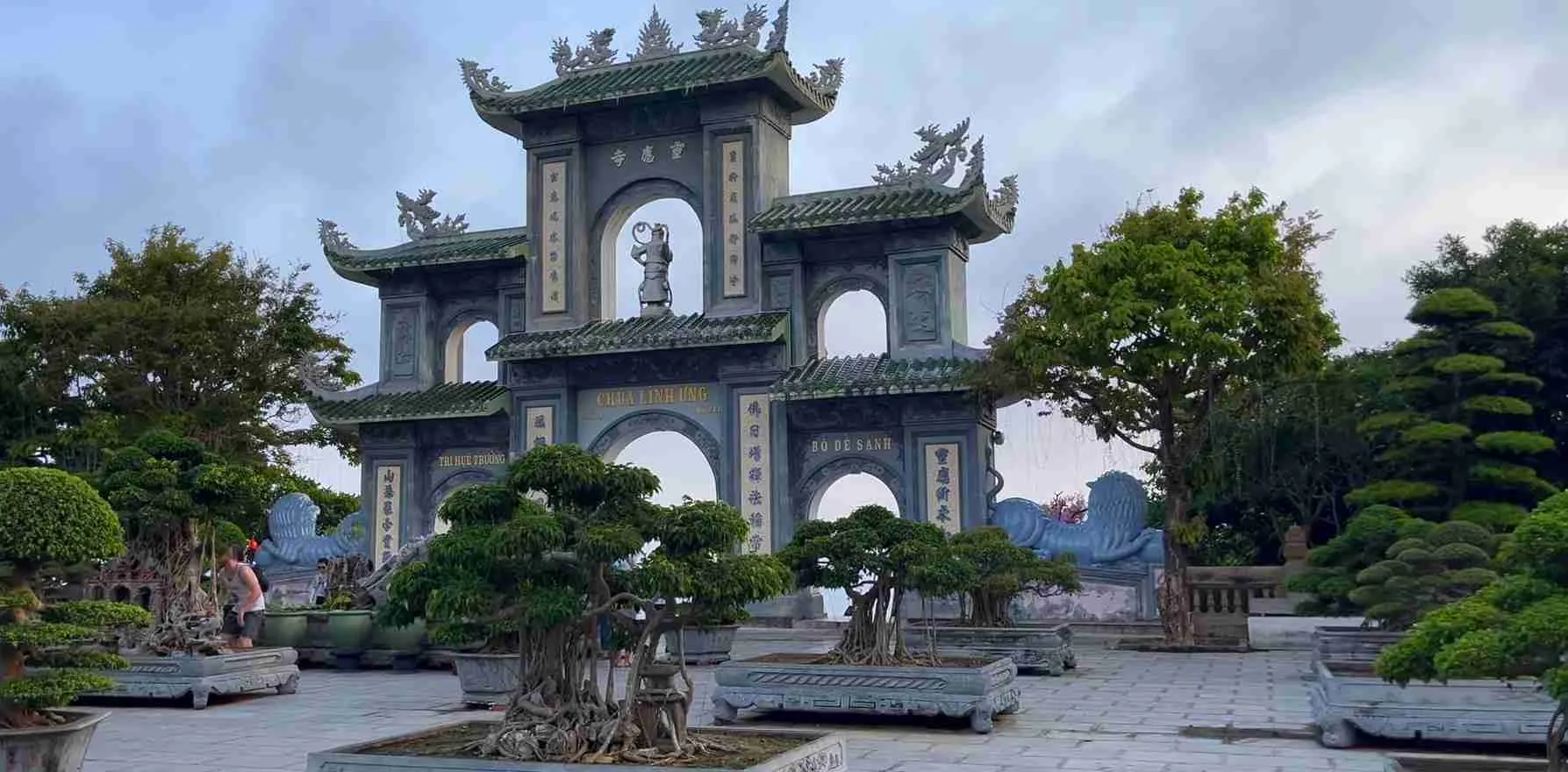
Da Nang Best Tours & Walking Routes 2026: Complete Travel Guide
Da Nang’s tour landscape transforms independent sightseeing into expertly curated experiences ranging from free tip-based walking tours through downtown’s cultural sites to comprehensive day excursions visiting UNESCO World Heritage locations in Hoi An, My Son Sanctuary, and beyond. This guide examines every tour category operating in 2026—from budget-friendly street food walks costing $29-45 to private full-day experiences reaching $110+ for couples—while detailing self-guided walking routes allowing independent exploration of the city’s riverside promenades, markets, and architectural landmarks without guide fees.
Key Takeaways for Da Nang Tours 2026
- Free Walking Tours Available: Tip-based walking tours through GuruWalk and local operators provide 2-3 hour cultural explorations of downtown Da Nang covering Han Market, Cathedral, Museum of Cham Sculpture, and Dragon Bridge with knowledgeable English-speaking guides working for gratuities (typical tips 100,000-200,000 VND or $4-8 per person)
- Food Tour Pricing: Da Nang street food walking tours cost $29-45 per person for 2.5-4 hour experiences including 6-10 tasting stops, with evening food tours priced at $45 per person covering all food, drinks (including beer), and guide services—representing exceptional value for comprehensive culinary introductions
- Ba Na Hills Full-Day Tours: Organized Ba Na Hills tours from Da Nang range $40-65 per person including round-trip transportation, English-speaking guide, and sometimes cable car tickets (750,000 VND or $31 separately), with pickup at 7:00-7:30 AM and return by 5:00-6:00 PM providing 6-8 hours at the complex
- Hoi An Day Trip Options: Day tours to Hoi An Ancient Town cost $25-45 per person with transportation, guide, and sometimes entrance tickets (120,000 VND or $5 separately), while combination My Son Sanctuary + Hoi An tours reach $50-70 covering both UNESCO sites in single full-day itineraries
- Self-Guided Downtown Walk: Da Nang’s riverside walking route covers 1.8 km from Han Market to Love Lock Bridge requiring 2-3 hours at leisurely pace, passing Cathedral, Museum of Cham Sculpture, APEC Park, Dragon Bridge, and night markets—all free to explore independently using provided route guidance
- Private vs Group Tour Economics: Private tours cost $80-150 per couple for full-day experiences versus $25-45 per person for small group tours (typically 6-15 participants), making group tours dramatically more economical for solo travelers and couples while private options suit families, customization needs, and flexibility preferences
People Also Ask About Da Nang Tours 2026
Are free walking tours in Da Nang actually free in 2026?
Free walking tours in Da Nang operate on tip-based models where no upfront payment is required, with participants paying what they feel the experience was worth at tour conclusion based on guide quality, information provided, and overall satisfaction in 2026. Tours advertised as “free” through platforms like GuruWalk and local operators genuinely charge nothing for booking, though social convention and guide expectations create implicit pressure to tip appropriately—typical gratuities range 100,000-200,000 VND ($4-8) per person for 2-3 hour tours, with generous participants tipping up to 300,000 VND ($12) for exceptional experiences. Guides work exclusively for tips without base salaries, making generous gratuities essential for their livelihood.
These tours provide legitimate value despite zero mandatory fees, covering downtown highlights including Han Market, Da Nang Cathedral (Con Ga Church), Museum of Cham Sculpture, APEC Park, Dragon Carp Statue, riverside promenades, and Love Lock Bridge while guides share historical context, cultural insights, and practical travel tips for navigating Da Nang. Tour quality varies significantly based on individual guide knowledge and presentation skills—reading recent reviews on booking platforms helps identify consistently excellent guides. The free model allows travelers to sample guide quality before financial commitment, contrasts with paid tours requiring upfront payment regardless of experience quality, and accommodates ultra-budget travelers who genuinely cannot afford tour fees though ethical considerations suggest minimum 100,000 VND ($4) tips recognizing guide time and expertise.
How much should I budget for a Da Nang food tour in 2026?
Budgeting $29-50 per person covers most Da Nang food walking tours in 2026, with this price range including all food tastings (typically 6-10 stops), beverages (often including beer or Vietnamese coffee), English-speaking guide services, and 2.5-4 hours of exploration through local markets, street stalls, and family-run restaurants. The most popular evening food tours charge $45 per person with comprehensive inclusions covering dinner-equivalent food quantities across multiple tasting locations, eliminating needs for separate dinner expenses that evening. Morning or afternoon food tours typically cost $29-35 per person focusing on breakfast or lunch dishes, while specialized motorbike food tours (riding as passenger behind guide on scooter) command similar $40-50 pricing with added mobility visiting more dispersed locations.
These prices represent all-inclusive experiences—no hidden costs emerge for food, drinks, or gratuities as everything is covered in tour fees, unlike some Southeast Asian food tours charging base fees then expecting participants to pay for each dish. Budget considerations include single person premiums where some operators require minimum 2-person bookings or charge solo travelers higher per-person rates ($60-70) to cover guide time, though most established food tour companies accommodate solo participants at standard pricing joining small groups. Private food tours cost $80-120 per couple allowing customization for dietary restrictions, pacing preferences, and specific dish requests, worthwhile for travelers with serious food allergies, vegetarian/vegan requirements, or those wanting intimate experiences without group dynamics.
Can I visit both Hoi An and My Son Sanctuary in one day from Da Nang in 2026?
Visiting both Hoi An Ancient Town and My Son Sanctuary in one day from Da Nang remains entirely feasible in 2026 through organized combination tours, though the resulting 10-12 hour itinerary creates rushed experiences limiting time at each UNESCO World Heritage site to basic highlight coverage rather than thorough exploration. Standard combined tours depart Da Nang 7:00-7:30 AM, drive 1.5 hours to My Son Sanctuary arriving around 8:30-9:00 AM for 2-2.5 hours exploring the Champa temple ruins before midday heat peaks, then continue 1 hour to Hoi An for 3-4 hours covering Japanese Covered Bridge, assembly halls, riverside lunch, and Ancient Town lanes, returning to Da Nang by 6:00-7:00 PM. Tour pricing ranges $50-70 per person for group tours including both entrance fees (My Son 150,000 VND/$6, Hoi An 120,000 VND/$5), transportation, English-speaking guide, and usually lunch.
However, this compressed schedule sacrifices depth for breadth—My Son deserves 3+ hours for comprehensive temple complex exploration, photography in favorable lighting, and absorption of historical context, while Hoi An warrants full days or overnight stays to experience evening lantern atmosphere, tailor shop visits requiring fittings and returns, and relaxed Ancient Town wandering without constant time pressure. Travelers seriously interested in both sites should consider: visiting My Son as morning half-day tour (4-5 hours, $30-35) one day and Hoi An as separate full-day trip (8 hours, $25-45) another day allowing proper attention at each location; or staying overnight in Hoi An to experience evening ambiance and morning markets impossible on day trips from Da Nang, using Hoi An as base for My Son half-day excursions requiring only 1-hour drives versus 1.5 hours from Da Nang.
Do I need a guide for Ba Na Hills or can I explore independently in 2026?
Exploring Ba Na Hills independently without a guide proves entirely practical in 2026 as the complex features clear English signage, straightforward cable car navigation, and self-explanatory attractions including Golden Bridge, French Village, Fantasy Park, and gardens requiring no specialized knowledge to enjoy, though guided tours provide historical context, crowd-avoidance strategies, and efficient routing maximizing limited time on-site. Independent visitors purchase cable car tickets (750,000 VND or $31 adults, 600,000 VND or $25 children valid 3 consecutive days) at entrance, follow signs to cable car stations, ride to summit, then explore at personal pace spending 6-8+ hours wandering between attractions without guide schedules or group coordination. This approach suits confident travelers comfortable navigating unfamiliar environments, photography enthusiasts wanting unlimited time at Golden Bridge and scenic viewpoints, and families with children appreciating flexibility for breaks, Fantasy Park game time, and meal scheduling without tour group constraints.
However, organized Ba Na Hills tours ($40-65 per person including transportation and guide, sometimes including cable car tickets) deliver valuable benefits justifying costs for many travelers: guides explain Golden Bridge’s design inspiration and construction story, French Village’s historical recreation context, and optimal photo timing avoiding crowds; hotel pickup eliminates transportation logistics and Grab negotiations; small group tours (typically 8-12 participants) provide social interaction for solo travelers; and experienced guides navigate cable car systems efficiently during peak periods when wait times reach 45-60 minutes without knowledge of alternate routes or off-peak timing. The ideal compromise involves taking guided tour on first visit absorbing context and orientation, then potentially returning independently for deeper photography or specific interest areas on subsequent days using the 3-day ticket validity if staying in Da Nang multiple days.
Extended multi-day tours – 5+ days
Featured Da Nang Multi-Day Tour Packages
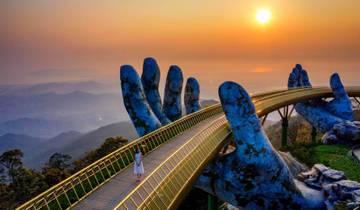
3 days
Danang – Hoi An 3 Days 2 Nights With Small Group Tour
- ✓ Comprehensive Da Nang tour
- ✓ Expert local guides included
- ✓ All accommodation arranged
- ✓ Transportation provided
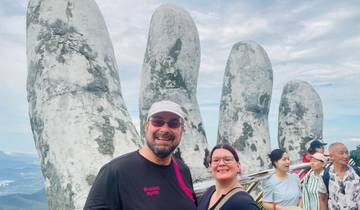
1 days
Ba Na Hills Day Tour from Da Nang – Golden Bridge & Cable Car 2026
- ✓ Comprehensive Da Nang tour
- ✓ Expert local guides included
- ✓ All accommodation arranged
- ✓ Transportation provided

5 days
5-Day Experience Central of Vietnam with Up Travel: Da Nang – Hoi An Ancient Town – Hue Imperial City
- ✓ Comprehensive Da Nang tour
- ✓ Expert local guides included
- ✓ All accommodation arranged
- ✓ Transportation provided
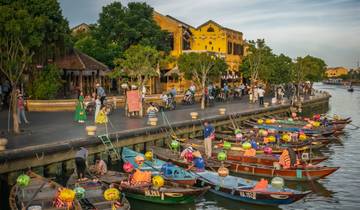
5 days
Vietnam Voyage 02 – 5 Days Central Marvels
- ✓ Comprehensive Da Nang tour
- ✓ Expert local guides included
- ✓ All accommodation arranged
- ✓ Transportation provided
Multi-day tour packages powered by TourRadar. Prices and availability subject to change.
Introduction to Da Nang’s Tour and Walking Route Landscape
Da Nang’s position as Central Vietnam’s largest city and primary transportation hub creates a unique tour ecosystem serving dual purposes: introducing visitors to the city’s own cultural attractions, beaches, and culinary scene while functioning as launching point for day trips to surrounding UNESCO World Heritage sites including Hoi An Ancient Town (30 km south), My Son Sanctuary ruins (70 km southwest), and Hue Imperial City (100 km north). This dual role generates remarkable tour diversity ranging from 2-hour free downtown walking explorations to comprehensive 12-hour excursions visiting multiple provinces, with pricing spanning $0 (tip-based free tours) to $150+ (private luxury experiences with professional photography services and gourmet meals). Understanding which tours deliver genuine value, when self-guided exploration suffices, and how to efficiently combine organized tours with independent wandering helps travelers maximize limited vacation time while managing budgets effectively.
The city’s tour operators divide roughly into three categories: international booking platforms like GetYourGuide, Viator, and Klook offering standardized experiences with upfront online booking, English-language interfaces, and credit card payment convenience; local Vietnamese tour companies including Hoi An Day Trip Company, Da Nang Food Tour, and numerous small operators providing comparable experiences at sometimes lower prices but requiring direct contact via WhatsApp, email, or walk-in booking; and hotel concierge arrangements where accommodation staff book tours through partner operators typically adding 10-20% markup versus direct booking but providing convenience and recourse if issues arise. Each booking method presents trade-offs between convenience, cost, payment flexibility, and customer service quality.
Da Nang’s compact downtown geography and riverside promenade development also enable extensive self-guided exploration without tour expenses. The Han River waterfront features dedicated pedestrian paths stretching several kilometers connecting major attractions, modern bridges including Dragon Bridge (breathing fire Saturday and Sunday evenings at 9:00 PM), night markets, and dining areas, all accessible via straightforward walking routes requiring no guide assistance. Beaches similarly lend themselves to independent enjoyment—My Khe Beach’s 20 km coastline provides free access without paid tours, while Son Tra Peninsula’s scenic roads accommodate motorbike or taxi exploration for travelers comfortable with minimal guidance. The strategic balance involves identifying which experiences genuinely benefit from expert guides (cultural sites with historical complexity like Museum of Cham Sculpture or My Son Sanctuary, food tours introducing unfamiliar dishes and street vendor navigation, day trips to distant locations requiring transportation logistics) versus activities working equally well independently (beach time, riverside strolls, shopping at markets, dining at restaurants with English menus).
This guide examines every major tour category operating in Da Nang during 2026 including cultural walking tours, food and culinary experiences, Ba Na Hills excursions, Hoi An day trips, My Son Sanctuary visits, combination multi-site tours, and specialized options for photography, cycling, and motorbike adventures. Each section provides detailed pricing current for 2026, typical itineraries and inclusions, booking strategies, and honest assessments of value versus independent alternatives. Additionally, comprehensive self-guided walking routes with turn-by-turn directions allow travelers to explore downtown Da Nang, riverside areas, and beach promenades independently, combining free exploration with selective use of paid tours for maximum value and experience quality.
Free Walking Tours in Da Nang 2026
Free walking tours operate throughout Da Nang using tip-based business models where guides work entirely for gratuities rather than fixed fees, creating accessible entry points for budget travelers while maintaining guide quality through performance incentives—guides delivering exceptional experiences earn generous tips while poor performers receive minimal compensation naturally filtering out ineffective tour leaders over time. Multiple operators run free walking tours with varying routes and focus areas, though most cover similar downtown highlights including Han Market, Da Nang Cathedral, Museum of Cham Sculpture, Han River promenades, Dragon Bridge, and Love Lock Bridge during 2-3 hour circuits requiring moderate walking ability and comfortable shoes.
GuruWalk serves as primary booking platform for free walking tours in Da Nang, connecting travelers with local guides offering various themed experiences including “Da Nang Sightseeing and Stories” covering general city highlights, “Da Nang Highlights and Hidden Gems” emphasizing local neighborhoods and cultural insights, and “Taste of 10 Original Flavors” combining walking with street food sampling (note: while tour is free, participants pay for their own food tastings averaging 100,000-150,000 VND or $4-6 total). Booking through GuruWalk requires creating free account, selecting desired tour date and time, and confirming attendance—tours typically depart 9:00 AM or 2:00 PM from central meeting points like Han Market main entrance or Cathedral plaza with guides holding signs for identification.
Tour quality on free walking experiences varies dramatically based on individual guide expertise, English proficiency, personality, and knowledge depth. Recent 2026 reviews consistently praise guides named Anh, Hung, and Hang for exceptional historical knowledge, engaging storytelling, English fluency, and genuine enthusiasm for sharing Vietnamese culture. These top-rated guides often accommodate questions beyond standard tour scripts, provide restaurant recommendations and travel tips valuable for remainder of stay, and adjust pacing to group preferences. Conversely, some guides deliver rote presentations reading from memorized scripts without adapting to participant interests, demonstrate limited English making complex historical explanations difficult to understand, or rush through sites without allowing photography time or questions. Reading recent reviews (particularly those from past 1-3 months) before booking helps identify current top performers, as guide quality changes when individuals leave tourism industry or new guides join companies.
Appropriate tipping etiquette for free walking tours creates occasional awkwardness as no official guidance exists and cultural differences affect expectations. Vietnamese guides working free tours typically expect minimum 100,000 VND ($4) per person for acceptable service, 150,000-200,000 VND ($6-8) for good tours, and 250,000-300,000 VND ($10-12) for exceptional experiences, with tips presented discreetly in envelopes or folded bills at tour conclusion rather than publicly displayed. Some guides explicitly state expected tip ranges during tour introductions (commonly “pay what you think it’s worth, typically 100,000-300,000 VND”), while others leave amounts entirely to participant discretion creating uncertainty. Western tourists sometimes under-tip through unfamiliarity with Vietnamese cost-of-living contexts—100,000 VND represents 2-3 hours of minimum wage work, making $2-3 tips (50,000-75,000 VND) insufficient recognition for 2-3 hours of guide services. Conversely, over-tipping creates unsustainable expectations affecting future travelers. A reasonable guideline suggests tipping what you would pay for equivalent commercial tour (typically $15-25 or 350,000-600,000 VND for 2-3 hour city walks), then adjusting based on actual experience quality.
Da Nang Food and Culinary Tours 2026
Food tours represent Da Nang’s highest-value organized experiences, delivering 6-10 local dish tastings, cultural education about Vietnamese culinary traditions, street food vendor navigation skills, and insider knowledge of hidden restaurants and family-run eateries impossible for independent travelers to discover within 2.5-4 hour timeframes costing $29-50 per person. These tours eliminate common street food anxieties—food safety concerns about vendor hygiene, ordering confusion at Vietnamese-only menus, price negotiation difficulties, and uncertainty about which stalls serve quality food versus tourist traps—while providing meal-equivalent food quantities making separate lunch or dinner unnecessary the day of tour participation.
Da Nang Food Tour, operated by expat food blogger turned tour operator, runs the city’s most established food tour service with evening departures at 5:00-5:30 PM focusing on dinner street food specialties. The 3-3.5 hour walking tour costs $45 per person (minimum 2 people) including all food and drinks plus beer at several stops, with small group sizes (typically 4-8 participants) ensuring personalized attention and ability to ask questions without competing with large crowds. The itinerary visits 7-8 tasting locations sampling Mi Quang (Quang-style turmeric noodles), banh xeo (sizzling crepes), banh khot (mini rice pancakes), Vietnamese coffee, local desserts including che (sweet soup), and rotating seasonal specialties like grilled pork wrapped in rice paper or fish cake noodle soup. Booking requires visiting danangfoodtour.com website (Tripadvisor won’t allow direct links in reviews but searching “danangfoodtour” locates the site) or messaging via WhatsApp, with tours running daily except when guide has scheduling conflicts.
Alternative food walking tours through GetYourGuide, Klook, and local operators cost $29-35 per person for comparable experiences with slight itinerary variations. These budget-friendly options visit 6-8 food stops over 2.5-3 hours sampling street food classics while guides explain ingredient sourcing, cooking techniques, and cultural contexts of dishes. Typical inclusions cover quail eggs in tamarind sauce, balut (fertilized duck egg, optional for squeamish eaters), rice vermicelli with anchovy sauce and crispy pork, water fern cake, steamed rice pancake with shrimp, Vietnamese pancakes, grilled beef in betel leaves, and dessert stops. Group sizes range 6-15 participants with larger groups creating more impersonal atmospheres but enabling lower per-person pricing. These tours suit budget travelers prioritizing value, solo travelers wanting social interaction with other participants, and those comfortable with standard itineraries versus customization.
Private food tours cost $80-120 per couple allowing complete customization for dietary restrictions, pace preferences, specific dish requests, and timing flexibility. Private experiences benefit travelers with: serious food allergies or strict vegetarian/vegan requirements difficult to accommodate in group settings where pre-arranged vendor stops use standard preparations; elderly travelers or families with young children needing frequent breaks and slower pacing than group tours maintain; photography enthusiasts wanting unlimited time composing shots without group pressure to keep moving; and those seeking intimate romantic experiences versus social group dynamics. Private tours also accommodate unusual timing like early morning breakfast tours (6:00-9:00 AM) visiting markets when produce shopping peaks and breakfast dishes like pho and banh cuon dominate street stalls, or late-night food explorations (9:00 PM-midnight) sampling beer culture and late-night grilled specialties.
Motorbike food tours offer unique alternatives to walking tours, with participants riding as passengers behind English-speaking guides on scooters visiting 8-12 locations spread across wider geographic areas than walking permits during 3-4 hour experiences costing $40-50 per person. The motorbike format enables access to authentic neighborhood spots in residential areas where tourists rarely venture, family-run restaurants outside downtown tourist zones, and greater variety of regional specialties from different Da Nang districts. However, motorbike tours require comfort riding as passenger in Vietnamese traffic (which can be intimidating for first-timers), holding food containers while riding (some tours stop to eat at each location while others involve eating while riding), and trusting guide’s driving skills. Safety records remain generally good though occasional accidents occur, making traveler insurance coverage and careful selection of experienced guides essential. These tours particularly appeal to adventurous eaters, visitors with previous Southeast Asia motorbike experience, and those wanting maximum food variety within limited timeframes.
Ba Na Hills Day Tours from Da Nang 2026
Ba Na Hills full-day tours from Da Nang range $40-65 per person depending on inclusions, group size, and operator pricing strategies, with most packages including round-trip transportation (hotel pickup and drop-off in air-conditioned minibus or van), English-speaking guide services, and 6-8 hours exploring the complex though cable car tickets (750,000 VND or $31 adults, 600,000 VND or $25 children) typically cost extra requiring separate purchase unless explicitly stated as included in tour price. Standard departure times fall between 7:00-7:30 AM allowing arrival before major crowds, with returns to Da Nang hotels by 5:00-6:00 PM creating full but manageable day trips suitable for families, elderly travelers with moderate mobility, and first-time visitors wanting guided orientation.
Typical Ba Na Hills tour itineraries begin with hotel pickups across My Khe Beach and downtown areas between 7:00-7:30 AM, consolidating passengers from multiple hotels into single vehicle (groups typically 8-15 participants), then driving 1-1.5 hours to Ba Na Hills parking areas depending on traffic. En route, guides provide historical background about French colonial hill station development, cable car engineering achievements including world record lengths, and Golden Bridge construction story. The 20-30 minute stop at marble carving workshops allows restroom breaks and optional shopping though aggressive sales tactics sometimes create pressure to purchase—politely declining without obligation is perfectly acceptable. Upon Ba Na Hills arrival (typically 8:30-9:00 AM), groups purchase cable car tickets as collective if not included in package pricing, then ascend via spectacular 15-20 minute cable car ride providing mountain and valley panoramas.
On-site time allocation typically divides: 1-1.5 hours at Golden Bridge for photography from multiple angles, walking the 150-meter span held by giant stone hands, and taking advantage of early arrival before 10:00 AM crowd surges; 1 hour exploring French Village architecture, shops, cafes, and photo opportunities in recreated European streets; 1-1.5 hours lunch break either at buffet restaurants (if included in tour) or self-purchased meals at various dining options ranging from Vietnamese to international cuisines; 2-3 hours at Fantasy Park indoor amusement complex with 100+ games and rides, gardens, temples, and cable car rides to different summit levels; and flexible time for Linh Ung Pagoda visit, wine cellar tours (if purchased separately), or additional photography. Guides typically allow free exploration time rather than rigid group movement, designating meeting points and times for cable car descent usually scheduled 4:00-4:30 PM.
Tour value depends significantly on cable car ticket inclusion. Tours priced $55-65 per person typically include cable car tickets representing genuine value as independent travelers pay $31 for tickets plus $15-25 for round-trip Grab transportation totaling $46-56 before adding guide services. Budget tours at $40-45 per person usually exclude cable car tickets, meaning total costs reach $71-76 per person when adding $31 tickets—still potentially worthwhile for guide services, assured English communication, and eliminating transportation logistics, but less dramatic savings versus independent visits. The primary question becomes whether guided experience justifies $20-30 premium over independent cable car purchase and Grab rides. Benefits include: historical and cultural context impossible to glean from signage alone; crowd avoidance strategies (guides know which attractions fill earliest, alternate routes during congestion); efficient time management maximizing site coverage; and social interaction for solo travelers joining small groups. Drawbacks include: fixed schedules limiting photography time at specific locations; group coordination delays when participants want different activities; and inability to utilize 3-day cable car ticket validity (tours visit single day only).
Hoi An Day Trip Tours from Da Nang 2026
Hoi An day trip tours from Da Nang cost $25-45 per person for 6-8 hour experiences including round-trip transportation, English-speaking guide, and usually Old Town entrance tickets (120,000 VND or $5 allowing access to five attractions from larger list), with small group tours (8-12 participants) at lower price points and intimate small groups (4-6 people) commanding premium pricing. Standard itineraries depart Da Nang 8:00-8:30 AM, drive 30-45 minutes to Hoi An arriving around 9:00 AM, spend 5-6 hours exploring Ancient Town including Japanese Covered Bridge, Chinese assembly halls (Fujian, Cantonese, Hainan), historic merchant houses, riverside cafes, and artisan workshops, include lunch at local restaurant, then return to Da Nang by 5:00-6:00 PM. This schedule provides comprehensive Old Town coverage while missing the magical evening lantern atmosphere unique to Hoi An nights, creating trade-off between day trip convenience versus overnight stay experiences.
Tour content emphasizes Hoi An’s unique position as Southeast Asia’s best-preserved 15th-19th century trading port with influences from Chinese, Japanese, Portuguese, Dutch, and French traders creating architectural fusion visible in shophouse designs, religious sites, and urban layout. Guides explain Japanese Covered Bridge’s construction by Japanese community in 1590s connecting Japanese and Chinese quarters, assembly hall functions serving specific Chinese ethnic groups (Fujian congregation hall dedicated to sea goddess Thien Hau, Cantonese hall honoring Quan Cong), traditional house layouts optimizing ventilation and light in tropical climate, and historic trade routes bringing silk, ceramics, spices, and lacquerware through Hoi An’s ports. This cultural and historical context significantly enriches experiences versus independent wandering where architectural details and cultural significance remain mysterious without background knowledge.
Included lunches on day tours typically feature Vietnamese set menus at local restaurants with 2-3 course meals including spring rolls or soup starter, main course of cao lau (Hoi An-specific noodle dish), white rose dumplings, or fried wonton with vegetables and protein, plus dessert and drinks. Food quality ranges from authentic and delicious to mediocre tourist-oriented preparations depending on restaurant selection—reading recent tour reviews helps identify operators using better dining establishments. Some tours substitute lunch inclusion with free time allowing participants to select their own riverside restaurants or street food vendors, providing more flexibility but requiring additional budget allocation ($5-12 per person for quality local meals). The trade-off involves guaranteed meal convenience versus culinary adventure and potential savings through street food selections.
Tailor shop visits create both opportunity and frustration on Hoi An day trips. The town’s hundreds of tailors produce custom clothing (suits $60-150, dresses $40-80, shirts $20-40) within 24-48 hours, but day-trippers from Da Nang face logistical challenges: ordering requires morning fittings then returning the next day for final fitting and pickup, impractical for single-day visits unless planning additional Hoi An trips during Da Nang stays. Some travelers order on day trips then arrange hotel delivery to Da Nang properties (delivery fees 100,000-200,000 VND or $4-8) or return independently via Grab the following day for pickup ($15-18 each direction). Tours typically allow 30-60 minutes for tailor shop browsing and ordering if interested, though guides cannot extend Hoi An time indefinitely as return schedules require departure by 4:00-4:30 PM. Serious custom clothing interest warrants overnight Hoi An stays allowing multiple fittings and unhurried selection processes.
Enhanced Hoi An tours combine Ancient Town visits with additional experiences including countryside bicycle rides through rice paddies to Kim Bong carpentry village, basket boat rides on waterways surrounding town, cooking classes learning Vietnamese dishes like cao lau or banh xeo, or evening returns to experience lantern-lighting ceremonies along riverside. These expanded itineraries cost $45-65 per person with longer durations (8-10 hours) and more comprehensive experiences, worthwhile for travelers wanting deeper Hoi An immersion than standard walking tours provide. The countryside bicycle additions particularly appeal to families with children who enjoy cycling, nature enthusiasts appreciating rice paddy landscapes, and photographers seeking rural scenes beyond urban Ancient Town settings.
My Son Sanctuary Tours from Da Nang 2026
My Son Sanctuary tours from Da Nang operate as half-day morning excursions costing $30-35 per person from budget operators or $35-50 from established tour companies, with 4-5 hour durations including round-trip transportation (1.5 hours each direction), English-speaking guide, and exploration time at the UNESCO World Heritage Champa temple ruins though entrance fees (150,000 VND or $6 foreigners, 100,000 VND or $4 Vietnamese) typically cost extra unless specifically included in tour pricing. Departure times cluster around 8:00 AM allowing arrival at My Son by 9:30 AM before midday heat peaks and tour bus crowds from Hoi An flood the site, with returns to Da Nang by 1:00-2:00 PM leaving afternoons free for beach time or other activities.
The archaeological site contains 70+ temple structures built by Champa Kingdom between 4th-14th centuries, though only about 20 remain in reasonable preservation while others exist as foundations or rubble after centuries of neglect and heavy damage from U.S. bombing during Vietnam War targeting Vietnamese forces hiding in the complex. Guides provide essential context for understanding temple purposes—worship of Hindu deity Shiva, architectural evolution across different construction periods, brick-laying techniques using organic adhesives rather than mortar, symbolic meanings of carved decorations including apsaras (celestial dancers), lingas (phallic symbols representing Shiva), and Sanskrit inscriptions. Without guide explanations, the temples appear as interesting old brick structures but lack the cultural and religious significance that transformed My Son into major religious center comparable to Angkor Wat for Champa civilization.
Tour experiences vary dramatically between budget operators charging $30-35 and premium services at $45-50 based on guide knowledge depth, group sizes, and transportation quality. Budget tours often use large buses with 30-40 participants and guides providing basic historical facts read from scripts without ability to answer detailed questions or adapt to participant interests, while premium tours limit groups to 8-12 people with knowledgeable guides fielding complex queries about Champa history, Hindu religious symbolism, and archaeological research. Transportation quality also differs—budget tours use older buses with marginal air conditioning and hard seats, while premium options provide newer vehicles with comfortable seating and reliable cooling. For most travelers, mid-range tours ($35-40) offer optimal balance between cost savings and experience quality, though serious history enthusiasts justify premium pricing for expert guides who significantly enhance understanding.
Combination My Son + Marble Mountains tours package both attractions in single full-day itinerary costing $45-60 per person with 7-8 hour durations. These combinations depart Da Nang around 7:30 AM, visit My Son first during cooler morning hours (9:00 AM-11:30 AM), include lunch at local restaurant near Hoi An, then explore Marble Mountains caves, pagodas, and summit viewpoints (2:00-4:00 PM) before returning to Da Nang. The combination makes logistical sense as both sites lie south of Da Nang in similar directions (My Son 70 km southwest, Marble Mountains 10 km south), eliminating separate day trip transportation costs. However, the packed schedule creates rushed experiences at each location—My Son warrants 3+ hours for photography in favorable lighting and comprehensive temple exploration, while Marble Mountains climbing requires 1.5-2 hours minimum for cave visits and summit views. Travelers prioritizing depth over breadth should book separate half-day tours allowing proper time at each site.
Private My Son tours cost $70-110 for couples ($35-55 per person) allowing customized departure times, flexible exploration duration, and personalized guide attention impossible in group settings. Private tours benefit: serious photography enthusiasts wanting unlimited time composing shots during optimal lighting; history buffs asking detailed questions about Champa civilization, Hindu influences, and archaeological discoveries; elderly travelers or families with young children needing frequent breaks and slower pacing; and those desiring sunrise visits (departing Da Nang 5:00 AM, arriving My Son 6:30 AM for opening) avoiding all crowds. The per-person premium versus group tours ($20-25 more) justifies itself for couples and small groups valuing flexibility, though solo travelers face dramatic cost increases as private tour minimums typically require paying for 2-person rates even when traveling alone.
Specialized and Multi-Day Tours from Da Nang 2026
Beyond standard day trips, specialized tour categories serve niche interests including photography tours with professional guides teaching composition and lighting techniques while visiting photogenic locations, cycling tours exploring countryside and coastal roads, cooking classes teaching Vietnamese dishes with market visits and hands-on preparation, and extended multi-day packages combining multiple destinations. These specialized options cost $45-150 per person depending on duration, expertise level, and group size, attracting travelers with specific interests justifying premium pricing over generic sightseeing tours.
Photography tours range $80-120 per person for full-day experiences led by professional or semi-professional photographers guiding participants to optimal shooting locations at prime lighting times including sunrise shoots at Son Tra Peninsula, early morning fishing village visits capturing daily life, golden hour sessions at Dragon Bridge and riverside, and sunset photography from beachfront vantage points. These tours teach practical photography skills—composition rules, exposure settings for different conditions, working with harsh tropical light, and post-processing basics—while ensuring access to photogenic subjects and locations participants might not discover independently. Small group sizes (typically 4-6 photographers) allow personalized instruction addressing individual skill levels from enthusiastic amateurs to serious hobbyists. Photography tours particularly suit travelers investing in quality images beyond typical tourist snapshots, those wanting to improve technical skills, and photographers interested in portraiture opportunities with local people wearing traditional clothing or engaged in cultural activities arranged through guide connections.
Cycling tours explore Da Nang countryside, coastal roads, and nearby villages using comfortable hybrid or road bikes provided by operators during half-day (4-5 hours, $35-45) or full-day (7-8 hours, $55-70) excursions with support vehicles carrying luggage, water, and spare equipment. Routes typically avoid heavy traffic areas, utilizing back roads through rice paddies, fishing villages, and agricultural zones where interactions with farmers and local residents provide cultural insights impossible from vehicle-based tours. Typical half-day routes cover 20-30 km at leisurely pace with multiple stops for photography, village visits, and refreshments, while full-day tours extend 40-60 km including lunch breaks and longer rural immersion. Fitness requirements remain moderate—routes use flat terrain without significant climbing and pace accommodates average riders without racing backgrounds—though basic cycling ability and comfort riding 2-3 hours total proves necessary. Cycling tours appeal to active travelers, families with children aged 10+ able to ride extended distances, and those wanting authentic countryside experiences beyond typical tourist circuits.
Vietnamese cooking classes in Da Nang operate as half-day experiences (3-4 hours, $35-50 per person) beginning with local market tours learning ingredient selection and Vietnamese cooking philosophy, followed by hands-on preparation of 3-5 dishes in professional kitchens or family homes, and concluding with group meals enjoying prepared dishes. Popular dishes taught include pho (beef noodle soup), banh xeo (sizzling crepes), goi cuon (fresh spring rolls), cao lau (Hoi An-specific noodles), and various rice and noodle preparations. Classes emphasize technique rather than merely following recipes—knife skills for vegetable julienne, balanced flavoring using fish sauce and herbs, broth preparation using traditional methods, and wok cooking controlling heat and timing. Taking cooking classes early in Da Nang stays provides knowledge useful for appreciating restaurant meals and street food for remainder of trip, while later timing allows application of tasting experience identifying quality ingredients and preparations. Classes suit food enthusiasts, aspiring home cooks, couples enjoying interactive date activities, and travelers wanting tangible skills beyond sightseeing memories.
Multi-day tours combine Da Nang with extended exploration of Central Vietnam over 2-5 days, packaging accommodation, transportation, guides, and most meals in comprehensive itineraries costing $200-600 per person depending on accommodation standards, group size, and included activities. Common multi-day packages include: 2-day Da Nang + Hoi An ($200-280 per person) with overnight in Hoi An experiencing evening lantern atmosphere and morning market visits impossible on day trips; 3-day Central Vietnam Highlights ($320-450) covering Da Nang, Hoi An, My Son, and Marble Mountains with 2 nights accommodation; and 4-5 day extended programs ($450-600) adding Hue Imperial City, Phong Nha-Ke Bang National Park caves, or DMZ historical sites. These packages eliminate daily tour booking logistics, provide continuous guide services maintaining narrative continuity across multiple sites, and often secure better per-day pricing than purchasing equivalent separate tours. However, they reduce flexibility—predetermined schedules prevent spontaneous changes, accommodation standards sometimes disappoint despite marketing claims, and locked-in dining limits culinary exploration. Multi-day tours suit time-constrained travelers prioritizing comprehensive coverage, first-time Vietnam visitors wanting assured logistics, and those uncomfortable with independent travel in non-English speaking environments.
Self-Guided Walking Routes in Da Nang 2026
Da Nang’s compact riverside downtown and developed pedestrian infrastructure enable extensive free exploration via self-guided walking routes requiring no guide fees while covering major cultural attractions, architectural landmarks, markets, and scenic promenades. The most popular self-guided route stretches 1.8 km from Han Market to Love Lock Bridge requiring 2-3 hours at leisurely pace with photography stops and market browsing, all accessible year-round during daylight hours (optimal morning 7:00-11:00 AM avoiding midday heat or evening 4:00-7:00 PM enjoying sunset views).
The route begins at Han Market (Cho Han) located west bank of Han River at intersection of Tran Phu and Bach Dang Streets, accessible via Grab from beach hotels (30,000-50,000 VND or $1.20-2) or walking from downtown accommodations. The multi-level market operates 6:00 AM-7:00 PM daily with morning hours (6:00-9:00 AM) showcasing peak activity as locals shop for fresh produce, seafood, meats, and ingredients. Ground floor houses wet market sections with raw ingredients while upper levels sell clothing, fabrics, shoes, souvenirs, and household goods. Budget 30-45 minutes exploring market stalls, photographing produce displays and vendor interactions, and potentially purchasing Vietnamese coffee, dried fruits, or handicrafts (bargaining expected with opening prices typically 30-50% above acceptable finals). The market’s interior can feel overwhelming with narrow aisles and aggressive vendor solicitation—polite but firm declining without extended engagement prevents wasted time at stalls attempting aggressive sales tactics.
From Han Market, walk northeast on Tran Phu Street approximately 400 meters (5-7 minutes) to Da Nang Cathedral (Con Ga Church or Rooster Church) at 156 Tran Phu Street, identifiable by distinctive pink exterior and prominent rooster weathervane atop steeple giving the church its local nickname. Built by French colonists in 1923, the Gothic Revival structure features pointed arches, stained glass windows, and interior capacity for 800 worshippers. The cathedral opens for Mass (typically 5:00 AM and 5:00 PM daily with additional Sunday services) when visitors can enter respectfully for interior viewing, though exterior photography works any daylight hour. The pink facade photographs particularly well during golden hour (6:00-7:00 PM) when warm light enhances the pastel coloring. Adjacent plaza provides benches for rest breaks and people-watching as locals gather before/after services and children play in courtyard.
Continue 600 meters northeast on Tran Phu Street then turn right onto Le Duan Street (10-minute walk) to reach Museum of Cham Sculpture housing world’s largest collection of Cham art and artifacts from Champa Kingdom that dominated Central Vietnam 7th-15th centuries. Located at intersection of Le Duan and Trung Nu Vuong Streets, the museum charges 60,000 VND ($2.40) entrance with operating hours 7:00 AM-5:00 PM except Mondays (closed). The air-conditioned galleries display elaborate sandstone sculptures depicting Hindu deities (Shiva, Vishnu, Brahma), celestial dancers (apsaras), mythological creatures, and architectural elements from ruined Cham temples across Central Vietnam. English explanatory panels provide historical context though hiring museum guides (100,000-200,000 VND or $4-8 negotiable at entrance) deepens understanding through detailed explanations impossible to absorb from brief signage. Budget 60-90 minutes for comprehensive viewing or 30-45 minutes for highlight coverage. The museum represents the route’s only significant paid admission creating decision point for budget travelers—skipping saves $2.40 but misses Central Vietnam’s most important Cham art collection, while paying provides valuable cultural education enhancing subsequent My Son Sanctuary visits.
From Museum of Cham Sculpture, walk 300 meters east to APEC Sculpture Garden (APEC Park) at Bach Dang waterfront commemorating 2017 Asia-Pacific Economic Cooperation summit hosted by Da Nang. The park’s centerpiece features white metal sculpture representing flying kite, surrounded by manicured gardens and riverside benches offering Han River views. The small park provides pleasant rest stop during walking route with shaded seating, clean public restrooms (rare in Vietnamese downtown areas), and photo opportunities with sculpture and river backdrop. Across Han River, Dragon Bridge’s golden head creates distinctive landmark visible from park vantage points. Continue 200 meters south along Bach Dang waterfront promenade to reach stairs descending to lower riverside walkway (Tran Hung Dao Street Promenade) creating two-level pedestrian system—upper level along Bach Dang with vehicle traffic, lower level exclusively pedestrian and cyclist providing peaceful river-edge strolling.
The Dragon Carp Statue (Ca Chep Hoa Rong) stands prominently on riverfront near Dragon Bridge’s western approach, symbolizing city transformation from small fishing town to modern metropolis through mythological imagery of carp transforming into dragon. The kitsch statue attracts tourist photography despite artistic limitations, serving primarily as orientation landmark and meeting point. The Dragon Bridge itself spans Han River connecting downtown to beach areas, featuring golden dragon design stretching bridge’s 666-meter length. Weekend evenings (Saturday and Sunday at 9:00 PM), the dragon head breathes fire then sprays water creating spectacular 10-15 minute show drawing thousands of spectators to both riverbanks. Optimal viewing positions include riverside promenades on either bank 50-100 meters from bridge providing clear sight lines to dragon head without getting soaked by water spray (standing directly near dragon head guarantees thorough drenching). During weekday visits without fire-breathing performances, the bridge still merits crossing for city views and architectural appreciation of modern Vietnamese bridge engineering.
The final 400-meter stretch south along riverside promenade leads to Love Lock Bridge (Cau Tinh Yeu), pedestrian bridge adorned with thousands of padlocks attached by couples symbolizing eternal love following global love lock traditions popularized in Paris, Seoul, and other romantic destinations. The bridge connects riverfront to small river island (Hon Nguu Island) offering cafes, restaurants, and additional walking paths though commercial development on island creates mediocre dining experiences at inflated prices—better to photograph bridge then return to mainland for higher-quality dining at downtown restaurants. The lock-covered bridge creates photogenic setting particularly during evening when LED lighting illuminates the structure. Souvenir vendors near bridge approach sell branded padlocks (50,000-100,000 VND or $2-4) allowing visitors to participate in tradition if desired, though locks serve purely symbolic purposes with no practical function.
This self-guided route completes the core downtown walking circuit, positioning walkers near riverfront dining areas for lunch or dinner depending on start time, and providing easy Grab access for return to beach hotels (50,000-80,000 VND or $2-3.20 typical fares). Optional extensions include continuing south to Son Tra Night Market (500 meters additional, operating evenings only with 150+ food and souvenir stalls), visiting nearby Dien Hai Citadel ruins (19th century fortress with partial walls remaining), or crossing Dragon Bridge to explore beach neighborhoods. The route works equally well in reverse direction starting from Love Lock Bridge and ending at Han Market, with morning start times (7:00-11:00 AM) preferable for comfortable temperatures and optimal lighting versus afternoon heat.
My Khe Beach and Coastal Walking Routes 2026
My Khe Beach provides extensive free walking opportunities along 20 km of coastline with dedicated beachfront promenade paralleling Vo Nguyen Giap Street, creating flat, paved paths ideal for morning jogs (5:00-7:00 AM before heat), leisurely evening strolls (5:00-7:00 PM during sunset), or all-day beach access requiring no tour fees or guide assistance. The promenade’s southern terminus near Marble Mountains connects to northern sections ending at Non Nuoc Beach, though most walkers concentrate on central 3-5 km stretches near hotel clusters offering best beach access, dining options, and amenities including public restrooms, shower facilities, and beach furniture rental.
A popular 4 km out-and-back beach walk begins at Hyatt Regency Danang Resort (southern marker) near intersection of Vo Nguyen Giap and Truong Sa Streets, proceeds north 2 km along promenade passing numerous mid-range hotels, beachfront restaurants, and beach access points, reaching Pullman Danang Beach Resort (northern marker) before returning via same route. This 40-60 minute walk (each direction at moderate pace) showcases My Khe Beach’s finest sections with wide sandy beaches, clean azure waters, gentle waves, and developed infrastructure. The route operates effectively any time between sunrise (approximately 5:30-6:00 AM depending on season) through evening (until 8:00-9:00 PM when beachfront area remains well-lit and safe), though avoiding midday heat (11:00 AM-3:00 PM) prevents heat exhaustion risks particularly for fair-skinned visitors unaccustomed to tropical sun intensity.
The promenade features dedicated lanes separating pedestrian from cyclist traffic, preventing conflicts between walkers and bicycles or motorbikes (motorbikes technically prohibited on promenade though occasional violators ignore restrictions). The paved surface remains flat and even throughout making it accessible for strollers, wheelchairs (though beach access from promenade requires navigating sand), and elderly walkers with limited mobility. Benches positioned every 100-200 meters allow rest breaks, while shaded sections under palm trees provide sun relief though shade coverage remains limited requiring sun protection (hats, sunscreen, protective clothing) for extended walks. The promenade’s seaward side features waist-high railings preventing accidental falls onto beach below while allowing ocean views, while inland side borders Vo Nguyen Giap Street with hotels, restaurants, and shops.
Morning walks (5:30-8:00 AM) attract local Vietnamese engaging in exercise routines including group aerobics, tai chi, and individual jogging, creating lively atmosphere with social energy despite early hours. This timing also captures cooler temperatures (22-26°C versus 30-35°C midday), softer lighting ideal for photography, and opportunity to observe fishing boats returning with overnight catches sometimes selling fish directly on beach. Evening walks (5:00-7:30 PM) coincide with sunset viewing (sunset times vary seasonally between approximately 5:30-6:30 PM), cooler temperatures returning after afternoon heat, and peak restaurant activity with beachfront establishments setting up dinner service. The beach promenade becomes particularly crowded Friday through Sunday evenings as Vietnamese families gather for weekend beach recreation, while weekday evenings offer more peaceful walking conditions.
Beachfront dining options line the entire promenade with casual seafood restaurants offering fresh catches displayed in tanks allowing selection before cooking. Typical establishments feature plastic chairs and tables positioned directly on sand or concrete patios, creating informal atmosphere emphasizing food quality over ambiance. Prices remain reasonable compared to tourist-focused venues—grilled fish $8-15 depending on size and type, grilled tiger prawns $12-18 per kilogram, stir-fried clams $5-8, with rice, vegetables, and drinks adding $3-5 per person. Quality varies significantly making vendor selection important—crowded restaurants full of Vietnamese families indicate reliable food and fair pricing, while empty establishments aggressively soliciting tourist business suggest mediocre quality or inflated prices. The ability to point at actual seafood in tanks and verify pricing before ordering prevents bill shock common in some coastal tourist destinations.
Son Tra Peninsula Exploration Routes 2026
Son Tra Peninsula (Monkey Mountain) northeast of My Khe Beach offers scenic motorcycle or taxi routes through dense jungle, coastal viewpoints, and cultural sites including Linh Ung Pagoda with towering 67-meter Lady Buddha statue visible from much of Da Nang. The peninsula requires motorized transportation—no public transit serves the area and walking distances prove impractical given 10+ km from beach hotels to summit attractions—making this self-guided route suitable for travelers renting motorbikes (100,000-150,000 VND or $4-6 daily), hiring taxis for round-trip exploration (400,000-600,000 VND or $16-24 including wait time), or using Grab with multiple stop requests (350,000-500,000 VND or $14-20 typical for 2-3 hour hired trip).
The main route begins on Vo Nguyen Giap Street heading north from My Khe Beach, following coastal road as it curves around peninsula base before ascending via switchback mountain roads to Linh Ung Pagoda and summit viewpoints. Total driving distance covers approximately 20 km round-trip from central beach hotels requiring 45-60 minutes pure driving time, though most explorers allocate 2-3 hours allowing stops at multiple viewpoints, temple visits, and potential monkey spotting. The paved road remains in good condition throughout though narrow sections and blind curves require cautious driving, particularly when encountering tour buses descending from summit creating tight squeeze points where motorcyclists must yield.
First major stop comes at Linh Ung Pagoda approximately 8 km from route start, perched on hillside overlooking ocean with massive white Lady Buddha statue dominating skyline. The pagoda grounds open sunrise to sunset with no entrance fee though donation boxes encourage contributions (20,000-50,000 VND or $0.80-2 considered appropriate for tourists). The statue’s 67-meter height makes it Vietnam’s tallest statue of any kind, visible from much of Da Nang city and coastline particularly at night when illuminated. The pagoda features traditional Vietnamese Buddhist architecture with curved roofs, ornate columns, and interior shrines housing multiple Buddha statues in various poses. Photography enthusiasts find the Lady Buddha statue, pagoda architecture, and ocean backdrop create compelling compositions particularly during golden hour (5:30-6:30 PM) when warm light enhances the white statue’s glow.
Beyond Linh Ung, the road continues climbing through dense jungle canopy creating shaded riding conditions and cooler temperatures (typically 3-5°C cooler than beach areas at sea level). Multiple unmarked viewpoints along the route offer ocean panoramas, city views, and coastal vistas accessible via short 20-50 meter walks from roadside parking areas. The peninsula hosts population of endangered red-shanked douc langurs (colorful monkey species) sometimes spotted in trees along roads particularly early morning (6:00-8:00 AM) or late afternoon (4:00-6:00 PM) when monkeys are most active. Sightings require luck and patience—stopping at forest sections and scanning tree canopy increases chances though no guarantees exist. The monkeys appear habituated to human presence and pose no danger though feeding them is prohibited and approaching too closely causes them to retreat deeper into forest.
The summit area features additional viewpoints and picnic areas where Vietnamese families gather weekends enjoying cooler mountain air and city panoramas. Small vendors sell drinks and snacks at inflated prices (water 15,000-20,000 VND or $0.60-0.80 versus 10,000 VND in city) though convenience during hot days justifies modest premiums. The return route follows the same road descending back to coastal areas, though adventurous motorcyclists can attempt alternative dirt roads around peninsula’s eastern side providing more rugged exploration—these rough tracks require off-road riding experience and proper motorcycles rather than standard scooters, making them suitable only for confident riders with appropriate equipment.
Booking Strategies and Tour Selection Tips 2026
Selecting optimal tours from Da Nang’s overwhelming variety requires strategic approach balancing price, quality, group size preferences, and booking convenience. Multiple booking channels exist each presenting distinct advantages and limitations affecting overall tour experience and value proposition.
International booking platforms including GetYourGuide, Viator (owned by Tripadvisor), and Klook offer user-friendly interfaces with English-language descriptions, secure credit card payment processing, instant confirmation emails, and standardized cancellation policies (typically 24 hours advance notice for full refund). These platforms aggregate tours from various local operators while adding 15-25% commission markup passed to consumers through higher pricing—the same Ba Na Hills tour booked via GetYourGuide for $65 might cost $50 when booking directly with local operator. However, the platform advantages justify premium pricing for many travelers: customer service support if issues arise, guaranteed refunds for tour cancellations or no-shows, detailed verified reviews from recent participants, and simplified booking process without language barriers or unfamiliar payment systems. First-time Vietnam visitors, travelers uncomfortable with direct Vietnamese operator contact, and those prioritizing booking security over maximum savings benefit from platform convenience despite price premiums.
Direct booking with local tour operators saves 15-25% versus international platforms while maintaining similar tour quality, though requires more effort researching operators, communicating via WhatsApp or email (often with imperfect English), and accepting payment methods including cash, bank transfer, or occasionally PayPal. Reputable direct-booking operators include Hoi An Day Trip Company (+84 968 009 827 WhatsApp, [email protected]), Da Nang Food Tour (booking via website danangfoodtour.com), and numerous smaller operators advertising via Google searches, Facebook pages, or hotel bulletin boards. Reading Tripadvisor reviews helps verify operator reliability and tour quality even when booking directly rather than through platform—legitimate operators accumulate dozens or hundreds of recent reviews while fly-by-night operations show few or outdated testimonials. Direct booking works best for budget-conscious travelers, those with Southeast Asia travel experience comfortable navigating local businesses, and visitors staying in Da Nang multiple days allowing time for booking confirmation and communication delays.
Hotel concierge booking provides ultimate convenience for travelers prioritizing simplicity over cost savings. Hotels partner with specific tour operators receiving 10-20% commission on bookings made through front desk, meaning tours advertised in hotel lobbies cost 10-20% more than booking same tour directly with operator. However, the convenience advantages include: hotel staff handling all booking details eliminating language barriers; guaranteed hotel pickup timing coordination; recourse through hotel management if tour quality disappoints or operators fail to appear; and simplified payment often allowing room charge billing avoiding cash handling. Budget travelers and cost-conscious visitors should skip hotel booking channels instead researching tours independently and booking directly, while travelers valuing convenience, those uncomfortable with independent booking, and luxury hotel guests for whom 10-20% premiums represent negligible amounts benefit from concierge service simplicity.
Group size significantly impacts tour experience quality with small groups (4-8 participants) delivering more intimate experiences, flexible pacing, and personalized guide attention versus large groups (15-25 people) creating impersonal atmospheres, fixed rigid schedules, and difficulty hearing guide explanations in crowded tourist sites. Small group tours typically cost $10-20 more per person than large group equivalents reflecting higher per-person guide and transportation costs when revenue divides among fewer participants. The quality difference justifies premium for most travelers particularly on cultural tours emphasizing education and interaction (food tours, historical site visits, cultural experiences) where group dynamics significantly affect enjoyment. However, simple transportation-focused tours (Ba Na Hills cable car access, beach transfers, airport shuttles) function adequately with large groups as minimal guide interaction occurs anyway, making budget large-group options acceptable for these basic services.
Booking timing affects availability particularly during peak season (February-July) when popular tours sell out days in advance especially on weekends when domestic Vietnamese tourism peaks. Advance booking 2-5 days prior to desired tour date secures spots and sometimes qualifies for early-bird discounts (5-10% off), while last-minute day-before or same-day booking risks sold-out tours during high season though often succeeds during low season (August-January) when vacancy rates run high and operators discount unsold tour slots. The strategic approach combines advance booking for must-do priority tours (Ba Na Hills, Hoi An day trips, food tours) ensuring availability, while leaving some days unscheduled allowing spontaneous last-minute bookings if discovering interesting options through hotel recommendations or fellow traveler suggestions. This hybrid strategy balances securing desired experiences with maintaining trip flexibility.
Tour Safety and Quality Considerations 2026
Tour safety in Da Nang generally meets acceptable standards with rare serious incidents, though understanding potential risks and selecting reputable operators helps minimize problems including transportation accidents, food safety issues, guide quality disappointments, and financial scams targeting tourists.
Transportation safety varies dramatically between operators with professional companies using well-maintained vehicles, experienced drivers, and appropriate insurance while budget operators sometimes cut corners using aging vehicles, uninsured drivers, or overcrowded transport creating accident risks. Verifying tour vehicles appear modern and maintained upon pickup allows last-minute assessment—if vehicle looks dangerously poorly maintained, travelers have right refusing to board and requesting refund or vehicle change. Seat belts should be available and functional in all tour vehicles though Vietnamese driving culture doesn’t emphasize belt usage making guide reminders or personal insistence necessary. Motorbike tours and rentals present higher accident risks than enclosed vehicle tours given Vietnamese traffic density, different traffic norms than Western countries, and limited protective equipment beyond helmets (mandatory by law but quality varies). Conservative approach suggests skipping motorbike tours for first-time Southeast Asia visitors while experienced riders comfortable in chaotic traffic environments assess personal risk tolerance.
Food safety on culinary tours remains generally good as reputable operators select vendors with consistent quality and hygiene practices avoiding risky stalls likely to cause digestive problems. However, some tourist digestive sensitivity to Vietnamese cuisine occurs even at hygienic establishments due to unfamiliar ingredients, preparation methods, and bacterial exposure creating mild stomach upset without representing food poisoning. Bringing anti-diarrheal medication (loperamide/Imodium) and probiotics helps manage minor digestive issues, while serious food poisoning symptoms (high fever, severe vomiting, bloody diarrhea) warrant medical attention at quality facilities like Vinmec Hospital or Family Medical Practice rather than pushing through hoping symptoms resolve. Travelers with sensitive stomachs should consider requesting guides avoid certain high-risk items like balut (fertilized duck egg), raw herbs from questionable washing practices, or excessive street vendor items in favor of more controlled restaurant preparations.
Guide quality represents tour experience’s most variable factor with exceptional guides transforming ordinary sightseeing into memorable educational experiences while poor guides deliver rote presentations devoid of personality or knowledge depth. Operator reputation and review history provide best guide quality predictors—companies consistently praised for guide excellence likely maintain quality control and training while operations with mixed reviews about guides show inconsistent staff supervision. Requesting specific guides by name when booking (possible if recent reviews identify exceptional individuals) increases chances for top-tier experiences, though operators cannot always guarantee specific guide availability. If guide quality disappoints early in tour, politely requesting different guide or tour reschedule sometimes succeeds particularly with professional operators valuing customer satisfaction, though inflexible budget operators may refuse accommodation.
Scams specifically targeting tourists remain relatively uncommon in Da Nang’s legitimate tour industry compared to some other Southeast Asian destinations, though occasional issues include: tour operators failing to appear for pickups after receiving advance payment (booking through platforms with refund guarantees eliminates this risk); guides adding pressure for excessive tipping beyond what tour descriptions indicated; unexpected surcharges and hidden fees not disclosed during booking; commission-based stops at shops where guides receive kickbacks for purchases creating pressure to buy; and bait-and-switch tactics where advertised tour doesn’t match actual experience. Mitigating scam risks involves: booking only with established operators showing extensive recent reviews; clarifying all inclusions and exclusions before paying; requesting written confirmation of tour details via email; and researching typical pricing ranges so blatant overcharges become apparent.
Frequently Asked Questions About Da Nang Tours 2026
Do tour prices in Da Nang include entrance fees and lunch in 2026?
Tour price inclusions vary significantly between operators and tour types, with some packages bundling entrance fees, meals, and all expenses in single price while others charge base tour fees then require separate payment for entrance tickets, meals, and activities creating additional out-of-pocket costs often totaling $10-25 more than advertised tour price. Budget tours priced at lower end of ranges ($25-35 for day trips) almost always exclude entrance fees for Hoi An Old Town (120,000 VND or $5), My Son Sanctuary (150,000 VND or $6), Marble Mountains (40,000 VND or $1.60), and meals, meaning total costs reach $40-50 per person after adding these essential expenses. Mid-range tours ($45-65) typically include entrance fees and basic set-menu lunches at local restaurants, though premium dining or special dietary accommodations may incur surcharges.
Always verify specific inclusions before booking by carefully reading tour descriptions focusing on “What’s Included” and “What’s Not Included” sections, or explicitly asking operators via message which costs are covered in base price versus additional expenses. Some operators deliberately obscure exclusions to advertise lower headline prices attracting bookings before revealing additional costs, making detailed pre-booking inquiry essential. Red flags suggesting hidden costs include: unusually low pricing compared to competitor tours visiting same sites; vague descriptions avoiding specific mention of entrance fees or meals; and operators deflecting questions about inclusions with generic “contact us for details” responses rather than clear itemized lists.
Can I book Da Nang tours last-minute or same-day in 2026?
Last-minute and same-day tour bookings succeed frequently in Da Nang particularly during low season (August-January) and weekdays when tour operators maintain excess capacity and welcome late bookings filling unsold tour slots, though peak season (February-July) and weekends see higher demand requiring advance reservation 2-5 days prior to desired dates. Free walking tours through GuruWalk and similar platforms accept bookings until departure time allowing genuine same-day participation, while food tours and day trips to Hoi An or My Son typically accommodate last-minute bookings if spots remain available though operators may impose rush booking fees (10-20% surcharge) for same-day reservations requiring immediate coordination of guides and transportation.
The strategic last-minute booking approach involves: identifying 2-3 backup tour options for each desired experience allowing flexibility if first choice sells out; using WhatsApp messaging to contact multiple operators simultaneously asking availability and pricing for desired date; being flexible about departure times as less popular early morning or afternoon tours maintain better availability than preferred mid-morning slots; and maintaining realistic expectations that specific highly-rated guides or small group sizes may not be available on short notice. Hotels often assist last-minute tour booking leveraging relationships with operator partners, though expect 10-20% markup versus direct booking as trade-off for convenience.
Are Da Nang tours suitable for families with young children in 2026?
Da Nang tour suitability for families with young children varies dramatically by tour type and child age, with food tours and Ba Na Hills full-day excursions generally accommodating children aged 6+ while walking tours, cycling trips, and historical site visits challenge younger children’s attention spans and physical capabilities. Food tours work well for families as eating inherently interests most children, small tasting portions prevent overwhelming quantities, 2-3 hour durations align with child attention limits, and guides often adjust pacing allowing breaks when children tire—however, adventurous dishes like balut or strongly-flavored items may not appeal to conservative young eaters making some tastings spectator experiences for kids. Ba Na Hills specifically targets families with Fantasy Park’s 100+ games and rides, cable car excitement, and varied attractions preventing boredom during 6-8 hour visits, though very young children (under 4) find limited age-appropriate activities and struggle with extensive walking.
Walking tours covering downtown cultural sites bore most children under 10 as architectural appreciation and historical context fail to engage young minds designed for interactive play rather than passive observation, making self-guided approaches with playground breaks and ice cream stops more effective than formal guided tours for families with elementary-age children. Cycling tours require children comfortable riding extended distances (typically minimum age 10-12) with reasonable bike handling skills, while motorbike tours prohibit child passengers under most operator policies given safety risks. Private family tours costing $80-150 provide optimal family experiences allowing customized pacing, frequent breaks, child-friendly content emphasis, and flexibility abandoning planned itinerary if children melt down—the per-person premium justifies itself for families versus joining group tours where other participants grow frustrated by child-driven delays.
How physically demanding are Da Nang walking tours in 2026?
Da Nang walking tours require moderate physical fitness with most routes covering 2-4 km (1.2-2.5 miles) over 2-4 hours including frequent stops reducing continuous walking to 30-45 minute segments between rest breaks, making them accessible to most adults and teenagers though challenging for elderly with significant mobility limitations, pregnant women in later trimesters, or travelers with chronic conditions affecting endurance. The flat riverside terrain eliminates steep climbing (except optional Marble Mountains tours involving 150+ steps), while paved surfaces prevent ankle-twisting risks associated with uneven cobblestones common in European walking tours. However, tropical heat and humidity create exhaustion risks requiring proper hydration (guides usually carry water or make beverage stops), sun protection (hats, sunscreen), and realistic assessment of personal heat tolerance—travelers from cool climates often underestimate tropical conditions’ physical demands.
Food tours involve more frequent stops and slower pacing than general walking tours as eating requires seated time, making them less physically demanding despite similar total distances covered. Guides accommodate slower walkers within groups adjusting pace to weakest members, though extremely slow participants create group frustration suggesting private tours better suit travelers with mobility concerns. Standing periods at attractions sometimes prove more tiring than walking itself as guides deliver 10-15 minute explanations requiring stationary listening—requesting permission to sit on nearby benches during talks helps manage fatigue without disrupting tours. Travelers uncertain about physical capability should: communicate concerns with operators before booking, choose shorter 2-hour tours rather than 4-hour marathons, book private tours allowing complete pace control, or consider alternative exploration methods like cyclo rides or vehicle-based sightseeing eliminating walking entirely.
Can vegetarians and vegans participate in Da Nang food tours in 2026?
Vegetarians and vegans can participate in Da Nang food tours with advance notification allowing guides to substitute plant-based alternatives for meat and seafood dishes, though the predominantly meat-based nature of traditional Vietnamese cuisine limits authentic substitution options making food tours less ideal for strict vegetarians/vegans versus omnivorous travelers who experience tours as designed. Many Vietnamese dishes use fish sauce (nuoc mam) as fundamental flavoring creating challenges for strict vegetarians though some vegetarian-friendly restaurants use soy-based alternatives, while street vendors rarely accommodate special dietary requests as dishes arrive pre-prepared with fixed ingredients. Guides generally arrange vegetarian banh xeo (using mushrooms instead of pork/shrimp), fresh spring rolls without meat, vegetable pho, tofu-based dishes, and fruit-focused desserts substituting for meat-centric standard tour inclusions.
However, these substitutions create different culinary experiences than tours showcase—vegetarian alternatives represent accommodations rather than authentic representations of Central Vietnamese food culture where meat, seafood, and fish sauce define regional specialties. Strict vegans face additional challenges as dairy, eggs, and honey appear in various dishes and desserts making truly vegan meals requiring careful ingredient verification often impractical during fast-paced food tour timing. The honest assessment suggests serious vegetarians and vegans get limited value from traditional food tours versus booking vegetarian restaurant tours (some operators offer these specifically) or exploring independently using Happy Cow app identifying vegetarian/vegan establishments, Buddhist vegetarian restaurants (com chay), and Western health-food cafes increasingly common in Da Nang’s expat areas. If joining standard food tours despite dietary restrictions, communicate clearly with operators explaining which ingredients are unacceptable (merely “vegetarian” remains ambiguous in Vietnamese context), request vegetarian restaurant substitutions rather than standard vendor adaptations where possible, and maintain realistic expectations some tastings will be observational rather than participatory.
Are English-speaking guides available on all Da Nang tours in 2026?
English-speaking guides are standard on virtually all tours marketed to international tourists through booking platforms like GetYourGuide, Viator, Klook, and established local operators advertising in English, though guide English proficiency varies from excellent fluent speakers with extensive vocabularies to basic communicators managing simple explanations but struggling with complex questions or nuanced discussions. Tours specifically targeting international audiences (versus domestic Vietnamese tourism) employ guides with functional English at minimum, as language capability represents essential job qualification for these operations. However, “English-speaking” encompasses wide proficiency spectrum—top-tier guides studied English formally, sometimes hold university degrees in English or tourism, and converse naturally on varied topics; mid-level guides communicate adequately for standard tour content using memorized scripts but falter when addressing off-script questions; bottom-tier guides struggle with basic interaction though manage essential information like pickup times and safety instructions.
Verifying guide English quality before booking involves reading recent reviews specifically mentioning language skills—phrases like “excellent English,” “very easy to understand,” or “better English than many native speakers” indicate high proficiency, while comments about “decent English,” “sometimes hard to understand,” or “basic communication” suggest lower capability. Requesting specific guides by name when reviews identify excellent English speakers increases chances for quality linguistic experiences. Travelers requiring high-quality English for educational depth should: book premium tours where higher pricing correlates with better guide selection; choose operators with consistently positive English proficiency reviews; or arrange private tours explicitly requesting guides with strong language skills. Alternatively, travelers comfortable with limited English interaction and primarily interested in logistics support rather than detailed commentary can accept budget tours with basic-English guides saving money while meeting transportation and access needs.
What is the cancellation policy for Da Nang tours in 2026?
Cancellation policies vary by booking method and operator with international platforms like GetYourGuide and Viator typically offering free cancellation until 24 hours before tour departure time for full refund (processing back to original payment method within 5-10 business days), while direct bookings with local operators often impose stricter terms including non-refundable deposits, percentage penalties for cancellations within 48-72 hours, or complete non-refundability creating financial risk if travel plans change. The standardized 24-hour free cancellation through international platforms provides valuable flexibility allowing speculative bookings without commitment until final confirmation day before tour, accommodating uncertainty about weather, health, energy levels, or interest changes that commonly affect travel plans.
However, this cancellation insurance comes at cost—platforms charge 15-25% commission markup versus direct booking creating pricing premium arguably justified by cancellation flexibility and customer service guarantees. Direct operator bookings require careful attention to specific cancellation terms: some flexible operators allow free cancellation 48+ hours advance notice, others charge escalating penalties (25% fee 48-72 hours prior, 50% fee 24-48 hours, 100% fee less than 24 hours), while inflexible operators maintain strict no-refund policies regardless of cancellation timing. Reading fine print before booking prevents surprise financial losses, and requesting written cancellation policy confirmation via email establishes documentation for potential disputes. Weather cancellations initiated by operators (tours cancelled due to dangerous conditions like typhoons or severe storms) typically trigger automatic full refunds, while customer-initiated cancellations due to personal weather preferences (“it’s raining so I don’t want to tour”) fall under standard cancellation penalties.
Do I need to tip tour guides in Da Nang in 2026?
Tipping tour guides remains common but not strictly mandatory in Vietnamese culture, with international tour participants typically tipping 100,000-300,000 VND ($4-12) per person for day tours or 50,000-150,000 VND ($2-6) for half-day experiences based on service quality, though free walking tours operate entirely on tips where 100,000-300,000 VND ($4-12) represents expected minimum compensation as guides work without base salaries. Vietnamese culture doesn’t emphasize tipping to same degree as Western service industries, making tips discretionary appreciation rather than obligation—excellent service justifies generous tipping while mediocre performance warrants reduced or zero tips without social impropriety. However, guides working with international tourists increasingly expect tips as industry norms align with Western tipping practices, creating semi-obligation particularly on private tours or with outstanding guides deserving recognition.
Appropriate tip amounts consider tour cost, duration, guide quality, and group size. For expensive full-day private tours ($100+ per couple), 200,000-500,000 VND ($8-20) total tip reflects standard 10-15% service gratuity, while budget group tours ($25-35 per person) warrant 100,000-200,000 VND ($4-8) per participant recognizing guide efforts. Food tour guides receiving extensive praise deserve upper range tips given their specialized knowledge and eating expenses included in tour costs, while transportation-focused tours with minimal guiding justify lower tips. Drivers on multi-component tours (separate from guides) merit 50,000-100,000 VND ($2-4) daily recognition. Presenting tips discretely in envelopes or folded bills maintains Vietnamese cultural norms avoiding ostentatious displays, with timing at tour conclusion after final hotel drop-offs. Researching typical tip ranges for specific tour types prevents under-tipping (which guides remember and share via operator grapevines potentially affecting service quality for future travelers) or excessive over-tipping creating unsustainable expectations affecting subsequent tour participants.