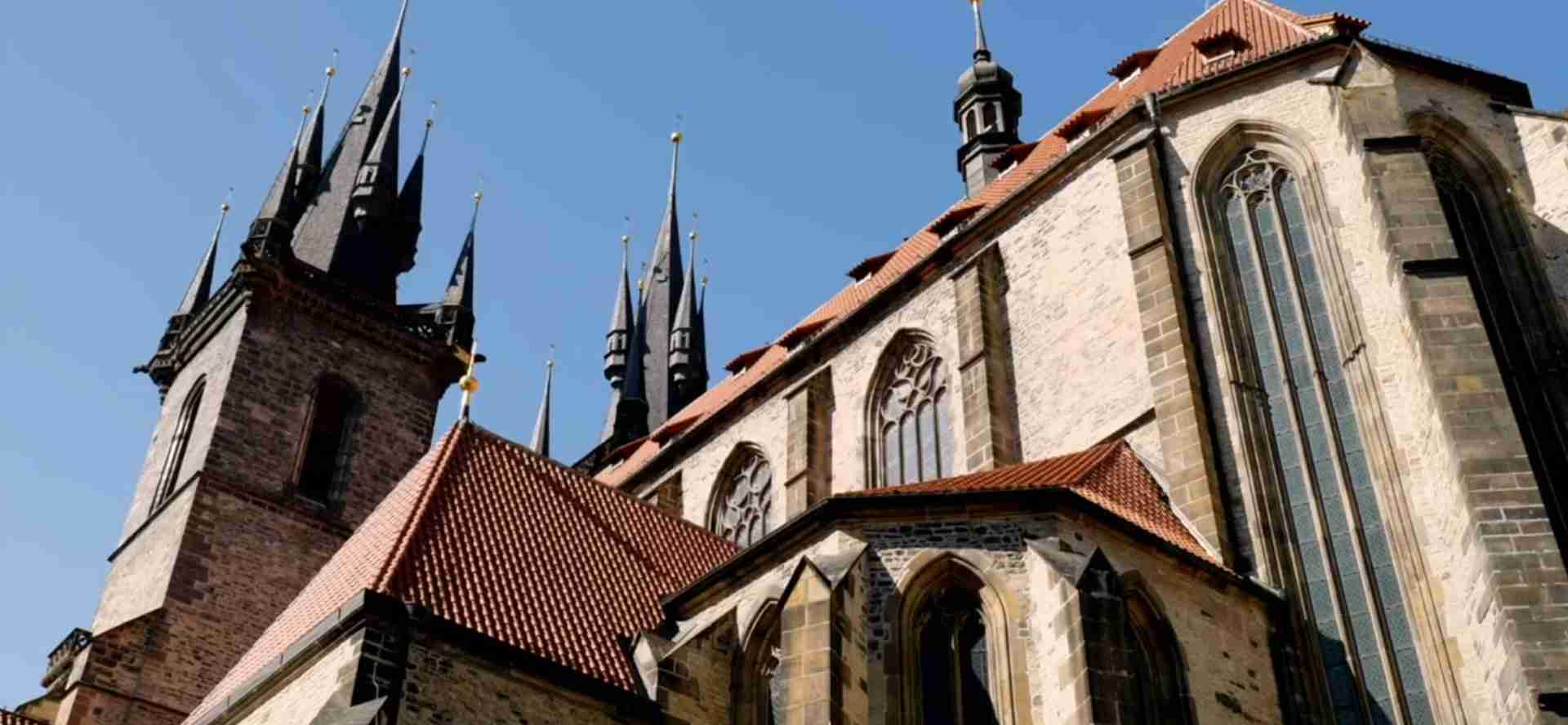
Czech Republic Travel Guide 2026: Ultimate Planning Resource
The Czech Republic combines UNESCO World Heritage treasures, medieval architecture, and exceptional value for travelers in 2026. With 17 UNESCO sites ranging from Prague’s historic center to the newly designated Žatec hop landscape, this Central European destination offers rich cultural experiences at prices significantly lower than Western Europe, making it ideal for both first-time visitors and returning travelers seeking authentic heritage exploration.
Key Takeaways for Czech Republic Travel 2026
- UNESCO Heritage Concentration: 17 World Heritage Sites including historic Prague, medieval towns like Český Krumlov and Telč, and unique cultural landscapes provide exceptional diversity within a compact country
- Budget-Friendly Destination: Mid-range travelers budget $142 per day (2,992 CZK), significantly less than neighboring Austria or Germany, with excellent public transportation keeping costs manageable
- Best Value Timing: Visit April-May or September-October to avoid summer peak prices when Prague hotels double rates, securing accommodation 3-4 months ahead for optimal selection
- Transportation Network: Efficient rail and bus connections link all major UNESCO sites, with Prague serving as central hub for day trips to Kutná Hora (80km), Karlovy Vary (120km), and Český Krumlov (180km)
- Cultural Authenticity: Beyond Prague’s crowds, smaller heritage towns like Telč, Olomouc, and Třebíč offer authentic experiences with minimal tourist infrastructure while maintaining exceptional historical preservation
- Seasonal Considerations: Summer (June-August) brings peak crowds and prices; winter (December-February) offers Christmas markets but limited daylight and cold temperatures; shoulder seasons balance weather, costs, and accessibility
People Also Ask About Czech Republic Travel 2026
What is the total cost for one week in Czech Republic in 2026?
One week in the Czech Republic costs $993-1,986 per person depending on travel style, including accommodation, meals, transportation, and attractions. Budget travelers spending $59 daily total $413 for the week, while mid-range visitors at $142 per day reach $994. These figures assume Prague-based stays with day trips to major UNESCO sites using public transportation.
Specific weekly breakdowns: Accommodation averages $350-600 (hostel to mid-range hotel), meals $140-350 (budget to restaurant dining), transportation $50-100 (public transit and intercity buses), attractions $70-150 (museum admissions and tours). Regional travel costs 20-30% less than Prague-focused itineraries due to lower accommodation and dining prices outside the capital.
Do I need advance tickets for Czech UNESCO sites in 2026?
Prague Castle and Villa Tugendhat require advance online booking to guarantee entry during peak summer season. Prague Castle allows walk-up purchases but creates 1-2 hour wait times June-August; online tickets (check hradschin.cz for availability) ensure timed entry. Villa Tugendhat’s guided tours (tugendhat.eu) sell out weeks ahead for summer weekends; book 4-6 weeks early for preferred dates.
Other major sites including Kutná Hora, Český Krumlov Castle, and regional museums accept walk-up visitors except during special events. Purchase tickets at site entrances or online for small convenience fees. Free walking tours in Prague require no booking but arrive 10-15 minutes early for popular time slots. Theater, opera, and concert performances merit advance purchase 2-4 weeks ahead for prime seating.
Is public transportation sufficient for visiting Czech Republic UNESCO sites in 2026?
Public transportation effectively connects 14 of 17 Czech UNESCO sites through rail and bus networks. Prague, Kutná Hora, Brno, Olomouc, Český Krumlov, Telč, Karlovy Vary, Litomyšl, and Třebíč maintain regular bus or train service from Prague or regional hubs. Transit costs remain minimal—complete Czech Republic rail/bus circuit visiting all accessible UNESCO sites totals $100-150 in transportation.
Three sites benefit from car access: Holašovice village (limited bus service from České Budějovice), Lednice-Valtice Cultural Landscape (best explored by bicycle or car across estate network), and Erzgebirge/Krušnohoří Mining Region (dispersed sites require flexible transport). Consider 2-3 day car rentals for these destinations ($70-120 total) while using public transit for city-based heritage sites, optimizing costs and convenience.
What are the best months to visit Czech Republic for UNESCO heritage in 2026?
May, June, and September provide optimal conditions for Czech UNESCO site visits in 2026, balancing weather, crowds, and pricing. May temperatures average 15-20°C (59-68°F) with blooming gardens and 30-40% lower accommodation costs than July-August. September maintains pleasant 15-20°C weather, dispersed summer crowds, and harvest festivals in Moravia wine regions.
June combines summer warmth (20-25°C/68-77°F) with pre-peak pricing and full operating hours at all sites, though student groups increase weekday traffic. Avoid July-August when Prague accommodation doubles in price, major sites require long queues, and Český Krumlov books solid on weekends. Early October extends shoulder season advantages before November weather deterioration and castle closures. Plan UNESCO site visits for April-October; many properties close November-March with limited winter tourism infrastructure.
Extended multi-day tours – 5+ days
Featured Czech Republic Multi-Day Tour Packages
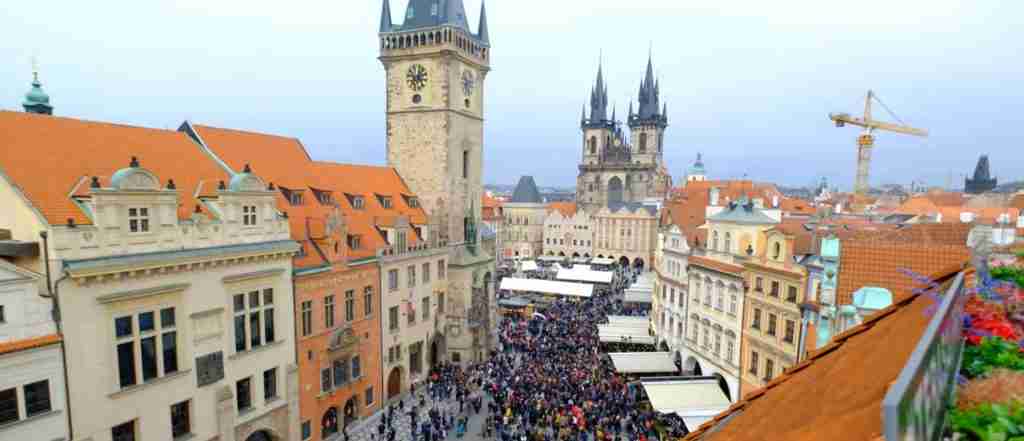
3 days
Czech Republic 3-Day Discovery Tour
- ✓ Comprehensive Czech Republic experience
- ✓ Expert local guides included
- ✓ All accommodation included
- ✓ Transportation provided

5 days
Czech Republic 5-Day Highlights Experience
- ✓ Comprehensive Czech Republic experience
- ✓ Expert local guides included
- ✓ All accommodation included
- ✓ Transportation provided

7 days
Czech Republic 7-Day Cultural Journey
- ✓ Comprehensive Czech Republic experience
- ✓ Expert local guides included
- ✓ All accommodation included
- ✓ Transportation provided
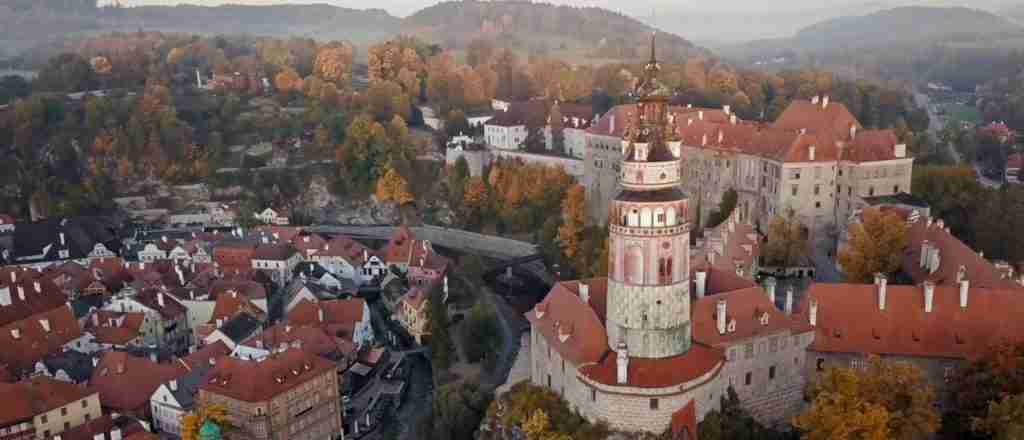
10 days
Czech Republic 10-Day Complete Adventure
- ✓ Comprehensive Czech Republic experience
- ✓ Expert local guides included
- ✓ All accommodation included
- ✓ Transportation provided
Multi-day tour packages powered by TourRadar. Prices and availability subject to change.
Introduction: Planning Your Czech Republic Journey 2026
The Czech Republic stands among Europe’s most rewarding cultural destinations, offering travelers exceptional access to architectural masterpieces, medieval urban planning, and living history. The concentration of 17 UNESCO World Heritage Sites within a relatively small territory creates unique opportunities for comprehensive heritage exploration, whether you focus on Prague’s thousand-year history or venture into Moravia’s wine country and spa towns.
Planning for 2026 requires understanding seasonal dynamics, booking strategies, and transportation logistics that maximize both cultural experiences and budget efficiency. Prague’s popularity creates pricing pressures during summer months, but the country’s extensive public transit network and widespread mid-range accommodation options maintain accessibility for various travel styles.
This guide provides detailed planning information covering costs, timing, transportation, accommodation strategies, and regional itineraries designed for 2026 travelers. The Czech Republic’s combination of cultural depth, architectural diversity, and affordability positions it as an ideal destination for heritage-focused exploration, first-time European travelers, and seasoned visitors seeking authentic experiences beyond Western Europe’s higher-priced capitals.
Understanding Czech Republic UNESCO Heritage 2026
The Czech Republic’s 17 UNESCO World Heritage Sites represent Central Europe’s architectural and cultural evolution from medieval through modern periods. Inscriptions span from the first three sites added in 1992—Prague’s Historic Centre, Český Krumlov, and Telč—to the most recent addition of Žatec and the Landscape of Saaz Hops in 2023, recognizing the region’s brewing heritage.
The UNESCO portfolio divides into 16 cultural sites and one natural site (Ancient and Primeval Beech Forests in the Jizera Mountains), with three transnational properties shared with neighboring countries. The Erzgebirge/Krušnohoří Mining Region extends into Germany, three spa towns participate in the Great Spa Towns of Europe designation with six other countries, and the beech forests connect 18 European nations in a continent-wide natural heritage network.
Complete List of Czech UNESCO Sites
Historic Centers and Towns:
- Historic Centre of Prague (1992) – Gothic, Baroque, and Art Nouveau architecture spanning 1,000 years
- Historic Centre of Český Krumlov (1992) – Exceptionally preserved medieval town with castle complex
- Historic Centre of Telč (1992) – Renaissance town square and castle after 14th-century reconstruction
- Kutná Hora: Historical Town Centre with the Church of St Barbara and the Cathedral of Our Lady at Sedlec (1995) – Silver mining wealth legacy
- Holašovice Historical Village Reservation (1998) – Baroque rural architecture example
Architectural and Religious Sites:
- Pilgrimage Church of St John of Nepomuk at Zelená Hora (1994) – Santini-Aichel Baroque masterpiece
- Gardens and Castle at Kroměříž (1998) – Baroque residence and garden design
- Holy Trinity Column in Olomouc (2000) – Monumental Baroque sculpture at 35 meters height
- Villa Tugendhat in Brno (2001) – Mies van der Rohe modernist architecture
- Jewish Quarter and St Procopius’ Basilica in Třebíč (2003) – Jewish-Christian coexistence documentation
Cultural Landscapes:
- Lednice-Valtice Cultural Landscape (1996) – Baroque landscape architecture over 283 square kilometers
- Žatec and the Landscape of Saaz Hops (2023) – Traditional hop cultivation landscape and urban heritage
Industrial and Spa Heritage:
- Litomyšl Castle (1999) – Renaissance arcade castle with preserved theater
- Erzgebirge/Krušnohoří Mining Region (2019, shared with Germany) – 800 years of mining technology evolution
- Great Spa Towns of Europe (2021) – Františkovy Lázně, Karlovy Vary, Mariánské Lázně as part of 11-town network
Natural Heritage:
- Ancient and Primeval Beech Forests of the Carpathians and Other Regions of Europe (2017, Jizera Mountains component) – Undisturbed forest ecosystems
Geographic Distribution and Access
Prague concentrates the most visited heritage sites within walking distance of the city center, while Bohemia (western regions) contains nine sites including the spa triangle and Pilsen area. Moravia (eastern regions) offers eight sites with less tourist infrastructure but exceptional authenticity, particularly in wine country around Lednice-Valtice and the Třebíč Jewish Quarter.
Most sites remain accessible year-round, though opening hours contract significantly during winter months (November-March). Summer peak season (July-August) creates crowding at Prague Castle, Český Krumlov, and Kutná Hora, while shoulder seasons (April-May, September-October) provide optimal visiting conditions with moderate temperatures and manageable crowds.
Best Time to Visit Czech Republic 2026
Timing your Czech Republic visit in 2026 involves balancing weather conditions, pricing dynamics, crowd levels, and cultural events across distinct seasons that each offer different advantages for heritage tourism.
Spring Season 2026 (April-May)
Spring represents optimal value for Czech Republic travel. April temperatures average 10-15°C (50-59°F), warming to 15-20°C (59-68°F) in May, creating comfortable conditions for extensive walking through historic centers. Hotel prices remain 30-40% below summer peaks, and major sites experience manageable crowds except during Easter week.
Prague’s gardens and castle courtyards reach peak beauty in late April and May, while Moravia’s countryside blooms provide exceptional photography opportunities. Advance booking 2-3 months ahead secures mid-range hotels at $60-80 per night compared to summer rates of $120-150. Public transportation operates on full schedules, and outdoor cafés begin opening throughout historic districts.
Disadvantages include occasional rainfall requiring flexible itineraries and some rural guesthouses remaining closed until May. Student groups increase during May, particularly affecting Prague Castle and Kutná Hora during weekdays.
Summer High Season 2026 (June-August)
Summer brings maximum daylight (sunrise 4:30 AM, sunset 9 PM in June) and warmest temperatures averaging 20-25°C (68-77°F), ideal for outdoor exploration. All sites operate extended hours, festivals fill weekends, and countryside accessibility reaches annual peaks.
However, summer creates significant challenges for budget-conscious travelers. Prague hotel prices double from spring rates ($120-220 for mid-range rooms), major sites require 1-2 hour wait times without advance tickets, and popular destinations like Český Krumlov fill completely during weekends. The Czech capital experiences heat waves occasionally exceeding 30°C (86°F), making afternoon sightseeing uncomfortable.
Book summer accommodation 4-5 months ahead to secure reasonable prices and preferred locations. Purchase tickets online for Prague Castle, Villa Tugendhat, and popular concerts to avoid lines. Consider visiting secondary UNESCO sites like Holašovice, Litomyšl, or Třebíč where infrastructure handles summer crowds comfortably.
Fall Shoulder Season 2026 (September-October)
September through mid-October provides exceptional visiting conditions. Temperatures remain pleasant (15-20°C in September, 10-15°C in October), summer crowds disperse after Labor Day, and accommodation prices drop to spring levels. Moravia’s wine harvest creates unique cultural experiences, particularly around Lednice-Valtice and Znojmo region.
Prague’s parks display autumn colors by mid-October, and cultural programming increases as opera and theater seasons begin. Museums extend educational offerings, and local restaurants return to regular menus after summer tourist-focused service. Day length remains adequate for sightseeing until late October (sunset around 6 PM).
Book fall travel 2-3 months ahead. October weather becomes unpredictable with increasing rainfall, requiring layered clothing and flexible daily planning. Some rural accommodations begin reducing services after mid-October in preparation for winter closure.
Winter Low Season 2026 (November-February)
Winter transforms the Czech experience toward Christmas markets, thermal spas, and indoor cultural attractions. November and early December offer lowest annual prices (hotels 40-50% below summer) but limited daylight (sunset 4 PM by December) and temperatures averaging 0-5°C (32-41°F).
Christmas market season (late November through early January) creates exceptions to winter pricing, particularly in Prague where December hotel rates approach summer levels. Karlovy Vary, Mariánské Lázně, and other spa towns operate year-round with winter thermal bath experiences providing unique appeal.
Winter advantages include negligible crowds at major sites, authentic local atmosphere in smaller towns, and opportunities for photography in snow-covered medieval settings. Disadvantages encompass reduced opening hours at castles and gardens (many close November-March), limited restaurant choices outside Prague, and challenging weather for extensive outdoor exploration.
2026 Specific Considerations
Easter Sunday falls on April 20, 2026, creating peak demand for accommodation and services during the preceding week. Book Easter period travel by January to secure availability in popular destinations. The Prague Spring International Music Festival runs May 12-June 3, 2026, bringing premium pricing but exceptional cultural programming.
Czech National Day (October 28) creates a long weekend with increased domestic travel. Plan accordingly if visiting October 24-29, 2026, particularly for Moravia destinations popular with Czech families.
Budget Planning Czech Republic 2026
The Czech Republic maintains its position as Central Europe’s most budget-friendly destination for cultural tourism. Daily costs average $59 for budget travelers, $142 for mid-range visitors, and $344 for luxury experiences, significantly below Western European equivalents.
Accommodation Costs 2026
Prague accommodation divides into distinct price tiers based on location and season. Old Town and Lesser Town (Malá Strana) command premium rates, while neighborhoods like Žižkov, Vinohrady, and Smíchov offer excellent value with 10-15 minute metro connections to heritage sites.
Budget Options: Hostel dorm beds range $15-25 per night in Prague, $12-18 in regional cities. Private rooms in hostels cost $40-60, providing affordable alternatives to hotels. Guesthouses (penzion) outside Prague charge $35-55 for basic double rooms with breakfast, offering authentic experiences in smaller heritage towns.
Mid-Range Choices: Three-star hotels in Prague cost $70-90 per night during spring/fall, $120-150 in summer. Regional mid-range hotels maintain steadier pricing at $60-80 year-round. Airbnb apartments in residential neighborhoods provide kitchen facilities and local atmosphere at $70-120 nightly for 2-4 person units.
Upscale Properties: Four-star Prague hotels charge $150-220 in shoulder seasons, $220-320 during summer peaks. Boutique properties in restored historic buildings offer character at similar prices. Spa hotels in Karlovy Vary and Mariánské Lázně range $120-180 with thermal access included.
Book accommodation in popular destinations 3-4 months ahead for summer travel, 6-8 weeks for spring/fall. Last-minute deals rarely materialize in Prague during peak periods, though regional towns offer flexibility.
Daily Food and Dining Budget 2026
Czech cuisine provides exceptional value, particularly when focusing on traditional dishes rather than international options. Daily food expenses vary from $20-25 for budget-conscious travelers to $60-80 for upscale dining.
Breakfast: Hotel breakfasts typically cost €8-12 when not included. Bakery pastries and coffee run $3-5, while grocery items for self-catering breakfast total $5-8 for two people. Markets offer fresh produce, bread, and dairy at 30-40% below Western European prices.
Lunch Options: Traditional Czech lunch specials (poledni menu) at local restaurants cost $8-12 for soup, main course, and drink. Tourist-area restaurants charge $15-20 for similar meals. Cafeteria-style places (jídelna) serve authentic lunches for $6-9, though English menus may be limited.
Dinner Expenses: Mid-range restaurant dinners run $15-25 per person for traditional Czech dishes including goulash, roast pork with dumplings, or trout. Wine-focused restaurants in Moravia charge $20-35 for dinner with local wines. Tourist-area establishments in Prague’s Old Town inflate prices to $25-40 for standard meals.
Beverages: Czech beer costs $2-4 per half-liter (0.5L) in traditional pubs, $4-6 in tourist areas. Wine ranges $4-8 per glass in standard restaurants, $6-12 in wine bars. Coffee averages $2-3, though specialty cafés charge $4-5 for artisan preparations.
Minimize dining costs by eating lunch as the main meal (larger portions, better value), seeking restaurants beyond immediate heritage site vicinity, and purchasing picnic supplies for outdoor meals in parks and gardens. Market halls in Prague and Brno offer quality prepared foods at moderate prices.
Transportation Budget 2026
Czech public transportation provides extensive coverage at minimal cost, making rental cars unnecessary unless exploring remote rural areas.
Prague Public Transit: Single tickets cost 40 CZK ($1.70) for 90 minutes of unlimited transfers. 24-hour passes run 120 CZK ($5), 72-hour passes 330 CZK ($14). Purchase transport cards at metro stations, newsstands, or via mobile app. Validate tickets in yellow machines upon boarding.
Intercity Travel: RegioJet and FlixBus offer competitive pricing between major cities. Prague to Český Krumlov costs $8-12 (2.5 hours), Prague to Brno $10-15 (2.5 hours by bus, slightly higher for faster trains). Book online 1-2 weeks ahead for lowest fares; walk-up tickets cost 20-30% more.
Regional Transport: Local buses connect smaller heritage towns to regional hubs, typically costing $2-5 for 30-60 minute journeys. Schedules reduce significantly on weekends and holidays; verify return times when planning day trips to avoid being stranded.
Taxis and Rideshare: Prague taxis charge 40 CZK ($1.70) flag drop plus 28 CZK ($1.20) per kilometer. Bolt rideshare typically costs 15-20% less than traditional taxis. Airport transfers to city center run 500-700 CZK ($21-29). Use only licensed taxis or app-based services to avoid overcharging.
Attraction and Activity Costs 2026
UNESCO sites and museums charge modest admission compared to Western European equivalents, with many offering combination tickets and reduced rates for students, seniors, and families.
Major Site Admission: Prague Castle circuits cost 250-350 CZK ($10-15) depending on buildings included (check official Prague Castle website for current rates). Kutná Hora’s bone church (Sedlec Ossuary) charges 200 CZK ($8). Villa Tugendhat in Brno costs 350 CZK ($15) for guided tours with advance booking required.
Museum Pricing: National Museum Prague charges 200-300 CZK ($8-12) for major exhibitions. Regional museums typically run 100-150 CZK ($4-6). Many offer free admission one day monthly or reduced evening hours.
Tours and Experiences: Free walking tours operate throughout Prague accepting tips (suggested 200-400 CZK per person). Paid specialty tours cost $25-45 for 3-4 hour experiences. Beer tours run $45-70 including tastings and transportation. Thermal spa day passes in Karlovy Vary range $30-60 depending on facilities included.
Sample Daily Budget Breakdowns 2026
Budget Traveler (Prague): Hostel bed $20, meals $25 (street food and simple restaurants), transport $5, attractions $10, beer/drinks $8. Total daily cost: $68 per person (excluding accommodation: $48).
Mid-Range Traveler (Prague): Hotel room $85 per person (double occupancy), meals $45 (mix restaurant and café), transport $10, attractions $20, entertainment $15. Total daily cost: $175 per person (excluding accommodation: $90).
Budget Traveler (Regional): Guesthouse $40 per person, meals $20, transport $8, attractions $12, drinks $5. Total daily cost: $85 per person (excluding accommodation: $45).
Mid-Range Traveler (Regional): Mid-range hotel $65 per person, meals $35, transport $12, attractions $15, wine tasting $25. Total daily cost: $152 per person (excluding accommodation: $87).
Money-Saving Strategies 2026
Implement these tactics to reduce Czech Republic travel costs while maintaining quality experiences:
- Currency Exchange: Use ATMs for best rates rather than exchange bureaus. Withdraw larger amounts less frequently to minimize fees. Decline ATM currency conversion offers; accept charges in Czech koruna for better rates
- City Passes: Prague Card offers admission to 60+ attractions plus transport for 1,390 CZK ($58) for 48 hours (check Prague City Pass website for current rates). Calculate break-even point based on planned visits; typically worthwhile for intensive 2-3 day itineraries
- Lunch Specials: Eat main meal at lunch when restaurants offer set menus 30-40% below dinner prices for identical dishes
- Grocery Picnics: Shop at Billa, Lidl, or Albert supermarkets for picnic supplies. Quality cheese, bread, and beer cost $10-15 for two-person lunch versus $30-40 in restaurants
- Student Discounts: Present valid international student ID for 30-50% reductions at museums, attractions, and some transportation. Age limits typically extend to 26
- Free Attractions: Charles Bridge, Old Town Square, Vyšehrad fortress, Petřín Park, and most church exteriors cost nothing. Free walking tours cover major highlights with tip-based payment
- Accommodation Savings: Book directly with hotels for better rates than third-party sites. Consider Airbnb in residential areas for authentic experiences at 20-30% below hotel costs
- Transport Optimization: Purchase multi-day transit passes rather than single tickets. Walk between adjacent sites; Prague’s compact Old Town covers most major attractions within 30-minute radius
Transportation Guide Czech Republic 2026
The Czech Republic’s compact geography and excellent public transportation network simplify logistics for heritage-focused itineraries. Prague serves as the natural hub, with efficient connections radiating to all major UNESCO sites and regional cities.
Getting to Czech Republic 2026
Air Access: Václav Havel Airport Prague (PRG) serves as the primary international gateway, handling direct flights from major European cities, Middle Eastern hubs, and seasonal North American services. Budget carriers including Ryanair, Wizz Air, and easyJet connect Prague to 150+ European destinations with advance fares from $30-80. Traditional airlines offer Prague service from New York, Toronto, Dubai, and Seoul.
Brno-Tuřany Airport (BRQ) provides limited international connections, primarily serving leisure destinations and charter flights. Vienna International Airport (150km from Brno, 250km from Prague) offers alternative access with hourly bus connections to Czech cities.
Book international flights 3-4 months ahead for summer travel, 6-8 weeks for shoulder seasons. Tuesday-Thursday departures typically cost 15-20% less than weekend flights. Budget airline baggage fees add significantly to advertised prices; calculate total costs including checked bags when comparing options.
Rail Connections: Prague connects to Berlin (4.5 hours), Munich (5.5 hours), Vienna (4 hours), and Budapest (6.5 hours) via comfortable EuroCity and Railjet services. Advance purchase railjet tickets cost $30-60, compared to $80-120 walk-up fares. Rail passes rarely provide value for Czech-focused itineraries unless incorporating multiple countries.
Bus Networks: FlixBus and RegioJet operate extensive international routes at 30-50% below train prices. Prague to Vienna costs $12-20 (4.5 hours), Prague to Kraków $15-25 (7 hours). Modern buses feature WiFi, power outlets, and comfortable seating comparable to trains. Book 2-3 weeks ahead for best availability and pricing.
Prague Public Transportation 2026
Prague’s integrated public transit system combines metro (three lines), trams (25 routes), buses, and river ferries under unified ticketing. Service operates 5 AM to midnight daily, with night trams and buses maintaining connections until morning services resume.
Ticket System: Short-term tickets cover 30 minutes ($1.20) for brief transfers. Standard 90-minute tickets cost 40 CZK ($1.70) and allow unlimited transfers. Multi-day passes provide better value: 24 hours (120 CZK/$5), 72 hours (330 CZK/$14). Purchase tickets at metro stations, newsagents, or via PID Lítačka mobile app. Validate tickets in yellow machines immediately upon boarding; inspectors fine non-validated tickets 1,000 CZK ($42).
Metro System: Three lines (A-Green, B-Yellow, C-Red) intersect at central transfer stations Muzeum, Můstek, and Florenc. Metro provides fastest access to major attractions: Staroměstská station (Line A) serves Old Town Square, Malostranská (Line A) accesses Prague Castle and Lesser Town, Muzeum (Lines A & C) connects to Wenceslas Square.
Tram Network: Trams reach areas metros don’t serve, including Prague Castle (trams 22, 23), Vyšehrad (tram 18), and Petřín Hill (tram 22). Daytime trams run every 4-10 minutes during peak hours, 10-20 minutes off-peak. Night trams (51-59) operate every 30 minutes covering major routes.
Airport Connections: Airport Express (AE) bus connects terminals to Praha hlavní nádraží (Main Station) in 35 minutes for 100 CZK ($4.20). Public bus 119 reaches Nádraží Veleslavín metro (Line A) in 15 minutes using standard 40 CZK ticket. Taxis charge 500-700 CZK ($21-29) to city center; Bolt rideshare typically costs 400-550 CZK ($17-23).
Intercity Transportation 2026
Czech Railways (České dráhy) and private operators RegioJet and Leo Express provide comprehensive rail coverage. Buses complement rail service, offering cheaper alternatives and reaching destinations with limited train access.
Prague to Major UNESCO Sites:
- Kutná Hora: 1 hour by train ($5-8), hourly departures. Train station lies 2km from historic center; local bus or 25-minute walk
- Český Krumlov: No direct trains; take RegioJet/FlixBus 2.5-3 hours ($8-12). Advance booking recommended for summer weekends
- Karlovy Vary: 2.5 hours by bus ($12-15), limited train service requiring changes. Buses depart from Florenc station hourly
- Brno: 2.5 hours by train ($12-18), frequent departures. Faster SC Pendolino services cost 30% more for 45-minute time savings
- Olomouc: 3 hours by train ($15-22) or bus ($10-15). Regular service throughout day
- Telč: Bus from Prague (2.5 hours, $10-12) or train via Jihlava requiring change
Booking Strategy: Purchase tickets online via RegioJet.com, cd.cz (Czech Railways), or FlixBus.com for 10-25% discounts versus station purchases. Print tickets or save to mobile device. Reserved seating typically costs 30-50 CZK ($1.25-2) extra and guarantees seats on popular routes.
Regional Rail Cards: Czech Railways offers group discounts (3+ travelers save 25%) and weekend returns at reduced rates. International visitors rarely benefit from rail passes given low base fares and limited network coverage compared to Western Europe.
Car Rental Considerations 2026
Renting cars provides flexibility for rural heritage sites but creates challenges in cities. Rental costs run $35-60 per day for economy vehicles through international companies; local agencies charge $25-40 but may have limited English support.
When to Rent: Consider cars for Lednice-Valtice Cultural Landscape, Holašovice village, or combined UNESCO site tours in South Bohemia. Keep rentals for countryside portions of trips; return vehicles before entering Prague where parking costs $20-30 daily and traffic congestion frustrates navigation.
Requirements: Valid driver’s license from EU countries suffices; non-EU visitors need International Driving Permit. Minimum age typically 21 (25 for larger vehicles) with young driver surcharges. Credit cards required for deposits.
Road Conditions: Highway quality varies from excellent on D1 Prague-Brno to adequate on secondary routes. Vignette (toll sticker) costs 310 CZK ($13) for 10 days, purchased at borders, gas stations, or post offices. E-vignette available online for advance purchase.
Cycling and Alternative Transport
Cycling infrastructure improves annually, particularly along Greenway routes connecting heritage sites. Prague offers bike-sharing (Rekola) with 60-minute rentals from 30 CZK ($1.25). Longer rentals cost $15-25 per day from dedicated shops.
The Prague-Vienna Greenway provides 450km of marked cycling routes through UNESCO sites including Lednice-Valtice, Telč, and Holašovice. Accommodations along route offer cyclist services; advance planning essential for summer travel.
River cruises operate on Vltava River through Prague and extend to Mělník north of capital. Dinner cruises cost $40-80; sightseeing boats charge $15-25 for 50-minute circuits. Steamboat services connect Prague to countryside destinations during summer weekends.
Accommodation Strategies Czech Republic 2026
Selecting optimal accommodation balances location, price, and experience quality. The Czech Republic offers extensive options from hostels to boutique hotels, with strategic booking yielding significant savings.
Prague Neighborhood Selection 2026
Old Town (Staré Město): Maximum convenience for sightseeing but highest prices ($150-300 for mid-range hotels). Walking distance to Prague Castle, Charles Bridge, and Astronomical Clock. Evening noise from tourist crowds and bars affects sleep quality in central locations. Book ground-floor or courtyard rooms for quieter nights.
Lesser Town (Malá Strana): Romantic setting below castle with baroque architecture and hillside gardens. Hotels charge $120-250; limited budget options. Steep cobblestone streets challenge mobility-impaired travelers. Excellent restaurant scene with local character beyond tourist focus.
New Town (Nové Město): Modern commercial district surrounding Wenceslas Square offers better value ($80-150 for mid-range). Metro connections reach Old Town in 10 minutes. Fewer atmospheric attractions but authentic local restaurants and shops. Noise from nightlife areas requires careful property selection.
Žižkov: Budget-friendly neighborhood ($50-90 for quality hotels) with bohemian character, craft beer pubs, and local markets. Metro Line A provides 15-minute connections to center. Lower tourist density creates authentic Prague atmosphere. Check reviews carefully as quality varies significantly between properties.
Vinohrady: Upscale residential area with art nouveau architecture, cafés, and parks. Mid-range hotels cost $70-120, offering better value than central districts. Metro Lines A and C serve area; 10-15 minutes to Old Town. Excellent neighborhood restaurants and boutique shopping.
Smíchov/Andel: Reconstructed district combining historical buildings with modern development. Hotels charge $60-100; good transport connections via metro Line B. Shopping centers and entertainment venues adjacent. Less atmospheric than central areas but practical for budget-conscious travelers.
Regional Accommodation Options 2026
Český Krumlov: Book 4-6 months ahead for summer visits as this small town fills completely. Hotels within historic center cost $100-180; guesthouses just outside walls run $60-90. River-view rooms command 20-30% premiums. Consider weekday visits for better availability and lower prices.
Brno: Czech Republic’s second city offers excellent value with modern hotels at $60-100. Business hotel rates drop weekends when conference demand subsides. Central locations near Villa Tugendhat and Špilberk Castle available throughout price ranges. Less tourist-focused accommodation provides authentic urban Czech experience.
Karlovy Vary and Spa Towns: Spa hotels dominate accommodation with thermal access included at $100-180 per night. Wellness facilities, pools, and treatment packages add value. Book directly for better thermal access terms. Budget options limited; consider day-trip visits from Prague if spa services aren’t priorities.
Telč and Small Heritage Towns: Limited accommodation requires advance booking for summer weekends. Renaissance square hotels charge $80-120; guesthouses outside center cost $50-80. Family-run pensions provide authentic experiences, home-cooked breakfasts, and local insight though English levels vary. Verify restaurant hours as many small towns have limited evening dining options.
Rural Heritage Sites: Holašovice, Litomyšl, and similar villages offer minimal accommodation. Base in nearby regional centers (Český Budějovice for Holašovice, Ústí nad Orlicí for Litomyšl) or plan day-trip visits. Countryside guesthouses provide peaceful settings at $40-70 but require private transportation.
Accommodation Types and Selection
Hostels: Modern hostels throughout Prague and regional cities offer dorm beds ($15-25) and private rooms ($40-70). Hostel One Prague, Czech Inn, and Sophie’s provide social atmospheres with organized activities. Kitchen access, common areas, and fellow travelers create community feel. Book private rooms directly for better rates than third-party sites.
Guesthouses (Penzion): Family-run properties combine moderate pricing ($40-80) with breakfast included and personal service. Owners often provide local recommendations and assistance. Rooms maintain basic standards; expect shared bathrooms in budget options. English proficiency varies; use Google Translate for communications.
Mid-Range Hotels: Three-star properties offer reliable comfort, breakfast buffets, and central locations at $70-120. International chains (Ibis, Holiday Inn) maintain predictable standards. Local hotels vary significantly; read recent reviews carefully. Breakfast typically costs €8-12 when not included; compare total prices when booking.
Boutique Properties: Restored historical buildings converted to small hotels provide character at $100-180. Design-focused rooms, personalized service, and architectural details create memorable stays. Limited room inventory requires booking 3-4 months ahead for summer. Best values found in regional cities versus Prague.
Airbnb and Apartments: Apartment rentals ($60-120) suit families and longer stays. Kitchen facilities reduce dining costs significantly. Residential neighborhoods provide authentic local experience. Verify exact locations; some listings market “Old Town” for properties 20 minutes away. Cleaning fees add $30-50 to short stays; better value for 4+ night bookings.
Booking Strategies 2026
Implement these approaches to secure optimal accommodation at best prices:
- Early Booking Windows: Reserve Prague summer accommodation 4-5 months ahead (February-March for July-August). Regional properties require 8-12 weeks advance for summer weekends. Shoulder seasons allow 6-8 week booking windows. Last-minute deals rare in peak periods
- Price Comparison: Check hotel direct websites against Booking.com and Agoda. Direct bookings often include breakfast or room upgrades. Use comparison sites to identify properties, then check direct rates. Hotels sometimes match or beat third-party prices when asked
- Cancellation Policies: Book flexible rates initially, then switch to non-refundable if plans solidify. Flexible rates cost 10-20% more but protect against itinerary changes. Read cancellation terms carefully; some properties charge full stay for no-shows
- Package Considerations: Multi-night packages sometimes reduce per-night rates 15-25%. Weekend packages in business hotels offer value. Calculate total costs including mandatory breakfast; à la carte breakfast flexibility may provide better value
- Seasonal Timing: Visit Tuesday-Thursday for better availability and occasional lower weekday rates, particularly in business hotels. Avoid Easter, Christmas markets, and major festivals unless specifically seeking those experiences
Sample Czech Republic Itineraries 2026
These itineraries demonstrate efficient routing for UNESCO site exploration across various timeframes and interests, balancing major attractions with lesser-known treasures.
Prague-Focused 4-Day Cultural Immersion 2026
Day 1 – Old Town and Jewish Quarter: Begin at Astronomical Clock for hourly show (free), explore Old Town Square including Týn Church. Walk through Jewish Quarter visiting Spanish Synagogue and Old Jewish Cemetery (combined ticket 330 CZK/$14, check Jewish Museum Prague website for current rates). Lunch at traditional restaurant in Josefov. Afternoon at Rudolfinum concert hall or National Gallery modern art collections. Evening river cruise (400-600 CZK/$17-25). Hotel in Old Town or Vinohrady $85 per person, meals $45, transport $5, attractions $20, cruise $20. Total: $175 per person (excluding accommodation: $90).
Day 2 – Prague Castle and Lesser Town: Early start at Prague Castle (entry ticket 250 CZK/$10) including St. Vitus Cathedral, Old Royal Palace, and Golden Lane. Descend through castle gardens to Lesser Town. Lunch near Charles Bridge. Afternoon visit to St. Nicholas Church (70 CZK/$3), Wallenstein Garden (free), and climb Petřín Tower (150 CZK/$6). Dinner in Malá Strana traditional restaurant. Accommodation $85, meals $50, transport $5, attractions $15. Total: $155 per person (excluding accommodation: $70).
Day 3 – Kutná Hora Day Trip: Morning train to Kutná Hora (1 hour, 160 CZK/$7 round-trip). Visit Sedlec Ossuary (200 CZK/$8), Cathedral of Our Lady, St. Barbara Cathedral (170 CZK/$7), and historic center. Lunch in local restaurant. Return to Prague early evening. Alternative evening at Prague National Theatre opera or ballet (500-1500 CZK/$21-63). Accommodation $85, meals $40, transport $15, attractions $20, theater $40. Total: $200 per person (excluding accommodation: $115).
Day 4 – Vyšehrad and Modern Prague: Morning at Vyšehrad fortress (free) exploring basilica, cemetery, and ramparts. Lunch in Nové Město. Afternoon at DOX contemporary art center or National Museum (250 CZK/$10). Shopping at Havelská Market for souvenirs. Final evening dinner in Vinohrady neighborhood. Accommodation $85, meals $45, transport $5, attractions $12. Total: $147 per person (excluding accommodation: $62).
4-Day Prague Total: $677 per person (excluding accommodation: $337).
Bohemian Heritage Circuit 7-Day 2026
Day 1-2 – Prague Base: Follow Day 1-2 from Prague itinerary above. Establish Prague accommodation for 2 nights ($85 per person per night).
Day 3 – Karlovy Vary Spa Experience: Morning bus to Karlovy Vary (2.5 hours, 300 CZK/$13 round-trip). Walk colonnades sampling thermal springs (free), visit Market Colonnade and Mill Colonnade. Lunch at traditional spa restaurant. Optional spa treatment (800-1500 CZK/$33-63). Return evening to Prague. Accommodation $85, meals $45, transport $15, spa experience $40. Total: $185 per person (excluding accommodation: $100).
Day 4 – Transfer to Český Krumlov: Bus to Český Krumlov (3 hours, 280 CZK/$12). Check into historic center hotel. Afternoon explore town including Český Krumlov Castle (370 CZK/$15 with tour, check castle.ckrumlov.cz for current rates). Evening stroll along Vltava River. Hotel $95 per person, meals $40, transport $12, castle tour $15. Total: $162 per person (excluding accommodation: $67).
Day 5 – Český Krumlov Full Day: Morning visit castle gardens and baroque theater (advance booking required, 350 CZK/$15). Afternoon at Egon Schiele Art Centrum (180 CZK/$8) or rafting on Vltava (600 CZK/$25 for 2 hours). Evening medieval dinner experience. Accommodation $95, meals $50, activities $25, dinner experience $35. Total: $205 per person (excluding accommodation: $110).
Day 6 – Holašovice and Třeboň: Rental car day trip to Holašovice village (30 minutes from Krumlov, free entry to village). Walk baroque farmhouse complex. Continue to Třeboň town for lunch and Regent Brewery tour (200 CZK/$8). Return via Hluboká Castle (220 CZK/$9). Car rental $30 per person (2 sharing), meals $35, attractions $20. Total: $180 per person (excluding accommodation $95: $85).
Day 7 – Telč and Return Prague: Bus to Telč (2 hours, 200 CZK/$8). Explore Renaissance square and castle (160 CZK/$7). Lunch overlooking square. Afternoon bus to Prague (2.5 hours, 240 CZK/$10). Final evening in capital. Transport $18, meals $35, attractions $10, Prague accommodation $85. Total: $148 per person (excluding accommodation: $63).
7-Day Bohemia Total: $1,342 per person (excluding accommodation: $622).
Moravian Wine and Heritage 5-Day 2026
Day 1 – Travel to Brno: Morning train Prague to Brno (2.5 hours, 400 CZK/$17). Check into central Brno hotel. Afternoon Villa Tugendhat tour (350 CZK/$15, advance booking essential via tugendhat.eu). Evening at Špilberk Castle and old town exploration. Hotel $70 per person, meals $40, transport $17, villa tour $15. Total: $142 per person (excluding accommodation: $72).
Day 2 – Olomouc Day Trip: Train to Olomouc (1.5 hours, 200 CZK/$8). Visit Holy Trinity Column, Olomouc Archdiocesan Museum (130 CZK/$5), and St. Wenceslas Cathedral (free). Lunch in town square. Return evening to Brno. Accommodation $70, meals $38, transport $16, attractions $8. Total: $132 per person (excluding accommodation: $62).
Day 3 – Lednice-Valtice Cultural Landscape: Bus to Lednice (1 hour, 120 CZK/$5). Explore Lednice Castle and gardens (300 CZK/$13). Bicycle to Valtice (10km rental bike path, bike rental 150 CZK/$6). Valtice wine cellar tour and tasting (600 CZK/$25). Return bus to Brno. Accommodation $70, meals $40, transport $12, castle $13, wine tour $25. Total: $160 per person (excluding accommodation: $90).
Day 4 – Třebíč Jewish Quarter: Bus to Třebíč (1.5 hours, 140 CZK/$6). Explore Jewish Quarter and cemetery, St. Procopius Basilica (combined ticket 150 CZK/$6). Lunch in historic center. Return via Telč (additional 90 CZK/$4 bus) for evening in Renaissance town. Stay Telč guesthouse. Transport $20, meals $35, attractions $10, Telč accommodation $60 per person. Total: $125 per person (excluding accommodation: $65).
Day 5 – Telč to Prague: Morning walk Telč castle and square (160 CZK/$7). Afternoon bus to Prague (2.5 hours, 240 CZK/$10). Evening arrival capital. Transport $17, meals $30, attractions $7. Total: $54 (not including Prague accommodation).
5-Day Moravia Total: $613 per person (excluding accommodation: $289).
Complete UNESCO Sites 10-Day 2026
This ambitious itinerary visits all 17 Czech UNESCO sites, requiring efficient routing and longer days. Rental car recommended for rural sites (budget $40-50 per person daily for 2 sharing).
Days 1-3: Prague comprehensive coverage including Pruhonice Park extension (bus 20 minutes, free park access).
Day 4: Kutná Hora and Zelená Hora pilgrimage church (bus connection, combined visit).
Day 5: Karlovy Vary, Mariánské Lázně, Františkovy Lázně spa triangle (car essential).
Day 6: Ústí nad Labem base, visit Erzgebirge/Krušnohoří Mining Region sites on Czech side.
Day 7: Litomyšl Castle, Holašovice village via Hradec Králové (car routing).
Day 8: Český Krumlov base, visit Třeboň and Jindřichův Hradec region.
Day 9: Telč, Třebíč, Kroměříž circuit to Brno (car required for efficient routing).
Day 10: Brno (Villa Tugendhat), Lednice-Valtice, Olomouc, return Prague or continue to Jizera Mountains beech forests (northern Bohemia).
Budget approximately $1,800-2,200 per person for complete circuit including accommodation, meals, transport, and admissions.
Regional Highlights and Day Trips 2026
Beyond major UNESCO sites, Czech regions offer distinctive character, culinary traditions, and landscape diversity that enhance heritage-focused itineraries.
South Bohemia Discoveries
The České Budějovice region surrounding Český Krumlov provides access to castle landscapes, fishpond country, and brewing heritage. Hluboká Castle presents neo-Gothic architecture on English garden grounds (220 CZK/$9 entry, check zamek-hluboka.eu for current rates). Třeboň preserves medieval fishpond systems and Renaissance town center, offering local carp cuisine and Regent Brewery tours.
Tábor, 90 minutes from Prague, features Hussite revolutionary history and exceptional late-Gothic underground passages (160 CZK/$7). The town’s hilltop position and preserved fortifications create atmospheric exploration. Combine with Bechyně ceramics center for full-day excursions.
West Bohemia Spa Triangle and Pilsen
Beyond UNESCO-designated spa towns, Lázně Kynžvart and smaller thermal centers offer authentic experiences without Karlovy Vary’s commercialization. The region’s forest hiking trails connect spa towns through protected landscape areas.
Pilsen (Plzeň) combines industrial heritage with beer culture at Pilsner Urquell Brewery (tours 350 CZK/$15, book ahead via prazdrojvisit.cz). The city’s Gothic St. Bartholomew Cathedral and Renaissance town hall merit half-day visits. Great Synagogue represents Europe’s third-largest Jewish worship space.
Moravia Wine Routes
The South Moravia wine region between Brno and Austrian border produces 95% of Czech wine from intimate family cellars. Mikulov town serves as wine tourism center with castle overlooking vineyards and cellars throughout historic core. Wine cycling routes connect Lednice-Valtice estates through vineyard landscapes.
Znojmo region specializes in crisp whites and Rieslings, with underground cellars dating to medieval periods. Harvest festivals (September-October) offer authentic experiences beyond tourist programming. Expect cellar tours and tastings at 300-600 CZK ($13-25) including 5-8 wines and local cheeses.
Northern Bohemia Natural Heritage
Jizera Mountains house Czech components of Ancient and Primeval Beech Forests UNESCO site. Access via Liberec city (train from Prague 2 hours) with mountain trails radiating from ski resort bases. Summer hiking reveals virgin forest ecosystems; winter offers budget skiing compared to Alps.
Bohemian Switzerland National Park (České Švýcarsko) protects sandstone formations including Pravčická brána, Europe’s largest natural rock arch. Day trips from Děčín or overnight stays in Hřensko village enable comprehensive exploration. Popular trail to Pravčická brána takes 2-3 hours round-trip through forested gorges.
Eastern Moravia Cultural Preservation
The Moravian-Silesian region maintains folk traditions largely absent in westernized Bohemia. Rožnov pod Radhoštěm’s open-air museum preserves complete village architecture and living history demonstrations (200 CZK/$8 entry). Summer festivals feature traditional music, crafts, and costume processions.
Kroměříž Castle and Gardens merit full-day visits combining baroque architecture, art collections, and landscape design. The property ranks among Central Europe’s finest surviving estate complexes. Gardens achieve peak beauty April-September; castle tour costs 320 CZK ($13).
Practical Tips Czech Republic 2026
These essential details smooth logistics and enhance authentic experiences throughout Czech heritage destinations.
Language and Communication
Czech serves as official language, though English proficiency varies significantly by location and generation. Prague, Brno, and major tourist sites maintain good English coverage among hospitality workers and younger residents. Rural areas and smaller heritage towns require basic Czech phrases or translation apps for interaction beyond hotels and main restaurants.
Learn essential phrases: “dobrý den” (hello/formal), “děkuji” (thank you), “prosím” (please/you’re welcome), “kolik to stojí?” (how much?), “mluvíte anglicky?” (do you speak English?). Restaurant staff appreciate attempts at Czech regardless of pronunciation quality. Google Translate offline mode (download Czech language pack) provides reliable text translation and camera-based menu reading.
German serves as second language in western regions near German border, particularly among older generations. Russian remains understood by citizens over 50 who learned during Soviet period, though political sensitivities make English preferable for visitors. Young Czechs often speak excellent English due to education system emphasis and media exposure.
Currency and Payment 2026
Czech koruna (CZK, often shown as Kč) remains official currency despite EU membership, as Czech Republic hasn’t adopted euro. Exchange rate fluctuates at approximately 24 CZK per USD, 25 CZK per EUR. Monitor rates before travel as tourism operators price conversions conservatively.
ATMs provide best exchange rates; withdraw larger amounts less frequently to minimize 2-3% international transaction fees. Select “decline conversion” when ATM offers to charge in home currency—always accept charges in CZK for better rates. Major cards (Visa, Mastercard) work universally; American Express acceptance limited to upscale establishments.
Avoid airport and tourist-area exchange bureaus advertising “no commission”—these operations provide terrible exchange rates compensating for zero fees. Shop exchange rates before using bureaus; competitive operations cluster near Wenceslas Square offering rates within 2-3% of official mid-market.
Credit cards work at hotels, restaurants, and shops in cities; cash remains essential for small purchases, markets, and rural areas. Carry 1,000-2,000 CZK ($42-84) daily cash for incidentals. Tipping adds 10% rounded to convenient amounts; leave cash tips even when paying cards as servers don’t always receive card-based gratuities.
Safety and Security
Czech Republic ranks among Europe’s safest destinations with minimal violent crime. Standard urban precautions suffice: watch belongings in crowded tourist areas, secure valuables in hotel safes, avoid isolated areas late night. Prague experiences pickpocketing in Old Town Square, Charles Bridge, and metro stations; keep bags closed and phones secure. Tourist-area restaurant scams occasionally occur—always verify bills match menu prices, count change carefully, and keep credit cards visible during payment processing.
Prague taxi scams target travelers, particularly at airport and main train station. Use Bolt or Uber rideshare apps, or order taxis via hotel staff rather than hailing street vehicles. Licensed taxis display fare charts in windows and accept cards; avoid drivers soliciting customers in tourist areas.
Emergency number 112 connects to English-speaking operators for police, ambulance, or fire services. Czech police generally helpful toward tourists; report theft or issues at any police station for insurance documentation. U.S. Embassy in Prague (Tel: +420-257-022-000) provides consular services; Canadian Embassy (Tel: +420-272-101-800) assists Commonwealth citizens.
Health and Medical Services
EU citizens receive reciprocal healthcare under European Health Insurance Card. Non-EU visitors should secure travel insurance covering medical emergencies as Czech healthcare providers require payment from foreign nationals without insurance.
Prague hospitals maintain 24-hour emergency departments with English-speaking staff: Motol Hospital (comprehensive emergency care), Na Homolce Hospital (expat-focused services), Canadian Medical Centre (private, immediate care). Regional cities have adequate emergency facilities though English proficiency decreases outside Prague/Brno.
Pharmacies (lékárna) display green cross signs; staff provide basic medical advice and over-counter remedies. 24-hour pharmacies operate in Prague and major cities. Common medications available without prescription though brands differ from North America. Bring prescription medications in original containers with doctor’s letter explaining purpose.
Tap water quality meets EU standards and tastes fine throughout Czech Republic. Restaurants charge for bottled water; request “kohoutkova voda” (tap water) to receive free water though servers may resist in tourist areas. European voltage (220V) requires adapter plugs for North American devices; adaptors available at electronics stores or airports.
Cultural Etiquette and Customs
Czechs value privacy and personal space more than many Southern Europeans. Greet shopkeepers and restaurant staff upon entering with “dobrý den,” say “nashledanou” (goodbye) when leaving. Table service operates slowly by American standards—servers give diners privacy rather than checking frequently. Signal for bill rather than expecting prompt delivery.
Shoes-off policies apply in some guesthouses and private homes; observe host practices and ask if uncertain. Smoking restrictions match EU standards with indoor bans in restaurants and public buildings. Beer culture permeates Czech society; declining alcohol doesn’t cause offense but expect repeated offers in social settings.
Church visits require modest clothing covering shoulders and knees. Photography restrictions apply in some religious sites and museums; respect posted signs. Quiet behavior expected in churches even when not during services, as many remain active worship spaces beyond tourist attractions.
Czechs appreciate visitors learning basic language, respecting queues, and avoiding loud public behavior. Post-communist sensitivities mean avoiding Russian language and Soviet-era jokes unless knowing audience well. Young Czechs embrace Western culture enthusiastically while maintaining pride in national heritage and contributions.
Connectivity and Technology
WiFi access excellent throughout accommodation, restaurants, and cafés in cities. Most properties provide free access; request password at check-in. Mobile coverage comprehensive except remote mountain areas. EU roaming regulations allow EU visitors to use domestic plans; non-EU travelers need Czech SIM cards or international plans.
Czech SIM cards available at mobile shops, electronics retailers, and some newsstands. Vodafone, T-Mobile, and O2 offer prepaid tourist packages with data at 300-500 CZK ($13-21) for 7-day unlimited plans. Installation requires passport; shops handle activation. Purchase at airport or city center for immediate connectivity.
Major apps useful for Czech travel: Google Maps (excellent transit directions), Mapy.cz (Czech-developed detailed mapping), PID Lítačka (Prague public transport tickets), Bolt (rideshare), RegioJet/FlixBus (bus tickets), Restaurant.cz (reviews and menus). Download offline maps before travel for backup navigation.
Seasonal Considerations
Summer brings extended daylight but afternoon thunderstorms occur regularly; carry light rain jacket and umbrella. Sun protection essential as cities reflect heat from stone surfaces and castle visits involve extensive outdoor time. Stay hydrated—buy water bottles from supermarkets (20-30 CZK/$0.85-1.25) rather than tourist-area kiosks charging 50-80 CZK.
Winter requires serious cold-weather clothing. December-February temperatures drop to -5°C to 5°C (23°F-41°F) with occasional -15°C (-5°F) cold snaps. Heated buildings provide warm respite but outdoor sightseeing demands layers, gloves, and insulated footwear. Cobblestone streets become slippery when wet or icy; wear appropriate shoes with good tread.
Shoulder seasons demand layering capability as morning temperatures differ significantly from afternoon warmth. April and October range from 5°C to 20°C (41°F-68°F) within single days. Bring clothing combinations accommodating 15°C temperature swings and pack compact rain protection.
Frequently Asked Questions Czech Republic Travel 2026
How many days do I need to visit Czech UNESCO sites in 2026?
Comprehensive Czech UNESCO site visits require minimum 10-12 days covering Prague (3 days), Bohemian sites including Český Krumlov, Kutná Hora, and spa towns (4 days), and Moravian heritage encompassing Brno, Olomouc, Lednice-Valtice, and Třebíč (3-4 days). Most visitors focus on highlights within 7-8 days: Prague (2-3 days), Kutná Hora day trip, Český Krumlov (1-2 days), and Brno with Villa Tugendhat (1-2 days). This concentrates on accessible major sites using public transportation while allowing adequate time for meaningful exploration rather than rushed checklists.
Should I visit Czech Republic in summer or shoulder season 2026?
Shoulder seasons (April-May, September-October) provide superior value and experience quality unless your dates require summer travel. May and September combine favorable weather (15-20°C/59-68°F), 30-40% lower accommodation costs versus July-August, manageable crowds at major attractions, and full site operating hours. Summer advantages—maximum daylight and warmest temperatures—don’t compensate for doubled hotel prices, extensive queuing, and crowded heritage sites. Visit summer only if constrained by school holidays or festival-specific interests; otherwise plan spring or early fall travel for optimal Czech Republic experiences.
Can I visit Czech Republic without speaking Czech in 2026?
English suffices for Prague, Brno, and major tourist destinations where hospitality workers and younger residents speak adequate to fluent English. Challenges increase in smaller heritage towns and rural areas where English proficiency decreases significantly. Download Google Translate with offline Czech language pack, learn basic phrases (hello, thank you, please), and prepare for communication creativity in non-tourist areas. Restaurants increasingly provide English menus in heritage towns; pointing and simple English often accomplish basic transactions. Germans may find German language useful in western Bohemia. Overall language barriers remain manageable for determined travelers though learning phrases enhances experiences and local appreciation.
What is the best base for exploring Czech UNESCO sites in 2026?
Prague serves as optimal single base for UNESCO site exploration, providing direct access to Prague’s own sites plus efficient transportation to Kutná Hora (1 hour), Karlovy Vary (2.5 hours), and Kutná Hora (1 hour) as day trips. Multi-base itineraries improve regional depth: Prague 3 nights covers capital and easy day trips, Český Krumlov 2 nights accesses South Bohemia heritage, Brno 2 nights enables Moravian site visits. This approach reduces daily travel time while enabling evening exploration in each base location. Consider Prague + one regional base (Český Krumlov or Brno) for balanced 7-day itineraries; three bases for 10+ day comprehensive visits.
Is Czech Republic cheaper than other Central European countries in 2026?
Czech Republic maintains lower costs than Austria and Germany but shows similar pricing to Poland and Hungary, with some exceptions. Daily budgets run 20-30% below Vienna or Munich across accommodation, dining, and attractions. Prague prices approach Western European levels during summer peak but remain 15-20% cheaper overall. Regional Czech destinations cost significantly less than Prague—Moravia and smaller Bohemian towns provide excellent value comparable to provincial Poland. Slovakia offers marginally lower prices than Czech Republic; Hungary shows similar overall costs with cheaper accommodation but comparable dining expenses. Budget travelers find Czech Republic affordable Central European option; luxury travelers see minimal savings versus Western neighbors.
Do I need car rental for Czech UNESCO sites in 2026?
Car rental remains optional for most Czech UNESCO visits as public transportation reaches 14 of 17 sites efficiently. Prague, Brno, Kutná Hora, Olomouc, Český Krumlov, Telč, Karlovy Vary, Litomyšl, and Třebíč maintain regular train or bus service. Consider short-term rental (2-3 days) for Holašovice village, Lednice-Valtice Cultural Landscape, and Erzgebirge Mining Region where public transit limits exploration flexibility. Calculate rental costs ($70-120 for 2-3 days) against taxi services and regional bus connections; cars benefit travelers visiting multiple rural sites in single day but create parking challenges and costs in Prague and Brno. Most itineraries optimize using public transit for city destinations, renting cars for specific countryside circuits.
What Czech foods should I try during heritage visits in 2026?
Traditional Czech cuisine centers on hearty portions, pork preparations, and dumplings accompanying most dishes. Essential tastings include svíčková (beef sirloin in cream sauce with cranberries and dumplings, national dish), vepřo-knedlo-zelo (roast pork, dumplings, and sauerkraut, classic combination), guláš (beef goulash, different from Hungarian version), smažený sýr (fried cheese, common vegetarian option), and trdelník (sweet pastry roll, tourist favorite despite non-traditional origins). Beer culture demands sampling Pilsner Urquell (original pilsner), Budvar (České Budějovice brewery), and regional craft beers. Moravia specializes in wines; request local varieties over international grapes. Christmas market stands serve klobása (sausage) and svařák (mulled wine). Traditional restaurants (hospoda) offer authentic preparations at moderate prices; avoid tourist-trap menus with photos.
How do I book Villa Tugendhat tours for 2026?
Villa Tugendhat requires advance online booking through official website (tugendhat.eu) as guided tours limit capacity for building preservation. Book 4-6 weeks ahead for summer weekend visits, 3-4 weeks for weekday or shoulder season tours. Standard tours cost 350 CZK ($15) for one-hour guided visits in English, Czech, or German; extended two-hour architecture tours run 500 CZK ($21) with additional technical details. Virtual tours (150 CZK/$6) provide multimedia alternative when physical tours book out. Tours depart specific times throughout day; select preferred language and time during booking. Confirm booking confirmation email and arrive 10 minutes early at designated entrance. Photography allowed during tours but tripods and flash prohibited. Wheelchair-accessible tours available with advance notice.
What is Prague Card and should I buy it for 2026?
Prague Card provides combined admission to 60+ attractions plus unlimited public transportation for 48-hour (1,390 CZK/$58), 72-hour (1,790 CZK/$75), or 96-hour (2,050 CZK/$86) periods (check Prague City Pass website for current rates). Calculate value based on planned visits: Prague Castle (250 CZK), Jewish Quarter (330 CZK), astronomical tower climbs (150-200 CZK), and transportation passes (120-330 CZK). Break-even requires visiting 5-6 major paid attractions plus transit use. Card benefits intensive 2-3 day Prague itineraries with multiple daily site visits; provides minimal value for relaxed schedules or travelers prioritizing free walking tours and outdoor exploration. Purchase online before travel or at tourist information centers; activate upon first use. Alternative Brno Card offers similar benefits in Moravia’s capital.
When do Czech heritage sites close for winter in 2026?
Most Czech castles and gardens close November through March with specific timing varying by property. Prague Castle, major Prague museums, and year-round attractions maintain operations; Kutná Hora churches and Sedlec Ossuary remain accessible. Český Krumlov Castle typically closes November 1-March 31 except for castle tours on weekends. Lednice-Valtice castle interiors close late October through March though grounds remain visitable. Smaller properties like Holašovice village never close but lack visitor facilities during winter. Check individual site websites before planning November-March visits; many provide limited winter access or operate reduced tours weekends only. Spa towns and thermal facilities operate year-round. Winter closures don’t prevent heritage town exploration—historic centers, churches, and outdoor monuments remain accessible with reduced commercial services and shorter daylight hours.