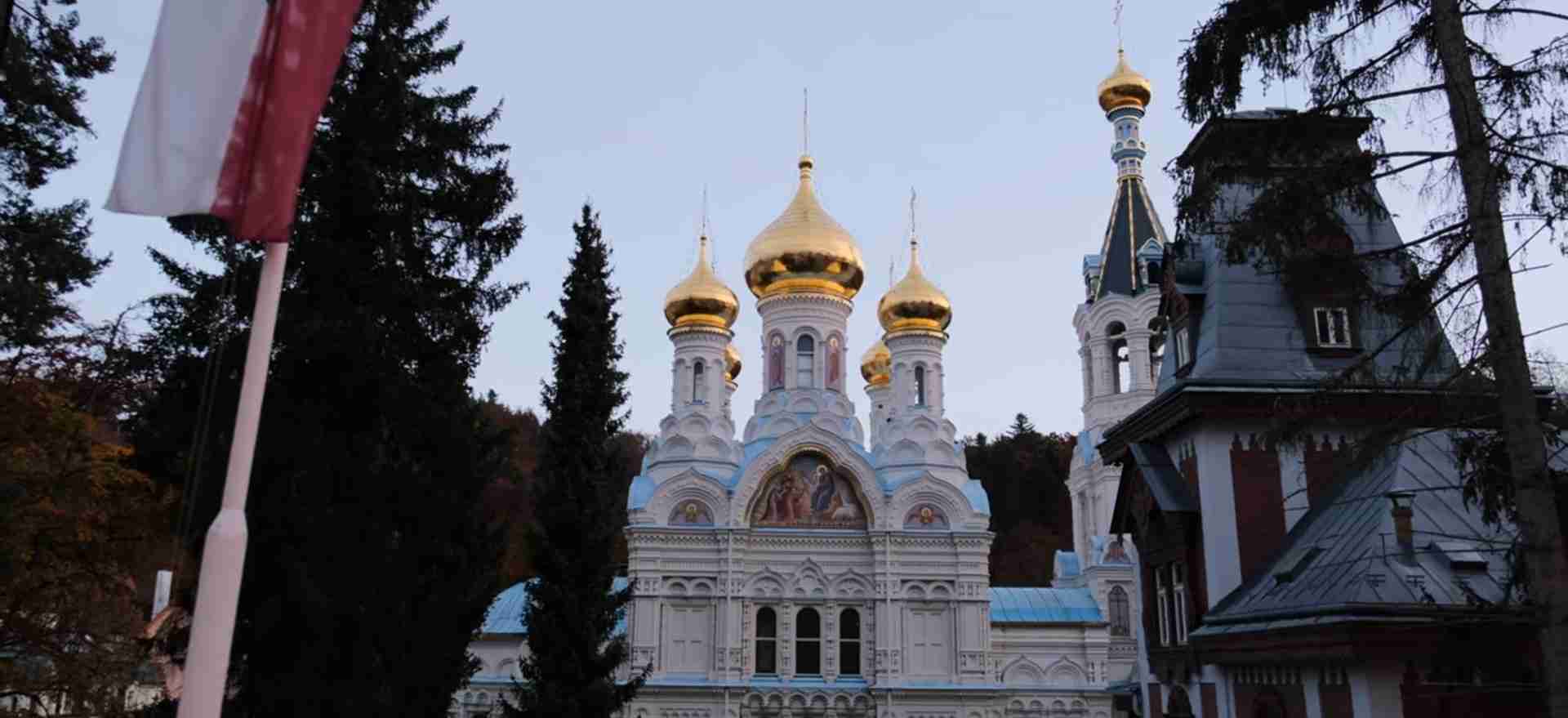
Czech Republic 3-Day Itinerary 2026: First-Time Visitor Guide
The Czech Republic delivers three days of extraordinary UNESCO World Heritage experiences, combining Prague’s Gothic masterpieces with medieval towns, baroque architecture, and Czech cultural traditions. This carefully structured itinerary maximizes your time across the country’s most significant heritage sites while managing practical logistics, transportation connections, and budget considerations for an unforgettable first visit.
Key Takeaways for Your Czech Republic 3-Day Journey 2026
- UNESCO Heritage Concentration: Czech Republic features 17 UNESCO World Heritage Sites, the highest per capita in Europe, with 8 accessible within day-trip distance from Prague
- Optimal Base Strategy: Prague serves as your central hub for all three days, eliminating hotel changes while providing efficient rail connections to Kutná Hora (55 minutes), Český Krumlov (3 hours), and regional sites
- Budget Planning 2026: Daily costs range €70-180 per person depending on accommodation tier, with mid-range travelers averaging €100-120 including meals, transport, and attractions (excluding accommodation)
- Transportation Efficiency: Czech Railways operates punctual, affordable services connecting major heritage sites, with advance online bookings saving 20-30% versus station purchases
- Seasonal Timing Impact: May-June and September 2026 offer ideal weather, manageable crowds, and stable pricing, while July-August sees 40-60% accommodation increases and significantly longer attraction queues
- Booking Timeline: Reserve Prague accommodation 8-12 weeks ahead for best selection and rates, purchase Czech Railways tickets 60 days advance for maximum discounts, and book popular guided tours 4-6 weeks before travel
Introduction: Maximizing Three Days in Czech Republic 2026
The Czech Republic presents first-time visitors with remarkable heritage density across a compact geographic area. Your three-day itinerary focuses on the country’s most accessible and significant UNESCO World Heritage Sites while maintaining realistic travel times and avoiding exhausting over-scheduling.
This guide structures your 72 hours around Prague as your accommodation base, utilizing the capital’s excellent transportation infrastructure for efficient day trips. The itinerary balances iconic attractions with lesser-known treasures, incorporates authentic Czech dining experiences, and provides practical guidance on costs, bookings, and logistics specific to 2026 travel conditions.
Czech Republic’s 17 UNESCO sites span architectural styles from Romanesque to Modernist, representing over 1,100 years of cultural development. Your three days capture Gothic cathedrals, Renaissance squares, Baroque palaces, and Art Nouveau masterpieces while experiencing Czech beer culture, traditional cuisine, and the warm hospitality that characterizes this Central European gem.
People Also Ask About Czech Republic 3-Day Itinerary 2026
How much does a 3-day Czech Republic trip cost in 2026?
A 3-day Czech Republic trip in 2026 costs €210-540 per person (excluding accommodation) depending on travel style. Budget travelers average €70-90 daily through hostel dormitories (€18-25), local restaurant meals (€25-35), public transport (€5-8), and selective paid attractions. Mid-range visitors spend €100-140 daily with 3-star hotels (€60-85), mix of casual and traditional restaurants (€40-55), comprehensive attraction tickets, and occasional taxis. Luxury travelers invest €180-280 daily covering 4-5 star properties (€150-250), refined dining (€70-100), private guides, and premium experiences.
Three-day total costs break down to €210-270 budget, €300-420 mid-range, and €540-840 luxury categories. Accommodation represents the largest variable, with Prague 3-star hotels ranging €60-100 per night in shoulder seasons (May-June, September-October) versus €100-160 during peak July-August 2026. Transportation remains affordable at €15-30 total for regional rail day trips to Kutná Hora or Karlštejn. Attraction entrance fees accumulate to €35-60 across major sites, while meals constitute €75-165 over three days depending on dining choices. Book accommodation and trains 60-90 days ahead for 15-25% savings versus last-minute bookings.
Is 3 days enough for Czech Republic in 2026?
Three days provides sufficient time to experience Prague’s historic center thoroughly plus two outstanding day trips to UNESCO sites like Kutná Hora and Český Krumlov. This timeframe captures the country’s architectural diversity, cultural highlights, and regional variety without feeling rushed. You’ll explore Gothic cathedrals, Renaissance town squares, Baroque gardens, and sample authentic Czech cuisine across multiple destinations.
However, three days requires strategic choices and efficient scheduling. You won’t have time for all 17 UNESCO sites or extensive exploration of Moravia, wine regions, or spa towns. The itinerary emphasizes quality over quantity, focusing on Bohemia’s most accessible heritage rather than attempting comprehensive coverage. Extensions to 5-7 days allow addition of Brno’s Villa Tugendhat, Olomouc’s Trinity Column, or spa towns like Karlovy Vary. But for first-time visitors with limited time, three days delivers exceptional value, capturing Czech Republic’s essence through its most significant cultural and architectural treasures in a well-paced, memorable experience.
What is the best base for 3 days in Czech Republic 2026?
Prague serves as the optimal base for a 3-day Czech Republic itinerary in 2026, offering unmatched transportation connectivity, accommodation variety, and attraction density. The capital’s central location provides efficient rail access to 8 major UNESCO sites within 90-180 minutes, eliminating time-consuming hotel changes while maintaining excellent day-trip flexibility.
Prague’s infrastructure advantages include direct train services to Kutná Hora (55 minutes, €8-12), Karlštejn Castle (40 minutes, €6-9), Český Krumlov (via České Budějovice, 3 hours, €15-22), and Pilsen (90 minutes, €10-15). The city’s accommodation spans budget hostels in Žižkov (€18-28), mid-range hotels in Vinohrady (€70-110), and luxury properties in Lesser Town (€180-320), with consistent pricing across your three-night stay avoiding weekend rate spikes common in smaller towns. Prague’s metro, tram, and bus network ensures easy airport connections, late-night returns from dinner, and convenient access to your day-trip departure stations. Alternative bases like Brno or Český Krumlov offer charm but significantly reduce accessible site counts and increase inter-city transportation time and costs.
How do I get between UNESCO sites in Czech Republic 2026?
Czech Railways (České dráhy) operates the primary network connecting UNESCO World Heritage Sites in 2026, with frequent, punctual, and affordable services linking Prague to most major destinations. Regional trains reach Kutná Hora hourly (55 minutes, €8-12), Karlštejn every 30-60 minutes (40 minutes, €6-9), and Plzeň hourly (90 minutes, €10-15). Book tickets online at cd.cz 60 days ahead for 20-30% discounts versus station purchases.
Český Krumlov requires transfer at České Budějovice, with coordinated schedules allowing 3-hour total journey time and €15-22 combined fare. Student Agency buses provide direct Prague-Český Krumlov service (2.5-3 hours, €12-16) with comfortable coaches, WiFi, and complimentary beverages. Day tour operators like Prague Best Experience offer organized excursions to multiple sites (€45-85 per person) including transportation, guides, and attraction entries, eliminating independent booking complexity while providing historical context. Rental cars cost €35-55 daily plus fuel and parking (€15-25 daily in Prague), offering flexibility but adding stress navigating medieval town centers and one-way pedestrian zones. For three days focused on major sites, trains and buses deliver optimal value, convenience, and authentic Czech travel experience.
Extended multi-day tours – 5+ days
Featured Czech Republic Multi-Day Tour Packages
5 days
Prague in 5 Days: Castles, Culture & Cobblestones
- ✓ Comprehensive Czech Republic tour
- ✓ Expert local guides included
- ✓ All accommodation arranged
- ✓ Transportation provided
6 days
Czechia Unesco Tour – 6 Unesco Sites in 6 Days, Max 6 People Per Tour
- ✓ Comprehensive Czech Republic tour
- ✓ Expert local guides included
- ✓ All accommodation arranged
- ✓ Transportation provided
7 days
Prague in 7 days: Castles, Culture & Cobblestones
- ✓ Comprehensive Czech Republic tour
- ✓ Expert local guides included
- ✓ All accommodation arranged
- ✓ Transportation provided
5 days
Prague at an Easy Pace – 5 Days (with Kutná Hora)
- ✓ Comprehensive Czech Republic tour
- ✓ Expert local guides included
- ✓ All accommodation arranged
- ✓ Transportation provided
Multi-day tour packages powered by TourRadar. Prices and availability subject to change.
Understanding Czech Republic’s UNESCO Heritage Landscape 2026
Czech Republic ranks among Europe’s most heritage-rich nations with 17 UNESCO World Heritage Sites concentrated within a territory smaller than South Carolina. This extraordinary density stems from the country’s position at the crossroads of European trade routes, its role as Holy Roman Empire seat under Charles IV, and architectural preservation through both Communist isolation and post-1989 restoration investments.
The 17 sites break down into 16 cultural properties and 1 natural site (Ancient and Primeval Beech Forests in Jizera Mountains). Cultural sites span from 11th-century Prague Castle through 1930s Functionalist Villa Tugendhat, representing Romanesque, Gothic, Renaissance, Baroque, Art Nouveau, and Modernist movements. Three sites are transnational: Erzgebirge/Krušnohoří Mining Region (shared with Germany), Great Spa Towns of Europe (shared with Austria, Belgium, France, Germany, Italy, and United Kingdom), and the Beech Forests (shared with 17 countries).
Your three-day itinerary accesses 5 complete UNESCO sites plus portions of a sixth. Day 1 covers Prague’s Historic Centre (inscribed 1992, expanded 2010 to include Průhonice Park). Day 2 explores Kutná Hora’s Historic Town Centre with Church of St. Barbara and Cathedral of Our Lady at Sedlec (1995). Day 3 visits Český Krumlov Historic Centre (1992). Optional extensions allow Karlštejn Castle approach to Lednice-Valtice Cultural Landscape or Pilgrimage Church of St. John of Nepomuk at Zelená Hora near Žďár nad Sázavou.
Essential Pre-Trip Planning for Czech Republic 2026
When to Visit Czech Republic in 2026
May-June and September-October 2026 offer optimal conditions for Czech heritage exploration. Spring temperatures reach 15-22°C with blooming gardens at Kroměříž and Lednice-Valtice, while autumn delivers 12-18°C weather with fall foliage enhancing castle landscapes. Both periods avoid peak summer crowds, maintain moderate accommodation pricing, and provide reliable weather for photography and outdoor exploration.
July-August brings warmest conditions (22-28°C) but significantly increases crowds at Prague Castle, Charles Bridge, and Český Krumlov. Accommodation costs rise 40-60% versus shoulder seasons, with Prague 3-star hotels jumping from €70 mid-June to €110 mid-August. Popular restaurants require reservations 2-3 days ahead versus walk-in availability in May or September. However, summer offers longest daylight hours (sunrise 4:45 AM, sunset 9:15 PM) and most festival activities.
November-March presents low season advantages of €45-65 hotel rates and minimal tourist congestion, but Czech winters bring short days (8 hours daylight in December), temperatures of -2 to 5°C, and occasional snow limiting countryside photography. Christmas markets transform Prague’s Old Town Square and Wenceslas Square from late November through January 6, creating atmospheric winter visits despite cold conditions. Book winter trips to capture holiday decorations at reduced costs, spring/fall for weather-crowd-price balance, or summer accepting premium rates for guaranteed warm conditions.
Booking Your Czech Republic Trip 2026
Secure Prague accommodation 8-12 weeks before arrival for best selection across all price categories. Mid-range properties in Vinohrady and Karlín book fastest for May-June and September weekends, while peak July-August requires 12-16 week advance reservations. Budget hostels and luxury hotels maintain better last-minute availability but at less favorable rates than early bookings.
Purchase Czech Railways tickets online at cd.cz exactly 60 days before travel date for maximum discounts on regional routes to Kutná Hora, Karlštejn, and Plzeň. Advance tickets cost €8-12 versus €12-18 at-station for identical journeys. Student Agency bus tickets to Český Krumlov open 90 days ahead at regiojet.com with €12 early-bird pricing rising to €16-18 closer to departure.
Reserve guided tours of Prague Castle, Jewish Quarter, and Český Krumlov Castle 4-6 weeks ahead to secure English-language departures at convenient times. Popular operators like Prague Best Experience and GetYourGuide sell out summer morning slots but maintain afternoon availability. Restaurant reservations prove essential only for Michelin-recognized establishments; traditional Czech hospodas and neighborhood bistros accept walk-ins except Saturday evenings and holiday periods.
Day 1: Prague Historic Centre Complete Exploration 2026
Morning: Prague Castle Complex and Lesser Town
Begin your Czech adventure at Prague Castle, opening 6 AM for grounds access with buildings accessible from 9 AM. Arrive at Malostranská metro station (Line A) by 8:30 AM, allowing 15-minute uphill walk through scenic Nerudova Street before ticket offices open. Purchase Circuit B tickets (€15-18) covering St. Vitus Cathedral, Old Royal Palace, St. George’s Basilica, and Golden Lane. Check official hrad.cz for current 2026 rates as pricing updates quarterly.
St. Vitus Cathedral dominates the castle complex with its Gothic spires, stained glass by Alfons Mucha, and St. Wenceslas Chapel featuring 1,300 semi-precious stones. Arrive before 9:30 AM to photograph the interior without crowds blocking aisles and light streaming through eastern windows. The cathedral’s construction spanned 585 years (1344-1929), making it a architectural timeline of Gothic, Renaissance, and neo-Gothic styles.
Golden Lane presents 16th-century artisan cottages built into castle fortifications, now housing miniature museums of medieval life. Franz Kafka wrote in house #22 during 1916-1917. Exit the castle complex through Royal Gardens (May-October opening, free admission) for elevated views across red-roofed Malá Strana to Old Town’s spires. Descend via Old Castle Stairs to Malostranské náměstí, admiring St. Nicholas Church’s baroque dome. Morning exploration consumes 3-3.5 hours.
Lunch: Traditional Czech Cuisine in Lesser Town
U Modré Kachničky (The Blue Duckling) serves authentic Czech specialties in a 17th-century cellar on Nebovidská street, 5-minute walk from Prague Castle. Order duck confit with red cabbage and dumplings (€18-22), roasted pork knee (€16-19), or goulash with bread dumplings (€14-17). Portions generously feed one person with traditional hearty Czech sizing. Reservations recommended for weekend lunch; weekday walk-ins usually accommodated.
Alternative budget-friendly option: Lokál U Bílé kuželky on Míšeňská serves Pilsner Urquell (€2.80 for 500ml) with svíčková (beef sirloin in cream sauce, €12-14) or smažený sýr (fried cheese, €9-11) in casual beer hall atmosphere. Lunch timing: 12:00-1:30 PM. Budget €15-25 per person including beverage.
Afternoon: Charles Bridge and Old Town Square
Walk 15 minutes from Lesser Town through Malostranské náměstí to Charles Bridge, constructed 1357-1402 under Charles IV. Cross the 516-meter Gothic bridge adorned with 30 baroque statues, pausing at statue of St. John of Nepomuk (south side, eighth from Old Town) where touching the bronze relief allegedly grants wishes and ensures Prague return.
Photography tip: Visit Charles Bridge at 6-7 AM tomorrow morning for crowd-free shots. Afternoon crossing provides people-watching, street performers, and souvenir vendors but challenges clean architectural photography. The bridge’s 16 arches and three bridge towers frame Prague Castle perfectly from mid-span.
Continue to Old Town Square (Staroměstské náměstí), arriving before 3 PM to witness Astronomical Clock’s hourly show. The medieval timepiece (1410) features moving apostle figures, calendar dial, and astronomical mechanisms tracking sun, moon, and zodiac positions. Climb Old Town Hall Tower (€7-9) for 360-degree views across red rooftops to Prague Castle, Petřín Tower, and Vltava River.
Explore Old Town’s medieval lanes radiating from the square: Karlova street leads back toward Charles Bridge through tourist shops and cafés, while Celetná street connects to Powder Tower and Municipal House’s Art Nouveau café. Church of Our Lady before Týn dominates the square with twin Gothic spires housing baroque interior and Tycho Brahe’s tomb.
Late Afternoon: Jewish Quarter Exploration
Jewish Quarter (Josefov) lies 5 minutes north of Old Town Square, preserving six synagogues and Old Jewish Cemetery in remarkably intact historic ensemble. Purchase Jewish Museum combined ticket (€16-19 adults) covering Spanish Synagogue, Pinkas Synagogue, Old Jewish Cemetery, Klausen Synagogue, Maisel Synagogue, and Ceremonial Hall. Old-New Synagogue requires separate ticket (€7-9) but remains Europe’s oldest active synagogue (1270).
Old Jewish Cemetery presents the quarter’s most moving site, with 12,000 tombstones layered up to 12 deep due to space constraints from 1439-1787. Rabbi Löw’s grave attracts visitors leaving prayer notes, honoring the 16th-century scholar credited with creating the Prague Golem legend. Pinkas Synagogue’s walls list 77,297 Czech Holocaust victims’ names, providing sobering historical context.
Allow 90-120 minutes for thorough Jewish Quarter exploration. Sites close 4:30-6 PM depending on season; verify closing times at jewishmuseum.cz. The quarter’s historic significance earned it inclusion in Prague’s UNESCO designation as one of Central Europe’s best-preserved Jewish heritage districts.
Evening: Vltava River and Traditional Dinner
Conclude Day 1 with riverside walk along Smetanovo nábřeží, watching sunset illuminate Prague Castle and Charles Bridge. Evening boat cruises depart 6-8 PM offering dinner service, live music, and illuminated architecture viewing (€45-75 per person for 2-3 hour cruises). Book through GetYourGuide or Prague.eu for current 2026 schedules and pricing.
Dinner at U Fleků, Prague’s oldest brewery (founded 1499), delivers authentic Czech beer hall experience. The dark lager (13° Flekovský ležák) pairs with traditional dishes in atmospheric medieval halls. Expect tourist-friendly environment, accordion music, and €25-35 per person budgets. Reservations essential for groups; individuals often accommodated at communal tables. Alternative: Lokál Dlouhááá offers modern take on traditional Czech pub, with craft interpretations of classics and Pilsner Urquell at neighborhood prices (€18-28 per person).
Day 1 Cost Summary
Prague Castle Circuit B €15-18, Old Town Hall Tower €7-9, Jewish Quarter combined ticket €16-19, Old-New Synagogue €7-9, lunch €15-25, dinner €25-35, public transport day pass €5-7. Total day cost: €90-122 per person (excluding accommodation).
Day 2: Kutná Hora UNESCO Day Trip 2026
Morning: Journey to Kutná Hora
Depart Prague’s Hlavní nádraží (Main Station) on 7:30-8:30 AM train to Kutná Hora-hlavní nádraží, 55-minute journey through Central Bohemian countryside. Trains operate hourly with €8-12 tickets purchased online at cd.cz 60 days ahead or €12-18 at station. Book advance for guaranteed seating and 25% savings. Second-class carriages provide comfortable regional service with large windows for landscape viewing.
Upon arrival at Kutná Hora-hlavní nádraží, take connecting city train (5 minutes, included in through-ticket) to Kutná Hora-Sedlec station, positioned near Sedlec Ossuary. This connection eliminates 2-kilometer walk with luggage or equipment. Alternative: taxi from hlavní nádraží to Sedlec costs €8-12 for groups of 3-4 sharing costs.
Sedlec Ossuary: The Bone Church
Begin Kutná Hora exploration at Sedlec Ossuary (Kostnice), opening 9 AM with €7-9 admission. The small Gothic chapel contains artistic arrangements of 40,000-70,000 human skeletons, including chandelier constructed from every bone in the human body, Schwarzenberg coat of arms in bone, and massive bone pyramids in four corner alcoves.
The ossuary’s history begins with 13th-century Cistercian abbot bringing holy soil from Golgotha, creating desired burial ground. Subsequent plagues and Hussite Wars filled the cemetery, requiring 1870 arrangement by woodcarver František Rint into current artistic displays. Photography permitted without flash; respect for human remains expected. Visit duration: 30-45 minutes. The site’s unusual nature makes it Kutná Hora’s most-visited attraction; arrive at 9 AM opening to avoid 10 AM-noon tour group rushes.
Cathedral of Our Lady at Sedlec
Walk 300 meters north to Cathedral of Our Lady at Sedlec, a Gothic-Baroque masterpiece undergoing 1700s reconstruction by architect Jan Blažej Santini-Aichel. The cathedral represents unique synthesis of Gothic spatial structure with Baroque decoration, creating architectural fusion rare in Czech heritage. Admission €3-5 includes cathedral interior and surrounding grounds.
The cathedral’s interior features Santini’s characteristic star vaulting, illusionistic ceiling frescoes, and elaborate altarpieces. Original 1320 Gothic foundation shows through Baroque overlay, particularly in nave proportions and window placements. Visit duration: 30-40 minutes. Combined Sedlec exploration (Ossuary plus Cathedral) requires 90-120 minutes total.
Transfer to Historic Town Centre
Return to Kutná Hora-Sedlec station for 5-minute city train to Kutná Hora město station, centrally located for historic center access. Trains coordinate with main line arrivals; departures every 30-60 minutes. Walking alternative: 2-kilometer route through residential areas takes 25-30 minutes but offers limited architectural interest compared to train convenience.
Historic Centre and Church of St. Barbara
Kutná Hora’s historic center showcases silver mining wealth that funded Czech kingdom during 14th-15th centuries. The town produced one-third of Europe’s silver, financing Charles IV’s Prague building projects and establishing Czech economic power. Walk from město station through Havlíčkovo náměstí to Barborská street, leading to Church of St. Barbara.
Church of St. Barbara (kostel sv. Barbory) ranks among Europe’s finest Gothic cathedrals despite Kutná Hora’s modest 20,000 population. Construction began 1388, continuing through 1547 with final completion in 1905, creating architectural timeline paralleling St. Vitus in Prague. The cathedral’s patron saint Barbara protects miners, appropriately honoring Kutná Hora’s economic foundation.
Interior highlights include mining chapel frescoes showing medieval extraction techniques, elaborate ribbed vaulting creating three tent-like spaces, and stained glass windows illuminating Gothic sculptures. Admission €6-8 includes audio guide in multiple languages. Photography permitted without flash or tripods. Allow 45-60 minutes for thorough exploration. The cathedral’s exterior provides dramatic photography from Barborská street approaching from town center.
Lunch and Historic Centre Walking
Lunch at Dačický Restaurant near St. Barbara offers traditional Czech fare in 14th-century wine cellar. Svíčková (€12-15), duck confit (€16-19), or trout from local ponds (€14-17) pair with Czech wines or Kutná Hora’s local Hornické pivo (Miner’s Beer, €2.50-3.50). Budget €15-22 per person for satisfying traditional meal.
After lunch, walk Kutná Hora’s UNESCO-designated historic center, including Italian Court (Vlašský dvůr, €5-7 admission), former Royal Mint producing Prague groschen silver coins. The Renaissance courtyard and coin museum explain Kutná Hora’s medieval economic importance. Hrádek Mining Museum (€6-8) offers underground mine tour showing extraction conditions, though tours require advance booking at nbs.cz.
Stone House (Kamenný dům, free admission) presents Gothic architecture and local history exhibits. Jesuit College gardens provide peaceful rest with views toward St. Barbara. Total historic center exploration: 2-3 hours depending on museum interests and walking pace. The compact center allows thorough coverage without exhausting hiking.
Return to Prague
Depart Kutná Hora město on 4-5 PM train returning to Prague Hlavní nádraží by 5-6 PM. Evening trains operate hourly through 8 PM if extended exploration desired. The return journey provides landscape photography opportunities with western afternoon light illuminating agricultural fields and village church spires.
Day 2 Cost Summary
Prague-Kutná Hora round-trip train €16-24, Sedlec Ossuary €7-9, Cathedral of Our Lady €3-5, Church of St. Barbara €6-8, Italian Court €5-7, lunch €15-22. Total day cost: €52-75 per person (excluding accommodation).
Day 3: Český Krumlov UNESCO Day Trip 2026
Early Departure Strategy
Český Krumlov lies 180 kilometers south of Prague, requiring early departure for full-day exploration. Choose between two transportation methods: direct Student Agency bus (2.5 hours, €12-16, departing Na Knížecí station 7-8 AM) or train via České Budějovice transfer (3 hours total, €15-22, departing Hlavní nádraží 6:30-7:30 AM). Bus provides slightly faster journey with WiFi and refreshments; train offers scenic rural landscapes and authentic Czech rail experience.
Book tickets 60-90 days ahead at regiojet.com (buses) or cd.cz (trains) for 20-30% savings and guaranteed seats during peak summer 2026. Day tours through Prague operators (€55-85 per person) bundle transportation, guide, and lunch break but limit independent exploration time. Choose organized tours for historical context and convenience, independent travel for flexibility and photography freedom.
Arrival and Český Krumlov Orientation
Arrive Český Krumlov 9:30-10:30 AM with full day ahead for exploration. The UNESCO-designated historic center occupies peninsula formed by Vltava River’s dramatic horseshoe bend, creating postcard-perfect medieval townscape. From bus or train station, walk 10-15 minutes downhill through modern districts to Latrán district and castle entrance. The compact center measures only 600 meters across, allowing thorough exploration on foot.
Český Krumlov Castle dominates the town from rocky promontory, its Gothic, Renaissance, and Baroque elements reflecting 13th-19th century construction phases. Begin exploration at castle complex, purchasing guided tour tickets (€12-15 for standard route) at Information Center near First Courtyard. Tours depart hourly in English during summer, less frequently in shoulder seasons. Verify ckrumlov.cz for current 2026 schedules and seasonal variations.
Castle Complex Exploration
Guided tours proceed through 40 castle rooms showcasing Renaissance frescoes, baroque furnishings, and aristocratic lifestyle from Rosenberg, Eggenberg, and Schwarzenberg families. The highlight Baroque Theater (accessible only on specialized tours, €16-19) preserves original 1682 stage machinery, backdrops, and costumes, representing Europe’s best-preserved court theater. Standard tours run 50-60 minutes; Baroque Theater tours extend to 75 minutes and require advance booking.
Castle Tower climb (€4-5 separate admission, no guide required) ascends 162 steps to viewing gallery offering panoramic vistas across red-roofed town, Vltava meander, and surrounding Bohemian forest. Photography conditions peak mid-morning for eastern light illuminating town center. The tower’s Renaissance gallery and baroque onion dome create iconic silhouette visible throughout Český Krumlov.
Castle Gardens (May-October, free admission) extend behind palace buildings in elaborate baroque design featuring fountains, manicured hedges, and Bellaria summer pavilion with seasonal concerts and events. The gardens’ cascade fountain and rotating stage represent aristocratic garden theater tradition. Allow 30-45 minutes for garden exploration; skip if time-limited or weather poor.
Historic Town Centre Walking
Descend from castle through Latrán district, crossing Vltava River via covered bridge connecting castle to town center. Náměstí Svornosti (Town Square) anchors the historic core with Renaissance and baroque townhouses, Gothic Church of St. Vitus, and plague column. The square’s arcade buildings house shops, cafés, and Krumlov’s small brewery.
Church of St. Vitus (kostel sv. Víta, free admission) dates from 1309 with 15th-century Gothic alterations and baroque interior. The church tower offers alternative town views for €3-4 admission. Photography tip: South bank viewpoints near Růžový pension provide postcard perspective of castle, town, and river together; best lighting occurs late afternoon 4-6 PM with western sun illuminating castle facades.
Egon Schiele Art Centrum (€7-9 admission) exhibits works by the Austrian Expressionist painter who lived in Krumlov 1910-1911. The gallery occupies former brewery building with rotating exhibitions complementing permanent Schiele collection. Art enthusiasts allocate 45-60 minutes; casual visitors complete tour in 20-30 minutes. The museum provides cultural depth beyond architectural sightseeing.
Lunch: Traditional South Bohemian Cuisine
Lunch at Hospoda Na Louži serves authentic South Bohemian specialties including carp from regional ponds (€14-17), duck with cabbage (€16-19), and Eggenberg dark beer brewed in nearby Český Krumlov brewery (€2.80-3.50). The 14th-century building features vaulted ceilings and traditional décor. Budget €15-25 per person for complete meal with beverage.
Alternative: Laibon vegetarian restaurant offers meat-free interpretations of Czech classics plus international dishes (€10-15 per person). Popular with younger travelers and provides lighter lunch option before afternoon walking. Reservations unnecessary for lunch; Saturday dinner requires advance booking.
Afternoon River Activities and Final Exploration
May-September 2026 weather permits optional river activities. Raft or kayak rentals (€15-25 per person for 2-3 hour float to Zlatá Koruna monastery) provide unique town perspective from Vltava waters. Rental operators along Rooseveltova street offer life jackets, waterproof bags, and downstream shuttle. This activity substitutes museum visits; choose based on weather, interests, and physical activity preferences.
Ground-based alternatives include walking to Křížový vrch (Cross Hill) for elevated town panorama (20-minute climb from center), browsing medieval-themed shops along Radničná street, or relaxing in riverside cafés watching Vltava flow. Many visitors find sitting in square with beer and people-watching provides welcome rest after castle exploration and walking.
Return Journey to Prague
Depart Český Krumlov 5-6 PM on Student Agency bus (arrival Prague 7:30-8:30 PM) or 4:30-5:30 PM train via České Budějovice (arrival Prague 7:30-8:30 PM). Last reasonable departures leave 7-8 PM arriving Prague 10-11 PM. Evening buses and trains maintain hourly frequency through summer; verify reduced fall-winter schedules at regiojet.com and cd.cz.
The return journey completes your three-day Czech heritage exploration, having experienced Romanesque, Gothic, Renaissance, Baroque, and Art Nouveau architecture across Prague, mining town prosperity at Kutná Hora, and preserved medieval urbanism in Český Krumlov.
Day 3 Cost Summary
Prague-Český Krumlov round-trip transport €24-32, castle tour €12-15, castle tower €4-5, Egon Schiele museum €7-9, lunch €15-25. Total day cost: €62-86 per person (excluding accommodation).
Accommodation Recommendations Prague 2026
Budget Options (€45-75 per night)
Czech Inn Hostel (Žižkov district) provides modern dormitories (€18-25 per bed) and private rooms (€55-75) with excellent facilities including rooftop terrace, guest kitchen, and social atmosphere. Metro Line A Jiřího z Poděbrad station lies 8 minutes walk, connecting to Prague Castle and Old Town in 15 minutes. Book through hostelworld.com or czechinn.com.
Hostel Downtown (New Town) offers central location near Wenceslas Square, mixing 4-8 bed dorms (€20-28) with doubles (€65-85). The hostel includes breakfast, free walking tours, and pub crawl discounts. Book directly at hoteldowntown.cz for best rates.
Mid-Range Options (€70-140 per night)
Hotel Residence Agnes (Old Town) provides apartments with kitchenettes in historic building near Jewish Quarter. Studios sleep 2-3 for €85-115 with full breakfast and central location allowing walking to most Day 1 attractions. Book at agnes-hotel.cz or Booking.com.
Mosaic House (Karlín district) combines boutique design with social hostel atmosphere, offering private rooms €90-130 with shared lounge spaces. Excellent restaurant, craft beer bar, and metro connection to city center in 12 minutes. Modern construction (2014) provides contemporary comfort in emerging neighborhood. Reserve at mosaichouse.com.
Luxury Options (€150-280 per night)
Augustine Hotel (Lesser Town) occupies former 13th-century monastery with luxurious rooms (€220-320) steps from Prague Castle. The hotel features original frescoes, vaulted cellars housing Czech microbrewery, Michelin-listed restaurant, and spa. Ultimate splurge for special occasions; book augustinehotel.com or luxury travel sites.
Aria Hotel (Lesser Town) provides boutique music-themed luxury with 51 rooms (€180-280) decorated honoring composers. Includes rooftop terrace with castle views, music library, and personal concierge. Reserve at ariahotel.net for current 2026 packages.
Transportation Guide Prague and Day Trips 2026
Prague Public Transport
Prague Integrated Transport (PID) operates metro, tram, and bus networks with unified ticketing. Purchase 24-hour ticket (120 CZK, approximately €5) covering unlimited metro and tram use for Day 1 exploration. Tickets sold at yellow machines in metro stations, newspaper kiosks, and via PID Lítačka smartphone app.
Metro consists of three lines (A-green, B-yellow, C-red) intersecting at Můstek and Muzeum stations. Line A serves Prague Castle (Malostranská station) and Jewish Quarter (Staroměstská). Trams supplement metro with comprehensive coverage; #22 provides scenic castle-Old Town route. Validate tickets in yellow machines upon entering metro or boarding tram; inspectors fine 1,500 CZK for unvalidated tickets.
Czech Railways for Day Trips
Czech Railways (České dráhy, cd.cz) dominates intercity transport with extensive network connecting all major UNESCO sites. Purchase tickets online 60 days advance for 20-30% discounts versus station sales. Second-class seating provides adequate comfort for day trips; first-class upgrades (30-40% premium) offer quieter compartments and guaranteed seating during peak periods.
Prague’s Hlavní nádraží (Main Station) serves as primary departure point for Kutná Hora, Karlštejn, and Plzeň routes. Masarykovo nádraží handles some regional services. Verify specific departure station when booking. Stations feature lockers (50-80 CZK daily) for luggage storage during day trips.
Alternative Bus Services
Student Agency/RegioJet (regiojet.com) operates comfortable long-distance buses competing with trains on Prague-Český Krumlov and other routes. Buses provide WiFi, power outlets, complimentary coffee/tea, and often faster journey times versus trains. Book online for seat selection and advance pricing.
Dining Guide: Czech Cuisine Essentials 2026
Traditional Czech Dishes
Svíčková na smetaně (beef sirloin in cream sauce with cranberries and dumplings) represents Czech cuisine’s signature dish, appearing on every traditional menu at €12-18. The rich sauce combines root vegetables, cream, and spices creating unique flavor pairing with bread dumplings (knedlíky) for soaking up sauce.
Vepřo-knedlo-zelo (roast pork with dumplings and sauerkraut) delivers hearty comfort food at €10-14. The combination provides filling lunch sustaining afternoon exploration. Goulash (guláš, €9-13) offers Hungarian-influenced beef stew with bread or potato dumplings.
Duck dishes (kachna) range €16-22, typically served with red cabbage and dumplings. Seasonal game (venison, wild boar) appears on fall-winter menus at €18-25. Fried cheese (smažený sýr, €8-12) provides vegetarian option with tartare sauce and fries.
Czech Beer Culture
Czech Republic produces world-renowned Pilsner Urquell (invented Plzeň 1842), Budweiser Budvar (České Budějovice), and numerous regional breweries. Expect €2-4 for 500ml draft in local hospodas, €3-5 in tourist restaurants, €5-7 in upscale establishments. Beer quality remains consistently high across price categories.
Beer halls (pivnice or hospoda) represent authentic Czech social institutions. U Fleků, Lokál chain, and neighborhood establishments provide loud, convivial atmospheres with shared tables and efficient service. Order beer by degrees (10°-13°, indicating alcohol percentage) rather than brand; server recommends appropriate style.
Restaurant Categories and Pricing
Budget dining (€6-12 per person): Street food vendors near Old Town Square, fast-casual chains like Bageterie Boulevard or Ambiente, self-service kantýna-style restaurants in residential districts.
Mid-range dining (€15-28 per person): Traditional Czech restaurants (U Medvídků, Kolkovna), modern bistros (Eska, Kantýna), international cuisines. Includes starter or dessert plus main course and beverage.
Fine dining (€40-80+ per person): Michelin-recognized establishments (Field, La Degustation Bohême Bourgeoise), hotel restaurants (Augustine’s St. Thomas), innovative Czech cuisine (Sansho). Requires advance reservations and dress code awareness.
Photography Tips for Czech UNESCO Sites 2026
Prague Castle and Charles Bridge
Visit Charles Bridge 6-7 AM for crowd-free photography with sunrise illuminating castle. Tripods prohibited on bridge after 9 AM due to pedestrian traffic. St. Vitus Cathedral interior photographs best 9-10 AM with eastern light through stained glass; afternoon produces harsh shadows.
Prague Castle exteriors shoot optimally from Petřín Hill lookout, Lesser Town rooftops, or south riverbank near Dancing House. Golden hour (hour before sunset) illuminates castle in warm light visible from Charles Bridge, though crowds peak simultaneously. Consider May-June 8-9 PM golden hour for extended evening shooting.
Kutná Hora Church of St. Barbara
Approach along Barborská street from town center for dramatic uphill perspective showing Gothic spires against sky. Afternoon light (2-5 PM) illuminates western facade; morning shoots capture eastern details. Interior photography permitted without flash; bring wide-angle lens for vaulted ceiling captures and fast lens for low-light conditions.
Český Krumlov Panoramic Views
South riverbank viewpoints near Hotel Růže provide classic postcard composition of castle, bridge, and town together. Late afternoon 4-6 PM produces optimal lighting with sun illuminating castle facades. Castle tower shooting requires €4-5 admission but delivers 360-degree perspectives impossible from ground level.
Křížový vrch (Cross Hill) above town offers elevated panoramas including Vltava horseshoe bend. Sunset shoots produce dramatic golden light but require hiking 20 minutes uphill; assess fitness and available time before attempting.
Budget Management Strategies 2026
Accommodation Savings
Book Prague lodging 8-12 weeks advance for 15-25% savings versus last-minute rates. Consider Vinohrady or Karlín neighborhoods over Old Town for 30-40% cost reduction while maintaining metro accessibility. Apartments with kitchenettes allow breakfast and snack preparation, saving €10-15 daily per person versus restaurant meals.
Travel Tuesday-Thursday when possible; Prague hotel rates increase 20-30% Friday-Saturday year-round. Extended stays (5+ nights) often negotiate reduced per-night rates, though three-day itinerary limits this strategy.
Transportation Economies
Purchase Czech Railways tickets 60 days advance online for maximum discounts. Avoid taxi/rideshare services except airport transfers or late-night emergencies; Prague public transport reaches all necessary destinations efficiently. Consider walking between Old Town, Jewish Quarter, and Wenceslas Square rather than metro for 2-stop distances; saves money while experiencing street-level architecture.
Dining Smart
Lunch outside tourist zones (walk 2-3 blocks from Old Town Square or Charles Bridge) reduces costs 30-40% for identical dishes. Daily lunch specials (polední menu) at traditional restaurants offer soup plus main course for €8-12 versus €15-20 à la carte. Supermarkets (Albert, Billa, Tesco) provide picnic ingredients for castle gardens or riverbank breaks at fraction of restaurant costs.
Accept water tap water (free) rather than ordering bottled; Czech water maintains high quality standards. Czech beer costs less than soft drinks or imported beverages in most establishments; embrace local culture while saving money.
Weather and Packing Considerations 2026
May-June Conditions
Expect 15-22°C days with occasional rain showers. Pack layers including light sweater or jacket for morning castle visits and evening riverside walks. Rain jacket or compact umbrella essential for unpredictable afternoon storms. Comfortable walking shoes handle cobblestones in Prague, Kutná Hora, and Český Krumlov historic centers.
July-August Heat
Temperatures reach 25-30°C with high humidity. Bring sun hat, sunscreen SPF 30+, and refillable water bottle for castle and church interior visits lacking air conditioning. Lightweight, breathable clothing recommended; some churches require modest dress (no tank tops or very short shorts). Afternoon thunderstorms common; pack lightweight rain shell.
September-October Autumn
Cooler conditions (12-18°C) suit extended walking with crisp air and fall foliage enhancing landscape photography. Medium-weight jacket or fleece provides warmth for morning departures and evening activities. Rain frequency increases versus summer; waterproof footwear advisable for wet cobblestones.
Essential Czech Phrases for 2026 Travel
English widely spoken in Prague tourism areas, hotels, and restaurants. However, basic Czech phrases demonstrate respect and occasionally facilitate service in smaller towns or neighborhood establishments:
- Dobrý den (DOH-bree den) – Hello/Good day
- Děkuji (DYEH-koo-yih) – Thank you
- Prosím (PROH-seem) – Please / You’re welcome
- Mluvíte anglicky? (MLOO-vee-teh AHN-glits-ky) – Do you speak English?
- Kolik to stojí? (KOH-lik toh STOH-yee) – How much does it cost?
- Účet, prosím (OO-chet PROH-seem) – The bill, please
- Na zdraví (NAH ZDRAH-vee) – Cheers (when toasting)
Numbers 1-10 useful for ordering beer quantities or understanding prices: jedna, dvě, tři, čtyři, pět, šest, sedm, osm, devět, deset.
Safety and Practical Considerations 2026
Prague Safety
Prague maintains low violent crime rates with primary concerns being pickpocketing in tourist zones and overcharging scams. Keep valuables secured in front pockets or hotel safes. Watch belongings on metro, especially Line A stations near Old Town. Avoid unlicensed taxi drivers near main train station and tourist attractions; use Uber, Bolt, or official AAA taxi company.
Money exchange: Use ATMs for best rates (24.5-25.5 CZK per €1) rather than exchange bureaus charging 20-23 CZK with hidden fees. Decline dynamic currency conversion at ATMs and payment terminals; select “charge in local currency” for optimal exchange rates.
Health and Medical
European Health Insurance Card (EHIC) provides EU citizens access to Czech public healthcare at local rates. Non-EU visitors should verify travel insurance coverage includes Czech Republic medical services. Pharmacies (lékárna) stock familiar over-counter medications; 24-hour facilities operate in Prague city center.
Tap water throughout Czech Republic meets EU safety standards and tastes good; refill bottles freely. Restaurants charge for bottled water; requesting tap water (kohoutková voda) saves money though some establishments discourage practice.
Communication and Internet
Czech Republic uses EU mobile roaming regulations, providing EU-resident visitors domestic rate data usage. Non-EU travelers should verify international roaming costs or purchase Czech SIM card (Vodafone, O2, T-Mobile) at airport or city center stores for €10-20 including 5-10GB data.
Free WiFi available at most hotels, many restaurants, and cafés. Prague public WiFi network (Prague Free WiFi) covers Old Town Square, Wenceslas Square, and major tourist zones with registration required.
Extending Your Czech Republic Journey Beyond Three Days
Days 4-5: Moravia UNESCO Sites
Brno, Czech Republic’s second city, offers Villa Tugendhat (UNESCO 2001), representing Functionalist architecture masterpiece by Mies van der Rohe. The 1930 villa demonstrates modernist ideals with flowing spaces, steel frame construction, and technological innovations. Reserve guided tours weeks ahead at tugendhat.eu; visits cost €12-18 with strict photography limitations protecting interior furnishings.
Olomouc, 80 kilometers north of Brno, features Holy Trinity Column (UNESCO 2000), an extraordinary Baroque monument reaching 35 meters with intricate sculpture groups and religious imagery. The column anchors Olomouc’s well-preserved historic center combining Romanesque, Gothic, and Baroque architecture at prices significantly below Prague. Regional trains connect Brno-Olomouc hourly (45 minutes, €6-10).
Days 6-7: Spa Towns and Cultural Landscapes
Karlovy Vary, Mariánské Lázně, and Františkovy Lázně compose Czech portion of Great Spa Towns of Europe (UNESCO 2021). These western Bohemian resorts developed around mineral springs, attracting European aristocracy from 1700s through 1930s. Karlovy Vary’s colonnades, Grand Hotel, and Moser glassworks represent peak spa culture architecture and traditions.
Lednice-Valtice Cultural Landscape (UNESCO 1996) presents 283 square kilometers of designed gardens, follies, and forests created by Liechtenstein family 17th-19th centuries. The baroque Lednice château and neoclassical Valtice château anchor the landscape with connecting paths, ponds, and architectural features. Located near Austrian border, the site requires rental car for thorough exploration.
Frequently Asked Questions About Czech Republic 3-Day Itinerary 2026
Can I visit Czech Republic on a budget in 2026?
Absolutely. Budget travelers maintain €70-90 daily costs through hostel accommodation (€18-25 per bed), self-catered breakfasts and picnic lunches (€15-20), strategic paid attraction selection (€15-25 daily), and consistent public transport use (€5-7). Free attractions include Charles Bridge, Old Town walking, Vltava riverbanks, Petřín gardens, and Lesser Town lanes. Lunch daily specials at neighborhood restaurants provide complete meals for €8-12. Prague and Czech regional cities offer exceptional value versus Western European capitals, though no longer the extreme budget destination of pre-2010 era. Smart planning, advance bookings, and willingness to stay in shared accommodation or apartments outside immediate city centers creates comfortable three-day experiences within tight budgets.
Do I need to speak Czech to visit in 2026?
English proficiency remains high in Prague tourism sector including hotels, restaurants, attraction ticket offices, and tour operators. Most under-40 Czechs speak functional English, particularly in service industries. Museums provide English audio guides and signage. However, neighborhood restaurants, small-town shops, and older generation Czechs may have limited English skills. Learn basic phrases (hello, thank you, please, excuse me, the bill please) for courtesy and occasional practical needs. Restaurant menus increasingly offer English translations, though smaller establishments may provide Czech-only versions requiring translation apps. Transportation signage uses Czech exclusively; familiarize yourself with key terms (nádraží = station, odjezd = departure, příjezd = arrival, nástupiště = platform). Google Translate app’s camera function proves invaluable for menu translations and sign comprehension. Overall, English skills support comfortable independent travel throughout tourist infrastructure while basic Czech knowledge enhances cultural connection.
Is Prague crowded in 2026?
Prague attracts 8-10 million annual tourists with peak crowding July-August and Easter week. Charles Bridge, Old Town Square, and Prague Castle see significant congestion 9 AM-6 PM during summer months, occasionally requiring queue management at popular viewpoints. However, strategic timing mitigates crowds: visit Charles Bridge 6-7 AM or 8-9 PM for relative solitude, arrive Prague Castle 8:30 AM at opening before tour groups, and explore Jewish Quarter 2-4 PM when many visitors lunch. Spring (May-early June) and fall (September-October) offer 30-40% reduced tourist volumes versus peak summer while maintaining pleasant weather and full attraction operations. Winter (November-March excluding Christmas markets) provides minimal crowds and reduced prices but shorter days and cold conditions. Lesser-visited UNESCO sites like Kutná Hora, Třebíč, and Kroměříž maintain manageable visitor numbers year-round. Even peak-season Prague allows crowd avoidance through early mornings, evening explorations, and venturing beyond immediate Old Town-Charles Bridge axis into Vinohrady, Karlín, or Žižkov neighborhoods.
What’s the best season to visit Czech Republic in 2026?
May-June and September-October represent optimal visiting periods balancing weather, crowds, and pricing. May brings spring blooms to castle gardens, 15-20°C temperatures, and 14-hour daylight supporting extensive exploration. June maintains pleasant warmth (18-24°C) before peak summer crowds arrive. September delivers fall colors, harvest festivals, and comfortable hiking weather (15-20°C) with reduced visitor numbers versus summer. October offers lowest prices (30-40% below summer peaks) and beautiful landscape colors but shorter days and occasional rain. July-August provides warmest conditions (22-28°C) and longest days but attracts maximum crowds, premium accommodation rates, and afternoon thunderstorms. December’s Christmas markets create magical atmosphere compensating for cold temperatures and 8-hour days. March-April bring unpredictable weather and muddy castle grounds but emerging spring and very low tourist numbers. Summer suits families with children on school holidays despite crowds and costs. Shoulder seasons (May-June, September-October) deliver best overall value for independent travelers prioritizing weather-cost-crowd balance.
Can I visit all 17 UNESCO sites in three days?
No. Czech Republic’s 17 UNESCO World Heritage Sites span from western spa towns to eastern Moravian sites across 300+ kilometers requiring 10-14 days for comprehensive coverage. Your three-day itinerary focuses on 5 complete sites (Prague Historic Centre, Kutná Hora, Český Krumlov) plus optional visits to nearby properties (Pilgrimage Church of St. John of Nepomuk near Žďár nad Sázavou, Lednice-Valtice Cultural Landscape segments). This selection represents country’s most accessible and architecturally significant heritage, providing satisfying first-visit experience without exhausting travel logistics. Extended trips allow addition of Brno’s Villa Tugendhat (Moravian Functionalist masterpiece, 2.5 hours from Prague), Olomouc’s Trinity Column (2.5 hours), Třebíč’s Jewish Quarter and St. Procopius Basilica (2 hours), or Great Spa Towns (Karlovy Vary, Mariánské Lázně). Attempting too many sites creates transportation stress and reduces time for thorough exploration and photography at each location. Quality engagement with fewer sites provides deeper appreciation than rushed checklist visits across scattered locations.
Should I buy Prague tourist cards in 2026?
Prague tourist cards offer varying value depending on planned activities and travel style. Prague Card (praguecard.com) includes 60+ attraction entries, public transport, and discounts for €62-78 depending on duration (24-96 hours). Value calculation depends on your itinerary: visiting Prague Castle (€15-18), Jewish Quarter (€16-19), Old Town Hall Tower (€7-9), plus transport (€5-7 daily) reaches €43-53 in two days, approaching card cost. However, cards lock you into covered attractions, potentially encouraging rushed visits to “maximize value” rather than organic exploration. Alternative approach: purchase individual attraction tickets as needed, use public transport day passes (€5-7), and accept some sites as optional. This flexibility allows afternoon rest, spontaneous restaurant discoveries, or extended neighborhood wandering without pressure to visit enough attractions justifying card purchase. Consider cards if planning attraction-intensive itinerary visiting 4+ paid sites daily. Skip for relaxed pace prioritizing fewer destinations with thorough exploration, photography time, and café breaks. Many Prague highlights (Charles Bridge, Old Town walking, riverbanks, Petřín gardens) remain free regardless of card purchase.
Are Czech trains reliable for day trips in 2026?
Czech Railways (České dráhy) maintains excellent punctuality rates (85-90% on-time arrivals) and comfortable regional service suitable for day trip planning. Trains to Kutná Hora, Karlštejn, and Plzeň operate hourly with modern rolling stock, clean facilities, and bicycle accommodation. Unlike budget airlines requiring early arrival buffers, trains allow 10-minute station arrival before departure with guaranteed boarding. Czech rail network emphasizes reliability over speed, with regional services averaging 80-100 km/h but maintaining consistent schedules. Delays rarely exceed 5-10 minutes except during severe winter weather or infrastructure maintenance (typically summer weekends with advance notifications). Purchase advance tickets online for specific trains, or buy flexible tickets valid any train that day for spontaneous timing. First-class upgrades (€3-5 supplement) provide quieter compartments and guaranteed seating during peak periods but offer minimal service improvement on 45-90 minute regional routes. Second-class comfort proves entirely adequate for day trips. Trains’ primary limitation: some destinations (Český Krumlov, Lednice-Valtice) require transfers or circuitous routing making buses more efficient. Overall, Czech Railways delivers reliable, affordable, and comfortable day trip transportation throughout Bohemia.
What currency should I bring to Czech Republic in 2026?
Czech Republic maintains Czech koruna (CZK) despite European Union membership, with euro adoption postponed indefinitely. Always transact in CZK for best rates and transparent pricing. Arrive with minimal or zero Czech cash; withdraw CZK from airport or city ATMs upon arrival for optimal exchange rates (24.5-25.5 CZK per €1 matching interbank rates minus 1-3% foreign transaction fees). Avoid airport currency exchange bureaus offering 21-23 CZK per €1 with hidden commissions. Major credit cards (Visa, Mastercard) accepted widely in hotels, restaurants, and shops, though small establishments and market vendors prefer cash. Carry €100-200 equivalent CZK for daily expenses; replenish from ATMs as needed. Always decline “dynamic currency conversion” when paying by card; select “charge in local currency (CZK)” for bank exchange rates versus merchant-set conversion charging 3-8% premiums. Some tourist-zone businesses quote euro prices for convenience but apply unfavorable conversion if paying euros cash. Budget €50-100 daily cash needs for meals, public transport, attraction tickets, and incidentals. Cards cover accommodation and larger purchases. Notify bank of Czech Republic travel dates preventing fraud blocks on international transactions.
Can I do Český Krumlov as a day trip in 2026?
Yes, though Český Krumlov day trips from Prague require early departures and efficient scheduling. Student Agency buses depart 7-8 AM arriving 9:30-10:30 AM, providing 6-7 hours exploration before 4:30-6 PM returns. This timing allows castle tour, town walking, lunch, and basic photography but limits evening atmosphere appreciation and rushes afternoon activities. Train alternatives via České Budějovice require 3-hour journeys each direction, reducing site time versus buses. Day trip operators (€55-85 per person) solve logistics but impose group schedules and reduce independent flexibility. Consider overnight stay in Český Krumlov for complete experience including evening illuminated castle photography, river sunset, relaxed dining, and next-morning return to Prague. Hotels cost €60-120 versus €70-140 Prague rates, offsetting return transportation. However, three-day Prague-based itineraries commonly include Český Krumlov day trips accepting time constraints to maximize UNESCO site coverage. Arrive 9:30 AM, prioritize castle tour and tower climb, lunch 12:30-1:30 PM, explore town center 2-4 PM, depart 5-6 PM creates satisfying full-day experience. Skip river activities, evening programs, and extended hiking for this compressed schedule.
Do I need advance bookings for Czech attractions in 2026?
Most Czech UNESCO sites operate walk-in ticketing except Villa Tugendhat (Brno), Baroque Theater at Český Krumlov Castle, and some guided tours during peak July-August 2026. Prague Castle, Jewish Quarter, Church of St. Barbara (Kutná Hora), and general Český Krumlov Castle tours accept same-day purchases though summer morning slots may sell out by 10-11 AM. Book specialized experiences 2-6 weeks ahead including Prague Castle English-language tours, Jewish Quarter guided options, and Kutná Hora’s underground mine tours. Restaurant reservations essential only for Michelin-listed establishments and Saturday evenings at popular venues; neighborhood restaurants and traditional hospodas accommodate walk-ins except weekend dinner peaks. Transportation bookings provide greatest value: Czech Railways tickets purchased 60 days advance cost 20-30% less than same-day station purchases for identical services. Student Agency buses to Český Krumlov sell out summer weekends requiring 2-4 week advance booking. Hotels need 8-12 week advance reservations for best selection and pricing, particularly mid-range Prague properties in Vinohrady and Karlín. Budget hostels and luxury hotels maintain better last-minute availability at premium rates. Book accommodation and transportation early, keep attraction tickets flexible allowing schedule adjustments.