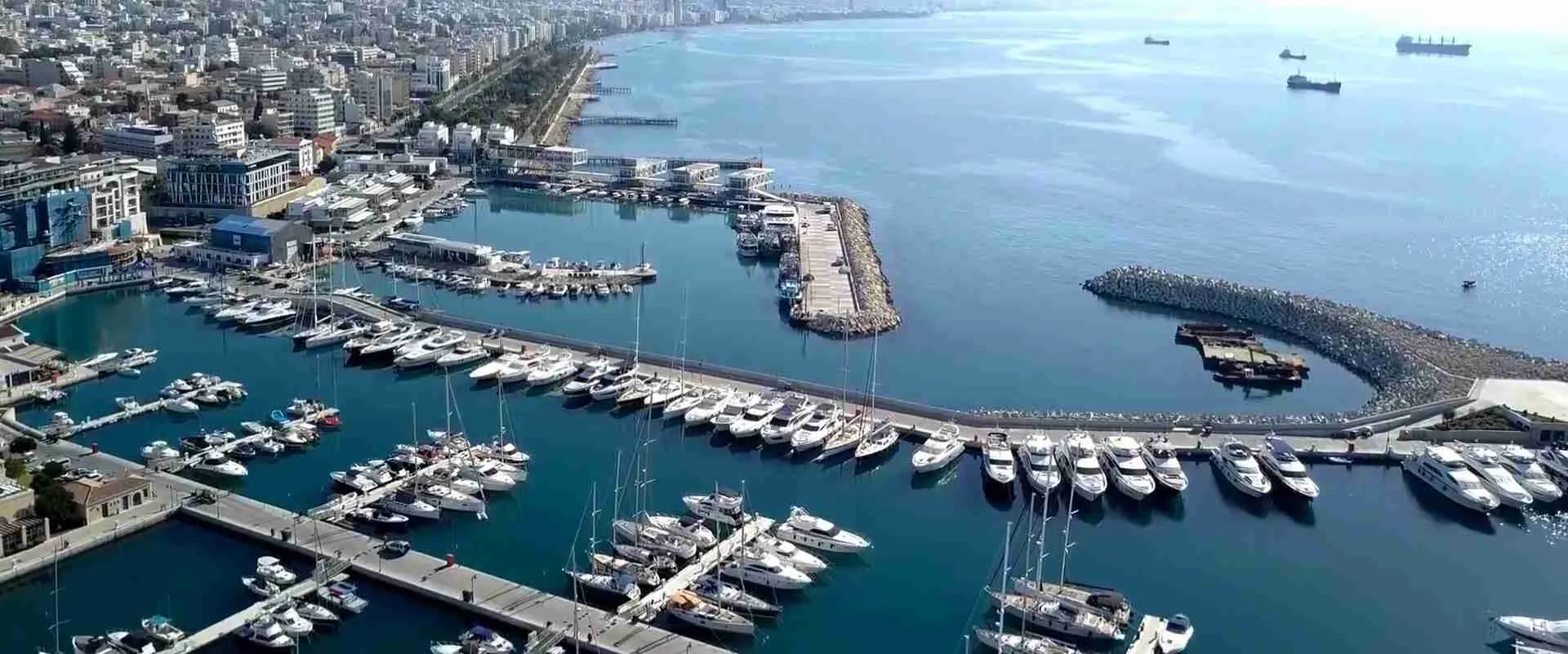
Cyprus Travel Guide 2026: Ultimate Planning Resource
Cyprus stands as the Mediterranean’s third-largest island, where ancient civilizations, Byzantine churches, and sun-drenched beaches converge with warm Greek hospitality and year-round sunshine. This comprehensive 2026 guide provides verified costs, seasonal strategies, and practical insights for planning your journey to this crossroads of cultures where European sophistication meets Middle Eastern warmth along 400 miles of pristine coastline.
Key Takeaways: Essential Cyprus Planning 2026
- Budget Reality 2026: Cyprus accommodates all travel styles with budget travelers managing €45-72 per person daily (two sharing budget accommodation), mid-range visitors spending €96-167 per person daily (two sharing mid-range hotels), and luxury travelers investing €240-445 per person daily (two sharing luxury resorts), positioning the island as moderately priced compared to Western Europe.
- Optimal Timing 2026: April through June and September through October deliver the perfect balance of pleasant temperatures (20-28°C), fewer crowds, lower accommodation rates, and ideal conditions for both beach relaxation and archaeological site exploration, avoiding the intense July-August heat that regularly exceeds 35°C.
- Transportation Strategy 2026: Car rental proves essential for accessing Cyprus’ diverse attractions beyond coastal resorts, with rates ranging €20-35 per day from local agencies (versus €60-85 from international brands at airports), as the island lacks trains and buses operate limited schedules especially in rural areas.
- Cultural Heritage 2026: Three UNESCO World Heritage Sites anchor Cyprus’ archaeological significance — Paphos’ Roman mosaics (€5 entry), the Painted Churches in the Troodos Region (free admission), and Choirokoitia’s 7,000-year-old Neolithic settlement (€3 entry) — complemented by Byzantine monasteries, crusader castles, and coastal ruins spanning 10,000 years of continuous habitation.
- Dual Territory Reality 2026: The island remains divided between the Greek Cypriot south (Republic of Cyprus, using euros) and the Turkish Cypriot north (accessible through checkpoints, using Turkish lira), with both areas offering distinct experiences: southern Cyprus provides established tourist infrastructure and EU standards, while northern Cyprus delivers budget-friendly alternatives and less-developed archaeological sites.
- Climate Advantage 2026: Cyprus guarantees more than 300 days of sunshine annually with Mediterranean weather patterns ensuring hot dry summers perfect for beach holidays (June-September with water temperatures reaching 27°C) and mild winters ideal for cultural exploration (December-February averaging 17°C with occasional mountain snow for skiing in Troodos).
People Also Ask About Cyprus Travel 2026
How much does Cyprus cost per day in 2026?
Daily costs in Cyprus range €45-72 per person for budget travelers sharing accommodation (hostel beds €15-23 per person, local taverna meals €23-35, public buses €2-4, free beaches and select museums), €96-167 per person for mid-range comfort sharing hotels (hotel rooms €30-55 per person when two share, restaurant dining €48-77, mixed transport €8-15, paid attractions €10-20), and €240-445 per person for luxury experiences sharing premium resorts (5-star hotels €100-225 per person sharing, upscale dining €80-120, private transport €30-50, premium tours €30-50). These per-person figures assume couples sharing double rooms with accommodation costs divided by two before adding individual expenses.
What is the best time to visit Cyprus in 2026?
The best time to visit Cyprus in 2026 is April through June or September through October when temperatures range 20-28°C, hotel rates drop 20-30% below summer peaks, archaeological sites remain comfortably accessible without intense heat, and sea temperatures stay warm enough for swimming (20-26°C). July and August deliver peak beach conditions with 35°C+ temperatures and 27°C water but bring the highest prices, maximum crowds at resorts like Ayia Napa, and heat that restricts daytime sightseeing. Winter months (November-March) offer the lowest costs and emptiest beaches but cooler weather (15-20°C) and occasional rainfall, though the Troodos Mountains provide unique skiing opportunities within an hour of coastal warmth.
Do I need a car in Cyprus in 2026?
A rental car proves essential in Cyprus for accessing mountain villages, remote beaches, archaeological sites, and wine regions that public buses cannot reach, as the island lacks trains and intercity bus service operates limited schedules with last departures often by 6-7 PM. Local rental agencies offer vehicles from €20-35 per day (versus €60-85 from international brands at airports) with advance booking securing 30-40% discounts especially for summer 2026 travel. Cyprus drives on the left side of the road following British colonial heritage, motorways connect all major coastal cities, and fuel costs approximately €1.65 per liter in 2026.
Is Cyprus safe for travelers in 2026?
Cyprus ranks among Europe’s safest destinations in 2026 with low crime rates, excellent healthcare standards in southern Cyprus meeting EU regulations, and stable political conditions despite the northern territory division. The Green Line dividing the island remains peaceful with multiple checkpoints allowing easy crossing between south and north for day trips, though travelers should carry passports rather than just ID cards for border crossings. Standard precautions apply in tourist areas regarding pickpockets, the Mediterranean sun demands serious sun protection especially May-September, and travelers should avoid the UN Buffer Zone’s restricted areas marked with blue barrels.
Extended multi-day tours – 5+ days
Featured Cyprus Multi-Day Tour Packages
8 days
The Treasures of Cyprus
- ✓ Comprehensive Cyprus tour
- ✓ Expert local guides included
- ✓ All accommodation arranged
- ✓ Transportation provided
6 days
6 Days Timeless Cyprus: A Cultural and Culinary Adventure
- ✓ Comprehensive Cyprus tour
- ✓ Expert local guides included
- ✓ All accommodation arranged
- ✓ Transportation provided
7 days
Tailor-Made 7 Days Private Cyprus Family Tour, Daily Start & Fully Guided
- ✓ Comprehensive Cyprus tour
- ✓ Expert local guides included
- ✓ All accommodation arranged
- ✓ Transportation provided

8 days
Walking in Northern Cyprus
- ✓ Comprehensive Cyprus tour
- ✓ Expert local guides included
- ✓ All accommodation arranged
- ✓ Transportation provided
Multi-day tour packages powered by TourRadar. Prices and availability subject to change.
Introduction: Planning Your Cyprus Journey 2026
Cyprus occupies a unique position at the crossroads of three continents, where Greek, Turkish, Byzantine, and British influences have layered themselves across an island that measures just 240 kilometers from east to west yet contains extraordinary diversity. The third-largest Mediterranean island after Sicily and Sardinia presents modern travelers with Roman mosaics rivaling Pompeii, Byzantine churches decorated with 11th-century frescoes, pristine Blue Flag beaches lining 400 miles of coastline, and mountain villages where time seems to have stopped somewhere between medieval Crusader rule and contemporary EU membership.
The Republic of Cyprus joined the European Union in 2004 while maintaining its distinctive character — where tavernas serve meze feasts unchanged for generations, where village festivals celebrate wine harvests with the same fervor as ancient Dionysian rites, and where English serves as a common language thanks to decades of British colonial administration ending in 1960. Two international airports in Larnaca and Paphos connect Cyprus to European capitals with multiple daily flights, positioning the island as both accessible and remarkably uncrowded compared to Greek islands or Spanish costas.
The island’s division since 1974 creates two distinct territories: the internationally recognized Republic of Cyprus in the south using euros and offering established tourism infrastructure, and the Turkish Republic of Northern Cyprus recognized only by Turkey, using Turkish lira and providing budget-friendly alternatives with less-developed but equally fascinating archaeological sites. Travelers move freely between both territories through checkpoints in Nicosia, Ledra Palace, and other crossing points, though rental cars from southern Cyprus require additional insurance to drive north.
Cyprus weather patterns follow predictable Mediterranean cycles with 340 days of annual sunshine, hot dry summers reaching 35-38°C that concentrate beach tourism from June through August, and mild winters averaging 17°C that attract cultural tourists, retirees, and those seeking spring temperatures when Northern Europe shivers. The shoulder seasons of April-June and September-October deliver the island’s optimal balance: warm enough for swimming (20-26°C sea temperatures), cool enough for comfortable archaeological site exploration, and quiet enough that UNESCO World Heritage locations feel genuinely uncrowded.
Three UNESCO World Heritage Sites anchor Cyprus’ archaeological significance: Paphos on the southwest coast preserves Roman villas with intricate floor mosaics depicting Greek mythology in stunning detail, the Painted Churches scattered across Troodos Mountains contain Byzantine frescoes representing Orthodox Christianity’s finest medieval art, and Choirokoitia’s Neolithic settlement reveals sophisticated circular architecture from 7,000 years ago. Beyond UNESCO recognition, crusader castles crown mountain peaks, Venetian fortifications encircle old town centers, and every coastal village harbors ancient harbor works or Roman villa foundations.
This guide provides 2026-verified pricing from local agencies, seasonal strategies for maximizing value while minimizing crowds, transportation logistics for an island where cars reign supreme over limited public transit, and regional breakdowns covering Paphos’ archaeological treasures, Limassol’s cosmopolitan energy, Larnaca’s laid-back beaches, Nicosia’s divided capital status, Ayia Napa’s party reputation, and Troodos Mountains’ cool escape from coastal heat. Whether seeking budget backpacker hostels, mid-range boutique hotels, or luxury beachfront resorts, whether planning a week-long archaeological immersion or a fortnight combining beaches with mountain villages, Cyprus accommodates all travel styles across seasons while maintaining its distinctive character as Europe’s most eastern outpost where east meets west along sun-drenched shores.
Understanding Cyprus in 2026: Geography, Climate, and Seasonal Patterns
Cyprus stretches 240 kilometers east to west and 100 kilometers north to south, covering 9,251 square kilometers of varied terrain from coastal plains through foothills to the Troodos Mountain range reaching 1,952 meters at Mount Olympus. This compact geography allows travelers to swim in Mediterranean waters, explore Roman archaeological sites, and drive to mountain villages offering cool respite from coastal heat all within the same day, with no point on the island more than an hour from the coast.
The island’s position 75 kilometers south of Turkey, 105 kilometers west of Syria, and 380 kilometers north of Egypt places Cyprus at the historical crossroads where Hellenic, Middle Eastern, and Mediterranean cultures converged for millennia. Modern Cyprus reflects this heritage through its archaeological layers — Neolithic settlements from 8,000 BCE, Mycenaean trading posts, Persian conquest, Alexander’s Hellenization, Roman colonization, Byzantine Christian dominance, Crusader kingdoms, Venetian fortifications, Ottoman rule, and British colonial administration each leaving architectural and cultural imprints.
Cyprus weather follows predictable Mediterranean patterns with distinct seasonal characteristics that shape optimal visiting windows. Summer (June-September) delivers consistently hot dry conditions with daytime temperatures ranging 30-38°C along the coast and 28-35°C in mountains, virtually zero rainfall, and 11-13 hours of daily sunshine. Sea temperatures climb from 22°C in June to 27°C in August, creating ideal beach conditions but potentially oppressive heat for archaeological site exploration especially during midday hours when ancient stone ruins radiate stored thermal energy.
Coastal cities experience Mediterranean sea breezes that moderate summer heat slightly, while inland Nicosia sitting on the Mesaoria Plain regularly records Cyprus’ highest temperatures exceeding 40°C during July-August heatwaves. The Troodos Mountains provide natural air conditioning with temperatures typically 8-12°C cooler than coastal areas, explaining why Byzantine monasteries and medieval hill villages cluster at higher elevations.
Spring arrives gradually from March through May as temperatures rise from 17°C to 25°C, wildflowers carpet hillsides in spectacular displays of cyclamen, anemones, and orchids, and almond trees bloom across valleys. April and May offer particularly pleasant conditions for hiking the Akamas Peninsula’s nature trails, exploring mountain villages without crowds, and visiting archaeological sites before summer heat arrives. However, sea temperatures remain cool (18-20°C) through April making heated hotel pools advisable for those prioritizing swimming.
Autumn extends from September through November with September feeling like summer continuation (29°C average temperatures, 26°C sea temperature) while October brings gradual cooling to 25°C air and 24°C water that many travelers find more comfortable than summer peaks. November marks the transition to winter with temperatures dropping to 20°C and first significant rainfall arriving as Mediterranean weather systems move south from Europe.
Winter (December-February) brings Cyprus’ only notable rainfall concentrated in these three months, with coastal areas receiving modest totals (300-400mm annually) while Troodos Mountains capture substantially more precipitation (900-1,200mm) often falling as snow above 1,400 meters. Coastal winter temperatures average 17°C creating pleasant conditions for cultural tourism, beach walks, and outdoor café culture even in January. The Troodos Mountains accumulate reliable snow cover December-March enabling skiing at four ski areas with Mount Olympus receiving the most consistent coverage.
Humidity levels remain moderate year-round except during occasional desert wind events when sirocco conditions blow hot dry air from North Africa creating uncomfortable sticky heat. Coastal locations benefit from persistent Mediterranean breezes that coastal resorts maximize through open-air taverna design and beachfront promenade planning. Rainfall when it occurs typically arrives as short intense showers rather than prolonged drizzle, with blue skies returning within hours.
The island’s 400-mile coastline varies from sandy beaches in southeastern resort areas (Ayia Napa, Protaras) through mixed sand and pebble beaches around Paphos and Limassol to dramatic rocky coastlines along the Akamas Peninsula where sea caves and limestone cliffs dominate. All major resort beaches hold Blue Flag certification for water quality and facilities, with many offering shallow entries ideal for families with children.
Best Time to Visit Cyprus 2026: Seasonal Analysis and Strategic Timing
The optimal time to visit Cyprus in 2026 falls within two distinct windows: April through June and September through October, when weather conditions, pricing structures, and crowd levels align to deliver maximum value and comfort. These shoulder seasons avoid summer’s intense heat and peak pricing while maintaining warm enough temperatures for swimming and beach activities that define Cyprus holidays for most visitors.
Spring months (April-June) offer progressively warmer conditions starting with April’s 21°C average temperatures, May’s 25°C comfortable heat, and June’s 30°C approaching summer intensity. Sea temperatures lag air temperatures by several weeks, with April’s 18°C feeling brisk for most swimmers, May’s 20°C becoming tolerable, and June’s 23°C approaching comfortable Mediterranean swimming conditions. Hotel rates during April-May run 30-40% below July-August peaks, with mid-range properties charging €60-90 per night versus summer’s €100-140, while luxury resorts price at €140-200 compared to summer’s €250-350.
Spring brings wildflower season particularly spectacular during March-April when hillsides explode in color, with Cyprus endemic species including golden drops, anemones, and rare orchids covering roadsides and meadows. The Akamas Peninsula and Troodos Mountains provide optimal wildflower viewing combined with pleasant hiking conditions before summer heat arrives. April also marks Orthodox Easter in most years, bringing traditional celebrations including candlelit processions, outdoor feasts, and village festivals where lamb roasts over open fires and locals welcome travelers to join festivities.
Early summer (June) bridges spring’s comfortable temperatures with summer’s beach season, offering warm 23-25°C sea temperatures, consistent 30°C air temperatures, and pricing that hasn’t yet reached July-August peaks. Families with school-age children find June particularly valuable as it precedes European school holiday exodus that drives July-August crowding, while maintaining full summer sunshine (11 hours daily) and extended evening daylight for leisurely dinners and promenade strolls extending past 9 PM.
Peak summer (July-August) delivers Cyprus at its hottest and most expensive, with temperatures regularly exceeding 35°C, sea temperatures reaching ideal 27°C for hours of swimming and water sports, and hotel rates at annual maximums often requiring minimum week-long stays. Beach resorts like Ayia Napa, Protaras, and Limassol reach capacity with British, Russian, and Scandinavian tourists drawn by guaranteed sunshine and lively nightlife scenes. This period suits travelers specifically seeking beach-centric holidays with pool days, water parks, and beach club atmospheres, but proves challenging for archaeological site exploration as midday heat makes standing on exposed ancient stone surfaces genuinely uncomfortable without shade or wind protection.
Inland Nicosia becomes particularly oppressive during July-August with temperatures approaching or exceeding 40°C and minimal coastal breezes, prompting local residents to flee to mountain villages or coast. Visitors planning summer trips should schedule cultural site visits for early morning (8-10 AM) or late afternoon (5-7 PM), reserving midday hours for beach, pool, or air-conditioned museum interiors.
Autumn (September-October) provides Cyprus’ second optimal window with September feeling nearly identical to summer maintaining 29°C temperatures and 26°C sea temperatures while hotel rates drop immediately after European schools reopen in early September. Late September and October offer particularly compelling value as temperatures moderate to 25°C creating comfortable conditions for archaeological site exploration, hiking mountain trails, and cycling coastal routes that summer heat makes challenging. October sea temperatures (24°C) remain warmer than many Mediterranean destinations’ summer peaks, extending beach season well into autumn.
Autumn brings wine harvest season across Cyprus’ designated wine regions concentrated in Troodos foothills and Paphos district, with village wine festivals celebrating Commandaria (Cyprus’ ancient dessert wine) and modern varietals. Grape picking typically occurs mid-September through early October, with villages like Omodos and Koilani hosting harvest celebrations open to visitors. October also sees fewer British tourists (schools have resumed) while maintaining accessible warm weather attractive to retirees and couples without school calendar constraints.
Late autumn (November) marks transition to winter with temperatures dropping to 20°C, rainfall increasing notably, and hotel rates reaching annual lows as coastal resorts enter quiet season. November suits budget-conscious travelers comfortable with occasional rainy days and cool swimming conditions (22°C sea temperature) in exchange for 40-50% discounts on accommodation and nearly empty beaches and archaeological sites.
Winter (December-February) transforms Cyprus from beach destination to cultural tourism focus, with temperatures averaging 17°C creating pleasant conditions for exploring Nicosia’s museums, Paphos’ archaeological park, and mountain monastery visits without summer heat. Coastal hotels reduce rates 50-60% below summer peaks, with 4-star properties available from €40-60 per night compared to summer’s €120-160. Winter brings Cyprus’ only significant rainfall but typically as short showers rather than all-day drizzle, with blue skies returning quickly.
The Troodos Mountains gain winter appeal December-March as Cyprus’ four ski areas open offering unique Mediterranean skiing combining morning downhill runs with afternoon beach drives. Mount Olympus ski area maintains the longest season and most reliable snow coverage, though facilities remain basic compared to Alpine resorts. This mountain snow combined with mild coastal conditions creates Cyprus’ signature winter flexibility: skiing morning, wine tasting in mountain villages afternoon, and seaside dinner all within 90 minutes’ drive.
Christmas and New Year periods bring temporary rate increases as European residents book Cyprus’ mild winter for holiday escapes, with rates rising 20-30% above November and January levels but remaining well below summer peaks. Limassol hosts extensive Christmas market and carnival celebrations extending into February, while villages maintain traditional celebrations blending Orthodox religious observance with community feasting.
Getting to Cyprus 2026: International Flights and Airport Logistics
Cyprus operates two international airports serving the southern Republic of Cyprus: Larnaca International Airport (LCA) on the southeast coast handling approximately 65% of arrivals, and Paphos International Airport (PFO) on the southwest coast serving the remaining 35%. Northern Cyprus operates separate Ercan Airport (ECN) near Nicosia requiring connections through Turkish airports as no country except Turkey recognizes northern Cyprus’ sovereignty, making direct international flights unavailable.
Larnaca Airport sits 5 kilometers southwest of Larnaca city serving as Cyprus’ primary gateway with approximately 8 million annual passengers. Major European carriers including British Airways, easyJet, Ryanair, Wizz Air, and Lufthansa operate year-round scheduled service from London, Manchester, Berlin, Frankfurt, Vienna, and other hubs, while charter flights supplement scheduled service especially during summer peak season May-October. Flight times average 4.5 hours from UK, 4 hours from Germany, 5 hours from Scandinavia, and 3.5 hours from Eastern European capitals.
Paphos Airport located 15 kilometers southeast of Paphos serves primarily leisure travelers visiting western Cyprus resort areas, with British carriers providing the densest service reflecting Cyprus’ popularity among British tourists. Seasonal patterns dramatically affect Paphos operations: summer months (May-October) see 40-50 weekly departures to UK airports alone, while winter schedule (November-April) reduces to 15-20 weekly UK flights as tourism volumes drop. Ryanair and easyJet dominate Paphos routes with competitive pricing often showing €40-80 one-way fares for advance bookings versus €120-180 for last-minute or peak summer tickets.
Budget airlines enable Cyprus travel on remarkably affordable budgets when booked 2-3 months ahead, with shoulder season (April-May, September-October) return flights from London available from €80-120 compared to summer’s €200-300 rates. Direct flights from North American cities remain unavailable requiring European connections through London, Frankfurt, or Athens, adding 4-6 hours total travel time and €200-400 in additional airfare costs. Middle Eastern carriers including Emirates, Qatar, and Etihad offer competitive routings through Dubai or Doha for travelers originating from Asia or Australia.
Larnaca Airport ground transportation includes public buses operating every 30 minutes to city center (€2 fare, 25-minute journey), airport taxis charging fixed €20 to Larnaca city or €60-70 to Limassol based on official rate schedules, and rental car agencies located in arrivals hall offering vehicles from €20-35 daily when booked online ahead versus €60+ for walk-up airport counter rates. Shared shuttle services connect Larnaca Airport to major resort areas including Ayia Napa (€15 per person), Protaras (€18), and Limassol (€22) with advance booking required.
Paphos Airport transportation similarly offers public buses to Paphos city (€3 fare, 25-minute ride), official taxis at fixed €30 to Paphos hotels or €45 to Polis on northwest coast, and rental car pickup. The airport bus continues to Limassol (€9, 90-minute journey) providing budget-conscious connection between western and southern Cyprus without car rental. Both airports maintain free WiFi, ATMs dispensing euros, and currency exchange bureaus though rates prove less favorable than using debit cards at ATMs.
Northern Cyprus access through Ercan Airport requires flights connecting via Turkey as international carriers cannot legally serve the unrecognized territory, with Turkish Airlines and Pegasus Airlines offering connections through Istanbul. Travelers can alternatively fly to southern Cyprus airports and cross the Green Line through Nicosia checkpoints requiring only passport presentation, making Larnaca-based arrival more practical for visitors wanting to explore both territories during single trip.
Ferry connections to Cyprus ended when Salamis Lines discontinued Greece-Cyprus service in 2015, leaving air travel as the only practical international access. Some cruise lines include Cyprus ports (usually Limassol) on eastern Mediterranean itineraries, though these provide only single-day visits insufficient for experiencing Cyprus’ archaeological and cultural depth beyond immediate port areas.
Getting Around Cyprus 2026: Transportation Options and Costs
Cyprus transportation infrastructure centers on private vehicles and limited public bus networks rather than rail systems common to larger European nations, with the island lacking any passenger train service since British colonial railways closed in 1951. This car-centric reality makes rental vehicles nearly essential for accessing mountain villages, remote beaches, archaeological sites, and wine regions that define Cyprus beyond coastal resort strips served by public buses.
Public buses operate within major cities (Nicosia, Limassol, Larnaca, Paphos) and between coastal population centers but run limited schedules especially outside summer season, with last intercity departures often departing by 6-7 PM and weekend service reduced or eliminated entirely. Intercity buses charge €2-4 per one-way journey (Larnaca-Limassol €4, Limassol-Paphos €5, Paphos-Polis €3) with day passes unavailable and week-long passes costing €75 allowing unlimited travel across Cyprus’ integrated bus network.
Urban bus services within cities operate more frequently with buses every 15-30 minutes during daytime hours extending to 11 PM in Limassol and Paphos resort areas during summer. Single tickets cost €2 purchased from driver using exact fare (no change given) or through mobile ticketing apps, with children under 7 riding free and ages 7-18 receiving 50% discount. Nicosia’s OSEL network, Limassol’s EMEL service, Larnaca’s Zinonas buses, and Paphos’ OSYPA routes cover urban areas reasonably well for travelers staying within city boundaries.
Taxis operate in all cities and resort areas using government-regulated meters with starting fares of €4 and per-kilometer charges of €1.50 during daytime (6 AM-8:30 PM) rising to €1.80 after 8:30 PM. Typical taxi journeys cost €8-12 for 5-kilometer rides within cities, €15-20 from airports to nearby hotels, and €60-80 for longer intercity journeys like Larnaca Airport to Paphos. Taxi apps including Bolt operate in major cities providing alternative to street hailing, though coverage remains limited compared to western European capitals. Shared service taxis (Travel Express) connect major towns operating on fixed routes with per-person pricing around €10-15, departing when full rather than on schedules.
Car rental proves nearly indispensable for visitors wanting to explore beyond coastal resort strips, with vehicles enabling access to Troodos mountain villages, Akamas Peninsula hiking trails, remote beaches, archaeological sites lacking bus service, and wine regions where public transport remains entirely absent. International rental brands (Hertz, Avis, Europcar) charge €60-85 daily at airport locations with premium for walk-up rentals versus advance online booking, while local Cypriot agencies offer identical vehicle classes for €20-35 daily when reserved 2-3 months ahead.
Weekly rental rates provide better value than daily rates, with small manual transmission vehicles available from €140-180 weekly (€20-25 daily equivalent), automatic transmission compacts from €200-260 weekly (€28-37 daily), and mid-size SUVs from €350-450 weekly (€50-65 daily) from local agencies. Summer season (June-September) drives rates 40-50% higher than shoulder months, making advance booking particularly important for July-August travel when last-minute availability virtually disappears from budget-friendly local agencies.
Cyprus drives on the left side following British colonial heritage, with road signs in Greek and English, motorways connecting all coastal cities, and well-maintained rural roads reaching even small mountain villages. Four-lane motorways link Nicosia with Limassol, Larnaca, and Paphos following modern European standards with 100 km/h speed limits, while rural roads typically restrict speeds to 65-80 km/h. Mountain roads wind through dramatic elevation changes with hairpin turns requiring careful driving especially when encountering local drivers familiar with routes at faster speeds.
Fuel prices average €1.65 per liter for unleaded petrol in 2026 with diesel slightly cheaper at €1.50, making fuel costs approximately €15-25 daily for typical tourist driving covering 100-150 kilometers between sites. Gas stations cluster along main routes and in towns but appear less frequently in mountain areas where filling up before ascending proves wise. Most stations operate self-service with card payment, though some rural locations maintain attendant service.
Parking in major cities presents challenges during business hours with paid zones charging €1-2 hourly in city centers, though coastal promenades typically offer free parking along seafront. Archaeological sites and beaches generally provide free parking in designated lots, with some popular beaches charging €2-3 daily during peak summer season. Resort hotels typically include parking in room rates, while city center hotels may charge €5-10 daily for garage or lot access.
Insurance requirements mandate third-party liability coverage included in all rental agreements, with optional collision damage waiver (CDW) reducing customer liability from several thousand euros to €500-1,000 excess. Premium “full coverage” eliminating excess entirely typically costs €15-20 daily extra. Rental agreements issued in southern Cyprus remain invalid for driving in northern Cyprus requiring separate insurance purchased at Green Line checkpoints (€20-30 daily), making cross-border driving expensive for short visits though feasible for week-long trips exploring both territories.
Bicycle rental operates in resort areas and cities with daily rates €10-15 for basic bikes, €25-35 for mountain bikes suitable for trail riding, and €40-50 for electric bikes reducing effort on Cyprus’ hilly terrain. Dedicated cycling infrastructure remains limited outside Limassol and Paphos promenades, with cyclists sharing roads with cars requiring confidence navigating traffic. Mountain biking trails in Troodos Mountains attract enthusiasts seeking challenging routes through pine forests with dramatic elevation changes.
Motorcycle and scooter rentals appeal to experienced riders comfortable with left-side driving, with 50cc scooters costing €15-25 daily and larger motorcycles €40-60 daily. Cyprus law mandates helmets for drivers and passengers, with rental agencies required to supply helmets though quality varies significantly. Motorcycle insurance typically excludes northern Cyprus driving entirely unlike car policies allowing paid supplementary coverage.
Accommodation Guide 2026: Where to Stay Across Budget Tiers
Cyprus accommodation spans from budget hostel beds costing €15-23 per person in shared dormitories through mid-range hotels charging €60-110 nightly to luxury beachfront resorts commanding €200-450 per night, with seasonal rate variations of 40-60% between winter lows and summer peaks creating significant opportunities for budget-conscious travelers willing to visit outside July-August.
Budget accommodation options cluster in major cities rather than beach resorts, with Nicosia, Larnaca, and Paphos offering hostel dormitory beds from €15-20 per person in 6-8 bed rooms, €22-28 in 4-bed rooms, and €35-45 for private budget hostel rooms. Budget guesthouses and 2-star hotels charge €30-45 per night for basic double rooms with private bathrooms, air conditioning, and WiFi but typically lacking pools, restaurants, or sea views. These properties concentrate in older city neighborhoods away from waterfronts, requiring 10-15 minute walks or short bus rides to beaches.
Apartment rentals through booking platforms provide budget alternatives especially for stays longer than 3-4 nights, with studio apartments available from €35-50 nightly and one-bedroom apartments €45-65 nightly including kitchenettes enabling meal preparation that substantially reduces food costs. Limassol and Larnaca offer the most budget apartment inventory, while Paphos and resort areas skew toward higher-end vacation rentals. Winter months (November-March) see budget hotel and apartment rates drop an additional 20-30% below shoulder season levels as coastal properties compete for reduced visitor numbers.
Mid-range hotels (3-star and lower 4-star properties) dominate Cyprus accommodation landscape, with hundreds of properties offering €60-110 nightly rates for double rooms including breakfast, swimming pools, and waterfront or near-beach locations. These hotels cluster along Limassol seafront promenade, Paphos coastal strip, Larnaca beachfront, and Ayia Napa resort area, providing comfortable bases for beach holidays without luxury resort pricing. Air conditioning, balconies (often with partial sea views), modest breakfast buffets, pool bars, and basic room service typically accompany this category.
Boutique hotels and converted village houses in mountain locations including Kakopetria, Platres, and Omodos villages provide mid-range alternatives to coastal properties, offering stone architecture, restored traditional interiors, and cool mountain climates as summer escapes from beach heat. These properties charge €65-95 nightly including substantial Cypriot breakfasts featuring village bread, homemade preserves, fresh cheeses, and mountain coffee. Mountain village hotels excel for romantic getaways and wine tourism but require rental cars as public transport remains virtually nonexistent.
Upper mid-range and lower luxury properties (upper 4-star and budget 5-star hotels) price at €110-180 nightly providing larger rooms, better breakfast buffets, multiple pool areas, on-site restaurants, spa facilities, and prime beachfront locations. All-inclusive options appear at this price point offering unlimited food and drink appealing to families wanting predictable costs and children’s amenities including kids’ clubs, waterslides, and organized activities. Protaras and Ayia Napa excel for family-oriented all-inclusive resorts, while Limassol and Paphos maintain more couples-focused properties.
Luxury resorts commanding €200-450 nightly concentrate along Limassol coastline (where many 5-star properties target wealthy Russian and Arab visitors), Paphos luxury strip (appealing to British and Scandinavian markets), and select Ayia Napa properties (modern luxury developments built 2015-2020). These resorts deliver extensive spa facilities, multiple specialty restaurants, swim-up rooms, butler service, private beach sections, and architectural distinction often incorporating Cypriot stone and traditional design elements. The Amara in Limassol, Columbia Beach Resort in Pissouri, and Anassa in Latchi represent Cyprus’ most prestigious properties where nightly rates regularly exceed €400 in summer.
Luxury villa rentals provide alternatives to resort stays for families or groups, with 3-4 bedroom villas with private pools available from €200-400 nightly depending on location and season. These cluster around Paphos, Polis, and Coral Bay areas offering more space and privacy than resort hotels while maintaining access to beaches and restaurants. Villa rentals prove economical for groups of 6-8 people when nightly cost divides among multiple couples sharing expenses.
Cyprus accommodation rates follow highly seasonal patterns with distinct price phases: winter low season (November-March excluding Christmas/New Year) sees rates 50-60% below summer peaks, shoulder season (April-May, October) runs 30-40% below summer, early summer (June) prices 15-20% below peak, summer peak (July-August) reaches annual maximums often with minimum 7-night stays required, and late September transitions back toward shoulder rates as European schools reopen.
Advance booking proves essential for summer travel especially July-August when popular properties sell out entirely 3-4 months ahead, while last-minute deals appear during shoulder and winter seasons when hotels compete for reduced visitor numbers. Package deals combining flights and hotels from UK tour operators often undercut independent bookings during winter when tour companies negotiate bulk rates, though summer packages show less advantage as both flights and hotels command premium pricing.
Northern Cyprus accommodation generally costs 30-40% less than southern properties of comparable quality, with 3-star hotels available from €35-55 nightly and 4-star resorts €70-110 nightly. Kyrenia (Girne) coastline concentrates northern accommodation with properties ranging from budget pensions to casino resorts, though infrastructure and service standards typically lag southern Cyprus reflecting different development trajectories and international isolation affecting northern territory.
Food and Dining in Cyprus 2026: Costs and Culinary Culture
Cypriot cuisine blends Greek culinary traditions with Middle Eastern influences creating distinctive dishes where mezze small plates dominate dining culture, grilled halloumi cheese appears in nearly every meal, and communal eating emphasizes shared platters rather than individual courses. Food costs range from budget-friendly taverna meals at €12-18 per person through mid-range restaurant dining at €25-40 per person to upscale establishments charging €50-80 per person, with exceptional value found when eating where Cypriots eat rather than tourist-focused establishments.
Traditional tavernas serving local clientele deliver Cyprus’ best culinary value, with set lunch menus offering multiple courses for €10-15 including grilled meat or fish, salad, potatoes, bread, and often complimentary meze appetizers or dessert fruit. These establishments concentrate in city neighborhoods away from waterfronts and in villages where tourism remains secondary to local trade, identified by Greek-language menus, older clientele, and basic decor prioritizing food over atmosphere. Evening taverna meals cost €15-22 per person for generous portions of souvlaki, kebabs, moussaka, or grilled fish accompanied by village salad and crusty bread.
Meze remains Cyprus’ signature dining experience where restaurants serve 15-25 small plates sequentially building from cold appetizers (tahini, tzatziki, taramosalata, olives, pickled vegetables) through warm vegetable dishes (grilled halloumi, kolokithakia courgettes, dolmades stuffed vine leaves) to grilled meats (sheftalia sausages, souvlaki, lamb chops) culminating with fresh fruit dessert. Full meze for two people costs €30-45 at traditional establishments, €40-55 at tourist-area restaurants, providing sufficient food for hearty appetites to share, with leftovers often packaged for takeaway. Meze represents exceptional value considering quantity and variety, often including 20+ dishes emerging from kitchens over 90-minute meals.
Budget daily food costs average €23-35 per person when combining breakfast pastries and coffee from bakeries (€3-5), lunch souvlaki pita or taverna set menu (€8-12), and dinner at local establishments (€12-18). Supermarket shopping enables further savings with staples including bread (€2), halloumi cheese (€4-6), tomatoes (€2/kg), olives (€3), deli meats (€6-8/kg), and local Keo or Leon beer (€1.50/bottle) allowing self-catered meals for couples sharing apartments costing €15-25 daily for both people combined.
Mid-range dining budgets of €48-77 daily per person cover hotel breakfast buffets (€8-12 when not included in room rate), lunch at waterfront restaurants (€15-25 for main course plus drink), and evening restaurant meals (€25-40 including appetizer, main, dessert, and wine). This budget accesses better-quality establishments with sea views, extensive wine lists, and refined presentations while avoiding genuinely expensive fine dining venues. Paphos harbor restaurants, Limassol marina establishments, and Ayia Napa waterfront cafes fall into this category delivering pleasant atmosphere and competent cooking without exceptional creativity or premium pricing.
Upscale restaurants charge €50-80 per person for fine dining experiences featuring modern interpretations of Cypriot cuisine, imported steaks and seafood, extensive wine cellars, and sophisticated presentations. Limassol concentrates Cyprus’ finest dining with establishments catering to wealthy Russian and European clientele, while Paphos offers several upscale options around Coral Bay and harbor areas. These restaurants excel for special occasion dinners but provide diminishing value returns compared to excellent traditional tavernas charging half the price for more authentic Cypriot flavors.
Breakfast costs vary dramatically by accommodation type: hotels typically include generous buffets in room rates featuring eggs, bacon, sausages, pastries, yogurt, fresh fruit, and coffee sufficient to fuel morning sightseeing, while budget travelers in hostels or apartments should budget €5-8 for coffee and pastries at bakeries or €10-12 for full English breakfast at cafes catering to British tourists. Traditional Cypriot breakfast features village bread, homemade jam, halloumi cheese, fresh tomatoes, olives, and strong coffee creating savory morning meals contrasting typical sweet breakfast traditions.
Coffee culture dominates Cypriot social life with cafes serving traditional Cypriot coffee (strong, unfiltered, served in small cups similar to Turkish coffee) for €2-3, cappuccinos and espresso drinks €3-5, and frappe iced coffees €3-4 popular during hot weather. Cafes along harbor promenades and city squares charge 20-30% premium for prime locations versus neighborhood establishments serving identical drinks, with table service including water and often small biscuits or sweet automatically provided with coffee orders.
Wine costs range from €3-5 per glass and €12-18 per bottle for decent local wines to €25-40 per bottle for premium Cypriot labels or imported varieties. Cyprus produces distinctive wines including Commandaria sweet dessert wine with 800-year production history, robust red blends from indigenous Maratheftiko grapes, and crisp whites from high-altitude Troodos vineyards. Village wine festivals occurring September-October offer exceptional tasting opportunities with €5-8 admission including unlimited samples from dozens of regional producers.
Fast food including McDonald’s, KFC, and Burger King charges €8-10 for meal combos identical to other European markets, while local souvlaki shops offer gyros, kebabs, and grilled meats in pita bread for €4-6 creating better value and more authentic flavors. Pizza restaurants charge €10-15 for medium pizzas suitable for single person meals, €15-20 for large pizzas feeding two people, with delivery services covering resort areas.
Market shopping at Limassol municipal market, Larnaca covered market, or Paphos market provides ingredients for self-catered meals at significant savings: fresh fish €12-18/kg, lamb chops €10-14/kg, chicken €5-7/kg, seasonal vegetables €1-3/kg, fresh bread €1.50-2, and olive oil €6-10 per liter for local production. Friday and Saturday mornings bring additional vendors and best selection to municipal markets attracting locals shopping for weekend meals.
Tipping customs expect 10% gratuities for good service at restaurants, with many establishments adding service charges automatically to bills especially in tourist areas — check receipts before adding additional tips. Tavernas frequented by locals may not expect tips but appreciate rounding up bills or leaving €2-3 on €20 checks. Cafes and bars don’t typically receive tips for counter service but appreciate small change left from purchases.
Top Attractions and Activities 2026: Cultural Sites, Beaches, and Adventures
Cyprus attractions span 10,000 years of continuous habitation from Neolithic settlements through Bronze Age kingdoms, Classical Greek colonies, Roman cities, Byzantine churches, Crusader castles, Venetian fortifications, Ottoman mosques, and British colonial architecture, complemented by pristine beaches, mountain hiking trails, and vibrant contemporary culture. Three UNESCO World Heritage Sites anchor archaeological significance while dozens of additional sites reveal Cyprus’ position at Mediterranean cultural crossroads.
Paphos Archaeological Park preserves remarkable Roman floor mosaics ranking among Mediterranean’s finest, with House of Dionysus, House of Theseus, House of Aion, and House of Orpheus containing intricate mythological scenes executed in thousands of colored tesserae (small tiles). Entry costs €5 covering all park areas including Odeon amphitheater, agora marketplace ruins, and Saranta Kolones castle remains. The park sprawls across extensive area requiring 2-3 hours minimum for basic visit, longer for mosaic enthusiasts appreciating fine details in each villa. Morning visits (8-10 AM) provide optimal lighting for mosaic photography before direct overhead sun washes out colors, while late afternoon (4-7 PM) offers second good window as sun angles across floors.
Tombs of the Kings located 2 kilometers north of Paphos harbor preserves underground Hellenistic and Roman burial chambers carved into solid rock with elaborate Doric columns, peristyle courtyards, and multiple burial niches. Entry costs €3 with site requiring 60-90 minutes exploration walking through dozens of tombs varying from simple chambers to elaborate multi-room complexes. Despite the name, no kings were buried here — wealthy Ptolemaic aristocrats commissioned these elaborate tombs. Bring flashlight or smartphone for illuminating dark burial chambers as site lighting remains minimal, and wear sturdy footwear as uneven rock surfaces prove challenging in sandals.
Painted Churches in Troodos Region comprise ten Byzantine churches scattered across mountain villages designated UNESCO World Heritage Site for remarkable 11th-15th century frescoes surviving centuries largely intact. Most churches maintain restricted visiting hours (typically Tuesday-Thursday 10 AM-1 PM) reflecting their continued use as active Orthodox worship spaces, with admission free though donations appreciated. Kakopetria village provides convenient base for visiting multiple churches within short drives, with Panagia Podithou and Agios Nikolaos tis Stegis (Church of St. Nicholas of the Roof) featuring particularly well-preserved narrative frescoes depicting Biblical scenes in vivid colors unusual for their age.
Choirokoitia (Khirokitia) Neolithic settlement dating to 7000 BCE ranks among Europe’s most important prehistoric sites, revealing sophisticated circular house architecture, organized streets, defensive walls, and advanced agricultural practices from humanity’s earliest permanent settlements. Entry costs €3 with site museum providing context before walking trail ascending hillside past reconstructed houses enabling visitors to experience Neolithic dwelling scale and construction techniques. The site requires 60-90 minutes including museum visit and hillside walk, with morning visits preferable during summer when exposed hillside offers minimal shade from intense sun.
Kourion archaeological site overlooking Episkopi Bay preserves Greco-Roman city including remarkably intact amphitheater still used for summer performances, elaborate Roman villas with geometric floor mosaics, and early Christian basilica ruins. Entry costs €5 with site requiring 90-120 minutes exploring theater, agora, baths complex, and outlying structures. The clifftop position provides dramatic Mediterranean views rewarding the exposed location’s lack of shade — bring sun protection and water especially for summer visits. Kourion combines exceptionally well with nearby Kolossi Castle (Crusader fortress, €3 entry) and Limassol wine villages creating full-day cultural circuit.
Cyprus beaches rank among Mediterranean’s cleanest with more than 50 Blue Flag certifications recognizing water quality, safety, facilities, and environmental management. Nissi Beach in Ayia Napa epitomizes Cyprus’ party beach reputation with shallow turquoise waters, white sand, beach bars playing dance music, and crowds of young Europeans seeking sun and nightlife. Fig Tree Bay in Protaras offers more family-oriented atmosphere with similarly beautiful sand and water plus shallow entry ideal for children, water sports rentals, and taverna lunches meters from shoreline.
Coral Bay near Paphos provides western Cyprus’ premier beach combining sandy entry with excellent snorkeling around rocky outcrops harboring colorful fish, sea urchins, and occasional octopus. The bay’s protected position ensures calm waters most days ideal for novice swimmers, while rental sunbeds and umbrellas (€7-10 daily) plus beachfront tavernas create comfortable full-day beach experiences. Parking fills completely July-August requiring early arrival (before 10 AM) or late afternoon beach sessions.
Lara Bay on Akamas Peninsula represents Cyprus’ most pristine beach remaining undeveloped as protected sea turtle nesting site where loggerhead and green turtles come ashore June-August laying eggs monitored by conservation volunteers. The beach requires 4WD vehicle or 30-minute walk from nearest parking as dirt track deters casual visitors, rewarding adventurous travelers with genuinely uncrowded golden sand and turquoise water. No facilities exist — bring all food, water, and sun protection for day visits respecting nesting areas marked with protective fencing and warning signs.
Troodos Mountains reaching 1,952 meters at Mount Olympus provide cool escape from coastal summer heat with pine forests, mountain villages preserving traditional architecture, Byzantine monasteries, and hiking trails ranging from easy nature walks to challenging summit climbs. Troodos village serves as mountains’ main base with hotels, restaurants, and visitor information center, while nearby villages including Platres, Kakopetria, and Pedoulas offer authentic mountain atmosphere combining stone architecture, wine tavernas, and access to painted churches and nature trails.
Kykkos Monastery represents Cyprus’ wealthiest and most elaborate Orthodox monastery housing icon supposedly painted by St. Luke the Evangelist, ornate interior decorations incorporating gold mosaics, and museum displaying Byzantine religious artifacts. Entry remains free though donations expected, with strict dress code requiring covered shoulders and knees plus head scarves for women available at entrance. The monastery sits 1,318 meters elevation in remote mountain location 20 kilometers west of Pedoulas requiring winding mountain roads taking 45-60 minutes from Troodos village.
Akamas Peninsula National Park protects Cyprus’ last undeveloped coastline with dramatic limestone cliffs, sea caves, endemic wildflowers, and diverse wildlife including Cyprus mouflon (wild sheep). Hiking trails range from easy coastal paths to challenging ridge routes, with Avakas Gorge offering adventurous 3-hour round-trip scramble through narrow limestone canyon requiring rock scrambling and occasional stream wading. Bring substantial water as trails lack facilities and summer heat proves intense even in morning hours.
Nicosia (Lefkosia) remains world’s last divided capital with UN buffer zone separating Greek Cypriot south from Turkish Cypriot north, creating unique situation where single city functions under two governments with border crossings allowing pedestrians and vehicles to cross daily. Cyprus Museum houses island’s finest archaeological collection spanning Neolithic through Roman periods with standout exhibits including Bronze Age pottery, Greek statuary, and Roman glass. Entry costs €5 with museum requiring 90-120 minutes for basic visit, longer for archaeology enthusiasts. The old town within Venetian walls preserves medieval atmosphere with narrow streets, restored traditional houses, craft workshops, and excellent tavernas serving authentic Cypriot cuisine away from tourist scenes.
Bellapais Abbey in northern Cyprus (Turkish Republic of Northern Cyprus) represents Gothic architecture’s finest example on island with remarkably intact church, refectory, and cloisters built by Augustinian monks during 13th century Lusignan Kingdom. Entry costs approximately €3 (paid in Turkish lira converted from euros at checkpoint), with the abbey requiring 45-60 minutes exploration plus additional time for enjoying views over Kyrenia from abbey terrace. The nearby village of Bellapais maintains traditional atmosphere with stone houses converted to guesthouses and restaurants, including famous Tree of Idleness cafe where Lawrence Durrell wrote “Bitter Lemons” during 1950s British colonial period.
Daily Budget Breakdown 2026: Three Travel Styles
Cyprus accommodates travelers across complete budget spectrum from backpackers managing €45-72 daily through mid-range visitors spending €96-167 daily to luxury travelers investing €240-445 daily, with all figures representing per-person costs when two people share accommodation. Understanding how these budgets break down by category enables travelers to identify savings opportunities or worthwhile splurges aligning with personal priorities.
Budget travel in Cyprus proves entirely feasible for travelers comfortable with hostel dormitories, public buses, taverna meals, and self-guided archaeological site exploration. Accommodation in 6-8 bed hostel dormitories costs €15-20 per person nightly in Larnaca, Nicosia, and Paphos, while budget private rooms in 2-star guesthouses run €30-45 per night equaling €15-23 per person when two share. These properties concentrate in older neighborhoods requiring short walks or bus rides to beaches but providing authentic local atmosphere and proximity to markets, bakeries, and traditional tavernas.
Food costs represent budget travelers’ most controllable expense with opportunities ranging from market shopping enabling meals prepared in hostel/apartment kitchens (€8-12 daily per person) through bakery pastries and coffee for breakfast (€3-5), souvlaki or taverna lunch (€8-12), and evening taverna meals (€12-18) totaling €23-35 daily. Budget eating requires avoiding waterfront restaurants charging premium prices for mediocre food, instead seeking neighborhood tavernas identified by Greek menus and local clientele where authentic flavors cost half tourist-area prices.
Transportation for budget travelers relies on public buses (€2-4 per trip) supplemented by occasional taxis for destinations beyond bus routes, totaling approximately €2-4 daily for travelers staying primarily in single location with day trips via intercity buses. Renting bicycles (€10-15 daily) provides alternative for coastal flat terrain around resort areas. Budget travelers typically forgo car rental entirely accepting limited access to mountain villages and remote beaches in exchange for substantial daily savings.
Attraction costs for budget travelers focus on free beaches, occasional archaeological site entries (€3-5), and self-guided city walking tours utilizing free content, averaging €5-10 daily. Many significant sites including several Painted Churches in Troodos, municipal beaches, and mountain hiking trails charge no admission making Cyprus surprisingly accessible for travelers minimizing paid attraction expenses.
Budget daily total breakdown: Accommodation €15-23 per person (two sharing budget hotel or hostel), meals €23-35, transport €2-4, attractions €5-10. Total: €45-72 per person daily. This budget enables comfortable if basic Cyprus travel focusing on authentic experiences rather than resort amenities or comprehensive site coverage requiring rental cars.
Mid-range travelers enjoy significantly enhanced comfort and site access while maintaining reasonable costs, staying in 3-star or lower 4-star hotels with pools, breakfast buffets, and waterfront locations costing €60-110 nightly or €30-55 per person when two share. These hotels cluster along all coastal resort areas providing comfortable bases combining beach proximity, swimming pools, and air-conditioned rooms without luxury resort pricing. Mid-range accommodation includes breakfast buffets eliminating morning meal costs and typically offers refrigerators enabling some meal supplementation from supermarket purchases.
Food budgets for mid-range travelers allow combination of hotel breakfast (often included), lunch at waterfront restaurants (€15-25), and evening restaurant meals featuring meze or grilled seafood (€25-40), totaling €48-77 daily per person. This budget accesses pleasant atmosphere restaurants with sea views and competent cooking while avoiding genuinely expensive fine dining establishments. Occasional taverna meals and supermarket supplements reduce costs without sacrificing quality.
Transportation for mid-range travelers typically includes rental car (€20-35 daily cost divided between two people equals €10-18 per person) supplemented by occasional taxis, totaling €8-15 daily per person. Rental cars prove nearly essential for mid-range travelers wanting comprehensive island exploration including mountain villages, remote beaches, and multiple archaeological sites beyond public bus routes. Fuel costs add €7-12 daily to transportation expenses when covering typical 100-150 kilometers between sites.
Attraction costs for mid-range travelers cover archaeological site admissions (€3-5 each), occasional organized tours (€40-60 per person), and diverse activities including wine tastings, boat trips, and cultural performances, averaging €10-20 daily. Mid-range budgets allow visiting multiple archaeological sites weekly rather than highly selective approach required by budget constraints.
Mid-range daily total breakdown: Accommodation €30-55 per person (two sharing mid-range hotel), meals €48-77 (breakfast included, lunch and dinner restaurants), transport €8-15 (car rental and fuel divided between two), attractions €10-20. Total: €96-167 per person daily. This budget delivers comfortable Cyprus holiday combining quality accommodation, flexible transportation enabling comprehensive exploration, and dining quality substantially exceeding budget tier without approaching luxury pricing.
Luxury travelers invest in 5-star beachfront resorts, fine dining, private tours, and premium experiences characterizing high-end Mediterranean holidays. Luxury hotel rooms cost €200-450 nightly or €100-225 per person when two share, delivering extensive spa facilities, multiple restaurants, swim-up rooms, private beach sections, and butler service. Limassol’s luxury resort strip and select Paphos properties represent Cyprus’ most prestigious addresses where Russian and European wealthy visitors maintain regular seasonal presence.
Food costs for luxury travelers cover upscale restaurant meals featuring modern Cypriot cuisine, imported seafood and steaks, and extensive wine selections totaling €80-120 daily per person. Luxury resorts typically operate multiple specialty restaurants alongside buffet options, with à la carte fine dining representing highlight experiences. Resort all-inclusive packages eliminate meal cost variables entirely though sometimes restricting culinary adventure beyond resort walls.
Transportation for luxury travelers includes either rental cars (often mid-size or luxury SUVs costing €40-60 daily divided between two equals €20-30 per person) or private drivers/transfers (€50-100 daily per person) providing stress-free exploration. Some luxury travelers forgo rental cars entirely using hotel concierge-arranged private tours and transfers accepting premium costs for convenience and local expertise.
Attraction costs for luxury travelers emphasize private tours (€150-250 per person daily), premium wine tastings at boutique wineries (€40-60 per person), private yacht charters (€400-800 daily divided among group), and spa treatments (€80-150 per session), averaging €30-50 daily beyond basic site admissions. Luxury budgets enable comprehensive guided experiences delivering cultural context and personalized attention impossible through self-guided visits.
Luxury daily total breakdown: Accommodation €100-225 per person (two sharing luxury resort), meals €80-120 (fine dining), transport €30-50 (rental car or private driver), attractions €30-50 (private tours and premium experiences). Total: €240-445 per person daily. This budget delivers Cyprus’ finest experiences combining resort luxury, culinary excellence, and comprehensive guided exploration without cost constraints limiting destination choices or activity participation.
Sample Itineraries 2026: Optimized Routes for Different Trip Lengths
Cyprus’ compact geography enables diverse itineraries covering archaeological sites, beach relaxation, mountain villages, and multiple regions within one week, though longer stays of 10-14 days allow deeper regional exploration, more relaxed pacing, and forays into northern Cyprus adding dimension to southern Cyprus’ established tourist circuit.
Five-day first-time visitor itinerary for mid-range travelers emphasizes Cyprus’ essential highlights balancing cultural sites with beach time. Base in Paphos accommodates western Cyprus exploration while maintaining resort amenities and excellent restaurant selection. Day 1 follows arrival logistics: fly into Paphos Airport, collect rental car, check into mid-range Paphos hotel (€65-90 nightly), afternoon stroll along harbor promenade, evening taverna dinner introducing Cypriot cuisine. Day 2 dedicates morning to Paphos Archaeological Park exploring Roman mosaics with 8 AM start avoiding crowds and heat, followed by Tombs of the Kings visit, beach afternoon at Coral Bay, and sunset dinner at harbor-side restaurant. Day 3 drives Akamas Peninsula with morning Avakas Gorge hike (3-hour round trip), lunch in Latchi fishing village, afternoon at Lara Bay turtle beach, return via mountain road through wine villages for sunset winery visit. Day 4 ascends Troodos Mountains visiting Kykkos Monastery, lunch in Kakopetria village, afternoon visiting two Painted Churches in Troodos Region, dinner in Platres mountain village before return to Paphos. Day 5 allows morning beach relaxation or shopping in Paphos before afternoon departure flight.
This five-day itinerary covers €650-850 total costs per person including €300-400 accommodation (four nights €75-100 average per night for two sharing divided by two), €180-280 food (four full days €45-70 daily), €80-100 car rental and fuel (€60-75 divided between two plus €40-50 fuel), €30-40 attraction admissions, and €60-130 miscellaneous (coffees, snacks, sunscreen). Excluding flights, mid-range travelers should budget approximately €700-850 per person for comfortable five-day first visit experiencing Cyprus’ essential cultural and natural highlights.
Seven-day comprehensive itinerary for adventurous travelers covers broader geography incorporating northern Cyprus, southern archaeological circuit, and both beach and mountain experiences. Days 1-2 base in Paphos covering western sites identical to five-day itinerary Days 1-2. Day 3 drives east along southern coast to Limassol stopping at Kolossi Castle and Kourion archaeological site, checks into Limassol hotel (€70-100 nightly mid-range), explores Limassol marina and old town, evening dinner along seafront promenade. Day 4 continues east to Larnaca visiting Cyprus Museum in Nicosia en route (requiring northward detour), crosses Green Line checkpoint to northern Cyprus visiting Bellapais Abbey and Kyrenia harbor, returns to southern Cyprus via Famagusta checkpoint, overnight Larnaca (€60-85 mid-range hotel). Day 5 explores southeast visiting Choirokoitia Neolithic site and Lefkara village famous for lace-making, afternoon beach time at Fig Tree Bay in Protaras, evening in Ayia Napa sampling nightlife (even for older travelers the waterfront scene proves interesting). Day 6 drives to Troodos Mountains via Limassol visiting painted churches, stays overnight mountain village (€65-90 stone guesthouse). Day 7 morning mountain hike or village exploration before driving to airport for departure flights.
This seven-day itinerary costs approximately €950-1,250 per person including €420-600 accommodation (six nights averaging €70-100 per night divided by two), €280-385 food (six full days €47-64 daily assuming mix of taverna meals and some nicer restaurants), €110-140 car rental and fuel (€80-100 weekly car rental divided by two plus €60-80 fuel), €40-55 attractions (10-12 paid sites at €4-5 average), and €100-170 miscellaneous. Seven days enables substantially more comprehensive Cyprus experience covering major regions, both southern and northern territories, and good balance between cultural immersion and beach relaxation.
Ten-day luxury itinerary for couples emphasizes quality over quantity with leisurely pacing, fine dining, premium accommodation, and private tours. Days 1-3 base in luxury Paphos resort (€250-350 nightly) exploring western Cyprus archaeological sites with private guide (€200-250 per person daily), sunset yacht charter (€150-200 per person), and fine dining at resort specialty restaurants and select Paphos establishments. Days 4-5 transfer to boutique mountain hotel in Kakopetria (€140-180 nightly) for cool escape from coastal heat, private wine tour visiting boutique Troodos wineries (€150-180 per person including lunch), spa treatments at hotel (€80-120 per person), gourmet dinners at mountain village restaurants. Days 6-8 relocate to Limassol luxury resort (€280-400 nightly) for beach days, private catamaran cruise (€180-220 per person), couples’ spa day (€200-300 per person), evenings at Limassol marina restaurants and nightlife. Days 9-10 allow morning beach relaxation and leisurely departure.
Ten-day luxury itinerary totals approximately €3,200-4,400 per person including €1,750-2,500 accommodation (nine nights at €195-280 average per night divided by two), €800-1,200 food (nine days at €90-130 daily fine dining), €270-350 car rental and miscellaneous transport (€180-250 luxury SUV divided by two plus €180-200 fuel and tolls), €180-250 attractions (archaeological sites plus premium wine tastings), and €200-500 private tours and experiences (guide days and yacht charter divided by two). Luxury budgets enable relaxed pacing focusing on exceptional experiences rather than comprehensive site coverage, with quality accommodation and dining creating memorable Cyprus holiday emphasizing comfort and refinement.
Regional Guide 2026: Exploring Cyprus’ Distinct Areas
Cyprus divides into several distinct regions each offering unique character, attractions, and travel logistics requiring different strategies for optimal exploration. Understanding regional differences enables travelers to select ideal bases matching personal priorities whether emphasizing archaeological sites, beach quality, nightlife, mountain scenery, or authentic village culture.
Paphos region occupying southwestern Cyprus serves as gateway to island’s finest Roman archaeological remains, rocky coastline beaches, and proximity to Akamas Peninsula wilderness. Paphos town itself functions as major resort center with extensive hotel inventory ranging budget guesthouses through luxury beachfront properties, though beaches within town proper offer limited sand requiring drives to Coral Bay or Latchi for better beach quality. The town splits between tourist-focused Kato Paphos (lower Paphos) along waterfront containing harbor, archaeological park, hotel strips, and restaurants, and authentic Cypriot Pano Paphos (upper Paphos) where local residents maintain traditional lifestyle largely separate from tourism.
Paphos Archaeological Park represents region’s must-see attraction with Roman villa mosaics requiring 2-3 hours minimum, while Tombs of the Kings, Paphos Castle along harbor, and Saint Paul’s Pillar add historical depth. Coral Bay 12 kilometers north provides Paphos region’s premier beach combining sandy entry with good snorkeling, while Latchi fishing village 35 kilometers northwest offers authentic harbor atmosphere and excellent fish tavernas away from resort development. The Akamas Peninsula extending from Latchi to island’s northwestern tip preserves Cyprus’ wildest coastline with sea caves, dramatic cliffs, and challenging hiking trails rewarding adventurous travelers with pristine beaches like Lara Bay accessible only by 4WD or hiking.
Wine villages clustering Paphos hinterlands including Omodos, Koilani, and Vouni produce Commandaria sweet wine and modern varietals from mountain vineyards, with village festivals September-October celebrating grape harvest through traditional music, dancing, and unlimited wine tasting. These villages maintain authentic character with stone architecture, narrow cobbled streets, and kafenions (coffee shops) where elderly men gather for backgammon and conversation, providing contrast to coastal resort development.
Limassol region along southern coast functions as Cyprus’ second city combining business center, cruise port, marina development, and surrounding beach resort areas. Modern Limassol projects cosmopolitan energy compared to Paphos’ archaeological focus or Larnaca’s laid-back atmosphere, with luxury hotels targeting Russian and Arab visitors, renovated old town containing craft breweries and contemporary restaurants, and seafront promenade stretching kilometers linking hotels, beaches, and parks. Limassol hotel rates typically run 10-15% higher than Paphos for comparable quality reflecting the city’s wealthier visitor profile and year-round business travel supplementing summer tourism.
Limassol makes excellent base for visiting Kourion archaeological site 15 kilometers west preserving remarkably intact Greco-Roman theater plus villa mosaics, Kolossi Castle (Crusader fortress) 10 kilometers west, and extensive wine regions extending into Troodos foothills. The city’s restaurant scene surpasses other Cyprus cities with creative modern Cypriot cuisine, imported steaks and seafood, and wine bars showcasing island’s developing viticulture. September Wine Festival held in municipal gardens provides excellent introduction to Cyprus wines with unlimited sampling for modest admission fee.
Lady’s Mile Beach stretching south from city center provides Limassol’s premier beach offering several kilometers of grey sand, shallow waters, and minimal development contrasting resort beaches’ organized sunbed arrangements. Governors Beach 20 kilometers east features distinctive white cliffs surrounding small sandy coves creating dramatic scenery particularly beautiful for sunset photographs.
Larnaca region on southeast coast offers Cyprus’ most affordable accommodation, excellent airport access (Larnaca International Airport serves 65% of arrivals), and laid-back atmosphere appealing to travelers avoiding Ayia Napa party scene or Paphos tourist intensity. Larnaca town maintains authentic Cypriot character despite substantial tourist presence, with palm-lined seafront promenade (Finikoudes) connecting beaches, hotels, restaurants, and Saint Lazarus Church. The Larnaca Salt Lake immediately west of town attracts flamingos November-March creating surreal pink spectacle against Mediterranean backdrop.
Larnaca beaches within town proper offer decent swimming though grey sand and modest facilities compare unfavorably to Paphos or Ayia Napa beaches. Mackenzie Beach south of airport provides better facilities with restaurants, water sports, and consistent coastal breezes, while CTO Beach north of harbor suits families with shallow entry and nearby playgrounds. Seriously dedicated beach seekers drive 15 kilometers east to Protaras accessing Fig Tree Bay and surrounding coves offering Cyprus’ finest beach quality combining white sand, turquoise water, and comprehensive facilities.
Choirokoitia Neolithic settlement lies 25 kilometers west of Larnaca along highway to Limassol making convenient cultural day trip from Larnaca base, while Lefkara mountain village 35 kilometers northwest preserves traditional lacemaking craft and stone architecture warranting half-day excursion. Larnaca’s affordability particularly benefits budget and mid-range travelers comfortable sacrificing beach quality for lower accommodation costs and authentic atmosphere.
Ayia Napa and Protaras occupy southeastern corner forming integrated resort area famous for party atmosphere, exceptional beaches, and young adult tourism demographic. Ayia Napa town centers on square surrounded by clubs and bars creating intense nightlife scene particularly popular with British visitors aged 18-30, though excellent beaches and family-friendly resorts also operate away from party central areas. Nissi Beach represents Cyprus’ quintessential party beach with beach bars playing electronic music, shallow turquoise water, and crowds of sunbathing Europeans, while nearby Makronissos Beach offers marginally quieter atmosphere with similar beach quality.
Protaras 10 kilometers northeast provides family-oriented alternative to Ayia Napa’s party reputation while maintaining excellent beach quality, with Fig Tree Bay recognized as Cyprus’ finest beach combining white sand, clear shallow water, small offshore island creating picturesque backdrop, and comprehensive facilities from sunbeds through water sports to beachfront tavernas. Cape Greco between Ayia Napa and Protaras preserves unspoiled coastal scenery with sea caves, natural rock arches, and clifftop walking trails delivering dramatic Mediterranean views.
Southeast region hotels range from budget apartments €40-60 nightly through mid-range family resorts €80-140 to luxury properties €180-300, with summer season (June-September) bringing premium pricing and minimum stay requirements especially surrounding Ayia Napa. Winter season sees many properties close entirely as beach-centric destinations lose appeal when swimming conditions cool.
Nicosia (Lefkosia) occupies central position as Cyprus’ capital and only inland city, famous as world’s last divided capital where UN buffer zone separates Greek Cypriot south from Turkish Cypriot north. The old town within Venetian star-shaped fortifications preserves medieval atmosphere with narrow streets, traditional houses, craft workshops, and excellent museums including Cyprus Museum housing island’s finest archaeological collection. Ledra Street crossing point allows pedestrians to freely walk between southern and northern territories requiring only passport presentation, with northern side offering Turkish cuisine, Ottoman mosques, and different architectural character reflecting contrasting development since 1974 division.
Nicosia makes excellent day trip from coastal resorts lying 40-50 kilometers inland from Larnaca, Limassol, or Paphos, though overnight stays in restored traditional houses within old town provide atmospheric bases for travelers prioritizing cultural immersion over beach access. Summer temperatures regularly exceed 38°C making spring and autumn preferable seasons for Nicosia exploration, with locals fleeing to coast or mountains during July-August heat.
Troodos Mountains provide cool escape from coastal heat with temperatures 8-12°C lower than coast enabling comfortable summer exploration when beaches prove too hot for extended exposure. Pine-covered peaks, Byzantine monasteries, mountain villages preserving stone architecture, and network of hiking trails create mountain destination appealing to travelers seeking nature, culture, and authentic village life away from resort development. Troodos village serves as mountain hub with hotels, restaurants, visitor center, and summer ski lift operating as viewpoint transport, while surrounding villages including Platres, Kakopetria, Pedoulas, and Omodos offer boutique accommodation in converted traditional houses.
Ten Painted Churches in Troodos Region designated UNESCO World Heritage Site scatter across mountain villages requiring rental car for visiting multiple sites within single day trip, with most churches maintaining restricted hours (Tuesday-Thursday 10 AM-1 PM) reflecting active worship use. Kykkos Monastery represents mountains’ most elaborate religious complex with ornate interior, museum displaying Byzantine artifacts, and icon attributed to Saint Luke, located 20 kilometers west of Pedoulas via winding mountain roads requiring 45 minutes driving.
Summer months (June-September) transform Troodos into popular weekend escape for coastal residents seeking relief from heat, while winter snow (December-March) enables skiing at four modest ski areas with Mount Olympus offering longest season and most reliable coverage. Mountain hotel rates run €60-95 nightly for restored traditional houses and boutique properties, with village tavernas serving hearty Cypriot cuisine and local wines from surrounding hillside vineyards.
Northern Cyprus (Turkish Republic of Northern Cyprus) occupies northern third of island recognized only by Turkey but increasingly accessible to travelers crossing checkpoints from southern Cyprus for day trips or longer stays. Kyrenia (Girne) along northern coast functions as northern territory’s main tourist center with Venetian harbor, Byzantine castle housing shipwreck museum, and hotels ranging budget pensions through casino resorts. Northern Cyprus generally costs 30-40% less than south for comparable accommodation and dining, though infrastructure and service standards typically lag somewhat reflecting international isolation affecting development.
Bellapais Abbey represents northern Cyprus’ finest Gothic architecture with remarkably intact 13th-century church and monastic complex set on hillside overlooking Kyrenia with dramatic mountain backdrop. Ancient Salamis near Famagusta preserves extensive Roman city ruins including gymnasium with dozens of standing columns, theater, and elaborate bath complex, requiring 2-3 hours exploration across sprawling site. Famagusta old town within Venetian walls contains Lala Mustafa Pasha Mosque (formerly Gothic cathedral), though ghost town quarter (Varosha) remains sealed behind barbed wire since 1974 creating eerie abandoned resort district visible but inaccessible.
Crossing from southern to northern Cyprus requires presenting passport at checkpoints in Nicosia (Ledra Street pedestrian crossing), Agios Dometios (vehicle crossing near Nicosia), or Pergamos near Famagusta, with crossing typically taking 5-15 minutes depending on traffic. Rental cars from southern Cyprus require supplementary insurance purchased at checkpoint (€20-30 daily) making day trips expensive for driving versus multi-day stays amortizing insurance cost. Some international rental brands prohibit northern Cyprus driving entirely requiring local southern Cyprus agency rentals for cross-border driving.
Money-Saving Strategies 2026: Maximizing Value Without Sacrificing Experience
Cyprus rewards budget-conscious travelers willing to adopt strategic approaches targeting major expense categories while maintaining quality experiences distinguishing Mediterranean holidays from mere beach sitting. These strategies apply across budget tiers from backpackers to mid-range travelers seeking value optimization, with cumulative savings reaching 30-40% compared to default tourist approaches requiring minimal sacrifice beyond convenience and occasional comfort.
Accommodation represents largest single expense category offering greatest savings potential through simple timing and booking strategies. Visiting during shoulder seasons (April-May, October) or low season (November-March excluding Christmas/New Year) slashes hotel rates 30-60% compared to summer peaks while maintaining pleasant weather suitable for beach and cultural activities. Mid-range 3-star hotels charging €120-160 nightly in July-August drop to €70-100 in May or October maintaining identical facilities, location, and service quality. This single timing decision saves couples €50-60 nightly (€350-420 weekly) without compromising accommodation quality.
Booking 2-3 months ahead particularly for summer travel secures better rates and wider selection before properties fill, with popular mid-range hotels often discounting advance bookings 15-20% compared to last-minute prices. Package deals combining flights and hotels from UK tour operators sometimes undercut independent bookings especially during winter when bulk purchasing power delivers savings impossible for individual travelers, though summer packages show less advantage as both flights and hotels command premium pricing.
Apartment rentals with kitchenettes enable meal preparation reducing food costs 40-60% compared to restaurant-only dining, with supermarket shopping costing €15-25 daily for couples preparing breakfasts and occasional dinners versus €60-100 daily for three restaurant meals. Even occasional meal preparation (preparing breakfast, making picnic lunches, cooking 2-3 dinners weekly) generates savings approaching €200 weekly for couples without eliminating restaurant dining entirely.
Transportation savings come primarily from car rental timing and agency selection, with local Cypriot rental companies charging €20-35 daily for vehicles identical to international brands’ €60-85 offerings at airport locations. Booking local agency rentals 2-3 months ahead locks lower rates before summer demand drives prices higher, with agencies including Charlies Cars, Runway Car Hire, and Kosmos Car Rental maintaining good reputations for reliable vehicles and transparent pricing. This selection saves couples €40-50 daily (€280-350 weekly) enabling rental car budgets matching public bus costs while delivering comprehensive island access impossible via transit.
Fuel economy improves by selecting small manual transmission vehicles (fuel consumption 5-6 liters per 100km) versus larger automatics (7-9 liters per 100km), saving €15-20 weekly for typical 600-700 kilometer weekly driving. Planning efficient routes combining nearby attractions into full-day circuits rather than zigzagging across island reduces redundant driving accumulating fuel savings and freeing time for attraction exploration versus transit hours.
Food represents most flexible expense category offering extreme savings potential for travelers willing to embrace local eating habits over tourist-area restaurant defaults. Neighborhood tavernas serving Cypriot clientele deliver authentic cuisine at half tourist-restaurant prices, with generous portions of grilled meats, fresh salads, and complimentary appetizers/desserts costing €12-18 per person versus €25-40 at waterfront establishments serving identical or inferior food. Identifying these tavernas requires walking 2-3 blocks from harbors or beach promenades following local foot traffic patterns, with Greek-language menus and older clientele signaling authentic establishments.
Market shopping at municipal markets in Limassol, Larnaca, and Paphos provides fresh produce, cheeses, olives, and deli items at significant discounts versus supermarkets, with Friday and Saturday mornings bringing additional vendors and best selection. Assembling picnic lunches from market purchases (bread €1.50, halloumi €4, tomatoes €2, olives €3, total €10.50 for two people) saves €15-20 compared to taverna lunches while enabling scenic beach or archaeological site picnicking without restaurant time constraints.
Drinking local beverages particularly Keo and Leon beers (€1.50-2 supermarket price versus €4-5 restaurant price) and Cypriot wines (€5-8 supermarket bottles matching or exceeding €15-20 restaurant offerings) cuts alcohol costs substantially for travelers willing to enjoy sundowners on hotel balconies rather than exclusively in bars. Cyprus’ excellent wine quality at budget prices makes this particularly painless sacrifice generating savings approaching €100 weekly for couples who drink moderately.
Attraction costs minimize through prioritizing free beaches, churches, and hiking trails over paid archaeological sites when budget consciousness demands, with Cyprus’ 400-mile coastline providing unlimited free beach access and Troodos Mountains offering dozens of marked hiking trails requiring no fees. Visiting one or two paid archaeological sites (Paphos Archaeological Park €5, Kourion €5) provides sufficient Roman mosaic and amphitheater exposure without requiring comprehensive site coverage costing €30-40 weekly for paid admissions. Several Painted Churches in Troodos maintain free admission though donations remain appreciated, while most village churches open to visitors welcome outside worship hours at no cost.
Combined tickets where available save versus individual site admissions, though Cyprus lacks comprehensive multi-site passes common to other European destinations. Checking for student, senior, or EU citizen discounts at major sites saves modest amounts (typically €1-2 per ticket) accumulating across multiple visits.
Avoiding peak summer July-August delivers multiple overlapping benefits: lower accommodation costs (30-40% savings), smaller crowds at archaeological sites and beaches enhancing experience quality, reduced restaurant prices especially in shoulder season when establishments compete for fewer visitors, and more comfortable temperatures for archaeological site exploration and hiking eliminating heat-related discomfort. This single timing decision generates cascading savings across expense categories while simultaneously improving travel experience quality through reduced crowding and better weather for active exploration.
Travel insurance shopping saves versus accepting default policies from airlines or booking platforms, with comprehensive annual multi-trip policies often costing less than single-trip coverage for travelers taking 2+ holidays yearly. Compare Insure My Trip, World Nomads, and specialist providers focusing coverage on medical emergencies (most important protection) rather than paying premiums for excessive cancellation coverage or material possessions replacement.
Practical Information 2026: Essential Planning Details
Cyprus operates as modern European destination following EU regulations in southern Republic of Cyprus while northern Turkish-administered area maintains different standards, with practical considerations varying between territories requiring awareness for smooth travel logistics. Understanding visa requirements, currency, communication, health, and safety issues enables confident planning and prevents surprises undermining travel experiences.
Visa requirements for Republic of Cyprus (southern territory) follow EU Schengen standards allowing most Western passport holders visa-free entry for stays up to 90 days within 180-day period. US, Canadian, Australian, UK, and EU citizens need only valid passports with minimum 6-month validity beyond travel dates, with no advance visa applications required for tourist visits. Non-EU citizens should verify specific requirements through Cyprus Ministry of Foreign Affairs or embassies as visa policies evolve. Northern Cyprus entry follows Turkish visa requirements when arriving directly through Ercan Airport, though most visitors enter northern territory through checkpoints from south where passport presentation suffices regardless of nationality.
Currency in southern Cyprus uses euro (EUR) following European Union membership since 2004, with ATMs widely available in all cities and resort areas accepting international debit and credit cards. Visa and Mastercard enjoy universal acceptance at hotels, restaurants, rental agencies, and larger shops, though small tavernas and village establishments may prefer cash. ATM withdrawal fees vary by home bank policies, with travel-focused debit cards like Charles Schwab or Revolut eliminating foreign transaction fees making ATM withdrawals at bank exchange rates most economical currency option.
Northern Cyprus uses Turkish lira (TRY) though euros gain acceptance in tourist areas at unfavorable exchange rates, with currency exchange available at border crossings converting euros to lira at rates slightly worse than Turkish banks. ATMs in northern territory dispense Turkish lira accepting international cards, though withdrawal fees and exchange rates prove less favorable than southern Cyprus ATM transactions. Travelers spending single day in north should estimate expenses and exchange sufficient euros to lira at checkpoint currency exchange avoiding multiple transactions with compounding fees.
Language in southern Cyprus officially recognizes Greek with English widely spoken as legacy of British colonial administration ending 1960, particularly among younger generations, tourism industry workers, and in resort areas. Most restaurants provide English menus, road signs display both Greek and English text, and basic communication rarely poses challenges for English speakers. Learning several Greek phrases (kalimera = good morning, efharisto = thank you, parakalo = please/you’re welcome) generates warm responses from locals appreciating linguistic effort. Northern Cyprus primarily speaks Turkish with English secondary language particularly among younger generation and tourism workers.
Communication infrastructure provides excellent mobile coverage and WiFi availability, with EU roaming regulations eliminating data roaming charges for EU residents using home SIM cards in southern Cyprus exactly as home countries. Non-EU visitors should verify international roaming charges with home carriers before travel, with local prepaid SIM cards available from Cyta and MTN Cyprus shops selling tourist packages including 5-10GB data for €15-25 covering typical week-long stays. Hotel WiFi appears universally available though speeds vary significantly, with modern 4-5 star properties providing reliable connections while older budget hotels sometimes struggle during peak usage periods.
Health and medical care in southern Cyprus meets high EU standards with modern hospitals in Nicosia, Limassol, Larnaca, and Paphos staffed by English-speaking doctors many trained in UK or US medical schools. EU citizens should carry European Health Insurance Cards (EHIC) providing access to public healthcare at reduced costs, though comprehensive travel insurance remains advisable covering private hospital treatment, emergency evacuation, and repatriation. Non-EU visitors require travel insurance as medical costs approach Western European levels (consultation €50-80, emergency room visit €150-300 before treatment costs). Pharmacies operate regular hours Monday-Friday with some maintaining Saturday mornings, dispensing many medications over-counter that require prescriptions in other countries including antibiotics for minor infections.
Tap water in Cyprus meets EU safety standards though heavy mineral content gives distinctive taste leading most visitors to prefer bottled water, with 1.5-liter bottles costing €0.50-1 at supermarkets. Summer dehydration risk proves significant with temperatures regularly exceeding 35°C requiring 3-4 liters daily water consumption for active sightseeing, particularly when visiting exposed archaeological sites lacking shade.
Sun protection requires serious attention as Mediterranean sun intensity reaches dangerous levels June-September with UV index regularly exceeding 9 (very high) and reaching 11+ (extreme) during peak hours. SPF 30-50 sunscreen proves essential even for typically sun-tolerant individuals, with reapplication every 2 hours and after swimming preventing burns that ruin remaining holiday days. Wide-brimmed hats and UV-protective sunglasses protect face and eyes from intense reflected light particularly at beaches where sand and water amplify exposure. Afternoon indoor breaks during 1-4 PM peak sun hours reduce cumulative exposure while following local siesta patterns.
Safety and crime rates in Cyprus remain among Europe’s lowest with violent crime virtually nonexistent and petty theft uncommon outside heavily touristed areas during peak season. Standard urban precautions apply in crowded tourist zones protecting valuables from opportunistic pickpockets, with particular attention at Larnaca and Paphos bus stations where backpacker concentrations attract occasional theft. Cyprus ranks highly on Global Peace Index reflecting stable political conditions despite northern territory division, with checkpoints operating smoothly and violence completely absent from north-south interactions.
Swimming safety requires attention to flag systems at organized beaches where red flags prohibit swimming due to dangerous conditions, yellow flags warn caution required, and green flags indicate safe conditions. Cyprus coastline generally maintains gentle conditions with few dangerous currents, though occasional winds particularly along western Akamas coast create rougher conditions. Jellyfish appear seasonally June-August though rarely in problematic concentrations, with vinegar treatment alleviating minor stings from non-dangerous Mediterranean species.
Traffic drives on left following British heritage with well-maintained roads and generally courteous drivers, though mountain roads require careful attention navigating hairpin turns and steep grades. Seat belts mandatory for all passengers, drunk driving strictly enforced (0.05% blood alcohol limit lower than US 0.08%), and mobile phone use while driving prohibited except hands-free systems. Police presence remains visible along major routes with speed cameras supplementing patrol enforcement, though traffic violations rarely affect tourists following posted limits and basic rules.
Electrical outlets follow UK standard Type G plugs with three rectangular prongs, requiring adapters for US/European two-prong plugs. Voltage operates at 240V standard requiring voltage converters for US 110V devices lacking dual-voltage capability, though most modern electronics (phones, laptops, cameras) include automatic voltage switching requiring only plug adapters. Adapters cost €3-5 at electronics shops and supermarkets making purchase upon arrival cheaper than airport prices.
Tipping customs in Cyprus suggest 10% gratuities for good restaurant service, with some establishments adding service charges automatically to bills requiring review before adding additional tips. Taxi drivers appreciate rounding up fares or €1-2 tips for airport transfers, hotel porters expect €1-2 per bag, and hotel housekeeping appreciates €2-3 daily left in rooms. Cafes and bars operating counter service don’t typically receive tips though small change left from purchases shows appreciation.
Business hours in Cyprus traditionally include afternoon closures (siesta) 1-4 PM particularly for smaller shops and businesses outside tourist areas, with reopening 4-7 PM continuing into evening. Supermarkets, large retailers, and tourist-area establishments increasingly maintain continuous hours, while restaurants and tavernas operate lunch (12-3 PM) and dinner (7-11 PM) services with closures between. Museums and archaeological sites typically open 8:30 AM-5 PM winter, 8:30 AM-7:30 PM summer, with last admissions 30 minutes before closing.
Frequently Asked Questions About Cyprus Travel 2026
What is the cheapest month to visit Cyprus?
November and February represent Cyprus’ cheapest months with accommodation rates 50-60% below summer peaks (mid-range hotels €40-60 nightly versus summer’s €100-140), fewer tourists creating empty beaches and archaeological sites, and temperatures averaging 20°C remaining pleasant for cultural tourism though too cool for extended beach days with 22°C sea temperatures. March and October offer slightly warmer weather while maintaining 40% discounts compared to summer, creating optimal value balance for travelers comfortable with occasional rainfall and cooler swimming conditions. January sees temporary rate increases around Christmas and New Year holidays when Europeans book Cyprus’ mild winter as holiday escape destination.
How many days do I need in Cyprus?
Five days provides minimum time experiencing Cyprus’ essential highlights including Paphos archaeological sites, Troodos Mountains painted churches, one premium beach, and basic cultural immersion, while seven days enables adding northern Cyprus exploration, southeast beaches around Protaras, and more leisurely pacing without rushed daily schedules. Ten to fourteen days allows comprehensive island coverage including multiple regions, deeper village immersion, hiking ambitious mountain trails, and relaxed beach time balancing cultural intensity, though compact geography means even first-time visitors accomplish substantial exploration within one week. Budget-conscious travelers maximizing value should consider 10-14 day stays where accommodation and car rental weekly rates deliver better per-day pricing than shorter visits.
Is Cyprus expensive compared to Greece?
Cyprus costs roughly equivalent to popular Greek islands including Santorini, Mykonos, and Crete during their respective peak seasons, with mid-range travelers spending €96-167 daily in Cyprus versus €90-160 daily in comparable Greek destinations. Greek islands offer more budget hostel options and backpacker infrastructure making Greece slightly cheaper at budget tier, while Cyprus provides better resort quality per euro at mid-range and luxury tiers reflecting newer hotel developments and less-saturated tourism market. Car rental costs in Cyprus can exceed Greece especially during peak summer when booked late, though local agency advance booking narrows price gaps significantly. Northern Cyprus delivers substantially cheaper alternative to both southern Cyprus and Greece with comparable amenities costing 30-40% less.
What should I pack for Cyprus in summer?
Summer Cyprus (June-September) demands lightweight breathable clothing, high-SPF sunscreen (30-50), wide-brimmed hat, quality sunglasses with UV protection, and substantial water bottles as temperatures regularly exceed 35°C creating significant dehydration risk. Beach gear including swimwear, reef shoes protecting feet on rocky entries, and light cover-ups for sun protection between swimming sessions proves essential. Modest clothing covering shoulders and knees enables respectful entry to active Orthodox churches and mosques, with lightweight cotton pants and long-sleeve shirts serving dual purpose as sun protection and cultural site attire. Evening dining requires only smart casual attire even at upscale restaurants, with shorts and sandals acceptable at most tavernas and beach establishments.
Can I drink tap water in Cyprus?
Tap water in Cyprus meets EU safety standards and remains safe for drinking, though heavy mineral content creates distinctive taste leading most visitors and many residents to prefer bottled water costing €0.50-1 per 1.5-liter bottle at supermarkets. Restaurants typically serve bottled water automatically though tap water available upon request at no charge. Hotels provide safe tap water for tooth brushing and showering with no health concerns, while sensitive stomachs sometimes experience minor digestive adjustment to mineral content during first days requiring bottled water consumption until acclimation occurs. Travelers should carry reusable water bottles refilling from hotel taps or purchasing supermarket bottles rather than paying €2-3 for small bottles at tourist establishments.
Do I need a car in Cyprus?
Rental cars prove nearly essential for comprehensive Cyprus exploration as island lacks trains and buses operate limited schedules poorly serving mountain villages, remote beaches, archaeological sites, and wine regions defining Cyprus beyond coastal resort strips. Travelers staying exclusively in single resort area focusing on beach relaxation, hotel pools, and nearby restaurants can manage without cars using occasional taxis for airport transfers and local errands, though missing Troodos Mountains, Akamas Peninsula, village culture, and most archaeological sites beyond Paphos. Public buses connect major cities (Nicosia, Limassol, Larnaca, Paphos) with €2-4 fares and reasonable frequency, though last departures around 6-7 PM limit evening flexibility and eliminate possibilities for sunset site visits or evening mountain village dining.
Is Northern Cyprus safe to visit?
Northern Cyprus remains entirely safe for visitors with crime rates extremely low, stable political conditions, and warm hospitality toward international tourists crossing from southern Cyprus through checkpoints. The territory division reflects frozen political conflict rather than active hostilities, with border areas completely peaceful and crossings straightforward requiring only passport presentation. Infrastructure and service standards typically lag southern Cyprus reflecting international isolation limiting development, though archaeological sites including Salamis and Bellapais Abbey rival southern sites in historical significance. Travelers should carry passports rather than just ID cards for checkpoint crossings, respect photography restrictions near military installations, and accept that northern Cyprus’ unrecognized status means different regulations govern aspects including rental car insurance, mobile roaming charges, and currency (Turkish lira versus southern Cyprus’ euro).
What is the best beach in Cyprus?
Fig Tree Bay in Protaras consistently ranks as Cyprus’ finest beach combining white sand, shallow turquoise water with gradual depth increase ideal for families, small offshore island creating iconic backdrop, and comprehensive facilities from organized sunbeds through water sports to beachfront tavernas maintaining consistently high standards. Nissi Beach in Ayia Napa delivers party beach atmosphere with beach bars, dance music, and young adult crowds seeking social beach scene alongside excellent sand and water quality, while Coral Bay near Paphos provides western Cyprus’ premier beach with sandy entry plus good snorkeling around rocky outcrops. Lara Bay on Akamas Peninsula offers pristine undeveloped alternative requiring 4WD access or hiking, rewarding adventurous travelers with protected sea turtle nesting site featuring golden sand and complete isolation from resort development.
When is sea turtle nesting season in Cyprus?
Sea turtles including loggerhead and green turtles nest on Cyprus beaches June through August with peak activity July, coming ashore at night to lay eggs in protected sites primarily at Lara Bay on Akamas Peninsula where conservation programs monitor nesting and protect clutches from disturbance. Hatchlings emerge approximately 55 days after laying typically in August and September, with organized nighttime observation opportunities available through environmental groups enabling respectful wildlife viewing without disturbing nesting females or emerging hatchlings. Daytime beach visitors see marked nesting areas with protective fencing and warning signs requesting careful approach, with Lara Bay maintaining ranger presence educating visitors about sea turtle conservation while allowing swimming and beach enjoyment away from active nests.
What currency does Northern Cyprus use?
Northern Cyprus uses Turkish lira (TRY) as official currency reflecting territory’s political alignment with Turkey and lack of international recognition preventing euro adoption, with exchange rates fluctuating against euro and dollar creating potentially confusing pricing for tourists crossing from euro-using southern Cyprus. Currency exchange operates at border checkpoints converting euros to lira at rates slightly worse than Turkish banks, with euros also accepted at tourist establishments in northern Cyprus though at unfavorable exchange rates reducing spending power 10-15% compared to paying in local lira. ATMs in northern territory dispense Turkish lira accepting international cards with standard foreign transaction fees applied, making cross-border day trips potentially expensive when considering currency exchange costs, car insurance supplements (€20-30 daily), and fuel price differences between territories.