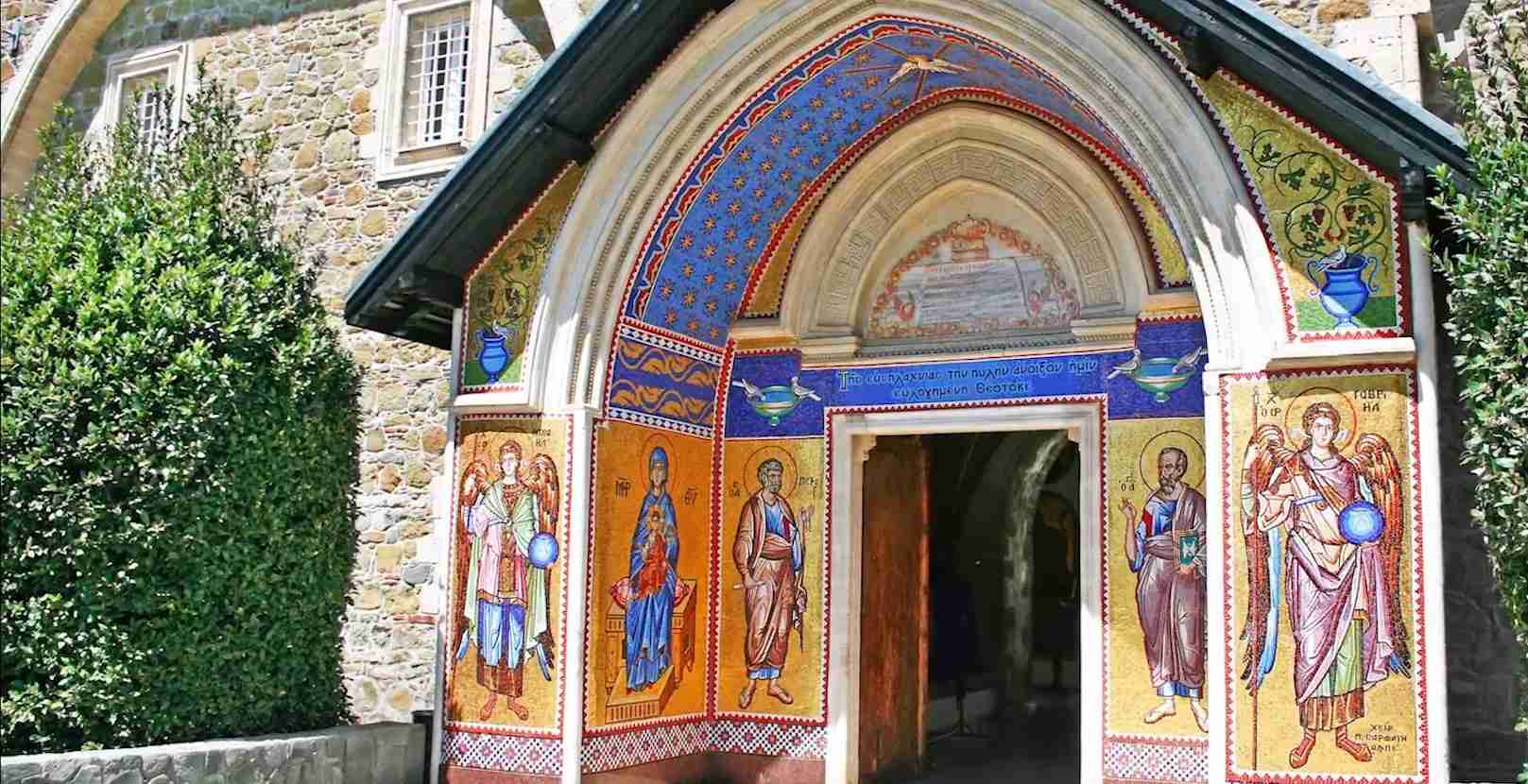
Cyprus UNESCO World Heritage Sites: Complete Guide
Cyprus preserves three UNESCO World Heritage Sites that chronicle 9,000 years of Mediterranean civilization, from Neolithic agricultural settlements through Byzantine artistic achievement to the apex of Roman villa culture. Each site represents exceptional testimony to distinct phases of human cultural development on this strategic island at the crossroads of three continents, inscribed on the World Heritage List between 1980 and 1998 for their outstanding universal value.
Key Takeaways:
- Cyprus contains three UNESCO World Heritage Sites inscribed between 1980 and 1998, all designated as cultural properties with no natural or mixed sites represented
- Paphos Archaeological Park preserves the finest Roman mosaic floors in the eastern Mediterranean across four major villas spanning 556 to 1,400 square meters of decorated surface area
- Ten Byzantine churches scattered across the Troodos Mountains collectively form one UNESCO property, showcasing 500 years of Byzantine and post-Byzantine fresco painting from the 11th through 16th centuries
- Choirokoitia represents one of the most important Neolithic sites in Europe, occupied continuously from 7000 to 5200 BCE and featuring circular stone dwellings with burials beneath floors
- All three sites received enhanced protection status in 2010 under the Convention for the Protection of Cultural Property in the Event of Armed Conflict
- The sites demonstrate Cyprus’s role as a cultural crossroads where Anatolian, Levantine, Egyptian, Greek, Roman, and Byzantine influences converged and created distinctive island traditions
People Also Ask About Cyprus UNESCO World Heritage Sites
How many UNESCO World Heritage Sites does Cyprus have?
Cyprus has three UNESCO World Heritage Sites, all classified as cultural properties. Paphos was inscribed first in 1980, followed by the Painted Churches in the Troodos Region in 1985 (with an extension adding a tenth church in 2001), and Choirokoitia in 1998. Cyprus ratified the UNESCO World Heritage Convention in August 1975, enabling the nomination process. The country maintains eleven additional properties on its tentative list awaiting potential inscription, six of which relate to the Troodos Ophiolite geological formation. No natural or mixed (cultural and natural) sites from Cyprus appear on the World Heritage List.
What makes Paphos mosaics significant enough for UNESCO status?
The Paphos mosaics rank among the finest examples of Roman mosaic art in the eastern Mediterranean due to their exceptional preservation, artistic sophistication, and comprehensive narrative scope. Covering 556 square meters in the House of Dionysus alone and extending across four major villas, these floor decorations depict mythological scenes with extraordinary technical skill using thousands of tiny tesserae stones. The mosaics date from the 2nd to 5th centuries AD and illustrate the cultural interchange between Greek mythology and Roman villa culture. Their accidental discovery in 1962 by a local farmer revealed intact compositions that had survived earthquakes and centuries of abandonment, preserving vibrant colors and intricate details that demonstrate the highest level of ancient artistic achievement.
Why are the Troodos churches painted rather than decorated with mosaics?
Byzantine churches in the Troodos Mountains feature painted frescoes rather than mosaics because they served rural communities with limited resources and required decoration techniques suited to their modest architectural scale. The steep-pitched wooden roofs specific to Troodos geography created interior wall surfaces ideal for fresco painting, while the mountainous isolation preserved local artistic traditions distinct from metropolitan Byzantine mosaic programs. Painting directly onto wet plaster allowed artists to create complete biblical narratives covering entire interior surfaces efficiently and affordably, making sophisticated religious imagery accessible to village congregations. The technique also permitted rapid execution compared to labor-intensive mosaic work, enabling itinerant artists to decorate multiple churches across the region between the 11th and 16th centuries while adapting their style to evolving theological and artistic influences.
What happened to Choirokoitia settlement after 5200 BCE?
Choirokoitia experienced abandonment around 5200 BCE at the end of the Late Aceramic Neolithic period, followed by approximately 1,000 years of complete desertion before limited reoccupation during the Ceramic Neolithic phase. Archaeological evidence reveals no signs of violent destruction or catastrophic events, suggesting gradual population decline and voluntary departure by the final inhabitants. The reasons for abandonment remain debated among scholars, with theories including environmental degradation, depletion of local resources, climate shifts affecting agricultural productivity, or migration to more favorable coastal locations. The millennium-long gap represents a dramatic cultural discontinuity in Cyprus’s prehistoric record, with subsequent settlements showing different architectural traditions and pottery-using cultures that contrasted sharply with Choirokoitia’s aceramic stone vessel technology. Modern excavations reveal the original settlement layers beneath later scattered remains, preserving the most complete picture of pre-pottery Neolithic life in the Mediterranean.
Extended multi-day tours – 5+ days
Featured Cyprus Multi-Day Tour Packages
8 days
The Treasures of Cyprus
- ✓ Comprehensive Cyprus tour
- ✓ Expert local guides included
- ✓ All accommodation arranged
- ✓ Transportation provided
6 days
6 Days Timeless Cyprus: A Cultural and Culinary Adventure
- ✓ Comprehensive Cyprus tour
- ✓ Expert local guides included
- ✓ All accommodation arranged
- ✓ Transportation provided
7 days
Tailor-Made 7 Days Private Cyprus Family Tour, Daily Start & Fully Guided
- ✓ Comprehensive Cyprus tour
- ✓ Expert local guides included
- ✓ All accommodation arranged
- ✓ Transportation provided
8 days
Walking in Northern Cyprus
- ✓ Comprehensive Cyprus tour
- ✓ Expert local guides included
- ✓ All accommodation arranged
- ✓ Transportation provided
Multi-day tour packages powered by TourRadar. Prices and availability subject to change.
Introduction to Cyprus UNESCO World Heritage
The island of Cyprus occupies a unique geographic position in the eastern Mediterranean, situated approximately 70 kilometers south of Turkey, 100 kilometers west of Syria, and 380 kilometers north of Egypt. This strategic location at the intersection of Europe, Asia, and Africa established Cyprus as a cultural crossroads throughout human history, where civilizations from three continents converged, interacted, and left lasting archaeological evidence of their presence. The island’s three UNESCO World Heritage Sites collectively document 9,000 years of continuous or recurring human occupation, representing critical transitions in Mediterranean prehistory, classical antiquity, and medieval religious culture.
Cyprus ratified the UNESCO World Heritage Convention on August 14, 1975, positioning itself among the early adopters of international heritage protection frameworks. The subsequent inscription of three sites between 1980 and 1998 reflects the island’s exceptional archaeological richness relative to its modest geographic size of 9,251 square kilometers. Each property meets multiple UNESCO criteria for outstanding universal value, demonstrating that Cyprus served not merely as a recipient of external influences but as an active participant in cultural exchanges that shaped broader Mediterranean civilization.
The three inscribed sites span dramatically different time periods and cultural contexts. Choirokoitia preserves evidence of Neolithic agricultural pioneers who crossed from the Near Eastern mainland around 7000 BCE, establishing one of the earliest permanently settled farming communities in the Mediterranean basin. Paphos captures the zenith of Greco-Roman civilization during the 2nd through 5th centuries AD, when Cyprus thrived as a provincial capital under Roman administration and produced mosaic masterworks rivaling those in Pompeii or North African cities. The Painted Churches in the Troodos Region document Byzantine and post-Byzantine religious culture from the 11th through 16th centuries, preserving fresco cycles that survived iconoclastic controversies and Ottoman conquest through geographic isolation in mountain villages.
The sites also demonstrate remarkable preservation circumstances that enhanced their archaeological value. Paphos mosaics survived because volcanic soil and accumulated debris protected delicate floors from weathering and human interference across seventeen centuries. Troodos churches endured because their remote locations spared them from systematic destruction during political upheavals that ravaged coastal settlements. Choirokoitia remained intact because its early abandonment prevented successive occupations from disturbing Neolithic layers, allowing archaeologists to study an undisturbed snapshot of early agricultural society.
Beyond their individual significance, the three properties collectively illustrate how island geography influenced cultural development. Cyprus’s relative isolation fostered distinctive local traditions—such as the Troodos architectural style with steep wooden roofs unknown elsewhere in the Byzantine world, or Choirokoitia’s unique aceramic culture that persisted longer than contemporary pottery-using settlements on the mainland. Simultaneously, the island’s position along maritime trade routes ensured continuous exposure to external artistic movements, technological innovations, and religious ideas that incoming populations and merchant contacts introduced. The UNESCO sites thus reveal both Cyprus’s insularity and its interconnectedness with broader Mediterranean networks.
Conservation challenges facing these properties reflect their diverse natures. Paphos requires ongoing protection against environmental weathering, tourist foot traffic damaging fragile mosaics, and urban development encroaching on archaeological zones. The Troodos churches face structural deterioration from moisture penetration through aging wooden roofs, tourist management balancing access with preservation, and maintaining active religious use while protecting irreplaceable frescoes. Choirokoitia confronts issues of presenting prehistoric remains comprehensibly to visitors without compromising archaeological integrity, managing vegetation that stabilizes yet obscures ancient structures, and preventing erosion on exposed hillside surfaces.
Modern management involves collaboration between Cyprus’s Department of Antiquities, UNESCO advisory bodies, international archaeological missions, and local communities. The Paphos Archaeological Park operates as a controlled tourism destination with designated pathways, protective roofing over sensitive mosaics, and ongoing excavation campaigns that continuously expand knowledge about the ancient city. The Troodos churches function as living monuments where local parishes maintain religious traditions while adhering to conservation protocols established by heritage professionals. Choirokoitia features interpretive infrastructure including reconstructed dwellings that provide visitors with tangible understanding of Neolithic architecture without requiring direct contact with original remains.
The three sites contribute significantly to broader understanding of Mediterranean prehistory and history. Choirokoitia research has revolutionized scholarly interpretations of how agricultural societies colonized Mediterranean islands, challenged assumptions about linear cultural evolution, and provided crucial data for comparative studies of Neolithic communities across the region. Paphos mosaics have enriched art historical understanding of how mythological narratives functioned in elite Roman domestic contexts, revealed workshop practices through technical analysis of tesserae production, and demonstrated the persistence of Hellenistic artistic traditions centuries after Greece’s political decline. The Troodos frescoes have illuminated relationships between Byzantine metropolitan art and provincial traditions, documented theological shifts reflected in iconographic programs, and preserved rare examples of Italo-Byzantine synthesis during the Frankish and Venetian periods.
Visitor accessibility varies significantly among the properties. Paphos Archaeological Park occupies a compact area in modern Paphos city center, easily walkable and integrated into standard tourist itineraries along Cyprus’s southern coast. The Troodos churches scatter across mountain villages spanning three districts, requiring automobile access and advance planning to visit multiple sites within the ten-church ensemble. Choirokoitia sits along the Nicosia-Limassol highway, offering convenient roadside access for travelers between major cities, though understanding the site fully benefits from guided interpretation or preparatory research about Neolithic archaeology.
The designation of all three sites as cultural rather than natural properties reflects Cyprus’s primary heritage value lying in human-created landscapes and artifacts rather than pristine ecosystems or geological formations. However, the Troodos Mountains themselves—formed by ophiolite geology representing ancient oceanic crust thrust above sea level—appear on Cyprus’s tentative list with six related properties awaiting potential inscription as a natural site. This geological distinctiveness provided the geographic isolation that preserved the painted churches while creating the unique environmental conditions under which Byzantine religious culture flourished in mountain refuges.
Enhanced protection status granted to all three Cypriot sites in 2010 under the Hague Convention for the Protection of Cultural Property in the Event of Armed Conflict acknowledges their exceptional vulnerability and universal significance. This designation requires parties to armed conflicts to refrain from targeting these properties and to take all feasible precautions to avoid collateral damage. The measure gained particular relevance given Cyprus’s division since 1974, although all three UNESCO sites lie within the Republic of Cyprus-controlled southern portion of the island.
Paphos: Ancient City and Sanctuary of Aphrodite
Paphos received UNESCO World Heritage inscription in 1980 as Cyprus’s first property on the World Heritage List, recognized under criteria (iii) and (vi) for bearing exceptional testimony to an ancient civilization and for direct association with the cult of Aphrodite, a tradition of outstanding universal significance. The property encompasses three distinct components totaling 291 hectares: the Archaeological Park of Kato Paphos containing Roman villas and public buildings, the Tombs of the Kings necropolis, and the ancient city of Palaepaphos at modern Kouklia including the Sanctuary of Aphrodite. These elements collectively illustrate Paphos’s evolution from a Mycenaean settlement through its peak as capital of Roman Cyprus from the 2nd century BC through the 4th century AD.
The Archaeological Park of Kato Paphos preserves the lower city zone of ancient Nea Paphos (New Paphos), founded at the end of the 4th century BC by Nicocles, the last king of Paphos, as a new coastal capital replacing the inland sanctuary site at Palaepaphos. The park spans approximately 80 hectares of partially excavated remains revealing the Hellenistic street grid, Roman-period public buildings, and the elaborate villas that brought UNESCO recognition. Excavations began systematically in 1962 when a local farmer named Kyriakos Klerides accidentally uncovered mosaic floors while plowing his field, leading to the discovery of four extraordinary residential complexes now identified as the Houses of Dionysus, Theseus, Aion, and Orpheus.
The House of Dionysus dominates the archaeological park as the largest and most extensively decorated villa, covering 2,000 square meters with 556 square meters of floor surface bearing mosaic decoration. Constructed during the late 2nd century AD and destroyed by earthquakes in the 4th century, this aristocratic residence organized rooms around a central peristyle courtyard featuring a garden and pool. The mosaics depict scenes from Greek mythology with extraordinary artistic sophistication, named after recurring representations of Dionysus, the god of wine and revelry. Key compositions include the Triumph of Dionysus showing the deity’s triumphal procession, Pyramus and Thisbe illustrating the tragic lovers’ story that inspired Shakespeare, the Four Seasons personified with seasonal attributes, Narcissus gazing at his reflection, and Scylla the sea monster rendered in an older Hellenistic pebble mosaic technique at the entrance.
The House of Theseus exceeds the Dionysus villa in overall size at 9,600 square meters but preserves approximately 1,400 square meters of mosaic floors, making it the residence of the Roman proconsul or provincial governor based on its scale and proximity to administrative buildings. Built in the 2nd half of the 2nd century AD over earlier Hellenistic structures and occupied until the 7th century AD, the building divided between official state rooms for governmental functions and private residential quarters. The villa takes its name from the magnificent mosaic in the southeast quarter depicting Theseus battling the Minotaur within the labyrinth, with Ariadne holding her guiding thread—a unique representation in the entire corpus of ancient Mediterranean mosaics. Additional panels illustrate Poseidon in various mythological scenes and Achilles preparing for battle, demonstrating the patron’s education in classical literature and desire to project cultural sophistication.
The House of Aion represents a later construction phase from the 4th century AD, preserving five panels organized in horizontal registers that demonstrate evolving artistic styles during late antiquity. The central mosaic depicts Aion, the personification of time and eternity, surrounded by narrative scenes including the Beauty Contest between Cassiopeia and the Nereids, the Bath of Dionysus as an infant, Leda and the Swan, and Apollo’s musical contest with Marsyas. The Aion villa demonstrates how mosaic workshops continued operating into the Christian period, maintaining pagan mythological iconography even as Christianity gained official status in the Roman Empire. The artistic quality and iconographic complexity suggest a patron deeply versed in Neoplatonic philosophy and the symbolic meanings embedded in classical mythology.
The House of Orpheus, dated to the 3rd century AD, preserves three significant mosaic panels west of the Theseus villa. The central composition shows Orpheus charming animals with his lyre, surrounded by creatures responding to his music—a popular theme representing the civilizing power of art and music over savage nature. Additional mosaics depict Hercules wrestling the Nemean Lion and an Amazon warrior, continuing the mythological narrative program that characterized elite Roman villa decoration. The concentration of four major houses within a relatively compact area suggests this district served as the primary residential quarter for Paphos’s wealthiest citizens, who competed through increasingly elaborate floor decorations to display their cultural refinement and economic resources.
Beyond the villa complexes, the Archaeological Park preserves substantial remains of public buildings that served ancient Paphos’s civic and religious functions. The Hellenistic-Roman theater occupies the hillside northwest of the villas, originally constructed during the Greek period and modified under Roman administration to accommodate different performance traditions. The odeion, a smaller roofed theater for musical performances and civic meetings, stands partially reconstructed near the lighthouse, its limestone seats arranged in semicircular tiers. The agora functioned as the commercial and political center where citizens gathered for market activities and public assemblies. An asklepieion dedicated to Asklepios, the god of healing, provided medical treatment combining religious ritual with practical therapeutic techniques. Basilicas from the early Christian period testify to Paphos’s transition from pagan cult center to important Christian bishopric during the 4th through 7th centuries.
The Tombs of the Kings necropolis lies northwest of the archaeological park, comprising an extensive underground burial complex dating from the 4th century BC through the 3rd century AD. Despite the name, no actual kings occupy these tombs; instead, wealthy Paphian aristocrats commissioned elaborate rock-cut chambers imitating domestic architecture with Doric columns, peristyle courtyards, and painted decoration. The tombs follow Alexandrian funerary traditions imported during the Ptolemaic period when Cyprus came under Egyptian control, demonstrating how cultural practices spread across Hellenistic kingdoms. The site extends over considerable area along the coastal cliffs, with approximately 100 tombs excavated from the soft limestone bedrock that characterizes the Paphos region.
Palaepaphos at modern Kouklia, located 14 kilometers southeast of Kato Paphos, preserves the remains of the original city and sanctuary that gave Cyprus its mythological association with Aphrodite. According to Greek tradition, the goddess of love emerged from sea foam near this coast following her birth from the severed genitals of Uranus, establishing her primary cult center at Palaepaphos. The sanctuary functioned continuously from the Late Bronze Age through the Roman period, attracting pilgrims from across the Mediterranean who came to worship at one of antiquity’s most famous religious sites. Excavations have revealed monumental temple structures, administrative buildings, and workshops that produced votives and maintained the elaborate ritual calendar.
The Sanctuary of Aphrodite gained legendary status throughout the ancient world, mentioned in classical literature and visited by notable historical figures including the Roman general Titus who consulted the oracle before departing to suppress the Jewish revolt in 66 AD. The cult involved fertility rituals, sacred prostitution according to some ancient sources, and animal sacrifices performed at the cone-shaped stone that represented the goddess in aniconic form before Greek artistic traditions introduced anthropomorphic statuary. The sanctuary’s influence extended beyond religious functions to serve as a political institution that legitimized Cypriot kings, accumulated enormous wealth through donations and temple lands, and maintained diplomatic relationships with rulers across the eastern Mediterranean.
Polish archaeological missions from the University of Warsaw have conducted systematic excavations at Paphos since 1965 under directors Kazimierz Michałowski, Wiktor Daszewski, and subsequently Henryk Meyza. These long-term investigations have progressively expanded understanding of the ancient city’s urban development, economic activities, and cultural life. Discoveries include marble statues of deities worshipped in Paphos, hoards of silver coins from the reigns of Philip III and Alexander the Great, wine presses and industrial installations revealing agricultural production, and inscriptions documenting civic administration and religious practices. Recent work utilizing ground-penetrating radar and 3D modeling techniques continues to map unexcavated portions of the ancient city, suggesting that only a fraction of Paphos’s archaeological potential has been revealed.
Conservation efforts at Paphos focus on protecting delicate mosaic floors from environmental damage, tourist wear, and structural deterioration of the ancient buildings housing them. Protective wooden roofing covers the most significant villa remains, allowing visitors to view mosaics while shielding surfaces from rain, direct sunlight, and temperature fluctuations that cause tesserae to loosen and colors to fade. Designated walkways prevent foot traffic from contacting fragile floors, though historic tourist access before modern conservation protocols caused damage now visible as worn patches where thousands of visitors walked directly on ancient surfaces. Climate control within covered structures attempts to maintain stable humidity levels that preserve both mosaics and the surviving wall paintings that once accompanied floor decorations.
The artistic techniques visible in Paphos mosaics demonstrate sophisticated workshop practices developed over generations of specialized craftsmen. Artists created designs using opus tessellatum (regular square tesserae arranged in geometric patterns) and opus vermiculatum (tiny irregular tesserae following curving contours to create naturalistic details in figures and faces). Color palettes derived from locally available stones supplemented with imported materials for specific hues: white limestone provided backgrounds, red and pink stones came from local deposits, blues required importing lapis lazuli or Egyptian blue glass, and greens utilized serpentine. The finest details in faces and flesh tones employed tesserae as small as 2 millimeters square, demonstrating the painstaking precision required to achieve the naturalistic modeling visible in the best-preserved panels.
Mythological narratives chosen for mosaic decoration served multiple functions beyond mere ornamentation. Homeowners selected scenes that displayed their education in classical literature, communicated moral messages to guests and household members, invoked divine protection for the residence, and asserted social status through costly decorative programs. The prevalence of Dionysian imagery reflected not only wine’s importance to Mediterranean economy and daily life but also philosophical associations between Dionysus and spiritual transcendence, mystery cults, and the civilizing benefits of viticulture. The careful placement of specific mythological episodes in particular rooms suggests deliberate iconographic programs where viewing sequences guided visitors through thematically related narratives as they moved through reception spaces.
The destruction of Paphos’s magnificent villas during 4th-century earthquakes marked the beginning of the city’s decline, though Christian communities continued occupying the site and constructed basilicas over some former pagan buildings. Subsequent Arab raids in the 7th century severely damaged the coastal settlement, causing population to retreat to more defensible inland locations. When the Lusignan Franks conquered Cyprus in 1191, they shifted the island’s capital to Nicosia, further marginalizing Paphos into a provincial backwater. This abandonment proved archaeologically fortunate, as accumulating debris and agricultural soil buried the ancient city without significant later construction disturbing Roman-period remains. The rediscovery in 1962 thus unveiled an almost perfectly preserved snapshot of elite Roman provincial life.
Modern Paphos has developed around the archaeological zones, creating both opportunities and challenges for heritage management. Tourism generates revenue supporting conservation while creating pressures from large visitor numbers, development proposals threatening buffer zones, and infrastructure needs potentially conflicting with archaeological preservation. The municipal government collaborates with the Department of Antiquities to balance economic development with heritage protection, designating archaeological zones where construction is prohibited, requiring surveys before development in sensitive areas, and maintaining the archaeological park as a central attraction that defines the city’s identity. Paphos’s designation as European Capital of Culture in 2017 brought international attention and funding for enhanced visitor facilities, conservation projects, and cultural programming that engages both tourists and local communities with the ancient heritage.
Painted Churches in the Troodos Region: Byzantine Masterpieces
The Painted Churches in the Troodos Region gained UNESCO inscription in 1985 for nine churches, subsequently extended in 2001 to include a tenth church, collectively recognized under criteria (ii), (iii), and (iv) for representing cultural exchange, bearing testimony to Byzantine civilization, and providing outstanding examples of rural religious architecture. The ten monuments scatter across the central Troodos Mountains in three administrative districts—nine in Nicosia District and one in Limassol District—forming a dispersed property rather than a single compact site. These structures preserve exceptional fresco cycles spanning the 11th through 16th centuries, documenting Byzantine and post-Byzantine painting traditions that survived in mountain isolation while coastal settlements experienced successive conquests and cultural disruptions.
The Troodos Mountains occupy central Cyprus, rising to Mount Olympus at 1,952 meters elevation and creating a distinct geographic and climatic zone separate from the coastal plains. This highland region concentrates one of the highest densities of Byzantine churches in the former Byzantine Empire, with over sixty structures bearing medieval wall paintings scattered among mountain villages. The ten UNESCO-inscribed churches represent the finest examples selected for outstanding artistic quality, comprehensive preservation, and chronological range that illustrates evolving Byzantine aesthetic traditions across five centuries of continuous painting activity.
The distinctive architectural characteristics of Troodos churches emerged from practical responses to local geography, climate, and available materials. Structures feature steep-pitched wooden roofs covered with flat hooked terracotta tiles, protecting interior spaces from heavy winter snowfall common at high elevations. This architectural solution created pitched roofs over Byzantine masonry domes and barrel vaults, essentially adding a second weather-protective covering above the original Byzantine structural forms. The resulting profile—with sharply angled timber roofs rising from relatively low stone walls—defines the Troodos ecclesiastical style as uniquely Cypriot, appearing nowhere else in the Byzantine architectural tradition. The wooden construction required periodic maintenance and replacement over centuries, creating chronological sequences where original Byzantine masonry survives beneath later Ottoman-period timber frameworks.
The Church of Agios Nikolaos tis Stegis (Saint Nicholas of the Roof) near Kakopetria represents the oldest surviving katholikon (monastery church) in Cyprus, constructed in the 11th century as the centerpiece of a now-vanished monastic complex. The building takes its descriptive name from the steep timber roof added to protect the original domed Byzantine structure. Interior frescoes span multiple painting campaigns from the 11th through 17th centuries, creating a palimpsest of overlapping styles. The earliest murals date to the church’s construction period and display characteristics of Comnenian Byzantine art with elongated figures, hieratic compositions, and rich color palettes dominated by blues and ochres. Later additions reflect evolving theological emphases, changing patron preferences, and the influence of Western artistic traditions during Frankish and Venetian rule.
Agios Ioannis Lampadistis Monastery in Kalopanagiotis constitutes the most architecturally complex monument among the ten churches, comprising three conjoined structures under a single extended roof. The complex includes the 11th-century church of Agios Heraklidios, the 11th-century chapel of Agios Ioannis Lampadistis, and a 15th-century Latin chapel added during Frankish occupation. The site honors Ioannis Lampadistis, a local Cypriot saint whose relics attracted pilgrims throughout the medieval period. The frescoes demonstrate multiple artistic hands working across the 13th through 15th centuries, with particularly significant cycles in the narthex dating to the early 13th century showing scenes from the life of Christ executed in the dynamic narrative style characteristic of late Comnenian painting. The monastery functioned continuously until the Ottoman period, maintaining active religious use that ensured ongoing maintenance despite political upheavals.
The Church of Panagia Phorviotissa (Virgin of the Pastures), commonly called Asinou after the vanished Forbion Monastery it served, stands three kilometers south of Nikitari village and preserves the most celebrated fresco cycle in the entire Troodos ensemble. An inscription above the south entrance dates the church’s foundation to 1105-06 through the patronage of Magistros Nikephoros Ischyrios, who subsequently became the monk Nikolaos. The church functioned as the monastery’s katholikon from its founding through the late 18th century. The interior murals represent Comnenian Byzantine art at its peak, with the Dormition of the Virgin on the west wall demonstrating the emotional expressiveness and sophisticated compositional arrangements that characterize this artistic flowering. Subsequent painting campaigns added frescoes in the narthex during the 14th century, illustrating how the church continued receiving artistic attention across multiple generations of patrons.
The Church of Panagia tou Arakou near Lagoudera village contains precisely dated frescoes completed during the last six months of 1192, as recorded in dedicatory inscriptions that name Leon Afthentiou as patron. This chronological precision makes the Lagoudera cycle invaluable for establishing the stylistic development of late 12th-century Byzantine painting. The compositions demonstrate characteristics transitioning from the formal elegance of Comnenian art toward the more dynamic and emotionally expressive tendencies that would characterize the Paleologan Renaissance of the 14th century. The church architecture follows the standard single-aisled timber-roofed form, with the wooden roof’s later date reflecting replacement of the original covering while the Byzantine masonry core and fresco decoration remain intact from the 12th century.
The Church of Panagia tou Moutoulla in Moutoullas village, built and decorated in 1280 according to inscription, represents one of the earliest examples of steep-pitched wooden roofs adapted to cover a single-aisled Byzantine church plan. The dedicatory fresco shows donor Ioannis of Moutoullas and his wife presenting a model of the church to the Virgin Mary, suggesting the building originated as a private family chapel later transferred to communal ecclesiastical use. This practice of wealthy individuals founding and decorating churches for their spiritual benefit while providing worship facilities for village communities became common throughout the Byzantine Mediterranean. The frescoes demonstrate the persistence of Byzantine stylistic traditions in rural Cyprus during the late 13th century, even as the Frankish Lusignan dynasty ruled the island and introduced Western European cultural influences to the court and major cities.
The Church of the Archangel Michael in Pedhoulas, constructed and decorated in 1474 through funding from Priest Vasilios Chamados according to inscription, illustrates post-Byzantine painting traditions developed under Venetian rule. The frescoes demonstrate Italo-Byzantine synthesis, combining Byzantine iconographic programs and compositional structures with Renaissance influences in naturalistic drapery rendering, architectural perspectives, and emotional expressiveness. The church functions actively in local worship, with religious services maintained by the Pedhoulas community throughout modern times. This living heritage status characterizes all ten Troodos churches, which continue serving their original religious purposes while accommodating tourism and heritage conservation requirements.
Timios Stavros (Holy Cross) in Pelendri village preserves a multi-phase building incorporating three structural additions from different periods, with the oldest section dated to 1178. The church name references the tradition that Saint Helena, mother of Roman Emperor Constantine, brought relics of the True Cross to Cyprus during her pilgrimage journey, inspiring numerous Cypriot churches to adopt the Holy Cross dedication. The 14th-century frescoes demonstrate the work of multiple artists with distinctive styles, allowing art historians to study workshop organization and the collaboration between master painters and assistant craftsmen. Scenes include the standard Byzantine iconographic program of Christ Pantocrator in the dome, the Virgin and Child in the apse, feast cycle scenes on the vault, and saints arrayed along the walls in hierarchical order reflecting their importance in Orthodox theology.
The Church of Panagia Podhithou (Virgin Podithou) in Galata, built and decorated in 1502 according to inscription, demonstrates the fully developed Italo-Byzantine style that characterized Cypriot religious art under Venetian administration. The frescoes show strong Italian Renaissance influences in figure modeling, spatial construction, and decorative details, while maintaining Orthodox iconographic programs and Byzantine compositional frameworks. The single-aisled building with steep-pitched wooden roof exemplifies the mature Troodos architectural type developed over preceding centuries. The church location in Galata, one of the larger Troodos villages, connected it to broader commercial and cultural networks that facilitated transmission of artistic innovations from Venetian-controlled coastal cities to mountain communities.
Stavros Ayiasmati (Holy Cross of Ayiasmati) in Platanistasa village, built in the late 15th century with decorations completed in 1494, functioned originally as a monastery church though the associated monastic buildings have disappeared leaving only archaeological traces. The church occupies the eastern slopes of the Troodos range, positioned to serve the Pitsilia region’s scattered settlements. The frescoes illustrate mature post-Byzantine painting incorporating Western influences while maintaining fundamentally Byzantine aesthetic principles. The iconographic program includes extensive narrative cycles detailing the lives of Christ and the Virgin, allowing congregations without access to written texts to understand biblical history through visual storytelling. This educational function proved particularly important in rural areas where literacy rates remained low and religious instruction occurred primarily through oral tradition supplemented by church decoration.
The Church of Ayia Sotira (Transfiguration of the Savior) in Palaichori, added to the UNESCO inscription in 2001, represents the most recent construction among the ten churches, built in the early 16th century during Ottoman occupation of Cyprus. Despite this later date, the frescoes preserve one of the most complete original painting programs in the entire ensemble, with minimal later overpainting or damage. The murals demonstrate how Byzantine artistic traditions persisted in Cypriot religious contexts even after Ottoman conquest in 1571 ended the Venetian period and dramatically altered the island’s political and social conditions. A distinctive tower stands adjacent to the church, an unusual feature among Troodos religious architecture that may have served defensive or bell-housing functions.
The fresco painting technique employed in all ten churches involved applying pigments to wet lime plaster, allowing colors to bond chemically with the wall surface as the plaster dried. Artists created pigments from natural mineral and organic sources: ochres from iron oxide deposits provided reds, yellows, and browns; azurite and lapis lazuli supplied blues; malachite and green earth yielded greens; lamp black furnished deep blacks; lime white created highlights and flesh tones. The pigment palette available in Byzantine Cyprus determined the characteristic color harmonies visible across the Troodos churches, with regional variations depending on locally accessible mineral deposits versus expensive imported materials reserved for prestigious commissions.
Iconographic programs followed established Byzantine traditions that prescribed specific scenes and figures for particular architectural locations, creating standardized arrangements comprehensible to worshippers throughout the Orthodox world. Christ Pantocrator (Ruler of All) appeared in the central dome representing heaven, the Virgin and Child occupied the apse as mediators between humanity and divinity, the Twelve Great Feasts cycle illustrated key moments in Christian salvation history on vaults and upper walls, and individual saints arrayed along lower walls provided models of holy living accessible to ordinary believers. This hierarchical organization reflected Byzantine theology positioning heaven above earth, with divine figures occupying higher architectural zones and terrestrial saints placed at human eye level.
Western artistic influences entered Cypriot painting through multiple channels during the Frankish and Venetian periods. Italian painters working on the island introduced Renaissance techniques of naturalistic figure rendering, architectural perspective, and emotional expressiveness that contrasted with the more abstract and hieratic Byzantine approach. Cypriot artists selectively adopted these innovations, creating hybrid styles that maintained Orthodox iconographic content and compositional frameworks while incorporating Western naturalism in details like fabric draping, facial expressions, and spatial depth. This cultural synthesis produced distinctively Cypriot variants of post-Byzantine painting recognizable through their combination of Eastern and Western aesthetic elements.
Conservation challenges facing the Troodos churches include structural deterioration of aging wooden roofs allowing moisture penetration that damages frescoes, biological growth on wall surfaces from humidity and limited ventilation, salt efflorescence pushing pigments away from plaster substrates, visitor impact from touching surfaces and breathing moisture into confined interiors, and the inherent tension between maintaining active religious use and implementing strict conservation protocols. Modern interventions balance restoration needs with preserving original materials, using techniques like laser cleaning to remove surface soiling without abrading paint layers, consolidating flaking plaster with compatible lime-based materials, and installing discreet climate monitoring systems to track environmental conditions affecting fresco preservation.
Accessibility varies considerably among the ten churches due to their dispersion across mountain terrain and the continued use of several as active parish churches with limited visiting hours. Some churches maintain regular schedules with on-site custodians holding keys, while others require advance arrangements through local contacts or the Department of Antiquities. The geographic spread across Pitsilia, Solea, and Marathasa regions means comprehensive visits require multiple days and reliable transportation along winding mountain roads. This relative remoteness that initially preserved the churches from destruction continues protecting them from excessive tourism pressure while limiting casual visitation to those with dedicated interest in Byzantine art and cultural heritage.
Choirokoitia: Neolithic Settlement and Archaeological Marvel
Choirokoitia (also spelled Khirokitia, from Greek Χοιροκοιτία) received UNESCO inscription in 1998 under criteria (ii), (iii), and (iv), recognized as one of the most important Neolithic sites in the eastern Mediterranean for demonstrating cultural exchanges between Asia and the Mediterranean, bearing exceptional testimony to Neolithic civilization, and preserving outstanding examples of prehistoric fortified architecture. The archaeological site occupies approximately 3 hectares on slopes overlooking the Maroni River valley in Larnaka District, situated about 6 kilometers from Cyprus’s southern coast and 30 kilometers south of the modern capital Nicosia. The settlement represents the Aceramic Neolithic period—characterized by developed agriculture and permanent architecture but lacking pottery technology—occupied from approximately 7000 to 5200 BCE and experiencing subsequent limited reoccupation during the Ceramic Neolithic after a millennium-long abandonment.
The site’s discovery occurred in 1934 when Porphyrios Dikaios, director of Cyprus’s Department of Antiquities, identified the prominent mound as an archaeological tell warranting investigation. Dikaios conducted initial excavations between 1936 and 1939, returning for an additional season in 1946 that uncovered approximately 2,700 square meters of the ancient settlement. His preliminary reports initially placed the occupation around 4000 BCE based on pottery typologies from other Mediterranean sites, but subsequent radiocarbon dating in the 1960s revised this chronology dramatically earlier to the 7th millennium BCE, establishing Choirokoitia among the earliest permanently settled agricultural communities in the entire Mediterranean region. French archaeological missions under director Alain Le Brun resumed excavations in 1977 following the 1974 Turkish invasion’s disruption of earlier work, contributing significantly to understanding the settlement’s layout, chronological development, and daily life practices.
The name Choirokoitia derives from Greek words meaning “pig cradle” or “place of pigs,” possibly referencing either ancient animal husbandry practices, wild boar populations in the valley, or toponymic traditions whose original significance has been lost across millennia. The settlement’s location demonstrates strategic environmental choices by its Neolithic founders: the hillside position provided natural defensive advantages while the valley bottom supplied water resources from the Maroni River, fertile alluvial soils supported agriculture, and proximity to the coast permitted access to marine resources and maritime connections with the Near Eastern mainland from which the population originated.
Archaeological evidence indicates the site’s founders migrated from the Near East—likely Anatolia or the Levantine coast—bringing domesticated plants and animals that did not exist naturally on Cyprus. Excavations have recovered charred seeds of emmer wheat, einkorn wheat, barley, and lentils, demonstrating the full agricultural package developed during the Neolithic Revolution in the Fertile Crescent. Faunal remains include domesticated pigs, sheep, and goats alongside wild fallow deer hunted in surrounding forests. The presence of domesticated species proves colonization by farming communities rather than indigenous development of agriculture on Cyprus, as the island lacked wild ancestors of these domesticated plants and animals. DNA analysis of ancient skeletal remains would potentially reveal the population’s geographic origins and relationships to contemporary Near Eastern communities, though such studies require destructive sampling that heritage authorities have not yet authorized.
Choirokoitia’s architecture follows a distinctive pattern of circular buildings constructed from stone foundations supporting mudbrick upper walls and flat roofs. Structures range from 2 to 9 meters in diameter, with larger buildings subdivided by interior partition walls creating separate rooms or functional zones within single dwellings. The circular plan developed from practical and structural considerations: distributing loads evenly around the perimeter maximized stability without advanced engineering knowledge, minimized wall length relative to enclosed floor area providing efficient construction, and created interior spaces without difficult-to-build corners. Roofs consisted of timber beams covered with reed mats and sealed with thick mud layers, requiring periodic maintenance but utilizing readily available materials and construction techniques manageable for communities without specialized craftsmen.
The settlement organization reveals deliberate community planning rather than organic growth. Excavations identified a main street ascending the hillside with houses clustered along both sides, connected by narrow passages and courtyards that created semi-private intermediate spaces between individual dwellings and public circulation routes. Successive enclosure walls surrounded residential areas, though their exact defensive function versus administrative boundaries remains debated among archaeologists. The outermost wall enclosed the entire inhabited zone, while internal walls may have divided the settlement into quarters associated with extended family groups or functional neighborhoods. This level of organization implies social structures capable of collective decision-making, labor coordination for defensive construction projects, and maintenance of public spaces serving community-wide purposes.
Burial practices at Choirokoitia demonstrate significant continuity with Near Eastern Neolithic traditions while developing distinctive local characteristics. The dead received burial beneath house floors in oval pits, positioned in flexed (fetal) postures that may reflect beliefs about rebirth or simply practical considerations for grave size. Some burials included grave goods—stone vessels, beads, and personal ornaments—suggesting concepts of afterlife or desires to honor deceased community members with valued possessions. The practice of sub-floor burial maintained symbolic connection between living and dead, with families residing literally above their ancestors in a spatial arrangement reinforcing continuity across generations. This tradition contrasts with later Mediterranean practices of extra-mural cemeteries separating the dead from living spaces, revealing fundamental differences in how Neolithic societies conceptualized the relationship between life and death.
Material culture recovered from Choirokoitia provides detailed insights into Neolithic technology and daily life. Stone vessel production represents a particular technological achievement, with inhabitants manufacturing elaborate bowls from hard grey-green igneous stone using pecking, grinding, and polishing techniques. These vessels served utilitarian functions in food preparation and storage while also functioning as prestige objects whose production required substantial time investment. Chipped stone tools included blades, scrapers, and burins manufactured from imported obsidian and local flint, used for tasks ranging from harvesting cereals to woodworking and hide processing. Bone tools comprised awls, needles, and fishhooks, demonstrating the exploitation of animal resources beyond meat consumption. Figurines carved from stone and formed from unbaked clay provide evidence for symbolic or religious practices, though their exact functions remain speculative.
The absence of pottery at Choirokoitia defines the site as Aceramic Neolithic, representing a cultural phase where food storage and preparation relied on stone vessels, basketry, and leather containers rather than fired ceramics. This technological absence appears puzzling given that pottery production had emerged in the Near East by this period, suggesting either that Choirokoitia’s founders departed before adopting ceramic technology or that deliberate cultural conservatism maintained traditional aceramic practices despite awareness of pottery from contacts with mainland communities. The later appearance of pottery in Cyprus after 5000 BCE demonstrates that ceramic technology was adopted eventually, though the centuries-long persistence of aceramic traditions reveals how cultural practices can remain stable even when alternative technologies exist.
The settlement’s abandonment around 5200 BCE marks a dramatic break in Cyprus’s archaeological sequence, followed by approximately one thousand years without evidence of human occupation across the island. The reasons for this abandonment remain unclear and actively debated among scholars. Environmental degradation from deforestation, soil erosion, and depletion of game animals might have reduced the landscape’s capacity to support permanent settlements. Climate shifts affecting rainfall patterns could have undermined agricultural productivity. Resource competition or social conflicts within or between communities might have destabilized settlement systems. Epidemic disease could have devastated populations. Alternatively, the abandonment might reflect voluntary migration to more favorable locations rather than catastrophic collapse. The lack of evidence for violent destruction suggests gradual decline rather than sudden disaster.
When Ceramic Neolithic populations reappeared in Cyprus after the hiatus, they demonstrated cultural discontinuities with Choirokoitia traditions, building rectangular rather than circular houses, producing pottery decorated with distinctive painted or combed patterns, and organizing settlements according to different spatial principles. This cultural break indicates either population replacement by new immigrant groups or such profound cultural transformation that continuity is unrecognizable archaeologically. Genetic analysis of skeletal remains from both periods could potentially resolve whether biological populations remained continuous despite cultural changes or whether new migrants replaced earlier inhabitants.
Modern site presentation balances archaeological preservation with public education through multiple interpretive strategies. Five characteristic circular dwellings have been reconstructed near the ancient settlement using authentic Neolithic construction methods and materials: stone foundations support mudbrick walls, timber roof beams carry reed mat and mud covering, and interiors contain replica household objects based on excavated artifacts. These reconstructions allow visitors to experience the scale, atmosphere, and spatial qualities of Neolithic architecture, providing tangible understanding that ruins alone cannot convey. Interpretive signage throughout the site explains architectural features, settlement organization, daily life activities, and the site’s significance within broader Neolithic developments, though the information density requires visitors to allocate sufficient time for meaningful comprehension rather than superficial touring.
The original archaeological remains present challenges for visitor comprehension because weathered stone foundations and partial wall stumps create visual confusion without clear indication of original building forms and settlement layout. Designated pathways guide visitors through excavated areas while protecting fragile archaeological features from foot traffic. Vegetation management balances stabilizing slopes against excessive plant growth obscuring structures, requiring continuous maintenance to keep the hillside partially vegetated for erosion control while maintaining archaeological visibility. The site’s hillside location means touring involves considerable walking and elevation change, though this same topographic setting provided the strategic advantages that attracted Neolithic settlement initially.
Choirokoitia’s broader significance extends beyond Cyprus to illuminate fundamental transitions in human society during the Neolithic Revolution. The site documents how agricultural communities organized permanent settlements, managed collective resources, developed complex social structures with evidence of differential wealth in burial goods and house sizes, and maintained cultural traditions across centuries of continuous occupation. Comparative analysis with contemporary sites in Anatolia, the Levant, and Mesopotamia reveals both pan-Mediterranean commonalities in Neolithic culture and distinctive local traditions that emerged as farming societies adapted to diverse environmental and social conditions. The circular architecture unique to Cyprus demonstrates innovation in construction techniques responding to available materials and environmental conditions, while aceramic traditions illustrate cultural conservatism maintaining established practices despite technological alternatives.
Current research utilizes non-invasive techniques like geophysical survey, aerial photography, and LiDAR scanning to map unexcavated portions of the site without destructive excavation. These investigations suggest the exposed settlement represents only a fraction of the original inhabited area, with substantial remains preserved beneath accumulated hillside sediments. Future excavations could potentially reveal additional architectural phases, expand understanding of settlement organization, and recover organic materials preserved in anaerobic conditions that provide environmental data through pollen analysis, seeds, and other botanical remains. The controlled excavation approach prioritizes preservation of archaeological resources for future research with more advanced analytical techniques, recognizing that excavation is irreversible destruction however carefully documented.
Conservation priorities focus on stabilizing exposed architectural remains against weathering, managing vegetation to prevent root damage while controlling erosion, and monitoring environmental conditions affecting preservation of buried archaeological deposits. The stone and mudbrick construction materials are relatively durable compared to organic materials but still require ongoing maintenance to prevent collapse of walls, consolidate cracking foundations, and protect surfaces from biological colonization by lichens and mosses. Rainfall creates particular challenges through water infiltration into walls and accumulated sediments, requiring drainage management to channel runoff away from sensitive areas. The site’s designation within a controlled archaeological area restricts development in surrounding landscapes, preserving the visual context and preventing encroachment that could damage unexcavated portions of the settlement.
Understanding UNESCO Criteria and Significance
UNESCO employs ten criteria to evaluate properties proposed for World Heritage inscription, numbered (i) through (x), with the first six criteria addressing cultural heritage and the final four criteria pertaining to natural heritage. Properties must demonstrate outstanding universal value—meaning importance transcending national boundaries and requiring preservation for all humanity—while meeting at least one criterion and satisfying conditions of integrity (for natural properties) or authenticity (for cultural properties). Cyprus’s three inscribed sites collectively satisfy six of the ten criteria, demonstrating the island’s cultural heritage spans multiple dimensions of human achievement and historical development.
Paphos meets criterion (iii) by bearing exceptional testimony to a civilization, specifically Greco-Roman culture during the period when Cyprus served as an important provincial center under successive Hellenistic and Roman administrations. The extensive mosaic programs preserved in the villa complexes document the cultural sophistication, mythological knowledge, artistic achievement, and economic prosperity that characterized elite society in a prosperous Roman provincial capital. The mosaics also illustrate the persistence and evolution of Hellenistic artistic traditions across several centuries after the political decline of Greek city-states, demonstrating cultural continuity within the Roman imperial framework. The site provides exceptional evidence for understanding Roman provincial administration, urban planning, domestic architecture, religious practices, and artistic patronage in the eastern Mediterranean.
Paphos additionally satisfies criterion (vi) through direct association with the cult of Aphrodite, events, and traditions of outstanding universal significance. The Sanctuary of Aphrodite at Palaepaphos functioned as one of antiquity’s most important religious centers, attracting pilgrims from across the Mediterranean world who came to worship at the goddess’s legendary birthplace. Ancient texts document the sanctuary’s fame and influence, while archaeological remains preserve physical evidence of the elaborate ritual activities and administrative apparatus supporting this major cult center. The mythological associations linking Cyprus with Aphrodite’s birth became fundamental to Greek cultural identity and subsequently influenced Roman religion, Renaissance art, and Western cultural imagination through countless literary and artistic representations drawing on these Cypriot traditions.
The Painted Churches in the Troodos Region satisfy criterion (ii) for exhibiting important interchange of human values over time or within a cultural area on developments in architecture, technology, monumental arts, town planning, or landscape design. The frescoes demonstrate artistic exchanges between Byzantine metropolitan traditions centered in Constantinople and provincial painting workshops operating in Cyprus, as well as subsequent cross-cultural influences during periods when Frankish and Venetian rulers introduced Western European artistic conventions that Cypriot painters selectively incorporated into Orthodox iconographic programs. The resulting Italo-Byzantine hybrid styles represent significant cultural synthesis, while the unique Troodos architectural form with steep-pitched wooden roofs over Byzantine masonry structures demonstrates innovative local solutions to environmental challenges that created a distinctive regional building tradition.
The Troodos churches also meet criterion (iii) by bearing outstanding testimony to Byzantine civilization at the time of the Comnenian dynasty (1081-1185) and subsequent periods through the exceptional preservation of fresco cycles that survived iconoclastic controversies, military conflicts, and political upheavals that destroyed comparable works elsewhere. The precisely dated Nikitari and Lagoudera ensembles provide chronological anchor points for understanding stylistic development in Byzantine painting, while the geographic isolation of Troodos villages preserved artistic traditions that disappeared in more accessible regions subject to greater disruption during the Crusades, Ottoman conquest, and modern conflicts.
Criterion (iv) applies to the Troodos churches as outstanding examples of rural religious architecture during the Byzantine period, demonstrating how Orthodox Christian communities adapted metropolitan architectural and artistic traditions to provincial mountain settings with limited resources yet achieved sophisticated aesthetic results. The contrast between simple exterior forms and elaborate interior decoration reflects theological concepts about external humility concealing inner spiritual richness, while the practical wooden roof solutions represent vernacular architecture addressing local environmental conditions. The churches collectively preserve a comprehensive record of provincial Byzantine religious culture across five centuries of continuous artistic production.
Choirokoitia satisfies criterion (ii) by demonstrating cultural exchanges and agricultural innovation during the crucial Neolithic transition when farming societies first colonized Mediterranean islands. The site provides evidence for migration patterns, technology transfer, plant and animal domestication, and adaptation of mainland agricultural practices to insular environments. The presence of domesticated species that did not exist naturally on Cyprus proves successful long-distance maritime transport of breeding populations and agricultural knowledge, while distinctive local developments like elaborate stone vessel production and unique circular architecture demonstrate how immigrant communities innovated while maintaining traditions from their regions of origin.
Criterion (iii) applies to Choirokoitia as offering exceptional testimony to Neolithic civilization at the peak of aceramic agricultural societies in the eastern Mediterranean. The site preserves comprehensive evidence for understanding settlement organization, architectural technology, subsistence strategies, craft production, burial customs, and social structures during a crucial period in human cultural development. The exceptional preservation results from early abandonment that protected Neolithic layers from disturbance by later occupations, providing archaeologists with nearly intact architectural contexts and associated artifacts that illuminate daily life practices and material culture in unprecedented detail for this period.
Choirokoitia additionally meets criterion (iv) as preserving one of the earliest examples of fortified village architecture in the Mediterranean, with successive enclosure walls protecting the settlement and demonstrating organized collective defense systems. The circular buildings represent a distinctive architectural tradition adapted to available materials and construction techniques while creating functionally efficient domestic spaces. The sub-floor burial practices and overall settlement layout provide outstanding examples of how Neolithic communities organized space, integrated the living and the dead, and structured social relationships through built environments.
The application of multiple criteria to single properties reflects how complex archaeological and architectural sites demonstrate outstanding universal value across several dimensions simultaneously. Paphos illustrates both artistic achievement in its mosaics and religious significance through Aphrodite associations. The Troodos churches combine architectural innovation with artistic excellence and evidence of cultural exchange. Choirokoitia simultaneously documents migration, agricultural development, architectural innovation, and social organization. This multi-criteria significance strengthens the justification for inscription and emphasizes how heritage properties function as repositories of diverse information about human history, culture, and achievement rather than illustrating single narrow themes.
The concept of outstanding universal value requires that properties transcend national or regional importance to represent aspects of human heritage meaningful to all humanity regardless of cultural background or geographic location. Paphos mosaics demonstrate artistic achievements that remain aesthetically powerful and technically impressive across cultural boundaries. Byzantine frescoes in Troodos churches document religious artistic traditions that influenced Orthodox Christian culture from the Balkans through Russia to the Middle East. Choirokoitia illuminates fundamental transitions in human society from nomadic to sedentary lifestyles that occurred across multiple regions worldwide, making the site relevant to understanding universal patterns of agricultural development and permanent settlement. This global significance distinguishes World Heritage Sites from nationally or regionally important heritage that primarily serves local cultural identity or historical understanding.
Authenticity requirements for cultural properties demand that form, materials, workmanship, and setting remain genuine rather than reconstructed replicas or heavily restored interpretations of original conditions. Paphos mosaics retain their authentic Roman-period tesserae, design compositions, and architectural contexts within original villa foundations, though protective roofing and conservation treatments have been added to ensure survival. Troodos church frescoes preserve original Byzantine-period painting on authentic medieval wall surfaces within buildings maintaining structural continuity from their construction periods, despite necessary roof repairs and consolidation treatments. Choirokoitia presents authentic Neolithic architectural remains and artifacts in their original site context, with modern reconstructions clearly distinguished as educational replicas rather than attempts to simulate ancient structures as authentic.
Integrity requirements assess whether properties include all elements necessary to convey outstanding universal value and remain of adequate size to represent the significance attributed to them. Paphos’s 291-hectare inscription encompasses the archaeological park, tombs, and sanctuary sites necessary to understand the ancient city’s development and religious functions. The Troodos churches designation includes ten structures distributed across sufficient geographic extent to represent the regional artistic tradition rather than isolated examples. Choirokoitia’s 3-hectare protected area preserves the excavated settlement with adequate surrounding landscape to maintain visual context and protect unexcavated archaeological deposits. Buffer zones around all three properties restrict development that could compromise settings or damage adjacent remains.
Planning Your Visit to Cyprus UNESCO Sites
Visiting Cyprus’s three UNESCO World Heritage Sites requires understanding their geographic distribution, accessibility characteristics, seasonal considerations, and the infrastructure available at each property. The sites span the southern and central portions of Cyprus controlled by the Republic of Cyprus government, situated within approximately 80 kilometers of each other but requiring different transportation approaches and time allocations. Comprehensive visits combining all three properties typically require three to five days depending on travel pace and depth of exploration, though focused visitors can complete basic tours of each site within a single extended day trip from major coastal cities.
Paphos represents the most accessible UNESCO property, located within the modern resort city of Paphos on Cyprus’s southwestern coast. The Archaeological Park of Kato Paphos occupies the lower city zone adjacent to the harbor, easily walkable from most hotels in the tourism district. Standard admission procedures apply with ticket offices at the main entrance, designated visiting hours typically running from morning through late afternoon with seasonal variations, and facilities including restrooms, small museum displays, and souvenir shops near the entrance. The Tombs of the Kings lies approximately 2 kilometers northwest of the archaeological park, accessible via municipal bus service, taxi, rental car, or extended walking along the coastal road. Palaepaphos at Kouklia requires private transportation or organized tours, situated 14 kilometers southeast of modern Paphos city along the B6 coastal highway.
The Troodos churches present greater accessibility challenges due to their dispersion across mountain terrain in villages connected by winding secondary roads. No public transportation serves most church locations, making rental car or organized tours the practical options for visitors without private vehicles. The ten churches distribute across three geographic clusters: the Marathasa valley in the northwest containing churches at Moutoullas, Pedhoulas, and Kalopanagiotis; the Solea valley to the northeast including Kakopetria, Nikitari, and Galata; and the Pitsilia region to the south with Lagoudera, Platanistasa, Pelendri, and Palaichori. Comprehensive visits require either multiple days with overnight stays in mountain villages or very long single days covering 100+ kilometers of mountain driving to reach all locations.
Visiting hours for Troodos churches vary significantly and often operate on limited schedules accommodating local parish needs for active religious use. Some churches maintain consistent hours with on-site custodians, while others require appointment arrangements through local contacts whose information may not be readily available online. Several churches restrict access during religious services, and some close during winter months when mountain weather makes access difficult and tourist demand decreases. The Department of Antiquities website provides official information about designated visiting hours, though on-ground reality sometimes differs from published schedules. Travelers should confirm access arrangements for specific churches rather than assuming all will be accessible on arrival.
Choirokoitia sits directly along the A1 motorway connecting Nicosia and Limassol, approximately 30 kilometers south of the capital and 40 kilometers northeast of the southern port city. This highway location makes the site easily accessible during journeys between major cities, positioning it as a convenient cultural stop during longer road trips. The archaeological site operates on regular schedule with ticket office, interpretive center, designated pathways through excavated areas, reconstructed dwellings visitors can enter, shaded rest areas, and parking facilities. The hillside topography requires reasonable mobility and stamina for exploring the full site, though the main features remain accessible without strenuous hiking. Standard visit duration ranges from one to two hours depending on interest level and engagement with interpretive materials.
Seasonal considerations significantly impact visiting experiences across all three properties. Summer months from June through September bring intense Mediterranean heat that makes midday touring uncomfortable, particularly at Paphos where exposed archaeological ruins lack shade and at Choirokoitia where hillside walking occurs under full sun. Morning or late afternoon visits during summer prove more comfortable, with opening hours extended during peak season to accommodate evening touring when temperatures moderate. The Troodos Mountains remain cooler during summer, making mountain church visits a pleasant escape from coastal heat, though higher elevations may experience afternoon thunderstorms during July and August.
Winter months from December through February bring rainfall, cooler temperatures, and reduced tourist crowds that enhance contemplative visiting experiences but create some accessibility challenges. Heavy winter snow can close mountain roads leading to Troodos churches, making winter visits unpredictable without checking current conditions. Shorter daylight hours limit touring time, with sites closing earlier in afternoon to accommodate sunset timing. Paphos and Choirokoitia remain fully accessible year-round barring exceptional weather events, though wet conditions can make archaeological site surfaces slippery and reduce comfort during outdoor exploration.
Spring months of March through May and autumn months of October and November represent optimal visiting periods combining moderate temperatures, lower tourist numbers than peak summer, extended daylight compared to winter, and stable weather conditions with minimal rainfall. Spring brings wildflowers blooming across archaeological sites and mountain landscapes, enhancing scenic qualities. Autumn colors transform Troodos forests, creating particularly attractive settings for church visits. Both seasons allow comfortable all-day touring without extreme heat or cold concerns that constrain summer and winter visits.
Photography considerations vary by site and season. Paphos mosaics present challenges due to protective roofing creating dim lighting conditions where flash photography risks damaging ancient pigments while available-light photography requires high ISO settings or tripods that may not be permitted. Natural light entering through openings creates dramatic but uneven illumination that changes throughout the day as sun angles shift. Exterior photography of villa ruins and the Tombs of the Kings works well during golden hour periods shortly after sunrise or before sunset when warm light emphasizes architectural features and reduces harsh shadows. The Troodos churches restrict interior photography in several locations to protect frescoes from light exposure, though exterior architectural photography encounters no limitations. Mountain landscapes surrounding churches photograph beautifully throughout the year with seasonal variations in vegetation and light quality. Choirokoitia’s open hillside setting permits unrestricted photography except where signs indicate sensitive areas, with morning or late afternoon light providing best conditions for capturing three-dimensional qualities of archaeological ruins.
Guided tours enhance understanding considerably given the specialized knowledge required to interpret archaeological remains, recognize artistic details in frescoes and mosaics, and contextualize sites within broader Mediterranean history. Licensed guides operate at Paphos Archaeological Park offering group or private tours in multiple languages, explaining mosaic iconography, architectural functions, and historical background that enriches visual experience. Several Troodos church tours depart from coastal cities, transporting visitors to multiple churches while providing art historical commentary and managing access arrangements that individual travelers find challenging. Choirokoitia benefits from guide services explaining Neolithic culture, settlement organization, and archaeological interpretation techniques that transform seemingly chaotic stone remains into comprehensible patterns revealing ancient daily life.
Independent visitors without guide services should invest time in preparatory research to maximize educational value. Paphos Archaeological Park provides basic interpretive signage identifying structures and explaining significant mosaics, though the information remains relatively minimal compared to comprehensive guidebooks or audio tour content. The Troodos churches vary dramatically in on-site interpretation, with some locations offering detailed explanations while others provide no information beyond identification plaques. Choirokoitia maintains an interpretive center with displays about Neolithic culture and the site’s significance, plus detailed signage throughout the archaeological area explaining architectural features and daily life activities. Guidebooks focusing specifically on Cyprus heritage sites offer considerably more depth than on-site materials alone provide.
Practical visitor facilities meet basic needs without elaborate commercial infrastructure. Paphos Archaeological Park includes small shops selling souvenirs, bottled water, and light refreshments near the entrance, plus restroom facilities and shaded seating areas. The surrounding modern city provides full restaurant and accommodation options within walking distance. Troodos mountain villages offer traditional tavernas serving Cypriot cuisine, small hotels or guesthouses for overnight stays, and limited shop facilities, though infrastructure remains modest compared to coastal resort areas. Choirokoitia provides only basic facilities at the site itself—restrooms, small souvenir shop, shaded rest areas—with full services available in Nicosia or Limassol requiring short drives along the motorway.
Combination tickets or multi-site passes do not exist for Cyprus UNESCO properties, with each site charging separate admission and operating independently. Prices remain modest compared to major European archaeological sites, though specific rates change periodically and should be verified through official sources before visits. Payment typically accepts cash in euros with credit card facilities available at major sites though not guaranteed at smaller Troodos churches. Some properties offer reduced rates for students, seniors, or families, with documentation required to claim discounted admission.
Accessibility for visitors with mobility limitations varies considerably. Paphos Archaeological Park features relatively level pathways through the villa district though some areas involve stairs or uneven ancient paving that challenges wheelchair users or those with walking difficulties. The Tombs of the Kings includes stairs descending into underground burial chambers that remain inaccessible to wheelchair users, though surface-level viewing permits appreciation of the site’s general character. Troodos churches present significant accessibility challenges given their mountain locations, small building sizes, and architectural features including steps and narrow doorways designed for medieval rather than modern accessibility standards. Choirokoitia’s hillside topography creates unavoidable elevation changes along pathways exploring the site, though the reconstructed dwellings near the entrance remain relatively accessible for visitors unable to complete the full hillside circuit.
Conservation and Protection Efforts
The Republic of Cyprus Department of Antiquities bears primary responsibility for managing UNESCO World Heritage Sites within its jurisdiction, operating under legislative frameworks established by the Antiquities Law and international obligations assumed through ratification of the World Heritage Convention. Management involves collaboration between government agencies, academic institutions conducting research and excavations, conservation professionals implementing preservation treatments, local communities maintaining cultural connections to heritage properties, and tourism operators facilitating responsible visitation. This multi-stakeholder approach attempts to balance competing priorities of preservation, research, education, economic development through heritage tourism, and continued cultural use of living monuments.
Paphos management focuses on stabilizing excavated remains, protecting delicate mosaic floors from environmental damage and visitor impact, conducting ongoing archaeological investigations that expand understanding while necessarily disturbing unexcavated areas, and integrating ancient heritage into modern urban development planning. Protective roofing covers the most significant villa complexes, creating controlled microclimates that reduce temperature fluctuations, prevent direct rainfall contact with fragile surfaces, and allow visitor access without exposing mosaics to full weather impacts. These structures require periodic maintenance and occasional replacement as materials deteriorate, creating ongoing conservation costs that compete with excavation and research priorities for limited budgetary resources.
The mosaics themselves undergo periodic conservation treatments addressing specific deterioration mechanisms. Tesserae loosen from mortar beds through thermal expansion cycles, moisture infiltration, salt crystallization pushing stones apart, and root penetration from vegetation colonizing gaps. Conservation teams re-adhere lifting tesserae using compatible lime-based mortars that match original bedding materials’ mechanical properties and allow future retreatability. Surface cleaning removes biological growth, atmospheric soiling, and mineral deposits without abrading delicate stone surfaces or removing original materials. Where large sections have suffered complete loss, conservators install neutral infill materials that maintain visual continuity without attempting misleading reconstruction of lost designs. Documentation systems record all interventions, creating archives that future researchers can consult to understand conservation history influencing observed conditions.
Urban development pressures surrounding Paphos Archaeological Park create ongoing management challenges as the modern city expands and property values increase development incentives near prime coastal locations. Buffer zone regulations restrict building heights, architectural styles, and land uses within designated areas surrounding protected heritage zones, attempting to preserve visual contexts and prevent encroachment on potential archaeological remains. However, political and economic pressures sometimes conflict with preservation priorities, requiring negotiation between heritage agencies defending conservation goals and developers pursuing commercial interests. Periodic controversies erupt when proposed construction projects threaten heritage values, demonstrating the perpetual tension between preservation and development in economically active heritage landscapes.
The Troodos churches face conservation challenges primarily related to structural deterioration, environmental conditions affecting fresco preservation, balancing active religious use with heritage protection requirements, and managing limited tourism without overwhelming small village infrastructures. The steep-pitched wooden roofs that characterize Troodos architecture require ongoing maintenance and periodic complete replacement as timber decays, tiles crack, and weather-tightness degrades. Roof failures allow rainwater penetration that severely damages frescoes through moisture infiltration, salt mobilization, plaster softening, and biological colonization by fungi, bacteria, and algae that feed on organic binding materials in paint layers.
Fresco conservation employs specialized techniques developed for medieval wall paintings. Surface cleaning removes accumulations while avoiding damage to fragile paint films that have undergone centuries of chemical changes making them more vulnerable than when initially painted. Consolidation treatments inject compatible materials beneath delaminating plaster layers to re-establish adhesion with underlying masonry without altering visual appearance or preventing future retreatability. Environmental monitoring systems track temperature, humidity, light levels, and air pollution to understand conditions affecting long-term preservation and guide management decisions about climate control interventions, visiting restrictions, or structural improvements. Some churches have installed discreet climate systems maintaining stable conditions without disrupting aesthetic qualities or religious functions, though the modest scale and heritage value of timber roof structures complicates mechanical installations.
The dual identity of Troodos churches as heritage monuments and active places of worship creates unique management requirements balancing preservation with continued religious practice. Local Orthodox communities maintain traditions of regular services, festival celebrations, pilgrimages, and ritual activities that have continued for centuries and represent intangible cultural heritage as significant as the material structures themselves. Conservation protocols must accommodate these living traditions while implementing protective measures for irreplaceable frescoes and architecture. Negotiations involve heritage professionals, church authorities, and local communities to establish acceptable practices that respect religious needs while preventing damage from practices like candle lighting near frescoes, touching painted surfaces during worship, or installation of modern religious fixtures that compromise historic interiors.
Choirokoitia conservation addresses challenges specific to prehistoric archaeological sites including exposed architectural remains vulnerable to weathering, vegetation management balancing erosion control against archaeological visibility, visitor impact on fragile Neolithic structures, and public presentation of complex remains not immediately comprehensible to non-specialists. The stone and mudbrick construction materials gradually deteriorate through cycles of wetting and drying that crack mortars, freeze-thaw damage at higher elevations during winter, biological colonization by plants whose roots penetrate joints, and soluble salts migrating through porous materials then crystallizing with destructive force.
Conservation treatments stabilize walls by consolidating crumbling mortars with lime-based grouts that match original materials’ characteristics, installing drainage systems channeling rainwater away from sensitive areas, and carefully managing vegetation to prevent destructive root systems while maintaining ground cover that reduces erosion. Archaeological surfaces require protection from visitor foot traffic that gradually abrades soft limestone and damages fragile architectural details, accomplished through designated pathways, protective barriers, and educational signage explaining why certain areas remain off-limits. The balance between public access and preservation continues shifting as visitor numbers increase and monitoring reveals unexpected deterioration mechanisms requiring adaptive management responses.
The reconstructed Neolithic dwellings at Choirokoitia demonstrate experimental archaeology approaches that enhance public understanding while creating interpretive assets requiring their own maintenance. These replicas employed authentic construction techniques using period-appropriate materials and methods, providing research opportunities to understand ancient building processes and practical challenges Neolithic communities confronted. However, the reconstructions deteriorate similarly to ancient structures, requiring ongoing maintenance that diverts resources from conserving original archaeological remains. The educational value justifies these costs by making an otherwise difficult-to-interpret site accessible to general audiences without specialized archaeological training, though debates continue about optimal investment balances between preservation and interpretation.
Climate change impacts increasingly concern heritage managers across all three properties. Rising temperatures, altered precipitation patterns, increased storm intensity, and sea level rise along coasts create new preservation challenges requiring adaptive strategies developed through scientific monitoring and international collaboration sharing best practices. Paphos’s coastal location makes it vulnerable to sea level rise, increased storm surge, and salinization of groundwater that could mobilize salts into archaeological remains causing accelerated deterioration. The Troodos Mountains may experience shifts in precipitation patterns affecting church structures through altered moisture regimes and vegetation changes modifying microclimates around buildings. Choirokoitia’s hillside exposure makes it vulnerable to increased erosion from more intense rainfall events predicted under climate change scenarios.
Monitoring programs track environmental conditions at all three sites, collecting data on temperature, humidity, rainfall, wind, solar radiation, pollution levels, and other factors affecting heritage preservation. This information guides conservation planning, identifies emerging threats requiring intervention, evaluates effectiveness of implemented treatments, and contributes to broader research understanding relationships between environmental conditions and deterioration mechanisms. International partnerships share monitoring data, analytical techniques, and conservation innovations across UNESCO World Heritage Sites globally, recognizing that many challenges transcend individual properties and benefit from collaborative problem-solving drawing on worldwide expertise.
Enhanced protection status granted in 2010 under the Hague Convention for the Protection of Cultural Property in the Event of Armed Conflict acknowledges exceptional vulnerability and universal significance of Cyprus’s UNESCO sites while recognizing the island’s division and regional instability creating potential conflict scenarios. This designation theoretically prohibits military targeting of protected properties and requires combatants to avoid collateral damage during armed conflicts. However, enforcement depends on all parties’ willingness to respect international humanitarian law, with historical precedents from conflicts in Yugoslavia, Iraq, Syria, and other regions demonstrating that cultural heritage frequently suffers during warfare despite legal protections. The Cyprus sites’ location in the southern Republic-controlled zone somewhat reduces immediate conflict risk compared to properties near the division line or within the Turkish-occupied northern zone.
Cyprus Tentative List and Future Inscriptions
Cyprus maintains eleven properties on its UNESCO tentative list representing potential future World Heritage nominations awaiting preparation of formal nomination dossiers, international expert evaluation, and inscription decisions by the World Heritage Committee. This tentative list includes diverse sites spanning Cyprus’s archaeological heritage, architectural traditions, and distinctive geological features not currently represented in the three inscribed properties. The tentative designations provide insight into aspects of Cypriot cultural and natural heritage that authorities consider possessing potential outstanding universal value while highlighting gaps in the island’s current World Heritage representation.
Six tentative list properties relate to the Troodos Ophiolite, a geological formation representing oceanic crust and upper mantle thrust above sea level through tectonic processes, offering exceptional scientific value for studying plate tectonics and Earth’s internal structure. This natural heritage nomination would contrast sharply with Cyprus’s three existing cultural inscriptions, diversifying the island’s World Heritage portfolio beyond human-created monuments to include geological phenomena. The Troodos Ophiolite contributed significantly to developing plate tectonic theory during the 1970s when geologists studying Cyprus’s unusual rock formations refined understanding of seafloor spreading and continental collision processes.
Cultural properties on the tentative list include Choirokoitia extensions proposing expansion of the existing UNESCO site to incorporate additional Neolithic settlements at Tenta, Kalavasos, and other locations that together would provide more comprehensive representation of aceramic Neolithic culture across Cyprus. This clustering approach reflects UNESCO’s preference for serial nominations encompassing multiple components that collectively illustrate historical phenomena more completely than isolated sites. The expanded inscription would demonstrate regional variations in Neolithic settlement patterns, architectural traditions, and cultural practices across different parts of Cyprus while strengthening preservation frameworks for currently unprotected archaeological sites.
The ancient cities of Salamis and Kourion represent major Greco-Roman urban centers with substantial architectural remains, theater complexes, gymnasium structures, basilicas, and residential districts that complement but differ from Paphos’s villa-focused designation. Salamis functioned as Cyprus’s capital during Hellenistic and early Roman periods before earthquake damage and Arab raids prompted abandonment, leaving extensive ruins north of modern Famagusta. However, Salamis’s location within the Turkish-occupied northern zone complicates nomination procedures given UNESCO’s general policy of dealing with recognized governments, creating political obstacles beyond heritage evaluation criteria. Kourion occupies spectacular coastal cliffs near Limassol, featuring well-preserved theater, elaborate mosaic floors, sanctuary of Apollo Hylates, and extensive residential areas that demonstrate urban planning and daily life in a prosperous classical-period city-state.
Medieval castles including Saint Hilarion, Buffavento, and Kantara represent Frankish and Venetian military architecture defending Cyprus during Crusader and later periods, perched on dramatic mountain peaks commanding strategic routes across the island. These fortifications demonstrate defensive engineering adapted to Cyprus’s topography and political position during centuries of contested control between Latin Christian kingdoms, Byzantine claimants, Mamluk raids, and eventually Ottoman conquest. The castles also connect to broader Mediterranean networks of Crusader architecture linking Cyprus with Holy Land fortifications, French castle building traditions, and Italian military engineering innovations. However, like Salamis, these properties lie within the Turkish-occupied zone creating nomination complications.
Byzantine churches beyond the ten Troodos inscriptions appear on the tentative list including the Church of Ayios Mamas in Louvaras and the Church of Ayios Sozomenos in Galata, both originally proposed as extensions to the existing UNESCO designation but later separated as independent nominations. These properties demonstrate similar artistic and architectural values to inscribed churches while extending the geographic and chronological range of Byzantine religious heritage representation. The question of whether they merit independent inscription or should be incorporated into the existing Troodos church designation reflects ongoing debates about optimal grouping strategies for serial nominations.
The Church of Panagia Chrysokourdaliotissa in Kourdali was proposed in 2002 as an extension to the Painted Churches in the Troodos Region but subsequently withdrawn in 2006, suggesting insufficient outstanding universal value relative to already-inscribed churches or management complications making inscription impractical. This withdrawal illustrates how tentative list properties undergo continued evaluation and periodic revision as understanding evolves about comparative significance, integrity concerns, or preservation challenges that might preclude successful inscription.
The site of Palaepaphos (Kouklia) including the Sanctuary of Aphrodite and related Bronze Age through Roman remains was nominated for tentative listing separate from the Paphos inscription, though the sanctuary already forms part of the existing UNESCO property. This apparent duplication may reflect consideration of expanded boundaries, additional components not included in the original nomination, or administrative reorganization of how the tentative list categorizes related properties. The presence of Palaepaphos elements in both inscribed and tentative designations demonstrates the evolving nature of heritage identification and protection frameworks.
The Hala Sultan Tekke comprises a significant Islamic religious site near Larnaca, representing Ottoman-period architectural and spiritual heritage distinct from Cyprus’s predominantly Christian UNESCO inscriptions. The complex includes the tomb of Umm Haram, aunt of Prophet Muhammad according to Islamic tradition, making it an important pilgrimage destination. Inscription would diversify Cyprus’s World Heritage portfolio beyond classical antiquity and Byzantine Christianity to acknowledge Islamic cultural influences during four centuries of Ottoman rule from 1571 through 1878. However, heritage sites serving active religious functions sometimes create management complications around visitor access, preservation protocols affecting worship practices, and political sensitivities regarding different religious communities’ relationships to contested heritage.
The Machairas-Kionia-Madari area represents a proposed natural heritage site protecting mountainous landscapes, endemic plant species, and biodiversity hotspots within Cyprus’s interior highlands. This nomination would establish Cyprus’s first natural World Heritage property, addressing the current portfolio’s exclusive focus on cultural heritage. Cyprus occupies a biogeographic crossroads position where European, Asian, and African floral and faunal elements converge, creating unusual species assemblages and high endemism rates including plants found nowhere else globally. The island’s relative isolation as a large Mediterranean island has fostered evolutionary processes producing distinctive populations, while human land use over millennia has created cultural landscapes integrating natural and human elements.
Progress toward inscription of tentative list properties varies considerably depending on political factors, resource availability for preparing nomination dossiers, urgency of preservation needs, and strategic priorities within Cyprus’s heritage management planning. Nominations require substantial investment in archaeological research, conservation assessments, management plan development, community consultation, and preparation of extensive documentation meeting UNESCO’s technical requirements. Properties in the Turkish-occupied northern zone face additional complications given that formal nominations must proceed through recognized government channels, creating practical and diplomatic obstacles to inscription regardless of heritage values.
The tentative list demonstrates that Cyprus possesses considerably more heritage of potential outstanding universal value beyond its three inscribed properties, with particular strengths in classical antiquity, Byzantine culture, Islamic heritage, and geological phenomena. Future inscriptions could strengthen the island’s World Heritage representation while creating additional frameworks for preservation funding, international collaboration, tourism development, and community engagement with cultural heritage. However, the political division of Cyprus, limited government resources for heritage management, and competing priorities within UNESCO’s global portfolio of thousands of potential nominations mean that tentative list properties may await inscription for extended periods or potentially never progress beyond tentative designation.
Frequently Asked Questions
Can visitors enter the reconstructed dwellings at Choirokoitia?
Yes, visitors can enter the five reconstructed Neolithic dwellings built near the original archaeological site at Choirokoitia. These replicas were constructed using authentic period materials and techniques—stone foundations, mudbrick walls, timber roof beams, and reed mat-and-mud covering—providing tangible understanding of the scale, atmosphere, and spatial qualities of 9,000-year-old architecture. Interiors contain replica household objects including stone vessels, grinding stones, and furnishings based on artifacts excavated from the original settlement. The reconstructions serve educational purposes by making abstract archaeological concepts concrete for visitors without specialized training, though they are clearly marked as modern reproductions distinct from the authentic prehistoric remains visible throughout the hillside excavation areas.
Are photography restrictions enforced inside the Troodos churches?
Photography policies vary among the ten Troodos churches depending on local parish decisions, conservation concerns about light exposure damaging fragile frescoes, and Orthodox traditions regarding appropriate behavior in sacred spaces. Several churches prohibit all interior photography to protect medieval paintings from cumulative light exposure that causes pigment fading over decades. Others permit photography without flash, recognizing that brief exposures from modern cameras create negligible damage compared to continuous daylight illumination. A few locations allow both flash and non-flash photography. Visitors should check signage at each church entrance indicating specific restrictions and respect local custodians’ instructions, as policies reflect careful consideration of preservation needs balanced against desires to share Byzantine artistic heritage through images. Exterior architectural photography encounters no restrictions at any location.
How long do guided tours of Paphos Archaeological Park typically last?
Professional guided tours of Paphos Archaeological Park generally run between 90 minutes and 2 hours depending on group size, visitor interests, and whether tours focus exclusively on the archaeological park or incorporate the Tombs of the Kings and other nearby sites into extended programs. Basic tours cover the four major villa complexes with detailed explanations of significant mosaics, mythological narratives, Roman domestic architecture, and historical context about Paphos’s role as Cyprus’s Roman capital. More comprehensive tours include agora, theater, and early Christian basilica remains while discussing the city’s evolution across multiple periods. Private tours can be customized to emphasize particular interests like mosaic artistry techniques, mythological iconography, archaeological methods, or comparative analysis with other Roman provincial cities. Independent visitors without guides typically spend 1 to 3 hours exploring the site depending on engagement level with interpretive materials and personal interest in ancient history.
What is the best sequence for visiting all three UNESCO sites in a single day?
Visiting all three Cyprus UNESCO sites in a single day requires careful routing and time management, though the compressed schedule necessarily limits depth of exploration at each property. The most efficient sequence typically begins with Choirokoitia in early morning, positioned along the A1 motorway between Nicosia and Limassol, allowing 1 to 1.5 hours for the prehistoric settlement. Continue to Paphos Archaeological Park in late morning or midday, allocating 1.5 to 2 hours for the main villa district and optionally visiting Tombs of the Kings if time permits. Complete the circuit with afternoon visits to selected Troodos churches, choosing two or three accessible examples rather than attempting all ten given their geographic dispersion and variable opening hours. This routing involves approximately 150 kilometers of driving with 4 to 5 hours devoted to site visits and 2 to 3 hours for travel between locations. The schedule provides introduction to each property’s character but sacrifices comprehensive exploration, making multi-day itineraries preferable for visitors seeking deeper engagement with Cyprus’s UNESCO heritage.
Do the Troodos churches require covered shoulders and knees like other Orthodox religious sites?
Yes, visitors to the Troodos painted churches should observe modest dress codes respecting their function as active Orthodox religious sites. Standards require covered shoulders, knees, and midriffs for both men and women, meaning sleeveless tops, shorts, short skirts, and bare midriff clothing are inappropriate. These expectations reflect Orthodox Christian traditions about proper behavior in sacred spaces where divine presence is believed to manifest through icons, frescoes, and liturgical activities. Local custodians may deny entry to visitors whose attire violates these norms, particularly during active worship services when congregation members expect visitors to demonstrate respect for religious sensibilities. The rural mountain setting and modest village infrastructure mean that last-minute wardrobe solutions are often unavailable, so travelers should plan appropriate clothing before departing for church visits. Lightweight long pants, longer skirts, or shawls/scarves that can cover shoulders provide practical options for warm-weather touring while meeting dress code requirements.
Can visitors see active excavations at Paphos or is all archaeological work completed?
Archaeological excavations continue at Paphos on ongoing basis, though active digging occurs seasonally rather than year-round and work zones remain closed to public access during excavation campaigns. The Polish Centre of Mediterranean Archaeology from Warsaw University maintains long-term research projects that periodically expose new structures, expand understanding of previously excavated areas, and employ advanced analytical techniques on architectural remains and artifacts. However, the vast majority of ancient Paphos remains unexcavated beneath modern city streets, agricultural land, and undisturbed terrain, meaning decades of future investigation could continue revealing additional components of the Roman city. Visitors typically observe only completed excavation areas stabilized for public viewing, though interpretive materials may reference ongoing research that continues expanding knowledge about the site. The careful excavation pace reflects modern archaeological standards prioritizing thorough documentation, artifact conservation, and preservation of unexcavated areas for future research with improved techniques, rather than rapid exposure of maximum area.
Are there English-language guided tours available for the Troodos churches?
English-language guided tours of the Troodos painted churches operate through licensed guides and tour companies based in major coastal cities, though availability varies seasonally with higher tourist demand in summer months supporting more frequent departures. These organized tours typically depart from Limassol, Nicosia, or Paphos and visit a selection of three to five churches rather than attempting all ten given their geographic dispersion and time constraints. Guides provide art historical interpretation explaining Byzantine fresco techniques, iconographic programs, stylistic evolution across centuries, and architectural characteristics of Troodos church buildings, enriching visual experience with knowledge not accessible through independent observation alone. Private guide services can be arranged for visitors preferring personalized tours with flexible itineraries, though advance booking is advisable to ensure guide availability. Independent travelers without guide services will find limited English-language materials at most church locations, making preparatory research through guidebooks or online resources valuable for understanding the artistic and historical significance of what they observe.
What happened to the mosaics in the House of Dionysus after their discovery in 1962?
Following the accidental discovery of mosaics at the House of Dionysus in 1962, Cypriot authorities immediately recognized their exceptional significance and halted agricultural activities across the area to prevent further damage to buried ancient remains. Systematic archaeological excavations began uncovering the full extent of the villa complex and its elaborate floor decorations, eventually revealing 2,000 square meters of building footprint with 556 square meters of mosaic surfaces. Conservation treatments stabilized fragile tesserae, consolidated deteriorating mortars, removed accumulated soil and biological growth, and documented the mosaics’ condition before exposure to weather and visitors. Protective wooden roofing was constructed over the most significant areas, creating covered pavilions that allow public viewing while shielding surfaces from direct rain, sunlight, and temperature extremes. The entire archaeological zone received designation as protected heritage and eventually contributed to Cyprus’s successful UNESCO World Heritage nomination in 1980. Ongoing conservation programs monitor environmental conditions, perform periodic maintenance treatments, and implement visitor management strategies balancing public access with preservation requirements. The mosaics remain in their original locations within the ancient villa structure rather than being removed to museum settings, preserving the spatial context that enhances understanding of how these artworks functioned within elite Roman domestic architecture.
Why did Cyprus experience a 1,000-year gap in occupation after Choirokoitia’s abandonment?
The millennium-long abandonment of Cyprus following Choirokoitia’s desertion around 5200 BCE remains one of Mediterranean archaeology’s enduring mysteries, with scholars proposing various explanations though none achieving consensus. Environmental degradation theories suggest intensive agriculture, deforestation for construction timber and fuel, and overgrazing by domesticated animals depleted soil fertility and destabilized erosion-prone slopes, making the landscape unable to support permanent settlements. Climate shift hypotheses point to potential changes in rainfall patterns or temperature affecting agricultural productivity and water availability. Resource depletion arguments note that Neolithic communities may have exhausted accessible flint deposits for stone tools, exhausted game animal populations through hunting pressure, or depleted other essential resources. Social disruption scenarios consider whether epidemic disease, resource competition generating conflict, or internal social stresses caused population collapse. Migration explanations propose that inhabitants voluntarily departed for more favorable locations, though the complete absence of population rather than relocation to different island locations requires explanation. The subsequent reappearance of Ceramic Neolithic populations after the hiatus demonstrates cultural discontinuity, with new settlers building rectangular rather than circular houses, producing pottery, and organizing communities differently from Choirokoitia traditions. Whether the gap represents true abandonment with later recolonization by new immigrant groups, or population continuity with such profound cultural transformation that archaeological visibility disappears, remains actively debated as new research techniques potentially offer insights into this dramatic prehistoric discontinuity.
Can visitors stay overnight in Troodos mountain villages near the painted churches?
Yes, several Troodos mountain villages offer overnight accommodation in small hotels, traditional guesthouses, and rural tourism establishments providing alternatives to coastal resort lodging while enabling multi-day church touring at relaxed pace. Kalopanagiotis near Agios Ioannis Lampadistis Monastery features restored traditional architecture converted to boutique accommodations, emphasizing local cultural character and proximity to mountain hiking trails. Kakopetria, the largest Troodos village, provides multiple lodging options from modest pensions to more upscale properties, plus restaurants serving traditional Cypriot cuisine emphasizing mountain specialties like trout, wild mushrooms, and locally produced cured meats. Pedhoulas, Moutoullas, and other smaller villages contain limited but charming family-run guesthouses where visitors experience authentic mountain community life distinct from tourist-oriented coastal environments. Staying in mountain villages allows morning church visits avoiding afternoon tourist crowds, exploration of traditional architecture and village life, access to hiking trails through pine forests, and cooler summer temperatures compared to lowland heat. Advance booking is advisable, particularly during summer weekends when Cypriot families from coastal cities escape to mountain retreats, and during autumn when foliage attracts visitors seeking seasonal color. Winter accommodation availability decreases as some establishments close during colder months when visitor demand drops and snow occasionally limits road access.