
Cyclades Islands Travel Guide 2026: Ultimate Island-Hopping Resource
The Cyclades archipelago comprises approximately 220 islands scattered across the Aegean Sea, forming a near-perfect circle around the sacred island of Delos. Famous for their whitewashed cubic houses crowned with brilliant blue domes, these islands represent the quintessential Greek island experience that draws millions of visitors annually. This comprehensive guide provides verified 2026 planning information covering transportation, accommodation, budgets, and practical strategies for navigating this extraordinary island group.
Key Takeaways for Cyclades Travel 2026
- Ferry tickets between major islands range €38-108 depending on route and vessel type, with Small Cyclades connections as low as €6-8
- Accommodation spans €49-104 nightly for budget options, €100-200 for mid-range hotels, and €200-400+ for luxury properties in peak season
- Daily budgets range €60-95 for backpackers, €100-150 for mid-range travelers, and €150-240+ for comfort-focused visitors
- Delos, inscribed as a UNESCO World Heritage Site in 1990, remains the archipelago’s most significant archaeological treasure
- Peak season (July-August) requires booking 2-3 months ahead, while shoulder seasons (April-May, September-October) offer better value with pleasant weather
- Only about 20 of the 220 islands are significantly inhabited, with Santorini, Mykonos, Naxos, Paros, and Milos leading tourism infrastructure
People Also Ask About Cyclades Islands Travel 2026
How much does island-hopping in the Cyclades cost in 2026?
Island-hopping costs in the Cyclades vary significantly by route and ferry type. Budget-conscious travelers using conventional ferries between nearby islands spend €6-43 per route, with Small Cyclades connections particularly economical at €6-8. Popular routes like Athens to Santorini range €71-108 depending on vessel speed, while Rafina to Mykonos starts around €38. A week-long island-hopping itinerary covering 4-5 islands typically costs €150-300 in ferry tickets alone for conventional ferries, or €300-500 for high-speed catamarans. These prices exclude accommodation, meals, and activities, making total weekly costs range €800-2,000 per person depending on travel style.
What is the best month to visit the Cyclades in 2026?
May and September represent the optimal months for Cyclades travel in 2026, offering the ideal balance of weather, pricing, and crowd levels. May temperatures reach comfortable 22-25°C with minimal rainfall, while September maintains warm 24-27°C water temperatures perfect for swimming. Hotel prices during these shoulder months run 30-50% lower than July-August peak rates, and ferry schedules remain frequent with daily departures to major islands. June and early October serve as secondary choices with excellent conditions, while July-August bring intense crowds, highest prices, and temperatures exceeding 30°C. Winter months (November-March) see reduced ferry schedules and many businesses closed, though offer rock-bottom prices for the adventurous.
Which Cyclades islands should first-time visitors prioritize in 2026?
First-time Cyclades visitors should focus on the “Big Four” islands that offer diverse experiences and excellent infrastructure: Santorini for dramatic caldera views and sunset romance, Mykonos for vibrant nightlife and cosmopolitan atmosphere, Naxos for authentic village culture and extensive beaches, and Paros for the perfect balance of all elements. This quartet provides comprehensive island variety within a compact geographic area, with ferry connections between them ranging 30 minutes to 2 hours. A 7-10 day itinerary covering these four islands allows 2-3 days per destination without excessive ferry time. Advanced travelers seeking quieter alternatives should add Milos for geological wonders, Folegandros for dramatic clifftop villages, or Amorgos for hiking and monastery culture.
Is the Cyclades expensive compared to mainland Greece in 2026?
The Cyclades costs 40-80% more than comparable mainland Greece destinations, with Santorini and Mykonos commanding the highest premiums. Mid-range hotel rooms costing €60-80 on the mainland jump to €120-200 on popular islands during summer 2026. Restaurant meals similarly increase 30-50%, with taverna dinners ranging €25-40 in the islands versus €15-25 on the mainland. Ferry costs add €30-100 per island transition compared to €10-20 bus fares between mainland cities. However, less-developed islands like Sikinos, Kimolos, or Anafi maintain near-mainland pricing with rooms at €40-70 and meals at €10-20. Budget travelers can significantly reduce costs by visiting in shoulder seasons, choosing smaller islands, cooking some meals, and selecting conventional ferries over high-speed catamarans.
Extended multi-day tours – 5+ days
Featured Cyclades Greece Multi-Day Tour Packages
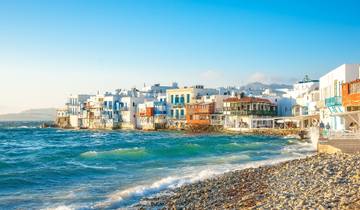
5 days
Mykonos & Santorini Experience – Premium
- ✓ Comprehensive Cyclades Greece tour
- ✓ Expert local guides included
- ✓ All accommodation arranged
- ✓ Transportation provided

3 days
3-Day Mykonos & Santorini for Couples: Oia Sunset & Little Venice
- ✓ Comprehensive Cyclades Greece tour
- ✓ Expert local guides included
- ✓ All accommodation arranged
- ✓ Transportation provided
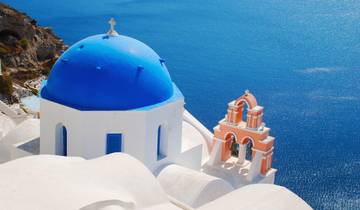
5 days
Mykonos & Santorini Tour: 5-Day Greek Island Escape
- ✓ Booking needs min. 2 travelers
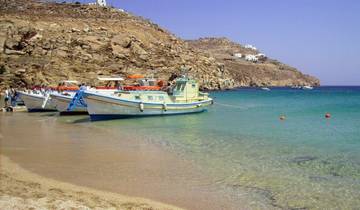
8 days
Island Hopping Greek Islands Delights: Mykonos, Paros, Santorini
- ✓ Comprehensive Cyclades Greece tour
- ✓ Expert local guides included
- ✓ All accommodation arranged
- ✓ Transportation provided
Multi-day tour packages powered by TourRadar. Prices and availability subject to change.
Introduction to the Cyclades Archipelago in 2026
The Cyclades islands have captivated travelers since ancient times when the archipelago served as a crucial maritime crossroads connecting mainland Greece, Crete, and Asia Minor. The name “Cyclades” derives from the Greek word “kyklos” meaning circle, referencing how the islands form a rough ring around the sacred island of Delos, birthplace of Apollo and Artemis according to Greek mythology. This geographic arrangement created a natural amphitheater that fostered one of the most distinctive architectural traditions in the Mediterranean world.
Modern travelers discover an archipelago where approximately 20 significantly inhabited islands each maintain unique character while sharing recognizable Cycladic elements. Santorini’s volcanic caldera creates the most dramatic island landscape in Greece, with villages perched impossibly on 300-meter cliffs overlooking an active submarine volcano. Mykonos evolved from quiet fishing village to international party capital, attracting celebrities and nightlife enthusiasts with its maze-like streets and legendary beach clubs. Naxos, the largest Cycladic island, combines ancient marble quarries, Venetian fortresses, and Greece’s finest beaches into a surprisingly affordable package. Paros strikes the perfect middle ground with enough development for comfort yet sufficient authenticity for cultural immersion.
The 2026 travel season brings several practical changes affecting Cyclades visitors. The European Travel Information and Authorization System (ETIAS) launches for non-EU travelers, requiring online authorization before arrival at no cost for the initial rollout. Local climate and tourism taxes introduced across Greek islands add €0.50-4 per night depending on accommodation category, collected at checkout. Ferry companies continue transitioning to lower-emission fuels under Mediterranean environmental regulations, contributing to 20-25% price increases compared to 2023-2024 rates. Despite these adjustments, the Cyclades remain remarkably accessible compared to other premier Mediterranean destinations, with comprehensive ferry networks, diverse accommodation options, and tourism infrastructure refined over decades.
Environmental and cultural preservation efforts intensify across the archipelago as islands balance tourism revenue with sustainability. Santorini implements strict cruise ship limits to manage daily visitor numbers, while several islands enforce single-use plastic bans and promote electric vehicle adoption. Delos maintains its UNESCO World Heritage status through carefully managed visitor protocols that limit daily arrivals and restrict access to sensitive archaeological areas. These measures ensure the Cyclades archipelago preserves its natural beauty and cultural authenticity for future generations while continuing to welcome travelers seeking the authentic Greek island experience.
Planning a Cyclades journey requires understanding the archipelago’s seasonal rhythms and geographic realities. The islands spread across approximately 2,500 square kilometers of Aegean Sea, making comprehensive exploration in a single visit unrealistic for most travelers. Ferry schedules dictate itinerary possibilities, with some island connections operating daily while others run just 2-3 times weekly. High-season overcrowding on Santorini and Mykonos contrasts sharply with the tranquil emptiness of islands like Sikinos or Anafi. This guide provides the verified 2026 information needed to craft personalized Cyclades adventures matching individual preferences, budgets, and time constraints.
Transportation Between Islands in the Cyclades 2026
Ferry travel costs between Cyclades islands in 2026 range €10-150 per route depending on distance, vessel type, and seasonal demand. Athens serves as the primary gateway, with ferries departing from three ports: Piraeus handles most Cycladic routes with up to 30 daily departures in summer; Rafina offers faster access to northern Cyclades islands including Mykonos, Tinos, and Andros; Lavrio serves western Cyclades destinations like Kea and Kythnos. Inter-island connections create an extensive network allowing movement between most major destinations without returning to Athens.
Conventional ferries operated by Blue Star Ferries and Hellenic Seaways represent the most economical option, with Athens to Santorini costing €71 for economy deck seating. These massive multi-deck vessels accommodate 1,500+ passengers plus vehicles, feature outdoor deck areas for viewing, and include restaurants, cafes, and comfortable indoor lounges. Journey times range 4-9 hours depending on intermediate stops, with overnight routes offering cabin options (€30-60 supplement) for comfortable sleeping. Conventional ferries prove significantly more stable in rough seas, making them ideal for travelers prone to seasickness.
High-speed catamarans operated primarily by SeaJets cut travel times nearly in half but cost 40-60% more than conventional vessels. The same Athens-Santorini route costs €108 on high-speed ferries completing the journey in 4-5 hours versus 7-9 hours on conventional boats. These vessels feature airplane-style seating with no outdoor deck access, air conditioning, and limited food service. Catamarans operate less reliably in strong winds (common in the Cyclades), with cancellations more frequent than conventional ferries. They excel for travelers prioritizing time efficiency over budget considerations.
Popular inter-island routes and typical 2026 costs include Rafina to Mykonos (from €38, 2.5-4 hours), Rafina to Naxos (from €43, 3-5 hours), Mykonos to Santorini (€45-75, 2-3 hours), and Naxos to Paros (€10-15, 45 minutes). The Small Cyclades cluster offers exceptionally affordable connections, with Naxos to Koufonisia, Iraklia, or Schinoussa costing just €6-8 for routes under one hour. These budget-friendly connections make the Small Cyclades ideal for extended island-hopping without depleting budgets on transportation.
Booking strategies significantly impact costs and availability. For high-season travel (June-September), reserve ferry tickets 2-3 months in advance to secure preferred times and access early-booking discounts of 10-20%. Popular routes like Athens to Santorini or Mykonos to Paros sell out completely during July-August weekends. FerryHopper.com and Direct Ferries provide user-friendly English-language booking with e-tickets accepted by all major operators, eliminating physical ticket collection requirements. Tickets purchased directly from ferry company websites offer identical pricing without booking fees, though multi-route itinerary planning becomes more cumbersome.
Shoulder season (April-May, September-October) travelers enjoy greater flexibility, with tickets bookable 1-2 weeks ahead without sell-out risk. Ferry frequencies reduce in shoulder months, with daily routes becoming 4-5 weekly, requiring careful schedule verification when planning multi-island itineraries. Off-season (November-March) sees dramatically reduced service, with some routes operating just 2-3 times weekly and several smaller islands losing all connections for weeks at a time. Winter travel demands maximum flexibility and backup plans for weather-related cancellations.
Vehicle transportation adds €40-120 per car depending on route length, necessary only for travelers planning extensive exploration of larger islands like Naxos, Paros, or Milos. Car rental at individual island destinations typically proves more economical than transporting a single vehicle across multiple islands. Bicycles travel free or for minimal charges (€5-10) on most ferries, while motorcycles cost €15-30. Luggage restrictions remain generous, with 2-3 suitcases per passenger accommodated without additional fees on most routes.
Six Cycladic islands maintain airports with domestic flights from Athens: Santorini (JTR), Mykonos (JMK), Naxos (JNX), Paros (PAS), Milos (MLO), and Syros (JSY). Flight costs range €60-180 one-way depending on advance booking and season, with journey times of 35-50 minutes. Flights make sense for travelers with limited time, those arriving from international connections through Athens, or visitors prioritizing just 1-2 islands over extensive island-hopping. The environmental impact of flights versus ferries deserves consideration, with ferry travel producing significantly lower per-passenger carbon emissions.
Accommodation Options Across the Cyclades 2026
Cyclades accommodation costs in 2026 span an enormous range reflecting the archipelago’s diversity, from €49 budget hostels to €800+ luxury caldera suites. Prices fluctuate dramatically by season, island popularity, and proximity to main towns or beaches. Understanding accommodation categories and booking strategies enables travelers to secure appropriate lodging matching budgets and preferences.
Budget accommodation (€49-104 per night) includes hostel dormitories at €15-25 per bed, hostel private rooms at €30-60, basic guesthouses at €40-70, and simple studios at €50-90. Budget options concentrate in major tourism centers like Fira (Santorini), Mykonos Town, Naxos Town (Chora), and Parikia (Paros), with fewer choices on smaller islands. Santorini and Mykonos push budget accommodation to the higher end of these ranges, while Naxos, Paros, Milos, and Ios offer better value. Budget properties typically include air conditioning, private bathrooms (in private rooms/studios), and basic kitchenettes, but lack pools, sea views, or extensive amenities.
Mid-range hotels (€100-200 per night) represent the sweet spot for most travelers, offering comfortable rooms with modern amenities, swimming pools, breakfast service, and often stunning views or beach proximity. This category includes 3-4 star hotels, boutique properties, traditional cave houses, and upgraded studios with terraces. Mid-range accommodation in Santorini caldera villages reaches €150-200 even for modest rooms, reflecting the premium location demand. Paros, Naxos, and Milos deliver superior value in this category, with excellent €100-150 properties featuring pools, sea views, and personalized service.
Luxury resorts and villas (€200-400+ per night) provide premium experiences with infinity pools, spa facilities, gourmet restaurants, and concierge services. Santorini’s caldera-edge properties command €300-800 for suites with private plunge pools and volcano views, positioning among Greece’s most expensive accommodations. Mykonos beach resorts with beach clubs and celebrity-chef restaurants similarly reach €250-600 nightly. Lesser-known islands like Tinos, Sifnos, or Folegandros offer boutique luxury at €200-350, providing high-end experiences without Santorini/Mykonos premiums.
Seasonal pricing variations create dramatic cost differences. Peak season (July-August) sees accommodation costs increase 50-100% compared to shoulder months, with Santorini caldera hotels reaching their annual maximum. June and September maintain elevated but more reasonable pricing at 30-50% above May/October rates. April-May and late September-October offer the best value-to-weather ratio, with comfortable temperatures, reduced crowds, and accommodation costs 40-60% below peak. November-March brings rock-bottom pricing (€30-80 for mid-range properties) but many hotels close entirely, particularly on smaller islands.
Location significantly impacts pricing and experience. Santorini’s caldera-edge villages (Oia, Fira, Imerovigli, Firostefani) command premium rates for sunset views and iconic scenery but involve steep staircases and limited parking. East coast locations like Kamari or Perissa offer beach proximity and easier access at 40-60% lower costs. Mykonos accommodation near town or famous beaches (Paradise, Super Paradise) costs more than quieter areas like Ornos or Elia. Naxos sprawls enough that beachfront, town-center, and mountain village accommodations serve different traveler types at varying price points.
Booking strategies for 2026 include reserving high-season accommodation 3-4 months ahead for popular islands and locations. Shoulder season allows 1-2 month advance booking, while off-season visitors can often secure same-week reservations. Booking.com and Airbnb dominate the Cyclades accommodation market, with extensive inventory and competitive pricing. Direct hotel bookings occasionally yield 5-10% discounts or upgrade opportunities, particularly for multi-night stays. Package deals combining flights and hotels through major travel agencies rarely beat independent booking flexibility and pricing.
Accommodation types beyond standard hotels include traditional cave houses unique to Santorini (€100-300), windmill conversions on Mykonos (€150-400), beachfront studios (€60-150), and village houses in mountain communities (€50-120). Airbnb entire apartments and houses provide excellent value for families or groups, with 2-3 bedroom properties in non-caldera Santorini locations ranging €120-200 versus €300-600 for equivalent hotel rooms. Kitchen facilities enable meal preparation, significantly reducing daily food costs.
Dining and Food Expenses in the Cyclades 2026
Food costs in the Cyclades range €2.50-60+ per meal depending on venue type, location, and menu selections. Greek cuisine emphasizes fresh ingredients, simple preparation, and generous portions, with island specialties incorporating abundant seafood, local cheeses, and vegetables. Understanding dining options and typical costs enables effective budget planning while maximizing culinary experiences.
Quick-service meals represent the most economical dining option, with gyros and souvlaki wraps costing €2.50-3.50 at dedicated shops found in every town. These filling portions of grilled meat, vegetables, and tzatziki wrapped in pita bread provide excellent value for budget-conscious travelers. Bakeries sell spanakopita (spinach pie), tiropita (cheese pie), and other savory pastries for €2-4, perfect for breakfast or lunch. Supermarkets enable self-catering with staples like bread (€1-2), feta cheese (€3-5 per package), tomatoes and vegetables (€1-3 per kilo), and local wine (€4-8 per bottle).
Traditional tavernas serve authentic Greek cuisine at moderate prices, with complete dinners costing €25-40 per person including appetizers, main course, and house wine. Typical meals include Greek salad (€5-8), grilled fish or meat mains (€10-18), and bread/dips (€3-5). Taverna pricing varies significantly by island and location, with tourist-heavy areas commanding 20-40% premiums. Seeking tavernas frequented by locals, often in side streets away from main squares or waterfronts, yields better value and more authentic experiences.
Mid-range restaurants with elevated presentations, wine lists, and waterfront locations charge €15-25 for main courses and €40-60 per person for complete dinners with wine. These establishments offer refined Greek cuisine using quality local ingredients while maintaining accessible pricing. Seafood restaurants specializing in fresh catches price by weight (€45-65 per kilo for fish), with complete seafood dinners easily reaching €50-80 per person when including appetizers, sides, and wine.
Fine dining restaurants, concentrated in Santorini and Mykonos, feature celebrity chefs, tasting menus, and premium wine cellars with costs exceeding €80-150 per person. Santorini’s caldera-view restaurants combine exceptional cuisine with sunset vistas, justifying premium pricing for special occasions. Several Cycladic restaurants hold Michelin recognition, offering world-class dining at €100-200+ per person for multi-course experiences.
Breakfast costs depend heavily on accommodation type and personal preferences. Hotels including breakfast eliminate this expense, with buffets ranging from simple (bread, coffee, yogurt) to elaborate spreads with hot items, fresh fruits, and local specialties. Cafes charge €5-10 for continental breakfast (coffee, pastry, orange juice) or €8-15 for full Greek breakfast including eggs, bread, cheese, and honey. Supermarket breakfast supplies cost €3-6 per person for yogurt, bread, cheese, and fruit.
Lunch options range from €8-20 depending on venue and selections. Seaside tavernas offer lunch specials at €10-15 including salad and main course, ideal for midday meals. Many Greeks traditionally eat their main meal at lunch, with tavernas offering better value lunch portions than dinner service. Cafes serve light lunches like sandwiches, salads, or pasta dishes for €8-12.
Coffee culture permeates Greek island life, with freddo espresso (iced espresso) and freddo cappuccino dominating summer consumption. Cafe drinks cost €2-4 for coffee, €3-5 for freddo variations, and €4-6 for cocktails or specialty beverages. Waterfront cafes in prime locations charge 20-30% premiums for sea views and people-watching opportunities.
Wine and alcohol pricing remains reasonable compared to Northern European destinations. House wine at tavernas costs €8-12 per liter or €3-5 per glass, with quality ranging from basic to surprisingly good local production. Greek beers like Mythos or Alpha cost €3-4 in tavernas, €1.50-2.50 in supermarkets. Cocktails range €8-15 depending on venue, with beach clubs and famous bars charging €12-18. Spirits and cocktails at supermarkets (€15-25 per bottle) enable economical pre-drinking for nightlife-focused travelers.
Island-specific costs reflect development levels and tourist concentration. Santorini and Mykonos command 30-50% premiums across all dining categories, with gyros reaching €5-6 and taverna dinners €35-50. Naxos, Paros, and Milos offer better value at 10-20% below Cyclades averages. Smaller islands like Folegandros, Sikinos, or Sifnos maintain limited dining options but reasonable pricing similar to or below Naxos levels. Extremely remote islands like Anafi or Shinoussa offer minimal restaurant choices, requiring self-catering expectations.
Budget Planning for the Cyclades 2026
Daily travel budgets for the Cyclades in 2026 range €60-240+ per person depending on accommodation choices, dining preferences, and activity selections. Understanding category breakdowns enables realistic planning and prevents budget overruns while maximizing experiences. These budgets exclude international flights but include inter-island ferries, accommodation, meals, and activities.
Budget backpacker style (€60-95 per day) emphasizes cost minimization while maintaining basic comfort. Accommodation in hostel dormitories costs €15-25 nightly, with budget hotels or hostels with private rooms at €30-60 for those desiring privacy. Food expenses stay controlled through supermarket breakfast (€3-5), lunch gyros or bakery items (€3-5), occasional taverna dinner (€12-20), with one self-prepared meal reducing costs further. Transportation relies on conventional ferries (€10-15 average per route) and walking or local buses on islands (€2-5 daily). Free activities like beach time, town wandering, and hiking consume most days, with budget allocation for 1-2 paid attractions weekly (€5-15 each). This budget level excludes expensive islands like Santorini and Mykonos or restricts visits to 1-2 nights while focusing on affordable alternatives like Naxos, Paros, Ios, or Milos.
Mid-range independent traveler (€100-150 per day) achieves comfortable experiences without excessive luxury. Accommodation in decent hotels or studios costs €60-100 in shoulder season or on mid-priced islands, providing private bathrooms, air conditioning, and often pools or sea views. Food budget allocates €30-40 daily including cafe breakfast (€6-10), taverna lunch (€12-18), and restaurant dinner with wine (€20-30), allowing occasional splurges for special meals. Transportation uses conventional ferries with occasional high-speed upgrades for time savings (€15-25 average per route). Activities budget covers multiple paid entries, boat tours, or wine tastings (€20-40 daily). This level enables comfortable stays on all islands including Santorini and Mykonos, though accommodation location compromises may be necessary in peak season.
Comfort-focused traveler (€150-240 per day) emphasizes quality accommodation, diverse dining, and comprehensive activities. Hotels in the €100-180 range provide excellent amenities, views, and locations even in high season or expensive islands. Food budget of €50-80 daily covers all restaurant meals, higher-end tavernas, occasional fine dining, and liberal wine/cocktail consumption. Ferry travel prioritizes high-speed options reducing transit time (€30-50 average per route). Activity budget of €40-80 daily enables daily boat tours, archaeological site visits, wine tastings, and water sports without constraints. This budget level permits caldera-edge accommodation in Santorini (in shoulder season), Mykonos beach hotels, and premium boutique properties across the archipelago.
Luxury traveler (€240+ per day) prioritizes premium experiences, top-tier accommodation, and unrestricted activities. Caldera suites in Santorini (€200-400+), Mykonos beach resorts (€250-600), and boutique luxury properties elsewhere define accommodation standards. Dining emphasizes fine restaurants, wine-pairing dinners, and celebrity-chef establishments (€80-150+ daily). Private boat charters, helicopter transfers, and exclusive tours elevate experiences (€100-300+ daily for activities). This category frequently exceeds €400-500 daily per person during peak season in premium locations.
Sample 7-day Cyclades itineraries demonstrate budget variations. Budget backpacker visiting Naxos (3 nights), Paros (2 nights), and Antiparos (2 nights) spends approximately €490-665 total including €105-175 accommodation, €140-210 food, €50-80 ferries, €20-40 local transport, €35-70 activities, and €140-210 buffer for variables. Mid-range traveler covering Santorini (3 nights), Naxos (2 nights), and Mykonos (2 nights) spends €700-1,050 total including €420-700 accommodation, €210-280 food, €90-150 ferries, €30-60 local transport, €140-280 activities, and €210-280 buffer. These totals exclude international flights to/from Greece.
Cost-saving strategies significantly reduce expenses without sacrificing experiences. Traveling in shoulder seasons (April-May, September-October) cuts accommodation costs 30-60% while maintaining pleasant weather and functional infrastructure. Focusing on less-developed islands like Naxos, Paros, Milos, Sifnos, or Folegandros instead of Santorini and Mykonos saves 30-50% on accommodation and dining. Preparing some meals using supermarket ingredients reduces food costs by 40-60% compared to all restaurant dining. Conventional ferries instead of high-speed catamarans save 40% on transportation while providing more comfortable, stable crossing experiences. Free activities like beach time, town exploration, and hiking fill days between occasional paid attractions.
Peak season visitors (July-August) should add 40-60% to all budget categories for accommodation premium, higher ferry demand, and restaurant inflation. Santorini and Mykonos require particularly generous budgets in peak months, with even basic accommodation starting €120-150 and meals costing 20-30% more than other islands. Flexible travelers who can visit Wednesday-Thursday instead of Friday-Sunday weekends save 15-25% on weekend pricing premiums affecting ferries and some hotels.
Essential UNESCO World Heritage Site: Delos Archaeological Island
Delos stands as the Cyclades archipelago’s sole UNESCO World Heritage Site, inscribed in 1990 for its exceptional archaeological significance and unique testimony to Aegean civilizations spanning three millennia. The entire island constitutes a protected archaeological site, uninhabited since the 7th century AD, preserving one of the Mediterranean’s most important sanctuary complexes. Understanding Delos’s historical importance and practical visiting logistics enriches any Cyclades journey with profound cultural and historical depth.
The island’s significance derives from its role as pan-Hellenic religious center dedicated to Apollo and Artemis from the 7th century BC until destruction by Athenodoros in 69 BC. According to Greek mythology, Delos emerged from the sea to provide safe birthplace for Apollo and his twin sister Artemis when their pregnant mother Leto fled Hera’s jealous wrath. This divine origin story elevated Delos to sacred status, with Greeks from across the Mediterranean making pilgrimages to honor Apollo through the centuries.
Archaeological remains spread across the small island (3.5 square kilometers) document successive civilization layers from the 3rd millennium BC through the early Christian era when Delos served as the Cyclades’ bishopric seat. The sanctuary complex includes the imposing Terrace of the Lions, where seven marble lion statues (originally nine) guard the Sacred Way leading to Apollo’s temple. These Naxian marble sculptures, dating to approximately 600 BC, rank among ancient Greece’s most iconic monuments, with originals now protected in the site museum while exact replicas occupy their historical positions.
The Temple of Apollo complex showcases Classical Greek architectural development through multiple construction phases. The Temple of the Delians, completed in the 5th century BC, demonstrates Doric order principles while the later Athenian additions reflect evolving architectural styles. The site preserves exceptional examples of domestic architecture in the Theater Quarter, where wealthy merchants built elaborate houses featuring stunning floor mosaics. The House of Dionysus contains remarkably preserved mosaic floors depicting the god riding a panther, demonstrating the artistic sophistication achieved in Hellenistic Delos.
Archaeological excavations beginning in the 19th century uncovered treasures now distributed among Greece’s premier museums, including thousands of sculptures, inscriptions, and decorative elements documenting religious practices and daily life. The on-site Archaeological Museum of Delos displays many findings in situ, helping visitors contextualize the ruins while protecting delicate artifacts from weather exposure. The museum’s collection includes archaic kouroi statues, Classical sculptures, and household items illuminating ancient Mediterranean trade networks.
Visiting Delos requires careful planning as the island maintains no accommodation, restaurants, or permanent population. Day trips from Mykonos operate daily in summer (April-October) with reduced frequency in shoulder months and minimal winter service. Boats depart Mykonos Old Port between 9:00-10:00 AM, allowing 3-4 hours of site exploration before mandatory return departures around 1:00-3:00 PM. Ferry costs range €20-25 round-trip, with site entry costing €12 (€6 reduced rate for students/seniors). Combined tickets covering ferry and entry simplify logistics.
The archaeological site’s scale and sun exposure demand physical preparation and appropriate equipment. Walking circuits range 2-5 kilometers depending on areas explored, crossing uneven ancient paving stones and climbing moderate hills for panoramic views. Summer temperatures frequently exceed 30°C with minimal shade, making sun protection, covered clothing, sturdy walking shoes, and substantial water supplies (1.5-2 liters per person) essential. The site provides no food services or drinking water beyond entrance area fountains, requiring visitors to bring complete provisions for their stay.
Guided tours enhance understanding of complex archaeological remains that appear as scattered stone foundations without proper interpretation. English-language group tours from Mykonos (€50-70) include ferry transport, site entry, and 2-hour guided exploration highlighting major monuments and historical context. Audio guides available at the entrance (€5) provide self-paced alternative for independent learners. Serious archaeology enthusiasts should allocate 4-5 hours for thorough exploration, while casual visitors find 2-3 hours sufficient for major highlights.
UNESCO recognition brings rigorous preservation requirements limiting visitor impact and guiding conservation priorities. The Ephorate of Antiquities of Cyclades manages the site under Ministry of Culture supervision, implementing ongoing conservation programs addressing weather damage, structural stabilization, and mosaic protection. Climate change concerns intensify with rising sea levels threatening coastal structures and increased summer temperatures accelerating stone deterioration. Visitor management balances accessibility with preservation, restricting access to certain fragile areas while maintaining pathways through major monument zones.
Delos’s archaeological significance extends beyond individual monuments to its role demonstrating Hellenistic urbanism, religious practice evolution, and Mediterranean trade networks. The site preserves rare evidence of ancient harbor infrastructure, commercial districts, and residential neighborhoods rarely surviving in such completeness elsewhere in Greece. For travelers seeking deeper Cyclades engagement beyond beaches and sunsets, Delos provides unparalleled connection to the ancient civilizations that shaped Western culture, justifying its UNESCO designation and continued archaeological study.
Best Time to Visit the Cyclades in 2026
Selecting optimal Cyclades travel months in 2026 requires balancing weather conditions, tourist crowds, pricing levels, and service availability. The archipelago experiences dramatic seasonal variations affecting every aspect of the visitor experience, from hotel costs to ferry schedules to island atmosphere.
May stands as the prime month for Cyclades travel in 2026, offering the ideal combination of pleasant weather, moderate crowds, reasonable prices, and full service availability. Temperatures reach comfortable 22-25°C during daytime with cooler evenings around 16-18°C, perfect for sightseeing without excessive heat. Sea temperatures approach 18-20°C, acceptable for hardy swimmers while others enjoy beaches without swimming. Rainfall decreases significantly from April levels, with occasional brief showers unlikely to disrupt plans. Hotel prices remain 30-50% below July-August peaks while providing full amenity access including pools, restaurants, and activities. Ferry schedules operate near-summer frequency with daily departures to major islands and 4-6 weekly service to smaller destinations.
September represents the second-best month, delivering exceptional weather with summer warmth minus peak crowds and costs. Temperatures maintain pleasant 24-28°C days and 20-22°C evenings, while seawater reaches annual maximum warmth at 24-25°C, ideal for extended swimming. Rainfall remains minimal until late-month, with settled weather patterns continuing from summer. Tourist numbers decline noticeably after mid-September as families return home for school, creating more relaxed atmosphere while maintaining full services. Accommodation costs drop 20-40% from August levels while weather quality often exceeds summer months with less intense heat and occasional cooling breezes.
June and early October serve as secondary shoulder months offering good conditions with minor compromises. June temperatures build toward summer peaks (25-30°C) with rapidly warming seas (21-23°C) perfect for swimming. Tourist numbers increase substantially compared to May, approaching but not matching July-August intensity. Hotel prices rise 20-30% above May levels as high season approaches. October maintains warm temperatures (22-26°C) and excellent sea conditions (22-24°C) through mid-month before cooling accelerates late-month. Rainfall increases slightly from September, with occasional autumn storms more likely but still infrequent. Ferry schedules begin reducing after mid-October as winter approaches.
July and August constitute absolute peak season, delivering guaranteed excellent weather at maximum cost and crowd levels. Daily temperatures regularly exceed 30-32°C with intense sun requiring midday shade seeking. The famous Cycladic meltemi winds blow strongly and consistently, cooling afternoons but occasionally disrupting ferry schedules and creating choppy seas. These months guarantee minimal rainfall and consistent sunshine but bring overwhelming tourist numbers to popular islands. Santorini and Mykonos become genuinely crowded with long restaurant waits, packed beaches, and congested streets. Accommodation costs peak 50-100% above shoulder months, with advance booking 2-3 months ahead essential for securing preferred lodging. Ferry schedules reach maximum frequency but vessels often sell out on popular routes, requiring early reservation.
April marks the shoulder season beginning, offering budget-conscious travelers acceptable conditions with significant limitations. Temperatures range 18-22°C, pleasant for sightseeing but cool for beach lounging. Sea temperatures at 15-17°C prove too cold for most swimmers, limiting beach activities to sunbathing. Rainfall occurs more frequently than later months though not typically disruptive. Hotels offer excellent value at 40-60% below summer rates, with many properties offering free upgrades or package deals to attract early-season visitors. Some hotels and restaurants remain closed from winter, gradually reopening through the month. Ferry schedules operate at moderate frequency with daily service to major islands but reduced routes to smaller destinations.
Late October through March constitutes off-season when the Cyclades essentially hibernate. Temperatures drop to 12-18°C in November-December, cold and often rainy with strong winds. January-February bring coldest conditions (10-15°C) with frequent storms and rough seas. Many hotels close completely, restaurants operate limited hours or shut down, and shops reduce schedules or close temporarily. Ferry service becomes minimal with some routes running just 2-3 times weekly and cancellations common due to weather. This period suits only adventurous travelers willing to accept minimal services and potential disruptions in exchange for near-empty islands, rock-bottom pricing, and authentic local life absent tourist influence.
Specific 2026 considerations include Greek Orthodox Easter falling April 20, creating elevated demand and pricing for late April despite being shoulder season. European school holidays in mid-July through August intensify peak season crowds as Italian, French, and German families vacation simultaneously. September’s first two weeks maintain near-August crowds before mid-month relief, while the final week sees services beginning winter transitions with some establishments closing early.
Weather reliability increases dramatically from May onward, with settled conditions and minimal rainfall through September. Strong winds affect all summer months but peak in July-August, occasionally disrupting ferry schedules and creating uncomfortable beach conditions despite high temperatures. Travelers requiring guaranteed calm seas should prioritize May-June or September-early October over July-August despite the latter’s higher temperatures.
Top Cyclades Islands for Different Traveler Types in 2026
The Cyclades archipelago’s 220+ islands cater to dramatically different traveler preferences, from party-focused hedonists to solitude-seeking escapists. Matching individual priorities with appropriate island selections ensures satisfying experiences while avoiding mismatches that disappoint visitors expecting different atmospheres or amenities.
Santorini serves iconic romance-seekers, honeymooners, and sunset photographers willing to pay premiums for the Cyclades’ most dramatic landscapes. The volcanic caldera creates unparalleled natural scenery with villages perched impossibly on 300-meter cliffs overlooking active submarine volcano. Accommodation ranges from basic rooms at €80-120 to luxury caldera-edge suites at €400-800 in peak season. The island’s fame brings overwhelming crowds July-August, with 2-3 cruise ships daily depositing thousands of visitors into already-packed Oia and Fira. Santorini excels in shoulder months (April-May, September-October) when crowds diminish while weather and views remain exceptional. Archaeological enthusiasts appreciate ancient Akrotiri, the “Minoan Pompeii” preserving 3,600-year-old settlement buried by volcanic eruption. Wine tourism thrives with 15+ wineries offering tastings of unique volcanic-soil varietals like Assyrtiko. Budget travelers struggle with Santorini’s costs and should limit stays to 2-3 nights while basing elsewhere.
Mykonos attracts nightlife enthusiasts, LGBTQ+ travelers, and cosmopolitan visitors seeking world-class beach clubs, celebrity chef restaurants, and legendary parties. The island’s compact maze of whitewashed lanes in Mykonos Town creates postcard-perfect Cycladic architecture while harboring luxury boutiques, fine dining, and sophisticated bars. Paradise Beach and Super Paradise Beach host famous beach clubs with DJ sets, pool parties, and beautiful crowds from afternoon through dawn. Accommodation costs rival or exceed Santorini at €100-600+ depending on season and property. Gay travelers find exceptionally welcoming atmosphere with dedicated establishments and inclusive beach culture. Families and quiet-seekers should avoid Mykonos entirely, as the island’s core identity centers on upscale hedonism and nightlife. July-August bring peak party season with international DJs and celebrities, while shoulder months offer more relaxed vibe at lower costs.
Naxos provides the perfect introduction to Cycladic culture for first-time visitors, families, and budget-conscious travelers. As the largest Cycladic island, Naxos combines excellent beaches, mountain villages, Venetian fortresses, and ancient marble quarries into affordable package. Accommodation costs 30-50% less than Santorini/Mykonos at €50-150 for quality hotels. Extensive beach options suit different preferences from sheltered south-coast bays to exposed west-coast surf spots. Mountain villages like Apiranthos and Halki preserve traditional architecture and local culture largely untouched by tourism. Food costs remain reasonable with excellent tavernas at €15-30 per person. The island’s size enables multi-day exploration revealing new beaches, villages, and landscapes daily. Families appreciate safe beaches, affordable accommodation, and diverse activities keeping children engaged.
Paros offers balanced experiences appealing to diverse travelers through excellent combination of beaches, charming villages, and reasonable pricing. Parikia (the port/capital) and Naoussa (fishing village turned resort) provide contrasting town atmospheres within 12 kilometers. Beaches range from organized with facilities to secluded coves requiring effort. Accommodation costs align with Naxos at €60-180 for good options. The island attracts water sports enthusiasts with consistent winds perfect for windsurfing and kitesurfing. Neighboring Antiparos, reached by 10-minute ferry, offers even quieter alternative with small-island charm. Paros works well for travelers wanting Mykonos polish without Mykonos prices or Santorini views without Santorini crowds.
Milos appeals to nature lovers, photographers, and travelers prioritizing dramatic landscapes over tourism infrastructure. The volcanic island features 70+ beaches with extraordinary geological diversity including white cliffs, black sand, and multicolored volcanic formations. Sarakiniko’s white lunar-landscape rocks and Kleftiko’s sea caves rank among Greece’s most photographed natural wonders. Tourism development lags behind Santorini/Mykonos, resulting in fewer luxury hotels but more authentic atmosphere and lower costs (€50-150 for quality accommodation). Visitors require rental car for effective exploration as beaches scatter widely with limited public transport. Milos suits independent travelers comfortable with self-directed exploration and basic infrastructure in exchange for spectacular natural beauty.
Folegandros attracts solitude-seekers, hikers, and travelers escaping mass tourism for dramatic clifftop villages and unspoiled character. The tiny island (32 square kilometers, 700 permanent residents) preserves traditional culture largely unchanged by tourism. Chora village perches spectacularly on cliffs 200 meters above sea, accessible only by foot through car-free lanes. Accommodation remains limited and traditional at €60-120, requiring advance booking in peak months. Beaches require hiking or boat access, discouraging day-trippers and maintaining peaceful atmosphere. The island suits those willing to trade luxury amenities for authentic experiences and dramatic landscapes.
Ios combines exceptional beaches with legendary nightlife, attracting backpackers and young travelers (20s-30s) seeking party atmosphere and social scene. The island evolved from 1970s hippie haven to organized party destination while maintaining beautiful beaches and affordable prices. Chora’s compact village hosts dozens of bars creating vibrant nightlife rivaling Mykonos without luxury price tags. Accommodation costs €40-100 with plentiful hostels enabling backpacker budgets. Mylopotas Beach provides long sandy stretch with beach bars and water sports. The island transitions from party central July-August to relaxed beach destination in shoulder months, appealing to different audiences depending on timing.
Sifnos serves food enthusiasts and relaxation-seekers through refined cuisine, beautiful villages, and established tourism infrastructure without overdevelopment. The island boasts exceptional culinary reputation with numerous noted restaurants and tavernas serving traditional dishes. Apollonia (capital) and Kastro (medieval village) preserve Cycladic architecture and peaceful atmosphere. Beaches range from organized to isolated, satisfying different preferences. Accommodation costs €70-180 for quality hotels in attractive settings. Sifnos appeals to mature travelers (30s+) seeking comfort, good food, and cultural experiences over parties or extreme adventure.
Remote islands including Amorgos, Sikinos, Anafi, and Shinoussa attract hardcore escapists and experienced Greece travelers seeking extreme tranquility and minimal tourism. These destinations feature limited accommodation (€40-80), few restaurants, and minimal infrastructure requiring self-sufficiency and flexibility. Ferry connections operate infrequently (2-4 times weekly), demanding longer stays and backup plans for weather disruptions. The rewards include near-empty beaches, authentic local culture, rock-bottom costs, and escape from anything resembling crowds. These islands suit only travelers comfortable with basic conditions, limited choices, and potential isolation.
Activities and Attractions Across the Cyclades 2026
Cyclades activities extend far beyond beaches and sunsets, encompassing archaeological sites, water sports, hiking, cultural experiences, and culinary adventures. Understanding activity options and typical costs enables comprehensive itinerary planning balancing different experience types.
Archaeological sites and museums provide cultural depth throughout the archipelago. Delos UNESCO site requires dedicated day trip from Mykonos (€20-25 ferry, €12 entry). Santorini’s ancient Akrotiri preserves remarkable Bronze Age settlement (€12 entry), while the Archaeological Museum of Thera in Fira displays findings (€8 entry). Naxos preserves Portara, the massive marble doorway of unfinished Apollo temple, accessible freely on harbor peninsula. Paros features the Byzantine Panagia Ekatontapyliani church complex in Parikia (free entry, donations welcomed). Most archaeological sites charge €6-12 entry with 50% reductions for students, seniors, and EU citizens. Several sites offer free entry on first Sunday monthly November-March.
Water activities dominate summer schedules across all islands. Boat tours range from budget group excursions (€40-70 per person) to private charters (€500-1,500+ for full-day). Santorini caldera boat tours (€70-120) include volcano hiking, hot springs swimming, and sunset viewing. Milos boat tours (€80-100) explore otherwise-inaccessible sea caves and remote beaches. Catamaran sunset cruises offering swimming, dinner, and sunset views cost €80-140 per person. Diving centers operate on major islands offering beginners’ experiences (€70-100) and certified dives (€50-80). Snorkeling equipment rents for €10-15 daily or purchases cost €20-40 at island shops.
Windsurfing and kitesurfing thrive on Paros, Naxos, and Mykonos where consistent summer meltemi winds create ideal conditions. Equipment rental costs €30-60 per session with lessons at €50-80 for beginners. Stand-up paddleboard (SUP) rental runs €15-25 daily with lessons available at €40-60. Jet ski rental costs €60-120 per hour depending on island and season. Sea kayaking tours explore coastal features for €50-90 per person on 3-4 hour excursions.
Hiking and walking trails traverse most islands, offering free exploration opportunities. Santorini’s caldera-edge path from Fira to Oia covers 10 kilometers with stunning views requiring 3-4 hours. Naxos mountain villages connect via ancient trails through dramatic landscapes. Amorgos features spectacular monastery hikes and mountain routes. Guided hiking tours (€50-80 per person) provide local knowledge and logistical support. Spring months (April-May) offer optimal hiking conditions with moderate temperatures, wildflowers, and green landscapes before summer drought.
Wine tourism flourishes particularly on Santorini where volcanic soil produces distinctive Assyrtiko varietals. Winery visits with tastings cost €15-35 per person, with premium experiences including food pairings at €40-80. Santorini, Paros, and Naxos maintain established wine routes with multiple wineries offering tours and tastings. Self-guided winery tours require rental car and designated driver, while organized tours (€60-100) include transport and multiple wineries.
Cooking classes enable hands-on Greek cuisine learning with typical costs of €70-120 per person for 3-4 hour sessions including meal consumption. Classes cover traditional dishes like moussaka, tzatziki, dolmades, and local specialties. Several islands offer farm-to-table experiences visiting local producers before cooking.
Rental vehicles enable independent island exploration. Cars cost €35-70 daily depending on season and vehicle type, with weekly rentals offering 20-30% discounts. ATVs/quad bikes rent for €25-45 daily, popular for small island exploration. Scooters cost €15-25 daily, requiring motorcycle licenses in most cases despite minimal enforcement. Bicycles rent for €10-18 daily, practical for flat terrain but challenging on hilly islands. Booking rental vehicles in advance ensures availability and often yields better rates than walk-up rental.
Sailing charters provide ultimate Cyclades exploration freedom. Bareboat charters for experienced sailors cost €2,000-5,000+ weekly depending on vessel size and season. Skippered charters adding professional captain cost €3,500-8,000+ weekly. Day sailing trips on shared boats run €80-150 per person including lunch and swimming stops. Private day charters cost €600-1,500+ for 4-8 people depending on vessel and itinerary.
Spa and wellness facilities operate at mid-range and luxury hotels across major islands. Treatments range from basic massages (€60-90) to comprehensive spa days (€150-300). Santorini’s caldera-view spa facilities justify premium pricing for exceptional settings. Budget travelers find basic massage and beauty services in island towns at €30-60.
Nightlife and entertainment vary dramatically by island. Mykonos leads with world-class clubs, beach parties, and DJ events costing €20-50 entry plus expensive drinks (€12-18 cocktails). Ios provides budget alternative with numerous bars and no entry fees but similar drink pricing. Santorini emphasizes sophisticated cocktail bars and sunset viewing rather than dance clubs. Paros and Naxos offer moderate nightlife with local bars and occasional events. Smaller islands provide minimal after-dark options beyond taverna dining and quiet drinks.
Photography workshops and tours cater to enthusiasts wanting to capture Cycladic beauty with expert guidance. Santorini sunset photography tours (€80-150) position participants at optimal locations with composition advice. Multi-day photography retreats (€800-2,000+) provide comprehensive instruction across various islands and conditions.
Practical Tips and Logistics for the Cyclades 2026
Successfully navigating the Cyclades requires understanding practical considerations ranging from currency and connectivity to safety and cultural norms. Addressing these logistics in advance prevents disruptions and enhances overall travel experiences.
Greece uses the Euro (EUR) as currency, with exchange rates fluctuating around €1 = $1.07 USD as of early 2026. ATMs operate in all towns and major villages, dispensing Euros in denominations from €10-50. Daily withdrawal limits typically range €400-600 depending on home bank settings. Transaction fees vary by bank, with many charging 2-3% foreign transaction fees plus €3-5 ATM operator charges. Travelers should verify fee structures with home banks before departure and consider fee-free travel credit cards for major purchases.
Credit cards (Visa, Mastercard) gain acceptance at hotels, restaurants, and shops in tourist areas, though many small tavernas and family businesses remain cash-only. American Express sees limited acceptance beyond luxury establishments. Contactless payments function at many locations. Travelers should carry €100-200 cash for small purchases, cash-only businesses, and emergencies. Currency exchange offices operate in major towns but offer unfavorable rates compared to ATM withdrawals.
Mobile connectivity and internet access vary significantly across islands. Major islands maintain good 4G coverage in towns and populated areas, deteriorating in remote beaches or mountain regions. Smaller islands often experience slower speeds and coverage gaps. European Union visitors benefit from regulation allowing domestic data plan usage throughout EU without roaming charges. Non-EU travelers should arrange international plans through home carriers (often expensive) or purchase Greek SIM cards upon arrival.
Greek SIM cards from providers like Cosmote, Vodafone, or Wind offer tourist packages at €15-35 providing 10-30GB data plus local calls for 30 days. SIM purchase requires passport presentation at official stores in Athens or larger islands. Most accommodations provide WiFi, ranging from excellent to barely functional depending on property and location. Cafes typically offer free WiFi to customers, useful for uploading photos or handling communications while enjoying coffee.
Electrical systems operate on 230V, 50Hz with Type C and Type F plugs (two round pins). North American devices require both voltage converters and plug adapters unless devices support 110-240V input (most modern electronics do). UK travelers need only plug adapters. Universal travel adapters (€15-25) provide flexibility across multiple countries. Hotels sometimes provide adapters upon request, though availability cannot be guaranteed.
Language considerations prove minimal as English proficiency remains high in tourist-facing businesses. Younger generations particularly demonstrate excellent English skills, while older locals may speak limited English but communicate effectively through gestures and goodwill. Learning basic Greek phrases (hello: “yassas”; thank you: “efharisto”; please: “parakalo”) demonstrates respect and appreciation for local culture. Restaurant menus typically feature English translations in tourist areas, with picture menus or pointing enabling communication where language barriers exist.
Water safety varies by location, with tap water generally potable on Andros but questionable on most Cycladic islands using desalination or tank systems. Bottled water costs €0.50-1.50 per 1.5-liter bottle at supermarkets, €1-2 at minimarkets, and €2-4 at restaurants. Travelers should drink bottled water on all islands except where accommodations confirm tap water potability. Restaurants automatically serve bottled water when customers request water, adding €1-3 to bills.
Safety and security present minimal concerns as the Cyclades maintain low crime rates and welcoming atmospheres. Petty theft occasionally targets tourists in crowded areas like ferry ports or popular beaches, requiring normal precautions with valuables. Violent crime remains extremely rare. Solo travelers, including women, generally feel safe exploring independently. Evening walks through villages pose no safety concerns. Travelers should exercise normal caution, secure belongings, and avoid isolated areas late at night.
Health and medical facilities vary by island size. Larger islands maintain hospitals or health centers with emergency services, while smaller islands may have only basic clinics with doctor availability limited to certain hours or days. Serious medical issues require ferry or helicopter evacuation to Syros, Athens, or Crete hospitals. Travel insurance covering medical evacuation proves essential for addressing potential health emergencies. Pharmacies operate in all towns, staffed by qualified pharmacists who advise on minor health issues and provide many medications over-the-counter that require prescriptions elsewhere.
Sun exposure requires serious attention as Mediterranean sun intensity exceeds northern latitudes, particularly June-August. High-SPF sunscreen (30-50+) costs €8-15 at pharmacies and supermarkets. Reapplication every 2 hours proves essential, especially after swimming. Lightweight long-sleeve shirts, wide-brimmed hats, and sunglasses protect against overexposure. Midday shade-seeking (12:00-16:00) when sun peaks reduces burn risk. Dehydration threatens travelers underestimating sun intensity and activity levels, requiring 2-3 liters daily water consumption, more during intense heat or physical activity.
Cultural norms and etiquette include modest dress when visiting churches or monasteries, requiring covered shoulders and knees. Topless sunbathing occurs commonly on many beaches but full nudity remains technically illegal except designated naturist beaches. Photography of people requires permission, particularly locals going about daily business. Tipping practices include rounding up taxi fares, leaving €1-2 for casual meals, or 5-10% for excellent service at nicer restaurants, though tipping remains less expected than North American standards.
Environmental consciousness requires addressing waste management and resource conservation. Many islands struggle with waste disposal, making trash reduction important through reusable water bottles, shopping bags, and avoiding excessive packaging. Water scarcity affects most islands, requiring conservation through shorter showers and mindful usage. Single-use plastic restrictions exist across Greece, with many islands banning plastic bags and straws. Travelers should bring reusable alternatives and respect local environmental initiatives.
Business hours follow Mediterranean patterns with shops opening 9:00-14:00, closing for afternoon siesta, and reopening 17:00-21:00 Tuesday, Thursday, Friday. Many businesses close Monday and Wednesday afternoons. Supermarkets and tourist shops often maintain longer hours without breaks. Restaurants typically serve lunch 12:00-15:00 and dinner 19:00-midnight, with Greeks eating late (21:00-22:00 typical dinner time). Tavernas stay open until last customers leave.
Emergency numbers include 112 for general emergencies (English-speaking operators), 166 for ambulance, 100 for police, and 199 for fire services. Tourist police operate in major islands assisting with serious issues affecting travelers. Consular services for various nationalities operate through Athens embassies, with consular agents sometimes available on larger islands.
Island-Hopping Itinerary Strategies for 2026
Effective Cyclades island-hopping requires strategic planning balancing geographic proximity, ferry schedule realities, and destination diversity. Understanding route logistics and timing enables smooth multi-island experiences without excessive ferry time or backtracking.
Geographic clusters guide efficient routing, with islands grouped by ferry connection patterns. The Western Cyclades (Milos, Sifnos, Serifos, Kimolos) connect well internally with Piraeus departures via Lavrio. Central Cyclades (Paros, Naxos, Ios, Santorini) form natural progression along main ferry routes. Northern Cyclades (Mykonos, Tinos, Syros, Andros) cluster with Rafina connections. Small Cyclades (Koufonisia, Schinoussa, Iraklia, Donousa) link closely with Naxos serving as hub. Eastern islands (Amorgos, Astypalea) require dedicated routing with less frequent connections.
One-week itineraries provide meaningful taste of Cycladic diversity without excessive rushing. The Classic Route covers Santorini (2-3 nights), Naxos (2 nights), and Mykonos (2 nights), capturing the archipelago’s three most famous destinations. Ferries connect these islands directly with 2-3 hour crossings. This route suits first-time visitors wanting maximum iconic experiences but involves crowds and higher costs, particularly July-August. Alternative one-week routes include the Discovery Circuit visiting Paros (2 nights), Naxos (3 nights), and Milos (2 nights) for diverse experiences at lower costs and reduced crowds. The Party Route combines Ios (2 nights), Mykonos (3 nights), and Santorini (2 nights) for nightlife-focused travelers.
Two-week itineraries enable deeper exploration with 2-3 night stays allowing proper island absorption. The Grand Tour covers Santorini (3 nights), Ios (2 nights), Naxos (3 nights), Paros with Antiparos day trip (2 nights), Mykonos (2 nights), and Tinos (2 nights), providing comprehensive Cyclades overview. Ferry routing flows naturally southward or northward depending on Athens departure port. The Western Discovery focuses on less-traveled islands: Milos (3 nights), Folegandros (3 nights), Sifnos (3 nights), Serifos (2 nights), and Kythnos (2 nights) for authentic experiences without mass tourism. The Culture and Nature route combines archaeological focus with natural beauty: Delos day trip from Mykonos (3 nights), Naxos (3 nights), Amorgos (3 nights), Santorini (3 nights), and Milos (2 nights).
Three-week itineraries allow relaxed pacing with longer island stays and inclusion of remote destinations. The Complete Circuit could encompass Santorini (4 nights), Anafi (2 nights), Amorgos (3 nights), Small Cyclades (Koufonisia 2 nights, Iraklia 2 nights), Naxos (3 nights), Paros (3 nights), Mykonos (2 nights), Tinos (2 nights), and Syros (2 nights). This ambitious route requires ferry schedule flexibility and tolerance for occasional disruptions but delivers comprehensive Cyclades understanding.
Practical routing considerations include starting from Athens arrival, with most international flights landing at Athens International Airport (ATH). Rafina port sits 20 kilometers from airport (€25-30 taxi, 30 minutes), closer than Piraeus at 45 kilometers (€40-50 taxi, 50-90 minutes depending on traffic). Travelers can book overnight ferries departing Athens ports evening of arrival, immediately beginning island experiences. Return routing should account for flight departure times, with same-day ferry-to-flight connections risky due to potential ferry delays. Staying final night in Athens prevents missed flights from ferry disruptions.
Ferry schedule realities shape possible routes, with some connections operating daily while others run 2-3 times weekly. Summer schedules (June-September) provide maximum flexibility with frequent departures, while shoulder months require careful verification of reduced schedules. The website Ferryhopper.com enables multi-route planning showing all connection options and booking complete itineraries. Peak season travelers should book all ferries 2-3 months ahead to secure preferred times and avoid sold-out situations. Shoulder season allows more spontaneity with 1-2 week advance booking sufficient.
Accommodation booking strategies parallel ferry planning, with high-season travelers reserving hotels simultaneously with ferries to secure availability in preferred locations. Shoulder season enables progressive booking, reserving first 2-3 islands then booking additional nights as itinerary firms. This flexibility allows extending stays on particularly appealing islands or cutting short less impressive destinations. Most accommodations offer free cancellation 3-7 days prior, enabling adjustments without financial penalty.
Luggage considerations affect island-hopping ease, as multiple ferry transfers and potentially car-free villages require manageable baggage. Single carry-on bags or backpacks (40-50 liters) prove ideal, eliminating checked baggage concerns and enabling easy mobility. Couples can share one checked bag plus carry-ons. Laundry facilities exist at most accommodations or laundromats in larger towns, supporting light packing with weekly washing.
Weather backup plans address the reality of occasional ferry cancellations during strong winds, particularly July-August when meltemi peaks. Building 1-day schedule buffers before critical connections (international flights, work commitments) prevents serious disruptions. Travelers should maintain flexible attitudes accepting that Greek island ferry delays represent normal occurrences rather than planning failures. Alternative routings via different islands can sometimes circumvent weather closures affecting direct routes.
Frequently Asked Questions About Cyclades Travel 2026
How many days do you need in the Cyclades?
Seven to ten days provides sufficient time to experience the Cyclades meaningfully, visiting 3-4 islands with 2-3 nights per destination. This duration allows proper island absorption beyond superficial day-trip impressions while limiting excessive ferry time. One week suits travelers wanting classic highlights (Santorini, Mykonos, Naxos), while ten days enables deeper exploration or inclusion of less-touristed islands. Two weeks allows relaxed pacing with 3-4 night stays and exploration of 5-6 diverse islands. Three weeks or longer enables comprehensive archipelago understanding including remote destinations, though diminishing returns affect travelers less captivated by island life variations. Weekend trips (3-4 days) work for single-island focus but prevent meaningful island-hopping due to limited ferry time.
Do you need a car in the Cyclades?
Car necessity varies dramatically by island size and development. Small islands like Folegandros, Sikinos, or Antiparos require no car, with walking, buses, or occasional taxis covering all transport needs. Compact islands like Mykonos or Paros function well without cars, using buses, taxis, or rental ATVs for beach access. Large islands including Naxos, Milos, and Santorini benefit significantly from rental cars enabling comprehensive exploration, reaching remote beaches, mountain villages, and archaeological sites inaccessible by public transport. Rental costs (€35-70 daily) become economical for couples or groups compared to multiple taxis or organized tours. Island-hoppers transporting cars across multiple ferries face high costs (€40-120 per route) making rental at individual destinations more economical. Mykonos and Santorini’s compact nature and good bus/taxi networks often eliminate car need despite their size.
What is the cheapest way to travel between Greek islands?
Conventional ferries operated by Blue Star Ferries and Hellenic Seaways represent the most economical inter-island transport, costing 40-60% less than high-speed catamarans on the same routes. Economy deck seating provides full access to outdoor decks, restaurants, and lounges at minimum cost. Small Cyclades routes offer exceptional value at €6-8 for connections under one hour. Traveling Tuesday-Thursday instead of Friday-Sunday weekends sometimes yields lower fares avoiding weekend premiums. Booking 6-8 weeks ahead occasionally provides early-bird discounts of 10-20%, though conventional ferry tickets rarely sell out except peak season on popular routes. Traveling in shoulder seasons (April-May, September-October) reduces ferry costs 15-25% compared to July-August peak pricing. The Western Cyclades accessed via Lavrio port often offer cheaper routes than mainstream destinations from Piraeus. Combining islands in geographic clusters (Paros-Naxos-Small Cyclades or Milos-Sifnos-Serifos) minimizes expensive long-haul ferry costs.
Can you island hop in Greece without speaking Greek?
English proficiency across tourist-facing Cyclades businesses eliminates language barriers for standard travel situations. Ferry ticket agents, hotel staff, restaurant servers, and tour operators in major islands speak functional to excellent English, particularly younger generations. Mykonos, Santorini, Naxos, and Paros maintain near-universal English capabilities in tourism sectors. Smaller islands see reduced but still adequate English skills, with communication succeeding through gestures, translation apps, and mutual goodwill when language gaps appear. Ferry schedules, restaurant menus, and hotel information typically feature English versions. Signage in tourist areas includes English translations. Solo travel without Greek language skills presents no significant obstacles, with thousands of non-Greek-speaking visitors successfully island-hopping annually. Learning basic phrases (hello, thank you, please, sorry) demonstrates cultural respect and enhances local interactions but remains unnecessary for practical navigation.
Which is better, Mykonos or Santorini?
Mykonos and Santorini serve fundamentally different traveler types, making “better” subjective to individual preferences. Santorini excels for romance, dramatic landscapes, sunset viewing, and photography with its iconic caldera villages and volcanic scenery. Couples, honeymooners, and visitors prioritizing natural beauty over nightlife choose Santorini. Mykonos leads for nightlife, beach clubs, LGBTQ+ travelers, and cosmopolitan sophistication with world-class parties and celebrity atmosphere. Young travelers (20s-30s), party enthusiasts, and those seeking upscale beach club experiences prefer Mykonos. Costs run similarly high on both islands (€100-600+ accommodation), though Mykonos edges higher for luxury properties and nightlife. Ideal itineraries often include both islands for 2-3 nights each, experiencing different Cycladic facets. Travelers forced to choose should prioritize Santorini for natural beauty and romance or Mykonos for nightlife and beach culture based on personal preferences.
Is food expensive in the Cyclades?
Food costs vary significantly by island and venue type, ranging from economical to expensive. Budget options including gyros (€2.50-3.50), bakery items (€2-4), and supermarket self-catering (€10-20 daily for complete meals) remain affordable across all islands. Traditional tavernas serve hearty dinners at €25-40 per person including wine, representing good value for quality Greek cuisine. Mid-range restaurants charge €40-60 per person for complete dinners, while fine dining exceeds €80-150 in premium establishments. Santorini and Mykonos cost 30-50% more than other islands, with taverna dinners reaching €35-50 and restaurant meals €50-80. Naxos, Paros, Milos, and smaller islands maintain moderate pricing aligned with or below mainland Greece costs. Drinking adds substantially to food budgets, with wine at €3-5 per glass (tavernas) or €8-12 (restaurants) and cocktails at €8-18. Compared to Northern European destinations, Cyclades food costs remain reasonable, though not bargain-level like Southeast Asia or parts of Eastern Europe.
What should I pack for the Cyclades in summer?
Summer Cyclades packing prioritizes lightweight, breathable clothing suitable for 28-35°C heat and intense sun. Essential items include high-SPF sunscreen (30-50+), wide-brimmed hat, quality sunglasses (UV protection), and lightweight long-sleeve shirts for sun protection. Swimwear (2-3 suits for rotation), beach cover-ups, and quick-dry towels support beach activities. Comfortable walking sandals for towns and beaches plus closed-toe shoes for hiking or archaeological sites cover footwear needs. Evening wear remains casual across most islands, with nicer restaurants requiring only neat casual attire (sundresses, collared shirts) rather than formal wear. Modest clothing (covered shoulders/knees) proves necessary for church visits. Light jacket or long pants suit ferry air conditioning and occasional cool evenings, particularly May or September. Reusable water bottle, daypack for excursions, basic first aid supplies, and power adapters round out essentials. Laundry facilities enable light packing with weekly washing rather than excessive clothing quantities.
Are the Cyclades good for families with children?
The Cyclades offer excellent family destinations with proper island selection, avoiding party-focused islands like Mykonos or Ios. Naxos leads family-friendly rankings with extensive shallow beaches, affordable accommodation (€70-150 for family rooms), calm atmosphere, and diverse activities keeping children engaged. Paros similarly provides safe beaches, swimming pools, and family-oriented services without nightlife disruptions. Milos offers spectacular beaches and geological exploration opportunities appealing to curious children. Santorini works for families with older children (8+) comfortable with stairs and caldera-edge precautions, though challenging for toddlers given cliff-edge villages and limited beaches. Accommodation costs increase substantially for families requiring larger rooms or multiple units, particularly on expensive islands. Ferry travel remains child-friendly with outdoor deck space, cafeterias, and entertainment options during longer crossings. Restaurants welcome children with Greek culture embracing family dining, though children’s menus remain uncommon outside major resorts. Late dining hours (Greeks eat 21:00-22:00) challenge families with young children maintaining earlier bedtimes.
When is the Cyclades meltemi wind season?
The meltemi wind blows most strongly July through early September, peaking in August with daily afternoon winds of 25-35 knots (Force 6-7). This dry northerly wind develops from high pressure over the Balkans and low pressure over Turkey, creating consistent afternoon blowing particularly affecting northern Cycladic islands and southern exposures on central islands. Meltemi provides cooling relief from summer heat but creates choppy seas, occasional ferry delays or cancellations, and uncomfortable beach conditions on north-facing shores. South-facing beaches enjoy more protection, making beach selection important during strong meltemi periods. Wind intensity varies daily, with some days experiencing gentle breezes while others bring gale-force conditions requiring indoor activities or protected locations. June experiences early meltemi development, while September sees gradual diminishment though occasional strong periods occur. Windsurfers and kitesurfers embrace meltemi months for ideal conditions on Paros, Naxos, and Mykonos. May and October generally avoid strong meltemi, offering calmer conditions for beach enjoyment and reliable ferry schedules.
Do I need travel insurance for the Cyclades?
Comprehensive travel insurance provides essential protection for Cyclades travel, covering medical emergencies, evacuation, trip cancellation, and other contingencies. Medical coverage proves critical as serious health issues requiring hospitalization or medical evacuation to Athens or abroad generate significant costs. EU citizens enjoy reciprocal healthcare access through European Health Insurance Card (EHIC) covering basic care but not evacuation or repatriation. Non-EU travelers face full private medical costs potentially reaching thousands of euros for serious issues. Trip cancellation and interruption coverage protects against lost deposits from ferry cancellations, accommodation changes, or personal emergencies requiring trip abandonment. Ferry delays and weather disruptions create real risks of missed connections and extended stays requiring additional accommodation and rebooking costs. Travel insurance covering these scenarios prevents significant financial losses. Policies cost €40-100 for one-week trips, providing substantial coverage for relatively modest investment. Adventure activities like scuba diving or sailing may require specialty coverage beyond standard policies.