
Delos UNESCO World Heritage Guide: Apollo’s Sacred Island
The tiny uninhabited island of Delos in the Cyclades archipelago represents one of Greece’s most extraordinary archaeological treasures, inscribed as a UNESCO World Heritage Site in 1990 for its exceptional testimony to ancient Mediterranean civilizations. Born from myth as Apollo’s birthplace and shaped by millennia of religious devotion and commercial prosperity, this 3.4-square-kilometer island preserves an unparalleled archaeological landscape spanning from the 3rd millennium BC through the palaeochristian era, offering visitors a comprehensive journey through the successive civilizations that shaped the Aegean world.
Key Takeaways
- Sacred Birthplace of Apollo: Greek mythology identifies Delos as the birthplace of Apollo and Artemis, making it one of the most sacred sites in the ancient Hellenic world and a major Pan-Hellenic sanctuary that attracted pilgrims from across Greece for over a millennium.
- Exceptional Archaeological Preservation: The island’s continuous uninhabited status since the 7th century AD has preserved an extraordinarily intact archaeological site covering 350.64 hectares, with ongoing excavations since 1872 revealing exceptional examples of religious, civic, and residential architecture from multiple civilizations.
- Cosmopolitan Mediterranean Port: Beyond its religious significance, Delos functioned as one of the ancient world’s most important commercial centers, particularly during the Roman period when it became a free port and hub of Mediterranean trade, with wealthy merchants building luxurious houses decorated with spectacular mosaics.
- UNESCO Recognition and Criteria: Recognized in 1990 under UNESCO criteria ii, iii, iv, and vi, Delos earned World Heritage status for its influence on architectural development, unique witness to Aegean civilizations, outstanding architectural ensemble representing a cosmopolitan port, and direct association with the cult of Apollo that held exceptional universal significance.
- Iconic Monuments and Treasures: The site preserves extraordinary monuments including the Terrace of Lions with its famous marble guardians, three temples dedicated to Apollo, an ancient theatre, extensive residential quarters with polychrome mosaics, and numerous sanctuaries to both Greek and foreign deities, all set within a landscape that conveys the grandeur of ancient urbanism.
- Accessible Day Trip Experience: Accessible only by ferry from nearby Mykonos, Paros, or Naxos, Delos operates as a carefully managed archaeological park with a museum housing excavated treasures, offering visitors the unique experience of exploring an entire ancient city preserved in its archaeological state without modern development.
People Also Ask About Delos Greece
Why is Delos considered one of Greece’s most important archaeological sites?
Delos holds exceptional importance as one of the most sacred sites in ancient Greece and one of the best-preserved archaeological landscapes in the Mediterranean. The island functioned as a major Pan-Hellenic sanctuary from the 7th century BC until its pillage in 69 BC, attracting pilgrims from across the Greek world to worship at Apollo’s birthplace. The Feast of the Delians, celebrated every four years until 316 BC, rivaled the Olympic and Pythic Games in significance, featuring gymnastic competitions, equestrian events, musical contests, theatrical productions, and elaborate banquets.
The archaeological importance extends beyond religious significance to encompass exceptional urban preservation. During the Roman period beginning around 167 BC, Delos transformed into the commercial center of the eastern Mediterranean, with merchants, bankers, and ship-owners from across the ancient world establishing residence and building luxurious houses. This combination of sacred and commercial functions, preserved across an uninhabited landscape without modern development, provides scholars with an unparalleled laboratory for understanding ancient Mediterranean urbanism, religious practices, architectural development, and economic systems. The continuous excavations since 1872 by the École française d’Athènes have revealed layer upon layer of civilization, from 3rd millennium BC settlements through Mycenaean occupation, Archaic and Classical Greek development, Hellenistic expansion, Roman commercial dominance, and finally palaeochristian presence, making Delos a comprehensive archive of Aegean cultural evolution.
What makes the Terrace of Lions at Delos so famous?
The Terrace of Lions represents one of ancient Greece’s most iconic monuments, created around 600 BC as a votive offering to Apollo. Originally comprising nine to twelve marble lions in snarling poses, these monumental sculptures faced eastward toward the Sacred Lake of Delos, creating a dramatic processional approach to Apollo’s sanctuary. The lions, carved from Naxian marble, demonstrate exceptional sculptural achievement from the Archaic period, capturing both the power and stylized elegance characteristic of early Greek monumental art.
The terrace’s fame derives from both its artistic merit and its powerful symbolic role in the sacred landscape. The lions served as eternal guardians of the holy sanctuary, their aggressive postures warning against sacrilege while honoring the god of light. Today, only seven of the original lions survive, relocated to the Delos Archaeological Museum for protection from weathering, with cast replicas marking their original positions on the terrace. This monument has become synonymous with Delos itself in popular imagination, appearing in countless archaeological publications and serving as the visual symbol of the island’s ancient grandeur. The lions’ enduring power lies in their ability to evoke the sacred atmosphere that once pervaded the island, when pilgrims approaching Apollo’s temples would have experienced these monumental guardians as living manifestations of divine protection.
Can you visit Delos and how long does it take to explore?
Delos operates as a day-visit archaeological site accessible exclusively by ferry from the neighboring islands of Mykonos, Paros, or Naxos, with the majority of visitors departing from Mykonos due to its proximity and frequent ferry service. The island has no accommodation, restaurants, or permanent civilian population beyond a small staff of caretakers and archaeologists, maintaining its character as a pure archaeological preserve. Ferries typically operate from morning through early afternoon, with journey times of approximately 30 minutes from Mykonos, allowing visitors several hours to explore the extensive ruins.
A comprehensive visit to Delos requires three to four hours minimum to appreciate the major monuments, though archaeology enthusiasts often spend six to eight hours examining the site in detail. The archaeological park covers exceptional ground, with the main sanctuary complex, residential quarters, theatre, and Mount Cynthos summit all requiring significant walking across uneven ancient terrain. The site provides minimal shade, making early morning visits particularly advisable during summer months. Visitors should plan their exploration to include the Archaeological Museum, which houses many of the most spectacular finds including the original Terrace of Lions sculptures, intricate mosaics removed from houses for preservation, and remarkable examples of ancient statuary. The museum typically requires 30 to 45 minutes for a focused visit, though those interested in detailed study of the collections may spend considerably longer examining the exceptional artifacts that provide context for the outdoor monuments.
What role did Delos play in ancient Greek religion and mythology?
Delos occupied the absolute center of ancient Greek religious consciousness as the legendary birthplace of Apollo and Artemis, divine twins born to Leto after she found refuge on this previously floating island. According to myth, Zeus caused the island to become fixed in place to provide sanctuary for Leto fleeing the jealous wrath of Hera, establishing Delos as sacred ground from its very foundation. This divine birth narrative elevated Delos beyond ordinary sanctuaries, making pilgrimage to Apollo’s birthplace a fundamental expression of Hellenic religious identity.
The island’s religious significance manifested in extraordinary ways throughout antiquity. Athens and other city-states performed periodic “purifications” of the island, at times prohibiting births and deaths on the sacred ground to maintain ritual purity. The sanctuary attracted not only individual pilgrims but also official delegations from city-states across the Greek world, who brought offerings and participated in elaborate festivals. The Delian amphictyony, a religious league of Aegean states, managed the sanctuary during certain periods, demonstrating the island’s role in fostering Pan-Hellenic unity despite the frequent warfare between Greek cities. The sanctity of Delos extended even to international relations—during conflicts, the island often received special protection as neutral ground, with combatants respecting its sacred status. This religious importance persisted through multiple political transformations, from Mycenaean occupation through Athenian control, Macedonian influence, and Roman dominion, with each successive power honoring the ancient sanctity of Apollo’s birthplace while adding their own architectural and religious contributions to the sacred landscape.
Extended multi-day tours – 5+ days
Featured Delos Multi-Day Tour Packages
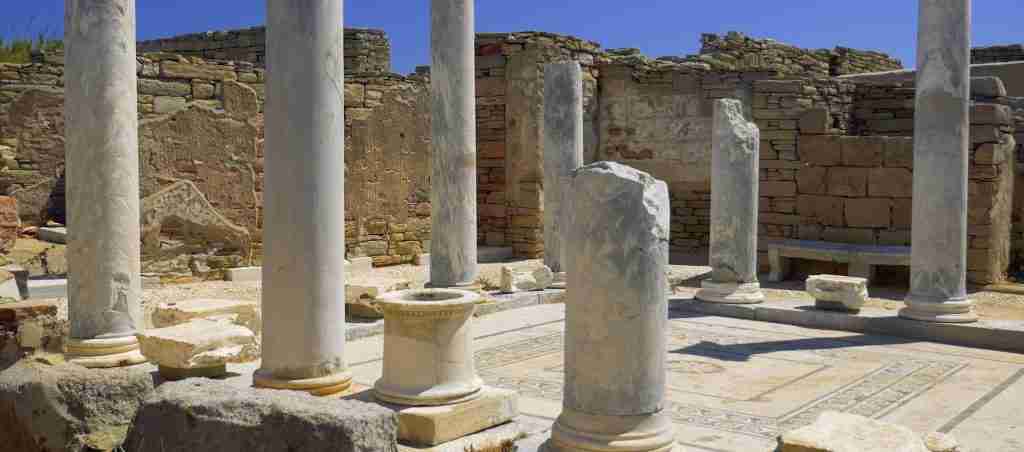
3 days
Delos 3-Day Discovery Tour
- ✓ Comprehensive Delos experience
- ✓ Expert local guides included
- ✓ All accommodation included
- ✓ Transportation provided
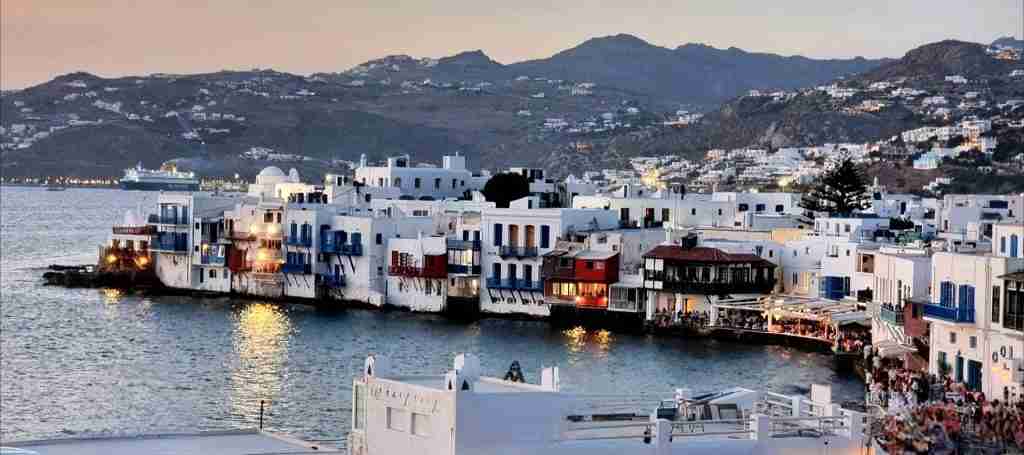
5 days
Delos 5-Day Highlights Experience
- ✓ Comprehensive Delos experience
- ✓ Expert local guides included
- ✓ All accommodation included
- ✓ Transportation provided
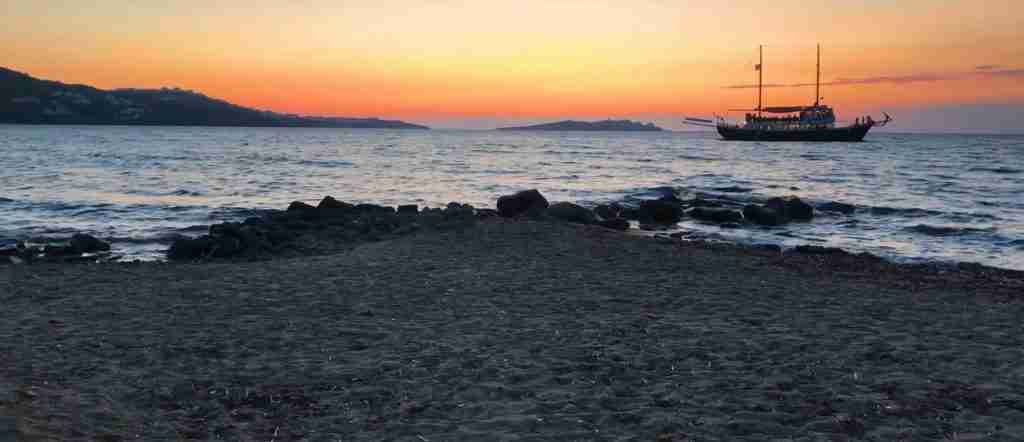
7 days
Delos 7-Day Cultural Journey
- ✓ Comprehensive Delos experience
- ✓ Expert local guides included
- ✓ All accommodation included
- ✓ Transportation provided
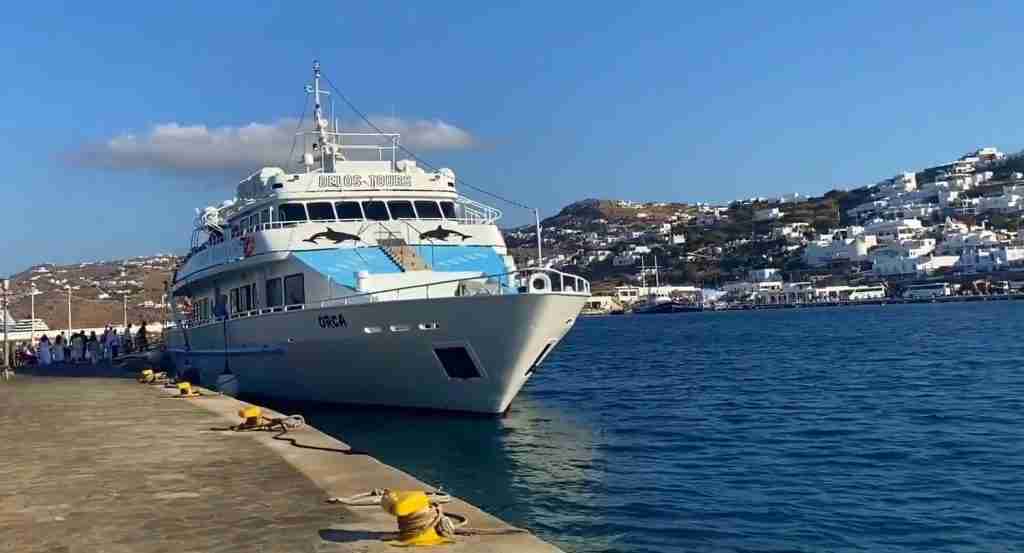
10 days
Delos 10-Day Complete Adventure
- ✓ Comprehensive Delos experience
- ✓ Expert local guides included
- ✓ All accommodation included
- ✓ Transportation provided
Multi-day tour packages powered by TourRadar. Prices and availability subject to change.
Understanding Delos Sacred Island Heritage
Delos earned inscription on the UNESCO World Heritage List in 1990, recognized under criteria ii, iii, iv, and vi for its exceptional universal value to humanity. This tiny island measuring only 5 kilometers north to south and 1.3 kilometers east to west encompasses 350.64 hectares of protected archaeological terrain, representing one of the most complete and well-preserved ancient urban landscapes surviving from antiquity. The UNESCO designation acknowledged Delos as bearing unique witness to the civilizations of the Aegean world from the 3rd millennium BC through the palaeochristian era, preserving exceptional examples of architectural development that influenced building throughout the Greco-Roman world.
The island’s significance extends across multiple dimensions of ancient Mediterranean culture. As a religious center, Delos functioned as one of the principal Pan-Hellenic sanctuaries from at least the 7th century BC, attracting pilgrims, delegations, and offerings from across the Greek-speaking world. The Feast of the Delians, celebrated quadrennially until 316 BC, ranked among the major international festivals alongside the Olympic and Pythic Games, featuring athletic competitions, musical performances, dramatic presentations, and elaborate ceremonial banquets. This religious importance derived from mythology identifying Delos as Apollo’s birthplace, establishing the island as sacred ground associated with one of Hellenism’s most important deities.
Beyond religious significance, Delos achieved remarkable commercial prominence, particularly following Rome’s declaration of the island as a free port around 167 BC. The archaeological remains convey the image of a great cosmopolitan Mediterranean port, where merchants, bankers, and ship-owners from across the ancient world established residences and conducted international trade. Excavations have revealed luxurious houses belonging to wealthy merchants from Syria, Egypt, Italy, and other regions, their homes decorated with spectacular polychrome mosaics and frescoes demonstrating the confluence of artistic traditions in this commercial hub. At its peak, Delos handled vast quantities of trade, including controversial commerce in enslaved people, grain shipments, luxury goods, and raw materials, functioning as the economic heart of the eastern Mediterranean.
The continuous uninhabited status of Delos since approximately the 7th century AD has preserved the archaeological integrity of the site to an exceptional degree. Unlike most ancient cities where modern development has destroyed or obscured ancient remains, Delos exists as a complete archaeological landscape where visitors can perceive the spatial relationships, urban planning, and architectural evolution of an entire ancient city. This preservation resulted from the island’s vulnerability to pirate raids and its lack of natural resources—the same factors that ended its ancient prosperity ensured that subsequent populations never reoccupied the site, leaving the ruins substantially intact for modern archaeological investigation.
Systematic excavations beginning in 1872 under the direction of the École française d’Athènes have progressively revealed the extraordinary richness of Delos. More than a century of continuous archaeological work has uncovered temples, sanctuaries, civic buildings, marketplaces, residential quarters, water management systems, and harbor facilities, providing comprehensive evidence for understanding ancient urbanism. The excavations have yielded thousands of inscriptions providing detailed information about religious practices, commercial transactions, political institutions, and daily life, supplementing the architectural evidence with documentary detail rarely available from other ancient sites. Ongoing conservation work employs methods compatible with international standards, preserving monuments in their excavated state while ensuring stability and preventing further deterioration from the challenging environmental conditions of strong north winds and salt air exposure.
Archaeological Treasures of Delos
Archaeological investigation of Delos began systematically in 1872 when the École française d’Athènes initiated excavations that continue uninterrupted to the present day, making Delos among the longest-running archaeological projects in the Mediterranean. These excavations have progressively revealed an extraordinary assemblage of monuments spanning more than three millennia of occupation, from 3rd millennium BC settlements on Mount Cynthos through Byzantine Christian presence. The scale and continuity of investigation have produced exceptional understanding of the site’s evolution, with detailed documentation allowing scholars to trace architectural development, religious practices, economic systems, and social organization across multiple civilizations.
The excavation methodology at Delos has evolved alongside archaeological science itself, with early investigations focused on monumental recovery giving way to systematic stratigraphic excavation, architectural analysis, epigraphic study, ceramic analysis, and increasingly sophisticated scientific techniques. The French School’s commitment to complete publication of findings has made Delos one of the most thoroughly documented ancient sites, with detailed reports, architectural studies, epigraphic corpora, and artifact catalogs providing comprehensive resources for scholars worldwide. Recent decades have seen application of advanced conservation techniques, geophysical survey, digital documentation, and scientific analysis of pigments, building materials, and organic remains, continuously expanding knowledge of this exceptional site.
Among the most remarkable discoveries have been the exceptional sculptures and architectural elements demonstrating the highest achievements of ancient Greek artistry. The Terrace of Lions sculptures, carved from Naxian marble in the Archaic period, represent masterworks of early monumental sculpture, while later periods produced Classical and Hellenistic statuary of exceptional quality. Excavations in the residential quarters uncovered numerous private sculpture collections, including works ranging from original Greek masterpieces to Roman copies and eclectic assemblages combining Egyptian, Greek, and Roman pieces, reflecting the cosmopolitan character of Hellenistic and Roman Delos.
The residential areas have yielded spectacular polychrome mosaics representing some of the finest examples surviving from antiquity. The House of Dionysus preserves an exceptional mosaic depicting Dionysus riding a panther, executed in sophisticated tesserae work with remarkable attention to detail and color gradation. The House of the Masks contains elaborate mosaic floors featuring theatrical scenes, mythological subjects, and geometric patterns demonstrating the technical virtuosity of Hellenistic craftsmen. The House of Dolphins displays exquisite marine-themed mosaics combining naturalistic dolphin representations with elegant geometric borders. These mosaics, along with dozens of others discovered throughout the residential quarter, provide extraordinary evidence for understanding ancient domestic decoration, artistic conventions, and the wealthy lifestyle of Delos’s commercial elite.
Epigraphic discoveries at Delos number in the thousands, providing detailed documentation of religious practices, political institutions, commercial transactions, and social relationships. Temple inventories recorded dedications with meticulous detail, allowing reconstruction of the extraordinary wealth accumulated in Apollo’s sanctuary. Civic inscriptions document the island’s complex political administration, including periods of Athenian control, independence, and Roman oversight. Commercial inscriptions reveal the mechanics of ancient trade, including contracts, accounts, and records of the infamous slave market that operated during the Roman period. Personal inscriptions on funerary monuments, dedications, and private documents provide intimate glimpses into individual lives, family relationships, and social networks in this cosmopolitan port city.
Conservation challenges at Delos have required ongoing intervention to protect monuments from environmental threats. The strong north winds characteristic of the central Cyclades, combined with salt air and intense sunlight, create aggressive weathering conditions that threaten marble structures and delicate decorative elements. Major conservation programs funded by the European Union and Greek State have addressed structural stabilization, protective shelters for vulnerable mosaics, visitor pathway development to reduce wear on ancient pavements, and improved drainage systems to manage water damage. These interventions balance preservation needs with maintaining the site’s authenticity and allowing meaningful visitor access, following international conservation standards emphasizing reversibility and respect for the archaeological context.
The Terrace of Lions and Iconic Monuments
The Terrace of Lions ranks among ancient Greece’s most recognizable monuments, created around 600 BC as a monumental votive offering to Apollo. Originally comprising nine to twelve marble lions arranged in a single row, these sculptures faced eastward toward the Sacred Lake, creating a dramatic processional approach to the god’s sanctuary. The lions, carved from Naxian marble quarried on the nearby island of Naxos, demonstrate exceptional Archaic sculptural achievement, capturing the stylized power characteristic of early Greek monumental art with their taut musculature, alert poses, and open-mouthed roars frozen in eternal vigilance.
Archaeological and stylistic analysis indicates the lions were created as matching pairs or groups, though likely not all in a single commission, with the terrace developing over time as successive dedications added to the monumental ensemble. The sculptures measure approximately life-size to slightly larger, each carved from a single block of marble and originally mounted on rectangular bases that elevated them above the sacred ground. The Archaic style evident in the lions’ treatment—simplified anatomical forms, stylized manes, and frontal orientation—places them firmly within the artistic conventions of 6th century BC Greek sculpture, contemporary with the development of the kouros and kore statue types that dominated Archaic religious art.
Today, only seven of the original lions survive intact enough for display, relocated in modern times to the Delos Archaeological Museum where climate-controlled conditions protect them from continued weathering. The museum presentation allows close examination impossible when the sculptures occupied their original exposed positions, revealing details of carving technique, surface treatment, and the remarkable preservation of some sculptural detail despite millennia of exposure. Cast replicas now occupy the original terrace location, maintaining the visual impact of the monument while protecting the originals. One lion was removed in the 17th century to Venice, where it now guards the Venetian Arsenal, providing evidence for the early European fascination with Delos that predated systematic archaeological investigation.
The symbolic significance of the lions extended beyond mere decoration to embody profound religious meaning. Lions held important symbolic associations in ancient Greek culture, representing strength, nobility, and divine protection. Their placement guarding Apollo’s sanctuary evoked the god’s own power while warning against sacrilege and dishonor. The eastward orientation aligned the terrace with the rising sun, connecting to Apollo’s solar associations and the daily manifestation of his light. Pilgrims approaching the sanctuary would have experienced the lions as awesome guardians marking the transition from profane to sacred space, their eternal vigilance emphasizing the perpetual sanctity of the divine birthplace.
The Sacred Lake that the lions originally guarded held its own profound mythological significance as the location where Leto gave birth to Apollo and Artemis. This small lake, now dry and marked only by a circular depression, occupied a central position in the sanctuary’s sacred geography, with major temples, altars, and monuments arranged around its perimeter. The lake’s sacredness derived from its role in the birth myth, making its waters ritually significant and its shores specially consecive ground. The terrace’s relationship to this sacred landscape demonstrates the sophisticated planning of the sanctuary’s visual and ceremonial programs, creating powerful spatial relationships between monuments, natural features, and religious narratives.
Beyond the Terrace of Lions, Delos preserves numerous other iconic monuments that collectively create an extraordinarily rich archaeological landscape. The ancient theatre, built into the hillside during the 3rd century BC and later renovated under Roman patronage, seated approximately 5,500 spectators and hosted the dramatic performances that formed part of major religious festivals. Unlike mainland Greek theatres often incorporated into urban sanctuaries, Delos’s theatre occupied a dramatic position overlooking the lower town and harbor, integrating theatrical space with urban planning and commercial districts. The theatre’s exceptional preservation includes substantial portions of the seating cavea, the orchestra, and elements of the stage building, allowing visitors to comprehend ancient theatrical architecture’s spatial organization and visual relationships.
The Stadium, located north of the main sanctuary area, provided facilities for the athletic competitions that formed essential components of major religious festivals. Built during the Hellenistic period, the stadium featured a running track measuring approximately 185 meters, flanked by earthen embankments for spectators. The stadium’s positioning outside the main sacred precinct followed Greek conventions separating athletic from religious space while maintaining functional proximity for festival celebrations. Archaeological investigation has revealed starting mechanisms, turning posts, and architectural details illuminating ancient athletic practices and the games’ organization.
The Granite Palaestra, a large courtyard surrounded by columns where athletes trained, represents another significant monument illustrating the comprehensive facilities Delos provided for Pan-Hellenic religious celebrations. This imposing structure, constructed with granite rather than the marble more commonly used for sacred buildings, demonstrates the practical facilities supporting the sanctuary’s international festivals. The palaestra’s architectural form, with its surrounded colonnade creating a sheltered training area, follows conventions established at other major Pan-Hellenic sanctuaries while adapting to Delos’s specific topography and building traditions.
Sacred Temples and Religious Architecture
The sanctuary complex dedicated to Apollo demonstrates exceptional architectural development across seven centuries, with three successive temples built to honor the god illustrating evolving Greek architectural principles and the sanctuary’s growing importance. The Temple of the Delians, the oldest of the three Apollonian temples, originated in the 6th century BC, establishing the architectural foundations of the sanctuary’s sacred core. This temple, built in the Ionic order characteristic of Aegean Greek architecture, occupied a central position in the sanctuary’s spatial organization, defining the sacred geography around which later structures developed.
The Athenian Temple of Apollo, constructed during the 5th century BC when Athens controlled Delos and invested heavily in elaborating the sanctuary, represents Classical Greek religious architecture at its finest. This temple employed marble construction with refined proportions and sophisticated architectural detailing characteristic of Classical Greek temple design. The temple’s dedication records the Athenian political investment in Apollo’s sanctuary, using architectural grandeur to express both religious devotion and political dominance. Archaeological investigation has recovered substantial architectural elements including column drums, capitals, and entablature fragments, allowing detailed reconstruction of the temple’s original appearance and proportional systems.
The Great Temple of Apollo, also called the Temple of the Delians in some sources, represents the final and most ambitious architectural expression of the sanctuary’s importance. Initiated during the Hellenistic period but never completed, this enormous structure demonstrates the grand architectural ambitions characteristic of Hellenistic religious building. The temple’s massive foundations and the substantial architectural elements prepared for its construction but never erected provide evidence for the elaborate planning and resource mobilization required for such monumental projects. The temple’s unfinished state resulted from the political and economic disruptions that ended Delos’s prosperity, leaving this ambitious project as material evidence of the sanctuary’s final phase before decline.
Beyond Apollo’s temples, the sanctuary complex included numerous other religious structures demonstrating the diversity of worship at Delos. The Artemision, dedicated to Apollo’s twin sister Artemis, occupied a prominent position acknowledging her shared birth on the island. This temple, smaller than Apollo’s structures but architecturally refined, maintained significant ritual importance throughout the sanctuary’s history. The building’s archaeological remains include substantial foundation courses and architectural fragments revealing its original appearance and relationship to the broader sanctuary landscape.
The Sanctuary of Leto, honoring Apollo and Artemis’s mother, occupied sacred ground commemorating her refuge on Delos and the divine birth that established the island’s sanctity. This temenos or sacred precinct contained multiple structures including a temple, altars, and dedications, creating a distinct ritual space within the larger sanctuary complex. The preservation of architectural elements, votive offerings, and inscriptions documents the continuing veneration of Leto alongside her divine children, maintaining the mythological narratives that justified the sanctuary’s exceptional sacred status.
The sanctuary architecture extended beyond temples to encompass specialized ritual structures reflecting the complexity of ancient Greek religious practice. The Prytaneion, serving as both a civic building and religious center, housed the sacred hearth maintaining the perpetual flame symbolic of community continuity. The Treasuries, small temple-like buildings erected by various city-states to house their dedications at the sanctuary, lined processional routes creating architectural galleries displaying inter-state rivalries and devotion. These structures, though individually modest, collectively created dense architectural landscapes communicating both religious significance and political relationships among Greek states.
Altars throughout the sanctuary provided focal points for sacrifice and ritual performance, with archaeological investigation revealing their architectural elaboration and ritual use patterns. The Great Altar of Apollo, positioned before the god’s temples, served as the primary location for animal sacrifice during festivals and daily ritual. The altar’s substantial architectural remains demonstrate sophisticated design accommodating large-scale sacrificial ceremonies, with drainage systems for blood, ash deposits from burnt offerings, and spatial arrangements allowing both priests and worshippers to participate in ritual actions. Other altars dedicated to specific deities, commemorating particular dedications, or marking sacred spots enriched the sanctuary’s ritual topography, creating multiple focal points for worship and commemoration.
The international character of Hellenistic and Roman Delos manifested architecturally in numerous sanctuaries dedicated to foreign deities, reflecting the cosmopolitan population’s diverse religious traditions. The Sanctuary of the Syrian Gods, established by merchants from Syria, created ritual space for Near Eastern deities within the Greek sacred landscape. The Sanctuary of the Egyptian Gods, including the Temple of Isis prominently positioned on a hillside, introduced Egyptian religious architecture and iconography to Delos. The Synagogue, one of the oldest known Jewish religious structures in the diaspora, demonstrates the Jewish community’s establishment and religious practice in this commercial center. These foreign sanctuaries, architecturally distinct from Greek religious buildings while adapting to the island’s spatial constraints, illustrate ancient religious tolerance and the complex cultural negotiations occurring in cosmopolitan port cities.
Residential Quarter and Hellenistic Houses
The residential quarter of Delos preserves exceptional examples of Hellenistic domestic architecture, providing unparalleled evidence for understanding ancient urban housing, domestic life, and the material culture of wealth in the Mediterranean world. The houses excavated in the Theatre Quarter, the Inopos Quarter, and the Stadium Quarter demonstrate sophisticated architectural planning, elaborate decoration, and amenities reflecting the prosperity of Delos’s merchant elite during the island’s commercial zenith in the 2nd and 1st centuries BC.
The House of Dionysus exemplifies elite domestic architecture at its finest, with its famous mosaic depicting Dionysus riding a panther representing one of antiquity’s most spectacular surviving floor decorations. This large residence, organized around a central peristyle courtyard following Greek domestic conventions, contained numerous rooms for family living, entertaining, storage, and service functions. The house’s architecture demonstrates sophisticated understanding of light, circulation, and spatial hierarchy, with public reception areas clearly differentiated from private family quarters. The mosaic decoration, executed in exceptional polychrome technique with subtle color gradations and detailed figural work, demonstrates both the patron’s wealth and the availability of master craftsmen in Hellenistic Delos.
The House of the Masks contains even more elaborate mosaic programs, with multiple rooms decorated in sophisticated geometric and figural patterns. The famous theatrical mask mosaics that give the house its modern name demonstrate extraordinary technical virtuosity, rendering three-dimensional effects through careful tesserae placement and color modulation. These mosaics, along with others featuring Dionysian themes, marine subjects, and geometric patterns, transform floors into artistic displays rivaling wall paintings in sophistication and impact. The house’s architecture includes elaborate water management systems, underfloor heating provisions, and sophisticated drainage, illustrating the advanced domestic technology available to Delos’s wealthy residents.
The House of the Dolphins showcases marine-themed decoration appropriate to a prosperous port city, with elegant dolphin mosaics combining naturalistic animal representation with refined geometric borders. This residence demonstrates the standardization of certain luxury features across elite houses while maintaining individual character through specific decorative choices. The house’s spatial organization, with rooms arranged around a colonnaded courtyard, follows Hellenistic domestic conventions while adapting to the specific constraints of Delos’s urban topography. Archaeological investigation has revealed the house’s evolution through multiple building phases, illustrating how domestic architecture responded to changing family needs, economic circumstances, and architectural fashions.
The House of the Trident preserves exceptional evidence for the international character of Delos’s population, with decorative elements combining Greek, Roman, and Near Eastern motifs reflecting the cosmopolitan taste of merchant residents. The house’s elaborate mosaic programs include the famous trident emblem from which it takes its modern name, executed in sophisticated opus vermiculatum technique with minute tesserae creating detailed images. The residence’s architecture includes shops or commercial spaces facing the street, illustrating the integration of commerce and residence characteristic of ancient urban housing. This combination of residential and commercial functions appears repeatedly in Delos’s housing, with ground-floor spaces often devoted to business activities while upper floors provided family living quarters.
Water management throughout the residential quarter demonstrates sophisticated engineering adapting to Delos’s challenging hydrology. The island lacks natural springs or rivers, requiring complete reliance on rainwater collection and imported water. Excavated houses reveal extensive cistern systems, with multiple underground chambers lined with waterproof plaster collecting runoff from roofs and courtyards. These cisterns, often reaching impressive depths to maximize storage capacity, connected to household distribution systems providing water for drinking, cooking, bathing, and garden irrigation. Some houses incorporated elaborate fountain installations in their peristyle courtyards, displaying water as both functional resource and decorative luxury. The investment in water infrastructure illustrates both the practical challenges of island living and the wealth required to maintain comfortable domestic environments in this water-scarce context.
The residential architecture reveals clear status hierarchies within Delos’s population, from modest single-room dwellings of workers and slaves through comfortable middle-class houses to palatial elite residences. The distribution of decorated houses, particularly those with elaborate mosaics, concentrates in specific quarters reflecting neighborhood prestige and possibly ethnic or professional associations among residents. Excavation of less prestigious housing areas has revealed simpler structures with limited decoration but still incorporating functional amenities like cisterns and cooking facilities. This diversity in housing quality provides evidence for understanding ancient social stratification and the full spectrum of urban living conditions beyond the spectacular elite residences that dominate archaeological publication.
Museum Collections and Artifacts
The Archaeological Museum of Delos houses exceptional collections of artifacts excavated from the island’s sanctuaries, public buildings, and private residences, providing essential context for understanding the outdoor archaeological remains. The museum’s collections span the full chronological range of Delos’s occupation, from prehistoric pottery and tools through Archaic sculptures, Classical architectural elements, Hellenistic masterpieces, and Roman decorative arts, creating a comprehensive material archive of Aegean civilization’s evolution.
The sculpture collections represent particular treasures, including the original Terrace of Lions sculptures relocated from their outdoor positions for conservation. The museum presentation allows detailed examination of these Archaic masterworks, revealing carving techniques, surface treatments, and details of form invisible when viewed at a distance on the original terrace. Additional Archaic sculptures include kouroi fragments, architectural decorations from early temples, and votive offerings demonstrating the development of monumental sculpture during the 7th and 6th centuries BC. These pieces provide essential evidence for understanding the chronology and regional variations of Archaic Greek sculpture, with Cycladic workshops developing distinctive styles that influenced broader Aegean artistic traditions.
Classical and Hellenistic sculpture collections demonstrate the exceptional artistic quality attracted to Delos during its prosperity. Original Greek masterpieces, rare survivors of the ancient bronze-melting and lime-burning that destroyed most ancient sculpture, include works attributed to known artists or workshops. Roman copies of earlier Greek masterworks, produced to satisfy collectors’ demand for prestigious imagery, illustrate the art market’s international character and the status associated with classical Greek art. Portrait sculptures ranging from idealized divine images to veristic Roman portraits document evolving conventions of representation and the social functions of sculptural display.
The mosaic collections include panels removed from houses for conservation, preserving polychrome compositions that would deteriorate if left exposed. These mosaics, displayed in the museum with careful attention to lighting and viewing angles, reveal the extraordinary technical achievement of ancient mosaic artists. The range of subjects—mythological scenes, geometric patterns, marine life, theatrical imagery, and decorative borders—demonstrates the versatility of mosaic medium and the sophisticated aesthetic preferences of Hellenistic patrons. Technical examination has revealed the processes of mosaic construction, including the use of different sized tesserae for different effects, the preparation of underlayers, and the integration of colored stones, glass, and occasionally gold to create rich chromatic effects.
Pottery collections spanning millennia document changing ceramic technologies, decorative styles, and functional types from prehistoric handmade vessels through sophisticated Archaic painted pottery, Classical fine wares, and Hellenistic mass-produced tablewares. The assemblages from houses and sanctuaries include imported pottery from Athens, Corinth, and other ceramic production centers, documenting trade networks and consumer preferences. Storage vessels, cooking wares, and specialized ceramic forms provide evidence for daily life, dietary practices, and domestic technologies. Inscribed pottery including commercial amphora stamps and painted dedications adds documentary dimension to ceramic evidence, connecting material objects to historical individuals and events.
Small finds collections encompass diverse artifact categories illuminating ancient life’s material dimensions. Jewelry ranging from simple bronze fibulae to elaborate gold diadems demonstrates wealth stratification and aesthetic preferences. Tools and implements including bronze surgical instruments, weights and measures, and artisanal equipment document work and commerce. Household objects including lamps, furniture fittings, and decorative elements reveal domestic arrangements. Votive offerings including terracotta figurines, miniature vessels, and dedicatory plaques document religious practice and personal piety. Gaming pieces, musical instruments, and toys provide evidence for leisure and entertainment. This diversity of small finds creates a comprehensive material record complementing the monumental architecture and fine arts that often dominate archaeological attention.
The epigraphic collection represents exceptional historical documentation, with thousands of inscriptions on stone, bronze, and occasionally other materials providing detailed information about ancient Delos. Temple inventories recorded dedications with meticulous precision, allowing reconstruction of the extraordinary wealth accumulated in Apollo’s sanctuary and documenting the practice of sacred treasuries. Civic inscriptions including decrees, laws, and administrative records document political institutions and governance structures across different periods of Athenian control, independence, and Roman oversight. Commercial inscriptions including contracts, accounts, and market regulations illuminate economic practices and the mechanics of Mediterranean trade. Funerary inscriptions, dedicatory texts, and personal documents provide intimate glimpses into individual lives, family relationships, and social networks, adding human dimension to the archaeological record’s material evidence.
Visiting Delos Archaeological Site
Delos operates as a day-visit archaeological site accessible exclusively by ferry from neighboring Cycladic islands, with the majority of visitors departing from Mykonos due to proximity and frequent service. The island receives over 100,000 visitors annually, concentrated heavily during the summer tourism season from May through September. Ferry operators provide regular departures from Mykonos’s old harbor, with journey times of approximately 30 minutes across the relatively sheltered waters separating the islands. Ferry schedules typically allow visitors three to four hours on Delos, sufficient for exploring major monuments though archaeology enthusiasts often desire longer visits for comprehensive examination.
Alternative ferry access operates from Paros and Naxos, though with less frequency than Mykonos services. These routes provide options for visitors based on other Cycladic islands or those seeking less crowded ferry experiences. The longer journey times from these more distant islands affect available time on Delos, requiring careful schedule planning to maximize site exploration while ensuring return ferry connections. During peak season, advance ferry booking proves advisable as services can reach capacity, particularly for preferred morning departure times that allow maximum hours on the island.
Upon arrival at Delos’s small harbor, visitors proceed directly to the site entrance where ticket purchase occurs. The archaeological site has no restaurants, cafes, or shops beyond a small kiosk selling water and basic supplies near the entrance. This absence of commercial infrastructure maintains the site’s archaeological character while requiring visitors to bring adequate water, sun protection, and any food needed for their visit. The island provides no shade beyond that offered by occasional ruins, making sun exposure management critical during summer months when temperatures can be extreme and reflective marble intensifies solar radiation.
The Archaeological Museum of Delos, located near the site entrance, houses artifacts excavated from the island including the original Terrace of Lions sculptures, exceptional mosaics, sculpture collections, and diverse small finds. Museum admission includes access to the outdoor archaeological site, creating an integrated visiting experience. The museum requires 30 to 45 minutes for focused viewing, though detailed examination of collections can extend to an hour or more. Climate-controlled exhibition spaces provide welcome respite from outdoor heat while presenting artifacts with interpretive information contextualizing the outdoor monuments.
Site navigation follows established pathways connecting major monument clusters, with the main sanctuary complex, residential quarters, theatre, and Mount Cynthos representing primary destinations. Signage identifies major monuments, though interpretive information remains relatively minimal compared to some archaeological sites. Guide services, available through tour operators or occasionally on-site, significantly enhance visitor understanding by providing historical context, mythological narratives, and architectural explanation not evident from ruins alone. Audio guides or written guidebooks serve similar purposes for independent visitors seeking deeper engagement with the site’s complexities.
The climb to Mount Cynthos summit, while not essential for appreciating major monuments, rewards visitors with spectacular panoramic views of Delos, surrounding Cyclades, and the broader Aegean seascape. The ascent follows ancient pathways past smaller sanctuaries and caves with religious associations, adding dimension to understanding Delos’s sacred landscape beyond the main sanctuary complex. The summit elevation of 112 meters requires moderate physical exertion across uneven terrain but remains accessible to reasonably fit visitors. Strong winds characterizing the mountain top require securing hats and loose items while providing dramatic sensory experience of the exposed island environment.
Accessibility considerations affect site navigation, as ancient archaeological sites inherently present challenges for visitors with mobility limitations. The extensive site requires substantial walking across uneven ancient pavements, with limited seating and no wheelchair-accessible pathways through most areas. Recent conservation programs have improved access to certain zones through pathway development, but comprehensive accessibility remains impossible without compromising archaeological integrity. Visitors with mobility concerns should research specific monument accessibility and potentially focus on the more accessible sanctuary core and museum rather than attempting comprehensive site coverage.
Photography at Delos is generally permitted for personal use, with the dramatic ruins, exceptional light quality, and scenic coastal setting creating outstanding photographic opportunities. Optimal lighting conditions occur during morning hours when angled sunlight creates dramatic shadows across marble ruins, though afternoon light offers different aesthetic qualities. Professional photography or commercial image use typically requires permits from Greek archaeological authorities. Drone photography faces strict regulations protecting archaeological sites from potential damage or disturbance, with permits required and often denied for recreational use.
Seasonal timing significantly affects the visiting experience, with spring months of April through early June offering pleasant temperatures, wildflower displays across the otherwise barren landscape, and smaller crowds than peak summer. Summer months bring intense heat, strong tourist flows, and challenging midday conditions requiring early morning visits for comfortable exploration. Autumn months of September and October provide excellent conditions with warm but not extreme temperatures and reduced crowding as summer tourism wanes. Winter visits, while possible during ferry operating seasons, face limited schedules, potential weather disruptions, and cold winds that make extended outdoor exploration uncomfortable despite the advantage of having the site nearly to oneself.
Photography Guide for Delos
Delos presents exceptional photographic opportunities combining dramatic ancient architecture, stunning Aegean coastal scenery, and exceptional Mediterranean light quality. The island’s barren landscape free from modern development creates pure archaeological compositions uncompromised by contemporary intrusions, while the coastal setting provides natural backdrops of sea and sky enhancing marble monuments’ visual impact.
The Terrace of Lions represents the site’s most iconic photographic subject, with the marble replica lions providing dramatic sculptural forms against the Sacred Lake depression and distant mountains. Optimal photography occurs during morning hours when eastward-facing illumination creates modeling on the lions’ features while avoiding the harsh contrast of midday overhead sun. The linear arrangement of lions offers compositional opportunities for both frontal documentation and angled perspectives emphasizing the terrace’s processional character. Wide-angle compositions incorporating the full terrace communicate the monument’s spatial impact, while telephoto isolation of individual lions reveals sculptural details and creates dramatic images emphasizing the guardians’ eternal vigilance.
The House of Dionysus mosaic, when accessible for viewing, demands careful photographic approach to capture the polychrome detail and artistic sophistication of this Hellenistic masterpiece. The mosaic’s location within a roofed structure creates challenging lighting conditions requiring either slow shutter speeds, high ISO settings, or supplemental lighting. The three-dimensional effect achieved through careful tesserae placement and color gradation requires oblique lighting to fully appreciate, though direct overhead illumination documents the complete composition most clearly. Detail photography isolating the central Dionysus figure or surrounding decorative borders reveals the extraordinary technical virtuosity of ancient mosaic artists.
The ancient theatre provides dramatic opportunities combining architectural photography with landscape context. Wide views from the upper seating tiers encompass the complete theatre structure, the lower town extending to the harbor, and the Aegean seascape beyond, creating compositions that integrate architecture, urbanism, and natural setting. The theatre’s hillside position offers elevated vantage points for photographing the broader archaeological landscape, with morning light illuminating the sanctuary complex and residential quarters spread below. Detail photography of seating rows, the orchestra, and stage building elements documents architectural features while creating abstract compositions emphasizing ancient stonework’s geometric patterns and weathered textures.
The residential quarters with standing walls, doorways, and decorative elements create intimate architectural compositions evoking domestic life in the ancient city. Doorways and corridors framing views through multiple rooms generate depth and perspective in compositions, while weathered wall textures and architectural details provide subjects for abstract architectural photography. The peristyle courtyards, where preserved columns create rhythmic architectural elements, offer opportunities for photographing light and shadow patterns across ancient pavements. When houses preserve mosaic floors in situ, photographing these decorative elements requires careful attention to lighting angles that reveal polychrome detail while avoiding distracting reflections.
Mount Cynthos summit provides panoramic photography encompassing the entire island, surrounding Cyclades, and the Aegean seascape extending to distant horizons. The 360-degree views allow comprehensive documentation of Delos’s island setting, the spatial relationships between monument clusters, and the dramatic coastal geography that shaped the ancient city’s development. Late afternoon light creates particularly dramatic conditions as the westering sun illuminates the island’s monuments while the Aegean takes on deep blue tones. The mountain’s sacred associations and the presence of smaller sanctuaries and caves add narrative dimension to summit photography beyond pure landscape imagery.
The sanctuary complex with its temple foundations, altar remains, and architectural fragments creates opportunities for photographing ancient religious architecture’s spatial organization and monumental scale. Wide compositions encompassing multiple temples communicate the sanctuary’s architectural density and the layering of structures across centuries of development. Detail photography of architectural elements—column capitals, entablature fragments, decorative moldings—documents the refinement of Greek architectural stonework and allows appreciation of details invisible from normal viewing distances. The marble’s weathered surfaces, ranging from smooth preservation to heavily eroded patina, create textural variety in close-up architectural photography.
Contextual photography integrating monuments with the broader landscape communicates Delos’s island setting and the relationship between built environment and natural topography. Compositions incorporating the sea, whether as distant horizon or immediate coastal presence, emphasize the maritime context that shaped Delos’s religious and commercial significance. The barren rocky terrain surrounding monuments creates stark contrasts between refined architectural stonework and wild natural landscape. The absence of vegetation focuses attention on the interaction between architecture and geology, with monuments emerging from bedrock or surrounded by rubble fields creating powerful images of ruins’ integration with the landscape from which they were built.
Technical considerations for Delos photography include managing the intense Mediterranean light that can create extreme contrast, particularly during midday hours. Shooting during golden hours around sunrise and sunset, while challenging given ferry schedules, provides the most dramatic and flattering light for marble architecture. Polarizing filters help manage sky brightness and reduce reflections from marble surfaces while enhancing color saturation in the Aegean waters. Wide-angle lenses prove essential for capturing complete monuments and spatial relationships in the confined spaces of the residential quarter, while telephoto lenses isolate architectural details and compress spatial relationships for dramatic compositions. High dynamic range techniques or exposure blending can help manage the extreme contrast between shadowed architectural elements and bright marble surfaces or sky.
Cultural Significance and Modern Research
Delos’s cultural significance extends far beyond its exceptional archaeological preservation to encompass profound influence on Western understanding of ancient Mediterranean civilization. As one of the earliest archaeological sites to attract systematic investigation, Delos played a formative role in developing archaeological methods, Classical scholarship, and public appreciation for ancient Greek culture. The French School’s continuous excavations since 1872 represent one of the longest-running archaeological projects globally, generating accumulated knowledge and refined methodologies that have influenced Mediterranean archaeology broadly.
The site’s comprehensive excavation and detailed publication have made Delos a reference point for understanding ancient urbanism, religious architecture, domestic space, and material culture across the Hellenistic and Roman periods. Scholars worldwide consult Delos evidence when investigating comparable phenomena at less completely excavated sites, using the detailed architectural documentation, artifact assemblages, and epigraphic corpora as comparative material. The island’s exceptional preservation of spatial relationships—the configuration of sanctuaries, the organization of residential quarters, the integration of commercial and religious zones—provides evidence for urban planning principles rarely visible at sites with continuous modern occupation obscuring ancient spatial logic.
Modern research at Delos increasingly employs advanced scientific techniques complementing traditional archaeological excavation and architectural analysis. Geophysical survey using ground-penetrating radar and magnetometry reveals buried structures without excavation, guiding research priorities and understanding the full extent of ancient occupation. Digital documentation through photogrammetry and laser scanning creates precise three-dimensional models of monuments, supporting conservation planning while creating permanent records of structures threatened by weathering. Scientific analysis of pigments on polychrome sculptures and architecture reveals ancient color schemes, fundamentally changing understanding of ancient aesthetic preferences from the traditional assumption of white marble to recognition of brilliant polychrome decoration.
Conservation research addressing Delos’s specific environmental challenges has generated innovative approaches to protecting open-air archaeological sites in aggressive coastal climates. Studies of marble weathering mechanisms, salt crystallization damage, and biological growth have led to targeted conservation treatments adapted to Cycladic conditions. Water management research has optimized drainage systems protecting monuments from moisture damage while preserving archaeological evidence. Protective sheltering for vulnerable mosaics balances conservation requirements with maintaining visitor access and archaeological authenticity. These conservation developments at Delos contribute to broader archaeological conservation practice, with techniques and approaches tested on the island subsequently applied to comparable sites worldwide.
Public archaeology and heritage interpretation at Delos face unique challenges and opportunities given the site’s exceptional significance combined with access limitations. Recent initiatives have enhanced visitor interpretation through improved signage, digital resources, and training programs for local guides. Virtual reality applications under development will allow remote visitors to experience reconstructed monuments, while on-site augmented reality tools may eventually help visitors visualize ancient buildings’ original appearance. Educational programs targeting Greek students and international archaeology students use Delos as an outdoor classroom for learning archaeological methods, conservation principles, and heritage management practices. These interpretive developments aim to make the site’s cultural significance accessible to broader audiences while maintaining the archaeological integrity that justifies its UNESCO World Heritage status.
Frequently Asked Questions
What is the best time of day to visit Delos?
The optimal visiting time is morning, with the earliest possible ferry arrival providing the best conditions before midday heat intensifies and larger tour groups arrive. Morning light creates dramatic shadows across marble monuments while temperatures remain comfortable for extensive walking across the exposed archaeological terrain. The site offers virtually no shade, making afternoon visits during summer months particularly challenging as reflected heat from marble ruins intensifies already high temperatures. Early visits also allow completion of major monument viewing before crowds peak, creating better photographic opportunities and more contemplative experiences at significant locations.
How physically demanding is visiting Delos?
Visiting Delos requires moderate physical fitness, with extensive walking across uneven ancient pavements, stone pathways, and occasionally rough terrain. The site covers substantial area, with comprehensive visits involving several kilometers of walking across surfaces ranging from smoothed ancient marble to rubble-strewn areas between monuments. The climb to Mount Cynthos summit adds approximately 112 meters of elevation gain across sometimes steep terrain, though this ascent is optional rather than essential for seeing major monuments. Visitors should wear sturdy walking shoes with good traction, bring adequate water given the absence of facilities on-site, and pace themselves to avoid exhaustion in the typically hot, exposed conditions characteristic of this barren Cycladic island.
Are there guided tours available for Delos?
Guided tours are available through multiple channels, including organized excursions booked through Mykonos tour operators that include ferry transport, site entry, and guided interpretation. These package tours typically provide two to three hours of guided exploration covering major monuments with historical and mythological context. Independent travelers can potentially join guides offering services at the site entrance, though availability varies and advance arrangement through tour companies provides more reliable access to professional interpretation. Audio guides may be available seasonally, though availability should not be assumed. For the most comprehensive understanding, engaging a knowledgeable guide proves valuable given the site’s complexity and the limited interpretive signage available throughout the archaeological park.
Can you stay overnight on Delos?
Overnight stays on Delos are not permitted for general visitors, as the island has no hotels, guesthouses, or camping facilities and access is restricted to daylight hours during archaeological site operating times. The island’s population consists solely of a small staff of caretakers and archaeologists who maintain research facilities and security for the archaeological remains. This complete absence of commercial accommodation and the prohibition on remaining after site closure hours means all visits must follow the day-trip format, with visitors returning to Mykonos or other Cycladic islands for accommodation. This restriction, while limiting visit duration, helps preserve the site’s archaeological integrity by preventing the development pressures that tourism accommodation would create on this exceptionally sensitive heritage landscape.
What should I bring when visiting Delos?
Essential items include substantial water supplies as the island has only minimal facilities selling bottled water, with no restaurants or cafes available. Sun protection proves critical given the complete lack of natural shade and the intensity of Mediterranean sun reflecting off marble ruins—high-SPF sunscreen, wide-brimmed hat, and sunglasses are necessary. Comfortable walking shoes with good traction and ankle support handle the uneven ancient pavements and rough terrain safely. Light-colored, loose clothing provides comfort in the heat while protecting against sun exposure. A detailed guidebook or pre-downloaded information enhances understanding given the limited on-site interpretation. Small snacks sustain energy during extensive walking, while a camera captures the exceptional photographic opportunities. Consider bringing a small umbrella for shade during rest breaks, and ensure adequate battery charge for phones or cameras as no charging facilities exist on the island.
How does Delos compare to other Greek archaeological sites?
Delos differs fundamentally from mainland Greek archaeological sites through its extraordinary preservation of a complete ancient urban landscape rather than isolated monumental structures. Unlike Athens’s Acropolis, Delphi, or Olympia where specific sanctuary complexes survive within modern contexts, Delos preserves an entire ancient city including religious sanctuaries, public buildings, commercial areas, extensive residential quarters, and infrastructure systems spread across an uninhabited island. This comprehensive preservation allows understanding spatial relationships, urban planning, and the integration of different functional zones impossible at more fragmentary sites. The island’s continuous uninhabited status since antiquity means no medieval construction, Ottoman modifications, or modern development obscure the ancient remains, providing archaeological purity rarely encountered in Mediterranean archaeology. The trade-off involves more challenging access compared to easily reached mainland sites and the absence of interpretive infrastructure common at major tourist destinations, creating a more raw archaeological experience requiring greater visitor preparation and knowledge.
What role did Delos play in the ancient slave trade?
During the Roman period, Delos functioned as one of the Mediterranean’s major centers for enslaved person commerce, with ancient sources claiming the market could process thousands of enslaved individuals daily at its peak. The island’s status as a free port under Roman administration combined with its central Aegean location made it an ideal transit point for the human trafficking that supplied enslaved labor to Roman Italy and other Mediterranean regions. Archaeological investigation has identified structures interpreted as slave market facilities, though definitive identification remains challenging as these buildings physically resembled other commercial structures. The inscriptions and literary sources documenting this horrific commerce provide evidence for the scale and mechanics of ancient slavery systems, illustrating how sites of exceptional cultural and religious significance could simultaneously host institutions we now recognize as profound moral evils. Understanding this aspect of Delos’s history provides essential context for comprehending ancient Mediterranean society’s full complexity, including the brutal exploitation that underpinned ancient prosperity and the moral contradictions inherent in cultures we otherwise admire for artistic, philosophical, and political achievements.
Why was Delos abandoned in antiquity?
Delos’s abandonment resulted from multiple converging factors during the 1st century BC that destroyed the island’s commercial prosperity and religious significance. The primary catastrophe occurred in 88 BC when Mithridates VI of Pontus’s forces attacked and sacked the island during the Mithridatic Wars, killing many inhabitants and devastating the commercial infrastructure. A second attack in 69 BC by pirates allied with Mithridates inflicted further destruction from which the island never recovered. These military disasters coincided with broader economic and political changes including the shift of Mediterranean commercial dominance to other ports, Rome’s evolving trade patterns, and the declining significance of traditional Greek religious sanctuaries in the increasingly cosmopolitan Roman world. The island’s vulnerability to pirate raids, its lack of natural resources including adequate water, and its dependence on external trade for basic supplies meant that once its commercial and religious functions ceased, no economic foundation existed to sustain permanent population. The Roman period saw some continued limited occupation, and a Christian bishop maintained residence during the palaeochristian era, but by approximately the 7th century AD the island had been completely abandoned, with occasional shepherds from nearby islands providing the only human presence until modern archaeological excavations brought renewed seasonal occupation.
How accurate are the mythological associations with Apollo’s birth?
The mythological narrative identifying Delos as Apollo’s birthplace represents religious tradition rather than historical fact, with the myths serving to explain and justify the island’s exceptional sacred status in Greek religious consciousness. Archaeological evidence confirms human occupation dating to the 3rd millennium BC and the development of significant religious activities by at least the 9th century BC, with the sanctuary’s prominence firmly established by the Archaic period. The cult of Apollo at Delos appears to have pre-Greek origins, possibly adapting earlier Aegean religious traditions to the Olympian pantheon. The mythological elaboration—Leto’s wandering, the island’s miraculous stabilization, the divine birth, and Artemis’s assistance in Apollo’s delivery—developed over centuries through literary works including the Homeric Hymn to Apollo, which codified the narrative that became canonical across the Greek world. These myths, while not historically factual, represent profound cultural truths about how ancient Greeks understood their religious landscape, divine-human relationships, and the sanctity of particular locations. The mythology’s enduring power lies not in its historical accuracy but in its ability to communicate cultural values and provide narrative frameworks for religious experience, making Delos’s mythological associations historically significant regardless of their factual basis.
What conservation challenges does Delos face?
Delos confronts severe conservation challenges resulting from its exposed island location, lack of natural protection, and the inherent fragility of archaeological materials exposed to aggressive environmental conditions. The strong north winds characteristic of the central Cyclades subject monuments to constant mechanical stress and abrasion from windborne particles, while salt-laden air from surrounding seas accelerates chemical weathering of marble and corrodes metal elements. The intense Mediterranean sun creates extreme thermal cycling, with daily temperature variations causing expansion and contraction that weakens stone structures. Rainfall, though infrequent, creates moisture problems including dissolution of marble surfaces, salt crystallization damage as water evaporates leaving mineral deposits, and structural instability as water infiltrates cracks and foundations. The exceptional mosaic floors face particular vulnerability, with exposure to weather, visitor foot traffic, and biological growth threatening these irreplaceable artworks. Modern conservation programs employ various strategies including protective sheltering for vulnerable elements, consolidation treatments for deteriorating stone, improved drainage systems, visitor pathway management to reduce wear, and ongoing monitoring to detect problems before they become critical. Climate change poses emerging threats through projected increases in extreme weather events, sea level rise potentially affecting coastal monuments, and changing precipitation patterns altering moisture regimes. The balance between preservation requirements, visitor access, and maintaining authentic archaeological character creates ongoing tensions in site management, with each intervention requiring careful consideration of conservation ethics, reversibility, and long-term sustainability.