Cuyahoga Valley National Park Travel Guide 2026: Ultimate Planning Resource
Cuyahoga Valley National Park transforms 33,000 acres between Cleveland and Akron into an accessible wilderness featuring 125+ miles of trails, dramatic waterfalls, and the winding Cuyahoga River. This comprehensive 2026 guide provides everything needed to plan your visit to Ohio’s only national park, from free entrance details to seasonal activities and budget breakdowns for every travel style.
Key Takeaways for Cuyahoga Valley National Park 2026
- Free Entrance Year-Round 2026: Cuyahoga Valley National Park requires no entrance fee or pass, making it one of the most accessible national parks in the United States for budget-conscious travelers.
- Daily Budget Planning 2026: Budget travelers spend $110-170 per person daily (two sharing budget accommodation), mid-range visitors invest $220-340 per person daily (two sharing mid-range hotels), and luxury travelers spend $360-540 per person daily (two sharing upscale accommodations).
- Optimal Visiting Seasons 2026: Fall (September-November) delivers spectacular foliage with comfortable temperatures 50-74°F and the annual Fall Hiking Spree, while winter (December-March) offers skiing, snowshoeing, and frozen waterfalls with significantly lower accommodation costs.
- Signature Experiences 2026: The 60-foot Brandywine Falls, sandstone formations along the Ledges Trail, and the historic Cuyahoga Valley Scenic Railroad excursions represent must-see attractions combining natural beauty with cultural heritage.
- Strategic Location Advantages: Located just 20 miles from Cleveland and 15 miles from Akron, the park provides easy day-trip access from major Midwest cities while offering overnight visitors authentic national park experiences without remote wilderness isolation.
- Year-Round Activities 2026: Summer hiking and biking on the 20-mile Ohio & Erie Canal Towpath Trail, winter skiing and snowboarding at Boston Mills/Brandywine Ski Resort, and four-season scenic train rides create diverse experiences regardless of visit timing.
People Also Ask About Cuyahoga Valley National Park 2026
How much does a visit to Cuyahoga Valley National Park cost in 2026?
Cuyahoga Valley National Park requires no entrance fee, making park access completely free in 2026. Daily costs range $110-170 per person for budget travelers (two sharing budget accommodation, self-prepared meals, free trails), $220-340 per person for mid-range visitors (two sharing mid-range hotels, restaurant meals, paid activities like the Scenic Railroad), and $360-540 per person for luxury travelers (two sharing upscale inns, fine dining, premium winter sports). A three-day mid-range trip costs approximately $660-1,020 per person including accommodation, meals, transportation, and activities.
What is the best time to visit Cuyahoga Valley National Park in 2026?
Fall (September through November) offers peak conditions with spectacular autumn foliage, comfortable daytime temperatures 50-74°F, and reduced crowds compared to summer months. The Fall Hiking Spree from September 1-November 30 provides structured hiking goals across 13 designated trails. Winter (December-March) attracts visitors seeking skiing, snowshoeing, and snow tubing at Boston Mills/Brandywine Ski Resort, with accommodation prices dropping significantly during off-peak months. Spring (April-May) delivers wildflower displays and moderate temperatures, while summer (June-August) provides full trail access and scenic railroad operations but faces higher hotel rates and weekend crowds exceeding 75% of weekly visitors between 11:00 AM and 3:00 PM.
Can you visit Cuyahoga Valley National Park as a day trip from Cleveland in 2026?
Cuyahoga Valley National Park sits just 20 miles south of downtown Cleveland, making it an ideal day trip destination requiring 25-35 minutes driving time depending on entry point. Day visitors can easily experience Brandywine Falls, hike the Ledges Trail (2.2 miles, 1-1.5 hours), ride portions of the Towpath Trail, and return to Cleveland the same day. Budget $10-20 for parking and gas, plus $25-38 if taking the Cuyahoga Valley Scenic Railroad. From Akron (15 miles, 20-30 minutes), the park is equally accessible. Early morning arrivals on weekdays avoid the 11 AM-3 PM weekend crowd peak that affects popular trailheads.
Is Cuyahoga Valley National Park good for families with children in 2026?
Cuyahoga Valley National Park ranks among the most family-friendly national parks with accessible trails, free entrance, and diverse activities for all ages. The Brandywine Falls boardwalk provides wheelchair and stroller accessibility to the 60-foot waterfall viewpoint, while the Ledges Trail creates natural maze-like rock formations that engage children’s imaginations. The Cuyahoga Valley Scenic Railroad offers 2-hour narrated excursions ($25-38 per person) that eliminate hiking requirements for young children. Winter sledding at Kendall Hills provides free entertainment requiring only personal sleds, and Boston Mills/Brandywine Ski Resort offers ski and snowboard lessons for beginners. Family-friendly accommodation options include extended-stay hotels with pools and vacation rentals starting at $110 per night.
Extended multi-day tours – 5+ days
Featured Midwest Usa Multi-Day Tour Packages

7 days
Chicago – The Home of Skyscrapers
- ✓ Booking needs min. 2 travelers
8 days
Chicago and Niagara ROT (including Niagara Falls)
- ✓ Comprehensive Midwest Usa tour
- ✓ Expert local guides included
- ✓ All accommodation arranged
- ✓ Transportation provided

8 days
From Chicago's Skyline to Niagara's Mist – 8 days
- ✓ Comprehensive Midwest Usa tour
- ✓ Expert local guides included
- ✓ All accommodation arranged
- ✓ Transportation provided

4 days
City Break in Chicago Among Skyscrapers
- ✓ Booking needs min. 2 travelers
Multi-day tour packages powered by TourRadar. Prices and availability subject to change.
Introduction: Planning Your Cuyahoga Valley National Park Experience 2026
Cuyahoga Valley National Park defies traditional national park expectations. Unlike remote wilderness parks requiring days of travel, this 33,000-acre preserve sits conveniently between two major Ohio cities, offering authentic national park experiences within 30 minutes of urban amenities. Established as a national park in 2000, Cuyahoga Valley protects the meandering Cuyahoga River valley, preserving deep hemlock forests, sandstone cliffs, cascading waterfalls, and remnants of the historic Ohio & Erie Canal that once connected Lake Erie to the Ohio River.
The park’s accessibility revolutionizes national park visiting for Midwest travelers. Day trips from Cleveland, Akron, Columbus, Pittsburgh, and Detroit provide full wilderness experiences without overnight commitments, while multi-day visitors discover boutique inns, vacation cabins, and comfortable hotels just minutes from trailheads. Free entrance removes financial barriers that limit access to many western national parks charging $30-35 per vehicle.
Cuyahoga Valley National Park spans multiple municipalities across Summit and Cuyahoga counties, with major access points at Boston Mills Visitor Center (7100 Riverview Road, Peninsula), Canal Visitor Center (7104 Canal Road, Valley View), and numerous trailheads along the park’s length. The park’s linear north-south orientation follows the Cuyahoga River for approximately 20 miles, creating diverse landscapes from wetlands and meadows to dramatic gorges carved over millennia.
Unlike consolidated parks with single entrance stations, Cuyahoga Valley features open access at dozens of points, allowing visitors to enter freely from multiple directions. This distributed access pattern means no gate fees, no reservation systems, and no capacity restrictions that complicate visits to popular western parks. The tradeoff involves more complex navigation requiring maps and planning to locate specific destinations within the park’s sprawling boundaries.
The 2026 season brings updated facilities, continued scenic railroad operations, and expanded winter sports offerings at Boston Mills/Brandywine Ski Resort operating within park boundaries. Understanding seasonal variations, budget considerations, and activity options ensures visitors maximize their Cuyahoga Valley experiences whether planning quick afternoon hikes or extended multi-day explorations.
Understanding Cuyahoga Valley National Park Geography and Access 2026
Cuyahoga Valley National Park extends approximately 22 miles along the Cuyahoga River valley between Cleveland and Akron, Ohio, encompassing 33,000 acres of protected land. The park’s unusual linear configuration creates a narrow north-south corridor averaging 3-5 miles wide, following the river’s winding path through northeastern Ohio. This geographic layout differs dramatically from compact western parks, requiring visitors to understand the park’s distributed structure before planning activities.
Major access points include Boston Mills Visitor Center in Peninsula (central location, most popular), Canal Visitor Center in Valley View (northern section), Hunt Farm Visitor Information Center in Peninsula, and numerous designated parking areas at trailheads throughout the park. Interstate 77 runs along the western edge of the park, providing convenient highway access from Cleveland (exit 147 for Rockside Road, exit 143 for Wheatley Road), while State Route 8 parallels the eastern boundary with access from Akron.
The park divides into several distinct areas. The northern section near Cleveland includes the Bridal Veil Falls area and Tinker’s Creek Gorge. The central Virginia Kendall area hosts the popular Ledges Trail and Kendall Lake. The Peninsula area serves as the park’s heart with Boston Mills Visitor Center, historic downtown Peninsula, and Cuyahoga Valley Scenic Railroad station. The southern section near Akron encompasses Brandywine Falls and the Brandywine Ski Resort area.
Public transportation options remain limited despite urban proximity. The Greater Cleveland Regional Transit Authority (RTA) does not extend service into the park itself, though connections can be made to nearby suburbs. Most visitors rely on personal vehicles for park access and internal navigation between trailheads separated by several miles. The park’s distributed nature makes rental cars essential for visitors flying into Cleveland Hopkins International Airport (CLE), located 30 miles northwest of the park’s northern boundary.
GPS navigation works reliably throughout the park, but cellular coverage can be spotty in valley sections surrounded by hills. Download offline maps before arrival or obtain paper maps at visitor centers. The park’s official NPS app provides detailed trail maps, but offline functionality requires pre-download on WiFi.
Weather patterns in northeastern Ohio affect park access year-round. Lake Erie’s proximity creates a snow belt effect during winter, with the park receiving 30-60 inches of annual snowfall. Summer humidity reaches uncomfortable levels during July and August, while spring and fall offer the most pleasant conditions. Elevation changes are modest (650-1,050 feet above sea level), but valley microclimates can be 5-10 degrees cooler than hilltop areas.
Accommodation Options Near Cuyahoga Valley National Park 2026
Cuyahoga Valley National Park contains no campgrounds or lodges within park boundaries, requiring visitors to book accommodation in surrounding communities. The park’s linear geography creates lodging clusters near Cleveland (20 miles north), Akron (15 miles south), and the charming historic village of Peninsula (centrally located). Accommodation prices vary dramatically by season, with summer and fall weekends commanding premium rates while winter weekdays offer significant savings.
Budget Accommodation Options 2026 (Under $100 per room)
Budget-conscious travelers find adequate options in the $70-100 per room range at chain hotels along Interstate 77 and State Route 8 corridors. Motel 6 Richfield ($63-75 per night) provides basic lodging 12 miles from central park areas, offering free WiFi and parking. Super 8 by Wyndham Richfield ($70-85 per night) and Super 8 Twinsburg ($75-90 per night) deliver similar amenities at slightly higher price points with breakfast included.
Extended-stay options like Extended Stay America Premier Suites in Independence ($80-95 per night) provide kitchenettes allowing meal preparation to reduce dining costs. These properties typically include free parking, WiFi, and limited breakfast options, though room quality remains basic with minimal amenities beyond sleeping accommodations.
Airbnb and vacation rentals offer budget alternatives starting around $110 per night for entire cabins or homes, often accommodating 4-6 people and therefore reducing per-person costs significantly for groups. Valley Overlook property offers glamping tents and cabins ($110-160 per night) directly within the national park boundaries, providing unique overnight experiences surrounded by forest.
Mid-Range Accommodation 2026 ($100-200 per room)
Mid-range hotels cluster in Independence, Richfield, Macedonia, and Stow, offering comfortable rooms with modern amenities. Hampton Inn & Suites Cleveland-Independence ($130-165 per night) features indoor pool, fitness center, and hot breakfast included. Holiday Inn Cleveland-South Independence ($125-170 per night) provides similar amenities with evening social hours and restaurant on-site.
La Quinta Inn & Suites Cleveland Macedonia ($115-145 per night) and Courtyard by Marriott Cleveland Independence ($140-180 per night) cater to business and leisure travelers with updated rooms, workspaces, and proximity to park entrances. These properties typically include parking, WiFi, pools, and breakfast, creating good value for couples and families.
The historic Inn at Brandywine Falls ($160-220 per night including breakfast) sits adjacent to Brandywine Falls within walking distance of park trails. This bed and breakfast offers six individually decorated rooms in an 1848 Greek Revival farmhouse, providing authentic regional character missing from chain hotels. Weekend rates increase $30-50 during peak fall foliage season.
Vacation rentals in the mid-range category ($140-220 per night) include entire homes near Peninsula, providing full kitchens, multiple bedrooms, and often hot tubs or outdoor spaces. These work especially well for families or groups staying multiple nights, as nightly rates decrease for extended bookings.
Luxury Accommodation 2026 ($200+ per room)
Upscale lodging options remain limited near Cuyahoga Valley compared to destination resort areas, but several properties deliver four-star comfort. The Wyndham Independence ($185-240 per night) provides conference-center luxury with business amenities, restaurants, and spacious rooms. Embassy Suites Cleveland Rockside ($210-280 per night) offers two-room suites with separate living areas, cooked-to-order breakfast, and evening reception with complimentary beverages.
Boutique vacation rentals in the luxury category ($250-400+ per night) include historic homes, renovated barns, and architect-designed cabins with premium amenities like outdoor hot tubs, chef’s kitchens, and expansive decks overlooking park landscapes. These properties accommodate 4-8 guests, making per-person costs competitive with mid-range hotels when fully occupied.
Downtown Cleveland hotels (20 miles from park) expand luxury options considerably. The Ritz-Carlton Cleveland ($320-450 per night), Kimpton Schofield Hotel ($240-350 per night), and Westin Cleveland Downtown ($190-280 per night) provide urban sophistication with easy Interstate 77 access to the park for day trips. These properties work well for visitors combining city exploration with park activities across multi-day itineraries.
Seasonal Pricing Patterns 2026
Accommodation rates fluctuate significantly across seasons. Summer weekends (Memorial Day through Labor Day) command highest prices with rates 40-60% above winter levels. Fall foliage season (late September through October) creates secondary peak pricing with Friday-Saturday nights booking months in advance. Winter weekdays (January-March) offer deepest discounts, with many properties dropping rates 30-45% to attract ski resort visitors and winter hikers.
Monday-Thursday bookings consistently cost $20-50 less than weekend rates at most properties. Booking 4-6 weeks in advance during shoulder seasons (April-May, November) secures better availability and pricing compared to last-minute reservations. Package deals combining accommodation with Cuyahoga Valley Scenic Railroad tickets occasionally appear through hotel booking sites during off-peak periods.
Dining and Food Costs in Cuyahoga Valley Area 2026
Cuyahoga Valley National Park contains no restaurants, cafes, or food vendors within park boundaries, requiring visitors to plan meals in nearby communities or bring provisions. The historic village of Peninsula (centrally located) offers the closest dining options to major park attractions, while Cleveland and Akron provide extensive restaurant selections 20-30 minutes from park entrances. Understanding dining costs and options helps visitors budget accurately for multi-day visits.
Budget Dining Strategies 2026 ($15-30 per meal)
Self-catering provides the most economical approach. Grocery stores in Peninsula, Richfield, and Independence stock provisions for packed lunches and picnic supplies. Typical daily food costs when self-preparing meals total $25-40 per person, including breakfast items ($5-8), sandwich fixings for lunch ($8-12), and dinner ingredients ($12-20). Many accommodation options include kitchenettes or refrigerators supporting this strategy.
Budget restaurant options cluster along major roads near Interstate 77. Fast-casual chains like Chipotle, Panera Bread, and Subway in Independence and Richfield charge $10-15 per meal. Local diners and pizza shops in Peninsula offer hearty breakfasts ($8-14) and lunch specials ($10-18). The Peninsula Winery & Restaurant serves sandwiches and light fare ($12-22) in a casual atmosphere.
Peninsula’s downtown area features several budget-friendly cafes. Lockview Grille offers breakfast and lunch ($9-16) with outdoor seating overlooking the Ohio & Erie Canal. Fisher’s Cafe & Pub serves American classics ($12-20) in a historic building. These establishments cater to hikers and cyclists using the Towpath Trail, understanding budget constraints of outdoor enthusiasts.
Mid-Range Dining Options 2026 ($30-80 per person)
Mid-range dining concentrates in Peninsula, Independence, and downtown Cleveland/Akron areas. Winking Lizard Tavern locations throughout the region offer extensive beer selections and American pub fare ($15-28 per entrée). Village Restaurant Peninsula serves breakfast, lunch, and dinner ($14-32 per meal) with generous portions in a family-friendly atmosphere.
Cleveland’s restaurant scene elevates significantly above typical national park gateway communities. Ohio City’s culinary corridor features Momocho Mod Mex ($18-32 per entrée), Great Lakes Brewing Company ($16-28 with craft beer), and numerous ethnic restaurants serving Korean, Italian, and Vietnamese cuisine ($20-40 per person including beverages). Tremont neighborhood restaurants like Mabel’s BBQ ($16-28 per person) and Cordelia ($35-55 per person) deliver chef-driven experiences at reasonable prices.
Akron dining options include casual breweries and bistros in downtown areas. Hoppin’ Frog Brewery ($14-24 per meal) and BLU, the Restaurant ($22-38 per entrée) provide local flavors without downtown Cleveland premiums. Typical mid-range dinner costs including appetizer, entrée, and beverage total $40-65 per person before tip.
Fine Dining Experiences 2026 ($80-240 per person)
Cleveland’s culinary renaissance creates exceptional fine dining opportunities for visitors allocating higher budgets. Alti us in Tremont offers modern American tasting menus ($140-240 per person with wine pairings) featuring locally sourced ingredients and stunning valley views. Cordelia ($110-180 per person) and Morcilla ($120-200 per person) deliver Indian-influenced small plates and Spanish tapas respectively in acclaimed Ohio City locations.
Hyde Park Prime Steakhouse ($65-140 per person) and Fleming’s Prime Steakhouse ($70-150 per person) in Akron provide classic steakhouse experiences with extensive wine lists. Dean Martin’s Lanning’s ($80-160 per person) offers five-star service with live music in upscale atmosphere.
Cleveland Restaurant Week (March 2-14, 2026) provides exceptional value with three-course prix fixe menus at $39+ per person at participating restaurants including many fine dining establishments. This represents 50-65% discounts compared to regular pricing, making luxury dining accessible to broader audiences.
Daily Meal Budget Planning 2026
Budget travelers spending $38-62 daily per person combine self-prepared breakfasts ($8-12), packed lunches ($12-20), and budget restaurant dinners ($18-30). Mid-range visitors allocating $80-120 daily per person enjoy restaurant breakfasts ($15-20), casual lunch ($25-35), and mid-range dinners ($40-65). Luxury diners investing $120-180 daily per person select upscale breakfast venues ($25-35), quality lunch options ($35-50), and fine dining experiences ($60-95).
Alcohol significantly impacts dining costs. Craft beer pints cost $6-9 at local breweries, wine by the glass runs $10-18 at mid-range restaurants, and cocktails range $12-18 at upscale establishments. Budget-conscious visitors limiting alcohol consumption or purchasing beverages at grocery stores reduce dining expenses substantially.
Transportation and Getting Around 2026
Cuyahoga Valley National Park’s distributed layout spanning 22 miles requires careful transportation planning. Unlike compact parks where shuttle systems connect major attractions, Cuyahoga Valley visitors depend primarily on personal vehicles to access trailheads, visitor centers, and activity areas separated by significant distances. Understanding transportation options and costs ensures efficient park navigation.
Driving and Parking 2026
Personal vehicles provide optimal flexibility for exploring Cuyahoga Valley National Park. All major trailheads offer free parking lots ranging from 15-50 spaces depending on popularity. Brandywine Falls parking area (8176 Brandywine Road) fills quickly on summer and fall weekends, often reaching capacity by 10 AM Saturday and Sunday. Arriving before 9 AM or after 3 PM improves parking availability at popular destinations.
The Ledges parking area (Truxell Road at Kendall Park Road) accommodates approximately 40 vehicles with overflow parking in adjacent lots. Boston Mills Visitor Center parking (7100 Riverview Road) handles larger crowds with 60+ spaces plus overflow areas. Peninsula downtown offers street parking and municipal lots for visitors accessing the Towpath Trail or scenic railroad.
Gasoline costs in northeastern Ohio average $3.20-3.60 per gallon in 2026. Typical day trips from Cleveland or Akron consume 1-2 gallons roundtrip ($3-7 fuel cost), while visitors driving from Pittsburgh (130 miles, 2.5 hours) or Columbus (140 miles, 2.25 hours) budget $25-35 for fuel expenses. Parking remains free throughout the park with no permit requirements.
Rental Cars from Cleveland Airport 2026
Visitors flying into Cleveland Hopkins International Airport (CLE) find rental car facilities at the airport’s consolidated rental car center accessible via free shuttle from baggage claim. Major agencies including Enterprise, Hertz, Budget, and National maintain operations with competitive daily rates ranging $45-75 for economy vehicles, $60-95 for mid-size SUVs suitable for winter conditions. Weekly rentals often reduce daily rates 15-25% compared to 3-4 day bookings.
The 30-mile drive from Cleveland Airport to Cuyahoga Valley National Park takes 35-45 minutes via Interstate 71 south to Interstate 480 east to State Route 8 south or Interstate 77 south. GPS navigation guides most efficiently, though traffic congestion on Interstate 480 during weekday rush hours (7-9 AM, 4-6 PM) can extend travel times to 60+ minutes.
Rideshare and Taxi Services 2026
Uber and Lyft operate in Cleveland and Akron but provide limited coverage within the park itself. Rideshare from downtown Cleveland to Boston Mills Visitor Center costs $35-55 depending on demand pricing, while Akron to Brandywine Falls runs $25-40. Return trips prove challenging as few rideshare drivers circulate within the park, potentially requiring 15-30 minute wait times for pickup at remote trailheads.
Traditional taxi services from Cleveland or Akron charge metered rates totaling $60-90 roundtrip for park visits, making this option economically viable only for groups of 3-4 passengers splitting costs. The lack of on-demand transportation within the park makes rideshare impractical for multi-stop itineraries requiring movement between separated trailheads.
Cuyahoga Valley Scenic Railroad 2026
The historic Cuyahoga Valley Scenic Railroad operates vintage passenger trains through the heart of the national park, providing both transportation and tourist attraction functionality. The railroad runs excursions year-round with varying schedules. Weekend departures typically operate at 9 AM, 10 AM, and noon from Rockside Station (7000 Canal Road, Independence) with 2-hour roundtrip journeys through the valley.
Standard excursion tickets cost $25-38 per person depending on departure time and season. Premium experiences including breakfast trains, dinner trains, and special event excursions command higher prices ($45-75 per person). The scenic railroad provides convenient access to Towpath Trail for hikers wanting one-way trail experiences, as the train parallels the canal towpath for much of its route.
Bike-aboard service allows cyclists to load bicycles onto designated train cars for $3 per bike, creating car-free transportation between trailheads separated by 10-15 miles. This popular service operates weekends and holidays, connecting Peninsula station with Rockside (northern) and Akron Northside (southern) stations.
Biking Within the Park 2026
The 20-mile Ohio & Erie Canal Towpath Trail running the park’s length provides excellent bicycle transportation between many park attractions. The crushed limestone surface accommodates road bikes, though mountain bikes handle the occasionally rough sections more comfortably. Bicycle rentals in Peninsula at Century Cycles (1621 Main Street) cost $30-45 per day for hybrid bikes suitable for towpath riding.
Serious cyclists use personal bicycles to tour the park, accessing trailheads via the towpath rather than driving between locations. This eliminates parking concerns and provides continuous scenic experiences between destinations. The relatively flat towpath (less than 200 feet elevation change over 20 miles) suits riders of all abilities, though the crushed limestone requires more effort than paved surfaces.
Public Transportation Limitations 2026
Greater Cleveland Regional Transit Authority (RTA) bus and rail service does not extend into Cuyahoga Valley National Park itself. The nearest RTA connections serve Independence and other suburban communities 3-5 miles from park entrances, making transit-based park access impractical without supplementary transportation. Visitors without personal vehicles should plan rental car arrangements or accept the limited access rideshare services provide.
Free Activities and Attractions in Cuyahoga Valley National Park 2026
Cuyahoga Valley National Park’s free entrance policy extends beyond admission to encompass numerous zero-cost activities. Unlike many national parks charging fees for ranger programs, parking, or facility access, Cuyahoga Valley delivers exceptional experiences without additional charges. Understanding the park’s free offerings helps budget-conscious visitors maximize value while experiencing signature attractions.
Hiking 125+ Miles of Free Trails 2026
The park maintains over 125 miles of hiking trails ranging from easy 0.5-mile nature walks to challenging 10+ mile backcountry routes. All trails remain free to access with no permit requirements or reservation systems. The most popular trails deliver outsized value relative to their accessibility.
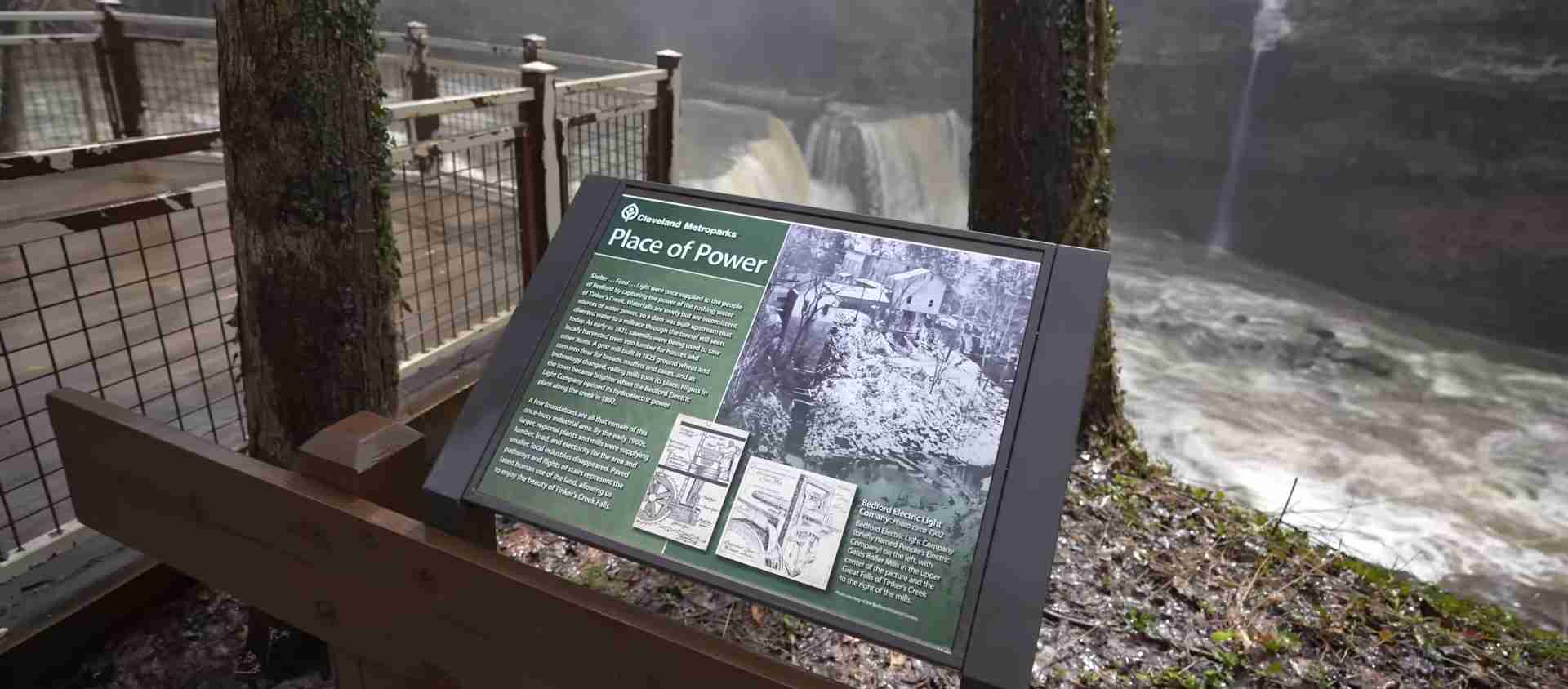
Brandywine Falls Trail (1.4 miles, easy) leads to the park’s signature 60-foot waterfall via boardwalk and stairs. The accessible upper boardwalk provides waterfall views for visitors with mobility limitations, while the complete Brandywine Gorge Loop descends to creek level for closer perspectives. This trail receives over 250,000 visitors annually, making it the park’s most photographed destination.
Ledges Trail (2.2 miles, moderate) winds through dramatic sandstone formations dating back millions of years. The Sharon Conglomerate rock layers create maze-like passages, shallow caves, and towering cliff faces that captivate children and geology enthusiasts. The Ledges Overlook provides sweeping valley views rivaling any paid observation deck. Ice Box Cave, sealed with protective gating to preserve bat habitat, demonstrates conservation efforts within accessible locations.
Blue Hen Falls Trail (3 miles roundtrip, moderate) follows the Buckeye Trail through hemlock forests to a secluded 15-foot waterfall. This trail attracts fewer crowds than Brandywine Falls, delivering peaceful woodland hiking just minutes from major roads. The slightly challenging terrain including stream crossings and muddy sections discourages casual visitors, benefiting hikers seeking solitude.
Ohio & Erie Canal Towpath Trail (20 miles through park, easy) follows the historic canal route on a flat, crushed limestone surface perfect for walking, running, and cycling. The completely level grade accommodates all fitness levels, while strategic access points every 2-3 miles allow customized distance selection. Historic locks, canal remnants, and interpretive signs provide educational context without guided tour fees.
Wildlife Viewing Throughout the Year 2026
Cuyahoga Valley National Park supports diverse wildlife populations visible during regular trail use. White-tailed deer appear frequently in meadow edges during dawn and dusk hours. Beavers maintain active lodges along the Cuyahoga River and smaller tributary streams, with fresh-cut trees marking recent activity areas. Great blue herons fish in wetlands and river sections throughout summer months.
Bald eagles winter in the valley from December through March, with several regular roosting sites along the Cuyahoga River. Barred owls, red-tailed hawks, and turkey vultures hunt park forests year-round. Spring and fall migration periods (April-May, September-October) bring warblers, vireos, and thrushes through woodland habitats, attracting birders armed with binoculars and field guides.
Coyotes inhabit the park in small numbers, occasionally visible crossing roads or hunting meadows during early morning hours. Red foxes, raccoons, and opossums appear regularly on trail cameras but remain largely nocturnal. The park’s proximity to urban areas creates unique wildlife-viewing opportunities as animals adapt to human presence while maintaining natural behaviors.
Seasonal Natural Events 2026
Spring wildflower displays transform forest floors from late March through May. Virginia bluebells carpet floodplain areas with purple-blue blooms in April, while trilliums, spring beauties, and bloodroot emerge across woodland habitats. The Wildflower Loop near Hunt Farm showcases concentrated displays along a 1-mile interpretive trail.
Fall foliage peaks typically occur late September through mid-October, varying annually based on temperature and rainfall patterns. Sugar maples produce brilliant orange and red displays, while oaks contribute russet and brown tones creating the signature northeastern Ohio autumn palette. The Ledges Overlook and Kendall Lake areas provide exceptional foliage viewing from elevated vantage points.
Winter transforms waterfalls into ice sculptures when extended cold snaps freeze flowing water into dramatic formations. Brandywine Falls develops massive ice columns during January and February in years with sustained sub-freezing temperatures. Blue Hen Falls and smaller unnamed cascades create accessible ice-viewing opportunities without technical climbing requirements.
Free Educational Programs 2026
National Park Service rangers conduct free interpretive programs throughout the year, though schedules vary seasonally. Summer evening programs at campfire circles near Boston Mills Visitor Center explore park history, geology, and ecology through ranger-led presentations. These programs typically run Friday and Saturday evenings June through August at 7:30 PM.
Guided hikes led by volunteer naturalists depart from visitor centers on select weekends, focusing on topics like bird identification, wildflower botany, or canal history. These 1-2 hour walks accommodate all ages and fitness levels, providing expert interpretation unavailable through self-guided exploration. Check visitor center bulletin boards or the park website for current program schedules.
The Junior Ranger program engages children ages 5-12 through activity booklets available free at visitor centers. Kids complete age-appropriate activities while exploring the park, then return to visitor centers to receive official Junior Ranger badges during brief ranger-led ceremonies. This program costs nothing and creates structured learning experiences for families.
Historic Sites and Cultural Resources 2026
The park preserves numerous historic structures from the Ohio & Erie Canal era (1825-1913) and agricultural heritage. Boston Store Visitor Center occupies an 1836 warehouse originally serving canal boat traffic. The building’s exhibits detail canal operations, early settlers, and valley industrialization through free interpretive displays.
Everett Covered Bridge (1870s reconstruction) spans Furnace Run providing classic New England-style architecture unexpected in Ohio. The bridge remains open to foot traffic, offering photographers iconic compositions combining historic structures with natural settings. Peninsula Depot, an early 1900s railway station, now serves as the scenic railroad passenger terminal with free museum displays in the waiting room.
Frazee House, Hale Farm & Village, and other historic homes scattered through the park demonstrate 19th-century rural life. While some properties charge admission for interior tours, exterior viewing and grounds access remain free. Stanford House Trail connects two historic properties via a 2-mile walking route combining architecture and nature.
Paid Activities and Experiences Worth the Cost 2026
While Cuyahoga Valley National Park emphasizes free access, several paid activities enhance visits through unique perspectives and convenience. Understanding which paid experiences deliver genuine value helps visitors allocate budgets effectively toward activities justifying their costs.
Cuyahoga Valley Scenic Railroad Excursions 2026
The Cuyahoga Valley Scenic Railroad operates vintage passenger trains providing narrated 2-hour journeys through park landscapes inaccessible from roads. Standard excursion tickets ($25-38 per person, check official site for current rates) include climate-controlled coaches, open-air observation cars, and live commentary detailing canal history, railroad operations, and natural features visible from the train.
The moving perspective reveals beaver ponds, heron rookeries, and forest vistas missed by roadside travelers. The gentle motion suits families with young children unable to complete long hikes, while the round-trip format eliminates navigation stress associated with planning trail routes. Weekend departures fill quickly during peak seasons, requiring advance online booking through the railroad’s website.
Specialty excursions command premium pricing but create memorable experiences. The Steam in the Valley series (select June weekends 2026) features historic steam locomotive 765 pulling passenger trains ($45-70 per person), attracting railroad enthusiasts and photographers. Breakfast aboard trains depart select Saturdays ($55-75 per person including meal), while dinner trains operate Friday evenings ($80-110 per person with multi-course meals).
The bike-aboard service ($3 per bicycle in addition to excursion ticket) supports one-way cycling adventures. Cyclists board trains at southern or northern stations, ride to opposite terminals, then pedal back via the Towpath Trail creating car-free 20-mile journeys combining train and bicycle perspectives.
Winter Sports at Boston Mills/Brandywine Ski Resort 2026
Boston Mills/Brandywine operates two ski areas within park boundaries, providing downhill skiing and snowboarding opportunities rare in Ohio. The resorts collectively offer 17 trails across 65 skiable acres with vertical drops up to 240 feet. While modest by Rocky Mountain standards, the accessibility and night skiing capabilities attract regional skiers and families introducing children to winter sports.
Daily lift tickets vary by day and advance purchase timing. Walk-up window prices reach $70-90 per adult, while advance online purchases reduce costs to $50-65. Season pass options through the Epic Pass program provide unlimited access for $500-800 depending on age and restrictions, representing good value for visitors making 10+ ski days annually.
Equipment rentals cost approximately $40-55 per day for complete ski or snowboard packages including boots and poles. Lessons range from $85 for group instruction to $200+ for private sessions. First-time skier packages bundling lift ticket, rentals, and lesson start around $140, providing comprehensive introduction to winter sports.
Polar Blast Snow Tubing Park adjacent to Brandywine ski area offers alternative winter entertainment. All-day tubing passes cost $59 per person (check official site for current rates) with unlimited runs down dedicated tubing lanes, while 3-hour sessions reduce pricing to $25 per person. Late-night Friday and Saturday tubing sessions (9 PM-1 AM) attract teenagers and young adults seeking unconventional evening activities.
Equipment Rentals and Guided Services 2026
Century Cycles in Peninsula (1621 Main Street) rents bicycles suitable for Towpath Trail riding. Hybrid bikes designed for mixed surfaces cost $30-45 per day, while higher-end road bikes and mountain bikes range $50-75 daily. Multi-day rentals reduce per-day costs by 20-30%. The shop provides trail maps, repair services, and expert advice on route selection matching rider abilities.
Winter equipment rentals expand seasonal activity options. Boston Mills Visitor Center rents cross-country skis and snowshoes when snow depths exceed 4 inches (packed) or 6 inches (powder). Rental fees run approximately $15-25 per day for ski or snowshoe packages. These modest charges enable winter trail exploration for visitors lacking specialized equipment.
Guided kayak tours on the Cuyahoga River operate through private outfitters based in nearby communities. Half-day guided trips ($65-95 per person) include equipment, instruction, and transportation to put-in locations. While the Cuyahoga River’s width and current remain manageable for independent paddlers, guided services benefit first-time kayakers unsure of river navigation or safety protocols.
Value Assessment: Free vs. Paid Activities 2026
The scenic railroad justifies its $25-38 cost for visitors seeking narrated interpretation and perspectives unavailable from hiking. Families with children under 8 find particular value as the train eliminates hiking fatigue while maintaining park engagement. Budget travelers focusing on hiking and self-guided exploration can skip the railroad without missing essential park experiences, saving $50-150 for family groups.
Ski resort activities appeal primarily to winter sports enthusiasts rather than general park visitors. The $140+ cost for first-time skier packages exceeds many visitors’ activity budgets, though locals treating Cuyahoga Valley as a ski destination find season passes economical. Free winter activities including snowshoeing, cross-country skiing on park trails, and sledding at Kendall Hills deliver comparable winter enjoyment without ski resort fees.
Bicycle rentals return strong value for visitors lacking personal bikes but wanting extended Towpath Trail experiences. The $30-45 daily cost seems reasonable for 3-4 hours of trail riding covering 10-20 miles, providing much more ground coverage than walking permits. Visitors with their own bikes eliminate this expense entirely while accessing identical trail experiences.
Seasonal Visiting Guide 2026: When to Visit Cuyahoga Valley National Park
Cuyahoga Valley National Park delivers distinct experiences across four seasons, with weather, activities, and crowds varying dramatically between summer and winter visits. Understanding seasonal tradeoffs helps visitors select optimal timing for their priorities whether seeking solitude, specific activities, or particular natural phenomena.
Spring Season 2026 (March-May)
Spring arrives gradually in northeastern Ohio with highly variable weather patterns. March brings occasional snow storms interspersed with 50°F sunny days, creating unpredictable conditions for outdoor planning. April marks the true spring transition with average daytime highs reaching 55-65°F and wildflower emergence across forest floors. May delivers comfortable 65-75°F temperatures with full leaf-out completing by month’s end.
Spring’s primary attraction involves wildflower displays peaking late March through early May depending on species. Virginia bluebells create purple-blue carpets in floodplain forests during mid-April, while trilliums, bloodroot, and spring beauties appear across upland woods. The brief flowering window (2-3 weeks per species) requires timing visits carefully for peak displays. Park naturalists post wildflower updates on the official website and social media channels.
Trail conditions challenge spring hikers due to mud accumulation from snowmelt and spring rains. The Buckeye Trail and other valley-bottom routes can become muddy quagmires after heavy precipitation, requiring waterproof boots and acceptance of dirty conditions. Higher-elevation trails like the Ledges dry faster but still retain wet sections through April.
Spring crowds remain moderate with most visitors concentrating on weekends. Weekday visits encounter near-solitude on many trails. Accommodation prices sit at shoulder-season levels 20-30% below summer peaks, providing good value for visitors prioritizing budget over guaranteed weather. The Fall Hiking Spree’s spring counterpart doesn’t exist, removing the structured program driving autumn traffic.
Summer Season 2026 (June-August)
Summer establishes peak visitation season with warm temperatures, long daylight hours, and full operational status for all park facilities. June brings pleasant 75-82°F days with moderate humidity building through the month. July and August deliver hot conditions with daytime highs frequently exceeding 85°F and humidity creating uncomfortable afternoon conditions. Morning and evening hours provide the most pleasant summer hiking weather.
The Towpath Trail sees heavy bicycle and pedestrian traffic on summer weekends, particularly on the Peninsula-to-Boston Mills segment. Brandywine Falls parking lots fill by late morning on Saturdays and Sundays, requiring overflow parking on roadside shoulders. Ledges Trail accommodates the summer crowds more easily due to multiple access points distributing users across the trail network.
Water activities increase during summer months. The Cuyahoga River attracts kayakers and canoers, though water levels decrease in July and August during dry periods making some sections too shallow for passage. Private outfitters in Peninsula and nearby communities rent kayaks and provide shuttle services for river trips.
Summer accommodation rates peak from Memorial Day weekend through Labor Day, with weekend nights commanding premiums 40-60% above winter prices. Booking 4-6 weeks in advance ensures availability at preferred properties. Some Peninsula-area vacation rentals require 2-3 night minimum stays on holiday weekends.
Thunderstorms develop frequently on summer afternoons, typically between 2-6 PM. These storms bring heavy rain, lightning, and occasionally severe weather including damaging winds. Morning hikes finishing by early afternoon avoid most storm risk, while visitors monitoring weather apps can seek shelter at trailhead parking areas or visitor centers when threatening conditions develop.
Fall Season 2026 (September-November)
Fall represents the park’s premier season combining comfortable temperatures, spectacular foliage, reduced insect activity, and structured programs encouraging exploration. September delivers late-summer conditions with 70-78°F daytime highs and warm, sunny weather. October brings the foliage peak with temperatures cooling to 55-68°F and crisp autumn air. November transitions toward winter with 40-55°F days and occasional early snow flurries.
The Fall Hiking Spree (September 1-November 30, 2026) draws thousands of participants completing designated trail routes to earn commemorative walking sticks or annual badges. The program designates 13 trails varying from easy 1-milers to challenging 6+ mile routes, requiring completion of 8 trails for awards. This structured program increases trail traffic but creates community atmosphere with friendly encounters between Spree participants.
Foliage timing varies annually based on temperature and rainfall patterns, but peak colors typically occur late September through mid-October. Sugar maples produce brilliant red-orange displays, while oaks contribute russet browns creating the classic northeastern Ohio palette. The Ledges Overlook provides exceptional foliage viewing from elevated vantage points, while valley-bottom trails offer immersive experiences surrounded by colorful canopies.
Fall weekend crowds rival or exceed summer levels due to foliage tourism and Hiking Spree participation. Weekday visits encounter significantly lighter traffic, with Tuesday-Thursday offering the solitude absent on Saturdays and Sundays. Accommodation prices remain elevated through October, dropping sharply after foliage season concludes in early November.
Weather variability increases in November with rapid temperature swings. Morning frost gives way to 60°F afternoon warmth, requiring layered clothing for day-long hikes. Early winter storms occasionally bring snow to the valley in late November, though sustained snowpack rarely accumulates before December.
Winter Season 2026-2027 (December-February)
Winter transforms Cuyahoga Valley into a snowy landscape supporting activities unavailable during other seasons. December averages 8-12 inches of snowfall with temperatures ranging 25-38°F. January brings the coldest conditions with average highs 30-35°F and lows frequently dropping into single digits. February moderates slightly to 32-40°F days but remains thoroughly winter in character.
Boston Mills/Brandywine Ski Resort operates December through March depending on snow conditions, typically opening in mid-December and closing in early March. Natural snowfall supplements snowmaking operations ensuring adequate coverage on most runs. The resort attracts skiers and snowboarders from across northeastern Ohio and western Pennsylvania, creating significant parking congestion on weekends.
Cross-country skiing and snowshoeing emerge as primary winter activities once snow depths exceed 4-6 inches. The Winter Sports Center at Kendall Lake Shelter rents cross-country skis and snowshoes for modest fees, providing access to specialized equipment for visitors lacking their own gear. Designated cross-country ski routes include the Oak Hill Trail (1.5 miles, easy) and Plateau Trail (2.75 miles, moderate) specifically designed for skiing.
Snowshoeing opens the entire trail network to winter exploration. Unlike cross-country skiing requiring specific trail preparation, snowshoeing works anywhere snowpack exists. The Ledges Trail becomes particularly dramatic after snowfall with ice formations decorating the sandstone cliffs. Brandywine Falls develops massive ice columns during sustained cold periods in January-February, creating spectacular photographic subjects.
Sledding at Kendall Hills provides free winter entertainment requiring only personal sleds. The designated sledding area offers multiple runs ranging from gentle slopes for young children to steeper grades challenging teenagers and adults. Separate sections accommodate sleds versus toboggans, reducing collision risks.
Winter solitude represents a major draw for visitors prioritizing peaceful nature experiences over activity diversity. Many trails see zero foot traffic on weekdays, allowing wildlife observation opportunities absent during crowded seasons. Deer, coyotes, and foxes become more visible against snowy backgrounds, while tracking snow reveals movement patterns of nocturnal animals.
Accommodation prices drop 30-45% during winter months with January-February offering the deepest discounts. Properties catering to ski resort visitors maintain higher rates on weekends near ski areas, but Independence, Richfield, and other peripheral communities reduce prices substantially. Booking flexibility increases as advance reservations become less critical during low-demand periods.
Sample Itineraries for Different Budgets 2026
These sample itineraries demonstrate how different budget levels create distinct Cuyahoga Valley experiences while all accessing the park’s signature attractions. Daily costs assume two people sharing accommodation, with per-person calculations dividing shared expenses appropriately.
Budget 3-Day Itinerary 2026 (Approximately $330-510 per person)
Day 1 – Arrival and Central Park Exploration: Check into Extended Stay America Independence ($80 per room, $40 per person). Prepare breakfast in room kitchenette ($10 per person), then drive to Brandywine Falls (free parking, free admission). Hike Brandywine Gorge Trail loop (1.4 miles, 1 hour). Pack sandwiches and snacks ($15 per person) for picnic lunch at Boston Store grounds. Afternoon visit to Ledges Trail (2.2 miles, 1.5 hours) including exploration of rock formations. Grocery store dinner prepared in hotel room ($20 per person). Day 1 total: accommodation $40, meals $45, gas $5, activities $0. Total: $90 per person.
Day 2 – Towpath Trail and Railroad Experience: Hotel breakfast ($8 per person). Drive to Peninsula for Cuyahoga Valley Scenic Railroad 10 AM departure ($32 per person). The 2-hour train ride provides valley perspectives and narrated history. Disembark at Peninsula station, walk to Lockview Grille for casual lunch ($18 per person). Afternoon bike rental from Century Cycles ($35 per person) for 2-hour Towpath Trail ride covering 8-10 miles. Return to hotel via grocery stop for dinner supplies ($22 per person). Day 2 total: accommodation $40, meals $48, activities $67. Total: $155 per person.
Day 3 – Northern Section and Departure: Quick hotel breakfast ($8 per person). Morning hike on Blue Hen Falls Trail (3 miles roundtrip, 1.5 hours) encountering lighter crowds than popular destinations. Pack lunch from grocery items ($12 per person). Afternoon visit to Tinker’s Creek Gorge Overlook for final valley views before checkout. Fast food dinner en route home ($15 per person). Day 3 total: accommodation $40, meals $35, gas $5. Total: $80 per person.
Budget 3-Day Total: Accommodation $120, meals $128, transportation $10, activities $67. Approximately $325 per person. With contingency for variables: $330-510 per person.
Mid-Range 5-Day Itinerary 2026 (Approximately $1,100-1,700 per person)
Day 1 – Arrival and Historic Peninsula: Check into Hampton Inn Independence ($150 per room, $75 per person). Hotel breakfast included. Afternoon arrival allows relaxed exploration of Peninsula historic district. Lunch at Peninsula Winery ($28 per person) with outdoor seating. Visit Boston Store Visitor Center for orientation and trail maps. Casual dinner at Fisher’s Cafe & Pub ($35 per person). Evening stroll on Towpath Trail from Peninsula depot. Day 1 total: accommodation $75, meals $63, gas $7. Total: $145 per person.
Day 2 – Signature Waterfalls and Trails: Hotel breakfast included. Morning hike to Brandywine Falls via extended gorge trail (3 miles, 2 hours). Drive to Blue Hen Falls for second waterfall experience (3 miles, 1.5 hours). Lunch at Winking Lizard Tavern in Richfield ($32 per person). Afternoon exploration of Ledges Trail with thorough investigation of rock formations and caves. Dinner at Cordelia in Cleveland’s Hingetown ($85 per person) representing splurge evening. Day 2 total: accommodation $75, meals $117, gas $15, activities $0. Total: $207 per person.
Day 3 – Scenic Railroad and Cycling Adventure: Hotel breakfast included. Morning Cuyahoga Valley Scenic Railroad departure with bike-aboard service ($32 train + $3 bike per person). Ride train north to Rockside station, cycle back to Peninsula via Towpath Trail (20 miles, 3-4 hours at leisurely pace). Lunch packed from Peninsula bakery ($18 per person). Afternoon rest at hotel pool. Dinner at Mabel’s BBQ in Cleveland ($45 per person). Day 3 total: accommodation $75, meals $63, activities $35. Total: $173 per person.
Day 4 – Winter Sports or Seasonal Activities: Hotel breakfast included. Contingent on season – winter visitors ski at Boston Mills ($65 lift ticket + $45 rental per person), summer visitors kayak on Cuyahoga River via guided tour ($85 per person). Lunch at slope-side lodge or riverside picnic ($25 per person). Afternoon continued skiing or additional kayaking segment. Casual dinner at Great Lakes Brewing Company in Cleveland Ohio City ($42 per person). Day 4 total: accommodation $75, meals $67, activities $110. Total: $252 per person.
Day 5 – Nature Study and Departure: Hotel breakfast included. Morning guided wildflower walk with park naturalist (free, spring season) or independent winter snowshoe trek on Pine Grove Trail (rental $20 per person). Brunch at Juneberry Table in Cleveland Ohio City ($35 per person) before checkout. Afternoon departure. Day 5 total: accommodation $75, meals $35, activities $20. Total: $130 per person.
Mid-Range 5-Day Total: Accommodation $375, meals $345, transportation $40, activities $165. Approximately $925 per person base. With seasonal variations and dining flexibility: $1,100-1,700 per person.
Luxury Weekend Itinerary 2026 (Approximately $1,080-1,620 total for two people)
Day 1 – Friday Arrival: Check into Inn at Brandywine Falls ($200 per room including gourmet breakfast). Afternoon arrival allows 4 PM check-in. Light walk on property grounds to nearby Brandywine Falls (0.25 miles). Reservation at Alti us in Cleveland Tremont for anniversary dinner ($240 per person with wine pairing). Return to inn for evening relaxation in historic setting. Day 1 total: accommodation $200, meals $480, gas $15. Total: $695 for two people.
Day 2 – Saturday Full Exploration: Multi-course breakfast at inn included in room rate. Private guided hiking tour with local naturalist ($180 for two people, 3 hours) exploring Ledges area with expert interpretation. Gourmet picnic lunch from Cleveland’s West Side Market ($45 for two people) consumed at scenic overlook. Afternoon couples massage at Cleveland spa ($220 for two 60-minute sessions). Early dinner at Morcilla Spanish tapas ($200 for two with cocktails). Evening scenic railroad sunset departure if available (seasonal, $75 for two). Day 2 total: accommodation $200, meals $245, activities $475. Total: $920 for two people.
Day 3 – Sunday Departure: Leisurely breakfast at inn included. Late checkout (noon) allows morning without rush. Brunch reservation at 750ml Champagne bar in Fairlawn ($85 for two) before departure. Day 3 total: accommodation $200, meals $85. Total: $285 for two people.
Luxury Weekend Total for two people: Accommodation $600, meals $810, activities $475, gas $15. Approximately $1,900 total for two people ($950 per person). Individual per-person daily range: $360-540 depending on seasonal activity choices.
Money-Saving Strategies for Cuyahoga Valley National Park 2026
Visitors can significantly reduce Cuyahoga Valley expenses through strategic planning and understanding where costs concentrate. Unlike western national parks where entrance fees represent substantial expenses, Cuyahoga Valley’s free admission shifts budget focus entirely toward accommodation, dining, and optional activities.
Timing Visits for Lower Accommodation Costs 2026
Seasonal pricing fluctuations create opportunities for 40-60% savings on identical rooms depending on visit dates. Winter weekdays (January-February) offer the lowest rates with many properties reducing prices dramatically to attract any business during slow periods. A room costing $180 on summer Saturdays may drop to $75 on January Tuesday nights.
Shoulder seasons (April-May, November) provide moderate savings while maintaining better weather than deep winter. Booking Tuesday-Thursday nights rather than Friday-Saturday consistently saves $30-60 per night at most properties. The differential becomes even more pronounced during fall foliage season when weekend rates inflate 50% above weekday pricing.
Flexible travel dates enable booking strategies targeting lowest-price windows. Using hotel search aggregators with flexible date calendars reveals specific dates offering optimal pricing. Shifting a 3-day trip by one week sometimes creates $150-200 total savings on accommodation across three nights.
Self-Catering to Reduce Dining Expenses 2026
Accommodation with kitchenettes or full kitchens transforms dining economics. Extended Stay America properties ($80-95 per night) include kitchenettes with refrigerators, microwaves, and cooktops allowing meal preparation. Vacation rentals universally include full kitchens with all necessary cookware and utensils.
Grocery shopping at Giant Eagle or Acme stores in Independence and Peninsula provides ingredients for self-prepared meals at 40-60% discounts compared to restaurant equivalents. Breakfast preparation (eggs, toast, coffee) costs $5-8 per person versus $15-20 at restaurants. Sandwich fixings for trail lunches run $8-12 per person compared to $18-25 at casual dining establishments.
The hybrid approach combines self-prepared breakfasts and packed lunches with single restaurant dinners, reducing daily meal costs from $80-120 to $45-70 per person while maintaining the social experience of dining out. This strategy works particularly well for multi-day visits where every meal in restaurants becomes monotonous and expensive.
Prioritizing Free Activities Over Paid Experiences 2026
Cuyahoga Valley’s extensive free offerings rival or exceed paid activities for most visitors. The park’s signature attractions – Brandywine Falls, Ledges Trail, Towpath Trail – cost nothing to access. Wildlife viewing, wildflower observation, and waterfall photography create compelling experiences without fees.
Budget-conscious visitors skip the Scenic Railroad ($25-38 per person) in favor of hiking or cycling the Towpath Trail alongside railroad tracks, experiencing identical valley scenery at personal pace. The train offers convenience and narration but doesn’t access areas unavailable to independent explorers.
Winter visitors choosing free snowshoeing and cross-country skiing over Boston Mills/Brandywine ski resort ($65+ lift tickets, $45 rentals) enjoy comparable winter recreation on park trails. Snowshoe and cross-country ski rentals from the Winter Sports Center cost substantially less than downhill ski packages while accessing the park’s natural winter beauty without lift lines or crowded slopes.
Advance Booking and Package Deals 2026
Hotel booking sites occasionally offer package deals combining accommodation with Scenic Railroad tickets or other activities at 15-25% discounts versus separate purchases. These packages appear most frequently during shoulder seasons (April-May, November) when both hotels and activity operators seek to stimulate demand.
Booking accommodation 6-8 weeks in advance during peak seasons (summer, fall foliage) secures better room selection and sometimes early-booking discounts. Last-minute bookings during high-demand periods face limited availability and premium pricing. Conversely, winter weekday reservations can be made week-of without availability concerns or price penalties.
Cleveland Restaurant Week (March 2-14, 2026) provides exceptional dining value with $39+ prix fixe menus at upscale restaurants normally charging $80-150 per person. Scheduling visits during Restaurant Week while staying near Cuyahoga Valley creates opportunities to experience Cleveland’s culinary scene affordably, combining urban dining with park exploration.
Group Travel Economics 2026
Groups of 4-6 people sharing vacation rentals reduce per-person accommodation costs substantially. A 3-bedroom house renting for $200-250 per night costs just $35-42 per person when six people split expenses, undercutting even budget hotels. Full kitchens in rentals enable group meal preparation, compounding savings beyond room costs.
Driving from nearby cities (Pittsburgh, Columbus, Detroit) in groups splits fuel costs 4-6 ways, making road trips more economical than flying individually. A Pittsburgh group driving 130 miles consumes $25-30 in gasoline total, or just $6-8 per person when four friends share the vehicle.
Strategic Use of Cleveland and Akron Resources 2026
Visitors comfortable with 25-35 minute drives can base in Cleveland or Akron, accessing wider accommodation variety and competitive pricing compared to limited options near Peninsula. Cleveland’s downtown and University Circle neighborhoods offer unique stays at prices competitive with suburban chain hotels, while providing evening entertainment options absent in park-adjacent communities.
Grocery shopping, equipment purchases, and other services cost less in urban areas than in Peninsula’s small-town setting where limited competition allows higher prices. Fill vehicle gas tanks in Cleveland or Akron before entering the park area where stations charge premiums for convenience.
Practical Planning Information for 2026
Successful Cuyahoga Valley visits require attention to logistical details often overlooked during initial trip planning. Understanding cell service limitations, weather preparation requirements, and facility locations prevents minor inconveniences from becoming major frustrations.
Cell Service and Connectivity 2026
Major cellular carriers (Verizon, AT&T, T-Mobile) provide adequate coverage at trailheads and along main roads through the park. Valley-bottom locations surrounded by hills sometimes experience reduced signal strength or complete loss of service. The Ledges Trail area and portions of the Towpath Trail through dense forest can create connectivity blackouts lasting 30-60 minutes.
Download offline maps before entering the park. Google Maps and AllTrails apps both support offline map downloads ensuring navigation capability without active cellular connections. The National Park Service app for Cuyahoga Valley includes downloadable trail maps and offline-accessible information about facilities and regulations.
Visitor centers offer free WiFi during operating hours, providing backup connectivity for checking weather forecasts, making dinner reservations, or handling urgent communications. Boston Mill Visitor Center (7100 Riverview Road, Peninsula) and Canal Visitor Center (7104 Canal Road, Valley View) both maintain reliable internet access.
Weather Preparation and Seasonal Gear 2026
Northeastern Ohio weather changes rapidly, requiring layered clothing approaches year-round. Spring and fall visits demand versatile outfits accommodating 30-degree temperature swings between morning and afternoon. Morning frost at 35°F gives way to 65°F afternoon warmth requiring shed layers and sun protection.
Summer humidity creates comfort challenges during July-August hikes. Lightweight, moisture-wicking fabrics handle perspiration better than cotton. Afternoon thunderstorms develop frequently, making lightweight rain jackets essential additions to daypack contents. Lightning poses serious risks in exposed areas like the Ledges Overlook during storms – seek shelter in vehicles or buildings when electrical activity threatens.
Winter preparation requires insulated layers, waterproof boots rated for sub-freezing temperatures, and hand/foot warmers for extended outdoor exposure. Wind chill along exposed sections of the Towpath Trail can drop perceived temperatures 10-15 degrees below actual readings during January-February. Traction devices (Yaktrax, microspikes) improve safety on icy trail sections after freeze-thaw cycles.
Restroom Facilities and Water Sources 2026
Visitor centers provide the most reliable restroom access with climate-controlled facilities open during standard hours (typically 10 AM-4 PM weekdays, extended weekend hours). Boston Mill Visitor Center, Canal Visitor Center, and Hunt Farm Visitor Information Center all maintain year-round restroom access, though winter hours may be reduced.
Vault toilets (non-flush toilets in small buildings) appear at major trailheads including Brandywine Falls, Ledges Trail, and Kendall Lake areas. These facilities operate year-round but receive less frequent cleaning than visitor center restrooms. Hand sanitizer becomes essential as running water isn’t always available.
Drinking water sources within the park remain limited. Visitor centers provide water bottle filling stations during operating hours, but backcountry areas lack potable water access. Carry sufficient water for planned activities – 1 liter minimum for 2-hour hikes, 2+ liters for full-day adventures. Summer heat and humidity increase hydration requirements substantially.
Pet Policies and Regulations 2026
Cuyahoga Valley National Park welcomes leashed pets on most trails with 6-foot maximum leash lengths required. The Towpath Trail sees heavy dog traffic making it the park’s most pet-friendly route. Owners must clean up after pets and prevent aggressive behavior toward other visitors or wildlife.
Some trail sections prohibit pets entirely. The Ledges Trail through sensitive cave and cliff areas restricts dog access to protect bat habitat and nesting birds. Signs at trailheads clearly mark pet restrictions – review these before beginning hikes with dogs.
Hot summer pavement can burn dog paws. The Towpath Trail’s crushed limestone surface remains cooler than asphalt parking lots but still heats significantly during July-August afternoons. Early morning or evening hikes prove more comfortable for dogs during summer peaks.
Accessibility Considerations 2026
Brandywine Falls upper boardwalk provides wheelchair and mobility-device access to waterfall viewpoints. The paved, level boardwalk extends approximately 200 feet from accessible parking spaces to viewing platforms overlooking the 60-foot cascade. Accessible restrooms function at this location year-round.
The Towpath Trail’s crushed limestone surface accommodates wheelchairs and mobility scooters along most of its 20-mile length, though surface roughness varies. Well-maintained sections near Boston Mills Visitor Center and Peninsula provide smoothest riding, while remote segments develop ruts and loose stone requiring more effort.
Most visitor centers feature accessible entrances, restrooms, and exhibit areas complying with ADA standards. Designated accessible parking spaces appear at all major trailheads with paved access routes to facilities where terrain allows. Contact visitor centers at 440-717-3890 for specific accessibility questions about planned activities.
Safety Considerations and Emergency Services 2026
Emergency services respond to incidents throughout the park, though response times vary by location. Major roads intersecting the park maintain good access for emergency vehicles, while some remote trailheads require longer response times. Cell service limitations in valley bottoms can delay emergency communications.
Carry basic first aid supplies including bandages, antiseptic, pain relievers, and any personal medications. Twisted ankles and minor falls represent the most common trail injuries. Know your approximate location using trail maps and landmarks to communicate effectively with emergency dispatchers if needed.
Tick-borne diseases including Lyme disease occur in northeastern Ohio. Wear long pants tucked into socks when hiking through tall grass or dense undergrowth during May-September. Perform full-body tick checks after hikes, removing attached ticks promptly using fine-tipped tweezers.
Wildlife encounters rarely pose dangers, but appropriate responses prevent conflicts. Keep respectful distances from deer, coyotes, and other mammals. Never feed wildlife or approach closely for photographs. Store food securely in vehicles when parked at trailheads to avoid attracting raccoons and other opportunistic animals.
Day Trip vs. Overnight Visit Planning 2026
Deciding between day trips and overnight stays depends on distance from home, activity goals, and desire for immersive experiences. Both approaches work well for Cuyahoga Valley given the park’s accessibility and moderate scale.
Day Trip Strategy for Cleveland and Akron Residents 2026
Locals within 30 miles treat Cuyahoga Valley as an extended backyard, making repeat day trips more practical than single overnight stays. The 25-35 minute drive from downtown Cleveland or 20-30 minute drive from Akron enables morning departures at 8 AM with full-day hiking (8 hours) and return by 6 PM without rushing.
Day trip budgets focus entirely on meals and optional activities since accommodation costs disappear. A couple’s day trip might cost $40-80 total including packed lunch, Scenic Railroad tickets ($50-75 for two), and gas ($5-10). This economical approach allows frequent visits across seasons, experiencing the park’s changing character without major financial commitments.
Day visitors should prioritize single-area exploration rather than attempting to cover the entire park. The northern section (Bridal Veil Falls, Tinker’s Creek Gorge), central Virginia Kendall area (Ledges Trail, Kendall Lake), and southern Brandywine section each provide full-day experiences without excessive driving between locations.
Overnight Stays for Distant Visitors 2026
Travelers from Pittsburgh (130 miles), Columbus (140 miles), Detroit (170 miles), or more distant origins benefit from overnight accommodations allowing relaxed multi-day exploration. The 2-3 hour drives to reach Cuyahoga Valley create fatigue when combined with full-day hiking, making overnight stays more comfortable and productive.
Two-night visits (three days) provide ideal balance for distant travelers, allowing arrival afternoon to settle in and orient, full middle day for ambitious hiking or activities, and departure morning after leisurely breakfast. This pattern prevents rushed driving and maximizes quality time in the park.
Overnight visitors can explore multiple park areas across separate days. Day 1 focuses on Brandywine Falls and southern trails, Day 2 covers the Ledges and Virginia Kendall area, Day 3 explores northern sections before departure. This distribution prevents backtracking and optimizes drive times between accommodations and trailheads.
Weekend Getaway Format 2026
Friday-Sunday weekend trips attract couples and small groups seeking escape from urban routines without major vacation commitments. Arrive Friday evening (accommodation costs begin), spend Saturday exploring the park, and depart Sunday afternoon after morning hikes. This two-night format provides adequate time for signature experiences while minimizing time away from work.
Weekend visits encounter the heaviest crowds as local day-trippers flood popular destinations Saturday and Sunday. Early starts (7-8 AM) beat parking lot fills at Brandywine Falls and Ledges Trail. Alternatively, focus weekend mornings on less-visited areas like Blue Hen Falls or Pine Grove Trail, saving major attractions for Sunday afternoons after day-trip crowds depart.
Extended Stays and Seasonal Deep Dives 2026
Visitors spending 5-7 days create opportunities for comprehensive park exploration beyond casual tourism. These extended visits allow covering all major trail systems, participating in ranger programs, taking multiple Scenic Railroad excursions, and experiencing both Cleveland and Akron cultural attractions alongside park activities.
Week-long stays work particularly well during Fall Hiking Spree season (September-November) when completing the 8-trail requirement benefits from 5-6 days of hiking opportunities. Winter week-long visits combine multiple ski days with snowshoeing expeditions and frozen waterfall photography, justifying the extended time commitment through activity diversity.
Combining Cuyahoga Valley with Cleveland and Akron Attractions 2026
Cuyahoga Valley National Park’s position between two substantial cities creates opportunities for hybrid itineraries combining wilderness experiences with urban cultural attractions. Visitors can create diverse week-long trips alternating park days with city exploration, maximizing the region’s full offerings.
Cleveland Cultural Attractions 2026
The Rock & Roll Hall of Fame (1100 Rock and Roll Boulevard, Cleveland) represents Cleveland’s signature museum, chronicling popular music history through extensive exhibits and artifacts. Admission costs $30-35 per adult, with 3-4 hours sufficient for comprehensive exploration. The museum sits on Lake Erie’s shore 22 miles north of Cuyahoga Valley, requiring 30-35 minute drives.
Cleveland Museum of Art (11150 East Boulevard) offers free general admission to world-class collections spanning 6,000 years of artistic achievement. The museum’s modern galleries and stunning atrium create exceptional visitor experiences rivaling major metropolitan institutions, all without entrance fees. Special exhibitions occasionally charge admission ($10-15), but permanent collections remain free always.
West Side Market (1979 West 25th Street) operates as Cleveland’s historic public market featuring 100+ vendors selling fresh produce, meats, baked goods, and prepared foods. The 1912 market building creates atmospheric settings for food photography and sampling. Morning visits (7-10 AM Saturday) find peak activity before crowds overwhelm the space. Entry remains free with spending determined by purchases.
Akron Points of Interest 2026
Stan Hywet Hall & Gardens (714 North Portage Path, Akron) preserves a 1915 manor house and 70 acres of gardens representing American Country Estate architecture. The 65-room mansion tours cost $15-18 per adult, while garden-only admission runs $10-12. Spring tulip displays (April-May) and summer perennial gardens justify the admission for garden enthusiasts.
Akron Art Museum (1 South High Street) provides free admission to contemporary art collections in a striking building combining historic and modern architecture. Rotating exhibitions showcase regional and national artists, making each visit unique. The museum sits in downtown Akron just 15 miles from Cuyahoga Valley’s southern sections.
Lock 3 Park in downtown Akron hosts seasonal events and maintains an outdoor ice skating rink (November-February) with $3 skate rental and free admission. The small urban park creates gathering space for concerts and festivals throughout the year, adding entertainment options for evening hours when park activities conclude.
Sample Combined Itinerary 2026
Day 1: Arrive Cleveland, check into downtown hotel, visit Rock & Roll Hall of Fame (afternoon), dinner in Ohio City ($40-65 per person). Day 2: Drive to Cuyahoga Valley, hike Brandywine Falls and Ledges Trail, picnic lunch, return to Cleveland for evening at Great Lakes Brewing Company. Day 3: Morning at Cleveland Museum of Art, lunch at West Side Market, afternoon drive to Akron, evening at Akron Art Museum. Day 4: Full day in Cuyahoga Valley with Scenic Railroad ride and Towpath Trail cycling, Peninsula dining. Day 5: Morning hike to Blue Hen Falls, afternoon shopping in Cleveland’s Larchmere neighborhood, departure.
This combined approach creates varied experiences preventing park-fatigue while justifying longer trips from distant origins. The urban amenities provide weather backup plans when storms make outdoor activities unpleasant, adding flexibility missing from pure wilderness parks.
Photography Guide: Capturing Cuyahoga Valley National Park 2026
Cuyahoga Valley National Park delivers exceptional photographic opportunities across seasons, with waterfalls, rock formations, fall foliage, and historic structures creating diverse subjects. Understanding optimal timing, locations, and techniques helps photographers of all skill levels capture compelling images.
Signature Photographic Locations 2026
Brandywine Falls provides the park’s most iconic image with the 60-foot cascade framed by surrounding cliffs and forest. The upper boardwalk viewing platform positions photographers at mid-height relative to the falls, creating balanced compositions showing both the cascade and the plunge pool below. Morning light (8-11 AM) illuminates the falls without harsh shadows, while overcast conditions eliminate exposure challenges from bright sky and dark forest.
The Ledges Overlook delivers sweeping valley vistas showcasing the Cuyahoga River’s meanders and surrounding forest canopy. Sunset photography from this elevated vantage point captures golden hour light across the landscape, though the westward view sometimes suffers from hazy atmospheric conditions reducing distant clarity. Fall foliage season creates the overlook’s peak photographic period with colorful canopies stretching toward horizons.
Everett Covered Bridge combines historic architecture with natural settings along Furnace Run. The 1870s-era bridge’s red-painted exterior contrasts beautifully against green summer foliage or white winter snow. Position cameras from the creek bank downstream to include both the bridge and flowing water in compositions. Early morning mist often rises from Furnace Run during spring and fall, creating atmospheric effects.
Ice Box Cave’s metal protective gating and surrounding sandstone formations create abstract compositions during winter months when icicles and snow accumulate on the rocks. The challenge involves balancing bright snow against dark cave interiors – expose for the highlights and recover shadow detail in post-processing rather than trying to capture everything in single exposures.
Seasonal Photography Opportunities 2026
Spring wildflower photography requires macro capabilities or close-focusing abilities to capture tiny blooms like spring beauties and bloodroot effectively. The brief flowering windows (2-3 weeks per species) demand timing visits carefully. Overcast light works best for wildflower photography, preventing harsh shadows and making delicate petals glow with soft, even illumination.
Summer’s lush green canopies create lighting challenges in forest environments where bright sky contrasts dramatically with dark understory. Shoot during overcast conditions or after rain when wet foliage reflects available light more effectively. The Towpath Trail’s open sections provide better light than dense forest trails.
Fall foliage photography peaks late September through mid-October depending on annual weather patterns. The Ledges area combines colorful canopies with sandstone cliff backdrops creating layers of visual interest. Cloudy-bright conditions just after rain intensify color saturation compared to harsh midday sun. Autumn’s low sun angle (40-45 degrees at midday) creates longer shadows and warmer light throughout the day compared to summer’s overhead illumination.
Winter transforms waterfalls into ice sculptures worthy of extended photography sessions. Brandywine Falls develops massive ice columns during sustained freezing periods in January-February. Bring tripods for long exposures blurring any remaining flowing water while keeping ice formations sharp. Blue-hour photography (30 minutes after sunset) creates ethereal light on ice and snow.
Wildlife Photography Considerations 2026
White-tailed deer appear most reliably during dawn and dusk hours along meadow edges and forest borders. Telephoto lenses (200mm+) allow respectful distances while capturing frame-filling images. Quiet movement and patience produce better results than aggressive pursuit causing animals to flee.
Great blue herons fishing in wetlands and river sections provide dramatic subjects with their deliberate stalking behavior and sudden strikes. Sit quietly near known heron hunting areas (ask rangers for current locations) rather than walking along riverbanks scaring birds from feeding territories. Early morning hours find herons most active and tolerant of distant observers.
Bird photography benefits from spring and fall migration periods (April-May, September-October) when warblers and other songbirds concentrate in woodland habitats. Songbird photography requires patience, local knowledge of productive locations, and telephoto or super-telephoto lenses (400mm+) capturing small, active subjects.
Technical Recommendations 2026
Bring polarizing filters to reduce glare on waterfall pools and wet rocks while intensifying blue sky and cloud contrast. Neutral density filters enable long exposures for silky water effects even in bright midday conditions. A sturdy tripod proves essential for waterfall photography, low-light forest scenes, and wildlife work requiring sharp images at slow shutter speeds.
Weather-sealed camera bodies and lenses handle the park’s frequent precipitation and high humidity without damage concerns. Rain covers protect non-sealed equipment during unexpected showers common on summer afternoons. Lens cloths remove water droplets and condensation affecting image quality.
Pack extra batteries as cold winter temperatures drain power rapidly – cameras functioning normally indoors may die within hours when exposed to 20°F conditions. Store spare batteries in interior jacket pockets using body heat to maintain charge capacity.
Family Travel Guide: Visiting with Children 2026
Cuyahoga Valley National Park ranks among the most accessible and family-friendly national parks, combining easy trail access, free entrance, and diverse activities engaging children across age ranges. Strategic planning ensures successful family visits creating positive outdoor experiences for young hikers.
Age-Appropriate Trail Selection 2026
Toddlers and preschoolers (ages 2-5) succeed best on short, destination-focused trails with compelling payoffs. The Brandywine Falls boardwalk (0.25 miles each way to main viewpoint) provides paved, stroller-accessible walking to an impressive waterfall maintaining children’s interest. The dramatic 60-foot cascade holds attention spans better than gradual forest scenery.
Elementary-age children (ages 6-10) handle moderate trail distances (2-4 miles) when motivated by engaging features. The Ledges Trail’s rock formations create natural playgrounds where kids explore caves, squeeze through narrow passages, and climb (supervised) on boulders. The 2.2-mile loop provides sufficient exercise without overwhelming energy reserves.
The Towpath Trail’s flat, obstacle-free surface accommodates children on bicycles, making family cycling trips productive for covering distances young legs couldn’t walk. Bikes transform transportation into entertainment, with children pedaling enthusiastically on the 20-mile trail. Start with short segments (2-3 miles) and gradually extend distances as children’s fitness and confidence grow.
Seasonal Activity Planning for Families 2026
Summer visits allow full activity access but require heat management strategies. Plan major hikes for early morning (7-10 AM) before temperatures peak. The Towpath Trail’s tree canopy provides shade making afternoon walks tolerable when exposed trails become oppressively hot. Pack frozen water bottles that thaw gradually, providing cold drinks throughout the day.
Fall Hiking Spree participation creates goal-oriented family challenges. Children earn commemorative walking sticks by completing 8 designated trails, providing tangible rewards for hiking efforts. The structured program motivates reluctant young hikers who respond better to specific objectives than general “let’s go for a walk” proposals.
Winter sledding at Kendall Hills delivers free entertainment requiring only personal sleds easily transported in vehicles. The designated sledding area separates toddler slopes from advanced runs, allowing family members of different ages and risk tolerances to participate safely. Pack thermoses of hot chocolate and hand warmers for extended cold-weather play sessions.
Educational Opportunities 2026
The Junior Ranger program engages children ages 5-12 through activity booklets exploring park history, ecology, and conservation. Booklets available free at visitor centers include age-appropriate tasks like identifying tree species, learning about canal boats, and completing scavenger hunts. Children completing activities receive official Junior Ranger badges during brief ranger-led ceremonies at visitor centers.
Ranger-led programs during summer months (June-August) include evening campfire talks and guided nature walks specifically designed for family audiences. These free programs typically run 45-60 minutes, matching children’s attention spans while delivering educational content through storytelling and interactive demonstrations.
Boston Store Visitor Center’s canal history exhibits include hands-on displays allowing children to operate lock models and examine historical artifacts. The tactile learning approach maintains engagement better than purely observational museum experiences. Allow 30-45 minutes for exploration including short video presentations about canal operations.
Dining with Children 2026
Family-friendly restaurants in Peninsula and nearby communities accommodate children’s needs and preferences. Fisher’s Cafe & Pub offers kids’ menus with familiar items (mac and cheese, chicken tenders, burgers) at $8-12 per child. The casual atmosphere tolerates active children better than fine-dining establishments.
Picnic lunches eliminate restaurant time constraints and expense while providing outdoor eating experiences children often prefer to indoor dining. Peninsula’s Szalay’s Farm Market (seasonal operation) supplies fresh produce, baked goods, and prepared items perfect for trail lunches. Children participate in meal selection, increasing likelihood they’ll actually eat purchased food.
The Winking Lizard Tavern chain locations feature extensive kids’ menus, arcade games, and casual environments where noise from excited children blends into general restaurant atmosphere. Prices run $7-14 per child for meals including beverage and dessert.
Accommodation Considerations for Families 2026
Hotels with pools create built-in entertainment during afternoon rest periods between morning and evening activities. Hampton Inn Independence and similar mid-range properties include indoor pools, hot tubs, and often game rooms providing recreation without leaving the hotel. After morning hikes, children swim while parents relax, then resume park activities refreshed during cooler evening hours.
Vacation rentals with multiple bedrooms and full kitchens support larger families or multigenerational groups. Separate bedrooms allow adults quiet time after children’s bedtimes, while full kitchens enable dietary accommodation for picky eaters. The additional space prevents cabin fever during poor weather that might confine families to single hotel rooms for hours.
Safety Tips for Family Visits 2026
Establish clear rules about staying on marked trails and within parents’ visual range. The Ledges Trail’s maze-like rock formations tempt children to explore beyond safe boundaries – maintain close supervision in these areas. Designate a meeting point at trailheads in case of accidental separations.
Dress children in bright colors (orange, yellow, red) making them more visible among forest greens and browns. Avoid camouflage patterns that make spotting wandering children more difficult. Consider temporary tattoos with parents’ cell phone numbers for young children who might struggle remembering phone numbers if separated.
Pack child-specific first aid items including children’s pain relievers, bandages sized for small fingers, and any prescription medications. Blisters develop quickly on children’s feet during longer hikes – bring moleskin or blister prevention products and don’t hesitate to cut hikes short if discomfort becomes significant.
Solo Travel Guide: Exploring Cuyahoga Valley Alone 2026
Solo visitors discover unique freedoms exploring Cuyahoga Valley at personal paces without group compromises. The park’s accessibility and safety make it ideal for independent travel, though solitary visitors should understand specific considerations maximizing positive experiences while maintaining appropriate precautions.
Advantages of Solo Park Visits 2026
Complete schedule flexibility allows spontaneous decisions impossible with travel partners requiring consensus. Wake early for sunrise photography at the Ledges Overlook or sleep late and start hiking at noon – the choice remains entirely personal. Change plans midday when weather shifts or energy levels flag without disappointing companions expecting specific itineraries.
Solo hiking enables natural pace matching individual fitness and interest levels. Stop frequently for wildflower photography or push hard covering 10+ miles – neither approach inconveniences anyone else. The absence of conversation allows heightened awareness of bird songs, rustling wildlife, and wind through forest canopies often missed during social hiking.
Budget control becomes absolute as solo travelers make all spending decisions without negotiating restaurant choices or accommodation standards with partners. Allocate entire budgets toward priorities whether fancy dinners in Cleveland or basic camping-style lodging maximizing trail time.
Safety Considerations for Solo Hikers 2026
Share itineraries with friends or family before departing on solo hikes. Text or email detailed plans including specific trails, estimated return times, and emergency contact information. This practice enables timely searches if emergencies prevent returning as scheduled.
Carry fully charged cell phones despite coverage limitations in some park areas. Download offline maps ensuring navigation capability without active cellular connections. Pack basic first aid supplies, extra food, and emergency shelter (lightweight emergency bivy or space blanket) in case injuries or weather delays return trips.
Most trails see regular traffic during daylight hours, particularly on weekends. Solo hikers rarely experience true solitude on popular routes like Brandywine Falls or Ledges Trail. The park’s proximity to Cleveland and Akron ensures consistent visitor presence reducing isolation concerns. More remote trails like Blue Hen Falls attract lighter crowds but still see occasional hikers especially on pleasant weekend mornings.
Women hiking solo should trust instincts about uncomfortable situations. The vast majority of encounters involve friendly fellow hikers exchanging greetings and trail information, but leave areas immediately if anyone’s behavior creates unease. Hike during peak hours (9 AM-4 PM) when more people populate trails rather than very early or late when visitor numbers drop substantially.
Accommodation Strategies for Solo Travelers 2026
Solo travelers face “single supplement” challenges as most hotel rooms cost the same whether occupied by one or two people. Budget options mitigate this through lower absolute costs – paying $75 for a room alone still beats sharing $150 mid-range rooms when traveling with partners.
Hostels remain rare near Cuyahoga Valley, limiting traditional solo traveler accommodation options available in European destinations. Some vacation rentals accept single occupants without full-occupancy pricing, though many require 2-night minimums during peak periods making single-night stays impossible.
Extended stay hotels with kitchenettes (Extended Stay America, $80-95) provide good solo value by enabling meal preparation. Cooking for one costs less than eating every meal at restaurants, compensating somewhat for the full room rate solo travelers must pay.
Social Opportunities for Solo Visitors 2026
Join ranger-led programs and guided hikes to meet fellow park visitors in structured settings. These free programs naturally facilitate conversations as participants share trail experiences and exchange recommendations. Many solo travelers meet hiking partners during these programs, teaming up for subsequent trail exploration.
The Fall Hiking Spree creates community among participants pursuing the same goal of completing designated trails. Solo hikers encounter other Spree participants regularly, often comparing progress and discussing route strategies. The shared objective provides natural conversation starters transcending normal stranger dynamics.
Peninsula’s downtown restaurants and cafes attract park visitors during meal times, creating opportunities for casual conversations with other travelers. Lockview Grille’s outdoor seating and communal atmosphere encourages friendly interactions more readily than isolated hotel room dining.
Solo Photography and Contemplative Experiences 2026
Solo visits enable patient photography impossible when companions wait impatiently during extended shooting sessions. Spend an hour at Brandywine Falls experimenting with different exposures and compositions without rushing for anyone’s sake. Return to the same location multiple times throughout the day capturing changing light conditions.
The solitude supports contemplative nature experiences unavailable during social visits. Sit quietly at Blue Hen Falls for 30 minutes watching water patterns and forest life without speaking. This meditative approach to nature connection requires aloneness – even supportive companions create social dynamics preventing deep introspection.
Journaling during trail breaks creates permanent records of solo adventures. Find scenic overlooks, spread out trail snacks, and write reflections about landscapes, encounters, and personal thoughts arising during solitary hiking. These writings become cherished memories years later, capturing moments lost to group travel conversations.
Frequently Asked Questions About Cuyahoga Valley National Park 2026
Does Cuyahoga Valley National Park have entrance fees in 2026?
Cuyahoga Valley National Park requires no entrance fee, entrance pass, or vehicle permit for any visitor. All park access remains completely free year-round including parking at trailheads, visitor centers, and activity areas. This free access policy distinguishes Cuyahoga Valley from western national parks charging $30-35 per vehicle, making Ohio’s only national park exceptionally accessible for budget-conscious travelers. While the park itself charges nothing for basic access, optional activities like the Cuyahoga Valley Scenic Railroad ($25-38 per person) and Boston Mills/Brandywine ski resort lift tickets carry separate charges.
Can you camp inside Cuyahoga Valley National Park in 2026?
Cuyahoga Valley National Park contains no developed campgrounds or designated camping areas within park boundaries. Visitors seeking overnight accommodation must book hotels, vacation rentals, or bed-and-breakfasts in surrounding communities including Peninsula, Independence, Richfield, and Brecksville. The nearest camping facilities operate at private campgrounds outside the park in Bedford Reservation (Cleveland Metroparks) and other nearby locations. Backcountry camping and wilderness camping are prohibited throughout the park due to its relatively small size and high visitor use protecting sensitive natural areas from overnight impact.
What are the best trails for first-time visitors to Cuyahoga Valley National Park in 2026?
First-time visitors should prioritize Brandywine Falls Trail (1.4 miles, easy, 1 hour) reaching the park’s signature 60-foot waterfall via accessible boardwalk, and Ledges Trail (2.2 miles, moderate, 1.5 hours) exploring dramatic sandstone cliff formations with valley overlook. These two trails capture the park’s most distinctive features – waterfalls and rock formations – while accommodating all fitness levels. The Ohio & Erie Canal Towpath Trail’s flat, crushed limestone surface allows customized distances from 1-20 miles for walkers and cyclists seeking longer routes without elevation challenges. Blue Hen Falls Trail (3 miles roundtrip, moderate) provides a third excellent option for visitors wanting peaceful forest hiking to a secluded waterfall away from Brandywine’s crowds.
How much does a weekend trip to Cuyahoga Valley National Park cost in 2026?
A budget weekend (Friday-Sunday, two people sharing) costs approximately $330-510 per person total including accommodation at Extended Stay America ($80 per room per night, $40 per person × 2 nights = $80), self-prepared meals ($45-62 per person daily × 2.5 days = $113-155), gas ($10-15), and minimal paid activities. A mid-range weekend totals approximately $550-850 per person with Hampton Inn accommodation ($150 per room, $75 per person × 2 nights = $150), restaurant meals ($80-120 per person daily × 2.5 days = $200-300), and Scenic Railroad tickets ($32). A luxury weekend reaches $900-1,300 per person with Inn at Brandywine Falls ($200 per room, $100 per person × 2 nights = $200), fine dining ($120-180 per person daily), and premium activities. These ranges assume two people sharing accommodation and splitting transportation costs.
Is Cuyahoga Valley National Park crowded in 2026?
Cuyahoga Valley National Park experiences moderate to heavy crowds on summer and fall weekends at popular destinations including Brandywine Falls and Ledges Trail, with parking lots filling by 10-11 AM Saturday and Sunday. Over 75% of weekly visitors arrive between 11 AM-3 PM on weekends creating concentrated traffic during these peak hours. Weekday visits encounter significantly lighter crowds with many trails experiencing near-solitude Tuesday through Thursday. Winter weekdays see the fewest visitors outside ski resort areas, while spring and late fall shoulder seasons provide good crowd-to-weather balance. Arriving before 9 AM or after 3 PM on weekends avoids peak congestion. The park’s distributed layout across 22 miles means crowds concentrate at signature attractions while numerous secondary trails remain peaceful even during busy periods.
What wildlife can you see in Cuyahoga Valley National Park in 2026?
Cuyahoga Valley National Park supports diverse wildlife including white-tailed deer appearing frequently in meadow edges during dawn and dusk hours, beavers maintaining active lodges along waterways with visible cut trees and mud dams, coyotes hunting meadows and forest edges primarily during early morning, and red foxes occasionally visible crossing roads or fields. Bird species include great blue herons fishing in wetlands year-round, bald eagles wintering in the valley December-March with regular roosting sites along the Cuyahoga River, and various songbirds including warblers, vireos, and thrushes during spring and fall migration (April-May, September-October). Smaller mammals like raccoons, opossums, and eastern chipmunks appear regularly though many species remain largely nocturnal. The park’s proximity to urban areas creates unique wildlife adaptations as animals tolerate human presence while maintaining natural behaviors, making wildlife observation easier than in remote wilderness parks.
Can you visit Cuyahoga Valley National Park in winter 2026?
Cuyahoga Valley National Park operates year-round with winter (December-March) offering unique experiences including skiing and snowboarding at Boston Mills/Brandywine Ski Resort within park boundaries, cross-country skiing and snowshoeing on designated trails when snow depths exceed 4-6 inches, and free sledding at Kendall Hills with personal sleds. Winter transforms waterfalls into dramatic ice sculptures with Brandywine Falls developing massive ice columns during sustained freezing periods in January-February. The Cuyahoga Valley Scenic Railroad continues weekend operations through winter with heated passenger cars. Winter accommodation prices drop 30-45% below summer rates creating exceptional value for budget travelers, though weather reliability decreases with temperatures ranging 25-40°F and occasional severe cold snaps bringing single-digit lows. Trail conditions vary from clear and dry during thaw periods to snow-covered requiring appropriate footwear and potentially traction devices for icy sections.
Are dogs allowed in Cuyahoga Valley National Park in 2026?
Cuyahoga Valley National Park welcomes leashed dogs on most trails with 6-foot maximum leash requirements strictly enforced. The Towpath Trail sees particularly heavy dog traffic making it the park’s most pet-friendly route, while many other trails permit dogs under voice control of responsible owners. Some trail sections including portions of the Ledges Trail through sensitive cave and cliff areas prohibit dogs entirely to protect bat habitat and nesting birds – signs at trailheads clearly mark these restrictions. Dog owners must clean up after pets using bags and designated disposal stations, prevent aggressive behavior toward other visitors or wildlife, and ensure adequate water for dogs during summer heat when pavement and trail surfaces can burn paws. Most hotels near the park accept dogs with varying pet fees ($25-50 per stay) and size restrictions.
What is the best time of year to visit Cuyahoga Valley National Park in 2026?
Fall (September-November) offers optimal conditions with spectacular autumn foliage peaking late September through mid-October, comfortable temperatures 50-74°F, the annual Fall Hiking Spree providing structured goals September 1-November 30, and reduced insect activity compared to summer months. Spring (April-May) delivers excellent wildflower displays including Virginia bluebells in mid-April and comfortable temperatures 55-75°F, though trail conditions can be muddy after snowmelt. Summer (June-August) provides full facility operations and long daylight hours but faces hot, humid conditions often exceeding 85°F plus afternoon thunderstorms and heavy weekend crowds. Winter (December-March) attracts visitors seeking skiing, snowshoeing, and frozen waterfall photography with the major advantage of accommodation prices dropping 30-45%, though weather reliability decreases and some facilities reduce operating hours. Fall represents the consensus best season balancing weather, natural beauty, and activity access.
How long should I plan to spend at Cuyahoga Valley National Park in 2026?
First-time visitors should allocate minimum 2-3 days experiencing the park’s signature attractions including Brandywine Falls, Ledges Trail, and Towpath Trail segments while allowing time for the Cuyahoga Valley Scenic Railroad and one Cleveland or Akron cultural attraction. A single day trip accommodates 2-3 trails (8-12 miles total hiking) plus Scenic Railroad or one major waterfall destination, working well for Cleveland and Akron residents treating the park as extended backyard. Enthusiasts pursuing comprehensive exploration benefit from 5-7 days covering all major trail systems, participating in ranger programs, experiencing both summer hiking and potential winter sports if visiting during transition seasons, and thoroughly exploring Peninsula and surrounding communities. Weekend visits (Friday-Sunday, 2 nights) provide the most popular format for distant travelers, balancing substantial park time against limited vacation days. The park’s distributed 22-mile linear layout means multi-day visits allow methodical exploration of northern, central, and southern sections without rushed driving between separated attractions.