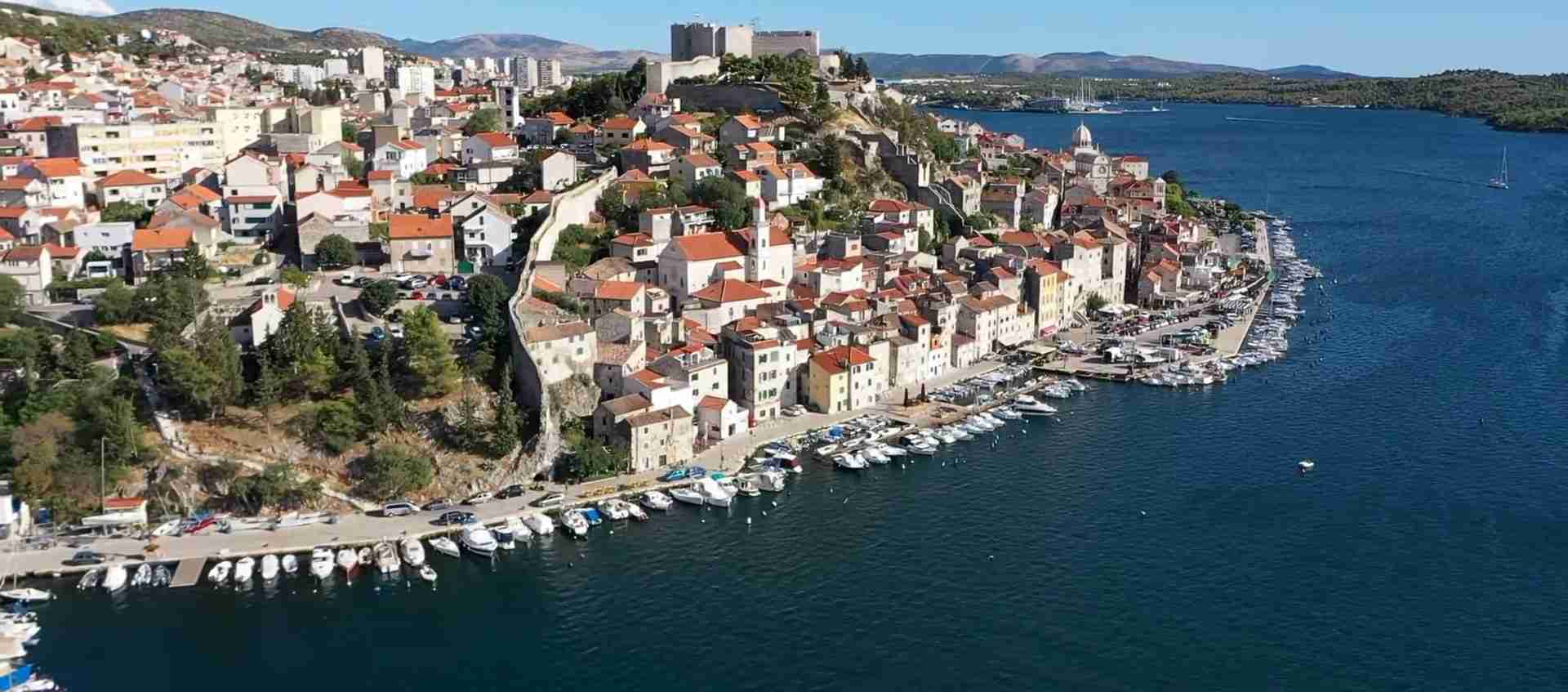
Croatia Travel Guide 2026: Everything You Need to Know
Croatia stands as the Adriatic’s crown jewel, combining ten UNESCO World Heritage Sites, over 1,200 islands, medieval walled cities, and pristine national parks into one compact Mediterranean destination. This guide provides verified 2026 travel information covering accommodation costs, transportation strategies, regional destinations, and practical planning advice for both first-time visitors and returning travelers seeking Croatia’s diverse coastal and inland experiences.
Key Takeaways
- Croatia has 10 UNESCO World Heritage Sites including Dubrovnik’s Old Town, Plitvice Lakes National Park, and Diocletian’s Palace in Split
- Daily budget ranges €54-€314 per person depending on travel style, with mid-range travelers averaging €115-€133 daily in 2026
- Peak season (June-September) sees accommodation prices 30% higher than shoulder season (April-May, October)
- Dubrovnik City Walls cost €40 in regular season (March-November), €20 in off-season; Plitvice Lakes from €10 (winter) to higher peak season rates
- Croatia adopted the euro in January 2023, eliminating currency exchange needs for EU travelers
- Island-hopping via ferries connects over 60 inhabited islands along the Dalmatian Coast
People Also Ask About Croatia Travel 2026
How much does a week in Croatia cost in 2026?
A one-week Croatia trip costs €805-€952 per person on average in 2026, covering accommodation, food, local transportation, and sightseeing. Budget travelers manage €54 daily (€378 weekly), mid-range travelers spend €115-€133 daily (€805-€931 weekly), while luxury travelers average €270-€314 daily (€1,890-€2,198 weekly). Peak season (June-September) increases accommodation costs by approximately 30% and ferry tickets by 20% compared to shoulder season rates. Two people traveling together benefit from shared accommodation costs, reducing per-person expenses significantly.
What is the best time to visit Croatia in 2026?
Shoulder seasons April-May and September-October offer the best Croatia experience in 2026, combining pleasant weather (18-25°C), 30% lower accommodation prices compared to peak summer, manageable crowds at UNESCO sites, and full availability of island ferry services. June-August brings peak prices and maximum crowds but guarantees warm swimming conditions and vibrant coastal nightlife. November-March delivers dramatic off-season savings with Dubrovnik City Walls at €20 instead of €40, hostel beds from €15-€20, and deserted medieval towns, though many island accommodations close and ferry schedules reduce significantly.
Is Croatia expensive compared to other European destinations in 2026?
Croatia positions itself as moderately priced within Europe in 2026, approximately 30% more expensive than Albania or Montenegro, on par with Greece and Cyprus, and significantly cheaper than Western European destinations like Switzerland, France, or Italy. Dubrovnik ranks as Croatia’s priciest city with hostel beds reaching €30-€40 nightly during peak season, while other Croatian cities maintain €20-€25 hostel rates. Restaurant meals cost €13-€20 per person, mid-range hotels €60-€90 nightly, and luxury hotels €150-€300 compared to €1,000+ in Alpine destinations. Public transportation, groceries, and attraction entrance fees remain affordable relative to Western Europe.
Do I need a car to travel Croatia in 2026?
A rental car provides maximum flexibility for Croatia travel in 2026, especially for accessing national parks like Plitvice Lakes and exploring rural regions, with daily rates €35-€45 for basic vehicles and fuel at €1.60-€1.70 per liter. However, Croatia’s extensive bus network (FlixBus, Arriva) connects all major cities affordably, island ferries operate frequent schedules in season, and coastal cities like Split and Dubrovnik offer comprehensive local public transport for €1-€2 per ride or €4-€5 daily passes. Traveling without a car works well for coast-focused itineraries concentrating on Split, Dubrovnik, and islands, but limits spontaneous exploration and requires more advanced planning for remote UNESCO sites.
Extended multi-day tours – 5+ days
Featured Croatia Multi-Day Tour Packages

3 days
Croatia 3-Day Discovery Tour
- ✓ Comprehensive Croatia experience
- ✓ Expert local guides included
- ✓ All accommodation included
- ✓ Transportation provided

5 days
Croatia 5-Day Highlights Experience
- ✓ Comprehensive Croatia experience
- ✓ Expert local guides included
- ✓ All accommodation included
- ✓ Transportation provided

7 days
Croatia 7-Day Cultural Journey
- ✓ Comprehensive Croatia experience
- ✓ Expert local guides included
- ✓ All accommodation included
- ✓ Transportation provided

10 days
Croatia 10-Day Complete Adventure
- ✓ Comprehensive Croatia experience
- ✓ Expert local guides included
- ✓ All accommodation included
- ✓ Transportation provided
Multi-day tour packages powered by TourRadar. Prices and availability subject to change.
Introduction: Planning Your Croatia Journey in 2026
Croatia’s transformation from hidden Adriatic gem to mainstream European destination accelerated following its 2013 European Union accession and 2023 euro adoption, yet this Mediterranean nation retains authentic cultural experiences alongside world-class tourism infrastructure. Ten UNESCO World Heritage Sites anchor Croatia’s appeal: Dubrovnik’s perfectly preserved medieval walls, Plitvice Lakes’ cascading turquoise waterfalls, Split’s living Roman palace complex, and seven additional cultural and natural treasures spanning the country’s diverse regions.
The Croatian coastline stretches 1,777 kilometers along the Adriatic Sea, encompassing over 1,200 islands of which approximately 60 remain inhabited. The Dalmatian Coast particularly captivates travelers with limestone cliffs plunging into crystalline waters, medieval stone towns clinging to rocky peninsulas, and island-hopping opportunities connecting destinations from Istria’s Venetian-influenced ports to Dubrovnik’s baroque grandeur. Inland, continental Croatia offers equally compelling attractions including Zagreb’s Austro-Hungarian architecture, Plitvice Lakes’ network of sixteen interconnected lakes, and Slavonia’s wine regions.
Croatia’s 2026 travel landscape reflects post-pandemic tourism recovery with accommodation availability returning to pre-2019 levels, ferry schedules operating at full capacity throughout peak season, and UNESCO site visitor management systems preventing overcrowding. The country’s January 2023 euro adoption eliminated currency exchange complications for EU travelers while triggering moderate price increases across restaurants, accommodations, and services. Current pricing positions Croatia as moderately expensive within European context—more affordable than Western European destinations but pricier than Balkan neighbors like Albania or Bosnia and Herzegovina.
This comprehensive guide addresses Croatia travel planning for 2026 through verified current data on accommodation costs, transportation options, regional destinations, UNESCO site entrance fees, and practical logistics. Each section functions as a self-contained planning resource covering specific aspects of Croatia travel from budget strategies to island-hopping itineraries, enabling both first-time visitors and returning travelers to construct personalized Croatian experiences matching their interests, timelines, and budgets.
Understanding Croatia’s Geography and Regions in 2026
Croatia divides into five distinct geographical regions, each offering unique landscapes, cultural characteristics, and travel experiences. Understanding these regional differences enables strategic itinerary planning that maximizes diverse experiences while minimizing excessive travel distances.
Istria: Croatia’s Venetian-Influenced Peninsula
Croatia’s northwestern peninsula showcases Italian architectural influence through centuries of Venetian rule, visible in coastal towns like Poreč (home to the UNESCO-listed Euphrasian Basilica), Rovinj’s pastel waterfront, and Pula’s remarkably preserved Roman amphitheater. Istria excels in culinary tourism with truffle hunting, olive oil tastings, and wine routes through hilltop medieval villages. The region sits closest to Western Europe, making it easily accessible from Italy, Slovenia, and Austria. Spring and autumn deliver ideal Istrian conditions with mild temperatures, fewer tourists, and active harvest seasons.
Kvarner Gulf: Mountain-Meets-Sea Transition Zone
Positioned between Istria and Dalmatia, the Kvarner Gulf region combines dramatic mountain backdrops with sheltered Adriatic bays. Rijeka serves as Croatia’s principal port city, while islands Krk, Cres, Lošinj, and Rab offer diverse island experiences from pebble beaches to ancient hilltop towns. The region maintains year-round ferry connections and experiences milder winters than Dalmatia due to mountain protection from northern winds. Kvarner attracts fewer international tourists than Istria or Dalmatia, delivering authentic Croatian experiences at lower prices.
Dalmatia: Croatia’s Iconic Coastal Heartland
Dalmatia encompasses Croatia’s most famous destinations along the central and southern Adriatic coast. Northern Dalmatia centers on Zadar (Roman ruins and modern sea organ installation) and Šibenik (UNESCO-listed Cathedral of St. James). Central Dalmatia features Split (Diocletian’s Palace UNESCO site) and Trogir (another UNESCO town), plus islands Brač, Hvar, Vis, and Korčula. Southern Dalmatia culminates in Dubrovnik, Croatia’s most expensive and visited city. The region’s 1,185 islands create endless island-hopping possibilities, with ferries connecting inhabited islands year-round and seasonal catamaran services accelerating inter-island travel.
Continental Croatia: Inland Cultural Centers
Croatia’s northern interior encompasses Zagreb (capital city with Austro-Hungarian architecture, museums, and vibrant café culture), Plitvice Lakes National Park (UNESCO natural site), and Zagorje region (castle-dotted hills and spa towns). This region experiences continental climate with cold winters and hot summers, contrasting sharply with Mediterranean coastal conditions. Continental Croatia receives fewer international tourists, maintains lower prices year-round, and offers cultural depth through museums, galleries, and traditional festivals.
Slavonia: Agricultural Heartland and Wine Country
Eastern Croatia’s Slavonia region remains Croatia’s least-visited area despite exceptional wine production, baroque Osijek city, and Kopački Rit wetland nature reserve. Slavonian cuisine differs markedly from coastal seafood-focused menus, emphasizing hearty meat dishes, freshwater fish, and paprika-spiced stews. The region delivers authentic Croatian experiences far from tourism crowds at the country’s lowest prices.
UNESCO World Heritage Sites in Croatia 2026
Croatia maintains ten UNESCO World Heritage Sites—eight cultural properties and two natural sites—representing exceptional examples of architectural heritage, historical significance, and ecological importance. These sites anchor Croatia’s tourism appeal and warrant priority inclusion in comprehensive Croatian itineraries.
Cultural Heritage Sites
Dubrovnik Old Town (inscribed 1979): Croatia’s most famous UNESCO site, Dubrovnik’s perfectly preserved medieval walls encircle marble streets, baroque churches, and Gothic palaces within 1,940 meters of fortifications. The city suffered extensive shelling during Croatia’s 1991-1995 independence war, resulting in temporary endangered status until restoration completed in 1998. The iconic city walls cost €40 to walk in regular season (March-November 2026) and offer panoramic Adriatic views alongside historical fortifications.
Historical Complex of Split with the Palace of Diocletian (inscribed 1979): Roman Emperor Diocletian’s retirement palace (built 305 AD) evolved into Split’s living city center where 3,000 residents inhabit ancient structures. The 38,500-square-meter complex blends original Roman architecture with medieval additions, Renaissance palaces, and modern shops occupying ancient chambers. Unlike typical archaeological sites, Diocletian’s Palace functions as active urban space with restaurants, apartments, and businesses operating within Roman walls.
Episcopal Complex of the Euphrasian Basilica in Poreč (inscribed 1997): This 6th-century basilica complex represents exceptional early Christian architecture, combining Byzantine and classical styles under Bishop Euphrasius’s patronage. The site preserves its complete episcopal ensemble including basilica, atrium, baptistry, and bell tower, making it among Europe’s best-preserved early Christian structures. The basilica’s 6th-century mosaics depicting Christ, Mary, and biblical scenes constitute the complex’s primary artistic treasure.
Historic City of Trogir (inscribed 1997): Located on a small island connected by bridges to mainland Croatia and Čiovo island, Trogir showcases exceptionally preserved Venetian architecture through narrow stone streets, Romanesque churches, Gothic palaces, and Renaissance buildings. The city’s 13th-century Cathedral of St. Lawrence, 15th-century Kamerlengo Fortress, and harmonious medieval urban plan demonstrate 2,300 years of continuous urban development.
Cathedral of St. James in Šibenik (inscribed 2000): This 15th-16th century cathedral stands as the world’s largest church built entirely of stone without brick or wooden supports. The cathedral’s innovative construction techniques, unique stone dome, and 71 sculpted heads decorating the exterior apses represent exceptional Renaissance achievement. Located in Šibenik between Zadar and Split, the cathedral anchors a charming coastal town receiving far fewer tourists than nearby Split or Dubrovnik.
Stari Grad Plain on Hvar Island (inscribed 2008): Greek colonists from Paros established agricultural land division (chora system) on Hvar in the 4th century BC that remains virtually unchanged 2,400 years later. This unique cultural landscape preserves ancient stone walls separating rectangular plots still cultivating grapes and olives using traditional methods. The plain demonstrates extraordinary continuity of Mediterranean agricultural practices across millennia.
Stećci Medieval Tombstones Graveyards (inscribed 2016): This transnational UNESCO site spans Bosnia and Herzegovina, Croatia, Montenegro, and Serbia, representing 30 locations containing over 70,000 distinctive medieval tombstones (12th-16th centuries). Croatia contributes two sites near Imotski northeast of Split. These monuments represent unique funerary art tradition used by all three medieval Christian denominations in the region: Orthodox, Catholic, and Church of Bosnia.
Venetian Works of Defence (inscribed 2017): Croatia participates in this transnational UNESCO site representing Venetian defensive architecture across Italy, Montenegro, and Croatia. Two Croatian fortifications qualify: St. Nicholas Fortress in Šibenik and defensive structures in Zadar. These 16th-17th century fortifications protected Venetian maritime routes and demonstrate advanced military engineering.
Natural Heritage Sites
Plitvice Lakes National Park (inscribed 1979): Croatia’s largest, oldest (established 1949), and most visited national park encompasses sixteen cascading turquoise lakes connected by waterfalls, caves, and forest. Travertine barriers create natural dams separating lakes, producing continuously evolving landscape through geological processes. The 296-square-kilometer park harbors brown bears, wolves, rare bird species, and exceptional forest biodiversity. Entrance fees vary seasonally from €10 (January-March, November-December 2026) to higher peak season rates, with parking charged separately.
Ancient and Primeval Beech Forests of the Carpathians (inscribed 2017): This transnational UNESCO site spans 18 European countries representing the world’s largest remaining primeval beech forests. Croatia contributes three areas within Paklenica National Park (near Zadar) and Northern Velebit National Park totaling 3,321 hectares. These untouched temperate forests demonstrate ecological patterns surviving since the Ice Age, providing crucial habitat for diverse flora and fauna.
When to Visit Croatia in 2026
Croatia’s seasonal variations dramatically affect travel costs, crowd levels, weather conditions, and service availability. Strategic timing optimizes experiences while managing budget and personal preferences for climate and tourist density.
Peak Season (June-September 2026): Maximum Services, Maximum Prices
Summer delivers Croatia’s warmest weather (25-32°C), guaranteed swimming conditions, maximum ferry schedules connecting all islands, and full operational status for accommodations, restaurants, and tour operators. However, peak season brings significant drawbacks: accommodation prices increase 30% above shoulder season rates, Dubrovnik hostel beds reach €30-€40 nightly versus €15-€20 off-season, ferry tickets cost 20% more, and UNESCO sites like Dubrovnik’s walls and Plitvice Lakes experience maximum crowding. Coastal cities and popular islands become congested with tour groups, restaurant reservations become essential, and beaches fill rapidly.
July-August represent absolute peak with highest prices and largest crowds, while June and September offer slightly better value within peak season parameters. Travelers seeking vibrant nightlife, guaranteed beach weather, and comprehensive island-hopping options accept peak season trade-offs of elevated costs and tourist density. Booking accommodations 3-6 months advance becomes mandatory for popular destinations during these months.
Shoulder Season (April-May, October 2026): Optimal Value and Conditions
Shoulder seasons deliver Croatia’s best overall experience, combining pleasant weather (15-25°C), 30% lower accommodation costs, manageable tourist numbers, and nearly full service availability. April-May brings spring blooms, comfortable hiking temperatures for Plitvice Lakes and national parks, and increasingly warm coastal conditions (though sea temperatures remain cool at 16-18°C in May). October extends swimming season with sea temperatures at 20-22°C, showcases autumn colors in continental regions, and maintains warm sunny days ideal for city exploration and outdoor activities.
Ferry services operate at near-peak capacity during shoulder seasons, most accommodations remain open, and restaurants maintain full menus unlike winter closures. Tourist attractions experience moderate visitation allowing easier access to Dubrovnik’s walls, Diocletian’s Palace, and other popular sites without peak-season queuing. Shoulder season represents optimal timing for photographers seeking favorable light without crowds, budget travelers maximizing value, and visitors prioritizing balanced experiences over guaranteed beach weather.
Off-Season (November-March 2026): Dramatic Savings, Reduced Services
Winter brings Croatia’s lowest prices with Dubrovnik City Walls at €20 instead of €40, hostel beds from €15-€20, hotels at 40-50% discounts, and deserted medieval towns offering atmospheric exploration without crowds. Continental destinations like Zagreb and Plitvice Lakes function year-round with Zagreb’s Christmas markets (November-December) creating festive atmosphere and museums operating standard schedules. Coastal cities remain accessible with reduced but adequate ferry services and many restaurants maintaining winter operations.
However, off-season limitations include: most island accommodations close entirely, ferry schedules reduce significantly limiting island access, sea temperatures (12-14°C) prevent swimming, and many coastal restaurants and tour operators shut down November-March. Weather becomes unpredictable with rain, occasional snow in northern regions, and strong bora winds along the coast. Off-season suits budget-conscious travelers, cultural tourists prioritizing museums and architecture over beaches, and visitors seeking authentic local experiences in quieter conditions.
Getting Around Croatia in 2026
Croatia offers diverse transportation options connecting cities, islands, and national parks through buses, ferries, rental cars, and limited train service. Transportation choices significantly impact trip flexibility, costs, and destination accessibility.
Buses: Croatia’s Primary Inter-City Transportation
Modern buses (FlixBus, Arriva) connect all Croatian cities and major towns with comfortable, affordable service featuring WiFi, reclining seats, power outlets, and air conditioning. Sample routes: Zagreb-Split (6-7 hours, €15-25), Split-Dubrovnik (4-5 hours, €15-20), Zagreb-Plitvice Lakes (2.5 hours, €10-15). Croatia has invested heavily in motorway infrastructure, enabling fast comfortable bus travel throughout the country. Buses represent the most economical option for travelers without vehicles, operating frequent schedules during peak season with reduced but adequate service in shoulder and off-seasons.
Long-distance buses often depart from main bus stations (autobusni kolodvor) located near city centers with ticket offices, waiting areas, and luggage storage. Advance booking recommended for popular routes during peak season, though walk-up tickets remain usually available. Bus travel works exceptionally well for coastal routes and accessing Plitvice Lakes, but reaching some islands requires combining bus travel with ferry transfers.
Ferries and Catamarans: Island Access and Coastal Connections
Jadrolinija operates Croatia’s primary ferry system connecting mainland ports with inhabited islands year-round, supplemented by seasonal catamaran services providing faster connections. Car ferries accommodate vehicles and passengers on routes like Split-Hvar (1 hour, €5-8 passenger, €35-50 vehicle), Split-Korčula (2.75 hours), and Dubrovnik-Mljet. Passenger-only catamarans run faster coastal routes connecting Split, Hvar, Korčula, and Dubrovnik during peak season.
Ferry schedules expand significantly June-September with multiple daily departures on popular routes, then reduce substantially October-May with some routes operating only 1-2 times weekly. Island-hopping itineraries require careful schedule coordination, particularly in shoulder and off-seasons when missed connections can disrupt multi-day plans. Ferry tickets can be purchased online through Jadrolinija website, at ferry terminals, or at travel agencies. Peak season advance booking recommended for vehicle spaces, though passenger tickets remain readily available.
Rental Cars: Maximum Flexibility for Exploring Croatia
Rental cars provide independence for accessing national parks, rural areas, and spontaneous exploration, with rates starting €35-€45 daily for basic vehicles through companies like LocalRent, Sixt, and international agencies. Fuel costs €1.60-€1.70 per liter in 2026, and Croatia’s motorway system (autocesta) charges tolls averaging €45 for full north-south journey from Hungarian border to Dubrovnik. Modern highways feature excellent conditions with tunnels, sea views, and consistent road quality.
Car rental advantages include accessing remote UNESCO sites like Stari Grad Plain on Hvar, exploring Istrian hill towns at own pace, and combining multiple national parks efficiently. However, parking challenges emerge in old towns like Dubrovnik and Trogir (narrow streets, limited spaces, expensive garages), and ferry costs for vehicle transport to islands significantly increase expenses. Travelers focusing primarily on major coastal cities and islands can manage effectively without cars, while those seeking comprehensive exploration including Plitvice Lakes, continental Croatia, and rural regions benefit substantially from vehicle access.
Urban Public Transportation in Croatian Cities
Croatian cities operate efficient public transportation primarily through buses and trams (Zagreb only). Single journey tickets cost €1-€2 depending on city and distance, with 24-hour passes available €4-€5 and 72-hour passes €10-€12 in Split and Dubrovnik. Zagreb operates extensive tram network throughout the city center and suburbs, while coastal cities rely on bus networks connecting old towns with residential areas, beaches, and ferry terminals.
Public transport functions reliably for accessing accommodations outside city centers, reaching beaches, and connecting ferry terminals with old towns. However, Croatian cities remain highly walkable with most attractions concentrated in compact historic centers easily explored on foot. The Dubrovnik Pass (€40 one-day, €50 three-day, €60 seven-day) includes unlimited city bus travel plus attraction entries, making it economical for visitors planning extensive sightseeing.
Where to Stay in Croatia 2026: Accommodation Costs and Strategies
Croatian accommodation ranges from €15 off-season hostel beds to €300+ luxury hotels, with options including hostels, guesthouses, mid-range hotels, private apartments, and high-end properties. Pricing varies dramatically by destination, season, and booking timing.
Budget Accommodation in Croatia (€15-€45 Per Night)
Hostels operate throughout Croatia in major cities like Zagreb, Split, Dubrovnik, Zadar, and popular islands including Hvar and Korčula. Dormitory beds cost €20-€25 in most locations during peak season (June-September 2026), increasing to €30-€40 on Hvar, in Dubrovnik, and at Plitvice Lakes during high season. Off-season rates (November-March) drop to €15-€20 for hostel beds. Many Croatian hostels offer private rooms €50-€70 nightly, providing budget-conscious privacy for couples or those avoiding dormitory sharing.
Booking platforms Hostelworld and Booking.com list comprehensive Croatian hostel options with verified reviews. Quality varies significantly, with newer hostels in Split and Zagreb offering modern facilities, social atmospheres, and organized activities, while older properties provide basic accommodations at lower rates. Some hostels close entirely November-March, particularly on islands and in coastal towns outside Dubrovnik and Split.
Mid-Range Hotels and Guesthouses (€60-€120 Per Night)
Budget to mid-range hotels charge €60-€90 per night for clean, comfortable double rooms in most Croatian cities during shoulder season, with rates increasing to €90-€120 in peak season and premium locations. Guesthouses (pansions) offer similar pricing with more personalized service and often superior locations in restored traditional buildings. These properties provide private bathrooms, air conditioning, WiFi, and breakfast, delivering solid value for couples and travelers prioritizing comfort over hostel dormitories.
Booking.com dominates Croatian hotel booking with most properties listing through this platform, offering competitive rates and extensive verified reviews. Mid-range accommodation concentrates around old town peripheries rather than within historic centers (where premium properties dominate), requiring 10-15 minute walks to main attractions but significantly reducing costs compared to location-premium hotels.
Private Apartments and Airbnb (€40-€100 Per Night)
Private apartments rented through Airbnb, Booking.com, or Croatian portal Njuškalo provide excellent value for couples and small groups, with one-bedroom apartments starting €40-€50 nightly in Split or Dubrovnik, and €625 monthly for long-term rentals. Apartments include kitchens enabling grocery shopping and self-catering, reducing daily food costs significantly. Many apartments occupy traditional stone buildings in or near old towns, delivering authentic architectural experiences at mid-range prices.
Apartment advantages include space, kitchen facilities, and often washing machines, making them ideal for families and extended stays. However, cleaning fees (€30-€50) add to total costs for short stays, and some apartments impose minimum night requirements during peak season. Tourist taxes (€1.35 daily per person approximately) apply to apartments as to hotels, added to final bills.
Luxury Hotels and Heritage Properties (€150-€400+ Per Night)
Four and five-star hotels charge €150-€300 nightly depending on season and location, with Dubrovnik commanding Croatia’s highest rates and heritage properties in converted palaces and monasteries reaching €300-€400+. Even Croatia’s luxury tier remains substantially cheaper than comparable Western European destinations where luxury properties exceed €1,000 nightly. Croatian luxury hotels concentrate in Dubrovnik old town, Split waterfront, Hvar town, and Istrian coastal resorts, offering amenities including swimming pools, spa facilities, fine dining restaurants, and concierge services.
Hotel Degenija near Plitvice Lakes represents quality four-star option (€150-200 nightly) combining comfortable rooms, on-site restaurant serving local trout, and ideal location less than 10 minutes from Entrance 1. Similar properties operate near other national parks and in continental regions at prices 20-30% below equivalent coastal hotels.
Accommodation Booking Strategies for Croatia 2026
Peak season (July-August) requires 3-6 months advance booking for optimal selection and prices, particularly in Dubrovnik, on popular islands, and near Plitvice Lakes where accommodation capacity remains limited. Shoulder season (April-June, September-October) benefits from 1-2 months advance booking, while off-season typically allows last-minute reservations at dramatic discounts. Using hotel points and miles delivers exceptional value along expensive Dalmatian Coast where cash rates peak but award availability often remains good.
Staying outside immediate old town areas in cities like Dubrovnik and Split reduces costs 30-40% while maintaining easy access via short walks or inexpensive public transport. Consider accommodation location relative to ferry terminals when island-hopping, as early morning ferry departures from ports distant from town centers complicate logistics. Free cancellation policies enable flexible booking allowing price monitoring and property upgrades if better options emerge.
Food and Dining Costs in Croatia 2026
Croatian cuisine blends Mediterranean coastal traditions emphasizing fresh seafood, olive oil, and vegetables with Central European influences featuring hearty meat dishes, particularly in continental regions. Dining costs vary substantially between tourist restaurants in prime locations and local establishments serving authentic Croatian fare.
Restaurant Meal Costs in Croatia
Average restaurant meal costs per person in Croatia 2026: fast-food meal €7-€8, mid-range restaurant lunch or dinner €13-€20, fine dining two-course dinner in major tourist destinations €40-€45 per person excluding drinks. Coastal seafood restaurants charge premium prices for fresh fish and shellfish, with dinners for two including fresh fish, local wine, and sides reaching €50-€60 in seaside locations. Pizza at quality pizzerias costs €12-€15 for large pizza (€9 at budget establishments), representing good value for filling meals.
Tourist restaurants along Dubrovnik’s Stradun and Split’s waterfront charge 20-30% premiums compared to establishments one or two streets inland from prime locations. Local bistros (konobas) serve authentic Croatian dishes at lower prices than tourist-focused restaurants, typically €10-€15 per main course. Tipping practices suggest 5-15% in restaurants based on service quality, with 10% representing standard for satisfactory service.
Beverages: Coffee, Beer, and Wine
Croatian beverage prices: espresso €1.50-€2 at nice cafés, €1 for quick coffee to-go, draft beer €2-€4.50 depending on location, local wine bottles €15-€30 at restaurants. Croatian wines, particularly from Istria, Pelješac peninsula, and island producers, deliver excellent quality-to-price ratios with white wines complementing seafood and reds pairing with grilled meats and pršut (air-dried ham). Local beer brands Ožujsko and Karlovačko cost €2 for draft pours at local establishments, increasing to €3-€4 in tourist areas.
Café culture dominates Croatian social life with locals spending hours at outdoor café tables. Visitors can participate affordably in this tradition as coffee and single drinks come without time pressure or expectations for rapid table turnover unlike some Western European destinations.
Grocery Shopping and Self-Catering
Croatian supermarkets (Konzum, Plodine, Lidl, Tommy) stock groceries at prices slightly above budget Balkan nations but below Western Europe. Weekly grocery shopping for two people costs €60-€80 including wine, beer, and treats. Fresh produce, bread, cheese, pršut, and wine from local markets and shops enable apartment-based cooking that reduces daily food costs to €20-€30 per person versus €40+ for restaurant meals.
Bakery chain Milnar operates throughout Croatia selling fresh sandwiches €2-€4 (€8-€10 in Dubrovnik), providing budget fast-food alternative. Bakeries (pekarna) sell fresh pastries €1.50-€2 each, burek (savory filled pastries), and bread, functioning as Croatian fast-food tradition. Grocery shopping proves especially economical for breakfast and lunch, reserving restaurant budgets for dinners when atmospheric waterfront dining enhances experiences.
Special Culinary Experiences in Croatia
Istrian truffle hunting and olive oil tastings, oyster farms near Mali Ston (€0.80 per oyster at farms versus €1.50 in restaurants), wine region tours through Pelješac or Istria, and cooking classes teaching traditional Croatian dishes represent special culinary experiences beyond standard restaurant meals. These activities typically cost €50-€100 per person but provide memorable authentic food encounters justifying premium pricing for dedicated food travelers.
Top Attractions and Entrance Fees in Croatia 2026
Croatia’s major attractions charge entrance fees ranging from €10-€40, with free access to many beaches, coastal promenades, and outdoor spaces. Strategic planning and city passes can reduce attraction costs substantially.
Dubrovnik Attractions and Costs
Dubrovnik City Walls entrance costs €40 per adult (€15 children under 18) during regular season March-November 2026, with prices dropping to €20 (€5 children) in off-season January-February and December. This ticket includes access to the complete walls circuit, Minčeta Tower, Fort Bokar, and Fort Lovrijenac, remaining valid for 72 hours allowing visits spread across three days (one visit per site). The Dubrovnik Pass (€40 one-day, €50 three-day, €60 seven-day) includes city walls plus museum bundle and unlimited public bus travel, representing good value for visitors planning extensive sightseeing.
Additional Dubrovnik attractions: Rector’s Palace €15, Cable Car to Mt. Srđ €30-€35 round trip, museums €5-€10. Many travelers find the city walls alone justify Dubrovnik’s costs, with spectacular views over red-tiled roofs and Adriatic Sea delivering iconic Croatian experiences despite premium pricing.
Plitvice Lakes National Park Entrance Fees
Plitvice Lakes National Park charges seasonal entrance fees for 2026: €10 per adult January-March and November-December, increasing during peak season April-October (check official website for current peak rates). Entry tickets include access to all trails, electric boats crossing main lakes, and panoramic trains connecting upper and lower lakes sections. Parking costs additional €10 per day for cars at designated parking areas near Entrance 1 and Entrance 2.
The park operates multiple trail options from short 2-3 hour routes (Programs A and B) to full-day 6-8 hour comprehensive circuits (Programs C and K). Advance online booking through the official Plitvice Lakes website becomes mandatory during peak season June-September when daily visitor quotas prevent overcrowding. Arriving at opening time (typically 8:00 AM in peak season) delivers optimal experience with better light, cooler temperatures, and fewer crowds before tour group arrivals.
Split and Central Dalmatia Attractions
Diocletian’s Palace in Split operates as free open-air archaeological site with public access to courtyards, streets, and many areas of the ancient complex. Cathedral of St. Domnius charges €6 entry, with bell tower climb additional €5. Split Archaeological Museum €5, Meštrović Gallery €8. The Historic City of Trogir (UNESCO site) imposes no entrance fee for wandering medieval streets, though specific monuments like Kamerlengo Fortress charge €3-€5.
Other Croatian National Parks and Natural Sites
Krka National Park (waterfalls near Šibenik) charges €10-€30 seasonal rates similar to Plitvice Lakes but smaller scale. Paklenica National Park (rock climbing and hiking near Zadar) €5-€7. Brijuni National Park (island group accessible from Pula) includes boat transfer and costs €20-€30. Mljet National Park (island near Dubrovnik) €20 including park access and monastery island boat transfer.
Budget Planning for Croatia in 2026
Croatia travel costs vary dramatically based on travel style, seasonal timing, destination selection, and spending priorities. These daily budget breakdowns guide realistic financial planning for different traveler profiles.
Budget Travel Croatia: €54-€65 Daily Per Person
Budget Croatia travel achieving €54-€65 daily requires hostel accommodation €20-€25 per night, self-catering breakfasts and lunches from supermarkets €10-€15 daily, one budget restaurant dinner €10-€15, local buses for transportation €5-€8, and selective attraction visits €5-€10 daily. This budget necessitates avoiding Dubrovnik peak season (where hostel beds alone reach €35-€40), using public buses instead of rental cars, preparing most meals in hostel kitchens, and limiting paid attractions to 1-2 key sites weekly.
Budget travelers maximize value by visiting shoulder or off-season when accommodation costs drop 30-40%, choosing less-touristed destinations like Šibenik or Zadar over Dubrovnik, using bakeries and street food for quick meals, and enjoying free attractions like beaches, coastal walks, and old town wandering. FlixBus and advance booking deliver cheapest intercity transport, while walking proves viable for compact city exploration.
Mid-Range Croatia Travel: €115-€135 Daily Per Person
Mid-range travelers spending €115-€135 daily stay in comfortable mid-range hotels or private apartments €60-€90 nightly (€30-€45 per person for two sharing), eat breakfast at accommodations and lunch/dinner at mix of local restaurants €30-€40 daily, use combination of buses and occasional taxis €10-€15, and visit attractions regularly €10-€20 daily. This budget allows staying in desirable locations near old towns, dining at good restaurants rather than constant self-catering, and accessing major attractions without severe constraints.
Mid-range budgets accommodate peak season visits to popular destinations though shoulder season delivers better value, enable comfortable travel mixing buses with some rental car days, and support balanced itineraries combining cultural attractions, beaches, and dining experiences. Two people traveling together on mid-range budgets benefit significantly from shared accommodation costs reducing per-person expenses.
Luxury Croatia Travel: €270-€315+ Daily Per Person
Luxury Croatia travel averaging €270-€315 daily includes four or five-star hotels €150-€300 nightly (€75-€150 per person for two sharing), fine dining at quality restaurants all meals €80-€120 daily, rental car for transportation flexibility €30-€50 daily split between travelers, guided tours and premium activities €40-€80, and wines/cocktails at upscale establishments. This budget enables staying in heritage hotels within Dubrovnik old town walls, dining at Michelin-recommended restaurants, arranging private boat tours, and accessing exclusive experiences.
Luxury travelers still find Croatia substantially cheaper than comparable Western European destinations where similar experiences might cost €500-€800 daily. Croatian luxury tier delivers exceptional value through local purchasing power, with high-quality accommodations, excellent seafood, and personal service at prices 40-60% below France, Italy, or Switzerland equivalents.
Sample Daily Budget Breakdown: Mid-Range Split Visit
Accommodation in Split mid-range hotel €70 (€35 per person for two sharing), breakfast included at hotel €0, lunch at local bistro €15, gelato and afternoon coffee €6, dinner at waterfront restaurant with wine €35-€45, local bus day pass €5, Diocletian’s Palace complex (free) plus Cathedral entrance €11. Total daily cost: €107-€117 per person excluding accommodation, or €142-€152 including accommodation (based on two people sharing).
Exploring Croatia’s Regions: Destination Guides for 2026
Each Croatian region offers distinct characteristics, attractions, and experiences warranting dedicated exploration beyond brief visits.
Dubrovnik and Southern Dalmatia in 2026
Dubrovnik functions as Croatia’s marquee destination, justifying its “Pearl of the Adriatic” reputation through spectacularly preserved medieval architecture, dramatic coastal setting, and UNESCO World Heritage status. The city suffers from overtourism during peak season with cruise ship passengers flooding old town streets, but off-season visits (November-March) reveal atmospheric medieval city without crowds. Dubrovnik city walls walk remains mandatory despite €40 cost, delivering panoramic views justifying expense. Cable car to Mt. Srđ provides alternative panoramic perspective and sunset viewing platform.
Southern Dalmatia beyond Dubrovnik includes Cavtat (quiet seaside town 20km south), Konavle region (rural wine country and traditional villages), Pelješac peninsula (wine regions producing robust red wines and Mali Ston oyster farms), and Mljet island (national park with monastery-island and forested hiking). These areas offer authentic Croatian experiences at lower prices than Dubrovnik while maintaining easy day-trip access to the famous walled city.
Split and Central Dalmatia: UNESCO Sites and Island Gateways
Split combines remarkable UNESCO-listed Diocletian’s Palace with functional modern city, serving as Croatia’s second-largest urban center and primary ferry hub for island access. The palace complex demands at least half-day exploration wandering Roman chambers now housing shops, restaurants, and apartments in unique archaeological/living city fusion. Split delivers better value than Dubrovnik while offering comparable historical significance and superior island ferry connections.
Nearby Trogir (UNESCO town) makes easy day trip 30 minutes from Split, while Šibenik north along coast features UNESCO Cathedral of St. James and access to Krka National Park waterfalls. Central Dalmatian islands accessed from Split include Brač (Bol beach and Vidova Gora mountain), Hvar (lavender, nightlife, and medieval town), Vis (remote island recently opened to tourism), and Korčula (medieval town and wine regions). Island-hopping itineraries typically base in Split with 2-3 night stays on selected islands creating diverse Adriatic experiences.
Zadar and Northern Dalmatia
Zadar blends Roman ruins, medieval churches, and modern installations including Sea Organ (architectural sound installation using wave action) and Sun Salutation (solar-powered light show). The city receives fewer tourists than Split or Dubrovnik while offering comparable historical interest, better value accommodation, and convenient access to Plitvice Lakes (2 hours), Paklenica National Park (rock climbing), and Northern Velebit (hiking and primeval forests). Zadar’s position midway along Croatian coast makes it ideal base for exploring both Dalmatian islands and continental Croatia.
Istria: Peninsula of Hilltop Villages and Coastal Resorts
Istrian peninsula showcases Italian architectural influence through Venetian-ruled centuries, evident in Poreč (Euphrasian Basilica UNESCO site), Rovinj (picture-perfect pastel harbor town), and Pula (Roman amphitheater). Inland Istria offers hilltop medieval villages including Motovun, Grožnjan, and Hum (world’s smallest town) connected by scenic drives through wine country and truffle forests. Istrian cuisine emphasizes truffles, olive oil, and fuži pasta, distinguishing regional food culture from Dalmatian seafood traditions.
Istria suits travelers seeking Italian-style experiences at lower prices, wine enthusiasts exploring Croatian vintages, and road-trippers connecting hilltop villages. The region’s proximity to Slovenia and Italy enables multi-country itineraries, while milder climate extends comfortable visiting season beyond Dalmatian coast.
Zagreb and Continental Croatia
Croatia’s capital Zagreb offers Austro-Hungarian architecture, excellent museums (Museum of Broken Relationships, Archaeological Museum, Meštrović Atelier), café culture, and seasonal Christmas markets (November-December) attracting Central European visitors. Zagreb receives fewer international tourists than coastal cities despite serving as Croatia’s political, economic, and cultural center with 800,000 residents. The city combines easily with Plitvice Lakes visits (2.5 hours bus) and Zagorje region (castles and spa towns one hour north).
Continental Croatia experiences true four-season climate with cold winters enabling Sljeme mountain skiing near Zagreb, hot summers, and spectacular autumn colors. Lower prices year-round, fewer tourists, and authentic urban Croatian life distinguish continental regions from coastal resort atmosphere.
Island Hopping in Croatia 2026
Croatia’s 1,244 islands create exceptional island-hopping opportunities, with approximately 60 inhabited islands accessible via regular ferry services. Strategic island selection and ferry coordination enable diverse multi-island itineraries showcasing different island characters and landscapes.
Planning Croatian Island-Hopping Routes
Successful island-hopping requires coordinating Jadrolinija ferry schedules (www.jadrolinija.hr), booking accommodations considering ferry arrival/departure times, and allowing flexibility for weather-related schedule changes. Peak season (June-September) operates maximum ferry frequencies with multiple daily connections between popular islands, while shoulder and off-seasons reduce schedules requiring more careful planning.
Common island-hopping routes: Split → Brač → Hvar → Korčula → Dubrovnik (southbound coastal progression), Split → Vis → Hvar → Split (shorter central Dalmatian circuit), Zadar → Dugi Otok → Kornati Islands (Northern Dalmatian route). Allow 2-3 nights per island for meaningful exploration beyond just ferry transfers, and consider seasonal weather patterns where August heat may make island hiking uncomfortable while June and September deliver ideal conditions.
Popular Croatian Islands: Characteristics and Highlights
Hvar: Croatia’s sunniest island combines lavender fields, medieval Hvar town (arsenal, fortress, cathedral), upscale nightlife, hidden coves, and Stari Grad Plain UNESCO site preserving ancient Greek agricultural division. Hvar town delivers vibrant atmosphere and premium pricing, while Stari Grad offers quieter authentic village character at lower costs on same island.
Korčula: Dense pine forests, traditional sword dance (Moreška), medieval walled town claiming Marco Polo birthplace, excellent white wine (Pošip, Grk), and numerous sandy beaches distinguish Korčula from rockier Dalmatian islands. The island maintains family-friendly character with less nightlife focus than Hvar while offering comparable historical interest.
Brač: Croatia’s largest island features Zlatni Rat beach (shifting pebble spit extending into turquoise water), Vidova Gora mountain (Croatia’s highest island peak with panoramic views), charming Bol town, and local stone quarries supplying limestone for Diocletian’s Palace and White House in Washington D.C. Brač works well for active travelers combining beaches with hiking.
Vis: Most remote inhabited Dalmatian island remained military zone closed to foreigners until 1989, preserving undeveloped character and authentic fishing culture. Vis town and Komiža village offer excellent seafood restaurants, Blue Cave (Modra Špilja) boat excursions to nearby Biševo island create popular day activity, and lack of mass tourism delivers quiet island experience.
Mljet: One-third national park featuring two saltwater lakes, island monastery accessible by boat, dense Mediterranean forests, and minimal development make Mljet ideal for nature-focused travelers. The island receives fewer visitors than Hvar or Korčula despite proximity to Dubrovnik (2-hour catamaran), delivering peaceful alternative to busier islands.
Island Transportation and Logistics
Car ferries enable bringing rental vehicles to islands, essential for exploring larger islands like Brač, Korčula, or Hvar beyond main towns. However, vehicle ferry costs €35-€50 each direction significantly increase expenses versus passenger-only tickets €5-€8. Many islands operate local bus services connecting ferry ports with villages and beaches, though schedules may be infrequent. Scooter and bicycle rentals provide alternative island transportation, particularly suitable for smaller islands where distances remain manageable.
Practical Travel Tips for Croatia 2026
Currency, ATMs, and Payment Methods
Croatia adopted the euro (€) in January 2023, replacing the Croatian kuna and eliminating currency exchange needs for EU travelers. ATMs (bankomat) operate throughout Croatian cities and towns dispensing euros, with machines from established banks (Zagrebačka Banka, Erste, PBZ, Raiffeisen, OTP, Addiko) offering better exchange rates than no-name ATMs or Euronet machines charging high fees. Credit cards (Visa, Mastercard) are widely accepted at hotels, restaurants, and shops, though smaller establishments and markets may prefer cash.
Using debit cards with no foreign transaction fees (like Revolut) minimizes ATM withdrawal costs. Withdrawing larger amounts less frequently reduces transaction fees compared to frequent small withdrawals. Tipping practices accept cash gratuities in restaurants (5-15% of bill) even when paying meal by card.
Croatian Language and Communication
Croatian language uses Latin alphabet making signs and menus readable for Western visitors even without language knowledge. English proficiency remains high among tourism industry workers, younger Croatians, and in coastal regions, though continental and rural areas may have fewer English speakers. Italian shows prevalence in Istria due to geographical proximity and historical ties, while German maintains usage particularly among older Croatians and in tourism sector.
Basic Croatian phrases appreciated by locals: “Dobar dan” (good day), “Hvala” (thank you), “Molim” (please/you’re welcome), “Gdje je…” (where is…), “Koliko košta?” (how much does it cost?). Restaurant staff and hotel personnel in tourist areas invariably speak functional English, making language barriers minimal for standard travel situations.
Safety and Travel Insurance
Croatia ranks among Europe’s safest destinations with low violent crime rates and minimal threats to tourists. Standard precautions against pickpocketing in crowded tourist areas (Dubrovnik old town, Split waterfront, Zagreb tram stations) suffice for personal security. Emergency services dial 112 for police, ambulance, or fire throughout EU.
Travel insurance covering medical emergencies, trip cancellation, and baggage loss recommended for all international travel. EU citizens with European Health Insurance Card (EHIC) access Croatian public healthcare system, while non-EU travelers require private travel insurance. Companies like Heymondo and SafetyWing offer comprehensive coverage at competitive rates for Croatian visits.
Internet and Mobile Connectivity
WiFi availability extends throughout Croatian accommodations, restaurants, and cafés with generally reliable connections in urban areas. EU citizens benefit from roaming-free mobile usage under EU regulations, using home country plans without additional charges. Non-EU travelers can purchase prepaid Croatian SIM cards from mobile providers (T-Mobile, A1, Tele2) at airports, post offices, or shops, or use eSIM services like Holafly offering unlimited data plans starting €43 monthly for international travelers.
Croatian Electrical Standards and Adapters
Croatia uses Type C and Type F electrical outlets (standard European two-pin round plugs) at 230V 50Hz. North American travelers (using 110V Type A/B plugs) require both plug adapters and potentially voltage converters depending on device specifications. UK travelers need Type C/F adapters converting from British Type G three-pin plugs. Modern phone chargers and laptop power supplies typically support 110-240V, requiring only plug adapters rather than voltage conversion.
Multi-Day Croatia Itinerary Suggestions for 2026
One Week Croatia: Dalmatian Coast Highlights
Seven-day Croatia itinerary focusing on Dalmatian coast combines UNESCO sites, island experiences, and coastal beauty. Days 1-2: Dubrovnik (city walls, old town, cable car), Day 3: Ferry to Korčula island, Day 4: Korčula exploration, evening ferry to Hvar, Day 5: Hvar island (Stari Grad Plain, Hvar town), Day 6: Ferry to Split, explore Diocletian’s Palace, Day 7: Split to Zagreb or departure. This itinerary enables southern to northern progression with logical ferry connections, though reverse direction (starting Split) works equally well.
Two Week Croatia: Comprehensive Exploration
Fourteen-day itinerary adds continental highlights and additional islands to coastal focus. Days 1-3: Dubrovnik (city, day trip to Mljet island), Days 4-5: Korčula island, Days 6-7: Hvar island, Day 8: Split, Day 9: Trogir and drive to Plitvice Lakes, Day 10: Plitvice Lakes full-day exploration, Day 11: Drive to Zadar, Day 12: Zadar and day trip to Krka National Park, Days 13-14: Zagreb (city sightseeing, museums, departure). This route combines coastal and continental experiences with multiple UNESCO sites and diverse Croatian regions.
Ten Days Croatia: Island-Hopping Focus
Island-concentrated itinerary maximizes Adriatic island diversity. Days 1-2: Split base (Diocletian’s Palace, provisioning), Day 3: Ferry to Brač, explore Bol and Zlatni Rat beach, Day 4: Ferry to Hvar, Days 5-6: Hvar island exploration (Hvar town, Stari Grad, lavender fields), Day 7: Ferry to Vis, Days 8-9: Vis island (Blue Cave excursion, beaches, fishing villages), Day 10: Return to Split, evening in Split before departure. This itinerary emphasizes island character variation from busy Hvar to remote Vis while maintaining logical ferry progression.
Sustainable and Responsible Travel in Croatia 2026
Croatia faces overtourism pressures particularly in Dubrovnik where UNESCO monitoring evaluates visitor impact on heritage preservation. Responsible travel practices help maintain Croatian destinations for future generations while supporting local communities.
Visit during shoulder seasons (April-May, September-October) distributing tourist impact across longer seasons rather than concentrating in July-August peaks. Choose locally-owned guesthouses and family restaurants over international hotel chains, keeping tourism revenue within Croatian communities. Use reusable water bottles as Croatian tap water remains safe throughout the country, reducing plastic waste accumulation on islands with limited waste management infrastructure.
Respect UNESCO site regulations including staying on marked pathways at Plitvice Lakes (preventing ecosystem damage), avoiding touching historic walls and monuments, and following photography restrictions in museums and churches. Support Croatian winemakers, artisan producers, and traditional crafts through purchases directly from producers rather than imported souvenirs. Minimize single-use plastics particularly on islands where waste removal costs and environmental impacts prove substantial.
Consider less-visited destinations like Šibenik, Zadar, or Slavonia region instead of concentrating only on Dubrovnik and Hvar, spreading economic benefits more equitably across Croatia. Use public transportation, ferries, and walking over rental cars where practical, reducing environmental footprint while experiencing authentic Croatian travel methods. Learn basic Croatian phrases showing respect for local culture beyond expecting English everywhere, and engage respectfully with cultural traditions and religious sites observing appropriate behavior.
Frequently Asked Questions About Croatia Travel in 2026
What documents do I need to visit Croatia in 2026?
Croatia joined the Schengen Area on January 1, 2023, eliminating passport controls for travelers from other Schengen countries and allowing visa-free entry for many nationalities including US, Canada, Australia, UK, and most of the world for stays up to 90 days within 180-day period. Visitors need valid passport with at least three months validity beyond intended departure date. EU/EEA/Swiss citizens can enter with national ID cards instead of passports. Non-Schengen nationals entering Croatia count toward overall 90-day Schengen limit rather than separate Croatian visa. Check Croatian Ministry of Foreign Affairs website for current visa requirements for specific nationalities.
Can I drink tap water in Croatia?
Croatian tap water meets EU safety standards and remains safe to drink throughout the country in cities, towns, and tourist areas. Bring reusable water bottle reducing plastic waste and costs, as bottled water prices reach €1.50-€3 in tourist locations. Some islands rely on desalinated or imported water that, while safe, may taste slightly different from mainland supplies. Hotels and restaurants serve tap water upon request without charges, though bottled water may be offered by default at paid rates.
What are Croatia’s beach conditions and swimming season?
Croatia features predominantly pebble and rocky beaches rather than sand beaches (except limited locations like Zlatni Rat on Brač), requiring water shoes for comfortable entry. Adriatic Sea temperatures range 12-14°C in winter to 24-27°C in August, with comfortable swimming conditions June through September. May and October offer warm air temperatures but cooler water (18-22°C) suitable for hardy swimmers. Croatian beaches mix public access areas (free) with organized beach clubs (charging €5-€15 for loungers and umbrellas). Nude beaches (FKK) operate in designated areas throughout coastal regions, marked clearly with signs.
How do Croatian public holidays affect travel in 2026?
Croatian public holidays when many businesses, museums, and shops close include: January 1 (New Year), January 6 (Epiphany), Easter Monday, May 1 (Labor Day), Corpus Christi (60 days after Easter), June 25 (Statehood Day), August 5 (Victory Day), August 15 (Assumption), October 8 (Independence Day), November 1 (All Saints), December 25-26 (Christmas). Tourist services including hotels, restaurants, and major attractions maintain operations during most holidays except Christmas Day when many establishments close. Ferry schedules may reduce on certain holidays requiring schedule verification before travel days.
What’s the best way to experience Croatian islands without a car?
Island exploration without cars succeeds through strategic base selection near ferry ports, using local bus services connecting ports with villages and beaches (though schedules may be limited), renting bicycles or scooters for independent exploration, booking accommodations within walking distance of main towns, and arranging occasional taxis for specific destinations unreachable by bus. Smaller islands like Vis, Mljet, and Korčula function well for car-free exploration due to compact sizes and bicycle-friendly terrain. Larger islands like Hvar and Brač benefit from local bus services though limited frequencies may require schedule flexibility. Many islands rent bicycles €10-€15 daily and scooters €25-€40 daily providing affordable independence without car ferry costs.
Are there any hidden costs when traveling in Croatia?
Croatian tourism taxes (sojourn tax) apply to all accommodation types including hotels, apartments, and hostels, charged approximately €1.35 per person per night and often added to final bills rather than included in quoted rates. Apartment cleaning fees typically €30-€50 apply to Airbnb and private apartment rentals, increasing effective nightly costs for short stays. Motorway tolls cost approximately €45 for full north-south journey from Hungarian border to Dubrovnik, charged at toll booths en route. National park parking charges separately from entrance fees (€10 daily at Plitvice Lakes). Beach club loungers and umbrellas cost €5-€15 when using organized beach sections versus free public beach areas. Restaurant cover charges (bread/appetizer plates) may appear on bills even when not explicitly ordered, typically €1-€2 per person.
How crowded is Croatia during different seasons?
July-August brings maximum crowds with Dubrovnik old town and Plitvice Lakes experiencing severe congestion, long waits at popular restaurants requiring reservations, and beaches filled with sunbathers. June and September deliver high but manageable tourist numbers representing optimal balance between weather and crowds. April-May and October see moderate visitation with popular sites accessible without queuing and accommodations readily available. November-March offers virtually empty tourist attractions, deserted beaches and promenades, and authentic local atmosphere though many island services close and weather becomes unpredictable. Weekends year-round attract domestic tourists to coastal destinations from Zagreb and other inland cities, while weekdays generally prove quieter even during peak seasons.
What should I know about Croatian wine and local drinks?
Croatian wine culture produces excellent wines from indigenous grape varieties including white Malvazija (Istria), Pošip and Grk (Korčula), and reds Plavac Mali (Pelješac), Teran (Istria), and Dingač (Pelješac). Wine regions worth exploring include Pelješac peninsula (robust reds), Istria (whites and Teran red), Hvar island, and continental Kutjevo region. Rakija (fruit brandy) serves as traditional Croatian spirit, typically offered as digestif in restaurants and homes, made from grapes, plums, herbs, or other fruits. Local beers Karlovačko and Ožujsko remain popular at lower prices than imported brands. Wine tastings at family wineries throughout Istria and Pelješac provide authentic experiences meeting producers and understanding Croatian viticulture traditions, typically costing €15-€30 for tastings including 4-6 wines plus local cheeses and pršut.
Can I visit Croatia on a day trip from neighboring countries?
Croatia’s borders with Slovenia, Bosnia and Herzegovina, Montenegro, Serbia, and Hungary enable day trips from neighboring countries. Popular cross-border excursions include Dubrovnik from Montenegro (Kotor-Dubrovnik 2.5 hours), Split from Mostar Bosnia (3 hours), Plitvice Lakes from Ljubljana Slovenia (2.5 hours), and Istrian towns from Slovenian or Italian coastal cities. Since Croatia joined Schengen Area (January 2023), no passport controls exist at borders with Slovenia and Hungary, while Bosnia and Herzegovina and Montenegro borders require passport checks but typically process quickly. Day trips work logistically though limit time for thorough exploration, making overnight stays preferable for experiencing Croatian destinations properly rather than rushed visits.
What are the best day trips from major Croatian cities?
From Dubrovnik: Kotor Montenegro (2.5 hours), Mostar Bosnia and Herzegovina (3 hours with Kravica waterfalls), Mljet island (2 hours by catamaran), Cavtat and Konavle region (30-45 minutes). From Split: Plitvice Lakes (3.5 hours), Krka National Park (1 hour), Trogir (30 minutes), island day trips to Brač, Hvar, or Vis. From Zagreb: Plitvice Lakes (2.5 hours), Ljubljana Slovenia (2 hours), Zagorje region castles and villages (1 hour), Varaždin baroque city (1.5 hours). From Zadar: Plitvice Lakes (2 hours), Krka National Park (1 hour), Paklenica National Park (45 minutes), island day trips to Dugi Otok. These day trips enable experiencing diverse Croatian attractions while maintaining single accommodation base, though dedicated overnight visits to destinations like Plitvice Lakes allow arriving before tour groups and evening exploration.