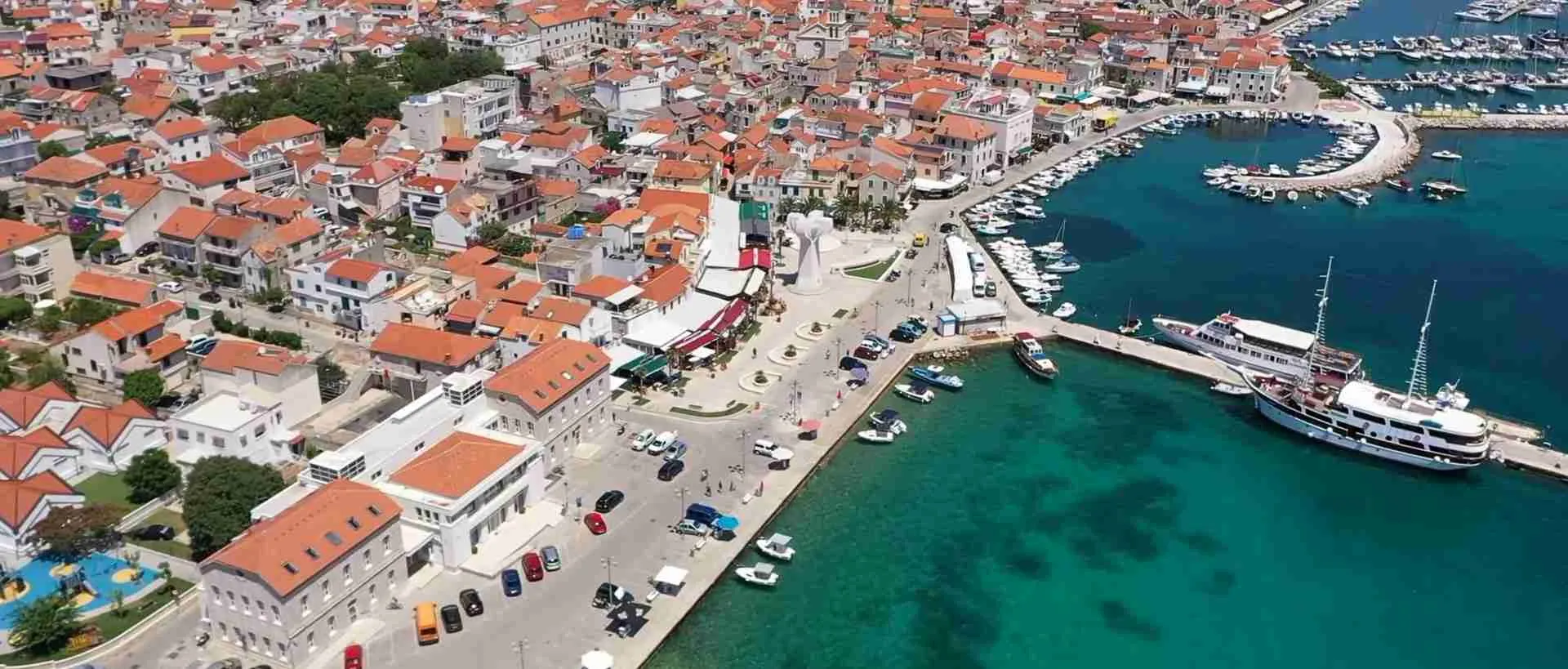
Best Time Visit Zadar 2026: Seasonal Planning Guide
Zadar’s Mediterranean climate creates distinct seasonal windows for different travel priorities throughout 2026, from peak summer beach conditions in July-August to value-focused winter cultural exploration in November-March. The optimal visiting period depends entirely on whether travelers prioritize swimming in 25°C Adriatic waters, avoiding July-August crowds that triple accommodation costs, experiencing shoulder-season balance in May-June and September-October, or securing 63% lower winter hotel rates. Understanding Zadar’s weather patterns, tourist density fluctuations, pricing variations, and seasonal activity availability enables strategic 2026 trip timing that aligns travel goals with on-the-ground conditions rather than generic “best time” recommendations disconnected from individual preferences.
Key Takeaways About Visiting Zadar in 2026
- Shoulder seasons deliver optimal balance in 2026: May-June and September-October combine comfortable temperatures (20-27°C), swimmable Adriatic waters (19-23°C), fewer crowds than peak summer, and accommodation costs 30-50% below July-August rates while maintaining full attraction accessibility and ferry service.
- Peak summer trades comfort for beach perfection: July-August 2026 provides ideal swimming conditions (24-25°C sea temperature, 28-30°C air, minimal 28mm monthly rainfall) and maximum festival activity, but requires advance booking 3-6 months ahead, tolerance for crowds at Sea Organ and Greeting to the Sun, and acceptance of €100-165+ nightly hotel rates versus €50-80 in shoulder periods.
- April represents maximum value opportunity: This transitional month offers 63% lower accommodation costs compared to peak season (budget hotels from €30/night), spring blooming landscapes, Easter cultural events, and emerging warmth (15-18°C) while accepting cooler sea temperatures (15°C) unsuitable for extended swimming and possibility of April showers requiring flexible indoor/outdoor activity planning.
- Winter enables authentic local immersion in 2026: November-March periods see minimal international tourism creating genuine Croatian cultural experiences, lowest annual pricing (hotels €25-50/night), access to Christmas markets and local festivals, but sacrifice beach activities, face reduced ferry schedules to islands, and encounter wettest weather patterns (100-145mm monthly rainfall November-December).
- Sea temperature determines swimming viability: Adriatic reaches comfortable swimming threshold (20°C+) only June-October in Zadar, peaking at 24-25°C in August, making May and late October marginal for temperature-sensitive swimmers despite pleasant air temperatures—this biological reality constrains beach-focused trip timing regardless of other factors.
- Advance booking timelines vary dramatically by season: July-August 2026 requires 3-6 month advance reservations for desired accommodation and popular boat tours to Kornati National Park, while November-March permits spontaneous same-week bookings due to low occupancy rates—planning flexibility scales inversely with tourist season intensity.
People Also Ask About Visiting Zadar in 2026
What is the best month to visit Zadar in 2026?
June and September represent the optimal months for visiting Zadar in 2026, combining advantages of both peak and shoulder seasons while minimizing their respective drawbacks. June delivers warm air temperatures (24-27°C), increasingly comfortable sea temperatures (22°C suitable for swimming), 11 hours daily sunshine, minimal rainfall (54mm across 9 days), and full operational status for all tours, restaurants, and accommodations. Tourist crowds remain manageable compared to July-August, hotel rates sit 30-40% below peak pricing at €70-100 per night for quality 3-4 star properties, and all summer festivals begin programming. September offers similar advantages in reverse seasonal direction—still-warm 23-25°C temperatures, peak sea warmth (23°C from summer heat accumulation), reduced crowds as families return to school schedules, and accommodation availability with rates dropping from August peaks. The harvest season brings local wine and olive oil festivals absent during summer months, while September weather reliability exceeds June through more established summer patterns. Both months avoid July-August’s oppressive heat (30°C+), crushing crowds at popular sunset viewing points, and inflated pricing across all services while maintaining excellent beach and sightseeing conditions.
Can you swim in the sea in Zadar during May 2026?
Swimming in Zadar’s Adriatic waters during May 2026 depends on individual cold tolerance and swimming duration expectations rather than universal suitability. May sea temperatures average 18-19°C (64-66°F)—technically swimmable but cool for most recreational swimmers accustomed to warmer waters. Quick refreshing dips of 10-15 minutes prove comfortable for many visitors, particularly during warm sunny afternoons when air temperatures reach 20-22°C creating pleasant beach conditions. Extended swimming sessions, leisurely floating, or activities requiring significant water time (snorkeling, paddleboarding) challenge all but cold-water enthusiasts or wetsuit users. Local Croatians begin swimming in May as seasonal tradition marking summer’s approach, but visitors from warmer climates often find water uncomfortably cool compared to preferred 22°C+ temperatures available June-September. Children and elderly swimmers particularly struggle with May’s cooler waters. The month functions better for sunbathing, coastal walks, and beach atmosphere appreciation than serious swimming focus. Travelers prioritizing comfortable extended swimming should target June-September when sea temperatures reach 22-25°C. However, May’s cooler waters provide trade-off value through dramatically reduced beach crowds, pleasant air temperatures ideal for active sightseeing, and lower accommodation costs, making it excellent choice for visitors treating swimming as supplementary rather than primary activity.
How crowded is Zadar during peak summer season 2026?
Zadar experiences significant but manageable crowding during July-August 2026 compared to overwhelmed coastal destinations like Dubrovnik or Split, though tourist density substantially exceeds shoulder season tranquility. Peak summer crowds concentrate at specific times and locations rather than uniform saturation across the city. The Sea Organ and Greeting to the Sun installations draw largest gatherings during sunset hours (7-9 PM) when hundreds of visitors pack the waterfront promenade for the famous Zadar sunset experience—arriving before 6 PM or after 9:30 PM provides space and perspective impossible during peak viewing windows. Popular restaurants in Old Town require reservations 1-3 days ahead for prime dinner slots (7:30-9 PM), while walk-in availability exists for early (before 6:30 PM) or late (after 9:30 PM) dining. Day-trip boats to Kornati National Park, Dugi Otok, and nearby islands fill completely July-August, necessitating advance online booking 1-2 weeks ahead rather than spontaneous same-day departures possible in shoulder seasons. Beach areas like Kolovare see maximum utilization with limited umbrella space, though less intense than Dalmatian island beaches. Old Town streets maintain comfortable pedestrian flow except during cruise ship days when 2,000-3,000 passengers temporarily flood the compact historic center—checking cruise schedules enables strategic planning around these brief surges. Despite crowding, Zadar never reaches gridlock levels that compromise enjoyment, and the city’s authentic working-port character persists through tourism pressure unlike purely tourist-dependent destinations.
What should I pack for Zadar in different seasons of 2026?
Packing for Zadar in 2026 requires seasonal adaptation reflecting the city’s Mediterranean climate extremes between summer heat and winter chill. Summer (June-August) demands lightweight, breathable clothing (cotton/linen), swimwear (multiple sets for daily swimming), reef-safe sunscreen (30+ SPF essential under intense Adriatic sun), wide-brimmed hat, quality sunglasses, and comfortable walking sandals for hot pavement navigation. Light rain jacket or packable windbreaker addresses rare summer showers and evening coastal breezes. Shoulder seasons (April-May, September-October) require layering strategy—long pants/jeans, light sweater or cardigan for cooler mornings and evenings, swim gear (sea temperatures 18-23°C marginally comfortable), closed-toe walking shoes for extended sightseeing, and light rain jacket for increased spring/autumn precipitation possibility. Transitional temperatures (15-25°C) mean morning chill and afternoon warmth necessitate adaptable clothing. Winter (November-March) shifts to warm layers including fleece or light wool sweater, waterproof jacket with hood (November-December wettest months averaging 100-145mm rainfall), long pants, closed shoes suitable for wet pavement, and possibly light gloves for January-February coldest periods (5-10°C). Umbrella proves essential winter accessory. Year-round items include comfortable walking shoes (Zadar’s Old Town features uneven Roman-era paving stones), daypack for carrying layers and water, reusable water bottle (Croatian tap water safe and excellent quality), power adapter (European Type C/F plugs), and modest clothing for cathedral visits (shoulders and knees covered). Skip heavy winter coats even in coldest months—Zadar’s coastal Mediterranean position keeps temperatures above freezing except rare cold snaps.
Extended multi-day tours – 5+ days
Featured Zadar Multi-Day Tour Packages
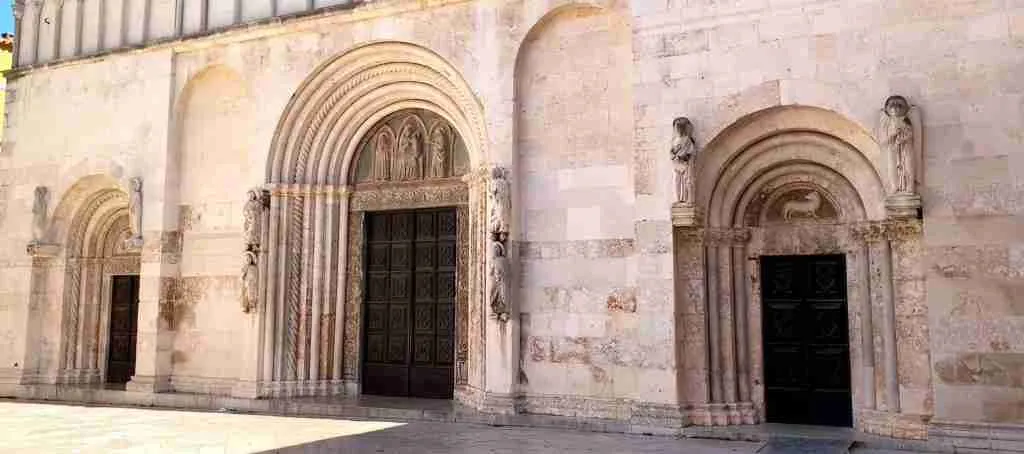
3 days
Zadar 3-Day Discovery Tour
- ✓ Comprehensive Zadar experience
- ✓ Expert local guides included
- ✓ All accommodation included
- ✓ Transportation provided
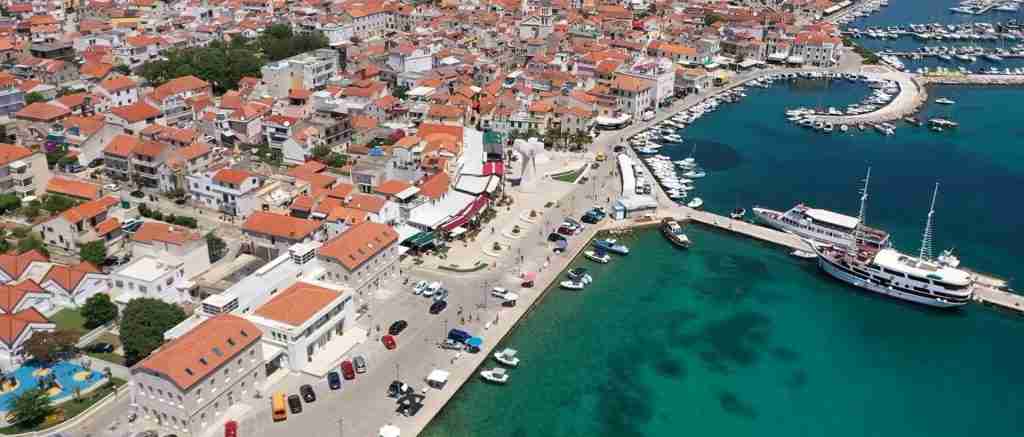
5 days
Zadar 5-Day Highlights Experience
- ✓ Comprehensive Zadar experience
- ✓ Expert local guides included
- ✓ All accommodation included
- ✓ Transportation provided
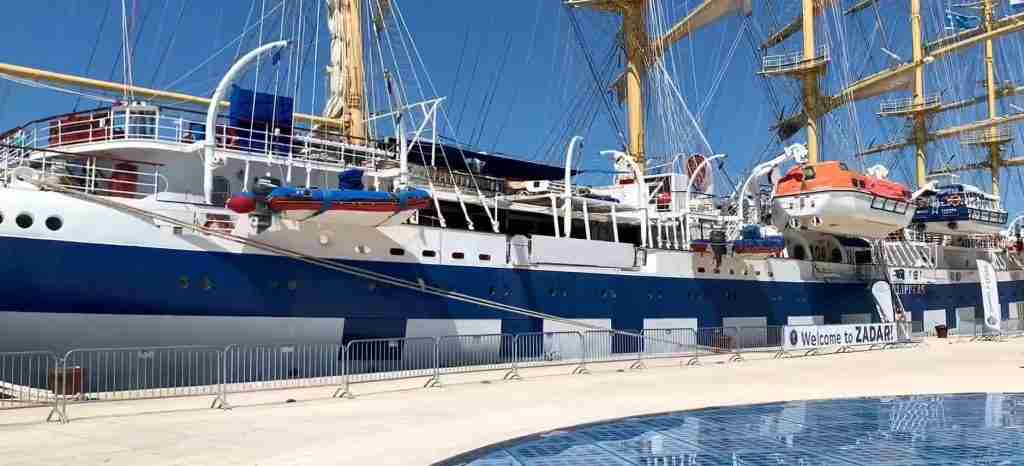
7 days
Zadar 7-Day Cultural Journey
- ✓ Comprehensive Zadar experience
- ✓ Expert local guides included
- ✓ All accommodation included
- ✓ Transportation provided
10 days
Zadar 10-Day Complete Adventure
- ✓ Comprehensive Zadar experience
- ✓ Expert local guides included
- ✓ All accommodation included
- ✓ Transportation provided
Multi-day tour packages powered by TourRadar. Prices and availability subject to change.
Introduction: Understanding Zadar’s Seasonal Calendar for 2026
Zadar’s 2026 seasonal progression follows predictable Mediterranean climate patterns while exhibiting unique characteristics distinguishing it from other Croatian coastal destinations including Split, Dubrovnik, and the Dalmatian islands. The city’s position on the central Dalmatian coast creates year-round accessibility unlike island destinations dependent on summer-only ferry service, while maintaining authentic Croatian character through working-port industrial functions and resident population that doesn’t abandon the city during winter months. This combination of reliable infrastructure, genuine local culture, and spectacular natural settings (the Sea Organ sound installation, Greeting to the Sun light display, Roman Forum archaeological remains) creates distinct seasonal windows optimized for different travel motivations throughout 2026.
The concept of “best time” to visit Zadar represents oversimplification that obscures meaningful decision-making information. July-August delivers objectively superior swimming conditions through peak sea temperatures (24-25°C) and guaranteed dry sunny weather, but simultaneously presents objectively inferior conditions for budget travelers, crowd-averse visitors, and anyone prioritizing authentic Croatian cultural immersion over beach activities. September balances warm weather persistence with declining tourist numbers. May offers spring beauty and emerging warmth at minimal cost but cooler swimming. Winter provides maximum cultural authenticity and minimum expense while sacrificing beach experiences entirely. No single month satisfies all travel priorities simultaneously—optimal timing depends entirely on individual goals, flexibility, and trade-off preferences.
Zadar’s tourism industry operates on clear seasonal structure affecting virtually every aspect of visitor experience from accommodation availability and pricing to restaurant operating hours and ferry schedules. Understanding this seasonal rhythm enables strategic planning that aligns trip timing with actual on-the-ground conditions rather than marketing materials or generic travel advice disconnected from Zadar’s specific realities. The following sections detail weather patterns, crowd levels, pricing variations, and activity availability across 2026’s twelve months and four seasons, providing decision-making framework for determining personal optimal visiting window.
Understanding Zadar’s Climate and Weather Patterns in 2026
Zadar exhibits classic Mediterranean climate characterized by hot, dry summers and mild, wet winters with pronounced seasonal differentiation in temperature, rainfall, and sunshine hours. This climate type creates exceptional summer beach conditions while maintaining year-round visitability unusual in more extreme climates. Average annual temperature reaches 15°C (59°F), with January lows of 5-10°C (41-50°F) and July-August peaks of 28-30°C (82-86°F). The coastal location moderates temperature extremes—Zadar rarely experiences freezing winter conditions or the 35°C+ inland heat affecting Zagreb and continental Croatia during summer months.
Temperature progression throughout 2026 follows predictable Mediterranean arc. Winter months (December-February) maintain cool but mild conditions averaging 5-10°C daytime temperatures with occasional colder periods when bora wind from the interior Balkans drops nighttime temperatures near freezing. March initiates warming trend reaching 12-15°C, with spring acceleration through April (15-18°C) and May (18-22°C) bringing pleasant sightseeing weather. June crosses into summer territory at 24-27°C, with July-August peaking at 28-30°C daytime temperatures and 18-20°C nighttime lows. September maintains summer-like warmth at 23-25°C before October cooling to 18-21°C signals autumn transition. November marks winter approach at 12-15°C.
Rainfall patterns demonstrate Mediterranean dry summer/wet winter characteristic. July-August record minimal precipitation (28-32mm monthly across just 5-8 rainy days), creating near-guaranteed dry conditions for beach activities and outdoor dining. June and September receive moderate 48-54mm rainfall spread across 8-9 days—brief showers possible but rarely disrupting vacation plans. Spring months (April-May) see increased precipitation (60-80mm) as Atlantic weather systems reach the Adriatic, though rain typically arrives in short afternoon thunderstorms rather than all-day downpours. November-December constitute wettest period with 100-145mm monthly rainfall across 12-15 rainy days, sometimes producing multi-day cloudy, wet conditions unsuitable for outdoor tourism. January-March maintain 70-90mm monthly precipitation but declining from winter peak.
Sea temperature determines swimming viability more directly than air temperature for beach-focused visitors. Adriatic waters around Zadar reach minimum 12-13°C in February before beginning slow spring warming to 15°C in April, 18-19°C in May, and crossing comfortable swimming threshold (20°C+) in June at 22°C. Sea temperature peaks in August at 24-25°C after months of summer heat accumulation, remaining warm through September (23°C) and early October (20-21°C) before autumn cooling to 17-18°C in late October and 14-15°C in November effectively ends swimming season. This sea temperature cycle creates June-September swimming window with May and October marginal depending on cold tolerance.
Sunshine hours vary dramatically by season, affecting not just beach activities but overall mood and energy levels during visits. July leads with 11.9 hours average daily sunshine, followed closely by June and August at 11-12 hours—these summer months provide daylight extending past 8:30 PM enabling evening beach visits and extended outdoor dining. Spring brings 7-9 hours daily sunshine (April-May), sufficient for active sightseeing but noticeably shorter than summer. Winter minimums occur January-February at 5.7 hours daily sunshine, creating darker months where daylight ends by 5 PM and cloud cover frequently persists. Autumn (September-October) maintains 7-8 hours sunshine, pleasant for touring but diminishing through season.
Bora wind represents Zadar’s most distinctive weather phenomenon—cold, dry gusts from the interior Balkans that can reach 60-100 km/h particularly during winter and transitional seasons. While bora brings clear skies and excellent visibility beneficial for photography, strong episodes cancel ferry service to islands, make waterfront promenades uncomfortably windy, and create challenging conditions for outdoor activities. Bora occurs most frequently November-March but can appear any time of year. Conversely, summer sirocco winds from the south bring humid, oppressive conditions occasionally disrupting otherwise perfect July-August weather.
Peak Summer Season 2026: July-August Conditions
July-August 2026 represents Zadar’s peak tourist season delivering optimal beach weather, maximum cultural programming, and liveliest atmospheric energy while simultaneously bringing highest prices, largest crowds, and most intense heat. This two-month window attracts the majority of international visitors alongside Croatian domestic tourists and European holidaymakers, creating summer resort atmosphere distinct from quieter shoulder season character. Understanding peak summer’s advantages and challenges enables realistic expectations and strategic planning for visitors committed to July-August timing despite trade-offs.
Weather conditions during July-August reach Mediterranean perfection for beach-focused vacations. Daytime temperatures average 28-30°C (82-86°F) with regular peaks to 32-33°C during heat waves, creating beach-mandatory conditions where afternoon sightseeing in exposed Roman Forum or climbing St. Anastasia’s bell tower proves uncomfortably hot. Nighttime temperatures rarely drop below 18-20°C, enabling comfortable evening waterfront dining and late-night cafe sitting. Rainfall reaches annual minimum at just 28-32mm across entire months spread over 5-8 days—occasional brief afternoon thunderstorms possible but prolonged rainy periods virtually non-existent. Sunshine hours peak at 11-12 daily, with daylight extending until 8:30-9 PM permitting evening beach visits and extended outdoor activities impossible during shorter winter days.
Adriatic sea temperatures reach peak warmth in August at 24-25°C (75-77°F), with July close behind at 23-24°C—these represent ideal swimming conditions comfortable for extended water activities including snorkeling, kayaking, paddleboarding, and leisurely floating. Waters remain warm enough for comfortable swimming without wetsuits even during early morning or evening dips. Beach areas operate at maximum capacity with Kolovare Beach and other popular spots filling early, though Zadar’s coastline provides enough swimming access to accommodate summer crowds unlike smaller island destinations.
Tourist crowds during July-August create both vibrant atmosphere and practical challenges. The Sea Organ and Greeting to the Sun attract hundreds of sunset viewers creating packed conditions difficult for photography or contemplative experience—arriving before 6 PM or after 9 PM necessary for space. Popular restaurants require reservations 1-3 days ahead for prime evening slots, with walk-in diners limited to early (before 6:30 PM) or late (after 9:30 PM) options. Day-trip boats to Kornati National Park, Telašćica Nature Park on Dugi Otok, and nearby islands book completely weeks in advance, eliminating spontaneous next-day departures possible in shoulder seasons. Old Town streets maintain comfortable flow except during cruise ship days when 2,000-3,000 passengers temporarily flood the compact historic center between 9 AM and 5 PM.
Accommodation pricing peaks during July-August with rates 40-60% above shoulder season levels. Budget hotels and hostels range €60-90 per night versus €30-50 in April-May. Mid-range 3-4 star hotels command €100-165 nightly compared to €70-100 in June or September. Luxury 5-star properties reach €200-300+ per night. Advance booking 3-6 months ahead proves essential for securing desired properties at any price point, with last-minute bookers often settling for less convenient locations or lower quality than preferred. Apartments and vacation rentals follow similar pricing patterns while offering better value for longer stays or families requiring multiple rooms.
Festival and cultural programming reaches peak intensity during July-August 2026. The Full Moon Festival in Zadar transforms the waterfront with open-air concerts, art installations, and nighttime events creating magical atmosphere. Summer theater performances occupy Roman Forum and other outdoor venues, while classical music concerts utilize historic churches for exceptional acoustics. Beach clubs and nightlife venues operate at full capacity with international DJs and extended hours creating party atmosphere particularly appealing to younger demographics. These cultural offerings provide compelling reasons for July-August visits beyond pure beach focus.
Heat management becomes essential consideration during peak summer. Afternoon hours (1-4 PM) prove uncomfortably hot for active sightseeing, with stone pavements radiating stored heat and minimal shade in Old Town’s narrow streets. Smart scheduling concentrates outdoor activities during morning hours (8-11 AM) when temperatures remain manageable and tourist crowds lighter, reserves afternoon for beach time or indoor museum visits (Museum of Ancient Glass offers excellent air-conditioned refuge), and resumes evening exploration after 6 PM when temperatures moderate. Midday siestas align with Mediterranean rhythms while avoiding least pleasant sightseeing conditions. Staying hydrated requires conscious effort in dry summer heat, with water bottles essential for walking tours.
Shoulder Seasons 2026: Spring and Autumn Balance
Spring (April-May) and autumn (September-October) 2026 constitute Zadar’s shoulder seasons offering compelling balance of favorable weather, reduced crowds, and moderate pricing while maintaining most peak summer advantages. These transitional periods attract experienced travelers prioritizing comfort and value over absolute beach perfection, creating more sophisticated visitor demographic and authentic Croatian cultural experiences compared to peak summer’s resort atmosphere. Understanding shoulder season characteristics enables strategic timing that maximizes vacation satisfaction for travelers flexible on exact dates.
Spring progression through April-May brings gradual warming and increasing reliability as Mediterranean climate shifts from winter rain patterns toward summer drought. April temperatures average 15-18°C (59-64°F) with pleasant sunny days alternating with rainy periods—this transitional month requires flexible planning accepting some wet weather while enjoying spring blooming, Easter celebrations, and emerging warmth. May accelerates warming to 18-22°C (64-72°F) with more consistent sunny conditions and reduced rainfall (60-70mm versus 80mm in April), creating comfortable sightseeing weather without summer heat intensity. Sea temperatures remain cool in April (15°C) limiting swimming to quick dips, while May’s 18-19°C waters become marginally suitable for cold-tolerant swimmers though most visitors prefer waiting until June’s 22°C comfort threshold.
Autumn advantages through September-October reverse spring patterns with declining temperatures from summer peaks rather than building toward them. September maintains summer-like conditions at 23-25°C air temperature and 23°C sea temperature—actually warmer water than June despite cooler air due to summer heat accumulation in Adriatic waters. This creates ideal swimming conditions while avoiding July-August crowds and heat intensity. October cools to 18-21°C air temperature with sea temperatures declining to 20-21°C early month and 17-18°C by late October, marking gradual swimming season conclusion. Rainfall increases from summer minimums but remains moderate (70-90mm monthly) with most precipitation arriving as brief showers rather than prolonged systems.
Crowd levels during shoulder seasons drop dramatically from summer peaks while maintaining vibrant atmosphere absent during quiet winter months. May-June and September attract predominantly adult couples, active travelers, and cultural tourists rather than families constrained by school schedules—this demographic shift elevates restaurant quality expectations, cultural attraction engagement, and overall sophistication compared to peak summer’s broader tourist spectrum. Popular attractions remain accessible without long waits, restaurant reservations possible same-day or 24 hours ahead rather than multi-day requirements, and spontaneous day-trip bookings available through direct morning contact with tour operators rather than mandatory advance online booking.
Pricing during shoulder seasons falls 30-50% below peak summer levels while remaining elevated above winter minimums, creating optimal value proposition for quality-conscious travelers. Budget accommodations range €35-50 per night in April-May and September-October versus €60-90 in July-August. Mid-range 3-4 star hotels price €70-100 nightly compared to €100-165 summer peaks. These rates enable upgrading accommodation quality within fixed budgets or maintaining desired comfort levels while reducing total trip costs. Ferry services, restaurants, and tour operators similarly discount from summer pricing while operating full schedules May-October, with only winter months (November-March) seeing reduced services and lowest bottom-tier pricing.
Activity availability varies between spring and autumn shoulder periods. May-June benefits from ascending trajectory toward summer’s full operational status—boat tours to islands commence service, seasonal restaurants open waterfront terraces, beach facilities activate, and tourism infrastructure shifts into high gear. September-October operates on descending pattern with full summer services initially continuing through September before gradual October reduction as some seasonal businesses close early and ferry schedules begin transitioning toward reduced winter frequency. Nature activities like hiking Paklenica National Park and cycling coastal routes actually improve during shoulder seasons through comfortable temperatures versus summer heat, while wine harvest season (September-October) adds unique experiences unavailable in summer.
Winter Season 2026: November-March Cultural Exploration
Winter months (November-March) transform Zadar from beach resort to authentic Croatian coastal city experiencing genuine local rhythms absent during tourist-dominated summer months. This five-month period attracts minimal international visitors creating opportunities for budget-conscious travelers, cultural immersion seekers, and those prioritizing authentic experiences over beach activities. Winter Zadar reveals itself as working Adriatic port with fishing industry, shipbuilding heritage, and resident population whose daily lives become visible when tourist overlay diminishes. Understanding winter characteristics separates travelers suited for off-season exploration from those requiring summer beach focus.
Winter weather runs cool and wet by Mediterranean standards while remaining mild compared to continental European winters. November-December constitute wettest period with 100-145mm monthly rainfall spread across 12-15 rainy days, sometimes producing multi-day cloudy wet conditions where outdoor sightseeing proves unpleasant. January-March gradually dry with 70-90mm monthly precipitation but maintain cool temperatures averaging 5-10°C (41-50°F) daytime and occasional near-freezing nights when bora winds blow from interior Balkans. Sunshine hours reach annual minimum at 5.7 hours daily in January-February, creating darker days where natural light ends by 5 PM limiting afternoon exploration. Despite wetness and chill, Zadar’s coastal position prevents harsh continental winters—snow remains extremely rare, freezing temperatures brief exceptions rather than prolonged periods, and sunny winter days create pleasant conditions for bundled-up walking tours.
Sea temperatures drop to 12-14°C (54-57°F) winter minimum making swimming unsuitable except for extreme cold-water enthusiasts or wetsuit users. Beaches transform from summer recreation centers to peaceful walking destinations where solitary contemplation replaces July-August crowds. This swimming impossibility represents primary limiting factor for winter visits—travelers requiring beach activities must target May-October periods regardless of other winter advantages. However, eliminating beach expectations unlocks winter’s unique offerings impossible during tourist seasons.
Tourist crowds virtually disappear during winter months creating extraordinary access to normally packed attractions. The Sea Organ plays to audiences of 5-10 people rather than hundreds, enabling front-row positioning and contemplative listening impossible during sunset viewing crush. Roman Forum archaeological site permits unhurried exploration and photography without other tourists photobombing shots. Museums offer private viewing experiences where staff engage visitors in extended conversations rather than processing high-volume summer queues. Restaurant reservations unnecessary with walk-in seating immediately available even at top establishments. This crowd absence creates authentic cultural immersion as visitors encounter Zadar functioning for residents rather than tourists.
Accommodation pricing reaches annual minimums during winter with budget hotels available €25-40 per night (versus €60-90 summer peaks), mid-range properties €50-70 nightly (versus €100-165 peak rates), and luxury hotels €80-120 (versus €200-300+ summer). These dramatic discounts enable extending trip duration within fixed budgets, upgrading accommodation quality, or simply reducing total travel costs by 50-70% compared to summer equivalent experiences. Many properties offer long-stay discounts for weekly or monthly bookings attracting digital nomads and remote workers seeking affordable European winter bases.
Operational status during winter sees reduced but adequate services for typical tourist needs. Most restaurants, cafes, and shops catering to local populations remain open year-round on standard schedules. Major attractions like churches, museums, and Roman Forum maintain winter hours with slightly reduced schedules but consistent daily access. Ferry services to nearby islands (Ugljan, Pašman) continue on reduced winter frequency serving island residents, though some distant destinations like Kornati National Park become inaccessible due to weather unpredictability and lack of tourist demand. Car rental agencies, taxis, and public transportation operate normally. Seasonal beach clubs, some waterfront restaurants, and tour operators targeting summer tourists close November-March, but essential services and authentic local establishments continue serving year-round populations.
Winter cultural events provide compelling reasons for off-season visits beyond simple budget considerations. Zadar’s Christmas markets transform the city during December with decorated stalls selling crafts, seasonal foods, and mulled wine creating festive atmosphere. New Year celebrations include public concerts and fireworks. February occasionally hosts Carnival celebrations with costumes and parades reflecting Croatian traditions. Local theater, classical music concerts in historic churches, and art gallery exhibitions continue year-round schedules targeting resident audiences rather than tourists, enabling authentic cultural participation impossible during summer when programming shifts toward tourist appeal.
Month-by-Month Breakdown for 2026
January 2026 marks winter’s deepest period with coldest temperatures (5-10°C daytime, occasional near-freezing nights), minimal sunshine (5.7 hours daily), and moderate rainfall (75-85mm). Tourist crowds remain virtually nonexistent creating exceptional access to attractions but sacrificing beach activities entirely through 12-13°C sea temperatures. Accommodation costs reach annual lows (budget €25-35/night, mid-range €50-65) enabling extended stays or luxury upgrades within fixed budgets. January suits travelers prioritizing budget, authentic local immersion, and indoor cultural activities over outdoor beach focus. The month provides excellent museum visiting conditions, unhurried Old Town exploration, and opportunities experiencing Croatian daily life without tourist overlay.
February 2026 continues winter conditions with slight warming trend toward spring. Temperatures remain cool (6-11°C) with sea reaching minimum annual temperature (12°C). Rainfall maintains 70-80mm monthly while sunshine hours begin modest increase from January minimum. Tourist activity stays low though occasional Valentine’s weekend travelers appear. Accommodation pricing remains winter-low (budget €25-40, mid-range €50-70) with excellent availability. February represents least popular visiting month creating ultimate crowd-free experience for travelers comfortable with cool, occasionally wet conditions. Carnival celebrations may occur depending on Easter date calculation, adding cultural interest. The month functions well for digital nomads seeking long-term affordable European base during winter months.
March 2026 initiates spring transition with noticeably warmer temperatures (10-15°C) and increasing sunshine (7.5 hours daily). Rainfall begins declining from winter peaks (70-85mm) though spring showers remain frequent. Sea temperature starts gradual warming from February minimum but remains too cold for swimming (13-14°C). Tourism activity increases modestly particularly toward month’s end as European spring break travelers appear. Accommodation rates begin climbing from winter lows (budget €30-45, mid-range €60-80) while maintaining excellent value compared to summer. March suits early-season visitors accepting transitional weather variability in exchange for emerging spring beauty, moderate pricing, and growing daylight enabling longer exploration days. The month provides pleasant conditions for hiking, cycling, and active tourism without summer heat.
April 2026 represents optimal value month combining genuine spring warmth (15-18°C), blooming Mediterranean vegetation, Easter cultural celebrations, and lowest accommodation pricing annually (63% below peak rates). Budget hotels available €30-45 per night, mid-range €55-75, creating exceptional value proposition. Rainfall remains significant (80mm) requiring flexible planning around wet periods, but sunny days increase frequency and beauty. Sea temperature (15°C) permits brief dips but remains too cool for extended swimming. Tourist crowds stay low enabling easy attraction access and restaurant seating while maintaining more animated atmosphere than dead winter months. April suits budget-conscious travelers, spring enthusiasts, photographers capturing seasonal beauty, and anyone prioritizing cost savings over absolute weather perfection. Easter timing (April 20, 2026) brings special religious processions, festive markets, and cultural events adding unique interest unavailable other months.
May 2026 delivers spring’s peak appeal with comfortable temperatures (18-22°C), reduced rainfall (65-70mm), 9.5 hours daily sunshine, and emerging beach season energy. Sea temperature reaches 18-19°C enabling cold-tolerant swimmers to begin season while most visitors prefer waiting until June’s warmer waters. Accommodation pricing increases from April minimums but remains moderate (budget €40-55, mid-range €75-95), creating good value before summer peaks. Tourist activity accelerates through month as European visitors capitalize on late spring conditions and May holidays. Restaurants, tour operators, and seasonal businesses open for summer season creating growing options and vitality. May represents excellent compromise month delivering warm weather, manageable crowds, reasonable pricing, and full operational status while accepting marginally cool swimming conditions. The month particularly suits active travelers prioritizing hiking, cycling, and sightseeing over beach focus.
June 2026 crosses into summer territory with warm 24-27°C temperatures, comfortable 22°C sea temperature suitable for extended swimming, minimal 54mm rainfall, and 11 hours daily sunshine. The month combines peak summer weather advantages with shoulder season crowd levels and moderate pricing (budget €55-70, mid-range €90-120). Tourist activity increases substantially particularly late month as families begin summer holidays, but remains significantly below July-August intensity. June represents many travelers’ optimal visiting window delivering excellent beach conditions, full summer festival programming, complete operational status across all tourism services, and comfortable crowd levels before peak season onslaught. Advance booking 1-2 months ahead secures good accommodation while maintaining flexibility impossible with July-August’s 3-6 month requirements.
July 2026 marks peak summer’s arrival with highest temperatures (28-30°C), warmest sea conditions (23-24°C), maximum sunshine (11.9 hours), and minimal rainfall (31mm). Tourist crowds reach annual peak particularly mid-month creating vibrant resort atmosphere alongside practical crowding challenges at popular attractions. Accommodation pricing peaks (budget €70-90, mid-range €120-165, luxury €200-300+) requiring 3-6 month advance booking for desired properties. July delivers absolute optimal beach weather perfection and maximum cultural programming (festivals, concerts, nightlife) while demanding acceptance of crowds, heat intensity, and premium pricing. The month suits beach-focused travelers, festival enthusiasts, and those whose scheduling flexibility limitations (work vacation timing, school holidays) constrain visit options regardless of trade-offs.
August 2026 continues peak summer conditions with similar temperatures (28-30°C) but achieves maximum sea temperature (24-25°C) through summer heat accumulation in Adriatic waters. Crowds potentially exceed even July as European vacationers add to international tourists and Croatian domestic travelers. Accommodation availability tightens further with many properties fully booked months ahead at peak rates. Rainfall remains minimal (28mm) creating guaranteed dry conditions. August represents ultimate beach month delivering warmest most comfortable swimming while simultaneously bringing highest crowds and costs. Late August (final 10 days) sees gradual crowd decline as school resumption approaches, offering slightly better value and comfort while maintaining excellent weather conditions.
September 2026 delivers perhaps optimal overall visiting conditions combining still-summer weather (23-25°C), peak sea warmth (23°C from August heat retention), dramatically reduced crowds as families return to school schedules, and declining accommodation costs (budget €45-60, mid-range €85-115). Rainfall increases modestly to 48mm but remains low by annual standards. The month provides beach perfection without July-August negatives—no oppressive heat, manageable tourist numbers, easy restaurant access, spontaneous tour availability, and 30-40% cost savings. September particularly attracts couples, retirees, and travelers with schedule flexibility to avoid school-constrained peak months. Harvest festivals featuring wine and olive oil add cultural dimensions unavailable during summer. The month represents premium choice for experienced travelers prioritizing value and comfort over absolute peak season energy.
October 2026 marks autumn transition with cooling temperatures (18-21°C early month, 15-18°C late) and declining sea warmth (20-21°C early, 17-18°C late). Swimming remains comfortable early October but becomes marginal by month’s end for temperature-sensitive visitors. Rainfall increases to 90mm requiring flexible planning. Tourist crowds thin dramatically with families absent and international visitors declining. Accommodation pricing drops (budget €35-50, mid-range €70-95) creating good value. October suits travelers accepting swimming season conclusion in exchange for pleasant sightseeing conditions, reduced crowds, and lower costs. Late October sees some seasonal businesses closing and ferry schedules reducing, requiring trip planning verification. The month works well for active tourism (hiking, cycling, cultural attractions) rather than beach focus.
November 2026 transitions fully into winter with cooling temperatures (12-15°C), wettest conditions annually (115-145mm rainfall across 15 days), and 6.5 hours daily sunshine. Sea temperature drops to 14-15°C effectively ending swimming season. Tourist crowds vanish almost completely creating authentic local experiences. Accommodation costs decline toward winter lows (budget €30-40, mid-range €55-75) with excellent availability. November represents challenging month for typical tourists due to weather unpredictability but appeals to budget travelers, culture seekers, and those comfortable with wet conditions. Late November Christmas market preparations begin adding festive interest. The month suits extended stays by digital nomads and remote workers prioritizing affordability and local immersion over beach activities.
December 2026 delivers winter conditions (10-12°C) with continued high rainfall (100-110mm) and short daylight (5.8 hours). Sea temperature declines further (13-14°C). Tourist activity reaches annual minimum except brief uptick during Christmas-New Year period when festive markets and celebrations attract some visitors. Accommodation pricing stays winter-low with excellent availability. December combines challenges (wet weather, minimal daylight, closed seasonal businesses) with unique advantages (Christmas atmosphere, genuine Croatian cultural experiences, rock-bottom pricing). The month appeals to Christmas market enthusiasts, budget-conscious travelers comfortable with winter conditions, and anyone seeking authentic European coastal winter experience distinct from summer beach resort atmosphere. New Year celebrations provide festive conclusion to year with public events and fireworks.
Budget Considerations and Cost Planning for 2026
Accommodation costs in Zadar fluctuate dramatically across 2026’s seasonal calendar creating 200-300% variance between cheapest winter months and peak summer periods. Budget hostels and guesthouses range from winter lows of €18-30 per night during November-March to summer peaks of €60-90 per night in July-August, with shoulder season rates €35-55. Mid-range 3-4 star hotels demonstrate similar patterns—€50-75 winter, €70-100 shoulder season (April-May, September-October), €100-165 peak summer. Luxury 5-star properties command €80-120 winter, €150-220 shoulder, €200-300+ peak season. April specifically offers exceptional value as cheapest month annually, with rates up to 63% below summer equivalents enabling significant budget stretching or quality upgrades.
Restaurant and dining costs remain relatively stable year-round compared to accommodation’s dramatic fluctuations, though tourist-focused establishments adjacent to Sea Organ and Greeting to the Sun charge premium pricing during summer while neighborhood restaurants serving local populations maintain consistent rates. Casual dining (pizza, pasta, simple Croatian dishes) runs €8-15 per person regardless of season. Mid-range restaurants serving quality seafood and regional specialties cost €15-25 per person. Fine dining establishments reach €30-50+ per person. Groceries for self-catering remain constant year-round through supermarket pricing, though fresh produce quality and variety peak during summer farmers market season. Daily food budgets of €25-35 per person enable comfortable restaurant dining across all seasons.
Transportation costs show minimal seasonal variation with standardized pricing for buses, ferries, and taxis. Local city buses within Zadar charge €1.60 per ride year-round. Ferry services to nearby islands (Ugljan, Pašman) maintain fixed passenger rates though vehicle fees may carry summer supplements. Day-trip boat tours to Kornati National Park, Dugi Otok, and other destinations demonstrate pricing elasticity—summer tours €45-65 per person while shoulder season deals drop to €35-50. Car rental rates increase 30-50% during peak summer (July-August) compared to winter and shoulder periods, with advance booking essential for summer availability at any price point. Airport transfers via taxi or shuttle bus maintain year-round rates unless surge pricing applies during peak arrival times.
Attraction admission costs remain consistent across seasons with fixed year-round pricing for churches, museums, and archaeological sites. Museum of Ancient Glass charges standard rates regardless of visit timing, as do St. Anastasia’s Cathedral bell tower and other indoor attractions. Kornati and Paklenica National Parks maintain official entrance fees independent of season. However, tour operator packages combining attraction admission with transportation and guide services often discount during shoulder seasons to stimulate demand, creating value opportunities for package buyers versus independent travelers paying full separate-component costs.
Overall daily budget requirements demonstrate substantial seasonal variation primarily driven by accommodation costs. Winter months (November-March) enable comfortable travel at €60-80 per person daily including budget hotel, restaurant meals, local transportation, and attraction admissions. Shoulder seasons (April-May, September-October) increase daily budgets to €90-120 per person for equivalent experiences. Peak summer (July-August) demands €140-180 per person daily maintaining similar standards due to accommodation premium. Budget-conscious travelers targeting €50-70 daily spending must visit during winter accepting trade-offs, while luxury travelers spending €250+ daily achieve premium experiences regardless of season through ability to absorb peak pricing.
Advance booking timing affects costs substantially beyond base seasonal pricing. Last-minute summer bookings (within 2-4 weeks of arrival) often face 20-40% premiums over advance rates as available inventory shrinks and remaining properties exploit demand leverage. Conversely, winter last-minute deals sometimes offer discounts below standard rates as properties seek to fill empty rooms. Shoulder season timing offers best balance—booking 4-8 weeks ahead captures good rates without requiring 3-6 month peak summer advance commitments. Package deals combining accommodation, tours, and sometimes meals provide 10-20% savings versus separate component booking across all seasons.
Events, Festivals, and Cultural Calendar 2026
Zadar’s 2026 cultural calendar concentrates programming during summer months (June-September) targeting peak tourist presence while maintaining year-round events serving local populations. Summer festival season transforms the city into open-air theater with Roman Forum, waterfront promenades, and historic churches hosting performances impossible during cooler months. Full Moon Festival represents Zadar’s signature summer event, occurring during August full moon and transforming the entire waterfront with concerts, art installations, theatrical performances, and nighttime cultural programming creating magical atmosphere unique to this single evening. The event draws thousands of participants creating festival energy that validates tolerating summer crowds for visitors fortunate to time visits coinciding with full moon dates.
Classical music programming intensifies during summer with church concerts utilizing Zadar’s exceptional historic acoustics. St. Donatus Church, despite lacking religious function since Austrian period, serves as concert venue for early music and chamber ensembles whose performances resonate through circular Romanesque architecture creating memorable acoustic experiences. Cathedral of St. Anastasia hosts larger orchestral and choral works. These concerts typically schedule July-August with reduced but continuing programming in shoulder months. Classical music enthusiasts should research specific 2026 concert calendars as programming finalizes during spring months preceding summer season.
Summer theater festival brings outdoor performances to Roman Forum and other archaeological settings, creating unique stagecraft where ancient ruins serve as natural backdrops. Productions range from Shakespeare adaptations to contemporary Croatian drama, with most performances in Croatian language though some tourist-oriented productions offer English summaries or international repertoire recognizable despite language barriers. Theater programming concentrates July-August with occasional June and September performances extending shoulder season offerings.
Film festivals and cultural events operate year-round on more modest scales than summer programming but provide authentic Croatian cultural access. Zadar Winter Film Festival (February-March) screens Croatian and international films creating cultural activity during otherwise quiet winter months. Various gallery openings, book presentations, and academic lectures serve local populations throughout the year, with tourist-oriented marketing minimal but opportunities for genuine cultural participation available to visitors researching Croatian language event calendars.
Religious celebrations maintain year-round presence with particular emphasis on Christmas (December 25) and Easter (April 20, 2026). Easter week features traditional processions, special masses, and cultural events throughout Old Town, with Palm Sunday (April 13) and Good Friday (April 18) seeing specific Croatian Catholic traditions. Christmas markets operate December through early January with decorated stalls selling crafts, regional foods, and seasonal products while creating festive atmosphere compensating for winter weather challenges. These religious holidays provide cultural depth beyond standard tourist activities for visitors interested in Croatian traditions.
Local food and wine festivals cluster during autumn harvest season (September-October) celebrating regional agricultural products. Olive oil harvest festivals in surrounding villages, wine tasting events featuring Dalmatian varieties, and fishing festivals honoring Zadar’s maritime heritage occur during these months, providing authentic cultural experiences absent during summer tourist season. These events typically require research of Croatian tourism board calendars and local information sources as marketing targets domestic rather than international audiences, but reward culturally curious visitors with genuine regional experiences.
Sports events maintain year-round schedules with local football matches, basketball games, and sailing regattas occurring throughout 2026. Summer sailing regattas in Zadar archipelago attract international participants and spectator interest, combining athletic competition with social events around marina areas. These sporting occasions provide alternative cultural access points for visitors less interested in classical music or theater programming, enabling authentic Croatian sport culture participation.
Practical Planning Considerations for 2026
Advance booking requirements vary dramatically by season creating different planning timelines for 2026 visits. Peak summer (July-August) demands 3-6 month advance reservations for desired accommodation with shorter notice (4-8 weeks) limiting options to less convenient locations or lower-quality properties than preferred. Popular Old Town hotels book completely 4-6 months ahead during summer, forcing late planners toward Borik, Diklo, or other peripheral areas requiring bus connections rather than walking distance convenience. Shoulder seasons (May-June, September-October) permit more relaxed 4-8 week booking windows while still securing good options, with spontaneous same-week bookings possible though reducing selection. Winter months (November-March) accommodate week-of or even day-of booking due to minimal demand.
Ferry and boat tour booking follows similar seasonal patterns. Summer day trips to Kornati National Park, Telašćica Nature Park, and Three Islands tours sell out weeks in advance through online pre-booking, with same-day pier departure availability virtually impossible July-August. Shoulder season permits 3-7 day advance booking capturing most tours, while winter’s minimal tourist demand enables spontaneous morning dock arrival and same-day departure on reduced winter ferry schedules. Travelers prioritizing specific island experiences must research tour operator websites and book online during summer, while flexible visitors can capitalize on shoulder season spontaneity.
Flight availability and pricing to Zadar Airport demonstrates seasonal volatility. Summer route expansion brings additional European connections through budget carriers (Ryanair, easyJet, Wizz Air) serving seasonal demand, with multiple daily flights from major hubs (London, Vienna, Frankfurt). Winter route reductions eliminate many connections, sometimes requiring positioning through Split or Zagreb airports followed by bus transfer to Zadar. Flight pricing peaks summer season with advance booking (3-4 months) essential for reasonable fares, while shoulder and winter periods offer last-minute deals capitalizing on reduced demand. Monitoring flight pricing 4-6 months before summer trips and 1-2 months before shoulder/winter visits optimizes cost management.
Travel insurance considerations increase during winter months due to weather unpredictability affecting ferry schedules and occasional bora wind disruptions. While Zadar remains accessible year-round, winter storms sometimes cancel island ferry services and delay flights, creating potential trip interruption scenarios. Summer weather reliability reduces cancellation risks though travel insurance still provides value for medical coverage and trip cancellation protection. Policies covering weather-related delays provide peace of mind for winter travelers while remaining optional luxury for summer visitors.
Packing strategies must account for seasonal temperature extremes and activity plans. Summer visits require minimal clothing volume—lightweight beach wear, single pair walking sandals, sun protection—enabling carry-on luggage sufficiency. Winter visits demand bulkier warm layers, waterproof jacket, and closed shoes increasing luggage requirements. Shoulder seasons require versatile layering accommodating 10°C morning-to-afternoon temperature swings and unpredictable shower possibilities. Travelers visiting across multiple seasons or extending stays beyond single-season windows face complex packing challenges requiring strategic clothing selection balancing versatility against volume constraints.
Connectivity and communications maintain reliability year-round through Croatia’s modern telecommunications infrastructure. Mobile data coverage proves excellent throughout Zadar urban area with consistent 4G/5G access. Free Wi-Fi exists at most accommodations, cafes, and restaurants year-round. Visitors requiring significant data usage should purchase Croatian SIM cards or European roaming packages rather than depending exclusively on Wi-Fi hotspots. Internet speed and reliability exceeds many Western European destinations, enabling remote work and video calls without frustration for digital nomad winter visitors.
Frequently Asked Questions About Visiting Zadar in 2026
Is September or June better for visiting Zadar in 2026?
September edges June as optimal visiting month in 2026 through combination of warmer sea temperatures, reduced crowds, and established weather patterns, though both months deliver excellent conditions for different priorities. September sea temperature averages 23°C versus June’s 22°C—the 1°C difference matters less than the principle that September waters have absorbed three months of summer heat while June marks initial crossing into comfortable swimming threshold. Air temperatures run similar (23-25°C September versus 24-27°C June) with September’s moderation actually improving sightseeing comfort. Tourist crowds decline dramatically in September as families return to school schedules, while June sees accelerating arrival rates building toward July-August peaks. This crowd differential manifests in easier restaurant reservations, more spontaneous tour availability, and less congested popular attractions. September accommodation pricing drops 15-25% from June’s already-moderate rates as shoulder season descends rather than ascends. June benefits from longer daylight hours (extending past 9 PM versus 7:30 PM September sunset), more vibrant summer festival initiation energy, and psychological thrill of summer’s arrival versus season’s conclusion. June suits travelers excited by building momentum and maximum daylight, while September appeals to those prioritizing value, comfort, and established conditions over ascending energy. Both months vastly exceed July-August’s crowding and costs while delivering superior beach conditions to May or October’s marginal swimming.
Can I visit Kornati National Park from Zadar in winter months?
Kornati National Park boat tours from Zadar operate exclusively May-October with virtually no winter service November-March due to weather unpredictability, demand absence, and operational challenges making winter trips commercially unviable. The park remains theoretically accessible year-round for private vessels willing to navigate winter Adriatic conditions, but tourist boat operators suspend scheduled services facing minimal customer demand and potential weather cancellation losses. Winter bora winds reaching 60-100 km/h create dangerous navigation conditions unsuitable for tourist-laden boats, while extended periods of heavy rain and rough seas eliminate the calm turquoise waters and sunny conditions that make Kornati visually spectacular. The park’s appeal rests heavily on swimming, snorkeling, and calm anchorage experiences impossible during winter months when sea temperatures drop to 12-14°C and weather unreliability prevents predictable scheduling. Alternative winter activities like visiting nearby Ugljan and Pašman islands remain accessible through year-round ferry service serving island residents, though these destinations similarly lose beach appeal during cold months. Travelers specifically prioritizing Kornati experiences must visit May-October, with June-September offering most reliable weather and complete tour operator selection. September particularly suits Kornati visits combining late summer calm conditions with reduced crowds and moderate pricing versus July-August peaks.
How does Zadar’s weather in 2026 compare to Split and Dubrovnik?
Zadar’s 2026 weather patterns closely mirror Split and Dubrovnik through shared Mediterranean climate characteristics while exhibiting minor variations in temperature extremes and rainfall distribution. Summer temperatures (July-August) run nearly identical across all three cities—28-30°C daytime averages with minimal precipitation and 11+ hours daily sunshine. Winter conditions show more differentiation with Dubrovnik maintaining slightly milder temperatures (2-3°C warmer) through southern coastal position and Split experiencing marginally cooler winters than Zadar but warmer than interior Croatia. Rainfall patterns demonstrate more substantial variations—Zadar and Split receive similar annual precipitation (900-1000mm) concentrated November-March, while Dubrovnik sees higher total rainfall (1200mm+) including occasional summer thunderstorms rare in Zadar. These differences prove minimal for practical trip planning purposes—all three cities deliver excellent beach weather June-September, pleasant shoulder seasons May-June and September-October, and wet cool winters November-March. Zadar distinguishes itself through lower tourist density than hyper-touristed Dubrovnik and more authentic Croatian character versus cruise-ship-dominated Split, rather than through superior weather advantages. Travelers choosing between cities should prioritize attraction preferences (Dubrovnik’s Game of Thrones fame and complete medieval walls, Split’s Diocletian’s Palace, Zadar’s Sea Organ and less crowded atmosphere) over weather differentiation too minor to meaningfully affect vacation experience.
What day trips work best from Zadar during different seasons 2026?
Day trip options from Zadar vary substantially by season with summer (June-September) offering maximum selection while winter (November-March) restricts choices to year-round accessible destinations near the mainland. Kornati National Park boat tours represent Zadar’s signature day trip—spectacular archipelago of 140 uninhabited islands with dramatic cliffs, crystal-clear waters, and swimming/snorkeling opportunities—but operate exclusively May-October with peak service July-September when weather reliability justifies tourist boat operations. Dugi Otok island day trips including Telašćica Nature Park and Sakarun Beach similarly concentrate May-October though year-round ferry service to island enables independent winter visits accepting reduced services and weather unpredictability. Plitvice Lakes National Park (2 hour drive inland) functions excellently year-round with winter visits offering frozen waterfall beauty and crowd-free boardwalk hiking, spring showcasing maximum water flow, summer providing warm hiking conditions despite crowds, and autumn displaying fall foliage color. Krka National Park (1.5 hours south) delivers similar year-round accessibility with summer swimming beneath Skradinski Buk waterfall representing highlight impossible during winter’s cold water temperatures. Paklenica National Park rock climbing and hiking suits spring-autumn visits (April-October) avoiding winter’s occasional snow and summer’s oppressive heat, with May-June and September-October ideal for serious hiking through moderate temperatures. Wine region tours to nearby Ravni Kotari area and Benkovac vineyards operate year-round but excel during autumn harvest season (September-October) when wineries celebrate new vintages through tastings and festivals. Winter day trip planning should focus on Plitvice Lakes, inland cultural towns, and winery visits rather than coastal/island destinations requiring boat access.
Is Zadar too cold for beach activities in May 2026?
May 2026 Zadar creates borderline beach conditions suitable for some activities while challenging for others depending on individual cold tolerance and beach expectations. Air temperatures averaging 18-22°C (64-72°F) provide comfortable sunbathing and beach lounging during sunny afternoon hours (1-4 PM) when temperatures peak, though morning and evening chill requires cover-ups or light sweaters. Sea temperature represents primary limitation at 18-19°C (64-66°F)—technically swimmable but cool for recreational swimmers accustomed to warmer waters. Quick refreshing dips of 10-15 minutes prove manageable for many visitors, particularly during warmest afternoon periods when combination of sunny weather and physical activity warming creates acceptable conditions. Extended swimming sessions, leisurely floating, or water activities requiring sustained immersion (snorkeling tours lasting hours, paddleboarding, kayaking) challenge all but cold-water enthusiasts or wetsuit users. Children and elderly swimmers particularly struggle with May’s cooler temperatures, while athletic adults in good health generally tolerate brief swimming without discomfort. Beach-adjacent activities like coastal walking, waterfront dining, sunset watching, and simply enjoying beach atmosphere work excellently in May through pleasant air temperatures and uncrowded conditions unavailable during summer’s packed beaches. Travelers treating beach as primary vacation focus requiring daily multi-hour swimming should wait until June when 22°C sea temperature crosses comfortable threshold, while those viewing beach as pleasant occasional activity within broader sightseeing vacation find May entirely suitable accepting swimming as brief refreshment rather than extended recreation. May’s beach trade-offs—cooler swimming temperatures versus dramatically fewer crowds and significantly lower accommodation costs—favor experienced travelers prioritizing value and comfort over absolute beach perfection.
What are biggest mistakes tourists make with Zadar timing?
The most common Zadar timing mistake involves visiting during July-August without understanding crowd and cost implications, then experiencing frustration with packed sunset viewing areas, fully-booked restaurants requiring multi-day advance reservations, and accommodation costs 40-60% above shoulder season rates—these visitors would have achieved superior experiences through June or September timing delivering nearly identical weather with substantially better value and comfort. The inverse mistake afflicts winter visitors expecting summer beach experiences—November-March delivers exceptional cultural access and rock-bottom pricing but 12-14°C sea temperatures make swimming impossible for typical tourists not equipped with wetsuits. Arriving December-February without waterproof jacket and accepting wet weather possibility creates unnecessary misery when proper rain gear enables comfortable exploration despite occasional showers. Another frequent error involves assuming all accommodations, restaurants, and tours operate year-round at identical capacity—winter visitors sometimes discover preferred island tours unavailable, selected restaurants closed for season, or reduced ferry schedules limiting spontaneous island visits that summer travelers enjoy. Failing to advance-book peak summer accommodation leads to settling for inferior properties at premium prices or being forced into inconvenient locations far from Old Town requiring bus connections. Conversely, shoulder season visitors occasionally over-plan by booking rigid multi-month-ahead reservations unnecessary outside July-August, sacrificing flexibility that could enable better deals or improved options appearing closer to travel dates. Underestimating May’s cool sea temperature creates disappointment for swimmers expecting June-like conditions, while overestimating October’s swimming season viability leads to frustration as late-month sea temperatures drop toward 17°C unsuitable for most recreational swimming. Finally, timing visits to Zadar without considering surrounding region exploration opportunities wastes positioning value—visitors could combine Zadar with Plitvice Lakes, Kornati, or Zagreb visits that maximize Croatia exposure rather than single-destination focus.
How far in advance should I book hotels for different seasons 2026?
Hotel booking timelines vary dramatically by 2026 season with peak summer (July-August) requiring 3-6 month advance reservations for desired properties while winter (November-March) accommodates spontaneous same-week bookings due to minimal occupancy. July-August represents extreme advance booking scenario where top Old Town hotels book completely 4-6 months ahead at premium summer rates, forcing late planners (within 6-8 weeks of arrival) toward less convenient Borik, Diklo, or peripheral locations at higher prices than early bookers paid for superior properties. The 3-6 month summer booking window applies particularly to specific high-demand periods (first three weeks August, mid-July) when European vacation concentration peaks. June and early September benefit from slightly relaxed 2-4 month booking windows capturing good options before prime properties fill while maintaining some last-minute availability for flexible travelers willing to compromise on exact location or hotel quality. May and late September/early October shoulder seasons permit comfortable 4-8 week booking capturing most desirable properties at moderate rates, with occasional same-week deals available for spontaneous travelers though reducing selection. April’s position as cheapest month annually creates unique dynamic where early booking (2-3 months ahead) locks good rates but last-minute deals sometimes appear as properties discount empty inventory below standard pricing—flexible travelers monitoring prices might capitalize on late deals while risk-averse planners should book 6-8 weeks ahead ensuring desired properties. October-March winter months accommodate same-week or even day-of booking with excellent availability across all property categories at minimum annual rates. These seasonal booking windows apply primarily to coastal Zadar properties directly impacted by tourism seasonality, while business hotels in peripheral areas maintain more consistent year-round occupancy requiring earlier booking regardless of season. Travelers prioritizing specific highly-rated properties should always book toward longer advance windows regardless of season, while flexible visitors accepting second-choice accommodations can capitalize on shorter booking timelines and potential last-minute deals.
Does Zadar get too hot in July-August 2026?
July-August 2026 heat in Zadar reaches levels uncomfortable for active sightseeing during afternoon hours (1-4 PM) but remains manageable through strategic scheduling that concentrates outdoor activities during cooler morning and evening periods while reserving hot midday hours for beach time or indoor museum visits. Temperatures averaging 28-30°C (82-86°F) with regular peaks to 32-33°C during heat waves prove oppressive for climbing St. Anastasia’s bell tower, exploring exposed Roman Forum ruins, or walking narrow Old Town stone streets radiating stored heat during early-to-mid afternoon. However, heat intensity represents necessary trade-off enabling peak swimming conditions through 24-25°C sea temperatures and guaranteed dry sunny weather with minimal rainfall disrupting beach plans. Smart heat management involves early starts (8-11 AM) when temperatures remain moderate and tourist crowds lighter, midday beach breaks (noon-4 PM) capitalizing on hottest hours for water activities while avoiding uncomfortable sightseeing, and evening resumption (after 6 PM) as temperatures moderate and street life intensifies. Staying hydrated requires conscious effort in dry Mediterranean heat—carrying water bottles during walking tours prevents dehydration headaches common among tourists underestimating fluid needs. Seeking shade during rest breaks, wearing wide-brimmed hats and quality sunglasses, applying frequent sunscreen reapplication (Mediterranean sun intensity exceeds Northern European levels), and respecting midday siesta tradition rather than fighting heat all enhance comfort during peak summer. Visitors from hot climates (Southern US, Middle East, tropical regions) generally tolerate Zadar’s summer heat without difficulty, while Northern Europeans and temperate-climate residents require adjustment period and conscious heat management. The heat proves far less extreme than inland continental Croatia where Zagreb and eastern regions experience 35-38°C summer peaks—Zadar’s coastal position creates moderating Adriatic breezes and evening cooling absent in interior locations. Overall, July-August heat intensity represents expected Mediterranean summer condition rather than unusual hardship, manageable through scheduling adaptation and providing necessary warmth for excellent swimming conditions that justify tolerating temporary discomfort.