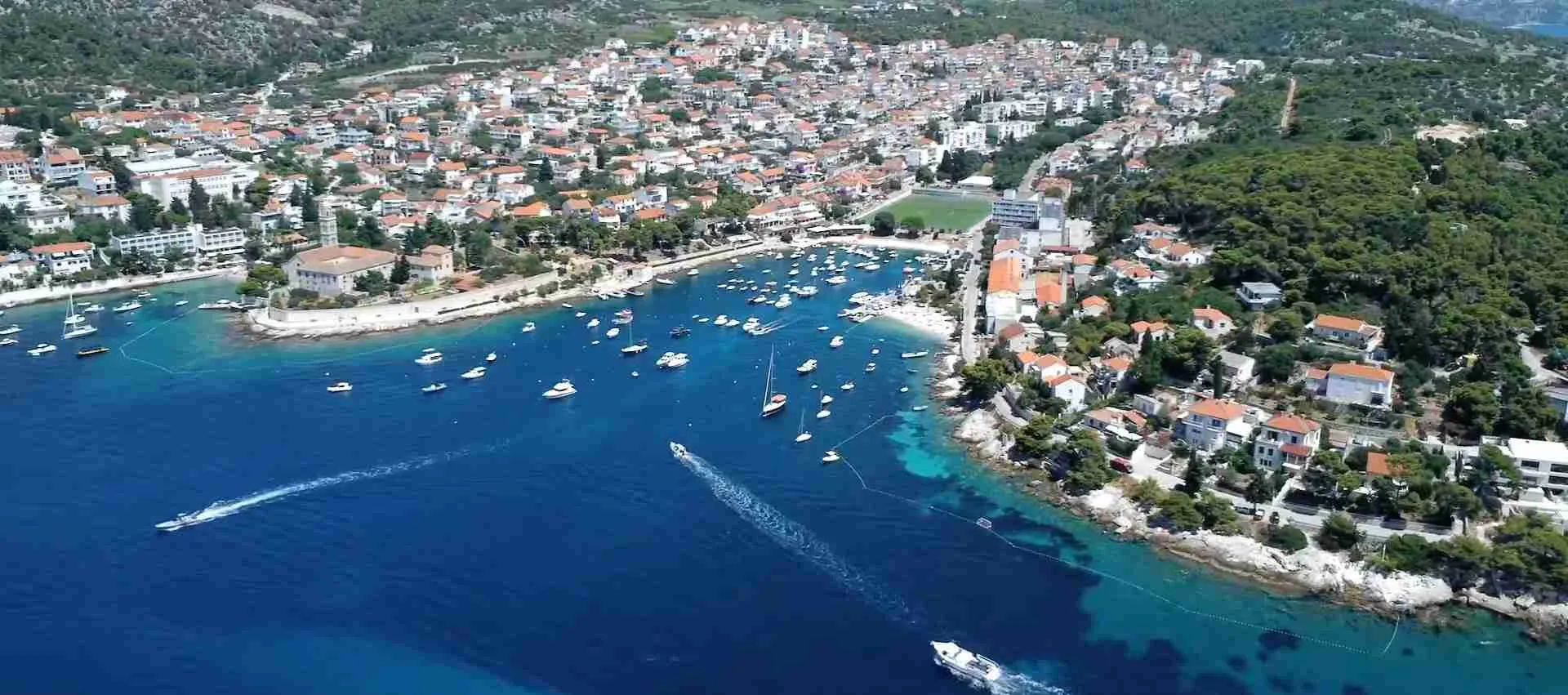
Croatia Islands Guide 2026: Ferry Routes, Tips & Island Hopping
Croatia’s 1,000+ Adriatic islands create Europe’s premier island-hopping destination in 2026, with efficient ferry networks connecting major hubs Split and Dubrovnik to highlights including Hvar’s nightlife, Korčula’s medieval charm, Brač’s Golden Horn Beach, Vis’s authentic isolation, and Mljet’s national park tranquility. Strategic planning around Jadrolinija’s ferry schedules, 2-3 month advance booking for summer vehicle crossings, and targeting shoulder season May-June or September delivers optimal experiences avoiding July-August crowds while maintaining complete ferry service and ideal swimming conditions.
Key Takeaways
- Ferry Hub Strategy: Split serves as primary gateway to central Dalmatian islands (Hvar, Brač, Vis) with 20+ daily summer connections, while Dubrovnik accesses southern islands (Korčula, Mljet) with 7-8 daily routes creating natural north-south island hopping division
- Advance Booking Essential: Vehicle ferry reservations require 2-3 months advance booking for July-August travel via Jadrolinija website, while foot passengers secure tickets 1-2 weeks prior or purchase at port for most routes except peak festival weekends
- Catamaran versus Car Ferry Trade-off: Fast catamarans (Split-Hvar 1 hour, €6-25) suit foot passengers prioritizing speed, while slower car ferries (Split-Stari Grad 2 hours, vehicle €50-80) enable island mobility and flexibility for exploration beyond port towns
- Optimal Island-Hopping Season: Mid-June through September delivers full ferry schedules, complete infrastructure operation, and swimming-ready 21-26°C sea temperatures, with early June and September offering 30% fewer crowds than July-August peaks
- Strategic Island Allocation: Minimum 3-4 nights per island enables meaningful exploration beyond port areas, with realistic 10-day itineraries covering 2-3 islands thoroughly versus rushing through 4-5 islands superficially
- Ferry Schedule Reality: Direct island-to-island ferries prove rare—most routes require mainland port transfers, creating 4-6 hour connections between adjacent islands that appear 10 miles apart on maps
People Also Ask About Croatia Island Hopping 2026
What Are the Best Croatian Islands to Visit in 2026?
Hvar, Korčula, Brač, Vis, and Mljet represent Croatia’s finest islands in 2026, each offering distinct experiences catering to different travel priorities. Hvar combines glamorous nightlife in Hvar Town, lavender fields, historic fortresses, and excellent ferry connections to all major ports, making it ideal for first-time visitors seeking vibrant atmosphere and comprehensive services. Korčula delivers medieval old town architecture rivaling Dubrovnik, sandy beaches rare in Croatia, exceptional local wines (Pošip, Grk), and quieter ambiance than Hvar while maintaining full tourism infrastructure. Brač showcases Zlatni Rat (Golden Horn), Croatia’s most photographed beach, traditional stone villages, family-friendly atmosphere, and easiest mainland access via 50-minute Split-Supetar ferry. Vis offers authentic Croatian island experience with limited tourist development, exceptional seafood, Blue Cave access, and relative isolation requiring commitment but rewarding adventurous travelers. Mljet National Park features saltwater lakes, dense pine forests, monastery island, and exceptional tranquility appealing to nature enthusiasts over party seekers. The best island depends on priorities: Hvar for nightlife and connectivity, Korčula for medieval charm and wine, Brač for beaches and families, Vis for authenticity, Mljet for nature immersion.
How Much Do Croatian Ferries Cost in 2026?
Croatian ferry prices in 2026 range €6-30 for foot passengers and €50-120 for vehicles depending on route, vessel type, and season, with state-subsidized Jadrolinija maintaining affordable pricing compared to private operators. Foot passenger tickets on popular routes cost €6-10 for short crossings (Split-Hvar catamaran €6, Split-Brač €8), €15-25 for medium distances (Split-Korčula €23, Dubrovnik-Hvar €23), and €25-35 for longer journeys (Dubrovnik-Split coastal route €25). Fast catamarans operated by Kapetan Luka-Krilo and TP-Line charge premiums of 50-100% versus conventional ferries for speed advantage—Split to Hvar costs €18-25 catamaran versus €6 slow ferry, with journey times 1 hour versus 2 hours respectively. Vehicle ferry costs prove significant: cars pay €50-80 for Split-Stari Grad, €60-90 for Split-Korčula, and €70-100 for Dubrovnik-Mljet including driver, with additional €6-10 per passenger. Advance online booking via Jadrolinija website provides same pricing as port purchases for foot passengers but proves essential for vehicle space allocation. International routes to Italy cost dramatically more with Split-Ancona €70-150 depending on season and accommodation class.
Can You Island Hop in Croatia Without a Car in 2026?
Island hopping without a car proves entirely viable in 2026 through catamaran networks, local buses, scooter rentals, taxis, and strategic accommodation selection near port towns, though vehicle access enables broader island exploration beyond main settlements. Foot passengers benefit from frequent fast catamaran services connecting major islands—Split to Hvar (20+ daily summer), Hvar to Korčula (4-6 daily), Dubrovnik to Korčula (7 daily)—creating efficient car-free island hopping. Once on islands, local bus services operate on larger islands like Hvar (Hvar Town to Stari Grad hourly), Brač (Supetar to Bol 8-10 daily), and Korčula (Korčula Town to Vela Luka 6-8 daily), enabling beach and village access. Scooter and bicycle rentals cost €25-45 daily providing mobility for exploring coves and interior areas, while taxis charge €15-30 for cross-island journeys enabling occasional car-free exploration. The trade-off involves limiting destinations to port towns and bus-accessible areas versus vehicle freedom reaching remote beaches, wineries, and villages. Strategic planning mitigates limitations: staying in Hvar Town provides walking access to beaches and nightlife, Korčula Town enables old town exploration without transport, and organized excursions substitute for driving to attractions like Mljet National Park or Brač’s Zlatni Rat. Budget travelers save €50-80 daily vehicle ferry costs while accepting reduced mobility.
What Is the Best Island-Hopping Route in Croatia 2026?
The optimal 10-day Croatia island-hopping route in 2026 combines Split (2 nights), Hvar (3 nights), Korčula (3 nights), and Dubrovnik (2 nights), utilizing efficient catamaran connections while balancing vibrant and tranquil island experiences with mainland cultural highlights. This route maximizes ferry efficiency by following natural north-south progression: arrive Split Airport, explore Diocletian’s Palace and Riva promenade (2 nights), morning catamaran to Hvar Town (1 hour, €18-25), experience nightlife and lavender island (3 nights with day trip to Brač’s Zlatni Rat), catamaran to Korčula Town (1.5 hours, €20-25), discover medieval architecture and local wines (3 nights with optional Mljet National Park day trip), final catamaran to Dubrovnik (2.5 hours, €23), conclude exploring Old Town walls and limestone streets (2 nights). This itinerary allocates meaningful time per destination avoiding excessive packing/unpacking, uses reliable year-round catamaran routes rather than seasonal services, combines party atmosphere (Hvar) with tranquil culture (Korčula), and bookends with mainland UNESCO cities. Alternative routes targeting nature over nightlife substitute Vis for Hvar (adventurous, authentic, requires commitment), add Mljet overnight for national park immersion, or reverse direction Dubrovnik-to-Split enabling flexible departure from either airport.
Extended multi-day tours – 5+ days
Featured Croatia Multi-Day Tour Packages
3 days
Croatia 3-Day Discovery Tour
- ✓ Comprehensive Croatia experience
- ✓ Expert local guides included
- ✓ All accommodation included
- ✓ Transportation provided
5 days
Croatia 5-Day Highlights Experience
- ✓ Comprehensive Croatia experience
- ✓ Expert local guides included
- ✓ All accommodation included
- ✓ Transportation provided
7 days
Croatia 7-Day Cultural Journey
- ✓ Comprehensive Croatia experience
- ✓ Expert local guides included
- ✓ All accommodation included
- ✓ Transportation provided

10 days
Croatia 10-Day Complete Adventure
- ✓ Comprehensive Croatia experience
- ✓ Expert local guides included
- ✓ All accommodation included
- ✓ Transportation provided
Multi-day tour packages powered by TourRadar. Prices and availability subject to change.
Introduction
Croatia’s archipelago of 1,000+ islands creates one of Europe’s most compelling maritime destinations, offering diversity from glamorous Hvar’s yacht-filled harbors to remote Vis’s untouched fishing villages within a compact, ferry-connected network. The 2026 island-hopping landscape benefits from Jadrolinija’s updated schedules eliminating traditional off-season periods on key routes like Split-Supetar (Brač), reflecting year-round island population growth and tourism expansion beyond conventional June-September windows. Understanding this evolving infrastructure alongside ferry logistics, seasonal timing considerations, and individual island characteristics enables strategic planning maximizing experience quality while minimizing common frustrations like missed connections, ferry crowding, or insufficient time per destination.
The Croatian islands divide into distinct regional groupings creating natural routing patterns. Northern Kvarner Gulf islands including Krk, Cres, Lošinj, and Rab offer family-friendly atmosphere, lush vegetation, and easy mainland access from Rijeka, though receiving less international attention than Dalmatian counterparts. Central Dalmatian islands centered on Split hub—Brač, Hvar, Vis, Šolta—deliver classic Mediterranean beauty, robust tourism infrastructure, and Croatia’s most efficient ferry networks supporting intensive island hopping. Southern Dalmatian islands accessible from Dubrovnik—Korčula, Mljet, Lastovo, Elaphiti archipelago—provide tranquil alternatives to busier central islands while maintaining quality beaches and services. Understanding these geographical divisions informs realistic routing avoiding time-consuming transfers between distant island groups.
Ferry logistics fundamentally shape island-hopping success or frustration. Croatia’s state-owned Jadrolinija operates the majority of routes with conventional ferries and catamarans, supplemented by private operators TP-Line and Kapetan Luka-Krilo running fast passenger services. Critical understanding: direct island-to-island ferries prove rare, with most routes requiring mainland port returns before accessing adjacent islands. Travelers expecting quick hops between visible islands discover 4-6 hour connections via Split or Dubrovnik creating routing complexity. Summer schedules (mid-June through mid-September) offer maximum frequency enabling flexible same-day booking for foot passengers, while shoulder season (May, June, September, October) maintains 70-80% summer capacity, and winter (November-April) reduces to skeleton services stranding unwary travelers on islands with minimal infrastructure.
Vehicle versus foot passenger strategies create fundamentally different island-hopping experiences. Bringing cars via ferry enables comprehensive island exploration reaching remote beaches, mountain villages, wineries, and interior attractions beyond bus routes, but costs €50-120 per crossing, requires 2-3 month advance summer booking, and commits travelers to slower conventional ferries versus quick catamarans. Foot passengers enjoy booking flexibility, faster catamaran travel, significant cost savings (€6-25 per crossing), but accept limitations to port towns, bus-accessible areas, and organized excursions for broader exploration. The optimal strategy often combines approaches: car-free efficiency for initial island hopping (Split-Hvar-Korčula) utilizing fast catamarans, then potential car rental on larger islands like Brač or Hvar for specific exploration before returning to foot passenger flexibility.
This comprehensive guide dissects Croatia’s island landscape providing practical routing advice, detailed ferry logistics, individual island profiles highlighting unique characteristics, seasonal timing optimization, budget management strategies, and troubleshooting common challenges. The goal is transforming abstract “island hopping” concept into concrete, executable plans aligned with individual priorities whether those involve beach relaxation, cultural exploration, nightlife immersion, or nature-focused tranquility.
Understanding Croatian Ferry System 2026
Croatia’s ferry network operates through state-owned Jadrolinija controlling 85% of routes supplemented by private operators, with fundamental division between conventional car ferries serving subsidized public transport function and premium fast catamarans targeting tourist market. Jadrolinija maintains 57 vessels including large international ferries to Italy, medium conventional ferries serving island routes with vehicle capacity, and passenger-only catamarans providing express services. The 2026 operational update for Split-Supetar route eliminates traditional off-season, implementing only high-season and low-season schedules reflecting year-round demand growth—a trend expected expanding to other major routes.
Ferry types create distinct travel experiences and pricing structures. Conventional car ferries accommodate vehicles and foot passengers, travel slower (Split-Stari Grad 2 hours versus catamaran’s 1 hour to Hvar Town), cost less for passengers (€6-10 versus catamaran’s €18-25), operate more frequent schedules on major routes (Split-Supetar every 60-90 minutes summer), and provide deck space, cafes, and relaxed atmosphere. Fast catamarans operated by Jadrolinija, TP-Line, and Kapetan Luka-Krilo carry passengers only, deliver 50-100% faster journey times, charge premium pricing, require advance seat reservations during peak periods, and appeal to time-conscious travelers willing to pay for efficiency. The choice depends on priorities: vehicle transport necessitates conventional ferries, while foot passengers optimize for speed (catamaran) or budget (conventional ferry).
Booking procedures differ significantly by vessel type and season. Vehicle ferry reservations open approximately 3 months before travel, book solid 1-2 months advance for July-August on popular routes (Split-Stari Grad, Split-Supetar, Dubrovnik-Korčula), and can be secured via Jadrolinija website with online payment and vehicle registration details. Foot passengers on conventional ferries typically purchase tickets at port 30-60 minutes before departure without advance booking except during peak festival weekends (Ultra Europe, Hideout Festival) when early arrival proves prudent. Catamaran reservations can be made online via operator websites 1-4 weeks advance or at port ticket offices, though summer weekends benefit from 1-2 week advance booking ensuring seat availability rather than standby status.
Major ferry ports create hub-and-spoke patterns rather than linear coast-hugging routes. Split dominates central Dalmatian network with routes to Brač (Supetar, Bol, Milna), Hvar (Stari Grad, Hvar Town), Vis, Korčula, and Šolta creating comprehensive island access from single mainland base. Dubrovnik serves southern islands with connections to Korčula, Mljet (Sobra, Polače), Elaphiti islands (Šipan, Lopud, Koločep), and seasonal links to Hvar. Zadar and Rijeka function similarly for northern islands. The hub structure means Hvar-to-Korčula connections typically route through Split or Dubrovnik rather than direct crossing, creating 4-6 hour journeys between islands appearing close on maps—crucial factor in realistic itinerary planning.
Ferry Schedules and Seasonal Variations 2026
Croatian ferry schedules implement three distinct seasonal patterns in 2026: high season (mid-June through mid-September) with maximum frequency and routes, shoulder season (May, early June, late September, October) at 70-80% high season capacity, and low season (November through April) reduced to essential island lifeline services. Understanding these variations proves critical for timing island-hopping adventures and managing expectations around service availability and booking requirements.
High season ferry operations deliver optimal conditions for island hopping with split-Hvar catamarans running 20+ daily departures, Split-Brač conventional ferries every 60-90 minutes, Dubrovnik-Korčula services 7-8 daily, and comprehensive coverage enabling spontaneous travel for foot passengers. Vehicle ferry space becomes scarce despite increased frequency, requiring 2-3 month advance booking for peak July-August weeks and particularly festival periods (Ultra Europe weekend July 10-12 creates Split-area ferry pressure). High season pricing remains moderate due to Jadrolinija’s state subsidy mission, though private catamaran operators charge €18-30 for routes competing with Jadrolinija’s €6-10 conventional alternatives.
Shoulder season maintains robust ferry networks suitable for island hopping while avoiding peak crowds and pricing. May and June see progressive schedule increases reaching 80% summer capacity by early June, while September and October gradually reduce from summer peaks but maintain tourist-friendly frequencies through early October. Specific advantages include easier vehicle ferry booking with 1-month advance sufficient versus summer’s 2-3 months, guaranteed catamaran seats without advance reservations, and reduced port crowding enabling relaxed boarding. The trade-off involves occasional weather cancellations more common in May and October than stable July-August, and some secondary routes operating reduced schedules (Split-Vis might drop from 4 daily to 2 daily).
Low season ferry services function primarily as island resident lifelines rather than tourist transportation from November through April. Major routes like Split-Supetar maintain year-round service albeit reduced to 6-8 daily versus summer’s 15-20 crossings, while smaller islands experience dramatic reductions or complete service suspensions. Catamaran services largely cease outside June-September with few exceptions, forcing reliance on slower conventional ferries. Low season proves unsuitable for casual island hopping due to infrastructure closures, reduced accommodation availability, and ferry schedule limitations, though dedicated winter travelers find Hvar, Brač, and Korčula accessible with planning around reduced ferry timetables.
The 2026 schedule update for Split-Supetar eliminates traditional off-season, implementing only high-season (mid-June to mid-September) and low-season (remainder of year) timetables reflecting passenger traffic growth and year-round island life expansion. This change provides more predictable service outside peak summer, benefiting shoulder season travelers (May, October) with better frequencies than previous transitional schedules. The trend may extend to other major routes (Split-Hvar, Split-Vis) creating improved year-round connectivity, though confirmation requires monitoring Jadrolinija’s annual schedule releases typically announced December-January for following year.
Strategic Island Selection: Matching Islands to Travel Style 2026
Croatia’s islands cater to distinct travel preferences requiring strategic selection based on priorities around nightlife versus tranquility, beach quality, cultural attractions, accessibility, and infrastructure development. Attempting to experience every island type within limited timeframes creates superficial rushed experiences, while focusing on 2-3 compatible islands enables meaningful exploration and authentic connection with each destination’s unique character.
Hvar stands as Croatia’s glamour island combining vibrant nightlife, lavender-scented landscapes, excellent beaches, and comprehensive ferry connections making it ideal first-time choice. Hvar Town delivers yacht-filled harbor, sunset cocktail bars, late-night clubs rivaling Ibiza during July-August, upscale dining, and designer shopping appealing to luxury travelers and party seekers. The island’s other side reveals Stari Grad’s quiet charm with UNESCO-protected agricultural plains, village tavernas serving traditional Dalmatian cuisine, and peaceful atmosphere contrasting sharply with Hvar Town’s intensity. Beaches include Dubovica and Milna’s sheltered coves, while boat excursions to Pakleni Islands provide secluded swimming spots and beach club experiences. Hvar suits travelers wanting complete island experience—nightlife, culture, beaches, activities—within single destination, though expecting tranquility requires avoiding Hvar Town entirely.
Korčula offers medieval authenticity with well-preserved old town architecture, exceptional local wines, sandy beaches rare in Croatia, and quieter atmosphere than Hvar while maintaining full tourism services. Often called “Little Dubrovnik,” Korčula Town’s marble streets follow herringbone layout designed for wind protection, with Marco Polo’s alleged birthplace, traditional Moreška sword dance performances, and cathedral dominating fortified core. Beyond town, island vineyards produce distinctive white wines Pošip and Grk unavailable elsewhere, while beaches like Pupnatska Luka and Vela Pržina provide sandy swimming alternatives to Croatia’s typical pebbles. Korčula attracts cultural enthusiasts, wine tourists, couples seeking romantic settings, and those wanting island experience without Hvar’s party intensity or crowds.
Brač delivers family-friendly beach focus centered on Zlatni Rat (Golden Horn), Croatia’s most photographed beach with distinctive horn shape shifting with currents and tides. The island combines easy Split access (50-minute ferry), traditional stone villages like Bol and Pučišća showcasing masonry heritage, water sports opportunities, and relaxed atmosphere without nightlife intensity. Families appreciate safe beaches, shallow waters at specific locations, and activities like windsurfing schools, cycling routes, and hiking. Brač suits travelers prioritizing beach quality and outdoor activities over cultural attractions or nightlife, with particular appeal to families with children, active travelers, and those wanting convenient day trips from Split without overnight island commitment.
Vis represents authentic Croatia with limited tourism development, exceptional seafood, military history (closed to foreigners until 1989), Blue Cave access, and remote island atmosphere requiring commitment but rewarding adventurous travelers. The island lacks Hvar’s glamour and Korčula’s medieval architecture, instead offering genuine fishing village life, local wines, stunning coves, and laid-back pace. Vis Town and Komiža maintain authentic character with local tavernas, morning fish markets, and limited international tourism, while beaches like Stiniva Cove (accessible via challenging cliff descent) and Srebrna provide exceptional swimming. Vis attracts travelers seeking authenticity over development, foodies pursuing exceptional seafood and local wines, divers accessing underwater caves and wrecks, and those willing to accept limited ferry connections (2-4 daily from Split versus Hvar’s 20+) for unique island character.
Mljet National Park dedicates two-thirds of island to protected nature with saltwater lakes, dense pine forests, monastery island, limited development, and exceptional tranquility appealing to nature enthusiasts. The island functions more as outdoor recreation destination than beach resort or cultural attraction, with activities including kayaking Veliko and Malo Jezero (Big and Small Lake), cycling park trails, monastery visits, and swimming in designated lake areas. Mljet suits nature-focused travelers, national park enthusiasts, those seeking complete escape from crowds and nightlife, and visitors wanting dramatic contrast to busier islands like Hvar. The trade-off involves limited dining and accommodation options, reduced beach quality compared to Brač or Korčula, and ferry access primarily from Dubrovnik creating southern route dependency.
Optimal Island-Hopping Itineraries 2026
Effective island-hopping itineraries balance ambitious coverage desires against realistic ferry logistics, meaningful destination time allocation, and travel fatigue management. The common mistake involves attempting 5-6 islands in 10 days, creating exhausting pack-unpack cycles with insufficient time experiencing each island’s unique character. Superior approaches allocate 3-4 nights minimum per island, strategically route following efficient ferry connections, and accept quality-over-quantity philosophy producing memorable experiences rather than checkbox tourism.
Classic 10-Day Central Dalmatian Route: Split-Hvar-Korčula-Dubrovnik
Split (2 nights) → Hvar (3 nights) → Korčula (3 nights) → Dubrovnik (2 nights) represents Croatia’s premier island-hopping itinerary in 2026, combining vibrant and tranquil island experiences with mainland cultural highlights via efficient year-round catamaran connections. Arrive Split Airport, transfer to central accommodation (30 minutes), explore Diocletian’s Palace UNESCO site, Riva promenade, Marjan Hill viewpoint, and Split’s vibrant dining scene (2 nights). Morning catamaran to Hvar Town (1 hour, €18-25), experience lavender island’s nightlife, beach clubs, fortress views, with day trip to Brač’s Zlatni Rat Beach via morning boat (3 nights). Catamaran to Korčula Town (1.5 hours, €20-25 via Split transfer or direct seasonal service), discover medieval architecture, local wine tastings, Moreška sword dance, with optional Mljet National Park day excursion (3 nights). Final catamaran to Dubrovnik (2.5 hours, €23), conclude exploring Old Town walls, cable car panoramas, Game of Thrones locations (2 nights), depart Dubrovnik Airport.
This itinerary maximizes ferry efficiency utilizing major catamaran routes operating year-round with high frequency, allocates meaningful time per destination avoiding daily packing stress, balances party atmosphere (Hvar) with cultural immersion (Korčula) and UNESCO cities (Split, Dubrovnik), and maintains flexibility for weather-dependent activities or spontaneous discoveries. Budget allocation: €200-300 accommodation (€60-90 nightly), €150-200 ferries and local transport, €300-400 dining and activities, €50-100 contingencies, totaling €700-1,000 for mid-range 10-day experience excluding flights.
Nature-Focused Southern Route: Dubrovnik-Mljet-Korčula-Hvar-Split
Dubrovnik (2 nights) → Mljet (2 nights) → Korčula (3 nights) → Hvar (2 nights) → Split (1 night) reverses classic routing while emphasizing national park immersion and cultural villages over party scenes. Begin Dubrovnik exploration, morning catamaran to Mljet’s Polače (1.5 hours, €14), stay near National Park entrance for immediate lake access, kayak saltwater lakes, cycle pine forest trails, visit monastery island (2 nights). Ferry to Korčula (1 hour from Polače, €15), experience medieval town, wine country, traditional villages, swimming coves (3 nights). Catamaran to Hvar’s Stari Grad (1.5 hours, €23), explore quiet UNESCO-protected agricultural plains and lavender fields rather than Hvar Town nightlife, with single night experiencing town’s energy (2 nights). Final morning catamaran to Split (1 hour, €18) for afternoon city exploration before evening departure.
This route suits nature enthusiasts, cultural travelers, couples seeking romantic settings, and those avoiding party atmosphere while maintaining island diversity. The Mljet National Park focus provides exceptional tranquility contrasting with Hvar’s energy, while Korčula delivers medieval architecture and authentic island life. Challenges include reduced ferry frequency to Mljet (1-2 daily versus Hvar’s 20+) requiring careful schedule coordination, limited Mljet accommodation necessitating advance booking, and missing Hvar Town’s iconic party experience if that appeals.
Authentic Adventure Route: Split-Vis-Hvar-Brač-Split
Split (1 night) → Vis (4 nights) → Hvar (3 nights) → Brač (2 nights) → Split (departure) focuses on authentic island experiences, exceptional seafood, Blue Cave access, and beach quality while maintaining Split hub convenience for flexible airport timing. Quick Split orientation, morning ferry to Vis (2.5 hours, €16), settle into authentic fishing village atmosphere, organized Blue Cave tour, Komiža exploration, local taverna dining, beach days at Stiniva Cove and Srebrna (4 nights justifying limited ferry access). Catamaran to Hvar Town (1 hour, €20), experience island’s vibrant side, Pakleni Islands boat trips, lavender village visits (3 nights). Morning catamaran to Brač’s Bol (45 minutes, €12), Zlatni Rat Beach relaxation, windsurfing, final Adriatic swimming (2 nights). Ferry to Split (1 hour, €8) for afternoon departure flight.
This itinerary rewards adventurous travelers prioritizing authentic experiences and natural beauty over cultural monuments, foodies seeking exceptional Vis seafood and local wines, and active travelers organizing Blue Cave excursions, diving, hiking. The extended Vis stay (4 nights) justifies challenging ferry logistics (only 2-3 daily connections), while Brač provides beach-focused finale before Split departure. Trade-offs include missing Korčula’s medieval architecture and Dubrovnik’s iconic Old Town, requiring comfort with less-developed islands and flexible dining hours outside organized restaurant schedules.
Ferry Booking Strategy and Logistics 2026
Successful island hopping requires understanding booking procedures, timing requirements, and contingency planning for ferry system’s occasional unpredictability. The fundamental division separates vehicle ferry advance booking necessity from foot passenger booking flexibility, with additional considerations around catamaran reservations, festival period pressures, and weather cancellation management.
Vehicle ferry booking demands 2-3 month advance planning for July-August travel on major routes via Jadrolinija website. The process requires vehicle registration details, driver information, credit card payment, and printable confirmation serving as boarding pass. Critical routes booking earliest include Split-Stari Grad (Hvar), Split-Supetar (Brač), Dubrovnik-Korčula, and any crossings during festival weekends (Ultra Europe July 10-12 affecting Split area, Hideout Festival June 30-July 3 affecting Pag Island). Vehicle ferry advance booking proves essential because space allocation operates first-come-first-served with no standby options—missing reservation means waiting potentially hours or full day for next available crossing.
Foot passenger conventional ferry tickets typically purchase at port 30-60 minutes before departure from ticket offices or automated kiosks, with online advance booking optional but unnecessary outside festival weekends. The system operates walk-up friendly, particularly shoulder season when ferry crowding proves minimal. Exception periods requiring advance consideration include Ultra Europe weekend, INmusic Festival, major holiday weekends (Easter, Croatian holidays), when foot passenger capacity can reach limits. Smart strategy involves arriving port 60-90 minutes early during these exceptional periods ensuring ticket purchase and boarding before capacity restrictions.
Catamaran reservations via operator websites (Jadrolinija, TP-Line, Kapetan Luka-Krilo) prove advisable 1-2 weeks advance for July-August travel, particularly weekends and popular routes like Split-Hvar. The fast catamarans assign seats, operate capacity limits creating standby situations when oversold, and prioritize advance ticket holders over port purchasers. Booking online costs identical to port purchases while guaranteeing seats, though reservation cancellation policies vary by operator (Jadrolinija allows changes, private operators may impose penalties). Shoulder season catamaran travel (May, June, September) permits spontaneous booking at ports with minimal oversale risk.
Weather cancellations affect ferry reliability primarily during shoulder season (May, October) and winter when Bura winds create dangerous conditions. Jadrolinija cancels crossings when safety thresholds breach, typically affecting exposed routes (Split-Vis, Zadar-northern islands) more than sheltered channels (Split-Brač). Contingency planning involves building flexible itineraries with 1-2 day buffers before flights, monitoring weather forecasts and Jadrolinija announcements, and accepting occasional overnight extensions when return ferries cancel. Travel insurance covering trip interruption addresses stranded situations, while advance accommodation booking creating change fees proves unwise during weather-volatile periods.
Island Accommodation Strategy 2026
Island accommodation ranges from private apartments (€50-90 nightly) to boutique hotels (€100-180) and luxury properties (€200-400+), with strategic location selection dramatically impacting overall island experience beyond mere lodging function. Understanding proximity to ferry ports, beach access, nightlife zones, and village centers enables optimization of convenience against tranquility trade-offs while managing budget allocations.
Port town accommodation on Hvar Town, Korčula Town, Vis Town, Bol provides immediate ferry arrival access, walking-distance dining and attractions, vibrant atmosphere, and logistical simplicity but commands 20-30% price premiums versus inland or village locations and subjects guests to crowds and noise, particularly July-August. Port location suits short island stays (2-3 nights), car-free travelers dependent on walking or public transport, those prioritizing nightlife and restaurant access, and visitors making frequent day trips requiring easy port returns. The trade-off involves sacrificing authentic village atmosphere and beach proximity for urban convenience and comprehensive services.
Village and interior accommodation in Stari Grad (Hvar), Lumbarda (Korčula), Pučišća (Brač) offers 25-40% cost savings, authentic local atmosphere, quieter nights, proximity to beaches or nature, but requires transport to ports and main towns, features limited evening dining options, and sometimes lacks English-speaking hosts or modern amenities. Village stays suit longer island visits (4+ nights) enabling rhythm appreciation, travelers with rental cars or scooters, those prioritizing authenticity over convenience, and visitors seeking tranquil retreat. Smart village selection involves verifying bus connections to ports/beaches, confirming nearby restaurants operate during visit dates (many close November-April), and accepting occasional isolation trading vibrant atmosphere for peaceful mornings.
Beachfront accommodation commands premium pricing (50-100% above equivalent inland properties) but delivers swimming-from-doorstep convenience, sunset views, water sports access, and eliminates daily beach logistics. Properties directly on Zlatni Rat (Brač), Hvar’s Dubovica cove, Korčula’s Lumbarda beaches provide ultimate beach vacation experience but typically require vehicles or taxis reaching ports and towns, book solid 3-4 months advance for peak summer, and limit cultural exploration unless combining with deliberate town visits. Beach accommodation suits families with children wanting simplified beach access, romantic getaways prioritizing coastal scenery, water sports enthusiasts, and travelers for whom swimming constitutes primary island activity.
Advance booking timelines vary dramatically by season and property type. July-August island accommodation requires 2-4 month advance booking for preferred properties and locations, particularly beachfront boutique hotels, Hvar Town center lodging during festival weekends, and popular family resorts on Brač. June and September shoulder season permits 1-2 month advance booking securing good selection and pricing, while May and October allow 2-3 week advance without significant limitations. Budget-conscious travelers target early booking discounts (15-25% off for 3+ month advance payment) balancing savings against itinerary flexibility loss if plans change.
Budget Management: Island-Hopping Costs 2026
Island-hopping Croatia in 2026 costs €60-100 daily for budget travelers, €100-180 for mid-range comfort, and €250-400+ for luxury experiences, with ferry transport, accommodation, dining, and activities creating distinct cost categories requiring strategic allocation and optimization based on priorities and constraints.
Ferry and Transport Costs 2026
Ferry expenses constitute 15-25% of total island-hopping budgets, varying dramatically between foot passenger catamaran travel versus vehicle ferry transport. Foot passengers following classic Split-Hvar-Korčula-Dubrovnik route spend approximately €80-120 total ferries: Split-Hvar catamaran €18-25, Hvar-Korčula €20-25, Korčula-Dubrovnik €23, plus local transport €15-25 (buses, taxis, scooter rental days). Vehicle travelers pay €250-400 total: Split-Stari Grad vehicle ferry €70, Korčula vehicle ferry €80, Dubrovnik vehicle ferry €90, fuel €30-50, tolls €20-30. The €170-280 cost differential funds significant accommodation or dining upgrades for foot passengers, while vehicle freedom accesses remote beaches and villages justifying premium for exploration-focused travelers.
Budget optimization strategies include conventional ferry selection over catamarans when time permits (Split-Hvar conventional ferry €6 versus catamaran €18-25, saving €12-19 for 1-hour time penalty), shoulder season travel reducing crowding without major schedule reductions, and strategic scooter rentals (€25-35 daily) for single-day island exploration avoiding 4-7 day vehicle ferry costs. Luxury travelers invest in private speedboat transfers (€150-300 between major islands) eliminating schedule dependencies and providing direct point-to-point service with flexibility, or chartered sailing catamarans (€2,000-5,000 weekly) combining accommodation and transport.
Island Accommodation Budget 2026
Island lodging costs range €40-70 nightly for budget apartments, €70-130 for mid-range hotels and quality apartments, and €150-300+ for boutique hotels and luxury properties, with significant seasonal variation and location premiums. Budget travelers target private apartments in village locations booking via Booking.com or Airbnb, accepting basic amenities and occasional host language barriers for cost savings. Mid-range allocation accesses three-star hotels in port towns, boutique guesthouses with character, or superior apartments with modern amenities and central locations. Luxury budgets fund heritage hotels (converted stone houses), beachfront resorts, or exclusive villas with pools and services.
Strategic timing dramatically impacts accommodation costs: visiting early June versus late July saves 25-35% identical properties, while September maintains mid-June quality at 20-30% below peak pricing. Weekly rentals provide 10-15% discounts versus nightly rates, beneficial for 4+ night single-island stays. Booking directly with smaller properties occasionally yields 5-10% savings versus booking platform commissions, particularly shoulder season when occupancy pressures ease.
Dining and Activity Budget 2026
Island dining costs €25-40 daily for budget eating (breakfast pastries €3-5, lunch simple konoba €10-15, dinner pizza or pasta €12-18), €40-70 daily for mid-range restaurant meals (seafood dishes €18-28, local wines €15-25 per bottle, appetizers €8-12), and €80-150+ daily for upscale dining (fine dining mains €28-45, premium wines €40-80, multi-course experiences). Strategic dining includes lunch as main meal when restaurants offer daily specials (€12-18 multi-course versus €25-35 dinner equivalent), fresh market purchases for breakfast and snacks (saving €8-12 daily versus cafe meals), and local wine purchases (€8-15 bottles) versus restaurant markup (same wine €25-40).
Activity costs vary widely: beaches free but umbrella/chair rentals €8-15 daily, organized boat trips €40-80 per person, Blue Cave tours from Vis €50-70, wine tastings €15-30, scooter rentals €25-35 daily, kayak rentals €15-25 half-day. Budget travelers prioritize free beaches, self-guided exploration, and selective paid activities, while mid-range allocations include 2-3 organized experiences weekly. National park entrance (Mljet €25-30, Kornati €20-25) represents mandatory cost for those destinations.
Seasonal Timing for Island Hopping 2026
Island-hopping timing fundamentally shapes experience quality through ferry schedule variations, crowd levels, swimming conditions, pricing structures, and infrastructure availability. Strategic seasonal selection aligned with priorities—guaranteed beach weather versus budget savings, vibrant atmosphere versus tranquil exploration—proves as important as island selection itself.
Peak season (mid-June through mid-September) delivers optimal island-hopping conditions with complete ferry schedules (Split-Hvar 20+ daily connections), all accommodation and restaurants open, swimming-ready 21-26°C sea temperatures, reliably sunny 28-32°C weather, and vibrant international atmosphere. The advantages justify 30-50% price premiums and crowded popular beaches for travelers prioritizing weather certainty, nightlife intensity, and maximum service availability. July-August specifically represents absolute peak with highest prices, densest crowds, essential advance booking, but guaranteed ideal conditions. Late June and early September provide 90% of peak benefits with 20-30% fewer crowds and slightly reduced pricing, representing sweet spot for quality-focused travelers.
Shoulder season (May, early June, late September, October) proves optimal for experienced travelers balancing weather probability, crowd avoidance, and value. Early June maintains 80% peak ferry schedules, pleasant 22-26°C temperatures, 20-21°C swimming (comfortable for most), 25-35% accommodation savings, and minimal crowds enabling authentic island experiences. September delivers summer-equivalent conditions (24-28°C air, 22-24°C sea) with immediate 30% price drops September 1st, dramatic crowd reductions post-Labor Day weekend, complete service availability through mid-month, and arguably best island-hopping timing overall. May and October prove more variable with occasional rain, cooler swimming (17-19°C May, 19-21°C October), some infrastructure closures late October, but reward weather-flexible travelers with 35-45% savings and near-private beaches.
Low season (November-April) proves unsuitable for conventional island hopping due to reduced ferry schedules (6-8 daily versus summer’s 20+), many island accommodation and restaurant closures, cold weather eliminating swimming appeal (12-15°C sea temperatures), and challenging logistics. Dedicated winter travelers access Hvar, Brač, and Korčula with advance planning around ferry timetables and accommodation availability, but sacrificing island-hopping flexibility for specific destination focus. December-February offers 50-60% accommodation savings for cold-weather cultural exploration, though most travelers find Croatian islands incompatible with winter timing preferences.
Practical Island-Hopping Tips and Common Mistakes 2026
Successful island hopping requires navigating logistical complexities, avoiding common pitfalls, and implementing strategic approaches learned through experience. Understanding these practical considerations transforms theoretical itineraries into smooth, enjoyable reality while preventing frustrations that mar otherwise excellent Croatian island adventures.
Critical Advance Planning Elements
Ferry schedules require verification 1-2 weeks before travel as Jadrolinija occasionally adjusts departure times, cancels services, or modifies routes particularly shoulder season. Download Jadrolinija mobile app (2025 version functional through 2026), bookmark operator websites, and screenshot specific route schedules rather than assuming online research from months prior remains current. Vehicle ferry reservations print confirmation emails as port check-in requires physical or digital boarding passes, while keeping reservation numbers accessible enables changes if weather cancellations force rescheduling.
Accommodation addresses and host contact information deserve offline storage (screenshots, printed confirmations) as cellular data proves unreliable on smaller islands and upon ferry arrivals. Many island properties lack street addresses using location descriptions like “near church in village center,” requiring advance Google Maps satellite view familiarization for taxi drivers or self-navigation. Host phone numbers enable arrival coordination adjusting for ferry delays or early arrivals common with catamaran travel.
Cash availability warrants attention as smaller islands and villages maintain cash-preferred or cash-only policies despite Euro adoption. ATMs exist on major islands (Hvar, Korčula, Brač) but prove scarce on Vis and absent entirely on smaller islands like Mljet’s villages, requiring €100-200 cash buffer for restaurants, markets, and unexpected needs. Credit cards achieve acceptance at larger hotels and established restaurants but fail at family tavernas, beach equipment rentals, and spontaneous purchases.
Common Island-Hopping Mistakes
Overpacking islands into limited timeframes represents the single most common error, with 10-day itineraries attempting 5-6 islands creating exhausting pack-unpack cycles and insufficient time experiencing destinations. The 3-night minimum rule—allocating at least three nights per island—enables meaningful exploration, weather contingency (one rainy day doesn’t ruin entire stay), and relaxation rather than logistics focus. Quality over quantity philosophy consistently produces superior experiences and memories.
Underestimating ferry transfer times between visually close islands creates scheduling errors and missed connections. Hvar to Korčula appears 25 nautical miles on maps suggesting short crossing, but requires Split mainland return (1 hour), port wait (1-2 hours), then Korčula departure (1.5-2 hours), totaling 4-5 hours actual journey. Building realistic transfer day expectations (half-day minimum) prevents aggressive scheduling causing stress.
Neglecting weather contingency buffers before international flights creates expensive rebooking situations when Bura winds cancel return ferries. Smart travelers allocate final night on mainland (Split or Dubrovnik) before departure flights, eliminating island-weather exposure. Alternatively, booking changeable/refundable flights provides flexibility if ferry delays force schedule adjustments, though premium pricing (€50-100 additional) deserves budget consideration.
Assuming direct island-to-island ferry availability without verification causes routing surprises. Many island pairs lack direct services despite proximity, requiring mainland transfers visible only through careful schedule research. Always verify specific route existence via Jadrolinija website or ferry apps rather than assuming logical connections exist.
Luggage and Packing Strategy
Island hopping favors light packing with wheeled bags proving cumbersome on Croatian cobblestones, ferry gangways, and island staircases. Backpacks or soft duffels enable easier ferry boarding, accommodation navigation through narrow old town streets, and casual island atmosphere compatibility. Limiting luggage to single carry-on size per person reduces ferry hassles, accommodation check-in complexity, and enables scooter rentals carrying bags versus requiring cars.
Essential packing includes reef-safe sunscreen (regular formulations increasingly restricted near protected areas), sun protection (hat, sunglasses, light cover-up) for intense Adriatic sun, comfortable walking shoes for cobblestone towns, beach shoes for rocky/pebbly Croatian beaches, and light evening layer for sea breeze dining. Underwater cameras or waterproof phone cases capture swimming and snorkeling memories, while portable chargers address limited beach charging access.
Frequently Asked Questions About Croatia Island Hopping 2026
Do I Need to Book Ferries in Advance for Croatia 2026?
Ferry advance booking requirements in 2026 depend on travel timing, vessel type, and passenger category, with vehicle ferries demanding 2-3 month advance reservations for July-August while foot passengers book 1-2 weeks ahead or purchase at ports. Vehicles traveling peak summer (July 15-August 20) must book Split-Stari Grad, Split-Supetar, Dubrovnik-Korčula, and all festival weekend routes 2-3 months advance via Jadrolinija website to secure space, as walk-up vehicle boarding proves impossible when sailings sell out weeks early. Foot passengers on same routes enjoy flexibility booking catamarans 1-2 weeks advance online or purchasing conventional ferry tickets 30-60 minutes before departure at port offices, except during Ultra Europe weekend (July 10-12), Hideout Festival (June 30-July 3), or other major events when early booking prevents standby situations. Shoulder season (May, June, September, October) permits vehicle booking 3-4 weeks advance with good availability, while foot passengers maintain complete walk-up flexibility. The strategic approach involves booking vehicle ferries immediately upon finalizing dates, reserving popular catamarans 2 weeks prior, and maintaining spontaneity for conventional ferries outside festival periods.
Can You Visit Multiple Islands Without Returning to Mainland Ports 2026?
Direct island-to-island ferries prove rare in Croatia’s network, with most routes requiring mainland port returns creating 4-6 hour connections between islands appearing close on maps. The hub-and-spoke system centers on Split (serving Hvar, Brač, Vis, Korčula), Dubrovnik (Korčula, Mljet, Elaphiti islands), Zadar (Pag, Ugljan, northern islands), and Rijeka (Kvarner Gulf islands), meaning Hvar-to-Korčula connections typically route through Split with 1-hour Hvar-Split catamaran, 1-2 hour port wait, then 2-hour Split-Korčula departure totaling 4-5 hours. Limited direct island connections exist: Hvar-Korčula seasonal catamaran (June-September, 1-2 daily), Brač-Hvar boat services, Mljet-Korčula routes, and inter-island connections within Elaphiti archipelago, but these represent exceptions rather than norms. Successful island hopping requires mainland port acceptance, viewing transfers as sightseeing opportunities in Split or Dubrovnik, and building realistic schedules around 4-6 hour island-change days. Private speedboat charters (€200-400) provide direct point-to-point service eliminating mainland returns for budget-flexible travelers prioritizing time efficiency.
What Happens If Ferry Cancels Due to Weather in 2026?
Weather-related ferry cancellations occur primarily during shoulder season (May, October) and winter when Bura winds exceed safety thresholds, requiring contingency planning through flexible itineraries, mainland backup nights, and travel insurance. Jadrolinija cancels specific routes when wind speeds, wave heights, or visibility breach operational limits, typically affecting exposed crossings (Split-Vis, Zadar-Pag, northern islands) more than sheltered channels (Split-Brač, Hvar-Split). Cancellation notifications appear on Jadrolinija website and mobile app typically 2-6 hours before departure, though last-minute cancellations occur when conditions deteriorate rapidly. Passengers with advance reservations receive automatic rebooking on next available sailing or full refunds if unable to travel, while walk-up ticket holders simply purchase next departure tickets. Strategic contingency planning involves booking flexible/changeable accommodation allowing extension if return ferries cancel, maintaining 1-night mainland buffer before international flights eliminating stranded-on-island risk, budgeting €50-100 contingency funds for unexpected overnight stays or alternative transport (private speedboat in emergency), and purchasing travel insurance covering trip interruption protecting against ferry delay costs. Summer weather (July-August) rarely produces cancellations making contingency planning less critical, while May and October travelers should expect occasional disruptions requiring patience and flexibility.
Are Croatian Islands Accessible for Travelers with Disabilities in 2026?
Croatian island accessibility varies dramatically between modern facilities and historic environments, with newer ferries offering wheelchair access while medieval old towns present significant mobility challenges requiring realistic assessment and advance planning. Modern Jadrolinija ferries feature designated wheelchair spaces, accessible restrooms, elevator/lift access between decks, and priority boarding assistance when requested 24 hours advance via customer service, though older vessels on secondary routes may lack full accessibility requiring crew assistance. Island infrastructure proves more challenging: Hvar Town, Korčula Town, and historic centers feature steep cobblestone streets, narrow passageways, steps without alternatives, and limited wheelchair-accessible accommodation, while newer resort areas (Brač’s Bol, modern Hvar hotels) provide accessible rooms, ramps, and mobility-friendly facilities. Beaches predominantly involve rock, pebbles, or stairs rather than sand and ramps, requiring research identifying rare accessible beaches with gradual entries and assistance infrastructure. Strategic planning involves selecting accommodations in modern buildings or purpose-built accessible properties (verify specific features directly with hosts), focusing on newer island development areas versus historic old towns, arranging accessible taxis or specialized transport in advance (standard taxis may not accommodate wheelchairs), researching beach accessibility via local tourist offices providing current information, and maintaining realistic expectations around medieval environment limitations while accessing available accessible options.
Can You Island Hop with Young Children in Croatia 2026?
Island hopping with young children proves entirely viable in 2026 through strategic island selection, realistic itinerary pacing, and family-friendly accommodation choices prioritizing convenience and child amenities. Family-suitable islands include Brač (Zlatni Rat’s shallow waters, family hotels with kids’ facilities, easy Split access), Hvar’s Stari Grad over Hvar Town (quieter atmosphere, family apartments, beach proximity without nightlife intensity), Korčula (sandy beaches rare in Croatia, safe swimming, engaging old town for older children), and Krk or Rab in northern Kvarner (exceptional family infrastructure, sandy beaches, calm waters). Strategic considerations involve limiting ferry journey lengths (prefer 1-2 hour crossings over 3+ hour routes), scheduling morning departures when children fresh versus afternoon fatigue, booking family cabins on longer ferries providing rest space, allocating 4-5 nights per island allowing settling versus constant packing disruption, and selecting port-town accommodation minimizing transport between ferries and lodging. Practical planning includes verifying accommodation has cooking facilities for picky eaters, confirming nearby beaches have gentle entries (rocky Croatian beaches challenging for small children), researching pediatric medical services on each island, and building flexible schedules absorbing child meltdowns or weather delays without stress. Many families successfully island hop with children by accepting slower pace, prioritizing child-friendly islands over challenging destinations like Vis, and viewing journey as vacation component rather than obstacle.
What’s the Best One-Week Island-Hopping Route in Croatia 2026?
The optimal 7-day Croatia island route in 2026 combines Split (1 night), Hvar (3 nights), and Korčula (3 nights) utilizing efficient catamaran connections while allocating meaningful time per island and avoiding rushed pace. Arrive Split mid-day, explore Diocletian’s Palace and Riva promenade (1 night), morning catamaran to Hvar Town (1 hour, €18-25), settle into accommodation, enjoy beaches and town atmosphere (Night 2). Hvar exploration including fortress hike, Stari Grad visit, Pakleni Islands boat trip, experiencing nightlife if desired (Nights 3-4). Morning catamaran to Korčula via Split transfer or direct seasonal service (3-4 hours total, €35-45), discover medieval old town, wine tastings, beach coves (Nights 5-6-7), morning departure ferry to Dubrovnik for afternoon/evening exploration before flight, or return Split for departure depending on airline routing. This itinerary provides genuine island experiences without exhausting daily packing, utilizes reliable year-round ferry routes, balances vibrant (Hvar) and tranquil (Korčula) atmospheres, and maintains mainland flexibility for arrival/departure logistics. Alternative one-week routes substitute Brač for Korčula if beach quality prioritizes over cultural attractions, or replace Hvar with Vis for authentic experience trading party atmosphere for genuine fishing village character. The key success factor remains limiting islands to 2-3 within one-week timeframe, allocating 2-3 nights minimum per destination, and accepting quality experiences over comprehensive coverage.
Do Croatian Ferries Operate in Bad Weather 2026?
Croatian ferries operate through moderate weather but cancel services when Bura winds, wave heights, or visibility exceed safety thresholds, with cancellation frequency varying by season and route exposure. Summer months (June-September) experience minimal cancellations as stable Mediterranean weather produces calm seas and light winds, while shoulder season (May, October) and winter (November-March) see increased cancellations during Bura wind events bringing sudden gusts 80-120 km/h creating dangerous wave conditions. Sheltered routes like Split-Brač and Hvar-Split maintain higher operational reliability even during weather events compared to exposed crossings like Split-Vis, Zadar-Pag, or northern Kvarner routes directly facing open Adriatic. Jadrolinija posts cancellation notices on website and mobile app typically 2-4 hours before departure once captains assess conditions, though last-minute cancellations occur when weather deteriorates rapidly requiring port-side flexibility. Passengers monitoring forecasts for Bura warnings and checking Jadrolinija announcements morning of travel gain advance notice enabling itinerary adjustments, while those without contingency plans face overnight accommodation searches and rebooking complexities. The practical reality involves summer travelers rarely experiencing cancellations (98%+ operational reliability June-August), while May and October visitors should expect occasional weather disruptions (5-10% cancellation probability) requiring flexible schedules, and winter travelers accept significant cancellation risks (15-25% probability November-March) as part of low-season trade-offs.
Can You Bring Bicycles on Croatian Ferries 2026?
Croatian ferries accommodate bicycles on both conventional car ferries and catamarans with varying policies, fees, and space limitations requiring advance understanding for cycling-focused island adventures. Conventional car ferries operated by Jadrolinija accept bicycles without advance reservations as walk-on cargo charged €3-6 per bicycle depending on route, with cyclists purchasing regular foot passenger ticket plus bicycle supplement at port ticket office before boarding. Bicycles store in designated vehicle deck areas separate from passengers, requiring cyclists to access deck separately from bike after boarding and before disembarkation. Fast catamarans implement stricter policies with limited bicycle spaces (typically 4-8 bikes per sailing) requiring advance reservation via phone or email to operators, €5-10 bicycle fees, and potential rejection if bicycle quota fills. Some catamaran operators prohibit bicycles entirely during peak summer maintaining passenger capacity priority, while shoulder season proves more bicycle-friendly with space availability. Strategic approach for cycling island hoppers involves utilizing conventional ferries over catamarans for guaranteed bicycle transport accepting longer journey times, confirming catamaran bicycle policies before booking tickets, traveling shoulder season (May, June, September) when bicycle restrictions ease, and considering folding bicycles meeting catamaran luggage size limits when rigid bikes face restrictions. E-bike batteries may require removal for transport depending on operator battery policies, warranting advance inquiry for electric bicycle travelers. The bicycle-friendly island hopping proves entirely viable through conventional ferry reliance and advance operator contact, enabling cycling enthusiasts to explore island interiors, coastal roads, and villages inaccessible to car-free foot passengers.
How Early Should I Arrive at Ferry Ports in Croatia 2026?
Ferry port arrival timing in Croatia varies by vessel type, passenger category, and season, with vehicle drivers arriving 60-90 minutes early while foot passengers need only 30-45 minutes for conventional ferries and 20-30 minutes for catamarans. Vehicle ferry check-in requires 60-90 minutes advance arrival for ticket office processing (if not booked online), vehicle lane queuing in port assignment order, and boarding priority based on reservation time stamps—late arrivals risk departure without boarding despite valid reservations. Advance online vehicle bookings receive check-in priority but still require 45-60 minute arrival ensuring smooth boarding process without rush. Foot passengers on conventional ferries need 30-45 minutes enabling ticket purchase at port offices (unless pre-booked online), security screening if applicable, and comfortable boarding without stress, though 20-minute arrival often suffices outside peak periods. Fast catamaran passengers require 20-30 minutes for ticket collection or purchase, seat assignment verification, and boarding through designated gates, with 15-minute arrival viable during shoulder season but risking standby status peak summer if sailing oversold. Critical exceptions demanding earlier arrival include festival weekends (Ultra Europe, Hideout Festival) when 90-120 minute foot passenger arrival prevents capacity lockout, first morning departures when ticket offices open shortly before sailing creating queues, and Dubrovnik departures during cruise ship excursion returns causing port congestion. Conservative strategy suggests arriving 60 minutes early for vehicles, 30-40 minutes for conventional ferry foot passengers, and 20-30 minutes for catamarans, accepting occasional waiting time over missing departures through late arrival. Croatian ferry culture operates relaxed pace compared to airline precision, though respecting suggested arrival times prevents stress and ensures smooth island-hopping experiences.
Are There Luggage Limits on Croatian Ferries 2026?
Croatian ferries implement flexible luggage policies allowing reasonable amounts for conventional ferries while catamarans enforce stricter size and weight limits requiring awareness for heavy packers or equipment travelers. Conventional car ferries permit unlimited reasonable luggage for foot passengers with unofficial guidance suggesting hand luggage plus one checked bag equivalent (total 30-40kg) acceptable without fees, though excessive luggage (multiple large cases, sporting equipment, unusual items) may incur per-item charges €5-15 at crew discretion. The practical reality involves most travelers bringing standard vacation luggage without issues, while bicycles, surfboards, kayaks, oversized items require separate fees €5-20 depending on item and route. Fast catamarans enforce stricter policies limiting passengers to one carry-on bag (55x40x20cm approximate) plus small personal item, with larger luggage requiring check-in at additional fees €5-10 per bag and size-dependent acceptance (very large items may face rejection). Heavy packing for catamaran travel risks fees or boarding denial, though enforcement varies by operator and season—summer high season sees strict application while shoulder season proves more flexible. Strategic luggage management involves limiting island hopping to single carry-on equivalent per person, using soft bags compressing easier than rigid suitcases, shipping excess luggage between major cities (Split, Dubrovnik) if extended travel requires varied equipment, and considering conventional ferries over catamarans when traveling with sporting equipment, bicycles, or multiple large bags. Baby strollers, wheelchairs, and medical equipment receive exempt status from limitations. Overall, Croatian ferry luggage policies operate pragmatically allowing normal vacation baggage without issue while discouraging excessive packing through occasional fees for unreasonable amounts.