
Croatia 3-Day Itinerary 2026: Dubrovnik, Split & Plitvice
Three days in Croatia delivers an exceptional concentration of Mediterranean beauty, UNESCO World Heritage Sites, and natural wonders spanning Dubrovnik’s medieval fortifications, Plitvice Lakes’ emerald cascades, and Split’s Roman heritage. This itinerary connects Croatia’s three most iconic destinations through efficient bus routes and strategic timing, maximizing your experience while maintaining a sustainable travel pace across the Dalmatian coast and inland national parks.
Key Takeaways
- Three UNESCO Sites in 72 Hours: Experience Dubrovnik’s City Walls, Plitvice Lakes National Park, and Split’s Diocletian’s Palace across consecutive days with minimal transit time
- Strategic Geographic Route: Follow the logical Dubrovnik → Plitvice → Split progression to minimize backtracking, covering 400+ kilometers through coastal and inland Croatia
- Peak Season Timing: June-September offers the best weather and longest daylight hours for this itinerary, though entrance fees reach their highest (€40 for both city walls and Plitvice)
- Budget-Conscious Transportation: InterCity buses connect all three destinations affordably (€12-20 per route), with advance booking reducing costs by 20-30% during summer 2026
- Daily Budget Range: Expect €80-150 per person daily excluding accommodation, with costs concentrated in attraction entrance fees (€40-80 total) and dining in tourist zones
- Early Morning Advantage: Starting each day at 8:00 AM or earlier reduces crowds by 60-70% at major sites, particularly crucial for Dubrovnik’s City Walls and Plitvice’s boardwalks
People Also Ask About Croatia 3-Day Itinerary 2026
Can you visit Dubrovnik, Plitvice, and Split in 3 days in 2026?
Yes, visiting Dubrovnik, Plitvice Lakes, and Split in 3 days is achievable and rewarding in 2026, though it requires strategic planning and efficient use of time. Dedicate one full day to each destination, starting with Dubrovnik’s Old Town and City Walls on Day 1, allocating 5-6 hours for thorough exploration including the complete wall circuit (1.5-2 hours) and key monuments within the fortifications. Day 2 focuses exclusively on Plitvice Lakes National Park, requiring an early morning departure from Dubrovnik or overnight near the park to maximize your 4-6 hours exploring the trail system. Day 3 centers on Split’s Diocletian’s Palace and waterfront, with 4-5 hours providing comprehensive coverage of the Roman ruins and atmospheric streets.
The itinerary’s success depends on morning departures and willingness to experience highlights rather than exhaustive exploration of each location. Transportation between cities occupies approximately 8-10 hours total across the three days, with the Dubrovnik-Plitvice leg being the longest (5-6 hours including transfers). Book bus tickets in advance through FlixBus or Arriva Croatia to secure optimal departure times, particularly crucial during peak summer months when services fill quickly. This itinerary works best from June through September when all attractions maintain extended hours and weather conditions support outdoor exploration, though spring (April-May) and autumn (October) offer fewer crowds with slightly reduced operating hours.
What is the best route for a 3-day Croatia trip in 2026?
The optimal 3-day Croatia route in 2026 follows a geographic progression from Dubrovnik (south) → Plitvice Lakes (inland north) → Split (central coast), minimizing total travel distance while experiencing Croatia’s diverse landscapes from coastal fortifications to mountain waterfalls to Roman heritage. This north-moving route totals approximately 410 kilometers and avoids the significant backtracking that would result from a Split-first itinerary. Begin in Dubrovnik with arrival the evening before Day 1, spending your first full day exploring the Old Town and City Walls before taking an early evening bus toward Plitvice (4.5 hours) or staying overnight in Dubrovnik and departing early morning on Day 2.
Day 2 at Plitvice Lakes positions you centrally in Croatia, with excellent bus connections south to Split (3.5-4 hours via coastal route) for Day 3. This routing places your longest travel day (Dubrovnik to Plitvice area) on Day 2 when you’re fresh and motivated, while the shorter Plitvice-Split transfer on Day 3 allows for a more relaxed final day before departure. Alternative routes starting in Split and ending in Dubrovnik work equally well if your flight logistics dictate, though you’ll face the longest bus journey (Split to Plitvice, then Plitvice to Dubrovnik) on your final day when travel fatigue is highest. The recommended route also aligns with Croatia’s geographic highlights progression: medieval coastal (Dubrovnik) → pristine nature (Plitvice) → ancient Roman (Split), creating a satisfying narrative arc across your three days.
How much does a 3-day trip to Croatia cost in 2026?
A 3-day trip to Croatia in 2026 costs €350-600 per person excluding international flights and accommodation, with the wide range reflecting choices in dining, attraction depth, and comfort level during your visit. The fixed cost baseline includes major attraction entrance fees totaling €80-120 per person (Dubrovnik City Walls €40, Plitvice Lakes €25-40 depending on season, Split attractions €10-30), intercity transportation €28-40 per person (two bus routes at €14-20 each), and local transport €15-25 for city buses and connections. Daily food costs represent the most variable expense, ranging from €35-50 for budget-conscious travelers eating at konobas (traditional taverns) and bakeries, to €80-120 for those preferring waterfront restaurants and multiple courses.
Accommodation adds €180-450 for three nights depending on season and standard, with June-September peak rates commanding €80-150 per night for mid-range hotels in central locations, while April-May and October offer 30-40% lower rates. Budget travelers selecting hostels (€25-40 per night), eating at bakeries and markets, and limiting optional activities can complete this itinerary for €350-450 total excluding flights. Mid-range travelers choosing boutique hotels, full-service restaurants, and guided tours should budget €500-750 per person. Luxury travelers preferring five-star properties, fine dining, and private transportation can expect €1,200-2,000+ for three days. Book accommodation and intercity buses at least 60 days in advance to secure 20-30% discounts, particularly important for peak July-August travel.
Is 3 days enough time to visit Croatia’s main attractions in 2026?
Three days provides sufficient time to experience Croatia’s three most iconic attractions—Dubrovnik’s medieval quarter, Plitvice Lakes’ waterfall system, and Split’s Roman palace—but represents an intensive highlights tour rather than a comprehensive exploration of the country. This duration allows you to grasp each destination’s essential character and photograph signature landmarks, spending 5-6 focused hours at each location with strategic early morning starts to maximize daylight and minimize crowds. You will not have time to explore secondary attractions like island day trips from Dubrovnik, extended hiking trails at Plitvice beyond the main circuits, or Split’s museums and nearby Trogir, making this ideal for first-time visitors seeking an introduction to Croatia’s diversity or travelers with limited vacation time.
The three-day timeframe works best when focused exclusively on these three UNESCO sites without attempting to add additional destinations like Zadar, Hvar, or Zagreb, which would transform the experience into exhausting transit rather than meaningful exploration. Each destination merits a minimum of one full day: Dubrovnik requires 6-8 hours to walk the complete city wall circuit (1.5-2 hours), explore major monuments (2-3 hours), and experience the atmospheric streets; Plitvice demands 4-6 hours for Trail C or H covering both Upper and Lower Lakes; Split needs 4-5 hours for Diocletian’s Palace, the Riva waterfront, and Marjan Hill viewpoints. If your schedule permits 4-5 days, add an overnight in the Plitvice area to reduce transit pressure and include a Dubrovnik island excursion or Split’s Trogir day trip for a more balanced pace.
Extended multi-day tours – 5+ days
Featured Croatia Multi-Day Tour Packages

3 days
Croatia 3-Day Discovery Tour
- ✓ Comprehensive Croatia experience
- ✓ Expert local guides included
- ✓ All accommodation included
- ✓ Transportation provided
5 days
Croatia 5-Day Highlights Experience
- ✓ Comprehensive Croatia experience
- ✓ Expert local guides included
- ✓ All accommodation included
- ✓ Transportation provided

7 days
Croatia 7-Day Cultural Journey
- ✓ Comprehensive Croatia experience
- ✓ Expert local guides included
- ✓ All accommodation included
- ✓ Transportation provided
10 days
Croatia 10-Day Complete Adventure
- ✓ Comprehensive Croatia experience
- ✓ Expert local guides included
- ✓ All accommodation included
- ✓ Transportation provided
Multi-day tour packages powered by TourRadar. Prices and availability subject to change.
Introduction to Croatia’s 3-Day Highlights Circuit 2026
Croatia’s compact geography and exceptional concentration of UNESCO World Heritage Sites enable travelers to experience three distinctly different facets of Mediterranean culture and nature within a single extended weekend. This three-day itinerary connects the country’s most photographed destinations through an efficient south-to-north route, delivering medieval fortifications rising above the Adriatic, cascading turquoise lakes surrounded by beech forests, and remarkably preserved Roman architecture dating to the 4th century. Each day presents a different aspect of Croatia’s appeal: Dubrovnik epitomizes coastal medieval grandeur, Plitvice showcases pristine natural beauty rivaling any European national park, and Split demonstrates how ancient history integrates seamlessly with contemporary Dalmatian life.
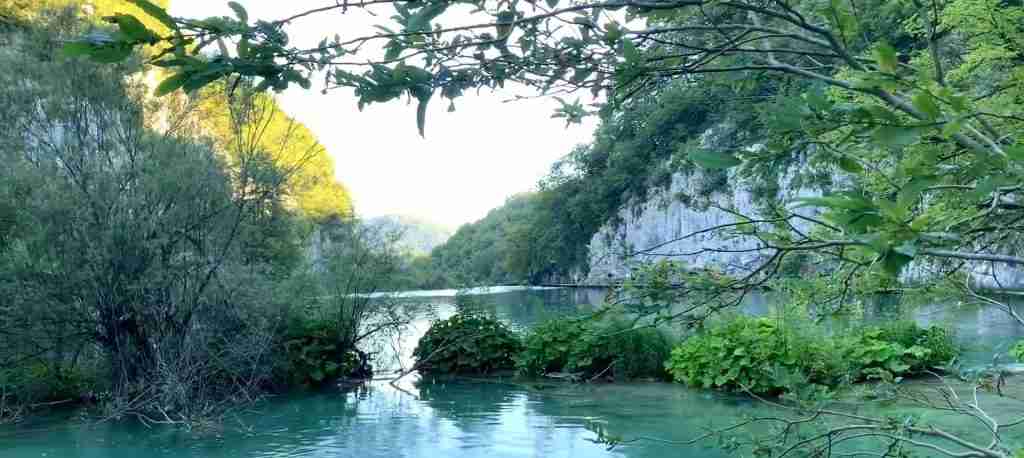
The route’s geographic logic minimizes backtracking while revealing Croatia’s landscape diversity. Beginning in Dubrovnik on the southern Dalmatian coast, you explore a perfectly preserved walled city where limestone ramparts enclose Renaissance palaces and Baroque churches, walking the same fortifications that protected the Republic of Ragusa for centuries. The second day transitions inland to Plitvice Lakes National Park, where 16 terraced lakes connected by waterfalls demonstrate karst geology’s spectacular results, with wooden boardwalks carrying you across emerald pools and beneath thundering cascades. Day three concludes in Split, where Diocletian’s 1,700-year-old palace forms the living heart of a modern city, with restaurants, shops, and apartments occupying Roman structures built when the emperor retired to the Dalmatian coast.
Practical considerations shape this itinerary’s structure and timing. Peak season (June-September) offers the most reliable weather, longest daylight hours extending past 8:00 PM, and full operation of all transport services, though entrance fees reach their annual maximum and crowds concentrate at signature viewpoints. Shoulder seasons (April-May and October) reduce costs by 25-40%, decrease crowds significantly, and provide equally photogenic conditions, with the tradeoff of shorter days and reduced bus frequencies requiring tighter scheduling. The itinerary assumes early morning starts (7:00-8:00 AM departures) to maximize attraction time before midday heat and crowds, with strategic positioning either staying in each destination or using nearby accommodation to reduce transfer times between consecutive days.
Transportation infrastructure makes this circuit remarkably accessible without a rental car. Croatia’s intercity bus network connects Dubrovnik, Plitvice, and Split with multiple daily departures operated by FlixBus, Arriva Croatia, and regional companies, with fares ranging €12-20 per route when booked in advance. Buses offer comfort comparable to Western European standards with air conditioning, restrooms, and WiFi on most services, following scenic coastal and mountain routes that become attractions themselves. The longest single journey (Dubrovnik to Plitvice area, approximately 5-6 hours including potential transfers through Split or coastal routing) occupies Day 2’s travel time, while shorter connections (Plitvice to Split at 3.5-4 hours) make Day 3 more relaxed.
Budget considerations vary dramatically based on season, accommodation choices, and dining preferences. Essential costs—attraction entrance fees (€80-120 total for three major sites), intercity bus tickets (€28-40), and basic daily expenses—establish a baseline of €350-450 per person for three days excluding accommodation and international flights. Mid-range travelers adding comfortable hotels, full-service restaurants, and occasional guided experiences should budget €500-750, while luxury preferences elevate costs to €1,200-2,000+ through five-star properties and private transportation. Booking accommodation and buses 60+ days in advance secures optimal rates and availability, particularly crucial for July-August peak season when coastal hotels and popular bus departures fill months ahead.
Best Time to Visit Croatia for This Itinerary 2026
The ideal months for Croatia’s three-day Dubrovnik-Plitvice-Split circuit in 2026 fall within two distinct windows: June-September for guaranteed sunshine and extended hours, or April-May and October for fewer crowds and lower costs. Peak summer (July-August) delivers Croatia’s most reliable weather with daytime temperatures averaging 28-32°C (82-90°F), negligible rainfall, and sea temperatures reaching 24-26°C perfect for Dubrovnik’s beaches, though these months also bring the year’s highest prices (30-50% above shoulder season), densest crowds at iconic viewpoints, and midday heat that can make Plitvice’s exposed boardwalks challenging. June and September represent the optimal compromise within peak season, offering 85% of summer’s weather reliability while reducing crowds by 30-40% and costs by 15-25%, with temperatures moderating to comfortable 23-27°C (73-81°F) ideal for extensive walking.
Shoulder season visits in April-May and October transform the experience through dramatic crowd reduction and cost savings, though with increased weather variability requiring flexible planning. Spring (April-May) presents Plitvice Lakes at peak waterfall flow from snowmelt, creating more dramatic cascades than summer’s lower volumes, with wildflowers blooming across the park’s forests and temperatures ranging 15-22°C (59-72°F) perfect for hiking. Accommodation costs drop 30-40% compared to summer peaks, while Plitvice entrance fees fall to €25 versus peak season’s €40, though some facilities operate reduced hours and coastal swimming remains cold at 15-18°C. October delivers autumn colors transforming Plitvice’s beech forests into gold and amber, with warm early autumn temperatures (18-24°C) still suitable for coastal exploration and significantly reduced crowds at Dubrovnik’s City Walls, though daylight hours shorten to 11 hours versus summer’s 15, requiring tighter scheduling.
Winter (November-March) becomes impractical for this particular three-day itinerary despite dramatic cost reductions, as Plitvice’s trails may close during snow and ice, bus frequencies decrease significantly, and Dubrovnik experiences frequent rain reducing outdoor attraction enjoyment. February-March occasionally sees reduced services at Plitvice with some boardwalks inaccessible, while December-January brings holiday closures affecting restaurants and minor attractions across all three destinations. However, winter enthusiasts willing to accept uncertainty can experience these sites in near solitude with entrance fees at their annual minimum (Dubrovnik City Walls €20, Plitvice €10), perfect for photography without crowds but requiring backup plans when weather prevents activities.
Daylight hours significantly impact itinerary execution across seasons. June offers 15+ hours of daylight allowing Dubrovnik’s City Walls walks until 7:30 PM and Plitvice visits extending to evening, creating flexibility if morning plans shift. September provides 13 hours of usable light still sufficient for full-day programs, while April and October’s 12-13 hours require tighter scheduling with strategic 7:00-8:00 AM starts to complete major attractions before darkness. The shoulder season tradeoff—fewer crowds and lower costs versus compressed daylight—favors experienced travelers comfortable with early starts and rapid transitions, while summer’s extended hours suit those preferring relaxed pacing with margin for spontaneous detours or extended photography sessions.
Day 1: Dubrovnik Old Town and City Walls Exploration 2026
Dubrovnik’s medieval quarter and fortifications demand a full day to experience properly, with the city walls walk, major monuments, and atmospheric street exploration requiring 7-9 hours for thorough appreciation. Begin your day at 8:00 AM or earlier to walk the city walls before crowds intensify and temperatures rise, with early morning light providing optimal photography conditions for the terracotta rooftops and Adriatic views that make Dubrovnik globally famous. The complete wall circuit stretches 1,940 meters with elevation changes requiring good walking shoes and moderate fitness, taking 1.5-2.5 hours depending on your photography stops and pace, with the counterclockwise route from Pile Gate entrance offering the most dramatic viewpoint progression.
Dubrovnik’s City Walls entrance fee costs €40 per adult in 2026 for the main season (March-November), with the ticket valid for 72 hours and including access to Fort Lovrijenac across the bay. Check the official citywallsdubrovnik.hr website for current rates as seasonal pricing may vary. The walls feature three entrance points—Pile Gate (main entrance and most crowded), Ploče Gate (eastern entrance, quieter mornings), and St. John’s Fortress near the Old Port (least crowded but steep stairs)—with all access points accepting the same ticket and allowing one complete circuit. Walk counterclockwise from Pile Gate to experience the Fort Bokar overlook early when eastern light illuminates the fortress, progressing to Minčeta Tower (the walls’ highest point at 25 meters) for panoramic city views before descending along the northern rampart with its café stops and harbor perspectives.
Strategic breaks enhance the wall walk experience. Caffe on the Wall near Fort St. Peter provides the first refreshment opportunity about 30 minutes into your circuit, offering overpriced but convenient coffee (€4-5) and ice cream (€3-4) with unmatched seating views across the Old Port. Continue to Minčeta Tower café at roughly the halfway point for proper seating and marginally better value, though expect tourist-level pricing throughout the walls. The final section along the southern ramparts between St. John’s Fortress and Pile Gate delivers the Instagram-famous limestone pavement shots and Adriatic perspectives, with fewer crowds than morning’s northern section if you’ve maintained early timing.
Descend from the walls around 10:30-11:00 AM to explore Dubrovnik’s interior monuments before afternoon heat peaks. The Rector’s Palace (€10 entrance) merits 45-60 minutes for its Gothic-Renaissance architecture and historical exhibits documenting the Republic of Ragusa’s independent governance from 1358 to 1808. Dubrovnik Cathedral’s Treasury (€5) houses an exceptional collection of religious relics including Byzantine gold work and Renaissance paintings, requiring 30-40 minutes. The Dominican Monastery (€5) and Franciscan Monastery (€8, includes Europe’s third-oldest operating pharmacy from 1317) each warrant 45 minutes for their cloisters, museum collections, and atmospheric interiors providing welcome shade during midday hours.
Lunch timing around 1:00-2:00 PM allows you to avoid peak restaurant crowds while experiencing Dubrovnik’s dining scene. Konobas (traditional Croatian taverns) along side streets off Stradun offer better value than tourist-focused establishments directly on the main pedestrian street, with three-course meals ranging €25-40 per person for seafood risotto, grilled fish, and local wine. Proto (Široka ul. 1) and Nautika (Brsalje 3) represent upscale options (€50-80 per person) with refined Dalmatian cuisine and exceptional wine lists, while D’vino Wine Bar (Palmotićeva ul. 4a) provides lighter fare (€15-25) with Croatia’s best wine selection for casual tasting. Budget travelers find excellent value at Buffet Škola (Antuninska ul. 1) where substantial plates cost €8-12, or purchase supplies at markets for waterfront picnics.
Afternoon exploration shifts to Dubrovnik’s experiential elements rather than additional paid attractions. Walk the Stradun (Placa) from Pile Gate to Ploče Gate, observing the limestone pavement polished by centuries of foot traffic and the uniform Baroque facades rebuilt after the 1667 earthquake that destroyed much of medieval Dubrovnik. Climb the Jesuit Staircase for elevated Old Town views without wall entrance fees, or follow residential streets in the northern quarter where washing lines and morning coffee routines reveal contemporary life within the UNESCO zone. The Old Port area around 4:00-5:00 PM offers yacht-watching from harbor walls and swimming opportunities at tiny Buža beaches (ladders descend from walls to sea platforms) if weather permits.
Sunset viewing around 7:30-8:30 PM in summer (earlier in shoulder seasons) caps Dubrovnik’s first day perfectly. Mount Srđ (accessible via cable car for €18 round trip or free hiking trail taking 45-60 minutes) provides the definitive sunset panorama over the walled city, Fort Lovrijenac, and Adriatic islands, with the Panorama Restaurant terrace (expensive drinks but worth the view) open until 11:00 PM. Alternative sunset spots include Fort Lovrijenac itself (included in your City Walls ticket, 15-minute walk from Pile Gate) or Buža Beach bars built into the southern walls where €5 cocktails come with horizontal views across the sea. Dinner from 8:00 PM onwards explores Dubrovnik’s evening atmosphere, with streets emptying of day-trippers and locals reclaiming café tables for relaxed dining extending past midnight during summer months.
Day 2: Plitvice Lakes National Park Natural Wonder 2026
Plitvice Lakes National Park constitutes Day 2’s entire focus, requiring either an early morning bus departure from Dubrovnik (5:00-6:00 AM services through Split or coastal routes) arriving mid-morning, or overnight accommodation near the park to maximize exploration time from opening. The park’s entrance fees operate on a three-tier seasonal system in 2026: peak season June-September charges €40 per adult for single-day entry, high season April-May and October costs €25, while off-season November-March drops to €10. Purchase tickets in advance through the official np-plitvicka-jezera.hr website to guarantee entry during summer months when daily visitor quotas may sell out, with tickets valid for the specific date and entrance (1 or 2) selected during booking.
Plitvice’s two entrances serve different trail access points along the 8-kilometer lake system. Entrance 1 (north) positions you near the Lower Lakes and Veliki Slap, Croatia’s tallest waterfall at 78 meters, making it optimal for first-time visitors and those hiking Trail C (4-6 hours covering both Upper and Lower Lakes comprehensively). Entrance 2 (south) accesses the Upper Lakes first, better suited for Trail H (4-5 hours) or for visitors arriving from Split/Zadar wanting reverse routing. Most guided tours and buses from Dubrovnik/Zagreb utilize Entrance 1, though independent travelers can choose based on their preferred trail direction and crowd avoidance strategy. Parking costs €1 per hour at both entrances, relevant for rental car users though unnecessary for bus arrivals dropping passengers directly at entrance plazas.
Trail selection determines your Plitvice experience and time commitment. Trail C represents the comprehensive option covering both Lower and Upper Lakes through a 6-kilometer circuit combining boardwalk sections, forest paths, electric boat crossing on Kozjak Lake, and panoramic train return, requiring 4-6 hours at moderate pace with photography stops. This trail delivers Plitvice’s greatest highlights including Veliki Slap, the terraced cascade section below Galovački Buk, extensive boardwalks threading between emerald pools, and the Upper Lakes’ quieter beech forests. Trail H offers similar coverage in 4-5 hours with slightly different routing accessing the Upper Lakes first, ideal for afternoon arrivals or those seeking to reverse the standard flow pattern. Shorter options (Trails A and B, 2-3 hours) provide abbreviated experiences suitable for transit days or limited mobility, though they miss significant sections.
Strategic timing maximizes your Plitvice experience while minimizing crowds that can pack boardwalks to frustrating density during peak hours. Arrive at park opening (7:00-8:00 AM in summer, 9:00 AM in shoulder seasons) to walk Lower Lakes boardwalks in relative solitude before tour groups arrive around 10:00-11:00 AM. The early start provides optimal photography light illuminating waterfalls from the east, with mist rising from pools creating ethereal morning atmospheres impossible to capture during harsh midday sun. Alternatively, afternoon arrivals (after 2:00 PM) find diminishing crowds as morning visitors complete their circuits, though lighting becomes more challenging for photography and winter months may close certain trails earlier than official closing times.
The park’s included electric boat service operates continuously during opening hours, ferrying visitors across 2-kilometer-long Kozjak Lake to connect Lower and Upper Lakes sections. Boats depart every 15-30 minutes depending on season and demand, with the 10-minute crossing eliminating what would be a 3-kilometer forest walk around the lake’s perimeter. Similarly, the panoramic trains run designated routes between major stops (Entrance 2, Prošćansko Lake, Entrance 1) reducing hiking distances and elevation gain for those preferring shorter walks. Both services include unlimited use in your entrance ticket, making strategic combinations—hiking the scenic sections, riding transport for transitional segments—an efficient approach to experiencing maximum territory within limited timeframes.
Facilities within Plitvice distribute unevenly across the park’s length. Entrance 1 features the main restaurant complex (Lička Kuća), hotel, and most extensive facilities including ATMs and souvenir shops, while Entrance 2 offers limited services beyond ticket sales and basic refreshments. Public restrooms appear at major junctions approximately every 45-60 minutes of walking, clean and free though basic. Food options within the park lean toward tourist cafeterias with premium pricing (sandwiches €5-8, hot meals €12-18), making packed lunches from supermarkets a budget-conscious strategy, though note that trash bins along trails require you to carry waste to designated disposal points. Mobile phone coverage proves spotty in forest sections, with free WiFi available only at entrance areas.
Weather considerations significantly impact Plitvice enjoyment regardless of season. Boardwalks become slippery when wet (frequent in spring and autumn), requiring careful footing and proper hiking shoes with good traction. Summer heat creates shade-seeking behavior with visitors clustering under forest canopy sections, though hydration stations (fill water bottles at park fountains) appear regularly. Thunderstorms during summer afternoons can develop rapidly, with the park remaining open but conditions becoming dangerous on exposed sections—monitor forecasts and carry lightweight rain gear. Winter visits transform the park through partial freezing creating ice formations on waterfalls, though many boardwalk sections close when ice makes them impassable, reducing accessible trail length dramatically. September-October delivers ideal conditions with autumn colors transforming beech forests, moderate temperatures (15-22°C), and reduced but still-present crowds.
Conclude your Plitvice day by departing for Split via bus services from Entrance 2 (most routes) or Entrance 1 depending on operator. The Plitvice-Split journey takes 3.5-4 hours via the coastal route through Zadar, with evening departures (4:00-6:00 PM) arriving Split by 8:00-10:00 PM allowing dinner in Diocletian’s Palace and evening waterfront exploration. Book this leg in advance as capacity fills quickly during summer, with fares ranging €16-22 depending on booking timing. Alternative routing overnight near Plitvice and departing early Day 3 morning provides more relaxed scheduling but reduces Split exploration time unless extending beyond three days.
Day 3: Split and Diocletian’s Palace Discovery 2026
Split’s third day focuses on Diocletian’s Palace and the city’s Roman-medieval core, where 1,700 years of continuous inhabitation created a living archaeological site unlike any preserved ruins elsewhere in Europe. The palace complex—actually a retirement fortress built AD 295-305 for Emperor Diocletian—occupies half of Split’s Old Town as restaurants, shops, and apartments fill Roman structures in a remarkable urban palimpsest. Dedicate 4-6 hours to thorough palace exploration including the basement halls, peristyle square, cathedral complex, and surrounding streets, with additional time for Split’s Riva waterfront, Green Market, and Marjan Hill viewpoints if schedules permit before departure.
Diocletian’s Palace entrance remains free as it constitutes a living neighborhood rather than a gated museum, though several interior spaces charge separate admission. The palace basement halls (€7 entrance) merit priority visiting, offering the only preserved Roman level with original architecture demonstrating the palace’s layout before centuries of medieval modifications filled upper floors. These subterranean corridors served as service areas for the palace above, now restored to reveal soaring vaulted ceilings and exhibiting artifacts from Split’s history, requiring 45-60 minutes including the informative displays explaining palace construction and evolution. The basement’s cool temperatures provide welcome relief during summer heat, making it strategic for midday visits.
The Cathedral of St. Domnius (€7 entrance including treasury, bell tower additional €7) occupies the original mausoleum Diocletian built for himself, repurposed in the 7th century when refugees from Salona established Split’s medieval settlement. The cathedral itself warrants 30-45 minutes for its octagonal architecture, Renaissance choir stalls, and treasury containing reliquaries and religious art spanning Byzantine to Baroque periods. The adjacent bell tower climb (€7 separate ticket, 180 steps on narrow spiraling stairs) delivers Split’s definitive panoramic view across the palace, harbor, and surrounding islands, requiring 20-30 minutes total and moderate fitness for the steep ascent. Visit the tower early morning or late afternoon to avoid midday crowds packing the narrow stairwell and harsh overhead sun diminishing photography.
Strategic palace exploration follows the archaeological layers chronologically and architecturally. Begin in the basement (Roman foundation level) to understand original spatial organization, ascend to the peristyle (monumental courtyard serving as the palace’s ceremonial heart) where Egyptian sphinx statues flank the central space, continue to the cathedral (former mausoleum), then explore the labyrinthine streets occupying the palace’s eastern and western quarters. The Golden Gate (northern entrance) and Iron Gate (western entrance) preserve Roman architectural elements including the gate towers where medieval construction fills Diocletian’s original brickwork. Budget 3-4 hours for comprehensive palace wandering, allowing time to get intentionally lost in side streets where contemporary Split life—washing lines, café tables, hidden courtyards—reveals itself away from main tourist flows.
Split’s Riva waterfront promenade extends westward from the palace’s southern façade, creating the city’s social heart where locals gather for evening korzo (promenade) and café culture thrives under palm trees. The 2007 renovation transformed the Riva into a pedestrian-friendly space with white stone paving, integrated seating, and unobstructed Adriatic views across to islands on the horizon. Walk the Riva’s full length (approximately 1 kilometer) from the palace to the western marina, passing the Republic Square with its Venetian architecture and continuing to the fish market and ferry terminal area where working harbor activity contrasts with the tourist-oriented palace zone. Early evening (7:00-9:00 PM) delivers peak Riva atmosphere when Split’s residents emerge for sunset aperitivos and people-watching.
The Green Market (Pazar) immediately east of the palace’s eastern wall operates morning hours (7:00 AM-2:00 PM) as Split’s primary produce market where local farmers sell seasonal fruit, vegetables, cheese, and olive oil alongside tourist-oriented souvenirs. Visit around 9:00-10:00 AM for peak selection and atmosphere, purchasing supplies for beach snacks or experiencing Dalmatian market culture, with vendors offering samples of local cheeses (paški sir from Pag Island), prosciutto (pršut), and lavender products from nearby islands. Prices prove dramatically lower than palace-zone restaurants, with fresh figs, cherries, or peaches (depending on season) costing €2-4 per kilogram versus €5-8 for prepared fruit cups at tourist cafés.
Marjan Hill provides Split’s natural escape and optimal viewpoints accessed via free hiking trails beginning at the western end of the Riva. The lowest viewpoint (Café Vidilica) sits 15 minutes’ walk uphill offering panoramic perspectives over the palace and harbor, with the café terrace (drinks €3-5) providing seating for lingering sunset sessions. Continue higher for superior views requiring 30-45 minutes of moderate uphill walking through Mediterranean forest, with trails circling the 178-meter hill and offering multiple overlooks. The western coast features small beaches and rocky swimming spots popular with Split locals, creating opportunities for Mediterranean swimming if time and weather permit before departing.
Dining in Split balances palace-zone convenience against neighborhood authenticity and value. Konoba Varoš (Ban Mladenova 7) delivers traditional Dalmatian cuisine (grilled fish, pašticada beef stew, black risotto) in a residential neighborhood setting 15 minutes’ walk from the palace, with three courses costing €25-35 per person including local wine. Villa Spiza (Kružićeva 3) operates as a tiny tavern serving daily-changing menus based on market purchases for €15-25, though limited seating (10-12 people) requires arriving when doors open at 11:00 AM or 6:00 PM. Palace-area restaurants like Dvor (Ul. Kraj Svetog Ivana 11) provide convenience and atmosphere at moderate prices (€30-45 per person), while waterfront establishments along the Riva command premium rates (€40-60+) for their location despite mediocre food quality focused on tourist volumes.
Departure planning from Split considers evening flight or onward travel timing. Split Airport (SPU) sits 25 kilometers west requiring 45-60 minutes by airport bus (€4, departs from main bus station hourly) or taxi (€25-35). Intercity buses to Zagreb, Zadar, or international destinations depart from Split’s main bus terminal (Obala kneza Domagoja) 10 minutes’ walk east of the palace, with advance booking essential for popular evening departures. Ferry services to Croatian islands (Brač, Hvar, Korčula, Vis) operate from the terminal immediately south of the Riva if extending your journey beyond this three-day circuit, though note that summer ferry capacity books weeks in advance for popular afternoon and evening sailings.
Transportation Between Destinations 2026
Croatia’s intercity bus network provides the most practical and economical transportation for this three-day Dubrovnik-Plitvice-Split circuit, with multiple operators including FlixBus, Arriva Croatia, Autopromet, and Nomago offering daily services along these routes. Bus travel costs €12-20 per route when booked in advance, significantly undercutting private transfers (€200-300+ per segment) while providing reliable scheduled service with modern, air-conditioned coaches featuring restrooms and WiFi on most routes. The two primary legs—Dubrovnik to Plitvice area and Plitvice to Split—require advance planning as summer schedules fill quickly and route options vary by day of week, with direct services sometimes limited requiring connections through major hubs.
The Dubrovnik-Plitvice route presents the itinerary’s most complex transportation challenge due to limited direct bus service and significant distance (approximately 350-380 kilometers depending on routing). Direct buses operated by FlixBus and regional companies run 1-2 times daily during summer months, departing Dubrovnik’s main bus terminal (Obala pape Ivana Pavla II 44) early morning (6:00-8:00 AM) and arriving Plitvice Entrance 1 or 2 approximately 5-6 hours later, with fares ranging €18-25 depending on booking timing. Alternative routing connects through Split with morning Dubrovnik-Split bus (€16-20, 4-4.5 hours) followed by afternoon Split-Plitvice service (€16-22, 3.5-4 hours), though this adds transfer time and coordination stress compared to direct options when available.
The overnight strategy near Plitvice Lakes eliminates Day 2 morning transportation pressure while maximizing park exploration time. Villages surrounding the national park—Mukinje, Jezerce, Rastovača—offer accommodation ranging from €40-80 per night for guesthouses and small hotels, positioned within 2-5 kilometers of park entrances and accessible via the same intercity buses serving the park itself. Book Dubrovnik departure around 3:00-5:00 PM arriving Plitvice area by evening (8:00-10:00 PM depending on routing), check into nearby accommodation, then access the park at opening (7:00-8:00 AM) the following morning. This approach trades higher accommodation costs against maximized park time and reduced same-day travel stress, particularly valuable for summer visits when early morning park entry proves crucial for crowd avoidance.
The Plitvice-Split leg operates more frequently with better schedule options reflecting higher passenger volumes along this coastal connection. FlixBus and Arriva Croatia run 3-5 daily services from Plitvice Entrance 2 (primary stop for southbound buses) to Split’s main terminal, with journey times of 3.5-4 hours via the coastal route through Zadar and fares of €16-22 per person. Afternoon departures (2:00-5:00 PM) coordinate well with morning Plitvice visits completing Trails C or H, arriving Split by evening (6:00-9:00 PM) with time for dinner and initial palace exploration. Alternative morning departures suit travelers completing Plitvice visits on Day 2 afternoon or evening, though afternoon timing generally proves more practical for this itinerary’s day-by-day structure.
Booking strategies significantly impact costs and availability for Croatia bus travel in 2026. Purchase tickets 30-60 days in advance through operator websites (FlixBus.com, Arriva.com.hr) or aggregators (GetByBus, Omio, Wanderu) to secure lowest fares typically 20-30% below walk-up prices, with the added benefit of guaranteed seating during July-August peak when popular routes sell out days ahead. Mobile tickets eliminate printing requirements with QR codes scanned during boarding, though screenshots or offline access prove essential as WiFi and mobile coverage gaps occur along rural routes. Flexible tickets cost premium (typically €3-5 more) but permit cancellation or rebooking until 24-48 hours before departure, valuable insurance against weather delays or itinerary changes affecting tight three-day schedules.
Rental car options provide maximum flexibility but introduce complexities outweighing benefits for this particular itinerary. Costs include rental fees (€40-70 per day for compact cars during summer), fuel (approximately €45-60 for 400+ kilometers covered), highway tolls (€8-15 for major routes), and parking fees (€15-25 daily in Dubrovnik and Split Old Towns, €1 per hour at Plitvice). The total approaches €180-220 for three days versus €28-45 for intercity buses, with car ownership eliminating opportunities to rest during transit and introducing parking challenges in pedestrian-heavy Old Towns. Cars prove advantageous for travelers extending itineraries to remote coastal villages, wine regions, or flexible timeline adjustments, but unnecessary for this focused three-destination circuit where buses serve all locations directly and walking suffices within each city.
Local transportation within destinations remains minimal for this itinerary. Dubrovnik’s compact Old Town eliminates public transport needs entirely, with all major attractions within 15-20 minutes’ walking. Split similarly concentrates attractions in the walkable palace-Riva zone, though city buses (€1.60 per ride, €0.85 if purchased at kiosks before boarding) serve outlying areas including the main bus terminal’s connection to palace neighborhoods. Plitvice’s included electric boats and panoramic trains handle all in-park transportation, with no local buses connecting park entrances to surrounding villages (taxis cost €10-15 for short distances but may prove difficult to arrange). Budget €5-10 total for local transport across three days, relevant primarily for Split airport connections or optional beach excursions beyond core itinerary elements.
Where to Stay in Croatia for This Itinerary 2026
Accommodation strategy for this three-day itinerary balances nightly location changes against budget and convenience preferences, with options ranging from staying within each destination (requiring three different hotels) to using Plitvice-area lodging as a central base for Day 2. The standard approach books one night in Dubrovnik (arriving evening before Day 1 or staying after Day 1 completion), one night near Plitvice Lakes (after Day 1 or before Day 2), and one night in Split (after Day 2), totaling three consecutive nights in different locations. This maximizes time in each destination while minimizing morning checkout logistics that could delay attraction access during crucial early hours.
Dubrovnik accommodation concentrates in three zones with dramatically different price points and character. Within or immediately adjacent to the Old Town walls, boutique hotels and guesthouses command premium rates (€150-400+ per night in summer, €80-180 shoulder season) for unmatched atmosphere and walking access to all attractions, with properties like Boutique Hotel Stari Grad (Ul. od Sigurate 4) or Guesthouse Amoret (Restićeva ul. 2) offering renovated historic buildings and personal service. The Lapad and Gruž districts 2-4 kilometers west provide mid-range hotels and apartments (€80-150 summer, €50-90 shoulder) with beach access and regular bus service to the Old Town, ideal for budget-conscious travelers accepting 15-20 minute commutes. Further options in Babin Kuk peninsula deliver resort-style properties with pools and waterfront (€100-200 summer) though distances from the Old Town increase to 4-6 kilometers requiring reliable bus or taxi reliance.
Plitvice Lakes accommodation spreads across villages surrounding the national park rather than concentrated in a single town, with the closest options in Mukinje (1-2 kilometers from Entrance 2) and Rastovača (adjacent to Entrance 1). The official park hotels—Hotel Jezero, Hotel Plitvice, Hotel Bellevue—offer convenience (€90-140 per night) directly at park entrances with breakfast included and immediate morning access, though facilities remain basic by international standards and atmosphere lacks Croatian character. Superior value and experience emerge in private guesthouses and small family-run hotels throughout surrounding villages (€50-90 per night), where owners provide local recommendations, home-cooked dinners (often included or available for €12-18), and authentic rural Croatian hospitality unavailable in larger properties.
Guest House Tina in Mukinje (1.5 kilometers from Entrance 2) exemplifies quality private accommodation with modern rooms, generous breakfast, and friendly hosts for €65-85 per night, while Ethno Houses Plitvica Selo near Korenica delivers traditional architecture and restaurant specializing in regional cuisine at similar rates. These properties require booking 60+ days in advance for July-August as limited capacity fills quickly, with proprietors typically providing free or low-cost transfers to/from bus stops when coordinated in advance. The rural setting provides genuine darkness for stargazing and quiet restoration between intensive sightseeing days, advantages worth the extra effort required to reach slightly remote locations via short taxi rides from highway bus stops.
Split accommodation mirrors Dubrovnik’s zone-based pricing with the Diocletian’s Palace area and immediate surroundings commanding highest rates for atmospheric lodging within Roman walls. Boutique properties like Cornaro Hotel (Sinjska ul. 6, €140-280 per night summer) and Heritage Hotel Antique Split (Kraj Sv. Marije 3, €120-220) occupy restored medieval buildings with breakfast terraces overlooking ancient streets, while apartments within the palace itself (€80-150 through booking platforms) provide authentic experiences living inside 1,700-year-old architecture. The Riva waterfront zone offers mid-range hotels (€90-160) with Adriatic views and restaurant convenience, while neighborhoods east of the palace like Varoš or Manuš deliver better value (€60-120) with genuine local atmosphere 10-15 minutes’ walk from major attractions.
Budget accommodation targeting €40-70 per night appears primarily in hostels (Hostel Split, Goli & Bosi, Tchaikovsky Hostel with dorm beds €20-35 and private rooms €60-85) and family-run guesthouses in residential neighborhoods 1-2 kilometers from the palace. These properties reduce costs by 40-50% compared to palace-zone hotels while maintaining good access via city buses or 20-minute walks, trading atmospheric medieval surroundings for practical sleeping arrangements favored by budget travelers. Booking platforms (Booking.com, Airbnb) reveal extensive private apartment inventory throughout Split with competitive rates (€50-100 per night) and kitchen facilities enabling grocery shopping cost savings, though verify locations carefully as “Old Town” listings sometimes occupy modern buildings 2+ kilometers from Diocletian’s Palace.
Advance booking timelines prove critical for summer accommodation securing quality properties at reasonable rates. Dubrovnik’s most desirable Old Town locations (particularly smaller guesthouses with 5-10 rooms) book solid 90-120 days before peak July-August weeks, with remaining availability concentrated in higher-priced luxury properties or inconvenient peripheral zones by spring. Plitvice area guesthouses demonstrate even tighter capacity given limited inventory, often fully booked by May for summer peak season. Split offers more flexibility with greater total room inventory, though palace-zone boutiques fill 60-90 days out during summer while neighborhood apartments maintain availability closer to arrival. Shoulder season (April-May, September-October) relaxes these pressures with 30-day advance booking generally sufficient and last-minute availability common except during major events or festivals.
Alternative strategies include returning to Dubrovnik after Plitvice visits (staying two consecutive nights, completing the city walls and monuments across Days 1-2, using Day 2 afternoon/evening for Plitvice access if positioned overnight near the park) or using Split as a two-night base with Plitvice as a long day trip, though these approaches introduce inefficient backtracking and transit time increases. The sequential progression Dubrovnik → Plitvice → Split optimizes both geography and experience, accepting three separate check-ins as a necessary trade for maximizing attraction time rather than transportation hours that would result from hub-and-spoke accommodation patterns.
Daily Budget Breakdown Croatia 2026
Daily costs in Croatia for this three-day itinerary range €80-150 per person excluding accommodation, with the spread reflecting choices in dining quality, attraction depth, and incidental expenses rather than dramatic price variations between destinations. Fixed costs establish a baseline including major attraction entrance fees averaging €30-40 per day, intercity transportation (€14-20 per travel day), and essential spending on food, local transport, and minor purchases. The budget tier system outlined below applies consistently across Dubrovnik, Plitvice, and Split, though Dubrovnik generally trends 10-15% higher for restaurant meals and café drinks compared to Split’s more local-oriented pricing.
Budget travelers implementing strict cost controls achieve €80-110 daily spending through strategic choices across all expense categories. Breakfast from supermarkets or included in guesthouse rates (€5-8 if purchased separately) begins days economically, with lunch combining bakery burek (€3-5), sandwiches (€4-7), or market supplies for picnics (€8-12 assembled from fresh produce and cheese). Dinner at neighborhood konobas away from tourist zones delivers substantial three-course meals with wine for €18-28, while cheaper options including pizza slices (€3-5), ćevapi (grilled meat platters, €6-10), and market-based meals keep costs under €15. Attraction expenses reduce through selective entry—walking Dubrovnik’s City Walls (€40) but skipping interior monuments (€5-10 each), spending full time at Plitvice Lakes (€25-40 depending on season) without additional costs, exploring Split’s palace (free) with selective paid elements (€7-14 total for cathedral and basement halls).
Transportation economies emerge from advance bus booking (€28-40 total for two intercity routes versus €45-60 last-minute), walking within compact Old Towns eliminating local transport needs, and utilizing included services (Plitvice boats and trains) rather than optional extras. Budget travelers bring refillable water bottles (tap water safe throughout Croatia), pack trail snacks for Plitvice rather than purchasing marked-up park café items (€5-8 for basic sandwiches), and limit alcohol consumption (Croatian wine €4-8 per glass in restaurants, €6-12 per bottle from supermarkets). Sample budget day: supermarket breakfast €6, bakery lunch €8, konoba dinner €24, Plitvice entrance €40, local bus €2, water and snacks €5, total €85 per person.
Mid-range travelers targeting €110-150 daily spending introduce comfort and convenience while maintaining cost awareness. Breakfast at hotel restaurants or Old Town cafés (€10-15) provides full service and atmospheric starts to days, with lunch at casual waterfront or palace-zone restaurants (€15-25) delivering better ingredients and preparation than bakery options. Dinner selections expand to quality konobas and seafood restaurants (€35-50 per person including wine and dessert), focusing on fresh Adriatic fish, local specialties like black risotto or peka (meat/seafood cooked under bell-shaped lid), and regional wines from Pelješac or Korčula. Comprehensive attraction access includes all major paid elements—Dubrovnik’s City Walls, palace monuments, and monastery collections (€55-70 total), Split’s complete palace complex (€21 for basement, cathedral, and bell tower)—plus optional experiences like cable car to Mount Srđ (€18) or guided walks (€15-30).
Mid-range budgets allocate €5-10 daily for quality coffee breaks at atmospheric cafés (€3-5 per coffee versus €1.50-2.50 at basic bars), occasional taxis for convenience (€5-10 for short trips avoiding long walks after full days), and souvenir or supply purchases (Croatian olive oil, wine, lavender products totaling €20-40 across three days). Sample mid-range day: café breakfast €12, restaurant lunch €22, quality konoba dinner €42, Dubrovnik City Walls €40, Mount Srđ cable car €18, coffee breaks and drinks €15, total €149 per person. This tier delivers comprehensive experiences without sacrifice while remaining distinctly below luxury levels where costs escalate rapidly.
Luxury-focused travelers (€180-300+ daily excluding accommodation) prioritize exceptional dining, private experiences, and comprehensive comfort. Breakfast at upscale hotel restaurants (€18-28) includes extensive buffets and made-to-order items, with lunch at refined establishments featuring creative interpretations of Croatian cuisine (€40-60 per person). Dinner gravitates toward Michelin-mentioned restaurants like Dubrovnik’s Nautika or 360° (€80-150 per person) emphasizing tasting menus, wine pairings, and Adriatic views, or Split’s Zinfandel’s with modern Croatian fine dining. Private guided tours replace self-guided exploration—Dubrovnik walking tours (€150-200 for private half-day), Plitvice private guide services (€100-150), Split archaeological specialists (€120-180)—providing expert narrative and VIP access avoiding crowds.
Luxury budgets incorporate private transportation (Split-Dubrovnik private transfer €250-350 versus €16-20 bus), premium wine tastings (€40-80 per person), spa treatments after intensive walking days (€60-120 for massages at hotel spas), and spontaneous high-end purchases without price consideration. Sample luxury day: upscale breakfast €25, refined lunch €55, fine dining dinner €120, private guide €180, premium coffee and drinks €30, private car segment €150, total €560 per couple or €280 per person. These elevated budgets deliver exceptional experiences but remain unnecessary for thoroughly enjoying Croatia’s three-day highlights, which shine equally brilliantly accessed through budget or mid-range approaches.
Seasonal cost variations influence budget planning significantly. Peak July-August sees restaurant prices increase 15-20% for waterfront and tourist-zone establishments (though neighborhood konobas maintain consistent pricing), attraction entrance fees reach annual maximums (Dubrovnik €40, Plitvice €40), and bus fares reflect high-season premiums when demand peaks. Shoulder seasons (April-May, September-October) reduce entrance fees by 25-40% (Plitvice drops to €25) while accommodation costs decrease 30-40%, with restaurant prices holding steady or dropping 10-15% at competitive establishments. These savings offset moderately higher risk of weather disruptions, making shoulder seasons optimal for budget-conscious travelers accepting modest uncertainty in exchange for substantial cost reductions.
Sample 3-Day Budget Plan Croatia 2026
This sample budget demonstrates realistic daily costs for a mid-range traveler visiting Dubrovnik, Plitvice Lakes, and Split during peak summer 2026, with accommodations and entrance fees representing largest expense categories. Daily costs exclude international flights and pre-trip expenses like travel insurance, focusing on in-country spending across the 72-hour itinerary. Costs assume advance booking for attractions and intercity buses, mid-range accommodation selections, and balanced dining between casual and quality restaurants without luxury experiences or budget restrictions.
Day 1 – Dubrovnik: Accommodation €120-180 (boutique guesthouse or 3-star hotel in or near Old Town), breakfast included or €10-12 at café, Dubrovnik City Walls entrance €40, lunch at konoba €18-25, afternoon coffee break €4, Rector’s Palace entry €10, Dominican Monastery €5, dinner at quality restaurant €38-50, evening drinks €8-12, local purchases €10. Total Day 1: €253-342 per person including accommodation.
Day 2 – Plitvice Lakes: Accommodation €60-90 (guesthouse near park), breakfast included or €8-10 if separate, bus Dubrovnik-Plitvice €18-25, Plitvice entrance €40, packed lunch from market €8-12 or park café €15-20, afternoon snacks €5-8, bus Plitvice-Split €16-22, dinner in Split €30-45, late drinks €8, local transport €2. Total Day 2: €195-280 per person including accommodation.
Day 3 – Split: Accommodation €90-140 (boutique hotel or quality apartment near Diocletian’s Palace), breakfast included or €10-15 at café, Split palace basement halls €7, Cathedral of St. Domnius €7, bell tower climb €7, lunch at palace restaurant €20-30, Marjan Hill café drinks €5-8, Green Market purchases €10-15, dinner at waterfront konoba €35-48, evening gelato €4, local transport to bus station €2. Total Day 3: €197-292 per person including accommodation.
Three-Day Total: €645-914 per person, averaging €215-305 per day with accommodation representing 40-50% of total spending. Transportation costs €34-47 total for two intercity bus routes, attraction entrances €116-123 total covering major sites, food and dining €154-235 total across three days (approximately €50-78 daily), accommodation €270-410 total for three nights. This baseline excludes optional experiences like Mount Srđ cable car (€18), private guides (€30-60 per person for group tours), water sports activities (€40-80), or premium wine tastings (€25-50), which add €60-150+ to totals when included.
Budget reduction strategies target accommodation and dining as primary variables. Selecting hostels or budget guesthouses (€40-70 per night, total €120-210 for three nights) saves €150-200, while consistent market shopping and casual dining (€25-35 daily versus €50-78) reduces food costs by €75-120, bringing the three-day total to €420-550 for disciplined budget travelers. Conversely, upgrading to boutique hotels (€180-280 per night, total €540-840) and emphasizing refined dining (€80-120 daily) elevates totals to €950-1,350 for comfort-focused travelers, with luxury selections (€300+ nightly hotels, fine dining emphasis) easily exceeding €2,000 per person for three days.
Seasonal adjustments significantly impact budget calculations. This sample reflects July-August peak season rates; the same itinerary during April-May or September-October shoulder seasons reduces accommodation by 30-40% (saving €90-160), entrance fees by approximately €20 (Plitvice drops from €40 to €25), and restaurant costs by 10-15% (saving €20-35), bringing shoulder season totals to €535-740 per person or roughly 15-20% below peak summer. Off-season November-March offers dramatic reductions (accommodation -50%, Plitvice entrance drops to €10, dining -20%) but sacrifices weather reliability and full service availability, making it suitable only for adventurous travelers accepting closure risks and shorter days limiting attraction access.
The budget model assumes double occupancy for accommodation costs; solo travelers face 40-60% higher per-person accommodation expenses as single supplements (individual rooms costing 60-80% of double rates) or acceptance of hostel dormitories to maintain budget levels. Groups of 3-4 sharing apartments can reduce individual accommodation costs by 20-30% through per-person rate reductions, while private guided experiences become more economical when split among multiple participants. Currency considerations matter as Croatia uses euros (€) after January 2023 adoption, eliminating previous exchange rate variables though subject to ongoing euro fluctuations against traveler’s home currency affecting real costs.
Essential Travel Tips for Croatia 2026
Croatia’s infrastructure and services cater well to international tourists, though several practical considerations enhance experience and prevent common frustrations during intensive three-day itineraries. Currency adoption of the euro (€) in January 2023 simplified financial transactions, with credit cards accepted widely in restaurants, hotels, and major attractions, though small establishments and market vendors still prefer cash. ATMs appear frequently in Dubrovnik, Split, and around Plitvice park entrances dispensing euros with standard international banking fees, while exchange services have largely disappeared following euro adoption. Budget €50-100 cash per person for markets, tips, and small purchases while relying on cards for major expenses.
Language rarely presents barriers in tourist zones where English proficiency among hospitality workers, attraction staff, and younger generations proves excellent. Dubrovnik and Split’s international orientation means restaurants provide English menus, signs display multiple languages, and locals instinctively switch to English when detecting foreign accents. Plitvice Lakes park materials exist in Croatian, English, German, and Italian with staff at entrances speaking sufficient English for ticketing and basic directions. Learning basic Croatian phrases—”hvala” (thank you), “molim” (please), “dobar dan” (good day)—demonstrates respect and earns appreciative responses in less touristy contexts, though functional communication remains possible entirely in English throughout this itinerary.
Weather preparation requires layered clothing and sun protection regardless of season. Summer (June-September) temperatures average 28-32°C (82-90°F) on the coast with intense Mediterranean sun necessitating high-SPF sunscreen (SPF 50+ recommended, available in Croatian pharmacies for €8-15), hats, and sunglasses, while Plitvice’s forest trails provide shade but retain humidity requiring light, breathable fabrics. Shoulder seasons (April-May, September-October) demand versatile layers as morning temperatures (12-18°C) warm to comfortable afternoons (20-25°C), with lightweight waterproof jackets essential for sudden spring showers or autumn rainfall. Dubrovnik’s City Walls offer zero shade during walks, making early morning (before 10:00 AM) or late afternoon (after 4:00 PM) timing crucial during summer to avoid peak heat and sun exposure.
Footwear choices critically impact comfort given extensive walking on varied surfaces. Dubrovnik’s polished limestone pavements become slippery when wet and tire feet during extended wall circuits (1.5-2 hours minimum) with uneven stairs, requiring comfortable walking shoes with good grip—not fashion sandals or flip-flops. Plitvice’s boardwalks and forest trails demand proper hiking shoes or trail runners with ankle support and waterproof or water-resistant properties, as spray from waterfalls and morning dew create perpetually damp conditions on wooden surfaces. Split’s palace streets feature smooth Roman paving comfortable for sneakers or quality sandals, though Marjan Hill explorations require proper walking shoes. Pack one pair of comfortable closed-toe shoes adequate for all three destinations rather than attempting sandal-only packing that proves inadequate for Plitvice’s terrain.
Water and hydration management prevents the dehydration headaches common during summer sightseeing. Croatian tap water meets EU safety standards and tastes pleasant throughout this itinerary, making refillable bottles essential rather than purchasing single-use plastic (€1.50-3 for 500ml in tourist areas). Public drinking fountains appear frequently in Dubrovnik and Split, while Plitvice’s park infrastructure includes fountains at major junctions for bottle refilling. Carry 1-liter capacity bottles and refill proactively rather than waiting for thirst, particularly during Dubrovnik’s wall walk where the only purchases come from overpriced cafés (€4-5 for bottled water). Dehydration signs—headache, fatigue, irritability—undermine enjoyment and often go unrecognized until significant, making preemptive hydration a simple enhancement worth the minimal bottle-carrying inconvenience.
Crowd management strategies transform experience quality during peak season visits. Arrive at major attractions when doors open—Dubrovnik City Walls at 8:00 AM, Plitvice Lakes at 7:00-8:00 AM, Split’s palace sites by 9:00 AM—to experience sites in relative peace before 10:00-11:00 AM when tour groups and day-trippers concentrate. Midday hours (11:00 AM-3:00 PM) see maximum crowds and heat, making this optimal timing for indoor attractions (palace basement halls, air-conditioned museums), meals at uncrowded restaurants, or afternoon siestas if accommodations permit. Shoulder season visits (April-May, September-October) reduce crowds by 40-60% while maintaining good weather, offering dramatically improved experiences at slight weather risk premiums.
Photography planning captures iconic shots while respecting other visitors and copyright considerations. Dubrovnik’s City Walls deliver spectacular views at every turn, with the Minčeta Tower area, Fort Bokar overlook, and southern ramparts providing postcard perspectives, though crowds pack these viewpoints during peak hours creating competition for clean shots. Plitvice’s boardwalks create single-file bottlenecks where stopping for photos disrupts flow; identify wider platforms or trail junctions for extended photography sessions rather than blocking narrow sections. Split’s peristyle square and cathedral area concentrate architectural interest but also maximum tourist density, with early morning (7:00-8:00 AM) or evening (after 7:00 PM) providing clearer composition opportunities. Tripods prove impractical given crowds and often face restrictions at paid attractions; hand-held or minimal support equipment works better for this intensive itinerary.
Safety concerns remain minimal throughout this itinerary with Croatia ranking among Europe’s safest destinations for tourists. Pickpocketing occurs occasionally in dense crowds (Dubrovnik’s Stradun during cruise ship days, Split’s Green Market area) requiring standard precautions—money belts or neck pouches for passports and excess cash, awareness of bag security on buses and in restaurants. Violent crime against tourists proves extremely rare, with evening walks through illuminated Old Towns perfectly safe. Swimming hazards include sea urchins on rocky Adriatic shores (water shoes recommended for beach entry), occasional jellyfish during August heat waves, and strong currents at unguarded beaches, though this itinerary focuses on sightseeing rather than extensive beach time. Emergency services (police 192, ambulance 194, fire 193) function efficiently with English-speaking operators, while EU citizens’ EHIC cards provide basic health coverage and travel insurance remains essential for comprehensive protection.
Connectivity and internet access meets modern expectations in tourist zones with free WiFi available at most accommodations, many restaurants, and café networks throughout Dubrovnik and Split’s Old Towns. Mobile coverage extends reliably across all destinations including Plitvice’s trails, though purchasing local SIM cards (€10-20 for tourist packages with 10-20GB data) from Telekom or A1 providers in airports or city centers eliminates roaming charges while providing mapping and research capability during transit. Download offline maps for Google Maps or Maps.me before arrival, particularly useful during bus journeys through areas with limited connectivity and for navigating without constant data usage. Accommodation booking confirmations, bus tickets, and attraction reservations should exist as phone screenshots or PDFs rather than relying on email access requiring connectivity.
Frequently Asked Questions About Croatia 3-Day Itinerary 2026
What is the best way to travel between Dubrovnik, Plitvice, and Split in 2026?
Intercity buses provide the most practical and economical transportation for traveling between Dubrovnik, Plitvice Lakes, and Split in 2026, with multiple operators including FlixBus and Arriva Croatia running daily services along these routes at fares of €12-20 per segment when booked in advance. The Dubrovnik-Plitvice route operates 1-2 direct buses daily during summer months (June-September) requiring 5-6 hours, while alternative routing through Split adds connection complexity but increases departure flexibility with combined journey times of 7-8 hours total including transfers. Plitvice-Split buses run 3-5 times daily via the coastal route through Zadar, covering the distance in 3.5-4 hours with afternoon departures (2:00-5:00 PM) coordinating well with morning park visits.
Rental cars offer maximum flexibility at significantly higher cost (€180-220 for three days including fuel, tolls, and parking) while introducing driving challenges on unfamiliar roads and parking difficulties in pedestrian-heavy Old Towns where daily fees reach €15-25. Cars prove advantageous for travelers extending itineraries beyond these three destinations or desiring spontaneous stops at coastal viewpoints and villages, but remain unnecessary for focused three-day circuits where buses serve all locations directly and walking suffices within compact city centers. Book bus tickets online 30-60 days in advance through operator websites to secure lowest fares and guaranteed seating during peak July-August weeks when popular routes sell out.
How physically demanding is this 3-day Croatia itinerary in 2026?
This three-day itinerary requires moderate physical fitness and tolerance for 6-8 hours of daily walking on varied terrain, though segments can be shortened or modified for those with mobility limitations or preference for relaxed pacing. Dubrovnik’s City Walls circuit covers 1,940 meters with continuous stairs and elevation changes totaling 25 vertical meters to Minčeta Tower, taking 1.5-2.5 hours at moderate pace with the entire day involving 10-15 kilometers of total walking when including Old Town monument visits and street exploration. Plitvice Lakes Trail C or H requires 4-6 hours covering 6+ kilometers of boardwalks, forest paths, and moderate hills, though the included electric boat and panoramic train reduce actual walking distance and younger/fitter visitors complete comprehensive circuits in 3-4 hours while those preferring slower pacing extend to 6-7 hours with extended photography stops.
Split’s walking requirements prove least demanding with Diocletian’s Palace and Riva waterfront accessible entirely on level ground, though the optional Marjan Hill climb for viewpoints adds 30-45 minutes of moderate uphill hiking gaining 100+ vertical meters. The cumulative effect across three consecutive days creates fatigue for those unaccustomed to sustained walking, making comfortable footwear essential and strategic rest breaks important—midday siestas, café stops, leisurely meals—to prevent the exhaustion that undermines enjoyment during final day activities. Travelers with significant mobility restrictions can experience modified versions using taxis within cities, limiting wall walks to partial circuits, and selecting Plitvice’s shorter Trails A or B (2-3 hours) covering highlights without extended forest sections.
Can you visit all three destinations without a car in 2026?
Yes, visiting Dubrovnik, Plitvice Lakes, and Split proves entirely practical without a car through Croatia’s reliable intercity bus network, with the carless approach often providing superior experience by eliminating driving stress, parking challenges, and navigation concerns in unfamiliar territory. Buses depart multiple times daily from each location during peak season with modern, comfortable coaches featuring air conditioning, restrooms, and WiFi, following scenic routes that become attractions themselves as coastal highways reveal Adriatic views and mountain passes showcase inland Croatia’s forests and valleys. Fares remain economical (€28-40 total for two routes) compared to rental car costs (€180-220+ for three days), while bus travel permits rest and scenery appreciation during transit versus driving concentration requirements.
Each destination’s compact geography makes walking the primary transportation mode once arrived, with Dubrovnik’s entire Old Town covering less than 1 square kilometer, Split’s palace-waterfront zone equally walkable, and Plitvice’s included electric boats and panoramic trains handling in-park transportation. Local city buses (€1.60 per ride in Split, minimal needs in Dubrovnik) provide affordable connections to areas beyond walking distance including accommodation in peripheral zones or beach access, while taxis remain available though rarely necessary given walkable core areas. The sole potential car advantage—flexibility for spontaneous coastal village stops or alternative routing—proves minimal during focused three-day itineraries where time constraints favor efficient direct routes between established destinations over exploratory detours.
What should I pack for a 3-day Croatia trip in summer 2026?
Essential packing for summer Croatia prioritizes lightweight, breathable clothing, sun protection, and comfortable walking shoes suitable for varied terrain from coastal fortifications to forest boardwalks. Clothing should emphasize quick-dry fabrics and layering capability with 2-3 t-shirts or light tops, 1-2 pairs shorts or light pants, one sundress or additional outfit for evening dining, lightweight cardigan or jacket for air-conditioned buses and restaurants, and modest cover-up for religious sites (shoulders and knees covered for cathedral entry). Footwear critically impacts comfort with proper walking shoes or trail runners mandatory for Dubrovnik’s walls and Plitvice’s trails—not fashion sandals or flip-flops—plus one pair nicer casual shoes or sandals for evening dining and city exploration.
Sun protection proves essential given intense Mediterranean exposure with high-SPF sunscreen (50+ recommended), wide-brimmed hat, quality sunglasses with UV protection, and lightweight long-sleeve shirt for extended outdoor time preventing sunburn during city wall walks and national park trails. Technical items include refillable 1-liter water bottle for tap water (safe throughout Croatia), small daypack (20-30 liter capacity) for daily excursions carrying water, snacks, rain protection, and purchased items, portable phone charger maintaining battery through intensive photography and mapping days, and European plug adapter (Type C/F) for electronics charging. Documents and money organization requires secure storage for passport, travel insurance details, bus confirmations, and accommodation bookings, with money belt or neck pouch recommended for passport and backup cash in crowded tourist areas.
Optional but valuable items include compact rain jacket or poncho (sudden summer thunderstorms occur), basic first aid supplies (blister treatment, pain relievers, any prescription medications), insect repellent for Plitvice forest areas during dusk hours, and swimming attire if incorporating beach time in Dubrovnik or Split beyond core sightseeing itinerary. Avoid overpacking given three-night duration and daily walking distances making heavy luggage impractical; limit to one carry-on sized bag per person enabling easy bus boarding, quick hotel transitions, and comfortable navigation of Old Town cobblestones and stairs. Laundry services exist at accommodations or local services if extending beyond three days, though hand-washing quick-dry items in hotel sinks proves sufficient for this short duration.
Is three days enough to visit Croatia’s UNESCO sites in 2026?
Three days provides sufficient time to experience Croatia’s three most significant UNESCO World Heritage Sites—Dubrovnik’s medieval fortifications, Plitvice Lakes National Park, and Split’s Diocletian’s Palace—through focused exploration emphasizing each destination’s essential character and signature elements rather than exhaustive coverage. Allocating one full day per site allows 5-6 hours of concentrated attention at each location, enough time to walk Dubrovnik’s complete city wall circuit and explore major interior monuments, hike Plitvice’s comprehensive Trail C or H covering both Upper and Lower Lakes with waterfall highlights, and thoroughly investigate Split’s palace complex including basement halls, cathedral, and atmospheric neighborhoods within Roman walls. This duration works ideally for first-time Croatia visitors seeking introduction to the country’s diversity or travelers with limited vacation time prioritizing UNESCO highlights over comprehensive regional exploration.
The three-day timeframe excludes deeper experiences including Dubrovnik’s island excursions (Lokrum, Elafiti Islands requiring half-day commitments), Plitvice’s extensive trail network beyond main circuits (additional 36 kilometers of hiking paths), Split’s nearby attractions (Trogir UNESCO town, Salona Roman ruins, Krka waterfalls each warranting half-day visits), and Croatia’s other UNESCO sites (Šibenik’s Cathedral of St. James, Stari Grad Plain on Hvar Island, historic Trogir). Extending to 4-5 days enables more balanced pacing with reduced daily transit pressure, overnight stays in Plitvice area allowing dawn and dusk park visits, and inclusion of one additional destination or day trip enriching experience without transforming the itinerary into exhausting back-to-back attractions. However, for travelers committed to experiencing Croatia’s three most iconic destinations within strict time limits, three days delivers rewarding and memorable encounters with world-class heritage sites warranting their UNESCO designation.
What are the main costs for a 3-day trip to Croatia in 2026?
The primary cost categories for a three-day Croatia itinerary in 2026 include accommodation (€270-410 for three nights at mid-range properties), attraction entrance fees (€116-123 total covering Dubrovnik City Walls €40, Plitvice Lakes €25-40 depending on season, Split palace sites €21-35), intercity transportation (€34-47 for two bus routes booked in advance), and daily food expenses (€154-235 total averaging €50-78 per day for mid-range dining). These essential costs establish a baseline of €574-815 per person excluding international flights, with the range reflecting seasonal variations (peak summer versus shoulder season), booking timing (advance versus last-minute rates), and personal choices in dining quality and accommodation standard.
Budget-conscious travelers implementing strict controls reduce totals to €420-550 per person through hostel or basic guesthouse accommodation (€120-210 for three nights), selective attraction entry prioritizing free elements (Split palace, Dubrovnik streets) and essential paid highlights (City Walls, Plitvice), grocery shopping and casual dining (€25-35 daily, €75-105 total), and advance bus booking capturing lowest fares. Mid-range comfort levels targeting €645-914 per person incorporate boutique hotels or quality apartments, comprehensive attraction access including optional elements like Mount Srđ cable car, full-service restaurant dining balancing konobas and seafood establishments, and margin for spontaneous purchases or experiences. Luxury-focused budgets exceeding €1,200-2,000 per person emphasize five-star properties, fine dining experiences, private guided tours, and premium transportation eliminating budget constraints on experience quality.
When is the best time to visit Croatia for this itinerary in 2026?
The optimal timing for Croatia’s Dubrovnik-Plitvice-Split circuit in 2026 falls during the shoulder season months of May-June and September-October, balancing excellent weather conditions against reduced crowds and lower costs compared to peak July-August. June offers the best compromise delivering 85% of summer’s weather reliability with average temperatures of 24-27°C (75-81°F), extended daylight hours enabling flexible scheduling, and 30-40% fewer crowds than high summer while maintaining full service availability across all attractions and transportation routes. September provides similar advantages with warm temperatures (23-26°C), autumn colors beginning to transform Plitvice’s forests, and sea temperatures still comfortable at 22-24°C for coastal swimming, though slight increases in rainfall probability require flexible outdoor planning.
Peak summer July-August delivers the most reliable sunshine and warmest temperatures (28-32°C averages) perfect for beach time supplementing cultural sightseeing, but brings year’s highest prices with accommodation rates 30-50% above shoulder season, entrance fees at maximum levels (Dubrovnik City Walls €40, Plitvice €40 versus shoulder season’s €25 at Plitvice), and dense crowds creating competition for viewpoints and restaurant tables. Early summer (late May-June) and early autumn (September-early October) reduce these negatives while maintaining favorable conditions, with accommodation costs dropping 20-30%, attraction entrance fees decreasing to mid-tier levels, and crowd density falling by 40-60% creating dramatically improved experiences at iconic photo spots. Spring (April-May) introduces greater weather variability but offers Plitvice at peak waterfall flow and wildflower season, while late October brings autumn foliage and continued warm days though shortened to 11 hours versus summer’s 15.
Do I need to book attractions in advance for Croatia 2026?
Advance booking proves essential for Plitvice Lakes National Park during peak summer months (July-August) when daily visitor quotas frequently sell out days or weeks ahead, requiring online ticket purchase through the official np-plitvicka-jezera.hr website selecting your specific entry date and preferred entrance (1 or 2). Plitvice’s advance booking ensures guaranteed access and eliminates entrance queue time, particularly valuable given limited morning departure options from Dubrovnik creating timing pressure for Day 2 park visits. Shoulder season (April-June, September-October) sees reduced quota pressure with same-day ticket availability common at entrance gates, though advance online purchase remains recommended providing schedule certainty and avoiding potential disappointment during occasional high-traffic weekends or holidays.
Dubrovnik’s City Walls and Split’s palace attractions accept walk-up visitors without advance booking requirements, with sufficient capacity to accommodate demand even during peak season though expect queues of 15-45 minutes at Dubrovnik’s main Pile Gate entrance during midday summer hours. Early arrival (8:00 AM at walls opening) virtually eliminates wait times regardless of season, while using alternative entrances (Ploče Gate, St. John’s Fortress) reduces queues even during busy periods. The optional Dubrovnik Pass (€40 for one-day access to City Walls plus museums and public transport) can be purchased online in advance or at sales points throughout the Old Town, providing marginal convenience benefit but no capacity advantage. Intercity bus tickets between destinations demand advance booking 30-60 days ahead for peak summer travel securing optimal departure times and 20-30% lower fares compared to last-minute purchases, with July-August routes frequently selling out requiring flexible backup options or significantly earlier/later departures than preferred if booking delayed.
What is the best route sequence for visiting these three destinations in 2026?
The optimal route sequence follows geographic logic moving north from Dubrovnik (southernmost point) → Plitvice Lakes (inland central Croatia) → Split (mid-Dalmatian coast), minimizing total travel distance while avoiding the significant backtracking that alternative sequences introduce. This progression totals approximately 410 kilometers with two primary bus journeys: Dubrovnik to Plitvice area (350-380 kilometers, 5-6 hours) positioned on Day 1 evening or Day 2 morning, followed by Plitvice to Split (180-200 kilometers, 3.5-4 hours) on Day 2 afternoon or Day 3 morning. The route creates logical experience progression from coastal medieval grandeur (Dubrovnik) through pristine mountain nature (Plitvice) to integrated ancient-modern urbanism (Split), with each destination offering distinctly different character preventing repetition or cultural fatigue.
Alternative routing starting Split and concluding Dubrovnik works equally well from logistical perspective if flight arrivals/departures dictate, following Split → Plitvice → Dubrovnik with identical bus connections in reverse direction and comparable journey times. The primary difference positions your longest travel day (Plitvice-Dubrovnik, 5-6 hours) on Day 3 when accumulated fatigue from intensive sightseeing makes extended bus journeys more challenging, versus the recommended route placing maximum transit on Day 2 when energy levels remain high. Attempting hub-and-spoke patterns (returning to a single accommodation base for all three nights, making Plitvice or Split day trips from Dubrovnik) introduces inefficient backtracking adding 6-10 hours of redundant bus time across three days, transforming the experience from efficient sightseeing into exhausting transit that sacrifices attraction hours for transportation logistics.
Can this itinerary be done in winter months 2026?
Winter execution of this three-day itinerary (November-March) proves technically possible but introduces significant complications including reduced Plitvice accessibility, decreased bus service frequency, weather uncertainty affecting outdoor attractions, and shortened daylight hours compressing viable sightseeing windows. Plitvice Lakes presents the primary challenge as heavy snow and ice conditions frequently close sections of boardwalk trails from December through February, with the park remaining open but accessible territory reduced by 40-70% depending on specific weather patterns and only shorter trails (A, B) reliably passable. Winter entrance fees drop dramatically to €10 (versus summer’s €40) offering budget advantage, though the reduced experience and closure risk make Plitvice less rewarding during peak winter months unless specifically seeking snow-covered waterfall photography in near-solitude conditions.
Dubrovnik and Split maintain year-round operations with most attractions accessible, though winter brings frequent rainfall (10-15 rain days per month November-March) reducing enjoyment of outdoor city wall walks and waterfront exploration that constitute these destinations’ primary appeal. Shorter winter daylight (9-10 hours versus summer’s 15) compresses schedules requiring 8:00 AM starts and afternoon conclusions by 5:00-6:00 PM, eliminating the extended evening exploration and sunset experiences that enhance summer visits. Bus service frequencies decrease 30-50% during winter with some routes operating only 1-2 daily departures versus summer’s 5-8, requiring tighter coordination and reduced flexibility if delays or cancellations occur. However, winter travelers accepting these limitations benefit from dramatic cost reductions (accommodation -50%, attractions -40-60%, flights -40-60%) and near-empty sites enabling photography without crowds, making winter viable for budget-conscious, weather-flexible visitors prioritizing solitude over comfort and comprehensive access.