Cortina d’Ampezzo Complete Travel Guide 2026: Dolomites Ultimate Planning Resource
Planning a 2026 Cortina visit requires understanding seasonal patterns, accommodation options, activity choices, and budget considerations. The town caters to diverse travelers from budget-conscious hikers staying in mountain refuges to luxury seekers enjoying five-star hotels. Winter sports enthusiasts find world-class skiing while summer visitors access hundreds of kilometers of hiking trails. Food ranges from traditional mountain cuisine to Michelin-starred fine dining. This guide provides comprehensive information enabling informed planning for any travel style and interest.
Key Takeaways
- Peak season (December-March for skiing, July-August for hiking) requires booking accommodation 3-4 months ahead with prices 40-60% higher than shoulder season
- Budget €120-200 per day for mid-range travel including three-star hotels, restaurant meals, lift tickets, and local transportation
- The Cortina Express bus connects Venice to Cortina in 2.5 hours for €18-22, operating daily April through October with three departures each direction
- Cortina ski pass costs €63-68 daily providing access to 120 kilometers of slopes across five ski areas with connections to the Dolomiti Superski network
- September and early October deliver optimal value with 35-45% lower accommodation costs, exceptional autumn colors, and access to hiking trails without summer crowds
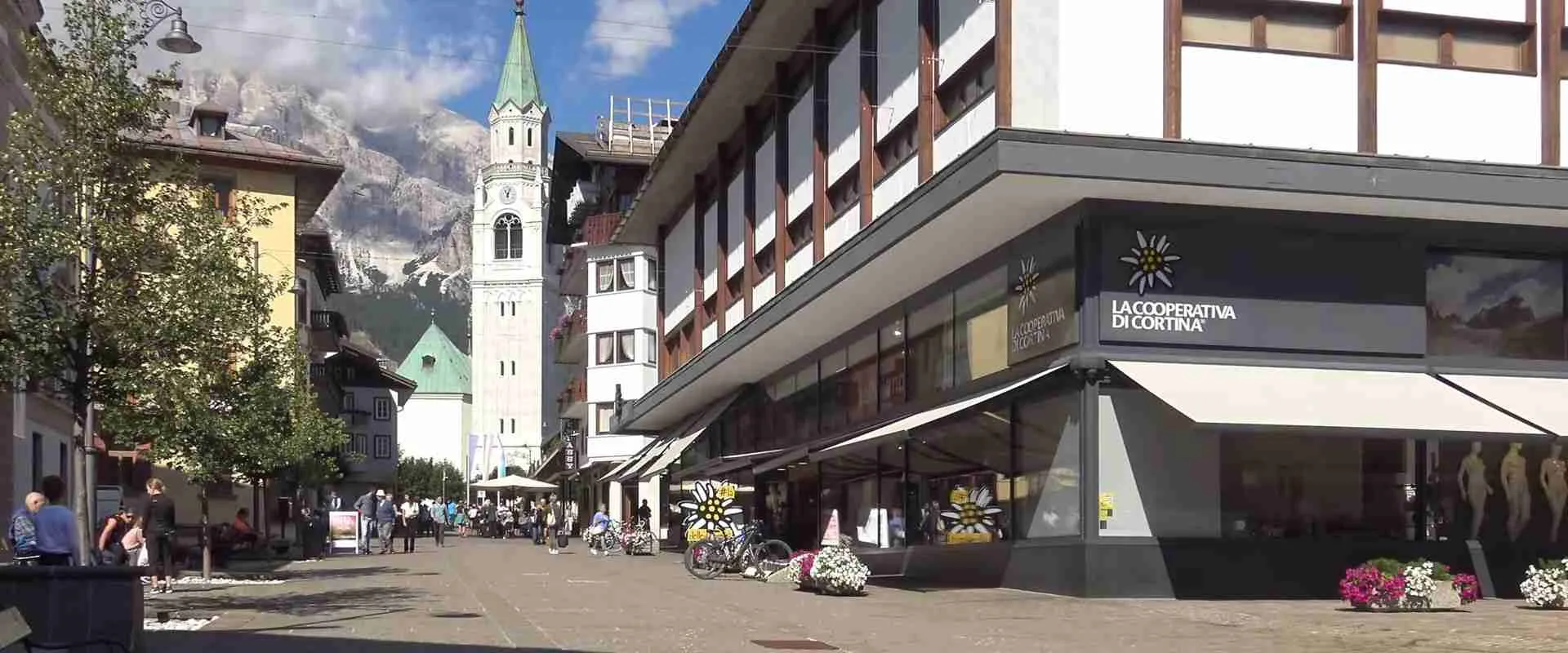
- The town center concentrates luxury shopping, refined restaurants, and historic cafés within a compact 500-meter pedestrian zone easily explored on foot
Introduction: Planning Your Cortina d’Ampezzo Experience
Cortina d’Ampezzo stands as the crown jewel of Dolomites tourism, combining spectacular mountain scenery with sophisticated alpine elegance. This renowned resort town occupies the Ampezzo Valley at 1,224 meters elevation, surrounded by dramatic peaks including Tofane, Cristallo, Sorapiss, and the iconic Cinque Torri. The town earned international fame hosting the 1956 Winter Olympics and maintaining status as Italy’s premier mountain resort. Understanding Cortina requires appreciating its dual character: world-class winter sports destination and exceptional summer hiking base, luxurious shopping district and authentic mountain community, glamorous resort and historic Ladin village.
The Cortina experience extends beyond the town itself to encompass surrounding peaks and valleys. The Ampezzo Dolomites include some of the range’s most spectacular formations. Tre Cime di Lavaredo rises 30 kilometers northeast as the most photographed Dolomite landmark. The Cinque Torri (Five Towers) provide accessible rock climbing and via ferrata routes 10 kilometers southwest. The Tofane massif dominates the western skyline with vertical walls rising 1,000 meters above town. Lake Misurina sits 15 kilometers east offering tranquil alpine scenery. This geographic diversity enables varied activities from single-day excursions to week-long explorations.
People Also Ask About Cortina d’Ampezzo 2026
How much does a trip to Cortina d’Ampezzo cost in 2026?
A week in Cortina d’Ampezzo costs €1,400-3,500 per person depending on season, accommodation choice, and activity preferences. Budget travelers spend €85-130 daily staying in two-star hotels or apartments, cooking some meals, using public transportation, and selecting free hiking over paid ski lifts. Mid-range visitors allocate €150-250 daily for three to four-star hotels, restaurant meals, ski passes or cable car tickets, and occasional guided activities. Luxury travelers budget €350-600 daily for five-star resorts, fine dining at Michelin-starred restaurants, private guides, and premium experiences.
Specific costs break down as follows: accommodation ranges €60-100 nightly for budget hotels and apartments, €120-220 for mid-range three-star properties, and €300-550 for luxury four and five-star hotels in peak season. The Cortina ski pass costs €63-68 daily in winter, or €368 for the six-day Dolomiti Superski pass covering 1,200 kilometers of slopes (check dolomitisuperski.com for current official rates as pricing may vary). Summer cable car tickets run €25-35 for single ascents, or €45-55 for area day passes. Restaurant meals cost €15-25 for lunch at mountain refuges, €35-55 for dinner at town restaurants, and €80-150 for fine dining experiences. Guided activities including via ferrata tours cost €90-130 per person, ski school lessons €55-75 per two-hour session.
When is the best time to visit Cortina d’Ampezzo in 2026?
Cortina offers exceptional experiences year-round with optimal timing depending on preferred activities. Winter season (December-March) attracts skiers and snowboarders with reliable snow, extensive lift networks, and festive atmosphere. January-February provides the most consistent conditions with snow depth of 100-150 centimeters at mid-mountain elevations and temperatures of -8°C to 2°C. December brings Christmas markets and holiday ambiance but variable early-season snow. March offers spring skiing with longer days, warming temperatures, and often excellent snow coverage on north-facing slopes.
Summer season (June-September) showcases hiking, climbing, and mountain scenery. July-August delivers the warmest weather at 22-28°C in town and stable conditions for high-altitude activities. All trails become accessible and mountain refuges operate full services. However, these months attract peak crowds with popular trails seeing 200-400 hikers daily on weekends. June offers blooming alpine meadows and fewer visitors though some high trails remain snow-covered until mid-month. September through early October provides ideal conditions with autumn colors transforming larch forests to gold, stable weather, minimal crowds (60-70% fewer than August), and accommodation prices 35-45% below summer peaks.
Do you need a car in Cortina d’Ampezzo?
Cars provide convenience but remain optional in Cortina. The compact town center spans just 500 meters allowing easy walking between hotels, restaurants, shops, and tourist facilities. Local buses connect the town center to ski lifts and cable car stations every 15-30 minutes during peak season for €1.50 per ride or €5 for day passes. Free ski buses operate during winter linking accommodations to lift stations. Summer shuttle buses serve popular trailheads including Tre Cime di Lavaredo and Cinque Torri for €5-8 round-trip.
Cars benefit travelers planning extensive valley exploration, visiting multiple Dolomite areas, or traveling with significant gear. Rental costs run €35-55 daily for compact vehicles suitable for mountain roads. Parking in central Cortina costs €2-3 per hour or €15-20 daily in public lots. Many hotels provide free parking for guests. The drive to Tre Cime di Lavaredo requires payment of the €30 Rifugio Auronzo road toll plus parking. Major destinations including Venice (160 kilometers), Bolzano (110 kilometers), and Innsbruck (170 kilometers) connect via well-maintained highways making day trips feasible with private vehicles.
Is Cortina d’Ampezzo expensive?
Cortina ranks among Italy’s most expensive mountain resorts reflecting its luxury positioning and international clientele. Accommodation, dining, and shopping costs exceed other Dolomite towns by 30-50% on average. However, budget options exist across all categories enabling cost-conscious travel. Two-star hotels and apartments cost €60-100 nightly compared to €80-140 in luxury resorts like Madonna di Campiglio. Supermarkets provide groceries at standard Italian prices allowing meal preparation. Free hiking trails offer world-class mountain access without lift ticket costs. Municipal facilities including the Olympic Ice Stadium charge moderate fees of €8-12 for public skating.
The town’s reputation for luxury stems from high-end offerings including designer boutiques, Michelin-starred restaurants, and five-star hotels rather than absence of affordable alternatives. Strategic choices enable budget travel: visit in shoulder season (May-June or September-October) for 35-45% accommodation savings, eat lunch at mountain refuges (€15-25) instead of town restaurants (€35-55), use cable cars selectively rather than purchasing multi-day passes, and stay in apartments for self-catering. These strategies make Cortina accessible across budget levels while maintaining access to spectacular scenery and activities that define the destination.
Extended multi-day tours – 5+ days
Featured The Dolomites Multi-Day Tour Packages

3 days
The Dolomites 3-Day Discovery Tour
- ✓ Comprehensive The Dolomites experience
- ✓ Expert local guides included
- ✓ All accommodation included
- ✓ Transportation provided

5 days
The Dolomites 5-Day Highlights Experience
- ✓ Comprehensive The Dolomites experience
- ✓ Expert local guides included
- ✓ All accommodation included
- ✓ Transportation provided
7 days
The Dolomites 7-Day Cultural Journey
- ✓ Comprehensive The Dolomites experience
- ✓ Expert local guides included
- ✓ All accommodation included
- ✓ Transportation provided

10 days
The Dolomites 10-Day Complete Adventure
- ✓ Comprehensive The Dolomites experience
- ✓ Expert local guides included
- ✓ All accommodation included
- ✓ Transportation provided
Multi-day tour packages powered by TourRadar. Prices and availability subject to change.
Best Time to Visit 2026
Winter Season: December-March
Winter transforms Cortina into a premier ski destination with 120 kilometers of groomed slopes served by 38 lifts. The season opens in early December, weather permitting, with full operations typically established by December 15. Christmas through Epiphany (January 6) represents the peak period with maximum crowds, festive atmosphere, and accommodation prices 50-70% above regular season rates. Book this period 5-6 months ahead for best selection. The town fills with Italian and international visitors creating vibrant nightlife and busy restaurants. Ski slopes experience moderate crowds except at major lifts during late morning.
January through mid-February delivers optimal ski conditions with the most consistent snow, fewer crowds after holiday periods, and accommodation costs 25-35% below Christmas rates. Weekdays offer nearly empty slopes outside Italian school holidays. Snow depth reaches maximum at 100-150 centimeters mid-mountain with excellent coverage top to bottom. Temperatures stabilize at -8°C to 2°C requiring appropriate cold-weather gear. Clear, sunny days alternate with snowfall events every 5-7 days refreshing slopes. This period provides the best value for skiing-focused visits combining excellent conditions with manageable crowds.
Late February through March brings spring skiing with warming temperatures of -2°C to 8°C, longer days extending skiing until 4:30-5:00 PM, and consolidated snow perfect for intermediate skiers. Italian school holidays (typically one week in February) create a second peak period requiring advance bookings. Easter holidays (dates vary annually) attract families with children. The Cortina ski season extends through late March or early April depending on snow conditions. March offers 20-30% savings on accommodation compared to holiday periods while maintaining excellent skiing especially on north-facing slopes above 2,000 meters.
Summer Season: June-September
Summer reveals Cortina’s hiking potential with over 400 kilometers of marked trails ranging from easy valley walks to challenging alpine routes. June marks the transition from spring to summer with valley temperatures of 18-24°C and trails at lower elevations fully accessible. High-altitude routes above 2,500 meters may retain snow patches until mid-June. Alpine meadows bloom with wildflowers creating spectacular displays. This shoulder summer period offers 25-35% accommodation savings compared to July-August with excellent hiking conditions and minimal crowds on trails.
July and August deliver peak summer conditions with warm temperatures of 22-28°C in town, stable weather patterns, and full operation of all cable cars running 8:00 AM to 5:00 PM. Mountain refuges serve full menus and maintain extended hours. These months attract maximum visitors with popular destinations like Tre Cime di Lavaredo, Lago di Sorapis, and Cinque Torri experiencing significant crowds particularly on weekends. Start hikes early (7:00-8:00 AM) to secure parking and enjoy trails before midday crowds. Accommodation requires booking 3-4 months ahead with prices reaching annual peaks. Despite crowds, the guaranteed weather and complete facility operations make July-August reliable for first-time visitors.
September through early October presents the ideal summer visiting window for experienced mountain travelers. Autumn transforms larch forests surrounding Cortina to brilliant gold creating spectacular photography opportunities. Temperatures drop to 15-22°C in town and 8-15°C at 2,500-meter elevation requiring warmer layers. Weather remains generally stable though afternoon thunderstorms occur more frequently than high summer. Crowds diminish dramatically after September 15 when Italian schools resume. Trail traffic drops 60-70% compared to August while refuges and cable cars maintain full operations through September. Accommodation prices fall 35-45% below summer peaks. This combination of stunning scenery, excellent conditions, minimal crowds, and lower costs makes September the optimal month for quality-focused summer visits.
Shoulder Seasons: April-May and October-November
Spring shoulder season (April-May) presents challenges in Cortina with many hotels closed for maintenance between ski and summer seasons. The few operating properties offer good rates but limited selection. Weather proves unpredictable with temperatures of 8-18°C and frequent precipitation. Valley trails become accessible but remain muddy from snowmelt. Higher elevation routes stay snow-covered making hiking difficult without mountaineering equipment. Cable cars remain closed until late May or early June. This period works best for visitors seeking solitude and accepting weather uncertainties rather than those requiring reliable conditions.
Late October through November sees similar hotel closures and weather uncertainty. Most restaurants, shops, and tourist facilities close by early November. The few remaining establishments cater primarily to locals. Early October (first two weeks) offers viable visiting conditions with operational hotels, open refuges, and accessible trails. Larch colors peak in early October creating stunning golden landscapes. Accommodation costs remain low at 40-50% below summer rates. However, cable car closures beginning October 15-30 limit high-altitude access. This brief window suits budget-conscious travelers willing to accept facility closures and potential weather challenges for significant cost savings.
Accommodation Guide 2026
Luxury Hotels and Resorts
Cortina’s luxury properties deliver five-star experiences combining elegant accommodations, exceptional dining, comprehensive spa facilities, and personalized service. Cristallo Resort & Spa anchors the luxury segment with 74 rooms and suites occupying a belle époque palace dating to 1901. Room rates range €350-500 nightly in peak season including access to the 2,000-square-meter spa featuring indoor and outdoor pools, saunas, and treatment rooms. The property houses two restaurants including the Michelin-starred Gazebo serving innovative Italian cuisine. Located 2 kilometers from town center, the resort provides shuttle service and maintains commanding valley views.
Rosapetra Spa Resort offers contemporary luxury in a modern alpine design. The 54 rooms feature natural materials including local stone and wood creating sophisticated mountain ambiance. Nightly rates run €300-450 in peak season. The wellness center spans 1,500 square meters with pools, saunas, steam rooms, and extensive treatment menus. The Stubel restaurant specializes in Veneto and Tyrolean cuisine using regional ingredients. The central location enables walking to shops and restaurants within 5 minutes. The property includes ski storage, boot warmers, and direct shuttle connections to major lift stations.
Hotel de Len provides intimate luxury with just 14 suites emphasizing personalized attention. Rates of €280-420 nightly include breakfast and afternoon tea. Each suite features unique design incorporating antiques, local artwork, and modern amenities. The property lacks a full restaurant but includes a lounge serving light meals and regional wines. The wellness area offers sauna, steam room, and massage services by appointment. The quiet location 400 meters from Corso Italia maintains easy walking access to town center while providing peaceful retreat. The property attracts sophisticated travelers preferring intimate settings over large resort facilities.
Mid-Range Hotels
Three and four-star hotels provide comfortable accommodations balancing amenities and cost. Hotel Menardi occupies a converted 17th-century farm 1 kilometer from town center offering authentic mountain character with modern comfort. The 51 rooms feature traditional furnishings, private bathrooms, and mountain views. Rates run €110-160 nightly including breakfast. Amenities include a restaurant serving traditional Ladin cuisine, wellness area with sauna, free parking, and shuttle service to ski lifts. The quiet location away from central bustle appeals to travelers seeking relaxed atmosphere while maintaining reasonable proximity to town facilities.
Hotel Columbia combines central location with good value at €100-150 nightly for standard rooms. The three-star property offers 35 rooms with modern bathrooms, WiFi, and functional décor. The ground-floor restaurant serves breakfast and dinner with half-board options adding €25-30 per person daily. Located 200 meters from Corso Italia, the hotel provides easy access to shops, restaurants, and the bus station. Limited amenities include no spa or pool, though nearby public facilities fill this gap. The property attracts active travelers prioritizing location and value over luxury services.
Park Hotel Faloria perches on the town’s southern edge offering panoramic valley views. The four-star property features 88 rooms at €140-200 nightly. Amenities include indoor pool, wellness center, restaurant, and free parking. The location 800 meters from town center requires a 10-minute walk or shuttle use. Rooms overlook either the valley or surrounding peaks with southern-facing rooms capturing exceptional mountain panoramas. The hotel targets families and groups with multi-room suites and activity planning assistance. The property combines comfort, amenities, and moderate pricing appealing to mainstream travelers.
Budget Options and Apartments
Budget-conscious travelers find options in two-star hotels, apartments, and mountain refuges. Hotel Montana occupies a converted house offering 20 simple rooms at €60-90 nightly. Rooms include private bathrooms and basic furnishings without luxury amenities. The hotel provides breakfast while lacking a restaurant for other meals. The location 1.5 kilometers from town center requires bus service or walking but reduces costs compared to central properties. Free parking benefits drivers. The property attracts young travelers, hikers, and budget-focused visitors accepting simple accommodations for cost savings.
Apartments provide self-catering options for families and extended stays. Properties range from studio apartments for €70-100 nightly to multi-bedroom units accommodating 4-6 people for €150-250 nightly. Apartments include kitchens enabling meal preparation reducing dining costs by €30-50 per day per person. Weekly rentals (minimum 7 nights) reduce nightly costs by 15-25% compared to short stays. Central apartments command premium prices while properties 1-2 kilometers from town center offer better value. Booking platforms including Airbnb, Booking.com, and local agency Dolomiti Casa provide extensive inventory.
Mountain refuges (rifugios) offer the most economical accommodations for hikers willing to accept basic facilities. Rifugio Faloria reached by cable car from Cortina provides dormitory beds at €30-38 per person including breakfast. Half-board adds €18-25 covering dinner. Rifugio Averau near Cinque Torri charges similar rates with spectacular sunset views. Refuges provide shared dormitories, shared bathrooms (sometimes limited hot water), and no-frills accommodations. However, the mountain locations eliminate commuting to trailheads and enable sunrise photography at premier locations. Book refuges 4-6 months ahead for peak summer and winter weekends.
Skiing and Winter Sports 2026
Cortina Ski Area Overview
The Cortina ski area encompasses five distinct zones connected by buses: Faloria-Cristallo, Tofana, Lagazuoi-5 Torri, Socrepes, and Mietres. Combined, these areas offer 120 kilometers of groomed pistes served by 38 lifts accessing elevations from 1,224 to 2,930 meters. Terrain distribution includes 30% beginner slopes, 50% intermediate runs, and 20% advanced terrain. The Cortina ski pass costs €63-68 daily providing access to all five zones. Multi-day passes reduce daily costs: 3 days €180 (€60/day), 6 days €344 (€57/day). The Dolomiti Superski pass at €368 for 6 days adds access to 11 additional valley areas totaling 1,200 kilometers of slopes.
Faloria-Cristallo rises from the eastern side of town with the Faloria cable car departing from Cortina’s edge. The zone provides 28 kilometers of intermediate-focused terrain with excellent morning sun exposure. The vertical drop of 1,030 meters from 2,123-meter Faloria summit to town enables long cruising runs. Experts find challenges in the steep Vitelli and Staunies runs dropping from Ra Valles peak. The Cristallo sector connects via lift reaching 2,930 meters at Forcella Staunies providing the area’s highest skiing. North-facing slopes maintain snow quality through spring.
Tofana di Mezzo accessed via the Freccia nel Cielo cable car from town offers Cortina’s most dramatic skiing. The cable car ascends 1,000 vertical meters in two stages reaching 2,470 meters. The area features 45 kilometers of varied terrain including gentle slopes around Pomedes and expert runs like the steep Schuss dropping 500 meters. The Tofana sector connects to the Socrepes area providing extended terrain options. The Forcella Rossa chairlift accesses the Tofana di Rozes summit at 3,225 meters (not skiable but offering panoramic views). This sector suits intermediate to advanced skiers with terrain variety and spectacular scenery.
Ski Schools and Lessons
Cortina hosts multiple ski schools providing instruction for all ability levels. The Scuola di Sci Cortina (Cortina Ski School), the oldest and largest, employs over 200 instructors offering lessons in Italian, English, German, and other languages. Group lessons cost €45-55 for two-hour sessions with 6-10 participants grouped by ability. Five consecutive days cost €190-220 providing 10 hours of instruction. Private lessons run €65-75 per hour for one person, €75-85 for two people, with discounts for multi-hour packages. Book lessons 2-4 weeks ahead for peak holiday periods.
Specialized programs cater to specific needs. Children’s ski school accepts ages 4-12 with specialized instructors trained in teaching young skiers. Full-day programs (9:30 AM to 3:30 PM) cost €75-85 including lunch supervision. Snowboard instruction follows similar pricing with group lessons at €50-60 for two hours. Off-piste and freeride courses teach avalanche safety, snow assessment, and backcountry techniques. These advanced programs require prior skiing ability and cost €180-220 for full-day private guiding including safety equipment.
Adaptive skiing programs serve skiers with disabilities through specialized equipment and trained instructors. Sit-ski and mono-ski equipment enables individuals with mobility limitations to experience skiing. The program requires advance arrangements made through the ski school office with pricing varying based on specific needs and equipment requirements. The Cortina Ski School maintains strong adaptive programs building on experience from the 1956 Olympics when the resort pioneered accessible winter sports.
Equipment Rental and Services
Numerous rental shops throughout Cortina provide ski and snowboard equipment. Standard adult ski packages including skis, boots, and poles cost €25-32 daily with multi-day rentals reducing costs to €20-25 daily for week-long bookings. High-performance equipment costs €35-45 daily. Children’s equipment runs €18-24 daily. Snowboard packages cost €28-35 daily for standard setups, €40-50 for premium boards. Helmet rentals add €5-8 daily. Most shops offer online booking with 10-15% discounts for advance reservations.
Equipment quality varies by shop with premium rental outlets offering current-season models from major brands. Standard rentals provide previous-season equipment in good condition suitable for recreational skiing. Rental packages include boot fitting, binding adjustment, and equipment swaps if issues arise. Delivery services transport equipment to hotels for €8-12 per order eliminating carry hassles. Shops located near lift stations enable storage avoiding daily transport between accommodations and slopes.
Additional services include equipment storage, boot drying, and ski maintenance. Many hotels provide ski rooms with boot warmers and locked storage. Commercial storage facilities near lift stations charge €3-5 daily for secure equipment storage. Boot drying services ensure warm, dry boots for comfortable skiing. Ski tuning shops provide edge sharpening and wax services at €20-30 for basic tune-ups. Race-level tuning costs €40-60 delivering competition-ready edge work and structure. These services enhance skiing comfort and performance throughout multi-day stays.
Summer Hiking and Activities 2026
Top Hiking Routes from Cortina
Tre Cime di Lavaredo ranks as the Dolomites’ most iconic hike, accessible via the Rifugio Auronzo road from Cortina (30 kilometers, 40-minute drive). The €30 road toll per vehicle grants access to Rifugio Auronzo at 2,320 meters. The circular route around the three towers covers 5 kilometers with 400-meter elevation gain requiring 2.5-3 hours at easy to moderate difficulty. The trail provides continuously spectacular views of the vertical north faces rising 500 meters. Rifugio Locatelli at the route’s far side serves meals and offers overnight accommodation. Start early (before 9:00 AM) to secure parking and avoid afternoon crowds that can reach 400-600 people on summer weekends.
Lago di Sorapis delivers stunning turquoise water in a dramatic cirque setting. The trailhead near Passo Tre Croci lies 15 kilometers from Cortina accessible by car or summer bus. The hike covers 5.5 kilometers one-way with 450-meter elevation gain requiring 2-3 hours to reach the lake. The trail follows a good path with some exposed sections equipped with cables. The impossibly blue-green water results from glacial flour (fine rock particles) suspended in the lake reflecting specific light wavelengths. The color peaks in July-August when snowmelt maximizes glacial meltwater inflow. Return via the same route totaling 11 kilometers and 4-5 hours round-trip at moderate difficulty.
Cinque Torri (Five Towers) provides accessible rock formations with moderate hiking and optional via ferrata routes. The Rifugio Scoiattoli cable car from Cortina reaches 2,200 meters eliminating 600 vertical meters of climbing. Trails circle the towers covering 3-4 kilometers in 1.5-2 hours at easy grade. World War I trenches and fortifications preserved around the towers create an open-air museum. Via ferrata routes on the towers themselves offer technical climbing for equipped visitors. Rifugio Scoiattoli and Rifugio Cinque Torri serve meals with outdoor terraces overlooking the surrounding peaks. This area combines accessibility, historical interest, and spectacular geology making it ideal for families and beginning hikers.
Cable Cars and Lift Access
Summer cable cars eliminate elevation gain providing quick access to high-altitude trails and viewpoints. The Faloria cable car departing Cortina’s eastern edge ascends to 2,123 meters in 10 minutes. The round-trip ticket costs €25 for adults, €18 for children. The summit offers panoramic views, a restaurant, and trail access to Rifugio Faloria and beyond. Operating hours run 8:30 AM to 5:00 PM with departures every 20 minutes. The lift enables access to high-altitude hiking without the 900-meter climb from town.
The Tofana cable car provides the most dramatic uplift, ascending to Rifugio Pomedes at 2,470 meters. The two-stage cable car covers 1,000 vertical meters in 20 minutes. Round-trip tickets cost €32 adults, €22 children. The summit area offers restaurants, easy walking paths, and access to challenging routes including the via ferrata Giovanni Lipella. The views span the entire Ampezzo Valley with the Cristallo massif dominating the eastern horizon. Summer operations run 8:30 AM to 5:00 PM daily late June through September with reduced schedules in June and October.
Multi-area lift passes provide better value for extensive exploration. The Cortina summer card costs €45-55 for one day of unlimited access to all operating lifts, €85-95 for two consecutive days. These passes enable lift-assisted hiking where cable cars provide ascents and trails connect different areas for varied circular routes. The investment pays off for active hikers planning multiple lift-accessed routes during a visit. Children under 8 ride free, ages 8-15 receive 30-40% discounts on all ticket types.
Guided Tours and Via Ferrata Experiences
Guided hiking tours provide local expertise, safety oversight, and enhanced experiences. The Cortina Guide Alpine (Mountain Guide Office) employs certified guides offering half-day tours at €180-220 for private groups of 1-4 people, full-day tours at €300-380. Group tours joining multiple clients cost €45-65 per person for half-day excursions, €75-95 for full-day adventures. Tours cover popular destinations like Tre Cime, Sorapis, and Tofane with guides providing geological information, historical context, and photographic assistance. Book tours 3-4 weeks ahead for peak summer season.
Via ferrata (protected climbing) routes offer thrilling mountain experiences with fixed cables, ladders, and bridges enabling non-climbers to access dramatic terrain. Introduction via ferrata tours cost €90-110 per person for half-day experiences including equipment rental (harness, helmet, lanyards). Popular routes near Cortina include the Via Ferrata Giovanni Lipella on Tofana (challenging, 4-5 hours) and the Via Ferrata Ivano Dibona connecting Cristallo peaks (moderate, 3-4 hours). These routes require good fitness, comfort with heights, and dry weather conditions. Full-day tours cost €130-160 per person covering more extensive routes.
Multi-day trekking tours enable extended exploration with overnight stays in mountain refuges. The Alta Via 1 trail passes through Cortina area with multi-day sections accessible as supported tours. Three-day supported treks including guide, refuge accommodation, and luggage transfer cost €480-580 per person. Guides handle logistics while participants carry only day packs. These tours suit hikers seeking multi-day alpine experiences without the planning complexity of independent trekking. Private custom itineraries accommodate specific interests including photography, geology, or World War I history at €320-400 per guide per day for groups of 2-6 people.
Dining and Cuisine 2026
Mountain Refuges and Traditional Cuisine
Mountain refuges (rifugios) provide authentic Dolomite dining experiences combining traditional cuisine with spectacular settings. Rifugio Lagazuoi perched at 2,752 meters on Lagazuoi peak offers panoramic views and classic mountain fare. Lunch consists of hearty soups (€8-12), polenta dishes (€12-16), pasta (€12-18), and local specialties like casunziei (beetroot-filled pasta at €14-18). The refuge serves speck (smoked ham), local cheeses, and apple strudel. Access requires the Lagazuoi cable car (€22 round-trip) or hiking from Passo Falzarego. The experience combines exceptional food, dramatic setting, and alpine atmosphere unavailable in valley restaurants.
Rifugio Averau near Cinque Torri maintains traditional character with wood interiors and local cooking. Specialties include Tyrolean goulash (€15), barley soup (€9), and grilled polenta with mushrooms (€14). The outdoor terrace provides sunset views toward the Marmolada. The refuge operates June through September serving lunch 11:30 AM to 3:00 PM and dinner for overnight guests. Day visitors access the refuge via 45-minute hike from the Cinque Torri parking area. The combination of accessible location, authentic cuisine, and spectacular views makes Averau essential for experiencing traditional mountain dining.
Rifugio Scoiattoli at Cinque Torri offers refined mountain cuisine in a modern facility. The menu includes creative interpretations of traditional dishes: venison carpaccio (€16), homemade pasta with wild mushrooms (€16), grilled meats (€18-26). The extensive wine list features regional and Italian wines. The large terrace accommodates 100+ diners with views of the Cinque Torri formations. The refuge operates year-round serving lunch and dinner. Access via cable car or hiking makes this one of the Dolomites’ most accessible high-quality mountain restaurants combining altitude, cuisine, and convenience.
Town Restaurants and Fine Dining
Cortina’s town center offers diverse dining from casual pizzerias to Michelin-starred fine dining. Tivoli serves traditional Ladin and Veneto cuisine in a historic building on Corso Italia. Lunch offers salads, sandwiches, and pasta at €12-18 per dish. Dinner features meat specialties including venison medallions (€26), duck breast (€24), and traditional casunziei (€16). The wine list emphasizes regional producers from Veneto and Alto Adige. The central location and moderate pricing make Tivoli popular requiring reservations for dinner during peak season. Budget €35-50 per person for three-course dinner with wine.
Pizzeria 5 Torri occupies a casual space serving quality wood-fired pizzas at €10-16. The menu includes traditional combinations plus creative options using local ingredients like speck and mountain cheeses. Salads, pasta, and grilled meats supplement the pizza offerings. The informal atmosphere, quick service, and moderate prices attract families and budget-conscious diners. No reservations needed though waits occur during 7:30-8:30 PM dinner rush. Budget €18-28 per person for pizza, drink, and dessert.
Michelin-starred fine dining elevates Cortina’s culinary scene. Il Gazebo at Cristallo Resort holds one Michelin star serving innovative Italian cuisine. Chef Mario Pinto creates tasting menus at €120-160 per person featuring seasonal ingredients and modern techniques. Signature dishes include scallops with cauliflower (€28), venison with chocolate (€36), and creative desserts. The elegant dining room features mountain views and refined service. Reservations required 2-4 weeks ahead for peak season. Budget €150-200 per person including wine pairings for the complete experience.
Cafés, Bars, and Après-Ski
Historic cafés define Cortina’s social scene. Pasticceria Lovat on Corso Italia serves coffee, pastries, and light meals since 1928. Morning cappuccino with cornetto (croissant) costs €4-5. Lunch sandwiches and salads run €8-12. The outdoor terrace provides prime people-watching during afternoon passeggiata when locals stroll Corso Italia. The pasticceria produces traditional cakes including torta dobos and sachertorte sold whole (€25-35) or by slice (€5-7). This central location makes Lovat ideal for morning coffee, afternoon cake, or casual meals throughout the day.
Enoteca Cortina offers extensive wine selection with over 200 labels from Italian and international producers. Wine by the glass costs €6-12, bottles €25-150. The bar serves aperitivo (€8-12) with complimentary snacks 6:00-8:00 PM. Light dinner options include charcuterie boards (€18-24), cheeses (€16-22), and hot small plates (€12-18). The knowledgeable staff provides recommendations helping navigate the extensive list. The sophisticated atmosphere attracts wine enthusiasts and couples seeking refined evening drinks.
Après-ski bars activate during winter season with the LP26 at the town center maintaining the highest energy. The bar opens at 4:00 PM when slopes close, filling with skiers enjoying beers (€5-7), cocktails (€8-12), and DJ music. The outdoor terrace captures afternoon sun while indoor areas provide warmth. Light snacks including sandwiches and salads accommodate post-ski hunger. The scene remains lively until 8:00 PM when people disperse for dinner. This social hub epitomizes Cortina’s blend of athleticism, socializing, and mountain lifestyle.
Shopping and Town Center 2026
Corso Italia and Luxury Shopping
Corso Italia, Cortina’s main pedestrian street, concentrates luxury shopping, cafés, and historic buildings within a 500-meter corridor. Designer boutiques including Prada, Fendi, Moncler, and Bogner cater to affluent clientele seeking high-end fashion and sportswear. These shops offer the same products as Milan or Venice at similar prices though with more limited selections. The winter season brings the fullest inventory and most festive atmosphere while summer sees reduced hours and selections. Serious shoppers should target December-January or July-August for complete offerings.
Local boutiques sell Cortina-branded apparel, accessories, and gifts. Cortina Cube offers lifestyle products including clothing, home goods, and books celebrating mountain culture. Original Tyrol sells traditional clothing including Loden coats, felt hats, and embroidered items. Franz Kraler operates a multi-brand fashion store representing various designers in a large space with comprehensive selections. These local shops provide authentic products unavailable elsewhere while offering more personal service than international chains.
Jewelry and watch shops serve clients seeking luxury accessories. Hausmann & Co. represents Swiss watch brands including Rolex, Patek Philippe, and Audemars Piguet. The store also sells jewelry featuring precious stones and metals. Other shops along Corso Italia offer antique jewelry, custom designs, and contemporary pieces. These establishments maintain discreet elegance appropriate to luxury retail rather than aggressive sales tactics. Serious buyers find quality products and knowledgeable staff while casual browsers can window shop without pressure.
Sports Equipment and Outdoor Gear
Specialized sport shops sell technical equipment for mountain activities. Duca d’Aosta offers extensive skiing and hiking gear including skis, boots, clothing, and accessories from major brands. The shop employs experienced staff providing expert advice on equipment selection. Prices reflect the premium location though quality and selection exceed typical sport shops. Christiano Sport near the bus station maintains similar inventory at slightly lower prices. These shops enable last-minute equipment purchases or replacements for items forgotten at home.
Outdoor clothing boutiques specialize in technical and lifestyle mountain apparel. The North Face store stocks the complete brand range including jackets, fleece, pants, and accessories. Moncler offers luxury down jackets and sportswear at premium prices (€500-2,000 for jackets). Arc’teryx provides high-technical gear for serious mountaineers. These specialized shops deliver quality products for demanding mountain conditions though at prices 10-30% above online retailers. The convenience of immediate availability and personal fitting justify premiums for many visitors.
Book and map shops serve hikers and culturally-interested visitors. Libreria Librissimo stocks guidebooks, maps, and books about the Dolomites in Italian, English, and German. Tabacchi Pocchiesa sells hiking maps, trail guides, and local history books plus postcards and small gifts. Topographic maps at 1:25,000 scale cost €8-12 providing detailed trail information for independent hikers. These shops enable route planning and provide resources for understanding the region’s natural and cultural heritage.
Practical Information 2026
Getting There and Around
The Cortina Express bus connects Venice Marco Polo Airport to Cortina in 2.5 hours with tickets costing €18-22 one-way, €32-38 round-trip. The service operates daily April through October with three departures each direction: Venice departures at 8:30 AM, 12:30 PM, and 4:30 PM, Cortina departures at 8:30 AM, 1:00 PM, and 4:30 PM. Purchase tickets online at cortinaexpress.it or on-board with €3-5 surcharge. The bus stops at Venice airport terminal, Treviso airport (by arrangement), and Cortina bus station. Advance booking secures seats during peak summer season when buses fill completely.
Car rental provides maximum flexibility for exploring surrounding valleys. Rental costs run €35-55 daily for compact vehicles suitable for mountain roads from Venice or Treviso airports. The drive from Venice to Cortina covers 160 kilometers requiring 2-2.5 hours via the A27 autostrada and SR51 mountain road. Tolls cost €6-8 depending on exit. Winter driving requires snow chains or winter tires (legally mandatory November-April). Parking in central Cortina costs €2-3 per hour in paid zones, though free parking exists 10-15 minute walk from the center. Many hotels provide free parking eliminating downtown parking costs.
Local buses operate routes connecting the town center to ski lifts, cable car stations, and surrounding areas. Single rides cost €1.50, day passes €5 for unlimited travel. Buses run every 15-30 minutes during peak winter and summer seasons, every 60 minutes in shoulder periods. The bus station on Via Marconi serves as the central hub with connections to all routes. Free ski buses operate during winter linking accommodations to lift stations every 10-20 minutes from 8:00 AM to 6:00 PM. Schedules and route maps appear at bus stops and online at dolomitibus.it.
Weather and What to Pack
Cortina’s mountain climate features cold winters and mild summers with significant temperature variation by elevation and time of day. Winter temperatures range -8°C to 2°C in town, dropping to -15°C to -5°C at 2,500-meter altitude. Pack insulated jacket, thermal base layers, fleece mid-layers, waterproof ski pants, warm gloves, neck warmer, and insulated hat. Quality ski goggles protect against wind and sun glare. High-SPF sunscreen prevents intense alpine sun exposure. Summer temperatures range 15°C to 28°C in town, 8°C to 18°C at altitude. Pack layering system including t-shirts, long-sleeve shirt, fleece or light insulated jacket, windproof shell, hiking pants (convertible to shorts), and rain protection.
Hiking requires appropriate footwear with ankle support and Vibram-type soles for rocky terrain. Trekking poles reduce knee stress on descents and improve stability. Daypack (25-30 liters) carries water (2-3 liters), snacks, extra layers, first-aid kit, sunscreen, sunglasses, and emergency supplies. Even summer day hikes require warm layer and rain protection as mountain weather changes rapidly. Via ferrata routes need climbing helmet, harness, and via ferrata lanyards (rent locally for €15-20 daily or purchase before arrival). Bring headlamp for early starts or refuge stays.
Photography equipment should include wide-angle lens (16-35mm equivalent) for landscapes, telephoto zoom (70-200mm) for distant peaks, and tripod for low-light shooting. The enrosadira phenomenon at sunrise and sunset requires tripod for sharp images at slow shutter speeds. Neutral density filters enable long exposures of waterfalls and lakes. Camera weather protection helps during sudden storms. Drone pilots should research regulations as flying restrictions apply in many Dolomite areas including near-total bans in some UNESCO core zones. Power banks maintain device charges during long mountain days away from electrical outlets.
Money, Language, and Tourist Services
Cortina accepts euros with ATMs throughout town dispensing €50 and €100 notes. Credit cards work at most hotels, restaurants, and shops though some mountain refuges accept only cash. Carry €50-100 cash for refuge meals, parking fees, and small purchases. Banks operate Monday-Friday 8:30 AM to 1:30 PM, 2:45 PM to 4:00 PM with ATMs providing 24-hour access. Currency exchange offices appear near the bus station though ATM withdrawals provide better rates.
Italian serves as the primary language with English widely spoken in tourist-focused businesses. Many residents speak German reflecting the region’s Austro-Hungarian history and proximity to German-speaking areas. The indigenous Ladin language appears on signs and in cultural contexts. English-language services include tourist office staff, hotel receptions, restaurants, guide services, and sport shops. Learning basic Italian phrases (buongiorno, grazie, per favore) shows respect though communication succeeds without fluency. Menus often include English translations in tourist areas.
The tourist information office (APT Cortina) occupies Piazzetta San Francesco in the town center operating Monday-Saturday 9:00 AM to 12:30 PM, 3:30 PM to 6:30 PM, Sunday 9:30 AM to 12:30 PM. Staff provide maps, trail information, accommodation assistance, activity bookings, and general tourist support in Italian, English, and German. The office maintains extensive printed materials including hiking maps, restaurant guides, and event calendars. The website dolomiti.org offers comprehensive planning resources including downloadable maps, live webcams, and snow reports. Free WiFi operates in central Cortina at various hotspots including the bus station and main squares.
FAQ Section: Planning Questions
How many days do you need in Cortina d’Ampezzo?
Four to five days provides sufficient time to experience Cortina’s highlights including 2-3 days hiking or skiing, one day exploring town, and one day for a major excursion like Tre Cime di Lavaredo. A week enables more comprehensive exploration visiting multiple valleys, attempting via ferrata routes, and enjoying relaxed pace. Weekend visitors (2-3 days) should focus on one or two primary activities sacrificing breadth for depth. The ideal duration depends on interests: serious skiers or hikers may spend 1-2 weeks exploring extensively while casual visitors find 3-4 days adequate for experiencing Cortina’s essence without rushing.
Can beginners ski in Cortina?
Cortina welcomes beginning skiers with 30% of terrain designated for beginners and excellent ski schools providing instruction. The Socrepes area offers extensive gentle slopes perfect for learning basic techniques. The Mietres zone provides additional beginner terrain near town. Multiple ski schools employ English-speaking instructors trained in teaching beginners. Five consecutive days of group lessons with practice time enables most beginners to progress to easy intermediate slopes. However, beginners should avoid peak holiday periods (Christmas-New Year, mid-February) when crowded slopes reduce learning comfort. January and March offer better beginner conditions with fewer skiers and patient instructors.
Is Cortina good for families with children?
Cortina accommodates families through diverse activities suitable for various ages. Skiing welcomes children from age 4 with specialized children’s ski schools and gentle learning slopes. Summer hiking includes easy trails like Cinque Torri accessible via cable car and the Tre Cime loop suitable for children 8+ with hiking experience. The Olympic Ice Stadium offers public skating sessions. Many hotels provide family rooms and some include kids’ clubs during school holiday periods. However, Cortina’s luxury focus creates higher costs than family-oriented resorts. Families should budget carefully and consider apartment rentals with kitchens to control meal costs. The town lacks water parks, amusement attractions, or dedicated children’s entertainment beyond mountain activities.
What’s the altitude in Cortina and does it affect visitors?
Cortina town sits at 1,224 meters elevation with ski areas reaching 2,930 meters and hiking trails accessing 3,000+ meter peaks. Most healthy visitors experience minimal altitude effects at these elevations as altitude sickness rarely occurs below 2,500 meters. However, rapid ascent via cable car from 1,200 to 2,500+ meters occasionally causes mild symptoms including headache, shortness of breath, or fatigue. Acclimate gradually by spending time at intermediate elevations before attempting highest peaks. Stay well-hydrated drinking 3-4 liters daily at altitude. Avoid alcohol and heavy meals on arrival. Individuals with heart or respiratory conditions should consult physicians before high-altitude activities. Descend immediately if experiencing persistent headache, nausea, or unusual fatigue.
Can you visit Cortina without skiing or hiking?
Cortina offers non-athletic activities though mountain sports dominate the destination. Shopping along Corso Italia provides luxury boutiques and local shops. The Modern Art Museum Mario Rimoldi displays 20th-century Italian art in the town center (€5 admission). Historic sites include the alpine church and Olympic facilities from the 1956 Winter Olympics. Cable car rides enable mountain views without hiking effort. Spa facilities at luxury hotels welcome day guests for fees of €30-50 providing relaxation options. Local cultural events including concerts and exhibitions occur seasonally. However, visitors uninterested in mountain activities find limited appeal compared to destinations focused on culture, history, or urban attractions. Cortina rewards active travelers willing to engage mountain environments rather than passive sightseers.
How is cell phone coverage in Cortina?
Cell phone coverage reaches excellent standards in Cortina town and major ski areas with 4G/LTE service from all Italian carriers. Coverage extends along main valleys and popular hiking trails. However, remote areas, deep valleys, and some high peaks experience limited or no signal. Download offline maps before hiking to ensure navigation capability without connectivity. Most hotels, restaurants, and cafés provide WiFi to guests and customers. European visitors with EU SIM cards use phones without roaming charges throughout Italy. Non-EU visitors should verify roaming costs with carriers or purchase Italian prepaid SIM cards at tobacco shops (tabacchi) for €10-20 including data allowances. Emergency calls to 112 (European emergency number) work even without SIM cards or with foreign SIM cards.
What cultural etiquette should visitors observe?
Standard Italian social norms apply in Cortina with some mountain-specific considerations. Greet shop staff and restaurant workers with “buongiorno” (good morning/day) or “buonasera” (good evening) upon entering. Say “grazie” (thank you) when departing. Dress codes remain casual though noticeably shabby attire appears out of place in luxury shops and fine restaurants. Hiking etiquette includes staying on marked trails to prevent erosion, packing out all trash, and yielding to uphill hikers on narrow paths. Mountain refuge etiquette requires removing boots in sleeping areas, using provided slippers, speaking quietly after 10 PM, and minimizing headlamp use in dormitories. Restaurant tipping remains optional with 5-10% appropriate for excellent service as service charges typically appear in bills. Smoking occurs less commonly than in some Italian regions with designated outdoor smoking areas at restaurants.
Are there medical facilities in Cortina?
Cortina maintains medical facilities adequate for tourist needs. The Ospedale Codivilla Putti provides emergency services 24/7 with trauma care, general medicine, and specialist consultations. The hospital manages ski accidents, altitude sickness, and typical tourist medical needs. Several pharmacies operate in town center selling prescription and over-the-counter medications. Mountain rescue services (Soccorso Alpino) respond to backcountry emergencies with helicopter evacuation capabilities. Response times average 15-25 minutes for serious incidents. Emergency number 112 connects to dispatch coordinating medical and rescue services. Travel insurance covering mountain sports including skiing, hiking, and via ferrata proves essential as helicopter rescue costs €3,000-8,000 without insurance. European Health Insurance Cards (EHIC) provide EU residents with Italian public healthcare access. Visitors should carry prescriptions for needed medications and basic first-aid supplies for minor injuries on trails.