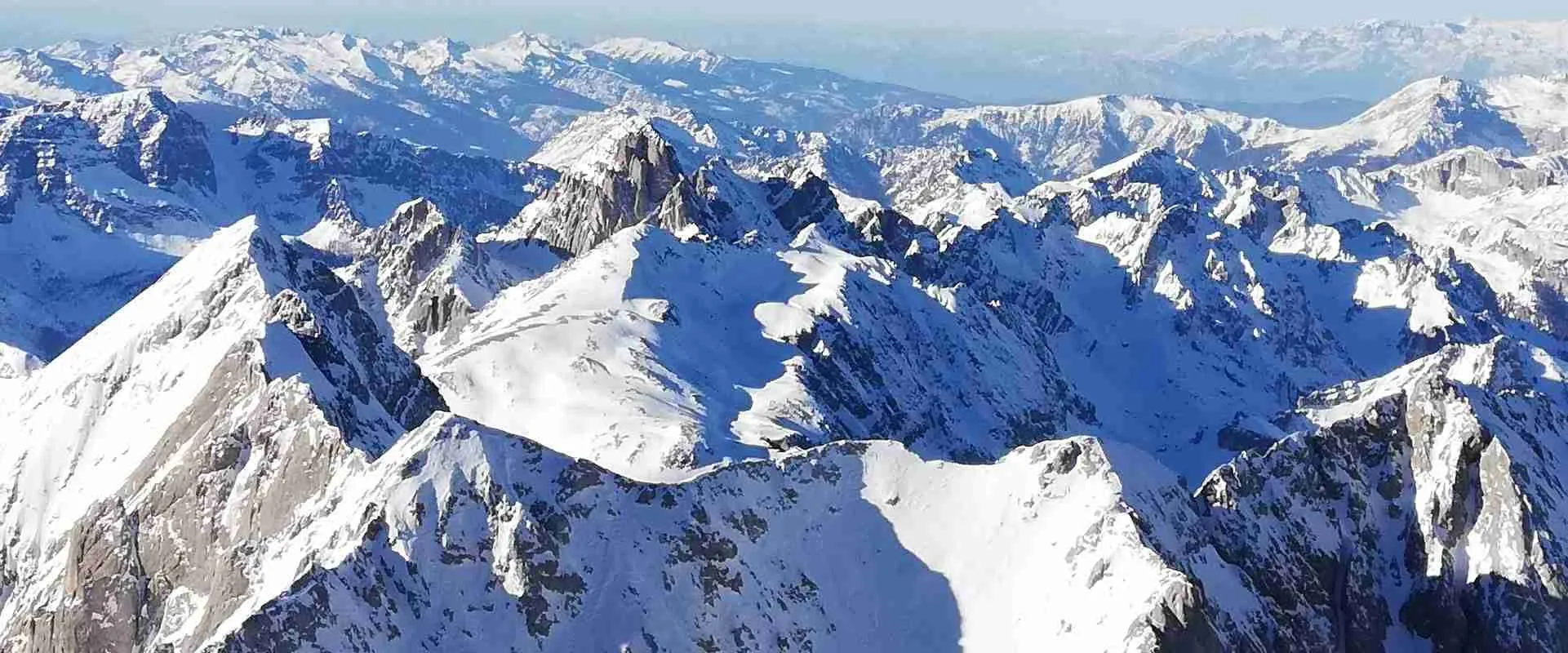
Best Time Visit Dolomites 2026: Complete Seasonal Planning Guide
This comprehensive guide analyzes 2026 seasonal patterns providing detailed information for planning visits aligned with individual priorities. Weather data reflects historical patterns indicating expected conditions, though year-to-year variations occur. Crowd predictions account for school holidays, Italian vacation periods, and tourism trends. Pricing information represents typical seasonal fluctuations with specific rates confirmed through direct booking. The analysis enables informed decisions optimizing Dolomites experiences for any travel style, interest, or budget level.
Key Takeaways
- September delivers the optimal balance with 35-45% lower costs than August, autumn colors transforming larch forests to gold, stable weather, and 60-70% fewer crowds after September 15
- January-February provides peak winter conditions with 150-200 centimeters snow depth, consistent skiing, and 25-35% savings compared to Christmas holidays outside school vacation weeks
- June offers excellent value with blooming alpine meadows, 25-35% accommodation savings versus July-August, and accessible lower-elevation trails before peak summer crowds arrive
- Avoid late October through April for hiking-focused visits as most mountain refuges close, cable cars cease operations, and trails remain snow-covered or muddy
- Christmas week (December 20-January 6) commands premium pricing at 50-70% above regular rates but delivers festive markets, reliable snow, and vibrant atmosphere
- Weather patterns shift predictably: winter brings stable cold with snowfall every 5-7 days, summer features afternoon thunderstorms 10-12 days monthly, shoulder seasons show variable conditions
Introduction: Timing Your Dolomites Adventure
The Dolomites reward visitors year-round, yet timing significantly impacts experiences, costs, and crowd levels. Understanding seasonal patterns enables strategic planning maximizing value while minimizing compromises. Each season delivers distinct advantages: winter transforms peaks into premier ski terrain, summer reveals hiking trails through alpine meadows, autumn paints larch forests golden, and spring brings wildflower blooms. However, these seasons also carry specific challenges including weather variability, facility closures, and crowd concentrations during peak periods.
Selecting optimal timing requires balancing multiple factors. Weather conditions determine activity feasibility and comfort levels. Crowd density affects trail experiences, restaurant availability, and accommodation booking lead times. Pricing fluctuates 50-70% between peak and shoulder seasons, significantly impacting budgets. Facility operations vary seasonally with mountain refuges, cable cars, and many hotels closing during off-peak months. Activity options change throughout the year as snow coverage, trail access, and service availability respond to seasonal cycles.
People Also Ask About Best Time to Visit Dolomites
What is the cheapest month to visit the Dolomites?
November ranks as the cheapest month with accommodation costs 50-60% below summer peaks and minimal tourist infrastructure operating. However, most hotels, restaurants, and mountain facilities close during November making visits impractical for most travelers. Late October (after October 15) and early May offer the next-best value at 40-50% below peak pricing with limited but functional tourist services. For practical visits with operating facilities, January (excluding holiday periods) and late March provide excellent winter value at 25-35% below Christmas rates, while June and September deliver summer savings at 25-45% below July-August pricing.
The most accessible budget periods with full services operate during “value shoulder seasons”: early June (June 1-20), early September (September 1-15), and late September (September 15-30). Accommodation during these windows costs 25-40% less than peak summer with nearly all facilities operational. Weather remains favorable for hiking, cable cars maintain full schedules, and mountain refuges serve complete menus. These periods deliver the best combination of savings, services, and favorable conditions making them optimal for budget-conscious travelers requiring reliable infrastructure.
What is the best month for hiking in the Dolomites?
September stands out as the premier hiking month combining stable weather, minimal crowds, autumn colors, and full facility operations. Temperatures range 15-22°C in valleys and 8-15°C at 2,500-meter elevation—ideal for sustained physical activity. Precipitation decreases compared to summer months with approximately 8-10 rainy days versus 10-12 in July-August. Larch forests turn brilliant gold creating spectacular photography opportunities. Trail traffic drops 60-70% after September 15 when schools resume, yet mountain refuges remain open and cable cars maintain full schedules through month’s end.
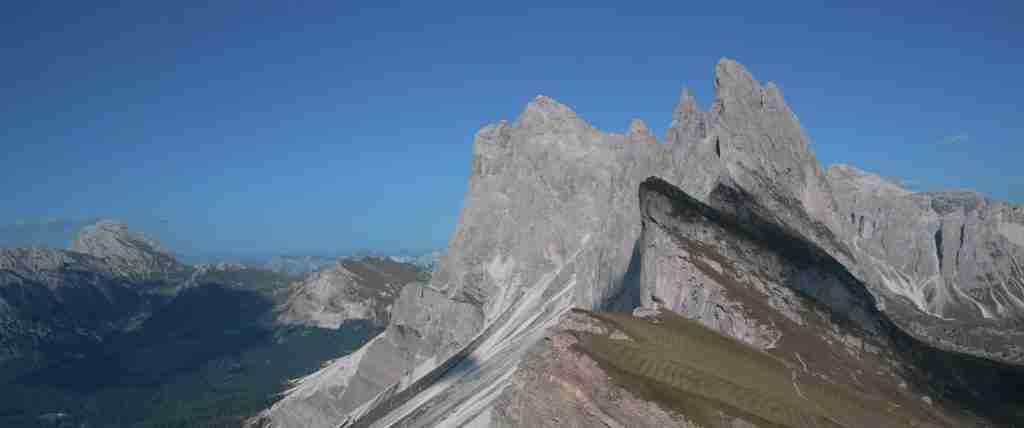
July and August guarantee accessible conditions for all trails including highest-altitude routes above 2,800 meters. These months provide the longest daylight hours (sunrise 5:30 AM, sunset 9:00 PM) enabling extended hiking days. All mountain refuges operate full services with complete menus and accommodation. However, popular trails experience significant crowds with 300-500 hikers daily on weekends at locations like Tre Cime di Lavaredo and Seceda. Early starts (7:00-8:00 AM) help avoid crowds while securing parking at popular trailheads. These months suit first-time visitors prioritizing weather reliability over solitude.
When does it snow in the Dolomites?
The first snowfall at high elevations (above 2,500 meters) arrives in late September or early October, with valley snow appearing by late October or November. Consistent snow coverage establishing ski conditions develops in December, though early-season variability means some areas open mid-December while others wait until Christmas week. Snow accumulation peaks in January-February when mid-mountain depths reach 150-200 centimeters. Snowfall events occur every 5-7 days during winter months, each depositing 10-40 centimeters of fresh snow. Spring sees reduced snowfall with the last significant storms in March, though higher elevations maintain snow coverage into June.
Ski season operations reflect snow patterns. Resorts open progressively from early December (higher-altitude areas like Marmolada) through late December (lower areas). Full operations with all lifts running establish by Christmas in normal snow years. The season extends through late March or early April depending on spring temperatures and snow depth. Optimal skiing conditions with maximum terrain open and best snow quality occur January through mid-March. Glacier skiing on Marmolada maintains operations June through September independent of winter snow, serving summer skiing and boarding for those seeking year-round snow conditions.
Is late October a good time to visit the Dolomites?
Early October (October 1-15) delivers excellent visiting conditions with autumn colors at peak intensity, stable weather, operational facilities, and low crowds. Accommodation costs 40-50% below summer rates. Cable cars maintain operations through mid-October, and many mountain refuges remain open. Temperatures range 10-18°C in valleys and 5-12°C at altitude—cool but comfortable with proper layering. This brief window provides outstanding value for autumn photography and hiking.
Late October (after October 15) presents challenges as tourism infrastructure closes for the season. Most mountain refuges shut down by October 20. Cable cars cease operations mid-to-late October. Many hotels close until December ski season. Restaurants reduce hours or close entirely. Weather becomes increasingly variable with valley temperatures of 5-15°C and frequent precipitation bringing snow to higher elevations. Trails above 2,000 meters may have snow coverage making hiking difficult. Only experienced mountain travelers comfortable with facility closures and weather uncertainty should visit late October. Budget-focused visitors accepting these limitations find dramatic savings and complete solitude on remaining accessible trails.
Extended multi-day tours – 5+ days
Featured The Dolomites Multi-Day Tour Packages
3 days
The Dolomites 3-Day Discovery Tour
- ✓ Comprehensive The Dolomites experience
- ✓ Expert local guides included
- ✓ All accommodation included
- ✓ Transportation provided
5 days
The Dolomites 5-Day Highlights Experience
- ✓ Comprehensive The Dolomites experience
- ✓ Expert local guides included
- ✓ All accommodation included
- ✓ Transportation provided
7 days
The Dolomites 7-Day Cultural Journey
- ✓ Comprehensive The Dolomites experience
- ✓ Expert local guides included
- ✓ All accommodation included
- ✓ Transportation provided
10 days
The Dolomites 10-Day Complete Adventure
- ✓ Comprehensive The Dolomites experience
- ✓ Expert local guides included
- ✓ All accommodation included
- ✓ Transportation provided
Multi-day tour packages powered by TourRadar. Prices and availability subject to change.
Winter Season Analysis: December-March
December: Early Season and Holiday Magic
December splits into distinct periods with different characteristics. Early December (December 1-19) represents the shoulder winter season as ski areas progressively open operations. Snow coverage remains variable with some runs open while others await additional accumulation. Accommodation costs 30-40% below Christmas week with excellent availability. This period suits flexible travelers willing to adjust plans based on current conditions. Ski-focused visitors should monitor snow reports confirming adequate coverage before booking. The quieter atmosphere and moderate pricing provide good value despite limited terrain access.
Christmas week (December 20-January 6) transforms the Dolomites into festive alpine wonderland. Towns decorate with lights, Christmas markets operate in major centers, and hotels offer special holiday programming. Snow coverage improves with most terrain accessible by late December. However, this peak period commands premium pricing 50-70% above regular winter rates. Accommodation requires booking 5-6 months ahead for good selection. Popular ski areas experience maximum crowds with lift lines during late morning and early afternoon. Hotel restaurants fill completely requiring dinner reservations days ahead. Despite higher costs and crowds, the festive atmosphere, reliable conditions, and holiday spirit attract families and those seeking classic alpine Christmas experiences.
New Year’s week continues holiday patterns with celebration events, special menus, and full booking across the region. Many properties require 7-night minimum stays bracketing December 31. Prices match or exceed Christmas week levels. Fireworks displays and celebration dinners mark New Year’s Eve in major towns. The week following Epiphany (January 6) sees rapid crowd dissipation and price drops as Italian holiday periods end, creating immediate value opportunities for flexible travelers extending trips into early January.
January-February: Prime Winter Conditions
January delivers optimal skiing conditions with snow depth reaching peak accumulation of 150-200 centimeters at mid-mountain elevations. Fresh snowfall every 5-7 days maintains excellent surface quality. Temperatures stabilize at -8°C to 2°C in valleys, -15°C to -5°C at 2,500-meter altitude. Clear, sunny days alternate with storm cycles creating varied conditions. This month provides the most consistent high-quality skiing of the entire season. Weekday visits offer virtually empty slopes outside Italian school holidays (typically one week in late January or early February). Accommodation costs drop 25-35% below holiday periods with good availability booking 4-6 weeks ahead.
February continues excellent conditions through mid-month when Italian school holidays create a second peak period. The Carnevale holiday (dates vary, typically late February) brings families to the mountains for 5-7 days. Accommodation requires advance booking during school holidays with prices increasing 20-30% above regular January rates. However, weeks without school holidays maintain the same excellent skiing and moderate pricing as January. Longer days compared to December and January extend skiing until 4:00-4:30 PM. Snow quality remains excellent on north-facing slopes while south-facing terrain develops spring corn snow in afternoon sun.
Late February through early March marks the transition toward spring conditions. Temperatures warm slightly to -5°C to 5°C in valleys though higher elevations maintain winter cold. Snow depth remains substantial at 100-150 centimeters mid-mountain. Daylight extends skiing until 5:00 PM. This period combines good snow coverage with warming weather and longer days creating pleasant spring skiing conditions. Weekday visits continue offering uncrowded slopes and moderate accommodation pricing, making late February excellent value for quality skiing without crowds or premium pricing.
March: Spring Skiing and Closing Season
March delivers spring skiing characterized by consolidated snow, warming temperatures, and variable surface conditions. Daytime temperatures reach -2°C to 8°C in valleys with higher elevations remaining below freezing overnight. Snow coverage holds strong on north-facing slopes above 2,000 meters while south-facing terrain develops spring conditions with frozen crusts in morning softening to corn snow by midday. Experienced skiers time runs for optimal conditions: start on north faces with good snow, transition to south faces as sun softens surfaces around 11:00 AM-noon, return to north faces for afternoon skiing as south faces become heavy.
Easter holiday (dates vary annually, typically late March or early April in 2026) creates the final winter peak period. Families with children fill resorts for 7-10 days around Easter weekend. Accommodation requires 3-4 month advance booking with prices 30-40% above regular March rates. Ski slopes experience moderate crowds though less intense than Christmas or February holidays. Weather typically provides excellent conditions with long sunny days, manageable temperatures, and adequate snow coverage. This represents the last reliable period for skiing-focused visits before season-end closures.
Late March sees progressive ski area closures as snow melts at lower elevations and visitor numbers decline. Areas below 1,800 meters close first, typically by March 20-25. Mid-altitude resorts (1,800-2,200 meters) extend through March 31 or early April. Higher areas including Marmolada and Tofana maintain operations into early April if snow permits. Accommodation pricing drops 25-35% below Easter week after holiday periods end around April 5. Late-season visitors find excellent value with good snow coverage on high north-facing slopes, warm pleasant weather, and uncrowded terrain. However, reduced lift operations and facility closures limit options compared to mid-season.
Summer Season Analysis: June-September
June: Shoulder Summer and Mountain Awakening
Early June (June 1-20) represents the early summer shoulder season as the Dolomites transition from spring to full summer operations. Valley temperatures reach 18-24°C with comfortable hiking conditions. Lower-elevation trails (under 2,000 meters) become fully accessible with dry conditions and green meadows. Alpine meadows bloom with wildflowers creating spectacular displays. However, higher-altitude trails above 2,500 meters may retain snow patches making some routes impassable without proper equipment. Cable cars begin operations around June 10-15 with full schedules establishing by June 20. Mountain refuges progressively open through June with complete operations by month’s end.
Accommodation costs 25-35% below July-August peaks during early June. Many properties remain closed following spring maintenance, limiting selection but ensuring good rates at operating establishments. Popular destinations like Tre Cime di Lavaredo and Seceda see moderate visitor numbers—significantly fewer than peak summer but more than spring shoulder season. This period suits experienced hikers comfortable with variable trail conditions and partial facility operations. The combination of wildflowers, moderate crowds, and good pricing makes early June attractive for value-focused summer visitors.
Late June (June 20-30) marks the transition to full summer with all cable cars operating extended schedules (8:00 AM-5:00 PM), complete mountain refuge operations, and accessible trails at all elevations. Temperatures warm to 20-26°C in valleys and 12-18°C at 2,500 meters. Precipitation increases to 10-12 days monthly as summer thunderstorm patterns establish. These afternoon storms clear by evening, allowing early morning and late afternoon activities. Crowds build toward July levels though parking and trail traffic remain manageable. Accommodation costs 15-25% below peak July-August rates with 4-6 week booking lead times adequate for good selection.
July-August: Peak Summer Season
July and August deliver peak summer conditions with guaranteed trail access, maximum daylight hours, stable weather patterns, and full facility operations. Valley temperatures reach 22-28°C with altitude temperatures of 15-20°C at 2,500 meters—ideal for hiking activity. Sunrise at 5:30 AM and sunset at 9:00 PM enable extended mountain days. All cable cars operate maximum schedules with departures every 15-20 minutes at major stations. Mountain refuges serve complete menus from 11:00 AM through evening dinner service. These months guarantee operational infrastructure eliminating uncertainty about facility availability or trail access.
However, peak summer brings maximum crowds with popular destinations experiencing 300-500 visitors daily on weekends. Tre Cime di Lavaredo parking fills by 8:00-9:00 AM requiring earlier starts or alternative access via shuttle buses. Lago di Sorapis trail sees continuous hiker streams throughout daylight hours. Cortina town center fills with tourists, restaurants require reservations, and shops maintain extended hours. Accommodation costs peak 40-60% above shoulder season rates with booking lead times of 3-4 months essential for preferred properties. Weekly apartment rentals require 4-6 month advance booking during August.
Strategic planning mitigates peak season challenges. Start hikes early (7:00-8:00 AM) avoiding midday heat and afternoon thunderstorms while securing parking. Focus on lesser-known trails rather than iconic destinations—hundreds of kilometers of spectacular paths receive minimal traffic even during August. Visit popular locations on weekdays rather than weekends cutting crowds 40-60%. Consider staying in less-famous valleys like Val di Fassa or Val Pusteria where accommodation costs run 20-30% below Cortina and Ortisei while maintaining equal mountain access. These strategies enable quality summer experiences despite peak-season conditions.
September: Optimal Balance and Autumn Colors
September delivers the year’s best overall value combining excellent weather, dramatic autumn scenery, minimal crowds, and full facility operations at shoulder-season prices. Early September (September 1-15) maintains late-summer conditions with temperatures of 18-24°C in valleys and 12-18°C at altitude. Trail traffic remains moderate as summer tourists depart but before autumn visitors arrive. Mountain refuges maintain full operations and cable cars run complete schedules. Accommodation costs drop 20-30% below August rates while maintaining excellent availability with 3-4 week booking sufficient.
Mid-to-late September (September 15-30) presents the optimal visiting window for experienced mountain travelers. Larch forests transform to brilliant gold creating spectacular photography opportunities. The famous Dolomite peaks glow golden from larch coverage surrounding them. Trail crowds drop 60-70% compared to August as Italian schools resume, yet all facilities continue operating through month’s end. Weather remains generally stable with 8-10 rainy days monthly—fewer than summer. Temperatures cool to 15-22°C in valleys and 8-15°C at altitude requiring warmer layers but maintaining comfortable conditions.
Accommodation pricing decreases 35-45% below August peaks during late September. Properties that commanded €180-220 nightly in August drop to €100-130 for equivalent dates in late September. This dramatic savings combines with superior hiking conditions (cooler temperatures, fewer crowds) and spectacular autumn colors. The only compromise involves slightly shorter days with sunrise around 7:00 AM and sunset around 7:00 PM compared to summer’s extended daylight. For travelers prioritizing value, scenery, and solitude over maximum daylight, September delivers unmatched excellence.
Shoulder and Off-Season Analysis
April-May: Spring Transition Challenges
April presents significant challenges for Dolomites visits as the region transitions between ski season and summer operations. Most ski areas close by April 5-10, ending winter activities. Mountain refuges remain closed until late May or early June. Cable cars shut down for maintenance and inspections. Hotels close for renovations between seasons. The few operating establishments offer limited services at moderate rates but with minimal selection. Weather proves highly variable with temperatures of 8-18°C and frequent precipitation bringing snow to elevations above 2,000 meters.
Valley trails become accessible but remain muddy from snowmelt. Higher-elevation routes above 2,200 meters stay snow-covered requiring mountaineering equipment including ice axes and crampons for safe passage. Avalanche danger persists at higher elevations through April, requiring avalanche awareness and safety equipment for off-trail travel. These conditions suit only experienced mountain travelers comfortable with uncertain weather, facility closures, and challenging trail conditions. The majority of visitors should avoid April entirely, planning visits for established summer (June-September) or winter (December-March) seasons when infrastructure operates reliably.
May continues spring challenges with gradual warming and facility reopenings. Early May (May 1-15) maintains winter-like conditions at altitude with snow coverage above 2,200 meters. Valley temperatures rise to 12-20°C allowing low-elevation hiking, though most mountain trails remain inaccessible. Cable cars typically resume operations around May 20-25 in preparation for June opening. Mountain refuges begin opening late May with limited operations. Late May (May 20-31) marks the pre-summer shoulder with valley trails accessible, warming weather, and progressive facility openings. However, unpredictable conditions and limited services make May challenging for most visitors. Flexible travelers accepting compromises find solitude and early-season wildflowers, though most should plan June arrivals when reliable operations establish.
October-November: Autumn Transition and Closures
Early October (October 1-15) extends September’s excellent conditions with continued autumn colors, operational facilities, and moderate weather. Larch forests maintain golden color through mid-October creating stunning scenery. Temperatures cool to 10-18°C in valleys and 5-12°C at altitude—chilly but manageable with proper layers. Mountain refuges remain open through October 10-20 depending on specific locations. Cable cars operate through mid-October, closing around October 15-30 as visitor numbers decline. Accommodation costs 40-50% below summer peaks with excellent availability. This brief window delivers outstanding value for autumn hiking and photography.
Mid-to-late October (October 15-31) witnesses rapid closure of tourist infrastructure. Most mountain refuges shut by October 20. Cable cars cease operations mid-to-late month. Many hotels close until December ski season, with remaining properties reducing services and hours. Restaurants limit operations or close. Weather grows increasingly variable with temperatures of 5-15°C and frequent precipitation bringing snow to higher elevations. Trails above 2,000 meters develop snow coverage making hiking difficult without winter equipment. This period suits only experienced mountain travelers seeking solitude and accepting facility closures, weather uncertainty, and limited services.
November represents the Dolomites’ quietest month with minimal tourist infrastructure operating. Most hotels, restaurants, cable cars, and mountain facilities close. Towns feel deserted with limited services focused on resident populations. Weather turns cold and wet with valley temperatures of 0-10°C and frequent precipitation as snow or rain. Trails become muddy, icy, or snow-covered at higher elevations. The few operating accommodations offer rock-bottom rates 50-60% below peak season, attracting extreme budget travelers and locals rather than typical tourists. Conventional tourism essentially ceases during November with visitors advised to plan arrival after December 1 when ski season preparations begin and winter infrastructure starts operating.
Weather Patterns and Climate Considerations
Temperature and Precipitation Patterns
Dolomite temperatures vary dramatically by elevation and season. Valley towns at 1,200-1,500 meters experience summer temperatures of 20-28°C during June-August, dropping to 15-22°C in September, and cooling to 10-18°C in October. Winter temperatures range -8°C to 2°C during January-February with December and March showing slightly warmer readings of -5°C to 5°C. Spring temperatures increase progressively from 8-18°C in April to 15-24°C in May. These valley temperatures provide baseline readings, with 6-8°C decreases per 1,000-meter elevation gain at higher altitudes.
Precipitation patterns follow seasonal cycles. Summer months (June-August) receive 90-110 millimeters monthly spread across 10-12 rainy days. Summer precipitation falls primarily as afternoon thunderstorms developing between 2:00-5:00 PM and clearing by evening. Winter precipitation averages 50-70 millimeters monthly occurring as snowfall on 12-15 days per month. Winter storms bring persistent snowfall over 24-48 hours rather than brief afternoon events. Shoulder seasons show variable precipitation with April and October receiving 80-100 millimeters monthly while November tops 110 millimeters as autumn storm systems intensify.
Snow coverage develops progressively with altitude. Valleys at 1,200 meters accumulate snow December-March with maximum depths of 30-60 centimeters. Mid-mountain elevations (1,800-2,200 meters) maintain coverage November-April reaching peak depths of 100-150 centimeters. High altitudes (above 2,500 meters) hold snow October-June with depths exceeding 200 centimeters on north-facing slopes. Summer trails generally become accessible at lower elevations by early June and higher elevations by late June, though north-facing routes above 2,700 meters may retain snow patches through July.
Microclimates and Valley Variations
Different Dolomite valleys experience microclimate variations affecting local weather patterns. Southern valleys including Cortina and the Belluno Dolomites receive more precipitation than northern valleys like Val Gardena and Val Pusteria due to proximity to Mediterranean moisture sources. Eastern valleys show more continental climate influence with colder winters and warmer summers compared to western valleys. These variations create 10-15% differences in precipitation and 1-3°C temperature differences between valleys at similar elevations.
Valley orientation influences sun exposure and snow retention. South-facing valleys receive maximum solar radiation creating warmer conditions and earlier spring snowmelt. North-facing valleys maintain cooler temperatures and longer snow coverage. East-west oriented valleys like Val Gardena receive morning and afternoon sun on opposite sides creating varied conditions across single valleys. These patterns affect ski conditions, trail access timing, and photography light. Understanding these microclimate patterns helps optimize route selection and timing for specific activities.
Elevation-based weather changes occur rapidly in mountain environments. Conditions in valley towns may differ dramatically from mountain summits just 1,500 vertical meters above. Sunny, warm valley weather can coincide with cloudy, cold, or even snowy conditions at altitude. Wind speeds increase with elevation creating significant wind chill above treeline (around 2,200-2,400 meters). Fog and clouds often form at mid-mountain elevations (1,800-2,200 meters) obscuring views while valleys below and summits above remain clear. These elevation effects require layered clothing systems and weather awareness when ascending from valley floors to high-altitude terrain.
Crowd Patterns and Holiday Periods
Italian Holiday Calendar Impact
Italian school holidays create predictable crowding patterns as domestic tourism dominates the Dolomites. The Christmas holiday (December 20-January 6) brings maximum winter crowds with families filling resorts for 2-3 weeks. Accommodation and ski lift lines peak during this period. The Carnevale holiday (dates vary, typically 5-7 days in late February) creates a second winter peak with similar crowding and pricing premiums. Easter holidays (dates vary annually, typically late March or early April) mark the final winter peak with moderate crowds focused on remaining open ski areas.
Summer holiday patterns concentrate around Italian school breaks. Most Italian schools close from mid-June through early September creating sustained summer demand. However, peak crowding occurs during August when Italian workers take annual vacations. The entire month experiences maximum tourism pressure with the week around August 15 (Ferragosto holiday) representing the absolute peak. Reservations months ahead become essential. The first week of September sees rapid crowd decline as schools resume, creating immediate relief and significant savings despite continued excellent weather.
Three-day weekends throughout the year create localized peaks. Italian holidays including Liberation Day (April 25), Labor Day (May 1), Republic Day (June 2), and All Saints’ Day (November 1) enable long weekends driving short-term increases in visitors. These mini-peaks prove manageable compared to extended holiday periods though still warrant advance booking for accommodations. Midweek visits consistently deliver smaller crowds and better value across all seasons regardless of proximity to holiday weekends.
International Tourism Patterns
International visitors supplement Italian tourists with different seasonal preferences. German and Austrian tourists favor summer hiking and winter skiing creating sustained demand June-September and December-March. British and American visitors concentrate during July-August when vacation scheduling aligns with Dolomites summer. Asian tourism focuses on autumn (September-October) targeting fall foliage and pleasant weather. These international patterns distribute demand more evenly than purely domestic tourism though Italian holiday periods still dominate overall crowding.
COVID-19 pandemic effects reshaped tourism patterns beginning 2020 with some changes persisting into 2026. Domestic tourism increased as Italians chose familiar mountain destinations over international travel. Camping and camper van tourism grew substantially. Outdoor activities including hiking gained popularity compared to indoor attractions. While international tourism recovered substantially by 2024-2025, the domestic bias remains stronger than pre-pandemic levels creating more consistent Italian market dominance across seasons.
Tourism infrastructure capacity limits crowd impact in some valleys. Popular areas including Cortina, Ortisei, and Selva di Val Gardena developed extensive accommodation and services enabling substantial visitor absorption. Lesser-known valleys like Alta Val di Non or Agordino maintain limited infrastructure naturally capping visitor numbers. Strategic valley selection helps avoid crowds: base in less-famous valleys while day-tripping to popular destinations combines value accommodation with access to iconic locations while escaping overnight crowding pressures.
Seasonal Pricing Patterns and Budget Planning
Accommodation Pricing Cycles
Accommodation costs fluctuate 50-70% between peak and off-season reflecting demand variations and operational costs. Mid-range three-star hotels demonstrate typical patterns: August peak pricing of €140-200 nightly drops to €100-130 in September, €80-120 in June, and €60-90 during May or late October when facilities remain open. Winter follows similar patterns with Christmas-New Year commanding €160-220, regular January-February at €110-150, and late March at €90-130. These fluctuations create substantial budget implications: a week-long August stay costs €980-1,400 while the same property in September runs €700-910—savings of €280-490 (30-40%).
Luxury properties maintain smaller percentage fluctuations but larger absolute differences. Five-star hotels charging €400-550 nightly during peak August drop to €280-380 in September—€120-170 daily savings (30-35% reduction). Budget accommodations including two-star hotels and apartments show steeper percentage discounts with peak-season rates of €80-120 falling to €45-70 in shoulder periods—over 40% savings. The absolute savings favor luxury travelers while percentage savings benefit budget travelers, though all categories gain from shoulder-season timing.
Weekly rentals increase savings beyond daily rate reductions. Properties offering 7-night minimum stays provide 15-25% discounts compared to nightly rates. Combined with shoulder-season pricing, weekly stays during June or September can cost 45-55% less than equivalent peak July-August bookings. Apartments enabling self-catering add meal savings of €30-50 daily per person compared to restaurant dining. These compounding savings make extended shoulder-season stays dramatically more affordable than short peak-season visits.
Activity and Service Pricing
Ski pass pricing remains relatively stable across winter season with minor variations. The Dolomiti Superski 6-day pass costs €368 whether purchased in December, January, or March. Daily lift tickets show small variations with December at €63, January-February at €68, and March at €63 reflecting demand patterns. Early-season and late-season discounts sometimes appear offering 10-15% savings for booking before November 30 or skiing after March 15. However, these savings prove minimal compared to accommodation fluctuations making ski pass timing less critical for budget optimization.
Summer cable car tickets maintain consistent pricing throughout June-September at €25-35 for single ascents and €45-55 for area day passes. Multi-day passes offer better value at €85-95 for two consecutive days providing 15-20% savings over separate daily tickets. Season passes work well for extended stays costing €200-250 for unlimited access June-September, breaking even after 5-6 days of use. These passes enable flexible exploring without per-ride cost concerns, encouraging spontaneous cable car use for weather-dependent activities.
Guided tour and activity pricing fluctuates modestly across seasons. Via ferrata tours cost €90-110 per person year-round, though demand creates availability challenges in August requiring 4-6 week advance booking versus 2-3 weeks sufficient in June or September. Private guide services maintain consistent daily rates of €300-380 for groups of 2-6 people across peak and shoulder seasons. Restaurant pricing remains stable with €35-55 dinner costs consistent regardless of visit timing. These service consistency contrasts with accommodation volatility, meaning activity-intensive itineraries show smaller overall cost variations than accommodation-focused trips.
FAQ Section: Timing Questions
Can you visit the Dolomites in winter without skiing?
Winter visits without skiing remain viable through snowshoeing, winter hiking on cleared paths, ice skating, spa visits, and cultural activities. Many valley trails receive grooming or natural use creating packed snow paths suitable for winter hiking with traction devices. Snowshoe rentals cost €12-18 daily enabling off-trail exploration. The Olympic Ice Stadium in Cortina offers public skating sessions. Luxury hotels welcome day guests for spa access at €30-50 fees. However, cable cars largely close during winter, limiting high-altitude access. Mountain refuges operate reduced hours serving predominantly skiers. The winter Dolomites centers on snow sports, making skiing or snowshoeing essential for full mountain access. Non-skiing winter visitors should set realistic expectations regarding activity options.
How long does autumn color last in the Dolomites?
Larch trees change color across a 4-6 week period from mid-September through late October with peak intensity occurring around late September to early October. The timing varies by elevation with lower areas (1,500-1,800 meters) peaking around October 5-15, mid-elevations (1,800-2,200 meters) showing best color September 25-October 5, and higher elevations (above 2,200 meters) reaching peak September 20-30. This elevation-based progression allows following the color wave by adjusting hiking routes. However, a single location maintains peak color just 7-10 days, making timing crucial for photography-focused visits. Late September (September 20-30) provides the best probability of capturing peak colors at popular mid-elevation locations while maintaining operational facilities and good weather.
What happens if weather is bad during my visit?
Bad weather periods last 24-48 hours in typical patterns before clearing. Summer thunderstorms occur primarily 2:00-5:00 PM, leaving mornings and evenings clear for activities. Multi-day rain events prove rare in summer (occurring 1-2 times per season) though winter storms persist 24-48 hours delivering continuous snowfall. Alternative activities during poor weather include visiting museums in towns (Cortina’s Modern Art Museum, Predazzo’s Geology Museum), shopping along Corso Italia, spa visits at hotels, or driving scenic routes to different valleys sometimes escaping localized weather systems. Most visitors experience 1-2 bad weather days during week-long trips, making flexible itineraries important. Travel insurance covering trip cancellation or interruption provides financial protection if extended poor weather forces major plan changes.
Do I need to book everything in advance?
Peak season (late July-August and Christmas-New Year) requires advance booking 3-4 months ahead for accommodation and 2-4 weeks for guided activities. Mountain refuge stays along popular routes need 4-6 month advance reservations. Shoulder season (June and September) allows 4-6 week booking timelines for accommodations and 2-3 weeks for activities. Off-season visits permit last-minute bookings with good availability. Rental cars benefit from 6-8 week advance reservations during summer peak. Restaurant reservations prove unnecessary except for fine dining establishments and popular refuges during dinner hours. Cable car and lift tickets rarely require advance purchase except specialty experiences like Marmolada glacier access on peak summer weekends. Strategic advance planning ensures preferred properties and activities while avoiding over-scheduling that eliminates spontaneity.
Which season offers the best photography opportunities?
Autumn (mid-September through early October) delivers exceptional photography through golden larch forests, dramatic light, and optimal enrosadira (alpenglow) conditions. The low autumn sun angle enhances the pink-orange glow on peaks at sunrise and sunset. Golden larches provide foreground color complementing pale dolomite towers. Clear, stable weather occurs more frequently than summer creating better shooting conditions. Winter brings snow-covered peaks, blue-sky contrasts, and dramatic lighting though cold conditions challenge equipment. Summer provides maximum access to high-altitude locations and long working days though hazy conditions and afternoon clouds reduce optimal shooting windows. Spring colors from wildflowers bloom in June though unpredictable weather and partial snow coverage complicate planning. For serious photography combining access, conditions, and scenery, late September represents the optimal window.
Is it worth visiting in May or November?
May and November present significant challenges with facility closures, weather uncertainty, and limited trail access making conventional visits impractical for most travelers. Late May (May 20-31) offers marginal viability as cable cars begin operations and some low-elevation trails become accessible, though most mountain facilities remain closed. Budget-focused travelers accepting compromises find dramatic savings and complete solitude. However, the majority of visitors achieve better experiences waiting until June when reliable operations establish. November provides no tourism value for conventional visitors with extensive closures and poor weather. Only extreme budget travelers or those specifically seeking complete isolation should consider November visits, accepting very limited services and challenging conditions.
How does climate change affect seasonal timing?
Climate warming shifts seasonal windows progressively earlier. Ski seasons begin 1-2 weeks later than historical patterns with early December opening dates moving toward mid-December. Spring snowmelt accelerates enabling earlier trail access with June 1 conditions now resembling historical June 15 patterns. Autumn colors peak 7-10 days earlier than 20 years ago with late September showing colors historically appearing early October. Summer heat intensification makes July-August increasingly uncomfortable with valley temperatures exceeding 30°C on hot days. These trends favor shoulder seasons (June and September) offering historical mid-summer conditions without peak crowds. Winter sports enthusiasts should target January-February for most reliable conditions as early December and late March become less reliable for quality skiing.
Can you do both skiing and hiking in one visit?
Combining skiing and hiking requires visiting during transition periods when both remain accessible. Late March through early April offers late-season skiing at higher elevations while valley trails begin opening. However, this narrow window faces weather uncertainty and facility closures limiting appeal. Early June sees reverse conditions with low-altitude hiking accessible while glacier skiing operates at Marmolada. Most visitors achieve better experiences focusing on single seasons rather than attempting combinations. Multi-trip visitors can experience different seasons across separate visits: winter ski trip December-February, summer hiking trip June-September. This approach delivers optimal conditions for each activity rather than compromised experiences during awkward transition periods.
What’s the best time for families with children?
Families with children find optimal conditions during summer shoulder seasons (late June and September) combining good weather, manageable crowds, and moderate pricing. Late June offers warm temperatures (20-26°C) ideal for children, accessible trails, and operating facilities at 20-30% savings versus August. September continues excellent conditions with cooler temperatures (18-24°C) comfortable for young hikers. School schedules often constrain families to July-August when all children are available. During these peak months, focus on lesser-known valleys, weekday visits, and early-start hiking avoiding crowds and heat. Winter families should target January-February outside school holidays for quality skiing with manageable crowds. Children’s ski schools operate throughout winter though provide better attention during quieter periods. March school holidays bring maximum family crowds creating fun social atmosphere though requiring advance booking and accepting crowded slopes.
How far ahead can I reliably plan with weather forecasts?
Reliable weather forecasts extend 7-10 days ahead with reasonable accuracy for general patterns (temperature ranges, precipitation probability). Detailed hourly forecasts become reliable within 72 hours. Alpine weather systems move rapidly making 2-week forecasts unreliable beyond general trend identification. Plan flexible itineraries enabling day-of-route selection based on current forecasts. Book accommodations securing locations, then adjust daily activities responding to weather. Multi-day trekking requires more rigid planning though refuges accommodate weather-related route modifications. Lightning safety concerns during summer thunderstorms necessitate early starts completing high-ridge traverses before afternoon storm development. Winter weather changes prove slower than summer enabling better planning for multi-day ski trips. Monitor forecasts at meteotrentino.it or meteo.provincia.bz.it for official regional predictions updated multiple times daily.